UK City Hidden Gems: Things To Do In Manchester

Nov 21, 2023

Last Updated on: Sep 18, 2024

Travel Guides

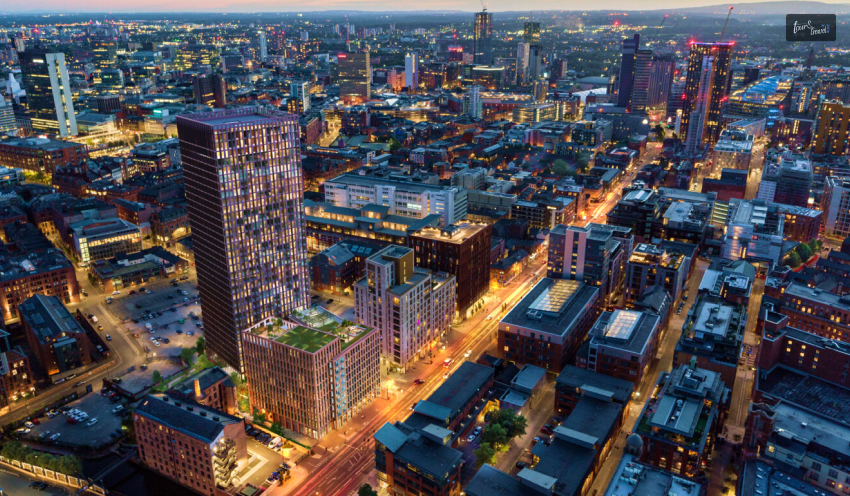
Manchester is a diverse city with a lot to offer. From vibrant street art to Victorian-era structures, there’s something for everyone. You can indulge in the local cuisine, explore lively neighborhoods, visit iconic landmarks and museums, and then party the night away in one of the best clubbing destinations in the UK. Known as England’s second city, Manchester has a rich cultural heritage, boasting extensive libraries and a storied sporting history. The city’s skyline is a blend of old and new, reflecting the dynamic atmosphere. With so much to see and do, there’s no chance of getting bored in Manchester.

Here are some of the best things to do in Manchester.

Things To Do In Manchester

Manchester

If visiting Manchester is on your cards and you are not sure where to go or what to see, then we have got your back. We have enlisted some of the best places to visit and exciting things to do in Manchester. Check them out.

Chetham’s Library

Chetham’s Library

Mancunian residents have enjoyed the honor of perusing the new books at Cheltham’s Library for more than 350 years. But this is one of Manchester’s most spectacular gems and not just an opportunity to check out new books. The sandstone structure was originally occupied by Manchester’s Collegiate Church priests in 1421.

The striking ceiling beams, the mahogany bookshelves, the antique arches. Every inch is replete with fascinating historical details. It’s a remarkable historical artifact for which the library received official museum accreditation. While there, you can even have a guided tour. Bookworms, history buffs, and curious travelers should all make time to explore Chetham’s Library.

Ancoats Peeps Art Exhibition

Ancoats Peeps Art Exhibition

The bustling neighborhood of Ancoats is situated northwest of Manchester’s downtown. The Ancoats Peeps, a fascinating network of peepholes embedded in the walls of numerous buildings, are located in this once-textile sector. Many pieces of machinery, secret chambers, and other items that offer a window into Manchester’s industrial past can be found there. But it’s unclear exactly where these people are located or even how many of them there are. It is up to you to investigate them while you try to piece together the history of this intriguing attraction.

Manchester’s Northern Quarter

Manchester's Northern Quarter

If you enjoy unique stores, unusual restaurants, live music venues, and street art, then Manchester’s Northern Quarter is the place to go. In order to highlight some of the most amazing independent business owners in the city, this bustling neighborhood was created in the 1990s. Why not visit Afflecks to enjoy a multi-level retail experience?

Numerous vendors may be found here, showcasing unique jewelry, vintage items, and even tattoo parlors. Alternatively, have a beer at Port Street Beer House and then head to Matt and Phred’s for a soothing jazz music evening. Manchester’s Northern Quarter has plenty to offer everyone, no matter what their interests are.

Vimto Monument

Vimto Monument

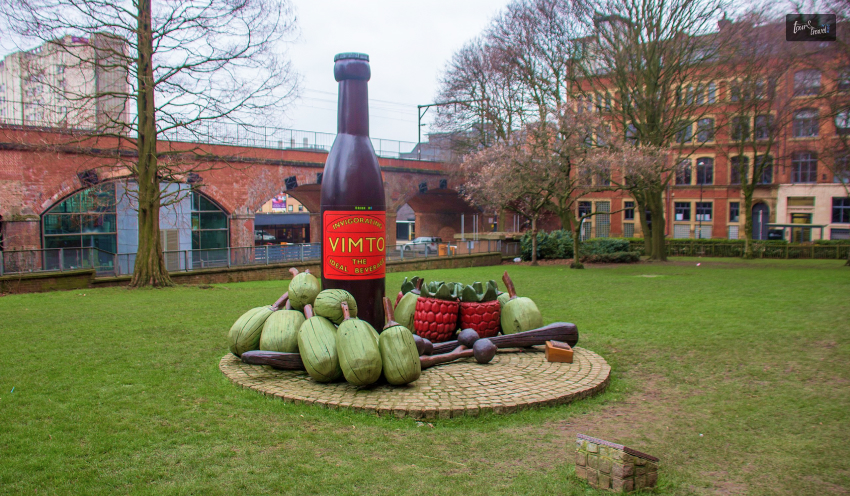
The unique flavor of Vimto was created by a passionate Manchester herbalist, John Noel Nichols. British citizens have enjoyed it for more than a century. A wooden sculpture called “A Monument to Vimto” is located at Vimto Park and was created as a tribute to this beloved beverage. The enormous fruits at the base represent the ingredients of the beverage, making it the ideal place to have a seat and take a picture! When visiting Manchester, the Vimto monument is a unique and fascinating must-see sight.

Chinatown

Chinatown

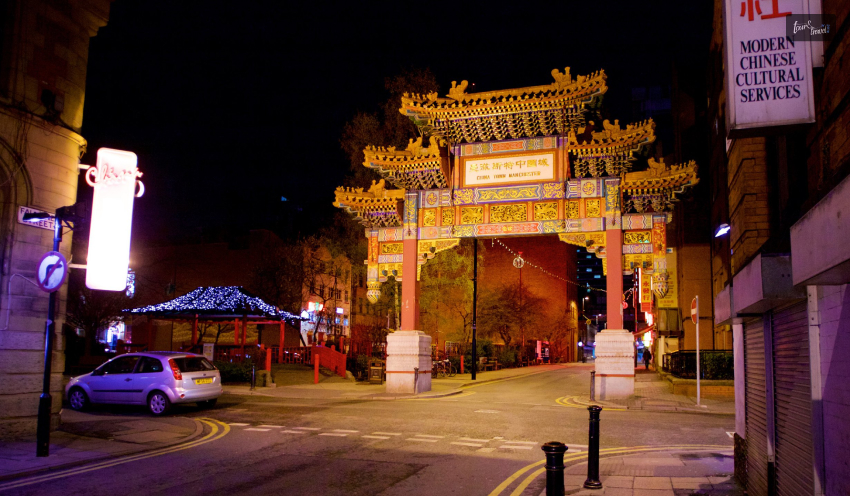
Visit the thriving Chinatown in Manchester for a culinary adventure. Take in all that East Asia has to offer as you stroll through the vibrant streets decked out with traditional Chinese decor. Savor a diverse range of genuine Chinese, Vietnamese, and Thai dishes at the many eateries and food carts. Taste senses will be tingling from scrumptious sweets to fragrant stir-fries and mouthwatering dim sum. China Town has an amazing eating experience.

Albert Hall

Albert Hall

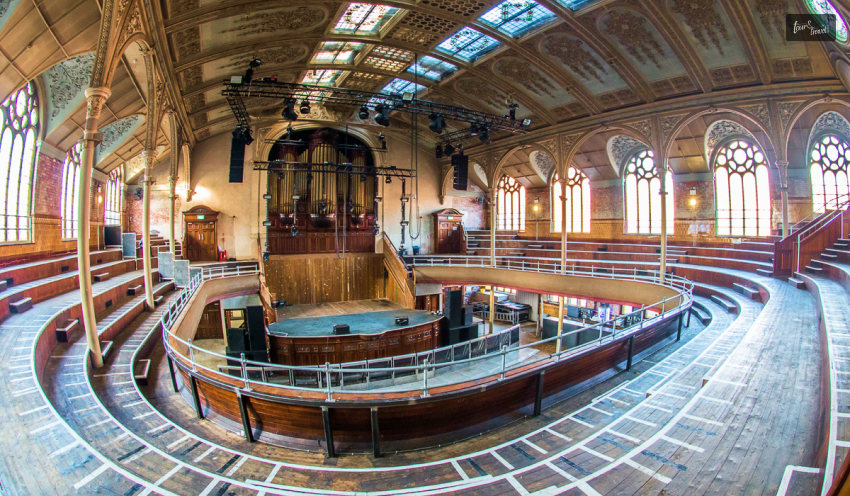
Albert Hall has become a location that skillfully blends entertainment and history. Located in a tastefully renovated Wesleyan chapel, it provides an unforgettable venue for concerts, live music events, and gatherings. The evocative interior enhances the experience, featuring elaborate architectural details and breathtaking stained-glass windows. Take in a performance by a nationally or internationally recognized artist, and allow the sensory overload of Albert Hall to enthrall you.

Washhouse Cocktail Bar

Washhouse Cocktail Bar

Are you up for a night out? Maybe you’re tired from browsing all the stores that line the colorful streets of the city and need a peaceful nap. A visit to Shudehill’s reservation-only Washhouse Cocktail Bar is ideal for unwinding with a delectable beverage. But since this cocktail bar is unlike any other, you’d better prepare your camera.

As soon as you go inside what looks to be a laundromat, expect mystery and thrill. Before you can make it past the secret door and enter the speakeasy, there are a few steps you must take (the first clue is to visit their website). Upon entering, you can choose from a wide selection of cocktails, including both classic and unusual options.

Art Galleries

Art Galleries

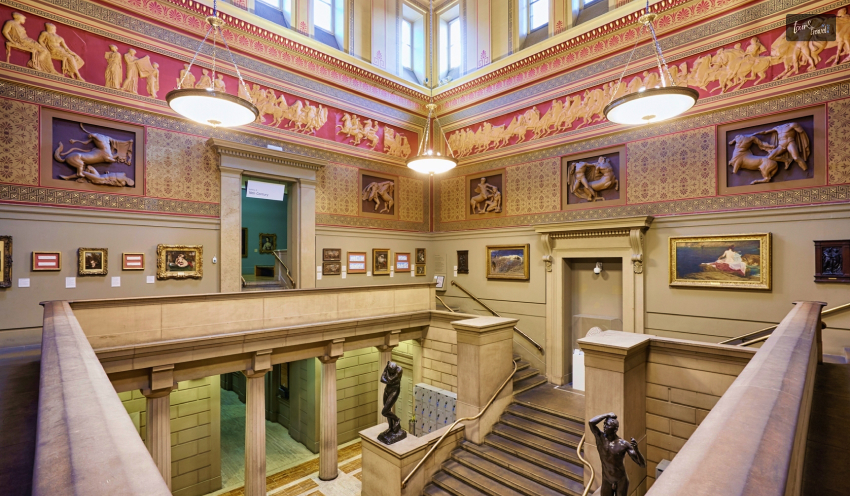
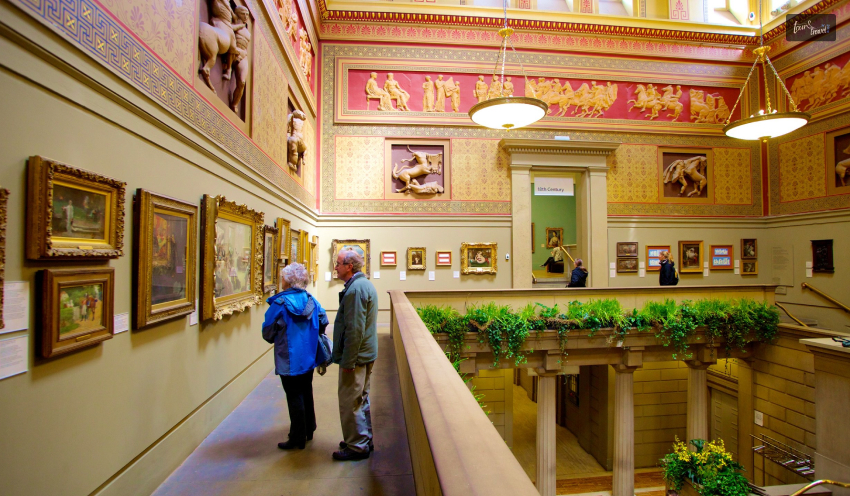
Manchester boasts an abundance of art galleries which will thrill art enthusiasts. There is a thriving art scene just waiting for you to discover. The art galleries are truly one of the best things to do in Manchester. It ranges from the well-known Manchester Art Gallery to smaller galleries displaying modern and rising artists. Here you can enjoy a fine selection of paintings, sculptures, and decorative pieces spanning many centuries. Take a deep dive into the creative process, and let thought-provoking exhibitions inspire you. Explore the wide range of artistic expressions produced by global artists.

Manchester Cathedral

Manchester Cathedral

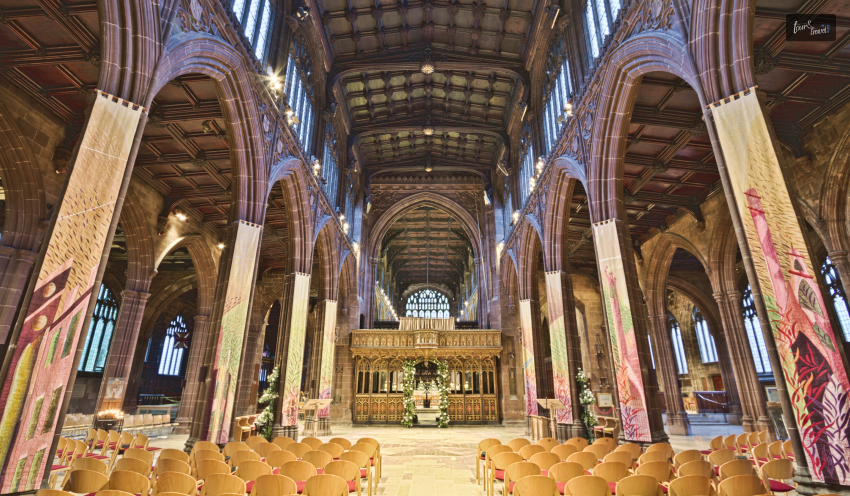
For those who love history and architecture, Manchester Cathedral is a must-see location because of its magnificent Gothic architecture. Enter this hallowed place and marvel at its magnificence. Admire the elaborate stone carvings, the cathedral’s stained-glass windows, and its calm atmosphere. Spend some time in silence reflecting, or go on a guided tour to learn more about the intriguing tales and history that surround this holy site.

Old Trafford

Old Trafford

The Old Trafford Football Ground serves as a stadium that is home to Manchester United and is situated in the Old Trafford neighborhood. It provides exhilarating experiences for both game-viewing and tour visitors. It is one of the biggest stadiums in the UK and all of Europe, and it has played host to a number of major games and Olympic competitions. In addition to football, rugby is a popular sport here, so there’s a good mix of games to choose from.

You will love visiting the Old Trafford football stadium, whether your goal is to watch a match or just to take a tour of Manchester United’s home. The athletic events are all family-friendly, so both adults and children may have a good time. Depending on the event or tour they’re taking, most visitors spend between two and four hours here, though this can vary greatly because games and tours might last varied amounts of time.

Wrapping Up

You will not only make priceless memories by doing activities in Manchester, but you will also develop a greater understanding of the city’s history, culture, and liveliness. Manchester’s appeal is guaranteed to fascinate you whether you’re an art enthusiast, sports lover, history buff, or just looking for new experiences.

Keep in mind that Manchester offers much more than what is on this list. Now that you have your map and walking shoes on, it’s time to explore this amazing city’s hidden treasures and one-of-a-kind beauties. Make the most of your time in Manchester, a vibrant city with a diverse population, by exploring everything that it has to offer.

If you have thoughts to share or questions to ask about things to do in Manchester, then please leave a comment. We would love to hear from you!

Read Also:

Share on Social Media

Abdul Aziz Mondol is a professional blogger who is having a colossal interest in writing blogs and other jones of calligraphies. In terms of his professional commitments, he loves to share content related to business, finance, technology, and the gaming niche.

Leave a Reply

Your email address will not be published. Required fields are marked *

title-img Related

READ MORE Great Barrier Island beach guide

The Great Barrier Island Beach Guide: What Are The Best Beaches On The Great Barrier Island, New Zealand? 

BY  Sibashree Nov 17, 2025

The beaches add to the laid-back vibe and off-the-grid living of the Great Barrier Island, New Zealand. Surfing breaks, boating, canoeing, or just relaxing by the sea, the beaches are ideal for families, surfers, couples, nature seekers, and solo travelers.  Furthermore, it is the largest island of the Hauraki Gulf in the Auckland region, and it has protected the Auckland Harbour from the rampage of the Pacific Ocean and storms. It is now a Dark Sky Sanctuary and a boating paradise.  Also, while exploring the beaches of the Great Barrier Island, I saw a remarkable difference between the eastern and western beaches. The beaches on the eastern side have long white surf beaches and high cliffs. On the other hand, the beaches on the western side are way calmer and have deep, sheltered harbors.  Tryphena, on the southwestern side of the Great Barrier Island, is the largest settlement. The calmer and picturesque beaches of Tryphena are ideal for families. These are also ideal for spotting dolphins.  Whangaparapara Harbour, on the southeastern side, is another important beach location on the Great Barrier Island. I was fortunate enough to meet Tony & Carol Litherland, who have been living on a catamaran here since October 1979.  So, the top beaches to visit on Great Barrier Island, New Zealand, are beyond water and sand. They are the telltales of human history and home to distinct ecosystems.  In this article, I will share the Great Barrier Island beach guide, which will include the top beaches to visit on Great Barrier Island, including hidden gems, pet-friendly spots, and insider tips. What Are The Top Beaches To Visit On The Great Barrier Island?  The beaches of the Great Barrier Island get transformed into a planetarium after sundown. Being a dark sky sanctuary, it allows us to see the luminous arch of the Milky Way and the constellations.  While Medlands, Awana, and Kaitoke draw the crowds, the secluded beaches are the best for soaking in the real vibe of this nature-first island.  Nevertheless, let’s slip into a kayak and explore secluded coves, surfing beaches, and spot the most fascinating wildlife. 1. Medlands Beach Medlands Beach is also called Oruawharo Beach, named after the early settler family. It is ideal for surfers, and the Medlands Beach campground is one of the best camping spots on the Great Barrier Island. This campground is maintained by the Department of Conservation (DoC).  It is also home to Oyster catchers and Dotterels. The Medlands ecovision community group works hard to preserve the nesting community of birds here.  Furthermore, I saw many pet parents taking their dogs for a walk along Medlands Beach. The dogs are allowed off-leash at 100 meters south of the Lane Walkway. However, they have to stop at 100 meters north of the creek.  However, for me, the biggest attraction of the Medlands Beach has been the Good Heavens Dark Sky. In my Great Barrier Island travel tips, I have mentioned how the sunset moments were magical, adding to our anticipation for the stargazing moments.  2. Awana Beach The Awana Beach, on the eastern coast of the Great Barrier Island, is a popular surfing destination. The DoC campground on the northern end is a favorite spot for watching wetland birds.  Awana Beach is also a prominent location for wildlife tours in the Great Barrier Island for spotting marine life.  3. Kaitoke Beach On our way from Auckland to the Great Barrier Island, we met the long sandy stretch of Kaitoke Beach. Our flight overlooked the Kaitoke beach on its way to the runway.  It is a popular spot for watching hammerhead sharks and sting rays. 4. Whangapoua Beach Whangapoua Beach is a popular surfing spot, and it stands out thanks to the wonderful views of Rakitu Island and Hirakimata. Furthermore, the Whangapoua DOC campground, on the southern end of the beach, is a favorite of fishing and surfing enthusiasts.  In addition, the Northern end of the beach has the SS Wairaapa grave walkway. The grave has a white picket fence. Another major attraction of the beach is the Whangapoua to Harataonga coastal walkway.  5. Harataonga Beach Harataonga Beach has one of the most family-friendly hiking trails on the Great Barrier Island. It is a favorite spot for rock fishing and snorkeling.  You can reach the beach after a walk through the DoC campground. However, camping here is a little difficult, considering the gravel road leading to the campsite is quite bumpy for RVs and campervans.  6. Blind Bay Blind Bay, located on the western coast of the Great Barrier Island, is a lot calmer, and it is ideal for family vacations. Located in Okupu, this bay looks beautiful with the presence of magnificent pohutukawa trees.  What I loved the most about Blind Bay was how the dolphins came to the shore of the Okupu. You just need to get into a kayak and take a ride to spot the dolphins.  Furthermore, September to March is the ideal time for spotting Dotterel nests along the shoreline. Dogs are allowed on the Blind Bay. However, you have to keep them on the leash and ensure they only stick to the marked routes.  7. Gooseberry Flat & Pa Beach The Gooseberry Flat Beach is in the heart of the Great Barrier Island. It is around the corner from the Stonewall Village and the Pa Beach, below the Stonewall Village, is an ideal destination for a quaint boat ride.  However, the headland between these two beaches, featuring the most unique purple stone, is the highlight of this Gooseberry Flat & Pa Beach exploration.  Another fascinating thing on the beach is how sandbars have formed warm pools of water. Kids love to splash around these pools when the tide goes away.  From here, you can go to the southern end and take the walkway over to Mulberry Grove. 8. Mulberry Grove Beach The Mulberry Grove Beach on the Tryphena harbour is easily accessible. It is ideal for snorkeling, swimming, and boat launching.  Furthermore, the Mulberry Grove store behind the beach, a playground for young children, and the half pipe for skaters are some of the popular attractions of Mulberry Grove Beach.  You can also spot nesting native birds here. Moreover, indulging in an ice cream or fish and chips and watching the Sun go down with your family will be the most delightful moments on the Mulberry Grove Beach.  Camping And Eco Stays Near These Popular Camping Sites In Great Barrier Island, New Zealand The DoC campsites and eco-friendly lodges are the best options for staying near these beaches.  BeachesNearby AccommodationsMedlands Beach Campsite, Harataonga Beach Campsite, Awana Beach CampsiteDoC CampsitesMedlands BeachMedlands Beach Lodge• Address: Medlands Beach 149 Sandhills Road, Medlands, Tryphena 0961, New Zealand• Contact No: +64 9 429 0335 What Are The Best Beaches For Photography And Drone Footage? Kaitoke Beach is the ideal destination for sunrise photography. The beaches suitable for sunset photography are Blind Bay, Tryphena Bay, and Medlands Beach.  For drone photography during golden hours, use ND filters. Also, respect the privacy of the designated zones and ensure that flying birds are not harmed by flying drones.  What Is The Family-Friendly Beach Guide? Harataonga and Gooseberry Flat are the best options if you are on holiday on the Great Barrier Island with your family. These have shared areas, picnic tables, and toilets.  When exploring the family-friendly beaches of the Great Barrier Island, you will have to bring reef shoes, especially for hiking in the rocky areas. Moreover, determine the child safety zones by monitoring the tides.  What Are The Hidden Beaches And Local Secrets Of The Great Barrier Island? Yes, Kaitoke, Medlands, and Awana are the best crowd pullers of the Great Barrier Island. However, as I talked to the locals, they suggested some really cool hidden gems. These, with their unkempt beauty, helped us connect to the wild spirit of Aotea.  1. Puriri Bay North of the Tryphena Harbour, Puriri Bay is a quiet beach with a rocky shoreline. The low tide makes pockets of dark sand on the shore.  Puriri Bay is also famous for spotting dolphins in the summer season.  2. Schooner Bay Schooner Bay is another hidden gem near Tryphena. Visiting Schooner Bay is a bit of adventure and fun at the same time. You have to pass through a winding road to reach this spot.  It is a favorite for stargazers and couples, and with a cliffside landscape, it is one of the quietest beaches in the Great Barrier Island, New Zealand. The silence here is so powerful that the experience is almost spiritual.  3. Nagle’s Cove Nagle’s Cove is on the Northwest coast near Orama and Kawa. Framed by native bush and volcanic ridges, it exudes a remote and pristine vibe. You have to access it via a kayak or a boat, as there is no marked trail.  In addition, Motairehe Marae, affiliated with Ngātiwai Ki Aotea, is an important community center for weddings, social celebrations, and funerals.  Why These Hidden Beaches Are The Attractions You Must Not Miss? The hidden beaches of Great Barrier Island are beyond scenic. As cultural treasures or cultural taonga of the Great Barrier Island, New Zealand, they stand for the off-the-grid lifestyle.  They are also the telltale signs of the Māori heritage, and community spirit. To respect the local heritage and culture, you must stick to the following practices.  Avoiding Nesting Bird Zones  Leaving No Trace Staying on the Marked Path Cooperating with Biosecurity Measures  How To Explore These Hidden Beaches On The Great Barrier Island?  Renting an electric bike or a 4WD is the best way to explore the hidden beaches on the Great Barrier Island. Also, as always, it is best to take suggestions from the locals and cafe owners.  They can guide you to the best unnamed spots and directions where Google Maps fails or the network is unavailable.  Also, it’s unfortunate that we could not meet Benny Bellerby during our trip. But, he is like a wizard of the conservation process and stargazing on the Great Barrier Island. He is the adventure operator of Star Treks and is the most passionate about protecting the cultural and natural heritage of the island.  In addition, I have already mentioned Tony & Carol Litherland, who live on a catamaran on the Whangaparapara Harbour, epitomizing the signature hospitality of Great Barrier Island, New Zealand.  What Are The Adventure Add-Ons Near These Beaches Of The Great Barrier Island?  Glenfern Sanctuary, Windy Canyon, and the Kaitoke Hot Spring are the attractions near the beaches of the Great Barrier Island.  1. Glenfern Sanctuary Glenfern Sanctuary opens your door to the Kotuku Peninsula. It is located in the northwest of Great Barrier Island, and it takes us through nearby walking tracks such as the Cooper’s Castle Track. Aotea Track and Old Lady Track.  Furthermore, it is a must-visit to experience how biosecurity and the endeavors to protect the endangered plants, animals, and birds are essential for the Great Barrier Island.  2. Windy Canyon Windy Canyon and the Palmers Track, which continued from there, is one of the most picturesque hiking routes on the Great Barrier Island.  Along with being the route to Mount Hobson, it is also home to many rare species, such as black petrel and tomtit. Moreover, North Island robins are being reintroduced on this route. So, it is a wholesome hiking and birdwatching experience.  3. Kaitoke Hot Springs The walk to the sulphurous Kaitoke Hot Springs continues along the edge of the Kaitoke Swamp. It is one of the most accessible tracks with pushchairs, and the walk through the ancient shoreline continues through the Kaitoke wetlands and kānuka forest.  Furthermore, the umbrella fern and orchids near the creek keep the path filled with colors. Also, a nature soak after a long beach day feels very refreshing. What Are The Best Conservation And Safety Tips?  Aotea is not just a scenic destination. It’s a culturally rich and ecologically sensitive island with deep Māori heritage and a close-knit community. Respecting local customs and beach etiquette is essential for a positive experience and responsible tourism. 1. Respecting The Maori Heritage And Sacred Sites Avoid trespassing on private land or areas marked as tapu (sacred). Do not touch or move carvings, stones, or natural markers, as they may hold spiritual significance. Ask before photographing people or cultural sites, especially near marae (Māori meeting grounds). Learn basic greetings like “Kia ora” and show appreciation for local stories and traditions. 2. Being Mindful With Pets There are designated on-leash and off-leash areas on the Great Barrier Island, New Zealand. Furthermore, walking with the pets through the bird nesting areas, especially in the breeding season, is an absolute No-No.  Furthermore, after hiking, you have to clean your pet to stop soil transfer and prevent the resurgence of the Kauri Dieback disease. Proper disposal of the pets is also very important.  Moreover, you must be aware of the conservation and pet policies of the ferries and accommodations before taking them as your companions.  3. Leaving No Trace The Great Barrier Island does not have strategically placed dustbins. So, you will have to pack and carry all the biodegradable items, food scraps, and rubbish, especially when you are hiking and camping.  There is a dumping ground at Claris Landfill PDS at 70 Gray Road for cleaning the campervans and caravans. In addition, you cannot use detergent or soap when swimming on the beaches, as the practice can impact the marine life.  Moreover, staying on the marked trails while hiking is necessary to ensure protection of the flora and fauna from the Kauri Dieback Disease.  4. Respecting The Peace And Privacy If you are staying in eco lodges or near the residential areas, you have to keep your noise level in check, and you cannot play loud music. You have to be more mindful, especially when camping on the beaches.  In addition, be careful when using drones near the sacred sites and wildlife of the Great Barrier Island. You may need permission from local authorities for the same. 5. Being Safe During Swimming And Other Water Activities We could rarely find a lifeguard on the beaches of Aotea. Still, the western beaches of the Great Barrier Island are calmer and suitable for swimming. Also, you have to ensure that you are not blocking the surfing zones.  Stingrays and Jellyfish are common in the shallow waters of the Tryphena Harbour. So, be careful when swimming.  6. Supporting Local Sustainability Efforts We can support the local economy of the Great Barrier Island by shopping at the shops and businesses owned by the Island. Furthermore, you can protect marine life by wearing a reef-safe sunscreen.  Also, participate in beach cleanups and local cleanup activities. In addition, stick to the water conservation rules of the Great Barrier Island, as the supply of fresh drinking water is limited on the island.  7. Ask, Listen, And Learn You cannot know the Great Barrier Island unless you are talking to the locals. The island is the cradle of the incredible Maori heritage, and it is them who told us about Kupe, the mythical navigator and one of the first people to arrive on the Great Barrier Island.  The Okupu settlement or Ō-Kupe-Mai-Tawhiti is named after him.  8. Transport Tips Take a Barrier Air flight from Auckland to reach the Great Barrier Island in New Zealand. You can even take a SeaLink ferry and reach the Great Barrier Island from Auckland in 4.5 hours.  Also, once you reach the Great Barrier Island, you will have to rent a car, e-bike, or scooter to move across the rugged landscape of the island.  9. Embracing Local Culture Off-the-grid living is the essence of the Aotea Great Barrier Island, New Zealand. So, you will not find any banks or ATMs on the island.  You will have to pay by EFTPOS or credit card. However, sometimes the local businesses may refuse to take cards. So, carry enough cash to support your stay and other expenses on the Great Barrier Island.  Why The Beaches Of The Great Barrier Island Will Be On Your Bucket List?  Are you chasing waves, or are you seeking solitude and moments of introspection by the waters? The beaches of Great Barrier Island are ideal for both types of experiences. Add to that the rugged landscape and rich flora and fauna of the Great Barrier Island.  Before you plan your trip, you can read this Great Barrier Island beach guide to experience the magic of Aotea.

READ MORE Luxury Villas Italy Le Collectionist

What Are The Best Luxury Villas Italy Le Collectionist? Here Are Villas I Stayed In 

BY  Sibashree Oct 16, 2025

I still remember the fresh breath of air as I opened the gates of the Villa Spectra. The lush green hills in the backdrop were inviting for an immediate stroll, while the Sun-drenched terrace was calling me to get soaked in the Tuscan Sun. Everything about the villa was very intimate and warm, and just the way I wanted. The serene setting and the luxury inside! Everything was worth the wait! Yes, I planned and dreamt of the day for five years, kept a separate savings account for the travel, and that’s a different story!  And I chose Le Collectionist villas because I wanted to soak in the luxury and richness Italy offers, with the history of the Gladiators and the Medici dukes and their sophisticated cultural landscape. I was in Italy for a trip of 15 days, and this is how the luxury villas and everything I saw became a part of my Roman Holiday. How Does History Speak Through The Alleys Of Rome? (With A Dash Of Luxury)  The history of Italy is layered. So, knowing about the history of Italy is not like visiting points A, B, and C. Whether it is the Leaning Tower of Pisa or the walled city of Lucca, each location has a story to share. Now, choosing Villa Spectra from Le Collectionist was again a brilliant choice for me, as their concierge services and local partners ensured access to the real narratives of the places. 1. Tuscany: When Light Teaches Patience And The Time Stands Still My mornings in Tuscany began with the slow rattle of shutters. From the kitchen window, cypress trees pointed like metronomes toward a pale sky. Furthermore, it was quite warm by the afternoon, and floating in the villa pool, reading, or catching up on the best delicacies were the best refuge I could think of. By dusk, I was out to see the color of Chianti. Seeing the sunset rays painting the houses while sipping a glass of Brunello was the ultimate Tuscan experience. The Val d'Orcia landscape, a UNESCO World Heritage Site, was the highlight of my Tuscan experience. Also, the overall Tuscan landscape looked like a Renaissance painting for me, with verdant hills and cypress trees. 2. Puglia: The Still Stones Carry The Secrets The dry stone architecture of Alberobello looked like the Sakshi or eternal witness I have read about in many Hindu texts. Now, thousands of miles away, I was connecting to my roots, and I had goosebumps thinking about the universality of the truth. Masseria Ozen was my home for the days in Puglia. 3. Amalfi Coast: Sniffing The Sea And Lemon Positano ridgelines and Amalfi were the highlights of my day in Amalfi. I had the most theatrical experience in Amafi amidst the whiff of lemon and white stones. My mornings here started with the sound of espresso spoons in the coffee cups and morning bells. Evenings were lazy, sipping on the sharpest Amalfi sherbet and watching the ferries passing. However, for me, the most exciting part was taking an after-hours walk with the villa concierge, taking us through Pompeii. The fresco colors were magical. 4. Rome And The Appian Way: Where History Speaks The villa I was staying in gave me access to the Appian Way through the garden gate. With the city still sleeping and the cold stones under my feet, it was like going many centuries back. I kept exploring, and when I reached the Villa dei Quintili ruins, the light had turned honey-gold. I sat on a fallen column and felt, absurdly, both guest and citizen of another age. Don’t Rush: Pick Your Favorite Zone In Italy  You cannot rush a holiday in Italy. Now, I was on a 15-day vacation, and that’s why I could touch upon many areas. However, with my trip ending, I realized that it was foolish of me. I should have focused on a distinct zone. Must-Visit Zones in Italy Highlights Puglia and Alberobello • Olive Groves • Trulli Districts • White Towns Rome and the Appian Way • Cecilia Metella • Villa dei Quintili Tuscany and Val d’Orcia • San Quirico • Montalcino • Pienza Amalfi Coast and Pompeii • Positano Ridgelines • Frescoes and Forums in Pompeii • Ravello • Amalfi Sardinia • Su Nuraxi Nuraghe Complex Venice and the Lagoon • Torcello’s Basilica Lake Como and Lombardy Villas • Alpine Views • Villas with Liberty-Style Architecture  Don’t Forget To Listen To The Hidden Narratives When visiting places such as Pompeii, the Val d’Orcia, or Puglia, there is much to explore beyond what meets the eye. For example, the graffiti of Pompeii features election advertisements, love notes, and more, indicating a complex past. On the other hand, the Val d’Orcia is a testament to the Renaissance urban planning. Again, the dry stone architecture of Puglia can be a lesson about how to defy gravity. Why I Chose Luxury Villas Le Collectionist? For Quiet Luxury And Love For History, Of Course  View this post on Instagram A post shared by Le Collectionist (@lecollectionist) I chose the Luxury villas Le Collectionist because I wanted to stay near the key attractions in Italy without the hassle of crowds. I wanted some quiet time, and the concierge team was very helpful in suggesting the right day and time to visit the important landmarks. They also helped me with the ticketing and stuff. Furthermore, they arranged special after-hours access for the villa residents. So, staying in the Le Collectionist luxury villas was not just about finding the most premium accommodation. They ensured access to a deeper and more convenient cultural exploration. How Can You Choose The Best Luxury Villas Italy Le Collectionist? The time of your visit (seasonality), the experience you want, the style of villas, and some non-negotiable attributes are the things to be considered when choosing the best luxury villa by Le Collectionist in Italy. Factors to Choose the Best Luxury Villa Details Type of Experience You Want • For farmhouse-like setups, choose villas in Tuscany. • If you want the dramatic experience of a cliff villa, choose one in Amalfi.The Style of Villas• When traveling solo or with your partner, a compact villa will be the best choice for you.• You will need a multi-suite villa when traveling with your family.Seasonality • In winter, the piazzas and museums of Rome are the go-to places. So, choose villas near them.• Furthermore, shoulder seasons are ideal for outdoor exploration. So, choosing a villa near the Amalfi Coast or near Tuscany will be a great choice.Non-Negotiable Attributes • Pools • Pergolas • Airconditioning • Water Facilities  What Are The Best Luxury Villas Italy Le Collectionist For History And Premium Experience Lovers? Here are the best Le Collectionist villas in Italy if you want to explore the history of the country and the dolce vita. 1. Villa Spectra, Tuscany  For me, Villa Spectra in Lucca was the main character of the Tuscan vacation story. The terrace and the living area of the villa gave me enough time and chances to soak in the Tuscan Sun. Villa Spectra has 5 bedrooms, and the charges are around $2400 per night. 2. Villa Masseria Ozen, Puglia  View this post on Instagram A post shared by Mune_Architecture (@mune_architecture) Located in San Vito dei Normanni, Villa Masseria Ozen exudes a quintessential Italian charm.  For me, the highlight of the stay in Villa Masseria Ozen was the dinner under the stars. Masseria Ozen has five bedrooms, and the charges will be around $1400-1500 per night. 3. Villa Salvatore, Amalfi Coast  Within 300 meters of the Amalfi Coast, Villa Salvatore was my perfect home. The trees near the villa stretch down to the sea, and for me, the breakfast time on the terrace was amazing because of the stunning views around. Your stay at Villa Salvatore will cost around $3,665 per night. 4. Chalet Gatsby, Lake Como  View this post on Instagram A post shared by Le Collectionist (@lecollectionist) Chalet Gatsby looks over Lake Como, and this is precisely why I chose it. However, the villa has only five bedrooms. So, check availability or try early booking. The villa is also close to the village of Brunate. I loved the walk from the villa to the village in the morning and late afternoon. The tariff here will be around $1500-3000 per day. 5. Villa Limoncello, Florence  Villa Limoncello won me over with its serene location. Also, with an infinity pool, it made me wake to the sound of water. Furthermore, the hammam or the massage room was my favorite. This villa has seven bedrooms and five bedrooms, and the pocket pinch is $4,820 per night. Why Are Concierge Services Such A Big Deal?  The concierge services and assistance of these villas were the common threads among the places I visited in Italy. Here’s why they are so special. 1. Guides Who Teach You About Places  When I was in the Appian Way or Pompeii, the concierge service guides were like the mobile history books. 2. Makes Logistics Hassle-Free  With concierge services, I did not have to worry about the car rentals. The vetted drivers took me to the important locations. They know everything from ZTL boundaries, parking spaces, and drop-off timings. 3. Ensures Smooth Access Concierge services take advantage of the tie-ups, and booking is always done through official channels. So, the slot selection is clean, and you will get the best official discounts. Exploring Italy Without Stress: Be Smart With Logistic Planning  For Rome • Explore Appian Way places such as Aqueducts, Catacombs, and Quintili. Then, have a late lunch.• Wear sturdy shoes to walk comfortably on the basalt stones.Tuscany Days • Explore Val d’Orcia and don’t plan visiting more than two hill towns.Amalfi Coast • Avoid traffic with boat rides. Visit Pompeii early in the morning or late.Puglia • Visit Alberobello in the early morning.• Hit the beach at noon.• Have dinner under the vines. My 15-Day Travel Itinerary In Italy This is how my itinerary for the 15-day vacation in Italy looked. Days Activities Day 1 - Arriving in Lake Como • Traveling from Milan to Lake Como• Lakefront lunch• Boat ride to Varenna & Villa Monastero• Dinner at Villa• Watching Mirrored Lake at DawnDay 2 - Heart of Como • Visiting Villa del Balbianello• Having lunch in Menaggio by Lake Como• Riva boat tour • Spa in the evening• Aperitivo dinner in the villa Day 3 - Milan Excursion • Traveling to Milan• Visiting the Brera • District and The Last Supper Museum • Lunch at Marchesi 1824• Returning to Como Day 4 - Verona & Valpolicella • Driving east from Milan to Verona & Valpolicella• Visiting the vineyard villa near Negrar• Visiting Juliet’s balcony and Valpolicella wine tasting in the afternoon• Dinner under vines with Amarone & Tiramisù Day 5 - Venice Arrival • Reaching Venice and enjoying a water taxi ride to the Grand Canal Villa• Dorsoduro stroll in the afternoon• Sunset gondola ride• Seafood dinner at Alle Testiere Day 6 - Florence • Taking the train from Venice to Florence• Private Uffizi tour in the morning• Watching the sunset on Ponte VecchioDay 7 - Chianti Wine Route • Taking a vineyard drive from Greve to Radda on the Chanti Wine Route• Enjoying rustic trattoria lunch• Spending the evening in the villa by the poolside Day 8 - Val d’Orcia • Exploring Val d’Orcia • Moving South to Pienza Villa • Exploring Montepulciano • Attending local cooking classes Day 9 - Rome Arrival • Beginning of the Roman Story• Driving to the Appian Way Villa• Explore Villa dei Quintili and Cecilia Metella. Day 10 - The Eternal City • Early tour to the Vatican City• Having coffee at Piazza Navona• Visiting Pantheon, Trevi, and the Spanish Steps• Enjoying a terrace dinner in the villa Day 11 - Amalfi Arrival • Reaching Positano via Naples• The signature welcome at Villa Limoncello• Relaxing by the poolside• Having a seafood dinner Day 12 - Coastline by Sea • Boat to Capri & Grottoes • Having a Picnic with Champagne• Watching Sunset• Relaxing at Night in a Jacuzzi Day 13 - Pompeii & Vesuvius • Private archaeologist-led tour• Vineyard lunch & Lacryma Christi tasting• Swimming in the evening Day 14 - Puglia • Villa Check-In• Traveling to Bari• Visiting Trulli Dinner in the Olive Grove Day 15 - It’s a Wrap • Visiting Ostuni after an early breakfast• Lunch and Sunset Drink• Destination: Bari International Airport-Karol Wojtyla  Local Secrets That No One Talks About The Val d’Orcia farmhouse owners explain the aging of the cheese served. So, you not only have the best cheese, but also an anecdote to take home. You have to plan your sleeping hours based on the location you are visiting. Puglia is the most beautiful in the twilight hours, and the Val d’Orcia ridge or the Appian Way are great for early walks. Once again, keep the official links of the tickets booked, offline maps, and documents handy. Moreover, avoid overscheduling, as driving and the distinct experiences at different locations require time. In addition, remember which area is suitable for what type of traveler. Have a look at the table below for a better understanding. Places to Visit in Italy Suitable for Travel Groups Nearby Heritage or UNESCO Sites Rome and The Appian Way History Enthusiasts and Families The Appian Way is a UNESCO World Heritage Site.Places to Visit here are:• Tomb of Cecilia Metella • Circus of Maxentius • Appia Antica Villas • The Catacombs of San Callisto Amalfi (Amalfi Coast, Positano and Ravello) Photographers and Couples • The cultural landscape of the Amalfi Coast PugliaFamilies and Multi-generational Groups • Alberobello Tuscany Road Trips • Val d’Orcia Sardinia Cultural Enthusiasts and Coastal Holidayers• Su Nuraxi Nuraghe Complex  With Sustainability And Etiquettes In Mind…  Italy is the country of ancient ruins. So, while exploring archaeological or historical places, you must be very careful and respect the barriers as explained by the guides and officials. Furthermore, opt for concierge services and travel in the early hours to avoid the rush in these cultural and historical places. Take help from licensed guides to help the local community and listen to stories that only locals know. Visiting Rome And Staying In Luxury Villas Italy Le Collectionist: FAQs Here are some frequently asked questions and answers. 1. What Is The Best Time To Visit Pompeii?  Yes, Pompeii is a year-round destination. However, if you want to enjoy mild weather conditions, visit Pompeii in the shoulder seasons, such as September to October and April to May. 2. Why Is Trulli So Famous?  Trulli, a place of great cultural importance, is famous as a UNESCO World Heritage Site. The stone huts here are whitewashed, and they have conical roofs.The architecture of these huts represents the quintessential architectural style of the Puglia Region. 3. Is There Any Resource To Learn About The Landscape Of Tuscany?  Yes, you can read the UNESCO World Heritage Convention page on Val d’Orcia and other heritage sites to have the historical or cultural background and context about them.  4. What Is The Best Villa-Based Experience Near Rome? You will find the Villa dei Quintili while driving on the Appian Way. The vast ruins get fewer crowds compared to other historical zones in Central Rome.You can keep an offline leaflet handy, as the mobile network may not work here.

READ MORE lisbon to algarve

Lisbon to Algarve Distance: Know The Best Ways To Travel And More 

BY  Sibashree May 31, 2025

The Algarve tourism industry is an important contributor to the country’s overall economy. It welcomed 5.2 million tourists in 2024, and its beautiful beaches and historical places attract a wide range of visitors from the United States, United Kingdom and Spain. Further, like the Lisbon to Porto journey, the Lisbon to Algarve journey also offers the best scenic views and the most comfortable journey.  So, let’s plan a trip by road, train, flight or bus! What Is The Lisbon to Algarve Distance?  The Lisbon to Algarve distance is around 252 km. Based on the mode of transport, it will take around 3-5 hours to cover this distance. What Is The Best Month To Visit Algarve From Lisbon?  May to June and September to October are the best months to visit the Algarve from Lisbon. Pleasant weather conditions and fun-filled beach activities make these seasons ideal for a visit to the Algarve. However, the weather conditions differ from one area in the Algarve to another.  What Is The Best Way To Travel From Lisbon To The Algarve?  The best way to travel from Lisbon to the Algarve is by the Alfa-Pendular train. You can also take the Intercidades to enjoy a scenic train journey. However, the other modes of transportation include buses, cars, and taxis.  Is There A High-Speed train from Lisbon to Algarve?  Yes, there is a high-speed train service from Lisbon to the Algarve. The high-speed Alfa-Pendular service runs from Braga to Lisbon and then to Faro in the Algarve. The train stops at Albufeira and other major destinations on the way.  How far is Algarve from Lisbon by train? 280 Kilometers  How long is the train ride from Lisbon to Algarve? 3 hours to 3 hours and 30 minutes  Lisbon to Algarve train cost: €22.15 to €31.40  Alfa Pendular (AP) trains run from Lisbon’s Oriente Station, and Faro is the last stop in the Algarve. Intercidades (IC) also run from Lisbon’s Oriente Station, and this station on Metro’s Red Line reaches Tunes, the first stop in the Algarve. The next stops are Albufeira, Loulé and Faro.  Two AP trains run from Lisbon to Algarve. You can take the morning train or the one in the afternoon. The first-class tickets from Lisbon to Faro cost €31.40, and the regular or second-class tickets cost €23.50.  The Intercidades ticket prices are €28.95 for the first class and €22.15 for the second class. Visit the cp.pt website for booking the ticket online. How Long Is The Bus Ride From Lisbon To Algarve?  The Lisbon to Algarve bus ride is around 2-4 hours long, based on the destination you want to visit. Furthermore, a dozen buses run everyday from the Sete Rios bus terminal in the Algarve, and these buses are run by companies such as Eva-Mundial Turismo, Renex, and Rede Expressos.  The duration of the journey from Lisbon To the Algarve by these buses depends on the location you want to visit. Places to Visit in the Algarve Duration of the Bus Journey Sagres 4 hours Tavira 4 hours Faro 3-4 hours Lagos 3 hours 30 minutes to 4 hours 30 minutes Albufeira 2 hours 30 minutes to 3 hours 30 minutes  You can also take a bus from the Oriente Station, and it is run by FlixBus. These buses go to the following destinations. Faro  Armação de Pêra  Albufeira  Portimão  Lagos  The bus ticket charges range between 5 to 20 Euros, and you can visit the FlixBus or rede-expressos.pt website to book the bus tickets online. Lisbon To Algarve Plane Ride  The distance between Lisbon and the Algarve by air is close to 135 miles. Further, a flight from the Lisbon airport will take around 3 to 3 and half hours to reach the Faro Airport in the Algarve. The cost of a flight ticket from Lisbon to Algarve will be around €80 to €450 based on the airlines you are flying with and the season of your visit. Lisbon To Algarve Day Trip By Car  If you want to enjoy the local landscape, meet the people at the local fishing villages, or indulge in the local delicacies, a day trip from Lisbon to the Algarve by car will be the ideal choice. However, the journey of 472.6 km between these two places will take around 5 hours and 50 minutes. Also, if you don’t have a car, you will have to pay for the car rental, charging, gas, etc. Do you want to know how much is a taxi from Lisbon To Algarve? Based on the location you are visiting, the charges will be between €300 and €550. Is Drive From Lisbon To Algarve Pretty?  Yes, the drive from Lisbon to Algarve is very pretty. You can take a coastal route if you want to explore the dramatic cliffs, beaches, and quaint fishing villages. On the other hand, you can take the inland routes that pass through beautiful towns, plains, and mountains. If you ask me about my silent favorite and what I have discussed with frequent travelers around Portugal, they all have recommended taking the coastal routes. Alentejo Coast is the biggest highlight of a coastal journey from Lisbon to the Algarve. Porto Covo and Nova de Milfontes are some of the most beautiful towns here. Moreover, you can visit coves and wild beaches here. Peninsula Beaches and the cliff along the Western Algarve are some of the other attractions here. Lisbon to Algarve Frequently Asked Questions (FAQs)  Here are some frequently asked questions and answers about the Lisbon to Algarve distance and modes of travel.  Can You Do A Day Trip to Algarve from Lisbon?  Yes, you can do a day trip to the Algarve from Lisbon. However, the journey by train takes around 3 hours (one way).Also, by car, it will take around 6 hours to reach the Algarve from Lisbon.Further, based on the location you want to visit in the Algarve, the travel time can be up to 8 hours.So, a day trip will be very hectic. Is 2 Days Enough In Algarve?  No, 2 days are not enough to explore the beauty and appeal of the Algarve. If you want to even touch the highlights of the place, you need at least 5-7 days.Coastal attractions such as Ponta da Piedade, and Benagil Cave, and historical places like Silves and Faro are some must-visit places in the Algarve.  Is Lisbon More Expensive Than the Algarve?  Yes, Lisbon, the capital of Portugal, is more expensive than in the Algarve. The services and leisure expenses are at least 20% higher in Lisbon compared to the Algarve.Furthermore, the cost of living is 40% higher in Lisbon than in the Algarve. Again, the housing cost in Lisbon is at least two times higher than the Algarve. Is Food Expensive In The Algarve?  No, food is not expensive in the Algarve, unless you're looking for a fine dining experience at a high-end restaurant.In fact, grocery shopping in the Algarve is cheaper compared to other Western European countries.Additionally, if you dine at a mid-range restaurant, the cost of a three-course meal for two will be approximately €50-60.The same cost will drop to around €11 if you eat at a budget restaurant. What Is The Best Way To Get From Lisbon To Algarve?  The best way to travel from Lisbon to the Algarve is by train. Alfa Pendular and other train services offer a scenic and comfortable train journey between these two places. The distance between these two places by train is around 302 km. Direct trains, such as the Alfa Pendular, cover the journey in 3 hours.On the other hand, Intercidade trains take close to 3.5 hours to travel from Lisbon to Algarve. What Is The Fastest Way To Get From Lisbon To El Algarve?  The fastest way to get from Lisbon to El Algarve is to take a flight to the Faro Airport.And then, you can take a train from the Faro Railway Station to explore the Algarve. In this context, you must know that Faro is the capital of El Algarve. What Is The Cheapest Way To Get From Lisbon to El Algarve?  The cheapest way to get from Lisbon to the Algarve is to take a bus. Companies such as Rede Expressos and FlixBus offer bus services between these two places.Furthermore, the cost of traveling from Lisbon to the Algarve is around 5 to 20 Euros. Is Algarve Worth Going To?  A charming Mediterranean climate, historical attractions and beautiful beaches make Algarve an important place to visit in Portugal. Further, here, you can indulge in the best Portuguese cuisine and wine. Also Read: How To Plan a Summer Trip To Zion: What’s New in 2025 Cabo Vs Cancun: Which One Is Better For The Ultimate Mexican Getaway? Tokyo To Hokkaido Distance: Know About Various Modes Of Transportation