

Ski And Snowboard Ride: A Journey Into The Heart Of Winter Adventure

Jan 15, 2024

Last Updated on: Sep 1, 2025

Travel Guides

As winter blankets the world in a serene quilt of snow, the call of the mountains is strong. It becomes irresistible for adventure seekers. For those who yearn for the thrill of speeding down snowy slopes, embracing the crisp mountain air is ultimate.

Surrendering to the beauty of winter landscapes, skiing, and snowboarding. It offers a gateway to an exhilarating journey into the heart of winter adventure. Here, we will explore the essence of these winter sports, from the rush of carving turns to the camaraderie of mountain communities.

We embark on a journey that transcends the ordinary and dives deep into the heart of winter’s embrace.

The Symphony Of Skiing:

Skiing, with its graceful dance on snow-covered slopes, is a symphony of movement and precision. Whether you’re a seasoned expert weaving through the trees or a novice learning the basics on gentle slopes. The allure of skiing lies in its ability to connect the rider with the mountain.

The sensation of carving turns, the swish of skis slicing through powder, and the panoramic views of alpine peaks. The alpine peaks create a harmonious blend of adventure and serenity.

Snowboarding: Carving A Culture Of Freedom:

Snowboarding: Carving A Culture Of Freedom:

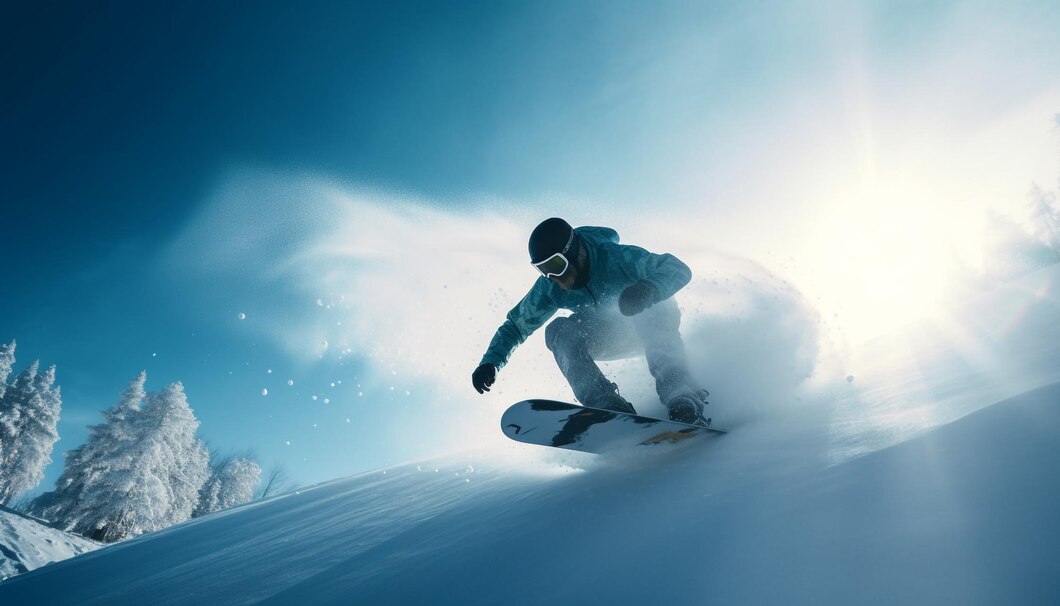
For those who prefer a single board beneath their feet, snowboarding represents a unique culture of freedom and creativity. Snowboarding was born out of the counterculture movement of the 1970s and has evolved into an art form on snow.

The adrenaline rush of carving down steep descents, the challenge of mastering tricks in terrain parks. The camaraderie of the snowboarding community all contribute to the vibrant tapestry of this winter sport. It’s not just about descending the mountain; it’s about expressing oneself on the canvas of snow.

Chasing Powder: The Quest For The Perfect Run:

For both skiers and snowboarders, the quest for the perfect run is an eternal pursuit. Chasing powder, those untouched blankets of fresh snow become a passion that drives enthusiasts to explore new resorts. The backcountry trails and remote mountain ranges contribute to the feel of adventure.

From the expansive slopes of the Rockies to the hidden gems of the Japanese Alps, this winter adventure is totally different. When you find untouched powder turns a day on the mountain into a quest for winter perfection.

The Mountain Communities: Where Passion Meets Fellowship:

The Mountain Communities: Where Passion Meets Fellowship:

Beyond the slopes, skiing and snowboarding are woven into the fabric of mountain communities. These tight-knit settlements, tucked in the shadow of towering peaks, foster a distinct sense of community.

Après-ski gatherings in cozy lodges, local festivals celebrating winter sports, and the shared love for the mountain lifestyle create bonds that extend beyond the snow-covered terrain. Skiing and riding become not just activities but integral parts of a communal experience where passion for winter adventure unites kindred spirits.

Read Also: Crucial Hiking Tips To Ensure Your Safety While Hiking

Adventures Beyond the Groomed Trails:

While groomed trails offer a controlled introduction to the world of skiing and snowboarding, the true essence of winter adventure lies beyond these manicured slopes. Backcountry skiing and snowboarding, where riders access untouched powder in uncharted territory, provide an adrenaline-fueled escape for those seeking a more immersive and challenging experience.

Venturing into the backcountry opens up a world of pristine snowfields, breathtaking vistas, and the unparalleled joy of earning your turns in the wilderness.

Technology Meets Tradition:

world of skiing and snowboarding is not impervious to technological advancements

The world of skiing and snowboarding is not impervious to technological advancements. Modern equipment, from high-tech skis with advanced materials to snowboards designed for specific styles of riding, enhances the overall experience.

Yet, amidst the technological progress, the timeless charm of wooden lodges, crackling fires, and the crunch of snow beneath your boots retains its allure. The juxtaposition of tradition and innovation creates a unique atmosphere where the spirit of winter adventure thrives.

Conclusion:

In the heart of winter, as snow-covered landscapes beckon, skiing and snowboarding emerge as more than mere sports; they become conduits to a journey into the soul of winter adventure.

Whether you’re carving turns on groomed slopes, conquering backcountry powder, or simply immersing yourself in the mountain culture, the world of skiing and riding is a vast canvas waiting to be explored.

So, gear up, feel the rush of cold wind on your face, and embrace the spirit of skiing and riding—a journey that transcends the ordinary and immerses you in the heart of winter’s exhilarating embrace.

Read Also:

Share on Social Media

Abdul Aziz Mondol is a professional blogger who is having a colossal interest in writing blogs and other jones of calligraphies. In terms of his professional commitments, he loves to share content related to business, finance, technology, and the gaming niche.

Leave a Reply

Your email address will not be published. Required fields are marked *

title-img Related

READ MORE Raja Ampat marine life guide

Raja Ampat Marine Life Guide: What Marine Species To See In Raja Ampat, Indonesia?  

BY  Sibashree Dec 29, 2025

Have you ever been to a place where the clarity of the water feels like liquid air? Yes, you have heard it right. I am talking about the waters of Raja Ampat in Indonesia. Also, the dense coral reefs here look like a kaleidoscope in motion.   Its strategic location in the Coral Triangle in West Papua has also blessed it with a diverse marine life. Did you know that Raja Ampat has “75% of the known coral species” and more than 1,320 species of reef fish (Source: UNESCO)?   No wonder it is called the Amazon of the Seas. Also, with UNESCO designating it as a Biosphere Reserve on 27th September, 2025, it is now one of the just two places on the earth to have the distinction of being a UNESCO Global Geopark and Biosphere Reserve at the same time.   So, consisting of four islands (Raja Ampat means Four Islands), Waigeo, Salawati, Batanta, and Misool, Raja Ampat is like the biological "bullseye” as the most diverse marine habitat on the planet.   Hi, in this Raja Ampat marine life guide, I will be talking about what marine species to see in Raja Ampat Indonesia.   Also, if you want to make the most of the underwater wonderland of Raja Ampat, check out our Raja Ampat diving trips.   With an unbelievable marine life and rock formations that go back to 400 million years, Raja Ampat is the “living laboratory” of marine conservation according to UNESCO.   So, when the water here has more than a thousand species to spot, let’s find out the Big 5 of the water here. These creatures are unique, and they are majestic. They also represent the mystery of water.   1. Manta Rays (Oceanic Manta And Reef Manta)  Raja Ampat is one of the rarest places in the world to have oceanic and reef Manta Rays. You can even spot them at the same time at the same cleaning station.   Oceanic Manta Vs Reef Manta   Reef Mantas, with even a massive 5-meter wingspan, are smaller than the Ocean Mantas. The wingspan of the Ocean Mantas is close to 7 meters.   Furthermore, Reef Mantas stay in large, social groups, while the Oceanic Mantas are pelagic wanderers.   Also, Oceanic Mantas feature a “T” shape on their shoulders. On the other hand, you can identify Reef Mantas from the “Y” or “V” shapes on their back.  What Are The Best Sites For Spotting Manta Rays In Raja Ampat?  Manta Sandy in the Dampier Strait and Magic Mountain in Misool are the best places for spotting Manta Rays.  In the Dampier Strait is a quintessential cleaning station for Reef Mantas. The site is shallow, and you will find the Reef Mantas moving over the "bommes" with cleaner wrasse doing their work.  Furthermore, Magic Mountain is the place where you will find both species. So, it looks like a Manta Ballet against the backdrop of the dark blue water. 2. Walking Shark Raja Ampat (Epaulette Shark) And Where To Find Them The Walking Shark, or the Epaulette Shark, is the mascot of Raja Ampat. These are called walking sharks because they can use their pectoral and pelvic fins like legs. So, they do not swim and “walk” across the sea floor.  These are nocturnal hunters, strictly. If you are going night snorkeling at Sawinggrai or Arborek, you will spot them walking past your mask. It’s a surreal experience, I must say! 3. Wobbegong Sharks The Wobbegong Sharks usually rest on the seabed. They also remain tucked under a coral ledge.  Wobbegong Shark Sightings: Spotting The Masters Of Camouflage  These sharks are also known as “Carpet Sharks.” They have mottled and ornate patterns. So, they can disguise themselves well. You will also spot a beard of fleshy tassels around their mouths.  You will often mistake these predators for a piece of weed-covered reef. Sardine Reef in the Dampier Strait and various areas around Misool to find the Wobbegong Sharks.  4. Pygmy Seahorses Pygmy Seahorses in Raja Ampat come in various species, such as Bargibant’s, Denise’s, and Pontoh.  Bargibant’s is the most popular, and they have pinkish nodules, which match the color of their host coral. Bargibant also hides in the Gorgonian fans. They never leave their specific host fan, spending their entire lives blending into its polyps. Denise’s pygmies are slender, and the whitish Pontoh pygmies are found on hydroids and algae.  Pygmy Seahorse Habitats In Raja Ampat  You will love exploring the top Raja Ampat dive sites in search of the Pygmy Seahorses. Dampier Strait, especially sites such as Cape Kri, Blue Magic, and Misool, are the best sites to spot these adorable marine creatures.  5. Cetaceans (Whales And Dolphins) The archipelago has deep-water trenches and powerful currents. So, the water is an important highway for marine animals.  Spotting The Whales And Dolphins The Dampier Strait is a primary migration corridor. So, you will frequently spot Spinner and Bottlenose Dolphins near your diveaboards in Raja Ampat.  Furthermore, you will find Pilot Whales, Sperm Whales, or Orcas in the deep channels between the islands.  Rare & Macro Critters: A Photographer’s Dream Raja Ampat coral diversity and the macro critters make it a favorite of photographers. You will come across diverse, bizarre animals in the reef.  1. Nudibranchs And Flatworms: The Living Jewels Underwater Nudibranchs or sea slugs are vibrant, and they shine like jewels in the deep blue water of Raja Ampat, thanks to their neon shades.  You will find various species of nudibranchs and flatworms in the waters of Raja Ampat. Chromodoris is the most common species, and they look unreal. They feel like they're straight from the pages of sci-fi movies.  You will find them in Misool areas such as Nudi Rock and Lalosi in the Dampier Strait.  2. Blue Ringed Octopus And Cuttlefish The tiny and lethal marine wonders, blue-ringed octopuses, come with a brown body. They pulse with glowing blue rings when they feel threatened.  Another marine wonder is the Broadclub Cuttlefish. They use their skin as a television screen. So, you will notice changing colors and patterns in seconds.  Misool, Dampier Strait, and water near Mioskon Island are the best places to find these macro marine creatures.  3. Wonderpus And Mimic Octopus  You will find Mimic Octopus mainly in sandy areas. As the name suggests, they can impersonate other sea animals such as lionfish and sea snakes.  Wonderplus has long and slender arms. Also, Wonderplus has intricate white patterns on its rusty brown body.  Spot these stunning marine animals in the water of Misool, Waigeo, and Batanta.  Marine Life By Habitat: Where To Look The best diving and snorkeling site for you in Raja Ampat will depend on the marine experience/animals you want to encounter.  So, you have to understand the habitat.  1. The Blue Water Mangroves The Blue Water Mangroves are in the Passage or near Gam Island. These are not usual muddy mangroves.  The water here is crystal clear, and it functions as a juvenile fish nursery where you can see soft corals growing on tree roots. It is a rare phenomenon.  2. The Seamouts Magic Mountain or Sardine Reef are the seamouts, and they are the main action spots because of their position in the path of strong currents.  The strong current here attracts many pelagic species. So, you will find "walls" of Bigeye Trevally, schools of Grey Reef Sharks, and thousands of Barracuda.  3. The Muck  Muck diving is a technical term, and it means exploring the sandy bottoms of the water. It is wrong to consider this place as empty, as you will find the rarest critters, such as Bobtail Squid, Seahorses, and Frogfish, here.  These critters usually remain hidden in plain sight.  Raja Ampat Marine Life Calendar Do you have some must-see species in mind when exploring the Raja Ampat marine life? You have to know the ideal season for spotting them, as the marine life of Raja Ampat changes with each season. MonthWater ConditionsManta SightingsHighlightsOctober - NovemberCalm seasModerateWhale shark season (Cendrawasih)December - FebruaryPeak calmVery HighPeak Manta season; large schoolsMarch - MayGlassy waterModerateGreat for Cetaceans (Whales/Dolphins)June - SeptemberWindy/ChoppyLowBest for Macro and Nudibranchs Snorkeling Vs. Diving In Raja Ampat: What Can You See? The reefs of Raja Ampat are healthy, and the water is crystal clear. So, even if you are not a professional diver, you can see most of the marine life in the top 5-10 meters of water. In other words, the marine life of Raja Ampat is equally accessible to a snorkeler and a diver.  Still, here is a quick breakdown of the experience you can expect during snorkeling and diving.  1. What You Can See In Snorkeling See blacktip reef shark pups, green turtles, and massive giant clams, just a few meters from the beach. Furthermore, you will spot Manta Rays at Manta Sandy from the surface.  Other icons to spot for snorkelers are the Wobbegong Shark and the endemic Papuan Walking Shark under the jetties or in the shallow reef flats.  The Blue Water Mangroves are the ideal spots for snorkeling if you are looking for unique habitats. Here, you will find vibrant corals growing on mangrove roots.  However, if you are looking for an aquarium effect, you have to snorkel near village jetties such as Arborek or Sauwandarek. These jetties function as artificial reefs. So, you have to just look down from the pier to find massive schools of batfish, fusiliers, and giant clams. 2. What You Can See During Diving  Pygmy Seahorses or Wobbegong Sharks typically hide at depths of 15–30 meters. So, divers can easily access them, and a snorkeler may not find them easily.  While snorkelers see the "greatest hits," divers get access to the sheer scale and the "hidden" details of the Coral Triangle. Also, as a diver, you can sit at the corner of a reef, such as Cape Kri, with strong currents, to find the Grey Reef Sharks, Giant Trevally, and Barracuda hunting in the deep blue. Furthermore, sites such as Friwen Wall or Melissa’s Garden offer dramatic drop-offs where you can see the transition from sun-drenched hard corals to deep-water Gorgonian sea fans. Moreover, divers can enjoy the underwater mystery at night to the fullest. Spot panish Dancers, Eels, and Crustaceans that hide in the deep crevices of the reef.  "The Nocturnal Shift": Why Night Diving Is Mandatory After sundown, the waters of Raja Ampat transform into a completely different landscape. The reef looks surreal.  Night is the only time to spot the Walking Sharks hunting.  Furthermore, once the Sun sets, marble shrimps, slipper lobsters, and sponge crabs come out from the cracks in the coral. So, it is like a crustacean explosion.  Want to see the bioluminescence? Just turn your dive light off and wave your hands. You will find the bioluminescent plankton sparkling in the water.  Quick Comparison: Snorkeling Vs. Diving FeatureSnorkelingScuba DivingEffortLow Effort: Jump in from the beach or boat.High Effort: Gear setup and boat transit.VisibilityBest in the top 5m (sunlight).Great at all depths (up to 30m+).Best ForCoral gardens, Turtles, and reef sharks.Pygmy seahorses, Drift dives, Walls.Main AdvantageUnlimited time; "unplugged" feel.Observing behavior; seeing tiny life.ConstraintLimited by surface weather/choppiness.Limited by "no-decompression" time. Conservation And Responsible Interaction A collective conservation effort between the visitors and local communities helps to maintain the fragile beauty of Raja Ampat.  The Raja Ampat Marine Park Entry Tag (PIN): All visitors must pay an entry fee. This "PIN" supports the patrol boats that prevent illegal fishing and funds community health and education programs. Rules for Manta interaction: To keep the Mantas coming back, there are strict rules. No touching, no chasing, and no flash photography at cleaning stations. Always stay lower than the Mantas and give them plenty of space to fly. Lens Guide For Photographers: Capturing The Marine Life Of Raja Ampat  Raja Ampat is a real test for photographers as the marine life is happening and unpredictable.  If you want to capture the Mantas, schools of fish, and the stunning reefs, you can use the Wide Angle (10mm - 24mm).  On the other hand, if you want to shoot the Pygmy seahorses, shrimps, and Nudibranchs, you must use the 60mm/100mm macro lenses.  Raja Ampat Marine Life Guide: Expert Tips Check the Current: The "split current" at Cape Kri brings the most action. You have to dive with the current.  Look for Gorgonians: Stop swimming and stare at a Gorgonian fan to find the pygmy seahorses. The bumps, looking out of place, indicate their presence.  Don't Ignore the Jetty: The pillars under Arborek Jetty are world-class. They are covered in soft corals and schools of Batfish. Night Snorkeling is Safe: Don't be afraid! Shallow night snorkeling or night diving is the best way to see the Walking Shark. Manta Hygiene: At cleaning stations (like Manta Sandy), stay low and don't exhale bubbles directly under a Manta; it can startle them. Mangrove Magic: Visit the "Blue Water Mangroves" near Gam. The water is crystal clear, showing soft coral growing on tree roots. Reef Hook Etiquette: Only hook onto dead rock. Never hook onto live coral or sponges. The "60-Minute" Rule: Keep your camera battery 100% charged, as many sites are shallow and dives can last over an hour.  Watch the Triggerfish: Titan Triggerfish are aggressive when nesting. If they raise their dorsal fin, you must swim away horizontally. Listen Underwater: In the Dampier Strait, you can often hear the clicks of dolphins before you see them. Listen To The Authority Voices: A Raja Ampat Marine Life Guide  Want to know what the authorities are saying about the Raja Ampat Marine Life? I have curated their take on the Raja Ampat waters and marine life from their various interviews and insights.  1. Mark Erdmann, The VP Of Marine Asia-Pacific, Conservation International Overtourism remains a concern for the conservation of the Raja Ampat marine life. In a Raja Ampat Research & Conservation Centre Report, Mark Erdmann mentioned, “If there is nothing else done to further control and limit the growth of tourism in Raja Ampat, there is no doubt that within five years we are going to see major problems in places like the Dampier Strait, where it is already reaching the carrying capacity.” He also said,  “Misool represents one of the most pristine reef systems left on earth — one of only a handful of places in the universe where biodiversity is improving rather than declining.” 2. Sylvia Earle (Oceanographer & Explorer) She has designated the Coral Triangle (specifically the Birds Head Seascape) as a "Hope Spot," calling it one of the most important places for marine biodiversity on Earth. Dr. Sylvia Earle designated the Misool Marine Reserve in South Raja Ampat as a “Mission Blue Hope Spot” in 2017.  Max Ammer (Pioneer Of Diving In Raja Ampat) Max Ammer has veen always vocal about the resilience of Raja Ampat’s reefs against coral bleaching. That is why it is stronger than the Great Barrier Reef.  Raja Ampat Shows How Vibrant And Resilient The Ocean Can Be  You can be a first-time snorkeler or a seasoned diver. You will feel a rare and strong connection to the marine world in Raja Ampat. The “Amazon of the Seas” continues to thrive, and with the conservation guidelines and respect intact, it balances the presence of macro and micro marine life.  Plan at least a diving expedition for 7 days, especially in the Dampier Strait region in central Raja Ampat, to meet the Big Five and more. Raja Ampat Marine Life Guide: Frequently Asked Questions (FAQs) Here are the frequently asked questions and answers about the Raja Ampat marine life guide. 1. What Is The Most Famous Marine Animal In Raja Ampat? The Raja Ampat Walking Shark, the Carpet Sharks, Pygmy Seahorses, and Manta Rays are some of the most famous and big marine animals in Raja Ampat.However, the colorful corals and endless schools of fish here, along with the macro critters, create an unforgettable marine experience. Raja Ampat became a Shark Sanctuary in 2013. So, you will see different species of sharks here, including: • Wobbegong (Carpet) Sharks• Whale Sharks:• Blacktip & Whitetip Reef Sharks:• Walking Sharks• Grey Reef SharksAlso, barring some minor threats from the Wobbegong sharks (because of their hiding nature), no major threat is observed or reported from the sharks in Raja Ampat.  2. Are There Sharks In Raja Ampat? Are They Dangerous? December to March is the best time to see Manta Rays in Raja Ampat. The plankton blooms are highest in these months, and you will find Manta Rays following each other, creating a train. The northwest monsoon winds create deep-water upwellings, leading to the higher visibility of Manta Rays.  3. Can I See Marine Life If I Only Snorkel? Yes, you can see marine life in Raja Ampat if you snorkel in areas such as Blue Water Mangroves, Friwen Wall, and Arborek Jetty. Within 5 to 10 meters of water, you will find marine life such as Giant Clams, Sea Turtles, Manta Rays, and diverse schools of fish. 4. Is Raja Ampat Safe For Beginner Divers? Yes, Raja Ampat has sites such as Arborek or Sawardarek, which are ideal for beginners. Also, many dives are simple drift dives where the current carries you once you jump into the water. However, you must not overlook the down-welling nature, strength, and unpredictability of the Raja Ampat waters. So, you will need expert guides. 5. What Are Walking Sharks? The Epaulette Sharks or Walking Sharks are harmless carpet snacks. Their movement looks like a walk thanks to their pectoral and pelvic fins, like legs. These endemic species are spotted best at night when they are out hunting.  6. Do I Need A Wetsuit For Raja Ampat? Wearing a wetsuit is not mandatory if you are a snorkeler in Raja Ampat. However, you can wear a 1mm to 2mm thick wetsuit to float effortlessly and provide sun protection. If you are a scuba diver, you will need a 3mm wetsuit even when swimming in the Raja Ampat waters, with an average temperature of 28 to 30 degrees Celsius. The wetsuit ensures that your body remains warm in the water. Also, it protects your body from tiny stinging planktons and hydroids. 7. Are There Whales In Raja Ampat? Yes, there are various species of whales in Raja Ampat. You can spot varieties such as Bryde’s Whales, Pilot Whales, Sperm Whales, Omura’s Whales, and Killer Whales. The Dampier Strait and the Sagawin Strait, to the south of Batanta Island, are the best places to spot these whales. 8. What Is The Visibility Like In Raja Ampat Water? The average visibility in the water of Raja Ampat is around 15 to 25 meters. However, the visibility of the water depends on multiple factors, such as the presence of plankton and nutrients, and the season. In the peak or dry season, between October and April, the visibility is around 15 to 30 meters. On the other hand, in the windy season, from June to September, the visibility is around 10 to 20 meters.  9. Are There Saltwater Crocodiles In Raja Ampat? Yes, there are saltwater crocodiles in Raja Ampat. However, the sightings are rare, and you will find them in areas such as Blue Water Mangroves, The Passage, and remote islands such as Batanta.   

READ MORE Bungee Jumping in India

The Best Bungee Jumping In India: Check These Spots Out!

BY  Sibashree Aug 22, 2022

The thrill of falling without the deadly consequence of hitting the ground – is what I call bungee jumping. If you are seeking thrilling recreational activities, going bungee jumping can be the single most interesting thing you can do. Especially if you are from India, and looking for the best places for the highest Bungee jumping in India, then I might be able to help you. In this article, I have talked about the highest bungee jumping point in India with details about the location and the price, and other required info for a jump. The Top 8 Spots For Bungee Jumping In India: The List Will Surprise You!  So, without any delay, let me take you bungee jumping in the best bungee jumping locations in India. Jumpin Heights, Rishikesh  Lonavala, Maharashtra  Bir Billing, Himachal Pradesh  Ozone Adventures, Bangalore  Gravity Zone, Goa  Chhattisgarh, Jagdalpur  Wanderlust, New Delhi  Himvalley Camps, Manali  1. Jumpin Heights, Rishikesh The Jumping Heights in Rishikesh offers you the highest Bungee jumping in India. Jumpin Heights is at Mohan Chatti village in Rishikesh. Most importantly, it is the only place in India where you can experience Bungee jumping from a fixed place. There is a cantilever platform made over a rocky cliff. The platform is 83 meters from the ground. They have experienced staff to take care of all the safety precautions. If you are up for it, Rishikesh can be your Bungee jumping location. Location: Mohan Chatti village in Rishikesh. Bungee Jump Height: 83 m Minimum Age: 12 years. Cost Per Jump: INR 3500 2. Lonavala, Maharashtra Another great place for the highest Bungee jumping in India is Lonavala. On the outskirts of Pune, a tiny hill station, this is a proper location for thrilling Bungee Jumping. The jumping location is an adventure park. It is known as Della Adventures. The equipment is equipped at a height of 150 ft. The jump lasts for around and lasts about 7-10 minutes. If you are above the age of ten and weigh above 35 kg, then you are allowed to enjoy it from here. There are instructors helping you with the safety measures and instructions before the jump. The funniest part of all is that they offer you a certificate saying that you have overcome your fear of heights. Location: Maharashtra, Della Adventures in Lonavala. Bungee Jump Height: 45 m Minimum Age: 10 years Cost Per Jump: INR 1500 3. Bir Billing, Himachal Pradesh  Bungee jumping in Bir Billing is an exhilarating adventure that’s hard to forget. Imagine standing on a suspension bridge 50 meters above the ground, surrounded by breathtaking views of lush green mountains all around you. It truly feels like a leap of faith as you prepare to take the plunge. With experienced instructors guiding you every step of the way and strict adherence to safety standards, you can focus on the thrill of the jump without worrying about anything else. This adrenaline-pumping activity is available year-round, but the best times to experience both bungee jumping and the stunning paragliding are during the pleasant months of March to May and from October to November. Whether you’re an adrenaline junkie or just looking for a unique experience, bungee jumping in Bir Billing promises an unforgettable rush!  Location- Gunehar, 2-3 km from Bir bus stop, Himachal Pradesh  Bungee Jumping Height- 50 m  Minimum Age- 12-14 years  Cost Per Person (INR)- 3300  4. Ozone Adventures, Bangalore If you love adventure, then you will love Bungee jumping from a crane. Yes, unlike the other locations, Ozone Adventures offers you the highest Bungee jumping in India from a height of 80 ft. Most interestingly, the equipment is attached to a 130 ft tall crane. Doing Bungee jumping from a crane/ unfixed platform makes it riskier for jumpers. The staffs here are helpful, and they offer to take all the precautionary measures before you jump and also give you valuable instructions before you make your jump. Location: Ozone Adventures, St. Mark's Road, Bangalore, Bangalore Bungee Jump Height: 25 m Platform and 40 m Crane Minimum Age: 18 to 60 years. Cost Per Jump: INR 400 5. Gravity Zone, Goa Beach hopping is not the only thing you can do in Goa. You can also go bungee jumping. It is not the highest bungee jumping point in India, but Anjuna beach has its reasons for the attraction. If you are new to bungee jumping, then this is indeed the place you can go to. Gravity Zone is a 25 m high tower and is perfect for first-timers to experience Bungee jumping. Compared to other locations, it is a smaller location for jumping. Also, the place does not charge you too much. Location: Gravity Zone, Anjuna Beach, Goa. Bungee Jump Height: 25 m Minimum Age: 14 years Cost Per Jump: INR 500 6. Chhattisgarh, Jagdalpur Another good and less overwhelming place to try Bungee jumping is Jagdalpur. If you are afraid of heights and still want to try out bungee jumping, then this is not the highest Bungee jumping in India to scare you too much. You can fight your fear of height from the 30 m bungee jumping location. Location: Jagdalpur, Chhattisgarh. Bungee Jump Height: 30 m Minimum Age: 14 years. Cost Per Jump: INR 500 Read Also: Top 5 Best Coffee Shops Of India In 2022 – Must Read! 7. Wanderlust, New Delhi If you are from Delhi and thinking of going to other states to try out bungee jumping, then we have good news. Wanderlust in New Delhi offers this sporting activity. Most interestingly, the equipment for jumping is imported from Japan. The crew there are trained from Germany. The jumping equipment is attached to a 130 ft high crane. They also provide you with a certificate and a T-shirt and cap. Location: Wanderlust, New Delhi Bungee Jump Height: 52 m Minimum Age: 14 years. Cost Per Jump: INR 3000 8. Himvalley Camps, Manali  Bungee jumping at Himvalley Camps is an exhilarating experience that takes you 25 meters up to enjoy stunning views of the valleys near Manali. While it might not be the highest jump out there, the thrill of free-falling against the backdrop of the majestic Himalayas is truly something special. Safety is a top priority at this campsite, with international standards in place and trained instructors ready to guide you through every step of the jump. It's a fantastic adventure for anyone aged 16 to 65, as long as you weigh between 35kg and 140kg. Just remember, if you're under 18, you'll need parental consent to take the plunge!  Location- Leh- Manali Highway, Manali  Bungee Jumping Height- 62.5 m  Minimum Age- 18+  Cost Per Person (INR)- 4000  Frequently Asked Questions (FAQs): If you are looking for the best bungee jumping locations in India, then these are the locations you may go to. However, here are some popularly asked questions and answers that I have answered. 1. What Is The Highest Bungee Jump? The highest Bungee jumping in the world is Bloukrans Bridge in the Western Cape of South Africa. It is the highest commercial and natural Bungee jumping in India. 2. Does A Bungee Jump Hurt? Indeed it is a thrilling and recreational activity. But, some free fallers experience serious injuries like compression fractures or herniated discs. Other serious injuries might also happen from Bungee jumping.  3. What Is The Cost Of Bungee Jumping In Rishikesh? If you are going to Jumpin Heights, then you will be charged INR 3500 for Bungee jumping. The entry ticket costs you 100 rupees. But, if you also want to do Giant Swing, you will be charged Rs 6500. A bungee jump and Flying fox combo cost you Rs 4750. 4. Where Is The Scariest Bungee Jump? If you are looking for the scariest bungee jumping location, then you have to go to Macau Tower ( 764 feet in China). You will definitely be thrilled and have goosebumps. 5. Which Place Is Best For Bungee Jumping In India?  The best bungee jumping in India is at Rishikesh, offering the highest and most scenic experience with platforms up to 87 meters high, operated by the reputable Jumpin Heights.  Choose Your Ideal Bungee Jumping In India  When looking for the highest Bungee jumping in India, you need to first visit Rishikesh. It is the best location for Bungee jumping from the highest location in India. The experience is thrilling, and you should be ready to feel your heart in your throat. All the bungee jumping locations talked about in this article are great to experience. Did you decide on where to go on Bungee jumping? Please let us know where you will go. Also, if you have any additional queries, you can leave them in the comment section. Read Also: 6 Best Family Holiday Destinations In India Learn All About the Best Solo Trip in India Right Here! Top 13+ Famous Wonders Of India That You Must Visit [Updated 2024]

READ MORE Gatlinburg

7 Reasons To Take Your Kids To Gatlinburg

BY  Arnab Aug 22, 2023

With a burst of colors, melodies of chirping birds, and the tender touch of a mountain breeze, Gatlinburg is the picture-perfect postcard town you’ve always dreamt of. It’s a place where nature’s majesty meets man-made marvels, creating a harmonious blend of adventure, serenity, history, and charm. This family-friendly haven in the heart of the Smoky Mountains offers an exciting playground for kids, with valuable lessons waiting to be learned at every corner. It’s time we cast aside the electronic distractions and headed outdoors for good old-fashioned fun and frolic. Dive into this article to discover the top seven reasons why Gatlinburg should be your next family vacation destination. 1. Cozy Corners in Gatlinburg Imagine a wooden cabin with rustic charm, crackling fireplaces, and panoramic views of lush green mountains, the perfect setting for creating lifelong family memories. These cozy cabins offer more than just a place to rest your head. They are a sanctuary for quality time, conversations, and connections, allowing you to unplug from the rest of the world and unwind in tranquility. From story time by the fireplace to star-gazing from the deck, these moments become the highlights of your trip. If you're searching for the best cabins in Gatlinburg, you won't be disappointed with the myriad of options, each promising an unmatched hospitality experience. 2.  Adventure Parks and Ziplines in Gatlinburg No kids or adults, for that matter, can resist the adrenaline rush that Gatlinburg’s adventure parks and ziplines offer. With safety always a priority, these adrenaline-packed experiences are carefully crafted to cater to the young and young at heart alike. Imagine the thrill of swooshing through treetops on a zipline or conquering rope courses at one of Gatlinburg’s top adventure parks. It's not just about the thrill. It’s about building confidence and overcoming fears together as a family. 3. Exploring the Great Smoky Mountains Introducing your kids to the grandeur of the Great Smoky Mountains is akin to presenting them with a key to a treasure chest of natural wonders. Spanning over 522,149 acres, this is home to a vast array of wildlife and vegetation, including black bears, elk, and over 1,800 species of plants. Venturing on hiking trails with a vivid display of wildflowers offers them an enchanting canvas of nature’s artistry. Witnessing autumn's vibrant hues during scenic drives can foster a deep appreciation for nature's transformative cycles. These experiences, rich in beauty and knowledge, stimulate curiosity and create lifelong learners. Each adventure within the Smoky Mountains plays a significant role in molding your child's understanding and respect for the environment. It promotes the idea of preservation, instilling a sense of responsibility towards our planet. The thrill of spotting a white-tailed deer or the serenity of a distant waterfall echo becomes an unforgettable part of their childhood narrative. With their wealth of experiences, the Smoky Mountains entertain and educate, reinforcing Gatlinburg’s standing as an ideal destination for kids. 4.  Gatlinburg’s Historical Attractions Gatlinburg is a tapestry intricately woven with threads of rich cultural history and natural splendor. It offers much more than the eye-catching scenic beauty, standing as a testament to a vibrant historical past. Embarking on a journey through Gatlinburg's historical attractions provides kids with a living history lesson, offering a glimpse into the region's bygone era. Events like the Appalachian folk festival offer an immersion into local heritage through music, dance, and storytelling. Here, kids can not only witness but participate in the preservation of traditions. Exploring Gatlinburg’s historic sites and museums deepens their understanding of the past and enriches their cultural awareness, thus enhancing the value of their visit to this extraordinary town. 5. Gatlinburg’s Aquatic Adventure The phrase 'making a splash' takes on a literal meaning in Gatlinburg, thanks to its thrilling array of aquatic adventures. Navigating through rushing rapids during a white water rafting expedition offers a heady blend of excitement and challenge. For those who prefer a more tranquil experience, lounging in the sun by the pool provides an equally enjoyable alternative.These water activities are designed to cater to all age groups. Older kids can embrace the thrill of rafting, while younger ones will find endless joy at the water parks. Amid these aquatic escapades, the importance of water safety becomes a vital lesson, making Gatlinburg a destination that entertains, educates, and ensures the well-being of your kids. 6.  Craft Communities and Workshops in Gatlinburg The artistic soul of Gatlinburg breathes life into every visitor's experience, further enhancing its appeal as a family destination. Integral to this artistic experience is Gatlinburg's renowned Arts & Crafts Community, the largest assembly of independent artisans in North America. It is a vibrant canvas, an artistic playground inviting exploration and engagement.Participation in kid-friendly craft workshops is more than a hobby: it provides kids with an avenue for developing artistic sensibilities. They can use simple materials to craft unique masterpieces, realizing creativity's enchanting power. These workshops also serve as platforms for artistic appreciation and expression, enriching Gatlinburg experiences with colorful hues of creativity. Related: 4 Must-Go-To Places To Visit In Gatlinburg 7. Gatlinburg’s Dazzling Evenings Gatlinburg takes on a new persona when darkness falls, enchanting all who witness its nocturnal beauty. The city magically transforms, creating a captivating ambiance unique to its nightlife. An abundance of family-friendly attractions come to life during the evening, providing opportunities for bonding and discovery. Immerse yourself in captivating night shows, strolls, and fairs tailored to mesmerize people of all ages. These nighttime activities offer a fresh perspective on Gatlinburg, adding diversity to the unforgettable experiences that make it an ideal destination for families and kids. After a full day of adventure, retreat to the comfort of your cabin as the tranquil Gatlinburg night surrounds you. Gather around the warm fire, sharing stories of the day's escapades. This peaceful conclusion showcases the multifaceted charm of Gatlinburg, a city that continuously delights from morning until nightfall. Conclusion With these impressive insights, we've outlined seven compelling reasons for you and your family to visit Gatlinburg for their next family trip. This charming mountain town surpasses the typical vacation experience by providing numerous opportunities. Gatlinburg provides something for all visitors, so get ready for an enjoyable journey full of discovery and anticipation! Read Also: 4 Reasons You Must Visit Gatlinburg This Summer Tips To Make Your Vacation In Gatlinburg More Enjoyable How To Book Lodgings For A Vacation In Gatlinburg