
The Reasons To Choose A Tropical Island Vacation Every Year

Jan 3, 2024

Last Updated on: Jun 24, 2024

Destinations

We need to get the notion out of our heads that tropical island holidays are only for the rich and famous. These are destinations that are available to everyone. It doesn’t have to cost an arm and a leg to get there. It is true to say that these are islands out in the ocean.

So, we need a particular form of transport to get to them. I suppose it would be fair to say that the rich and famous do charter speedboats. They actually own them themselves to get to where they want to go. However, this doesn’t restrict the rest of us from enjoying the Tropical Island Vacation experience.

Getting Started With Your Tropical Paradise Vacation

We can always take advantage of the Koh Samui to Koh Phangan ferry. In other words, it will it take us and our family members but our vehicles as well. This means we save significant amounts of money when you want to travel around the islands. Therefore, we have our very own transport.

If you’ve never really considered a tropical island vacation before now. Yet, this has piqued your interest then the following are just some of the reasons. Due to this, you need to choose such a destination this year and every year.

10 most common tropical islands you must definitely consider visiting in 2024 are: 

  1. Rottnest Island, Australia
  2. Trobriand Islands, Papua New Guinea
  3. Australia’s Normanby Island
  4. Savaii Island in Samoa
  5. Fitzroy Island in Australia
  6. Australia’s Bruny Island
  7. Philipines’ Boracay Island
  8. Maui in Hawaii
  9. Solomon Islands
  10. Okinawa in Japan

The Beaches Are Amazing 

 Tropical Island Vacation

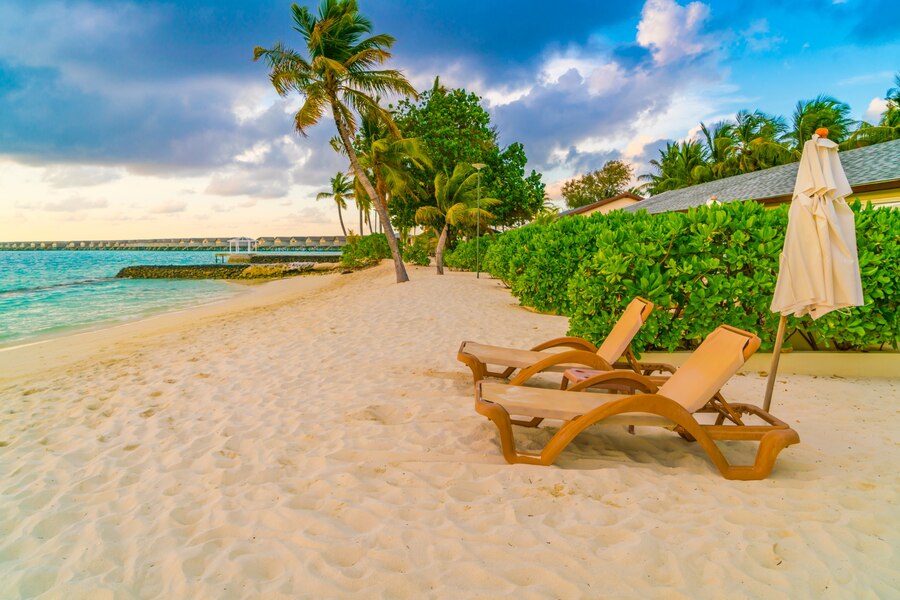
The downside of going to a standard beach is that it is usually full of people and there isn’t any space to sit down and relax. The wonderful thing about beaches on a tropical island is that they are incredibly secluded and so there is lovely white sand and a pristine beach on which to put down your towel and rid your body of any of the stress and anxiety that it is currently carrying around.

From enjoying the mesmerizing beach view to experiencing a nomadic lifestyle, there’s so much more to enjoy on this vacation. So, make the most of it!

The Weather Is Great

The Weather Is Great 

One of the main selling points of taking a vacation in Thailand is that the climate is generally good all year round. Even in the rainy season, the heat is fantastic, so even if you get wet, you will be dry in just a matter of moments. 

We all know that sunshine is good for the immune system, so your body will get everything it needs to stay fit and well. Between 20 to 40℃ or 70 to 105℉, the weather is pretty much pleasurable. 

You can literally bask in the sun for an entire day without worrying about getting a sunburn. July to October are the best months to travel on these islands.

There Are Many Different Activities To Enjoy

There are many different activities to enjoy -

Because the island is surrounded by water, many of the activities involve the ocean itself and so you can learn to be a scuba diver or maybe you would just like to take part in some snorkeling to see the beautiful coral reefs and the fish below the water level. There are many different kinds of activities to choose from and so you will not be bored.

From wildlife patrolling on a mini safari to playing archery at the campsite- there are literally endless fun activities to do here. Do not forget to rent a bicycle and explore every nook and corner. 

Tropical Islands You Must Visit Once In Your Lifetime

Remember how I talked about 10 tropical islands that deserve a trip in 2024? Well, adding to that, here’s a comprehensive list to give you a much better idea: 

1. Trobriand Islands

Located in Papua New Guinea, the Trobriand Islands are every traveler’s paradise. Dive deep into a tribal life where subsistence farming is the way of life. 

Best time to visit: Mid-May to October.

Estimated expenses: $6,224 approx. for each person. 

2. Rottnest Island, Australia

There’s no reason not to visit this hidden gem in Australia. From cute quokkas roaming all around the island to pleasant weather all through the year- Rottnest Island is loved by all.  

The best time to visit: is June to August.

Estimated expenses: Trips start from $5,000/ person.

3. Egadi Island, Italy’s Camouflaged Jewel

Egadi Island is the epitome of Italy’s culture and traditions. It is a collection of three islands spreading across Sicily’s western coast. From snorkeling to basking in the sun, there’s so much more to do in this strategic location.

Best time to visit: May-September. 

Estimated expenses: Egadi is actually cheaper than its other counterparts.

4. Bohol, Philippines

Unlike other commonly visited Philippian islands, Bohol is not frequently visited. Firstly, because it is not very easil accessible. Secondly, it is a bit deserted. 

But it can be one of your choices if you prioritize serenity over everything else. 

The best time to visit: is November to April.

Estimated expenses: Php 5,000.00 – 6,000.00.

5. Anami Oshima Islands

Wanna see Japan from a different angle? Anami Oshima’s tropical retreat calls you out! Unless you visit it, you can never discover what it’s like to sit in the lap of nature- 1000 kms away from the hustle-bustle. 

Best time to visit: Spring (March to April), Autumn (October to November)

Estimated expenses: 30,070 yen · 34,840 yen

Now you have some reasons to justify booking you and your family a tropical island holiday this year and every year. You only get one family vacation every single year so make the most of it and be sure to visit the beautiful Koh Samui and Koh Phangan and see what many don’t.

Concluding Words

Now, you have some reasons to justify booking a tropical island holiday for you and your family this year and every year. You only get one family vacation every single year, so make the most of it. 

Be sure to visit the beautiful Koh Samui and Koh Phangan and see what many don’t. So, what’s stopping you from booking your flight and traveling to an unknown land?

This comprehensive guide has all the details you will need. So, save it up, read it later, and start planning your trip now! Thank you for reading. 

Read Also:

Share on Social Media

Abdul Aziz Mondol is a professional blogger who is having a colossal interest in writing blogs and other jones of calligraphies. In terms of his professional commitments, he loves to share content related to business, finance, technology, and the gaming niche.

Leave a Reply

Your email address will not be published. Required fields are marked *

title-img Related

READ MORE nine arch bridge

Nine Arch Bridge, Ella: The Blue Trains, Tea Plants And More

BY  Sibashree Mar 9, 2026

In India, I have seen the Godavari Arch Bridge in Andhra Pradesh and the Coronation Bridge on the Teesta River in West Bengal. In Sri Lanka, I found their equivalent in the Nine Arch Bridge.  This colonial-era bridge stands across a massive green gorge. Also, the tea plantations and a dense jungle flank this stone bridge. So, it’s beautiful, and it is located in the iconic Colombo-Kandy-Ella-Badulla railway between the Ella and Demodara railway stations. From Lonely Planet to the BBC, everyone has hailed this route, also known as the Ella Odyssey, for its unmatched scenic appeal. Also, on a misty day, when the clouds kiss the valley and the blue trains arrive, tearing the veils of the mist, it feels surreal and like a painting by Dali or a movie scene by Andrei Tarkovsky. So naturally, a visit to the Nine Arch Bridge will be the most beautiful frame from my Sri Lanka trip.  How To Visit The Nine Arch Bridge? After a visit to Kandy, I took a train to Ella. The journey was beautiful, as expected. From Ella Town, I took a Tuk-Tuk to the Nine Arch Bridge. Then, I walked for around 5-10 minutes to the bridge. The Tuk-Tuk cost me around LKR 300. However, if you want some more adventure, you can take a walk along the Ella-Passara Road and turn left near the Sri Kanaser Temple to reach the beach. I found many local food stalls near the temple. Moreover, if you want to go back to your childhood days, you can follow the train tracks to reach the bridge from Ella Town.  What Is The History Of The Nine Arch Bridge? The Nine Arch Bridge is a prominent example of colonial-era construction, and it shows architectural excellence. The British built this bridge in 1921, and it played an important role in the war efforts of the British during World War I. Even today, this stone and concrete bridge stands strong without any steel structure. It is 91 meters in length and 24 meters in height. What Is The Best Time To Visit The Nine Arch Bridge?  Sunrise on the Nine Arch Bridge is the best time you can think of. Also, if you want a picture-perfect frame, wait for the trains to arrive. You will love the quiet ambiance if you make it really early. The crowd starts gathering here as early as 7 AM, and by 10 AM, you will hardly find a place for yourself. Also, trains usually pass through this at the following hours. 9:30 AM  11:30 AM  3:30 PM  4:30 PM  5:30 PM  The Best Months To Visit The Nine-Arch Bridge January to May is the best time to visit the Nine-Arch Bridge. Modest temperatures and fewer chances of rainfall make these months great for enjoying a clear view of the bridge and the train.  It is also the peak tourist season in the Western Region of Sri Lanka. However, if you want to experience mysticism, you can plan a trip in July. Having said that, the wet season, from September to December, is not suitable for a visit to this bridge. What Are The Best Viewpoints Of The Nine Arch Bridge? The misty slopes on both sides of the bridge or the hills offer amazing views of the Nine Arch Bridge. However, you can explore the following viewpoints to get the most amazing perspectives of the bridge.  1. The Nine-Arch Bridge Itself  The Nine-Arch Bridge offers an amazing view of the railway track. However, you have to be careful while taking photographs from the bridge. Keep the train timings in mind. 2. The Tea Plantations Toward Demodara  My Jaffna food tour was about spicy Tamil food. However, in the Western region, especially in areas such as Demodara, tea reigned supreme. I walked toward the northern side of the bridge. There, I found some tea plantations below the bridge, a little far away from the tunnel. You will get amazing views of the bridge from these plantations. However, these are usually muddy, and there can be leech attacks. Also, as they are private lands. So, seek permission before entering the tea plantation. 3. The Beautiful Hills Toward Ella Station  As you get down from the Tuk-Tuk or walk from Ella Town to the bridge, you will find the tunnel. Now, take the left and follow the winding path to the verdant hills. These offer the best viewpoints, especially if you want to take photographs of the bridge. 4. The Viewpoint From Asanka Cafe Asanka Cafe is at the northern end of the Nine Arch Bridge. As the cafe is perched above, it offers amazing views of the entire track and a clear view whenever a train visits. Also, if you are visiting the bridge in the wet season or there is a sudden rainfall, this cafe will be your refuge. Spend some hours there. They make amazing sweet tea. Things To Keep In Mind For Visiting The Nine Arch Bridge As mentioned before, you have to be very alert when you are on the bridge. Furthermore, you have to be a responsible traveler. You cannot litter or leave waste on the railway track or bridge. Moreover, the bridge does not have safety barriers. So, you have to be very careful while taking photographs. 

READ MORE Suva cultural guide

Suva Cultural Guide: Discover The Hidden Gems And Cultural Heart Of Fiji 

BY  Sibashree Jan 15, 2026

The common visuals about Fiji have sun-soaked resorts in Nadi and Denarau. Manicured lawns! The warm “Bula greetings!” And the polished facilities! However, if you want to experience the authentic Fijian life or feel the pulsating soul of the nation, you will have to travel east. It is the cultural heartbeat of the South Pacific. It is a sharp contrast if we compare the tourist polish of the West. You will feel that raw energy and colonial grandeur here. Also, it has a truly inclusive scenario with the Indo-Fijians and the indigenous Fijians constituting the majority of the population. Also, you will find part-Europeans, Chinese, and Caucasians. In this Suva cultural guide, I will talk about the raw energy of the city, its ancient seafaring legacy, vibrant markets, and living traditions. These are far from the poolside cocktails.  For more practical tips for a trip to Suva, you can read my Suva travel itinerary. Why Does Suva Claim The Cultural Capital Status?  Suva, despite being one of the most happening urban centers, has preserved its colonial history. Multiculturalism is another major factor in the cultural capital. Here is a deep dive into its history and transformation. Historical Shift To Powerhouse  Suva has not always been the seat of power. In 1882, the colonial leaders chose Suva as the capital over Levuka. The constraints for Levuka were the sea and the steep mountains. It was the beginning of the rise of a small and modest village as a power hub. However, the city, beginning its journey as an administrative epicenter, has now become a land with a multicultural tapestry. It has the headquarters of many regional organizations. It also has the University of the South Pacific, and a site where indigenous iTaukei traditions, Indo-Fijian commerce, and Chinese and European influences coexist. This diversity has solidified its status as the intellectual and artistic heart of the Pacific.  What Are The Top Cultural Attractions In Suva, Fiji? With the Suva Municipal Market, allowing everyone to have a slice of the Fijian life, the city also has many prominent cultural attractions. Also, the city is so particular about preserving its culture that there have been multiple acts and regulations surrounding it. 1. Fiji Museum And Thurston Gardens  View this post on Instagram A post shared by FIJI MUSEUM (@fijimuseum) The lush Thurston Gardens has the Fiji Museum, which preserves the 3700 years of Pacific history. The Fiji Museum Act (Cap 263) governs the operations and administrations of the museum for the curation and preservation of these artefacts. It also complements the Preservation of Objects of Archaeological and Palaeontological Interest Act (Cap 264), covering over 10,000 national heirlooms like traditional items central to Fiji's identity. Nevertheless, Ratu Finau, a massive 13-meter double-hulled canoe (drua), is the main attraction of the museum. It is a telltale of the rich maritime history of the nation. You will even find the Lapita pottery, the distinctive, stamped earthenware that allows archaeologists to trace the migration of the first Pacific Islanders.  Furthermore, the garden was built in the 1880s, and it has over 100 species of lilies and palm trees. 2. Suva Municipal Market  With the right Suva market guide, you will see how Suva comes to life from Thursday to Saturday. The Yaqona or Kava section on the second floor is the place where the city gets Kava roots and powders. Now, Kava is not just a drink. It is a social glue. When buying Kava (Yaqona) as a gift, ask for "Waka" (roots) rather than "Lewena" (stem) for higher respect/potency. On the other hand, the ground floor offers a kaleidoscope of taro (dalo), cassava, and jackfruit. These celebrate the city's Indo-Fijian roots. Furthermore, the air here smells of cumin and turmeric. Arrive from 6 AM to 10 AM on a Saturday to immerse yourself in a beautiful story of Fiji’s daily sustenance. 3. Government Buildings And Parliament Complex  The government buildings and parliament complex, showing the quintessential Art Deco style of the 1930s, face Albert Park. Albert Park is the place where Charles Kingsford Smith landed his Southern Cross in 1928. Here, you will also find the statue of Ratu Sir Lala Sukuna, the founding father of modern Fiji, whose legacy of land reform and indigenous rights still shapes the nation today.  Furthermore, the striking design of the parliament (after 1987) symbolizes unity. The National Trust of Fiji plays an important role in preserving these government buildings and the parliament complex. Suva Cultural Guide Of The Hidden Gems Off The Path  The Suva Fiji hidden gems are the telltale of the rich cultural and artistic legacy of the South Pacific. These are the places you need to explore. 1. USP Oceania Centre For The Arts  At USP, Epeli Hau'ofa's legacy lives. Catch Oceania Dance Theatre rehearsals, mesmerizing meke dances with stomping feet and ulu chants, or Red Wave Collective's bold canvases challenging colonial narratives. Live music, theatre, and talks pulse here, bridging ancient oral lore with contemporary fire. Free events draw locals and visitors alike. The Department of Heritage and Arts in Fiji plays a key role in safeguarding the nation's intangible cultural heritage, including traditional dances and music.  2. Draiba Cemetery And Sacred Heart Cathedral  Suva's Old Cemetery on Queen's Road whispers of pioneers and chiefs, graves oriented east for resurrection. It is a syncretic blend of Christianity and custom. Nearby, Sacred Heart Cathedral's French-imported sandstone vaults and stained glass offer humid respite. Dress modestly (shoulders and knees covered), remove hats, and absorb the choral echoes that define Fijian worship. 3. Fiji Arts Council Handicraft Centre  View this post on Instagram A post shared by Asia Pacific Region Crafts (@worldcraftscouncil_asiapacific) You will find certified "Fijian Made" masi barkcloth, kava bowls, and war clubs here. The Fiji Arts Council ensures authenticity, bolstering local artisans against imports. Perfect for ethical souvenirs tying into Heritage Department efforts. Cultural Etiquette: Honoring The Vanua  The Vanua, meaning the land and the kin, is sacred. In villages, offer sevusevu kava to the Turaga ni Koro for entry blessing. Wrap a sulu sarong modestly, men and women alike. Taboos: No head-touching (sacred seat of spirit), no hats indoors, ask before taking photos. The Department of Heritage and Arts safeguards these intangibles, such as dances, music, and pageantry, via UNESCO-aligned inventories, policies, and community revivals despite funding hurdles. A Flavorful Day: 1-Day Itinerary  Morning: Dawn at Municipal Market for produce frenzy, then Fiji Museum for historical grounding (allow 2 hours).  Lunch: Savor lovo, an earth-oven feast of taro, chicken, and palusami or fiery Indo curry at a hole-in-the-wall.  Afternoon: Oceania Centre for Art Pulse, then Colonial Walk: Government Buildings, Albert Park, Grand Pacific Hotel.  Evening: Kava bowl with locals, reflecting on Suva's layers. Total cost: Under $20 FJD sans taxis.  The Taste Of Suva  A Suva food tour will help you know how history flavors every plate of Suva. Fijian lovo buries sustenance in earth ovens; Indo-Fijian curries fuse cumin-heat with dalo; Chinese woks stir-fry cassava. Try kokoda (citrus-marinated fish) or fresh market seafood. Each bite traces the Girmitiya laborers, chiefly feasts, and fusion resilience.  Language Basics: A Suva Cultural Guide Bula! Hello/welcome.  Vinaka. Thank you.  Moce. Goodbye.  Tulou. Excuse me.  Ia bula vinaka? All good? (Ice-bo-la vi-nacka)  Sustainable Travel Tips  Fiji battles plastics  Bring reusables to markets  Support Heritage Department goals by choosing artisan crafts, minimizing footprint in rain-lashed paradise.  Expert Tips For Suva Cultural Travelers  Buy Authentic: Check the "Fijian Made" stamp at the Handicraft Centre.  Taxi Meter: Always ask the driver to turn on the meter. A ride within the city should rarely cost more than $5-$7 FJD.  Umbrella is Essential: Suva is the "rain capital." So, you will need an umbrella.  Respect Sundays: Sunday is a strict church/family time. Most shops are closed. So, you can plan a Suva Nature tour on Sundays.  Ask Before Clicking: Always ask permission before photographing locals, especially vendors in the market.  Suva Cultural Guide: Frequently Asked Questions (FAQs)  Here are the frequently asked questions and answers about the Suva cultural guide. 1. What Is The Best Way To Get Around Suva For Cultural Sites? Suva is very walkable. So, take a walk and explore the downtown heritage buildings. However, if you don’t want to walk and have a more relaxing experience, you can take a taxi, which is easily available and is cheap. 2. Is Suva Safe For Tourists? Yes, Suva is safe for tourists. According to Numbeo, it has a crime rate of 58.60. However, like any capital city or tourist place, it has its own share of challenges. You have to keep your valuables safe. Also, do not walk alone at night. 3. Do I Need Guide For The Fiji Museum? You can go for a self-guided tour of the Fiji Museum. It will take around 1-2 hours. However, if you want to know about human history and behind the scenes here, you will of course need a guide.For an overseas visitor, an entry to the museum costs around $20, and with an added guided tour, it will be $30. 4. What Should I Wear To The Sacred Heart Cathedral? You have to remove your hat while entering the cathedral, and your knees and shoulders must be covered.You can wear the traditional sarong or a maxi dress. Overall, your dress must be modest. 5. Can I Drink The Kava Offered To me? Yes, it is polite to accept. Clap once, say "Bula," drink in one go, and clap three times after. If you are trying the Kava for the first time, you must choose a low-tide of half a cup instead of a high-tide or a full cup.At first, you may feel like having peppery muddy water. However, the taste grows on you, and it has a mild sedative effect. 6. Where Can I See Traditional Fijian Dancing (Meke)? The Oceania Centre at USP often has rehearsals, or major hotels host distinct cultural nights. Furthermore, the Fiji Museum, being the cultural preservation hub, often hosts Meke. 7. What Currency Is Used At The Markets? Fijian Dollars (FJD) are used at the markets. Cash is king as local vendors do not take cards. However, you can shop with cards at TappooCity, and other large supermarkets accept cards. Also, many locals use an app called M-PAiSA for digital payments. 8. Is The Government House Open To The Public? No, the government house is not open to the public as it is the President's residence, but you can view the changing of the guard from the gate. The changing of the guard ceremony takes place in the first week of every month. 9. How Far Is Colo-I-Suva Forest Park From The City? Colo-I-Suva Forest is about a 15-20 minute taxi ride from the CBD. The journey through the Princes Road covers a distance of around 12 kilometers.You can also take a bus. However, it will take longer because of the multiple stops. 10. What Is The Significance Of The Tabua (Whale's Tooth)? It is the highest cultural token of respect in Fiji, often seen in museum displays but rarely handled by tourists. It is the polished tooth of the sperm whale, and in weddings, it is often the price offered to the family of the bride for asking her hand in marriage. Read Also: A Tucumán Historical Sites Guide: Independence, Incas & Jesuits In Northern Argentina Tucumán Nature Guide: Exploring The Yungas Rainforest And High Andes Tucumán Food Guide: The Capital Of The Empanada And Milanesa

READ MORE trip to Las Vegas

Viva Las Vegas: Your Ultimate Itinerary for an Unforgettable Trip

BY  Ankita Feb 20, 2024

Please get your tickets ready because it's time for an exciting trip to Las Vegas! In Sin City, there is something for everyone. There are beautiful casinos, top-notch shows, delicious food, and unique experiences. This article will show you the best way to plan your trip to Las Vegas to enjoy your time in this exciting desert oasis to the fullest. Day 1: Arrival And Strip Exploration When you get to Las Vegas, check into your hotel and get ready to see the famous Las Vegas Strip. Take your time walking down the Strip and enjoy the bright lights, fancy hotels, and busy people. Do not miss the chance to take pictures at the Bellagio Fountains, the Mirage Volcano, and the famous "Welcome to Fabulous Las Vegas" sign. Day 2: Casino Hopping And Entertainment Extravaganza There is no way to fully enjoy a trip to Las Vegas without giving one of the city's famous casinos a try. You can spend the day going from casino to casino and playing slots, poker, or roulette. Check out some of the best casinos in the city, like the Bellagio, Caesars Palace, and the Venetian. Each one offers a different way to play. In the evening, enjoy some of the best shows in the world. Las Vegas has everything you could want: shows that will blow your mind, events with a lot of energy, and more. Take in a comedy show, see Cirque du Soleil, or dance the night away at one of the city's hottest bars. Day 3: Outdoor Adventures And Exciting Day Trips Get away from the noise and crowds of the Strip and explore the beautiful nature surrounding Las Vegas. You can take a day trip to the Grand Canyon and enjoy the stunning views, walk along the beautiful trails, or even take a helicopter tour to see this natural wonder from above. If you want to live it up, you might want to book private flights to Vegas. This way, you can get there in style and comfort while taking in stunning views of the desert. Day 4: Culinary Delights And Shopping Spree There are so many great places to eat in Las Vegas that there is something for everyone. Have a fancy brunch at one of the city's superb places to start the day. Afterward, spend the afternoon eating gourmet food from all over the world. There is a restaurant in Las Vegas for every taste and budget, from those run by famous chefs to those that look like holes in the wall. Once you're full, it's time to go shopping! Some of the world's most posh shopping malls are in Las Vegas. These include the Fashion Show Mall, the Forum Shops at Caesars Palace, and the Grand Canal Shoppes at the Venetian. Buy brand clothes, one-of-a-kind gifts, and other things that will help you remember your trip. Day 5: Relaxation And Spa Day Take some time to relax and treat yourself to a spa day after a day of fun and adventure. Some of the world's most luxurious spas are in Las Vegas. They offer an extensive selection of treatments and services to help you relax and feel better. Pamper yourself with a hot tub soak, a massage, or a haircut that makes you feel better. You will feel refreshed and ready to take on the rest of your trip after your spa day. Day 6: Cultural Exploration And Museum Tour Please get to know Las Vegas on a different level by learning about its rich cultural history. Spend the day going to all of the city's museums and other cultural sites. You can learn about the history of Las Vegas' famous light signs at the Light Museum or the city's wild past at the Mob Museum. For people who love art, the Bellagio Gallery of Fine Art has changing shows of exceptional works by famous artists. Enjoy your time as you stroll through these cultural gems and learn more about Las Vegas's past and culture. Day 7: Thrills And Adrenaline Rushes End your trip to Las Vegas on a high note by doing something exciting and thrilling all day. You can find thrilling rides and exciting activities at one of the city's many entertainment or adventure parks. You can jump off a bungee cord, zip line through the desert, or use a flying simulator to see how brave you are. If you want to feel the thrill, you could ride one of the city's high-speed roller coasters or other thrilling rides. You should end your trip with many fun memories you will always have. Day 8: Farewell Brunch And Souvenir Shopping Before leaving Las Vegas for good, treat yourself to one last tasty meal at a cool lunch spot. People love brunch in Las Vegas because of all the fancy things they serve, like bottomless mimosas and classic brunch dishes with a twist. Enjoy every bite as you think back on the amazing things that happened on your trip. When you're done with breakfast, take some time to buy something to remember your time in Las Vegas. There are a lot of gift shops and tourist shops on the Strip. You can find everything from cheap things to expensive souvenirs. Pick something unique to remind you of your amazing trip to Las Vegas, like a t-shirt, a keychain, or a piece of art. This is your last chance to visit the Entertainment Capital of the World. Take your memories with you and have a great time. Day 9: Farewell To Fabulous Las Vegas As your time in Las Vegas ends, take one last walk down the Strip to take in the city's sights and sounds. Think about the fun times you've had, like when you won big at the casino or enjoyed a memorable show or meal. Don't forget to enjoy one last Vegas classic before you leave: the all-you-can-eat buffet! Take your time and enjoy every bite of the delicious food from around the world before you leave fabulous Las Vegas. Conclusion Las Vegas does have something for everyone, with its vast variety of entertainment choices, lively nightlife, and beautiful natural scenery. There's something for everyone in Las Vegas, whether you like to gamble at the casinos, eat delicious food, or go on exciting outdoor adventures. Get ready for a fantastic trip to Viva Las Vegas, the World Entertainment Capital! Pack your bags and follow this recommended travel plan. Read Also: 8 Best Cinnamon Rolls In Las Vegas You Must Try What Is The Latitude Of Las Vegas? – Geographical Coordinates Batista Restaurant Las Vegas – Restaurant Info, Ratings & Reviews