

6 Great Reasons To Choose A Luxury Pool Villa For A Phuket Stay

Jun 9, 2023

Last Updated on: Nov 14, 2025

Travel Blog

Every year hundreds of thousands of tourists get ready to head to Thailand, as the Land of Smiles continues to be immensely popular. It truly has something to offer for everyone, whether culture, history, relaxation, or excitement is being sought after. In order to escape from our mundane life, we are always in search of an enthralling destination, and Phuket is surely the one.

Many love island holidays, being near the sea, enjoying beaches, or perhaps getting close to nature by indulging in diving and other water sports. A perfect way to enjoy such activities is by choosing a luxury pool villa Phuket can provide for the following 6 reasons.

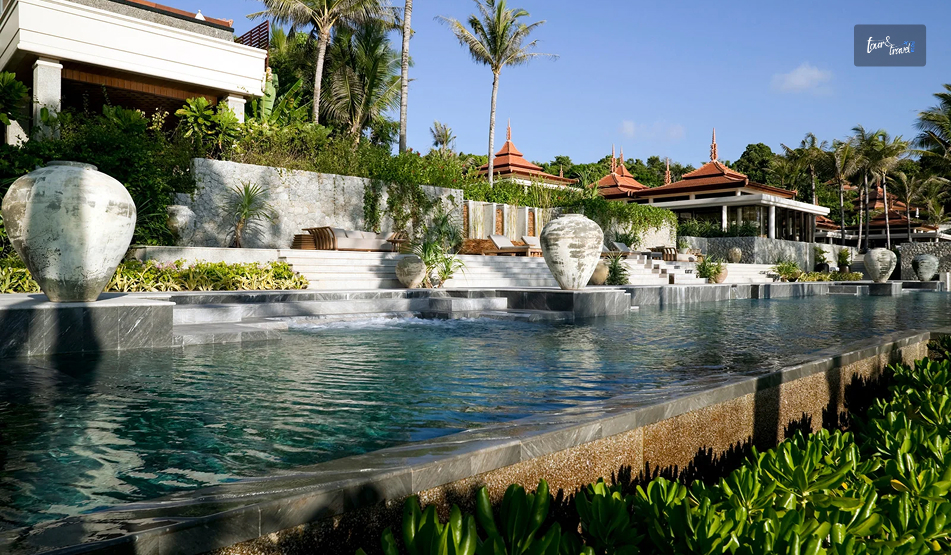
A luxury pool villa in Phuket will offer you better privacy and comfort and allow you to spend more time by the seaside.

Top Six Reasons To Opt For A Lavish Pool Villa In Phuket

Top Six Reasons To Opt For A Lavish Pool Villa In Phuket

Who doesn’t want to indulge in pristine beachfront lavishness in a picturesque destination like Phuket? With the widest availability of sophisticated luxury villas and sea-facing rooms, you would surely don’t want to miss out on this fun. So, listed below are six reasons that you would make you book your tickets to Phuket right away and also select a sumptuous pool villa.

A Wonder Land Between The Oceans

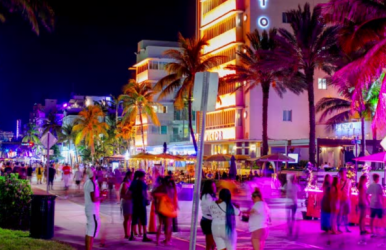
Phuket is a dream destination, located in the south of Thailand by the beautiful blue waters of the Andaman Sea and with a wealth of golden sandy beaches to enjoy. It has a rich history intertwined with nightlife that is renowned around the world. Endless restaurants serve amazing food, while there are countless activities to entertain the whole family.

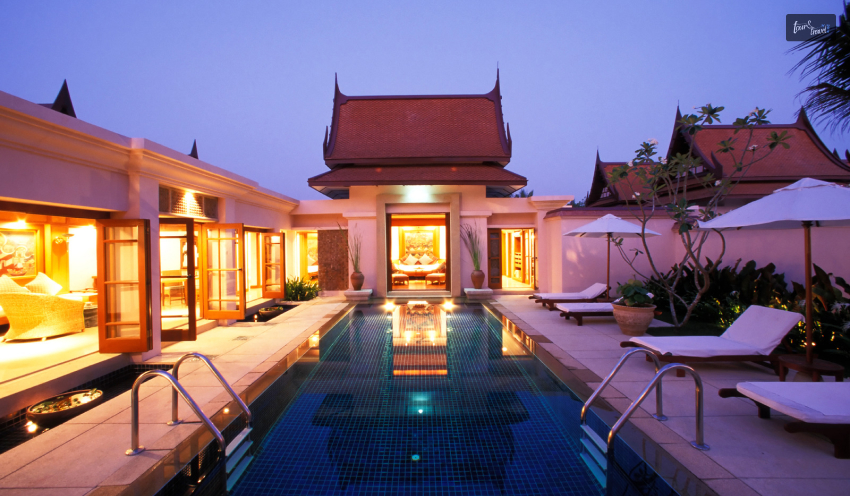
It is the total holiday experience with breathtaking scenery easily navigable for all to enjoy. Also, you get a home-like atmosphere that is unmatched by any trip experience. Certain resorts in Phuket offer you the feeling of being at home and in a relaxed state of mind.

For families or for couples who wish to maintain their everyday schedule while they are on the trip, this might just be the perfect plan.

Privacy

The last thing you would ever want on your honeymoon is to be looked at by 6000 strangers on the road while you are drenched in the pool. Privacy is the next big benefit that luxury pool villas offer. With a calm ambiance where there is no disturbing crowd, opting for a private pool villa is worth the hype.

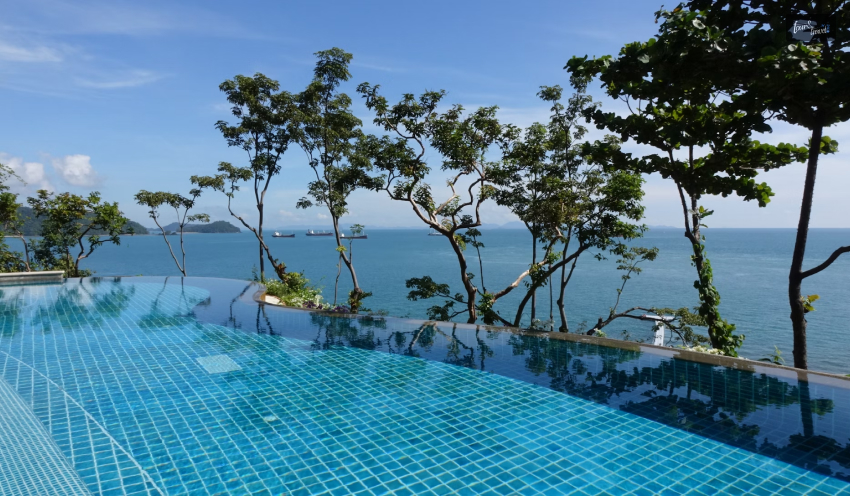
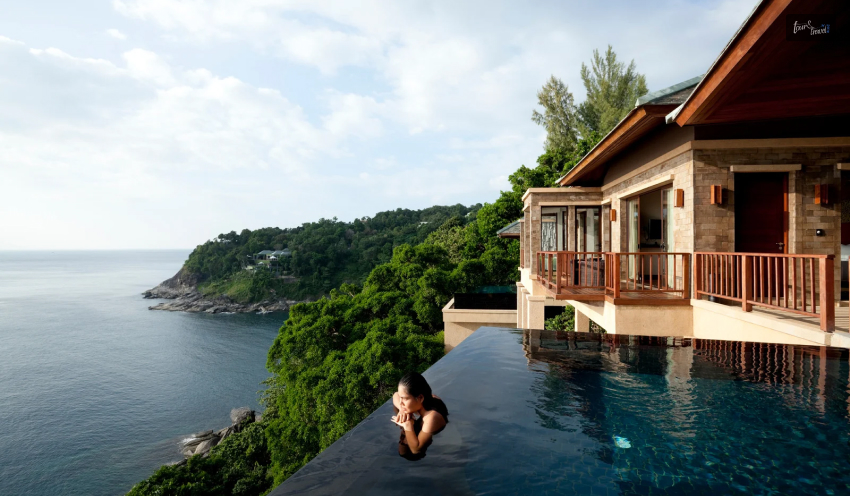
To get the most out of a vacation on this piece of paradise, a villa with its own private villa, generally set in the rolling emerald hills overlooking the ocean, is the perfect base. What could be a better start to the day than waking as the sun rises and diving into the pool with sea views? Hopefully, all travelers will have made the right calls as to what to put into their makeup bag for the vacation.

An Escape From The Reality

Lying back and rewinding might be high on the list of those wanting to forget about their normal life and drift away while enjoying a read by the pool with some cold refreshments before the sun sets on another stunning day.

Working 10 hours a day for 365 days is not how you should live your life. Taking a relaxing escape by the beach acts as a refreshment for another year. And especially with locations like Phuket, your travel will be the most memorable one.

Unmatched Service

The service and attention that guests will receive are second to none. A villa manager who speaks English is always on hand, and they will act as a concierge throughout the stay, ensuring that every assistance possible is provided. They can provide shopping, book restaurants, and arrange excursions to take away any hassle of the stay.

Maybe a visit to a water theme park might be on the agenda. Those assisting you in a luxury pool villa are usually professional people who know how to take care of their guests. You can even ask them for security, customized meals, and party arrangements.

Quality Time By The Seaside 

What nicer way to make the most of the villa than enjoying a barbeque or lunch? Many have their chef included, who will make all the arrangements and go to purchase the ingredients, while a daily breakfast is also often included. This, along with all the modern amenities any guest could wish for, adds up to a perfect vacation.

Resorts offer endless facilities that you can enjoy with your family by the ocean side. Try barbequing, taking a walk in lush gardens, or tasting wines and liquours.

Great Deals During The Peak Season

Booking through professionals who understand what their customers want and can provide the very best amenities, service, and options is a great start. Prices are worked out so that everyone gets the deal even when renting a larger villa than is required, as guests are only charged for what they use.

November to February is the peak tourist season in Phuket. And this is also the period where you will get maximum deals on restaurants, air tickets, and our very favorite pool villas. The Vegetarian Festival is an unmissable event in this region.

However, make sure to make prior bookings if you want the cheapest prices on your accommodations. You might seek the help of various websites to draw a subtle comparison between your selected pool villas in famous tourist locations.

Discover The Best Luxury Villas In Phuket

Discover The Best Luxury Villas In Phuket

A luxury pool villa in Phuket will allow you to listen to the sound of waves, and the private terrace or pool will allow you to spend some moments of luxury in nature. 

Luxury pool villas in Phuket are available at various tariffs. The rate of the luxury pool villas per night will be between $300 to $10000.

Here is a listing of some of the best luxury villas in Phuket with the necessary details.

Villa Amara, Kamala, PhuketContact Number: (+66)86 520 0855Price: $1400-3600 Per Person, One Night
Villa YangContact Number: +66 95 031 1679Price Range:  $595 – $2,495 Per Person, One Night
Baan NicolinaContact Number: +44 (0) 208 144 0482Price Range: $850 – $2,500 Per Person, One Night
Villa PadmaContact Number: +852 8120 8488Price Range: $1,758 – $6,061 Per Person, One Night
Villa Beyond NamasteContact Number: +66 87 888 5801Price Range:  $2,030 – $4,290 Per Person, One Night
Nautilus VillaContact Number: +66 95 155 2888/+66 65 403 1993Price Range: $2,879 – $3,333 Per Person, One Night
Villa SkylineContact Number: +66 96 328 1356Price Range: $842 – $2,700 Per Person, One Night

The Demand For A Luxury Pool Villa In Phuket Is On The Rise: Know Why

The Demand For A Luxury Pool Villa In Phuket Is On The Rise Know Why

Coldwell Banker Richard Ellis (CBRE) is a leading American real estate company with a presence in many nations. CBRE Thailand has highlighted that investors are now ready to invest in buying the luxury villas of Thailand. This is, of course, the impact of the rising demand for luxury pool villas among tourists in Phuket.

People from many countries visit Phuket for its beach fun and luxurious vibe. Also, they keep coming back. So, for them, buying a luxury villa in Phuket is a more profitable option. 

Moreover, according to CBRE, the ratio between the foreign and Thai buyers of a luxury villa in Phuket is 50:50. 

Wrapping It Up

Choosing to book a villa with a luxury pool in Phuket is the recipe to guarantee a happy and luxurious stay without any stress, which will recharge the batteries and provide endless fun.

Get yourself a resort that has an in-built spa, entertainment zone, restaurant, and clubs to make a good value for your investment. While visiting Phuket, make sure your travel is worth remembering for the next few days of your life.

Read Also:

Share on Social Media

Abdul Aziz Mondol is a professional blogger who is having a colossal interest in writing blogs and other jones of calligraphies. In terms of his professional commitments, he loves to share content related to business, finance, technology, and the gaming niche.

Leave a Reply

Your email address will not be published. Required fields are marked *

title-img Related

READ MORE free museums in dc

Explore The Top 15 Free Museums In DC! Must Visit Museums In 2024!

BY  Ankita Jun 7, 2023

What are the best free museums in DC that you and your family can visit while you are in the state? Well, if this is something that you have been searching for, then I have the best thing for you! Washington, D.C., is home to so many amazing museums. The best thing, though? A lot of them provide free admission. You can research history, science, culture, and the arts for free. And if you want a list of them, then you will find this article to be of help! Keep reading this blog till the end to learn more… Which City Has The Highest Number Of Museums? With 85.4 museums per 100,000 people, Washington, D.C. is the US city with the highest number of museums per capita, according to a 2019 report by the American Alliance of Museums. There are numerous explanations for Washington, D.C.'s abundance of museums. First of all, being the nation's capital and the seat of government, it is home to numerous national institutions and museums, including the Library of Congress, the National Archives, and the Smithsonian Institution, which is composed of 19 museums and galleries. Moreover, museums are a big draw for tourists to Washington, D.C., another well-liked vacation spot. The city's museums are accessible to all, offering a broad range of topics from science and technology to art and history, and many of them are free to the general public. Ultimately, a great deal of Washington, D.C.'s museums are dedicated to preserving and presenting the city's rich cultural legacy. For instance, the National Museum of the American Indian focuses on the history and culture of Native Americans, while the National Museum of African American History and Culture, which opened in 2016, is devoted to telling the story of the African American experience in the United States. 15 Best Free Museums In DC That You Need To Check Out! Every day, scholars, researchers, visitors, and locals are drawn to our nation's capital. The diversity and caliber of free museums here attract the crowd. However, with so many choices, selecting an itinerary might be difficult. That is the reason why I have come to your rescue. In this article, I have planned and listed the top 15 free museums in DC that you can visit! So, without further ado, let us get started! Here are the best free museums in Washington DC that you need to visit: 1. National Gallery Of Art This renowned art gallery spans two significant buildings joined by an illuminated tunnel. It also has an indoor waterfall and a six-acre (2.4 ha) sculpture garden. It features both traveling exhibitions and a changing exhibition of works from the permanent collection. The permanent collection offers a marvelously thorough selection of the best artwork. It spans from ancient to modern times, including masterpieces like da Vinci, Degas, and Calder. The National Gallery of Art is a fantastic family outing. It offers free public programming like art history films, classical performances, and kid-friendly hands-on activities. Check out the ice skating rink in the sculpture garden if you're here in the winter. Every day from 10 am to 5 pm, the National Gallery of Art is open at 6th Constitution Avenue North West, Washington, DC, 20565. 2. United States Holocaust Memorial Museum One of the biggest disasters in human history, the Holocaust of World War II, teaches us some of history's most difficult lessons. Except for the children's-oriented Daniel's Story exhibit, it is intended for visitors 11 and older due to the nature of the issues covered in this museum's exhibitions. The Holocaust is a permanent exhibition that offers an insightful look at this historical tragedy through a wealth of artifacts, videos, and human accounts. James Ingo purposefully evoked architectural characteristics of various historical Holocaust places in the Freed building. He does so in an abstract, open-ended manner without making direct parallels to any of these locations. Four commissioned works of art are also on display within the museum: Consequence, a wall drawing by Sol LeWitt; Gravity, a monolithic sculpture by Richard Serra; Loss and Regeneration, a sculpture by Joel Shapiro; and Memorial, a grouping of four white wall sculptures by Ellsworth Kelly. Due to COVID, timed-entry tickets are required, and they can only be purchased in groups of six or fewer. Additionally, there is a $1 processing fee for online ticket purchases. This museum deserves a place on the list of the best free museums in DC. Everyday from 10 a.m. to 5:30 p.m., the museum is open. In Washington, DC, 20024, at 100 Raoul Wallenberg Place South West, is the location of the United States Holocaust Memorial Museum. 3. National Museum Of Natural History There are 147 million specimens and artifacts on display at the Natural History Museum with the highest visitors in the world. Some of them are The Hope Diamond, meteorites, ancient Egyptian mummies, and live insects, including butterflies. The focus of traveling exhibits on natural history issues is on plant and animal biodiversity as well as human history. To further improve your experience, they also offer do-it-yourself, free, printable exhibitions. Because the museum is so big, it's a good idea to take a break and unwind in one of their two cafes or the Garden Lounge, which has live plants. Open every day from 10 a.m. to 5 p.m. In Washington, DC 20560, at 1000 Madison Drive North West, is where you may find the National Museum of Natural History. 4. National Museum Of American History Explore the over 1.7 million objects that span over 300,000 square feet (27,870 square meters) and tell the narrative of America with the four million visitors who flock here each year. The "Star-Spangled Banner"'s inspiration, the Greensboro lunch counter from the Civil Rights demonstrations, Julia Child's kitchen, the ruby slippers from The Wizard of Oz, and Lincoln's stovepipe hat are just a few of the most well-known and well-liked exhibitions. In addition to exceptional events like guest lecturers and performances, the museum offers regular programming as part of some exhibits like Spark! Lab and Wonderplace. The National Museum of American History is located at 1300 Constitution Avenue North West, Washington, DC, 20560, and is open daily from 10 am to 5.30 pm. 5. Hirshhorn Museum And Sculpture Garden Next on the list of the must-visit free museums in DC, we have Hirshhorn Museum and Sculpture Garden. This museum is a must-visit for art enthusiasts because of its enormous collection of contemporary and modern art from throughout the world. Featured and well-known artists include Yayoi Kusama, Henry Moore, and Pablo Picasso. Over 30 sculptures are on display at the sculpture park, including Yoko Ono's well-known Wish Tree. One of the most well-known American modern art museums, the Hirshorn has been open for 50 years and provides a platform for contemporary art and culture on a national scale. For special exhibits, timed passes can be necessary. The museum offers exciting educational opportunities like storytimes, guest speakers, their mobile Art Cart, and film festivals in addition to its permanent and special exhibits. The on-site cafe, Dolcezza, offers pastries, gelato, specialty coffee and tea in a beautifully decorated space. The Hirshhorn Museum and Sculpture Garden is located at Independence Avenue South West & 7th Street South West, Washington, DC, 20560, and is open daily from 10 am to 5.30 pm. 6. National Museum Of The American Indian In this relatively recent addition to the National Mall, explore the richness of culture, language, history, tradition, and futures of indigenous peoples of the Americas. Visit the engaging, fun-filled imaginative Activity Centre (Tuesday–Sunday) for children ages 10 and under to learn the traditional cultural and scientific knowledge of many indigenous peoples. The National Native American Veterans Memorial, a stainless steel circle balanced on a carved stone drum with intricate symbolic carving, was inaugurated at the museum in November 2020 to honor and remember the Native American military veterans. Take a mouthful of some traditional food at the Mitsitam Native Foods Cafe, which offers Native American foods at five themed food stations. The museum offers a number of special events and programs, including performances, special guest lecturers, film festivals, and concerts, to share indigenous traditions with people of all ages in addition to permanent and temporary exhibitions. The National Museum of the American Indian is located at 4th Street South West, Washington, DC, 20560, and is open daily from 10 am to 5.30 pm. 7. National Museum Of African American History And Culture Visit the one and only national museum that was established in the autumn of 2016 and is dedicated to preserving and promoting African American life, art, history, and culture. With an exhibition area of 85,000 square feet (7,897 square km), it will take at least two hours to see everything. Discover African American cuisine at the Sweet Home Cafe with its four themed stations and occasionally offered "Chef's Tables" special meals, such as those for Black History Month. You need a free-timed admission pass. The National Museum of African American History and Culture is located at 1400 Constitution Avenue North West, Washington, DC, 20560, and is open daily from 10 a.m. to 5:30 p.m. 8. National Museum Of Asian Art Visit the Freer Gallery to learn more about Asian art. The Sackler Gallery is home to ornamental and religious items. The Freer Gallery was the first Smithsonian institution designed purely to keep art. They collectively house about 45,000 items with a 6,000-year history. It includes some American artworks in the Freer Gallery. For example, the greatest collection of James McNeill Whistler's paintings in the world. Recent substantial improvements to the galleries have given the museum new energy and technology. Additionally, the museum presents a number of special events and programs, including workshops, performances, films, and guest lecturers. In Washington, DC, 20560, at 1050 Independence Avenue South West, lies the National Museum of Asian Art. 9. National Museum Of African Art Next on the list of free museums in DC is the National Museum of African Art. It was initially founded in 1964 and was bought by the Smithsonian in 1979. It collects and exhibits traditional as well as modern and contemporary art from Africa. A variety of media and issues are covered in the exhibitions, such as photography, portraiture, sculptures, film, and more on tradition, history, slavery in America, politics, and African cinema. They offer a variety of performances as well as notable speakers as part of their special programming. In Washington, DC, 20560, at 950 Independence Avenue South West, lies the National Museum of African Art. 10. National Archives Museum The three most significant historical documents in American history are kept there. There is also the museum and the National Archives and Records Administration. Discover more important documents that affected American history at the Rotunda's interactive Public Vaults permanent exhibit. It features the Declaration of Independence, the Constitution, and the Bill of Rights. The David M. Rubenstein Gallery houses one of the four remaining original copies of the 1297 Magna Carta. It is the ongoing exhibition of the Record of Rights. There is also a 17-foot (nearly 5-m) touch screen on the national discussions surrounding subjects like citizenship and free speech. Additionally, the museum hosts a variety of passing exhibits. It includes a featured document display and the Boeing Learning Centre. Here visitors can check out white gloves and a magnifying glass to examine replica documents like an actual archivist. The National Archives Museum is located at 701 Constitution Avenue North West, Washington, DC, 20408. It is open daily from 10 am to 5.30 pm. 11. National Air And Space Museum Visit the National Air and Space Museum in Washington, DC, for a fun-filled free museum. Visit the renowned National Air and Space Museum to learn more about the power of flying and how it propelled humans off the planet. The Air and Space Museum, like many other museums, is undergoing renovations that will last until 2025, although eight new exhibits are already open. The Wright Brothers & the Invention of the Aerial Age explores the history and force of flight with a special emphasis on its creators. Discover how we reached the moon in 1969 and why and how we are returning in the new blockbuster-level exhibit Destination Moon. You must have a free timed admission pass, otherwise you can skip the queue. The Steven F. Udvar-Hazy Centre, their secondary location, is located in Chantilly, Virginia, about 40 minutes from Washington, D.C. Here, you may learn about human spaceflight and World War II aviation while also seeing planes and a space shuttle. The National Air and Space Museum is located at 600 Independence Avenue, Washington, DC, 20560, and is open daily from 10 am to 5.30 pm. 12. National Zoo Bears, lions, and tigers, and so much more! Discover a variety of animal species from all over the world, as well as daily animal demonstrations and habitat displays. There are entrance passes that must be purchased in addition to paid parking passes in advance (if you decide to drive and park there). A few same-day passes will be available on-site, although it is advised to make a reservation in advance. Visit the Kids' Farm, the unusual Me and the Bee playground, and the seasonally open Squirt Zone if you're traveling with children. Kids will enjoy the Speedwell Conservation Carousel, but keep in mind that each ride costs $4. Two to three hours are suggested or anticipated for a trip to the zoo; be sure to wear shoes that are suitable for walking around in. You can bring your own food and non-alcoholic drinks (no glass bottles), though they do have some food options on-site. The National Zoo is located at 3001 Connecticut Avenue North West, Washington, DC 20008, and is open daily from 8 am to 4 pm. 13. National Portrait Gallery Discover portraits of some of America's most prominent people in the visual, performing, and new media arts, including artists, politicians, scientists, innovators, activists, as well as entertainers. The museum is home to the only comprehensive collection of presidential portraits outside of the White House, which includes works by renowned artist Gilbert Stuart. For a customized visit with your group, schedule a tour five weeks in advance for ten or more people, or try your luck with the walk-up tours on Saturdays as well as Sundays at 12 and 2.30. The National Portrait Gallery is located at 8th Street North West & G Street North West, Washington, DC, 20001, and is open daily from 11.30 am to 7 pm. 14. American Art Museum Discover the country's first collection of American art. It is one of the most significant and comprehensive collections of American art in the world. It is also a unique world-class chronicle of the American experience. The museum has taken the lead in seeking out, gathering, and displaying exceptional as well as outstanding representations of American visual art culture. In addition to the conventional, expected kinds of art in a museum, there is photography, current folk and self-taught work. There are also frequently unsung cultural arts, such as African American and Latino, and even computer games. The museum has two locations. However, they are only a 25-minute walk apart. The Smithsonian American Art Museum (SAAM) is in the downtown cultural center. The Renwick Gallery, which specializes in craft and decorative art, is close to the White House. Check out the Experience America exhibition, which captures American culture in a variety of artistic mediums. There is also Janet Echelman's 1.8 Renwick, a commissioned colorful fiber and lighting piece dangling from the ceiling. Moreover, it highlights the relationships between people and the natural world across time. The SAAM site is open from 11:30 am to 7 pm, as well as the Renwick Gallery is open from 10 am to 5.30 pm. Both locations are open every day. While the Renwick Gallery is located at 1661 Pennsylvania Avenue North West #1 in Washington, DC, the SAAM is housed in the same building as the National Portrait Gallery at G Street North West & 8th Street North West. Read More: Understand More About The Vatican’s Museums 15. National Postal Museum Last but not least, on this list of the free museums in DC that you must visit is the National Postal Museum. Who knew using the mail could be so much fun? Learn about the practicalities of how your letter gets from your mailbox to its destination as well as what it's like to work for the postal service. You can also learn about the transportation used by the postal system. In this amazing stamp collection, you may engage with stamps in ways you never thought possible. Along with regular special programming including story times, art programmes, reading groups, talks, and even multilingual options like Hello, Museo for kids, daily tours are also offered. The National Postal Museum is located at 2 Massachusetts Avenue North East, Washington, DC 20002, and is open daily from 10 am to 5.30 pm. Bonus: Phillip's Musuem Nestled amidst the exquisite row houses of Dupont Circle, this modern art museum was founded in 1921 within a Georgian Revival mansion that had previously served as Duncan Phillips' family home. The location is a favorite among Washingtonians because it is both sophisticated and intimate. Impressionist and modern art are the main foci of the modern art museum, and it excels in both areas. Renoir's well-known "Luncheon of the Boating Party" and pieces by Georgia O'Keefe, Pablo Picasso, Vincent van Gogh, and Richard Diebenkorn are among the highlights of the permanent collection. A single bench is surrounded by four of the abstract expressionist artist's paintings in a small but cozy Rothko Room. In celebration of the centennial of The Phillips Collection, visual artist Daniel Canogar created a digital piece that melds 550 pieces from the museum's collection into a captivating, swirling projection using an algorithm. Wrapping It Up! I hope that this guide has been of help to you in finding the best free museums in DC. Is there more that you want to know? Feel free to scroll down and leave your queries at the bottom of the page. And I will be there to answer them all for you! Read Also: Top 10 National Parks In Oregon That You Need To Explore Tips To Make Your Vacation In Gatlinburg More Enjoyable 6 Things To Know Before You Visit St. George

READ MORE things to do in Savannah

Unique Things To Do In Savannah, GA: 7+ Best Ideas (With Tour And Travel Tips)

BY  Sibashree Nov 14, 2024

Savannah has recently been in the limelight for great reasons. At the just-concluded 2024 Tourism Tropical North Queensland (TNQ) Tourism Industry Excellence Awards, Savannah in the Round has been conferred the Outstanding Commitment to the Industry award. Savannah in the Round is a popular music and arts festival and with it winning the laurel, Savannah will get a great kick in the city’s art tourism.  However, the unique things to do in Savannah are much beyond only nurturing the musical and arty aspects. For the longest time, it has been a hub of history enthusiasts, especially the ones eager to know about American history. There is no wonder that Savannah and Chatham County have created an economic impact of $4.7 billion, thanks to tourism in 2023.  "What we are most pleased about is our visitors are staying longer and spending more money when they are here. That tells us that the overall Savannah visitor experience, when it comes to lodging, dining, and other activities, is meeting the needs and expectations of our customers. A goal the hospitality community strives for every day."Joseph Marinelli, President and CEO, Visit Savannah So, do you want to explore the promising tourism landscape of Savannah? Try the following activities on your first visit. Most Unique Things To Do In Savannah (Don’t Miss Out On The Tour And Travel Tips) Tourism in Savannah is crucial for the community as it has sustained 30,000 jobs annually in the tourism and hospitality sectors. Further, the insights from locals and industry insiders have confirmed that the tourists now choose local businesses and hotels in the city. To be more specific, tourists here prefer to eat at locally-owned restaurants and buy stuff from local retail businesses. “With two-thirds of respondents intentionally favoring locally-owned restaurants and retail offerings, we as industry leaders must acknowledge and harness this trend.”Todd Costin, General Manager Hyatt Regency Savannah and Visit Savannah Chair So, are you ready to explore the true flavors of Savannah while visiting the iconic landmarks? Here are the best things to do in Savannah, curated and approved by the Tour and Travel expert team.  1. A Day Trip To Tybee Island A day trip to Tybee Island is one of the best things to do in Savannah if you want a relaxing holiday. The Little Tybee Island is the hidden gem of this trip, with only boats taking you to this pristine destination.  Along with being a picturesque beach destination, Tybee Island also has places of attractions like the Tybee Island Light Station, Marine Science Center, etc. When on Tybee Island, don’t miss a visit to Fort Pulaski, a place of great historic significance between Tybee Island and Savannah.  2. Visiting The Bonaventure Cemetery Operating Hours: 8 AM to 5 PM The 100-acre Bonaventure Cemetery is among the best attractions for literary and music enthusiasts. Names like Johnny Mercer and Conrad Aiken rest here. Further, the neighboring Greenwich Cemetery has the grave of Danny Hansford. For the uninitiated, the murder of Danny Hansford was the main inspiration behind Midnight in the Garden of Good and Evil, the bestseller by John Berendt. Tour And Travel Tips Wear comfortable shoes and carry a water bottle and bug spray while visiting this cemetery.  3. Visiting The River Street River Street in the Waterfront District of Savannah is one of the most prominent travel destinations in the city. It runs along the Savannah River and many people also take a cruise ride from Hilton Head to River Street to take a stroll and explore the city’s history. However, the main attractions here are the souvenir shops. Further, you can enjoy serious gastronomic delights at the local restaurants.  Moreover, sipping your favorite drink at the old cotton warehouses while enjoying the river view is the most relaxing experience one can expect.  4. Visiting The Old Sorrel Weed House https://www.instagram.com/p/C0igAyIMSLe/?img_index=1 Operating Hours: 11 AM to 11 PM (Monday to Saturday), 11 AM to 3 PM (Sunday) This villa, built in 1840, stands proudly on Harris Street with its unique Greek revival style. Francis Sorrel built the villa, and with time, it became home to Moxley Sorrel, the brigadier general and an important figure in the Civil War. Did You Know?The second wife of Francis Sorrel committed suicide at the Old Sorrel Weed House along with one of the slave workers.Old-Sorrel Weed House was also featured in one of the episodes of HGTV’s Ghost Adventures. However, today, along with being a place of architectural and historic importance, it is also a popular destination for ghost tours in Savannah. So, if you are interested in ghosts and spirits, a Ghost Tour on Paranormal Investigations here will be one of the best things to do in Savannah. Tour And Travel Notes Don’t miss a visit to Chippewa Square, near the Old Sorrel Weed House. It was the location of the famous Tom Hanks movie, Forest Gump. In the movie, the actor sits on a bench at Chippewa Square and narrates his life stories.  5. A Tour Of Fort Pulaski National Monument Operating Hours: 9 AM to 5 PM The 19th-century Pulaski National Monument gets its name from Casimir Pulaski, a Revolutionary War Hero. Originally built as a watchpoint to save Savannah from coastal attacks, the fort slowly became a part of the history of slaves in Savannah. Slaves escaping through the Underground Railroad used to take refuge in Fort Pulaski. So, visiting this historic fort is one of the most important things to do in Savannah and learn about the city’s relation with the history of slavery.  6. Exploring The Savannah African Art Museum https://www.instagram.com/p/C23I31agi7y/ Operating Hours: 11 AM to 5 PM The Savannah African Art Museum is home to over thousand artworks from central and west Africa. You can visit the spiritual and ceremonial collectibles from the 19th and 20th centuries. These objects are crafted from ceramics, metals, wood, etc. The museum’s mission is to "provide engaging experiences that educate and start conversations about the power, diversity, and spirituality of African art.” Tour And Travel Note Savannah African Art Museum is a hidden gem and a great conversation starter for people interested in African culture. Further, you will see many sculptures, textiles, masks, and other objects on display with the guide explaining their significance to you. You can attend the 1-hour tours of the collectibles from Wednesday to Saturday. These tours start every 30 minutes.  7. Visiting The Wormsloe State Historic Site Operating Hours: 9 AM to 4:45 PM Are you up for a stroll with towering oak trees gracing the pathways? The dressing of Spanish moss makes these oak trees appear as a witness to the changes in nature and human histories related to this place. This is a great place for photography enthusiasts. However, as you pass the entryway, you will encounter the oldest standing structure of Savannah, the Wormsloe Ruins. Noble Jones, a carpenter and one of the first-generation settlers from England built an estate here in the 1750s. He recruited slaves to plant cotton and vegetables and run the estate as a profitable business. Today, you can visit the ruins and a small museum tour will help you find the artifacts unearthed here. Tour And Travel Tips   Don’t miss a walk on the interpretative trail at the Wormsloe State Historic Site. This trail along the Skidaway River marsh has interpreters in costumes. They interpret the colonial history of this estate and Georgia.  8. Introspection At The First African Baptist Church The first African Baptist Church of 1773 is the longest-running Black church in North America. Rev. George Liele organized the church. He was a slave, but the British released him and he became the pastor of this church. Andrew Bryan became the church’s second pastor as George Liele left for Jamaica. You can attend a service at the church or visit the following things, bearing the church’s architectural features and histories. Original light fixtures Balcony pews Baptismal pool Stained-glass windows Underground Railroad You can complete a tour of this church within 1 hour. So, visiting this church will easily fit into your list of things to do in Savannah.  Also read Top 13 Famous Wonders Of India That You Must Visit! Top 10 Most Popular Paraguay Food That You Must Try. Top Tips For Motorbike Rental In Phuket – A Guide To Exploring The Island On Two Wheels.

READ MORE Cold-Weather Camping

Military-Style Winter Tents With Wood Stove: Dependable Comfort For Cold-Weather Camping

BY  Sibashree Nov 18, 2025

When temperatures drop and the snow keeps falling, a military-style winter tent with a wood stove becomes more than shelter—it’s the difference between enduring the cold and enjoying it.  Built for stability and warmth, these tents combine rugged fabrics, reinforced frames, and heat-safe stove jacks for reliable protection in harsh conditions. Today’s designs take that proven military strength and merge it with modern engineering.  An inflatable camping tent sets up fast without heavy poles, keeping your camp efficient and warm.  For longer expeditions, choosing the right winter tent ensures a safe balance between insulation and ventilation.  Moreover,  when your trip turns into true winter tent camping, a well-built hot tent lets you rest, dry gear, and cook inside while snow piles outside. Proper harsh cold-weather camping requires adequate gear. Thus, it is important to ensure that people do not suffer from a shivering cold. What Defines A True Military-Grade Hot Tent & How Does It Help In Cold-Weather Camping A military-grade hot tent is built to perform where the cold is relentless and the wind never stops.  Its strength begins with the fabric—dense, tear-resistant, and coated to block moisture while allowing controlled airflow.  Seams are double-stitched and heat-sealed to prevent leaks, and tension points are reinforced to hold shape under snow load.  Inside, an integrated stove jack made of fire-resistant material allows safe operation of a wood stove without damaging the canopy. Beyond materials, structure matters. The frame or inflatable skeleton must handle repeated freezing cycles without cracking or warping. Moreover,  the doors and vents are positioned for cross-ventilation to minimize condensation while maintaining interior warmth.  Moreover, this balance of durability, insulation, and controlled ventilation distinguishes an ordinary camping shelter from a genuine army tent with stove capability. The army tent is designed to keep crews safe and operational through winter extremes. 1. Stove Jack And Safety In Extreme Cold Start with fit and materials. The stove jack must be fire-resistant and matched to the pipe’s outside diameter so the collar seals without crushing the flue.  Add a heat shield or jack boot and use a short double-wall section near the exit to tame radiant heat.  Keep the chimney as straight and tall as practical, cap it with a spark arrestor, and confirm a steady draft before loading the firebox. Manage heat at the source. Set the stove on a fireproof mat, maintain clearances from walls and gear, and route guy lines where no one can bump hot pipe. Burn seasoned wood. Thus, wet or resinous fuel increases the risk of smoke, creosote, and CO. Vent with intent. Crack a low intake and a high exhaust vent to create cross-flow that controls condensation and carbon monoxide. Run a compact CO alarm. Operate with discipline. Gloves for pipe handling, daily ash removal, regular creosote checks, and no unattended flame. If no fire watch is planned, extinguish before sleep. 2. Why Inflatable Tents Fit Military-Style Needs Today Inflatable architecture replaces rigid poles with airbeams that keep even tension across the canopy, improving wind stability and snow-load handling. Setup is predictable: connect the pump, inflate to spec, and fine-tune guy lines without wrestling frozen joints or seized fittings.  With fewer metal bridges from inside to outside, an inflatable hot tent loses less heat to conduction and stays quieter in gusts. Cold-weather reliability improves, too. Multi-chamber designs add redundancy, and small punctures are field-repairable with a basic kit.  Curved geometry reduces flapping, helps shed spindrift, and preserves a clean stove clearance zone.  Packability is strong for the floor area—rolled beams ride securely on a sled or ATV, and the weight distribution is easier on long approaches. For teams that work in real winter, an inflatable winter tent delivers military-style discipline—fast deployment, controlled ventilation, and stable heat—without excess bulk.  RBM Outdoors focuses on this balance of durability and comfort, giving crews a 4-season shelter that performs when temperatures plunge. Thus, this acts as the ideal gear for cold-weather camping 3. Layout And Capacity For Winter Teams: Cold-Weather Camping Plan the space around heat and traffic. Start with a clear stove zone—an open buffer for safe clearances and wood handling—then set sleeping areas along the walls, keeping a center aisle free for movement.  Near-vertical walls and tall doors make cots practical; leave a small gap behind each cot for airflow and to keep fabric off hot gear.  Use a vestibule or annex for firewood, wet boots, and sled bags so the living space stays dry. For four people, aim for one dedicated drying line and a compact table; for six to eight, add a second line and a gear rack to keep gloves and layers rotating.  Suppose the tent has a divider, split “quiet sleep” and “task” sides to control light and noise.  Place a low intake vent opposite a high vent near the stove to move moisture out without dumping heat. 4. Set Up And Field Maintenance  Of Gear And Tents For Cold-Weather Camping Prep the site first: stamp a flat pad, face the door leeward, and mark a safe stove zone. Lay the footprint, clip or zip the floor, then inflate to spec using a gauge; set primary guy lines before tensioning secondaries.  In sugar snow, bury deadman anchors or use long snow stakes. Dry-fit the chimney, keep it as vertical as possible, add a spark arrestor, and place a fireproof mat under the stove. During use, clear spindrift from ridgelines, crack low and high vents, and re-tension lines after temperature drops.  Empty ash cold, check for creosote, and inspect the jack for heat glaze. Top up the airbeam pressure in deep cold and patch small punctures immediately.  For packout, cool, dry, vent, then roll toward open valves and lash low for transport. 5. Care And Storage Tips After The Trip Dry first, store second. After shutdown, crack the low and high vents to purge steam; brush off frost so meltwater doesn’t soak into the seams.  Let the liner reach room-dry before rolling. Empty ash cold, wipe the firebox, and knock creosote from pipe sections; a clean flue protects the jack and restores draft next trip. Inspect the jack panel for glazing or scorching, and replace it if it is fatigued. Protect fabrics and hardware. Rinse grit from zippers, treat sliders lightly, and check guy lines, stake loops, and tie-outs for fray.  Reproof high-wear zones if water no longer beads. For inflatable beams, equalize pressure at room temp, clear valves of ice, and store loosely—avoid long-term compression. Stash the tent in a cool, dry place off concrete, with a small desiccant pouch in the bag. Things To Remember About Cold-Weather Camping Tents  A military-style winter tent with a wood stove should deliver three things every time: safety, steady heat, and fast deployment.  Prioritize a fire-resistant jack, disciplined ventilation, and a layout that protects people and gear.  Inflatable designs add speed and stability in deep cold, while RBM Outdoors’ focus on durable materials and practical details keeps the shelter reliable through long winters.