


The Comeback Of Death Valley National Park Lake? Will It Stay?

Sep 10, 2024

Last Updated on: Nov 18, 2024

Travel Blog

The year 2023 fall saw the return of Lake Manly or the Death Valley National Park lake. The Badwater Basin is the lowest point in the Death Valley, as well as the entire North America. It is located 282 feet below sea level, and today, the world knows it as a dry and salted flat.  

However, a massive downpour caused by Hurricane Hilary in fall 2023 and the “Atmospheric River Effect” this year made the dried lake appear magically. Lastly, the lake had a resurrection in 2005, and suddenly, this trace of life in the barren land looks and feels surreal.  

But why did this lake appear all of a sudden? Will it stay? What can you see while exploring the area near Lake Manly? This article tries to find answers to all your questions.

Further, there is a sneak peek into what NASA shows about the ghostly and ancient lake at Death Valley National Park.  

Has The Ancient Death Valley National Park Lake Returned? 

Has The Ancient Death Valley National Park Lake Returned?

Yes, the ancient Death Valley National Park lake made a comeback. Hurricane Hilary hit Death Valley on 19th-21st August 2023, and its remnants caused more rainfall than the average yearly rainfall (2 inches) at the national park.  

Further, a Californian storm or the atmospheric river effect on 4th-7th February 2024 caused 1.5 inches of rainfall. Altogether, the amount of rainfall in this park from the second half of 2023 and the first half of 2024 was 4.9 inches.1  

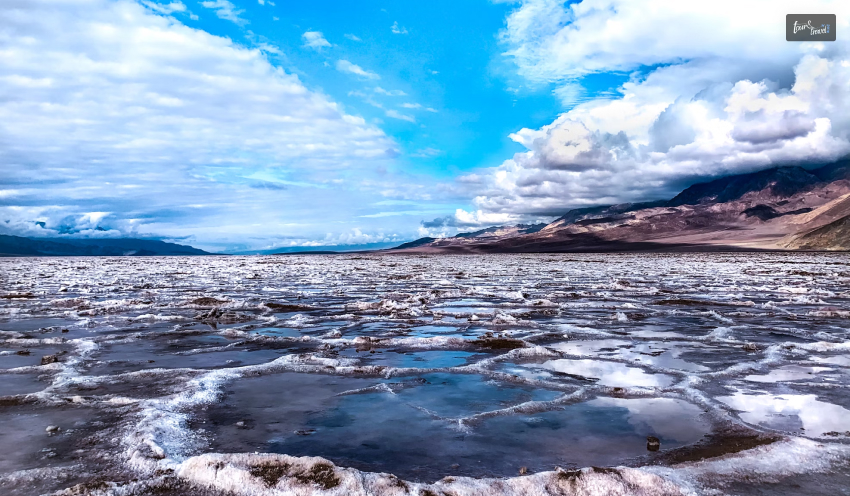
This sudden and unprecedented rainfall caused the rise of Death Valley National Park Lake. In mid-February 2024, the lake had one-foot deep water. Further, it was 6 miles long and 3 miles wide.  

NASA has published a series of three images of Lake Manly. The pictures showed the difference between the barren, salted land in July and the waterlogged area in August after the rampage of Hurricane Hilary and Atmospheric River. Further, the pictures also depicted that the lake was almost the same size in August 2023 and February 2024.  

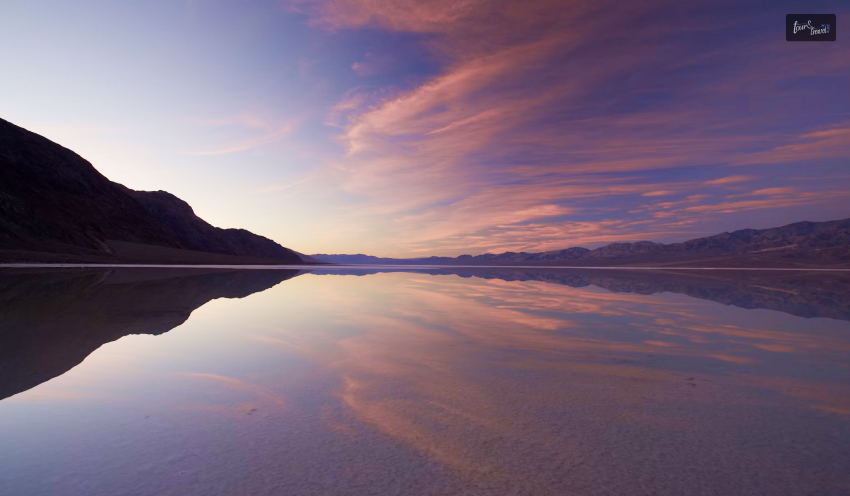
Moreover, according to the latest update in April 2024, the lake is getting a steady number of visitors. The reflection of the surrounding peaks looks out of the world in the tranquil water of the lake.

In addition, thanks to the rainfall and the resurgence of the lake, the national park had an abundance of wildflowers this season.  

Elyscia Letterman2, an interpretive park ranger with the National Park Service (NPS), has mentioned,  

It’s quite beautiful, especially at sunrise and sunset when you have these beautiful reflections from the mountains around the lake. There’s some snow on the mountaintops. So, the reflection of the snow-capped mountains on the water is very beautiful. It doesn’t feel like you’re in Death Valley.”  

Again, the Amargosa River keeps feeding the Badwater Basin area from the south. With its increased water level, it can help the Death Valley National Park lake to stay.

Having said that, let’s discuss a few details about how Hurricane Hillary and the atmospheric river effect impacted the lake formation and overall national park.  

Hurricane Hillary Hits Death Valley National Park 

The Death Valley National Park experienced flooding after a massive downpour started at Gower Gulch near Zabriskie Point. The rainfall took place on 20th August 2023, and the crew started assessing the havoc in the park on 21st August 2023.  

Thanks to the flooding, Lake Manly made a comeback. However, some of the backcountry roads were completely washed. In addition, there was a major loss of pavements and undercutting.  

The lake was deep enough to kayak for a few weeks after Hurricane Hilary, but unfortunately people couldn’t come enjoy it then. Every road in the park was damaged by flash floods, and it took two months to open the first road into the park. Now most of the main roads are open, so it’s a great time to come visit!” 

 – Ranger Abby Wines on the return of the Death Valley National Park Lake after Hurricane Hillary 

Atmospheric River Effect In Death Valley National Park 

The Death Valley National Park was already recovering from the impact of Hurricane Hilary. Suddenly, in February 2024, a Californian storm or the atmospheric river effect hit the national park. The storm fed the Badwater Basin with water, which enhanced the temporary lake. 

This storm also pulled down snow from the mountain peaks, and it came down to around 4000 feet in the park.  

Will The Ancient Death Valley National Park Lake Stay?  

Will The Ancient Death Valley National Park Lake Stay? 

Despite the endorheic nature of the Badwater Basin, the Death Valley National Park Lake is transitional or ephemeral in nature. The evaporation rate here is higher than the water feed it gets.

However, the downpours caused by the August 2023 and February 2024 natural calamities have brought all the changes. We now have a lake that shows some potential to stay.  

Again, the Amargosa River has flowing water at a high level. So, the basin is getting constantly fed by water from the south. As a result, the lake still stands in the driest place for a span of more than 6 months. In 2005, when the lake reappeared for the last time, it only lasted a week. This time, there is a new scenario around the lake and how long the water will last. 

Having said that, nothing specific can be mentioned about how long the lake will stay as the rate of evaporation is still high. Even as I write this article, I realize that the lake may not remain fit for kayaking for long. Still, the lake is likely to exist for some time, offering visitors a renewed site of attraction in the national park.  

Overall, the resurgence of the lake and its stay is an “extremely rare event,” as mentioned by the National Park Service authority.  

Exploring The Death Valley National Park Lake Area  

There is no denying that all roads in the Death Valley National Park lead to the ancient lake, which has come to life. Once you are done taking photographs or seeing the reflection of the surrounding peaks in the water, you can take a walk around the area.  

The shores of the lake have a white boundary wall, which is formed because of a high concentration of salt. Further, the Panamint Range, Black Mountains, and barren land surrounding the lake offer you an other-worldly experience.  

Moreover, you can explore the nearby looking points in the park to have diverse views of the place. Enjoy your time at the oasis of Death Valley!  

What NASA Found About The Death Valley National Park Lake? (April 2024) 

What NASA Found About The Death Valley National Park Lake? (April 2024) 

NASA showed the change in the Death Valley National Park Lake from February to March using SWOT, a U.S.-French Surface Water and Ocean Topography satellite. In just six weeks, the water level came down to 1.5 feet from 3 feet.  

The NASA report has further highlighted the temporary nature of the lake and the fact that a gust of a strong wind can move this lake by a couple of miles. 

Final Words  

With “billions of gallons of water,” the Death Valley National Park lake is alive again. The sapphire blue water in the midst of a barren land shows the magic of nature. In February 2024, the lake became a go-to destination for kayaking, thanks to its 1-foot-deep water.

However, by March, the lake was closed to opening, and in April, the lake was transformed into a waterbody of a few inches’ depth.  

This has also become a tourist attraction thanks to the most amazing sunrise and sunset views. 

Further, there is no assurance or specific information available about how long the lake will last. So, make it to the Death Valley National Park till the lake lasts.

Also, don’t forget to share your experience as you explore the Badwater Basin area around the ghostly (now alive) lake.

Also read

Share on Social Media

Meet Sibashree Bhattacharya, a travel enthusiast who has a decade-long experience in transcending virtual barriers with her words! Her deep love for travel is apparent from her travel escapades to the mountain, often taking her readers on a journey, her words acting as Portkey! Fun fact: Sibashree loves to dive deep into the history of the places she is about to visit, making her travels even more wholesome. If you were wondering how her articles are not short of time travel, this answers it!

Leave a Reply

Your email address will not be published. Required fields are marked *

title-img Related

READ MORE Coody 17.2

Coody 17.2 – All-Season Inflatable Tent For Camping

BY  Sibashree Jul 31, 2025

I rarely go camping. But when I do, I make sure I have a memorable time. To ensure this, I prioritize comfort and efficiency in every aspect of my travel, especially my camping essentials.  In today’s fast-paced world, more campers are turning to air tents as a reliable solution for stress-free outdoor experiences. But I? I don’t go for anything else but the Coody 17.2 tent for camping. They have changed my camping experience. They have a modern inflatable tent structure. So, these shelters eliminate the struggle of traditional poles and instead offer quick, intuitive assembly. Are you planning a weekend camping trip or a longer outdoor adventure? Well, Coody 17.2 is here for you. These inflatable models have revolutionized the way people approach the camping experience. Their rising popularity stems from simplicity and functionality. With no rigid frame to manage, users enjoy faster setup, reduced weight, and improved mobility—ideal for families, explorers, and those who simply want to spend more time relaxing and less time assembling. As the demand for comfort and convenience in the outdoors grows, air tents have proven to be a game-changer in modern shelter design. Meet Coody: A Tent For Camping Where Innovation Meets Comfort With over 12 years of experience and more than 40 models launched, Coody has become a trusted name in the world of modern shelters.  The brand specializes in inflatable structures designed for both casual weekend trips and rugged expeditions.  Their flagship Coody 17.2 model highlights the brand’s commitment to combining smart design with all-season performance. Also, what makes Coody tents stand out is their balance of premium materials and smart modular construction.  Additionally, every Coody inflatable tent is engineered for rapid deployment and exceptional livability, no matter the terrain or season.  The proprietary Coody air system ensures fast inflation. Additionally, they have strong structural support. So the tent holds its shape even in rough weather. Whether you're new to camping or a seasoned explorer, Coody’s approach ensures a higher level of comfort, safety, and convenience—without compromising durability. What Are The Key Features Of The Coody 17.2 Air Tent For Camping? The Coody 17.2 is built to handle real conditions. Also, it has no gimmicks, just smart design and proven materials. Here’s what makes it stand out: 1. Fast Setup With The Included Hand Pump The tent inflates in minutes using the built-in air pump. A rugged hand pump comes standard for easy setup and quick deflation without the pump when it’s time to move. 2. Weatherproof Build Durable Oxford fabric and clear TPU windows keep you dry and comfortable. Also, with a 3000mm hydrostatic rating, it handles heavy rain without flinching. 3. Ventilation That Works Multiple mesh windows and vents provide constant airflow. So, whether you’re in summer heat or winter cold, this tent stays breathable. 4. Modular Design For Flexibility A smart tent footprint gives you room where it matters. So, you can add or remove components with its modular, detachable layout depending on your setup.  5. Built To Stand Firm The structure is solid. Also, reinforced seams and tough materials mean the tent holds up in bad weather—giving you peace of mind in the wild. 6. Modular Design: Connect Multiple Tents One of the standout features of the Coody 17.2 is its modular capability. So, you can easily link multiple tents together using the:  Integrated zippers Docking sleeves Whether you're expanding for a growing group or creating separate zones for sleeping and storage, this flexibility turns your campsite into a customized basecamp. A Tent For Camping That Is Built For Year-Round Use The Coody 17.2 isn’t just for fair weather. This tent is built to perform in all four seasons—whether it’s  Freezing Raining Snowing Blazing hot This is the weather resistance overview of this tent for camping:  ConditionProtection featuresRain3000mm hydrostatic coating, full rainfly coverageWindThe reinforced air frame keeps the tent held tightColdSupports a wood stove with a stove jack built inHeatGreat ventilation, breathable mesh windows Why It’s Truly All-Season: Four-season rated: Handles snow, wind, and summer sun equally well Fully weatherproof materials keep you dry Works for winter camping or warm camping alike Rainfly can extend over doors and windows for added protection Designed for year-round use, not just a single season Built to withstand various weather conditions without leaking or sagging Keeps you comfortable—and most importantly, keeps you dry Inside The Tent: Space And Comfort Step inside the Coody 17.2, and it immediately feels like more than just a tent—it’s your home from home in the wild. Spacious interior comfortably fits multiple sleepers and gear Cozy atmosphere makes it ideal for extended stays and glamping setups Large layout gives you real peace of mind during harsh nights The installed stove jack lets you install a wood stove safely Works perfectly as an inflatable tent with a stove for cold-weather trips Mesh windows provide privacy and airflow without losing warmth Comes with an included hand pump—no extra gear required Thoughtful layout gives you room to live, not just to sleep inside the tent Whether you're solo or with a group, this tent is more than shelter—it's comfort in any weather conditions. Coody Tents In Action As The Ultimate Tent For Camping Whether it’s national parks or backcountry trails, Coody tents are built for the great outdoors. If you're on a rugged solo trip or a relaxed family camping weekend, the 17.2 adapts to your style. Campers report smooth setup at every campsite, even in remote areas. Additionally, the frame handles rough terrain and heavy weather like a pro. No poles to snap, no wasted time—just inflate and go. Additionally, when things get tough, the tent can withstand wind, rain, and snow with confidence. That’s the kind of reliability outdoor gear should have. Why Choose Coody? Coody tents are built for serious use. Also, the materials, layout, and features are all chosen to make your time outside easier, safer, and more comfortable. FeatureDescriptionOxford fabricStrong, tear-resistant base layerTPU windowsClear, flexible, and durable3000mm coatingHigh-level waterproofing under pressureCorrosion-resistant partsWithstand moisture, mud, and use What Sets Coody Apart: These are the points that set this tent for camping apart from all the other available options:  These tents are designed for real use—not just looks They adapt to any terrain or season Also, they offer quick setup, solid performance, and easy packing Tents are held secure in strong wind and bad weather Works with the included tent tarp for extra coverage Fully waterproof and water-resistant—not just marketing claims Just let it dry out, and it’s ready for the next trip Built by people who camp. Trusted by those who do it often. Get Premium Comfort With Coody Tent For Camping The Coody 17.2 isn’t just another tent. It’s a fully engineered tent that can be used as a glamping tent that works in any season, any weather, and any environment. So, whether you’re setting up for a weekend hike or long-term camping, this model delivers.  Like all Coody products, it reflects years of testing, real-world use, and a commitment to quality that’s hard to match.

READ MORE beaches in Gloucester

Top 10 Beaches In Gloucester In Massachusetts – Travel Guide

BY  Barsha Dec 10, 2022

There’s something so beautiful about the beaches in Gloucester, Massachusetts - so much so that you have to visit all of these beaches. From small, isolated charmers accompanied by soft, silky sand to larger, pebbly beaches boasting kaleidoscopic sunsets and impressive views, Gloucester's most popular beaches have everything you love! Located comfortably on the gorgeous and captivating Cape Ann, the diverse Gloucester beaches are perfect for every season! Most Boston residents love to visit these beaches during weekends, soaking up some Vitamin C and enjoying the fresh air in the charming atmosphere. So, if you are planning to visit during Summer or on weekends, you can expect some crowds.  The rest you can find out by scrolling down - and don’t forget to stick around till the end!  Top 10 Beaches In Gloucester In Massachusetts - Travel Guide! So you are planning to check out the beaches in Gloucester MA! That’s great. In fact, if you are planning to go for a swim, you can visit during the Summer months or even between the Memorial and the Labor Days! This is the time when you will find lifeguards on duty, relatively less frigid water temperatures, and welcoming ice cream trucks.  Pack that picnic, pick your swimsuit, get hold of your umbrella, and find the perfect beach in Gloucester! Don’t forget your sunscreen - for now, keep reading to find out about all the hidden gems on the Gloucester shore.  1. Good Harbor Beach: Image Source: kubrick.htvapps.com Do you love digging your feet into silky soft, and velvety sand? Then this Gloucester beach will definitely impress you with its spectacular sunsets and sugar-white base. One of the prettiest beaches in Gloucester, the Good Harbor Beach will make you feel like you are sitting on some exotic Caribbean island! The Gloucester beach is perfect for playing volleyball, body surfing, and walking especially during low tide. There are always lifeguards on duty from 9 a.m. to 5 p.m. every day! Try not to trash the place considering it will also pollute the sea. Insider's tip: Flotation devices, inflatables, and surfboards are all banned between Memorial Day and Labor Day. But boogie boards made from Styrofoam are allowed.  2. Wingaersheek Beach: Image Source: lyndsayhannahphotography.com One of the most beautiful beaches in Gloucester, Massachusetts, Wingaersheek Beach doesn’t have a vast expanse of sand. It measures only about half 0f one mile in terms of length. But don’t make up your mind based on the size of this beach - instead, consider the sheer beauty of the beach! The beach is 0.6 mile long where people can stroll around. The name of the beach has been derived from the Dutch name ‘Wyngaerts Hoeck’. The beach parking reservation system creates opportunities for tourists and visitors to enjoy their beach experience especially if they are non-resident. Insider's tip: Visit Wingaersheek Beach during low tide. The low tide not just increases the size of the beach dramatically, but you will also get to spot clams and hermit crabs. 3. Half Moon Beach: Image Source: a.travel-assets.com You don’t have to google ‘half moon beach Gloucester’ - instead, just pack your beach and check out this golden horseshoe surrounded by lush green nature and giant boulders. The crescent shape of the beach is responsible for its name. Perfect for couples, you must visit this beach if you have been seeking an isolated beach experience. In the city of Gloucester, there are many beautiful beaches and if you visit this one, it will be a memorable experience. The beach is hidden and if you come really close, only then will you be able to see the beach. Insider's tip: You must not miss out on the Sunset. The sky will display hues of orange, pink, and yellow - don’t forget to carry your camera! 4. Pavilion Beach: Image Source: cdn-cms.bookingexperts.nl Located close to Gloucester downtown, Pavilion Beach is one of our favorite beaches in Gloucester! After an exhausting day of shopping and stuffing our mouths with local delicacies, Pavilion Beach appears like a respite with its clean water and pretty views. We loved how relaxing the atmosphere was in and around this beach! Insider's tip: In the month of June, residents here celebrate St. Peter's Fiesta, an event that was started in 1927 for honoring the ‘patron saint of fishermen.’ 5. Plum Cove Beach: Image Source: atlanticcoastaldiscoveryhome.files.wordpress.com One of the Gloucester beaches that's a favorite amongst locals, Plum Cove Beach is perfect for families. Ideal for kids and young adults, this mini slice of sandy paradise is all you need this weekend - it’s practically impossible for kids to get lost here! You will find your stress washed out and all your worries lulled by the waves.  Insider's tip: Lifeguards are not on duty starting from the weekend after Father’s Day, and it continues till Labor Day weekend. 6. Cressy's Beach: Image Source: arc-anglerfish-arc2-prod-bostonglobe.s3.amazonaws.com The beaches in Gloucester are so different from each other. If you are not a fan of typical beach activities like running around, comfortable lounging, or even sandcastle building, then Cressy's Beach is ideal for you! Don’t forget your water shoes since the waters are peppered with rocks, even the shallow waters!  Insider's tip: Picnic tables and outdoor grills are permitted here - so you can settle down with some food and enjoy the same with the spectacular views! 7. Niles Beach: Image Source: goodmorninggloucester.files.wordpress.com You thought the perfect Gloucester beach MA doesn’t exist. But then you come across Niles Beach, and the silver sand accompanied by high tides will welcome you! Located in eastern Gloucester, this is one of those secluded spots that are the perfect welcome getaway from the common bustling beaches. The beach is limited to vehicles; however, it is well situated across East Main Street in Gloucester. The beach is not allowed to everyone and residents mostly enjoy the place. Insider's tip: Since the beach is so beautiful, naturally, you will face problems with parking. If you manage to get hold of some beach stickers, then you can save yourself from the traffic. 8. Long Beach: Image Source: media.vrbo.com One of the best beaches in Gloucester, Long Beach is literally that - a really long beach stretching from Gloucester to Rockport. The picturesque beach is known for its soft, silky, and white sand - and how can you even ignore the captivating Thacher Island, accompanied by two historic lighthouses? This is one the favourites among the locals! It has a private parking lot along with showers for swimmers or divers. There are also beautiful cottages libing up the beach looking like the perfect picturesque. Insider's tip: Check the parking signs really carefully. You will find that certain areas on the beach have the ‘resident-only’ sign, which means you will need beach stickers for lounging in those areas. 9. Norwood Heights Beach: Image Source: cdn.photos.sparkplatform.com One of the best parts of Gloucester MA beaches are the local gems that are completely hidden from tourists. And Norwood Heights Beach is exactly that - a local gem, albeit hidden. A charming mixture of rocks and sand, Norwood Heights Beach is ideal for everyone who is seeking a little more than ordinary! Don’t forget to visit the Annisquam Lighthouse. The beach is even more beautiful with the lighthouse on it called the Annisquam lighthouse. There are also resorts on the beach so you can book your stay there and enjoy the food. Insider's tip: If you love listening to music, then you must use headphones on this beach since open speakers are banned on the beach. 10. Singing Beach, Manchester-By-The-Sea: Image Source: lh5.googleusercontent.com Although Singing Beach is not technically located in Gloucester, there’s no way we can miss out on this one! One of the most beautiful beaches in Gloucester, Singing Beach, is located in the downtown area of Manchester-By-The-Sea. And it’s not just the sheer beauty of the beach that attracts visitors, it’s also the musical experience you will find here. The beach also has a beautiful summertime bathhouse where you can stay and enjoy your vacation. There is also a snack bar behind the house. The sand on the beach makes noise when it dries! Insider's tip: Parking can be quite challenging especially if its a really busy weekend in Summer. Frequently Asked Questions (FAQs): Check out the most frequently asked questions about the different beaches in Gloucester.  1. Which Beach Is Better, Good Harbor Or Wingaersheek? Ans: Wingaersheek is known for its calm and beautiful water, perfect for all beachgoers who aren’t seeking any waves. In fact, if there’s anyone looking for waves, then Good Harbor is what you need, not Wingaersheek. And if you are a lover of long walks by the beach, then you can’t miss out on Crane Beach, located in Ipswich.  2. What Is The Best Beach To Go To In Massachusetts? Ans: The best beaches to visit in Massachusetts are as follows,➊ Madaket Beach located in Nantucket.➋ Crane Beach located in Ipswich. ➌ Wingaersheek Beach located in Gloucester.➍ Mayflower Beach, located in Dennis.➎ Wellfleet Kettle Ponds located in Wellfleet. 3. What Beaches Are In Gloucester, Massachusetts? Ans: The top three beaches in Gloucester are as follows,➊ Wingaersheek Beach,➋ Good Harbor Beach, and➌ Half Moon Beach. 4. What Is The Clearest Beach In Massachusetts? Ans: The clearest beaches in Massachusetts are as follows,➊ Lake Dennison,➋ Morses Pond,➌ Long Pond, ➍ Upper Goose Pond, and➎ Coast Guard Beach. And It’s A Wrap! So we have arrived at the end of our curated list of the best beaches in Gloucester. If you are planning a trip to Boston, we suggest taking the weekend off from the city and heading over to Gloucester! And if you are already visiting Massachusetts, there’s no way you can miss out on Gloucester or its charming beaches.  So plan your next beach trip - and don’t forget to share your experiences with us in the comments below! Read Also: 10 Best Nude Beaches In The World Why Myrtle Beach Is The Ideal Summer Destination Top 7 Nantucket Beaches For Tourists In Massachusetts

READ MORE Hot Springs National Park

Be Soothed And Meet History At Hot Springs National Park

BY  Sibashree Aug 20, 2024

The Arkansas Hot Springs National Park is a place where stories and histories are intertwined with natural abundance and unique geological features.  Home to 47 hot springs, this national park has been a place of healing and relaxation. These springs offer the ultimate spa treatment after you complete arduous hiking through the trails.    Are you ready to indulge in a therapeutic experience at this national park known as the American Spa? Let’s take a deep dive.  Also, I have grabbed this opportunity to talk about the rich history of the park.  Know The Hot Springs National Park History And Culture  The 5,500-acre landscape of the Hot Springs National Park tells us many tales from the trails and springs. This park has seen novaculite extraction by American Indians for thousands of years, as well as The Great Fire of 1878.  Even before the park’s designation as a Hot Springs Reservation in 1832, historic events like the Dunbar-Hunter Expedition took place here. Many historic places in the park, including the Hot Springs Mountain Tower, Arlington Lawn, and Stonebridge Area, have been narrating the stories of this park for centuries.  Hot Springs Mountain Tower Built in 1983, Hot Springs Mountain Tower is a great place for visitors to enjoy the panoramic view of the park and the surrounding area from a 1,256 ft height.  Don’t miss to catch a glimpse of the Ouachita Mountains from the open-air upper deck of the tower. The air-conditioned lower observation deck offers you the opportunity to explore exhibits related to the history of the locality and the park. Also, if you want to collect souvenirs, you can visit the gift shop at the base of the Hot Springs Mountain Tower. This tower was first built as a wooden structure in 1877 by Enoch Woolman. Further, in 1906, a new steel tower was built, and it was known as Rix Tower after Charles N. Rix, the then-president of Arkansas National Bank. However, the Rix Tower was taken down in 1971.  Bathhouse Row The Bathhouse Row is probably the most iconic and visited place in the Hot Springs National Park. It has 8 bathhouse buildings, all of them built between 1892 and 1923, adding to the historic and architectural value of the park. These eight bathhouses are: Lamar Bathhouse Buckstaff Bathhouse Ozark Bathhouse Quapaw Bathhouse Fordyce Bathhouse Maurice Bathhouse Hale Bathhouse Superior Bathhouse In 1987, Bathhouse Row with Grand Promenade became a National Historic Landmark District. Arlington Lawn The Arlington Lawn gets its name from the presence of the first two luxurious versions of the Arlington Hotel present here.  The first version of the hotel was built in 1875, and a second or grander version replaced it in 1893. The second version had a glorious run until 1923 when a fire broke it down. In 1925, the third Arlington Hotel (which you can see now) came up an unbelievable 500-room accommodation.  Whittington Park  Whittington Park got its name from Hiram Abiff Whittington, an early resident of Hot Springs. The greenway stretches along Whittington Creek, which stands between Sugarloaf Mountain and West Mountain.  Constructed in the late 1890s, Whittington Park was initially called Whittington Lake Reserve. You can enjoy a relaxing walk through this tree-shaded greenway.  Stonebridge Area  The Stonebridge Area is the best spot in the National Park to watch turtles. You will also see a waterfall area carving through step-like structures in the rocks.  Further, Lake Lillian, now known as Ricks Pond, is here with its tranquil beauty and turtles floating in the water.  What Is Hot Springs National Park Famous For?  Known as the American Spa, Hot Springs National Park has 47 natural hot springs. Since the early 1800s, people have been visiting this park to soak in the hot and cold springs here. Further, thanks to the healing geothermal waters here, bathhouses and a full-fledged bathing industry were built here. The average temperature of the bath springs water here is 143° Fahrenheit. You can soak in the springs in the Buckstaff and Quapaw bathhouses, as there are no opportunities for soaking in the water outdoors. You can even drink the water from these springs, and the geothermal water of the springs has healing properties.  Hot Springs In The National Park  Here are some of the hot springs in the national park. You will find hot springs In front of the Libbey Memorial Physical Medicine Center and the National Park Service Administration Building on Reserve St. Visit the Bathhouse Row and find the hot springs between the Hale and Maurice Bathhouses.  You will find the Noble Fountain at the Grand Promenade south entrance on Reserve St. If you want to touch the geothermal water of the springs, you can visit the shallow pool where the Display Spring falls.  Cold Water Spring Fountains  Happy Hollow and Whittington Spring are two cold water spring fountains in the national park. The origin of the Whittington Spring is the West Mountain, and the Hollow Spring comes from the North Mountain. Hiking And Camping In Hot Springs National Park Camping and hiking are two of the most fascinating things to do in Hot Springs National Park, Arkansas.  Hiking In Hot Springs National Park  Hot Springs and North Mountain Trails and West Mountain Trails are the two most popular destinations in the park for trekking. However, there is also a Sunset Trail, which is longer and passes through the remote areas of the park. Hot Springs And North Mountain Trails Along with the most amazing scenic view, these trails have highlight points such as Stephen’s Balustrade or the Grand Staircase, Gulpha Gorge Campground, Hot Springs Mountain Drive, and Fordyce Bathhouse.  West Mountain Trails If you want to explore the vivid wildlife of the Hot Springs, you will have to take the West Mountain Trails. Find the trails through the Canyon Trailhead and Whittington Park.  Sunset Trail The longest in the Hot Springs, the Sunset Trail, is a straight 10-mile hike. Also, if you want to complete the loop, you will have to cover 15-17 miles.  The best thing about this trail is that it takes you to places less trodden by in the park. Further, hiking in the long trail will be broken into three sections: West Mountain, Sugarloaf Mountain, and Stonebridge Road.  Camping In The Gulpha Gorge Campground This campground is most suitable for tents and RVs or recreational vehicles. Basic amenities like water, electricity, and sewage are available at the campground.  Further, there are facilities like pedestal grills and picnic tables.  You can stay for a maximum of 14 days at a stretch in the camp. In addition, the park authority does not allow camping for more than 30 days in a calendar year.  Final Words  The Hot Springs National Park has been consistently getting more than 2 million visitors for the last few years. In 2023, 2,502,967 people paid a visit to this park to indulge in the therapeutic experience of the hot springs, explore wildlife, and enjoy hiking. (Source) Further, you can never forget how significant this park is from the perspective of history and culture. Exploring the Stonebridge Area and spending some time in Whittington Park or other historic places in the park will help you learn how American Indians extracted novaculite from this park and made their tools and accessories.  In addition, prominent names in American history, such as Dr. Timothy L. Bottoms, Samuel Wesley Fordyce, and Robert Radcliff Stevens, are associated with this popular national park. So, you must visit this national park to enjoy nature at its best and see some pages of history unfurling before your eyes. What do you think of the other national parks in America, like the Biscayne National Park or the Everglades National Park? Don’t forget to share your ideas with us!  Hot Springs National Park FAQs  How Is Hot Springs National Park Wildlife? The Hot Springs is a crucial sanctuary for vivid animals. The “novaculite outcrops” and “lush creek valleys” make this national park a safe harbor for animals and birds.  Overall, this park has more than 50 species of mammals, over 100 bird species, 50+ fish species, and more than 70 species of reptiles and amphibians. The Copperhead snake is the most venomous reptile here, along with other venomous snakes. The park is also replete with lizards, frogs, salamanders, and turtles.  Bluegill and banded darter are some common fish in this national park. Further, this park is home to mammals like groundhogs, white-tailed deer, and squirrels. Moreover, pigeons, doves, falcons, herons, vultures, owls, and many other birds make this park delightful.  Also, watch out for the colorful butterflies and fireflies in the park. By the way, did you know that Arkansas has more than 5,000 species of moths and butterflies? What Are The Best Hot Springs National Park Activities? The most amazing thing to do at Hot Springs National Park is to soak in the hot springs and indulge in a therapeutic experience. The Buckstaff Bathhouse and The Quapaw Bathhouse offer you the most relaxing time.  Further, you can explore 26 miles of hiking trails in the park and enjoy biking to the North and West Mountains. You can take these rides on bicycles or e-scooters.  Also, if you are a birder, you will get to see great blue herons, vultures, falcons, and many other birds in the national park.  Shopping and exploring the Mid America Science Museum are some other activities to do when you are at the Hot Springs.  What Is The Hot Springs National Park Size? The Hot Springs National Park stretches across 5550 acres. As one of the oldest national parks in the USA, this national park was designated in 1921.  You will find many hiking trails and as many as 47 natural hot springs in the national park. The campground, visitor center, and gift shop further make it a place of versatile encounters with nature and history. Hot Springs and North Mountain Trails, and the West Mountain Trails are the most concentrated trekking zones in the park. However, if you want to explore more remote parts of the park, you can surely take the longer Sunset trail. Also read Why Include Whale Watching In Your LA Itinerary. Traveling On A Budget: Tips For Affordable Adventures. From Cocktails To Kickflips: Must-Try Activities In San Diego.