


Guide To Traveling By Private Boat: Experience A Luxury Journey On The High Seas

May 14, 2024

Last Updated on: Nov 13, 2025

Travel Guides

When you open your social media, you will often find people traveling on boats with the best views in the world. Do you want to experience these views and moments at sea? The private boat charters will help you enjoy this unique experience.

You can get to travel on a private boat while enjoying exclusive services onboard. Private boat charters combine the freedom to visit exclusive destinations and access to difficult coastal areas that are not traveled by public boats. 

You get the complete freedom of having your own floating refuge. Wine and dine on the open ocean as you cruise across the open sea. It’s a feeling of acceleration like no other, so you need to experience it once in your lifetime. 

You can create your own itinerary when you opt for private boat charters. Enjoy the intimacy of spending time with your loved ones while at sea, making it a lifetime memorable experience. So, if you wish to know why you need to hire a private boat for your next trip at sea, then this article is for you.

We’ll discover everything you need to know to plan and make the most of your journey by private boat.

Trip Planning

Trip Planning

Before embarking on your great sea adventure, it’s very important to carry out detailed planning and organization, like any other trip, in order to avoid last-minute setbacks.

Preferred Destination

Firstly, you must choose the desired destination. For this, you can contact an expert operator in high-seas itineraries, one that offers all kinds of services and allows you to choose your own itinerary. 

From the crystal-clear waters of the Caribbean to the exotic islands of the Mediterranean, choose a destination that suits your travel preferences and desired activities. On the other hand, consider the duration of the trip, which is always based on your availability.

Type Of Boat

It’s also convenient to choose the type of boat in advance since there is a wide variety available, from luxury yachts to catamarans. For this, take into account the number of travelers, comfort, and available budget. Finally, it’s advisable to book this type of trip in advance, especially if you want to travel during peak season.

Trip Preparations

Trip Preparations

Once you have organized all the details of your trip, it’s time to start preparing to ensure a trouble-free and worry-free experience.

Documentation

Start with your documentation, where you check the documents required for travel, like passports, visas, and navigation permits. Navigation permits are necessary when you do not have the service of a captain to cruise your private boat. When your documentation is updated and secured, you will avoid any hardships when traveling onboard a boat or plane. 

Travel Insurance

One of the major things that people often forget about is travel insurance. Life can happen to anyone anywhere, even while you are traveling. In these situations, it’s advisable for you to take out travel insurance that covers any unforeseen events. 

Trip cancellation, medical emergencies, and problems related to the boat are some of the unforeseen events you might face. 

Clear Communication About Plans With Captain

When going on a private boat trip, you need to have a captain who takes care of the journey. This way, you can enjoy the adventure to the fullest extent without worrying about reaching your destination. 

When you opt for a private boat charter with the captain, then make sure to communicate your preferences to your captain. This ensures your captain, and you agree on the itinerary you want to plan for your on-sea adventure. Specify the activities you want to do and your catering requirements so that the experience meets your expectations.

Weather Check

Oceans and seas are unpredictable, so keep a check on the climate before you start your journey on the sea. This is especially noteworthy if you are cruising the private boat yourself across the waterbody. When you opt for a captain, your boat captain will do these important weather checks before starting the journey. 

Essentials To Pack

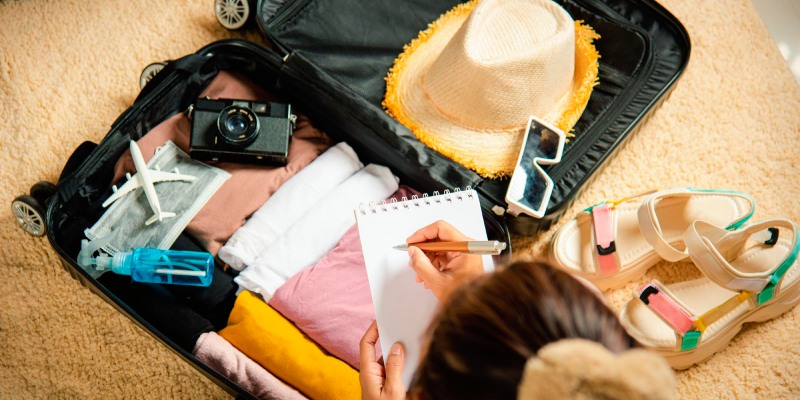
Pack comfortable and lightweight clothing suitable for the specific destination you are traveling. Seas can get colder after sunset, so keep a warm jacket in case it gets cold on a private boat. 

On board the private boat or cruise, you will need to ensure you have all your medication that you need as you can’t find shops on the sea to provide you first aid or medication. Don’t forget your personal hygiene items, like good sunscreen, insect repellent, etc. 

Emergency Protocols

Lastly, know where all the rescue equipment is kept along with emergency protocols to avoid chaos during an emergency.

At Sea

Once on board, it’s time to relax and make the most of your experience on a private boat with the best company. You can take advantage of the freedom and flexibility that this means of transportation to visit remote places.

These remote locations have very few tourists, so you have the opportunity to explore more without facing too many crowds. If you opt for private boat charters, you get to enjoy personalized time with your loved ones or partner. 

As you avoid disturbance and noise, which you often might find in shared boat rides. You can use private boat charters to do fun water activities like snorkeling, diving, etc. With private boats, you get to go to sea routes that are much traveled by public boats. This helps you see different marine species and coral reefs of that particular region.

One of the biggest advantages of opting for private boat charters is that you get several other services included in your packages. One of these services is enjoying meals on board your boat while on sea. You get to enjoy local cuisine prepared by an onboard chef. 

From savoring different flavors of each region to having meals while seeing sunsets on the sea. Now, these experiences are only possible when you’re at sea, making these moments more special for you. As you hear the rhythm of the waves while enjoying your meals, these experiences cannot be found anywhere else.

It’s a very enriching experience that is hard to forget!

Conclusion

These are the main aspects to consider when you decide to live a maritime experience on a private boat. Experience the ultimate luxury with Giosymar Ischia Charter’s personalized and exclusive tours along the coast of Italy, for example, and take advantage of the wonderful amenities to relax and recharge your batteries. Undoubtedly, you will live an unparalleled experience full of wonderful memories. Don’t wait any longer and reserve a few days in your schedule for your dream vacation at the rhythm of the sea.

Learn More Also:

Share on Social Media

Ankita Tripathy loves to write about food and the Hallyu Wave in particular. During her free time, she enjoys looking at the sky or reading books while sipping a cup of hot coffee. Her favourite niches are food, music, lifestyle, travel, and Korean Pop music and drama.

Leave a Reply

Your email address will not be published. Required fields are marked *

title-img Related

READ MORE Copenhagen

Discover The Charm Of Copenhagen Hotels

BY  Abdul Aziz Feb 22, 2024

Copenhagen, a city where history meets modernity, offers a hotel for every traveler. From luxurious havens to cozy boutiques, these accommodations are more than just a place to stay; they're an integral part of your Danish adventure. Explore more about Copenhagen hotels. Immerse yourself in the heart of Copenhagen's culture, design, and hospitality, a city celebrated for its seamless blend of tradition and innovation. Whether you find yourself captivated by the historic elegance of the city center, with its cobblestone streets and centuries-old buildings, or the trendy vibes of Vesterbro, known for its bustling cafes, art galleries, and vibrant nightlife, Copenhagen's hotels cater to every taste and promise experiences as rich and diverse as the city itself. In the city center, luxury hotels stand majestically, offering guests a taste of royal treatment amidst architectural grandeur, while boutique accommodations provide a more intimate experience, each with a unique story that connects you to the Danish capital's past and present. Venture into Vesterbro, and you'll find modern, design-forward hotels that echo the artistic and creative spirit of the neighborhood, offering not just a place to stay but a place to be inspired. But Copenhagen's hotel scene extends beyond just these areas. From the peaceful, green expanses of Frederiksberg to the cutting-edge cool of Nørrebro, each district offers its own flavor of hospitality. No matter where you choose to lay your head, you'll find that Copenhagen’s hotels are more than just a place to sleep—they are gateways to the city's heart, offering personalized experiences that bring you closer to the local culture, cuisine, and community. A Taste of Copenhagen from Your Hotel Copenhagen is not just a feast for the eyes but also a paradise for food enthusiasts. The city's hotels are gateways to an exquisite culinary journey, with many boasting in-house restaurants led by acclaimed chefs. These eateries are not mere dining rooms but temples of gastronomy that reflect Denmark's rich culinary heritage and its innovative approach to cuisine. From Michelin-starred restaurants offering avant-garde Danish dishes to cozy bistros serving timeless classics, hotel dining in Copenhagen is an adventure in itself. Here, the emphasis is on fresh, locally sourced ingredients, sustainable practices, and the art of hygiene—creating a warm, enjoyable atmosphere. Whether you're indulging in a lavish breakfast spread featuring Danish pastries and organic coffee, or savoring a gourmet dinner with views of the city's skyline, your hotel can offer a culinary experience that rivals the best in Copenhagen. Copenhagen's design legacy is world-renowned, with its influence extending into the hotel industry. Many hotels in Copenhagen are not just places to stay; they are showcases of Danish design and art. From mid-century modern classics to contemporary design innovations, staying in one of these hotels is like living in a curated gallery. These hotels often feature collaborations with local artists and designers, displaying bespoke furniture, textiles, and artworks that tell a story of Danish creativity. It's an immersive experience where every room, lobby, and common space is thoughtfully designed to inspire and delight. For design enthusiasts and casual admirers alike, these hotels offer a unique opportunity to engage with Denmark's design heritage up close. In the fast-paced rhythm of city life, Copenhagen offers sanctuaries of wellness within its hotels. Recognizing the growing importance of self-care, many hotels provide facilities and services focused on relaxation and rejuvenation. From luxurious spa treatments incorporating Nordic ingredients to yoga studios with serene city views, these wellness offerings are designed to harmonize body and mind. Moreover, the Danish concept of hygge—finding comfort and contentment—permeates these spaces, creating an atmosphere of warmth and relaxation. Whether it's unwinding in a sauna after a day of exploring or enjoying a mindful meditation session, Copenhagen's hotels offer a holistic approach to wellness that complements the city's laid-back lifestyle. Exploring Green Copenhagen Copenhagen's commitment to sustainability extends beyond hotel walls into experiences that guests can enjoy around the city. Many hotels offer bicycle rentals, encouraging guests to explore Copenhagen as the locals do, on two wheels, reducing carbon footprints while navigating through bike-friendly lanes that crisscross the city. Hotels also organize eco-friendly tours, from guided walks through Copenhagen's green spaces to boat tours along its renewable energy facilities. These experiences not only entertain but also educate guests on sustainable living, aligning with Copenhagen's vision of a greener future. Engaging with the Heart of CopenhagenA stay in Copenhagen is incomplete without engaging with its vibrant community and culture. Hotels often serve as cultural hubs, hosting events that range from live music performances to art exhibitions and local craft markets. These events provide a platform for local artists and artisans, showcasing the city's creative pulse and offering guests a chance to engage with the community. Additionally, many hotels offer curated experiences that connect guests with local traditions and lifestyles. From Danish baking classes to guided tours of historic neighborhoods, these experiences foster a deeper understanding and appreciation of Copenhagen's cultural heritage. Your Gateway to Copenhagen Our expanded guide to Copenhagen's hotels transcends the conventional, offering a window into the soul of a city where every stay is designed to be an experience. These hotels are not just places to rest but are integral to your journey through Copenhagen, offering paths to culinary excellence, design marvels, wellness retreats, sustainable explorations, and cultural engagements. As you choose your stay in Copenhagen, remember that it's more than selecting a hotel—it's about curating your experience of this extraordinary city. Each hotel, with its unique offerings, serves as a gateway to discovering the many facets of Copenhagen, promising not just memories but stories to carry home. Whether you're drawn by the allure of luxury, the charm of sustainability, the warmth of community, or the depth of cultural engagement, Copenhagen's hotels are ready to welcome you into the heart of Danish life. In this world's coziest capital, every visit and stay is an opportunity to immerse yourself in a lifestyle that balances modernity with tradition, luxury with sustainability, and activity with relaxation. As you embark on this journey, let Copenhagen's hotels be your home, your sanctuary, and your guide to a city that continues to enchant and inspire, inviting you back time and again to explore its endless charm. Dive into our comprehensive guide to discover your perfect stay in Copenhagen, the world's coziest capital. From the moment you check-in, you’ll be enveloped in the warmth and charm that is quintessentially Danish, embarking on an unforgettable journey that will leave you yearning to return. Read Also: Local Boutiques And Global Trends: Where To Buy Eyewear Abroad Houston Hospitality: The Top Hotels You Need To Experience Luxe Living: The Best Hotels In Dallas

READ MORE Langkawi RORO Ferry

Langkawi RORO Ferry: Your Gateway To Island Paradise

BY  Ankita Jan 30, 2024

Langkawi RORO offers a wide range of on-board ferry services to passengers for their ferry trip to Langkawi. The ferry operator company is constantly making efforts to provide a reliable and speedy service for passengers. Langkawi Kedah RORO Service has trained staff who have been providing services to passengers for a long period of time. Book your Langkawi RORO ferry tickets and enjoy a fantastic sail experience between Kuala Kedah and Langkawi Jetty.  Langkawi RORO Ferry Ticket Online Booking Langkawi, a captivating island located in Malaysia's Kedah state. It is a sought-after travel destination that attracts tourists with its beautiful beaches, stunning landscapes, and lively culture. The most effective method to get to this paradise is to take the LK Roro Ferry. The greatest part about this ferry is probably the fact that you will be able to board it along with your cars. The Langkawi Kedah RORO Management Sdn. Bhd. is completely committed to offering extraordinary travel experiences to our loyal customers. Their focus is on providing an unrivaled passenger ferry that bridges Langkawi and the mainland. It operates all day and every day of the year. With more than two decades of experience in the field of ferry, Langkawi RORO ferry remains constant. Its commitment to maintaining the highest safety standards throughout every ferry operation. Amenities on the Langkawi RORO Ferry Services The Langkawi Kedah RORO ferry can accommodate a capacity of 400 passengers. They aim to reduce delays and wait times to ensure a relaxing environment for all of our guests. The ferry is designed to meet all demands for cargo and freight of passengers! catering completely to commercial and non-commercial needs. The journey by boat to Langkawi is distinguished by luxury and comfort. The vessels are outfitted with modern conveniences, which ensure the smoothest and most enjoyable trip. Popular Langkawi RORO Ferry Services Routes Kuala Kedah-Langkawi, as well as Langkawi-Kuala Kedah, is the most well-known route that is served using the RORO ferry. The Kuala Kedah Jetty has been serving as the beginning point for your Langkawi excursion. The busy jetty is a bustling hub, brimming with tourists eager to discover the island. Kuala Kedah to Langkawi : Travel Duration The length of your trip to Kuala Kedah to the Langkawi Jetty is contingent on a variety of elements, such as weather conditions and ferry speed. In general, the Kuala Kedah to Langkawi ferry ride takes between 1 45 minutes and 1 hour, giving you plenty of time to take in the views from the beach and prepare for the exciting experiences that lie ahead in Langkawi. Langkawi RORO Ferry Schedule 2023 Planning is the key to organizing a trip that is well-organized. This is also true for Langkawi travel. The timetable you check in advance lets you align your travel plans to the ferry schedule, which will ensure that you have a smooth experience. Langkawi RORO ferry departs daily at 01:30 pm. Langkawi RORO ferry sets off every day at 01:30 pm and departs from Kuala Kedah Jetty to get to Kuala Kedah on its Langkawi journey. The ferry leaves at 9:15 AM at the Langkawi Tanjung Lembung Port for the return trip via Langkawi up to Kuala Kedah. For more info, contact: Kuala Perlis: 604-985 1899 / 604-9852539 / 604-985 2690Langkawi: 604-966 1125 / 604-966 1126. Getting to Langkawi By Air If you are coming to the island from Singapore, traveling by air is your safest and most hassle-free choice. It will take a mere hour and a half if you take a direct flight in order to reach the island. You have the option of Air Asia and Scoot. They both offer direct as well as affordable flights from Singapore to Langkawi each day of the week. If you do not have a problem with connecting flights, Malaysia Airlines and Malindo Air both stop at Kuala Lumpur International Airport. Getting to Langkawi By Road There are no roads connecting Langkawi. But you can drive from the Malaysian mainland, such as Kuala Lumpur, using a car or a bus to any of the following spots.  Ferry Terminal in Kuala Kedah is located on the northwestern coast of Malaysia. If you are planning to ride along the North-South Expressway, you must take the exit at Alor Setar Selatan and then follow the road signs. It could take around 6 hours to reach Kuala Kedah via a car from Kuala Lumpur. The ferry terminal at Kuala Perlis, which is further up, will take you about an hour longer.  The regular coaches and buses are available between KL and Kuala Perlis, and it takes about 8 hours. The buses usually leave from the Pudu Sentral bus station or even the Hentian Duta bus station in KL. You will find the bus stand within walking distance from the ferry clock at Kuala Perlis.   Getting To Langkawi By Train If you're traveling from Kuala Lumpur, it's advisable to book an ETS (Electric Train Service) ticket to Arau. Being the royal capital of Perlis, Arau is regarded as the starting point for the journey to Langkawi and Thailand, where every adventurer begins their journey to the island via Kuala Perlis Ferry Terminal. Choosing Arau as your final stop is recommended as it is closer to the port, and the ferry ride's duration will be shorter.  The journey takes approximately four hours and 49 minutes and is considered the fastest inter-state train service in Malaysia. If you want to enjoy a picturesque journey and are not in a hurry to reach your destination, this is a great travel choice. Ticket prices range from RM72 to RM92, and you can book your journey on the official website. Upon arriving at your destination, you can hire a Grab car or a taxi to reach the ferry terminal, which operates from 7 am to 7 pm. Wrapping Up You must have a passport that is valid for at least 6 months, and you will need one blank page to make an entry of the immigration stamp. Furthermore, you will not need a visa to enter the country. You could be visiting for business or pleasure for a period of 90 days or less, and still, you wouldn’t need a visa. If you have thoughts to share or questions to ask, please leave a comment below. We would love to hear from you! Read Also: 5 Best Temples To Visit In Bangkok Top 5 Reasons Why You Should Travel A Country By Ferry The Reasons To Choose A Tropical Island Vacation Every Year

READ MORE Great Barrier Island hiking trails

What Are The Best Great Barrier Island Hiking Trails? An Ultimate Guide To Hiking Trails On Aotea Great Barrier Island

BY  Sibashree Nov 7, 2025

Hiking the Aotea Track up to the summit view of the Hirakimata Peak was one of the most rewarding experiences I had on the Great Barrier Island. The view after reaching the top took all our fatigue away.  However, the Great Barrier hiking trails are not just about panoramic summits. Hiking here also means walking along the rugged coastline, through the native forests, and to the geothermal springs. To cut a long story short, the best hikes on Aotea Great Barrier Island, New Zealand are the best routes for exploring its dramatic island.  Furthermore, you can be a beginner or a seasoned hiker. Great Barrier Island has trails that can accommodate all. So, this guide is about the trails you can explore for the perfect eco adventure. Why Is The Great Barrier Island A Hiker’s Paradise?  Cultural exploration, stargazing, off-grid living, exploring the biodiversity of the island, and the dramatic geothermal features make the Great Barrier Island a hiker’s paradise.  1. Dark Sky Sanctuary “Ecotourism is extremely important to Great Barrier Island and this International Dark Sky Sanctuary status will not only provide further tourism development and economic growth opportunities but also ensure the preservation of our exceptional starry skies." Izzy Fordham, Great Barrier Local Board Chair.  The designation of the Great Barrier Island as a Dark Sky Sanctuary in 2017 was not about getting a label to boost tourism. The island’s 60% area is a conservation park, and the local Maori people believe that the protection of the sky is important for the health and well-being of the local community.  Also, if New Zealand becomes a Dark Sky Nation, as aimed by the Royal Astronomical Society of New Zealand, the Great Barrier Island will have a pivotal role to play.  Nevertheless, as an activity, stargazing seems the most surreal experience during a multi-day hike on the Aotea track. Just relax and prepare for the next day after completing your day’s hike.  2. Off-Grid Living Sustainability is a choice or a way of living on the Great Barrier Island. So, there is complete reliance on solar power, and people here use composting toilets. Rainwater harvesting is another sustainable practice followed by the people of this island.  Nevertheless, thanks to the island's off-grid living, it has minimal to no light pollution and air pollution. Also, because of off-grid living, life on Great Barrier Island is deeply connected to nature. So, you can be the biggest homebody, but here you will feel the urge to experience the outdoors more intimately.  3. Biodiversity Of The Island “Great Barrier is at an exciting point in its history where the future of the islands flora and fauna looks bright.” - Go Great Barrier Island. The fact that 60% of the island is a conservation park speaks volumes about the island’s biodiversity. Furthermore, it is home to countless endangered species, including 13 species of lizards, the North Island Kaka Parrot, the Black Petrel, the Banded Rail, and the Pateke.  In addition, the native forest here is getting replenished quickly with the island authority being particular about pest control.  4. Geothermal Features Located within the Hauraki Rift, the Great Barrier Island has the Taupō Volcanic Zone and the Kaitoke Hot Springs. These geothermal zones, along with being natural spectacles, are also home to unique ecosystems where you will find New Zealand pigeon or kererū, fernbird, etc.  So, hiking through these geothermal zones is an exciting outdoor activity in the Aotea Great Barrier Island.  A Brief Comparison Table Of The Best Great Barrier Island Hiking Trails  Trail NameDurationDifficultyHighlightsAccessibilityAotea Track2–3 daysModerateForest, summit, hutsDOC huts, remoteKaitoke Hot Springs1.5 hrsEasyGeothermal poolsWheelchair-friendlyWindy Canyon1 hrModerateCliffs, panoramic viewsCar park accessHarataonga Coastal Walk4 hrsModerateBeach, forest, birdsTrailhead parkingPalmers Track2–3 hoursModerateStream crossings, dense bushNot recommended for people with fitness or mobility issuesWarren’s Track30–45 minutesEasyFamily-friendly loop near Tryphena, Kid-friendlyIt is not wheelchair-accessible. Whangaparaoa Beach Walk1–2 hoursEasyDune ecology, remote beachIt is not wheelchair-accessible due to a steep loop-walk area. Glenfern Sanctuary1–2 hrsEasyConservation, native birdsGuided tours available What Are The Best Great Barrier Island Hiking Trails? (Brief Overview) View this post on Instagram A post shared by Aotea Great Barrier Island (@greatbarrierislandofficial) Most of the hiking trails on the Great Barrier Island come with an easy to moderate difficulty level. Also, the Aotea track here is the only multi-day hiking trail on Great Barrier Island and the entire Auckland Region.  Let’s find out more about the Aotea track and other Great Barrier Island hiking trails.  1. Aotea Track (Multi-Day Circuit) View this post on Instagram A post shared by Kristina | New Zealand travel, hiking & outdoors (@kristinamonts) Aotea track allows you to experience the ultimate fusion of history and natural beauty. Here, you will find the surviving trees and a unique wildlife of Kahikatea, Rimu, and Kauri.  The plants you will come across here are the cabbage tree, Horoeka or lancewood, Mānuka, Kānuka, etc. Furthermore, you will spot birds like Riroriro (Grey Warbler), Kererū (Wood Pigeon), etc.  2. Mount Hobson / Hirakimata Summit Track View this post on Instagram A post shared by Walking Legends Guided Walks (@walkinglegendsnz) This hiking route allows an encounter with the remnants of the ancient native bush, such as lancewood and cabbage tree. Also, while walking, you can meet the endangered Chevron Skink, a symbol of the rich biodiversity of the Great Barrier Island. 3. Kaitoke Hot Springs Track View this post on Instagram A post shared by Auckland, New Zealand (@visitauckland) This easy hiking track continues along the Kaitoke Swamp to the Kaitoke Hot Springs. You can continue your walk and continue on the Peach Tree Track to reach the Hirakimatā peak.  Kererū or wood pigeon and Kōtare or kingfisher are the most popular birds here.  4. Windy Canyon Track View this post on Instagram A post shared by Auckland, New Zealand (@visitauckland) The Windy Canyon track is one of the most popular short hiking trails on the Great Barrier Island. You have to climb up the steps through rock walls, which look dramatic thanks to the rampage of the ancient force of nature.  As you reach the top of the canyon, you will see the wonderful views of the Okiwi Basin, Whangapoua Beach, Medlands Beaches, and Kaitoke.  5. Palmers Track After completing the Windy Canyon Track hike, you can continue on the Palmers Track. Here you will walk along the steep ridgeline, and it is the shortest route to Mount Hobson.  Furthermore, on your way, you will spot the endemic kānuka plants, and the wooden horse here is a telltale of the logging history of the island.  6. Harataonga Coastal Walk It is one of the easiest hiking trails in Harataonga. It is associated with the history of transportation on the island, as it used to be the connecting route between the northern and southern parts of the island.  7. Warren’s Track It is a beautiful hike to a waterfall with a gently graded climb. Once you reach the waterfall, you can take a swim in the stream beneath. The food passes through the Kauri plantation before it joins the Bridle Track.  Here, you will walk through an exotic forest. However, the last lap of the trek is a little difficult with a rocky surface.  8. Whangaparaoa Beach Walk View this post on Instagram A post shared by Working In New Zealand (@workinginnewzealand) This peaceful route takes us to the Stanmore Bay Beach through the Rata Road walkway. Most of the walk continues on a paved road. However, some sections have a boardwalk and gravel.  This road is ideal for a pram walk. However, the stretch between the Rata Road Reserve and Whangaparāoa town centre is steep enough, and you will have to cross a few roads.  9. Glenfern Sanctuary Walks View this post on Instagram A post shared by Glenfern Sanctuary (@glenfernsanctuary) The Glenfern Sanctuary is a family-friendly loop track that continues along the Aotea Stream. You have to walk through a stretch of regenerating bush and climb around 100 meters.  After climbing up, you will enjoy the most amazing views of the Hauraki Gulf. On the stretch, you will be able to spot black petrel and kaka nesting. Also, you will find here the Chevron skink, the rarest and largest reptile in New Zealand.  How To Reach The Best Great Barrier Island Hiking Trails? View this post on Instagram A post shared by Nicole Marinkovich (@nicoolemarinkovich) You will have to take a Great Barrier Flight or a ferry ride to reach the Great Barrier Island. Upon reaching the island, you will have to take local transport to reach the following trail heads.  Great Barrier Island Hiking TrailsTrail HeadAotea TrackWindy Canyon/Whangaparapara RoadMount Hobson / Hirakimata Summit TrackBrownlee AvenueKaitoke Hot Springs TrackWhangaparapara RoadWindy Canyon TrackOkiwi-Claris RoadPalmers TrackWindy CanyonHarataonga Coastal WalkHarataonga CampsiteWarren’s TrackOpposite the Akapoua Campground EntranceWhangaparaoa Beach Walk1.5 Km up from Okiwi AirfieldGlenfern Sanctuary Walks20 Glenfern Road What Are The Best Family-Friendly Trails On Great Barrier Island? Best for Seniors• Kaitoke Hot Springs• Glenfern SanctuaryBest for Kids• Warren’s Track• Harataonga Beach WalkFacilities• Toilets at Major Trailheads• Picnic Areas• DOC Signage What Is The Best Time For The Great Barrier Island Hiking Trails?  View this post on Instagram A post shared by Julia Cole (@juliagoesglobal) The hiking trails of the Great Barrier Island are ideal for all-season hiking. However, the hiking trails offer a unique experience in each season.  SeasonWhy Visit The Hiking Trails?Summer (December to February)• Pleasant Weather Conditions• Clear VisibilityAutumn (March to May)• Cooler Temperature• Fewer CrowdsWinter (June to August)• Wet and Muddy• Fewer CrowdsSpring (September to November)• Active Birdlife• Blooming Flora Sustainable Hiking Tips For The Trails On Great Barrier Island Leave No Trace Use Cleaning Stations for Kauri Dieback (A Deadly Disease of Local Kauri Trees) Prevention Use Bio-Degradable Soap Use Reusable Water Bottles Follow Local Guidance and Signage to Remain Respectful to Wildlife and Sacred Sites What To Pack For Hiking The Best Trails On The Great Barrier Island?  Your packing list will depend on whether you are going for a single-day hike or a multi-day hike.  Day Hike EssentialsMulti-Day Gear• Water (2L+)• Snacks• Sunscreen & hat• Rain jacket• Map or GPS• Sleeping Bag• Cooking Gear• First Aid Kit• Headlamp• Extra Layers Guided Hikes And Local Tours: Enhancing Your Hiking Experience On The Great Barrier Island  View this post on Instagram A post shared by Glenfern Sanctuary (@glenfernsanctuary) Glenfern Sanctuary Tours and Māori Cultural Tours are the two most popular guided tours on the Great Barrier Island.  1. Glenfern Sanctuary Tours The Guided Loop Track tour of Glenfern Sanctuary is an amazing experience as you walk through the native bush. Here, you will spot the magnificent kauri tree and the resident black petrel.  The tour is 1 hour and 30 minutes, and a group must have at least five members. The tour's charges are $50 per person.  2. Māori Cultural Tours Whangaparapara Harbour Historic Treks, Harataonga, and Aotea Track are some of the best hiking trails to learn about authentic Māori culture and tradition.  The Whangaparapara Harbour Historic Treks take you to places of Kauri logging and whaling in ancient times. On the other hand, at the Harataonga DOC Campsite, you will find the old settlement sites of the Māori tribe.  Moreover, the Aotea Track has Māori archaeological sites, and Hirakimata Peak itself reflects local Māori spiritual beliefs and significance.  Where To Stay Near The Best Great Barrier Island Hiking Trails?  DOC huts, eco-lodges, hostels, and camping are the best accommodation options near the best Great Barrier Island hiking trails.  Trail NameNearby AccomodationAotea Track• Mt. Heale DOC Hut• Kaiaraara DOC HutKaitoke Hot Springs• Barrier Beach Cottage• Wiltshire ManorWindy Canyon• Aotea LodgeHarataonga Coastal Walk• Tipi and Bob's Waterfront LodgePalmers Track• Tipi and Bob's Waterfront LodgeWarren’s Track• Medlands Beach Backpackers and VillasWhangapoua Beach Walk• Aotea LodgeGlenfern Sanctuary• Glenfern Sanctuary Things You Don’t Know About The Great Barrier Island Hiking Trails: (Unearthing The Secrets) From housing, the only multi-day hike in Auckland, to being the home to many endangered species, the Great Barrier Island has many secrets to share.  1. Aotea Track: The Only Multi-Day Hike On The Island The 25–30 km loop of the Aotea Track is the only multi-day hiking track in the Auckland region. It passes through volcanic terrain, native bush, and summit views.  It’s a rare wilderness experience so close to a major city.  2. You Can Rejuvenate And Soak In Hot Springs In The Middle Of A Hike As you walk through the Kaitoke Hot Springs track, you will find geothermal pools, offering you a natural spa experience.  These pools, hidden in bushes and set in an underdeveloped setting, offer the purest connection to nature.  3. The Summit Of Mt Hobson Is A Breeding Ground For An Endangered Seabird Black petrel (tāiko) is one of the rarest seabirds of New Zealand. Hirakimatā / Mt Hobson is the home ground of these birds.  So, hikers have to continue on the boardwalks to protect the nesting areas of the birds.  4. The Island Is Free Of Possums, Stoats, And Deer Because the Great Barrier Island is free of Possums, Stoats, And Deer, you will be able to spot more birds such as kākā, kākāriki, and pāteke, and different types of wildlife.  5. You Can Hike Along Historic Logging Tramlines Some parts of the Aotea Track pass through the old tramlines used during the kauri logging era. In these pockets, you will find the ruins of machinery and dams that were used in carrying the logs.  6. The Island’s Trails Pass Through Regenerating Forests Much of the forest you hike through is regrowth from early 20th-century logging, dominated by manuka and kanuka, with pockets of ancient kauri, rimu, and kahikatea still surviving. 7. There’s a Track Named After A Gold Prospecting Legend The Te Ahumata Track to the White Cliffs was a popular site of gold prospecting. The locals still believe that gold may be hidden in the mountain. Thus, the hike has an element of myth.  8. The Island Has A Rare Endemic Plant: The Great Barrier Tree Daisy On many trails of the Great Barrier Island, especially on the Mt Heale Hut route, you will find the endemic species of the Great Barrier Tree Daisy.  This plant grows nowhere else in the world.  9. You Can Build Your Own Loop Adventure You can customize your Aotea Track hiking route based on your interests and fitness level. It has feeder tracks such as: Palmers Track Peach Tree Track Tramline Track 10. The Island’s Māori Name Means “Light Striking the Cliff” The Great Barrier Island has geological and spiritual significance in the Māori tradition. Mount Hobson is called Hirakimatā in the Māori language.  It means the “lightning striking the cliff face.” Great Barrier Island Hiking Trails: Frequently Asked Questions (FAQs) Here are the frequently asked questions and answers about the Great Barrier Island hiking trails.  1. Do I Need A Permit To Hike On The Great Barrier Island? No, if you are on a day trek on any Great Barrier Island trail, you do not need a permit. However, if you are trekking the Aotea Trail, you will need to book the huts of the Department of Conservation well in advance. You can contact the booking office at +64 7 867 9080 or the DOC Customer Service Centre at 0800 275 362. The last time I checked, the huts were under maintenance. So, confirm the availability of these huts.  2. Is It Safe To Hike Solo On Great Barrier Island? Yes, hiking solo is safe on the Great Barrier Island trails. However, the trails are in remote locations, and mobile coverage is limited in these areas. So, you must keep someone informed about your hike, and carry a Personal Locator Beacon (PLB) and an offline map.  3. Are Dogs Allowed On Hiking Trails? No, dogs and pets are not allowed on the hiking trails on Great Barrier Island. The trails here are ideal for wildlife spotting. So, dogs are not allowed on these tracks to protect native wildlife. In addition, dogs are not allowed on these trails to prevent the spread of kauri dieback disease. 4. How To Reach The Great Barrier Island From Auckland? Taking a flight is the easiest option to reach the Great Barrier Island from Auckland. Barrier Air operates this flight service from the Auckland Domestic Terminal to the Claris Airport. Also, you can take a Sealink ferry from Auckland’s Wynyard Wharf to Tryphena. It is an unforgettable journey of 4.5 hours.