
Navigating The Unseen: Exploring The Most Dangerous Country in The World

Dec 26, 2023

Last Updated on: Aug 27, 2025

Travel Guides

One of life’s greatest pleasures is always traveling. In addition to looking for and visiting the safest places, it’s critical to understand the risks and dangers that exist in different parts of the world.

This article will talk about the most dangerous country in the world, emphasizing elements like political unrest, crime, and conflict. Travelers can use this information to make well-informed decisions about their foreign experiences.

Most Dangerous Country In The World

travel Dangerous Country

Some countries are known for their beauty. Some are known for their infrastructure and standards of living. And then there are some countries that are notorious for something that scares people away. Curious? If you want to know about the most dangerous country in the world, here they are:

Syria

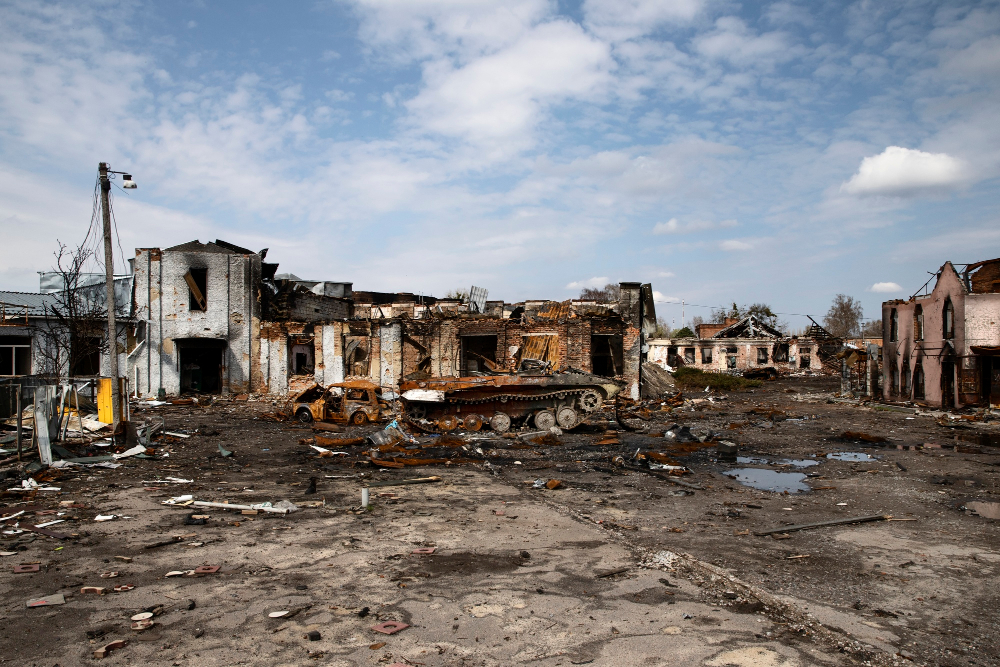
Syria is one of the most violent countries in the world because of the devastation caused by the ongoing conflict. With multiple armed groups fighting for control of territory and resources, the nation has become a hotspot for violence and instability since the civil war broke out in 2011.

The most recent devastating incident was the earthquake that struck Turkey and Syria in February 2023. Sadly, the earthquake killed over 50,000 people, leaving a terrible death toll. Significant damage affected 116 medical facilities because of the disaster, depriving a large number of people of access to essential medical care. Consequently, estimates suggest that 18 million people require immediate humanitarian aid.

The World Food Programme (WFP) revealed that a startling 90% of Syrians were living below the poverty line and that at least 12 million of the country’s remaining 16 million people were facing food insecurity.

Yemen

Yemen, which is one of the world’s most dangerous travel destinations, stands on the southernmost point of the Arabian Peninsula.

The nation is in a state of civil war since 2015, with different groups fighting for control of the government. As a result, it led to extensive violence, mass migration, and a humanitarian crisis that has left millions of people in need of immediate assistance.

The danger facing tourists is increased by the rise in criminal activity in Yemen, which includes armed robberies and kidnappings. At 68.93%, its crime rate is also the highest in the world when compared to other nations.

Major Yemeni tribes are involved in criminal activities like kidnapping and looting. They are highly armed and enjoy independence within their sphere of influence. Unfortunately, visitors run the risk of being abducted and abused by these tribes, and they might have to pay a large ransom to get them back.

Traveling here is now risky and challenging due to the heavy rains and flooding that impacted most of the cities. Floods have damaged roads and bridges, making land travel hazardous and difficult. It is now impossible to drive in some areas due to completely washed-out roads and collapsed bridges.

Over 11 million children in this country need humanitarian aid, with millions experiencing food insecurity and a lack of basic services, according to UNICEF. There are currently more than 540,000 under-five children suffering from severe acute malnutrition. Remarkably, one child dies from avoidable causes every ten minutes.

Travelers to Yemen run a significant risk of becoming targets of extremist organizations. People frequently get caught in the crossfire of the protracted conflict.

Afghanistan

Afghanistan is the most dangerous country in the world, as per the Global Peace Index. This dubious distinction is a result of the nation’s turbulent past, ongoing conflict, and high levels of violence.

The country’s high concentration of extremist groups is the most concerning factor. For more than twenty years, the Taliban, for instance, have been waging a bloody insurgency against the Afghan government.

Many deaths of soldiers and civilians are attributed to them. The presence of other organizations like Al Qaeda and ISIS in the nation has exacerbated instability. Airports and places of worship are frequently the target of terrorist attacks, especially during holy seasons like Ramadan.

Somalia

Somalia has established a reputation as one of the world’s most dangerous nations due to decades of anarchy and lawlessness. Devastated by hunger, piracy, and civil war, it is a place where anarchy is the norm.

An offshoot of the infamous Al-Qaeda, the militant organization Al-Shabaab continues to terrorize the country by carrying out deadly attacks on both government forces and civilians.

The situation has become worse, with rival clans and factions fighting for control in the absence of a stable government. The standard of living for the typical Somalian citizen is sub-par.  There is widespread corruption and a dearth of essential infrastructure. Enter this dangerous area with extreme caution.

Iraq

Iraq is a very dangerous country to visit and has experienced many difficulties over the years as a result of war and conflict. Despite their fall, the remnants of ISIS still represent a serious threat to Iraqi forces and civilians.

In many regions of the nation, sectarian violence, assassinations, and suicide bombings continue to be commonplace. Both locals and visitors always feel like they’re in danger.

Complexity is increased due to the conflict between the autonomous Kurdish region and the central government. It has escalated hostilities and led to violence, further destabilizing the situation.

Iraq’s infrastructure has suffered greatly as a result of years of hostilities. With many businesses finding it difficult to survive, the economy is hit brutally.

Read More: Is Costa Rica Safe For Visit For Travelling?

Libya

Numerous factors have contributed to the conflict, including the competition for control of the nation’s enormous oil reserves. Since Gaddafi’s downfall, a number of armed organizations and militias have seized control of various parts of the nation.

The unpredictability and danger in Libya have increased due to the presence of extremist groups like ISIS. These organizations committed targeted murders and acts of terrorism. They are further destabilizing the nation and posing a challenge to the authority of any government.

Naturally, the population of Libya has suffered greatly as a result of the ongoing violence. Many Libyans are struggling to make ends meet as a result of displacement, violence, and limited access to basic services. Numerous schools, hospitals, and other vital services are in poor condition.

While progress was necessary, the United Nations and other international organizations have attempted to mediate a peace agreement between the opposing factions.

Read More: Is Cabo San Lucas Safe? – Let’s Find Out!

Sudan

Following a January referendum, South Sudan gained independence on July 9, 2011. Even with the initial exuberance and expectations of a prosperous future, the nation has had difficulty preserving stability. Political power struggles and ethnic tensions have made matters worse since then.

Since South Sudan’s independence, President Salva Kiir and his former vice president, Riek Machar, have not gotten along. Their conflict over dominance turned into a civil war in December 2013, which displaced millions of people and killed thousands.

Rape, murder, and the enlistment of children as soldiers are just a few of the horrific crimes that have occurred during the conflict on both sides. As a result, it ranks first on a list of the world’s most dangerous nations.

Famine and disease are widespread throughout South Sudan, making the country’s humanitarian situation terrible. Over 7 million people in the nation require humanitarian aid as the UN has declared a famine in some areas. Journalists and relief workers have also been the targets of armed groups.

Despite having an abundance of natural resources, such as gold, oil, and fertile land, South Sudan has not yet experienced prosperity from these resources. Instead, as various groups compete to control these resources, they have fueled even more conflict and corruption. There have been allegations against the government for mishandling these resources, with minimal advantages for the populace.

Wrapping Up

You can be sure that there are lots of welcoming and safe places to call home. Even though there is a chance of crime, terrorism, and natural disasters, a lot of daring travelers visit some of the world’s most dangerous nations for the temptation of it.

Intrepid people are always ready to take the risk, whether it’s for employment, adventure, or giving back to their communities. Don’t be afraid to see the world, but remember to stay prepared and cautious.

If you have thoughts to share or questions to ask about the most dangerous country in the world, please leave a comment below. We would love to hear from you!

Read Also:

Share on Social Media

Abdul Aziz Mondol is a professional blogger who is having a colossal interest in writing blogs and other jones of calligraphies. In terms of his professional commitments, he loves to share content related to business, finance, technology, and the gaming niche.

Leave a Reply

Your email address will not be published. Required fields are marked *

title-img Related

READ MORE Gates of the Arctic National Park

Explore Human History And Wildlife With Backcountry Camping In Gates Of The Arctic National Park

BY  Sibashree Aug 12, 2024

Gates of the Arctic National Park is where the Brooks Range and the Tundra landscape come to life with wilderness and vivid topography. This national park is a place of topographical diversity with the coexistence of mountains, glaciers, rivers, lakes, and marshy lands.  A home to nomadic people for more than 13,000 years, the Gates of the Arctic is a prominent example of how human lives can be dependent on wilderness or nature. Many visitors love backpacking and trekking in this national park. Further, many stay in camps in the backcountry to experience its rich wildlife despite the challenges. Do you want to know why camping in the backcountry is worth the hardship? Does the national park have camping sites? Find the answers to all your questions in this guide.  Knowing The Gates Of The Arctic National Park (Why Camping Here Is A Great Experience) The Gates Of The Arctic National Park is a paradise for wilderness travelers. The intriguing land of Tundra, embraced by jungles, mountains, and rivers, makes camping in the backcountry worth all the effort.  Gates Of The Arctic Geography You can explore the arctic geography of this national park by trekking or by air. Tundra peaks and the Schwatka Mountains region of the Brooks Range ensure a humbling experience. You trek to Mount Igikpak, a glacier-carved peak with an 8,510-foot elevation. Another mountain to have glaciers in this region is Mount Arrigetch. Even backpacking and trekking to Mount Doonerak have a distinct charm, as the mountain is the quintessence of wilderness and unadulterated beauty.  Further, this national park has six designated wild rivers. Those are: Alatna River John River Kobuk River Noatak River North Fork of the Koyukuk River Tinayguk River Alatna and Noatak are great for canoeing. If you want more adventurous pursuits, you can try rafting in Nigu (to the north) and Kobuk (to the west).  Gates Of The Arctic Wildlife  The Gates of the Arctic is home to many mammals and birds. The Alaska Department of Fish and Game says,   “Forested southern foothills rise to limestone and granite peaks more than 7,000 feet high in this remote wilderness park. North of the peaks, clear water rivers run through glacier-carved valleys; and Tundra, covered with wildflowers during the brief northern summer, stretches toward the Arctic Ocean. Many of the nearly 500,000 member Western Arctic caribou herd migrate through the park each fall. Brown and black bear, wolf, Dall sheep, lynx, moose, wolverine, and red fox live here year-round. In the spring, the park hosts migratory birds from Europe, South America, Asia, tropical archipelagos, and the continental U.S.” Other animals found in this national park are grizzly bears, Dall sheep, and musk oxen. Among the birds, Tundra swans, common loons, and golden eagles are the most common.  Further, if you enjoy the playfulness of aquatic animals, watch out for graylings, trouts, sheefish and salmon.  Gates Of The Arctic And Human History  The Gates of the Arctic is a prominent place for archaeological research. The study and interpretations of the museum collections depict how people have been surviving in the Brooks Range for around 13000 years now.  Along with Inupiat, Nunamiut, and Athapaskan descendants, you will also find many non-native Alaskan people in this region. These people have always been dependent on fishing and hunting. The wilderness of the Gates of the Arctic is the foundation of their livelihood.  What Is The Best Camping Near Gates Of The Arctic National Park? With marshy lands and tussocks, Arctic Tundra has a vulnerable landscape and it is difficult to find a steady spot for setting up camps or tents. Also, the existence of wildlife in a remote location and dense vegetation make the space unsuitable for camping.  So, there is NO CAMPING SITE in the Gates of the Arctic National Park. There are designated areas in the backcountry for camping. However, you will have to strictly adhere to the rules and regulations of the national park when putting up a tent.  You must also attend the orientation program and be particular about the gear, food, and safety essentials to be carried.  With permission from the park authority and the National Park Service, you can set up tents near the Arctic Interagency Visitor Center in Coldfoot or around Wiseman and Bettles communities.  However, while camping in the backcountry, you will have to keep the following factors in mind.  Be respectful to the local communities like the Koyukon Athabascan Indians or Nunamiut. Their livelihood depends on the wilderness.  There are no provisions for running water, a dump station, or restrooms. Your phone network will be unavailable in this location. You have to carry all your trash back as you leave the camping site. You cannot adulterate the pristineness of the location.  If you have plans for camping in the backcountry near the Gates of the Arctic, summer is the best season. The temperature is a little moderate on these days, and sunnier days make all outdoor pursuits in the park easier for you.  Did You Know?  The Gates of the Arctic National Park is the second-largest national park in the USA. It stretches over 13,000 square miles. You can see aurora borealis from this park if you visit between November and March.  July and August are the best months to visit Gates of the Arctic National Park for hiking and backpacking.  Bob Marshall, a wilderness advocate, named this national park “Gates of the Arctic.” Final Words  Unlike popular national parks like the Biscayne National Park or the Kenai Fjords National Park, the Gates of the Arctic National Park does not have many visitors yearly. In 2023, only 11,045 tourists flocked to this place. (Source) With a diversity in topography and wildlife and an association with human history, this park has much to explore. However, the extreme trekking conditions and wilderness make it far from an easy excursion or trekking experience. Despite the absence of campgrounds in this park, you can camp in the backcountry at the designated spots in the fields. However, only an experienced backpacker should try it with proper orientation and extra safety measures. Have you ever been to this wild and intriguing national park? Do you have any camping experience in the backcountry? Don’t forget to share your experience with us!  Gates Of The Arctic National Park FAQs  Can You Camp In The Arctic National Wildlife Refuge? Only backcountry camping is possible in the Arctic National Wildlife Refuge. The absence of roads, villages, or facilities makes this area unsuitable for having designated campsites. Backpacking and hiking are the best ways to explore this vast landscape with rich wildlife and geographical interests.  Can You Stay In Gates Of The Arctic National Park? You can stay or try backcountry camping near the Gates of the Arctic National Park. Undefined terrains, wilderness, and a lack of modern amenities make it risky to put up camps in the national park. Even to camp in the backcountry, you will need the highest outdoor survival skills. The arctic ecosystem, topography, and weather conditions are different, and if you are confident enough to stay in the backcountry, plan in advance and get in touch with the Park and Preserve authorities for updates and advisories.  How Much Does It Cost To Visit The Gates Of The Arctic National Park? You don’t have to pay entry fees to visit the Gates of The Arctic National Park. However, you must attend the backcountry orientation program at any of the visitor centers.  In this way, the Gates of The Arctic National Park is different from other national parks as most of them demand an entrance fee.  How Difficult Is It To Get To The Gates Of The Arctic National Park? The Gates of the Arctic is a wilderness park. So, as you enter the park, hiking is the best way to explore. Remember, it is home to the Schwatka Mountains region of the Brooks Range and the highest peak here is Mount Igikpak with an 8,510-foot elevation.  So, exploring the national park is not going to be a cakewalk. A lack of established trails further makes hiking difficult.  Further, there are six designated rivers, including Koyukuk and Dietrich, in this national park. So, you will have to pass through multiple meandering river crossings. The water levels of these rivers keep fluctuating throughout the season. They are furious throughout the spring season. Tussocks, marshy lands and dense vegetation are other hurdles to your fast movement while trekking.  Do you want to visit the backcountry? You can take a bush plane operated by permitted pilots with knowledge of the region.  What Is Special About Gates Of The Arctic? The Gates of the Arctic is special because of its geographical uniqueness, rich wildlife, and significance in human history. The glacier-carved valleys, rivers, and ancient trails make the Gates Of The Arctic a favorite destination for backpacking and hiking. Thanks to its geographical typicalness, you will meet many animals and birds. The adorable grizzly bears will be seen feeding, and the musk oxen are another unique animal you must watch out for. If you are a birder, you will love watching the golden eagles, Tundra swans, or common loons.  Near the Nigu River or throughout the park, you will find stone fences and camping rings. These are a testament to how Inland Eskimos or Nunamiut have lived in this region for thousands of years. They survived on fishing and hunting.  In addition, as I pen this guide, I must tell you that the Gates Of The Arctic National Park is going to celebrate its 45th anniversary of designation next year. First, it became a national monument on 1st December 1978. In 1980, it became a national park and preserve. Also read Italy: Is Florence flat or hilly? Ultimate Guide to Your Next Family Vacation in Israel. The Glaciers of Wrangell-St. Elias National Park: Experience The Magnificence Of Nature.

READ MORE is savannah georgia safe

Is Savannah Safe? What You Need to Know Before Visiting!

BY  Ankita Mar 12, 2024

Savannah, Georgia, is a beautiful and historic city that attracts millions of visitors every year. It is known for its charming architecture, culture, and cuisine. But is Savannah, Georgia, safe for tourists? How does it compare to other cities in terms of crime and violence? What are the best practices to stay safe and enjoy your trip to Savannah? In this article, I will answer these questions and more. I will show you the facts and figures about Savannah's crime rate, the safest and the most dangerous areas, the common scams and threats, and the tips and resources to protect yourself and your belongings. By the end of this article, you will better understand Savannah's safety situation and how to make the most of your visit. So, if you are interested in getting into this journey, keep reading this blog until the end… Is Savannah Georgia Safe? The first question that many travelers ask is: is Savannah Georgia safe? The answer is not so simple, as it depends on many factors, such as the location, the time, the activity, and the personal perception. Savannah is a large and diverse city, and like any other city, it has its share of crime and violence. However, it is not fair to label the whole city as unsafe or dangerous, as many areas are very safe and peaceful and many people are friendly and helpful. According to the latest data from the FBI, Savannah had a total of 3,559 violent crimes and 12,374 property crimes in 2019. Additionally, this means that the violent crime rate was 6.4 per 1,000 residents, and the property crime rate was 22.3 per 1,000 residents. These rates are higher than the national averages of 3.7 and 21.1, respectively. However, they are lower than some of the other major cities in Georgia, such as Atlanta, Augusta, and Columbus. The most common types of violent crimes in Savannah were aggravated assault, robbery, rape, and murder. Furthermore, the most common types of property crimes were larceny theft, burglary, and motor vehicle theft. Most of these crimes occurred in the downtown area, especially in the west and south parts, where there are more poverty, drugs, and gangs. The eastern and northern parts of the downtown area and the suburbs and islands are generally safer and quieter. How to Stay Safe in Savannah? Now that you have a general idea of the safety situation in Savannah, you might wonder: how can I stay safe in Savannah? What are the best practices to avoid trouble and enjoy my trip? Here are some tips and resources that can help you: Plan Your Trip in Advance Firstly, research the areas you want to visit, the activities, and places you want to stay. Check the reviews, ratings, and recommendations from other travelers and locals. Therefore, avoid the areas that are known to be unsafe, especially at night. Use a map or a GPS to navigate the city and avoid getting lost or wandering into unfamiliar places. Be Alert and Aware of Your Surroundings Pay attention to the people, the signs, and the situations around you. So, avoid distractions, such as your phone, your headphones, or your camera. If you see something suspicious, strange, or threatening, move away or report it to the authorities. Besides, trust your gut feelings, and do not ignore any red flags or warning signs. Protect Yourself and Your Belongings Do not carry or display any valuables, such as money, jewelry, passport, or electronics. Keep them in a safe place, such as a hotel safe, a locker, or a hidden pocket. Use a secure bag, such as a backpack, a crossbody, or a fanny pack, and keep it close to your body. Do not leave your belongings unattended, even for a moment. Lock your doors and windows, and do not open them to strangers. Furthermore, use a reliable transportation service, such as a taxi, a bus, or a ride-sharing app, and do not accept rides from strangers. Additionally, do not drink or use drugs, and do not accept any food or drinks from strangers. Do not get involved in any fights, arguments, or confrontations. And most importantly, do not break any laws, rules, or regulations. Seek Help and Support When Needed Lastly, if you are in trouble, need assistance, or have an emergency, do not hesitate to contact the authorities, such as the police, the fire department, or the ambulance. The emergency number in Savannah is 911. Additionally, you can also call the non-emergency number, which is 912-652-6500. You can also visit the nearest police station, hospital, or tourist information center. Moreover, you can also ask for help from the locals, such as the hotel staff, the shopkeepers, or the bystanders. Most of them are friendly and willing to help. Top 10 Safest Places to Visit in Savannah Savannah is a beautiful and historic city that has many attractions and experiences to offer. However, some travelers might be concerned about the safety situation in Savannah, as it has some areas that locals call unsafe or dangerous. Fortunately, there are also many places in Savannah that are very safe and peaceful, where you can enjoy your trip without any worries. I will show you the top 10 safest places to visit in Savannah. These are the places that have low crime rates, high security measures, and positive reviews from other travelers and locals. Let's get started! 1. Tybee Island Firstly, Tybee Island is a barrier island 18 miles east of Savannah. It is a popular destination for beach lovers, who can enjoy swimming, surfing, kayaking, fishing, and boating. The island also has a pier, a pavilion, a lighthouse, a museum, and a marine science center. Tybee Island is one of the safest places to visit in Savannah, as it has a low population density, a friendly community, and a dedicated police force. The island also has many hotels, restaurants, and shops that cater to visitors. 2. Forsyth Park Second, Forsyth Park is a 30-acre park in the heart of the historic district. It is famous for its iconic fountain, which was built in 1858 and resembles the one in Paris. The park also features a fragrant garden, a playground, a cafe, and a bandshell. Forsyth Park is one of the safest places to visit in Savannah, as it is well-maintained, well-lit, and well-patrolled. You can enjoy a picnic, a stroll, or a bike ride in the park, or catch a concert or a festival that takes place often. 3. Wormsloe Historic Site Wormsloe Historic Site is the former plantation of Noble Jones, one of the original settlers of Georgia. It features a majestic avenue of live oaks that leads to the ruins of the colonial estate. You can also see a museum, a theater, a nature trail, and a demonstration area that recreates the life of the 18th-century Georgia. Wormsloe Historic Site is one of the safest places to visit in Savannah, as it is in a secluded and scenic area, away from the city's hustle and bustle. You can appreciate Savannah's beauty and history in a serene and secure environment. 4. Telfair Museums Telfair Museums are the oldest public art museums in the South. They consist of three buildings: the Telfair Academy, the Jepson Center, and the Owens-Thomas House. The Telfair Academy houses a collection of 19th and 20th century American and European art, including works by Mary Cassatt, Childe Hassam, and Robert Henri. The Jepson Center showcases contemporary art and features a glass atrium, a sculpture terrace, and an interactive gallery for children. The Owens-Thomas House is a historic house museum that displays the lifestyle and furnishings of the early 19th century Savannah. Furthermore, Telfair Museums are one of the safest places to visit in Savannah, as they are in the east and north parts of downtown, which are generally safer and quieter. They also have high security standards and professional staff. 5. Savannah Botanical Gardens Savannah Botanical Gardens are a hidden gem that is located on the south side of the city. They are a 10-acre garden that features a variety of plants, flowers, trees, and ponds. You can also see a rose garden, a camellia garden, a fern garden, and a children's garden. Savannah Botanical Gardens are one of the safest places to visit in Savannah. This is because it is surrounded by a fence, a gate, and a security system. You can relax and enjoy the nature in a tranquil and protected setting. 6. Savannah College of Art and Design Savannah College of Art and Design (SCAD) is a private university that offers degrees in various fields of art and design. It has several campuses and buildings in Savannah, as well as in Atlanta, Hong Kong, and Lacoste. SCAD is one of the safest places to visit in Savannah, as it has a low crime rate, a strict code of conduct, and a comprehensive security program. You can visit some of the SCAD facilities, such as the SCAD Museum of Art, the SCAD FASH Museum of Fashion and Film, and the SCADshow Theater. You can also attend some of the SCAD events, such as the SCAD Savannah Film Festival, the SCAD Fashion Show, and the SCAD Sidewalk Arts Festival. 7. Skidaway Island State Park Skidaway Island State Park is a state park that is located on Skidaway Island, which is 15 miles southeast of Savannah. It is a 588-acre park that offers hiking, biking, camping, fishing, and birdwatching. You can also see a nature center, an observation tower, and a boardwalk. Skidaway Island State Park is one of the safest places to visit in Savannah, as it is managed by the Georgia Department of Natural Resources. This ensures the safety and the quality of the park. You can enjoy the outdoors in a clean and secure area. 8. Savannah Children's Museum Savannah Children's Museum is a museum that is designed for children and families. It is located in the historic Central of Georgia Railway Carpentry Shop building, which is part of the Georgia State Railroad Museum complex. It features over a dozen exhibits and activities that are interactive, educational, and fun. You can also see a maze, a slide, a sandbox, and a garden. Savannah Children's Museum is one of the safest places to visit in Savannah, as it is supervised by trained staff and volunteers, who ensure the safety and the enjoyment of the visitors. You can have a great time with your kids in a safe and stimulating environment. Read More: Is Cabo San Lucas Safe? – Let’s Find Out! 9. Cathedral of St. John The Baptist Cathedral of St. John the Baptist is a Roman Catholic cathedral that is located in the historic district. It is the oldest Roman Catholic church in Georgia, and the mother church of the Roman Catholic Diocese of Savannah. It is a stunning example of French Gothic architecture, with its twin spires, stained glass windows, and ornate interior. Cathedral of St. John the Baptist is one of the safest places to visit in Savannah, as it is a sacred and respected place, where people come to worship, pray, and admire. You can visit the cathedral during mass times or take a guided tour of the cathedral. 10. Savannah National Wildlife Refuge Last but not least, Savannah National Wildlife Refuge is a wildlife refuge located on the border of Georgia and South Carolina, along the Savannah River. It is a 31,551-acre refuge that protects and preserves various habitats and species, such as marshes, forests, wetlands, and islands. You can see animals such as alligators, deer, otters, bobcats, and over 300 species of birds. You can also enjoy hiking, biking, fishing, hunting, and photography. Savannah National Wildlife Refuge is one of the safest places to visit in Savannah, as it is regulated by the US Fish and Wildlife Service, which ensures the conservation and the security of the refuge. You can experience wildlife in a safe and responsible manner. Wrapping It Up! Therefore, the answer to the question of is Savannah Georgia safe is: it depends. Savannah is not a dangerous city, but it is not a crime-free city either. It has its safe and unsafe areas, its good and bad times, and its risks and rewards. The key is to be aware, informed, and prepared, and to use your common sense and intuition. Following the tips and resources I have provided in this article, you can stay safe and enjoy your trip to Savannah. Have a great time in Savannah! Read Also: Is San Francisco Safe? THIS Is What You Should Know! Is Barbados Safe? Why Do People Question The Safety In Barbados? Exploring Paraguay’s Culinary Delights With Travel Insurance In Mind

READ MORE

Connemara National Park: Where Guglielmo Marconi Invented The First Full Duplex Radio 

BY  Sibashree Sep 10, 2024

Connemara National Park has been an important Irish national park, having won the Green Flag Award in 2018. This international benchmark shows its worth as a green space and park. Further, in 2021, it also sought the New Heritage Site Accreditation, which shows the quality of the national park and how it is maintained in a sustainable way.   Moreover, this park is even rich in geology and houses many historical and archaeological sites. In addition, as an outdoor enthusiast, you can explore its various hiking and walking trails.   So, want to tour this Irish national park, which has a dash of history, culture, natural abundance, and more? Here is a complete guide for you.   Important Information About Connemara National Park  Visiting Time: 9 am to 5:30 pm  Entry Fee: Free  Closed On Christmas Day, St. Stephen’s Day, and Red and Orange Weather Alert Days  Amenities: Education Center, Visitor Center, Playground, Cafe, Toilets and Picnic Areas  How to Reach: You can reach this national park by train, car, or bus. You have to reach Galway City first and then take a bus (or private car) to reach the park.  Main Access Point: Near Letterfrack along the N59  Pet Friendliness: Dogs are Welcome to Walk the Trails   Fascinating Geology Of Connemara National Park  The national park is a part of the Twelve Ben area. So, the park also has underlying metamorphic rocks. The sediments forming these rocks are aged between 700 to 550 million years.   Further, you will find schists and gray marbles around the edges of the rocks. Moreover, at the top, you will see quartzite. In addition, it is astonishing to know that the final shaping of the park took place around 10000 years ago or during the last ice age.  The park has a rocky formation with boulder clay and a deposit of sand and gravel. The distinct geological features have contributed to the type of vegetation found in this area.   What Animals Are In Connemara National Park? Which Plants Does This Park Have?  The International Union for Conservation of Nature, or IUCN, has marked Connemara National Park as a Category II Protected Area. So, there is a constant endeavour to safeguard the landscape, wildlife, and ecology of the park unadulterated.   The park has many heritage breeds along with a wide range of protected flora and fauna. In addition, there are some conservation projects to protect the flora and fauna. The table below shows the details.  Birds* Stonechats Wrens Robins Peregrine Falcon Merlin Sparrowhawk Kestrel Mammals Nocturnal Animals  Pine Marten Bats Foxes Badgers  Diurnal Animals   Pygmy Shrews Red Deer Wood Mice Otters Hares Stoats Connemara Ponies Other Fauna Freshwater Pearl Mussel Salmon Trout Smooth Newt Common Frog Rare and Protected Plants and Other Flora Sundews Butterwort Purple Moor Grass Roseroot Purple Saxifrage Starry Saxifrage Pale Butterwort Lesser Twayblade Mountain Sorrel St. Patrick’s Cabbage St. Daboec’s Heath Heritage Breeds Connemara Ponies Cladoir Sheep Moiled Cattle Old Irish Goats Galway Sheep Conservation Projects** Control of Rhododendron Mweelin Exclosure New Found Wood Connemara Pony Cladoir Sheep Preservation Committee Irish Moiled Cattle & Conservation Grazing  *The national park has a large number of birds in the winter. Many native birds of Ireland, such as woodcock, song thrush, mistle thrush, snipe, and starling, increased in numbers in this season.   Moreover, fieldfare, redwing, and many other birds from Northern Europe flock to this park in great numbers during winter.   **The conservation projects in the park are designed to maintain biodiversity. These also try to eradicate the negative impacts on the rare and protected flora and fauna of the park.   Habitats Of Connemara National Park  Connemara National Park has wet boglands and uplands as its habitats. Further, the extremely wet boglands are the hubs of various vegetation. However, the uplands have drier mountain bog communities.  Boglands   Boglands are found in the low-lying areas of the park. Further, in these wet boglands, you will find the western blanket bog. In addition, purple moor grass surrounds this western blanket bog, and thus, it has a grass-like appearance.   In the national park, you will find these boglands near the pool surface, slope inclines, flat lands, and flushes. However, these boglands can appear on your route if you're hiking off trails, and there can be swallow pools. So, be careful!  Uplands   The mountainous and rocky uplands also house a wide variety of vegetation. The grasslands and heather here are also home to some rare and endangered animals, such as red deer and Old Irish Goats.  Moreover, the heathlands here are drier due to a higher altitude.  Hiking And Walking At Connemara National Park  For hikers, all roads in the Connemara National Park lead to the Diamond Hill summit. , panoramic views of Letter Hill or Tully Mountain. Twelve Bens and Kylemore Abbey are also visible from the mountain summit. However, the national park has three more major hiking trails. Check out the table below.  Name of the Trail Difficulty Level Distance (in Km) Upper Diamond Hill Difficult 3.7 Lower Diamond Hill Moderate 3 Sruffaunboy Trail Easy 1.5 Ellis Wood Nature Trail  Easy 0.5  If you are planning to complete a multi-day hiking trip in the national park, you can consider camping here. However, you have to abide by the Wild Camping Code and the regulations related to the Camping Exclusion Zone.   Moreover, you can take a walk (self-guided) through the Tree Trail in the park. It begins from the Car Park Kiosk, and throughout the trail, you will meet tree varieties such as holly, hazel, oak, and Scots’ Pine.   Did You Know?  Through the Connemara National Park West Center and the Letterfrack Village, you can have a thought-provoking walk. The trail you will take is known as the Poetry Trail. Further, in various locations along the path, you will find nine poems by eminent Irish poets like Mary O’Malley and Moya Cannon, which are placed on plaques.   In addition, it is a one-of-a-kind experience for poetry lovers. Some of these nine poems talk about the park and its importance in Irish history. Further, the remaining ones are more generic in nature.   Exploring History At Connemara National Park  The archaeological and historical sites at Connemara National Park tell the tales of human lives and the history of the park for thousands of years. The park’s two megalithic tombs (West and East Tomb) in the park were already popular. However, thanks to the surveys of Helen Riekstins, an archaeologist and national park guide, we have 13 other sites that add to the importance of the park.   Among these 13 sites, six further have been visited by NMS or the National Monuments Service and Department of Housing, Local Government and Heritage. Here are the visited sites.  A standing stone  A cairn  Enclosures  A pre-bog wall  Nearby hut  A house  Further, the other seven sites are to be a part of the Record of Monuments and Places (RMP) review for inclusion.   The pre-bog wall is likely to be associated with neolithic farming. On the other hand, the hut sites and standing stones are believed to be from the Bronze Age.   Connemara National Park has sites that are 10000 years old. These sites existed as coastal middens and belonged to the Mesolithic or Stone Age.  Many archaeological and historical sites are found near Diamond Hill, Letterfrack, and Mweelin.   The megalithic tombs in the park are around 4000 years old.   Connemara National Park is a twin historic site with Terra Nova National Park in Newfoundland. These twinning sites speak for the cultural bond between Ireland and Canada.  Guglielmo Marconi, who received the patent for two-way radio in 1912, is associated with the place. Between Diamond Hill and Mweelin, he suspended the wires, and the current site of Bunaboghee Bog and Park Office had the second line. Here, he invented the first Full Duplex Radio.   So, the presence of various archaeological sites and the association with famous personalities make this park a delightful site for history lovers. Moreover, the Letterfrack Industrial School (1890) is a site important in modern history. Further, the school’s graveyard here tells the grave tales of injustices to the boys resting there.   Final Words   Located in County Galway, Connemara National Park covers around an area of 2,000 hectares. The park opened its door to visitors in 1980, and since then, it has been a place of attraction with its scenic beauty, geological variety, rich wildlife, and hiking trails.   The park also hosts many events like the Summer Evening Lecture Series and Heritage Week Celebration. Moreover, stargazing has become a popular activity in the park, and adults and children over 7 years of age can participate in the star-watching event. You can also check the National Parks website for the latest events at Connemara National Park.  So, are you planning a visit to this historically and naturally rich Irish national park anytime soon? Or have you already been to this wonderful place? Don’t forget to share your experience with us!  Also read Why Include Whale Watching In Your LA Itinerary. From Cocktails To Kickflips: Must-Try Activities In San Diego. Lake Clark National Park And Preserve: Very Few Know How It Preserves The Alaskan Spirit And Culture.