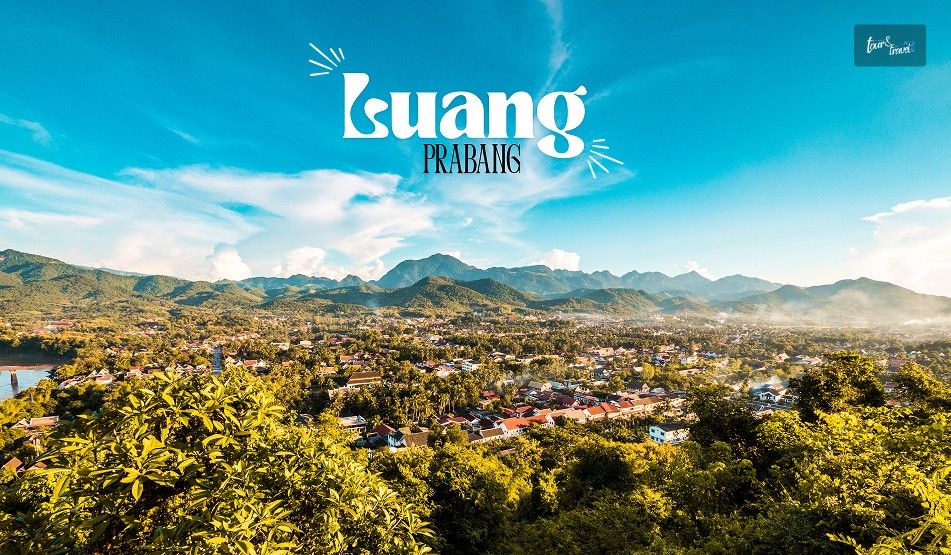

What Is The Ultimate Luang Prabang Itinerary Planner For Solo Travelers? How To Explore Laos’ Cultural Gem In 3–7 Days? 

Nov 3, 2025

Last Updated on: Sep 24, 2026

Asia

In my Luang Prabang travel guide, I last wrote about my travel experience and shared a 5-day itinerary.

However, I wanted to go more in-depth about the cultural exploration of the Laotian gem and a UNESCO World Heritage Site.

Also, Luang Prabang, with its commitment to sustainable tourism, has emerged as a leader in responsible tourism in Southeast Asia.

Furthermore, the recent win of the “Green Destinations Silver Certification” has confirmed how Luang Prabang is dedicated to cultural conventions.

In fact, Luang Prabang has achieved a harmony between cultural heritage and nature.

The mountains, rivers, and temples reflect a lifestyle that is deeply connected to the environment.

Thus, Luang Prabang shows how traditional practices and values can thrive alongside modern sustainability practices.

Hi, in this Luang Prabang itinerary planner blog, I will talk about how you can explore the cultural gems of Luang Prabang in three to seven days.

Why Visit Luang Prabang? 

Why Visit Luang Prabang

The Green Destinations organization, accredited by the Global Sustainable Tourism Council, has awarded Luang Prabang the Green Destinations Silver certification for 2025–2027.

The certification conferred at the Sustainable Destinations Forum 2025 in Dubai on 28-29 October now inspires this UNESCO World Heritage Site to aim for a gold certification in 2026.

So, learning how this city in Laos is evolving the sustainable tourism landscape can be a reason to visit it these days.

Furthermore, its location between the Nam Khan and Mekong Rivers and the presence of Mount Phousi make Luang Prabang a natural treasure trove.

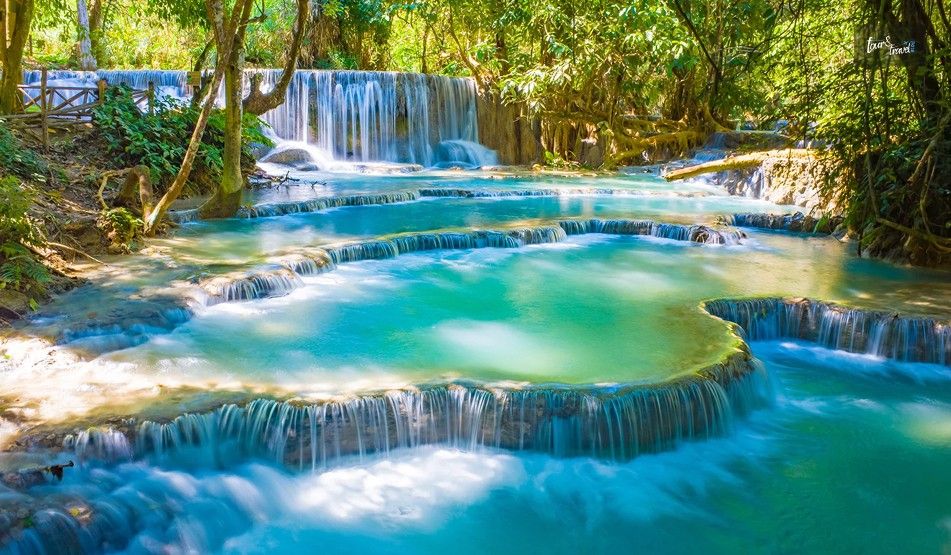
Kuang Si Falls is another major natural attraction here.

Historically, it is significant as the capital of the ancient Laotian Kingdom.

Also, due to the 19th-20th century colonial influence, the city shows a wonderful fusion of traditional Lao urban architecture and English colonial architecture.

Moreover, the city’s well-preserved temples, monasteries, and colonial villas make it a living museum of Southeast Asian heritage. 

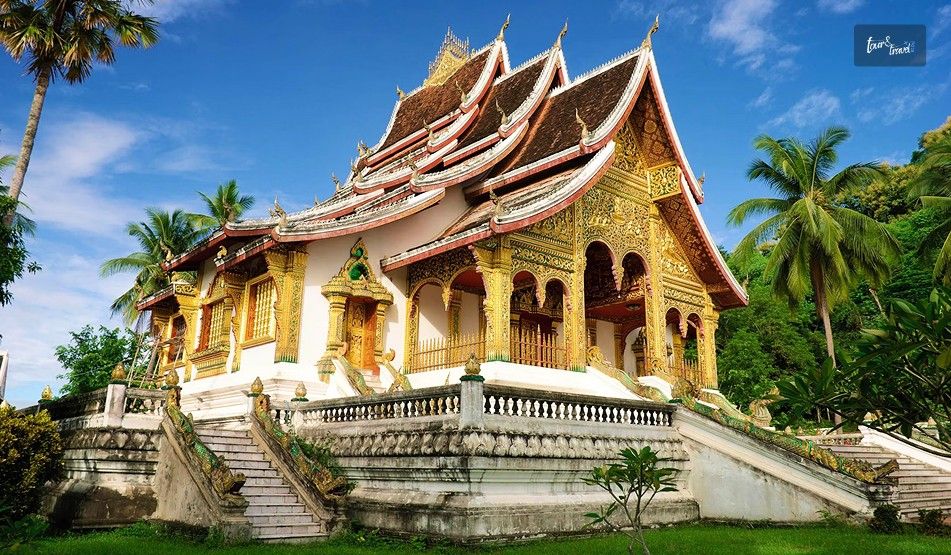
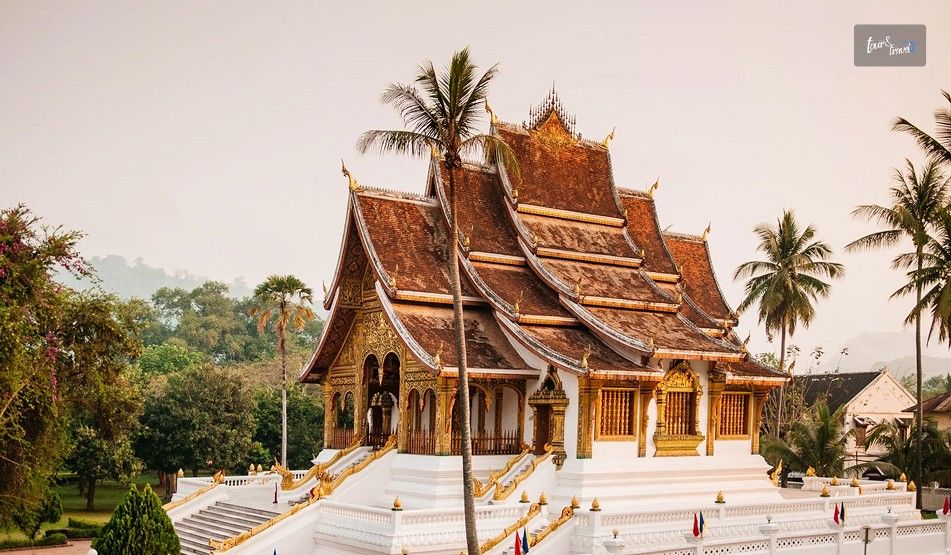
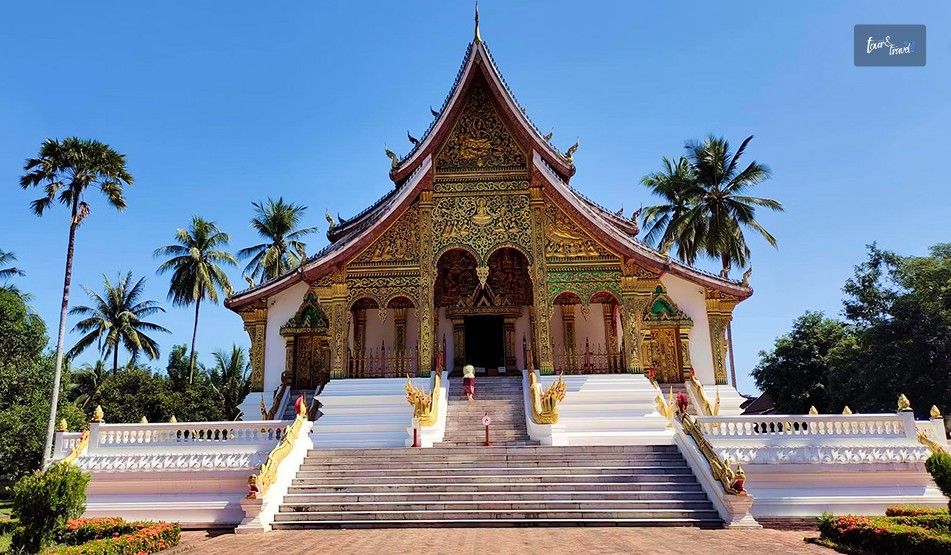
In addition, Luang Prabang has beautiful temples such as Wat Xieng Thong, and its Night Market is a vibrant hub for local crafts, textiles, and street food.

What Is The Best Time To Visit Luang Prabang? 

What Is The Best Time To Visit Luang Prabang

The best time to visit Luang Prabang depends on the experience you want.

For example, if you want to enjoy clear weather conditions and your time outdoors, you can plan a visit between November and February.

April and May are the hottest months in Luang Prabang, with the highest temperature hitting around 35 degrees Celsius.

January is the coolest month, with an average temperature of 14-28 degrees Celsius.

However, attending the local festivals is a major part of a holistic cultural exploration.

So, if you want to attend any specific celebration, you can check the table below.

Festivals in Luang Prabang Timing 
Boun Pi Mai Lao, or the Lao New Year Mid-April 
Boun Suang Huea, or the Boat Racing Festival September 
Boun Lai Heua Fai, or the Festival of Lights October 
That Luang Festival at the That Luang Stupa November 
Haw Khao Padap Din, A Festival Honoring Ancestors September 

How To Reach Luang Prabang?

I reached Luang Prabang by flying to Luang Prabang International Airport (LPQ) via Bangkok.

However, there are also boat, train, and bus options.

Mode Of Transportation Details
By Flight• Airport: Luang Prabang International Airport (LPQ)

• Airport Connected to: Bangkok, Hanoi, Chiang Mai, and Vientiane

• Laos Offers Visa on Arrival Facilities for Many Countries.
Slow Boat from Thailand • This 2-Day Journey from Huay Xai via Pakbeng along the Mekong River is beautiful.

• It is Ideal for Photographers and Slow Travelers.
Train • You Can Travel to Luang Prabang via the China-Laos Railway.

• This Railway Connects Luang Prabang with Vientiane and Boten.

• This Route is Scenic, Fast, and Affordable.
Buses • Travel in a Long Distance Bus to Luang Prabang from Vientiane, Vang Vieng, and Other Lao Cities. 

• For More Comfort, Choose Overnight VIP Buses.

Where To Stay In Luang Prabang? 

I stayed in a hostel, which cost me around $20 per night.

However, you will also find mid-range and luxury hotels, as well as eco-lodges suitable for families.

1. Budget Hostels In Luang Prabang 

Name Amenities Location 
Mad Monkey Hostel • Clean 
• Centrally Located 
Luang Prabang, Laos
Y Not Laos Hostel • Ideal for Solo Travelers and Digital Nomads Laos, Luang Prabang, Phusi RD, Aphay village, Luang prabang, Laos

2. Mid-Range Accommodation In Luang Prabang 

Name Amenities Location 
Villa Chitdara • Stands Out with Its Colonial Charm Near the Local Market Ban Vat Nong, Khounsua Road, Luang Prabang 06000, Laos
My Dream Boutique Resort • Lush Gardens
• Riverside Views 
Ban Meung Nga Village Meung Nga Street, Luang Prabang 06000, Laos

3. Luxury Accommodation 

Name Amenities Location 
Satri House • A Former Royal Residence Turned Into A Boutique HotelLuang Prabang, Laos
Avani+ Luang Prabang • It Offers Modern Luxury with A Colonial Touch Setthathirath Road, Hua Xieng Village, Luang Prabang 06000, Laos

4. Family-Friendly & Eco-Lodges 

Name Amenities Location 
Zen Namkhan Resort • Eco-conscious
• River Views
• Family Bungalows 
CP 082, Ban Xieng Lom 06000, Laos
The Namkhan Ecolodge • Nature Activities
• Farm-to-Table Dining 
Luang Prabang 06000, Laos

A 3-Day Luang Prabang Itinerary

A 3-Day Luang Prabang Itinerary

Here is a brief 3-day itinerary for a trip to Luang Prabang. 

Days Activity
Day 1 • Visiting Wat Xieng Thong, Wat Mai, and the Royal Palace Museum in the Morning

• Strolling through Old Town and Having the Best Coffee at Saffron Café

• Sunset Trek to Mount Phousi

• Exploring the Night Market for Street Food and Collecting Souvenirs 
Day 2 • Visiting Kuang Si Falls (30 km away) in the Morning.

• Swimming in Turquoise Pools and Visiting the Bear Rescue Center in Late Morning.

• Stopping by the Kuang Si Butterfly Park and Having a Picnic Lunch in the Afternoon. 

• Back to the Town and Having a Lao Massage.
Day 3 • Attending a Lao Cooking Class at Tamarind or Bamboo Tree in the Morning.

• Taking a Boat Trip to Pak Ou Caves, Filled with Thousands of Buddha Statues.

• A Sunset Cruise on the Mekong River with Local Drinks and Snacks.

A 4-Day Luang Prabang Itinerary

A 4-Day Luang Prabang Itinerary

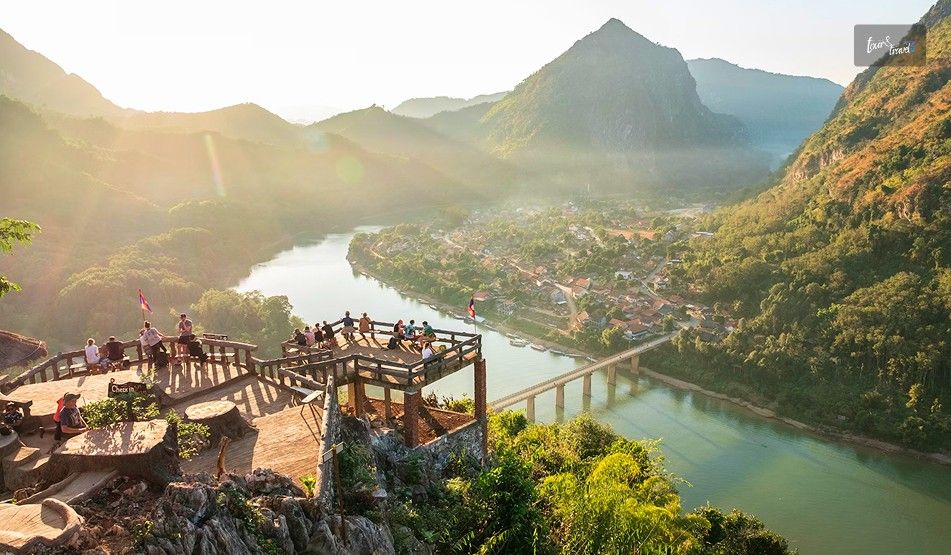
If you are in Luang Prabang for another day, you can plan a day trip to Nong Khiaw.

It is a 3-hour drive from Luang Prabang.

It has beautiful limestone cliffs and caves, and it is ideal for kayaking.

A 7-Day Luang Prabang Itinerary

A 7-Day Luang Prabang Itinerary

With the activities for your first four days sorted, you can now try the following activities/attractions for the last 3 days.

Days Activities 
Day 5 • Learning Traditional Rice Farming Techniques and Plowing with Water Buffaloes in the Morning.

• Cooking Sticky Rice in the Afternoon.
Day 6 • Visiting Tad Sae Waterfalls & Ziplining in the Morning.

• A Trip to the MandaLao Elephant Conservation in the Afternoon.
Day 7 • A Visit to Wat Pa Phon Phao and A Meditation Retreat.

• Spending the Night at the Khmu Village.

A Family-Friendly Itinerary For Luang Prabang 

A Family-Friendly Itinerary For Luang Prabang

Here is a 5-day family-friendly travel itinerary for Luang Prabang.

I have kept the itinerary relaxed to suit multi-generational travel.

Furthermore, even if the itinerary keeps you busy, don’t forget to bring drawing books and journals for your children.

Days Activities 
Day 1 • Arrive and Check in to Your Hotel

• Visit the Royal Palace Museum and Take a Walk Along the Old Town

• Climb Mount Phousi

• Dinner at a Riverside Restaurant 
Day 2 • Attend the Alms Giving Ceremony or Tak Bat. 

• Breakfast at a Local Cafe. 

• Visiting the Elephant Conservation Center

• Return to Luang Prabang

• Dinner at a Restaurant With a View of the Nam Khan River 
Day 3 • Attending a Family-Friendly Cooking Class with Children, Helping with the Preparations. 

• Attending Dyeing and Weaving Workshops at Ock Pop Tok Living Crafts Centre.

• Dinner at Utopia Café.
Day 4 • A Visit to Kuang Si Waterfall.

• Exploring the Butterfly Park.

• A Visit to the Free the Bears Rescue Center.

• Shopping at the Night Market 
Day 5 • Visiting the UXO Visitor Center to Learn About Laos’s History and Demining Efforts (Especially Suitable for Children)

• Souvenir Shopping

• Off to the Airport 

What Are The Best Cultural Experiences In Luang Prabang? 

What Are The Best Cultural Experiences In Luang Prabang

The recent That Chomsi Stupa ceremony at Luang Prabang from 5th to 6th October 2025 has once again highlighted the strong cultural tourism aspect of the city.

Built during the reign of King Anourouth in 1804, this stupa blends history with spirituality.

Today, it also demonstrates the sincerity of Luang Prabang and Laos in preserving heritage.

Moreover, the Chomsi Stupa ceremony emerges as an important landmark here to attract travelers who seek authentic experiences.

You can understand community development and the essence of Buddhism.

So, visiting this Stupa is a unique cultural experience in Luang Prabang.

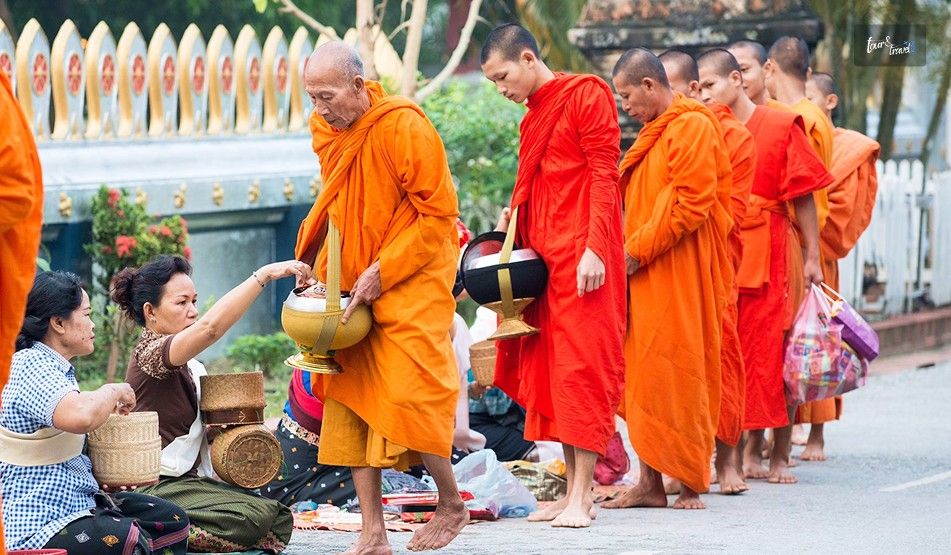
Another important aspect is the Alms-Giving Ceremony, where monks are offered fresh food for their worldly sustenance.

In addition, for holistic well-being and energy alignment, you can try a traditional Lao Massage.

Also, visit the Ock Pop Tok Living Crafts Centre or attend traditional bamboo weaving and rice farming workshops.

These help us understand the livelihood and the true essence of Luang Prabang.

What Are The Hidden Gems In Luang Prabang? 

What Are The Hidden Gems In Luang Prabang

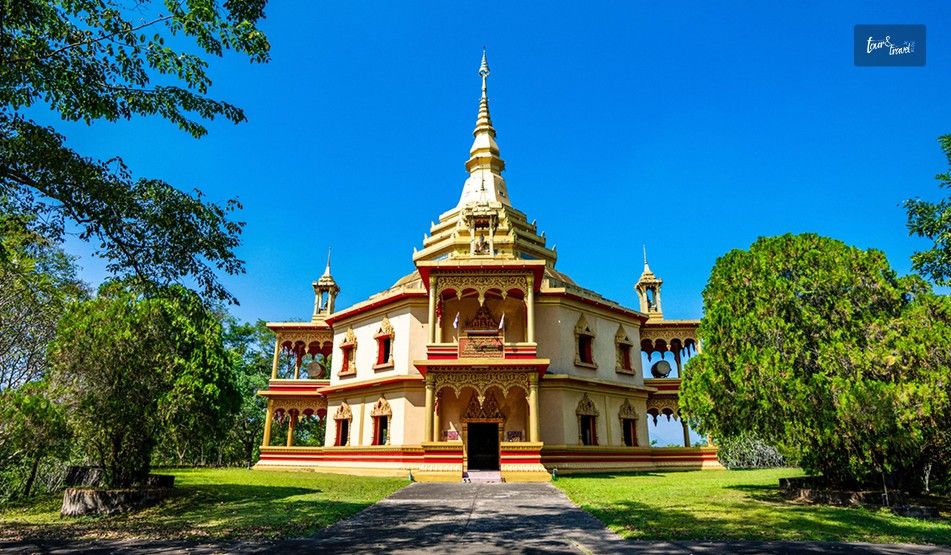
Wat Pa Phon Phao temple on a hill southwest of Luang Prabang is a hidden gem in Luang Prabang.

It is one of the central places for Vipassana meditation.

The single pagoda has an octagonal structure. It has a peaceful ambiance, and it is an ideal place for introspection.

Local Cafes And Art Galleries In Luang Prabang 

Don’t miss a visit to these places if you want to sink into the community vibe and have an excellent cultural understanding. 

1. Saffron Coffee 

Saffron Coffee is one of the best cafes in Luang Prabang, and it is a great contributor to sustainable tourism.

It sources the coffee beans ethically from local farmers. The coffee here is grown organically.

Furthermore, Saffron Coffee is known for its profit-for-purpose policy.

It reinvests its profit to benefit the individual farming family.

2. L’Etranger Books & Tea 

What should I say?

L’Etranger Books & Tea is a cafe, a bookstore, and a community center for reading and exchanging books.

Furthermore, the attic room of L’Etranger Books & Tea hosts a film screening at 7 PM every evening.

It was the city’s first licensed bookshop. 

Located at Pha Tad Ke Botanical Garden, Project Space Gallery is a non-profit multifunction space.

It hosts contemporary art exhibitions and events.

Culinary Tourism In Luang Prabang: A Food And Drink Guide

Some must-try dishes in Luang Prabang are Khao Soi, or Northern Lao noodle soup with tomato and pork.

It is a minced meat salad with herbs and lime, or Laap and Or Lam, or a spicy soup with buffalo meat and eggplant.

Furthermore, grilled meats, coconut pancakes, mango sticky rice, and fruit shakes are popular street foods, and you can enjoy them at the Night Market.

Manda de Laos, Dyen Sabai, and Tamarind are some renowned restaurants in Luang Prabang.

Budget For A Luang Prabang Trip 

Here is a daily cost estimate for a solo trip to Luang Prabang.

Budget Type Daily Cost (USD) Inclusions 
Budget \$25–\$40 • Hostel 
• Street Food 
• Tuk-tuks 
Mid-Range \$50–\$100 • Boutique
• Hotel Restaurants 
• Tours 
Luxury \$150+ • 4–5 Star Hotels 
• Private Guides 
• Fine Dining 

Travel Tips For A Luang Prabang Trip

Travel Tips For A Luang Prabang Trip

Luang Prabang is safe to travel to. However, you can face connectivity issues.

So, you must collect Unitel and Lao Telecom SIMs at the airport. Also, drink bottled water and use mosquito repellent.

Moreover, you must adhere to the sustainability norms and follow local customs for a seamless experience. 

Luang Prabang Itinerary Planner: Frequently Asked Questions (FAQs)

Here are the frequently asked questions and answers about the Luang Prabang Itinerary Planner.

1. How Long Should You Stay In Luang Prabang? 

Three to five days are enough for a cultural exploration in Luang Prabang. However, if you want a deeper cultural experience with nearby day trips and attending cooking, farming, or weaving workshops, plan a vacation of 7 days.

2. Is Mount Phousi Worth It? 

Yes, Mount Phousi is a wonderful destination for a sunrise or sunset hike. Once you reach the top, you will enjoy wonderful views of the city and the surrounding hills.
 
Moreover, the Wat Chom Si Stupa is located at the top of Mount Phousi. It is an important spiritual, historical, and cultural landmark of Luang Prabang.

3. Is Luang Prabang Better Than Vientiane?

Vientiane is the current capital of Laos, and Luang Prabang was the ancient capital of Laos. Today, Vientiane is a more popular destination thanks to better national and international connectivity.
 
However, if you ask me, Vientiane lacks the cultural vibrancy and scenic beauty of Luang Prabang.

Share on Social Media

Sibashree is a travel, culture, and leisure writer who has been writing since the age of 12 and professionally since 2014. With more than a decade of travel writing experience and journeys across India and several parts of the world, she brings a deeply personal and thoughtful perspective to her work. A student of English Literature and Mass Communication, Sibashree has always viewed travel as more than movement — for her, it has been a way of understanding people, cultures, and herself. Her passion for spiritual exploration has also led her to many unusual and meaningful destinations over the years. Outside of writing, Sibashree enjoys watching European cinema, reading about global politics, and reflecting on the stories hidden within everyday places.

Leave a Reply

Your email address will not be published. Required fields are marked *

title-img Related

READ MORE Ravana Falls

Ravana Falls, Ella: Location, How To Reach, Things To Do, Practical Tips And More

BY  Sibashree Aug 22, 2026

I met Ravana Falls on the way from Ella to Wellaway.  I pulled up on a tuk-tuk and found a wide and tiered curtain of water falling down on an oval rock face.  Ravana Falls is not the tallest or most powerful waterfall you will see in Sri Lanka. However, the mythological significance and its easy accessibility from Ella make it a must-visit.  Some Quick Facts About Ravana Falls, Ella FactsDetailsOfficial NameRavana Falls (Ravana Ella)LocationElla, Badulla District, Central Highlands, Sri LankaHeight25 MetersWaterfall TypeA Three-Tier CascadeWater SourceKirindi Oya (River System)Mythological LinkThe RamayanaAccessibilityRoadside Viewpoint with No Trekking RequiredBest Time to VisitOctober to January for Maximum Water VolumeEntry FeeFree Where Is Ravana Falls Located?  The Ravana Falls shows its prowess along the Ella–Wellawaya road (the A23). It is around 6 to 8 km south of the beautiful Ella Town.  Also, it is close to the 12th–13th mile markers in the Badulla District. At an elevation of around 1050 meters, this waterfall drops around 25 meters, and it is one of the widest in Sri Lanka.  Furthermore, this waterfall within the compact Ella Wildlife Sanctuary is at the epicenter of an ecosystem with birds and small mammals. Overall, it is amidst a landscape typical of the mid-elevation forests of Sri Lanka.  How To Reach Ravana Falls A tuk-tuk ride from central Ella to Ravana Falls takes around 10-15 minutes. You can also take a taxi ride.  As you proceed toward Wellawaya along A23, you will see this waterfall from the roadside.  Public buses also run along this route, and drivers are used to being asked for a drop-off here. Moreover, you can reach the Ravana Falls from Bandarawela. You can reach the waterfall by traveling around 10 km toward Wellawaya from Kubalwela Junction on the Badulla–Bandarawela road. Ravana Falls And The Legend Of King Ravana  The most intriguing thing about the legend of Ravana Falls is that every guide will give you a different version.  However, the most popular is that King Ravana, the demon king from the Ramayana, hid Goddess Sita in a cave behind this waterfall. She was kept here after Ravana abducted her and brought her back to Lanka.  The waterfall is also close to the Ravana Ella Cave, which is perched on a cliff face about 11 km from Bandarawela. The archaeological evidence in the area has proven the presence of older human habitation. So, myth aside, it has been an important location for human habitation for a long time.  What To Do At Ravana Falls? The best vantage point for this waterfall is the road and the small bridge nearby. If you want to go closer to the base, you will have to walk down a little.  As you reach the base, you can climb over some of the rocks.  Here, you have to be very careful as these rocks are very slippery irrespective of the season.  Furthermore, for a proper look at the multi-tier cascade, I waded in the lower pools.  However, I could not climb higher up the falls toward the upper cascades as that route is now restricted due to past accidents.  So, I had to stick to the lower areas.  Moreover, I spotted many troops of wild monkeys near the waterfall. So, be careful about what you carry and be respectful to them.  Other Nearby Places You Can Visit With Ravana Falls  After exploring Ravana Falls, you can come back to Ella and find some of the photographed attractions in Sri Lanka. Visit the Nine Arch Bridge, Ella Rock, and Little Adam's Peak. Once again, due to the proximity to Ella, Ravana Falls fits naturally into a half-day loop rather than requiring a dedicated trip. Moreover, just two hours away, the Horton Plains National Park awaits with a completely different high-altitude landscape.  Practical Travel Tips For Visiting Ravana Falls Ravana Falls is one of the best places to visit in Sri Lanka for budget travelers as it offers free entry.  You must wear shoes with good grip if you have plans of climbing over the rocks near the base. Once again, avoid the temptation to go beyond the marked and accessible sections.  A Quick Note On Safety Follow the restrictions seriously, and there is no need to push barriers for a better photo, risking your safety.  Like the other waterfalls in Sri Lanka, Ravana Falls should also be visited with prior local advice.  Only a local guide will be able to help you find out the safer pool.  Where To Stay Near Ravana Falls? Ella town is the obvious base, and it is small enough that nowhere is more than a short tuk-tuk ride from the falls.  Guesthouses and small boutique hotels line the roads toward Passara and Wellawaya. Many of these guesthouses offer valley or mountain views. Also, the range of options runs from simple backpacker stays to higher-end villas overlooking the tea country.  Photography Tips The falls face a direction that catches strong midday light.  That light tends to wash out the detail in the water and flatten the surrounding greenery. So early morning or late afternoon visits give noticeably better results.  A polarizing filter helps cut glare off the wet rock if you are shooting with a proper camera. A slower shutter speed, even just a fraction of a second, brings out the silky texture the falls are known for during wetter months.  The waterfall is visible and photographable straight from the road. So, it is also one of the easier hill-country shots to get without carrying gear down a long trail. Best Time To Visit Ravana Falls Ravana Falls changes character dramatically with the seasons.  During the wetter months, the water is said to resemble an areca flower with drooping petals as it spreads across the rock face. It is genuinely one of the more striking waterfall shapes I have seen in Sri Lanka.  In the dry season, the flow drops off considerably, and the falls can look thin by comparison.  December to April tends to bring more reliable water levels alongside decent weather for the rest of an Ella itinerary. So it is a reasonable window if you want to see the falls at something close to their best.

READ MORE Kandy to Ella train

Is The Kandy To Ella Train Still Closed? Why I Loved The Journey During My Last Visit 

BY  Sibashree May 4, 2026

Yes, the Kandy to Ella Train is still closed. Even if you search for the Kandy to Ella trains on the Sri Lanka Railways website now, it will show, “The rail line from Kandy to Ella is still under repair. Please select Ambewela as your closest alternative departure station.” So, it means that Sri Lanka Railways, especially the iconic Kandy to Ella train route, is still recovering from the destruction of Cyclone Ditwah in 2025.  However, operation of the Ella Odyssey train has resumed from 7th January 2026.  Nevertheless, everyone waits for the Kandy to Ella train route to be fully functional. And here I want to share my experience of an iconic train ride on this Kandy to Ella route.  I will also share details about the Ella Odyssey Train, now running between Ambewela and Badulla.  Kandy To Ella Train Journey: Quick Facts  FactsDetailsRoute DistanceAround 120 KmBest ClassReserved Second ClassBest Time for the Train JourneyDecember to April The Most Beautiful Stretch Nanu Oya and EllaRail Route Built In1864 The Kandy To Ella Train Journey: Why Is It So Famous?  The Kandy to Ella train service was started in the British period for the transportation of tea to the highlands.  However, today, it is acknowledged as the most beautiful railway route in Sri Lanka.  The best thing is that the scenes outside the train window do not remain static. From small villages to tea plantations, hills, and waterfalls,  Furthermore, the train on this route passes at a slow pace, making the experience all the more immersive.  So, a train journey on this route is one of the best things to do in Ella and, in fact, one of the top attractions in Sri Lanka.  My Experience Of The Kandy To Ella Train Journey  If you are traveling from Colombo to Kandy, you now have to take a bus.  However, I visited before the devastation caused by Cyclone Ditwah. So, I enjoyed my train journey from Colombo to Kandy.  From Kandy Lake to the iconic Temple Of The Tooth, the top attractions in Kandy make it the cultural epicenter of the country.  After exploring Kandy, I took a train ride to Ella, and here is how I enjoyed the journey.  1. Train Journey Started From The Kandy Station  Like the city itself, the Kandy Railway Station is also very pretty.  It has a history dating back to the British era. Even today, behind its modern exterior, you will find a Victorian interior and platforms.  So, once you enter the station, you will feel history and nostalgia becoming palpable before your eyes.  The station is hot and humid, and the crowd may seem a little annoying.  However, a glimpse of the iconic blue train of Sri Lanka will take all irritation away.  2. The Blue Train  The train reached Kandy station, and the color of the Chinese diesel locomotive was turquoise blue.  I boarded the third-class compartment and luckily got a seat.  I already knew about the history of this rail route at the National Railway Museum, Kadugannawa.  The train has been operating since the 1920s. However, passengers started traveling on these trains in the 1960s.  Nevertheless, the train was jolting heavily, and it slowly left Kandy, making its way to the hill country.  Cricket And More  Coming from India, it was fun talking about cricket with the Sri Lankan locals on the train.  They showered their love for every cricketing legend, from Sachin Tendulkar to Virat Kohli. I also shared my adoration for Kumar Sangakkara and Sanath Jayasuriya.  You know what the best thing about this train ride was? The train moved slowly. However, the wind coming through the windows got mixed with the voices of the locals singing.  Overall, it was a feeling of freedom and excitement.  The Vendors  The Kandy to Ella train ride will be incomplete without having chai and hot wade. As the vendors get on board, the fragrance of hot wade and tea immediately makes you hungry.  Also, as soon as the train leaves the Kandy station, you start enjoying the cool breeze.  The View  Ever-stretching tea plantations, misty mountains, and beautiful stations, I got to see everything throughout the train journey from Kandy to Ella.  So, within a few hours, I got a glimpse of the local lives of Sri Lanka.  I also understood why it is called one of the greatest train rides in the world.  Continuing The Kandy To Ella Rail Route Journey: Toward The Nine Arch Bridge And Demodara Railway Loop Once I got down at Ella after a train ride from Kandy, I took a tuk-tuk to reach the iconic Nine Arch Bridge.  The Nine Arch Bridge is a historic landmark for its role in World War I. The first train on the bridge passes at 9:30 AM, and the last train passes at 5:30 PM.  Moreover, along with the Nine Arch Bridge, the Demodara Railway Loop is another attraction on this route.  I had the most peaceful experience of train riding at the Demodara Railway Loop. Unlike the Kandy to Ella train, it was not crowded at all.  The Kandy To Ella Train: Running Between Ambewela And Badulla Now  Train $11015 runs between Ambewela and Badulla except on Wednesdays. It departs the Ambewela station at 3 PM and reaches Badulla at 5:46 PM.  You can buy a first-class ticket, and it costs ₹INR 1000.  Furthermore, the train $11005 leaves the Ambewela Station at 9:30 AM and reaches Badulla at 12:16 PM.  You can buy second-class and third-class train tickets. A third-class ticket costs ₹575 and a second-class ticket costs ₹770.  Moreover, on Wednesdays, train #111043 departs Ambewela at 1:30 PM and reaches Badulla at 4:15 PM. The tickets for this train are expensive.  The second-class ticket for this train is ₹2326 per adult.  If you want to learn more about the trains running between Ambewela and Badulla, you can check out the information here. 

READ MORE temple of the tooth

The Temple Of The Tooth, Kandy: History, Significance, And A Complete Visitor’s Guide

BY  Sibashree Sep 14, 2026

Almost every visitor notices the golden roof or moat around it when visiting the Temple of the Tooth, Kandy.  However, the first thing I noticed was the queue.  It was an ordinary Tuesday morning, around 9 AM.  I saw monks, schoolchildren in white, and visitors with cameras filling the same security screening.  However, I was not surprised to see the crowd at the Temple of the Tooth, or the Sri Dalada Maligawa. Built around a single relic, it has shaped the island's politics and identity for over 1,600 years. Also, as the living spiritual centre of Sri Lankan Buddhism, it deserves all the attention.  In addition, the temple has been in the news more than once in the past two years.  In April 2025, a rare public exposition of the Tooth Relic drew an estimated 450,000 devotees in a single day. The queues were long and stretched around 10 kilometers through Kandy.  Again, the temple hosted the ten-night Kandy Esala Perahera, running from 18 to 28 August, 2026.  While there is still time for the Kandy Esala Perahera Festival in 2027, you can plan a visit to the temple on a regular day to have a more immersive and detailed encounter with this iconic Sri Lankan landmark.  The Temple Of The Tooth, Kandy: At A Glance Things to KnowDetailOfficial NameSri Dalada MaligawaAlso Known asTemple of the Sacred Tooth RelicTemple of the ToothLocationPalace Square, Kandy, Central Province, Sri LankaWhat it enshrinesThe left canine tooth relic of the BuddhaUNESCO statusPart of the Sacred City of Kandy, a World Heritage Site since 1988Present shrine built1707–1739, under King Sri Veera Parakrama NarendrasingheDaily opening hours5:30 AM – 8:00 PM, every day of the yearDaily puja (ritual) times5:30–7:00 AM9:30–11:00 AM6:30–8:00 PMEntrance fee (most foreign nationals)LKR 3,000Entrance fee (SAARC nations, Thailand, Myanmar)LKR 2,500Entrance fee (Sri Lankan citizens)FreeMajor annual festivalKandy Esala Perahera (July/August)Time neededAbout 1 to1.5 hours for the temple and longer during puja or festival season What Is The Story Behind The Temple Of The Tooth? The tooth relic arrived in Sri Lanka around seventeen centuries ago, between 301 and 328 CE.  The temple has been rebuilt, burned down, and rebuilt again more times than we can think of.  How Did The Tooth Relic Come To India? According to Buddhist tradition, after the Buddha's parinirvana, his left canine tooth was preserved in the Kingdom of Kalinga.  The Kingdom of Kalinga is now the state of Odisha in India.  However, there was unrest during the reign of King Guhasiva. So, Princess Hemamali and her husband, Prince Danta, took the tooth relic out of Kalinga. The relic was hidden inside the hair of the princess to ensure a safe passage.  They safely brought it to Sri Lanka during the reign of King Kithsiri Meghavanna, dated around 301 to 328 AD.  Since then, the relic has become inseparable from Sri Lankan kingship.  It was said that whichever king had it would have the right to rule.  Also, the relic was moved from capital to capital.  It came through Anuradhapura, Polonnaruwa, Dambadeniya, Yapahuwa, Kurunegala, Gampola, and finally reached Kotte.  Then, it came to Kandy, the last of the royal capitals of Sri Lanka.  A Timeline Of Sri Dalada Maligawa The building we see today is not the original structure. It is the product of at least four rebuilds across two and a half centuries. It was shaped by Portuguese raids, a Dutch fire, and later renovations by successive Kandyan kings. PeriodWhat happenedc. 301–328 ADTooth relic brought to Sri Lanka from Kalinga by Prince Danta and Princess Hemamali during the reign of King Kithsiri Meghavanna.1592–1604King Wimaladharmasuriya I built the first Dalada Maligawa in Kandy, later destroyed during Portuguese invasions.1635–1687King Rajasinghe II built a second shrine on the same site, and it was burned down by the Dutch.1687King Wimaladharmasuriya II constructs a three-storey Dalada Maligawa, which later decays.1707–1739King Sri Veera Parakrama Narendrasinghe builds the two-storey shrine that still stands today.1747–1782King Kirti Sri Rajasinha renovates and beautifies the temple to be close to its present appearance.1798–1815King Sri Wickrama Rajasinghe adds the octagonal Pattirippuwa pavilion.1815The Kandyan Kingdom falls to the British; daily rituals at the temple continue without a break.1988UNESCO inscribes the Sacred City of Kandy, including the temple, as a World Heritage Site.25 January 1998An LTTE suicide truck bombing damages the temple's facade and the adjoining royal palace complex, killing more than a dozen people.April 2025A rare public exposition of the relic draws an estimated 450,000 devotees in a single day.18–28 August 2026The ten-night Kandy Esala Perahera, combining the Kumbal and Randoli processions, is held at the temple. Surviving Invasions, War, And Time Even after such a long history, the rituals at the site have never stopped.  The rituals have continued through Portuguese raids, Dutch fire, the British taking Kandy, and even after the 1998 bombing.  Today, Mahanayake theros of the Malwatta and Asgiriya monastic chapters and a lay custodian, Diyawadana Nilame, are the custodians of the daily rituals.  They also take care of the preservation of the relic.  Why Is The Temple Of Tooth So Important?  The Temple of Tooth is not just the most photographed temple in Sri Lanka.  For Sri Lankan Buddhists, it is the living head of state for the faith.  This explains why the atmosphere inside the relic feels very different from a typical heritage monument.  A Living Symbol Of Buddhist Sri Lanka The possession of the tooth relic was the validation of a king’s right to rule the island. So, it moved between capitals alongside the seat of government for centuries.  This symbolic weight has not disappeared with the monarchy.  Sri Lankan presidents and senior officials still make a point of visiting the temple during the Esala Perahera each year. Thus, they continue a tradition of state association with the relic that predates colonial rule by well over a thousand years. The Kandy Esala Perahera The biggest annual event of Kandy is Esala Perahera.  It is a firelit procession of dancers, drummers, and elaborately dressed tusker elephants.  These festivities take us back to the 1600 year old tradition of the temple.  In 2026, the festival ran across ten nights from 18 to 28 August. The five nights of the Kumbal Perahera were followed by five nights of the grand Randoli Perahera. The festival closed with the Diya Kapeema water-cutting ceremony.  If your Sri Lanka trip lines up with late July or August, it is worth checking that year's dates on the temple's official website before booking. The festival follows the lunar calendar and shifts annually. Planning Your Visit: Timings, Fees, And Rules In this section, I have highlighted the operating hours and fees for the Temple of the Tooth.  Opening Hours And Puja Times ServiceTimingDaily opening hours5:30 AM to 8:00 PM, every day (including Sundays and public holidays)Early morning service (Thewawa)5:30 AM to 7:00 AMMidday service (Thewawa)9:30 AM to 11:00 AMEvening service (Thewawa)6:30 PM to 8:00 PMNanumura Mangallaya (herbal bathing ritual)Every Wednesday, 9:30 AMChild-offering ceremonyDaily, 10:00 AM and 7:00 PM Entrance Fees Visitor categoryFee (LKR)Sri Lankan citizensFreeSAARC country nationals2,500Thailand and Myanmar nationals2,500All other foreign nationals3,000 The ticket is a single entry that covers the Temple of the Tooth Relic, the Dalada Museum, the World Buddhist Museum, the Tusker Museum, and the Royal Elephant Stable. So, budget a bit more time than "just the shrine" if you want to see all five.  The machines installed at the temple itself issue the tickets.  However, many outside individuals or agencies claim to sell the tickets to the temple. These are not valid.  Entry Guidelines All visitors and their belongings go through screening at the entrance with scanning machines. So, leave bulky luggage behind. Plastic and polythene, including for offerings, are discouraged inside the premises. Pets are not permitted anywhere on the temple grounds. Visitors with mobility needs can arrange transport from the main entrance and lift access by calling the temple's administration office in advance. What It Is Actually Like To Visit Photos of the golden roof and the octagonal Pattirippuwa do not really prepare you for how the temple feels once you are inside. It is smaller, quieter in some corners and far more crowded in others. Also, every activity here happens around the ritual clock rather than tourist convenience. Walking Through The Complex After the security check, the path leads to a moat. It also goes through the Mahawahalkada, the ornately carved main entrance, before opening into the temple courtyard.  The two-storey main shrine sits at the centre. Also, its upper floor is carved from ivory. The golden canopy and jewelled caskets surrounding the relic itself are visible only from a respectful distance.  The stonework, including the moonstone carving at the entrance and the Water Wall running along the moat, is stunning.  The holes hold oil lamps, and you can only focus on them if the crowd is a little less.  The Puja Ceremony You must reach the temple at least 15-20 minutes before the puja ceremony.  This is when drummers play the traditional hewisi rhythms and the inner chamber doors open. So, you will get the closest view most visitors will ever get of the golden reliquary.  The 9:30 AM service tends to be the most manageable for tourists in terms of crowd size and daylight for photography. However, the temple authority does not allow flash photography near the shrine. Beyond The Main Shrine The Tusker Museum in particular houses the preserved remains of Raja, the legendary tusker who carried the relic casket in the Esala Perahera for over 50 years. It is a detail most first-time visitors miss. A Half-Day Itinerary Around The Temple TimeActivity9:00 AMArrive at Sri Dalada Maligawa, clear security, and buy your ticket.9:15 AMExplore the courtyard, moonstone carving, and Water Wall before the crowd builds.9:30 AMAttend the midday puja and hewisi drumming at the inner shrine.10:15 AMVisit the Dalada Museum and Tusker Museum (included in your ticket).11:15 AMWalk the perimeter of Kandy Lake, just south of the temple.12:00 PMLunch at one of the cafés along Dalada Vidiya, the road facing the temple.1:00 PMContinue on to the Royal Palace complex or the National Museum of Kandy next door Things You Probably Didn't Know There is no actual photograph of the tooth relic, and the temple authority does not display it publicly.  What they show twice daily is the outermost of several nested golden caskets that house it. The temple survived a suicide truck bombing on 25 January 1998. It was days before Sri Lanka's 50th independence anniversary celebrations, with Kandy as the epicenter.  The attack damaged the facade. However,  nothing happened to the relic, and daily rituals resumed within days. The octagonal Pattirippuwa pavilion, one of the most photographed parts of the complex, was not part of the original design at all. It was an addition between 1798 and 1815, under the island's last king, Sri Wickrama Rajasinghe. Newborns can be formally "offered" to the temple as part of a blessing ceremony at 10:00 AM and 7:00 PM daily. The child has to be between three and six months old. What Is The Best Time To Visit The Temple Of The Tooth?  The temple is open 365 days. However, a few timing choices make a real difference to the temple visit experience.  You will enjoy the calmest ambiance in the temple at 5 AM when the temple opens. I visited the temple at 9 AM.  It was just before the temple opened. The crowd was large, but they were in a disciplined queue.  So, I got the chance to explore the temple and take the best photographs.  Moreover, if your dates allow, you can visit the temple during the Kandy Esala Perahera in July or August. Also, the Poya (full moon) days and Wednesdays, when the Nanumura Mangallaya bathing ritual takes place, draw larger numbers of local devotees.