
Bundala National Park: Sri Lanka’s Quiet Wetland Where Flamingos Outnumber The Tourists

The only coastal reserve in Sri Lanka and a Ramsar Site, the Bundala National Park welcomes you to a different world.  

So, when I entered the national park, the first thing I noticed was neither an elephant nor a crocodile. In fact, it was not a flamingo.  

It was absolute silence! The calls of a lagoon full of birds broke the silence, and it was a stark contrast to Yala National Park and its busy life.  

The main entrance of Yala National Park is barely one hour away from Bundala. Also, both share much of the same dry-zone wildlife.  

Still, Bundala is one of the least visited national parks in the South.  

As a Ramsar-listed wetland of international importance, Bundala is built around a chain of shallow brackish lagoons.  

That explains why it draws one of the largest concentrations of migratory birds anywhere in Sri Lanka.  

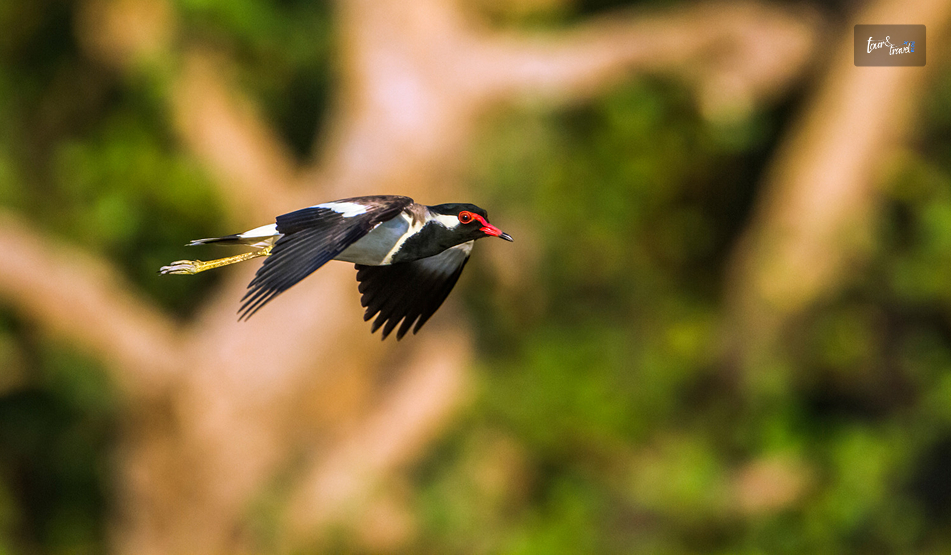
Also, I was fortunate enough to visit Bundala during the northern winter. I met the elegant greater flamingos wading through pink-tinged water at sunrise.  

Nevertheless, irrespective of the time of your visit, you can spot elephants, and crocodiles.  

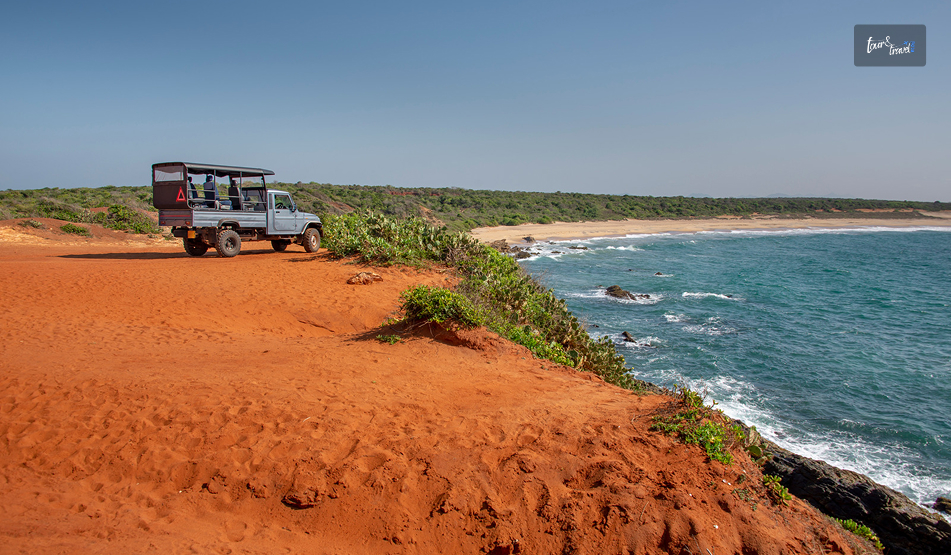
You will also find a coastline of dunes and scrub forest. 

National Park Of Bundala At A Glance 

Detail Information 
Location Southern Province, Sri Lanka, between Hambantota and Tissamaharama 
Nearest town Hambantota (About 15-20 km) 
Area Approximately 6,216 Hectares 
Designation National Park (1993). Ramsar Wetland of International Importance (1990) UNESCO Biosphere Reserve (2005) 
Landscape Five Shallow Brackish/Saline Lagoons Sand Dunes Scrub Jungle Coastal Habitat 
Known for Migratory and Resident Birds (200+ Species), including Greater Flamingos Elephants Crocodiles 
Best time to visit November to March for Peak Migratory Birdlife Year-Round for Elephants and Resident Species 
Distance from Colombo Around 245 KM Roughly 4-4.5 Hours by Road 

Bundala National Park: A Wetland With A Bigger Reputation Than Its Size Suggests

Bundala National Park: Sri Lanka’s Quiet Wetland Where Flamingos Outnumber The Tourists

Bundala became a designated national park in 1993. However, the story of its conservation goes earlier.  

It was already a Ramsar Site in 1990, and it was the first in the country to get this recognition. Again, in 2005, it became a part of a UNESCO Man and the Biosphere Reserve.  

The lagoons here are a critical stopover on the Central Asian Flyway. The migration route that brings birds from as far as Siberia and the Rann of Kutch down to the Indian Ocean coast every winter. 

I loved the park more because it has a very humble demeanor and there is no single headline animal.  

It rewards patience. 

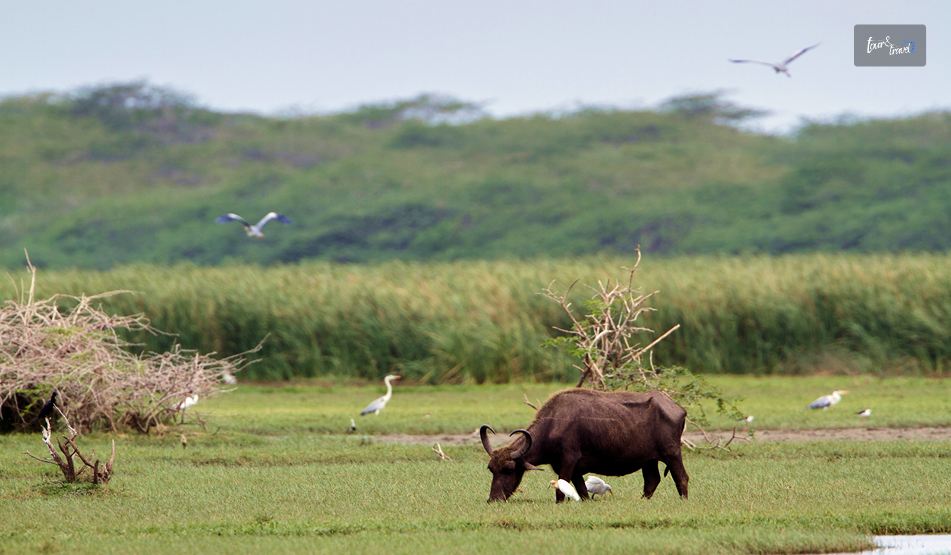
I spotted a crocodile motionless at a lagoon’s edge, a family of elephants moving through the scrub in the middle distance, and always, everywhere, birds. 

Wildlife And Birdlife In Bundala National Park 

Bundala National Park transforms into a wonderland for birdwatchers between November and March.  

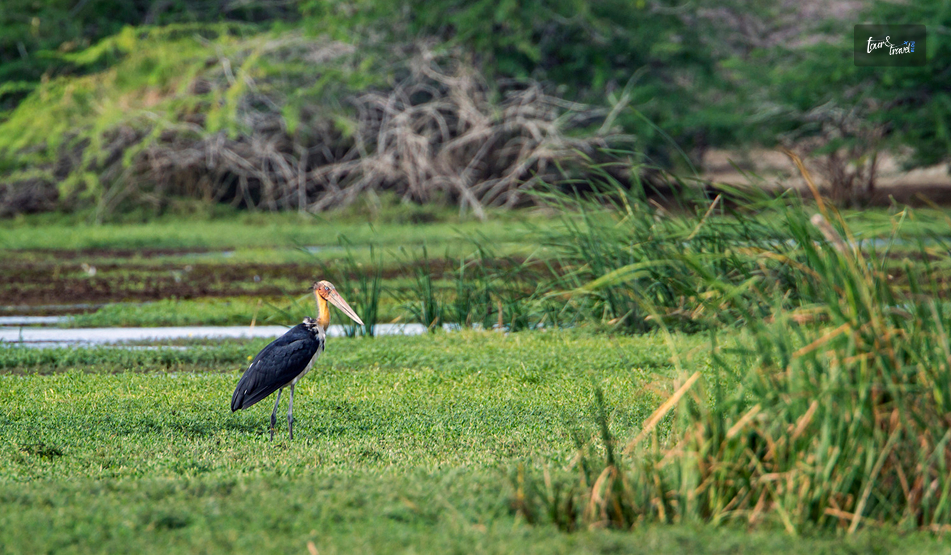
Greater flamingos are the main attraction out of the 200 species of birds recorded here.  

Most of them are migratory birds, and they arrive between November and March.  

During my visit to the park, the flocks of flamingos were so huge that they turned almost the entire lagoon area pink.   

Our guide also drew our attention to painted storks, pelicans, spoonbills, various species of stork and egret, and a healthy population of raptors. 

Furthermore, the park holds a resident elephant population, estimated at several dozen individuals. 

Moreover, it has saltwater and mugger crocodiles in the lagoons, and smaller numbers of leopards, spotted deer, wild boar, and jackals.  

How To Reach Bundala National Park?

Bundala National Park: Sri Lanka’s Quiet Wetland Where Flamingos Outnumber The Tourists

You can reach the Bundala National Park from Colombo via the Southern Expressway to Hambantota or the Sooriyawewa exit.  

Then local roads will lead you to the park entrance. The overall journey from Colombo by road is around 4 to 4.5 hours, depending on the gate you are visiting and the exact timing.  

Again, Bundala National Park is an easy add-on to a visit to Yala National Park. The main entrance of Bundala is 20-25 km from Tissamaharama, making it a natural pairing for anyone already doing a Yala safari circuit. 

Moreover, Hambantota, around 15-20 km away from Bundala National Park, is the closest town.  

So, Hambantota, with its beaches and port area, will be your base if you want a combination of coastal experience and wildlife.  

Bundala Entrance Fees (2026) 

 Category   Approximate Cost (2026)  
 Foreign Adult (12+)   USD 12 
 Foreign Child (6–12 Years)   USD 6 
 Foreign Children under 6 Years    Free 
 SAARC Nationals USD 10 for Adults USD 5 for Children between 6 and 12 Years Free for Children below 6 Years   
 Locals   Adults: LKR 60 Children from 6 to 12 Years: LKR 30 Children below 6 Years: Free Students: LKR 20  
 Vehicle Entry Ticket   LKR 300  
 Foreign Group Fee Per Vehicle   USD 10 

A One-Day Bundala Itinerary

Bundala National Park: Sri Lanka’s Quiet Wetland Where Flamingos Outnumber The Tourists

Bundala works well as a half-day or full-day safari, and it also slots neatly into a longer south-coast loop that includes Yala, Tissamaharama, and the beaches around Hambantota.  

Here is how you can structure a single day focused on the park itself. 

Time Activity 
5:30 – 6:00 AM Departure from Tissamaharama or Hambantota. 
6:00 – 9:30 AM Morning safari through the lagoon circuits. 
9:30 – 10:30 AM Break near the lagoons or at a nearby guesthouse for breakfast. 
10:30 AM – 12:30 PM Continue the drive toward the coastal dune and scrub sections for elephants and crocodiles. 
12:30 – 2:00 PM Exit the park, lunch in Hambantota or Tissamaharama. 
Afternoon (optional) Combine with a Hambantota lighthouse or salt pan visit, or head onward to Yala/Kataragama. 

What Is The Best Time To Visit Bundala National Park?

Bundala National Park: Sri Lanka’s Quiet Wetland Where Flamingos Outnumber The Tourists

November to March is the best season to visit Bundala National Park if you want to spot Greater Flamingos and other birds.  

Flamingos gather in the highest numbers from December to February.  

However, Bundala is home to elephants, crocodiles, and resident birdlife across all seasons. 

Practical Tips For A Visit 

  • Go early. Gates typically open around 6 AM, and the first two hours offer the best light and the least heat-shy wildlife activity. 
  • Bring binoculars if birdwatching is a priority. Much of the action happens across open water at a distance. 
  • Sun protection matters here more than in forested parks as Bundala’s lagoons and dunes offer little shade. 
  • Pair it with Yala or Tissamaharama to make the most of the drive down. 

Nearby Attractions 

Bundala sits within easy reach of several other south-coast highlights, making it easy to build into a wider itinerary rather than a standalone day trip.  

Yala National Park and the temple town of Kataragama are both close by, and the beaches and salt pans around Hambantota make for a relaxed way to close out the day.

Share on Social Media

Sibashree is a travel, culture, and leisure writer who has been writing since the age of 12 and professionally since 2014. With more than a decade of travel writing experience and journeys across India and several parts of the world, she brings a deeply personal and thoughtful perspective to her work. A student of English Literature and Mass Communication, Sibashree has always viewed travel as more than movement — for her, it has been a way of understanding people, cultures, and herself. Her passion for spiritual exploration has also led her to many unusual and meaningful destinations over the years. Outside of writing, Sibashree enjoys watching European cinema, reading about global politics, and reflecting on the stories hidden within everyday places.

Leave a Reply

Your email address will not be published. Required fields are marked *

title-img Related

READ MORE Jaffna beach guide

The Ultimate Jaffna Beach Guide: What Are The Best Beaches Near Jaffna, Sri Lanka? 

BY  Sibashree Jan 9, 2026

The northernmost major city of Sri Lanka is famous for its beautiful Hindu temples, such as the Nallur Kandaswamy Kovil and Naguleswaram Temple (Keerimalai). It also stands out with its unique sculptural scenario and great food.  However, very few people talk about the beautiful beaches of Jaffna, such as Kankesanthurai and Casuarina. During my trip to Jaffna, I loved the white sands, calm shallow waters, and Palmyra trees. Also, the Jaffna beaches are a paradigm shift from beach towns like Mirissa.  You will not get the vibrant nightlife or the maddening crowd. The vibe is pristine and slow. And with the Sri Lanka Tourism Development Authority (SLTDA) focusing on Jaffna now for the diversification of the country’s tourism profile, these beaches are going to play a vital role.  In this Jaffna beach guide, I will talk about the most prominent beaches, the amenities, expert tips, and more.  What Are The Best Beaches Near Jaffna Sri Lanka? The beaches in Jaffna show a contrasting vibe in comparison to the beaches near Colombo, such as Bentota or Unawatuna. The Colombo beaches are touristy and offer watersport activities such as parasailing, diving, and surfing.  On the other hand, the shallow water of Jaffna is ideal for swimming. Also, the golden sands of the Colombo beaches are replaced by the soft white sands.  Overall, the beaches in Jaffna focus more on tranquility and show the slow-paced vibe of the city. You know Jaffna Siesta is a real thing!  1. Casuarina Beach (Karainagar) Casuarina Beach Entrance Fee: 500 LKR (Foreigners), 50 LKR (Locals) Distance from Jaffna: 21 Kms As you reach the Casuarina Beach, a wide stretch of casuarina trees, creating a canopy over your head, welcomes you. The beach gets its name from these trees.  The stretches of the soft white sand of the beach are also surrounded by palm trees. Furthermore, the west-facing is known for beautiful sunset views.  What Are The Things To Do In Casuarina Beach?  Casuarina Beach is a place to relax. The shallow water here is ideal for swimming. You can go to the middle of the ocean, where you will find fishermen in action.  The fishermen ride in a raft-like boat. You can join them and have a conversation about their daily lives and how they survive the sea. For me, it was pretty much the “Riders to the Sea Moment.” Also, Kamban, a middle-aged fisherman of Jaffna, shared something about the impact of the Civil War here. He reminded me of a Reuters report published many years back. It talked about how the Puthumathalan beach, around 113 km from Jaffna, was filled with broken medicine bottles, pieces of clothes, and rusty cooking pots as the aftermath of the civil war.  Nevertheless, Kamban said, “You know, we did not have any food. We could not go out for fishing, and we never knew who would be the next to take a bullet.  We are now recovering and getting tourists. Still, we need more support, and the fear will remain among people of my generation and the next one.” Today, Casuarina Beach has some beach clubs and resorts offering water sports activities such as snorkeling and jet skiing.  Still, I feel, it’s a place to relax and ponder over how the locals are showing resilience to maintain the glory of a city devastated by the Sri Lankan Civil War.  Also, the Casuarina Beach is the place to try the authentic food of Jaffna. I loved the crabs and vadai here.  How To Reach Casuarina Beach From Jaffna?  The most convenient way to reach the Casuarina Beach is to take a private taxi to Jaffna. The cost will be around 1200 LKR.  2.  Kankesanthurai (KKS) Beach Entry Fee: Free Distance from Jaffna: 19 Km How to Reach: Take Tuk-Tuks from Jaffna The Kankesanthurai is a navy-maintained beach with sparkling blue water. It is also just 10 minutes away from the Keerimalai Freshwater Springs, one of the iconic landmarks in the spiritual and cultural landscape of Jaffna. Also, the nearby Thalsevana Resort is a place to relax and try authentic Jaffna cuisine while indulging in the beauty of the pristine beach.  You can swim in Kankesanthurai. However, you need to be careful about the current. However, this beach is more popular for the snorkeling activities and is famous for the Keerimalai to Kankesanthurai Walk.  Kankesanthurai (KKS) Beach Snorkeling  Kankesanthurai, with its shallow water and some marine life and corals visible, is a decent snorkeling site. I saw some sea turtles while swimming at Kankesanthurai beach.   The water here is warm, and the calm conditions make it beginner-friendly. May to September is the best time for snorkeling in Kankesanthurai.  However, there is no established snorkeling facility here. So, you need to bring your own gear, including fins and masks.  So, if you want a proper snorkeling experience, you can explore alternative locations in Sri Lanka, such as the Nilaveli Beach of Pigeon Island, which also has the Pigeon National Park.  The Coral Island of Trincomalee and the southern coastal spots such as Hikkaduwa & Mirissa are some of the best locations to try snorkeling in Jaffna.  Keerimalai To Kankesanthurai Walk The distance between Keerimalai and Kankesanthurai is just around 2 km. So, when you start from Keerimalai and walk north toward Kankesanthurai, you will reach your destination in 25-30 minutes.  There is no marked beach trail for the walk. However, as you proceed, you will experience amazing coastal views and fishing activities, especially near the pier and shorefront.  However, if you want to beat the heat, you can take a tuk-tuk to reach the beach from Keerimalai. Manalkadu Sand Dunes: The Hidden Gems Near Jaffna  Manalkadu sand dunes are the ideal location for an off-the-grid camping experience in Jaffna. Also, at times, I want absolute silence around me. Being an introvert, too many interactions and activities often drain me.  Stargazing in those moments works like a therapy for me. If you are also like me and want the world around you to “Shut Up,” you must try stargazing at Manalkadu.  The long chain of sanddunes here stretches to meet the sea, and this is a geologically striking feature. The desert-like setup and the sand dunes offer some “interesting perspectives” for photography, especially while watching the sunset.  And the best way to experience stargazing at Manalkadu? Try off-grid camping here.  Camping At Manalkadu And Stargazing  I set up my tent on the Manalkadu beach, and the wild, open area with almost no light pollution offered the best stargazing experience. Of course, it was not as vivid as stargazing in Great Barrier Island.  Still, the spontaneity and simplicity won me over. However, Manalkadu is not a formal camping or stargazing site. So, you will need to bring your tent, telescope, red light, water, and other essentials.  Also, we spotted some fishing huts on the beach. We sought their permission, and they happily agreed. In fact, they shared their meal with us, allowing me to spend more time stargazing and enjoying the silence. Things To Pack For Camping At Manalkadu  Manal Kadu means sand jungle in the Tamil Language. True to its name, it is a pristine place where desert, jungle, and the sea co-exist.  Also, it is called the “Swimming Pool of the North.” Nevertheless, since it has a primitive setup, you need to carry some essentials.  Tent Sand Anchors or Stakes Plenty of Food and Water Nearby Portable Stove Cooking Gear Headlamp or Lanterns First-Aid Kit Power Banks Trash Bags The Quiet Alternatives: Jaffna Beaches Do you want to enjoy a sunset stroll by the water with no one around? Visit the quieter alternatives such as the Charty Beach and Akkarai Beach. 1. Charty Beach The Charty Beach is on Velanai Island, and it is a 15 km drive from Jaffna City. You will reach the beach from the city within 30 minutes after a journey through the Jaffna–Pannai–Kayts Road.  The warm water here is ideal for swimming, and you can even try near-shore paddling. Changing Facility• Nearby Huts• Rest ShadesFood And Snacks• Local EateriesAccomodation• AC and Non-AC Rooms at Charty Beach ResortLifeguard• Not Available Ideal Season â€˘ May to SeptemberBest Time to Visit in a Day• Early Morning• Late Afternoon 2. Akkarai Beach  Take a drive for around 30-40 minutes to reach the Akkarai Beach in Thondamanaru. Lying along the Palk Strait, it stretches toward the Indian coastline.  It is very close to the Lord Murugan Temple and the Thondamanaru Bridge.  Parking FeeFreeResting AreasBenches and Shaded SpotsWashroomFreshwater Wash AreasSwimming ConditionNear-Shore Swimming with the Sandy Bottom Deepening GraduallyLifeguardsNot Available. So, Don’t Swim when the Current is Strong.  Best Months May to SeptemberBest Time to Visit in a Day• Early Morning• Late Afternoon Beach Amenities And Safety Guide Once again, the Jaffna beaches are not the luxury tropical getaways you are looking for. So, you must have a clear idea about what to expect at these pristine beaches.  Also, learn about the safety infrastructure before getting into the water.  1. Basic Beach Amenities  Casuarina Beach has paid changing rooms. However, other beaches have no makeshift provisions for changing and resting.  So, you must carry beach umbrellas and folding chairs if you don’t want to sit on the sand.  There is no official presence of a lifeguard or support on these beaches. Network coverage is decent. However, you can face connectivity issues if the weather deteriorates.  The beaches in Jaffna are accessible from Jaffna City by tuk-tuk and other vehicles. However, in Casuarina Beach, you will have to pay a small fee for entrance and parking your vehicle.  2. Safety And Norms Do not go very far into the ocean water, as there can be strong currents, and there is no formal lifeguard support.  Also, be careful while walking barefoot on the sand,d as there can be seashells and seaweeds.  In addition, dress modestly, shorts and T-shirts are fine! Also, do not leave trash behind.  Exploring The Jaffna Coastline: Know The Expert Tips  Want to explore the coastal beauty of Jaffna to the fullest? Follow these expert tips.  1. Go On Weekdays You will find local buses packed around the Casuarina Beach, and the noise of loud music can be an annoying factor.  Choose a Monday or Tuesday for your ocean visit to spend some moments of quietude. 2. Bring Reef Shoes The Charty and KKS beaches have sharp dead coral very close to the water's edge. So, your feet may get a cut if you don’t wear reef shoes.  3. Have Navy Food  When you are visiting the Kankesanthurai (KKS) beach, you don’t need to eat at a beach shack. You can walk into the Thalsevana Holiday Resort run by the military.  Enjoy a hygienic and tasty lunch and cold beer there while enjoying the ocean view. 4. Riding On Manalkadu? You Will Need A 4X4  You can drive a scooter to Manalkadu. However, you have to park it on the hard road. You cannot take it to ride onto the sand dunes, and the wheels will get stuck.  5. Morning Is The Best Time For The Beach Visit  You cannot visit a beach in Jaffna at noon. The Northern Sun is scorching. So, plan a visit between 7 AM and 8 AM or after 4 PM.  6. You Can Wade In Akkrai But Cannot Swim  The water at the Akkarai Beach is usually knee-deep. So, you can wade through the water of this beautiful beach.  However, swimming does not look like an ideal activity here.  7. Changing Rooms Are Basic The Casuarina Beach has changing rooms. However, these rooms are just concrete stalls with a bucket of water.  You will have to bring your towel and toilet paper.  8. Respect The Fishermen Most beaches in Jaffna are like a workspace for the fishermen. So, there will be fishing boats and nets on the shore.  You cannot step on or lie on them. Do not tamper with them.  9. Drink Thambili To Stay Hydrated  Jaffna beaches do not have places serving fancy cocktails. The best refreshment is to drink the King Coconut or Thambili water.  It replenishes the micronutrients, and it is a must-have when the Sun is scorching. What Are The Authority Voices On Jaffna Beaches And Coastline?  “Casuarina Beach is named after the shady trees that line it, offering a rare respite from the scorching Northern sun. It’s the closest Jaffna gets to a holiday vibe.” - The Lonely Planet.  “Don’t expect the polished tourism of the South. Jaffna’s beaches are raw, working coastlines where fishermen outnumber tourists—and that is their charm.” - Rough Guides.  Jaffna Beach Guide: Frequently Asked Questions (FAQs)  Here are the frequently asked questions and answers about the Jaffna beaches.  1. Can Foreigners Swim In Jaffna Beaches? Yes, foreigners can swim in Jaffna beaches. Casuarina and KKS beaches get many foreign visitors. The KKS beach offers free entry. However, for the Casuarina Beach, the entry fee is 50 LKR for locals and 500 LKR for foreigners. Also, the amenities at the Jaffna beaches are basic. So, a foreigner looking for a luxury beach experience or the resort vibe can feel disappointed.  2. Is It Safe To Wear A Bikini At Jaffna Beaches? There is no formal restriction regarding wearing bikinis at Jaffna beaches. However, the social setup of Jaffna is conservative. So, there can be stares, and you may feel out of place. So, wear shorts and T-shirts while swimming. 3. Are There Sharks In Jaffna?  You will rarely see sharks in the waters of Jaffna. However, you will find sea turtles and coral reefs in the waters here. The water here is very shallow.  4. Which Is The Cleanest Beach In Jaffna?  Kankesanthurai (KKS) is a navy-maintained beach, and it is the cleanest in Jaffna. It also has the Thalsevana Holiday Resort, run by the military. You can have food and drink here.  5. Can I Surf In Jaffna? No, you cannot surf in Jaffna. The water here is shallow and calm like a lagoon. If you want to surf in Jaffna, you can go to Arugam Bay on the East Coast.  6. Are There Hotels On The Beaches Of Jaffna?  Yes, though not frequently, there are some hotels on the beaches of Jaffna. For example, KKS has the Thalsevana Holiday Resort and the Charty Beach has the Tilko Charty Beach Resort. Furthermore, there are smaller guesthouses near the Casuarina beach.  7. What Is The Best Time Of Year To Visit Jaffna Beaches?  May to September is the ideal time for exploring the northeastern beaches of Jaffna. Jaffna has dry weather conditions in these months, and the calm water is ideal for swimming and snorkeling. Jaffna experiences heavy rainfall from October to December. So, avoid these months.

READ MORE hikkaduwa

What Is Special In Hikkaduwa? Uncovering What Is Great, Okay, And Ugly In This Sri Lankan Resort Town 

BY  Sibashree Jul 13, 2026

During my trip to Sri Lanka, Hikkaduwa, the resort town, was surely one of the biggest highlights of the southwestern region.  I took a train journey from Colombo to reach Hikkaduwa, the epicenter of dark tourism in Sri Lanka.  It was the place where the 2004 Boxing Day Tsunami had hit the most! However, while this keeps the mood somber and humbling while visiting Hikkaduwa, the town also offers some delightful experiences.  It is a hotspot for scuba diving and turtle spotting like other southwestern beach destinations, such as Mirissa Beach, Bentota Beach, Unawatuna, and Ahangama and Weligama.  Despite so many attractions, this resort town is now facing a serious dip in its tourism industry due to the US-Iran conflicts.  A report published by The Island Online on 13th May 2026 suggested that there has been a drop of around 80% in tourist arrivals due to this ongoing global tension.  While I wish for the end of the war and the global crisis (including the conditions in Hikkaduwa) soon, here I pen down my experience in Hikkaduwa.  I loved a lot of things about it and also felt some things could have been better. So, here is an honest confession.  The Things I Loved Doing In Hikkaduwa Hikkaduwa is not an idyllic tropical escape. It is an action-packed beach destination for snorkeling, scuba diving, and swimming with the adorable turtles.  Hikkaduwa also has the Tsunami Museum, which is a must-visit to learn about the calamity that changed the course of the human race.  Also, it shows the resilience of the human race in surviving such a rampage.  Nevertheless, here are the best things to do in Hikkaduwa.  1. The Train Journey From Colombo To Hikkaduwa  The journey in a third-class train from Colombo Fort to Hikkaduwa had set the mood right for the delightful experiences ahead.  The distance of 95.14 km by train took around 2 hours to cover. The compartment was windy, and I also got a seat for myself.  However, once the train started running, I stood close to the door, and the views of the Indian Ocean were iconic.  The third-class ticket cost me LKR 200. However, if you are traveling in second-class and first-class compartments, the ticket price will be LKR 400 and LKR 800, respectively.  2. Spotting The Sea Turtles In Hikkaduwa  The adorable sea turtles were the reason behind my visiting Hikkaduwa.  I visited the turtle hatchery first, where I found 3-day-old turtles swimming. Then, I went down the beach to find them on seagrass.  The Sea Turtle Hatchery & Rescue Center in Hikkaduwa remains open from 9 AM to 6 PM. Furthermore, the ticket price was 2000 LKR for foreigners and LKR 500 for locals.  April to July is the best time to spot these turtles as it is their nesting season. Also, if you want to spot them on the beach, be present in front of Hikka Tranz at dawn.  3. Exploring The Coral Reefs At Hikkaduwa  You will find the coral reef of Hikkaduwa just in front of the main hotel strip. So, you can spot them by just walking off the beach.  You can also snorkel to explore the reef. Also, there are delightful provisions for taking a glass boat tour.  These tours cost between LKR 3000 and LKR 6000 based on the duration of 30 minutes to 1 hour.  Furthermore, the Hikkaduwa coral reef is a shallow fringing reef with an average depth of 1 to 5 meters, harboring over 60 species of hard coral and 170 species of reef fish. Moreover, it has the designation of a marine national park, and it is home to green and hawksbill sea turtles and other adorable marine animals. 4. A Visit To The Ambalangoda Mask Workshop And Museum Hikkaduwa was again an eye-opener, showing the cultural richness of Sri Lanka. I have cherished the Tamil Culture in Jaffna, and of course, Kandy was like the textbook.  Hikkaduwa, on the other hand, made me familiar with the popular demons in Sri Lankan folklore. Maha Sona was the most powerful among them, and Reeri Yakseya was the most cruel.  Also, there are other demons associated with various disorders. It is said that these disorders can be cured only by exorcism.  The exorcists wear different masks of demons and dance to the drum beats. They also make offerings to the demons.  They believe that the demons will leave the one they have attacked if they are happy with the offerings.  The Ambalangoda Mask Workshop and Museum has a brilliant display of these masks. It is the cradle of Sri Lankan mask making, and the Wijesuriya family has been in charge of the museum for five generations now.  The museum also has a library and workshop, where seeing the art of mask making was quite an experience.  Moreover, the museum remains open from 8:30 AM to 5:30 PM, and entry is free.  5. Shopping In Hikkaduwa The Hikkaduwa Market was delightful. For me, the best buy was a shell turtle statue.  Furthermore, many shops had colorful masks, and each of them was unique.  During shopping, I also had the chance of meeting the locals in Hikkaduwa. I especially cherished the conversations with an old gemstone shop owner.  He shared how he has been witnessing the changing tourism scenario in this resort town.  6. Scuba Diving Scuba diving is one of the biggest attractions in Hikkaduwa for sure. It is a delightful experience to go deep into the water and spot the marine life.  However, I loved diving to find out the mast and rigging of an old sailing ship.  7. River Tours I traveled around 50 minutes from Hikkaduwa for a boat tour on the Madu Ganga River.  It is in a Ramsar wetland and estuary on the southwest coast of Sri Lanka, located in Balapitiya.  The boat took us through a narrow tunnel with mangroves on both sides. During the journey, we could spot vampire bats, crocodiles, and giant lizards.  Furthermore, the 2-hour boat tour cost me around LKR 6000 to 15000.  While the mangrove tunnels were the first stop, we also visited the Cinnamon Island and enjoyed a fish therapy in an enclosed pool for LKR 900.  Moreover, visiting the Kothduwa Purana Raja Maha Viharaya was a unique cultural experience.  Do not forget to bring binoculars for these boat tours, as there is a lot to see from a distance.  8. Visiting The Hikkaduwa Tsunami Museum The Tsunami on 26th December 2004 was one of the biggest natural disasters in Hikkaduwa and other parts of the eastern and southern coasts of Sri Lanka.  The death toll was 30,196, and the waves engulfed the “Queen of the Sea” holiday train with 1700 passengers inside.  The site now has a giant Buddha Statue as a symbol of peace.  Many locals visit this statue and the Tsunami Honganji Viharaya, a place of worship to remember their loved ones who have lost their lives in the tsunami.  After visiting the Tsunami Honganji Viharaya, I headed toward the museum.  The museum explains the geographical process of how the tsunami happened and how Hikkaduwa survived after that.  Entry to the museum is free, and it remains open from 8 AM to 8 PM.  Hikkaduwa Things That Were Okay (But Could Have Been Better) The first thing that could be better about Hikkaduwa was the roads. It was fun walking on the beach.  However, walking down the streets was a task, and sometimes it felt like passing through a maze.  The buses ran even at night, and because of the road conditions, they made the strangest noise. Also, the tuk-tuks were a menace, making taking each step a task.  Furthermore, despite Hikkaduwa being a popular base and stopover for anyone traveling from Colombo to Galle, in reality, planning trips around it is a task.  You can still make it to the Yala National Park.  However, if local tour operators try to convince you of long-haul trips to Dambulla Royal Cave Temple, Pidurangala Rock, Sigiriya Rock Fortress, or Polonnaruwa, don’t fall prey to them if you don’t have a long travel plan.  What I Did Not Like About Hikkaduwa Hikkaduwa is famous for its moonstone mines, turtle tourism, and Ayurvedic herb gardens. However, all of these disappointed me greatly.  1. The Growing Turtle Tourism  I came to Hikkaduwa for the turtles, joining crowds feeding this local industry.  Enterprising "turtle whisperers" hustle for tips, while numerous hatcheries operate nearby.  I envisioned secluded beaches and wild hatchlings safely reaching the sea. Instead, fishermen sell wild eggs to these hatcheries.  While they successfully incubate eggs and care for injured mutants, the magic is gone.  Hatchlings miss that epic first journey, and the world feels a little duller for it. 2. The Herb Garden Experience  Being from the land of Ayurveda, I was keen to experience how the southern neighbor is adding its own twist to it.  However, the experience was disappointing to put it politely, and the ones demonstrating the qualities and medicinal properties of local herbs, spices, and fruits were not well informed.  Moreover, they were more interested in selling miracle potions to “Foreigners” rather than offering insights or knowledge sharing.  3. The Moon Stone Mines  Watching the men at work at the moon stone mines was a decent experience.  However, I did not like how they dealt with the pricing part as I was checking out some jewelry at the workshop on the mine property.  The charges were bizarre, and I knew it as I had already visited a gemstone shop in the market and bought some souvenirs.  So, I knew the actual pricing, and I did not like the fact that, given a chance, they would extract more money from a first-timer or a novice.  Will I Still Visit Hikkaduwa Again? Of Course!  Despite some “Okayish” and “Not-So-Great” experiences, I would love to visit Hikkaduwa again.  Why? For the mangrove boat rides, the time spent with the turtles, and discovering a different side of human history in the Tsunami Museum.  If not anything else, I will return for the train journey that allows me to enjoy the views of the Indian Ocean to the fullest!

READ MORE Badulla

What Is Badulla Famous For? What Are The Best Places To Visit In Badulla In 2026? 

BY  Sibashree Jul 9, 2026

It’s great that Badulla has slowly and steadily bounced back after the rampage of Cyclone Ditwah in December 2025. With proactive measures, the Badulla–Haputale railway line was restored in just 18 days, and it’s great that in 2026, with its iconic landmarks such as the Demodara Railway Loop remaining a serene hill-country town.  Moreover, this serene stop on the iconic Kandy-to-Ella railway route has ancient temples, cascading waterfalls, and misty tea plantations.  So, if you want to enjoy a place with a cooler highland climate such as Nuwara Eliya, Badulla will be the go-to place.  In this article, I will discuss why Badulla, the capital of Sri Lanka's Uva Province, is famous. The places to visit and more.  However, let’s begin with its location.  Where Is Badulla, Sri Lanka? Badulla is in the southeastern part of the central hill country of Sri Lanka. Furthermore, it is at an elevation of 680 meters.  So, it enjoys a misty, cool climate. In addition, the surrounding tea gardens and the Badulu Oya River make it a sought-after hill station.  In addition, the Namunukula mountain range overlooks this hill country town as the supervising guardian.  Moreover, it is located at a distance of around 230 km east of Colombo. Why Is Badulla Famous? Badulla, in the central highlands of Sri Lanka, is cherished for its unique colonial engineering.  At the same time, it is a place where nature and history meet. However, the most significant aspect of this highland is its spiritual heritage.  As a result, Badulla is an iconic ecotourism destination, and it is also ideal for someone who is fascinated by architecture and history.  Scenic Wonders And Ecotourism Cascading waterfalls and a dramatic mountain terrain dominate the landscape of Badulla.  The Dunhinda Falls, with its height of 64 meters, is the iconic landmark that draws visitors from across the globe.  Again, the majestic Namunukula mountain range surrounds the central highland.  This mountain range, further, is a sanctuary for avid hikers, campers, and nature enthusiasts seeking panoramic vistas of the Uva Province. Moreover, thanks to the geographical features, Badulla has a microclimate ideal for growing some of the world's finest high-grown Ceylon teas.  So, Badulla has endless green estates terracing the valley walls.  Historic Architecture And Heritage Sites Badulla is not just an ecotourism hotspot. It is way beyond a living museum depicting the diverse history of Sri Lanka.  The Muthiyangana Raja Maha Vihara is at the heart of Badulla. It is an ancient temple complex, and it is sanctified by a visit from Gautama Buddha.  So, it is a significant pilgrimage site for the Buddhists.  Another significant architectural marvel on the site is the Bogoda Wooden Bridge. This 13th-century bridge has no metal nails.  Again, the Demodara Nine Arch Bridge is a classic example of colonial architecture.  This iconic stone railway viaduct stands as a testament to early 20th-century British engineering and remains a globally recognized symbol of Sri Lankan travel. What Are The Places To Visit In Badulla? Badulla is versatile, as I have already mentioned.  So, I have divided the places to visit in Badulla into three main sections: the natural attractions, the spiritual and religious places, and the architectural attractions.  Natural Attractions To Explore In Badulla  It goes without saying that Badulla, as an iconic ecotourism hotspot, will have many natural attractions.  1. Dunhinda Falls The Bride’s Veil Falls, or the Dunhinda Falls, is very close to Badulla Town. I could hear the roaring sound of the waterfall from a distance.  As I followed the roar and reached the waterfall, the journey culminated in an amazing view of plunging water.  2. Diyaluma Falls The second-highest waterfall in Sri Lanka, the Diyaluma Falls, stands at the end of an adventurous hike from Badulla.  It is around 60 km away from Badulla, and the travel time is around 2 hours.  Furthermore, the Diyaluma Falls are so beautiful that after reaching the base, I opted for an adventurous hike to the top.  The views were incredible, and I even took a dip in the refreshing pool formed below.  However, always listen to the local guides and check the weather updates before visiting the Diyaluma Falls.  3. Tea Plantations And Viewpoints  Badulla looks like a carpet of green with the tea plantations on the hillsides. These tea gardens do not just offer lush greenery.  These are also great locations for learning how tea is processed and how the transformation from leaves to cup happens.  Religious And Spiritual Places To Visit The Muthiyangana Raja Maha Vihara and Dowa Rock Temple are two important religious landmarks in Badulla.  Muthiyangana Raja Maha Vihara You can find the mention of the Muthiyangana Raja Maha Vihara in the Mahavamsa chronicle itself.  King Indaka, a chieftain of the Deva tribe, built this Vihara in the 5th century. However, King Devanampiyatissa transformed this structure into a formal temple complex.  This temple is so significant as Lord Buddha visited it.  Furthermore, the Muthiyangana Raja Maha Vihara has impressive architecture.  The stupas and the stone structures here are the quintessence of important Buddhist sites in Sri Lanka, such as the Dambulla Royal Cave Temple and the Gal Vihara in Polonnaruwa.  Dowa Rock Temple The power of unfinished art and what it signifies! Everything is for you to interpret, and there are thousands of possibilities about why the art could not be completed.  This is what I felt after seeing the Dowa Rock Temple.  Carved into a giant rock face, this temple has an unfinished and giant statue of Lord Buddha.  The scale and the intricate carvings of the temple were amazing, and they showed the mastery of the Sri Lankan artisans in the ancient age.  You will even get a glimpse of the religious and artistic heritage of the island country.  Architectural Marvels In Badulla  Walking on the Bogoda Wooden Bridge is like connecting to ancient times. The air there felt very different, and it immediately transported me 400 years back.  Furthermore, the tiled roof of the bridge is a telltale of the Sri Lankan engineering excellence in ancient times.  Moreover, when you are in Badulla, don’t miss the spicy vegetable and meat curries and rice.