

Luang Prabang Temple Guide: What Are The Top Buddhist Temples To Visit In Laos?

I visited Luang Prabang in 2022, and the capital of the ancient Laotian kingdom was slowly recovering from the rampage of COVID-19. The misty mornings were special, with hundreds of monks walking through the narrow streets with their alms bowls. 

People gather and offer fruits and rice to the monks. The monks silently accept the offerings, then quietly return to the temples. 

Even today, with skyrocketing tourism numbers, Luang Prabang remains one of the most unspoiled places on earth. Buddhism and a strong belief in the power of nature have helped the city to maintain its authentic charm. 

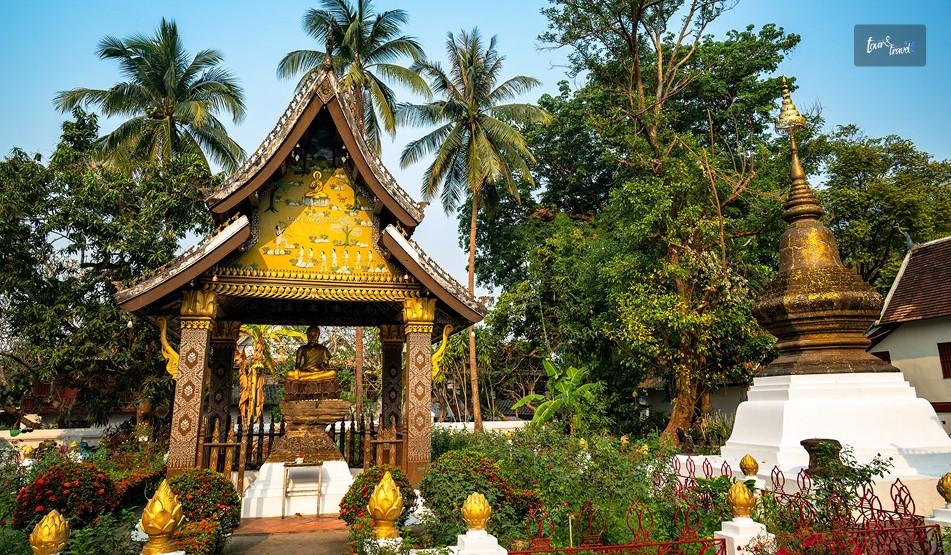
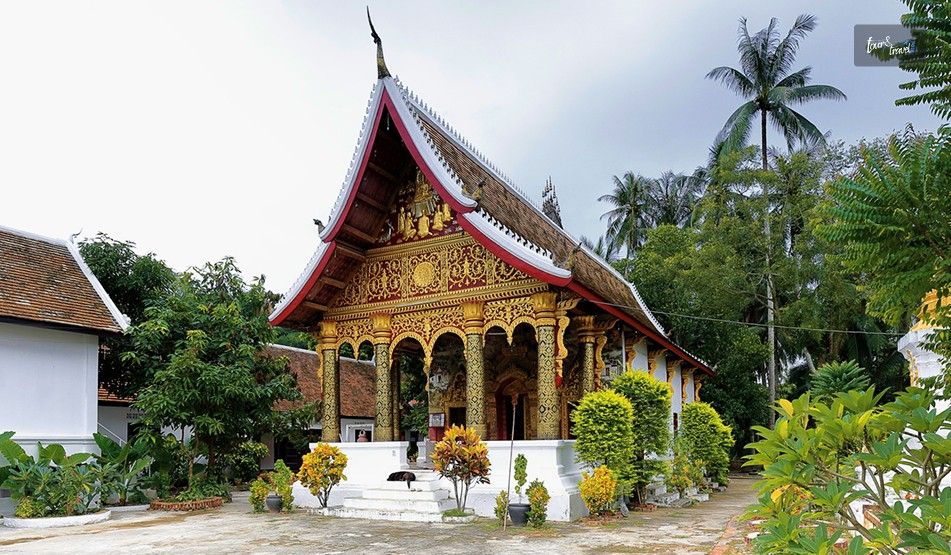
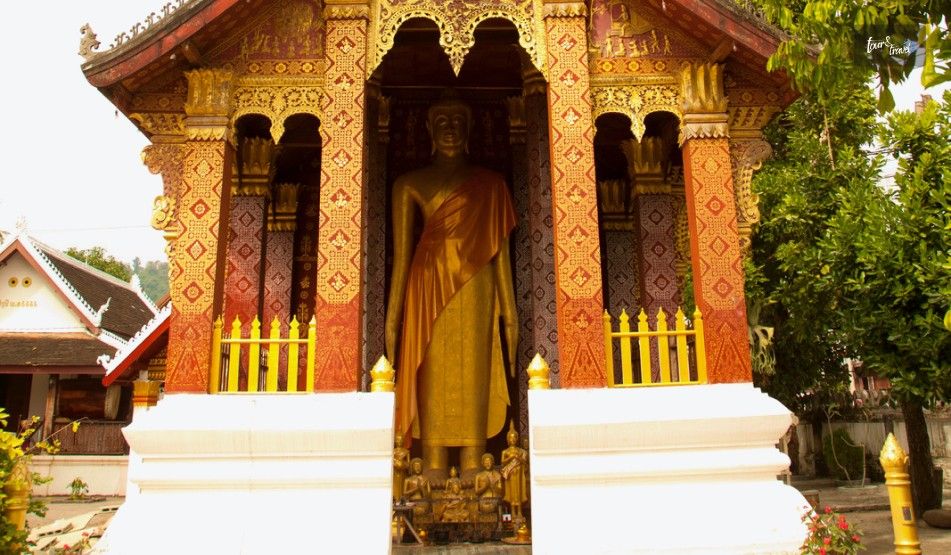
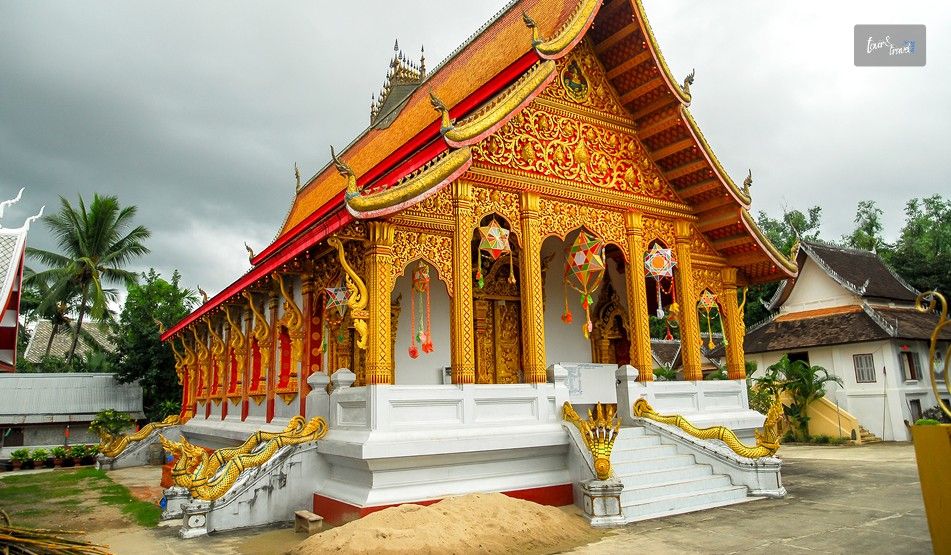
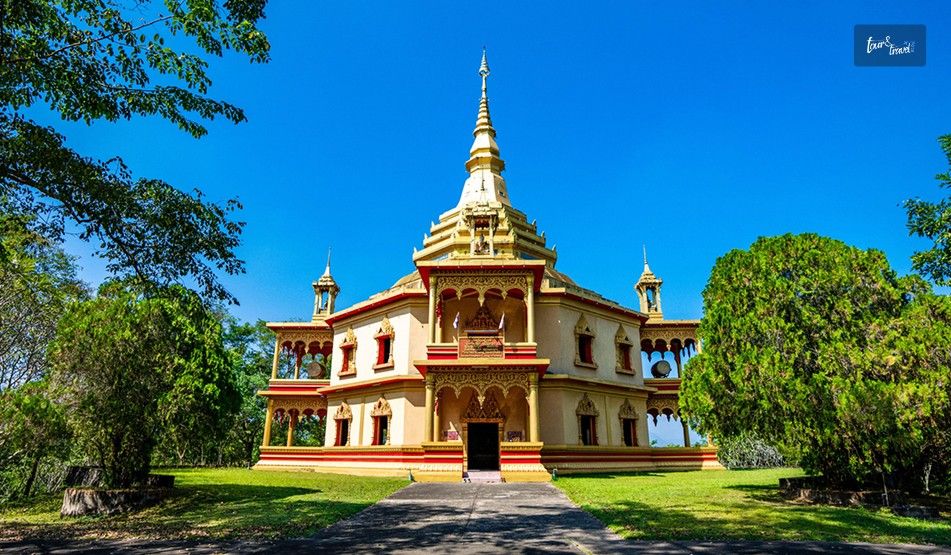
Also, the 32 Buddhist temples present in Luang Prabang today are a telltale of the history, myths, and spiritual beliefs associated with the city’s origin. In this Luang Prabang temple guide, I will talk about the top Buddhist temples to visit in Luang Prabang Laos.

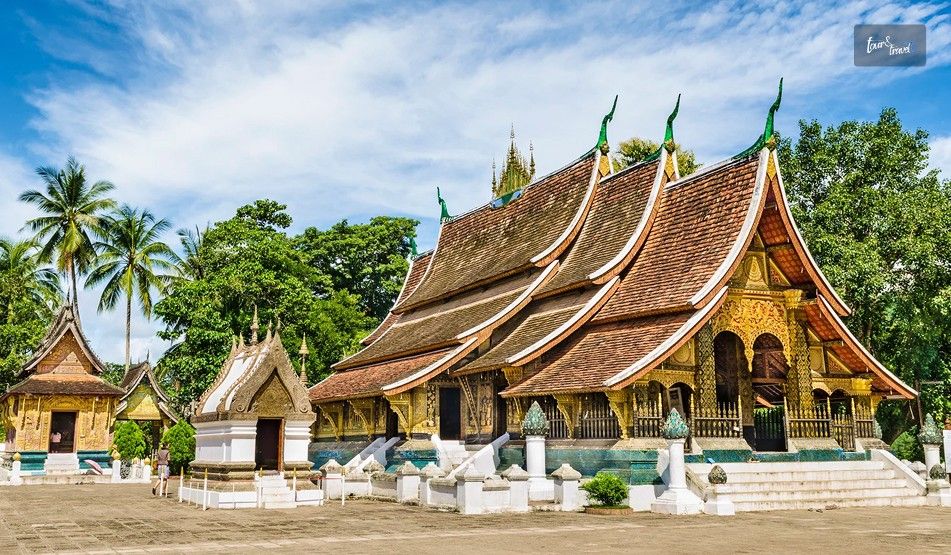
Of course, the Golden City Temple or Wat Xieng Thong is the most famous among them. It was built in 1560. 

What Are The Top Buddhist Temples To Visit In Luang Prabang Laos? 

What Are The Top Buddhist Temples To Visit In Luang Prabang Laos

As the mornings in Luang Prabang are special with the quietude and humility of the alms giving ceremony, the evenings are magical with the evening chants of the monks in the temples. 

The sound of the chants echoes through the valley with the Mekong River passing by dreamily and the outlines of the mountains fading into the darkness. 

I used to get lost in my thoughts that these temples were the sites of the coronation of many Laotian kings. Also, despite their intricate designs, they look like an extension of the ethereal natural landscape here. 

Nevertheless, these are the top Buddhist temples to visit in Luang Prabang, Laos. 

1. Wat Xieng Thong

Wat Xieng Thong

Also known as the “Monastery of the Golden City,” Wat Xieng Thong evokes awe. Built in 1560, it is home to the famous reclining Buddha Sanctuary or the Red Chapel. 

It also stands out with its architectural excellence, including the multi-tiered roofline and beautiful mosaic work. 

2. Wat Mai Suwannaphumaham

Wat Mai, or the New Temple, is the largest in Luang Prabang. It looks exquisite with the gilded bas-relief panels on the façade. 

Also, it is historically important as it served as the residence of the highest Lao Buddhist dignitary till 1975. 

3. Wat Visounnarath (Wat Visoun)

Wat Visounnarath

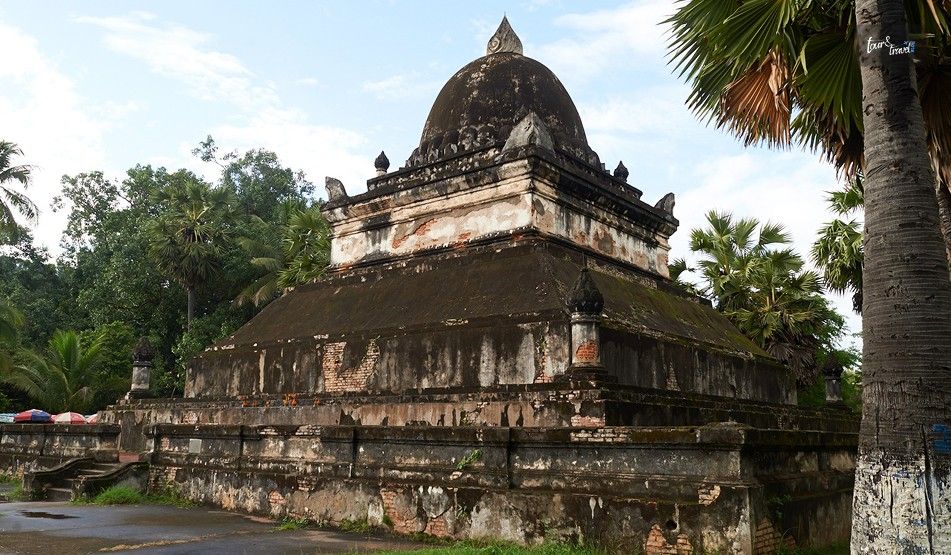
Wat Visoun has a distinctive, spherical, and unique stupa called “That Mak Mo” or the “Watermelon Stupa.” It has a rounded shape. 

Also, Wat Visounnarath was founded in 1512. So, today, it is the oldest operating temple in Luang Prabang. 

4. Wat Aham

Wat Aham is also known as the Monastery of the Open Hearted. It is located next to Wat Visoun. 

Wat Aham is famous for its two ancient banyan trees on its grounds. Locals believe that these trees are home to the guardian spirits of the city. 

5. Wat That Luang

Wat That Luang

Locals call Wat That Luang the Monastery of the Royal Stupa. The ashes of King Sisavang Vong, who died in 1959, are present in the golden stupa in the temple grounds. Even before that, it was used to cremate many members of the royal family. 

6. Wat Chom Si

Wat Chom Si

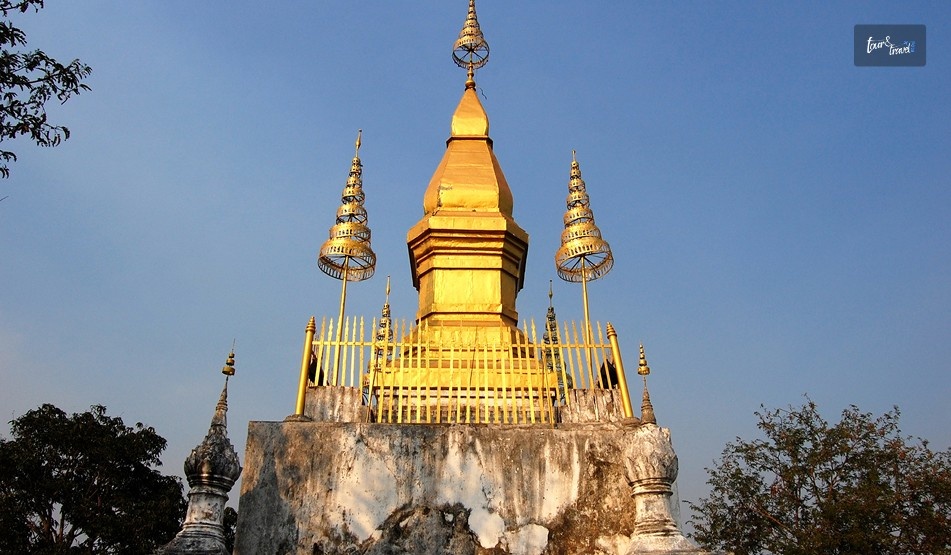
Located on the top of Mount Phousi, Wat Chom Si was the best temple I visited in Luang Prabang. The spiritual energy there was so high. 

I don’t know whether it’s the joy of reaching the temple after a trek or the magical views of the Mekong River from the top! Everything looks and feels so magical here!

7. Wat Sop Sickharam

Wat Sop Sickharam

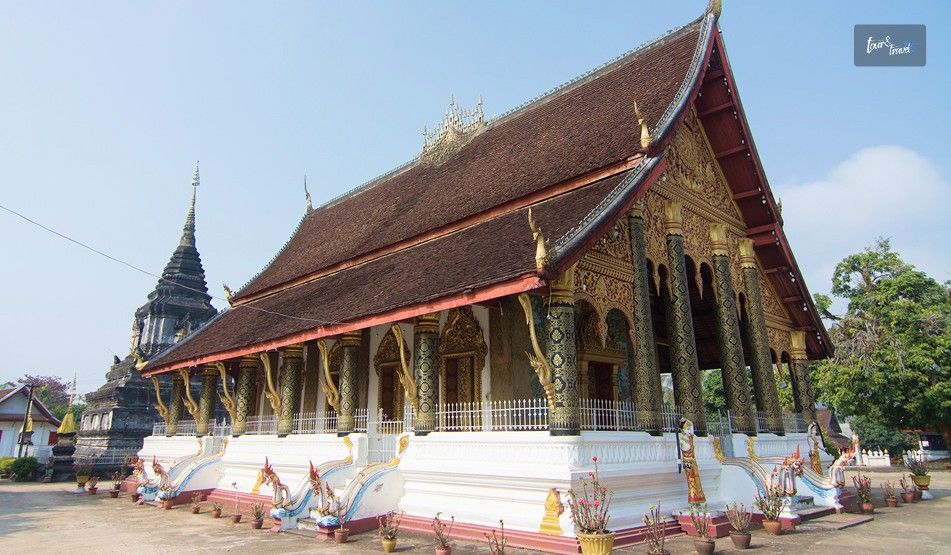
The structure of the Wat Sop Sickharam temple, what we see today, is the renovated form of the 19th century. However, the origin of the temple goes back to the 16th century. 

Its architecture is a wonderful fusion of the French Colonial Style and traditional Lao architecture. 

8. Wat Pa Phai

Wat Pa Phai

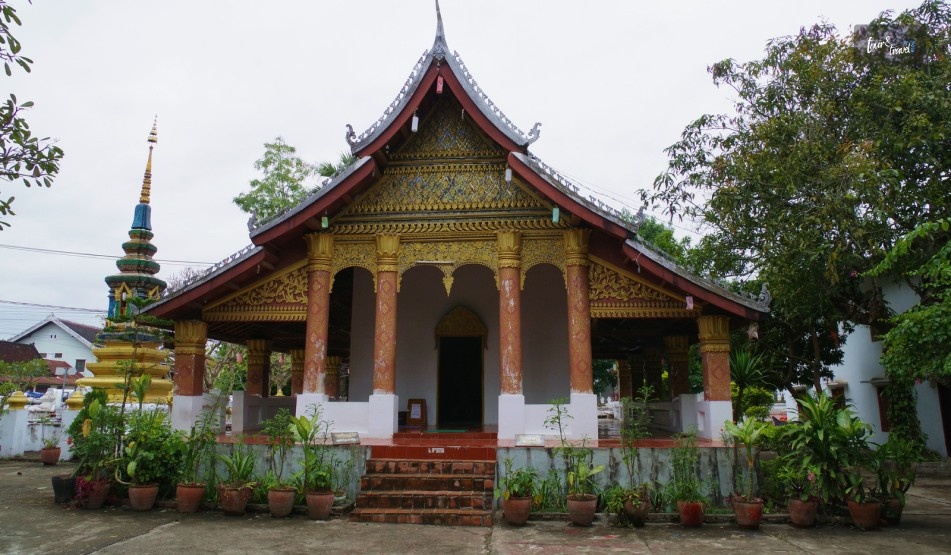
The congregational hall or the traditional Lao-style sim is the highlight of Wat Pa Phai. Furthermore, its facade is unique with exterior columns and a verandah. 

It also has another name, “The Monastery of the Bamboo Forest.” 

9. Wat Sene Souk Haram

Wat Sene Souk Haram

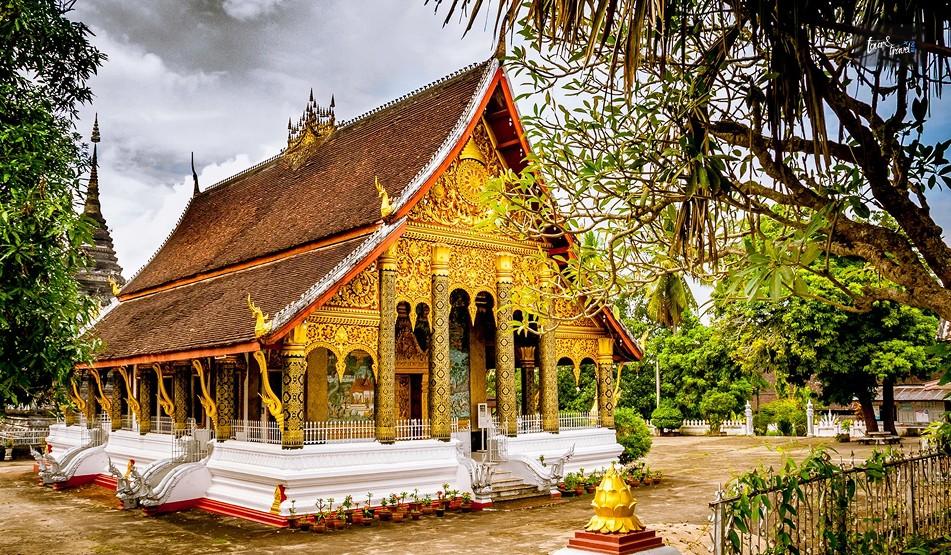
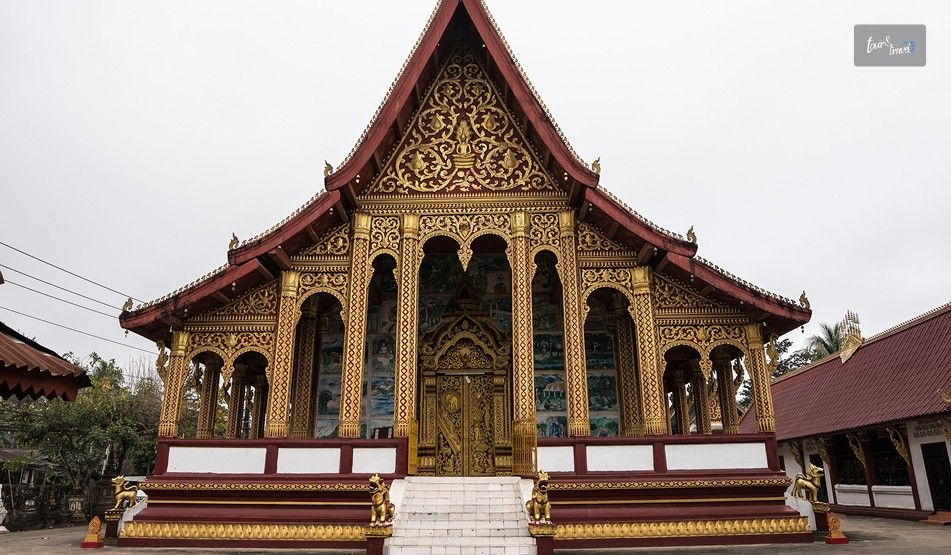
Wat Sene Souk Haram looks dazzling with its golden and red ornamentation. It is known as the Temple of 100,000 treasures, as it was built with 100,000 stones collected from the Mekong River in 1718. 

10. Wat Nong Sikhounmuang

Wat Nong Sikhounmuang

Wat Nong Sikhounmuang has recently gone through a major renovation. It is home to one of the largest and richest pagodas in Luang Prabang. 

Furthermore, you can spot it from a distance due to its vibrantly colored roof in the traditional Thai style. 

11. Wat Khili

The large gold Wheel of Life on the front gable of Wat Khili will be the first thing to catch your notice. Furthermore, it has low roofs and a red facade with golden columns. 

It shows influence from the Xieng Khouang province and was built in 1773. 

12. Wat Phon Phao

Wat Phon Phao

Wat Phon Phao has a unique octagonal structure, and with the sunlight falling over it, it uses its golden glow to illuminate the city. 

The paintings in the interior of this temple are beautiful, and they depict the Buddhist philosophy of life and death. 

13. Wat Manorom

Wat Manorom

Wat Manorom is home to a 6-meter-high bronze Buddha statue, which dates back to the 14th century. Apart from being a temple, it is also an important community center for the locals. 

In fact, all the temples in Luang Prabang help nurture community bonding. Also, historically, it used to be the home of the largest number of monks. 

14. Wat Ho Pha Bang (inside Royal Palace)

Wat Ho Pha Banginside Royal Palace

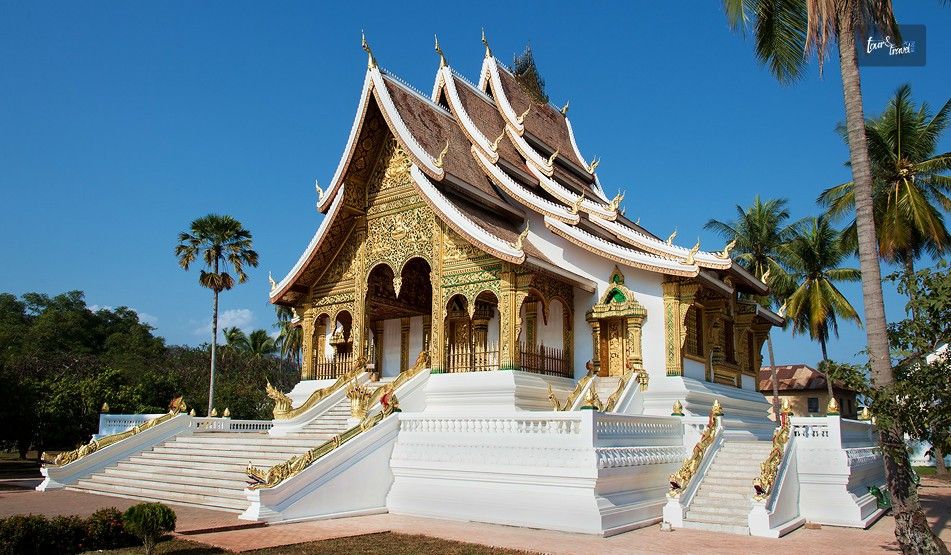
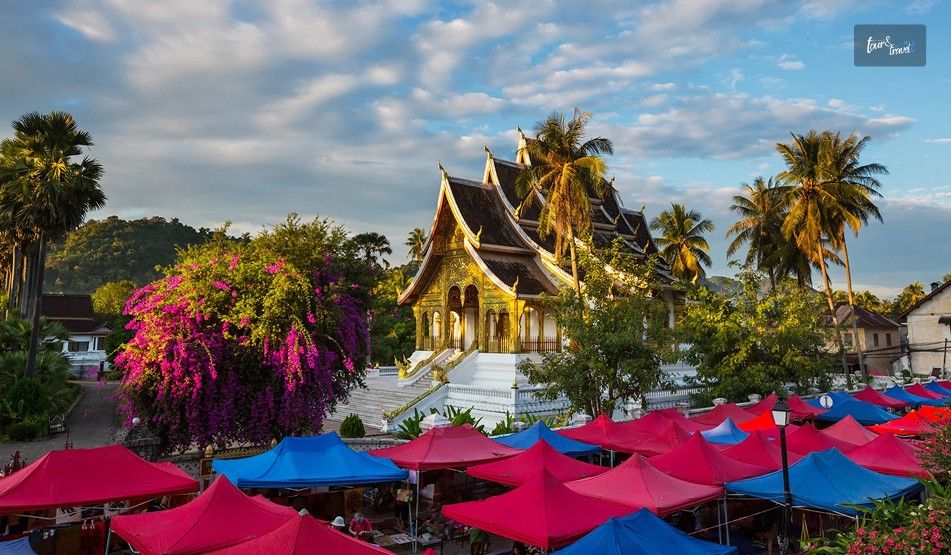
The Wat Ho Pha Bang, or the Temple of the Pha Bang, houses the Phra Bang Buddha image, the palladium of Laos. 

This temple is located inside the Royal Palace grounds. 

15. Wat Mahathat

Wat Mahathat

Wat Mahathat was founded in 1548. It houses the ashes of the revered Prince Phetsarath, who declared the independence of Laos in 1945. 

It also has a highly ornamented facade. 

16. Wat Xieng Mouane

Wat Xieng Mouane is important for its role in promoting traditional art and culture. Furthermore, I loved the gilding and traditional woodwork in the temple. 

17. Wat That Phoun

Wat That Phoun

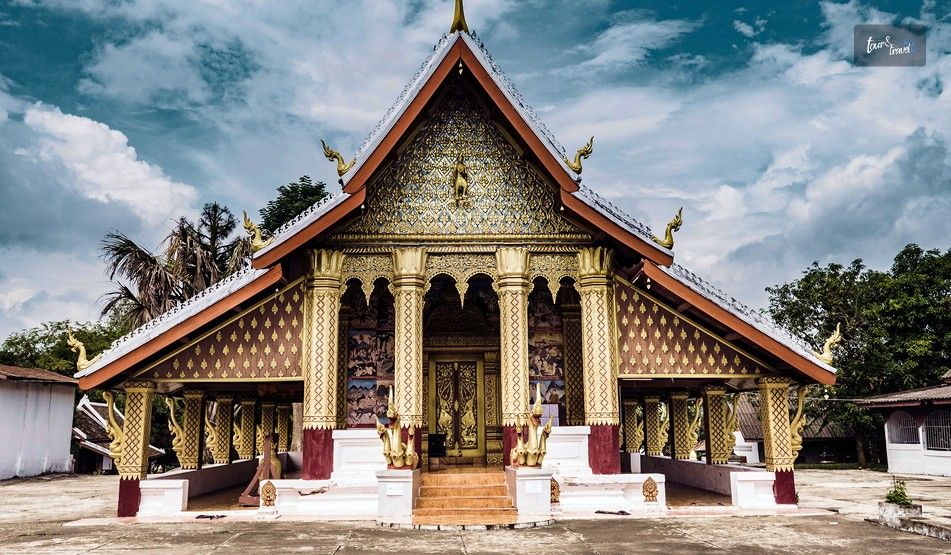
Wat That Phoun is one of the most peaceful temples I have visited in Luang Prabang. Also, once you enter the temple, it’s like an art gallery with a wonderful display of paintings. 

The entrance gates are adorned with serpent deities or Nagas, and the temple also functions as a cremation location. 

18. Wat Long Khoun

Wat Long Khoun is where our kings once meditated. It’s quiet, sacred, and often overlooked.” – Somsack, my local guide. 

This former royal meditation retreat is a wonderful example of Lao architecture in the 18th century, and it has the most illustrious Jataka murals, depicting the last lives of Lord Buddha. 

19. Wat Phra Bat Tai

Wat Phra Bat Tai in Luang Prabang is very similar to Prabhas Tirtha in India. Prabhas Tirtha has the footprints of Lord Krishna, and War Phra Bat Tai has a huge footprint of the Buddha. 

Furthermore, its architectural style shows a wonderful fusion of Thai, Lao, and Vietnamese architectural styles. 

It is also where I found it the easiest to interact with the monks and share our philosophies about life. 

20. Wat Phon Heuang

The traditional stenciling on the temple’s ceiling instantly evoked a sense of awe. Furthermore, I saw how it is an important social area or hub for the local community. It is so because it is one of the prime locations for participating in the alms-giving ceremony. 

In addition, when I visited, it had not been extensively renovated. So, it was like connecting to the past for me. 

Wat Xieng Mouane: The Lesser-Known Temple Of Luang Prabang 

Wat Xieng Maen is a hidden gem if I talk about the top temples to visit in Luang Prabang. It was founded in 1592. 

I took a ferry across the Mekong River to reach this temple. It is a quiet escape, and it is significant as it was home to the famous Phra Bang Buddha image for a short period. 

Accessibility Ratings Of The Best Temples In Luang Prabang 

Check out the table below to know about the most accessible Buddhist temples in Luang Prabang. 

TempleWheelchair AccessStairsQuiet Zones
Wat Xieng ThongMinimal
Wat MaiFew steps
Wat VisounRamp available
Wat AhamFlat terrain

Photography Tips

  • Golden Hour: 6:00–7:00 AM and 5:00–6:30 PM.
  • Best Angles: Capture rooflines from low angles; use temple doorways for framing.
  • Respectful Shots: Avoid interrupting rituals or photographing monks without consent.
  • Gear: Use a wide-angle lens for interiors and a tripod for low-light shots.

Temple Etiquette & Dress Code In Luang Prabang

  • Dress Modestly: Shoulders and knees covered. Avoid tight or revealing clothing.
  • Remove Shoes: Always take off footwear before entering the temple interiors.
  • Avoid Pointing Feet: Never point your feet toward Buddha statues or monks.
  • Photography: Ask permission before photographing monks or rituals.
  • Alms Giving: Participate respectfully in morning alms (Tak Bat) by kneeling and remaining silent.

What Is The Best Time To Visit The Temples In Luang Prabang?

What Is The Best Time To Visit The Temples In Luang Prabang

Luang Prabang’s temples are open year-round, but timing enhances the experience:

MonthHighlights
November–FebruaryCool, dry weather is ideal for walking tours.
Mar–MayHot but less crowded and good for early morning visits.
June–OctoberRainy season, and it stands out with its lush greenery and fewer tourists.

Best Time of Day To Visit The Temples In Luang Prabang 

  • Sunrise: Wat Chom Si after a climb to Mount Phousi
  • Midday: Wat Mai, with its shaded interiors, is the perfect late morning and afternoon refuge. 
  • Sunset: Wat Xieng Thong is ideal for golden hour photography. 

Walking Routes & Maps: Exploring The Best Temples Of Luang Prabang 

Visiting all the temples in Luang Prabang is not possible in a single visit to the city. Instead, for a short trip to the city, you can follow these temple tour routes. 

1. Temple Trail Route (2–3 Hours)

      • Start at Wat Xieng Thong. 
      • Walk to Wat Sop Sickharam. 
      • Continue to Wat Sene. 
      • Visit Wat Mai. 
      • End at Wat Visoun.

      2. Sunset Spiritual Loop (1 Hour)

        • Climb Mount Phousi to Wat Chom Si.
        • Descend to Wat Aham.
        • Finish at Wat That Luang.

        Luang Prabang Temple Guide: Frequently Asked Questions (FAQs)

        Here are some frequently asked questions and answers about the Luang Prabang temple guide. 

        1. How Many Temples Are In Luang Prabang?

        Luang Prabang, a UNESCO World Heritage Site, has 32 operational Buddhist temples. These temples with their beautiful murals, paintings, and sculptures depicting the life and lessons of Lord Buddha, are prominent social, religious, and community centers. 

        Furthermore, they show a wonderful fusion of Lao, Thai, and Khmer architectural styles in their architecture. 

        2. Can I Visit The Temples In Luang Prabang During Festivals?

        Yes, you can visit the temples in Luang Prabang during major festivals such as Boun Pi Mai, the Lao New Year, and Boun Khao Phansa, or the start of the Buddhist Lent. 

        However, you have to be patient as there will be crowds, and you have to follow the etiquette.

        3. Are Women Allowed To Give Alms?

        I found out that people taking part in the alms-giving ceremony were mostly women. However, my guide told me to follow some strict rules. 

        You cannot touch the robes of the monks or make any physical contact with them. Also, you must kneel down before them while offering the alms. 

        Share on Social Media

        Meet Sibashree Bhattacharya, a travel enthusiast who has a decade-long experience in transcending virtual barriers with her words! Her deep love for travel is apparent from her travel escapades to the mountain, often taking her readers on a journey, her words acting as Portkey! Fun fact: Sibashree loves to dive deep into the history of the places she is about to visit, making her travels even more wholesome. If you were wondering how her articles are not short of time travel, this answers it!

        Leave a Reply

        Your email address will not be published. Required fields are marked *

        title-img Related

        READ MORE best time to visit vietnam

        Vietnam Vistas: A Seasonal Guide To Crafting Your Vietnamese Adventure

        BY  Abdul Aziz Nov 7, 2023

        A blend of natural beauty, a rich history, and a dynamic culture make Vietnam in southeast Asia perhaps one of the most attractive nations on the continent. It has become a popular travel destination. Vietnam offers a really unique experience with its broad range of scenery. You will find breathtaking coasts, towering mountains, lush deltas, and dynamic towns in Vietnam. Vietnam is a land of contrasts. It is the site of some of the world's most stunning beach locations, including Da Nang, Nha Trang, and Phu Quoc Island. Crystal-clear waters and white sands form a tropical paradise abound on these beaches. On the other hand, energetic hubs with bustling marketplaces, active street life, and a vibrant food scene, Vietnam's cities like Ho Chi Minh City and Hanoi provide a vivid fusion of modernity and tradition. If you want to know the best time to visit Vietnam, we are spilling all the details here. Best Time To Visit Vietnam Image Source: onewanderatatime.com Your best bet to visit this beautiful country is between November and April. From Sapa's verdant rice terraces to Ha Long Bay's spectacular limestone karsts, Vietnam is home to some breathtaking vistas. For those who enjoy being outside, it offers plenty of chances. Adventure seekers have a variety of activities. It includes trekking in the northern mountains, visiting caverns in Phong Nha-Ke Bang National Park, or sailing the Mekong Delta. In coastal regions, water sports like kayaking, diving, and snorkeling are also very popular. Vietnam has a rich past that is evident in its many historical sites and is firmly anchored in ancient traditions. The Complex of Hue Monuments, Hoi An Ancient Town, My Son Sanctuary, and the Citadel of the Ho Dynasty. These are some of the UNESCO World Heritage Sites. Hue, an imperial city that has a Citadel and other royal tombs, also preserves the splendor of earlier Vietnamese eras. Vietnam now is a far cry from its turbulent and war-torn past. Its cities and towns are bursting with tall and imposing skyscrapers. It also has charming floating markets and mopeds zipping through the streets. You may complete the experience with the consistently delicious traditional Vietnamese cuisine. Vietnam is becoming more and more well-known on a global scale. Try well-known meals such as pho (noodle soup), banh mi (baguette sandwich), fresh spring rolls, and mouthwatering seafood. Vietnam is unique in that it offers a wide range of experiences. It offers a range from the craggy peaks of Ha Giang to the Mekong Delta's backwaters. Chase dragons in Hue join the crowd inside the canary-yellow walls of Hoi An's UNESCO Ancient Town. Finally, find space to breathe in a remote northern Vietnamese village. There are sand dunes in Mui Ne, tea fields in Thai Nguyen, waterwheels in Pu Luong, and hundreds of charming hamlets and intriguing little cities. The small villages dot the velvety rice terraces of Sapa and Mu Cang Chai. They also abound in the spiky limestone karsts of Halong Bay and Ninh Binh. Things To Do In Vietnam Image Source: www.travelinsurancedirect.com.au Now that you know when is the best time to visit Vietnam, here are some things you can try out when you visit: Learn To Prepare Vietnamese Cuisine- It's one thing to enjoy great Vietnamese cuisine. Consuming it after learning how to prepare it is another! Dive Underwater At Nha Trang- Although Nha Trang offers some fantastic diving, you would not think of Vietnam as a major dive destination. Visit The Canyons In Dalat- Climb, slide, leap, and rappel your way across canyons in this breathtaking location! Visit Da Nang's Marble Mountains- These stunning mountains have amazing vistas and temples to stop at along the trip. They have been quarried for marble for years. Sandboard Along Mui Ne's Sand Dunes- Similar to snowboarding, but you will go down enormous sand dunes! Embrace the rush! Go To Ghan Da Dia's Giants Causeway- Located in Northern Ireland, half a world from the Giant's Causeway, be awed by this extraordinary geological formation. Outside Of Ho Chi Minh City, See The Cu Chi Tunnels- Without visiting these famous tunnels that were utilized during the war, no vacation to HCMC is complete. Ride A Bike Over The Hoi An Pass- This is regarded as one of the most stunning stretches of road in the entire globe. Enjoy! Read More: Walking On Sunshine: Exploring The Magic Of Vietnam’s Golden Hand Bridge! Where To Stay Image Source: images.squarespace-cdn.com Vietnam is currently home to a wide variety of lodgings thanks to the country's construction boom. It includes glitzy sky pads in Ho Chi Minh City and rustic mountain retreats with nearby hill tribes. For the extravagant, there are opulent beach resorts with world-class spas. Whether you're on a tight budget or can afford to splurge, Vietnam excels in providing quality lodging at affordable prices. You can discover family guesthouses, flashpacker hostels, and fantastic local businesses. Wink Hotels, which recently launched in Ho Chi Minh City's hip District 3 with fusion cuisine and artsy rooms, starts at £30 per night. The most expensive option is to book a night at a landmark hotel like the Park Hyatt Saigon or Sofitel Legend Metropole Hanoi. Boutique hotels abound in this region of Southeast Asia, so you won't have to travel far when looking for something more design-focused. The InterContinental Sun Peninsula Resort Danang, Hotel de la Coupole Mgallery Sapa, JW Marriott Phu Quoc Bay, and Capella Hanoi are some of the hotels. They were created by hotel designer Bill Bensley. Labels like An Lam, Fusion, Azerai, and Zannier promote a more eco-chic look. Wrapping Up Despite having one of the longest wars of any country, a third of Vietnam's 97 million residents are under 30. This vibrant fusion of the ancient and new is what has propelled the nation from post-war destitution. It has become one of Asia's fastest-growing economies and one of the most popular tourist destinations. Vietnam has over 2,000 miles of majestic coastline, a profusion of golden beaches, fishing villages, and idyllic tropical islands. It has national parks and mind-boggling biodiversity. Its spectacular inland waterways stretch from its northern border with China to the Gulf of Thailand in the southwest. Halong Bay is one of Vietnam's most famous spectacular inland waterways. Vietnam has a patchwork of undulating mountains, dizzying rice terraces, and 1,000-year-old temples. Its vibrant cities, and life-giving rivers, most notably the Mekong, help dazzle its interiors. Along the way, you can munch your way through the trip. You can choose between mountains of zingy fresh food. There are meaty banh mi sandwiches, prawn-filled spring rolls, and sizzling banh xeo pancakes. You can pick up a whole new wardrobe from cheap-as-chips tailors. Or you could immerse yourself in a variety of historical treasures. If you have thoughts to share or questions to ask on when is the best time to visit Vietnam, please leave a comment. We would love to hear from you! Read Also: THIS Is When You Should Visit Maldives! Island Paradise Unveiled: Best Time To Visit The Philippines This Is The Best Time To Visit The Seven Magic Mountains In Vegas! Singaporean Expert Says Vietnam Tourism Needs Better Destination Management: Report

        READ MORE Tampa to Siesta Key

        Tampa To Siesta Key Road Trip | Routes, Stopovers, And Places To Visit In Tampa And Siesta Key

        BY  Sibashree Jan 10, 2025

        It’s time to take a Tampa to Siesta Key road trip. The distance between the two places is around 108 Km and you can journey via bus or cab.  Despite the distance, the Tampa to Siesta Key journey takes little time. If you are on a self-drive trip and driving without a break, you will reach Siesta Key from Tampa Bay within an hour. However, if there are traffic issues, it may take close to 1 hour and 30 minutes.  Further, this road trip is going to be the most fulfilling, with a lot of activities to do in Tampa and Siesta Key and multiple engaging stopovers in between.  So, are you ready for this most amazing road trip from Tampa Bay to Siesta Key? Let’s explore the best of Florida.  In this Tour and Travel guide, we will highlight the routes, stopovers, and things to do in Tampa Bay and Siesta Key.  Tampa To Siesta Key | Know The Different Routes  There are two routes to reach Siesta Key from Tampa Bay. You can take Highway 75 and Highway 275. The trip duration both ways is almost the same.  However, as we consulted the local experts, everyone preferred the route via Highway 275. Everyone agreed that the route was more scenic.  Tampa To Siesta Key Via Highway 75 On this route, you must take the E State Rd 60 E from Tampa International Airport. Then, you will continue on the I-75 S and take the exit 207 on the State Highway 758. This highway is in Sarasota County.  You must stick to Highway 758 to reach the Midnight Pass Road in Siesta Key.  Tampa To Siesta Key Via Highway 275  On this route, your drive starts from the Tampa International Airport, and then the merger with the I-275 S takes place.  Next, you must take exit 5 to take US-19 S. Continue on the right 2 lanes toward Palmetto. Further,  you take the US Highway 41 S and US-301 S to reach Siesta Key, Midnight Pass Road.  Tampa To Siesta Key | Know The Best Stopovers | Making The Most Of Sarasota There are multiple stopovers between Tampa to Siesta Key. So, if you are not in a super rush, you can get multiple places to relax and steal some fun moments.  1. Riverview Home to the Bell Creek Nature Preserve, Riverview is known for its parks. Don’t forget to take a walk in the Alafia Scrub Nature Preserve.  Are you eager to know about the history of carnival in America? You must plan a visit to the International Independent Showmen’s Museum.  2. Sun City Center Tourists taking a road trip from Tampa to Siesta Key usually stop at Sun City Center for lunch. There are places like Bella Cucina Italian Family Restaurant (+1 813-634-7521) and Old Castle Restaurant (+1 813-633-3331) for quick bites and refreshments.  Further, to have some moments in nature, you can plan a visit to the Little Manatee River State Park.  3. Bradenton A melting pot of culture and natural abundance, Bradenton is an important stopover between Tampa Bay and Siesta Key.  The fascinating enclave of the Village of the Arts is a great place to explore galleries and studios. Further, the Bishop Museum of Science & Nature has manatees and is a great place to learn about local culture.  Finally, the  Robinson Nature Preserve is a great place for outdoor pursuits like kayaking, walking, and bird-watching.  4. Sarasota | The Fun Begins Here On The Journey From Tampa To Siesta Key Sarasota is the place where you will meet wildlife on the journey from Tampa to Siesta Key. The Sarasota Jungle Gardens has alligators, tortoises, flamingos, etc. Further, the Big Cat Habitat Conservation and Education Center has African lions, Bengal tigers, Brown bears, and birds.  Also, the Mote Marine Laboratory and Aquarium is the best place to meet marine animals. Moreover, don’t miss visiting the John and Mable Ringling Museum of Art.  Once you are done with all the outdoor pursuits, you can relax at the cafes and restaurants of Sarasota.  Breaking Wave Coffee at 1310 Main Street Sarasota is a great place to hang out. Buddy Brew Coffee - Sarasota is another beautiful cafe here.  Road Trip From Tampa To Siesta Key | Know The Things To Do In Tampa Bay And Siesta Key  Tampa Bay, or the Cigar City, has always been an important spot when it comes to tourism in Florida. Warm weather and affordability have been two major factors in boosting tourism here.  So, when traveling from Tampa to Siesta Key, you cannot miss the top attractions or the things to do here. Things To Do In Tampa  https://www.instagram.com/p/DEXv4ORzpe3/?img_index=1 You need a separate travel plan if you want to explore the best of Tampa. It is the city that offers you the best wildlife experience and cultural insights with its preservation and museum facilities.  Further, as mentioned, Tampa is the go-to destination for traveling on a shoestring. The city offers you a lot of free activities. For example, the most delightful Tampa Riverwalk is absolutely free.  Places To Visit In Tampa Busch GardensFlorida AquariumTampa GolfZooTampa at Lowry ParkGlazer Children's MuseumYbor CityHenry B. Plant MuseumAmerican Victory Ship & MuseumHillsborough River State Park Walk around 2.5 miles along the scenic paved trail to the Hillsborough River. During the walk itself, you will come across hotspots like Water Street Tampa, Sparkman Wharf, and   Channel districts.  If you don’t walk to walk, you can even take a bike ride along the trail.  Armature Works is another free attraction in Tampa. This public market is the best place to try the delicacies of Tampa. Visit the place between 7:30 AM to 10 PM to explore the cafes and eateries here.  Moreover, Tampa Electric's Manatee Viewing Center is an amazing place to visit in the city, and that too free of cost. You cannot take your eyes off the water here. However, the place also has educational exhibits like the manatee bones.  Things To Do In Siesta Key  https://www.instagram.com/p/DD98nh4T1qT/ The Tampa To Siesta Key journey takes you to pristine quartz beaches. Siesta Key is the place where you can have the most immersive experience. However, it’s a sin to miss the kayaking and charter tours at Siesta Key.  Places To Visit In Siesta KeySiesta BeachCrescent BeachTurtle BeachSiesta Farmers MarketShell BeachRide and Paddle By Siesta Sports Rentals (Location: South Bridge Mall, Contact Number: +1 941-346-1797)Siesta Key Wine Bar (Location: 5138 Ocean Blvd Suite C, Sarasota, Contact Number: +1 941-552-9105) You will find mangroves, manatees, and dolphins here. Also, the explorer in you will be elated to find the hidden beaches.  Moreover, you can opt for a dreamy electric bike ride along the beaches of Siesta Key. Are you someone into wellness? You can even practice Yoga on the beaches of Siesta Key.  Also read Ultimate Guide to Your Next Family Vacation in Israel. Boat Charter Miami: Essential Tips for a Great Experience. You Cannot Miss These Things To Do In Wilmington, NC (With Tour And Travel Tips And Tricks)

        READ MORE Guide To Indiana National Parks

        A Guide To Indiana National Parks – Latest Guide

        BY  Mashum Aug 2, 2021

        Indiana state is famous globally as the “Covered Bridge Capital” because there are 32 covered bridges alone in Historic Parke County, which are discoverable through a road trip. Apart from the Indiana national parks, the state is also famous by the name of “great lakes state” since it shares 40 miles of shoreline with Lake Michigan.  The four national parks in Indiana are renowned as outdoor adventure destinations, namely the Indiana Dunes National Park, President Lincoln’s Boyhood Cabin, George Roger Clark, and the Lewis and Clark Historic Trail. Of the four national parks, Indiana Dunes National Park is a must-see destination. Indiana Dunes National Park and George Rogers Clark National Historical Park are national parks in the term's true meaning. And, the other two national parks in Indiana, i.e., Lincoln’s Boyhood National Memorial and Lewis and Clark National Historic Trail, are the two memorial sites in Indiana, recognized for their routes of historical significance or original trails by the National Historic Trails. Let’s check more details about each of the national parks in Indiana and see how we can spend our day if we plan a trip there. The Four Noted Indiana National Parks 1. Indiana Dunes National Park:  Of the four celebrated Indiana national parks, this one is an unmissable destination if you are in the state. The national park shares 15 miles with the southern shore of Lake Michigan. Indiana Dunes National Park is spread over 15,000 acres and has a lot to offer.  Your search for rare species of birds will end here, along with 1,100 native plant species and the fun of flying kites on the sandy beach. You will feel enchanted with every step you take in this national park as this place is among the most biologically rich areas in the nation.   The park offers 50 miles of trails over rugged dunes, sunny prairies, mysterious wetlands, peaceful forests, and meandering rivers for hikers. Shall we now check out basic information about the national park to plan our tour accordingly? Directions To The Park: You can access Indiana Dunes National Park through Interstate 94, the Indiana Toll Road, U.S. Highway 12 & 20, Indiana State Road 49, and several other local roads. To visit the Indiana Dunes Visitor Center, you need to take Indiana State Road 49, between U.SD. Highway 20 and Interstate 94. Operating Hours Of The National Park: This Indiana national park has general areas that are open throughout the year but have specific hours of operation. The standard working hours of the general areas of the national park are Monday to Sunday from 06:00 am to 11:00 pm. The entrance to the Indiana Dunes National Park is through the west beach. The hours of operation of this portion of the park is Monday to Saturday from 07:00 am to 09:00 pm. Weather News: Usually, July is the warmest month in the national park, and January is the coldest month. June month witnesses the heaviest rainfall with 4.66 inches of rain on average. Entrance Fees To The Park:  West Beach - Standard Entrance Fee $6.00, Senior Pass Entrance Fee $3.00, Access Pass Entrance Fee $3.00, Bus Entrance Fee $30.00. Dunewood Campground - Standard Camping Fee $25.00, Senior Pass Camping Fee $12.50, Access Pass Camping Fee $12.50. This campground is 1.5 miles from the beach and boasts 67 campsites made for both RVs and tent camping.  One-half of the site is open for reserve, and the other half is given on a first-come-first-served basis. You will find showers and restrooms at the campground but no water or electric hookups.  Indiana Dunes Visitors Centers:  Dorothy Buell Visitor Center - This Indiana national park visitor center is open on all days except New Year’s Day, Thanksgiving Day, and Christmas Day. The operation hours are 09:00 am to 04:00 pm Central Time (Due to covid-19). At Dorothy Buell, you will view lobby displays, read brochures about Porter County, Dunes State Park, Indiana, and Indiana Dunes National Park. You can also shop in the Eastern National Bookstore and enjoy watching educational displays and two short orientation videos. Paul H. Douglas Center For Environmental Education - This visitor center is open from 09:00 am to 05:00 pm Central Time during Summers and from 09:00 am to 04:00 pm during Winters. This center is your gateway to the magnificent Paul H. Douglas Trail via Miller Woods. You will find a natural environment all through the center through its hands-on educational exhibits, animals, lectures, Nature Play Zone, ranger-guided hikes, and crafts. Popular Activities To Do At The National Park: Hiking. Picnic at the beach. Birding. Swimming. Fishing and Paddling. Geocaching. Horse Riding on the equestrian trails. Camping (Between April 1st to October 31st). Biking. Snowshoeing and cross country skiing. Shuttle Bus Services: During the summer period, on weekends, you can take the services of free shuttle buses from the Dunewood Campground to the beaches. You can stop at sites like the Miller Train Station, Marquette Park, Lake Street Beach, and The Douglas Center.  Pet Friendliness: Indiana Dunes National Park is completely dog-friendly. You can take your pet to almost all trails and other parts of the park, besides a few exceptions. For example, you cannot take your pets on Glenwood Dunes Trail’s equestrian part, in the lifeguard area of the West Beach, and the Pinhook Bog Trail. You can enjoy a free public wi-fi facility at the Indiana Dunes Visitor Center. 2. George Rogers Clark National Historical Park:  Located on Southwest Indiana and beside the Wabash River, George Rogers Clark National Historical Park is one of the small Indiana national parks, which has a few monuments, a picnic spot, statutes, and a visitor center as its main center of attraction. The national park is about an hour tour in total.   Why Was George Rogers Clark National Historical Park Built? George Rogers Clark National Park was built in the 1920s in memory of an American Colonel named George Rogers Clark, who captured Fort Sackville in 1779 and his army with help from French residents of the Illinois country. The capture of the fort guaranteed the United States a claim to the frontier, which is approximately an area as big as the original 13 states. The National Park is a memorial built to commemorate Clark’s success for his unmatchable success for the revolutionary war’s 150th anniversary. When you visit this national park’s visitor center, you will discover the fort’s history, how it was built, and how it felt living in the Pullman District. In addition, at the national park, you will be shown a 30-minute short film on the life of George Rogers Clark. Things To Do At The George Rogers Clark National Park A short walk around the nearby town of Vincennes will offer you the following things to do at this small Indiana national park: Dine at restaurants. Camping at Campgrounds. The Old Cathedral. State Historic Sites. Shops to shop. Antique Stores. There are particularly no campgrounds at George Rogers Clark National Park. But, visitors can find campgrounds for RV and tent camping at the Ouabache Trails Park, located in Vincennes.  Space For Pets: Your leashed pets can accompany you on the walkways around the Memorial and the visitor center, but their entry inside any buildings is strictly prohibited. Operating Hours: The park is open for visitors on all seven days of the week. At the same time, it is closed on most of the federal holidays except Independence Day, Labor Day, and Memorial Day. Timings for the Park District: George Rogers Clark Memorial is from 09:00 am to 04:45 pm on demand. Weather At The Park: The weather inside the national park is very much typical for the Midwest. Summer months can be hot and humid, and winters quite cool. Entrance Fees To The Park: For a George Rogers Clark National Park tour, there is no entrance fee charged.  The Visitors Centers To Visit: This Indiana national park has one visitor center with the same name as the national park. This center has a small exhibit area. You will be shown a short 30-minute introductory movie titled “Long Knives,” which tells about the backstory of George Rogers Clark and his military campaign. No drinks or food are allowed at the visitor center or Memorial. Services offered here are charging stations, restrooms, bookstores, and drinking fountains. 3. Lincoln Boyhood National Memorial:  In the southern part of Indiana and Lincoln City, you will find the third Indiana national park, named Lincoln Boyhood National Memorial. This is where former President Abraham Lincoln grew from youth to manhood before becoming the 16th President of the United States of America. Operating Hours Of The Lincoln Boyhood National Park: All visitors are allowed to tour the national park grounds and visit all the outside areas daily, between sunrise and sunset. Once you arrive at the park, there are plenty of things that you can do, such as two miles of trails, watching the sculptured panels on the outside of the Lincoln Memorial Visitor Center, visiting the Cabin-Site Memorial, the Pioneer Cemetery, and the Living Historical Farm. Unfortunately, the park is closed on almost all federal holidays. Weather At The Park: The climate in Southern Indiana is moderate, with a touch of warmness and moistness. The summers are warmer and winters cooler. It rains the most during Spring. Visitor Center At The Park: The Lincoln Boyhood park has a Memorial Visitor Center built in 1943 with two memorial halls and a connecting cloister. In the Memorial Court, you will find the works of E.H. Daniels and five sculptured panels that mark significant periods in Abraham Lincoln’s life. Taking a tour of the whole Memorial will take up to 30 to 60 minutes. There is also an orientation film shown at the visitor center every half an hour from 08:00 am to half an hour before the day’s closing. The Museum artifacts and exhibits speak about Abraham Lincoln’s life.  This national park is all about Lincoln’s family, boyhood, and frontier life in this Indiana national park area. During summers, the visitor center is open on all seven days from 09:00 am to 04:00 pm except for the federal holidays. And, at the time of the Fall season, the timings are 07:00 am to 03:00 pm. Place For Pets At The Park: Visitors are permitted to bring in their pets inside the park, but with certain restrictions. The pets must be restrained at all times on a leash, which should not be longer than six feet in length.  The pets are only allowed on the 2 miles of hiking trails and roads in the park and barred from entering public buildings. Things You Can Do At The Park: It will take at least two hours to complete a tour of the whole park. The indoor activities at the park include: Watching the Park Film at the Memorial, titled Forging Greatness and Lincoln in Indiana, which is 14 minutes in length. Paying a visit at the Lincoln in Indiana Museum, which would take around 15 to 30 minutes. The outdoor activities include: Hike the Trail of Twelve Stones, a type of front-country hiking of 20 minutes. Hike the Boyhood Trail, which is another front-country hike of 10 to 15 minutes. Visiting the Lincoln Living Historical Fa, you'll find a re-created homestead with outbuildings, log cabins, field crops, gardens, livestock, and split rail fences.  For kids of 05 years and above, there is a Junior Lincoln Boyhood Ranger Program. Lincoln Spring, which is an obscure waterway. The entry to the Lincoln Boyhood Indiana national park is free. 4. Lewis And Clark National Historic Trail:  The Lewis and Clark National Historic Trail is nearly 4,900 miles long, starting from Pittsburgh, Pennsylvania, to the Columbia River mouth, which is near the present-day Astoria, Oregon. This Indiana national park follows the historic incoming and outgoing routes of the Lewis and Clark Expedition along with the preceding section initiating from Pittsburgh, Pennsylvania, to the Wood River in Illinois. This Trail connects 16 U.S. States and many Tribal lands. Today, visitors are allowed to explore the whole Trail using varied transportation methods and interpretive means, following the approximate route of the Corps of Discovery, i.e. Lewis and Clark Expedition Members.  Places To Visit In Lewis And Clark National Park:  Lewis and Clark National Historic Trail Visitor Centers and Museums: At Lewis and Clark Historic Trail Museums and Visitor Centers and Cultural Centers, visitors can learn more about the expedition and experience blissful and diversified landscapes and communities on the Trail. Directions To The National Park: You will find the Lewis and Clark Indiana national park visitor center inside the DOI, National Park Service. Weather At The Park: The summers are sweltering, so you must drink plenty of water and wear sunscreen when stepping out for a tour of the Trail. The winters are icy, with ice settling on trails and sidewalks. Since this Trail covers 16 U.S. states, you must watch the weather prediction of the state you are planning to visit. The Final Thoughts We hope that the above comprehensive guide on Indiana national parks is a one-stop solution and a valuable guide for you if you plan a trip to any of the four national parks and trails. From serenity to beautiful natural landscapes, from magnificent and ancient monuments to rare species of animals, you will find every part of each of the four national parks surprising. More Resources: A Guide To National Parks In Georgia – Latest Guide 8 Best Bachelor Party Destinations To Visit In 2021 A Guide To National Parks In Michigan – Latest Guide 2021