
Suva Food Tour: A Self-Guided Culinary Adventure To Try The Best Food In Suva, Fiji 

Most of us think of the Nadi resort buffets when we are in Fiji. However, if you want to know the real food and soul of Fuji, you have to be in Suva.

It is the “Melting Pot of the Pacific.” So, the food stalls and shops you find here are not tourist traps. With the fragrant smoke of BBQ everywhere, you always crave more.

Furthermore, the sweet smell of pineapples and the earthy aroma of turmeric here are addictive.

Also, there is a brilliant fusion of cooking techniques here. The food here blends the bold spices of India with the stir-frying technique of Canton.

So, in Suva, staying cooped up in the hotel for breakfast would be a waste of time. So, let’s lace up the shoes and eat our way through the real Fiji.

For more practical tips on exploring the Fiji capital like a local, you must read my Suva travel itinerary.

Stop 1: Morning At Suva Municipal Market 

Stop 1 Morning At Suva Municipal Market

The Suva Municipal Market is the place where you breathe and feel the city. If you have the right Suva market guide and you arrive here by 8 AM, you will find the freshest produce here.

Exploring the Municipal Market is also very crucial if you want to explore the culture of Suva.

• Try Tropical Fruit Tasting In Suva 

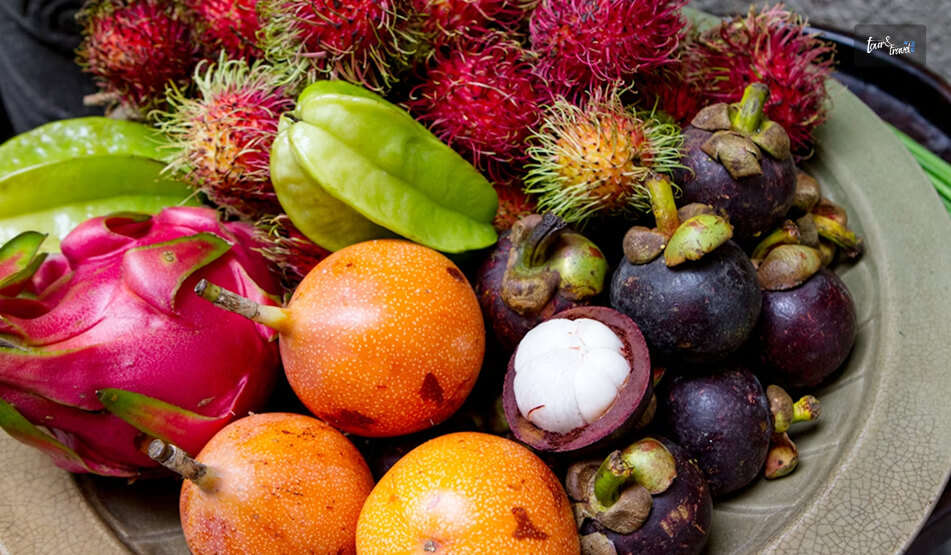
The Fiji Gold pineapples are different. These fruits are sweeter and smaller compared to the alternatives found in Western supermarkets. 

Other tropical fruits you will find here are Fijian chestnuts or Ivu nuts and Soursop. Soursop has a creamy custard flavor.

• The Spicery

Head to the spice floor of the market, and it’s okay if you feel sneezy with the aroma of coriander and cumin.

Here, you will find authentic Garam Masala, so you can take the spice mix as souvenirs. Also, for the most authentic Fiji experience, get some Kava or Yaqona roots.

Kava is the national drink of Fiji. It has an earthy taste and smell, and it’s a little numbing.

• Have A Bean Cart Experience 

Do you love Indian snacks? You can look for the glass wooden carts. You will find a snack mix or Bhujia here.

This snack has fried noodles, peanuts, and peas. It is the ideal Suva snack.

These snacks are the Suva Fiji hidden gems when we talk about an authentic food experience.

Stop 2: The “Roti Parcel” Lunch 

For a backpacker or a solo traveler, the Roti Parcel can be the ultimate convenient food. It tastes delicious, and it is a filling and affordable snack.

Have you ever tried handmade Indian Rotis? These are the bases of Roti Parcel. These buttery Rotis are wrapped around a filling of dry curry. The dry curry is usually made of chicken, potato, and pumpkin.

It is so convenient that you can do it even when you are on a walk.

The Suva Bus Stand is the best area to try these Roti Parcels. There are many small kiosks and “holes-in-the-walls.”

These places serve hundreds of Roti Parcels daily.

Want to try the freshest Rotis? You must look for places where the queue of the office goers is the longest.

Stop 3: The Curry Trail 

Stop 3 The Curry Trail

Indo-Fijian cuisine has Indian spices. However, the dishes here are different.

In the food here, you will use more local root vegetables. Furthermore, the dishes are spicier, and various cooking techniques are used in making them.

Try eating at the following places to try vegetarian and non-vegetarian Indo-Fijian food.

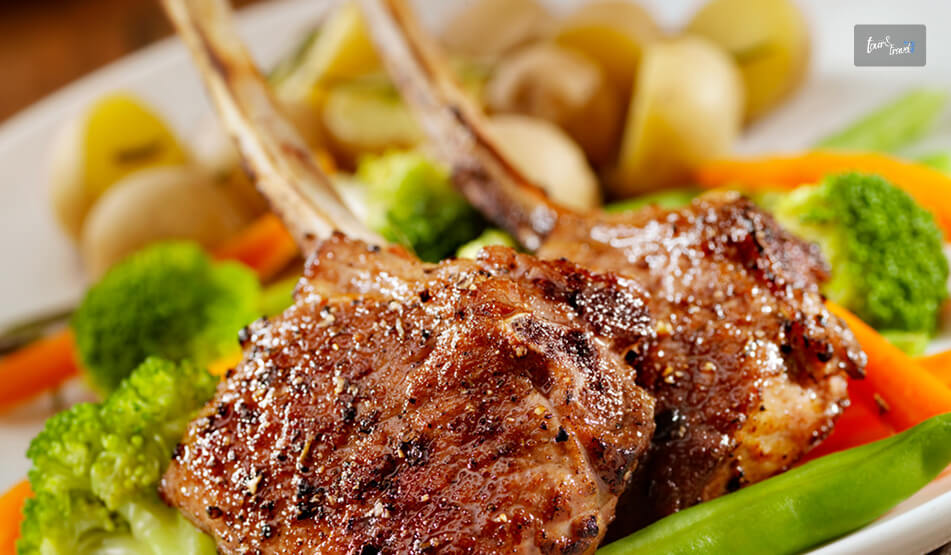
Indiana Curry House & Bar is the best place here to have lamb chops, tandoori chicken, and chicken butter masala.

Govinda Vegetarian is the place to have Samosas, Barfi and Gulab Jamun.

Stop 4: Indigenous Flavors You Must Try 

Stop 4 Indigenous Flavors You Must Try

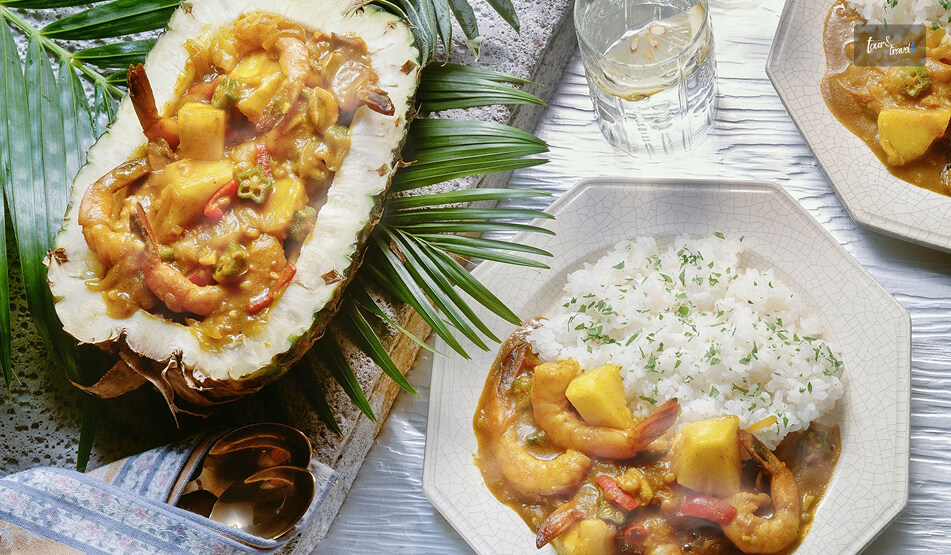
To understand Fiji, you must eat Lovo (earth oven) style or stews thickened with coconut milk. It is the best local food to try in Suva Fiji.

Kanalevu Kitchen or The Old Mill Cottage are the places to try Lovo in Suva.

These places have an authentic vibe, and you will feel like being in your grandma’s kitchen.

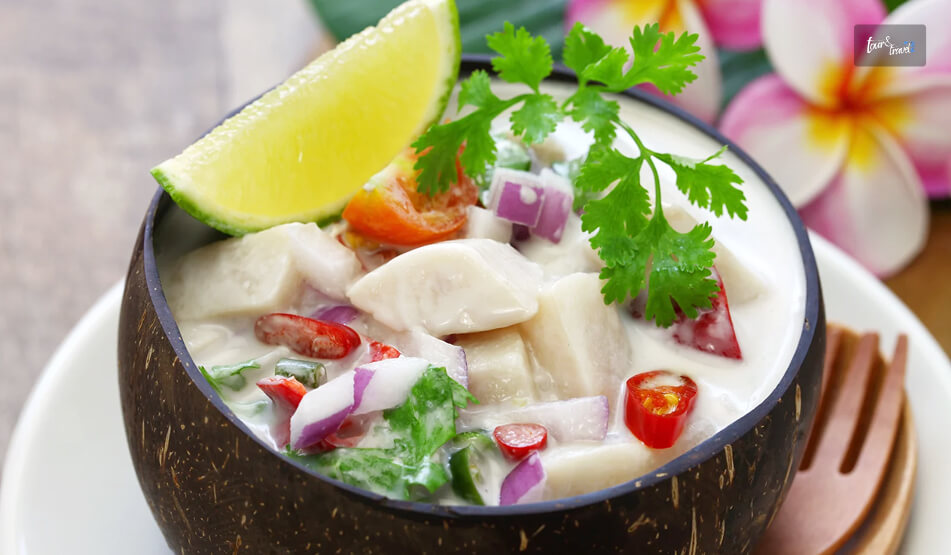
Another indigenous delicacy is Kokoda. This is Fiji’s take on ceviche. You can marinate the Spanish Mackarel in lime juice and then serve it with onions and chillies, and of course, a bowl of fresh coconut cream.

The combination is heavenly, and it has the right balance of flavor punch and texture.

Now, it’s getting really grand. Rourou Mutton is the ultimate Fijian comfort food. In this dish, the Taro leaves (Rourou) are simmered. After a while, they have a spinach-like consistency.

You can cook tinned fish or mutton in this mix. Also, you must add plenty of coconut milk for the rich, creamy texture.

Stop 5: Sunset And Seafood 

End your day where the city meets the sea. You can have the most unique experience at Tiko’s Floating Restaurant.

It is a converted ship docked at the harbor, and you will have the best mud crabs and grilled lobster here.

Another place is the Grand Pacific Hotel (GPH), which also has the nickname of the Grand Old Lady. It is a colonial-era hotel and has hosted Queen Elizabeth II.

You will love sitting on the veranda here and enjoying the sunset with a high tea or sunset cocktail.

Food Intensity Guide: A Note For Travelers On A Suva Food Tour

Food Intensity Guide A Note For Travelers On A Suva Food Tour

Fijian hot is not the same as Western hot. So, if you are in Fiji and a local tells you that the curry is medium spicy, you must know that it’s hot. 

If you are not a local, your brows are going to sweat. The small Fijian chilies or the Bongo chilies are powerful. So, it is always safe to ask for a mild spice level.

Furthermore, indigenous Fijian food relies heavily on root vegetables such as Cassava and Dalo, or Taro. These veggies are starchy, and the gravies made with them are dense.

So, be mindful of the quantity of these dishes while eating.

Practical Tips To Follow On A Suva Food Tour

  • Hygiene: Stick to busy stalls where the turnover is high. 
  • Water: Stick to bottled water or “Fiji Water” (which is actually cheaper here!). 
  • Cash is King: While hotels take cards, the market vendors and roti shops are strictly cash-only (Fijian Dollars). 

What Are The Best Expert Tips For Your Suva Food Tour? 

A food tour is not just about what to have. You must understand the flavor, texture, and richness of the dish you are having.

Furthermore, you have to be aware of the right time to have them.

  1. The local market stalls and street vendors do not accept cards. So, you have to carry $5 and $10 FJD bills.
  1. You will notice a heavy crowd at the curry houses between 12:30 PM and 1:30 PM. So, if you want a seat, you must visit between 11 AM and 2 PM.
  1. You will have the tropical fruits or the roti parcels in your hands. So, you will need to wash your hands before and after eating. So, carry wet wipes and avoid public sinks.
  1. Don’t eat the fruits collected from the market without washing them. However, pineapples and bananas are safe.
  1. Is the tap water looking yellowish? There is rust in your water. So, it’s best to choose an Island Chill or Fiji water. 
  1. Fijian curry has meat with bones. So, be careful while chewing.
  1. The vegetarian and non-vegetarian division is followed strictly in Fiji. So, if you want to have pure veg food, you must look for the same sign.
  1. Tipping is not mandatory in Suva, Fiji. But you must leave a small change ($2-$5). It is a kind gesture in small eateries. 
  1. The Fiji dishes with Lolo or coconut milk are heavy and rich. So, you must not plan any heavy outdoor activity, such as hiking, after having these gravies.

Suva Food Tour: Frequently Asked Questions (FAQs) 

Here are the frequently asked questions and answers about the Suva food tour.

1. Is Street Food Safe In Suva?

Yes, street food is usually safe in Suva. The specialties, such as the BBQ or Roti, are served fresh and hot. Also, the locals have them regularly, and when you see a long queue outside an eatery, you know that the food is safe.
 
Avoid having cold and creamy salads that have been in the glass cabinets before you arrive there. Ask the vendor to make it fresh for you.

2. How Much Does A Meal Cost In Suva?

If you want to eat like a local, you can try a roti parcel. The Roti Parcel costs $3-$5 FJD. However, you can also have a sit-down curry meal at $15-$25 FJD. 
 
Furthermore, if you combine the breakfast, lunch, and dinner meals, the average expense of a person will be between $45 and $50.

3. Do I Need To Book Restaurants When Eating In Suva, Fiji?

You don’t always need to book the restaurants and hotels for eating out in Suva. These lunch spots are walk-in.
 
However, if you are having dinner at places such as GPH or Tiko’s, you have to book the place.

4. Can I Drink The Tap Water In Suva?

Tap water is usually safe in Suva because it is chlorinated. However, if you are a tourist and have a sensitive stomach, you may fall sick.
Also, sometimes, the tapwaters (especially in old buildings) have a yellowish color. This color comes from the rust, and you must not have it.
Choose bottled water.

5. Are There Vegan Options In Suva?

Yes! The Indian influence means Dhal (lentils) and vegetable curries are everywhere. Furthermore, the people here are very particular about the veg and non-veg contamination.
So, you must look for the label Pure Vegetarian before having food at an eatery.

6. What Time Do Restaurants Close?

The lunch spots in Suva close by 3 PM, and the dinner places close around 9:30 PM.
The best time to have lunch is around 2 PM.
Have dinner between 8:30 PM and 9 PM.

7. Is Alcohol Served In Curry Houses?

Many traditional curry houses (especially Muslim or Hindu-owned) do not serve alcohol. Check first. 
However, some places, such as Indiana Curry House & Bar, also operate as a bar. So, you will find alcohol there.

Share on Social Media

Meet Sibashree Bhattacharya, a travel enthusiast who has a decade-long experience in transcending virtual barriers with her words! Her deep love for travel is apparent from her travel escapades to the mountain, often taking her readers on a journey, her words acting as Portkey! Fun fact: Sibashree loves to dive deep into the history of the places she is about to visit, making her travels even more wholesome. If you were wondering how her articles are not short of time travel, this answers it!

Leave a Reply

Your email address will not be published. Required fields are marked *

title-img Related

READ MORE Luxury Villas

Luxury Villas In 2023: What You Need To Know

BY  Arnab Jun 26, 2023

Are you looking for some perfect Luxury Villas in 2023? Whether you’re planning a romantic getaway, a family escape, or a large group celebration, there are plenty of options available. From beach villas with sea views to family-friendly stays and A-list properties, here’s what you need to know when choosing a luxury villa for your occasion. Choosing the Right Location When it comes to choosing the right location for your luxury villa holiday, there are many destinations around the world that offer something special. Greece is a popular destination for those seeking relaxation and culture, with its stunning beaches and ancient ruins. For those looking for an exotic escape, why not consider India or Thailand? Both countries offer beautiful scenery and unique cultural experiences. If you’re after something closer to home, then Italy is always a great option. With its rolling hills and picturesque towns, it’s easy to see why so many people flock to this country each year. Alternatively, if you’re after some sun and sand, then Spain or Portugal could be just what you need! Luxury Villa Trends To Expect In 2023 2023 is the year when we can expect to see some of the trendiest luxury villas. The fascinating evolution of home designs will surely allure spectators and buyers. So, without speaking too much about it, let’s dive quickly into the topic.  The Year Of Bright, Lively Colors While minimalist wall colors are still the talk of the town, we get to see some lively villa colors in and around 2023. In order to bring the pop back into these houses, the interior designers have thought of doing something extraordinary.  This is why the introduction of bright colors in contrast to some neutral shades is the first luxury villa trend. Moreover, the color palette consists of rich, warm tones that are earthy, like dusky yellows and warm reds. Emotive Textures Guess who’s in charge of personifying the villas? Dramatic textures and colorful stones. One can also see woods having deep veins along with some other contrasting colors ranking on top of the leaderboard.  Contractors and interior designers leave no stone unturned in the coming year to experiment with numerous patterns and colors. Make a statement with glamorous feature walls and architectural-styled villas in 2023.  Eye-Captivating Outdoor Living Spaces After continuous lockdowns and new revolutions in working-from-home trends, the demand for functional spaces has increased significantly. In fact, nothing enjoys creative modernization more than outdoor living spaces. People are predominantly investing in larger decks and patio designs, leveraging outdoor kitchens and fire pits.  Certain villas also consist of outdoor pizza ovens, spas, outdoor showers, and even built-in lounges. Acreage realtors lay down the most optimum playground for innovation as they provide ample room for mesmerizing backdrops.  Prioritizing sustainable materials Almost every industry is looking for ways to reduce their ecological footprint. And the real estate sector is no exception. From brokers to contractors, everybody is looking forward to using sustainable materials in modern home builds.  In 2023, we can expect to see an increase in the use of eco-friendly, natural materials such as cork, reclaimed wood as well as bamboo. These materials are responsible for bringing a touch of distinction and interest with the benefit of low ecological impact.  Smart Homes Are Dominating Technology has been developing in sophistication, and we are dependent on it each year. Thus, new homes are inbuilt with smart home functionality to make day-to-day lives easier. Under smart home technologies come voice-activated lighting systems, smart doorbells, and fully automated home security.  Even kitchen equipment can undergo changes in the coming year. Smart technology is making our lives more convenient, along with increasing the value of your abodes.  Finding the Perfect Villa Once you have chosen your destination, it’s time to start searching for the perfect villa! There are many websites dedicated to helping travelers find their dream rental property from curated collections of luxury Italian villas – perfect for family escapes, romantic retreats, or large group celebrations. Websites such as Mr & Mrs. Smith offer handpicked luxury villas in Ibiza, Mallorca, and Italy that have been tried and tested by their team of experts. At Oliver's Travels, they also provide a specialist service when it comes to finding extraordinary villa holidays from luxury villas to grand chateaux – all handpicked by their team of experts who can also help with any additional concierge services that may be required during your stay. If you’re looking for something truly unique, then Villas of Distinction offers over 2,500 curated luxury villas worldwide – giving you access to the world that traditional travel agents can't provide! Finally, The Villa Collection provides private villas in some of the most beautiful destinations around the world, from Corfu to the Caribbean – perfect for those seeking an unforgettable experience on their next getaway! Tips For Making Your Stay Special Once you have found your dream rental property, there are still plenty of ways that you can make your stay even more special! Why not hire a chef or butler service so that all of your meals are taken care of during your stay? Or, if you want something truly luxurious, then why not book a spa day at one of the local spas? This will give you some much-needed rest and relaxation during your trip away! Finally, don't forget about activities such as boat trips or guided tours which can really add something extra special to your holiday experience. Whatever type of holiday experience you're after, there's sure to be something out there that will suit everyone's needs - so don't forget about these little extras when booking your next luxury villa holiday! Conclusion Luxury villa holidays can be an incredibly rewarding experience if done correctly - so make sure that when booking yours in 2023 that you take into account all these tips before making any decisions! With careful consideration and research into both location and accommodation options - as well as taking advantage of any additional services available -you'll soon be enjoying an unforgettable getaway in no time at all! Read Also: What Are The Benefits Of Living In A Luxury Villa 7 Reasons Why Phuket, Thailand Attracts Travelers Worldwide Aeolian Village Beach Resort: The Ultimate Destination For Relaxing Holidays  

READ MORE Wineries

Wineries You Should Visit In Winter

BY  Arnab Oct 16, 2023

When most people think of visiting wineries, they envision lush vineyards and warm, sunny days. However, there's a certain charm to winery visits during the winter months. The absence of crowds, cozy tasting rooms with crackling fireplaces, and the unique experience of sipping wine while the world outside is covered in a blanket of snow create a memorable atmosphere. In this article, we'll take you on a tour of wineries you should visit in winter, each offering its own special reasons to brave the chill. Quilceda Creek Winery If you’re looking to escape the heavy snow and prefer an alternative winter scenery, you should definitely consider Washington wineries, among which Quilceda Creek Winery is a splendid choice. While it may not offer a snowy landscape, it provides a peaceful escape from the cold. With its inviting tasting rooms and reputation for crafting exquisite Cabernet Sauvignons, it offers an ideal setting to warm up and savor some of the finest wines. Winter visits at Quilceda Creek often mean fewer crowds, allowing for a more personalized and intimate tasting experience. Additionally, the winery frequently hosts special events and seasonal releases that add a delightful touch to your visit. So, if you're seeking a cozy indoor space to appreciate outstanding Washington wines in a serene, less snowy setting, Quilceda Creek Winery is the perfect winter wine escape. Chateau Ste. Michelle Nestled in the heart of Washington state, Chateau Ste. Michelle, the oldest winery in the region, transforms into a captivating destination during the winter season. While it may not boast the snowy landscapes of some other wineries, the lush greenery and evergreen trees of the Pacific Northwest, coupled with crisp, clear winter days, paint a charming backdrop for your visit. What's more, its convenient proximity to Seattle makes it an easily accessible escape from the bustling city, allowing you to unwind in an elegant and tranquil setting.  At Weingut Söllner, they offer a diverse range of wine experiences, including a delectable Chateau kitchen food menu, exclusive limited-release collections, ever-changing seasonal delights, and expertly crafted wine pairings. But that's not all – for those contemplating that special, life-changing moment of proposing to your significant other, they even have a heartwarming Proposal Package that you can schedule for the most memorable occasion. It's all about creating unforgettable moments at Weingut Söllner. Bread & Butter Winery Winter at Bread & Butter Winery in Napa Valley holds a distinct charm that's worth savoring. The valley is not blanketed in snow. But it offers a unique and intimate experience during the colder months. The grapevines may rest, but the winery remains active, providing an ideal setting for wine enthusiasts. You can indulge in exclusive wine tastings, often accompanied by knowledgeable staff eager to share the winemaking process and the stories behind each bottle. Beyond the wine, Napa Valley's restaurants serve up hearty seasonal dishes, a perfect complement to your winery visit. So, if you seek an opportunity to relish the tranquility of the valley, appreciate world-class wines, and explore the region's culinary delights, Bread & Butter Winery in winter is the perfect choice. Related: A Family Adventure: Exploring Child-Friendly Wineries In Mornington Peninsula Zind-Humbrecht Winery Zind-Humbrecht winery beckons visitors to embrace the magic of winter in Alsace, France. This charming winery, renowned for its exceptional white wines, offers a unique and serene experience during the colder months. As the vineyards don a pristine snowy mantle, the winery's appeal is elevated to another level. Winter at Zind-Humbrecht invites wine enthusiasts to indulge in tastings surrounded by the quiet beauty of snow-laden grapevines. With smaller crowds and an intimate atmosphere, Zind-Humbrecht in winter promises a personal and unforgettable journey in a winter wonderland. If you seek the allure of snowy vineyards, a profound love for fine wine, and the tranquility of a winter escape, Zind-Humbrecht Winery awaits your visit. Weingut Söllner Yet another option for those in search of a winter wonderland, the Austrian winery Weingut Söllner is a perfect option. The country is quite cold during the winter, but it also carries a festive essence that is worth checking out. Visiting Weingut Söllner in winter is a unique experience. The vineyard's rolling hills are covered in snow, creating a serene, postcard-perfect landscape.  You can savor their aromatic, full-bodied wines while gazing out at the winter wonderland. Winter is a time of year often overlooked for winery visits. But it holds its own magic and allure. The wineries we've explored in this article each offer their own special reasons to visit in the colder months. Whether it's the cozy tasting rooms, the opportunity to enjoy outdoor activities in a snowy landscape, or the chance to savor unique winter wines, these wineries promise an unforgettable experience. So, this winter, trade your summer vineyard visits for a more intimate and serene wine-tasting adventure at one of these exceptional wineries. Read Also: Benefits Of Taking Your Family On A Safari Vacation Best Beaches In Costa Rica For Family Vacation 5 Ideas For Wine Tours In Barcelona- Make It Happen

READ MORE Kotor Montenegro budget travel

How To Plan A Kotor Montenegro Budget Travel? Cheap Ways To Travel To Kotor Montenegro For Backpackers 

BY  Sibashree Oct 22, 2025

“The cats protect the city from mice, and in return, the people feed them.” The local shopkeeper told me as I was walking toward a dozen cats sitting on the stone steps at a locality near the Old Town. On a backpacking trip to Kotor, Montenegro, I found cats on the ancient walls, in cafes, and everywhere! Stretching their bodies in the Sun and with their purrs, they indeed looked like the guardians of the city. And it is them who made me feel at home. However, it’s not just the cats that make Kotor in Montenegro an ideal budget travel destination for backpackers. It now features in the second spot as one of the most underrated budget backpacker destinations by Bamba Travel. Its medieval streets, historic architecture, hiking routes, and seafood offer the most affordable travel options for backpackers. Also, it is a less-crowded place than most hotspots in Western Europe. Is there more to a Kotor Montenegro budget travel experience? We will figure out the answer in this blog. We will also talk about how to reach Kotor, Montenegro, the modes of transportation for moving around and more. Let’s plan a trip to this UNESCO World Heritage Site. The Natural Beauty Of Kotor, Montenegro Speaks: Understanding Its Location  Another vivid memory I have of Kotor is how I started my hike to the Kotor Fortress before sunrise. I was halfway up, and nature was getting ready to be bathed with the first rays of the Sun. The chirpings of birds and that smell, a mix of the scent of an oven after a cake is freshly baked, and the dew-drenched leaves created an ambiance that was inexplicable. Nevertheless, a local shepherd offered some cheese and rakija (homemade brandy), and we talked about life. Then, the Sun illuminated the entire Kotor Bay. Now, if not this, what is magic for a backpacker or traveler? Now, thanks to the unique natural location of Kotor, Montenegro, you can encounter many such magical experiences. Located in the Bay of Kotor, Kotor is a coastal town of Montenegro, and it is a part of the Kotor Municipality. It sits between the Adriatic Sea and the Dinaric Alps and has a mountainous terrain. How To Reach Kotor, Montenegro? How Tourists From Different Parts Of the World Can Visit Kotor?  The easiest way to reach Kotor is to travel to the Tivat Airport. Located at a distance of around 7 km, it is the closest to Kotor. You have to travel the remaining route by local transport. Podgorica Airport (40 km) and Dubrovnik Airport (44km, Croatia) are the two other airports near Montenegro. You will get flights from major European cities to these airports, and buses also run from neighboring countries such as Croatia, Serbia, Bosnia and Herzegovina to Podgorica and Kotor. Furthermore, you can travel from Belgrade in Serbia to Podgorica in Montenegro and from Belgrade in Serbia to Bar in Montenegro. In addition, if you are traveling from Italy, you can take a ferry from Ancona on Italy’s eastern coast and take a ferry to Bar in Montenegro. You will have to make a journey of around 13 hours to reach your destination. Flights, Trains, Buses, And Other Modes of Transportation  For a backpacker, it’s a must to explore the Bay of Kotor in a boat. This boat takes you to many nearby towns and villages. However, for me, the trip to Perast was the highlight of these boat trips. The village has fewer than 300 people, and the quaint village offers some of the grandest views. Furthermore, if you want to move around and explore Kotor and its nearby localities by road, you will get car rentals, taxis, and shuttles. Why Is Kotor Montenegro, Budget Travel So Popular Among Backpackers?  While Greece and Croatia get all the attention on big tourism platforms, Montenegro in the Balkans is emerging as a favorite of the budget backpack travelers, thanks to the steady numbers. According to a report published by the International Trade Administration on 20th May 2024, tourism contributes 30% to Montenegro's GDP. Furthermore, the country is planning to boost its tourism prospects with a great focus on the following areas. Ecotourism  Cultural Tourism  Rural Tourism  Furthermore, another report published in ReportLinger suggests that the number of tourists to Montenegro is likely to reach 3.4 million by 2028. This is again a 2.8% rise from the number of 2.9 million tourists in 2023. Also, the tourism revenue is expected to reach $95 million by 2028. Now, in this scenario, Kotor is emerging as a sustainable tourism gem after a successful sustainability assessment by the Global Sustainable Tourism Council (GSTC). The Port of Kotor in Montenegro, Cruise Lines International Association (CLIA), and the Municipality of Kotor have done a successful assessment of the city. Vladimir Jokić, Mayor of Kotor, has commented, “As the Mayor of Kotor, I am pleased to say that Kotor is one of the few cities in the region that has undergone an important sustainability assessment process as a tourist destination. Together with the Global Sustainable Tourism Council (GSTC) and CLIA, we brought together various stakeholders from public life to gather their input. All participants from public life, city government bodies, state authorities, universities, the civil sector, the economy, and entrepreneurs took part in this process. The assessment results provided us with a clear insight into the impact of tourism on our city, which will help us develop effective strategies for sustainable tourism – that is, how we should move forward regarding tourism.”  So, Kotor today is a benchmark in sustainable tourism in the European region, and it is a budget-friendly travel destination among tourists for the following reasons. 1. Affordable Accommodation Options, Including Hostels And Guesthouses  Kotor has plenty of budget stays, from cozy guesthouses run by local families to hostels right inside the Old Town. Many include free Wi-Fi, breakfast, and kitchen access. Prices start at around €10–€15 per night during the off-season, and you’ll often meet other travelers sharing tips over morning coffee.  2. Stunning Natural Beauty With Mountains And The Adriatic Sea  Kotor sits where the rugged Dinaric Alps meet the calm Adriatic Sea. Whether you’re hiking up to the fortress or just wandering the waterfront, every corner feels like a postcard. The Bay of Kotor, often called Europe’s southernmost fjord, is perfect for swimming, kayaking, or just soaking in the sunset.  3. Rich Cultural And Historical Heritage In The Old Town  The Old Town is a maze of medieval lanes, Venetian palaces, and stone churches dating back to the 12th century. Walking here feels like stepping back in time and the best part is that exploring them is absolutely free! You can easily spend hours admiring its architecture and lively squares without spending a cent.  4. Numerous Free And Low-Cost Attractions  Many Kotor Montenegro activities are budget-friendly and free. Strolling along the Marina is the most relaxing experience I had at Kotor, Montenegro. Furthermore, the entrance fees to the museums and cathedrals here are very few. You need to just pay a few dollars. Overall, the magic of Kotor lies in exploring the city on foot or by boat the Kotor Bay. 5. Easy Access To Hiking Trails Like The Ladder Of Kotor  1350 Steps! Yes, you have to climb 1350 steps to complete the Ladder of Kotor hike. However, climbing up so many steps is a rewarding experience as the panoramic views of the city and the surroundings are breathtaking. 6. Budget-friendly Local Cuisine And Street Food  Kotor Montenegro food is comforting and simple, an extension of the simplicity of the city. I fell in love with sell burek or the savory pastries here. The filling in these pastries will remind you of your mother or grandmother who can create the biggest magic on the plate with the simplest ingredients. Furthermore, the family-run taverns or konobas here served the best grilled meat and seafood at the most affordable price.  7. Proximity To Other Balkan Destinations  You can easily include visiting places such as gems like Budva, Podgorica, or Dubrovnik in your Kotor Montenegro itinerary. Regional and international buses are available during the daytime and nighttime to explore these places on a budget. 8. Friendly Locals And A Welcoming Atmosphere  Montenegrins are hospitable, and language is never a barrier here. Many people here speak English. Especially the younger ones are well-versed in the language. So, it does not matter whether you are visiting Kotor for the first time or the last time. You will connect easily. 9. Vibrant Backpacker Community And Social Hostels  Kotor Montenegro hostels are beyond budget-friendly accommodations. These turn out to be the local social hub for solo travelers. Many of these hostels focus on activities such as:  Hiking Trips  Group Dinners  Local Events  Pub Crawling  So, you make new friends and earn new experiences with the locals guiding you. 10. Opportunities For Volunteering And Work Exchanges  Are you a digital nomad? Or, are you staying longer in Kotor? Many cafes, hostels and eco-projects in the city offer work-exchange programs or volunteer services. Explore platforms such as Worldpackers and Workaway to explore the listed job opportunities. Furthermore, there are many hostels and cafes where you can work for a few hours and get free accommodation and food in return. I have found several such listings on Worldpackers. You will have to work for 20 to 24 hours a week and have to shoulder working at receptions, administration, cleaning and housekeeping. You will get a shared dormitory and one meal in exchange for these services.  How To Plan The Kotor Montenegro Budget Travel For A Week? A week in Kotor can cost as little as $300–€400. Here is a quick breakdown. Montenegro Budget Travel Expenses Cost Breakdown Accommodation in Hostels $15–$25 per night Meals $5–$10 per meal at local eateries Kotor Montenegro Transport $10–$20 for buses and local travel Tours and Entrance Fees $5–$15 Total Average Daily Cost $35-60  Top Budget-Friendly Hostels In Kotor, Montenegro  Have a look at the table below for the list of budget-friendly hostels in Kotor, Montenegro. Staying in a hostel is one of the cheap ways to travel to Kotor Montenegro for backpackers.  Hostel Name Address Highlights Google Maps Montenegro Hostel 4U Bokeljskih brigada bb, Kotor • 30 Seconds from the beach• Great social vibe• Rooftop terraceClick HereHostel Pupa Njegoseva 254, Suranj, Kotor • Near the bus terminal and Old Town• Cozy common area Click HereOld Town Youth Hostel Stari Grad 284, Kotor • Inside Old Town• Party-friendly• Great for solo travelersClick HereHostel Centrum Stari Grad, Kotor • 2-minute walk from Old Town gate• Communal kitchenClick HereMontenegro Backpackers Home Old Town, Kotor • Great location• Excursions available• Well-equipped kitchenClick HereGuesthouse STEP Near Old Town, Kotor • Terrace Hiking • Access Budget-Friendly Click HereKotor Nest Coliving Kotor, Old Town • Ideal for digital nomads• Modern amenitiesClick Here Is Visiting Kotor Montenegro, Worth It?  I was walking through Old Town and stumbled upon a group of elderly men playing traditional Montenegrin music on guitars and accordions. Locals stopped, clapped, and danced spontaneously. They even invited me to join in. I learnt the local dances right there on the cobblestones. Now, this is the spirit of Montenegro, it’s about living life to the fullest and understanding the magic of minimalism. Furthermore, the main attractions such as the St. Tryphon Cathedral, the town of Perast, the Blue Cave, the Bay of Kotor, and the City Walls allow you to soak in its cultural heritage, history, and scenic beauty on a budget. Is Kotor, Montenegro, Struggling With Overtourism? Yes, like Venice, Barcelona, and many other major European cities, Kotor, the “Unsung” coastal beauty, is also struggling with the perils of overtourism. The rising number of cruises to the city is leading to this problem. As a result, the locals are now advocating for higher entrance fees. So, discussions are going on about raising the entrance fee, which is 1 Euro. This is justified because housing costs are rising due to the increase in tourism, and there are also environmental concerns. And it is not just homeowners who are worried about these growing numbers. The local shopkeepers and NGOs who work for community development and environmental issues are also concerned by the sudden boost in tourism. During my trip, I had the opportunity to meet Ms. Mandic, an environmental activist in the city. She said, “Hundreds of tourists are visiting the city every day. They are writing the city’s future, which will be irreversible.”  The Municipality of Kotor and the local tourism authorities will monitor the numbers to maintain the pristine charm of the coastal town. Montenegro Budget Travel: Frequently Asked Questions (FAQs)  Here are the frequently asked questions and answers about the Montenegro budget travel. 1. Are 4 Days Enough For Kotor, Montenegro?  Yes, 4 to 5 days are enough to explore the city of Kotor in Montenegro. You can walk through the Old Town, enjoy a boating tour in the Bay of Kotor, visit the nearby towns, and explore local life by having food at the family-run taverns in Kotor. 2. Is Kotor Or Budva Better?  Kotor and Budva both places are beautiful. However, Kotor is less touristy with its quaint cafes and the medieval Old Town, which stands as the eternal witness. Furthermore, Kotor is more suitable for budget-travelers as walking, hiking, cycling and biking are the best modes of knowing this city of Montenegro.  3. Which Language Is Spoken In Montenegro?  Montenegrin is the language of the people of Montenegro. However, Montenegrin is a part of the Serbo-Croatian language variety. So, it is similar to other languages such as Serbian, Croatian, and Bosnian.Furthermore, many people here, especially the younger ones speak in English.  4. Can You Drink Tap Water In Montenegro?  Yes, you can drink tap water in Montenegro. Furthermore, you will find fresh water springs around Lake Skadar and in the mountains. Furthermore, food in Montenegro is also checked in labs to ensure complete safety. 5. What Are The Common Crimes In Kotor? Burglary and theft are the most common crimes in Kotor, Montenegro. Along with pickpocketing and snatching of purses, these crimes also include theft at ATMs. Furthermore, these crimes increase in number during the peak tourist season or the summer months.Also, organized crimes, especially the ones related to drug smuggling, are quite common in Kotor. In fact, according to the United Nations Office on Drugs and Crime report “Montenegro-UNODC Strategic Partnership Framework (2024-2029),” “..., organized crime in Montenegro is mostly related to drugs smuggling. Montenegro is part of the ‘traditional’ opiate route from Afghanistan to Europe, or so called ‘Balkan Route’. In terms of trafficking routes, heroin is thought to come via road to Montenegro from Albania, Kosovo or Serbia and travel further towards Croatia and other European countries. 6. What Is The Best Time To Visit Kotor, Montenegro?  The summer months of July and August are the peak months for visiting Kotor in Montenegro. However, for budget friendly travelers, November to February is the ideal time for a visit to Kotor. Despite rainfall being a factor, these are the months for skiing and watersports in nearby mountains. Also, with the number of tourists being fewer in these months, the accommodation charges are lower than in the peak season.On average, your daily expenses in these months will be around $5 less than the peak summer months.