I was standing near the mouth of the Rewa River to the east of the city. I was looking at the mangrove trees and how the villages nearby woke up with the first rays of the Sun touching the earth. People were busy collecting firewood, and some had already sailed in search of fish.
Despite having such a distinct livelihood in Fiji, it also takes inspiration from multiple cultures and ethnicities. So, Fiji is said to have a culture of fruit salads. You will find people of Indian, Samoan, Micronesian, Solomon Island, Chinese, and Rotuman origins.
Furthermore, Fiji, fondly called Mini India, has taken another step to strengthen the connection. The Indian ship Kadmatt reached Suva in September 2025, and there have been ongoing discussions about maritime collaboration between the two countries.
With so many cultural aspects to explore, Suva, Fiji, also has many offbeat destinations. Here, we will discuss the Suva Fiji hidden gems, local cultural experiences, the nightlife, art scene, and more!
Local Cultural Experience In Suva, Fiji: Know The Suva Fiji Hidden Gems
I was at the Suva Curio Handicraft Center in Suva’s CBD area. I found the most amazing Fijian handicrafts and carvings.
The woven mats were beautiful. Furthermore, the wood earrings and necklaces, and the traditional Fijian clothes, or Tapa, caught my attention. However, these were not just souvenirs. Packed with symbolism, those told stories of Fijian traditions and Fijian families.
Along with this handicraft center, I also explored the Namosi Highlands, attended local storytelling events, and customs.
1. Village Visits And Attending Traditional Ceremonies
My cultural exploration in Suva, Fiji, started with Namosi Highlands. As I reached there, the villagers welcomed me with the Sevusevu custom. My guide has already told me. So, I carried some powdered kava root and handed it over to the chief, requesting an entrance to the village.
Then, I attended the vibrant meke dance performance. The male and female dancers in the performance depicted many historical and ancient legends.
Furthermore, the village chief asked me to be a part of the underground feast, or the Lovo. Here, the vegetables and meat were cooked in the ground using white-hot stones. I experienced the true magic of slow cooking there.
A visit to Suva’s Cultural Center is another deep cultural encounter I had in Suva, Fiji. The elders here tell stories of Fijian values and myths. Thus, the oral tradition of storytelling remains alive in Fiji.
Music, food, religious ceremonies, community celebrations! The festivals in Suva, Fiji, are vibrant, and they give insights into the multicultural nature of the place. Here is a brief calendar of the major festivals in Suva, Fiji, with their timings.
There are many underrated places to visit in Suva Fiji, for cultural travelers. For example, the Fiji Museum Art Annex shows the work of the local artisans on a rotational basis.
Furthermore, the Veiqia Project Studio is a space to showcase the work of the indigenous women artists and tattoo traditions.
I enjoyed a walk along Victoria Parade and saw the Fijian legends come to life through beautiful murals. Furthermore, if you want to learn the art of pottery and weaving, you can visit the Makoi Women’s Handicraft Centre.
6. Nightlife & Entertainment In Suva Fiji
Traps Bar and O’Reilly’s became my favorite nighttime destinations in Suva, Fiji. They had amazing reggae music and the island jazz performances.
Also, the Fijian folk music and dance at O’Reilly’s was the biggest highlight.
7. Cultural Performances At Night
The Pacific Cultural Nights at the Civic Centre were brilliant. These performances included fire shows, storytelling, and fire dance.
I was bowled over by the Lovo feast at Namosi Highlands. Food in Fini is flavorful, and the culinary scene here is a wonderful fusion of local produce and multicultural culinary influences. Furthermore, the use of exotic tropical fruits adds the right amount of zest to the dishes.
Nevertheless, during my last visit to Suva, Fiji, I had a great time at these cafes and eateries. Café Thirty-One, just behind the Suva Library, made my day with the best coconut latte and banana bread.
My guide also took me to the Greenhouse Café, a vegan-friendly restaurant, serving amazing smoothie bowls made from local fruits. I loved the garden seating there.
However, if you want to try Fijian fusion cuisine and enjoy live music, you must visit the Bad Dog Café. Moreover, Cloud 9 Lounge is an ideal spot for sunset lounging and partying.
Suva Municipal Market, built in the 1950s, is the biggest market in the country. On a busy day, the market accommodates around 3500 vendors, and it is the best place to buy local specialties such as breadfruit, taro, and tapioca.
There is also a dedicated section for seafood and mussels. However, you must visit the market in the early hours. In the late hours, the market is rushed.
10. Take A walking Anti-Tour Of Suva, Fiji
If you want to experience Suva beyond the typical “Bula”- fied version, you can join the “anti tour” walk of Peter Sipeli, a poet, LGBTQ+ activist, and cultural guide.
The tour he conducts is critical, and it does not match the glossy vibe of Fiji. Coming out as gay at the age of 17 and fighting for his rights after his return to Suva has given him enough stories to add layers of anecdotes and humor to this walking tour experience.
He conducts the tour through the city streets and the bustling markets so that you can see the beauty and inequality simultaneously.
Suva Botanical Gardens and the Fiji Museum are two family-friendly hidden gems in Suva. The Botanical Gardens have easy hiking trails and are ideal for relaxing picnics.
On the other hand, the Fiji Museum’s interactive exhibits are ideal for children and adults alike.
Suva Municipal Market in the early hours can be another family-friendly location for accessibility. It has wide aisles and ramps.
The dry and wet seasons in Suva, Fiji, give you the chance to explore the following hidden gems.
May to October, or the dry season, is ideal for hiking in Colo-i-Suva Forest Reserve and attending festivals such as the Hibiscus Festival, Fiji Day, and Diwali.
On the other hand, the wet season from November to April is ideal for visiting the lush forests and waterfalls and taking photographs.
Here is a breakdown of seasonal hidden gems in Fiji.
Months
Suitable Activities
January-February
• Rainforest Hikes • Waterfall Tours
March-April
• Kava Rituals • Cultural Workshops
May-June
• Hiking • Art Festivals
July-August
• Hibiscus Festival • Street Parade
September-October
• Snorkeling • Staying in Eco Lodges
November-December
• Diwali • Christmas • Easter
Adventure & Sports Activities in Suva, Fiji
Explore these lesser-known spots in Suva, Fiji, and try adventure activities such as kayaking, snorkeling, and advanced biking.
Suva Handicraft Centre is the best place for authentic masi (tapa cloth), wood carvings, and woven baskets. Furthermore, TappooCity Suva is home to local designers such as Rako Designs and KuiViti.
Furthermore, you will find ethically sourced jewelry and crafts in Suva.
Suva Fiji Hidden Gems Associated With Mythical Stories And Folklore
Ratu Sukuna Park is a popular place in Suva, associated with mythical stories. The park is said to be protected by ancestral spirits.
Mount Korobaba is another place that was once a tribal outpost. Hiking to Mount Korobaba, the tallest mountain in Fiji (422 meters), is quite challenging due to its steep trails. However, the view from the top is rewarding.
Furthermore, you can ask your guide to coordinate a Suva ghost walk. There is no official ghost tour in the city. So, this tour will take you to places associated with mysteries or supernatural incidents.
Top Tourist Places You Should Avoid In Suva, Fiji (And Where To Go Instead)
When it’s about the hidden gems, the touristy and “popular” spots are sheer disappointments. Also, you don’t want to waste your money, time, and resources visiting an overcrowded place.
Here are the tourist places you should avoid and their alternatives.
Suva Flea Market is often overcrowded. Thus, it often fails to offer the cultural shopping experience it promises. You will find mass-produced souvenirs here, and the inflated prices for tourists are a big turn-off.
You will get so busy bargaining that you will not notice anything taking place around you.
Makoi Women’s Handicraft Centre is a quieter, community-run space offering authentic, handmade crafts with fair pricing and cultural storytelling.
Colo-i-Suva Forest Park has reported incidents of theft and assault on unguided trails. So, solo trips and late visits are risky here.
Get in touch with eco-certified guides for safety and provide cultural insights into the flora and fauna.
3. Victoria Parade At Night
Victoria Parade is a popular nightlife strip. However, it can become unsafe after sundown due to petty crime, intoxicated crowds, and occasional scams targeting tourists.
Cloud 9 Lounge or Traps Bar offers a more secure, well-managed nightlife with live music and local cocktails.
Here are flexible 1, 3, and 5-day itineraries for exploring the hidden gems of Suva, Fiji.
Table 1: 1-Day Itinerary
Morning
Visiting Suva Market & Café Thirty-One
Afternoon
Exploring Fiji Museum & Thurston Gardens (Suva Botanical Gardens)
Evening
Attending a kava ceremony at the Cultural Centre
Table 2: 3-Day Itinerary
Days
Activities
Day 1
• Colo-i-Suva hike • Eco-lodge stay
Day 2
• Art gallery tour • Dinner at a rooftop bar
Day 3
• Village visit • Storytelling night
Table 3: 5-Day Itinerary
Days
Activities
Day 1
• Colo-i-Suva hike • Eco-lodge stay
Day 2
• Art gallery tour • Dinner at a rooftop bar
Day 3
• Village visit • Storytelling night
Day 4
• Snorkeling at Nausori Reef • Folklore tour
Day 5
• Shopping at TappooCity
A Budget Breakdown For Exploring Suva’s Hidden Gems
An average 3-day trip in Suva, Fiji, will cost around FJD 500–800 or $220-352. Here is a quick breakdown of the expenses.
Category
Cost (FJD)
Notes
Accommodation
80-150 (Per Night)
• Boutique Hotels • Eco Lodges
Food
30-60 (Per Day)
• Markets • Local Cafes
Transport
20-40 (Per Day)
• Buses • Taxis
Activities
50-100
• Tours • Workshops
Souvenirs
30-70
• Handicrafts • Art
Travel Smart And Travel Deep: Exploring The Hidden Gems Of Suva, Fuji
Suva is a living museum of Fijian heritage, creativity, and community. Furthermore, it is a city of contrasts, with modern malls, colonial buildings, and bustling markets coexisting with serene gardens.
Furthermore, it is a melting ground of Indian, Chinese, Samoan, and other cultures. So, if you can keep your curiosity alive and respect the local culture, Suva will surprise you at every turn.
Here are the frequently asked questions and answers about Suva Fiji hidden gems.
1. Is It Safe To Walk Around Suva At Night?
The crime level in Suva, Fiji, is moderate. According to Numbeo, the cost of living here is 58.60. However, the rate of crime increase in the last 5 years is 70.12, which is high.
So, it is better to avoid walking in Suva at night.
2. Why Is Fiji Called Mini India?
The British brough indentured laborers from India in the 19th and early 20th centuries for working in sugar plantations. They stayed here for generations and preserved the Indian culture.
Furthermore, today, a significant population here comes from the Indian origin. So, Indian festivals such as Diwali are celebrated here with great pomp.
3. Where Does Oprah Stay In Fiji?
The Laucala resort is a place frequented by the likes of Oprah Winfrey and George Clooney. Dietrich Mateschilz, the co-founder of Red Bull, has designed this resort.
Sibashree is a travel, culture, and leisure writer who has been writing since the age of 12 and professionally since 2014. With more than a decade of travel writing experience and journeys across India and several parts of the world, she brings a deeply personal and thoughtful perspective to her work. A student of English Literature and Mass Communication, Sibashree has always viewed travel as more than movement — for her, it has been a way of understanding people, cultures, and herself. Her passion for spiritual exploration has also led her to many unusual and meaningful destinations over the years. Outside of writing, Sibashree enjoys watching European cinema, reading about global politics, and reflecting on the stories hidden within everyday places.
Traveling long-term or moving abroad is an exciting adventure. But if your journey involves applying for visas, immigration permits, or residency, you’ll quickly discover that documentation is one of the biggest hurdles. Among the most common requirements are visa translation services and certified translations of official documents.
Whether you are applying for a student visa, a work permit, or reuniting with family overseas, presenting correctly translated documents can make or break your application. Authorities want clear, accurate, and verifiable translations, and failure to meet those standards often leads to delays or even rejections.
This guide explains everything you need to know about visa and immigration translations, including why certified translations are required, what documents usually need them, and how to avoid common pitfalls.
Why Visa Translations Are Crucial
When immigration officers review applications, they must be able to fully understand the documents submitted. If your birth certificate, marriage certificate, or bank statement is in another language, it must be translated into the official language of the country you are applying to.
Here’s why translations are necessary:
Legal clarity: Immigration authorities cannot legally assess documents they don’t understand.
Consistency: Translations ensure names, dates, and details match across multiple documents.
Compliance: Many countries require certified translations to confirm that translations are accurate and complete.
What Are Certified Translations?
Not all translations are equal. For immigration, you need certified translations.
A certified translation includes:
A complete and accurate translation of the original document.
A signed statement (certificate of accuracy) by the translator or translation company confirming the translation’s authenticity.
Contact details of the translation provider for verification if needed.
This certificate is essential because it gives immigration officers confidence that the document is trustworthy and complies with their standards.
Common Documents That Require Certified Translations
When applying for visas or residency, the following documents are often requested in translated form:
Birth certificates
Marriage or divorce certificates
Death certificates (in cases of dependent claims)
Passports and ID cards
Academic transcripts and diplomas
Criminal record checks
Medical records or vaccination certificates
Bank statements and tax returns
Employment contracts or pay slips
Before submitting your application, carefully check the requirements of the immigration authority you are applying to, as these can vary from country to country.
How to Handle Certified Translations for Visa Applications
If you are preparing for long-term travel or immigration, here’s how to approach the translation process:
Identify which documents need translationReview the checklist from the immigration authority. Don’t assume that only personal records need translation—financial and academic documents are often required too.
Choose a reliable certified translation providerLook for services that are recognized by immigration authorities. For example, Certling offers certified translations accepted by USCIS in the U.S., UKVI in the U.K., and IRCC in Canada.
Submit clear scans or photos of your documentsHigh-quality images prevent errors and ensure no details are missed in the translation.
Check turnaround timesVisa applications often have strict deadlines. Many providers offer standard and express delivery options—use express services if you’re short on time.
Verify acceptance guaranteesEnsure the translation provider guarantees compliance with immigration authorities. This gives peace of mind if your documents are ever questioned.
Innovation in Visa Translations
The translation industry has modernized significantly. Companies like Certling use AI and machine vision to analyze documents, count words instantly, and provide transparent per-word pricing. This innovation eliminates overcharging based on per-page pricing models and saves applicants money.
Other key advancements include:
Selective translation tools: Applicants can exclude unnecessary sections of documents, such as logos or stamps, lowering costs.
Secure file handling: Professional providers use encrypted systems and delete documents after delivery to protect your data.
Instant online quotes: You can now upload documents and get pricing within seconds, reducing guesswork.
FAQs on Visa & Certified Translations
Do I always need certified translations for visa applications? Yes, in most cases. Immigration authorities typically require certified translations of any foreign-language documents. Can I translate the documents myself? No. Self-translations are not accepted. Certified translations must come from a qualified translator or company. How long does the process take? This depends on the provider. Standard services may take a few days, while express options can deliver certified translations within 24 hours. What happens if immigration rejects my translation? Reputable companies often provide corrections or revisions free of charge if authorities raise issues. Certling, for example, includes this as part of their service. Are digital copies of certified translations acceptable? Yes, many immigration authorities now accept certified translations in PDF form. However, some may request physical copies, so confirm with your local authority.
The Role of Certified Translation Services in Your Journey
Securing a visa or residency isn’t just about submitting the right forms. It’s about presenting complete, clear, and compliant documentation. Certified translation is a critical part of this process.
Providers like Certling specialize in certified translations for immigration and visa applications. They offer word-based pricing, fast turnaround, and acceptance guarantees for major authorities across the U.S., U.K., Ireland, and Canada. While your focus may be on the exciting parts of long-term travel, taking care of certified translations early ensures your journey won’t be delayed by paperwork.
Final Thoughts
Navigating the visa application process can be overwhelming, especially when traveling long-term or moving abroad. Certified translations are not just a formality—they are a legal requirement that can significantly affect your success. By understanding what certified translations are, why they matter, and how to get them done correctly, you’ll be better prepared to handle the complexities of immigration paperwork..
If you feel like it’s time for a vacation in your life, you need to choose the best travel destination to make the most out of your respite. So why don’t you opt for a premier travel destination like California that attracts millions of tourists annually? That popularity is well-deserved, considering how much California has to offer!
For one thing, nature lovers find their havens here in different aspects of natural beauty, from high mountains to stunning beaches! While you may find alluring landscapes in many tourist spots, the interesting thing about California is that the entire state is full of unique landscapes.
Full of stunning natural beauty, historical sites, and theme parks like Disneyland, it’s no wonder that travel and tourism account for a significant part of California’s economic progress.
To add to all that, we also have Hollywood there! People don’t want to miss the chance to get an autograph from one of their favorite stars.
Given all this, the latest data from the California state portal shows how the curve will only move upward in the coming years.
It says that the
“statewide travel spending reaching a record high $158.9 billion in 2025, reinforcing the Golden State’s position as the #1 travel destination in the nation.”
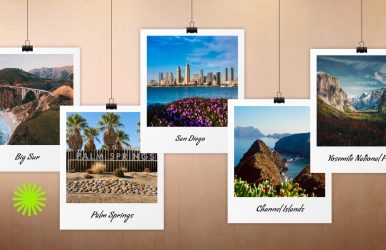
Here are my six favorite places to visit in California, out of its endless attractions.
Here Are Six Best Places To Visit In California
If you ever make up your mind to travel there, you need to be familiar with some of the best tourist spots. The list below can help you with just that.
1. San Diego
San Diego is called America's Finest City for a reason.
Living here, you get the chance to experience all four seasons! And to complement the beautiful weather, it has several beaches!
You can enjoy the pleasant climate either lying at the beach or swimming and surfing on the coastal waves.
A unique feature of a vacation here is that you won't have to worry about your pet while traveling.
Many attractions like Mission Beach and Pacific Beach allow dogs during certain hours of the day. So, you can enjoy a tour with your furry friend without worrying that you'll have to leave him behind.
But water sports aren't the only attraction here.
The coastline also offers possibilities for cycling and hiking if you have an adventurer's spirit.
And there's more yet! If you love wildlife, San Diego Zoo has got you covered.
If you want to learn about the past, you can do a little time travel to one of the museums. And the best part is that you can take a day trip to Mexico with ease thanks to its proximity to San Diego.
2. Big Sur
Another great spot for hiking and enjoying breathtaking views, Big Sur lives up to its name.
These huge rocks stretching along the California coastline appeal to anyone who spots them from a distance.
In fact, many roadside travelers end up taking a detour to these spiky cliffs.
The rocks and beaches here are the epitome of mysterious natural beauty.
If you stay at Post Ranch Inn, you can enjoy cozy evenings sitting by your window looking at the ocean. When you've had enough peace and quiet, you can then plan a trip to the hiking trails.
3. Yosemite National Park
This national park provides multiple unique attractions for millions of visitors annually.
Anyone who visits the park should not miss out on significant attractions like Glacier Point and Yosemite Museum.
Without a view of the Yosemite Valley or an experience of the historical sites like LeConte Memorial Lodge, you can't hope to get the most out of your visit.
For those keen on sightseeing, the park has Yosemite Falls and Half Dome in addition to many cliffs, lakes, and streams.
Moreover, outdoor sports fans may want to try out everything from hiking and rock climbing to horse riding and camping in the Curry Village.
4. Palm Springs
This is the perfect spot for you to relax in the sun and renew your strength in natural hot springs.
The weather is never too cold here, so you can always remain sun-kissed.
Aside from natural amenities, almost every building here, from houses to business offices, is a treat for anyone with a keen eye for architectural design.
Whether it's their buildings made in twentieth-century architectural style or celebrations like Modernism Week reflecting their spirit, the popularity of the architecture in this place cannot be denied.
And of course, the nearby desert is always available if you want to go hiking.
We all have some dreams as kids that get lost on the path of life somewhere.
And a vacation is the best time to live some of those dreams!
Palm Springs gives a chance to many who have always longed for exploration and adventure.
The mighty mountains and many museums will definitely leave you feeling like an explorer!
5. Laguna Beach
While other attractions are prominent in the nature and history departments, this seaside resort city is a perfect place for art lovers.
In addition to the marvelous luxury beaches offering vibrant natural scenery, the community here is significantly contributing to the artistic world.
They regularly hold art festivals to celebrate the talent of local artists.
What's more, their houses and streets, filled with art galleries and sculptures, are also a reflection of their enthusiasm and love for art.
Aside from participating in art festivals, outdoor activities like surfing, hiking, cycling, and even scuba diving are available.
6. Channel Islands
This archipelago of eight beautiful islands has much in store for you.
Surrounded by the Pacific Ocean, you can unleash your wild and free spirit and connect with life under the sea.
Over 2000 species of plants and animals are found on these islands, so you'll never get bored here. There is always something new to see!
To experience the marine life closely, you can get into one of the glass-bottom boats and explore the reefs and years-old shipwrecks.
And if you want to add a little educational touch to your tour, the Catalina Island Museum can enlighten you with the history of the island and its citizens.
7. Napa Valley
No list of California's must-see destinations feels complete without Napa Valley.
It is a rolling stretch of vineyards about an hour north of San Francisco that has become synonymous with world-class wine.
More than 400 wineries dot the valley.
They range from small family-run estates.
Also, they only take visitors by appointment to sprawling châteaux with tasting rooms designed to rival any European wine region.
What sets Napa apart from other wine destinations is how easily a single day trip can be tailored to almost any interest.
Wine enthusiasts can spend hours comparing cabernets along the Silverado Trail.
On the other hand, those less interested in tasting flights can instead ride the Napa Valley Wine Train.
It is a vintage locomotive that winds through the vineyards while serving multi-course meals, offering scenery without requiring anyone to drive.
Beyond wine, the valley has quietly built a reputation as a culinary destination in its own right.
The town of Yountville alone is home to several Michelin-starred restaurants, and reservations here are booked months in advance by travelers who plan entire trips around a single dinner.
For those who prefer to stay active, the valley offers hot air balloon rides at sunrise.
It is when the morning mist settles over the vines, and the hills glow gold in the early light.
Hiking trails in nearby Skyline Wilderness Park and Bothe-Napa Valley State Park provide a quieter, more rugged counterpoint to the manicured vineyards.
The routes here climb into oak woodland and offer sweeping views back down over the valley floor.
What Is The Best Time To Visit California?
The best time to visit depends on what you're after. Harvest season, from late August through October.
Then, the valley is at its most photogenic. Also, the vines are heavy with fruit and the crush is happening at wineries throughout the region.
However, this is also when hotel rates climb, and tasting rooms get crowded.
Late spring, particularly April and May, offers a quieter alternative, with mustard flowers blooming between the vine rows and comfortable temperatures for walking between tasting appointments.
Read Also:
Loranocarter+California: Is It Worth Visiting The Place?
Top 10 Affordable Hostels In Los Angeles – California
A Guide To The Most Scenic Road Trips Around The World
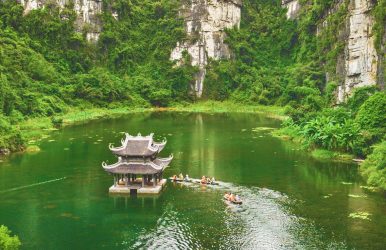
Ninh Binh or Halong Bay on Land is a UNESCO-protected site and a hidden gem in the tourism landscape of Vietnam.
It has ancient temples, a surreal riverine landscape, and dramatic limestone mountains. A Ninh Binh boat tour and climbing up its beautiful peaks is the best way to explore this serene place.
Moreover, if you see Ninh Binh on the map, you will find it in the northern region of the country. Along with its natural abundance, it is also known for its historical and cultural heritage.
Hi, in today’s blog, I will talk about what Ninh Binh is famous for, how to reach Ninh Binh from Hanoi, the things to do in Ninh Binh, where to eat in Ninh Binh, and more.
What Is Ninh Binh Famous For?
If you are a follower of the TheLowDownUnder Travel philosophy, Ninh Binh will become your instant favorite. It’s authentic, sustainable, and perfect for mastering the art of slow traveling.
In this way, Ninh Binh reminds me of Luang Prabang in Laos. During my Luang Prabang itinerary planner, I found out how it practices sustainable tourism.
In fact, being environmentally responsible is a common feature of these two neighbors.
Also, Ninh Binh is one of the most exotic places to watch the sunrise in Vietnam.
Nevertheless, here are the reasons why Ninh Binh is famous for.
1. Waterways And Wetlands
Ninh Binh is a lush and fertile region blessed by a network of waterways. The Red River and the Day River function as the lifeline of this region, and at the same time, many smaller rivers have added to the fertility and unique topography of the region.
You can enjoy a boat tour of these waterways and experience an adrenaline rush.
Moreover, these wetlands, especially in places such as the Van Long Nature Reserve, are home to different types of birds and other animals.
2. Karst Limestone Cliffs
Trang An, Tam Coc, and Van Long Nature Reserve are some of the most famous Karst limestone cliff areas in Ninh.
Most of the karst limestone formations here rise from the waterways and the rice paddies. Thus, this sudden rise against the lows of the waterway creates a sense of drama.
3. Grottes And Caves
The limestone karsts in Nin Binh are all the more fascinating due to the underground exploration and adventure opportunities they offer.
Some of them, especially the ones in Phong Nha-Ke Bang National Park, come with caves and grottes. Moreover, these caves and grottes are some of the largest in Southeast Asia.
4. Proximity To Hanoi
Hanoi, the Vietnamese capital, is one of the cheapest places to visit in the world.
The Hanoi to Ninh Binh journey by road takes around 2 hours. Drive south from Hanoi, and you will reach the former capital of the country.
However, despite this proximity, Ninh Binh has maintained its idyllic charm. So, often, it is the go-to destination for a day trip or weekend trip from Hanoi to Ninh Binh.
5. Transportation Hubs
The Ninh Binh City railway station is the gateway to the Ninh Binh region for the rest of the country.
Furthermore, Ninh Binh is well-connected via road. Thus, this scenic region of Vietnam is quite easily accessible.
6. Gateway To Exploration
Ninh Binh is the gateway to Halong Bay in the east and the Phong Nha-Ke Bang National Park.
Furthermore, from Ninh Binh, you can explore northern regions such as Sapa and the Vietnam-China border.
7. Historical And Cultural Heritage
Ninh Binh is home to Hoa Lu, the first capital of independent Vietnam. The Dinh and Early Le dynasties ruled over Hoa Lu from 968 to 1010 AD before the capital was moved to Hanoi.
You will find here 10th-century temples dedicated to Kings Dinh and Le in Hoa Lu.
Furthermore, Nin Binh has many ancient pagodas, and its cultural significance lies in being a UNESCO-Protected Site.
8. Scenic Beauty
The waterways of Ninh Binh are tranquil. Furthermore, the lush landscape and karst limestone formations act as the most dramatic backdrop.
You will love trekking, birdwatching, and of course boating at Ninh Binh.
How To Get From Hanoi To Ninh Binh?
A Ninh Binh day trip from Hanoi is quite common. You can take a bus or train, or reserve a private car for the day trip.
1. Hanoi To Ninh Binh By Train
You can take a train ride from Hanoi to the Ninh Binh Railway Station.
Depending on the class, your ticket price will be between VND 60000 and 200000, or around $8 USD.
Moreover, the travel time will be around 2.5 hours.
2. Hanoi To Ninh Binh By Bus
If you are a budget traveler, you can take a bus from Hanoi to Ninh Binh. The buses, however, take a little longer, and based on the traffic, it may take up to 3 hours.
The ticket price for a Hanoi to Ninh Binh bus ride is around USD 6 or VND 70000-150000.
3. Hanoi To Ninh Binh By Car
You can book an Uber or just take a private car to reach Ninh Binh by car from Hanoi. Of course, it is the most expensive mode of transportation and costs around 1,380,000 VND or USD 60.
Furthermore, the travel time will be around 1.5 hours.
Moving Around Ninh Binh
Once you are in Ninh Binh and want to explore it locally, you can do it on foot. The city of Ninh Binh is very walkable.
However, if you want to explore more, you can take a bicycle or rent a bike.
1. Exploring Ninh Binh On A Bicycle
It’s a miss if you are in Ninh Binh and don’t explore Tam Coc or other quieter areas of Ninh Binh.
I got a bicycle from the homestay I was staying in for free. However, some homestays can charge a little for the bicycle rental.
2. Exploring Ning Binh On A Bike
Renting a motorbike is the best way to roam around Ninh Binh. You have to spend around $6 USD or VND 80,000–150,000 to rent a bike for a day.
Then, you can explore all corners of this UNESCO Protected Site and explore how history speaks in its every corner.
What Are The Things To Do In Ninh Binh?
The Ninh Binh Vietnam attractions are endless. You have to just figure out the best time to visit Vietnam based on your areas of interest.
Also, the things to do or the places to visit will depend on your duration of stay. Here, I have enlisted the activities that will fit well into your Ninh Binh itinerary for two days.
Nevertheless, here are the details on what to do in Ninh Binh.
1. Ninh Binh Trang An Tour
Tràng An is designated by UNESCO as a heritage site, and you can reach it by taking a no-hassle boat ride from Ninh Binh.
The boatride in the serene rivers with the karst limestone cliffs in the background feels cinematic.
Furthermore, on the way, you will find a few temples where you can sniff history and appreciate the architecture.
Why Take A Trang An Tour
You must take a Trang An Tour because it is not as expensive as a trip to Bến Thạch Bích. Bến Thạch Bích tour is expensive and has now become a tourist scam.
A tour to Trang An costs around $10 USD or 250000 VND per person.
2. Hiking The Lying Dragon Mountain Or Núi Ngoạ Long
The boat rides through the ancient waterways, watched over by the karst limestones, are not the only adventures offered by Ninh Binh.
You can plan a hike to the Lying Dragon Mountain top. You have to climb 500 steps to reach the top, and the view from there is unreal.
From the top, you will see the lush paddy fields and the waterways winding through the limestone cliffs. There is even a temple on a rocky spire.
Ideal Time For Hiking The Lying Dragon Mountain
Sunrise and sunset hours are the best for hiking the Lying Dragon Mountain. You can enjoy the golden and red glow from the top of the mountain.
Also, if you are hiking early in the morning, you will have fewer people taking the steps to the top.
Entry Fee And Parking Tip
The entry fee for the Lying Dragon Mountain hike is 100,000 VND or $4 USD. However, please note that your parking fee is included in this fee.
The parking attendants are very aggressive, and they will often misguide you by saying that the parking lot is full. So, be strict about not paying them extra or giving in to their tricks.
3. A Visit To Bich Dong Pagoda
The Bich Dong Pagoda in the Hoa Lu District was built by Ly Thai To. It is on the Truong Yen limestone mountain range, and its history dates back to 1428.
However, it was abandoned for many centuries until Tri The and Tri Kien discovered it in 1705. Furthermore, it was named the Bich Dong Pagoda or Green Pearl cave by Lord Trinh Sam of Dang Ngoai in 1774.
The Unique Structure Of The Bich Dong Pagoda
The pagoda has three levels, and the Dark Cave and the Xuyen Thuy Cave.
• Ha Pagoda Or Lower Pagoda
The Ha Pagoda, or Lower Pagoda, has 5 rooms and 10 roofs.
Furthermore, there is a monolithic stone pillar adorned with the statues of Lord Buddha. The lower pagoda is used for worship, and you will smell incense once you enter it, and the smell evokes a spiritual feeling.
• Middle Pagoda Or The Trung Pagoda
Then, you have to take 120 steps to reach the Middle Pagoda or the Trung Pagoda. It has beautiful tiles and scriptures written in Chinese.
Also, you will find the figures of Lord Buddha, flying dragons, turtles, fairies, and little boys here.
• The Upper Pagoda Or The Thuong Pagoda
Finally, you will take 40 steps to reach the upper pagoda or Thuong Pagoda. There is a forecourt, two rooms, and a stone altar in the outer room of the pagoda.
Furthermore, there is an inner room, which has the idol of the Bodhisattva. Moreover, the Cam Lo pond near the upper cave is used for curing ailments.
• Dark Cave Bich Dong
You will again climb 21 steps from the Upper Pagoda to reach the Dark Cave Bich Dong.
You will find a large bronze bell there in 1707. Furthermore, inside the cave wall, you will find amazing embossed pictures.
• Xuyen Thuy Cave
The Xuyen Thuy Cave is semicircular in form and has a length of around 350 meters. In places, the cave is 6-15 meters in width.
4. Birdwatching At The Thung Nham Bird Valley
The Thung Nham Bird Valley is a great spot for nature lovers. You will find the birds early in the morning or late afternoon.
However, if you are late in the morning or in the afternoon at the Thung Nham Bird Valley, you will find goats and ducks roaming.
Overall, the view of the field is amazing.
5. Exploring The Hoa Lu Ancient Capital
Hoa Lu, or the ancient capital of Vietnam, is the place to enjoy the history of Ninh Binh.
Being here feels straight out of a movie scene, and this place of reign by the Le and Dinh dynasties, with the surrounding mountains looks straight from a movie scene.
Where To Stay In Ninh Binh?
You will find many budget-friendly homestays and hotels in Ninh Binh. Having said that, these are my favorite picks.
We stayed at the Ruby Homestay, and it offered a local and authentic experience. It was budget-friendly and still had amenities such as a pool.
However, if you want a more luxurious experience, you can even try the Ninh Binh Royal Homestay. It is a resort with a 3-star rating.
What To Eat In Ninh Binh?
The mountain goat meat cooked in various styles, braised fish, rice, and crispy rice are some traditional Vietnamese dishes you can eat in Ninh Binh.
Furthermore, if you are more adventurous, you can try delicacies such as the snakehead fish salad and oakit or jackfruit snail.
Chookie's in Tam Coc and the local markets were our favorite go-to places for trying authentic Vietnamese cuisines and a mix of Western delicacies at times.
Is Ninh Binh Worth Visiting?
Yes, Ninh Binh is worth visiting, and it is the heart of Northern Vietnam for tourists. It has pagodas and temples that go back to the 10th century. Furthermore, the winding waterways through the karst limestone formations simply create a landscape of contrast.
Moreover, it is one of the best places to see sunrise and sunset in Vietnam.
It’s soulful, sustainable, and fertile with lush greenery. Come, visit Ninh Binh.
Ninh Binh, Vietnam: Frequently Asked Questions (FAQs)
Here are the frequently asked questions and answers about Ninh Binh.
1. Which Is Better, Ninh Binh Or Halong Bay? Halong Bay, a UNESCO World Heritage Site, is a more celebrated attraction in Vietnam. Ninh Binh, despite being a UNESCO-protected site, is more like a hidden gem. However, Ninh Binh is closer to Hanoi, the Vietnamese capital, and only a 2-hour drive south. Also, the experiences in these places are very different. In Ha Long Bay, the activities include swimming in the Gulf of Tonkin, overnight cruises, kayaking, and exploring the limestone karsts. Ninh Binh, on the other hand, with a more rural charm, has ancient temples, pagodas, rice paddies, waterways, and dramatic limestone karsts. 2. How Many Days To Stay In Ninh Binh? Two to four days are ideal for staying in Ninh Binh. From hiking up the Lying Dragon Mountain to boat rides to Trang An and Tam Coc, you can cover the major attractions of Ninh Binh in two days. However, if you want to explore the Cuc Phuong National Park or have an in-depth understanding of rural life, you must plan a trip for 3-4 days. 3. How Far Is Ninh Binh From Hanoi? The Ninh Binh and Hanoi distance is around 94 km. The travel time by road down south is around 1.5 to 2 hours. Of course, the travel time will depend on the mode of transport. For example, if you are traveling by bus, the travel time will be around 2.5 to 3 hours. Also, if you are taking a train, it will take around 2.5 hours. 4. What Is The Best Time To Visit Nin Binh? November to April is the best time to visit Nin Binh if you want to enjoy pleasant weather conditions. Having said that, the exact timing of planning your trip will depend on the kind of experience you want. For example, March to May is the ideal time for seeing the blooming flowers. However, if you want to see the golden paddies along the Ngo Dong River, you have to plan a visit in late May to early June.





 Related