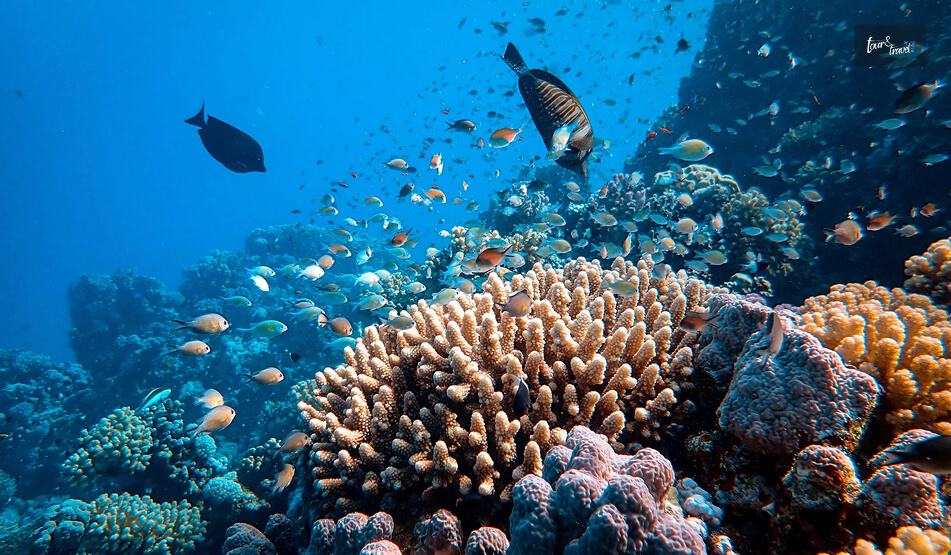
Raja Ampat Diving Season Tips: When To Go For Mantas, Whales, And Sunshine? 

Timing is not just a tip to remember for divers in Raja Ampat. A change of season and the difference? It’s as big as having a glass boat ride to a Manta cleaning station and a bumpy trek through monsoon winds.  

Known as the “Last Paradise,” Raja Ampat sits at the heart of the Coral Triangle. Here, the seasons do not just mean the weather. The seasons also dictate the challenges the waters will throw at you and the giants you will meet.  

In this guide on Raja Ampat diving season tips, I will start with a short answer about the diving seasons and then give you the details.  

The Short Answer: Peak Vs. Off-Peak Season For Diving In Raja Ampat  

Feature Peak Season (October – April) Off-Peak Season (May – September) 
Sea Conditions Calm, glassy water Choppy in the South, calm in the North 
Visibility Excellent (15m–30m) Variable (can be lower near islands) 
Marine Life Manta Rays, Whale Sharks, and Dolphins Resident Reef Life, Macro, “Walking” Sharks 
Crowds High (Book 12-18 months early) Low (Peaceful dive sites) 
Price Premium Potential discounts (10-20% off) 

Have you already booked your dates? Check our guide on Raja Ampat diving trips for a detailed itinerary planning.  

The Two Main Seasons Of Diving In Raja Ampat: A Detailed Breakdown 

The character and conditions of the dive sites in Raja Ampat change in dry and wet seasons.  

The Dry Season (October to April) The Wet Season (May – September)  
• Low Winds  
• Calm Water  
• Ultimate Raja Ampat Liveaboard Season  
• Ideal for Spotting Reef and Oceanic Mantas 
• High Southern Winds  
• Misool Becomes Inaccessible  
• Dampier Strait is Accessible  
• Ideal for Spotting Snapper and Barracuda 

Raja Ampat Marine Life Calendar 

For you, the best diving season in Raja Ampat Indonesia depends on the kind of marine animal you want to encounter. Here, I will give you details about the Oceanic and Reef Manta Ray season, the whale and dolphin migration season, and the season for walking sharks and macro life.  

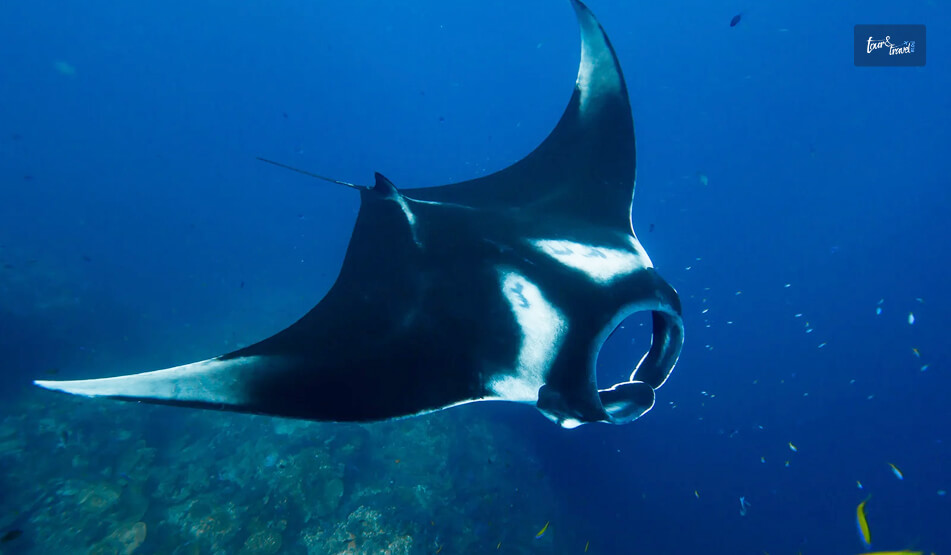
1. Manta Ray Season (Oceanic Vs. Reef) 

Manta Ray Season (Oceanic Vs. Reef)

December to March is the best season for spotting these marine animals.  

Manta Sandy cleaning station is great for Reef Manta sightings. Magic Mountain in Misool is one of the sites where you will find Oceanic and Reef Mantas together.  

Furthermore, Dr. Setyawan, in a report published by Conservation International on 9th October 2024, has shared some interesting facts about the Reef Mantas. He mentioned that  

“...reef manta rays can travel hundreds of kilometres, and there aren’t any obvious barriers to movement between these three regions in Raja Ampat.” 

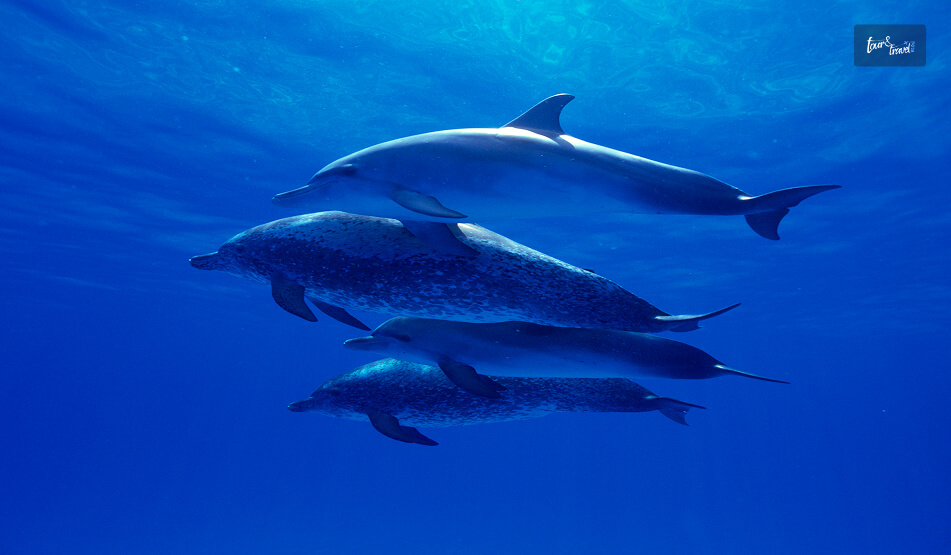
2. The Whale And Dolphin Migration (November – December) 

The Whale And Dolphin Migration (November – December)

You will find Pilot Whales and different dolphin species in the deep channels of the Dampier Strait in November and December.  

3. Walking Sharks & Macro Life (Year-Round) 

Walking Sharks & Macro Life (Year-Round)

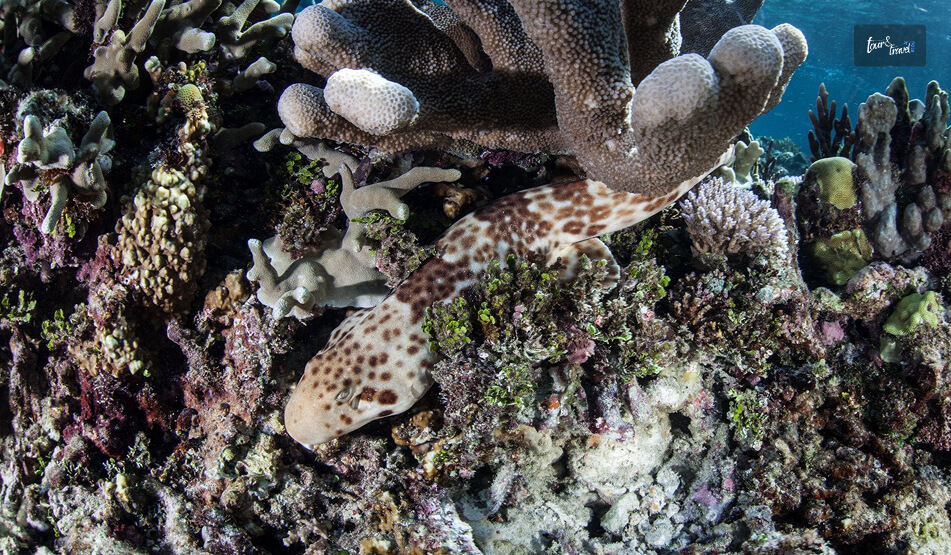
The endemic Walking Sharks, or Raja Ampat Epaulette Sharks, are visible in the water year-round. Night dives are the best to watch these marine creatures in action.  

You will also spot the Pygmy Seahorses and Nudibranchs across all seasons.  

Regional Differences: The Misool Vs Dampier Strait Season 

Let’s check out the regional differences in Raja Ampat across seasons.

1. Dampier Strait (North/Central) 

Sheltered by large islands, the Dampier Strait offers safe diving conditions even when the wind is high. 

So, you can dive here safely in all seasons.  

2. Misool (South) 

Thanks to the southern monsoon, crossing Misool is dangerous in the wet season. The frotier is wilder than the north and central zones.  

Raja Ampat Diving Season Tips For Liveaboard Vs. Resort 

Raja Ampat Diving Season Tips For Liveaboard Vs. Resort

There is no “bad” time to visit Raja Ampat, only the “wrong” region for the season. If you want Mantas and luxury liveaboards, aim for January. If you want solitude and budget-friendly resort stays, June in the Dampier Strait is a hidden gem. 

1. The Komodo Switch And The liveaboard Season  

In May, about 80% of the liveaboard fleet sails west to Komodo National Park to follow the dry weather. If you want a luxury boat experience, you must visit Raja Ampat between October and April. 

2. Choose Diving Resorts For Off-Peak Season Diving  

If you are traveling in the summer, between June and August, you must choose the land-based resorts in the Dampier Strait. These resorts offer stability, and you can take shorter boat rides to reach the dive sites. Enjoy the low-season pricing.  

What Are The Expert Tips For the Raja Ampat Diving Season? 

You cannot fear the rain when you are diving in Raja Ampat. Also, the consistent temperature of the water in Raja Ampat makes diving possible, especially in the Dampier Strait sites. 

Here are some other things to remember if you are diving in Raja Ampat.  

Expert Tips What It Means 
Don’t Fear the Rain It is a rainforest; it rains even in the dry season. The fish don’t mind, and you’re already wet.  
The “Green Water” is Good Lower visibility often means plankton, and dense plankton is the “dinner bell” for Manta Rays. 
Book Christmas Early This is the busiest window, and some boats sell out 2 years in advance.  
Currents and Moons For the most intense fish action, book your trip during the New or Full Moon.  
Surface Intervals Use sun protection in the dry season and bring a windbreaker for the wet season boat rides.  
Water Temp is Constant It stays 28 to 30 degrees Celsius all year. A 3mm wetsuit is plenty.  
Check Boat Locations Ensure your preferred boat hasn’t already moved to Komodo for the summer. 
Flight Reliability Pad your travel schedule in July/August, as wind can delay small island hops or ferries. 

Raja Ampat Diving Season Tips For Photographers: The Lens Guide 

Raja Ampat Diving Season Tips For Photographers The Lens Guide
Seasons  Ideal Lens What to Capture  
October to April Wide Angle • Perfect for Capturing Mantas  
• Sweeping Schools of Fish  Split Shots with Blue Skies  
May to September Macro Lens • Fluctuating Visibility  
• Perfect to Focus on Pygmy Seahorses, Blue-ringed Octopus, and Ornate Ghost Pipefish.  
Late April and Early October (The Shoulder Season Secret) Macro Lens  • These are Sweet Spots, and You Get to Frame the Calm Transition of the Marine Animals.   
• Still, the Crowd of the Big 5 is Not Intense as the December and January Holidays.  

Raja Ampat Diving Season Tips: Frequently Asked Questions (FAQs) 

Here are the frequently asked questions and answers about the Raja Ampat diving season tips.  

1. What Is The Absolute Best Month To Dive Raja Ampat? 

January is the absolute best or the prime month to dive in Raja Ampat. You get peak visibility, around 25 to 30 meters in the water, and it is the ideal month to spot Reef and Oceanic Mantas due to plankton increases.  
Furthermore, all the regions, the south, the central, and the north, remain accessible this month.  

2. Can I Dive Raja Ampat In August?

Yes, you can dive in Raja Ampat in August. In fact, August is a great month if you want to explore Cape Kri and Blue Magic without the crowd. 
However, if you are diving in Raja Ampat in August, stick to the sites in Waigeo, Gam, and Mansuar and along the Dampier Strait in the North and Central zones.

3. When Is The Best Time For Whale Sharks In Raja Ampat?

October to April is the best time to see Whale Sharks in Raja Ampat. You can find them in Misool and the Dampier Strait sites. 
However, for a better and more certain visibility of Whale Sharks, you must visit Triton Bay, south of Raja Ampat. The Full Moon Nights are ideal for spotting Whale Sharks. 

4. Is The Wet Season Cheaper In Raja Ampat?

Yes, the wet season is cheaper in Raja Ampat as it is the off-peak season for diving. In the diving resorts, mostly concentrated around the Dampier Strait Region, you will get a discount of around 10-15%. There is also a hefty discount on the diving packages. 
On the other hand, the liveaboards will offer around 20-30% discount in the wet season. 

5. What Is The Water Temperature Like Year-round In Raja Ampat?

The year-round water temperature in Raja Ampat is around 28 to 30 degrees Celsius. 
One of the best things about diving in Raja Ampat is the incredibly stable, bathtub-warm water. 
Because the archipelago is located just one degree from the equator, you won’t experience the dramatic temperature drops or “thermoclines” found in other parts of Indonesia, like Komodo or Bali. 

6. Do I Need A Dry Suit Or A Thick Wetsuit In The Off-season?

No, you don’t need a dry suit or thick wetsuit to dive in Raja Ampat, even in the off-season. It is because the temperature of the waters here hovers around 28 to 30 degrees Celsius throughout the year. 
A 3mm thick wetsuit is enough if you are doing deep diving. It ensures that your body does not lose temperature rapidly. It also protects you from the irritants in the water and helps in buoyancy.

7. Does Visibility Change With The Seasons In Raja Ampat?

Yes, visibility changes with the seasons in Raja Ampat. However, remember that having clear water does not mean the ideal condition for spotting the marine life in Raja Ampat. 
In the dry season, from October to April, the visibility is around 15 to 30 meters. 
Still, from December to March, nutrient-rich currents flood the archipelago. This creates “green” or “particulate” water. While this might frustrate wide-angle photographers looking for a pure blue background, it is the “dinner bell” for Manta Rays and Whale Sharks.
Furthermore, during the wet season, from May to September, the visibility is 10 to 20 meters. However, this is an ideal time for many photographers as the water is clearer due to the lack of plankton blooms.

8. When Do The Liveaboards Move To Komodo?

The famous Indonesian Switch, or the transition of liveaboards to and from Komodo, happens twice a year. 
In April and May, the peak diving season in Raja Ampat approaches its end. So, 80% of the liveaboards in Raja Ampat move toward the Komodo National Park. 
These liveaboards often pass through the Banda Sea and the Forgotten Island, where you can spot hammerhead sharks in late April and May. 
Again, these liveaboards return in September and October as Komodo starts getting heavy rainfall, but the water of Raja Ampat becomes still. 
On the way, you can spot deep-sea pinnacles and incredible whale shark encounters in Triton Bay or the Banda Sea. 

9. Is It Safe To Visit Raja Ampat During The Monsoon?

Yes, the rainy season does not mean a complete shutdown for tourists to Raja Ampat. In fact, the central zone (Dampier Strait) and areas such as Waigeo/Gam remain quite accessible even in high winds due to the protection of huge land masses. 
However, the diving sites in the southern zone of Misool are risky in these months. 

10. When Is The Best Time For Underwater Photography In Raja Ampat?

The best time for underwater photography in Raja Ampat will depend on the kind of backdrop you want. The waters of Raja Ampat always amaze you with an impressive marine life. 

October to November is the time for the best all-round photography experience. You will get calm seas, returning Mantas, and massive schools of baitfish. Great for wide-angle and split shots. 

Also, for a truly unique photographic subject, aim for the Full Moons in October and November. This is when the reefs often experience mass coral spawning. It is a spectacular nighttime event that turns the water into a “snow globe” of biological activity.

Again, January and February are ideal for framing the Manta action. Plankton blooms can create “green” water, but offer world-class Manta displays. These are the months for macro specialists. 

The months of March and April offer peak visibility. You will now find the clearest water of the year (30m+). Ideal for large reefscapes and blue backgrounds.

Finally, June to September is ideal for shooting the empty reef and macros in action. 

Share on Social Media

Meet Sibashree Bhattacharya, a travel enthusiast who has a decade-long experience in transcending virtual barriers with her words! Her deep love for travel is apparent from her travel escapades to the mountain, often taking her readers on a journey, her words acting as Portkey! Fun fact: Sibashree loves to dive deep into the history of the places she is about to visit, making her travels even more wholesome. If you were wondering how her articles are not short of time travel, this answers it!

Leave a Reply

Your email address will not be published. Required fields are marked *

title-img Related

READ MORE Campbell Island

What Is Campbell Island/ Motu Ihupuku Known For? Tour Of An Isolated Sanctuary In New Zealand

BY  Sibashree Jun 30, 2025

Campbell Island, a UNESCO World Heritage Site, is home to sea lions and many other species of endangered animals and birds.  However, the Department of Conservation (DOC) has identified that growing temperatures in this region and increased rainfall are posing threats to the rich ecosystem here.  “Extensive rainfall events and slips will potentially have the biggest impact on nesting birds. We’d also like to find out more about how sea level rise and storm surges will affect sea lions.” - Drew Bingham, Principal Science Advisor, the Department of Conservation.  It’s indeed a grave concern, as it is home to many marine and terrestrial animals and is even crucial for global environmental conservation.  Also, it has fascinating stories of history and human intervention to share. So, the changing weather conditions of the island put a lot at stake.  Nevertheless, Campbell Island is a popular destination for tourists seeking adventures in the subantarctic zones. Hundreds of people visit this destination every year.  And in this Tour and Travel Blog, we will discuss what’s so special in Campbell Island, a fascinating story of shark attack and survival, and everything else you need to know.  What Is The Best Time To Visit Campbell Island?  One of the best Subantarctic Islands of New Zealand, Campbell Island, is ideal for a visit from November to March. These months make the island ideal for traveling because of: Long daylight hours Mild weather and calmer sea Ideal for cruising along the coastline Great for spotting wildlife such as seals, penguins, and albatrosses Moreover, the temperature in these months ranges between 5 and 12 degrees Celsius.  Do you want to know more about the weather of Campbell Island throughout the year? Have a look at the table below. MonthsHighest TemperatureLowest TemperatureDays of RainfallJanuary13616February12714March11617April10518May9420June7319July7218August6419September7318October8420November9517December11616 What Is Campbell Island Famous For? Know Why It Is Worth The Adventurous Journey Captain Frederick Hasselburgh discovered Campbell Island in 1810. With time, it became an important location for scientific observation, whaling, and sealing.  It was also used as a coastwatching station after World War II. With time, Campbell Island became a UNESCO World Heritage Site, and today, it has emerged as a popular subantarctic region for the following reasons.  1. Dramatic Geographical Features  Area: 113 Square Kilometers Population: Uninhabited Shape: Oval Highest Point: Mount Honey (568 Meters) The uninhabited Campbell Island features deep coastal bays, rocky outcrops, and steep cliffs.  Further, thanks to its volcanic origin and the cooling and solidification of lava over a million years, this island has geographical features such as: Peat bogs Freshwater lakes  Volcanic craters Furthermore, due to its volcanic origin, this island has become home to many unique ecosystems uncommon in the subantarctic region.  2. Campbell Island And Its Rich Natural Heritage Campbell Island has many endangered species of plants and animals. They have contributed to the biodiversity of the island.  Campbell Island cabbage (Azorella selago) is the most prominent name when we talk about the diversity of flora on the island. It worked as a source of food for explorers and settlers.  Among the endangered fauna here, the Campbell Island teal birds are the most prominent. Other popular species are the yellow-eyed penguin, petrels, and albatross.  Furthermore, elephant seals, dolphins, and various species of fish here speak volumes about the rich marine life.  3. Conservation And Restoration Efforts In Campbell Island The New Zealand government established the Campbell Island Nature Reserve in 2001. It banned human habitation and various development works here.  Also, the Department of Conservation has played a critical role in protecting the delicate ecosystem of the island.  In this context, the rat eradication program from 2001-2003 has been a milestone achievement.  With all these conservation efforts, the island now has a growing bird population. Also, many other islands have taken Campbell Island as the benchmark for ecological restoration and development. What Are The Things To Do In Campbell Island?  A close interaction with nature and adventurous activities have been the best things to do on Campbell Island.  You can also enjoy a cruise tour along the coastline.  Things to Do in Campbell IslandWhat’s So Special about Them?Birdwatching• Southern royal albatrosses (Campbell Island is home to the largest breeding population.)• Black-browed albatrosses• Grey-headed albatrosses• Endangered bird species such as Campbell snipe and Campbell teal• Terns• Pipits• Giant petrelsA visit to the Campbell Island National ParkYou will love the tree ferns and orchids here. Zodiac cruisingCruise along the coastline to spot elephant seals and various bird species. Hiking to Mount HoneyOnce you reach the mountain top, you will love the panoramic view of the island. Hiking to Northwest BayIt is a 16-km hike to explore the natural landscape of the island. Col Lyall BoardwalkYou will spot Southern Royal Albatrosses as you walk the boardwalk.  Campbell Island Shark Attack: What Happened In 1992? Mike Fraser, a meteorologist from New Zealand, encountered a great white shark attack while snorkeling near Campbell Island.  The shark cut off his right forearm, and his left arm was also severely injured. After a dramatic rescue mission and a 2,000-kilometer helicopter flight, Mike Fraser was saved.  He then underwent prolonged medical treatment and got prosthetic arms. It’s great that he survived. Campbell Island: Frequently Asked Questions (FAQs) Here are the frequently asked questions and answers about Campbell Island.  1. Can You Go To Campbell Island? Yes, you can go to Campbell Island. However, due to the remote location of this UNESCO World Heritage Site, you have to visit the island on a guided expedition cruise. You can also visit the island on a helicopter.  2. How Many People Live On Campbell Island? There is no permanent human population on Campbell Island.  3. Is Campbell Island Predator Free? Yes, Campbell Island is predator-free. It had the largest rat eradication movement from 2001 to 2003. In May 2003, the Department of Conservation declared Campbell Island predator-free.  4. Does It Snow On Campbell Island? Yes, the high peaks of Campbell Island, with Mount Honey being the highest, experience snowfall during spring and winter.  Read Also: Exploring the Virgin Islands: Must-See Spots You Can Visit by Boat and St John Rentals Complete Guide To The Egadi Islands: What to See, Do, And Taste Paradise Islands: Discovering Italy’s Hidden Gems

READ MORE New Orleans with kids

New Orleans With Kids Vacation | Know The Fun Things To Do With Kids In New Orleans

BY  Sibashree Jan 17, 2025

The next location we planned to cover during a USA tour was New Orleans. This time, we discovered how a city with a rich culture cares so much about children.  Along with its heritage, architecture, and a culture that feels like a warm embrace, the kid-friendly activities also make this Louisiana city a popular tourist destination.  However, this time as I pen the things to do in New Orleans with kids, my heart feels heavy. A deadly terror attack on Bourbon Street and the police shoot-out following that have taken the lives of at least 14 people on 2nd January 2025.  Still, the city is on the mend, and everyone is hoping high for the stability of the tourism economy of the city. It’s difficult, considering the city has yet to recover in tourism and finances since the COVID-19 days fully.  Apologies for the grim start! However, as travelers, you cannot disassociate so easily, especially when you have just visited a place. Nevertheless, it’s time for some cheer, and shifting focus to the best things to do in New Orleans with kids can greatly help. So, let’s discuss it.  Fun Things To Do With Kids In New Orleans | Enjoying The Graceful Embrace December to January and February to May are the best times to try fun things to do with kids in New Orleans. And guess what! There are a lot of free activities awaiting your little ones here. I have discussed them in a different Tour and Travel guide.  Nevertheless, here, let’s focus on the unique things to do with kids in New Orleans.  1. Audubon Zoo Visit https://www.instagram.com/p/C4qRCaVrNPe/?img_index=1 Location: 6500 Magazine Street, New Orleans Contact Number: (504) 861-2537 Hours Open: 10 AM to 5 PM (Tuesday and Wednesday Closed) Audubon Zoo Admission: $35 for Adults and $25 for Children Audubon Zoo is one of the topmost family attractions in New Orleans. It is a wonderland of Audubon animals and birds. The place is filled with mammals, reptiles, and birds. From the majestic African Lions and Asians Elephants to the Aldabra Tortoise, you will find everything here.  However, for me, the most delightful creatures in the zoo are the Caribbean Flamingos. They are as colorful as their country of origin.  I also loved the Malayan Sun Bears. They are adorable with the cutest expressions. You will even find Malayan tigers here.  Furthermore, we thoroughly enjoyed The Dinosaurs at the Audubon Zoo section. I was not willing to visit the section at first. Yes, I know! I am in my thirties, and I still have my phobia!  Nonetheless, my kids insisted, and I had to take them to the section with 50 life-like dinosaurs growling and making moves. However, this special exhibit program has now ended.  Moreover, if you are in New Orleans for a long span or have plans of staying here, you can allow your kid to be a camper at the Audubon. They can become young experts in animals and they will love to spend some time with their favorite creatures. 2. A Day at Jackson Square | Best Things To Do In New Orleans With Kids Jackson Square gets its name from Andrew Jackson, the seventh president of the USA and a New Orleans battle hero. So, a visit to Jackson Square at the heart of the French Quarter is like taking a walk down memory lane.  Here, you will also find Pontalba Apartments and many other oldest buildings in the city. Rented places are easily available in these buildings.  As you appreciate the old-yet-young vibe of the space or recall the history of New Orleans, let your little one enjoy the jazz music, live performances, and entertainment events here.  Moreover, if you are lucky enough, you can be a part of the art festivals here.  A stone’s throw away from Jackson Square is the St. Louis Cathedral. It is the oldest cathedral church in North America, and its steeples watch over the French Quarter.  3. A Ghost Tour | Exciting Things To Do In New Orleans With Kids Well, if your little one loves Halloween and everything spooky, you can definitely take them on a family-friendly ghost tour. These tours are especially popular among adventurous children in their pre-teens.  Tour Organizers like Viator, offer Spooky Family-Friendly Ghost Tour in New Orleans in the French Quarters.  Now, these ghost tours are very much ingrained in the spirit of New Orleans. The LaLaurie Mansion or the New Orleans French Quarter was infamous for the mistreatment of slaves. Supernatural activities and the stories around them started flowing after a neighbor saw a troubling incident. The neighbor saw a lady chasing a slave girl, who jumped from the roof of the mansion as an escape.  Despite the presence of modern boutiques, quaint restaurants and a reimagined and bustling French Market, the spooky vibe simply refuses to go away!  4. Spending Time By The Mississippi River There is something special about New Orleans. And as they say, the Mississippi River is the manifestation of the heart of New Orleans. It’s welcoming and embracing, and its culture and heritage surpass the geographical boundaries.  Further, like the Mississippi River which destroys, restores and builds the banks, New Orleans believes in making a forward move even in the toughest conditions. The recent terror attacks and the means of recuperation are burning examples.  So, if you want your little one to know about the true spirit of New Orleans, allow them to sit and relax by the Mississippi River for a while.  They will love sitting on the steps and watching the boats passing in the water. It is very close to the French Quarter, but a complete contrast in its spirit.  Moreover, your little ones will be elated to have beignets here. You will find the best beignets at Café Du Monde Riverwalk (Contact Number: +1 504-218-7993) here. The coffee there was good and just the way I like it.  5. A Visit To The Louis Armstrong Park  Location: 835 N. Rampart St, New Orleans Hours Open: 8 AM to 6 PM Entry Fee: Entry is Free for a Walk in the Park A visit to Louis Armstrong Park is not ideal for very young children. However, kids in their teens or growing up years with an interest in Jazz music will love this place. It is very close to the French Quarter, and inside the park, you will find Congo Square.  Congo Square is the place where slaves used to unite during the 1800s. Furthermore, your kids will love looking at the ducks in the pond of Louis Armstrong Park.  Moreover, the Mahalia Jackson Theater inside Louis Armstrong Park is a popular place to visit for artists and music lovers. It gets its name from Mahalia Jackson, a gospel singer of New Orleans.  Also read Why Include Whale Watching In Your LA Itinerary. Traveling On A Budget: Tips For Affordable Adventures. From Cocktails To Kickflips: Must-Try Activities In San Diego.

READ MORE Cabo San Lucas

Exploring Cabo San Lucas? Here’s Your Guide to Getting Around

BY  Shahnawaz Dec 15, 2023

Nestled on the Baja Peninsula's southern tip, Cabo San Lucas, is a sun-soaked paradise renowned for its breathtaking beaches, vibrant nightlife, and exciting activities. As a traveler, one of the key aspects to consider is getting around Cabo San Lucas. This comprehensive guide provides insights into various transportation options, ensuring an effortless and enjoyable travel experience. Before You Go: Understanding the Layout of Cabo San Lucas Cabo San Lucas is a lively Mexican town with beaches, shops, and vibrant nightlife. The main area downtown contains endless restaurants, bars, and shops. The marina is a hub for boat tours and water activities.  The beaches stretch along the coast, offering sunbathing and water sports. Resorts dot the shoreline, offering luxury stays with ocean views. Streets are easy to navigate, and taxis are readily available.  The iconic Arch of Cabo San Lucas marks the tip of the peninsula. Enjoy stunning sunsets from the beaches or viewpoints. The town blends Mexican culture with modern amenities. Overall, Cabo is lively, beachy, and filled with fun! 8 Ways to Get Around Cabo San Lucas 1. Walking: The Best Way to Explore the Town One of the most enjoyable ways of getting around Cabo San Lucas is on foot. The downtown areas of both Cabo San Lucas and San Jose del Cabo are compact and walkable. From delightful taquerias to Italian restaurants, you'll find a medley of eateries within a few blocks. Walking allows you to immerse yourself in the local culture, with the added benefit of being cost-effective and eco-friendly. While walking is generally safe, it's advisable to remain cautious, especially at night. Stick to well-lit tourist areas and avoid venturing into unfamiliar neighborhoods. Cabo is as safe as any other tourist hotspot, but it's always wise to stay alert and aware of your surroundings. 2. Public Bus: An Affordable Option If you're considering public transportation, the Ruta del Desierto bus service is a convenient and inexpensive option. These purple and orange buses run along the Tourist Corridor between Cabo San Lucas and San Jose del Cabo. The bus service, though not the fastest, is a reliable mode of transportation, with buses running every 15 to 30 minutes. Bus conditions can vary - some are air-conditioned, while others may be stuffy. Don't be surprised if you encounter a freelance guitarist hoping for a tip from passengers. The local bus service is a cost-effective way of getting around Cabo San Lucas, with fares as low as 40 pesos (less than $2.50 USD a person). 3. Renting a Car: Freedom to Explore Renting a car offers the freedom and flexibility to explore Los Cabos at your own pace. Several car rental agencies operate in Los Cabos, offering competitive deals. However, keep in mind that you will need to purchase a car insurance policy, as your existing insurance may not cover you in Mexico. While driving in Cabo is generally safe, it's crucial to exercise caution. Try to avoid driving at night, particularly during weekends and holidays. The highways are well-maintained, but it's advisable to use a GPS or reliable map as road signs can be inadequate. 4. Taxis: A Convenient Option Taxis offer convenient transportation due to their availability and ease of access. They can be found easily throughout the town, making them accessible for travelers. With numerous taxis circulating, getting around becomes swift, especially for short distances or when navigating within the town's central areas.  They provide a hassle-free option for visitors unfamiliar with the town's layout or those looking for a quick and direct mode of transportation. Taxis also cater to different group sizes and offer a comfortable way to explore various attractions and beaches, making them a reliable and convenient choice for getting around Cabo San Lucas. 5. Uber: A Comfortable and Affordable Alternative Uber serves as a fantastic option for navigating Cabo San Lucas due to its ease, cost-effectiveness, and safety. It offers a convenient app-based platform, allowing travelers to request rides and track their drivers in real-time.  Transparent pricing ensures fair fares without negotiation hassles. Additionally, Uber provides a sense of security through driver information and trip tracking, especially for tourists. It's a reliable alternative, especially during peak times or when taxis might be scarce.  With a familiar interface and English-speaking drivers, Uber has become an accessible choice for visitors seeking a comfortable, affordable, and dependable means of transportation. 6. Airport Shuttle Service: Smooth and Hassle-free Transportation to and from Cabo Airport can be simplified with an airport shuttle service. This pre-arranged transportation service can escort you from the airport to accommodations or other destinations and can include shuttles, private cars, or vans arranged beforehand or through resorts/hotels.  They ensure a smooth transition upon arrival, minimizing travel stress. Generally booked in advance, shuttle services offer convenience, reliability, and often personalized experiences. They eliminate the need to navigate transportation options upon landing, providing a seamless journey to hotels or resorts.  Shuttles can be tailored to suit individual preferences, offering comfort, safety, and sometimes added perks like refreshments or guided information about the area. Related: Is Cabo San Lucas Safe? – Let’s Find Out! 7. Water Taxis: A Unique Mode of Transportation Water taxis in Cabo San Lucas offer a scenic and unconventional way to travel. They ferry passengers between beaches and landmarks. These vibrant boats cruise along the coastline, providing picturesque views of the town.  With their colorful designs and open-air setting, they offer a memorable and enjoyable ride. Passengers can hop on for quick transfers or scenic tours around the famous Arch and Lover's Beach. The experience adds an adventurous touch to exploring Cabo San Lucas's coastal beauty. 8. Renting Bikes: Great for Short Excursions Bikes are fantastic for short trips in Cabo San Lucas due to the town's bike-friendly streets and compact layout. They offer a fun, eco-friendly way to explore, especially for shorter distances. The Marina area is perfect for biking, allowing riders to cruise along the waterfront, enjoy scenic views, and stop at various eateries or shops.  Medano Beach, with its flat terrain, is ideal for biking along the coastline, taking in the beach vibes and maybe stopping for a refreshing dip. Additionally, the bike path leading to El Arco provides breathtaking views of the iconic landmark and a chance to explore the natural beauty of the coastline.  Read Also: 10 Best Places To Travel In May – Travel Guide 2022 6 Things To Consider While Booking A Vacation Rental 10 Useful Malayalam Words To Learn Before Traveling To Kerala