



What Are The Unique Things To Do In Santo Domingo, Dominican Republic? (The Site Of The First Cathedral In The Americas)

Sep 8, 2025

Last Updated on: Nov 13, 2025

Travel Guides

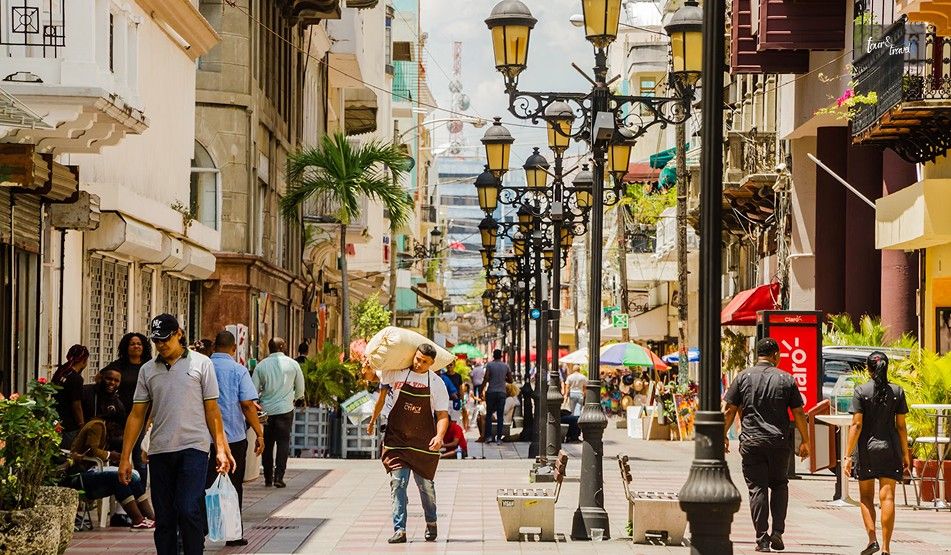
Santo Domingo, “The Capital” of the Dominican Republic, harbors the most happening Caribbean city life along with architecture that goes back centuries. 

Further, with the whiff of cigars, the art galleries, and the most happening gastronomic scene, Santo Domingo offers the most vibrant experience. 

However, in this Tour and Travel Blog, we will discuss the Zona Colonial or the Colonial City of Santo Domingo, its unique attractions, and the things to do in Santo Domingo. 

What Is Santo Domingo Most Famous For? 

What Is Santo Domingo Most Famous For

Santo Domingo is most famous for its Colonial City of Santo Domingo. It was inscribed as a UNESCO World Heritage Site in 1990. 

Christopher Columbus arrived here in 1492, and after that, it became the “site of the first cathedral, hospital, customs house and university in the Americas.” 

It was established as a colonial town in 1498, and it is called the “First permanent establishment of the New World.” 

Moreover, the Dominican Republic got its capital, Santo Domingo de Guzmán, from the Colonial City of Santo Domingo. 

Also, with its Plaza Mayor and the unique grid pattern, it became the benchmark of new American cities. The establishments, which have especially served as the model, are:

  • Palace of the Viceroy
  • Real Audiencia (Royal Court of Justice) Chancery 
  • Cathedral

Moreover, Santo Domingo is the place where Leyes de Indias, or the first laws of the West Indies, were first proclaimed. 

In addition, the social fabric, traditional architecture, and the symbolic value of the architecture and the Colonial City of Santo Domingo are well-preserved even today, standing the test of time. 

What Are The Unique Things To Do In Santo Domingo? My Ultimate Bucket List

Visiting Santo Domingo has now become easier than ever with direct flight connectivity to Las Americas International Airport (SDQ) in Santo Domingo from CDMX or Ciudad de México. 

So, there will not be annoying stopovers, and the journey will be more comfortable. Nevertheless, once you reach the first city of the New World, you can explore the following iconic landmarks. 

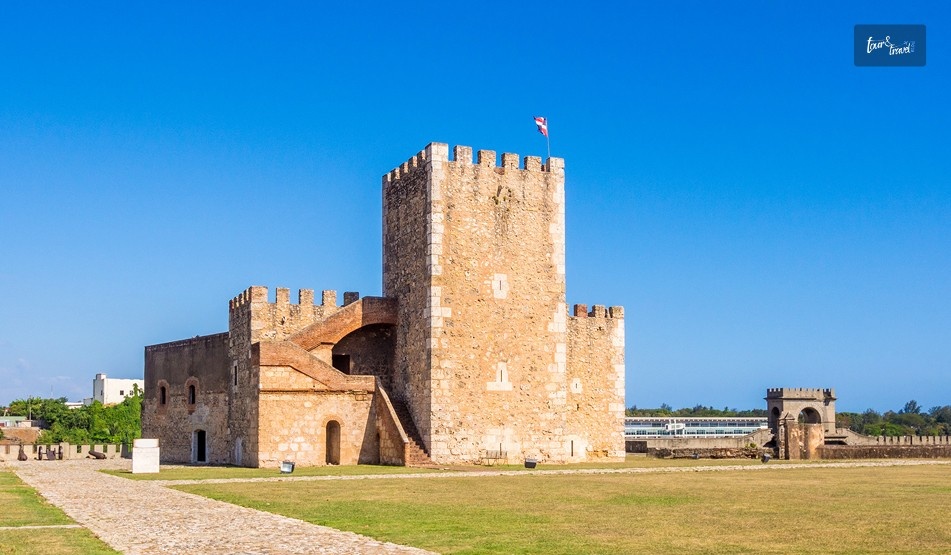
1. Visiting The Ozama Fortress

Visiting The Ozama Fortress

A Spanish architecture built under the guidance of Fray Nicolás de Ovando, the Ozama Fortress has a quintessential medieval vibe. 

Many people refer to this as the “Walled Fortress,” as it is, of course, the “first permanent military structure in America.” 

The 21-meter central tower of the fortress stands tall, while the canons facing the Ozama River, which were used to drive the pirates away, are still inside the fortress. 

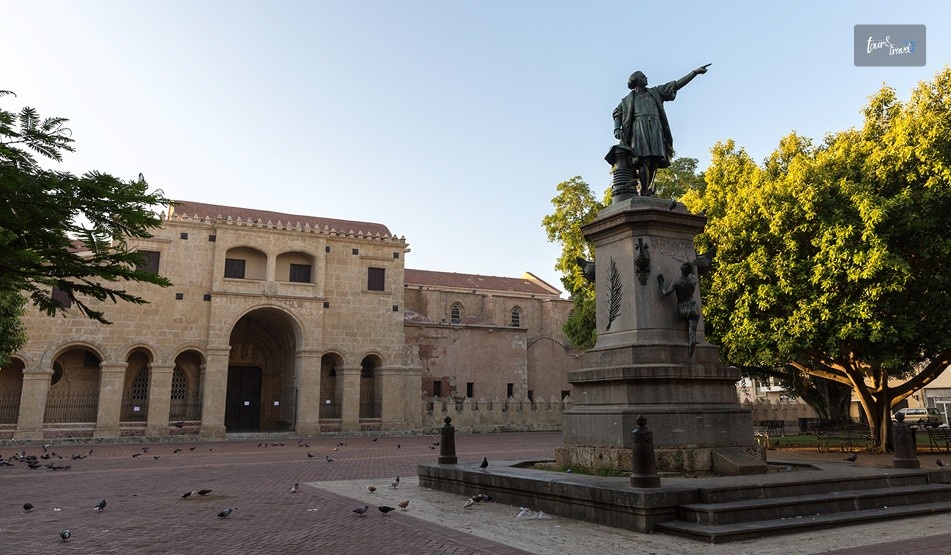
2. Exploring The Colon Park

Exploring The Colon Park

Parque Colón or the Plaza de Mayor is the epicenter of the Colonial City of Santo Domingo. It has an impressive statue of Columbus in the middle, and it is surrounded by the iconic architecture of the Colonial City, such as the Cathedral of Santo Domingo and the Cathedral Museum.

Every corner of this place is Insta-worthy. 

3. Visiting Columbus Lighthouse

Visiting Columbus Light house

El Faro a Colón or the Columbus Lighthouse is a 37-meters high architecture, honoring Christopher Columbus, the man who discovered America. 

The cross-shape of this lighthouse refers to America’s Christianization. 

John Paul II inaugurated this structure in 1992, and today it is a museum and a popular venue for conferences and temporary exhibitions. 

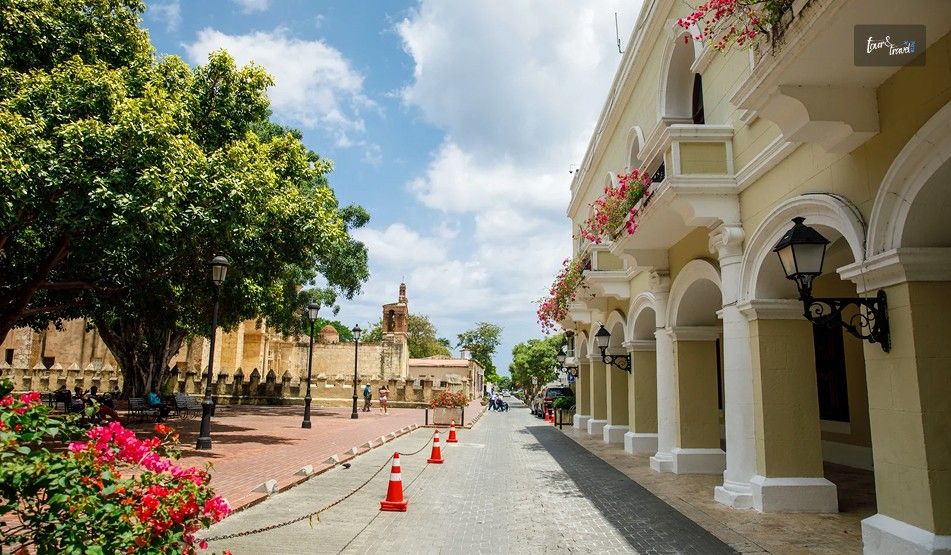
4. Exploring The Ladies Street

Exploring The Ladies Street

Las Damas Street or Ladies Street has the distinction of being the “first street of the colonial city.” The government of Nicolás de Ovando built this street. 

It got its name as ladies used to walk here, and today, the street has notable locations such as the Trampolín Museum, House of Hernán Cortés, and the Cocoa Museum. 

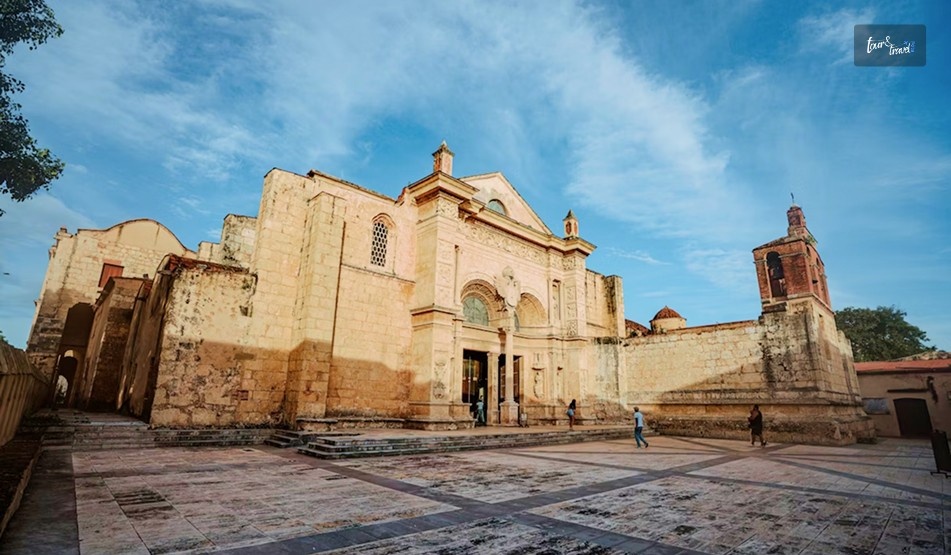
5. Feeling The Connection At Our Lady Of The Incarnation

Feeling The Connection At Our Lady Of The In carnation

The Minor Basilica of Santa María de la Encarnación, or the Primate Cathedral of America, Our Lady Of The Incarnation Cathedral, impresses with its unique Gothic architecture

Inside the church, you will find Pagan, Christian, and Apostolic details. 

6. A Session With History At The Cathedral Museum

The Cathedral Museum celebrates the history of the First Cathedral of America through exhibits and objects related to the cathedral. 

This museum has candelabras, paintings, and many other exhibits dating from the 16th to the 19th century. The museum also has a souvenir shop for collectibles. 

A Food Tour: Where To Eat In Santo Domingo?

Santo Domingo has many cafes and eateries, especially around the Plaza Mayor. However, if you are looking for a fine dining experience, you can try the following places. 

Places to Eat in Santo DomingoAddress and Contact DetailsSpecialty
MorisoñandoAddress: Las Américas Int’l Airport, Route 66, Cargo City
Phone: +1 829-659-5555 / 
Dominican Cuisines such as Travesía Callejera and Lambi. 
AjualäAddress: Calle Andrés Julio Aybar 13, Santo Domingo
Telephone: +1 829-545-7503
• Creole Duck
• Kingfish Eyes
• White Fish with Wild Mushrooms
LarimarAddress: Torre Altri Tempi , Av. Roberto Pastoriza 412, Santo Domingo
Telephone: +1 849-449-1394
• Shrimp Rice and Crab
• “Black Truffle Cream with Mushroom Threads”

Is It Worth Visiting Santo Domingo?

Is It Worth Visiting Santo Domingo

Yes, Santo Domingo is worth visiting. There is something astonishing about how the city, with its colonial past in its heart, grows as one of the vibrant epicenters of Caribbean life. 

Today, the Colonial City of Santo Domingo stands as the guardian angel, who watches over the city and adds wind beneath its wings to have modern infrastructure developments, the swankiest mall, restaurants, and hotels. 

So, for anyone interested in the Colonial past or the history of America, Santo Domingo is a must-visit.

Things To Do In Santo Domingo: Frequently Asked Questions (FAQs)

Here are the frequently asked questions and answers about things to do in Santo Domingo. 

1. Do They Speak English In Santo Domingo?

Yes, many people in Santo Domingo, especially in tourist areas, speak English. However, Spanish is the official language of the Dominican Republic. 

2. Is It Safe To Walk Around Santo Domingo At Night?

While Santo Domingo is not dangerous at night, there have been instances of crime against tourists at night. 
So, stick to exploring areas such as Zona Colonial and use apps such as Cabify and Uber for a safe ride. 

3. Can You Drink The Water In Santo Domingo? 

The Santo Domingo Tourism has confirmed that you cannot drink tap water in Santo Domingo. 
You have to drink water from packaged bottles available at local shops, hotels, and restaurants. 

4. Can You Wear Shorts In Santo Domingo?

The Dominican Republic Tourism says that you should wear shorts at the beach. However, for casual strolling across the city or visiting its important landmarks, you must wear regular casual daytime wear. 
Also, Dominicans love to dress up, and especially in the evening, you will notice everyone decked up in nice outfits. 

5. Does Santo Domingo Have A Nightlife?

Yes, Santo Domingo has a vibrant nightlife. The Zona Colonial, with its old heart, is the epicenter of all nighttime fun. 
Furthermore, you will find upscale clubs in Avenida Venezuela, and Maleco is the place where you can catch stunning live performances. 

6. What Is The Best Time To Visit Santo Domingo?

December to April is the best time to visit Santo Domingo. Lower humidity, less rainfall, and moderate temperatures make these months ideal for tourists. 

Read Also:

Share on Social Media

Meet Sibashree Bhattacharya, a travel enthusiast who has a decade-long experience in transcending virtual barriers with her words! Her deep love for travel is apparent from her travel escapades to the mountain, often taking her readers on a journey, her words acting as Portkey! Fun fact: Sibashree loves to dive deep into the history of the places she is about to visit, making her travels even more wholesome. If you were wondering how her articles are not short of time travel, this answers it!

Leave a Reply

Your email address will not be published. Required fields are marked *

title-img Related

READ MORE national parks in Idaho

National Parks in Idaho A Comprehensive Travel Guide 2025

BY  Barsha Sep 2, 2021

When you are searching for a place with natural beauty, and historical ambiances, these national parks in Idaho are the perfect combinations where you can spend your holidays and feel the place’s historical vibes. These parks are the historical landmarks of the US. Not only the beauty of the palace is making it an attractive place for adventure lovers and tourists. For organizing the educational tours, these national parks in Idaho are the best places. These national parks in Idaho are the perfect places for adventurer lover tourists. The natural, adventurous hiking trails and granite rock climbing cliffs make the national parks the favorite places for adventurer sports lovers. In the list of national parks, most of the national parks are the most popular and historical landmarks like the yellow stones. Let’s see the six top national parks in Idaho. 6 Top National Parks In Idaho: The national parks in Idaho are the best places where you can see the lush natural forest, natural rock climbing mountains, and rugged cliffs and peaks. These parks are the perfect place to explore and find genuine mental peace. In addition, these national parks are the ideal place which is the natural playground for adventure lovers. Check out the names of the six most famous national parks in Idaho. 1. City Of Rocks National Reserve The city of rocks national reserve is a spectacular place that has natural granite rock formations. This national park is just across the state line from Utah. The towering granite rock formations are the greatest attraction of the park. The climbing routes range from 30 feet to 600 feet. Among the all national parks in Idaho, you will get experienced guides to guide you for the travel. Almost 65 campsites are scattered here and there for the tourists. And you will get all the camping facilities and equipment on rent. 2. Nez Perce National Historical Park Among all the national parks in Idaho, this is one of the historical parks on the list. This park has natural beauty and natural hiking walking trails. But along with hiking, you can explore the historical places of the parks. This national park was originally the home of the native American tribe Nez Perce. In the national park, you are getting two options. One is you can hike the national park. Other than this you can explore the museum and the natural campaign facilities. The park has individual 38 locations. So along with the museum, you can see the distinctive natural ecosystems and the climates of the place, which are a little bit unique from the other places. 3. Yellowstone National Park This is one of the best national parks in Idaho. The geothermal landscapes are making this park and a trendy popular place for educational activities and scientific excursions. The park was first to open in 1872. The geothermal landscapes are responsible for the distinctive nature and the living beings. And still, now the eruptions are taking place here. Large underground systems are responsible for volcanic eruptions. And after each eruption, you can see the big splash on the waters. Certain places in the park have very high temperatures. And these parks have the largest bison populations in the whole country. The supine forest, geothermal atmospheres, and bison populations are enough to make this park a perfect educational place to study. 4. Craters Of The Moon National Preserve This park is located in the central national parks in Idaho. The park is covering around 410,000 acres along the Snake River plain. The natural bush and the natural habitats of the places make this national park unique areas to explore. The whole park is full of scattered natural walking trails and different types of plants and bushes. This park is covered by almost 1,117 square miles. This park was expanded in 2000 by president Bill Clinton. The operations of the parks are jointly managed by the National Park Service and the Bureau of Land Management. 5. Hagerman Fossil Beds National Monument Central national parks in Idaho are all the perfect places to explore for educational excursions. However, these Follicle beds parks are not also unexceptional. This place is full of the natural follicles the different archaeological art affects. The whole snake river bed is the follicle bed. From the Hagerman follicles bed, you will get plenty of horse follicles. These horses’ follicles are all from the Pilosaone era. The natural dry environments are working as the natural preserver of the Focciles. In 1975 this park was declared as a genuine natural fossil-preserving place by president General Ford. This park excursion trip is a great source to learn about the archaeological discovery of the park. 6. Minidoka National Historic Site The national parks in Idaho and Montana are all full of history. And this Minidoka National historic site holds much more history of World War 2. This park is also situated in the central part of Idaho. This park is naturally beautiful as the place is long and covered with rich stretching green lands. This total area has a historical background and the history of World War 2. During the world war, 2 9000 Japanese Americans were imprisoned.  And in 1979, this place was counted as a national historical site in the United States. The site measures approximately more than 210 acres. The Minidoka national historic site and the monuments are the best attraction of the place. So along with the excellent walking trails, you can explore the significant historical ground to feel the site’s history. Wrapping It Up: The national are excellent places for every tourist. But for the adventure lover, this place is like an adventure playground. The arts, history, and natural beauty when you search for the best places to explore these parks give you all types of options. From the archaeological displays to the geothermal landscapes, all make these parks a perfect place where you can do the tour planning with your friends and families. 

READ MORE Tucumán nature guide

Tucumán Nature Guide: Exploring The Yungas Rainforest And High Andes

BY  Sibashree Jan 14, 2026

You think of the nature resorts, the famous wine tours, hiking, and birdwatching when we talk about exploring Tucumán. However, Tucumán has recently also emerged as an astrotourism hotspot.  The Ampimpa Astronomical Observatory in the Calchaquí Valleys of Tucumán is at the epicenter of this happening astrotourism scenario.  Now, this is an added feather to the crown of Tucumán, the smallest province of Argentina. It offers a vertical journey from the jungle to the desert in 50 kms.  Also, the nickname of Tucumán is not just a fancy phrase. It means a biological reality and refers to the historical event of Argentina’s independence from Spain in 1816.  Furthermore, El Jardín de la República, or the Garden of the Republic moniker, goes well with its subtropical climate and the lush landscape.   You guessed it right, as today, this Tucumán nature guide will take you to the Yungas Rainforest and the highlands of the Andes. Also, if you are planning a road trip, you must go through our Tucuman Argentina, itinerary. The Yungas Rainforest (The Green Belt) The Yungas Rainforest is known as the Green Belt, as it is an ecodiverse region. Home to a diverse flora and fauna, the Yungas Rainforest hosts a variety of bromeliads, orchids, and ferns.  Furthermore, among the animals here, you will find tapirs, wild cats, and panthers. You will even spot species such as Yungas Guan while birdwatching in Yungas, Argentina.  Also, it is home to the Campo Los Alisos in Tucumán, which helps to preserve the threatened ecosystem of the Yungas Rainforest region.  Moreover, containing around 50% of the biodiversity of Argentina, parts of the Yungas Rainforest are also marked as UNESCO Biosphere Reserves.  1. Parque Sierra De San Javier View this post on Instagram A post shared by Parque Sierra de San Javier (@parquesierradesanjavierunt) Parque Sierra de San Javier, or the San Javier Mountain Range Park, was established in 1974, and now the National University of Tucumán (UNT) maintains it.  It is one of the top nature reserves in Tucumán, Argentina.  The home to various flora and fauna of Argentina, this park also functions as the green lung by cleaning the air, protecting the watersheds for the city, and regulating the climate.  This park, furthermore, has many beautiful trails. You can enjoy an easy 30-minute jungle walk through the Cascada del Río Noque trail. If you are seeking silence while hiking in San Javier, Tucumán, you can opt for the Sendero Anta Yacu trek.  It is around 25 km west of Tucumán. If you are a budget traveler like me, you can take the Bus No 340 to reach the park.  2. Reserva Experimental Horco Molle View this post on Instagram A post shared by Asociación de Prestadores de Turismo Activo de Tucumán (@aptattucuman) This small but compact nature park is ideal for families. It is home to the tapir and condor rescue projects. It covers 600 acres and is just 15 km from the capital.  Also, it has picnic areas, barbecue areas, and play areas for children.  3. Aconquija National Park: The Untouched Wilderness View this post on Instagram A post shared by Parque Nacional Aconquija (@parquenacionalaconquija) Aconquija National Park, with over 600 species of endemic animals and birds, is the jewel of North America.  Taruca deer, puma, and ocelot are some of the endemic animals living here. In addition, you will find several Incan ruins scattered through the park. The Incan Highway remains, and the “Ciudacita” ruins are part of the UNESCO World Sites.  The Campo de los Aliso near Alpachiri is the main Aconquija National Park entrance. Furthermore, Cochuna is the wilder southern entrance of the Aconquija National Park.  Furthermore, the Mythical Trek of La Ciudacita, the Inca Ruins at 4400 meters, is the main highlight of this national park.   The High Andes & Puna (Tafí del Valle & Beyond) The harsh, cold conditions and a rich wildlife with the presence of vicuñas, flamingos are the highlighting features of the High Andes and Puna, at an altitude of 3000 meters.  This region has critical water resources that support livelihoods such as alpaca and llama. Let’s find out about the major nature reserves of this region.  1. Quebrada De Los Sosa Nature Reserve Take a drive up through Route 307 to find the Quebrada De Los Sosa Nature Reserve, where the jungle meets the clouds.  It is a 30 km-long gorge carved by the Los Sosa River, and it is home to more than 100 bird species.  With a winding pathway, it is also home to the Tafí del Valle. 2. Los Núñorcos & Reserva La Angostura Los Núñorcos, or the Cerro Núñorco mountain and Parque provincial Los Ñuñorcos are the prominent locations for hiking in Tucuman, Argentina.  As you explore the challenging trails here, you will enjoy a beautiful view of the Dique la Angostura lake and the Tafí del Valle. Tafí del Valle also has the Bald Mountain, or the Cerro El Pelao. You can start the trek near the Tafí del Valle center. It is a 1.5-hour-long trek.    Wildlife Watching Calendar In Tucuman, Argentina  Tucuman in Argentina is ideal for wildlife sightings throughout the year. Tafí del Valle and areas around Route 307, especially the best areas for wildlife spotting in Tucumán.  Check out the wildlife watching calendar in Tucuman below. Year-Round Sightings• Mammals: Capybaras, Some Foxes, and South American Sea Lions• Birds: Doves, Hummingbirds, and Toucans Spring (September to November) • Birds: Doves and Hummingbirds • Flowers: Pink Trumpets and Jacaranda treesSummer (December to February) • Mammals: Elephant Seals and Sea Lions• Birds: Penguins in Patagonia and Burrowing ParrotsAutumn (March to May)• Mammals: The Red Deer Rut• Birds: PigeonsWinter (June to August) • Reptiles: Yellow Anacondas• Birds: Waterfowl  What Are The Expert Tips For Hiking In Tucumán?  An entry to the Aconquija National Park is free. However, do you know that you have to register at the ranger station at least 48 hours in advance? It is crucial for the safety of the hikers. For more such insider knowledge, these expert tips will be very handy. 1. Bus #118 Is Your Friend  You don’t have to hire a car to see the jungle and the nature reserves. You can take the 118 bus from San Miguel de Tucumán directly to the foot of the San Javier trails.  The ticket price is even less than $1.  2. Watch The Fog (Neblina) The Fin del Mundo" statue area on route 307 is often the zero-visibility zone. There is dense fog in this area even at around 4 PM. You have to drive the car carefully, and there must be low beams to defeat the fog.  3. Ticks Exist In The Yungas  The lush greenery of the Yungas is ideal for picnics and nature exploration. However, there are ticks. So, you must check your ankles after a hike or use a blanket.  4. Hire A Guide For "La Ciudadacita" Are you planning a 4-day trek to La Ciudacita or the Inca Ruins? You must have a guide because the high altitude path, at an elevation of over 4000 meters, is unmarked. You need technical assistance for the navigation. Moreover, you must contact the Asociación Argentina de Guías de Montaña to hire a guide.  5. The "El Indio" Stop You will find the best dried meat or Charqui at the vendor stalls at the El Indio monument on Route 307. These stalls also have the best local honey.  Stop by these stalls and have the dried meat and honey for a great start to your hike.  6. The Waterfalls In Tucuman Are Seasonal  No Instagram reel will tell you that the waterfalls in Tucuman are seasonal. March to May, or the end of the rainy season, is ideal for visiting these waterfalls.  7. Beware Of The "Mala Mala" Local folklore speaks of the "Mala Mala" spirit in the mountains. Whether you believe it or not, respecting silence in nature is a huge part of the local culture. 8. No Cell Signal Once you pass the "El Indio" monument or enter Aconquija Park, your cell signal dies. Download offline maps (Maps.me or Google Maps) before leaving the city. 9. Condors Fly At Noon If you want to spot Andean Condors, look up between 11 AM and 1 PM when the thermal currents are strongest. They rarely fly early in the morning. Tucumán Nature Guide: Listen To The Authority Voices  Asociación Argentina de Guías de Montaña (AAGM): The Aconquija range is "one of the most undervalued trekking destinations in Argentina," offering Himalayas-like isolation without the crowds. Birding Ecotours (Global Operator) Rio Los Sosa is a prime spot for seeing the "Torrent Duck" (Pato de Torrente), a bird that can swim upstream in raging rapids. La Ruta Natural (Argentine Tourism Ministry) "Ruta de las Yungas" is a key scenic drive, highlighting the importance of driving slowly to spot the crossing fauna like the Corzuela (small deer). Tucumán Nature Guide: Frequently Asked Questions (FAQs) Here are the frequently asked questions and answers about the Tucumán Nature Guide.  1. What Is The Best Time Of Year For Hiking In Tucumán? April to September, or the dry season, is ideal for hiking in Tucuman. The cool temperature is ideal for outdoor exploration. On the other hand, heavy summer rains make the trekking trails here dangerous and muddy.  2. Do I Need To Pay To Enter The Nature Reserves? The entry fee to the national parks depends on the specific administrative and management authority. For example, you don’t need to pay any entry fee for the Aconquija National Park. However, prior registration is crucial. Further, for Reserva Horco Molle, you will have to pay an entry fee of $2.  3. Is It Safe To Hike Alone? Yes, it is safe to hike alone on the well-marked trails of Tucuman, such as the Rio Noque or Funicular. However, if you are going to high-altitude summits or jungle treks, you will need a guide. It is more crucial because of the presence of the fog and the absence of signage.  4. Are There Snakes In The Yungas? Yes, the Yungas have pit vipers or Yarará. So, you wear long trousers and watch your steps. Furthermore, you must follow the trail marks properly to not disturb the habitats of the snakes or other wildlife.  5. How Do I Get To Aconquija National Park Without A car? It is difficult to reach the Aconquija National Park without a car. You have to first take a bus to Concepción and then a local bus to Alpachiri. From Alpachiri, it is another 10 km taxi ride to the park entrance.  6. Can I Camp In The Reserves Of Tucuman? Yes, Aconquija National Park has designated wild camping zones (like Puesto La Mesada). However, Sierra de San Javier does not allow camping. So, it is for day use only. 7. What Is The "Yungas"? The Yungas, or a cloud forest in Tucuman, Argentina, is a mountain rainforest. It functions as a connector between the Andes and the Amazon.It has ferns, moss, and high humidity.  8. Can I See Toucans In Tucuman? Yes, you can see toucans in Tucumán. In recent years, toucans have made a comeback in this region.You can spot them in the trees around San Javier and Horco Molle. 9. What Is Hiking Altitude In Tucuman?  Hiking in Tucumán covers a wide altitude range, from the lows of San Javier (around 600 to 1200 meters) to the moderate Tafí del Valle (2000m). Furthermore, the Aconquija high summits reach more than 5000 meters. 10. Is The Water In The Streams Safe To Drink In Tucuman? No, the water in the Tucuman streams is not drinkable even with a clear view. Cattle graze in the higher areas and thus make the water unsuitable for drinking. So, you have to use purification tablets or a filter for purified drinking water. 

READ MORE things to do in nottingham

Hidden Gems: Unearthing The Best Things To Do In Nottingham

BY  Abdul Aziz Nov 24, 2023

Take an excursion to one of Nottingham's lesser-known but incredibly fascinating attractions to satisfy your curiosity. A little detour off the usual path can result in unusual encounters and rewards. Though you may not have read of them before, we're confident you'll be happy you did once you visit these hidden gems. They are far too frequently reserved for those in the know. This city is much more than just merry men wearing green tights. Actually, there are a ton of undiscovered treasures in the self-described "City of Caves" just waiting to be discovered. If you venture a little off the usual path, you might find success. In this article, we will discuss the things to do in Nottingham that will etch this city in your memory. Things To Do In Nottingham Nottingham is a juncture where nature and city life merge. You will find deep forests that are steeped in folklore, modern shopping centers, many different museums, and a culture dating from the Victorian era. Revel in the surroundings that inspired celebrated writers like Lord Byron and DH Lawrence. Here are some of the amazing things to do in Nottingham that will set the experience apart: Hockley Arts Club The Hockley Arts Club, a creative place for social dining and drinking, is housed in an incredibly beautiful Garde II-listed building. It is tucked away in a quiet alleyway in the charming independent neighborhood of Hockley. It's a fantastic location for delicious cocktails, boozy brunches, express lunches, romantic dinners, or private parties. It's exquisitely and perfectly decorated. Bromley House Library Tucked away from the bustle of Angel Row, in the center of the city, is a lesser-known haven of peace. Bromley House Library was founded in 1816 and is brimming with period charm. It has cozy reading nooks and interesting antique features. There is also an exquisite original spiral staircase that looks like something out of a storybook. The serene and private walled garden outside is the ideal spot for introspection or inspiration-seeking. Take one of their regular tours, which depart Wednesday at 2:30 p.m. This offers the experience of the pleasures of this hidden gem. Or you could check out their schedule of thought-provoking lectures and motivational events. Cave Escape Nottingham's intriguing network of caves is fairly well-known. Cave Escape, the newest escape room to hit the scene, uses the underground sandstone maze with a distinct charm. Go underground for an escapology experience that is genuinely immersive and filled with intriguing turns, mysterious assignments, riddles, and puzzles. Papplewick Pumping Station The most remarkably preserved waterworks in Britain, Papplewick Pumping Station, is a magnificent example of Victorian architecture and engineering. It is nestled in the picturesque countryside of Nottinghamshire. Stained glass allows light to stream through the elaborately decorated, polished mahogany and brass structures. It dates back to the late 19th century. Visitors can take a tour of the subterranean reservoir and witness the towering boilers. The pumping engines are in action during regular steam days and special events. Creswell Crags Explore the breathtaking scenery of Creswell Crags and learn about a world sculpted by nature and shaped by our ancestors. Follow in the steps of Ice Age man with the country's only known piece of Ice Age rock art. Britain's Ice Age rock art is tucked away in a gorgeous limestone gorge that is crisscrossed with caves. Take a tour around the central lake to take in the plethora of flora and fauna. Take a cave tour and be amazed by the amazing discoveries that have helped us understand the past. Welbeck Estate The magnificent Welbeck Estate, one of Nottinghamshire's most fascinating traditional landed estates, is located close by. The original Abbey predates even the Domesday Book, and the Dukes of Portland have resided there since 1607. Among them was the eccentric "burrowing Duke," who commissioned a network of subterranean tunnels and gas works to illuminate his excavations. The building currently houses the Portland Collection, which features paintings, jewelry, and other works of art. The Dukes have accumulated them over 400 years. It also has the award-winning Harley Gallery, which will celebrate 25 years of delivering captivating and intriguing exhibitions.  It will be helmed by leading artists. The Welbeck estate is a must-see for art enthusiasts and foodies alike. It features a fantastic farm shop that offers the best locally sourced produce. The School of Artisan Food offers innovative cooking classes. Sneinton Market Although this somewhat off-the-beaten-path location is well-known to the locals, tourists frequently miss it when visiting the city. Basically, it's unlikely that you would "stumble upon it"! Even though Sneinton Market is primarily a weekend market, it serves many more purposes. Creatives and entrepreneurs are abundant in the surrounding permanent units. They provide the tourist with everything from food trucks and coffee shops to vintage clothing and locally made gift shops. But without a doubt, The Watered Garden—the greatest houseplant store in Nottingham—is our favorite spot! George Green’s House Approximately a mile's worth of walking distance from Nottingham's Market Square lies a lesser-known but ancient Nottingham legacy. It is the house of one of the greatest mathematicians in history. Brilliant young George Green attended school only until he was ten years old. He then left to work in his father's bakery. When the weather permits, the windmill continues to run today. In addition to selling award-winning organic flour, you can explore the adjacent museum for free. Here, you will learn more about the subjects that piqued George Green's curiosity: electricity, magnetism, light, sound, and waves. Despite his academic failure, scientists and engineers worldwide continue to utilize his mathematical theories. If you're looking for something different to do in Nottingham, this little museum is great for kids. It's free to enter and allows you to go all the way to the top of the working mill. Wrapping Up Are you looking for summertime things to do in Nottingham? Get inspired by the atmosphere at some of Nottinghamshire's most well-known sites. There is Wollaton Hall, Nottingham Castle, the National Justice Museum, and Sherwood Forest. Numerous tourist destinations continue to fit TripAdvisor's description of "hidden gems." Even though they're not particularly hidden, a cathedral, for instance, might not be the most obvious destination for a day trip. An added bonus is that some are free to enter. Those that do require a fee don't charge as much as other attractions. These may be ideal if you'd like to take a leisurely stroll through a nature reserve or explore caves. There are cafes at many of the sights, so you can get fuel during your visit. If you have thoughts to share or questions to ask, please leave a comment below. We would love to hear from you! Read Also: Unmissable Urban Delights: Things To Do In Glasgow Brighton Bliss: Crafting Your Perfect Coastal Getaway Itinerary Things To Do In Leeds: Dive Into The Dynamic Heart Of Yorkshire