
Why Is Kurunegala Famous? What Are The Best Tourist Places In Kurunegala? 

Kurunegala has recently been in the news due to infrastructure development. The cabinet meeting granted the construction of stage 1 of phase 4 of the Central Expressway Project. 

It will connect Kurunegala and Dambulla, which is famous for the iconic Dambulla Royal Cave Temple

The Road Development Authority (RDA) has further confirmed that the extension work will start in November 2026. 

However, Kurunegala has always been a melting pot for the cultural hub of Kandy, Puttalam, Negombo and the country’s capital, Colombo. 

Also, as the capital of the northwestern province, it holds massive strategic and political importance. 

Where Is Kurunegala? 

Kurunegala is in the north-western interior of Sri Lanka. 

As the capital of the Kurunegala District and the North-Western Province, it also functions as a major transportation hub. 

Furthermore, it is around 94 kilometers northeast of the country’s capital, Colombo. In addition, the distance between Kandy and Kurunegala is just 42 km. 

How To Reach Kurunegala?

While traveling from Colombo, Kandy is the gateway to reach Kurunegala. I took a bus from the Kandy Goods Shed Bus Stand. 

Buses run regularly from Kandy to Kurunegala, or route 602, and the journey via Katugastota-Kurunegala Road (A10) takes around 1.5 to 2 hours. 

I traveled in a regular bus, and the ticket price was LKR 200. Semi-luxury, luxury, and super-luxury bus options are also available on this route, and the ticket prices will be between LKR 350 and LKR 600. 

Why Is Kurunegala Famous?

Ancient Royal History!

Majestic Geology! 

An Agricultural Powerhouse! 

These are the three main reasons behind Kurunegala’s prominent position in the tourism landscape of Sri Lanka. 

The Capital Of Ancient Kingdoms

The Capital Of Ancient Kingdoms

From the late 13th to the early 14th century, Kurunegala was the royal Capital of Sri Lanka. 

It was known as Hasthishaila-pura earlier, and under the rule of kings like Buwanekabahu II and Parakramabahu IV, it safeguarded the Sacred Tooth Relic of the Buddha.

Also, including the Yapahuwa rock fortress, the silver cave temple of Ridi Viharaya, and the ancient ruins of Panduwasnuwara, the city has many historic ruins and citadels. 

The City Of Animal Rocks

A ring of eight massive ancient granite outcrops encircles Kurunegala. These granite outcrops, suddenly rising from the plains, look surreal. 

Furthermore, my guide told me a fascinating folklore about these outcrops. 

Kurunegala once faced a severe drought. Then, a witch turned water-guzzling animals into stone. In fact, some of these rocks are famously named after the animals their silhouettes resemble.

For example, Athugala looks like an elephant, Ibbagala looks like the back of a tortoise, and Andagala resembles an eel. 

The Heart Of The Coconut Triangle

The Heart Of The Coconut Triangle

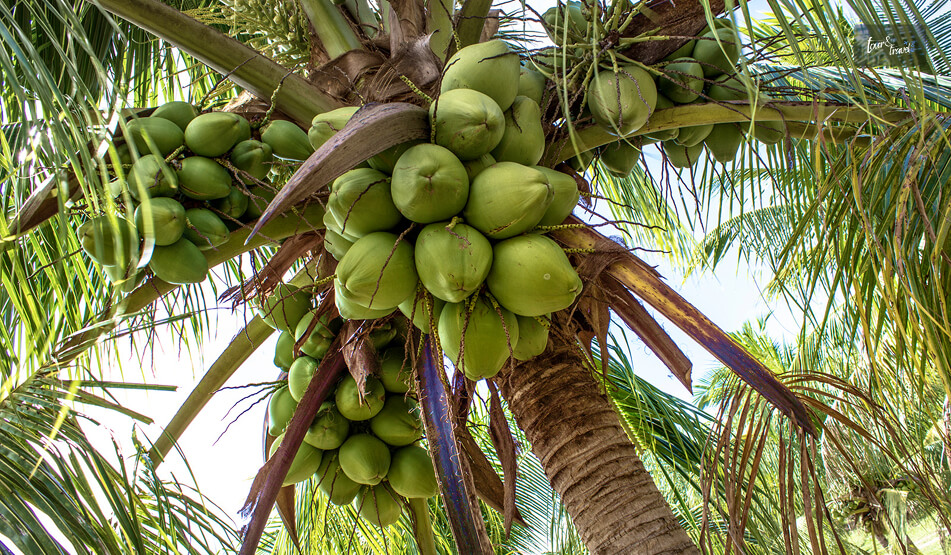
Kurunegala, like Kalutara, is famous for rubber estates. It also has endless coconut plantations. 

In fact, it is located inside the “Coconut Triangle” of Sri Lanka. So, overall, it is a prominent commercial hub for agricultural production. 

Moreover, it is the cradle of Selyn, Sri Lanka’s only fair-trade guaranteed handloom company.

So, it is also a critical center for preserving the island’s traditional textile heritage.

What Are The Places To Visit In Kurunegala? 

Kurunegala offers the ultimate off-the-beaten-path experience in Sri Lanka. 

For me, the most fascinating places to visit here are the ancient rocks and the spiritual landmarks. 

While these connect you to history, the scenic waterways and modern sanctuaries allow you to unwind and soak in the local vibe. 

1. Athugala Rock Temple 

Athugala Rock Temple

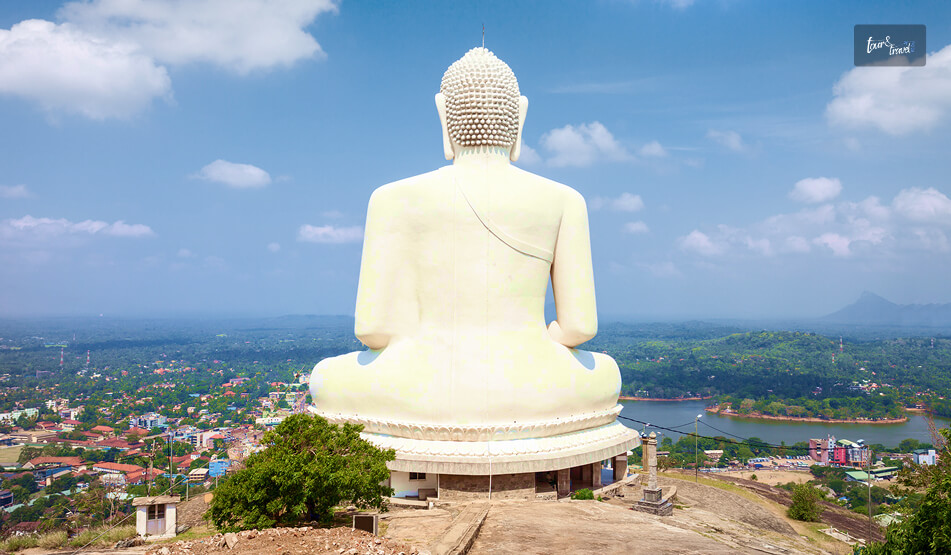
Athugala dominates the skyline of Kurunegala. 

This outcrop has a height of 325 meters, and it gets its name from its uncanny resemblance to a giant, crouching elephant (Atha meaning elephant and Gala meaning rock).

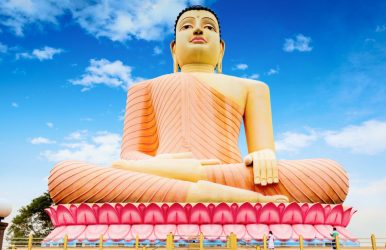
Furthermore, once I reached the summit, I found a magnificent Buddha statue of 88 feet in height. 

You can take a car ride to reach the summit. However, I preferred a trek through the stone steps. 

Fortunately, I reached the summit at sunset. So, the experience was magical. 

2. Ridi Vihariya Or The Silver Temple 

Ridi Vihariya Or The Silver Temple

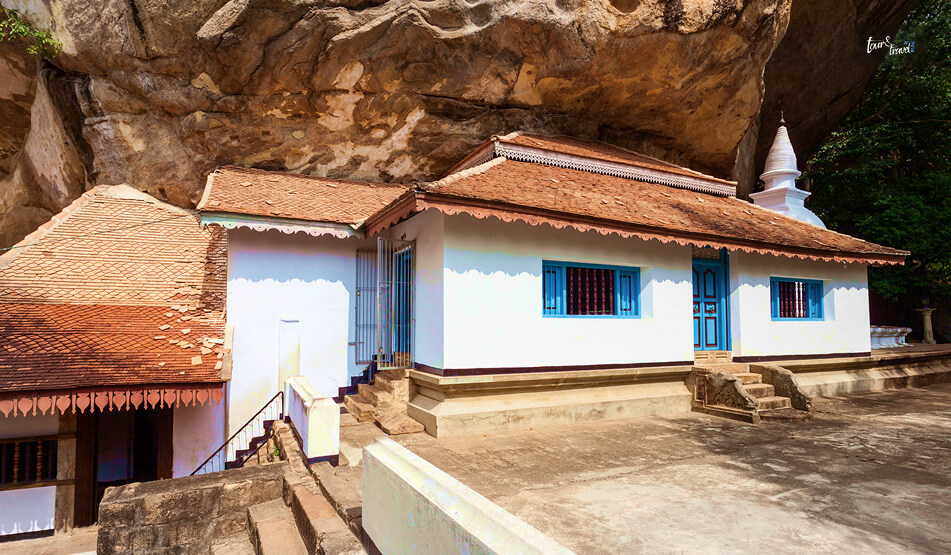
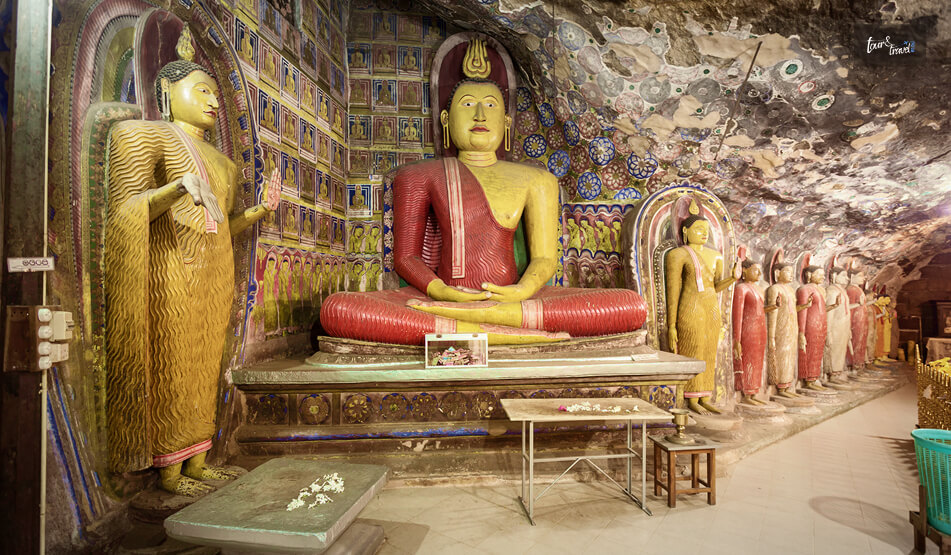
Ridi Viharaya connects us to the 2nd century BCE. This ancient cave temple is around 20 kilometers away from the main town in Rideegama. 

King Dutugemunu discovered a rich vein of silver ore here.

Then he used the silver ore to finance the construction of the famous Ruwanweli Maha Seya in Anuradhapura.

Furthermore, Ridi Vihariya is hidden by rocky cliffs and forest cover. Also, it is home to a magnificent reclining Buddha statue, Kandyan-era frescoes, and ivory carvings. 

3. Yapahuwa Rock Fortress

Yapahuwa Rock Fortress

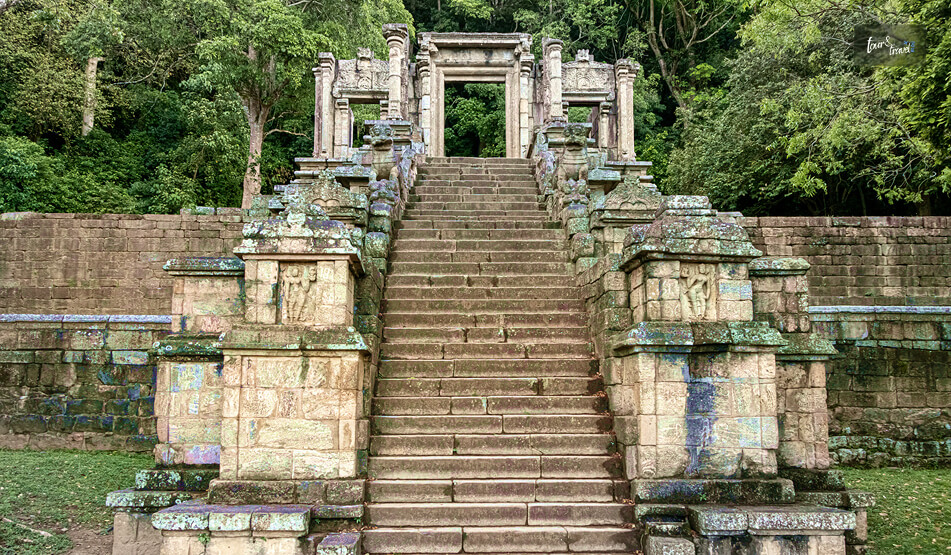
The Yapahuwa Rock Fortress is often compared to the Sigiriya Rock Fortress

Yapahuwa was the capital of Sri Lanka under King Bhuvanekabahu I in the late 13th century. 

Furthermore, the temple is constructed against a sheer, 200-meter-high granite rock that juts dramatically out of the surrounding jungle.

Moreover, it has a highly ornamental staircase. Stone lions and intricate carvings adorn the path. 

What is more fascinating than these steps, which once led to the royal palace and the Temple of the Sacred Tooth Relic?

4. Panduwasnuwara Ancient City

Panduwasnuwara, which served as a temporary capital in the 12th century, is a dramatic ruin site.

It has a well-defined citadel surrounded by protective moats and thick ramparts.

Furthermore, inside the citadel, there are the foundations of a two-tiered royal palace, complete with ancient latrines and footings for wooden pillars.

However, the Ektem Maligaya, or the perfectly circular tower, was the most fascinating feature of the Panduwasnuwara ancient city. 

Local folklore links it to romantic legends of hidden princesses, while historians believe it was used by King Parakramabahu for swearing-in allegiance rituals.

5. Kurunegala Lake (Rantalia Tank)

Kurunegala Lake (Rantalia Tank)

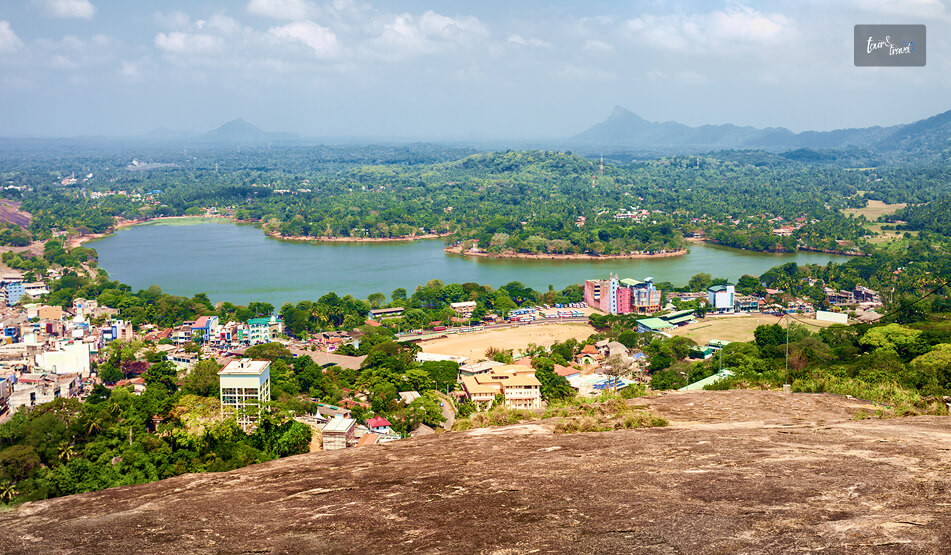
Kurunegala Lake is the ultimate place to unwind after a busy day. It is at the foot of the animal rocks. 

I loved walking along the well-paved path hugging the banks. You can also do a pedal-boat ride on the lake. 

Furthermore, you can just relax sitting in the nearby restaurants and trying authentic Sri Lankan cuisine. 

6. Arankele Forest Hermitage

Arankele is a meditation retreat. It was originally built for austere Buddhist monks, and with untouched jungle, it still exudes a strong spiritual vibe. 

As I walked through the stone-paved paths, I came across the ancient Padhanagharas or meditation halls, sun-dappled ponds, cave dwellings, and Jantagharas or the houses for hot water baths. 

The hermitage is covered by a dense canopy, keeping it quiet and cool, and here, you will only listen to distant bird calls and the rustle of leaves.

Where To Stay In Kurunegala? 

Kurunegala offers accommodation options that cater perfectly to both city-center conveniences and quiet countryside getaways.

In Kurunegala, you can choose your accommodation based on the kind of experience you want. 

Here, you will find options that cater perfectly to both city-center conveniences and quiet countryside getaways.

City Hotels And Business Stays

If you want to stay close to the city, Kandyan Reach Hotel is an excellent option. 

It has comfortable rooms, an outdoor swimming pool, and proximity to major transport lines. 

Also, it is a mid-range choice for travelers exploring the downtown rocks.

Nature Resorts And Luxury Estates

If you love tranquility, you can choose the eco-lodges in the surrounding districts or the heritage properties inside the coconut plantations. 

For example, the Coco Forest Resort offers an excellent farm-stay experience.

Share on Social Media

Sibashree is a travel, culture, and leisure writer who has been writing since the age of 12 and professionally since 2014. With more than a decade of travel writing experience and journeys across India and several parts of the world, she brings a deeply personal and thoughtful perspective to her work. A student of English Literature and Mass Communication, Sibashree has always viewed travel as more than movement — for her, it has been a way of understanding people, cultures, and herself. Her passion for spiritual exploration has also led her to many unusual and meaningful destinations over the years. Outside of writing, Sibashree enjoys watching European cinema, reading about global politics, and reflecting on the stories hidden within everyday places.

Leave a Reply

Your email address will not be published. Required fields are marked *

title-img Related

READ MORE puttalam sri lanka

Why Is Puttalam Sri Lanka Famous? What Are The Things To Do In Puttalam?

BY  Sibashree Jun 24, 2026

Puttalam grabbed everyone’s attention with the sudden visibility of a mysterious object with a length of several feet in the sky.  There were speculations about the object being a missile, rocket, or meteor shower.  A few months ago, on 15th December, 2025, the Geminid meteor shower was clearly visible in the sky.  However, these are not one-off instances. I could clearly see the Milky Way in Puttalam Sri Lanka, in the month of April.  Furthermore, the wilderness surroundings, remote areas such as Eluwankulama, and a relatively flat topography on the southwestern coast, make Puttalam one of the chosen places of stargazing in Sri Lanka.  But beyond the stargazing excitements, Puttalam, Sri Lanka, bears a rich history, exudes serene coastal beauty, and has a colonial heritage.  In this article, I will talk about my days in Puttalam so that you know that coastal beauty better.  Where Is Puttalam? Known for massive coconut production, prawn farming, and salt production, Puttalam town is the capital of the Puttalam district.  It is on the shore of the Puttalam lagoon, the second largest lagoon in the country.  The International Union for Conservation of Nature (IUCN) is now encouraging the most sustainable use of the lagoon resources.  Thus, they are supporting the exploration of new ecosystems here for better fisheries management. Here is an excerpt from a report published by IUCN on 4th April, 2025.  “With 88 fishing villages and approximately 165,000 people dependent on it, fisheries in Puttalam have been identified by its residents as their most important ecosystem service, particularly for women, who participate in bivalve gleaning and other post-harvest livelihoods. The lagoon is an important area for endangered species, such as green sea turtles and dolphins, and contains ecosystems vital for its health, such as seagrass and mangroves.  Tourism is also important in the Lagoon, which hosts seasonal aquatic sports and has year-round visitors to its islands.  The islands additionally have cultural importance as they are connected to local religious values.” Moreover, Puttalam has the Indian Ocean on the west, and it is the gateway to the Kalpitiya peninsula and Wilpattu National Park. How To Reach Puttalam Sri Lanka? Puttam is located around 130 km north of Colombo. It is also located at a distance of close to 95 km from Nogombo.  Furthermore, it is well-connected to Colombo and other major cities/hubs of the country through the Puttalam Railway Line and A3, A10, and A12 highways.  By Train  The train travel from Colombo Fort to Puttalam takes between 3 hours and 45 minutes and 5 hours.  Moreover, the ticket price will be between LKR 250 and LKR 1550 (Source: the Department of Railways. Sri Lanka. By Bus  Also, you can take a bus from the Bastian Mawatha Bus Terminal in Colombo and travel to Puttalam with a stopover in Anuradhapura.  You can even take the direct 87/816 buses. They cover the distance within around 4 to 4.5 hours, and the regular, non-AC bus tickets cost between LKR 500 and LKR 800.  What Is The History Of Puttalam Sri Lanka? Puttalam in Sri Lanka today stands out with its multicultural identity. Here, you will find a fusion of Sinhalese, Sri Lankan Moors, and Tamil cultures, which have lived for generations.  Furthermore, as a commercial and administrative center, it supports diverse activities such as prawn farming, shallow sea fishing, and salt production.  However, this town on the northwestern coast of Sri Lanka has a history spanning 10000 years.  Located on the large Puttalam Lagoon, it has been a maritime trade hub, a center for the colonial spice and coconut industries, and has an enduring and culturally diverse population. Here, I have broken the history of this coastal town into three sections.  Ancient Roots And Indigenous Beginnings The archaeological evidence of the locality shows that human settlements started here 75000-125000 years ago.  Prince Vijaya, 6th century B.C., chose it as the landing site, and thus the Sinhalese lineage started here.  Medieval Trade And Arab Influence  During the medieval period, Puttalam became a major location for maritime trade.  Arab merchants, who established deep roots in the region, laid the foundation for the prominent Moorish population in the area.  Furthermore, the name Puttalam comes from the Tamil word Puthu-kulam. Puthu-kulam means "new tank" or "new pond.” Thus, it indicated the vital irrigation tanks that sustained early agricultural settlements.   The Colonial Era  Many European powers wanted to control the lucrative trade routes of Puttalam because of its natural resources and coastal position.  The Potuguese was the forest to build a built a strategic fort in Puttalam to secure the region and monitor trade in the 16th century.  Then, in the 17th and 18th centuries, the Dutch came. They captured and significantly expanded the Portuguese fortress. Furthermore, during these times, Puttalam became a central transit point for the highly profitable cinnamon trade and salt production within the lagoon. In addition, in the 19th and 20th centuries, the British came to power.  They used the fertile soil of the region for the expansion of the coconut industry. Thus, Puttalam became one of the most critical sources of copra and coconut products in the island.  A Quick Summary Of The History Of Puttalam  Era/PeriodKey Historical Developments and MilestonesOver 10,000 years agoEarly human settlements established, supported by archaeological evidence.Medieval Period- Puttalam became a pivotal west-coast maritime trade hub.- Arab merchants settled, forming the roots of the Sri Lankan Moor community.- Named Puthu-kulam ("new tank/pond") after vital local irrigation tanks.Portuguese Rule(16th Century)A strategic coastal fort was constructed to monitor trade and secure the region.Dutch Rule (17th and 18th Centuries)- Captured and expanded the Portuguese fortress.- Transformed the town into a transit hub for cinnamon and lagoon salt production.British Rule (19th and 20th Centuries)- Developed agricultural infrastructure.- Oversaw rapid expansion of the coconut industry, making it a top source for copra. Why Is Puttalam Famous? Puttalam is famous for its historical ruins, religious centers, and natural attractions. You cannot miss the following attractions. 1. Munneswaram Hindu Temple The Munneswaram Hindu Temple is one of the five historic coastal temples of Lord Shiva in Sri Lanka.  The history of the temple goes back to at least 1000 CE.  Moreover, it is associated with the stories of the Ramayana.  Also, it is a unique spiritual hub where Buddhists and Hindus unite.  2. St Anne’s Church St. Anne’s Church is along the coastline of Thalawila. It has a peaceful ambiance.  Also, it dates back to the Portuguese era.  It serves as a monumental pilgrimage site. Furthermore, it draws hundreds of thousands of believers from across the island for its grand annual feast in July. 3. Alankuda Beach The Alankuda Beach has a tranquil stretch of golden sand, and it is known for dolphin and whale watching excursions.  Located in Kalpitiya, it is a premier eco-tourism destination, highly favored by adventure travelers for thrilling water sports like kitesurfing and windsurfing. 4. Hatthikuchchi Viharaya Tucked away in a peaceful forest landscape, this 3rd-century BCE Buddhist monastic complex is famous for a massive rock formation that resembles an elephant's stomach.  It is highly revered as the legendary sanctuary where the pious, exiled King Sirisangabo self-sacrificially gave up his own head to assist a poor peasant. 5. Anawilundawa Wetland Sanctuary This Ramsar-designated site is an important landmark for ecotourism in Sri Lanka.  It has a historic human-made system of interconnected freshwater tanks crashing right against a coastal lagoon. Furthermore, it is an irreplaceable, thriving sanctuary for thousands of native and migratory birds. 6. Puttalam Lagoon The Puttalam Lagoon, spanning an area of 32,700 hectares, is the second-largest backwater body in the country.  It has calm waters, and it is an ideal hub for small-scale prawn harvesting, wildlife viewing, and kite surfing.  7. Puttalam Station The colonial rulers of Puttalam opened the railway station officially on 12th May 1926.  Today, it is a state-run railway station and attracts many visitors due to its colonial charm and surrounding scenic beauty.  8. Yapahuwa Built by King Buwanekabahu, Yapahuwa was the royal residence in the 13th century.  Today, you will get to see the remains of this royal palace. I was especially mesmerized to see the ornate staircase.  9. Chilaw  Chilaw, located a few kilometers south of Puttalam, is a small town that stands out because of its religious harmony.  People from various traditions, backgrounds, and religions live here.  Furthermore, the beach here offers a calm and relaxing ambiance and the fishing villages here give you insights into the local way of living life.  What Are The Things To Do In Puttalam?  While Puttalam has the most tranquil vibe, it is also the hub of most adventurous activities, such as kite surfing, bar reef snorkeling, and wildlife safaris.  1. Kite Surfing In Kalpitiya  Kalpitiya is a global kite surfing hub. It has consistent wind conditions for over nine months of the year.  Furthermore, the flat-water lagoons here offer a safe space for learning. On the other hand, the ocean waves here challenge the advanced riders.  Also, the Margarita Kite School is the best name in kite surfing training in Kalpitiya today. It trains tourists and locals with the latest equipment.  Moreover, the downwind trips here are epic. You can glide across pristine, uninhabited islands and sandbars dotting the massive lagoon. 2. Dolphin Watching  I could spot hundreds of playful dolphins gathering in spectacular groups just off the Kalpitiya coast.  November to April is the best season to spot these adorable animals as the water remains calm.  Also, local guides follow strict conservation guidelines to protect the natural habitat of mammals. So, you have to follow responsible tourism practices.  3. Diving Puttalam has a diverse marine life. So, you can explore vibrant ecosystems teeming with sea turtles, reef sharks, and manta rays.  It also has historic shipwreck sites where fascinating sunken vessels are wrapped in colorful soft coral colonies. Furthermore, warm waters offer crystal-clear viewing conditions during the calm winter diving months. In addition, when you descend along deep underwater cliffs that host a spectacular variety of macro life. 4. Wildlife Safari At Wilpattu National Park The Wilpattu National Park has villus or natural rainwater lakes. It is famous for its high density of leopard population.  Furthermore, here, you can spot elusive sloth bears, wild elephants, crocodiles, and colorful endemic jungle birds. So, the jeep tour on the rugged off-road tracks was immersive. It cost me around LKR 16000.  5. Bar Reef Snorkeling  Here, you will find the most beautiful coral sanctuary of Sri Lanka.  Also, here, you can swim alongside brightly colored butterflyfish, giant parrotfish, and harmless blacktip reef sharks. Furthermore, you will marvel at delicate, healthy formations of brain and staghorn corals just below the surface. In addition, you can take short boat rides from the mainland to reach these shallow swimming areas.  What Is The Best Time To Visit Puttalam Sri Lanka? January to March and May to September are the best times to visit Puttalam. The dry and sunny weather conditions in the month are ideal for coastal kitesurfing in Kalpitiya, whale watching, and leopard safaris in the nearby Wilpattu National Park.

READ MORE Ella, Sri Lanka

What Are The Things To Do In Ella, Sri Lanka? A Narrative Of My Days In Ella

BY  Sibashree Mar 24, 2026

Ella is one of Sri Lanka's most beautiful towns.  Also, Ella is a place where many of my favorite Sri Lankan adventures are.  My first sighting of the famous Nine Arch Bridge, one of my first hikes at Ella Rock, standing at the edge of the roaring Diyaluma Falls, and many more.  Perhaps the most famous train ride in the world, from Kandy, passes through Ella as well. Ella is a quaint and beautiful town and is a great place to escape the heat of the southern coasts. However, over the last decade, this quaint little hamlet has become a large tourist destination.  Unfortunately, the growth has also brought some concrete eyesores to the village.  There is still plenty of magic to be discovered here, if you are willing to move beyond the Instagram hotspots. Having undertaken two comprehensive visits to this beautiful hill-country retreat, I have compiled the ultimate portfolio of things to do in Ella, Sri Lanka. What Are The Things To Do In Ella, Sri Lanka?  Despite the changes in Ella, Sri Lanka, the mountain ranges are just as majestic as they were years ago. Furthermore, the tea served is still some of the finest in the world. Moreover, people here are still warm.  And the most fascinating part?  Ella always brings out the explorer in you. How can you avoid the lure of riding in an open-air train or leaning over the edge of a waterfall?  Here is more about the exciting things to do in Ella, Sri Lanka.  1. Riding The Iconic Kandy To Ella Train The Kandy to Ella train ride is the best thing you will do in Sri Lanka.  The train passes through tea plantations and crosses gushing streams.  And you cannot expect less from a route that has been labelled by many as the most picturesque train ride in the world.  However, the train ride also allows you to indulge in the local vibe with local vendors hawking through the rush and the local boys singing and playing drums during the journey.  Also, the Nanu Oya to Ella scratch is the most beautiful in the entire route. Also, don’t go for a 1st class ticket and reserve a 3rd class class to enjoy the views through open windows.  2. Admiring  The Famous Nine Arch Bridge It’s astonishing to think that a single bridge could drive tourists in droves to a small town, but the Nine Arch Bridge is an engineering marvel that demands to be seen.  Standing 24 meters high and spanning 91 meters, it was completed in 1921 using only brick, rock, and cement, and there is no metal at all. When the mist hangs low in the valley, the bridge takes on a moody, mystical feel.  You can walk along the tracks or look down from the tea plantations below, but my favorite view is from the cafe platforms in the surrounding hills.  Watching the blue train slowly crawl across the arches is a sight I’ll never forget. 3. Hiking The Mighty Ella Rock  The hike to the mighty Ella Rock starts from the Ella railway station. It was a walk with waterfalls and small homes on the way.  Then, the steep ascent began.  After reaching the top, you will get a beautiful view of Adam’s Peak and Ella Gap. 4. Watching Sunset At Little Adam’s Peak The hike to Little Adam’s Peak is a gentler alternative to the hike to Ella Rock.  I walked through the lush tree plantations, and once I reached the top, the panoramic view before my eyes was nothing short of a movie frame.  Plan your hike in the late afternoon to enjoy the most amazing sunset views from Little Adam’s Peak. 5. Chasing The Diyaluma Falls I started from Ella to Poonagala, the starting point for the Diyaluma Falls hike, by taking a tuk-tuk.  The tuk-tuk took 1.5 hours.  Furthermore, from Poonagala, it was a downhill hike to the Upper Diyaluma Falls, which had a 220-meter drop.  There are natural infinity pools right at the edge where you can swim during the dry season.  From the upper Diyaluma Falls, it is another 30-minute hike to the Lower Diyaluma Falls.  6. Feeling The Mythological Connection At Ravana Falls  Ravana Falls is right by the road south of Ella.  Locals say that King Ravana took Princess Sita and hid her in the caves behind Ravana Falls.  Furthermore, you can see the Ravana Falls from the road. However, it is best if you hike to the second and third tiers.  7. Taking A Seat With Sir Thomas Lipton Tea is the lifeblood of this region, and a visit to Lipton’s Seat is a journey to the source.  This is the exact spot where tea mogul Sir Thomas Lipton used to sit and survey his empire.  On a clear day, you can see all the way to the south coast. Even on the foggy day I visited, sipping a fresh cup of Ceylon tea (the best I’ve ever had) while the clouds swirled around the summit was incredibly atmospheric. 8. Taking A Tour Of The Dambethenne Tea Factory When you go to the high country, you must learn the actual science of the making of your brew. I visited the tea company founded by Lipton himself in 1890 and saw how it was picked, wilted, fermented, and graded. All of these were new to me as an individual who drinks a lot of tea.  About 80% of this tea is sold in Colombo and then exported around the world. I especially found the fermenting room to be extremely interesting. 9. Feel The Adrenaline Rush At Flying Ravana If you need a break from the hiking, Ella recently opened Sri Lanka’s first-ever zip-line.  It stretches half a kilometer across the hills and hits speeds of 80kmph.  For around $20 USD, it’s one of the best value adrenaline fixes I’ve ever found. It’s located near the 98 Acres resort, making it a perfect way to end a trip to Little Adam’s Peak. 10. Mastering The Art Of The Curry At Ella, Sri Lanka  In my opinion, Sri Lanka has the best food (after my country, of course)! If you want to bring back a little bit of Sri Lanka to your home country, then you should try taking a cooking class.  Also, if you don’t have enough time, just try the food streets.  For me, it was a brilliant consolidation of my food tour in Jaffna. Though the food in Ella is creamier and less spicy than in Jaffna.  11. Witnessing The Grandeur Of Bambarakanda Falls The Bambarakanda Falls is the tallest waterfall in the country, and it falls from a height of 241 meters.  You can take a short hike or a tuk-tuk to reach the Bambarakanda Falls from Ella.  Then, stand at the base and feel the sheer power of that vertical drop.  Moreover, to enjoy the best flow of this waterfall, plan a visit between April and September.  12. Spotting The Elephants At Udawalawe Like the Kaudulla National Park, the Udawalawe National Park is also a great place for spotting elephants in the wild.  Ella is the base for a safari in the Udawalawe National Park.  I opted for an early morning safari, and I spotted adorable baby elephants with their mothers.  Don’t Forget To Party And Chill In Ella, Sri Lanka  Like Jaffna, a backpacker’s dream, Ella has also emerged as a hub for backpackers and budget travelers.  Ella Town is still a great place to unwind, and places such as Cafe Chill are at the epicenter of these scenes.  You can have some really good burgers and Lion Beer at some of these recognized cafes.  Moreover, when you spend time at these cafes, you don’t rush from one place to another, but study the local culture and understand how a country, ridden by cyclones, endless civil wars, and financial crisis, can still be the land of sunshine. 

READ MORE Diyaluma Waterfall

Diyaluma Waterfall, Sri Lanka: The Eternal Memoir Of Love (Location, Hiking, And More)

BY  Sibashree Mar 16, 2026

After visiting the Nine Arch Bridge and the iconic blue trains, my next stop was the Diyaluma Waterfall, at a distance of around 45 km.  Now, Sri Lanka is full of hidden gems. Along with the Ritigala Forest Monastery, this waterfall has also offered me a slice of offbeat Sri Lanka.  Furthermore, the Diyaluma Waterfall, with a height of 220 meters, is the second-tallest waterfall in Sri Lanka, and it has many natural infinity pools.  If those were not reasons enough, Diyaluma Waterfall is irresistible for the local tragic love story associated with it. Also, it is a place of great ecological importance.  Moreover, the journey from Ella to Poonagala and the trek further offer an equally unforgettable experience.  Here are more details about visiting the Diyaluma Waterfall, its location, transport options, history, hiking experience, and more.  Where Is Diyaluma Waterfall?  The Diyaluma Waterfall is on the Colombo-Badulla highway in the Badulla district of Sri Lanka.  Koslanda, around 6 km west, is the closest town to the Diyaluma Waterfall.  Furthermore, it is located at a distance of around 30 km from Ella. Also, the waterfall is located about 196 km away from Kandy, the cultural hub of central Sri Lanka.  Moreover, the Kirindi Oya River has formed this waterfall. This river starts flowing near Bandarawela and flows across the central part of Sri Lanka.  How To Reach The Diyaluma Falls, Sri Lanka?  Tuk-tuks are easily available from Ella to Poonagala. Further, from the Poonagala village at the top, you have to do a short hike to reach the Diyaluma Falls.  However, you can also hike from Koslanda. This is a bottom-to-top hike and way more difficult than the top-to-bottom hike from Poonagala.  Also, the tuk-tuk to the Poonagala village cost me LKR 4000.  Moreover, remember that you have to inform your tuk-tuk driver that you need to go to the upper Diyaluma Falls and trek down from there. 1. Hiking From Poongala To Diyaluma Falls  Carry an offline map when hiking from Poongala to the Diyaluma Falls as the network is inconsistent here.  Furthermore, you must take your tuk-tuk driver as a guide or a different local guide for the hike.  My trek to the falls started from the Makaldenya Junction, and I walked for around 30 minutes to reach the Upper Diyaluma Waterfall.  The path is even, and that is why you need to wear proper hiking shoes with a good grip. Also, long and dry grasses cover the entire route.  You will find all the infinity pools here, and taking a bath is a must, considering the heat and strain of walking downhill.  Then, I took a walk of around 10 minutes to reach the Lower Diyaluma Fall. From there, you can see water falling into the valley from a height of 220 meters.  Also, this is the moment you realize the meaning of the Diyaluma Waterfalls. The name is a combination of Diya and Haluma.  Moreover, the name means the “liquid light” or a “rapid flow of water.”  2. Hiking From Koslanda To Diyaluma Falls  The hike from Koslanda is difficult. However, it offers an amazing view of the waterfall from the Diyaluma Falls Bridge below.  Furthermore, the hike takes around 20 to 30 minutes, and on this hiking route, you will find many snacks and coconut shops.  What Are The Things To Do At Diyaluma Falls?  To enjoy hiking and other activities at the Diyaluma Falls, you have to arrive a little early. The waterfalls are open from 6 AM to 5 PM.  Then, you can enjoy a bath in the infinity pools, relax on the rocks, or talk to the locals. In fact, I got to know about the history of this waterfall when talking to a local hiker.  1. Swimming In The Natural Infinity Pools Of The Diyaluma Waterfall On the edge of the main Diyaluma Waterfall, you will find the main natural infinity pool. Also, you will find many other natural infinity pools formed by the Upper Diyaluma Waterfall.  However, you must check with the locals and take enough precautions before getting into the water.  2. Relaxing On The Surrounding Rocks It may not sound very appealing to you. However, for me, who always cherishes TheLowDownUnder Travel experiences, it is a great thing to experience.  Sitting on a rock and seeing streaks of water gushing from a height of 220 meters. You don’t get to see these scenes often, right? Also, don’t forget to bring a towel if you want to sit on the rocks and relax.  3. Talking To The Locals  I come from a country where cricket is the religion. Sri Lanka also has a celebrated cricket team and has produced legends such as Sanath Jayasuriya, Kumar Sangakkara, Muttiah Muralitharan, and Arjuna Ranatunga.  So, it was great fun talking about cricket.  Then, a local guy shared the history of the Diyaluma Waterfall and the tragic love story associated with it. The History Of The Diyaluma Waterfall  A king once fell in love with a lady. However, she was from a lower caste, and the societal norms did not allow them to get married. So, they fled. Unfortunately, people against it chased them down, and the lady fell into the waterfall and died.  Safety Norms To Follow While Visiting The Diyaluma Falls  No set rule exists for the visitors to the Diyaluma Falls, and that is probably the most concerning matter.  The tourist inflow here is high, and most of them are adrenaline junkie.  So, stand on the edge and swim in the infinity pools, but with caution. Moreover, avoid visiting the waterfall in the monsoon season, from September to early December.  Even if you hike in these months, do not swim in the waterfall.  Overall, the Diyaluma Waterfall remains the symbol of the grandeur of nature, and the myths associated with it make it more intriguing.  So, if you are in Sri Lanka, don’t miss a hike to this waterfall, which is also at the epicenter of a unique ecosystem.  Moreover, enjoy the serenity and spirituality in the air.