



Is Chicago Safe? Question as a Solo Female Traveler! 

Mar 18, 2025

Last Updated on: Aug 25, 2025

Travel Guides

Are you making plans to visit Chicago? Are you wondering if is Chicago safe? Wondering how being a solo traveler, it is important to be aware and integrate your safety precautions before you visit the bustling streets and neighborhood solo!  

Let me share with you some of my experiences which I really enjoyed. You have to prioritize your safety before you do anything! Acquiring experience is important however, it is significant that you should learn about some of the safest places to stay and visit safe places to eat and visit. 

If you are looking for one of the warm places to travel in February, skip Chicago. Instead, focus on how you can travel safely.  

Is Chicago Safe? Question as a Solo Female Traveler!  

Is Chicago Safe Question as a Solo Female Traveler

A fantastic destination, Chicago has repeatedly been identified as a safe location for travelers. When you question about exploring places in Chicago solo, you need some safety tips that will help you make a successful vacation plan. Afterall, you are going to one of the exotic places to travel!  

The vibrant city of Chicago is quite accessible with excellent public transportation. If I share my personal experience, I love traveling alone and when I went on a vacation to Chicago, I realized that the public transportation system is so easy to navigate, that it was a breeze for me to get around.  

There are many tourist attractions, quite close to each other. Planning and creating cluster location trips is both affordable and safe for a solo female traveler. Let me share with you some of the things to do, top restaurants, top places for accommodations and others while being safe.  

Safety Tips for Solo Female Traveler!  

Safety Tips for Solo Female Traveler

When you are traveling, the first thing you need to keep in mind as a solo female traveler is your safety. It is crucial when you are traveling solo especially when you need to enjoy as well as stay safe. Please keep the following tips in mind:  

Learn more about the city – You should go through maps of Chicago and familiarize yourself with the city, its streets and places. Go through the layout of Chicago, and either use mobile apps or physical maps to navigate across the city. Trust me, you will feel more confident when you know all about the city’s places, streets, routes, and places to visit.  

Follow the safety guidelines – There are general safety guidelines, especially if you are traveling alone. You must stick to safety practices. A vibrant city, Chicago is safe, but you still need to be aware of the place properly to travel alone. Chicago can easily be one of the best places to travel solo female in the US.  

Awareness of surroundings – You need to be aware of your surroundings, especially when it comes to keeping your things to yourself. Try to avoid deserted streets or buildings along with strangers trying to be over-friendly.  

Visit the tourist-friendly areas – The city is overall a cool place to be, but there are some places where you need to be a little aware. It is better to avoid them if you are a solo female traveler. Yes, you will find security measures being taken to keep people visiting these places safe.  

Things to Do in Chicago  

Let me share with you some of the things to do when you visit Chicago while staying safe. If you love visiting museums, this is your chance to utilize most of your vacation time. You can visit the following places if visiting museums, and cafes and going on walks is your vibe.  

Field Museum – Open from 9 am to 5 pm, this state-of-the-art museum displaces beautiful scientific artifacts, displays, and exhibits. You will also find several inventions that are displayed in this museum. Furthermore, you get to see the Tyrannosaurus Rex, the largest display in the world!  

Field Museum

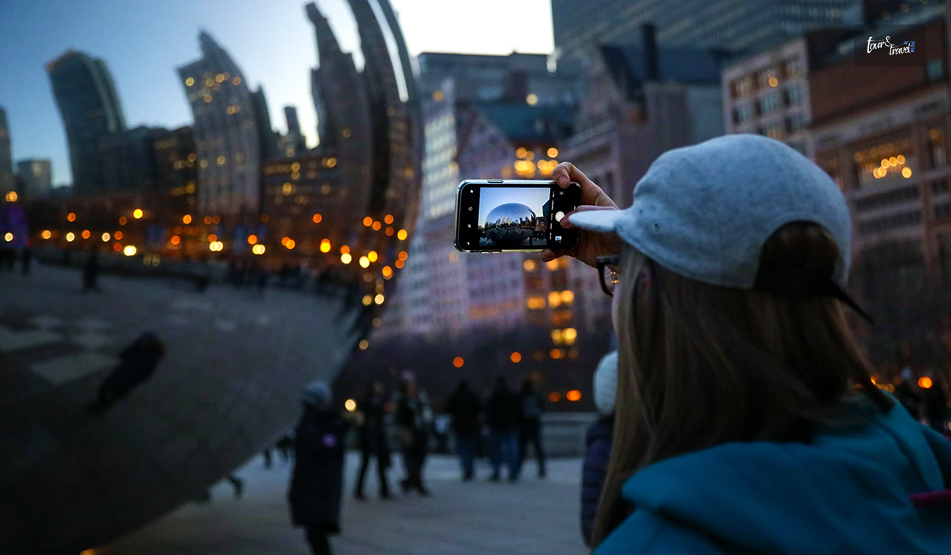
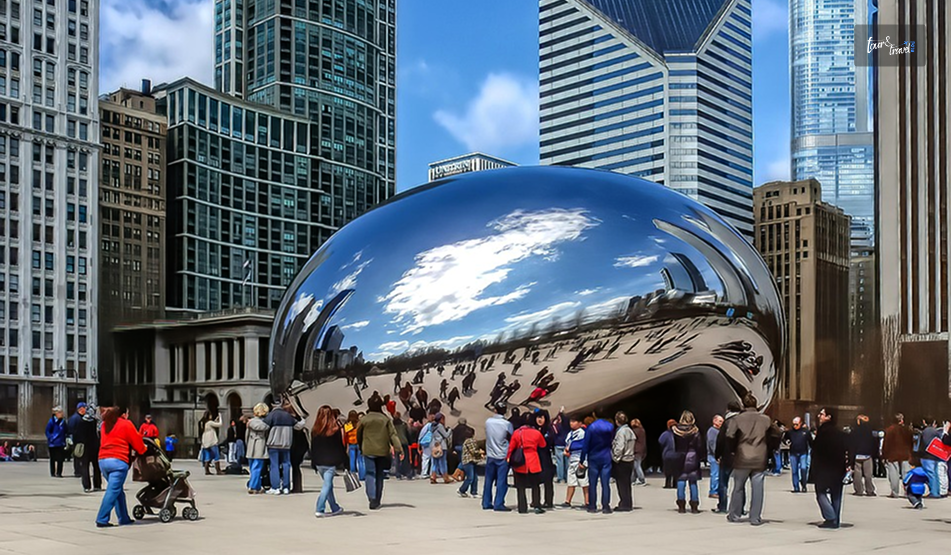
Millennium Park – Open from 6 am to 11 pm, sprawled across 24.5 acres of green, there is an outdoor theater. Furthermore, you can take memorable pictures in front of the reflective “Bean” structure. This is one of the best places to travel with kids if you are traveling with your family!  

Millennium Park

The Art Institute of Chicago – Open from 11 am to 8 pm, this museum is known worldwide. It has exhibits that are collected from all over the world across many centuries.  

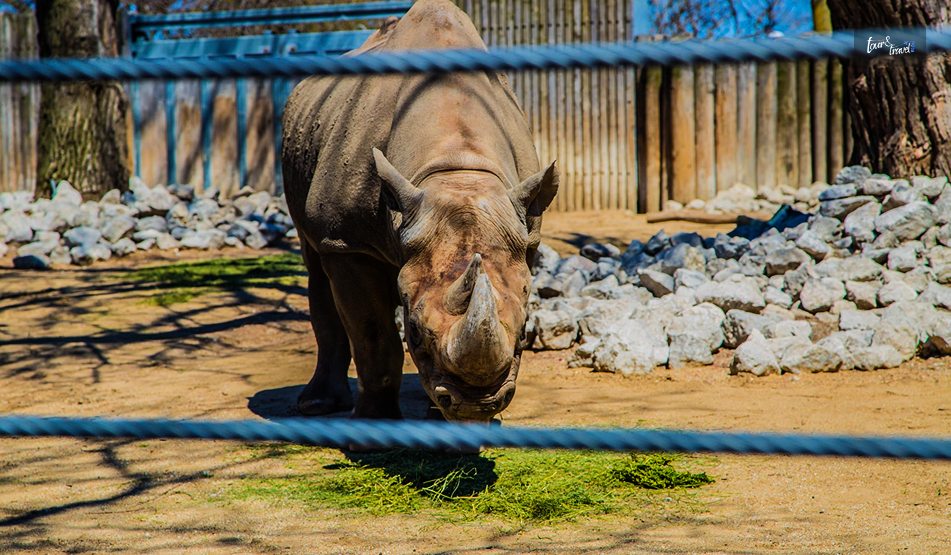
Lincoln Park Zoo – Open from 10 am to 5 pm, this zoo is small. However, their exhibit is quite good as you get to see primates, reptiles, lions, and other animals free of cost. There is also a children’s area along with a very interactive farm exhibit.  

Lincoln Park Zoo

Griffin Museum of Science and Industry  

– Open from 9:30 am to 4 pm, this sprawling space is filled with industrial exhibits and child-friendly scientific exhibits that are quite informative.  

Riverwalk – You can visit this place between 6 am to 11 pm. A pedestrian path along the riverside offers you beautiful city views. If you are solo traveling, it is a perfect place for dining with a lucrative view. You can also check out the bridges, boat docks, and fishing piers!  

Top Restaurants and Bars to Visit  

I am a foodie, so I love checking out places that offer delicious food along with a variety of options. Chicago offers you delicious food especially for people who are solo traveling. The experience is both enigmatic and beautiful.  

The Longroom – If you are a beer enthusiast, this is the perfect place to try delicious craft beers. The vibe is great while the pub fare is not that expensive so, as a solo experience, it is perfect.  

Girl & The Goat  

– The innovative cuisine is the selling point of the restaurant so, every time you visit the place, you get to eat something exciting and new. Visiting this place is the perfect way to experience the developing culinary scene of Chicago.  

Olio e Piu  

– The Italian restaurant is quite charming serving a cozy environment with delicious dishes. If you are looking for an authentic trattoria, this is it for you. Try their fritto misto, Nutella calzone, carbonara and Margherita Pizza and others.  

The Signature Room at the 95th  

– Giving you the perfect rooftop vibe, the pub is located high above the city offering stunning skylines. You will get the perfect feel for solo dining with delicious and mesmerizing food dishes.   

Lou Malnati’s Pizzeria  

– The deep-dish pizza, Lou Malnati is a popular Chicago classic! You must try this if you want to experience Chicago-style pizza thus, feel the authenticity.  

The Purple Pig  

– If you are craving some Mediterranean–inspired dishes, this is the place to be! The Charcuterie is to die for. Starting for delicious cocktails, you must try their roasted bone marrow with herbs, crispy pig’s ear, grilled broccoli, Spanish octopus, and others.  

Best Neighborhood for Booking Your Accommodations  

If you are planning to visit Chicago, let me suggest some of the coolest and safest neighborhoods creating the perfect environment for your solo travel. When booking your accommodations, let me share with you some of the places known for various things!  

If you want to shop in Chicago, the best neighborhood to stay is around the North Side. You must visit the Magnificent Mile which is vibrant and filled with charming elements all around. There are several stores, both high-end brands, unique flagship outlets, and street styles!  

You also need to consider visiting near historic water tower and the John Hancock Center. Overall, it brings to the forefront the rich history of Chicago. A perfect mix of cultural exploration and retail therapy thus, providing a perfect place for your solo self to shop.  

If you are planning to party, another place in Chicago to offer you vibrant nightlight is River North. Popular for eclectic bars, vibrant live music venues, and a high-energy club scene, the neighborhood exudes nocturnal life. You can visit the roof-top lounges like LondonHouse and The Godfrey Hotel!  

Wrapping Up!  

In conclusion, if you are wondering if is Chicago safe especially if you are a solo female traveler, plan your vacation based on the tips. Remember the safety tips I have shared along with keeping your eyes and ears open.  

Comment below if you need any more information regarding creating a travel plan when visiting Chicago! Furthermore, you can also let us know if any safety tips that we have missed in this article. 

Share on Social Media

Sagnika Sinha is a content writer who is passionate about writing travel vlogs, entertainment and celebrity articles and literature-based pieces. With a 4 years experience in teaching, she loves reading books. A procrastinator by nature, she loves travelling, listening to music, planting and gardening.

Leave a Reply

Your email address will not be published. Required fields are marked *

title-img Related

READ MORE Raja Ampat marine life guide

Raja Ampat Marine Life Guide: What Marine Species To See In Raja Ampat, Indonesia?  

BY  Sibashree Dec 29, 2025

Have you ever been to a place where the clarity of the water feels like liquid air? Yes, you have heard it right. I am talking about the waters of Raja Ampat in Indonesia. Also, the dense coral reefs here look like a kaleidoscope in motion.   Its strategic location in the Coral Triangle in West Papua has also blessed it with a diverse marine life. Did you know that Raja Ampat has “75% of the known coral species” and more than 1,320 species of reef fish (Source: UNESCO)?   No wonder it is called the Amazon of the Seas. Also, with UNESCO designating it as a Biosphere Reserve on 27th September, 2025, it is now one of the just two places on the earth to have the distinction of being a UNESCO Global Geopark and Biosphere Reserve at the same time.   So, consisting of four islands (Raja Ampat means Four Islands), Waigeo, Salawati, Batanta, and Misool, Raja Ampat is like the biological "bullseye” as the most diverse marine habitat on the planet.   Hi, in this Raja Ampat marine life guide, I will be talking about what marine species to see in Raja Ampat Indonesia.   Also, if you want to make the most of the underwater wonderland of Raja Ampat, check out our Raja Ampat diving trips.   With an unbelievable marine life and rock formations that go back to 400 million years, Raja Ampat is the “living laboratory” of marine conservation according to UNESCO.   So, when the water here has more than a thousand species to spot, let’s find out the Big 5 of the water here. These creatures are unique, and they are majestic. They also represent the mystery of water.   1. Manta Rays (Oceanic Manta And Reef Manta)  Raja Ampat is one of the rarest places in the world to have oceanic and reef Manta Rays. You can even spot them at the same time at the same cleaning station.   Oceanic Manta Vs Reef Manta   Reef Mantas, with even a massive 5-meter wingspan, are smaller than the Ocean Mantas. The wingspan of the Ocean Mantas is close to 7 meters.   Furthermore, Reef Mantas stay in large, social groups, while the Oceanic Mantas are pelagic wanderers.   Also, Oceanic Mantas feature a “T” shape on their shoulders. On the other hand, you can identify Reef Mantas from the “Y” or “V” shapes on their back.  What Are The Best Sites For Spotting Manta Rays In Raja Ampat?  Manta Sandy in the Dampier Strait and Magic Mountain in Misool are the best places for spotting Manta Rays.  In the Dampier Strait is a quintessential cleaning station for Reef Mantas. The site is shallow, and you will find the Reef Mantas moving over the "bommes" with cleaner wrasse doing their work.  Furthermore, Magic Mountain is the place where you will find both species. So, it looks like a Manta Ballet against the backdrop of the dark blue water. 2. Walking Shark Raja Ampat (Epaulette Shark) And Where To Find Them The Walking Shark, or the Epaulette Shark, is the mascot of Raja Ampat. These are called walking sharks because they can use their pectoral and pelvic fins like legs. So, they do not swim and “walk” across the sea floor.  These are nocturnal hunters, strictly. If you are going night snorkeling at Sawinggrai or Arborek, you will spot them walking past your mask. It’s a surreal experience, I must say! 3. Wobbegong Sharks The Wobbegong Sharks usually rest on the seabed. They also remain tucked under a coral ledge.  Wobbegong Shark Sightings: Spotting The Masters Of Camouflage  These sharks are also known as “Carpet Sharks.” They have mottled and ornate patterns. So, they can disguise themselves well. You will also spot a beard of fleshy tassels around their mouths.  You will often mistake these predators for a piece of weed-covered reef. Sardine Reef in the Dampier Strait and various areas around Misool to find the Wobbegong Sharks.  4. Pygmy Seahorses Pygmy Seahorses in Raja Ampat come in various species, such as Bargibant’s, Denise’s, and Pontoh.  Bargibant’s is the most popular, and they have pinkish nodules, which match the color of their host coral. Bargibant also hides in the Gorgonian fans. They never leave their specific host fan, spending their entire lives blending into its polyps. Denise’s pygmies are slender, and the whitish Pontoh pygmies are found on hydroids and algae.  Pygmy Seahorse Habitats In Raja Ampat  You will love exploring the top Raja Ampat dive sites in search of the Pygmy Seahorses. Dampier Strait, especially sites such as Cape Kri, Blue Magic, and Misool, are the best sites to spot these adorable marine creatures.  5. Cetaceans (Whales And Dolphins) The archipelago has deep-water trenches and powerful currents. So, the water is an important highway for marine animals.  Spotting The Whales And Dolphins The Dampier Strait is a primary migration corridor. So, you will frequently spot Spinner and Bottlenose Dolphins near your diveaboards in Raja Ampat.  Furthermore, you will find Pilot Whales, Sperm Whales, or Orcas in the deep channels between the islands.  Rare & Macro Critters: A Photographer’s Dream Raja Ampat coral diversity and the macro critters make it a favorite of photographers. You will come across diverse, bizarre animals in the reef.  1. Nudibranchs And Flatworms: The Living Jewels Underwater Nudibranchs or sea slugs are vibrant, and they shine like jewels in the deep blue water of Raja Ampat, thanks to their neon shades.  You will find various species of nudibranchs and flatworms in the waters of Raja Ampat. Chromodoris is the most common species, and they look unreal. They feel like they're straight from the pages of sci-fi movies.  You will find them in Misool areas such as Nudi Rock and Lalosi in the Dampier Strait.  2. Blue Ringed Octopus And Cuttlefish The tiny and lethal marine wonders, blue-ringed octopuses, come with a brown body. They pulse with glowing blue rings when they feel threatened.  Another marine wonder is the Broadclub Cuttlefish. They use their skin as a television screen. So, you will notice changing colors and patterns in seconds.  Misool, Dampier Strait, and water near Mioskon Island are the best places to find these macro marine creatures.  3. Wonderpus And Mimic Octopus  You will find Mimic Octopus mainly in sandy areas. As the name suggests, they can impersonate other sea animals such as lionfish and sea snakes.  Wonderplus has long and slender arms. Also, Wonderplus has intricate white patterns on its rusty brown body.  Spot these stunning marine animals in the water of Misool, Waigeo, and Batanta.  Marine Life By Habitat: Where To Look The best diving and snorkeling site for you in Raja Ampat will depend on the marine experience/animals you want to encounter.  So, you have to understand the habitat.  1. The Blue Water Mangroves The Blue Water Mangroves are in the Passage or near Gam Island. These are not usual muddy mangroves.  The water here is crystal clear, and it functions as a juvenile fish nursery where you can see soft corals growing on tree roots. It is a rare phenomenon.  2. The Seamouts Magic Mountain or Sardine Reef are the seamouts, and they are the main action spots because of their position in the path of strong currents.  The strong current here attracts many pelagic species. So, you will find "walls" of Bigeye Trevally, schools of Grey Reef Sharks, and thousands of Barracuda.  3. The Muck  Muck diving is a technical term, and it means exploring the sandy bottoms of the water. It is wrong to consider this place as empty, as you will find the rarest critters, such as Bobtail Squid, Seahorses, and Frogfish, here.  These critters usually remain hidden in plain sight.  Raja Ampat Marine Life Calendar Do you have some must-see species in mind when exploring the Raja Ampat marine life? You have to know the ideal season for spotting them, as the marine life of Raja Ampat changes with each season. MonthWater ConditionsManta SightingsHighlightsOctober - NovemberCalm seasModerateWhale shark season (Cendrawasih)December - FebruaryPeak calmVery HighPeak Manta season; large schoolsMarch - MayGlassy waterModerateGreat for Cetaceans (Whales/Dolphins)June - SeptemberWindy/ChoppyLowBest for Macro and Nudibranchs Snorkeling Vs. Diving In Raja Ampat: What Can You See? The reefs of Raja Ampat are healthy, and the water is crystal clear. So, even if you are not a professional diver, you can see most of the marine life in the top 5-10 meters of water. In other words, the marine life of Raja Ampat is equally accessible to a snorkeler and a diver.  Still, here is a quick breakdown of the experience you can expect during snorkeling and diving.  1. What You Can See In Snorkeling See blacktip reef shark pups, green turtles, and massive giant clams, just a few meters from the beach. Furthermore, you will spot Manta Rays at Manta Sandy from the surface.  Other icons to spot for snorkelers are the Wobbegong Shark and the endemic Papuan Walking Shark under the jetties or in the shallow reef flats.  The Blue Water Mangroves are the ideal spots for snorkeling if you are looking for unique habitats. Here, you will find vibrant corals growing on mangrove roots.  However, if you are looking for an aquarium effect, you have to snorkel near village jetties such as Arborek or Sauwandarek. These jetties function as artificial reefs. So, you have to just look down from the pier to find massive schools of batfish, fusiliers, and giant clams. 2. What You Can See During Diving  Pygmy Seahorses or Wobbegong Sharks typically hide at depths of 15–30 meters. So, divers can easily access them, and a snorkeler may not find them easily.  While snorkelers see the "greatest hits," divers get access to the sheer scale and the "hidden" details of the Coral Triangle. Also, as a diver, you can sit at the corner of a reef, such as Cape Kri, with strong currents, to find the Grey Reef Sharks, Giant Trevally, and Barracuda hunting in the deep blue. Furthermore, sites such as Friwen Wall or Melissa’s Garden offer dramatic drop-offs where you can see the transition from sun-drenched hard corals to deep-water Gorgonian sea fans. Moreover, divers can enjoy the underwater mystery at night to the fullest. Spot panish Dancers, Eels, and Crustaceans that hide in the deep crevices of the reef.  "The Nocturnal Shift": Why Night Diving Is Mandatory After sundown, the waters of Raja Ampat transform into a completely different landscape. The reef looks surreal.  Night is the only time to spot the Walking Sharks hunting.  Furthermore, once the Sun sets, marble shrimps, slipper lobsters, and sponge crabs come out from the cracks in the coral. So, it is like a crustacean explosion.  Want to see the bioluminescence? Just turn your dive light off and wave your hands. You will find the bioluminescent plankton sparkling in the water.  Quick Comparison: Snorkeling Vs. Diving FeatureSnorkelingScuba DivingEffortLow Effort: Jump in from the beach or boat.High Effort: Gear setup and boat transit.VisibilityBest in the top 5m (sunlight).Great at all depths (up to 30m+).Best ForCoral gardens, Turtles, and reef sharks.Pygmy seahorses, Drift dives, Walls.Main AdvantageUnlimited time; "unplugged" feel.Observing behavior; seeing tiny life.ConstraintLimited by surface weather/choppiness.Limited by "no-decompression" time. Conservation And Responsible Interaction A collective conservation effort between the visitors and local communities helps to maintain the fragile beauty of Raja Ampat.  The Raja Ampat Marine Park Entry Tag (PIN): All visitors must pay an entry fee. This "PIN" supports the patrol boats that prevent illegal fishing and funds community health and education programs. Rules for Manta interaction: To keep the Mantas coming back, there are strict rules. No touching, no chasing, and no flash photography at cleaning stations. Always stay lower than the Mantas and give them plenty of space to fly. Lens Guide For Photographers: Capturing The Marine Life Of Raja Ampat  Raja Ampat is a real test for photographers as the marine life is happening and unpredictable.  If you want to capture the Mantas, schools of fish, and the stunning reefs, you can use the Wide Angle (10mm - 24mm).  On the other hand, if you want to shoot the Pygmy seahorses, shrimps, and Nudibranchs, you must use the 60mm/100mm macro lenses.  Raja Ampat Marine Life Guide: Expert Tips Check the Current: The "split current" at Cape Kri brings the most action. You have to dive with the current.  Look for Gorgonians: Stop swimming and stare at a Gorgonian fan to find the pygmy seahorses. The bumps, looking out of place, indicate their presence.  Don't Ignore the Jetty: The pillars under Arborek Jetty are world-class. They are covered in soft corals and schools of Batfish. Night Snorkeling is Safe: Don't be afraid! Shallow night snorkeling or night diving is the best way to see the Walking Shark. Manta Hygiene: At cleaning stations (like Manta Sandy), stay low and don't exhale bubbles directly under a Manta; it can startle them. Mangrove Magic: Visit the "Blue Water Mangroves" near Gam. The water is crystal clear, showing soft coral growing on tree roots. Reef Hook Etiquette: Only hook onto dead rock. Never hook onto live coral or sponges. The "60-Minute" Rule: Keep your camera battery 100% charged, as many sites are shallow and dives can last over an hour.  Watch the Triggerfish: Titan Triggerfish are aggressive when nesting. If they raise their dorsal fin, you must swim away horizontally. Listen Underwater: In the Dampier Strait, you can often hear the clicks of dolphins before you see them. Listen To The Authority Voices: A Raja Ampat Marine Life Guide  Want to know what the authorities are saying about the Raja Ampat Marine Life? I have curated their take on the Raja Ampat waters and marine life from their various interviews and insights.  1. Mark Erdmann, The VP Of Marine Asia-Pacific, Conservation International Overtourism remains a concern for the conservation of the Raja Ampat marine life. In a Raja Ampat Research & Conservation Centre Report, Mark Erdmann mentioned, “If there is nothing else done to further control and limit the growth of tourism in Raja Ampat, there is no doubt that within five years we are going to see major problems in places like the Dampier Strait, where it is already reaching the carrying capacity.” He also said,  “Misool represents one of the most pristine reef systems left on earth — one of only a handful of places in the universe where biodiversity is improving rather than declining.” 2. Sylvia Earle (Oceanographer & Explorer) She has designated the Coral Triangle (specifically the Birds Head Seascape) as a "Hope Spot," calling it one of the most important places for marine biodiversity on Earth. Dr. Sylvia Earle designated the Misool Marine Reserve in South Raja Ampat as a “Mission Blue Hope Spot” in 2017.  Max Ammer (Pioneer Of Diving In Raja Ampat) Max Ammer has veen always vocal about the resilience of Raja Ampat’s reefs against coral bleaching. That is why it is stronger than the Great Barrier Reef.  Raja Ampat Shows How Vibrant And Resilient The Ocean Can Be  You can be a first-time snorkeler or a seasoned diver. You will feel a rare and strong connection to the marine world in Raja Ampat. The “Amazon of the Seas” continues to thrive, and with the conservation guidelines and respect intact, it balances the presence of macro and micro marine life.  Plan at least a diving expedition for 7 days, especially in the Dampier Strait region in central Raja Ampat, to meet the Big Five and more. Raja Ampat Marine Life Guide: Frequently Asked Questions (FAQs) Here are the frequently asked questions and answers about the Raja Ampat marine life guide. 1. What Is The Most Famous Marine Animal In Raja Ampat? The Raja Ampat Walking Shark, the Carpet Sharks, Pygmy Seahorses, and Manta Rays are some of the most famous and big marine animals in Raja Ampat.However, the colorful corals and endless schools of fish here, along with the macro critters, create an unforgettable marine experience. Raja Ampat became a Shark Sanctuary in 2013. So, you will see different species of sharks here, including: • Wobbegong (Carpet) Sharks• Whale Sharks:• Blacktip & Whitetip Reef Sharks:• Walking Sharks• Grey Reef SharksAlso, barring some minor threats from the Wobbegong sharks (because of their hiding nature), no major threat is observed or reported from the sharks in Raja Ampat.  2. Are There Sharks In Raja Ampat? Are They Dangerous? December to March is the best time to see Manta Rays in Raja Ampat. The plankton blooms are highest in these months, and you will find Manta Rays following each other, creating a train. The northwest monsoon winds create deep-water upwellings, leading to the higher visibility of Manta Rays.  3. Can I See Marine Life If I Only Snorkel? Yes, you can see marine life in Raja Ampat if you snorkel in areas such as Blue Water Mangroves, Friwen Wall, and Arborek Jetty. Within 5 to 10 meters of water, you will find marine life such as Giant Clams, Sea Turtles, Manta Rays, and diverse schools of fish. 4. Is Raja Ampat Safe For Beginner Divers? Yes, Raja Ampat has sites such as Arborek or Sawardarek, which are ideal for beginners. Also, many dives are simple drift dives where the current carries you once you jump into the water. However, you must not overlook the down-welling nature, strength, and unpredictability of the Raja Ampat waters. So, you will need expert guides. 5. What Are Walking Sharks? The Epaulette Sharks or Walking Sharks are harmless carpet snacks. Their movement looks like a walk thanks to their pectoral and pelvic fins, like legs. These endemic species are spotted best at night when they are out hunting.  6. Do I Need A Wetsuit For Raja Ampat? Wearing a wetsuit is not mandatory if you are a snorkeler in Raja Ampat. However, you can wear a 1mm to 2mm thick wetsuit to float effortlessly and provide sun protection. If you are a scuba diver, you will need a 3mm wetsuit even when swimming in the Raja Ampat waters, with an average temperature of 28 to 30 degrees Celsius. The wetsuit ensures that your body remains warm in the water. Also, it protects your body from tiny stinging planktons and hydroids. 7. Are There Whales In Raja Ampat? Yes, there are various species of whales in Raja Ampat. You can spot varieties such as Bryde’s Whales, Pilot Whales, Sperm Whales, Omura’s Whales, and Killer Whales. The Dampier Strait and the Sagawin Strait, to the south of Batanta Island, are the best places to spot these whales. 8. What Is The Visibility Like In Raja Ampat Water? The average visibility in the water of Raja Ampat is around 15 to 25 meters. However, the visibility of the water depends on multiple factors, such as the presence of plankton and nutrients, and the season. In the peak or dry season, between October and April, the visibility is around 15 to 30 meters. On the other hand, in the windy season, from June to September, the visibility is around 10 to 20 meters.  9. Are There Saltwater Crocodiles In Raja Ampat? Yes, there are saltwater crocodiles in Raja Ampat. However, the sightings are rare, and you will find them in areas such as Blue Water Mangroves, The Passage, and remote islands such as Batanta.   

READ MORE Spring Travel And Eye Health Tips

Spring Travel And Eye Health Tips

BY  Abdul Aziz Apr 28, 2023

Spring is the perfect time to embark on a journey with your loved ones to explore new and exciting summer destinations that cater to your preferences and needs. While traveling can be an exciting and enriching experience, it is important to take proper care of your eyes to ensure a stress-free trip. Your eyes may be exposed to a variety of stressors, including different environments, climates, and long flights, which can affect your vision and ruin your vacation. To ensure that you have an enjoyable trip without worrying about your eye health, read below! Tips To Take Care Of Your Eyes During Vacation! We have got the best tips for you in order to have a healthy vision on your trips and have the best time of your life! Pre-trip eye exam Prior to traveling, it's important to schedule an appointment with an ophthalmologist. They can examine your eye health and provide recommendations on how to protect your eyes from any potential risks you may encounter while traveling. They can also ensure that your glasses or contact lenses prescription is up-to-date to avoid any discomfort or vision issues during your trip. So, add to your calendar this appointment with your optician and you are not going to regret it at all. Polarized sunglasses Moreover, sunglasses are a must-have accessory for anyone traveling to sunny destinations. However, not all sunglasses provide the same level of protection. It's important to invest in polarized sunglasses that are designed to block harmful UV rays. Polarized sunglasses are known to reduce glare as well as improve the clarity of vision. This makes them an excellent choice for anyone who loves outdoor activities. Rest your eyes Of course, long flights or road trips can be exhausting, and staring at a screen or reading a book for an extended period of time can cause eye strain and headaches. To prevent this, take a break every hour or so and close your eyes or look at something in the distance. This will give your eyes a chance to rest and reduce the risk of developing eye strain. Stay hydrated As you might already know about eye health, the fact is that dehydration can cause dry eyes, and being on a long flight or train ride can exacerbate this issue. To prevent this, make sure to drink plenty of water throughout your trip. Drinking enough water can also help to reduce the risk of developing eye infections, especially if you wear contact lenses. Eye drops Last but not least, dry eyes can also be caused by environmental factors, such as air conditioning, heating, or pollution. In these situations, artificial tears or lubricating eye drops can help to keep your eyes moist and comfortable. It's important to pack these drops in your carry-on luggage, especially if you're traveling to a dry or polluted area. This way you will not feel your eyes to be itchy or hurting, you will feel ready to embark on this new adventure! Keep Contact Lenses Handy It is very important that you are able to take care of your prescribed contact lenses if you have any, when you are on your trip. Ensure that you are taking them off in regular intervals and keeping them in the safe and prescribed space with the solution. While it is true that you may not get everything at hand all the time, ensure that you are carrying the lens solution with you all the time. Avoid using other substitutes like water in this case. Carry extra pair It is important that you are carrying an extra pair of eye care all the time when you are on your trip. Have you ever considered what might happen if you lose your prescription medicine or your medicated sunglasses when you are on vacation? Well, if that is something that you want to avoid it is important that you always carry an extra set of lenses, glasses, and your eye medicines with you. Avoid or use minimal eye-makeup Last but not least on this list is the fact that it is important you are not using a lot of eye makeup when you are on your trip. These things attract and trap or retain a lot of dust and dirt. This might make it difficult for you to have an enjoyable trip at the end of the day. It is also best to avoid using too much eye makeup as this may cause a risk of an eye infection. Bottom Line If you found the answer that you were searching for I hope that this article has been of help to you. If there are any other queries related to the same, feel free to let me know. All that you need to do is scroll down till you reach the end of this article and drop your doubts and queries in the comment box below. And I will be there to answer them all for you! Read Also: Hopper Flights Review- Login, Services, And Travel Experiences Myenvoyair Review – Registration, Login And Benefits In 2023 Using Google Flights To Find Cheap Flights In 2023? All That You Need To Know!

READ MORE Authentic Travel Experiences

9 Tips For Authentic Travel Experiences

BY  Arnab Oct 27, 2023

Travel is more than just setting foot on unfamiliar terrain. It's a journey into the heart of a culture, a deep dive into local traditions, and an opportunity to immerse yourself in the essence of a place. Authentic travel experiences allow you to see, taste, and feel the true spirit of a destination. The era of tourist traps is fading. Today, travelers seek genuine interactions, unique tales, and opportunities to venture off the familiar path. So, how can you ensure your next trip is teeming with authentic experiences? Delve into these essential tips. 1. Embrace Language And Communication Mastering a few local phrases can significantly transform your travel. Imagine being in Japan and ordering your meal in Japanese instead of pointing at a menu. Before departing, consider enrolling in Japanese classes online. Doing this not only impresses the locals but also enriches your journey. Language serves as a bridge to deeper interactions and understanding. Dive into local media like films or podcasts. They offer a window into the nation's heartbeat, illuminating its culture, values, and everyday nuances. And keep in mind: patience and an open heart go a long way. Not all conversations will flow seamlessly, but your effort won't go unnoticed. Many appreciate your attempts to speak their language. 2. Opt For Local Accommodations Staying in local lodgings such as guesthouses, bed and breakfasts, or homestays can elevate your journey. In such accommodations, you can feel the warmth of local hospitality and perhaps form lifelong friendships. Often, these places are situated in less touristy areas, letting you explore authentic neighborhoods. Additionally, the owners usually have unmatched local insights and can suggest hidden treasures you won't find in guidebooks. More so, supporting these accommodations boosts sustainability. By backing local businesses, you contribute directly to the community, ensuring a rich experience for yourself and a boost for the local economy. 3. Eat Where The Locals Eat Food plays a central role in travel. Rather than dining at tourist-centric spots, find places where locals congregate. Street food vendors, local markets, and family-run diners often serve the most authentic and tantalizing dishes. Venturing into local culinary scenes also immerses you in a location's cultural and historical narrative. Food mirrors a country's past, influences, and rituals. So, while savoring different dishes, you taste myriad stories and traditions. Stay adventurous and be open to sampling new foods. Some might seem exotic, but they could be the highlights of your trip. Remember, travel isn't just about seeing new places; it's about tasting new flavors, too. 4. Participate In Local Traditions And Festivals Joining local traditions and festivals offers a profound cultural immersion. These events reflect the heartbeat of a community and its binding tales. Whether you're dancing at a festival in Bali or celebrating Carnival in Brazil, active participation profoundly connects you to the local culture. However, approach these events with respect. Stay aware of local customs and etiquette. For instance, if a festival requires a certain attire, respect that. Always ask before taking photos, especially during religious events. While these experiences are new to you, they're integral to many locals' lives. Your attitude can determine whether you're appreciating or appropriating. Respect ensures your experiences are memorable and positive. 5. Take Public Transport Using public transportation isn't just economical; it also offers a front-row seat to everyday life. Riding buses, trams, or trains lets you witness the mundane yet beautiful moments of daily life. Furthermore, public transport can introduce you to lesser-known parts of a city or town. These spots often provide a more authentic experience, whether it's a hidden café, a quiet park, or a lively market. Choosing public transport is also eco-friendly. It reduces your environmental impact, eases traffic, and supports the local economy. So, hop on local transportation during your next trip and discover unexpected treasures. 6. Choose Experience Over Sightseeing While landmarks are captivating, hands-on activities offer unparalleled authenticity. Rather than just sightseeing, dive into local activities. Enroll in a pottery workshop, learn the local dance moves, or whip up local dishes. Such activities immerse you in the details of local traditions. Plus, they often lead to lasting connections with residents. Engaging in a craft or skill provides avenues for rich interactions, leaving indelible memories. 7. Engage With Locals  Conversations with locals offer insights no guidebook can match. Interacting with a street vendor, a fellow commuter, or a café proprietor can deepen your understanding of local beliefs and aspirations. Always approach with genuine interest and respect. Not everyone may be in the mood to chat, but that's okay. When conversations do occur, you might be surprised by the hospitality and warmth. Often, these chats can lead to recommendations for off-the-radar attractions or experiences. Such insider info can redefine your journey, uncovering hidden spots and moments to cherish. Related: Prepping For Your Winter Trip To Salt Lake City 8. Embrace Sustainable Practices Integrating sustainable practices into your travels ensures that the destinations you love remain beautiful and vibrant for future generations. Consider eco-friendly accommodations or those that have sustainable certifications. These places often go the extra mile to reduce waste, conserve water, and support local communities. Another aspect of sustainable travel is conscious consumerism. Opt for handcrafted local products rather than mass-produced items when buying souvenirs or gifts.  This not only supports local artisans but also helps keep traditional crafts alive. Remember, every purchase you make has an impact, and as a traveler, you have the power to make it a positive one. 9. Travel Slowly In this fast-paced world, leisurely travel offers a distinct pleasure. Allowing yourself to explore slowly enables you to soak in the ambiance, sync with local rhythms, and form genuine bonds. Instead of rushing from one spot to another, meander through lanes, relax in parks, or savor extended meals. Slow travel emphasizes mindfulness, helping you appreciate nuances—the scent of fresh bread, the sound of laughter, or the art in local crafts. These moments often encapsulate a destination's essence. In Conclusion True travel goes beyond sightseeing—it's about immersion, comprehension, and connection. By diving into local languages, traditions, and activities, you not only elevate your travels but also leave a positive mark on the places you visit. Embracing these tips means every journey offers a chance to evolve. Here's to more authentic and unforgettable adventures. Safe travels! Read Also: Thailand Travel Guide: This Is The Best Time To Visit Stay Safe And Satisfied: Exploring Paraguay’s Culinary Delights With Travel Insurance In Mind A Newly Launched Tool ‘Skyscanner’ Inspires Travelers To Book Travel Destinations With Ease And Confidence