
What Are The Best Ella Hotels? Where Can You Stay In Ella? 

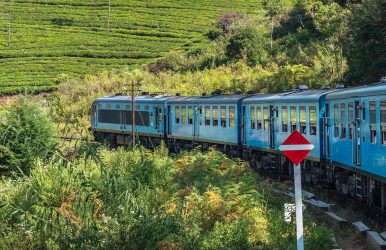
From enjoying a train ride on the Nine Arch Bridge to Ella Rock, Ella has endless adventures to offer. 

Exploring the things to do in Ella is also easier as the Ella Hotels offer the most comfortable and safe accommodations. 

As a backpacker, I chose to stay in a hostel on my first visit. However, you can find many budget, mid-range, and luxury hotels in this beautiful hill country town. 

So, here is a list of the best hotels to stay in Ella. 

What Are The Best Ella Hotels? 

What Are The Best Ella Hotels

I have divided the best Ella hotels into three different categories. So, you will find a good mix of luxury hotels, mid-range hotels, and budget hotels.

Furthermore, I have also included the hostels and the eco-stays here. 

And here are the details. 

1. Luxury Ella Hotels

There’s a quiet magic when birds sing in the morning, and mist hangs on the tea bushes. 

Moreover, Ella has upgraded its luxury offerings, blending colonial roots with modern sustainable design.

• Nine Skies: Colonial Elegance

Just outside Ella in Demodara, Nine Skies is a five-bedroom tea bungalow restored from old stock. 

Furthermore, it sits like a piece of the English Lake District transplanted into the tropics. 

Also, you begin your day with a Sri Lankan breakfast and then swim in an infinity pool that stretches over endless tea fields. 

Moreover, the lifestyle is classic tea country, wrapped in a dream-like hotel setting.

• 98 Acres Resort And Spa: Eco-Luxury

Overlooking Little Adam’s Peak, 98 Acres stands out as the region’s top hotel. 

Furthermore, the chalets use upcycled railway sleepers and local granite, with genuine, hands-on design. 

Moreover, their spa features treatments with herbs grown on-site. Just a 15-minute walk from the Nine Arch Bridge, it’s ideal for morning shots. 

So, what else is there to say about this place?

• Hide Ella: Modern Panoramic Views

Hide Ella sits right into a 60-degree slope. 

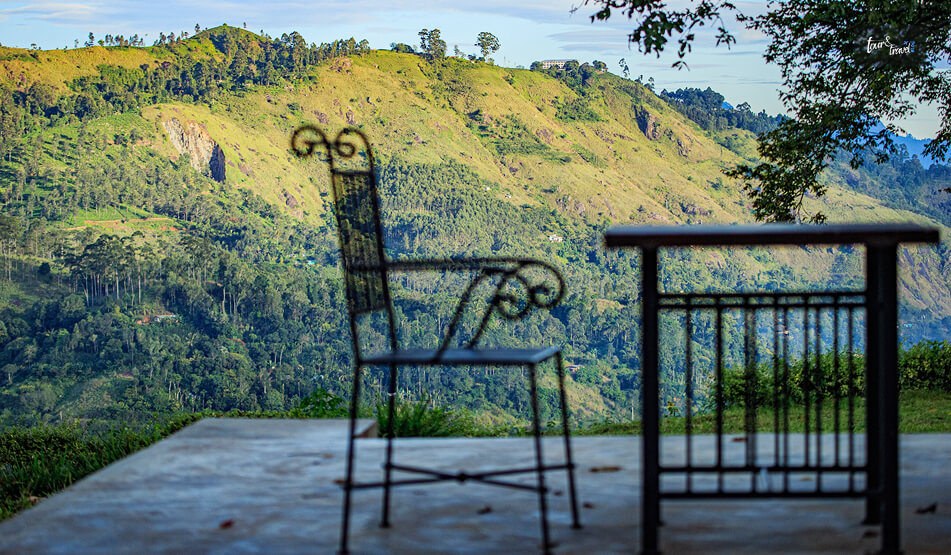
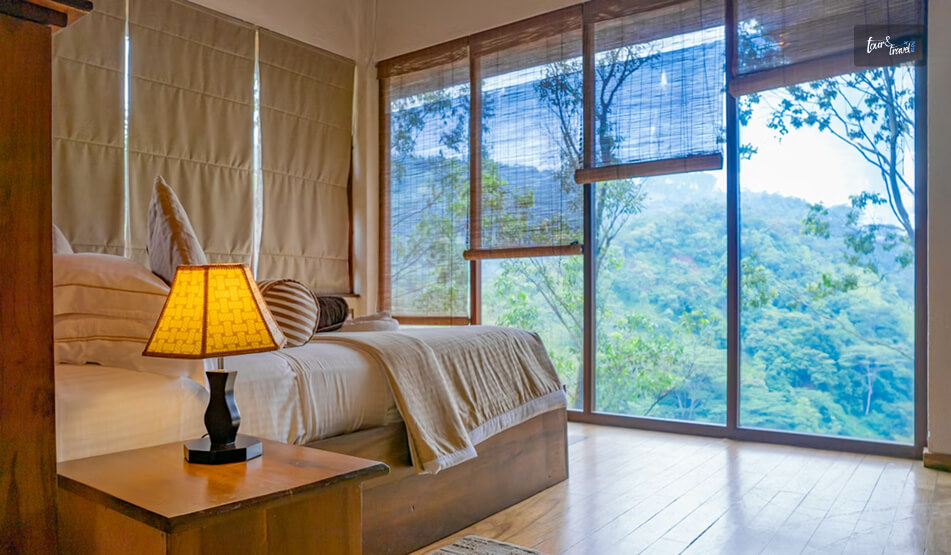
Every room faces the Ella Gap with clear, sweeping views. 

The pool dips into the trees like you are floating through the canopy. It’s a clean, sharp design, with no frills.

Furthermore, it offers just pure view-focused living. 

Why would anyone want anything else in Ella?

2. Mid-Range Ella Hotels

For a bed that works, a shower that flows, and a balcony with real views, without the honeymoon price! 

Ella’s mid-range picks offer the best trade-off. Most focus on the view, which is Ella’s strongest selling point.

• Chill Ville Viewpoint Hotel

It is set into the mountainside, and it is the most welcoming. 

Cabins are clean, modern, with wood and concrete finishes. 

They even include Yoga mats for stretching in the morning light. 

If you want to go early to the Nine Arch Bridge, this is your only real shot, and it’s just 800 meters away. 

It seems like a good fit for quiet travelers who value space and scenery.

• Country Homes Ella 

It looks more like apartments than hotels. 

Warm pine decor gives each suite a cozy feel. 

The wide valley view from your room makes it hard to leave.

In particular, when you know breakfast is often brought right to your balcony by the owners. 

You get coffee at the same time clouds drift through the gap, arguably one of the most consistent perks in town.

• Boutique Vibes: Morning Dew, EKHO, And Tip Top

It seems to be a recurring motif in Ella.

These hotels offer really amazing views and somewhat old-fashioned rooms. 

Morning Dew, EKHO Ella, and Tip Top Boutique Hotel are, to some extent, this kind of hotel. 

The furnishings in these places might give the feeling of the 1990s, but the rooftop pools and jacuzzis with a stunning view of Ella Rock offer a 5-star experience. 

One of the advantages of choosing Tip Top is that you get the opportunity to see the train passing the Nine Arch Bridge from your private balcony.

3. Budget-Friendly Ella Hotels 

Budget-Friendly Ella Hotels

Guesthouses once pulsed with life in Sri Lankan tourism

Staying with a local family still gives the truest view of Ella. 

You learn how daily routines move through the village. Nobody makes curry like a Sri Lankan grandmother.

• Rowinrich Cottages: The Jungle Hideaway

These loft-style cottages sit above a valley wrapped in jungle. 

Backpackers find them ideal, glamping without dorm-sharing. 

Forest sounds carry through at night. 

Sunrises stretch across your terrace each morning. Just be warned: the road up is narrow and full of potholes. It’s not easy to drive.

• The Original Homestays: Idyll And Chamodya

Idyll Homestay opened early in town. 

Anil, who once worked on tea plantations, now manages one of Ella’s most trusted homes. 

Chamodya offers a clear view of Ravana Falls

Both serve breakfasts packed with string hoppers, dhal, and fresh fruit, more than enough for hiking up Ella Rock.

4. The Hostels In Ella: The Most Happening Social Hubs 

Like my trip to Jaffna, I also chose a hostel to stay in Ella. 

The hostel scene in Sri Lanka has really taken off over the past few years. 

Nowadays, staying in a hostel is not only about finding a cheap bed; it is also about experiencing a community, having superfast Wi-Fi, and going on shared adventures. 

• Bunk Station

A fairly new place in a peaceful and friendly atmosphere. 

It’s a quiet location away from the noise, but you can still walk to the town in ten minutes. 

• Hangover Hostel

Being part of a well-known chain of hostels in Sri Lanka, it is the best place to experience a social atmosphere.

You will get AC rooms here, and the location is very central near the train station.

• Backpacker’s Paradise 

If you are looking for the genuine “simple life” experience, you can camp in tents that are set up under thatched roofs. 

Moreover, it is a very basic, cheap option, and they even have their own little dogs as residents. 

So, what else do you need?

5. Eco-Friendly Stays In Ella 

Ella is a place that feels like home. 

Furthermore, Ella’s environment is delicate, and these eco-friendly stays are actively preserving it.

• Living Heritage Koslanda

It lies halfway between Ella and Horton Plains. 

Over the years, they’ve restored the forest and prioritized hiring local women, often left out of tourism jobs. 

The place feels like a quiet, natural escape.

• Arana Eco-Lodge And Yoga Center

The lodge sits just ten minutes from town. 

Rooms are treehouses built around living trunks. 

Moreover, it operates like a forest monastery. 

Also, electronics are minimal here. So, you can take part in sessions of Kundalini yoga and meditation here. 

Moreover, vegan Sri Lankan meals take center stage here. You disconnect from Main Street noise and return to the wild.

Share on Social Media

Meet Sibashree Bhattacharya, a travel enthusiast who has a decade-long experience in transcending virtual barriers with her words! Her deep love for travel is apparent from her travel escapades to the mountain, often taking her readers on a journey, her words acting as Portkey! Fun fact: Sibashree loves to dive deep into the history of the places she is about to visit, making her travels even more wholesome. If you were wondering how her articles are not short of time travel, this answers it!

Leave a Reply

Your email address will not be published. Required fields are marked *

title-img Related

READ MORE things to do in srilanka

What Are The Things To Do In Sri Lanka? Beaches, Cities, Rocks, Wildlife And Colonial Architecture 

BY  Sibashree Mar 25, 2026

“Love Sri Lanka, Always.” This has been the new campaign of Sri Lanka. Also, this campaign, coming at the time of the ongoing Gulf War, looks quite bold.  It projects the island country as a place that needs constant discovery.  And Sri Lanka has reaped the benefits of launching a bold campaign. It has crossed the mark of 100,000 tourists within the “first 18 days of the March in 2026.” Furthermore, while the marketing campaign has brought Sri Lankan tourism global visibility, the diversity of attractions makes it a powerhouse.  For example, I have been so much in love with Sri Lanka that I have made multiple visits and sometimes to the same place, years apart.  With the changes and developments, the country has still maintained its warmth, lush greenery, and human resilience. The sheer grit of the country has helped it win over the natural disasters such as the Tsunami, Cyclone Ditwah, and endless civil wars.  However, with diverse offerings, it may be difficult to choose the things to do in Sri Lanka. So, here are the places I loved the most.  What Are The Things To Do In Sri Lanka?  Keeping the spirit of the Indian Subcontinent alive, Sri Lanka beautifully portrays an inclusive picture.  For example, its southern and northern zones show a difference in language and culture. However, both are connected through the way of life, sunshine, and more.  Also, Sri Lanka has places such as the Ambuluwawa Tower, which is within a multireligious complex, showing how respectful the country is toward every religion.  1. Exploring The Tamil Culture And Temples In Jaffna Jaffna was the first place I visited in Sri Lanka as a backpacker. It is a hub of strong Tamil culture in Sri Lanka.  Furthermore, Jaffna has beautiful Hindu temples such as the Nallur Kandaswamy Kovil, the Naguleswaram Temple, the Nainativu Nagapooshani Amman Temple, etc.  Also, the beaches in Jaffna showcase the beauty of Northern Sri Lanka.  Moreover, the food in Jaffna is spicier than in any other part of Sri Lanka.  Overall, Jaffna is a world in itself where slow living and staying true to the roots are the best ways.  2. Hiking The Ritigala Forest Monastery Out of all my experiences in Sri Lanka, hiking the Ritigala Forest Monastery has been my silent favorite.  The history of the Ritigala Forest Monastery takes us to the 1st century BC. It has more than 70 caves and was once the abode of the monks of the “Pansukulika” sect.  Furthermore, located inside the Ritigala Forest Reserve, the remains of the ancient monastery are now surrounded by around 96 species of medicinal plants.  The presence of the medicinal plants further makes its association with the Ramayana stronger. 3. Visiting Uppuveli Beach, And Other Attractions In Trincomalee Trincomalee has the famous Uppuveli Beach. However, it would be wrong to assume that the things to do in Trincomalee are limited to beach activities.  You can visit the Thirukoneswaram Kovil Temple, Fort Frederick, Trincomalee Maritime and Naval History Museum, and the Trincomalee Market.  4. Visiting Mount Lavinia Beach The Mount Lavinia Beach is very close to Colombo, the capital of Sri Lanka. This beach has a leisurely vibe with the local folks playing cricket and people taking a sun bath.  However, the main attraction here was the Sea Turtle Conservation Centre. It is located by the beach, and it buys eggs from the locals to hatch them.  5. Climbing Up The Ambuluwawa Tower At the top of the Ambuluwawa Mountain, the Ambuluwawa Tower is an important cultural landmark in Sri Lanka.  Its location is in the Ambuluwawa Biodiversity Complex, in Gampola. Also, it is just 20 km away from Kandy.  You can climb up its spiral stairs to reach the top of the tower and enjoy a panoramic view of the surroundings.  6. Exploring The Cultural Capital, Kandy Kandy, the cultural capital of Sri Lanka, has the beautiful Kandy Lake at the epicenter.  Furthermore, it is fighting with the aftermath of the Cyclone and Ditwah and remains crucial in the political and economic landscape of the country.  The most fascinating things to do in Kandy are visiting the Udawattakele Forest Reserve, bowing before the Bahirawakanda Vihara Buddha Statue, and visiting the Temple Of The Tooth.  7. Climbing Up The Sigiriya Rock The Sigiriya Rock is famous for its mythological significance and history, and its association with Buddhism.  King Kashyapa made the Sigiriya Rock his seat of power in 477-499 AD.  However, before that, it was a Buddhist monastery which later shifted to the Pidurangala Rock.  Also, it has a long history of archaeological discovery, and in 1982, it was designated as a UNESCO World Heritage Site.  8. Climbing Up The Pidurangala Rock The Pidurangala Rock has a history that goes back two millennia. After King King Kashyapa made the Sigiriya Rock his seat of power, the Pidurangala Rock became their refuge on the king’s order.  Furthermore, it has a 1500-year-old Buddha Statue, and it is a protected ancient cave.  Moreover, from the Pidurangala Rock, you will get the best views of the Sigiriya Rock.  9. A Train Ride On The Nine Arch Bridge A train ride on the Nine Arch Bridge is the most iconic experience you can have in Sri Lanka. Also known as the Ella Odyssey, it has been praised by the BBC and Lonely Planet.  Built in 1921, this bridge is a prominent example of the Colonia-era architecture, and it does not have any metal in its construction.  10. Hiking To The Diyaluma Waterfall Hiking to the Diyaluma Waterfall from Poongala is one of the most popular hiking expeditions in Sri Lanka.  Once you reach the Upper Diyaluma Waterfall, you can relax and enjoy a swim in the infinity pools.  From the upper fall, you have to take a further trek of 30 minutes down to reach the Lower Diyaluma Waterfall.  Furthermore, the Diyaluma Waterfall is associated with the tragic love story of a King who fell in love with a lady from a lower caste.  Knowing about their love, the villagers chased them, and the lady fell into the waterfall and died.  11. Visiting The Dehiwala Zoo Since 1936, the Dehiwala Zoo in Sri Lanka has been a favorite spot for a thrilling wildlife experience.  Along with housing monkeys, elephants, fish, and birds, the zoo also has a dedicated section for reptiles.  Moreover, it has always been famous for the animal shows, and it has a Leopard Trail for guided night safari.  12. Spending A Day In Hurulu Eco Park The Hurulu Eco Park near Habarana is one of the best places in Sri Lanka to learn the art of slow traveling.  In the North Central Province of Sri Lanka, it is a great place for spotting elephants.  This dry evergreen is ideal for seeing elephants because it is the corridor between the Kaudulla National Park and the Minneriya National Park.  Take an afternoon safari to enjoy wildlife spotting and your time in nature.  13. Visiting Nuwara Eliya, The Coldest Place In Sri Lanka  Nuwara Eliya, the coldest place in Sri Lanka, is located at an altitude of 1,889 meters. Furthermore, it carries a nickname, “New England,” from the British Era.  Nuwara Eliya is a place of juxtapositions. There are Tudor-style homes, Victorian-style post offices, waterfalls, and jungles, showing the contrast in the landscape and cityscape.  Furthermore, it has natural attractions such as Gregory Lake, Victoria Park, and the Lovers Leap Waterfall.  Also, don’t forget to spend a day in Horton Plains National Park, a UNESCO World Heritage Site.  14. Experiencing A Scenic Train Ride And More In Ella Though Ella has changed in the last 10 years due to rapid development, it has maintained the serene charm with its mountains, rail line, and lush greenery.  Furthermore, it is the place to share a seat with Sir Thomas Lipton and understand how tea runs as the lifeline of the nation.  Also, the Ravana Falls is the place where Ravana hid Sita after abducting her.  Other iconic things to do in Ella are visiting the Nine-Arch Bridge, enjoying a Kandy to Ella train ride, climbing the Ella Rock, watching sunset from the top of the Little Adam’s Peak, etc.  15. Exploring The Galle Fort  Galle is dreamy, and it looks like a movie frame in sepia tone.  However, the Galle Fort, a UNESCO World Heritage Site, is at the epicenter of this once impenetrable trading post.  Walk to the Galle Fort and explore this living museum of art, architecture, and history.  Also, watching the sunset from the Galle Fort is a magical experience.  More things to do in Galle include exploring the beaches beyond the fortress wall.  Also, don’t forget to enjoy a drink in a bar in the cobblestone streets of Galle.  Overall, Galle is a place that unfolds with time. The fortress, the streets, and the colonial buildings make history palpable in every nook of Galle.  In a way, it summarizes the true spirit of Sri Lanka. Visiting the country is not about ticking the bucket-list destinations.  It’s about understanding the culture and soaking in the local vibe.  16. Visiting The Hiriketiya Beach  Hiriketiya Beach is the latest addition to the tourism attractions in Sri Lanka. It is a favorite destination for backpackers and digital nomads.  Furthermore, it is a popular surfing beach with zones dedicated to surfers of different expertise levels.  Here, you can walk to the Blue Island, enjoy great food and beer at Smoke and Bitters, and learn how to cook with Rosie.  

READ MORE Hurulu Eco Park

Hurulu Eco Park Safari: Exploring The Wilder Side Of Sri Lanka

BY  Sibashree Mar 16, 2026

After Kaudulla National Park and Dehiwala Zoo, the Hurulu Eco Park was another destination for me to explore Sri Lanka’s wildlife.  If places such as Jaffna in northern Sri Lanka and Kandy in Central Sri Lanka have been the cultural hubs of the country, these parks have shown how people have lived here since eternity in collaboration with nature and wildlife.  The Hurulu Eco Park is especially very close to Habarana, the epicenter of cultural and historical landmarks such as the Sigiriya Rock Fortress, Pidurangala Rock, Ritigala Forest Monastery, and Ritigala Forest Reserve.  The distance between Habarana and the Hurulu Eco Park, at the edge of the Hurulu Forest Reserve, is just around 3 to 4 kilometers. However, despite the short distance, this eco park is quiet and understated.  Also, you know what makes Hurulu Eco Park different? Here, you relish the art of slow traveling and the scent of wet soil after a fresh spell of rain.  Furthermore, elephants are the heart of this eco park, and watching them grazing through the golden light is a delight.  Here is more about this beautiful eco park in Sri Lanka.  Hurulu Eco Park, Sri Lanka: Quick Details  Hours Open7 AM to 6 PMLast Time to Enter5 PMPark Entrance Fee- $15-25 for an Adult- $5 for Children above 6 Years- Free for Children below 6 YearsSafari Cost$65 OnwardSafari DurationAround 3 HoursBest Time to VisitDecember to June Where Is Hurulu Eco Park And How To Reach?  In Sri Lanka’s North Central Province, Hurulu Eco Park is between the landmarks such as Polonnaruwa (1 hour and 15 minutes), Anuradhapura (1 hour and 50 minutes), Dambulla (45 minutes), and Sigiriya (45 minutes).  So, often there is a safari add-on to explore these ancient cities and the cultural landmarks.  Furthermore, as mentioned, it is closest to Habarana. So, ideally, it should be your base.  Habarana also has many budget, mid-budget, and luxury accommodations. Moreover, most hotels in Habarana, Dambulla, and Sigiriya offer door-to-door safari facilities.  You can expect a pick up around one hour before the safari time.  Moreover, you can take a train from Trincomalee, Kandy, or Colombo to reach Habarana Junction. From there, you can take a 10-minute tuk-tuk ride to reach the eco park.  However, online booking for these train tickets may not work most of the time.  The Landscape Of Hurulu Eco Park  Hurulu Eco Park is a mix of open plains, rock, and jungle.  Furthermore, as a part of the dry evergreen forest area of Sri Lanka, it functions as an important corridor for elephants roaming between Minneriya and Kaudulla National Parks.  So, you can easily spot Sri Lankan elephants here, especially the mothers and babies making small groups and moving.  Along with elephants, you can also spot peacocks, spotted deer, macaques, langurs, and many birds here.  What I Saw At Hurulu Eco Park  I was initially disappointed the day I had to visit the Hurulu Eco Park. I thought that the tropical rain would mess up my safari experience.  However, I opted for an afternoon safari, and by the time I reached Hurulu, except for the heavy dampness in the air, everything was fine.  Also, the mud on the track was not a problem to start the safari in full swing.  After a few turns in the park, I could spot a herd of elephants, and they were winding up leaves and fruits with their trunks. Moreover, they were flapping their ears.  Then, after waiting for 15 minutes, the herd passed by and we continued our safari.  We passed through rocks, canopies, and bushes. I spotted a peacock and monkeys before reaching an open land. And that was the moment of the entire safari.  At least 25 elephants were grazing, and the younger ones were rolling in the mud.   Finally, the air became cooler, and the sky started getting red. So, our jeep driver planned a return.  How To Plan A Safari In The Hurulu Eco Park?  Safaris in Hurulu Eco Park include a guide, a jeep, park entry, and a pickup and drop off from Hurulu Eco Park.  Morning safaris are the best, ideally starting from 7 AM. Furthermore, like me, you can also opt for an afternoon safari at 1 PM.  Furthermore, each jeep carries about 6 tourists. Also, you must carry some water, wear sunscreen, and a hat. What Is The Best Time To Visit Hurulu Eco Park? The best time to visit Hurulu Rco Park is between December and June. Especially, February to April is the ideal time to see the lush landscapes and the biggest elephant herds.  Furthermore, the number of jeeps is quite low in these months.  Again, from May onward, the conditions become drier, and the elephants start moving from the Kaudulla National Park to the Minneriya National Park. So, in Hurulu Eco Park, you will notice smaller herds of elephants.  Moreover, from October to January is the wet season, and the jungle becomes the most vivid. So, these months are the best for photographers.  Photography Tips For Hurulu Eco Park  You will find a mix of open plains, forest shades, and red earth in Hurulu Eco Park. So, the landscape is challenging yet interesting for photographers.  Furthermore, for photography, you must bring a 70-200 mm lens. It is ideal to capture wildlife, and the wider lens is the best to frame the color and scale of Hurulu Eco Park during the golden hour.  Moreover, after the rain, the conditions become more ideal for photography. Grey elephants, red dust, and the green foliage create wonderful frames.  Again, the light filters through the tree branches becomes low in the late afternoon. So, you can capture the texture and warmth of the Hurulu Eco Park. Things To Keep In Mind For A Visit To Hurulu Eco Park  Do not use single-use plastic bottles during the safari to minimize the impact on the environment, wildlife, and marine life.  Furthermore, keep the water use to a minimum level to reduce the pressure on water resources.  Moreover, collect your souvenirs from the local shops and eat at the local eateries to help the economy of the community.

READ MORE Japanese shrines to visit

What Are The Best Japanese Shrines To Visit? Celebrating Nature Spirits And Inherent Spirituality

BY  Sibashree Mar 31, 2026

I am eager to engage with the traditional cultures of Japan through my visit to Japanese shrines. When you walk right through the enormous torii gate, something almost magical happens to your inner being. Leaving the hectic modern life behind, you enter a space where time appears to move at a different pace, and that is when you experience a certain tranquility. Situated in a Japanese Shinto shrine are rich traditions and a belief system that make the shrine a very sacred place. Moreover, the shrine is the perfect place to practice and get some understanding of the age-old Shinto rituals. Along with that, every visit to a Shinto shrine, I take a whiff of the smell of burning incense or cedar, or just have a glance at the bright red cedar floor in the forest, and each time I get a different insight into how primitive communities have transformed the land. Although it is really tough to designate the best Japanese shrines to visit, I would like to show you the ones that left a deep impression on me. You can visit most of these shrines on a day trip from Tokyo. But before that, let's talk about the Shinto religion in Japan and what makes Shinto shrines so priceless. The Shinto Religion In Japan: A History Rooted In Nature Shinto is an indigenous religion of Japan and is the oldest form of worship in Japan.  It differs from most Western religions in that there is no central text for Shinto, nor is there a single historical founder of the faith.  Rather, Shinto grew out of the relationship that early Japanese people had with the land and their environment.  While Shinto is less about trust through a prescribed belief (or doctrine), it is more about lifestyle, and in particular, how to live life in harmony with nature. 1. The Core Belief Of Kami At the heart of Shinto lies a philosophy of the universe where various forms of nature (of the divine) are inhabited by divine spirits known as kami (in Shinto).  The kami can take on many different forms, from mountains, trees, rocks, and waterfalls to winds, rains, fertility, and much more.  Furthermore, in Shinto, people believe that after humans die, they become kami themselves.  As a result, it is a profoundly beautiful and cyclical view of existence where our forebears continue to be present with us to influence and guide our lives in the landscape we live in today. 2. Rituals, Offerings, And Evolution At The Best Japanese Shrines To Visit  Shrines are where kami (gods) receive worship from believers in Shintoism.  Because kami can be both good and bad for human beings. So, people can make offerings in hopes of receiving blessings from them.  Shinto uses purification and prayers as a method of avoiding bad kami through Shinto rituals.  There are no founders, no scriptures, or no absolutes in Shintoism, and it has no preaching or strictures.  Instead, Shinto relies on time-honoured traditions to help ensure the spiritual well-being of its followers, or for them to receive good fortune. As a matter of fact, Shintoism was Japan’s official religion from the 1870s until the 1940s.  It was officially separated from Buddhism at that time. Shintoism continues today to be an important part of Japanese culture and exists amicably with Buddhism. What Are The Features Of The Shinto Shrines To Visit In Japan?  Shrines are places where worshippers come to honor the kami.  If you are staring at a map or walking on a street, you can recognize these locations by their shrine-related words. Shinto shrines in Japan end in –jinja, –jingu (this one is reserved for Imperial shrines), or –taisha.  As I travel to a new town, one of my favourite things to do is try to find these suffixed words, as I know there are shrines nearby, and I have a quiet place to relax. 1. The Types Of Shinto Shrines  Each type of Shinto shrine has a different spiritual purpose to accomplish. In the table below, I have tried to divide the shrines into different categories.  Types of Shinto ShrinesWhat They MeanImperial ShrinesHistorically funded and overseen by the government.Sengen ShrinesDedicated specifically to the deity of Mt. FujiInari ShrinesThese are for the kami of rice and prosperity (easily spotted by fox statues).Tenjin ShrinesThese shrines worship the kami of Sugawara Michizane, a famous scholar and politician.Hachiman ShrinesDedicated to the kami of war and protection. 2. Distinct Architecture Of The Shinto Shrines  Torii gates are the easiest and most recognizable way to mark Shinto shrines.  These gates are entrance accessories to the shrines, and are usually made of wood painted in the color combination of bright orange and black. Although some can be made of stone.  After the gate, you will find the worship hall (haiden), where you can offer prayers. Furthermore, the main sanctuary (honden) is the most sacred.  Also, you will see shimenawa or sacred straw ropes and komainu or guardian lion-dogs in the architectural features of the shrines.  Moreover, ema are small wooden plaques where visitors express their innermost desires to the gods and hang them to be read. What Are The Best Japanese Shrines To Visit?  There are about 80,000 Shinto shrines in Japan. However, based on the shrines I have visited, I have made choices of which I consider to be the most attractive places to visit for any traveler. 1. Fushimi Inari Shrine, Kyoto  Probably the most widely recognized image of Japan is Fushimi Inari Shrine.  It is well-known for its thousands of vermillion torii gates "tunnel" that lines the 4 km track going up Mount Inari.  Being the main shrine of all shrines, Inari, the god of rice and sake, is deeply significant.  I advise you to hike a bit more on the mountain. The lower section is very crowded, but the upper trails have a serene atmosphere where you can enjoy the fox statues of the deities in an unhurried manner. 2. Meiji Shrine, Tokyo Meiji Jingu is the most magnificent Imperial shrine in Tokyo.  It is also quite different from the flashing neon lights of the nearby Harajuku.  It is a shrine devoted to Emperor Meiji and Empress Shoken.  Moreover, a forest of more than 100,000 trees surrounds it. To me, this shrine stands for the "hopefulness" of Shinto.  Moreover, it's a place where you can stroll along wide gravel paths, look up huge sake barrels that brewers have given. Also, if you're lucky, see a Shinto wedding ceremony carried by a slow, graceful bridal party crossing the courtyard.  3. Toshogu Shrine, Nikko The Toshogu Shrine in Nikko is a very bright and gaudy place with the use of various colors and gold.  This shrine is the final resting place of Tokugawa Ieyasu, the founder of the Tokugawa Shogunate.  Detailing here is mindblowing, and you will notice the elements such as "See No Evil" monkeys and the "Sleeping Cat" carving.  It is a one-of-a-kind place as it has preserved numerous Buddhist features even after the Meiji-era separation of the two religions. Thus, it is a combination of a regal and an eccentric style, which is a wonder in itself. 4. Itsukushima Shrine, Miyajima Located on Miyajima Island near Hiroshima, Itsukushima is world-famous for its "floating" torii gate.  The shrine stands on stilts over the water, so it looks like it's drifting in with the tide.  It's a classic example of Shinden-Zukuri design.  The thing is that I always go at sunset when the gate fades into shadow against the Seto Inland Sea.  That moment feels deeply quiet, almost sacred.  It seems hard to ignore how powerful that stillness can be. And the colors shift with the light. Making it one of Japan's most striking photo spots. 5. Nezu Shrine, Tokyo Nezu Shrine is perfect if you want some respite from the crowded temples of Kyoto.  There's a small tunnel of torii gates like Fushimi Inari, and a koi pond that glows under the Sun.  The buildings flash red and gold, kind of like Nikko's Toshogu, but it is smaller and simpler.  Moreover, late April brings wild azaleas up the hillside and pink waves rolling through purple hillsides. You don't see that everywhere. 6. The Sengen Shrines Of Mt. Fuji Located in the area of Fuji Five Lakes, I was quite impressed by two shrines that are a must-see for me.  Fujiyoshida Sengen Shrine is right at the foot of the mountain and was the old point for pilgrims who started climbing the volcano.  It has a very ancient feel thanks to huge cedar trees that surround and stone lanterns.  Close to it is the Arakura Sengen Shrine that gives the "typical" Japanese photograph. It has a red five-tiered pagoda with Mt. Fuji towering in the background.  If you decide to go to the top, you will have almost 400-step stair climbing, but the panorama is breathtaking. 7. Kumano Nachi Taisha, Nachisan This shrine is the main shrine of about four thousand Kumano shrines and is located on the Kii Peninsula.  It is extremely beautiful because it is very close to Nachi Falls, which is the highest waterfall in Japan.  Also, it is quite a spiritual experience to witness the vivid red pagoda of the shrine contrasting with the white thundering falls and the misty mountains.  Moreover, it is one such place of worship along the old Kumano Kodo pilgrimage route. Read Also: Haneda Vs Narita: Which Tokyo Airport Should You Choose For Your Next Trip? Are You Planning A Trip To Osaka? This Is Your Quintessential Guide Is an Mt Fuji Day Trip From Tokyo Worth It? How To Plan It?