









Top 10 Cebu Visit Bundles For A Remarkable Get-Away In The Philippines

Feb 26, 2024

Last Updated on: Mar 29, 2024

Travel Guides

Cebu, the Sovereign City of the South, is a famous objective in the Philippines known for its dazzling sea shores, verifiable tourist spots, and dynamic culture. In the event that you’re arranging an outing to Cebu visit bundles, consider booking a visit bundle to capitalize on your visit.

If this is your first time in Cebu, then it might be a little difficult ot figure what to add to your itinerary and which one you can opt out of. To make sure that you are not missing out on the best parts of your Cebu trip.

Is it cheaper if you book a vacation package?

Often, it is not just about convenience; if you book a bundle, it is also cheaper. Some of the packages often include flights to Cebu, your accommodations, airport transfers as well as Cebu tour activities. They arrange everything for you so you can relax and enjoy the trip and not worry about anything.

Here you do not have to worry about booking every other element, as they will do everything for you. This way, you just have to pay your service provider, and in return, you can save your money. With everything already figured out, you can just savor the experience and enjoy the entire trip by booking a Cebu visit bundle.

Here are the best 10 Cebu visit bundles to browse

Booking a Cebu visit bundle is something that is going to make your trip compact and save a lot of money. So, let’s check out the best visit bundles you can get.

Island Bouncing Experience

Island-Bouncing-Experience

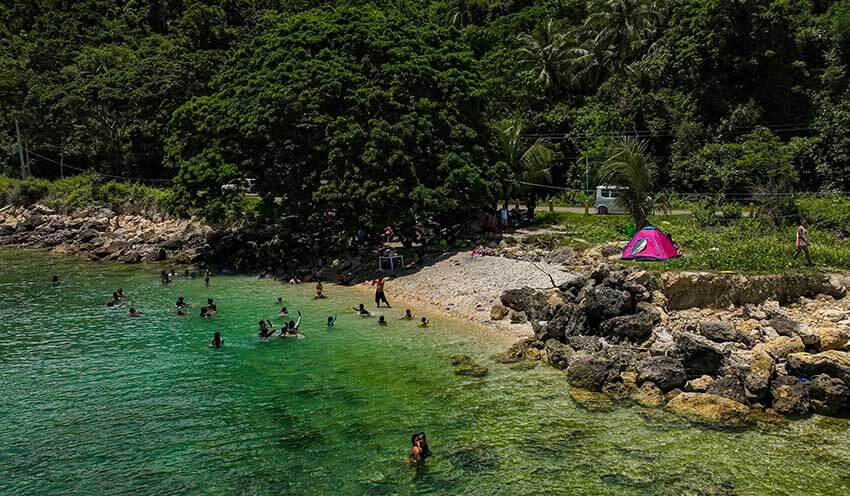
Investigate the lovely islands encompassing Cebu, including Mactan, Olango, and Nalusuan. Swim in completely clear waters, loosen up on white sandy sea shores, and partake in a flavorful fish lunch on this entire day’s visit.

City Visit

Find the rich history and culture of Cebu tour packages, cebu tours City with a directed visit through its top attractions, like Magellan’s Cross, Stronghold San Pedro, and the Basilica Minore del Santo Niño. Find out about the city’s Spanish provincial past and visit nearby business sectors to test conventional treats.

Whale Shark Watching

Whale-Shark-Watching

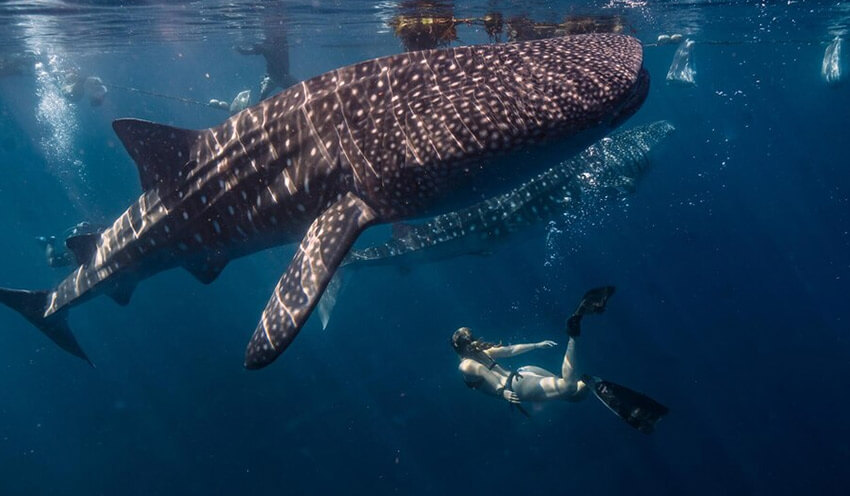
Get very close to delicate goliaths on a whale shark-watching visit in Oslob. Swim close by these great animals right at home and wonder about their noteworthy size.

Kawasan Falls Experience: 

Kawasan-Falls-Experience

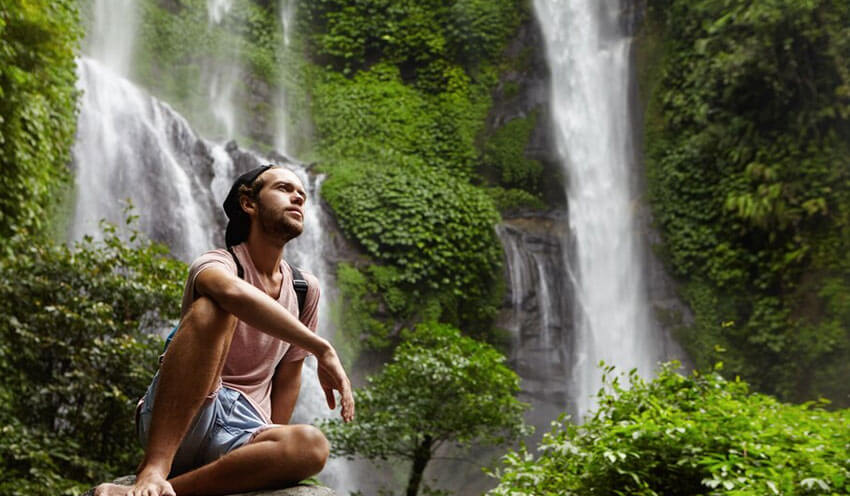
Set out on an exhilarating canyoneering experience in Badian to arrive at the dazzling Kawasan Falls. Leap off bluffs, swim through turquoise pools, and rappel down cascades for an adrenaline-siphoning experience.

Bohol Roadtrip

Bohol-Roadtrip

Take a ship to the close by island of Bohol and investigate its top attractions, including the Chocolate Slopes, Tarsier Safe-haven, and Loboc Stream Journey. Experience the regular magnificence and extraordinary untamed life of this charming island.

Moalboal Swimming Visit: 

Moalboal-Swimming-Visit

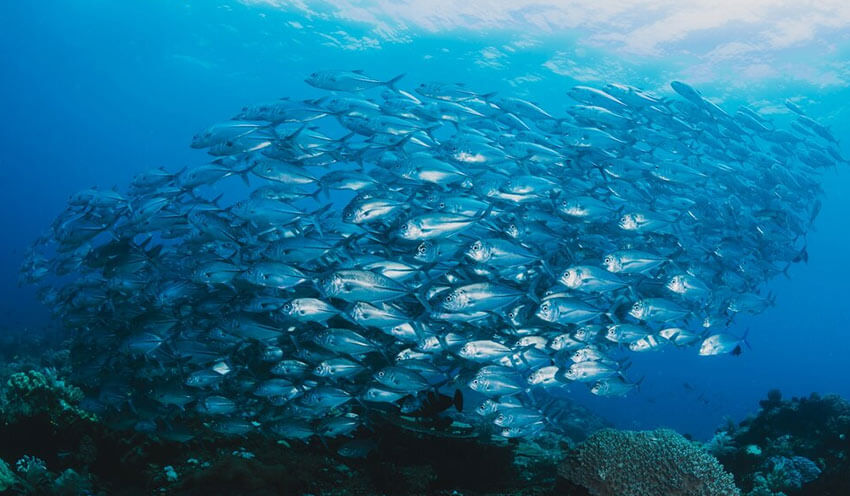
Plunge into the submerged universe of Moalboal and swim with brilliant marine life, including sardines, turtles, and dynamic coral reefs. Partake in the completely clear waters and stunning perspectives on this half-day visit.

Osmeña Pinnacle Trip: 

Osmeña-Pinnacle-Trip

Climb to the most noteworthy point in Cebu at Osmeña Pinnacle and appreciate all-encompassing perspectives on the encompassing mountains and shore. Experience the magnificence of the Cebu wide open on this difficult yet remunerating journey.

Cebu Safari and Experience Park

Cebu-Safari-and-Experience-Park

Drench yourself in nature at the Cebu Safari and Experience Park, home to various extraordinary creatures and exciting exercises. Go on a safari visit, zip line through the wilderness, and connect with untamed life very close.

Bantayan Island Escape

Bantayan-Island-Escape

Departure to the flawless shores of Bantayan Island for a loosening up ocean-side excursion. Appreciate sunbathing, swimming, and water sports on its charming white sand sea shores, and enjoy new fish at nearby eateries.

Cebu Food Visit: 

Cebu visit bundles Food

Enjoy the different kinds of Cebu visit bundles food that takes you to the city’s best diners, and road food slows down. Test neighborhood treats like lechon, puso, and dried mangoes, and find out about the culinary customs of the district.

But why just stop at 10, let’s check out some more.

Moalboal Sardine Run

The main highlight of the Moalboal island-hopping tour is the sardine run experience. These tours include stops at Turtle Bay and Pescador Island, but most visitors wait for the infamous Moalboal’s sardine run when they go for snorkeling. 

Moalboal-Sardine-Run Cebu visit bundles

The huge glimmering underwater wall formed by sardines when they swim together is an amazing sight, so you would want to bring a waterproof camera with you to capture this magnificent sight. This is a regular phenomenon in the Moalboal’s water. Most of the tours come with transfers from Cebu, which makes it easy for you to squeeze in your itinerary.

Ocean Park Private Tour

A private full-day trip is something that is going to be tailored exclusively for you. Take a trip through the picturesque landscapes and reach the heart of the city of the Philippines. From there, most of the tour guides take you on this personalized private tour of Ocean Park.

Ocean-Park-Private-Tour Cebu visit bundles

Discover the enigmatic Cebu Ocean Park, look at its grandeur, capture a few iconic moments, and have an amazing experience at the Ocean Park. These tours are exclusively designed and are meticulously scheduled. 

Most of the tour guides greet you at the hotels, pick you up from there, and drop you back at the hotel with a lot of time to relax and enjoy the rest of the day the way you wish. 

Conclusion

Whether you’re looking for experience, unwinding, or social encounters, these Cebu visit bundles offer something for each kind of voyager. Book your visit bundle today and prepare to investigate the magnificence and appeal of this tropical heaven.

Make sure that you have the places you want to visit in your Cebu visit bundles, and if not, try to negotiate with them and ensure that you get what you want. Try to shuffle one place for another to include your favorite place within the itinerary. Or you can just take some time off of the tour package and visit the places at your own expense.

ADDITIONAL READING:

Share on Social Media

Ankita Tripathy loves to write about food and the Hallyu Wave in particular. During her free time, she enjoys looking at the sky or reading books while sipping a cup of hot coffee. Her favourite niches are food, music, lifestyle, travel, and Korean Pop music and drama.

Leave a Reply

Your email address will not be published. Required fields are marked *

title-img Related

READ MORE Saguaro National Park

The Hiking Trails In Saguaro National Park Are Calling! Pack Your Bags

BY  Sibashree Aug 12, 2024

Saguaro National Park has a massive footfall every year thanks to its delightful trails, mountains, and endless species of cacti. Despite being a favorite of hikers and equestrians, this park is also a delightful destination for family trips.  Further, exuding the essence of the Sonoran Desert, Saguaro National Park in Arizona is also home to creatures like the Gila monster, mountain lions, desert dogs, and coatis.  So, are you planning a vacation between October and April? Pack your bags and visit the trails and desert land in Saguaro National Park.  Know The Best Trails In Saguaro National Park The Saguaro National Park is divided into two sections, east and west. The east side has the more intriguing trails, whereas the trails in the west offer the most amazing scenic beauty.  Along with desert and mountain trails, you will also be able to go for short walks and explore the natural trails filled with cacti and saguaros.  So, let’s know the trails in the Rincon Mountain District in the east and Tucson Mountain District in the west.  Best Hikes In Saguaro National Park East (Rincon Mountain District) If you want to experience the pristine beauty of Saguaro National Park, your road must lead to the east. This side of the park has fewer tourists and old vegetation of cacti and saguaros. Also, are you an early bird? You can enjoy the best Sunrise view from the Saguaro Eastern trails.  Hope Camp and Ridgeview Trail Distance: 2 miles This trail is famous for the best views of the Rincon Peak and has an elevation of 400 feet. Toward the end of the trail, all your strain will be gone as you discover vibrant wildflowers and beautiful panoramic views.  As the trail ends at the top, the Box Canyon will appear before your eyes. If you are in the park during the wet season, the view of the waterfalls will give you the most fulfilling experience.  Freeman Homestead Trail Distance: 1 mile An old homestead foundation, large saguaros, and a desert wash are the highlights of Freeman Homestead Trail.  You can call this a “home in the desert,” and it is related to plant life and history. This Saguaro National Park East trail is one of the favorites of youngsters.  Loma Verde Loop Distance: 3.8 miles The Loma Verde Loop comes with a 60-feet elevation. The presence of mature mesquite trees along the trail gives the space a gothic vibe.  Here, you will cross a seasonal wash and climb onto bajada (Spanish), a gravel land at the mountain base.  Next, you will have to cross the Loma Verde Mine and continue through the Pink Hill Trail. Wait a while and keep hiking in a minor spur trail, offering a mesmerizing view of the cactus vegetation.  Further, take a right turn on the Pink Hill Trail and also take a right turn on the Squeeze Pen Trail. Finally, take a left on the Loma Verde Trail to head back to the trailhead.  As you can see, a lot of twists and turns await throughout the loop. So, keep a topographical map handy.  Garwood Dam and Wildhorse Tank Distance: 6.4 miles Garwood Trail is one of the best routes for you if you have come to the park to see cacti. As you take the steep section of the trail, you will visit Garwood Dam, built by Nelson Garwood.  Continue your journey through the switchbacks until you reach a ridge with the most amazing views.  Further, as you cross the ridge, you will find Wildhorse Trail. Turn right and take a steep of 0.3 miles to reach the Wildhorse Tank.  Tanque Verde Ridge Trail  Tanque Verde Ridge Trail is one of the most strenuous hiking routes in this National Park because the distance and elevation of the trail keep varying. The highest point in the trail is the Tanque Verde Peak, which is 7049 feet high.  However, as you advance through the route, you will get to see the most exciting views. Further, when you reach the top of the ridge, you will find many other ranges in the north, south, and west. The Tucson Basin also becomes visible from the ridge top. In addition, don’t forget to take snaps of “the Dome,” a “crested saguaro,” and the unique views.  Best Trails In Saguaro National Park West (Tucson Mountain District) Tuscan Mountain District has the largest cacti in the USA. This large saguaro is acknowledged as the universal symbol of the American West.  Hike through the trails in the west to meet a variety of cacti and the most amazing Sunset views.  King Canyon Trail Distance: 3.5 miles The King Canyon Trail ascends to the Hugh Norris Trail. Watch out for the stair-step-like rock formations in the wash bottom.  Hugh Norris Trail  Distance: 4.9 miles Hugh Norris Trail is the most delightful among other trails in the park. It leads to the Wasson Peak, the highest spot in the Saguaro National Park.  Along with scenic beauty, the rocks of various formations will grab your attention throughout the trail.  Sendero Esperanza Trail Distance: 3.2 miles Sendero Esperanza Trail hiking is a little arduous thanks to the constant ascends and descends. However, it is one of the most beautiful trails in the park.  Cam-Boh Trail Distance: 2.7 miles  Cam-Boh Trail works as a connection between the eastern and western trails of Tucson Mountain District. Further, it is a favorite of hikers for its connectivity to many hiking loops. You can also enjoy a horse ride through the trail.  Ringtail Trail Distance: 1 mile Ringtail Trail connects you to many other trails on the eastern side of the Tucson Mountain District. The trail can get moderately steep.  Sweetwater Trail Distance: 3.4 miles  If you want to visit the Wasson Peak from the east of the Tucson Mountains, you will have to take the Sweetwater Trail.  The trail starts at  El Camino del Cerro Road’s western end.  Cactus Wren Trail  Distance: 1.5 miles  This one-way trail stretches to the Signal Hill Picnic Area, a favorite of localities for family trips. You can start your journey from the “Sandario Road and Rudasill Road” corner.  You will see many desert washes on the trail.  Short Walks And Nature Trails In Tucson Mountain District The short walks and nature trails of the national park will make you familiar with the local ecosystem. Get ready to explore the following trails replete with various cacti.  Cactus Garden Trail - 100 yards Desert Discovery Trail - 0.5 miles Valley View Overlook Trail - 0.8 miles Signal Hill Petroglyphs Trail - 0.5 miles Organpipe Cactus, Pink Hedgehog, and Claret Cup Cactus are some of the most popular cacti species found across these trails.  Final Words  Saguaro National Park had more than 1 million (1,010,906) visitors in 2023. The easy trails with the best scenic views and the diversity of cacti here consistently attract visitors to this park. In the last five years, the park has welcomed more than a million visitors three times.  Perri Spreiser, the district ranger for interpretation at Saguaro’s Rincon Mountain District, has rightly said, “We are no longer a small park.”  The increasing popularity of the park has left a positive impact on the local community. They are proud of the park and ensure that everything is quiet and serene in the park. The park owes much of its popularity to the pristineness of its beauty. The local community does not want to ruin it. Do you want to explore beautiful desert trails, and are you a cacti-enthusiast? It’s time to pack your back and take a drive to the land of saguaros. Or have you already been to this wonderful national park that was designated in 1994? Don’t forget to share your experience with us.  Saguaro National Park FAQS  Is Saguaro National Park Worth Seeing? Yes, Saguaro National Park is worth seeing, as you can see the most amazing cactus and saguaros here. The place has a distinct rugged charm with flat desert and rocky mountains.  You can hike through the trails and enjoy the most beautiful Sunset views in the park.  How Many Trails Are In Saguaro National Park? Saguaro National Park has as many as 78 trails spreading across 200 miles. A combination of flat deserts and rocky mountains, Saguaro National Park, is a great place for hiking with family and beginners.  What Is The Most Scenic Trail In Saguaro National Park? Hugh Norris trail leading to the Wasson Peak, the highest point of the Tucson Mountains District of Saguaro National Park, is the most scenic trail.  You have to travel through a dense forest, and as you advance toward the peak, you will find a rocky landscape. You can enjoy an expansive view of the Sonoran Desert as you explore through this trail.  Opuntia, echinocereus, and barrel cacti are the most amazing cactuses found on this trail.  What Is The Best Place To See Sunset In Saguaro National Park? Saguaro National Park West is the best place to see the Sunset. You can enjoy the most beautiful view from Gates Pass, which is at the western end of Speedway Boulevard.  In Saguaro National Park East District, the Sunset looks most beautiful as you explore the  Tanque Verde Ridge trail. Javelina Rocks pull-out is another great spot to watch Sunset in the East District.  How To Spend One Day In Saguaro National Park West? A day in Saguaro National Park West will be filled with activities. Camping and hiking are the most adventurous activities here to explore.  The Tucson Mountain District is on the west side, and your trip to the west starts with the Red Hills Visitor Center. The west side of the national park has many cacti and large saguaros.  Also read Why Include Whale Watching In Your LA Itinerary. Traveling On A Budget: Tips For Affordable Adventures. From Cocktails To Kickflips: Must-Try Activities In San Diego.


READ MORE Acropolis of Athens

Acropolis Of Athens Tickets

BY  Arnab May 12, 2023

The Acropolis of Athens is an iconic monument and a UNESCO World Heritage Site that attracts millions of visitors every year. It is a symbol of ancient Greek civilization and a testament to human achievement in architecture, engineering, and art. What’s even better? You get Acropolis Of Athen Tickets at quite affordable prices! The Acropolis of Athens is located on a rocky hill overlooking the city of Athens. It consists of several ancient buildings, including the Parthenon, the Erechtheion, as well as the Propylaea. These buildings were constructed in the 5th century BC and are considered some of the most impressive examples of classical Greek architecture. If the Acropolis of Athens is the place that you want to visit, you will need to purchase Acropolis of Athens Tickets. These tickets can be purchased online or even at the entrance of the site. The ticket includes access to the Acropolis as well as several other archaeological sites in Athens, including the Ancient Agora and the Roman Agora. Visitors to the Acropolis of Athens should be prepared for a steep climb to reach the top of the hill. However, the effort is worth it for the stunning views and the opportunity to see one of the most important historical sites in the world. The site is open year-round. But it can get crowded during peak tourist season, so it's best to arrive early in the day to avoid long lines. Site Monuments at the Acropolis of Athens Here are some of the site monuments you cannot miss while you are in Athens: The Parthenon The Parthenon is the most famous of the Acropolis site monuments as well as one of the most iconic landmarks in the world. It originates from the 5th century BC as a temple in dedication to the goddess Athena, the patron goddess of Athens. The temple features a massive colonnade, a pediment with sculptures depicting scenes from Greek mythology, and a frieze that tells the story of a religious procession. The Parthenon remains an outstanding example of classical Greek architecture. Despite earthquakes damaging it and other natural disasters over the centuries, it is a testament to the skills of the ancient builders who created it. The Propylaea The Propylaea is the monumental gateway to the Acropolis and originates from the 5th century BC. It features impressive columns and a grand staircase. Its design is a fitting entrance to the sacred site of the Acropolis. The Propylaea is an excellent example of classical Greek architecture. Its imposing presence still impresses visitors to the site today. The Erechtheion The Erechtheion is a temple in dedication to both Athena and Poseidon and it originates from the 5th century BC. The temple features several distinctive elements, including the famous Caryatids, columns shaped like female figures. The Erechtheion is famous for its intricate design. It includes a variety of different levels and sections, as well as stunning decorative elements such as sculptural friezes and ornate moldings. The Temple of Athena Nike The Temple of Athena Nike stands in honor of the goddess Athena. This was a symbol of victory and reached completion in the fifth century BC. The temple is a small but elegant structure featuring beautiful friezes and commanding views over the city of Athens. Despite its relatively small size, the Temple of Athena Nike is a significant example of classical Greek architecture and an important part of the Acropolis site monuments. The Odeon of Herodes Atticus The Odeon of Herodes Atticus is a semi-circular theater that was built in the 2nd century AD. It was constructed in honor of Herodes Atticus. He was a wealthy Roman citizen who sponsored many public works projects in Athens. The Odeon was used for concerts and other performances and is still used for cultural events today. It is a testament to the enduring legacy of the Acropolis site monuments. The architecture is an important reminder of the cultural significance of the ancient city of Athens. The Theatre of Dionysus The Theatre of Dionysus is an ancient Greek theater originating from the 5th century BC. It was the site of the first performances of many famous Greek plays. It includes the works of Aeschylus, Sophocles, and Euripides. The theater was in dedication to the god Dionysus. He is the patron of theater as well as wine and became the birthplace of theater. The Theatre of Dionysus is an important part of the Acropolis site monuments. It is a must-see destination for anyone who likes the history of theater. The Stoa of Eumenes The Stoa of Eumenes is a long-covered walkway that originates from the 2nd century BC. It held public gatherings and as a marketplace as well as is an excellent example of ancient Greek architecture. The Stoa features a colonnade with beautiful columns. Its location on the Acropolis offers stunning views of the surrounding area. The Temple of Olympian Zeus The Temple of Olympian Zeus is one of the largest temples in Greece. It has been standing tall since the 6th century BC. The temple is in dedication to the god Zeus and features a massive colonnade with 104 columns. Only 15 remain standing today. The Temple of Olympian Zeus is an impressive example of ancient Greek architecture. It is a reminder of the importance of religion in ancient Greek society. The Sanctuary of Asclepius The Sanctuary of Asclepius, a small temple, is a dedication to the god of healing as well as medicine. Its making date is in the 4th century BC. The temple features beautiful columns and a small altar and was a popular destination for pilgrims seeking healing as well as wellness. The Sanctuary of Asclepius is a reminder of the importance of health and wellness in ancient Greek society. It is an interesting addition to the other more well-known site monuments on the Acropolis. Read Also: The Best 5 Places To Visit In Sicily This Year 10 Best Places To Travel In April – Travel Guide 2022 10 Best Places To Travel In November – Travel Guide 2022

READ MORE

Do The Sand Dunes Come Alive At Kobuk Valley National Park?

BY  Sibashree Sep 11, 2024

Kobuk Valley National Park is surreal! Have you ever thought to meet sand dunes in the Arctic Circle? The unique geology of the park makes it possible. That’s not all! The Great Kobuk sand dunes stand here, along with the remains of the North American continental glaciers.  Three of the sand dunes in this national park are active or alive. The Great Kobuk Sand Dunes, Hunt River Dunes, and Little Kobuk Sand Dunes here cover a mesmerizing 20,000 acres of area in the park.   Today, hiking through these dunes is one of the most popular activities in the Kobuk Valley National Park.   While it is visually unusual or unexpected to see sand dunes in an Arctic National Park, you also need to understand that the Arctic region gets very little rainfall every year. So, this is also a desert region.   “Sand dunes in the Arctic landscape are not what you would expect. Since most people associate sand dunes with a hot desert environment, it is a visually unusual thing to see. In fact, what most people don't realize is that the Arctic is also a desert with very low levels of rainfall.”   - Christian, a Kobuk Valley National Park Worker  Having said that, how the sand dunes came to be here, and the experience of exploring them will be a great thing to discuss in this article.   This Is How The Kobuk Valley National Park Became The Land Of Sand Dunes   https://www.instagram.com/p/BWatGdVFuis/ Much of Alaska, including the Kobuk Valley National Park, falls in the Tundra region. Tundra, the coldest of the biomes, gets only around 150 to 250 mm of rainfall and snowfall yearly1. So, the national park has less rainfall than some of the most well-known deserts in the world.   Further, the sand dunes in the Kobuk Valley are as old as the Ice Age. Now, as the mighty glaciers moved forward and made a retreat, the rocks beneath got ground. Now, the blowing wind transported the sand into the empty and ice-free Kobuk Valley. The sand dunes in the park are up to 150 feet high, and they are the biggest, high-altitude, and most importantly, “active sand fields”  in the earth.   In The Land Of The Great Kobuk Sand Dunes  https://www.instagram.com/p/BgmZYDdAA_r/ Are you in the Sahara? No, you are around 35 miles above the Arctic Circle and still find the largest active sand dune field in the world. Today, it is a popular backpacking, hiking, and camping destination in the National Park. You must attend the Northwest Arctic Heritage Center to learn more about the outdoor pursuits in the land of sand dunes.  Let’s quickly look at why the Great Kobuk Sand Dunes is a preferred destination for camping, hiking, and backpacking.  The sand is steady enough for the landing of an aircraft with wheels.  You can put up your tent on any level surface.  Also, you can hike in any direction.  Further, you can board a float plane and reach the Kobuk River. From there, you can take a backpacking tour for around two miles and reach the dunes.  You must visit the Kotzebue Visitor Center if you have plans to take this backpacking journey to and from the Kobuk River.   There is no marked route for hiking.  In summer, the temperature in the sand dunes can reach up to 100 degrees Fahrenheit. Also, fall is the season to see caribou migration here.   However, there’s more to it! Let’s learn about the Great Kobuk Sand Dunes as relics of the Ice Age and how life thrived here.   Great Kobuk Sand Dunes: The Relics Of The Ice Age   https://www.instagram.com/p/BYwfdMYlr-0/ To know about the formation of the Great Kobuk Sand Dunes, we must go back to the Ice Age. Around 28000 years ago, glaciers in the mountains formed. I have already discussed how the glaciers ground the rocks and wind deposited them in the Kobuk Valley.   Further, approximately 14000 years ago, the glaciers made a massive retreat. As a result, there were 200,000 acres of sandy land formation on the river banks. Complex holocene activities and geomorphic preservations keep the sand dune field at the Kobuk Valley National Park active or alive. Along with the Kobuk Valley, small lakes in the park have also accumulated sand over thousands of years.   However, most of the landscape today is occupied by the vegetation of the national park, and the sand dune area consists of only 20,000 acres. The vegetation found here consists of the following varieties.  Wild rye  Grasses  Sedges  Kobuk locoweed  Wildflowers blooming occasionally  These species grow on the shifting sand, and they function as stabilizing agents. You can see shrubs, lichens, mosses, and algae following this vegetation. Finally, there are spruce, birch, and aspen trees covering the landscape.    The slopes of the Kobuk Valley sand dunes are the only place where Kobuk locoweeds grow. These plants belong to the pea family, and they are known for their purple flowers. If you want to see these flowers, you must visit the park in late June and July.   The inland dune field of Kobuk Valley National Park is surrounded by boreal forest.   Humans And Wildlife In The Great Kobuk Sand Dunes  https://www.instagram.com/p/Cv0EhpdLsJ5/ It’s amazing to see the Western Arctic Caribou walking through the Great Kobuk Sand Dunes. Fall and spring are the migration seasons for these animals. The north of Brook Range is the caribou herd’s calving ground, and they migrate to and from this place.   As the caribou herds pass through the sand dunes, their footprints remain in the ground for the longest time. According to National Park Service data, around 250,000 caribou pass through this national park annually.   No wonder that the Kobuk Valley National Park is one of the “last great migrations” remaining in the world. The table below gives you a brief idea about the animals and birds in the sand dunes.  Birds Sharp-shinned Hawk Golden Eagle Bald Eagle American Wigeon Northern Pintail Rough-legged Hawk Marsh Hawk Mammals Caribou Wolverine Muskox Snowshoe Hare Moose Gray Wolf Grizzly Bear Beaver Arctic Fox American Pine Marten Amphibians Wood Frog Fish Longnose Sucker Salmon* Northern Pike Alaska Blackfish Alaska Whitefish Humpback Whitefish Alaskan Stickleback Ninespine Stickleback  Human history in the Great Kobuk Sand Dunes is at least 8000 years old. They lived by the Kobuk River and were mainly focused on fishing, hunting, and trapping for survival. It is fascinating to visit the thousand-year-old hunting camps on the edges of the sand dunes.  The golden and shifting Great Kobuk Sand Dunes are located a few miles away from the Kobuk River. Further, the sand dunes soar up to 100 miles in the air.   Kobuk Valley National Park Is Also The Land Of Iñupiaq Subsistence  https://www.instagram.com/p/BWdjyOBl_Lw/ Human life, which started in the Great Kobuk Sand Dunes 8000 years ago, is still thriving with the mantra of subsistence. The Iñupiaq people here use the available natural resources to fulfil their physical needs and safeguard their spiritual and cultural requirements.   For example, they depend on caribou and salmon to feed themselves and their dogs. At the same time, caribou skin hide is extensively used to make parka jackets to combat Arctic winter. They also make mukluks or boots using reindeer skin to walk through the snow.   Further, the local people made baskets using birch and willow. Moreover, in darkness, caribou tallow or seal oil were the only ingredients to light up their stone lamps.   Irrespective of the trade with the coastal communities, the “customary, traditional and non-commercial” use of natural resources is still important in the park.   Iñupiat Ilitqusiat And Respecting The Ecosystem   https://www.instagram.com/p/CzjboNfsc4Y/ Aboriginal people in the Kobuk Valley National Park are committed to passing on their values from generation to generation. The Iñupiat Ilitqusiat value asks them to transfer the knowledge and skill of hunting and everything about life.  In addition, this transfer of knowledge helps to make the most of various seasons and subsistence opportunities. For example, the caribou season comes to this park after the salmon season.   Earlier, Noatak Valley was the destination for these people during the caribou season, and even today, some families move to Noatak Valley. Again, summer camping around the Kobuk River is common for fishing, especially catching salmon and whitefish.   Summer is also the season for harvesting berries and wild greens for the local people.  If you want to learn about the local people and their values, you must be respectful and understand their seasonal activities as a part of their subsistence practices.   Overall, the Kobuk Valley National Park is not just a place to see sand dunes and wildlife. It is a tapestry of human lives depending on nature.   Things To Know Before You Visit The Kobuk Valley National Park   For me, the sand dunes and Iñupiaq subsistence practices are the most fascinating things in the Kobuk Valley National Park. However, keep the following information handy if you are to pay a visit anytime soon.   Mode of Transport: Authorized air taxis from Kotzebue or Bettles  Visitor Center: Northwest Arctic Heritage Center  Entrance Fee: Free  Permits Required:  Commercial Use Authorization or CUA for commercial activities, Research Permits, Filming and Photography Permits  Activities to Do: Boating, fishing, camping and backpacking, hiking, flight-seeing and exploring nearby attractions  Best Time to Visit: June to July   Area: 1,750,000 Acres  Established: 2nd December, 1980  Number of Visitors: 17,616 (2023) (National Park Service Data)  Snowfall, downpours, and extreme weather conditions can occur in any season of the year. So, follow the instructions shared at the visitor center and keep your gear ready for survival!