

What Are The Best Things To Do In Rome? Here Are My Favorites 

Feb 4, 2026

Last Updated on: Jun 1, 2026

Travel Guides

Now, whenever it’s about the iconic destinations such as Rome or Paris, making a “things to do” list is exhaustive. 

And the extortion shows in the guides I check on the internet. So, this time, I planned to create a guide on things do in Rome and it is something very personal.

After three trips to Rome over the years, I can safely say that I have started to know the real pulse of the city. It’s beyond the Colosseum and Roman history. 

We have a different guide on the main attractions in Rome if you only want to learn about the iconic attractions. 

So, let me take you on a trip to Rome through my eyes. 

Also, I am happy that combating overtourism in Rome has finally been taken up seriously.

If you are a foreign tourist, you will have to pay €2 to visit the Trevi Fountain during the daytime from February 2026. 

Nevertheless, here are my favorite things to do in Rome. 

What Are The Best Things To Do In Rome? 

Timeless, Rome has the power to add a new favorite shade to your list of favorites. Or, you can have a trip to the past at every corner you look! 

It takes a lifetime to understand the true essence of Rome. 

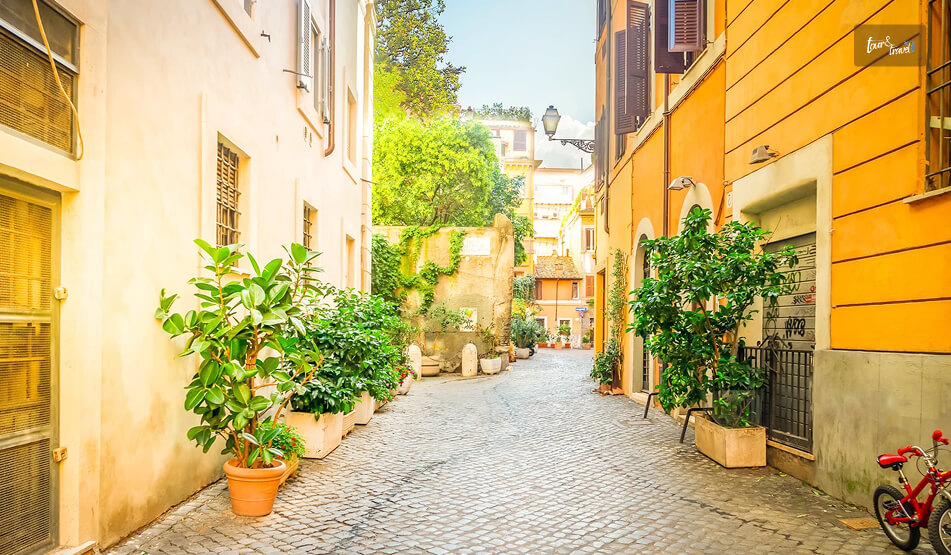
1. Rediscover The Shade Of Ocher 

Ocher is the color you begin and end your day in Rome with.

The street light, which plays the perfect complement to the Sun, also creates the same magic when bouncing off the buildings. 

Especially during the winter months, when the sky of Rome is bright blue, the old buildings stand as the eternal witness. Guess their color? It’s ocher. 

Also, if you ask me which city wears decay the best, it’s Rome for sure.

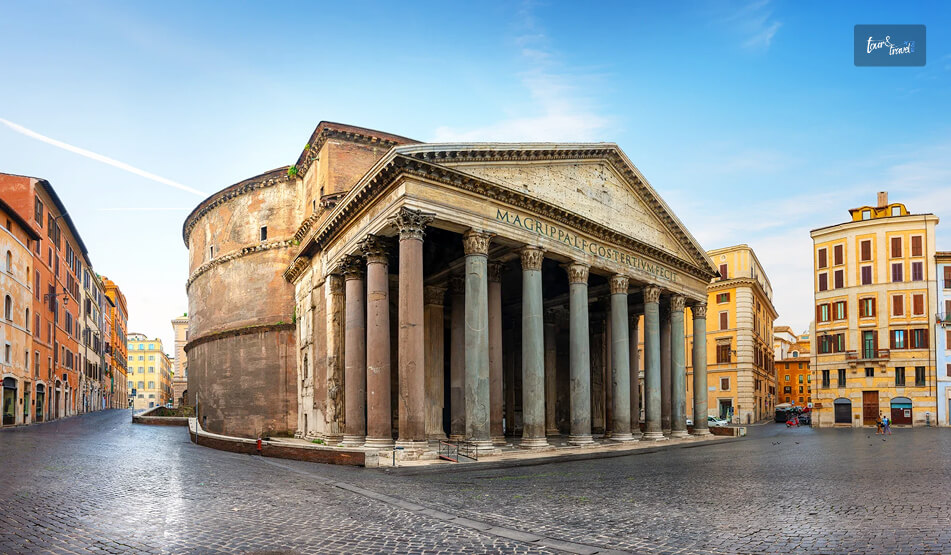
2. Exploring The Pantheon (Yes Again!)

Exploring The Pantheon (Yes Again!)

The Pantheon never gets old for me. A building that has been standing for 2000 years feels magical. 

Also, one great thing I noticed last time was how they are managing the crowd. You have to pre-book it. So, you cannot just walk in. 

You can even book your fast-track tickets for the Pantheon. 

It’s an irony that this temple for all (Pan) gods (Theos) is not revered as the other architectural icons of the world.

However, for me, it’s most cryptic and intriguing, even the Colosseum. 

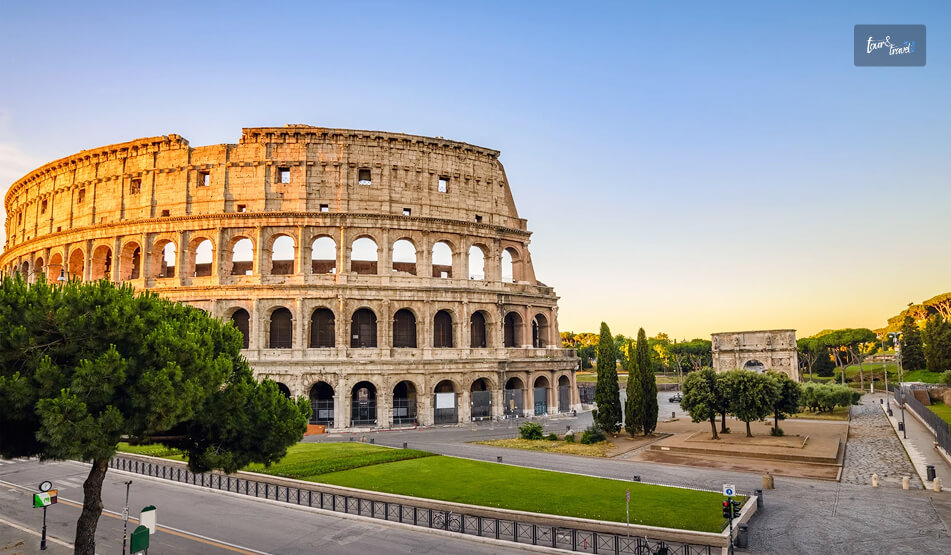
3. Visiting The Colosseum And Roman Forum (You Cannot Miss It, Right)? 

Visiting The Colosseum And Roman Forum (You Cannot Miss It, Right)

I got inside the Flavian amphitheater last time. However, if you are a first-timer, you can make proper plans and book a ticket online in advance. 

Also, with each ticket, you will get an entry to the Palatine Hill and the Roman Forum.

However, if you want to explore the rare corners of the Colosseum, such as the attic or the underground, you will need to buy separate tickets. 

Moreover, let’s make this clear to you! You will need an English-speaking guide.

It does not matter how much you have read about the Colosseum.

The anecdotes they share and the way they help to navigate have no match.

Also, it is through their stories that you will see the Gladiators in Rome coming alive in front of your eyes. 

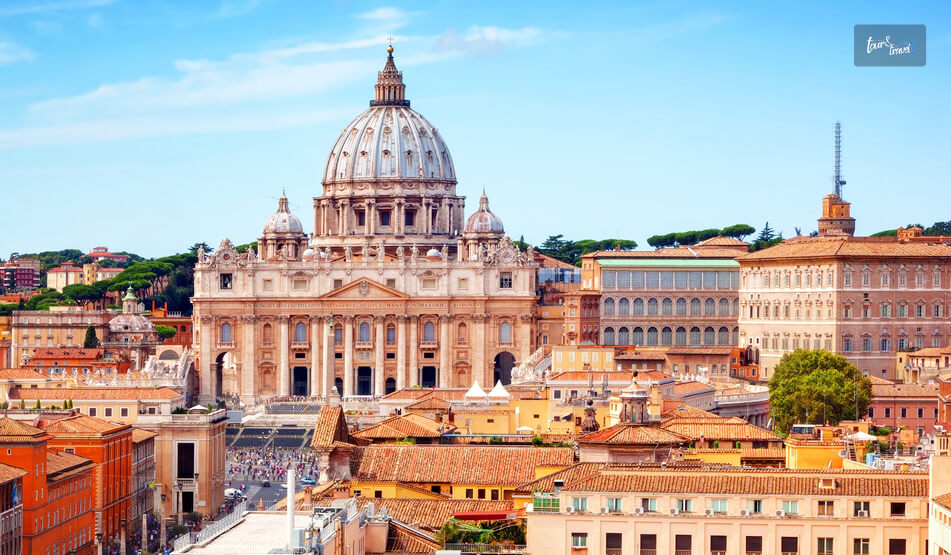
4. Exploring The Vatican Museums 

Exploring The Vatican Museums

We all know that Vatican City is one of the countries near Italy, and it is an enclaved microstate. 

The Vatican Museums are like miles of artwork. The museums have around 70000 artworks in their 24 different sections. 

The gallery of maps was the most fascinating for me as a traveler and travel writer. It took around 3 years to get completed. 

Also, the Bramante Staircase itself is an attraction, and I spent quite some time near it.

However, the Vatican Museums need better crowd management.

Also, please note that the museums are now open at 8 AM instead of 9 AM for better visitor management. 

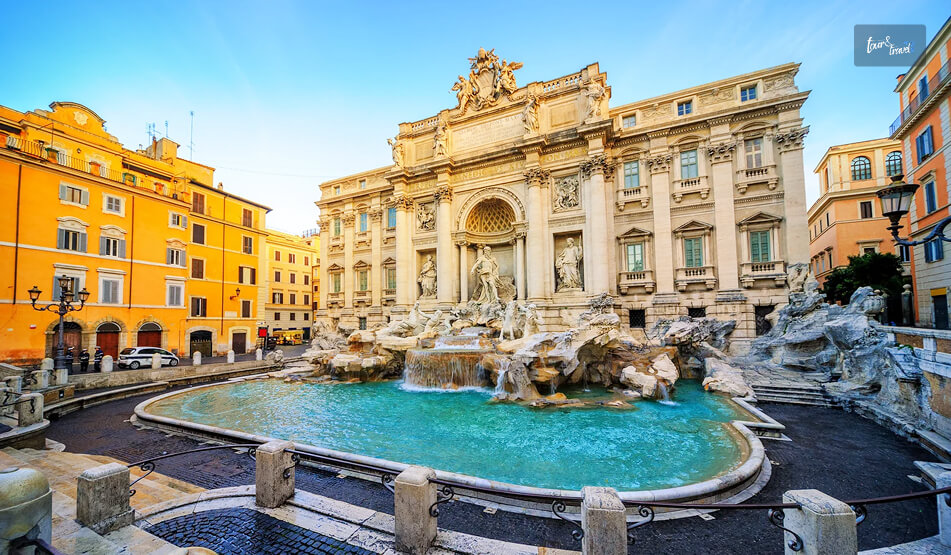
5. Making A Wish At Trevi Fountain 

Making A Wish At Trevi Fountain

I have already mentioned the fee imposed for visiting the Trevi Fountain.

And it was much-needed, as the last time I was in Rome, there were around 60000 people near the front basin of the fountain. 

Still, you cannot miss the fountain during the sunrise. And a tourist staple? 

To make a wish and throw the coin in the fountain water. These little cheesy things never get old. 

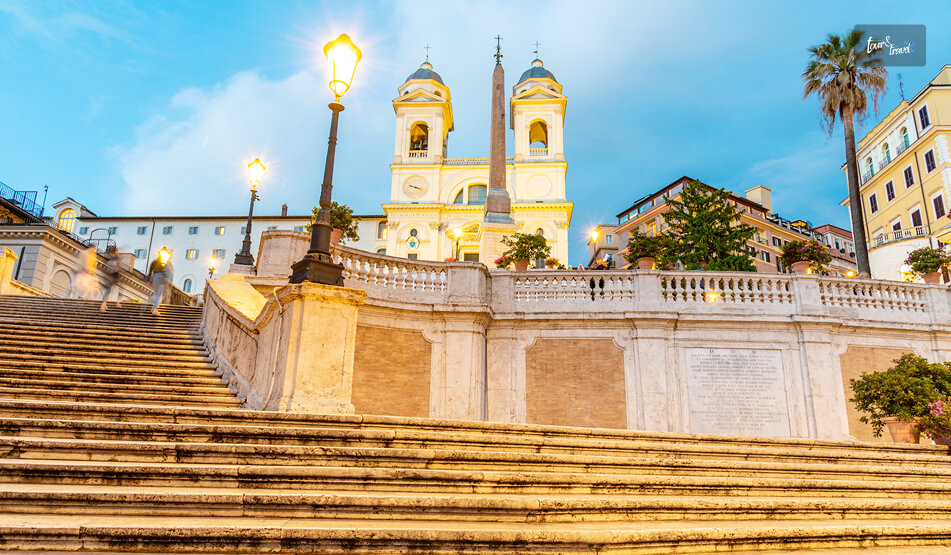
6. Walking Up The Spanish Steps 

Walking Up The Spanish Steps

Are you looking for free things to do in Rome? Just walk up the iconic Spanish steps. 

These steps are picture-perfect and a favorite for tourists looking for Instagram snaps.

The steps get their name from the Spanish Embassy at the bottom.

However, a Frenchman built the stairs, and the French Church at the top offers you some moments of quietude. 

The steps are also pretty close to Via del Corso, the main shopping street of Rome.

Also, you will find different cobbled alleys and quaint piazzas. Any particular favorite? 

Yes, Piazza del Popolo won my heart. 

7. Taking A Walk Around Trastevere

Taking A Walk Around Transtevere

Rome is walkable, and it is the epicenter of various trendy neighborhoods. Trastevere was my favorite among them. 

Transtevere has beautiful cobblestone streets, exuding the perfect dark academia vibes.

Also, drinking an Aperol Spritz and watching people here are some of my favorite things to do in Rome. 

I had my food at Tonnarello, and the chef’s kiss was the gelato I had while walking back to Centro Storico.

In this context, you will find many of the best hotels in Rome in the Centro Storico area. 

I prefer walking across the Ponte Sisto to reach Trastevere and explore its cobblestone streets. 

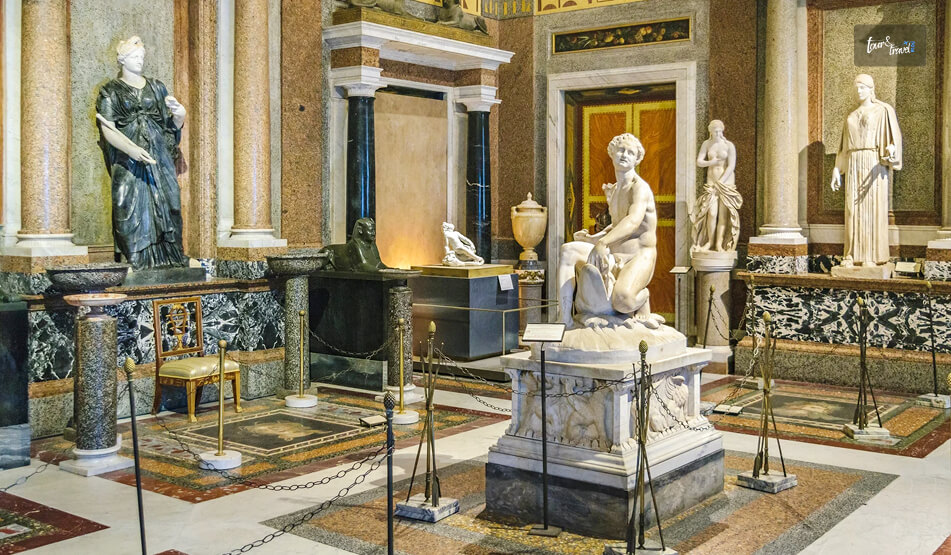
Browsing The Borghese Gallery

Borghese Gallery is a small building on the eastern edge of Villa Borghese. It is a sprawling park, spanning an area of 200 acres. 

Now, here comes the catch! With the “small” word attached to it, you will think that you can just walk in.

However, the gallery limits the number of visitors. 

So, if you don’t prebook, the tickets can get sold out. 

Enjoy the works of Raphael, Bernini, and Caravaggio at the Borghese Gallery. 

9. Exploring The Lesser-Known Side Of Rome: The Southeast

I took a scooter from the Centro Storico, and it was great to explore places like San Saba and Ripa.

Away from the crowd, the first major encounter here was the Circus Maximus. 

And it was a goosebump moment, without exaggerating a bit! It was the place where chariot races took place, and 25000 Romans were witnesses to them. 

Then, I continued walking toward Roseto Comunale and reached Giardino degli Aranci.

It is a garden of orange trees, and it has Terrazza Aventino, or the terrace from where you can enjoy amazing views. 

The next destination was the Piramide di Caio Cestio. A pyramid in Rome? Yes, it is. Finally, I reached the Baths of Caracalla.

The history of the bath goes back to 215 AD. The fun thing is that here you will get 4D goggles for a small fee and get a virtual tour of what the Bath looked like back then. 

If you want to explore further southeast, you can visit the Aurelian Walls and the Appian Way.

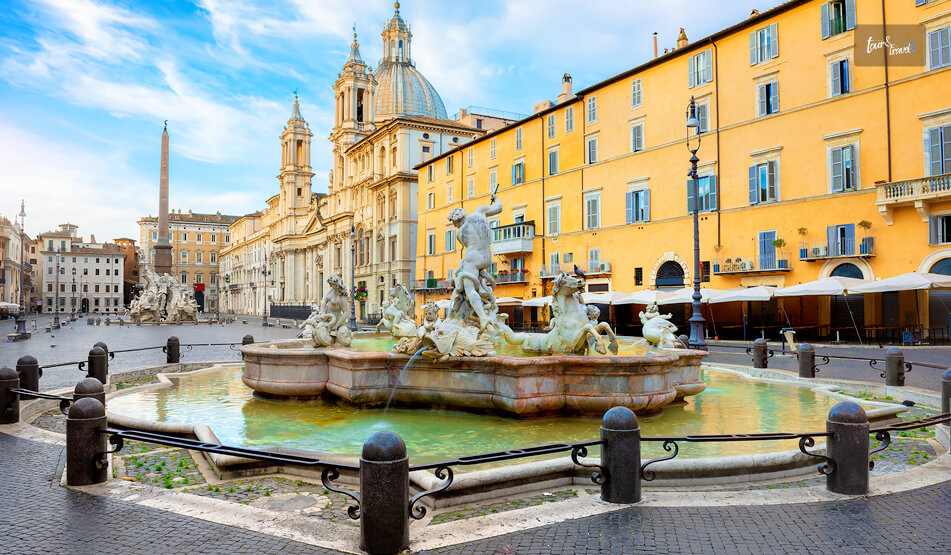
10. And The Piazza’s Time! 

And The Piazzas Time!

I don’t know how many people care to talk about piazzas when discussing the best things to do in Rome. 

From the beautiful Piazza Navona to the Piazza del Popolo, every piazza has a page to add to the glorious history of Italy. 

11. Trying Out The Best Italian Food 

Milky gelatos, Neapolitan-style pizzas, and homemade pastas are the three main attractions for a foodie in Italy. 

However, you must also try the gnocchi, cannoli, and tiramisu. Also, you cannot ignore the Peroni or Moretti, or even the Aperol Spritz. 

Want to have the best food experience in Rome with your partners? Explore these best romantic restaurants in Rome. 

Share on Social Media

Sibashree is a travel, culture, and leisure writer who has been writing since the age of 12 and professionally since 2014. With more than a decade of travel writing experience and journeys across India and several parts of the world, she brings a deeply personal and thoughtful perspective to her work. A student of English Literature and Mass Communication, Sibashree has always viewed travel as more than movement — for her, it has been a way of understanding people, cultures, and herself. Her passion for spiritual exploration has also led her to many unusual and meaningful destinations over the years. Outside of writing, Sibashree enjoys watching European cinema, reading about global politics, and reflecting on the stories hidden within everyday places.

Leave a Reply

Your email address will not be published. Required fields are marked *

title-img Related

READ MORE What is the oldest country

What Is The Oldest Country In The World? Japanese And Other Civilizations Still Alive Today 

BY  Sibashree Apr 1, 2026

While Iran, one of the oldest countries in the world, is fighting back against the joint attack of the USA and Israel, it’s the correct moment to look back at the ancient civilizations of our world.  So, what is the oldest country in the world?  While some say it is Japan, some vouch for India, and China remains the oldest continuous civilization in the world.  Here, I have picked 10 countries that I can call the “Immortal Ten” because of the human resilience they have shown and how they have survived.  What Is The Oldest Country In The World?  The current geopolitical map, in fact, did not exist for a long time.  Most of the countries that are members of the United Nations came into being in the aftermath of 20th-century decolonization or the dissolution of Soviet-era empires.  But what lies under the modern borders and changing flags is a much deeper level of human history.  Although historians generally use continuous sovereignty to measure longevity.  However, a government can lose its sovereignty to an invader, but that does not necessarily mean the end of the culture.  The true measures of a lasting civilization are cultural continuity, the survival of language,  religion, social cohesion, and identity beyond the ruin of even the most magnificent palaces. So, each civilization that qualifies for this list has withstood conquest, colonization, or internal upheaval without losing its very foundation.  Here are the ten oldest civilizations that are still living today. 1. China, The Oldest Continuous Civilization In The World  China traces its origins back to the Shang Dynasty (c. 1600 BC) over 3,500 years ago.  The oracle bone script of the Shang did not simply get lost like the hieroglyphics of Egypt or the cuneiforms of Mesopotamia. Instead, it gradually transformed into the modern Chinese writing system in use today.  Furthermore, the "Imperial Logic" of China, a centralized bureaucracy under moral guidance by Confucianism, was the charter of the Han Dynasty. It continued to be the underpinning even through the rise and fall of the many dynasties.  Even when the country was dominated by foreign powers such as the Mongols (Yuan Dynasty) or the Manchus (Qing Dynasty), they did not "unmake" China.  Rather, the new rulers were "Sinicized, " taking on the Chinese ways of administration and language so as to stay in power.  The present-day People's Republic of China utilizes a model of central governance that is reflective of the bureaucratic mindset of the emperors who ruled the country some two millennia ago. 2. Egypt: The Tital Of Antiquity  Egyptian civilization rose to prominence around 3100 BC under Pharaoh Narmer, at least in theory.  For 3,000 years, it set the standard for administration, engineering, and art.  The native religion faded with Christianity, and later Islam, and Coptic was mostly replaced by Arabic.  Still, the Egyptian character stayed rooted in the Nile.  Foreign powers, such as the Persians, Romans, Ottomans, and British, could never fully erase that identity.  Furthermore, Cairo held a central role in Islamic thought for centuries.  Today, Egypt remains the most culturally influential nation in the Arab world. The people have outlasted every empire that tried to control them. 3. Iran: The Persian Resilience  Iran, once called Persia, ruled the world from 550 BC when Cyrus the Great built the Achaemenid Empire.  The culture soaked up new rulers instead of losing itself.  After Alexander took over, he started wearing Persian royal clothes.  When Islam came in the 7th century through Arab rule, Persians embraced the faith but kept their language and built a unique style of art and religion. Thus, eventually, the formation of Shi'a Islam happened.  Farsi stayed strong with its roots unchanged and gave rise to poetry that shaped global thought, in particular through Rumi and Hafez.  Now, Iran's Islamic Republic stands where the ancient emperors once did, same land, same heartland, 2,500 years later! 4. India: The Land Of Spirituality India's story starts with the Indus Valley Civilization (c 2500 BC).  After it faded, the Vedic traditions in the Ganges Valley shaped Hinduism.  Also, the thing is, India has always had this "Diversity in Unity. "  It survived Mughal rule and the British Raj without giving up its core values or spiritual roots.  Local languages, epics like the Mahabharata, and daily life structures held strong through centuries of outside control.  After its independence from British Rule in 1947, India became the world's largest democracy, built on an ancient foundation that still holds together today. 5. Greece: The Land Of Philosophy  Greek civilization had its beginnings in the Bronze Age with the Mycenaeans (c. 1100 BC). Furthermore, its most flourishing period was the 5th-century BC "Golden Age" of Athens.  After the Greek city-states were absorbed by Rome to some extent, Greek culture became the very foundation of the Roman Empire.  In the Byzantine Empire, Greek was the language of the state as well as the church, and it was through these that Classical knowledge was preserved through the Middle Ages.  Even under four centuries of Ottoman rule, Greeks maintained their identity through the Orthodox Church and the use of their ancient language.  Moreover, when modern Greece was liberated in 1830, in essence, it was not a matter of creating a new identity. It was about celebrating a nation and a culture that has been around for three thousand years. 6. Japan: The Land Of The Oldest Continuous Hereditary Monarchy Japan has the world's oldest continuous hereditary monarchy, beginning with a legendary founding in 660 BC and first documented records in the 6th century AD.  It modernized rapidly during the Meiji Restoration in 1868 without losing its traditional values.  Furthermore, unified by one language and Shinto and Buddhism, Japan was never colonized by a Western power.  Even after World War II destroyed much of its infrastructure, the imperial institution stayed intact as a symbol of continuity.  Probably more or less, Japan's blend of advanced industry and old social norms contributes to its stability.  Today, the nation remains one of the most enduring civilizations in history. 7. Ethiopia: The Highland Fortress Ethiopia stands as a symbol of African endurance.  Its origins go back to the Aksumite Empire (c. 100 AD), which was among the earliest nations to adopt Christianity in the 4th century.  For over seven hundred years, the Solomonic Dynasty, which asserted its lineage from the biblical King Solomon, ruled the country.  The challenging terrain of Ethiopia enabled it to be the only African country that was never colonized (although it was under an Italian occupation for a short time in the 1930s).  The Ethiopian Orthodox Church and the Ge'ez script were cultural foundations. It preserved national identity and sovereignty when the rest of the continent was carved up by Europe. 8. Jewish Civilization Starting in the kingdoms of Israel and Judah more than 3,000 years ago, Jewish civilization stands as the most remarkable example of cultural resilience in history.  After the Romans destroyed Jerusalem, the Jews spread out worldwide in a diaspora. Normally, a nation without a territory would lose its identity in a few generations.  However, Jewish civilization, through religious law (Halakha), the Hebrew script, and a strong tradition of education, was able to survive as a "portable nation".  The founding of the State of Israel in 1948 was the political expression of a cultural memory that had been kept alive for over 2,000 years. 9. Armenia: The First Christian State Armenia has been located in the Caucasus region for at least 3,000 years.  It was the first country to make Christianity its official religion in 301 AD.  Yes, the Armenian people had many influences. The Persian, Roman, Ottoman, and Soviet!   They still maintained their unique alphabet (created in the 5th century) and their national church.  Not even the atrocities of the 1915 genocide were able to sever the cultural connection of the modern Republic of Armenia with its ancient Bronze Age heritage. 10. Korea: The Hermit Continuity The Korean culture started with the kingdom of Gojoseon. Further, its cultural identity resulted in a unified nation by the 7th century.  Surrounded by a peninsula, Korea had its unique Hangul script and Confucian values. Thus, despite cultural influences from China and a very harsh period of Japanese colonization (1910-1945), it never lost its identity.  Even though North and South are separate nowadays, they both have the same original myths, language, and sense of ancestors' pride.
READ MORE things to do in fiji

You Won’t Believe The Best Things To Do When In Fiji!

BY  Mashum Aug 5, 2023

Is your heart craving some natural beauty that will help you relax? Why don't you visit Fiji, situated in the middle of nowhere, not exactly nowhere! You will forget all your worries with the endless South Pacific around you. Want to know what are the things to do in Fiji? A travel destination that is nothing short of heaven, Fiji is home to 333 tropical islands. It is in the middle of the South Pacific, with authentic flavors, enticing culture, and beautiful nature. Read the article to learn more about what to do when in Fiji! There are a variety of activities that travelers can experience with the abundant collection of flora and fauna. There is also the tribal culture for you to experience unique and thrilling events. You Won't Believe When I Say About The Best Things To Do In Fiji! Fiji is more than just a travel destination. Instead, you will experience an authentic culture when you visit Fiji. If you are traveling from the US, you do not need a visa; your stay can be as long as four months. You can book tickets on the 10 hours long direct flight from Los Angeles to Fiji. The destination in Fiji is Nadi International Airport; hence, if you live closer to Los Angeles, you are in luck. However, if you live elsewhere, you must travel to Los Angeles and then fly. Fiji Airways and Air New Zealand are two airlines that operate in Fiji, and they both offer regular flights daily if you travel from the USA, Europe, or the UK. You could visit Fiji between May and September to experience clear blue skies. You can go between October to April if you want to experience the rain. However, you do stand at the risk of experiencing a storm or cyclone. Some of the best resorts in Fiji are Sheraton Resort & Spa, situated on Tokoriki Island, InterContinental Fiji Golf Resort & Spa, Fiji Marriott Resort Momi Bay, and others. 1. Go For A Safari To The Sigatoka River! The Sigatoka River Safari is very entertaining. It takes you around the Sigatoka River Valley, where you can visit villages, eat Fijian delicacies, drink Kava or Yaqona, a sedative and narcotic Figian drink, and dance. The drink is made with the crushed root of Yaqona and further strained with water. The safari also includes coastal Inland Tours, including a river cruise, The Cannibals Cave Tour, or visiting a waterfall. The river safari lasts 4 hours, including the Kava ceremony in the local villages, where people drink from a big communal bowl. A busy market is situated at the banks of the Sigatoka River across 4 km inland! You can visit this hub which gives glimpses of urban life in the provinces of Fiji. The market has small-scale shops creating a strong and bustling network of sellers and curry restaurants. There is also the Sigatoka Sand Dunes National Park to visit if you want something exciting. The dunes are spread across 650 hectares while stretching across 3 km at the mouth of the river. You can have some fantastic views, especially when the dunes rise to 80m in some places. 2. Visit Kula Wild Adventure Park One of the largest collections of native wildlife is boasted by Kula Eco Park, situated in a temperate forest. Tourists can use boardwalks to walk around and explore the wilderness. The collection of water birds, doves, patrons, and reptiles is to look for! There are reptile enclosures, a reef fish aquarium, and aviary cages where the huge crested iguanas are the highlight considering they are only found in limited islands in Fiji such as Yasawa and Vanua Levu. Marine displays such as soft and hard corals, tropical fish, and ocean turtles exist. 3. Stroll Around The Garden Of The Sleeping Giant! The Garden of the Sleeping Giant is 35 acres of rainforest that acts as an adventure park. There are zip wires which are used by travelers, mostly adventure junkies, who can fly across the jungle through these at a speed of 60 km per hour. Also, there are ropes for swinging, pools for swimming, and you can also spot parrots. There are waterfalls to which you can walk around, or you can also get a 1 hour guided walk, a part of the package when you buy the entrance tickets. The adventure park was founded by the actor Raymond Burr, also known as Perry Mason! A collection of flowering plants, orchids, and trees spread across the gentle trails across the landscape. The park is situated just north of Nadi, so you can also take a guided tour to Nadi to experience the culture there. You can also take a dip in the thermal pools, which are pretty restorative! 4. Explore Nadi One of the most authentic places to visit in Fiji is Nadi, a multicultural town with the perfect feel of the vibrant culture. You can enjoy the place, explore the shops, relish some authentic and native drinks, and eat delicious cuisine. So to answer, things to do in Nadi Fiji, read along! A live tourism spot, Nadi creates opportunities for some of the most exciting things to do in Fiji. You can try the zip lining experience with Zip Fiji's newest ziplining expertise, which only lasts 35 minutes and creates a beautiful and exciting adventure. There are 5 km of zip lines across the canyons, mountain tops, and caves. If you like speed, you will love this experience as they create a jaw-dropping experience where you can take in the breathtaking ocean views and the limestone cave exploration. What can be more exciting than experiencing 3 diverse ecosystems? There is also the Tifajek Mud Pool & Hotspring and Sabeto Hot Spring Mud Pool and Tours for you to dip and relax! Further, you can explore the souvenir market, which is open-air, where you will find cannibal forks, hand-painted clothes, wooden kava bowls, and others. 5. Try Sea-Kayaking! Sea-Kayaking is one of the best things to do in Fiji! Sea-Kayaks are available in every resort for the guests to experience the beautiful sea and are usually addressed as a complimentary activity. It is important to inform someone of your attempting the activity and wear a life jacket because it is important that you are safe. A sudden squall storm or dangerous current might be a risk. Hence, informing your resort regarding your activities would be best. One of the best experiences you can get for Kayaking is visiting the Lavena Coastline, situated on Taveuni within the Bouma National Heritage Park. You will need to make a half-day trip to the coastline. You can also access packages inclusive of camping on the beaches, snorkeling at the lagoons, overnight visits at villages, and Kayaking offered by two companies Tamarillo Tropical Expeditions and South Sea Ventures. The packages will give you a wholesome experience, along with helping you save some money. 6. Enjoy A Stunning View After Hiking The Waya Island If you are in Fiji for stunning views of nature, worry not! We have got you covered. Waya Island is one of the most beautiful locales to offer spectacular views with its photogenic views and amazing hiking trails. Hiking is one of the things to do in Fiji island. You will find rock protrusions, fantastic collections of flora and fauna, and ridges with knife edges, creating a beautiful view of the island. These elements create a picture where it seems as if a giant is peering from the island, floating in the sea, and slanting back! There is the Octopus Resort situated on the northwest coast, where you can start your walking trails along the hills with or without a guide exploring the interiors of the island. There is also a beautiful, unguided coastal walk you can enjoy with your partner or family. It is completely safe and offers a wonderful experience. 7. Walk Through The Fijian Markets Wondering what to do in Fiji? If you are a people person, you must visit the Fijians Market as it is a mesmerizing place with exotic seafood, vegetables, and fruit collection. Due to heavy import duties, you might not find fashion and expensive lifestyle products. Isolation is another factor that might make you feel that there is a lack of fashion and design, yet you must visit the urban municipal markets. Filled up to the brim with local produce, designs, and native culture, you will experience a mix of character, authenticity, and exoticism. If you are one of those travelers who love connecting with the place when you visit, the handicrafts and local produce will steal your heart and money! (wink) 8. Live At Savusavu The significant tourist center in Vanua Levu, Suvasavu, is the place to be if you want to experience rolling hills, sunsets, and a chilling beer. There is a perfect place for scuba diving in the Namena Lagoon while Yachts anchor around Savusavu, creating the ideal locale for experiencing a social hub. Many bars and restaurants on the waterfront create a perfect place for a romantic dinner or family outing. so, it is one of the best places to visit in Fiji! You can also take a peaceful walk around the Savusavu hills. Good options for fishing in the bay can also be attempted. 9. Attempt Snorkeling! Have you ever tried snorkeling? It is one of the best experiences to have if you are an adventure lover. With vibrant coral reefs across most of Fiji islands, you should try snorkeling and scuba diving to explore diverse fish species. Diving is available the whole year. However, it is the best experience, especially during October and November. The corals across Fiji are world known, especially due to their nutrient-rich channels spread between the larger islands such as Beqa Lagoon, Viti Levu, Vanua Levu, Taveuni, and the rainbow reef. 10. Turn Up At The Fijian Meke Dance Night! If you visit Fiji, you must attend the classic Figian night out, where the feast is complete with the underground oven-roasted pig. There is a song and traditional dance involved, which is called make. The tradition has been passed down through generations, thus, creating specific artistic expressions for Fijians. The music that people enjoy on the dance night includes rhythmic clapping and chanting and the addition of Lali drum hits and bamboo sticks. Lali is a hollowed wood that is used in creating the rhythm. Recently, ukulele and guitar have also been introduced at dance nights. Group dancing includes males or females; however, in recent times, the pakalolo dance has been introduced, where both males and females can dance together. 11. Take A Dive In Beqa Lagoon With The Sharks! Do you want to check out tiger and bull sharks? Visit Beqa Island, situated south of Pacific Harbour, some 12 km away, and experience the shark-feeding dive-off. You will see some mean-looking sharks, such as Silvertips, sickle-fin lemon sharks, bull sharks, reef sharks, and tawny nurse sharks. If you want one of the safest experiences, go with the Beqa Adventure Divers and Aqua Trek Beqa, as they claim the highest safety records. Apart from the sharks, you can also have a peaceful diving experience in the lagoons when Shark-feedoff is closed. 12. Try Skydiving! Want to experience an adrenaline rush? Go and try skydiving in Fiji! Jump off the planes to ride the waves of the clouds and experience the beautiful view of Fiji from up above! Free fall and experience Fiji's sandy beaches, coral reefs, and turquoise waters, creating a grandiose visual experience. It is a once-in-a-lifetime experience that you must not miss at any cost. You will be charged somewhere around $300, which can go up to $650. The Skydive Fiji was established in 2004, and its safety record is among the highest. Have an exhilarating experience with supporting staff on the ground and in the air. There are licensed pilots and instructors who ensure that people have an understanding of a lifetime of collecting priceless memories. 13. Have A Go At Birdwatching! Carry your binoculars and travel feet! Fiji has a collection of exotic bird species, including the red-throated lorikeet and rare collared lory. Some endangered bird species can also be found; hence, lovers of aviaries or bird enthusiasts, plan that trip and explore the thick Kula WILD Adventure Park! Conclusion Fiji is never disappointing! Do you think you can be bored with such a variety of things to do in Fiji? It is a haven for travelers, especially the ones who are easily inspired by nature, attracted to the sea, and in love with mountains. I have often realized that places with diverse ecosystems are perfect for people who are wanderers by nature. Fiji embraces travelers with all its beauty and diverse culture, so do not miss out on it! Start planning and comment below to let us know about your choice of thing to do in Fiji! Read Also: Top 12 National Parks In Florida That You Must Visit Is Machu Picchu Closing In 2023? Know It All Here! Best 10 National Parks In New Mexico To Visit

READ MORE best time to visit new orleans

How to Plan Your Trip to New Orleans: The Best Time to Go for Your Budget and Interests

BY  Ankita Mar 28, 2024

What is the one thing that you would want to look up on the internet before you decide to visit a place? Well, for most people, apart from the best places to visit, it is the right time to visit. And if you are planning to go to the city of New Orleans this year, you MUST read this blog! New Orleans is a city brimming with culture, music, and history. Located in Louisiana, the city attracts travelers with its unique charm. Whether you're drawn by the glamor of Mardi Gras or the relaxing beauty of the Mississippi, finding the best time to visit New Orleans is key to a trip that's both memorable and tailored to your interests and budget. Best Time to Visit New Orleans: A Seasonal Guide for Travellers! Spring in New Orleans is a symphony of festivals and blooming magnolias, making it a prime time for those seeking a blend of pleasant weather and cultural festivities. The city comes alive with the world-famous Mardi Gras celebrations, followed closely by the New Orleans Jazz & Heritage Festival, a must for music enthusiasts. As summer approaches, the city simmers with sultry heat, but don't let that deter you. This is when you'll find enticing travel deals and fewer crowds. Dive into the heart of New Orleans' vibrant food scene or take a leisurely cruise down the Mississippi. https://www.instagram.com/p/C20KvAFvW8S Fall ushers in a refreshing change with cooler temperatures and a calendar packed with events like the Voodoo Music + Arts Experience. It's the perfect season for those who enjoy the outdoors, with opportunities to explore the city's lush parks and historic neighborhoods. Winter in New Orleans is mild and inviting, ideal for budget-conscious travelers. The festive spirit is tangible, with holiday decorations adorning the French Quarter and the joyous sounds of Reveillon dinners echoing through the streets. https://www.instagram.com/p/C1PnQmbs7Ol But then seriously, when is it actually the best time to visit New Orleans? You see, the thing is, every season has something to offer, something to enhance. And that is why it is a bit difficult to point out the BEST time. However, in this next section, I will be talking about the best things to do, to eat, and places to visit in each season. So, maybe you can give it a read and figure out what YOU want to do and when YOU want to go! So, without further ado, let us get started with this seasonal guide! Spring: Festivals and Flowers Spring in New Orleans is not just a season; it's a celebration of life, culture, and food. Whether you're strolling through City Park, staying in a historic hotel, or indulging in the local cuisine, you're sure to have an unforgettable experience. https://www.instagram.com/p/C4EIgYxsI8q This particular season in the city of New Orleans is a time of vibrant festivals, blooming gardens, and culinary delights. However, in order to enjoy your spring adventure in New Orleans, you need to know what all is going on. And that is why, I am here to help! Here's a guide to making the most of this lively season in the Big Easy. March to May - Spring in New Orleans is not just about pleasant weather; it's a season of celebration. Highlights are: Mardi Gras: Experience the iconic parades and vibrant street parties. New Orleans Jazz & Heritage Festival: Immerse yourself in the sounds of jazz, blues, and more. Places to Visit: https://www.instagram.com/p/B9R0auVnwA- New Orleans City Park: Enjoy the outdoors with activities like golf, tennis, and horseback riding. Mardi Gras World: Get a behind-the-scenes look at the famous Mardi Gras parades. New Orleans Historic Voodoo Museum: Explore the mysterious world of voodoo between Bourbon and Royal Streets. Jean Lafitte National Historical Park and Preserve: Immerse yourself in the natural beauty and history of the Mississippi Delta region. Where to Stay: https://www.instagram.com/p/CxlT9nYrMNH The Pontchartrain Hotel: A historic hotel in the Garden District, known for its elegance and rooftop bar. Ace Hotel New Orleans: Located in the Warehouse District, this hotel offers a lively atmosphere and cultural events. Hotel Monteleone: A luxury hotel with a famous carousel bar, located near the French Quarter. What to Eat: https://www.instagram.com/p/BgrZKFyh2_y Crawfish: Spring marks the start of crawfish season. Enjoy this local delicacy boiled and seasoned to perfection. You can enjoy a traditional boil at local spots like Cajun Seafood. Softshell Crab: A seasonal delicacy best enjoyed at seafood restaurants like Red Fish Grill. King Cake: While associated with Mardi Gras, some bakeries offer this sweet treat year-round. Jazmine Café: For a twist, try Vietnamese cuisine with local influences at this Carrollton Avenue spot. Beignets: No visit to New Orleans is complete without trying these sugary treats at the iconic Cafe Du Monde. Summer: Hot Deals and Cool Jazz After the season of spring, comes summer. The city of New Orleans in summer is a vibrant mosaic of culture, cuisine, and music. Despite the heat, the city buzzes with activities and flavors unique to the Crescent City. Here is a guide on the best things to do, places to visit, where to stay, and what to eat during a summer trip to New Orleans. June to August - Summer brings the heat, but also great deals for budget travelers. Highlights are: Satchmo SummerFest: A tribute to Louis Armstrong with live music and local food. Coolinary New Orleans: A month-long event where restaurants offer special deals. Places to Visit: The French Quarter: No visit to New Orleans is complete without a stroll through the historic French Quarter. From the bustling streets filled with live jazz to the quiet charm of the residential areas, the French Quarter is the heart of the city. City Park: Offering a respite from the summer heat with its lush greenery and ancient oaks, City Park is perfect for picnics, boat rides, and visiting the New Orleans Museum of Art. National WWII Museum: A must-visit for history buffs, this museum offers a deep dive into the American experience during WWII. Audubon Aquarium of the Americas: Escape the heat and explore underwater worlds at this renowned aquarium. Where to Stay: https://www.instagram.com/p/C1Ho5oWxXnt French Quarter: For a truly immersive experience, stay in the French Quarter, where you'll be steps away from iconic attractions and nightlife. Bourbon Orleans Hotel: This hotel combines historic charm with modern amenities, offering an outdoor pool and proximity to all the French Quarter's highlights. Four Points by Sheraton French Quarter: With balcony views and a central location, this hotel is perfect for those who want to be in the middle of it all. What to Eat: https://www.instagram.com/p/C3aa-hwL-31 Seafood: Summer is the season for seafood, and New Orleans offers some of the freshest Gulf catches. Try the chargrilled oysters at Acme Oyster House or the classic gumbo at Oceana Grill.  Po-Boys: These iconic sandwiches are a must-try. Whether stuffed with shrimp, oyster, or roast beef, find the best po-boys at local favorites like Parkway Bakery & Tavern.  Snowballs: Beat the heat with a New Orleans snowball, a shaved ice treat soaked in flavored syrups. Hansen's Sno-Bliz is an institution that's been serving them since 1939. Summer Events: https://www.instagram.com/p/CDJyC6glMjW Essence Festival: Celebrate African American music, culture, and empowerment at this annual festival held over the Fourth of July weekend. Satchmo Summer Fest: A festival dedicated to the legendary Louis Armstrong, featuring live jazz, brass bands, and seminars on the famous musician's life and legacy. Tips for Visiting: Stay Hydrated: New Orleans summers are hot and humid. Carry water with you and take breaks in air-conditioned spaces. Dress Appropriately: Light, breathable clothing will help you stay comfortable while exploring. Enjoy the Nightlife: The city comes alive at night when the temperatures are cooler. Explore the bars and live music venues of Frenchmen Street and Bourbon Street. Read More: The Top 10 Museums In New Orleans You Can’t Miss! Fall: Cultural Celebrations and Culinary Delights Fall in New Orleans is a season of milder temperatures and vibrant colors, making it an ideal time to explore the city's unique offerings. Here's a guide on the best things to do, places to visit, where to stay, and what to eat during the fall season in New Orleans. September to November - The fall season is a culinary and cultural paradise. Highlights include: Voodoo Music + Arts Experience: A multi-day music festival with big-name acts. New Orleans Film Festival: Celebrate the art of filmmaking in the heart of the city. Places to Visit: The Garden District: Admire the historic mansions and take a guided tour to learn about the area's rich history. The Presbytère: Explore Louisiana's history and culture, including Mardi Gras traditions, at this museum. Crescent City Farmers Market: Experience local flavors and shop for fresh produce and artisanal goods. Lafayette Cemetery No. 1: Discover the history and architectural beauty of one of the city's oldest cemeteries. Bayou St. John: Enjoy kayaking or stand-up paddleboarding in this serene waterway. Where to Stay: https://www.instagram.com/p/C3YCzyprM7r NOPSI Hotel: This historic hotel in Central New Orleans offers a luxurious stay with a rooftop pool and bar. The Eliza Jane: Stay in this boutique hotel that blends history with modern luxury, located in the Warehouse District. Henry Howard Hotel: A boutique hotel housed in a historic mansion, offering a unique and intimate experience. What to Eat: https://www.instagram.com/p/CKzXRwIFTJe/?img_index=2 Muffuletta at Central Grocery: A classic New Orleans sandwich, perfect for a quick lunch as you explore the city. Crawfish Boil: Fall is the start of crawfish season, and there's no better place to enjoy this local favorite than at a traditional boil. King Cake: While traditionally associated with Mardi Gras, some bakeries offer this sweet treat year-round. Dooky Chase's Restaurant: Legendary for its Creole cuisine and significant history in the civil rights movement. Fall Events: https://www.instagram.com/p/B3iBsnNFnzB/?img_index=1 Art for Art’s Sake: An annual event celebrating the arts with open galleries, live music, and free wine along Magazine Street. Gentilly Fest: A neighborhood festival featuring diverse musical performances and celebrating the local community of Gentilly. Tips for Visiting: Weather: Fall weather can be unpredictable; pack layers to adjust to changing temperatures throughout the day. Transportation: Consider renting a bike or using the streetcar to explore the city's neighborhoods and parks. Local Brews: Visit breweries like Urban South Brewery to sample seasonal craft beers. Winter: Holiday Magic and Serene Sightseeing Winter in New Orleans is a season of enchantment, with cooler temperatures and festive spirits. If you are planning to visit the city of New Orleans in winter, I have you covered! Here's a guide to experiencing the best of New Orleans during the winter months, featuring unique places to visit, stay, and dine. December to February - Winter is a magical time with fewer crowds and festive cheers. Highlights are: Celebration in the Oaks: A dazzling holiday lights display in City Park. Carnival Season: Leading up to Mardi Gras, enjoy the pre-festivities and parades. Places to Visit: https://www.instagram.com/p/Cxviq8erDD- The Historic New Orleans Collection: Dive into the city's rich history and culture at this museum and research center. New Orleans Pharmacy Museum: Explore the intriguing world of medicine and healthcare from the past. National World War II Museum: Honor history at one of the country's most comprehensive WWII museums. Ghost City Tours: Get a chill down your spine with a haunted tour of the French Quarter. Celebration in the Oaks: Marvel at the dazzling holiday lights in City Park. Where to Stay: Hotel Monteleone: Experience luxury and history at this iconic hotel with a famous carousel bar. Bourbon Orleans Hotel: Stay in the heart of the French Quarter with easy access to all the winter festivities. Unique Garden District Hotels: Choose from a variety of unique accommodations in the historic Garden District. What to Eat: Warm Gumbo: Nothing beats a bowl of warm gumbo on a cool day. Try it at the renowned Antoine's Restaurant. Creole Turtle Soup: A winter delicacy, this rich soup can be savored at Brennan's. Seasonal Seafood: Enjoy fresh, local seafood at Restaurant August, known for its contemporary Creole cuisine. Dooky Chase Restaurant: Indulge in authentic Cajun cuisine at this legendary establishment. Cajun Seafood: For a casual yet delicious seafood experience, head to Cajun Seafood. Winter Events: Reveillon Dinners: Participate in this Creole holiday tradition with special menus at various restaurants throughout the city. Krewe of Jingle Parade: Kick off the holiday season with this festive parade featuring floats, bands, and Santa himself. Tips for Visiting: Weather: Pack layers to accommodate the mild but sometimes unpredictable winter weather. Transportation: Utilize the streetcar system to explore different neighborhoods festively decorated for the season. Holiday Shopping: Take advantage of the unique shopping opportunities, from antique stores to holiday markets. Wrapping It Up! In case you were searching for the best things to do and the best time to visit New Orleans, I hope that this blog has been of help to you. If there are any other queries related to the same, please feel free to let me know. All that you need to do is scroll down till you reach the bottom of the page. Then leave your comments and queries in the box below. And I will be there to answer them all for you! Read Also: Washington State Bucket List: 6 Amazing Attractions You Can’t Miss Savannah In Full Swing: What Is The Best Time To Visit Savannah? The Best Things To Do In Moab Utah For Outdoor Enthusiasts