


Vatican Museums: Housing Extensive Art Collections Worth Billions | Vatican City Guide

Apr 11, 2023

Last Updated on: Jul 4, 2025

Travel Blog

The Vatican Museums was recently in the news for unveiling one of its restored masterpieces. Further, the unveiling on 15th August 2024 showcased the restored form of a stunning marble sculpture of the Greek God Apollo in the Pio Clementino Museum of the Museums. 

Now, the sculpture known as the “Apollo Belvedere” has inspired poets and artists across generations. Further, the statue had damage to the legs and knees. Along with repairing these damages, the restoration work also increased the stability of the statue. 

This type of restoration… is the expression of what we want the Vatican Museums to be. “A balance of tradition, linguistics and study, with a gaze that looks to the future.”

Barbara Jatta, Director, The Vatican Museums 

Furthermore, this Apollo Belvedere was one of the first masterpieces in the museum, and the way it depicts the curled hair and musculature is impeccable. 

Above all, along with the Apollo Statue, the Vatican Museums is home to some of the world’s most famous and historic museums, making it a must-see destination for visitors from around the globe. 

So, with its impressive collections spanning art, history, and culture, there are countless opportunities for exploration at the Vatican Museums. It has the best artifacts of ancient Egypt and Rome. 

Moreover, from guided tours to self-guided visits, here is a flavor of what you need to know about taking a tour of the region’s museums and what you might see.

Did You Know?

Pope Julius II brought the Apollo statue to the Vatican in the early 16th century.
Further, the Apollo Belvedere statue in the Vatican Museums is an emulation of a Greek bronze statue.

Moreover, The Vatican Museums is the most consistent source of income for the Holy See’s. Every year, the museum has around 7 million visitors and it generates a yearly revenue of $100 million. 

The Guided Tour Of The Vatican Museums 

The Guided Tour Of The Vatican Museums

One of the most popular ways to tour The Vatican’s Museums is by taking a guided Vatican tour. These can provide visitors with an expert guide who can take them through the galleries and explain the art, history, and culture in each room.

Tour guides will typically provide details about the artwork, architecture, and artifacts throughout the museum. If you want the information in addition to taking in all the magnificent sights, then this is a good way to get it into your head and have something of interest to take to the dinner party table back home.

Guided tours typically cost a few extra Euros, but they are well worth the money. You cannot beat having some direction when visiting museums that are full of interest.

Self-Guided Tour Of The Vatican Museums

Self Guided Tour Of The Vatican Museums

If you would rather explore The Vatican’s Museums yourself, you can also opt for a self-guided tour.

Self-guided visits allow tourists to explore their surroundings individually and at their own pace, as well as focus on what interests them most. Of course, you will need to purchase any tickets in advance, and all visitors must adhere to the museum’s dress code if they have one.

If you have elderly family members who may struggle to keep up with the pace of the younger tourist, or you have children with particular educational interests, then it is good to be able to stroll around at your leisure. It does provide the opportunity to only explore what you are most interested in as a smaller group or perhaps a couple.

Main Attractions

Main Attractions Of The Vatican Museums

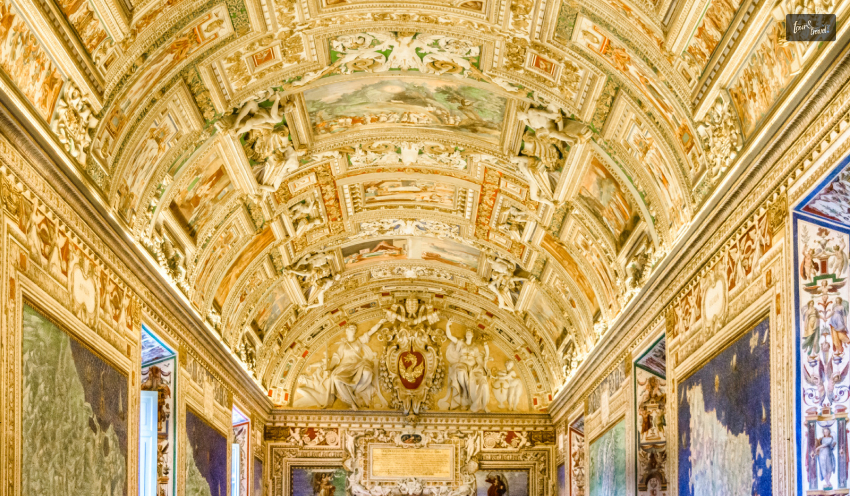
These museums are home to some of the most iconic and historic collections in the world. The Sistine Chapel, for example, is an exquisite chapel decorated with artwork by Michelangelo that is sure to take your breath away.

Other attractions include ancient sculptures and frescoes, galleries featuring European masterpieces, and more.

Different Vatican Museums

Different Vatican Museums

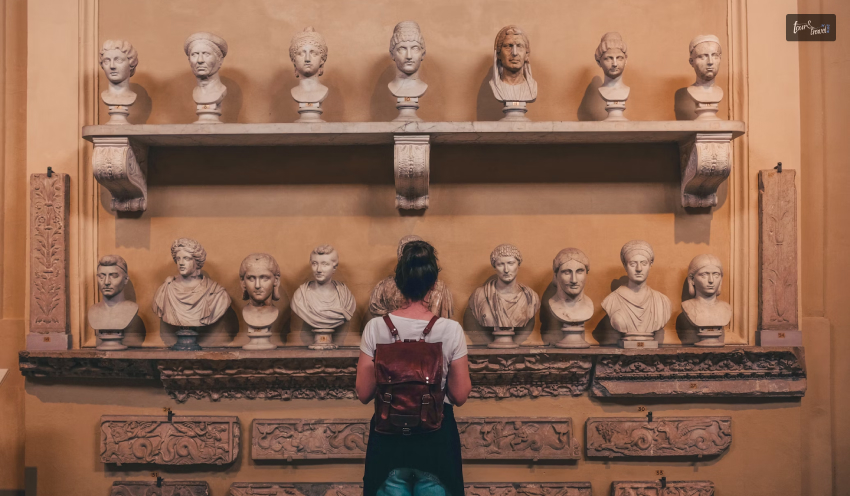
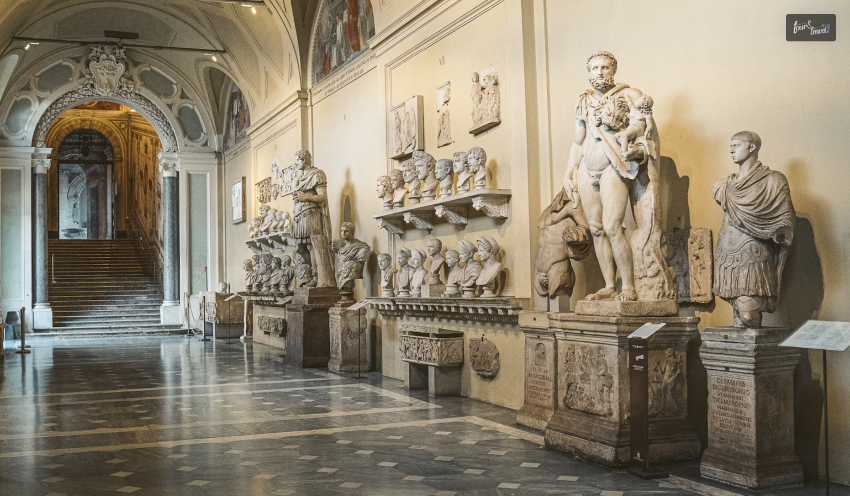
The Vatican Museums are composed of several different museums, each with its unique collection. The Pio-Clementino Museum, for example, is focused on antiquities and sculptures from Ancient Rome and Greece.

Other museums include the Pinacoteca, which features European paintings from the 13th to 19th centuries; and the Etruscan Museum, which is devoted to the art of the ancient Etruscans.

Regardless of how you choose to explore, it is sure to be a memorable experience. With its stunning artwork and historic artifacts, visitors are able to gain insight into some of the world’s most renowned collections.

  1. Gregorian Egyptian Museum
  2. Gregorian Etruscan Museum
  3. Pio Clementino Museum
  4. Chiaramonti Museum
  5. Lapidary Gallery
  6. New Wing
  7. Gregoriano Profano Museum
  8. Lapidario Profano ex Lateranense
  9. Pius-Christian Museum
  10. Christian Lapidarium
  11. Jewish Lapidarium
  12. Pinacoteca
  13. Ethnological Museum Anima Mundi
  14. Carriage Pavilion
  15. Christian Museum
  16. Profane Museum
  17. Room of the Aldobrandini Wedding
  18. Chapel of St. Peter Martyr
  19. Collection of Modern and Contemporary Art
  20. Sistine Chapel
  21. Raphael’s Rooms
  22. Borgia Apartment
  23. Niccoline Chapel
  24. Chapel of Urban VIII
  25. Room of the Immaculate Conception
  26. Room of the Chiaroscuri

Before you visit the Vatican Museums in person, you can also take a virtual tour by visiting its official website. Further, you will enjoy a 360-degree view of the different museums and their masterpieces. 

Moreover, the site has an online catalog that you can go through for an easy, self-guided tour. Also, there are so many things to see that you will need at least 4 to 5 hours to complete a tour of the museum. 

Main Attractions Of The Vatican Museums

These museums are home to some of the most iconic and historic collections in the world. The Sistine Chapel, for example, is an exquisite chapel decorated with artwork by Michelangelo that is sure to take your breath away.

In many ways the ceiling is a compendium, of Michelangelo’s art, of the Renaissance, of Christian theology. 

Like Beethoven’s Ninth Symphony or Shakespeare’s Hamlet, the ceiling is a transcendent work of genius that can never be exhausted through looking or describing. 

In the words of Goethe: “Until you have seen the Sistine Chapel, you can have no adequate conception of what man is capable of accomplishing.

William E. Wallace, Michelangelo: The Complete Sculpture, Painting, Architecture

Moreover, other attractions include ancient sculptures and frescoes, galleries featuring European masterpieces, and more.

Collections To Remember At The Vatican Museums 

Collections To Remember At The Vatican Museums

With its incredible collections and fascinating history, a visit to the Vatican Museums should definitely be on the bucket list of every avid traveler.

After all, it is one of the world’s greatest cultural sites! 

So, most sections of the Vatican Museums have several masterpieces. 

Vatican Museums Masterpieces
Gregorian Egyptian MuseumVatican NaophorousShroud of the “Lady of the Vatican”Sarcophagus of Djedmut
Gregorian Etruscan MuseumLarge Wall FibulaCalabresi AmpouleMars of Todi
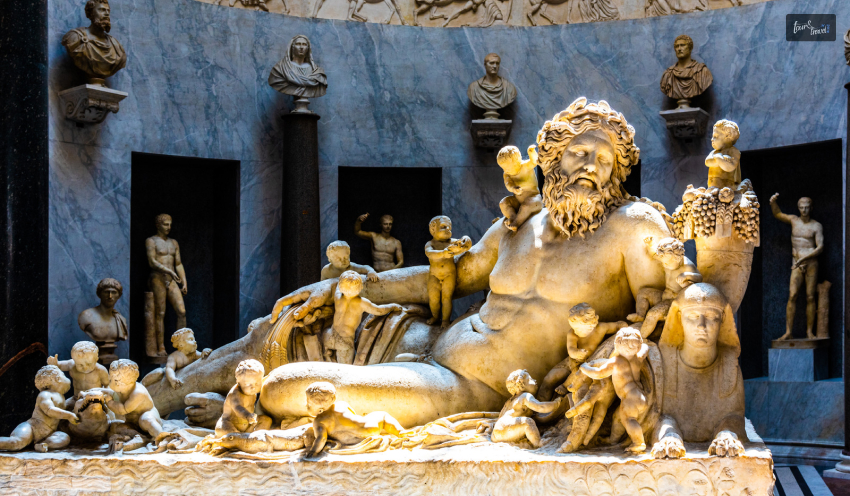
Pio Clementino MuseumApoxyomenosApollo BelvedereRiver God Arno
Gregoriano Profano MuseumAthena and MarsyasMarble from the ParthenonJulius Caesar
PinacotecaMelozzo da Forli, An Angel Playing the LuteLeonardo Da Vinci, St. Jerome
Ethnological MuseumPukumani Grave PostsPhoenix Crown

Throughout the centuries, the Catholic Church and the papacy have curated and preserved artwork from the world in the Vatican Museums. Moreover, in the UNESCO World Heritage Site of Vatican City, this museum is a wonderful fusion of archaeology, art, and history. 

Read Also:

Share on Social Media

Arnab is a professional blogger, having an enormous interest in writing blogs and other jones of calligraphies. In terms of his professional commitments, He carries out sharing sentient blogs.

Leave a Reply

Your email address will not be published. Required fields are marked *

title-img Related

READ MORE Rio de Janeiro Travel Guide

Rio de Janeiro Travel Guide: What Your Brazilian Real Gets You

BY  Sibashree Sep 20, 2025

Rio de Janeiro sweeps you up the moment you arrive. Golden beaches stretch for miles, samba rhythms spill from bars in Lapa, and cable cars glide up Sugarloaf Mountain for some of the best views on Earth.  Life here is colorful and fast-moving, and part of slipping into that rhythm is knowing how far your Brazilian real will take you - from a chair on Ipanema beach to a plate of feijoada in a neighborhood café. Before we go on, here is a quick Rio de Janeiro travel guide. Just a quick note: exchange rates and prices don’t stay still. At the moment, 1 US dollar equals about 5.4 Brazilian reais, but it’s best to check the latest rates and costs before you travel. Rio de Janeiro Travel Guide: What To Expect? Rio de Janeiro is one of the best cities you can explore. It is one of those few places that has a care-free energy and will make you feel alive. The beaches, food, and major attractions will draw you to it without even trying too hard. Here is a simple Rio de Janeiro travel guide. Beaches - Rio’s Living Rooms The beaches of Copacabana and Ipanema are more than postcards - they’re part of daily life. Locals jog along the promenade in the morning, families gather for a swim, and groups of friends set up for impromptu games of beach volleyball or footvolley. Tourists blend right in, renting chairs and umbrellas from vendors for around R$10-15 per piece. Snacks come to you. Vendors walk the sand offering everything from ice-cold coconuts (R$8-10) to grilled queijo coalho (cheese skewers) for about R$12. You can even try a caipirinha mixed fresh on the spot, usually for R$15-20. These are usually cash-only transactions, and the small notes feel like part of the ritual - bargaining isn’t common, but handing over a few reais feels easy and authentic. Spend an afternoon at Arpoador, the rocky point between Copacabana and Ipanema, and you’ll see why locals gather here at sunset. It doesn’t cost more than a bus ride (R$5) to get there, and yet it’s one of the richest experiences you’ll take home. Food: From Street Bites to Sit-Down Meals Rio has a huge range of food. Starting from some humble bakeries to some fancy rooftop restaurants, Rio has it all. Start with breakfast like a local: pão de queijo (cheese bread) and strong coffee, often no more than R$10-15.  Step into a juice bar and you’ll find tropical flavors like passion fruit, guava, or the ever-popular açaí bowl, usually under R$20 for a generous portion. At lunchtime, the prato feito is king. This “set plate” of rice, beans, salad, and a protein such as beef, chicken, or fish costs R$25-35 and will keep you full all day.  You will get various self-service buffets that charge by weight. You will get roasted meats, vegetables, and farofa, and you will have to pay around R$30-40. For dinner, you can choose what you prefer. You can try something casual or something fancy. If you prefer a mid-range seafood meal along with drinks, it will cost somewhere around R$80-100 per person.  However, a proper night out in Ipanema at a fancy fine-dining spot might cost around R$200-250.  You can even visit Churrascarias, which is a Brazilian steakhouse. It is an event in itself. They have endless skewers of grilled meats, side dishes, and salad bars. You can expect to pay somewhere around R$120-180 per person. However, this does not include drinks. All these places accept cards, but it is better to keep some cash handy for bakeries and street food. Attractions: Big Names And Hidden Gems There are various major icons in Rio, and those are actually worth it. You can take the Sugarloaf Mountain cable car for around R$150, and the ride itself is a major part of the thrill. The glass walls will give you a 360-degree view of the way from above the city. You can visit Christ the Redeemer, resting on Corcovado Mountain, for R$100. The moment you stand at its feet and see the city from there, you get an amazing view. You can carry cards as both attractions accept payment in cards. However, it is better to carry some cash for small vendors, tacos, or snacks. Rio is also filled with a lot of gems that you can see for free or for a low cost.  The Selarón Steps, covered in colorful tiles from around the world, cost nothing to climb. A stroll through Santa Teresa’s narrow streets will take you past murals, studios, and cafés where you can pause for a R$12 espresso. At night, head to Lapa to experience samba at its source. Entry to some clubs is around R$30-50, and drinks inside range from R$15-25. Smaller bars may only accept cash, especially if you’re outside the main tourist drag. Getting Around Rio is quite a big city, but it is not difficult once you understand the system. You can take the metro, it's quite safe and clean, and a single ride costs around R$5.  Moreover, if you have a rechargeable RioCard, it will save you a lot of time and work. You will be able to use it for different types of transport, including trains and buses.  You can take a bus, which goes almost to the city, and the fare is quite similar to the metro. Here, you can get taxis for around R$6, and cross-town trips generally range around R$40-60. Also, Uber and other apps like these are popular, and often offer rides at a cheaper rate than a taxi. If you want, you can pay in-app with the card, and that way, you will not have to use cash for payment.  For day-trips outside the city, you will get intercity buses. This will help you explore the outskirts within a budget. If you are planning to visit the historic mountain town, Petropolis, you can explore it for around R$40-50. Moreover, if you are planning to take a longer ride to Búzios, the beach town, you will be able to visit it for around R$70-80. You can get the bus tickets online or from the bus station as well.  How Much To Budget You need to prepare a budget for a trip. However, the budget depends on the kind of trip you want to have. Budget travel: It will cost you around R$200-250 for a day, including hostels, street food, public transport, and free attractions. Mid-range: It will cost you around R$600. You will get comfortable hotels, visit some of the major landmarks, and have some casual as well as sit-down meals. High comfort: This will cost you around R$1000 and above. You will get four-star hotels, fine dining, and guided tours at this range.  However, the prices in Rio rise during any carnival or New Year’s, and this also varies depending on the neighborhood.  Ipanema and Copacabana are some of the premium places that tourists visit, but there are some block islands that will offer the same charm but at a lower price range. Spend Smart In Rio Start your trip with at least a little Brazilian real in your wallet. It will cover your first taxi or ride-share, snacks, or that first fresh coconut without delay. From there, cards will carry most of your expenses, but having R$100-200 in cash each day is wise for small payments. Stick to ATMs inside banks or malls when you need to withdraw. They’re safer and usually give fair rates. Avoid exchanging money at the airport - the rates are often poor, and the fees stack up quickly. Think about how you balance cash and cards. Use your card for hotels, restaurants, and tours, and keep your reais for buses, bakeries, street snacks, and tips. It’s a system that works well in Rio and lets you move through the city without stress. Enjoy Your Journey Landing in Rio with a Rio de Janeiro travel guide and Brazilian real already in hand saves you time and makes the city easier to navigate. You’ll breeze through those first transactions - a cab, a snack, a metro ride - and step right into the energy of the city. Rio rewards travelers who embrace both the big icons and the small everyday moments. The real you spend on a chair at the beach, a cup of coffee, or a bus ride across town is more than just money - it’s your ticket into the rhythm of the city.  As mentioned before, exchange rates and prices may change, but the value of those moments never does.

READ MORE velvet escape travel blog

Want The Best Travel Tips: Go Through Velvet Escape Travel Blog

BY  sagnika Jul 26, 2023

Craving an indulgent and immersive travel experience and yet cannot travel? We have got Velvet Escape Travel Blog to satisfy your visual and mental cravings! This blog is the ultimate example of perfection, branching out in diverse ways related to tourism and travel. As a Blog, it encapsulates a complete version of all travel aspects, such as the interests of tourists, trending travel destinations, promoting different marketing aspects, and others. In this article, you will find a discussion of detailed elements that highlight the Velvet Escape Travel Blog. This site addresses and answers all your concerns. It has detailed travel stories about city trips, adventure sports, offbeat locations, leisure experiences, and much more. You will find the blog a refreshing and welcoming website for travel plans and advice compared to others in the market. Overview Award-winning luxury travel website Velvet Escape Travel Blog offers a selection of destination guides, travel schedules, hotel and tour reviews, and motivational travel narratives to help you have luxurious yet immersive travel experiences. Velvet Escape is founded and published by Amsterdam, Netherlands-based Keith Jenkins. He had a prosperous ten-year career in investment and corporate banking. He quit his job in the business world in 2008 to pursue his passions for writing, travel, and photography. As a result, in December 2008, the blog Velvet Escape was founded. Velvet Escape Travel Blog: Why Should You Check It Out? The writings of Jenkins are detailed regarding getting an overview of the travel experiences. He is detailed about his knowledge and uses blogs to connect with his readers by answering their questions in the comments. He makes it a point to inform travelers about buildings, notable structures related to history, and other educational content. The blog details sustainable travel experiences and how Jenkins explores the world by visiting different destinations. The blogs also help connect with other travelers, find deals on booking tickets and accommodations, and learn about people's experiences. You get to know a lot, especially about locations and how to visit them. What Is A Velvet Escape Travel Blog? The Velvet Escape Travel Blog has the logo "Go explore. Experience. And be inspired." which presents a fresh perspective on traveling. The new generation of travelers considers travel in a different light where it is more of part of lifestyle instead of just a little break. Here comes a beam of light as an inspiration for travelers for adventure or leisure. The unique element of storytelling is comprehensive information, personal experience, and guidance for diverse travel experiences. The blogs on Velvet Escape Travel Blog create an immersive travel experience with stunning visual images, detailed backgrounds of the locations, and adventure. They also make customized travel experiences regarding the personal experience of the travelers who write the blog. Founder The founder of the Velvet Escape Travel Blog website is Keith Jenkins, also the Chief Executive Officer of Ambassador. The Ambassador is a leading network for content creators and professional travel bloggers worldwide. He is also the publisher of the Velvet Escape Travel Blog website. The website is an award-filming site and has successfully influenced millions of people across the globe. Jenkins is based in Amsterdam, Netherlands. He has been an investment and corporate banker for a decade; however, it was in 2008 that he embarked on a new journey. His journey consisted of pursuing his passion for traveling by traveling, photography, and writing about it. In 2008, he founded the blog called Velvet Escape Travel because it created diverse avenues for travelers like him. Services Available On Velvet Escape Travel Blog Various services are available on the blog founded by Jenkins because it focuses on writing detailed, fun, and inclusive articles. He also tries to create an experience for the readers so they can use it as their guide. The significant features of the blog are services, shops, as well as ambassadors. In relevance to services, you will find a variety of marketing and advertising services. Velvet Escape has made a significant contribution to different travel experiences and approaches. iambassador is a premier travel blogger network connecting bloggers worldwide based on content services and digital marketing. The product or the destination of travel is essential. Hence, it is through this network encourages and advises tourists and travelers to take on that dream trip. The Velvet Escape blog is also a store that sells travel accessories and travel souvenirs. The different products you can buy from it connect you further with travel experiences and destinations. Why Is The Velvet Escape Travel Blog Different? The blog makes travel an inclusive experience with a wealth of propitious information. The articles written on the website are a collection of hotel experiences, travel itineraries, tour reviews, destination guides, as well as luxury stays. As a practical resource, blogs are for thoughtful travelers seeking advice and travel ideas. The articles have a lot of details for a month-long or a week-long vacation, which is quite an idea for people who want a customized itinerary instead of just following tours and trip packages available in the market. The blog is also successful in highlighting offbeat locations so that travelers seeking a unique experience can develop an idea. Topics related to food and wine, nature, beaches, travel stories, culture & history, plane views, and city trips are all there on the website. Types Of Blogs On The Website The collection of articles is diverse on the website, especially concerning the features related to travel destinations and experiences. Offbeat and stunning locations are highlighted in the articles written by Jenkins. History & Culture The range of destinations this site covers under history and culture is diverse. The man's personal experience on this platform, along with practical guidance and advice for the people, is immensely helpful. The articles are compelling from the perspective of travel bloggers who love traveling. Luxury & Wellness The articles are written by Jenkins and sponsor products related to wellness and luxury. You will find guidance when affiliating with different businesses and brands. Some blogs inform about the writer's personal choices and how they can guide others. Nature The blogs about nature are pretty descriptive and help readers understand visitors' preferences in different locations. It is essential to identify how the writer highlights the significance of nature in his blogs. Whenever he visits different places, he discusses nature and the way it influences nature. It is unique because many travel blogs do not share their personal experiences. City Trips The blogs talk about the trips concerning the locations and how you can go around the city. A detailed description of the town, the transportation, and the local resources are shared by the author. How Does Velvet Escape Travel Generate Content? Among the most often asked questions about travel are beaches, city trips, food and wine, luxury and wellness, culture and history, nature, plane views, road trips, and travel stories, especially from first-time visitors. This is a friendly and helpful guide for travelers to use while planning their vacation. The Velvet Escape travel blog covers a variety of locations, price points, and leisure pursuits. Some of the most well-liked tourist destinations in the world are briefly described in his writings. Everybody has occasionally yearned for a change of scenery. You have to get away from the stresses and anxieties of everyday urban life, even if only for a day or a few weeks. You should go to one of the many breathtaking places if beaches and the ocean are part of your idea of the perfect vacation. A trip to a city to see some famous buildings and structures is something you should do if you're interested in culture and history. Discovering new places, learning about different cultures, and experiencing different lifestyles are all made possible by travel. This fantastic resource for travelers uses the author's personal experience to create interesting and educational content. One method of creating content is to write about one's own travel experiences. In addition, he offers advice, recommendations, and anecdotes about travel based on his expertise and experience. He takes his own pictures, films, and footage in order to produce content. In addition, research is done to gather data from different sources. Furthermore, he works with numerous companies and brands. Conclusion Please read the article to learn about the Velvet Escape Travel Blog and the features of the blog. Comment below regarding your favorite blog article in the Velvet Escape Travel Blog. Read Also: Lifestyle Blog For Women Family Fashion Food Travel: Why You Should Follow Them! Things To Know About Glasgow Foodie: Foodie Explorers Food Blog Travel Blog Momondo Flights: Should You Try This Platform For Booking Flights?

READ MORE Chilean wine country

A Journey Through Chile’s Wine Country: From The Andes To The Pacific

BY  Sibashree Aug 20, 2025

Okay, so, picture this: Chile laid out like a long ribbon—kind of wild, right? Mountains stacked on one side, waves crashing on the other, and somewhere in between, these sun-kissed vineyards doing their own thing. And not just recently, either. Some of these spots have been growing grapes longer than most countries have existed. When folks talk about wine in Chile, it’s no stuffy affair—honestly, it feels more like jumping headfirst into the whole shebang: the scents, the crazy landscapes, locals chatting about soil like it’s family gossip...and the wine isn’t just a drink. It’s, I dunno, almost like reading a diary of the land and weather and the winemaker’s mood last summer. Believe me, if you find yourself wandering around Central Valley’s endless stretches, or just chilling with a glass of something zippy and white right off the coast, the whole experience flips whatever you thought you knew about wine on its head. Here’s a rundown of how to, well, do it up right—and why Chilean wine country is totally underrated for anyone who actually cares what’s in their glass. Why Chile Belongs On Your Wine Travel List Let's be real. Chile’s geography, if you look at a map, is ridiculous. It's absurdly long and skinny—on one side, you’ve got the Andes looking dramatic, on the other, the Pacific just doing its endless thing.  That combo means you get all kinds of grapes—each with its wild backstory.  Sometimes, you’ll even wonder if the wine tastes different because of the wind or the fog, and honestly, maybe it does. Way back, some old Spanish guys brought over vines during the 1500s (imagine lugging grape plants on a boat…). Fast-forward: these days, Chile fires off everything from bold Cabernet to its famous Carmenère (which was basically lost everywhere else until they stumbled on it growing here), and while tradition is huge, they’re also not afraid to play around—mixing, blending, inventing. But don’t let the obsession with the grape fool you—traveling here, you’re in for high-energy Santiago, mind-blowing seafood in Valparaíso, classic farmhouses, and some wineries that look like spaceships landed in the vines. The Essential Wine Regions Of Chilean Wine Country Can’t see it all? Yeah, same. So here are the spots you wanna hit if you thrive on the good life: 1. Maipo VALLEY – The Bordeaux Of South America Jump in a car from Santiago and you’re basically in wine heaven before you’ve finished your podcast.  Maipo’s like Bordeaux if Bordeaux were dragged down to South America and given a tan. Their Cabs are everything—sun, altitude, crazy temperature swings. Here, you bounce between proper castles and tight-knit family farms. Pro tip: Say yes to barrel tastings, even if you don’t know what’s going on. Also, picnic in the vines? Yes, please. 2. Colchagua Valley – Bold Reds And Boutique Luxury Prefer your wine big and loud? Colchagua’s where it’s at. You get Carmenère, Malbec, and Syrah, all hedged in by mountains and dusty hills.  Out here, you can sleep in some bougie lodge, eat with a chef who got bored with Santiago, or hop on a horse and clop around feeling very, very far from home—or work. 3. Casablanca Valley – Cool-Climate Elegance Suddenly need something crisp? Casablanca’s like dipping your toes in the ocean, but with wine. The vibe? Super chill (temperature-wise too), close to Valparaíso, and heavy on Sauvignon Blanc and Chardonnay that somehow taste like the smell of fresh rain. And, weirdly, the buildings at some of these wineries—glass walls, clean lines—make you feel like you’re drinking inside a modern art painting. Not bad, right? 4. Aconcagua Valley – Tradition Meets Innovation Nose around north of Santiago, and you hit Aconcagua. This place is a mashup: grandad techniques next to bright-eyed winemakers pouring orange wine and talking about fermentation like it’s the new rock ’n’ roll.  Reds, whites, and all kinds of stuff in between. More Than Just Wine: Immersive Chilean Wine Country Experiences Let’s be honest for a second: even if wine’s great, no one wants just wine, all the time. Some add-ons you can’t miss: Gourmet Food: Loads of wineries double down with restaurants that’ll ruin you for regular meals—seafood, lamb, veggies, all paired so well you’ll start rating salad at home. Art and Architecture: Sometimes you come for the wine, and end up taking fifty photos of the cool ceilings or a painting hung next to barrels. Nature and Adventure: Think: hiking near volcanoes, pedaling past vines, even floating in a hot air balloon. Wild? Yes. Culture Stuff: Pick grapes with strangers, learn a dance and laugh at yourself, or poke around for cheese, olive oil, or crafts that weigh down your suitcase. When To Visit Chilean Wine Country Best part—Chile’s long enough that there’s always somewhere worth going. If you want the inside scoop: Harvest (March to May): Grapes everywhere, everyone’s busy, and there’s a good chance you’ll get roped into a festival—or grape-stomping contest. Spring (September to November): The Weather’s sweet, gardens and vines exploding, and not a tour bus in sight. Summer (December to February): Big sunshine, big crowds, big everything. Good if you want max hustle and bustle. Traveling In Style: Curated Luxury Wine Tours Hate planning logistics? Me too. Just get a fancy tour company and let them sweat the details—private tastings, cool places to crash, cars to get you from A to B, and guides who know when to hang back and when to start telling crazy stories about wine politics. Check out Into the Vineyard or anyone who actually answers their emails. They make sure you’re doing what you want, not what the last ten tourists did. One of the best ways to experience the breadth of Chile’s wine regions is with a specialized travel company like Into the Vineyard. A Sample Luxury Chile Wine Tour Itinerary Let’s imagine how a week goes down (give or take, you know?): Day 1 – Land in Santiago. Someone grabs your bags; you’re at a boutique hotel with a welcome drink before you even check Wi-Fi. Day 2 – Maipo Valley. Taste, eat, repeat. If the schedule says “vineyard lunch,” you’re in for at least three wines before dessert. Day 3-4 –  Colchagua Valley. Sleep in a posh lodge. Visit small-batch wineries. Maybe fall off a horse (hopefully not). Day 5 – Casablanca Valley. White wine and seafood until you need a nap. Then, go to Valparaíso for a night out. Graffiti, music, food, the works. Day 6 –  Aconcagua Valley. Get nerdy with organic wine folks. Learn that “biodynamic” isn’t just a buzzword. Day 7 –  Back to Santiago. Last gifts, one more meal, then gone. Insider Tips for the Perfect Chilean Wine Country Tour Here are some of the tips for travel. The travellers should follow these tips for a more immersive experience while visiting the place. Honestly, don’t drive yourself. Local drivers know where to go (and where to stop for the best empanadas). Try the funky grapes—País, Carignan, even that Riesling with the label you can’t pronounce. Book the good stuff early—boutique tours disappear quickly. Look for places with a pool or a hot tub. Thank me later. The Last Few Things To Keep In Mind Before Visiting Chile Chile’s not just another check on your wine passport. You’re standing with snow-capped Andes in the background, sipping a glass that could’ve been impossible anywhere else, and finishing your last meal by the ocean.  Mix in a little culture, art, and memories you can’t fit in a suitcase, and well, that’s what makes Chile a story you can drink. Read Also: With Popular Wineries, Learn the Things to Do in Mudgee! 5 Ideas For Wine Tours In Barcelona- Make It Happen Wineries You Should Visit In Winter