Imagine waking up in the heart of Rome, with the vibrant rays of the sun streaming through your window. Rome is beckoning you to step outside and discover the enchanting wonders that await.
As you leisurely wander along the historic cobblestone streets, the aroma of freshly baked bread and invigorating espresso permeates the air.
It may instantly transport you to a world where ancient history seamlessly merges with modern life.
Rome possesses a magical allure that captivates all your senses and ignites your imagination at every twist and turn.
However, to fully immerse yourself in this timeless tapestry, it is essential to select the ideal hotels near Rome Italy.
You have to search for the best hotels near Rome not only to provide comfort but also serves as a gateway to the city’s treasures.
Successful Rome Adventure
Recent research indicates that a successful Rome adventure has an observation. According to a study, 75% of travellers consider the location of their lodging as the most vital factor.
You don’t need to worry anymore Where to stay in Rome. We are dedicated to making your stay as comfortable and memorable as possible, guiding you to the best places that cater to your preferences and budget.
Let us take the hassle out of your travel planning so you can focus on soaking in the beauty and history of Rome without any concerns.
The Historic Heart Of Rome
Discover the Centro Storico, the historical nucleus of Rome. There the echoes of the past resonate in every narrow alleyway and cobblestone square.
You may leisurely meander through these intimate streets. There the scent of freshly baked bread and the tolling of church bells will transport you to a timeless realm.
Envision wakes up just a few steps away from the awe-inspiring Pantheon. It has ancient columns bearing witness to the enduring charm of the city.
Sarah, a passionate globetrotter, fondly recalls,
“Staying in the heart of Rome felt like stepping into a living museum.
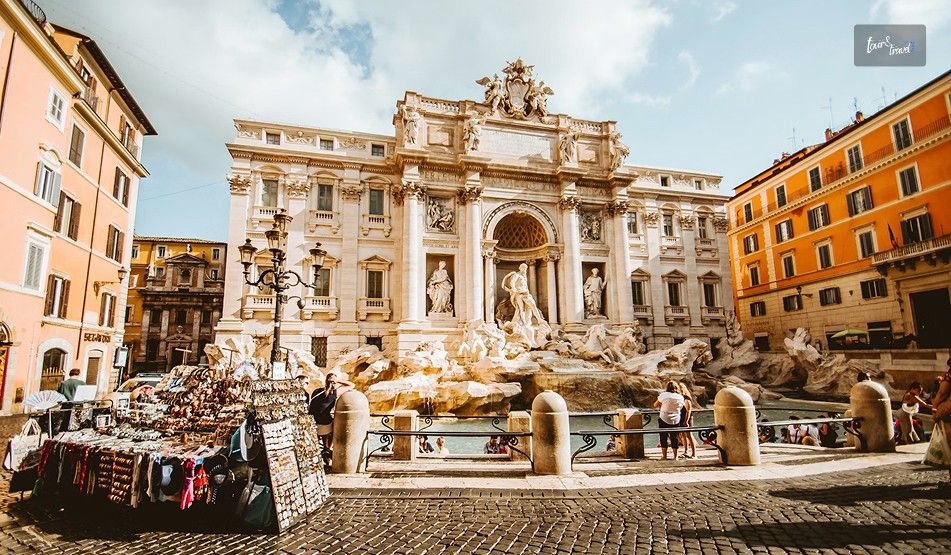
Each morning, as I opened my shutters, I was greeted by the breathtaking sight of the Trevi Fountain, its water glistening in the sunlight. It was pure enchantment.”
For those in search of a spiritually uplifting experience, the vicinity of Vatican City is an exceptional choice.
The unparalleled proximity to St. Peter’s Basilica and the awe-inspiring Sistine Chapel is truly remarkable.
By rising early and avoiding the crowds, you can immerse yourself in the serene beauty.
View the sacred sites before the bustling commotion of the day begins.
Embark on a voyage through the historic heart of Rome or discover tranquility in the sacred enclave of Vatican City.
Whichever route you opt for, brace yourself to be enchanted by the ageless charm and abundant cultural legacy. They lie in store for you in this splendid metropolis.
What Are The Top 5 Contenders For The Best Hotels Near Rome Italy?
These are some of the best recommendations for hotels near Rome Italy. Check them out, guys!
1. Hotel Indigo Rome- St. George
4.6 stars
(2,216 reviews)
Ranked #16 out of 1,138 hotels in Rome
Located at Via Giulia 62, 00186 Rome, Italy
This hotel is perfectly situated for those who want to uncover the magic of Rome. It’s a stunning 5-star boutique hotel nestled in the beautiful Via Giulia, right in the heart of the historic center.
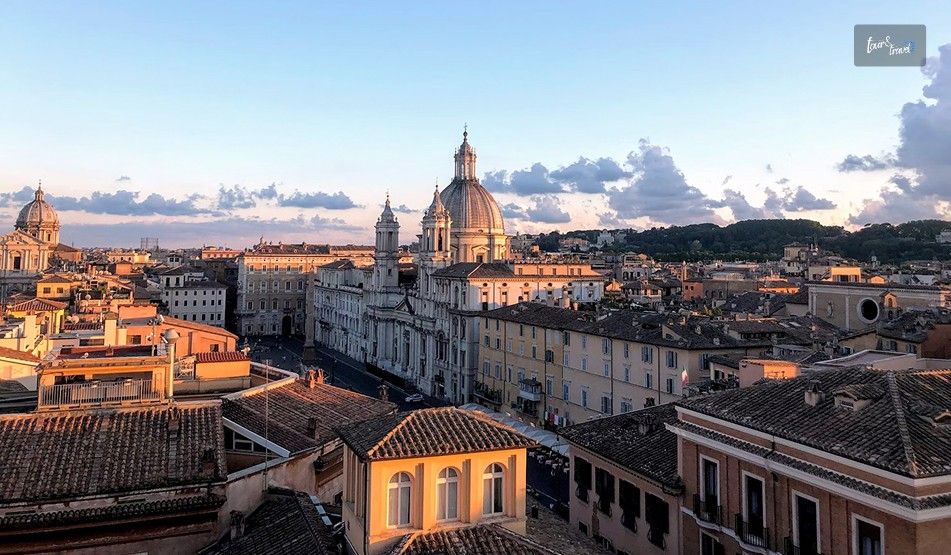
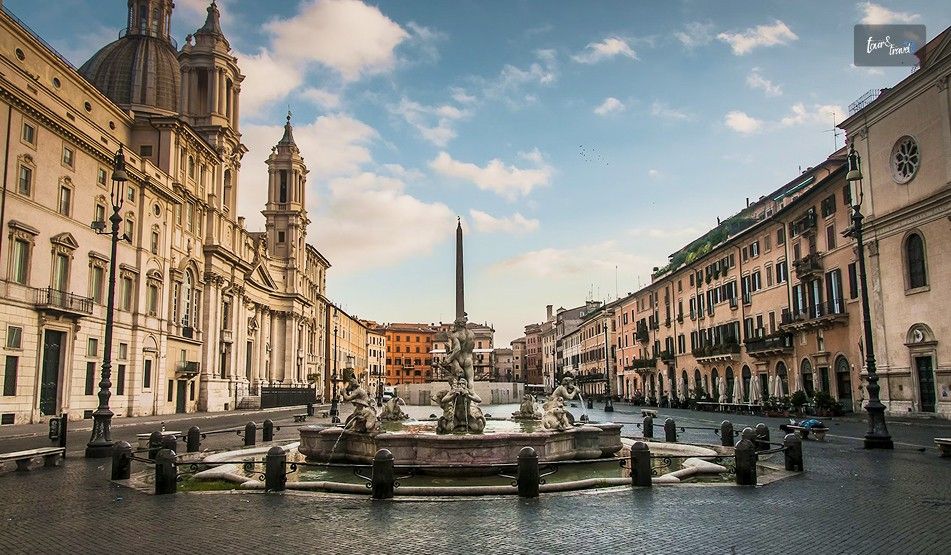
You’ll find yourself just a few steps away from iconic spots like Piazza Navona, Campo de’ Fiori, Castel Sant’Angelo, and the Vatican Museums.
Hotel Indigo Rome – St. George has a captivating vibe that blends charm and history seamlessly.
You’ll walk through ancient Renaissance walls that embrace modern design, creating a warm yet sophisticated atmosphere.
The rich history resonates through the space, especially with the large travertine stones on the facade, which were taken from the Colosseum and cleverly reflect the shapes of contemporary sofas inside.
It’s a wonderful mix of the old and the new, making your stay truly unforgettable.
2. Hotel Columbia
4.5
(1,156 reviews)
#117 of 1,138 hotels in Rome
Via del Viminale 15, 00184 Rome, Italy
The Hotel Columbia is run with charm and dedication by the Diletti Family, whose goal has been to create a tranquil ambience where guests can feel at home in comfortable, elegant surroundings.
All of the 45 bedrooms are quite bright. You will find the modern amenities are combined with traditional decor; some rooms have beautiful Murano crystal chandeliers.
Hotel Columbia is conveniently situated in the heart of the historic centre of Rome. It is within walking distance of Roma Termini, the main railway station.
From Hotel Columbia, every major monument and tourist attraction is easily reached by a short walk.
3. NH Collection Roma Palazzo Cinquecento
4.6
(2,081 reviews)
#48 of 1,138 hotels in Rome
Piazza Dei Cinquecento, 90, 00185 Rome Italy
You’ll find the NH Collection Roma Palazzo Cinquecento conveniently located right next to Termini Station, which is one of the best transport hubs in Rome.
The hotel is set in a beautifully renovated historical building from 2015, giving you a taste of the past with modern comforts.
When you’re hungry, you can enjoy classic Italian specialties at the hotel’s restaurant. If you need a space for meetings, there are well-equipped rooms available too.
Plus, the hotel garden features remnants of the ancient Mura Serviane, or Roman Walls, adding a unique touch to your stay.
4. Starhotels Metropole
4.2
(2,767 reviews)
#242 of 1,138 hotels in Rome
Via Principe Amedeo 3, 00185 Rome, Italy
When you step into Starhotels Metropole, you’ll immediately notice the airy and elegant lobby that sets a welcoming tone for your stay.
Your room will likely feel spacious and well-furnished, creating a relaxing atmosphere where you can unwind after a day of exploring.
You’ll probably appreciate the spotless cleanliness, with fresh linens that make you feel right at home.
As for the service, you’ll find the staff friendly and professional, though you might experience some occasional delays in responsiveness.
The hotel’s location near Termini Station is incredibly convenient for getting around the city.
However, do keep in mind that some guests have mentioned concerns about the value for money, as high prices and unexpected charges can be a bit of a drawback during your visit.
5. Augusta Lucilla Palace
4.1
(2,202 reviews)
#273 of 1,138 hotels in Rome
Via Massimo d’Azeglio, 24, 00184 Rome Italy
When you stay at the Augusta Lucilla Palace Hotel, you’re conveniently located near some fantastic landmarks like Piazza Navona, just 1.3 miles away, and Campo de’ Fiori, only 1.4 miles from your door.
While you’re exploring the area, make sure to check out some local cafes. You’ll find delightful spots all just a short distance from the hotel.
like
Romeow Cat Bistrot
Two Sizes -Tiramisù in Rome
La Casa del Caffe Tazza d Oro
If you’re in the mood for some sightseeing, you’re in luck! The Colosseum is about 0.7 miles away, while Villa Borghese and Galleria Borghese are both just 1 mile from where you’re staying.
All these popular attractions are within walking distance, so you can easily soak in the beauty and history of Rome.
Maximize Your Stay In Rome
Wheretostayin.com not only helps you find the perfect accommodation but also provides insider tips to enhance your experience in Rome:
Optimal Exploration: Uncover the most efficient routes and public transportation options to navigate Rome’s charming cobblestone streets effortlessly. This way, you can dedicate more time to exploring and minimize any unnecessary delays. Bid farewell to wasted hours and embrace the freedom of stress-free travel.
Dine like a Local: Escape the tourist traps and immerse yourself in Rome’s authentic culinary scene. From bustling markets like Campo de Fiori, where you can savour fresh produce and artisanal delicacies, to hidden trattorias serving traditional recipes, we will guide you to the finest establishments where you can truly indulge in the essence of La Dolce Vita.
Off the Beaten Path: Unearth Rome’s hidden treasures, from ancient underground catacombs to serene gardens and cutting-edge art galleries. Our expert team will provide recommendations allowing you to delve into the city’s lesser-known depths and uncover its secrets, one discovery at a time.
What To Consider When Visiting Rome And Finding Hotels Near Rome Italy?
Rome is one of the greatest and most ancient cities in the world, and it attracts millions of visitors from different parts of the world. Are you, too, looking to have a pleasant stay in Rome?
To get it, you must focus on some of the most important considerations and find the most suitable hotel near Rome.
So, let’s get started with the discussion so that you have a great experience. So, without further ado, let’s start off with the discussion.
1. Pick Your Moment For The Best Attraction
Your search for suitable hotels in Rome must be linked to the very point. Every man-made marvel has its own entry and exit points.
For instance, you visited the great Vatican Museum and were completely perplexed by its ethereal beauty.
You may be completely awestruck by the artificial marvel and spend your important hours in it.
Consequently, you may miss out on the other monuments near this one. Finally, you reach the Sistine Chappels to look out for the magnificent artwork of Michelangelo’s great paintings on the ceiling.
But not your time at hand remained quite limited. Hence, you have to be calculative enough to and then plan your visit. Yes, you also have to book the hotels near Rome based on your planning,
2. Make An Aim To Stay The Last Three Days In Rome
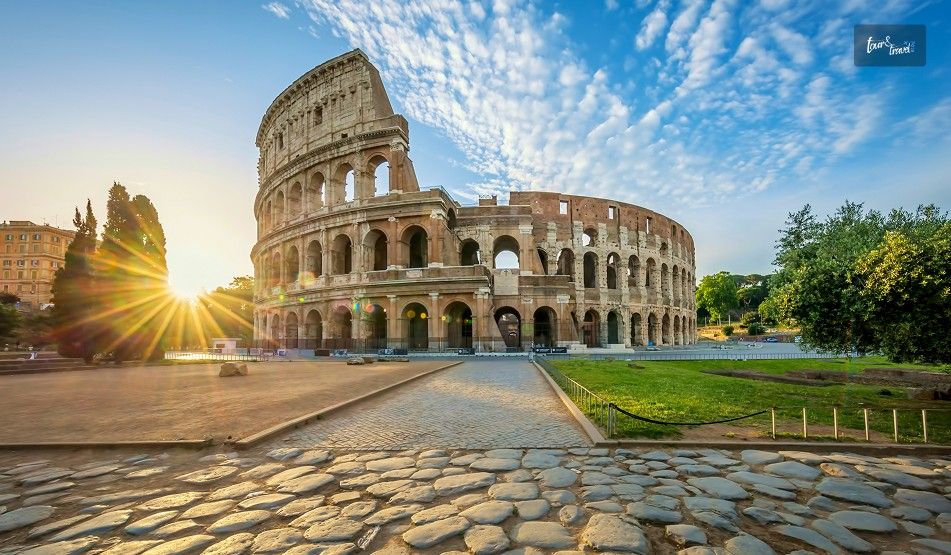
Initiate your trip to the Colosseum, one of Rome’s greatest wonders! After that, you have some other breathing monument you will find around the corner.
However, as per recommendations, you do not need to start acquiring the first position in the long queues. These events usually take place every day before this monument.
You could start right around the middle of the morning.
While you stroll around the different nooks and corners of the city, you can sip a well-earned expresso.
Ultimately, we mean to convey to you the fact that there are quite several man-made marvels in Rome that you must not miss out on.
This is the place where you get all the attention of the best of Rome. You have to keep this point in consideration when you go to hotels near Rome.
3. Do Not Accept Gifts From Strangers On The Streets.
While you are roaming the country, you should not take things if a person you do not know offers you anything.
However friendly they may look, you must be firm and not take anything that they offer. They may claim that they will provide data regarding the best hotels in Rome, but you must not be tempted by it.
Search the internet platform, and you will get information about the best hotels near Rome; you do not need to ask a stranger.
4. Mind The Dress Code When Visiting The Churches
You take into consideration that you will be visiting many sacred institutions. The Roman churches that you visit must have a dress code that you need to follow before entering the building.
However, it denotes that you must not consider shorts and tank tops as options. However, if you book from among the best hotels near Rome, you may get this information.
Frequently Asked Questions (FAQs)
1. What Is The Nicest Area Of Rome To Stay In?
The best area to stay in Rome depends on your interests, but the Centro Storico is ideal for first-time visitors who want to be in the heart of the action and walk to major sights like the Pantheon and Piazza Navona.
2. Is It Better To Stay In Rome City Centre?
If you are looking to stay in the heart of Rome, then consider staying in the Historic Centre.
3. Are The Best Hotels In Rome Italy Expensive?
Yes, the best hotels in Rome are expensive, particularly the 5-star luxury options that can cost several hundred dollars or more per night.
Find The Best Hotels Near Rome Italy
Are you ready for an unforgettable adventure in Rome? Visit Wheretostayin.com now and embark on your journey to Find hotels near top attractions in Rome and discover the best areas to stay in the city.
It’s the first step towards unlocking an extraordinary Roman experience.
Sibashree is a travel, culture, and leisure writer who has been writing since the age of 12 and professionally since 2014. With more than a decade of travel writing experience and journeys across India and several parts of the world, she brings a deeply personal and thoughtful perspective to her work. A student of English Literature and Mass Communication, Sibashree has always viewed travel as more than movement — for her, it has been a way of understanding people, cultures, and herself. Her passion for spiritual exploration has also led her to many unusual and meaningful destinations over the years. Outside of writing, Sibashree enjoys watching European cinema, reading about global politics, and reflecting on the stories hidden within everyday places.
A proposal can be a very dramatic event. And it deserves to be: this is a grand, life-defining gesture, and, if you’re the one posing the question, you’ll want the moment to be as magical as possible.
Perhaps the most significant factor of all is the setting. While a good solitaire engagement ring is a key consideration, it’s your surroundings that you’ll remember when you reflect on the moment, years from now.
The good news is that the world is filled with inspiring places. Many of which will provide a sense of grandeur that you find extremely helpful. Let’s run through some of the best of them.
What Are The Best Places To Plan A Destination Proposal? Know The Classical Locations And The Hidden Gems
Do you remember the dreamy Ramona Agruma and Rebel Wilson proposal at Disneyland? José Bastón also proposed to Eto va Longoria during a vacation in Dubai. And the list continues…
A destination proposal beautifully blends the leisure activities of a vacation with romance. Do you also want to plan an unforgettable marriage proposal for the love of your life?
Check out these best places to plan a destination proposal.
1. United States, Timeless Locations
You don’t have to look any further than the United States if it’s inspiration you’re looking for. There are options to suit couples of every taste and inclination.
Do you want an urban proposal? Perhaps as part of a visit to a major city? Then you might look at Baker Beach in San Francisco or Central Park in New York City.
For some, a natural backdrop might be better: the Grand Canyon is an obvious choice, as is Napa Valley, in California.
2. Europe, Romance, and History
The so-called Old World can provide a sense of depth and history that the United States can’t match.
Plus, if you’re American, you might be looking for something a little more unfamiliar and exotic.
The iconic canals of Venice or Amsterdam might be a great place to start. Many proposals have been made while drifting across the water in these places.
There are also historic city centers, like those of Prague, Paris, and Berlin. Many of these places have romantic connotations of their own, and, by choosing them as a venue for your proposal, you can take advantage of those associations.
If you’re enjoying a candlelit dinner in view of the Eiffel Tower, then the temptation to get down on one knee might be overwhelming.
3. Hidden Gems & Underrated Locales
On the other hand, you might prefer to shun the big cities and the obvious (or even cliché) destinations. You may think of something a little more secluded and obscure.
Certain smaller towns, or parks, or stretches of woodland, might have a personal significance for you. Or, they might appeal to your wallet.
What’s important is that you don’t feel that you have to visit the same popular destinations as everyone else. You don’t even need to spend a certain amount for your proposal to have value.
4. Romantic Beaches & Coastal Escapes
When you’re looking for inspiration and mental refreshment, a trip to the beach is always a good bet. The crash of surf, the salty tang of the sea air, and the beauty of the sunset! These are all the sorts of things that great proposals are made from.
In the United States, there are many beaches to consider. Kauna’oa Beach in Hawaii, or La Jolla Shores in San Diego, might be great candidates.
5. The Wilderness Of Africa
Did you know that Bollywood star Ranbir Kapoor proposed to Alia Bhatt at the Masai Mara? Such a unique choice, right? This huge natural reserve in Southwestern Kenya is home to elephants, leopards, rhinos, buffalo, and lions, or the big five.
Furthermore, the place, getting its name from the original inhabitants, the Masai people, also helps you experience a unique culture and a specific way of living in close contact with nature.
You can enjoy wildlife safaris at the Masai Mara, and a hot air balloon ride can be the most romantic experience here. Imagine you both enjoying a hot air balloon ride, and when the balloon is soaring high, you take out a ring and propose to your beau.
Magic is made like this!
6. The Magical Middle East
Dubai is the location where José Bastón proposed to Eto va Longoria. Also, if you want a good mix of tradition and modern amenities, Dubai is one of the best places to plan a destination proposal in the Middle East.
Dubai also allows you to indulge in the best adventures and romantic outdoor activities. If you love a serious adrenaline rush, you can take your S/O on a desert safari and propose to them during a candlelight dinner under the stars.
Furthermore, if you want a touch of luxury, you can plan a private yacht cruise in Dubai accompanied by a sunset dinner. You can enjoy the beauty of water and the surrounding landmarks while uttering the three magical words.
Also, do you want to propose to your love mid-air? Why don’t you go for a romantic helicopter tour or a hot air balloon ride?
Moreover, you can keep it simple yet memorable by choosing the Burj Khalifa, Dubai Miracle Garden, or Dubai Fountain as the destination for the proposal.
With all the excitement for the day culminating in a romantic proposal, you can enjoy a relaxing massage at a lavish spa in Dubai and indulge in the ultimate relaxation.
How To Choose The Best Places To Plan A Destination Proposal?
What do you and your partner prefer? Something grand or an intimate moment that will stay in your memory forever? Also, does your partner prefer outdoor locations or adventures, or are they more comfortable in a luxurious indoor setting?
Consider all these questions when you are trying to find out the best places to plan a destination proposal.
Furthermore, if your significant other enjoys the joy of little things and moments, you can choose the place you first visited as a couple for the proposal. With a sincere “Yes” awaiting your proposal, I wish you “Love Forever!”
So, as a parent, you have taken up a challenging task. It’s about finding the best places to travel with kids!
Every child is different. So, while a slice of wildlife or outdoor activities is enough to win their tasks, some of them may look for a destination like Disney Land, presenting the world of fantasy before them.
Further, some may be fascinated by more luxurious experiences, and one of the best examples of this will be the Dubai Parks and Resorts.
Universal Studios Japan and Tokyo Disneyland are some such destinations, taking your kids on a tour of the fantasy world.
So, understanding how demanding kids can be, it is difficult to select a particular location out of many options available.
Here, I have made a list of countries with the coolest attractions for children.
These Are The Best Places To Travel With Kids: 8+ Must Visits For You
Traveling plays an important role in the growth of your child. When children travel, they gather memories and learn things they will never forget.
Further, traveling improves their socializing and problem-solving skills.
Moreover, they learn about different human cultures, which is crucial for developing a more inclusive mindset.
Do you want to take your little one on a trip this vacation? Here are the countries you can fly to.
1. Dubai, UAE
Best Time to Visit: October to March
With the highest safety standards and numerous child-friendly hotels, Dubai is one of the best places to travel with kids.
It offers many outdoor and indoor pursuits for the little ones, and the Dubai Aquarium and Underwater Zoo is, of course, the biggest attraction for them.
Located at Dubai Mall, the Dubai Aquarium and Underwater Zoo has as many as 33000 marine animals.
Your little one will be enthralled watching the sand tiger sharks, Otters, Piranha, and many other fascinating creatures.
KidZania, IMG Worlds of Adventure, Aquaventure World, and Jungle Bay Waterpark are some added attractions for kids in this beautiful city of the UAE.
2. Malaysia
Best Time to Visit: April to October (East Coast) and December to March (West Coast)
Malaysia can be a really cool destination if you are searching for the best places to travel with kids.
This country offers unique natural experiences and cultural interactions for children.
Here is a brief overview of the activities your little one will love in Malaysia.
If your little one is more into wildlife and nature, Borneo and Cameron Highlands will be the best destinations for them. Borneo has pygmy elephants and orangutans.
They will also get to learn about the indigenous people here.
Further, Cameron Islands has the Mossy Forest, tea plantations, and strawberry orchards.
The other kids’ favorite destinations in the country are Langkawi, Penang, and Kuala Lumpur.
Kuala Lumpur has the Petrosains Discovery Centre, Lake Gardens, and KLCC Park to entertain kids of all ages.
Further, Penang is a place to learn about the rich culture of the country, and it has the best street food.
Moreover, Langkawi is a relaxing hub in Malaysia, allowing you to explore the beaches and cable car rides.
3. Mauritius
Best Time to Visit: May to December
Mauritius is nothing short of a natural wonder, being a volcanic island with the best beaches in the world.
However, Mauritius is often underrated as one of the best places to travel with kids.
The La Vanille Crocodile Park is the best place in Mauritius if your little one loves animals and is interested in wildlife.
The Nile crocodiles are the biggest attractions here. However, you will also find the following animals here.
Giant tortoises
Phelsumas
Mini tortoises
Pigs
Deer
Bat
Fat-tailed sheep
Goat
Donkeys
Among them, goats, donkeys, and fat-tailed sheep are important contributors to the country's livestock.
The Mauritius Aquarium is one of the best places to travel with kids and introduce them to the intrigue of marine life.
Along with sponges, fish, and corals, this museum has more than 200 species of invertebrates.
Some other places your kids will love in Mauritius are Casela Nature Park (Watch out for the white tigers.), Curious Corner of Chamarel and the Blue Bay Marine Park.
4. Australia
Best Time to Visit: September to November
The diversity of Australia makes it a favorite of children and youngsters.
From spending time with the most adorable kangaroos to watching the penguin parade, your little one will surely have a fun time here.
Visit Taronga Zoo Sydney
A night safari in Taronga Zoo Sydney is something that you will cherish for your entire life.
A kingdom of 4000 animals will unfold wonders before your eyes as you go on a night safari and take part in the Roar and Snore Program.
Koalas and red kangaroos are the biggest attractions of this zoo.
Visit Phillip Island To See The Most Amazing Penguin Parade
You will see tiny penguins on a parade and a mission for hunting fish at Phillip Island.
You can book an underground viewing experience so that your little ones can see the penguins from an eye level.
The other place to visit with your kids in Australia is Monkey Mia Reserve (They can feed dolphins here.).
Moreover, Lone Pine Koala Sanctuary in Queensland and Tasmanian Devil Unzoo in Tasmania are destinations to get up close and personal with these adorable animals.
Also, Luna Park Sydney offers an amazing spin in a hand-painted carousel, and the Great Barrier Reef is the best place to see colorful corals.
5. Japan
Best Time to Visit: September to November and March to May
Are you traveling to Japan with your kid? You can take them to Rabbit Island or Ōkunoshima. This scenic inland sea area in Japan is home to thousands of rabbits who roam around freely.
Your little one will love feeding them with their hands. Further, they can visit Silver Pavilion and Gold Pavilion to find lively turtles and fish and feed them.
Further, in March, Japan becomes the land of cherry blossoms. Osaka Castle and Ueno Park are some of the best places to spot the beautiful flowers in full bloom.
6. USA
Best Time to Visit: September to October and March to May
Housing endless best places to travel with kids, the USA will spoil your little one with choices.
The country has amazing national parks, including the Grand Teton, Yellowstone, and Rocky Mountain National Parks.
These national parks have many kid-friendly hiking trails that will allow you to explore the wildlife, geological wonders, and scenic beauty.
Rocky Mountain National Park
Rocky Mountain National Park is one of the highest national parks in the USA.
Along with being the house of Rockies, it also stands out due to its different ecosystems, hiking trails, and mineral richness.
Yellowstone National Park
With more than 10,000 geothermal sites, Yellowstone National Park is the hub of the natural geysers of the world.
Grand Teton National Park
Grand Teton National Park is the best place for camping and hiking. Your kids will also love the best views of the Rockies at this national park.
7. South Africa
Best Time to Visit: May to September
With amazing wilderness, South Africa is one of the best places to travel with kids and see wild animals. For me, the most amazing spots to visit in South Africa with children are:
Cape Point Nature Reserve
Knysna Elephant Park
Kruger National Park
The Cape Point Nature Reserve is a World Heritage Site, while the Knysna Elephant Park has amazing African elephants.
Further, the Kruger National Park is home to zebras and other amazing wild animals.
8. Finland
Best Time to Visit: June to August
For children in love with the fantasy world, Santa Claus Village in Finland is the best destination. It is the official hometown of Santa Claus.
Some other attractions for your kids in Finland are Esplanadi Park, Ranua Zoo, and Helsinki Cathedral.
9. Canada
Best Time to Visit: September to November
Canada is one of the best places to travel with kids, and it offers an eclectic experience with its natural wonders and historic monuments.
For your kids, the best spot in Canada is Marine Land, Niagra Falls.
This amusement park in Ontario is the best place to encounter playful dolphins, Beluga Whales, walruses, and sea lions.
The La Ronde amusement park in Montreal, the Children’s Museum, the Royal Tyrrell Museum, and the Toronto Zoo are other kids’ favorite destinations here.
Also read
Why Include Whale Watching In Your LA Itinerary.
Traveling On A Budget: Tips For Affordable Adventures.
From Cocktails To Kickflips: Must-Try Activities In San Diego.
If you are a travel freak like I am, you must know that Utah, one of the most expansive Western states, is also one of the best places to go Scuba diving. Yes!
I recently went to scuba dive in Utah. Honestly, this was not my first time there. However, I wanted to have sufficient knowledge and experience before writing this article for you all.
Guess what? I have come up with all the tips and tricks to go scuba dive in Utah, and you will read all of that in this article.
Are you ready? Let’s ‘Dive’ into it! (Sorry for the pun, guys.)
Defying Expectations: Inland Diving In Southern Utah
First, I want you to imagine a place where sandstone canyons meet tranquil blue reservoirs. This creates an underwater world unlike anywhere else.
Yes, it's real! When you go to scuba dive in Utah, you will see it all, and more.
You might not see Southern Utah's arid landscapes as an ideal destination for scuba enthusiasts.
However, you surely must not assume before you give it a try. Trust me, these freshwater oases hold surprises.
Moreover, when you go beneath the surface, you will see such majestic wonders. This includes:
Submerged rock arches
Craggy formations
Schools of trout weave through shadowy depths
You see, thuis is not the same as the ocean's coral sanctuaries. You will see that hese desert reserves offer unique terrain.
Do you know how these are formed? These terrains are shaped by millennia of water erosion and dam construction.
Are you expecting some beginner basics? Hell no! This is about seasoned adventurers ready to uncover the unexpected.
Therefore, get ready to immerse yourself in these canyon depths, which promise a whole new kind of thrill.
Dry Lands, Wet Wonders: Gear Essentials For Desert Diving
Preparing for a desert-lake adventure means tailoring your equipment to meet rugged and remote needs.
You might think that Standard wetsuits may suffice. However, exposure suits with UV resistance are convenient for prolonged surface time in high-altitude sun.
A lightweight, portable water filtration system is invaluable for staying hydrated while hauling gear into secluded areas.
What Are The Necessary Items to Bring?
This list is extremely important when you prepare for scuba dive in Utah. I can assure you that I have curated this list in a way that every single item is non-negotiable. Take a look!
Dive computers with features for managing higher-altitude conditions
Extra tank straps and padded gear bags for off-road treks
Rugged dive boots for rocky shoreline entries
What to Leave at Home:
Tropical gloves and hoods (temperatures are manageable here)
Heavyweight tanks that strain your back during desert portage
Furthermore, when you plan trips to remote canyon lakes, pack light but deliberately.
Additionally, consider the terrain, weather, and distance to ensure a smooth transport and setup process.
Mapping The Canyon Lakes: Inland Dive Locations Near St. George
Southern Utah is home to stunning canyon lakes, each with its own character beneath the surface. Near St. George, you'll find a variety of prime spots:
ReservoirDepth RangeVisibilityHighlightsSand HollowUp to 60 feet15–25 feetSubmerged vehicles and rock formationsQuail CreekUp to 120 feet30–40 feetSheer underwater cliffs and fish swarmsGunlockUp to 50 feet10–20 feetSeasonal waterfalls and volcanic rock
Access points range from paved boat ramps to rugged trails, so research your entry options ahead of time.
Moreover, some areas require permits or park entry fees, so check local regulations before heading out.
Furthermore, spring through early summer often offers optimal visibility as water clarity peaks.
For more details on services and resources for scuba diving St George Utah, you can consult local experts.
Planning Desert Dives: Weather, Water And Seasonal Windows
Diving in desert reservoirs involves navigating fluctuating water levels and weather patterns:
1. Conditions And Their Impact
Monsoon Season (July–September): Flash flooding decreases visibility and raises currents.
Spring Run-Off (March–June): Melting snow may cloud water clarity, but reservoir levels stabilize.
Summer Heat (June–August): Warm temperatures mean comfortable water temps but bring surface heat challenges.
2. Ideal Timing Checklist
FactorIdeal RangeNotesWater Temperature68–75°FComfortable with no hoodVisibility30+ feet (considered high)Avoid windy daysTimingMidweek mornings-
3. Fewer Crowds, Calmer Water
Sometimes, reservoir management schedules releases. Therefore, you must coordinate your visit accordingly to take advantage of ideal conditions.
What Are The Important Safety Protocols For Remote Desert Dives?
Safety takes center stage when diving in isolated desert terrain. Start with a hydration plan to beat the dry heat.
Additionally, when you are between dives, protect yourself with high-SPF sunscreen and shade. And for emergencies, bring reliable communication like satellite-enabled devices. Furthermore, cell coverage can be unreliable in these regions.
What Are The Important Steps To Boost Safety During Scuba Dive In Utah? :
Well, I know you already saw it coming! These are the important safety measures you cannot miss.
As someone who loves travelling and adventures, I always believe that safety is necessary; it makes the ride more enjoyable. Let’s take a look:
Firstly, designate a "shore-side buddy" to monitor your progress and assist as needed.
Secondly, file a float-plan details with rangers or authorities to ensure someone knows your location.
Thirdly, respect the natural environment—pack out what you pack in and avoid damaging the fragile underwater features.
Finally, these steps reduce risks while helping to preserve the unique beauty of these ecosystems.
Seal The Scuba Dive In Utah: Chart Your Next Underwater Adventure
Here it is, you guys! Your ultimate travel guide to plan for your upcoming scuba dive in Utah. Trust me, this will be an experience of a lifetime.
Moreover, you will see that Southern Utah's canyon reservoirs offer a striking mix of desert beauty and underwater exploration.
Furthermore, do you remember what we discussed? Successful outings depend on three factors taht you need to get right. These are:
Preparation
Gear
Timing.
Each trip feels like uncovering a hidden treasure beneath the waves.
Now's the time to start planning your next visit. Connect with local guides and fine-tune your schedule.
Moreover, you must also log your first (or fiftieth) immersion into these remarkable desert waters.
However, with so much still to discover, the adventure doesn't end here. Furthermore, these reservoirs are just one chapter in a larger story of inland diving possibilities.





 Related