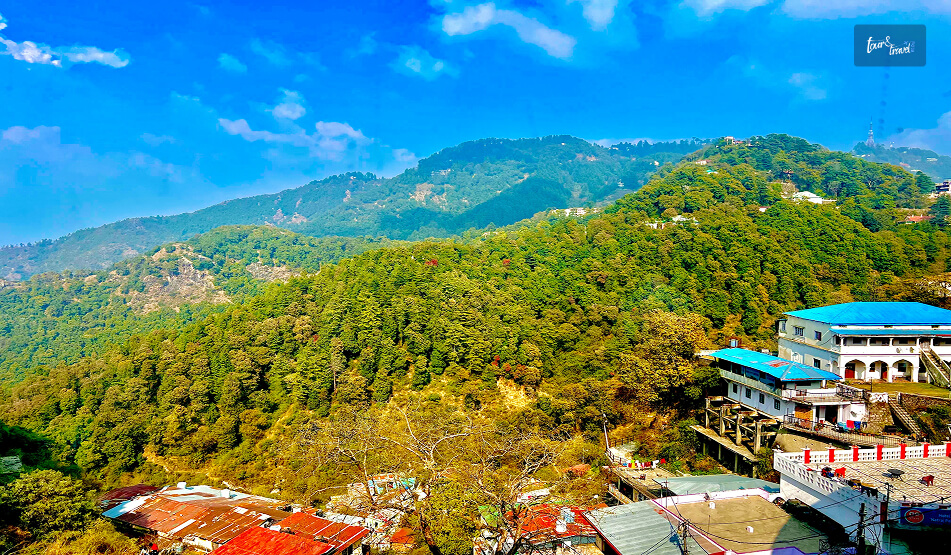
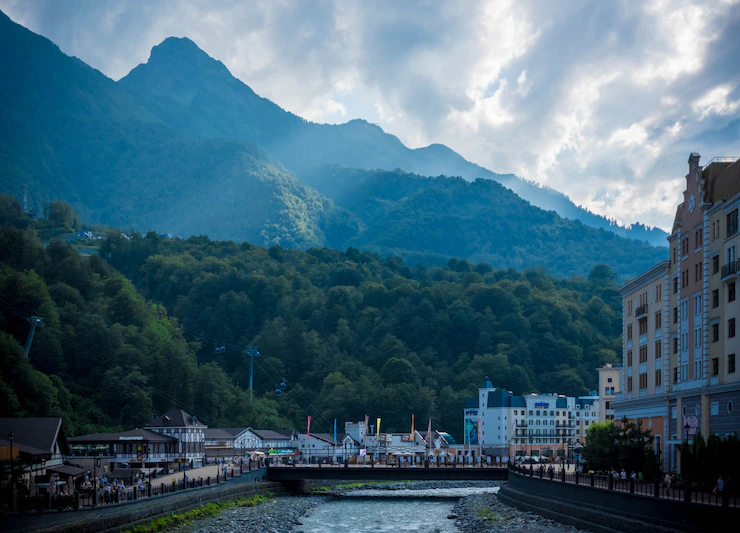


Mussoorie is a small and peaceful town which is quite popular for family, adventurers trips. Who wants to enjoy mountain-related leisure activities? The views are breathtaking, with the natural sounds of the wind gushing through the valley and mountain slopes.
Waking up to the sound of a thousand birds chirping and laying your feet in the cold water despite the extremely cold weather is what Mussoorie is all about! Showcasing a carpet of pristine natural beauty, Mussoorie is one of the best gateways for a memorable escape from city life. Multiple hotels in Mussoorie are located close to famous eateries making it super easy for you!
Do you want a complete gastronomic tour of Mussorie? Here are the best restaurants in Mussoorie you can visit.
Top Restaurants In Mussoorie | Enjoy Your Food Tour
Mussoorie is the melting pot of traditional Uttarakhand cuisines and eclectic delicacies. So, on the one hand, you will love gorging on Sisunak Saag, Phannu, and Chainsoo.
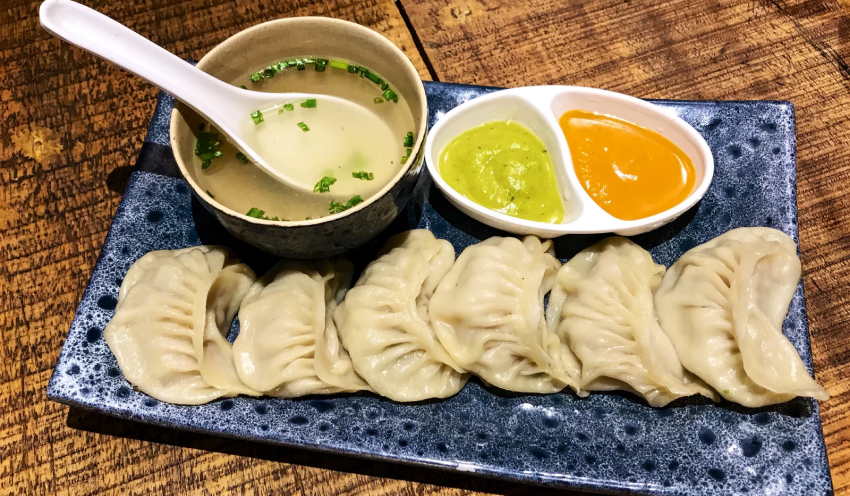
On the other hand, you will find Tibetan staples like momos and thukpa at the best restaurants in Mussoorie. The restaurants here also serve continental and Chinese food.
Nevertheless, if you want to enjoy good food in a nice ambiance, these are the places you must visit.
1. Kalsang
Address: Mall Road, Survey Colony, The Mall Road, Mussoorie
Contact Number: 098973 39788
This restaurant is almost certainly on your list of Mussoorie’s best non-vegetarian dining options. It is near Mall Road in the center of Mussoorie. The interiors are intricately designed to reflect both the local culture and British heritage. During your visit to Mussoorie, you should try authentic Chinese, Thai, and Tibetan at this restaurant, and the flavors are immensely delicious.
Additionally, trying the well-known Tibetan method of combining equal amounts of vegetable broth and noodles with non-vegetarian dishes is the highlight of a meal here. After a delicious meal at one of Mussoorie’s best restaurants, it is generally regarded as the ideal way to end the meal.
2. Urban Turban Bistro
Address: 1st Floor, Kulri, Opposite Canara Bank, The Mall Road, Mussoorie
Contact Number: 084492 84487
One of Mussoorie’s best restaurants is Urban Turban Bistro, popular dishes like biryani and the best of north Indian meals are served. It offers superior service and is close to Mall Road. They have been regarded as one of the best non-vegetarian restaurants in Mussoorie for a number of years due to their commitment to halal dishes that are clean.
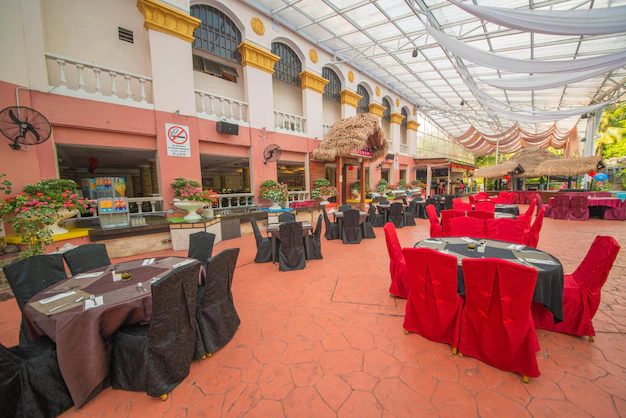
The restaurant’s exquisite interior design perfectly combines Indo-British heritage and art that stands out. The dishes are popular because of how well they are made and because they have a lot of local flavors in them. The lighting and interior, in addition to the dishes, are equally impressive. It provides a memorable dining experience for friends and family.
3. The Tavern Restaurant
Address: Kulri, Survey Colony, The Mall Road, Mussoorie
Contact Number: 0135 263 2829
A small rooftop restaurant near the Central Library, Mall Road is the Tavern Restaurant. One of Mussoorie’s best restaurants offers Indo-British cuisine with a local influence. Get away from the main city’s bustle and enjoy a rare pleasure. The restaurant’s delicious cheese salads, roasted chicken, and desserts are some of the standouts.
Add in the desserts such as fruitcakes, lemon pie, and crepes, which are a real treat after a filling meal. The restaurant’s interior is spacious, and the seating arrangements provide sufficient privacy and comfort. Do not forget to book hotels in Mussoorie for a serene getaway near such amazing eateries.
Numerous travel and food blogs highly recommend Paprika Restro cafe. It is, without a doubt, one of Mussoorie’s best restaurants. Try their most popular dish, the Grilled Chicken and Pasta, which is regarded as one of Mussoorie’s best non-vegetarian options.
On a scorching summer day or a foggy winter morning, you can come here for a quick, cool, and refreshing meal. The lemon mint and ginger mocktail are one of the cafe’s must-have beverages.
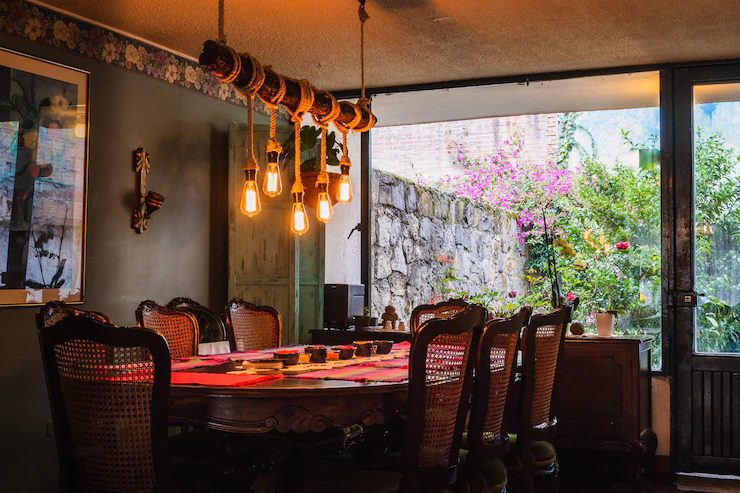
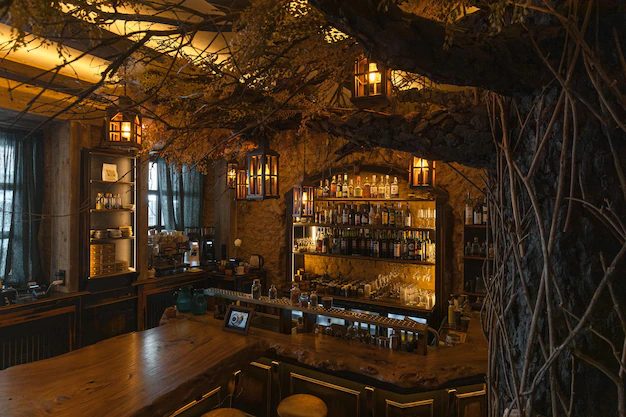
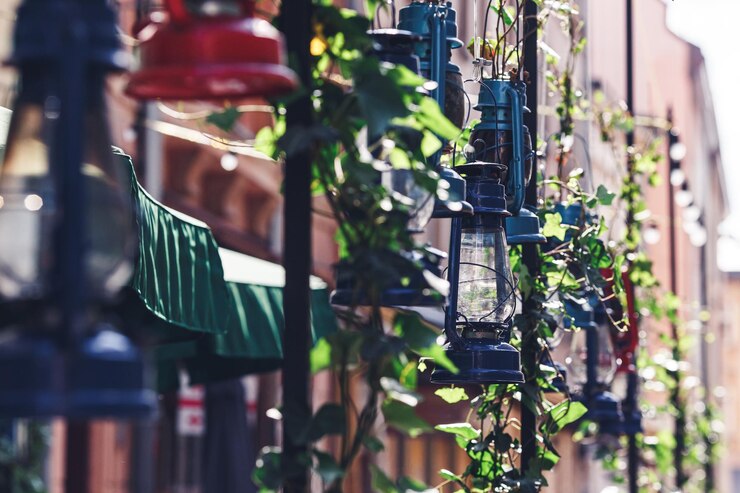
You can try a lot of sweets, like macarons, pastries, and fruit cakes. Slab-cut tables, Chinoise chairs, and dim lighting from refurbished lanterns and chandeliers from the 20th century complete the retro design of the interior of the cafe.
5. CharDukan Mussoorie
Address: Rajmandi, Landour
Although Chardukan is a smaller establishment than the others on the list, it serves authentic snacks which are favorable to the mountains. Staff at Mussoorie Hotels are sure to suggest this place to you.
Beautiful artwork that depicts Mussoorie’s culture, heritage, and history line the walls. Due to the constant buzz on social media about upcoming events and shows, it is a popular spot for people of any age to hang out.
It is one of Mussoorie’s best restaurants and has been featured in numerous travel blogs and magazines. Board games like monopoly, chess, Jenga, and scrabble are available at Chardukan. Lastly, Chardukan is one of the best places to spend time with your loved ones, either during the sunset or sunrise.
One of Mussoorie’s best Tibetan restaurants, Cafe Ivy in Old Town, has a lot of customers, making it a bustling place to hang out at. It ranks among the best restaurants in Mussoorie and is well-liked by tourists as well as locals. The chefs and service staff place a high value on customer satisfaction.
The vegetable pizza, pasta with pesto, and ravioli are bestsellers that consistently attract customers. In addition, you can enjoy calming beverages like iced tea, fresh juice, cold coffee, and french filter coffee, which makes your meal taste even better.
The decor is easy on the eyes and creates a serene atmosphere, making the experience more relaxing.
Tibetan cuisine has always been a favorite among travelers. Not only does Doma’s Inn serve mouthwatering Tibetan taste, but it also gives each dish its own distinct flavor and experience.
It is known as one of the best Tibetan restaurants in Mussoorie. It serves a wide variety of Chebureki, delicious cheesy momos, and a variety of cocktails and mocktails to suit your tastes. Check hotels in Mussoorie near this restaurant for some heavenly bites.
In Mussoorie, they offer seating overlooking the sea and a dynamic Tibetan cuisine selection. Doma’s Inn is a restaurant you must try if you want to savor the creamy, rich flavors of sausages and perfectly cooked noodles.
The meals are crispy and soft at the same time and provide a hearty finish to your meal. Doma’s Inn is one establishment that offers a variety of refined and authentic dishes when discussing elite Tibetan dining.
8. Cafe Tea Totaler
Address: Tibetan Market Gali, The Mall Road, Mussoorie, Uttarakhand
Contact Number: 098112 99206
To begin, Chebureki, deep-fried turnovers topped with cheese, will undoubtedly provide a Tibetan meal that is both delicious and satisfying at Cafe Tea Totaler.
You can ask the chefs to add a little brandy to your meal if you want, and the dishes are bursting with the flavor of special cheeses. After a delicious meal at one of Mussoorie’s best restaurants, a classic Tibetan sweet dish is just what you need to finish it off.
There are numerous indoor and outdoor activities, including kolam making, hand art decoration, a cycle rickshaw tour of Mussorie’s unique locations, and a heritage walk around the city.
It is widely regarded as the best restaurant in Mussoorie that serves delicious traditional Tibetan cuisine. The dishes were prepared with a lot of care, and the aroma of spicy curry filled the restaurant, adding to the experience.
Try The Best Street Food In Mussoorie | Your Food Tour Cannot Get Better Than This
To know a place and its culture, you must try the local delicacies and street food. Here are some famous street foods in Mussoorie with the places where you can try them.
1. Momo
You don’t need an introduction to momos. Momos Tibetan Kitchen Is the best place in Mussoorie to try this Tibetan delicacy.
This outlet is at Mall Road, Mussoorie, and you can call the owner at 0135 263 6789.
2. Kandalee Ka Saag
It’s hard to believe that Kandalee Ka Saag can taste so delicious unless you try Kandalee Ka Saag in Mussoorie.
The touch of garlic and butter makes it oh-so delectable.
3. Bal Mithai
Bal Mithai, a specialty of the Kumaon region, will instantly win your heart with its caramelized flavor. It has roasted khoya and a coating of sugar balls.
4. Singhori
Singhori is a traditional dessert of Uttarakhand. It has reduced milk, flour dough, and a lot of dry fruits.
Rich in flavor, it tastes the best during the months of winter.
5. Gahat Ki Daal
Best Place To Have: Jheel Restaurant, Dhobi Ghat, Mussoorie
You will also hear people calling this delicacy Kulath ki daal. This is a simple Uttrakhand recipe made of horse gram lentils.
However, the flavors of local spices make it oh-so delectable.
A Trip To Mussoorie With Treebo Hotels
As you think of visiting Mussoorie, know that Treebo hotels are amazing for your stay here. With top-notch amenities and services, Treebo hotels ensure 100% satisfaction for all guests.
● Enjoy the complimentary breakfast Wi-Fi and other branded Treebo toiletries
● Experience top-notch hospitality with other classic amenities in more than 800 locations across India
● Be carefree, as all Treebo hotels follow strict guidelines and policies under the Treebo Hygiene Shield Safety
Spending time in the beauty of one of the most picturesque tourist destinations in Treebo hotels is the best thing to do in Mussoorie for couples, families, and friends. It is a beautiful destination for anyone who craves adventure, finger-licking food, and thrill.
HOTELS
● Treebo Trend Winterland
● Treebo Trend Mayur
● Treebo Trend Hotel Howard International
Bottomline: Have A Nice Trip In The Lap Of The Shivalik Range
It is known for its tourist attractions, higher mountain points, trekkers’ delight, and a paradise for witnessing high waterfalls and valleys. It is always a good idea to check for Mussoorie hotels near these restaurants for a delicious getaway. All of these hotels are available at affordable rates. So if you are planning the trip, you can have these hotel names on your priority list.
Abdul Aziz Mondol is a professional blogger who is having a colossal interest in writing blogs and other jones of calligraphies. In terms of his professional commitments, he loves to share content related to business, finance, technology, and the gaming niche.
If you are among the few who are able to study in Manhattan, great!
Then you should consider yourself lucky because not everyone is able to afford it!
It is one of the biggest cities in which, if you are able to make it on your own, your life is set.
That will only start with a good education.
However, when you are in Manhattan, it all can’t be about the university and the studies!
What if you want to look around?
It is a marvelous city after all!
Plus, if this is a place you are finally deciding to settle, there are certain things that you should be aware of.
In this excerpt below, we will be discussing the top five places which you can visit in your free days.
Aka, the weekends once you are done with all your assignments!
But, before that, let us discuss a little about everything that you need to know before moving to Manhattan.
Everything You Need To Know Before Moving To Manhattan
So, you are moving to Manhattan for further studies.
Great!
Here is everything that you need to know in order to make a smooth transition from anywhere to Manhattan.
- Finding an affordable living space is very important before you decide upon anything. Click hericoll to find affordable studio apartments for your first move.
- New York City is very expensive, including food which is the second necessity in your stay. Thus, you should be prepared for this.
- Know the subway by heart. Cab fares are skyrocketing, and you wouldn’t be able to drive your car on the busy streets of Manhattan. Therefore, subways are the best thing you can do.
- It has one of the highest taxes in the United States Of America. Thus, if you are planning to find a job after your education, you must be aware of this.
Places To Visit In Your Off Time
During your off times, when you have nothing else to do!
You are caught up with all your studies and have some spare time then visit these places. They are great for some alone time or with a group of university friends.
1. Central Park
If you are in New York, why are you not visiting Central Park? Then what have you done!
It is the best place for a stroll alone or with your favorite group of people.
Plus, I swear every season has its own charm on Central park, but it is the best in Fall.
Some of the attractions here are Central park zoo, the Lake, and Strawberry Fields.
2. Metropolitan Museum Of Art
Not just one of the oldest and one of the pioneer museums in New York City, but it is also the place for the -
‘Met Gala!’
This is the best place to visit for anyone who is a fashion and art enthusiast. It has an interesting number of American & Egyptian art.
3. Broadway
Watching a Broadway show should be on your bucket list!
Now that you are in the city of Broadway take up each opportunity to go watch a Broadway show.
It could be the latest show which is the talk of the town, or a long-running classic which you have heard about all the time.
4. Empire State Building
Again another legendary site that you absolutely cannot miss.
Whenever I think about the Empire State Building, all I can think about is the climax of ‘Sleepless In Seattle.’
This 120 storeyed, 381-meter tall building is one of the tallest points in the city, and nothing can match that surreal feeling of getting a bird's eye view of the entire city.
Especially at night!
5. Times Square
It's busy!
It's chaotic!
It is the best attraction in New York!
Manhattan is Times Square!
With the two-storeyed billboards and the neon lights, there is always something new to see in Times Square.
New York! New York! New York!
The city that never sleeps!
A city where you always have something new to do!
This city will keep you busy. So, you made an excellent decision to choose this for your further studies.
Keep hustling, and New York will be your own!
Read Also:
Things To Do In Maryland – Free Places To Visit In Maryland
Best Time To Visit New York – Know All About New York Weather
Bangkok is home to over a thousand temples. Some of these temples are historical and have cultural significance, and some others or mainly for local prayers. During a Holiday in the Capital of Thailand, booking a Bangkok temple tour is a must to explore the city’s main highlights and most beautiful temples. In this article, we will be listing the best and most recommended 5 temples in Bangkok to visit.
Wat Pho
Wat Pho temple (also known as the temple of the sleeping or reclining Buddha), is one of the most important temples to visit when being in Bangkok. The temple is home to the famous sleeping Buddha statue which measures 46 meters in length and 15 meters in height. The statue is covered in gold leaf and is a unique piece of art.
This temple is considered as the largest temple in Bangkok and is the birthplace for Traditional Thai massage. It was the first public university in Thailand that specialized in religion, science, and literature. Till today, It is still a center of learning for traditional Thai massage and medicine.
During your visit to Wat Pho temple, you can book a traditional Thai massage session that combines stretching, pulling, and rocking techniques to relieve tension and enhance flexibility and circulation. It's often described as a combination of yoga and meditation.
This Temple is very popular among Bangkok temple tours since it has a strategic location near the Chaophraya river, the Grand Palace, and other important Landmarks in Bangkok.
Wat Phra Kaew
Wat Phra Kaew is located inside the Grand Palace. This temple is home to the Emerald Buddha, one of the most revered Buddha images in Thailand. Despite its name, the statue is actually made of jade or jasper rather than emerald. This temple is considered as the Personal chapel of the Royal Family.
Wat Phra Kaew was Constructed in 1782 when King Rama I moved the capital from Thonburi to Bangkok. The temple's architecture is a stunning example of Thai craftsmanship, with intricate carvings, colorful mosaics, and gold-leafed figures adorning its structures.
The Great thing about visiting this temple is that you will have the opportunity to combine the visit of both the Grand Palace and Wat Phra Kaew since they are both within the same location. They are also within a very short walking distance from Wat Pho, making combining both of them in a half-day visit a very popular choice among tourists visiting Bangkok.
Wat Arun
Wat Arun is Known as the temple of Dawn and it dates back to the Ayutthaya period. It has a unique design, similar to the Ayutthaya temples design and having some Khmer elements as well. The temple was renovated by King Rama II and It has been a significant symbol of the Rattanakosin Period and the shift of the capital from Thonburi to Bangkok.
Wat Arun’s towers (known as prangs) are decorated with colorful porcelain and seashells, making it visually unique. The central prang is a symbolic representation of Mount Meru, the center of the world in Buddhist cosmology.
The temple is located along the Chaophraya river and is often included on the same day when visiting the Grand Palace and Wat Pho. You just need to take a ferry boat to cross the river to reach the other side of the City and visit this amazing temple.
Wat Arun has undergone several renovations in the past years and the last significant restoration completed was in 2017 under the supervision of UNESCO.
Wat Traimit
Wat Traimit is another beautiful temple in Bangkok with unique features. It is famous for housing the world's largest solid gold Buddha image. The statue is about 3 meters tall and weighs approximately 5.5 tons.
The Golden Buddha dates back to the 13th or 14th century, originating in the Sukhothai period. However, the exact origins and history of the statue are still subject to debate and research, and no one has confirmed it. Wat Traimit is one of the most sacred temples, not only in Bangkok but all around Thailand.
The building is a beautiful example of modern Thai Buddhist architecture. The temple complex includes a museum where visitors can learn about the history of the Golden Buddha and the Chinatown area where the temple is located. In addition to that, it also offers insights into the Chinese community's role in Thai society.
Wat Benchamabophit (Marble Temple)
Wat Benchamabophit is famous for its use of white Carrara marble from Italy, which gives it a distinctly elegant appearance. This feature is unique among Bangkok's temples and of course, is the reason why it gained the name of the Marble Temple of Bangkok.
This temple was built in the Late 19th Century during the reign of King Chulalongkorn (Rama V), in 1899. It is a fine example of modern Thai religious architecture from the end of the 19th century.
The temple's design is a fusion of traditional Thai architecture and European influences. Wat Benchamabophit is associated with the Thai royal family and has been used for numerous royal ceremonies.
When you hold a five Thai baht coin, you will find the image of this temple on the back of the Coin, reflecting its importance and significance in Thai culture. The temple is home to 52 Buddha images, representing various styles and postures from different periods of Thai history. This collection offers a comprehensive overview of the evolution of Buddhist art in Thailand.
The temple complex includes beautifully maintained gardens and courtyards, adding to its serene and tranquil ambiance.
Read Also:
Crime Rate In Florida Trending Down While California Skyrockets: Report
World’s Most Famous Christmas Tree Has Reached Trafalgar Square
The common visuals about Fiji have sun-soaked resorts in Nadi and Denarau. Manicured lawns! The warm “Bula greetings!” And the polished facilities!
However, if you want to experience the authentic Fijian life or feel the pulsating soul of the nation, you will have to travel east. It is the cultural heartbeat of the South Pacific.
It is a sharp contrast if we compare the tourist polish of the West. You will feel that raw energy and colonial grandeur here.
Also, it has a truly inclusive scenario with the Indo-Fijians and the indigenous Fijians constituting the majority of the population. Also, you will find part-Europeans, Chinese, and Caucasians.
In this Suva cultural guide, I will talk about the raw energy of the city, its ancient seafaring legacy, vibrant markets, and living traditions. These are far from the poolside cocktails.
For more practical tips for a trip to Suva, you can read my Suva travel itinerary.
Why Does Suva Claim The Cultural Capital Status?
Suva, despite being one of the most happening urban centers, has preserved its colonial history. Multiculturalism is another major factor in the cultural capital.
Here is a deep dive into its history and transformation.
Historical Shift To Powerhouse
Suva has not always been the seat of power. In 1882, the colonial leaders chose Suva as the capital over Levuka. The constraints for Levuka were the sea and the steep mountains.
It was the beginning of the rise of a small and modest village as a power hub.
However, the city, beginning its journey as an administrative epicenter, has now become a land with a multicultural tapestry. It has the headquarters of many regional organizations.
It also has the University of the South Pacific, and a site where indigenous iTaukei traditions, Indo-Fijian commerce, and Chinese and European influences coexist. This diversity has solidified its status as the intellectual and artistic heart of the Pacific.
What Are The Top Cultural Attractions In Suva, Fiji?
With the Suva Municipal Market, allowing everyone to have a slice of the Fijian life, the city also has many prominent cultural attractions.
Also, the city is so particular about preserving its culture that there have been multiple acts and regulations surrounding it.
1. Fiji Museum And Thurston Gardens
View this post on Instagram A post shared by FIJI MUSEUM (@fijimuseum)
The lush Thurston Gardens has the Fiji Museum, which preserves the 3700 years of Pacific history.
The Fiji Museum Act (Cap 263) governs the operations and administrations of the museum for the curation and preservation of these artefacts.
It also complements the Preservation of Objects of Archaeological and Palaeontological Interest Act (Cap 264), covering over 10,000 national heirlooms like traditional items central to Fiji's identity.
Nevertheless, Ratu Finau, a massive 13-meter double-hulled canoe (drua), is the main attraction of the museum. It is a telltale of the rich maritime history of the nation.
You will even find the Lapita pottery, the distinctive, stamped earthenware that allows archaeologists to trace the migration of the first Pacific Islanders.
Furthermore, the garden was built in the 1880s, and it has over 100 species of lilies and palm trees.
2. Suva Municipal Market
With the right Suva market guide, you will see how Suva comes to life from Thursday to Saturday.
The Yaqona or Kava section on the second floor is the place where the city gets Kava roots and powders. Now, Kava is not just a drink. It is a social glue.
When buying Kava (Yaqona) as a gift, ask for "Waka" (roots) rather than "Lewena" (stem) for higher respect/potency.
On the other hand, the ground floor offers a kaleidoscope of taro (dalo), cassava, and jackfruit. These celebrate the city's Indo-Fijian roots. Furthermore, the air here smells of cumin and turmeric.
Arrive from 6 AM to 10 AM on a Saturday to immerse yourself in a beautiful story of Fiji’s daily sustenance.
3. Government Buildings And Parliament Complex
The government buildings and parliament complex, showing the quintessential Art Deco style of the 1930s, face Albert Park.
Albert Park is the place where Charles Kingsford Smith landed his Southern Cross in 1928.
Here, you will also find the statue of Ratu Sir Lala Sukuna, the founding father of modern Fiji, whose legacy of land reform and indigenous rights still shapes the nation today.
Furthermore, the striking design of the parliament (after 1987) symbolizes unity.
The National Trust of Fiji plays an important role in preserving these government buildings and the parliament complex.
Suva Cultural Guide Of The Hidden Gems Off The Path
The Suva Fiji hidden gems are the telltale of the rich cultural and artistic legacy of the South Pacific.
These are the places you need to explore.
1. USP Oceania Centre For The Arts
At USP, Epeli Hau'ofa's legacy lives. Catch Oceania Dance Theatre rehearsals, mesmerizing meke dances with stomping feet and ulu chants, or Red Wave Collective's bold canvases challenging colonial narratives.
Live music, theatre, and talks pulse here, bridging ancient oral lore with contemporary fire. Free events draw locals and visitors alike.
The Department of Heritage and Arts in Fiji plays a key role in safeguarding the nation's intangible cultural heritage, including traditional dances and music.
2. Draiba Cemetery And Sacred Heart Cathedral
Suva's Old Cemetery on Queen's Road whispers of pioneers and chiefs, graves oriented east for resurrection.
It is a syncretic blend of Christianity and custom. Nearby, Sacred Heart Cathedral's French-imported sandstone vaults and stained glass offer humid respite.
Dress modestly (shoulders and knees covered), remove hats, and absorb the choral echoes that define Fijian worship.
3. Fiji Arts Council Handicraft Centre
View this post on Instagram A post shared by Asia Pacific Region Crafts (@worldcraftscouncil_asiapacific)
You will find certified "Fijian Made" masi barkcloth, kava bowls, and war clubs here. The Fiji Arts Council ensures authenticity, bolstering local artisans against imports. Perfect for ethical souvenirs tying into Heritage Department efforts.
Cultural Etiquette: Honoring The Vanua
The Vanua, meaning the land and the kin, is sacred. In villages, offer sevusevu kava to the Turaga ni Koro for entry blessing.
Wrap a sulu sarong modestly, men and women alike.
Taboos: No head-touching (sacred seat of spirit), no hats indoors, ask before taking photos.
The Department of Heritage and Arts safeguards these intangibles, such as dances, music, and pageantry, via UNESCO-aligned inventories, policies, and community revivals despite funding hurdles.
A Flavorful Day: 1-Day Itinerary
Morning: Dawn at Municipal Market for produce frenzy, then Fiji Museum for historical grounding (allow 2 hours).
Lunch: Savor lovo, an earth-oven feast of taro, chicken, and palusami or fiery Indo curry at a hole-in-the-wall.
Afternoon: Oceania Centre for Art Pulse, then Colonial Walk: Government Buildings, Albert Park, Grand Pacific Hotel.
Evening: Kava bowl with locals, reflecting on Suva's layers. Total cost: Under $20 FJD sans taxis.
The Taste Of Suva
A Suva food tour will help you know how history flavors every plate of Suva.
Fijian lovo buries sustenance in earth ovens; Indo-Fijian curries fuse cumin-heat with dalo; Chinese woks stir-fry cassava.
Try kokoda (citrus-marinated fish) or fresh market seafood. Each bite traces the Girmitiya laborers, chiefly feasts, and fusion resilience.
Language Basics: A Suva Cultural Guide
Bula! Hello/welcome.
Vinaka. Thank you.
Moce. Goodbye.
Tulou. Excuse me.
Ia bula vinaka? All good? (Ice-bo-la vi-nacka)
Sustainable Travel Tips
Fiji battles plastics
Bring reusables to markets
Support Heritage Department goals by choosing artisan crafts, minimizing footprint in rain-lashed paradise.
Expert Tips For Suva Cultural Travelers
Buy Authentic: Check the "Fijian Made" stamp at the Handicraft Centre.
Taxi Meter: Always ask the driver to turn on the meter. A ride within the city should rarely cost more than $5-$7 FJD.
Umbrella is Essential: Suva is the "rain capital." So, you will need an umbrella.
Respect Sundays: Sunday is a strict church/family time. Most shops are closed. So, you can plan a Suva Nature tour on Sundays.
Ask Before Clicking: Always ask permission before photographing locals, especially vendors in the market.
Suva Cultural Guide: Frequently Asked Questions (FAQs)
Here are the frequently asked questions and answers about the Suva cultural guide.
1. What Is The Best Way To Get Around Suva For Cultural Sites? Suva is very walkable. So, take a walk and explore the downtown heritage buildings. However, if you don’t want to walk and have a more relaxing experience, you can take a taxi, which is easily available and is cheap. 2. Is Suva Safe For Tourists? Yes, Suva is safe for tourists. According to Numbeo, it has a crime rate of 58.60. However, like any capital city or tourist place, it has its own share of challenges. You have to keep your valuables safe. Also, do not walk alone at night. 3. Do I Need Guide For The Fiji Museum? You can go for a self-guided tour of the Fiji Museum. It will take around 1-2 hours. However, if you want to know about human history and behind the scenes here, you will of course need a guide.For an overseas visitor, an entry to the museum costs around $20, and with an added guided tour, it will be $30. 4. What Should I Wear To The Sacred Heart Cathedral? You have to remove your hat while entering the cathedral, and your knees and shoulders must be covered.You can wear the traditional sarong or a maxi dress. Overall, your dress must be modest. 5. Can I Drink The Kava Offered To me? Yes, it is polite to accept. Clap once, say "Bula," drink in one go, and clap three times after. If you are trying the Kava for the first time, you must choose a low-tide of half a cup instead of a high-tide or a full cup.At first, you may feel like having peppery muddy water. However, the taste grows on you, and it has a mild sedative effect. 6. Where Can I See Traditional Fijian Dancing (Meke)? The Oceania Centre at USP often has rehearsals, or major hotels host distinct cultural nights. Furthermore, the Fiji Museum, being the cultural preservation hub, often hosts Meke. 7. What Currency Is Used At The Markets? Fijian Dollars (FJD) are used at the markets. Cash is king as local vendors do not take cards. However, you can shop with cards at TappooCity, and other large supermarkets accept cards. Also, many locals use an app called M-PAiSA for digital payments. 8. Is The Government House Open To The Public? No, the government house is not open to the public as it is the President's residence, but you can view the changing of the guard from the gate. The changing of the guard ceremony takes place in the first week of every month. 9. How Far Is Colo-I-Suva Forest Park From The City? Colo-I-Suva Forest is about a 15-20 minute taxi ride from the CBD. The journey through the Princes Road covers a distance of around 12 kilometers.You can also take a bus. However, it will take longer because of the multiple stops. 10. What Is The Significance Of The Tabua (Whale's Tooth)? It is the highest cultural token of respect in Fiji, often seen in museum displays but rarely handled by tourists. It is the polished tooth of the sperm whale, and in weddings, it is often the price offered to the family of the bride for asking her hand in marriage.
Read Also:
A Tucumán Historical Sites Guide: Independence, Incas & Jesuits In Northern Argentina
Tucumán Nature Guide: Exploring The Yungas Rainforest And High Andes
Tucumán Food Guide: The Capital Of The Empanada And Milanesa