

Which Is The Best Time To Visit Mussoorie?

Sep 23, 2022

Last Updated on: Mar 20, 2025

Travel Guides

Tourism in Uttarakhand is booming, with a focus on eco-tourism, adventure, and pilgrimage. In 2024, the state had around 6 crore visitors. 

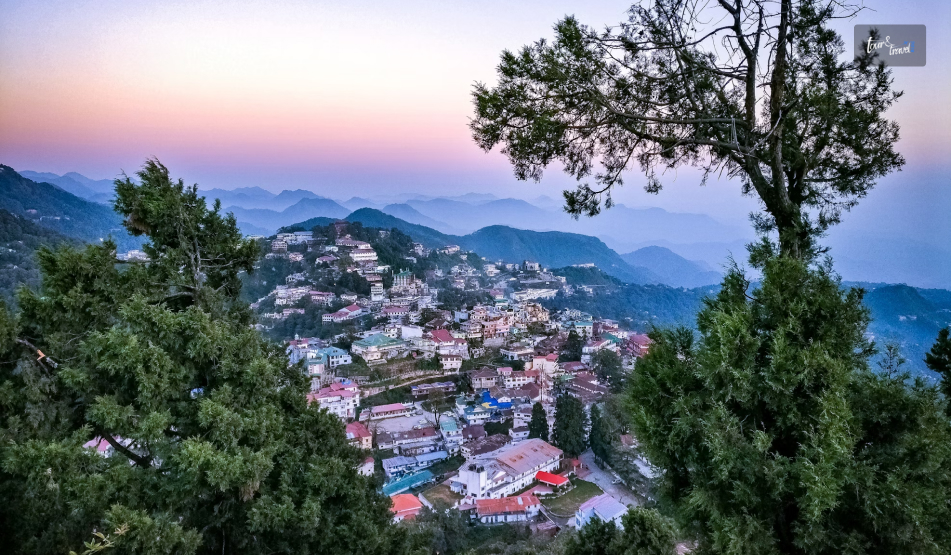
Mussoorie, one of India’s most popular hill stations, is a melting pot for all these tourism activities. 

Further, tourism in Mussoorie is expected to soar higher with the construction of the Dehardun to Mussoorie Ropeway. The ropeway will start from the Purkul village in Dehradun and end at the Library Chowk in Mussoorie. 

With the construction expected to be completed within 2026, the travel time between Dehradun and Mussoorie will be around 15 minutes. 

Further, when the ropeway is operational, it will be one of the many reasons for planning a trip to Mussoorie with family. 

However, with an elevation of 1,876 meters, Mussoorie also has snowfall and other extreme weather conditions. 

So, while planning a trip with your family, you must know the best time to visit Mussoorie. 

That’s why in this Tour and Travel blog, we will discuss the best season for a visit to Mussoorie, its weather conditions throughout the year, and the things to do. 

When Is The Best Time To Visit Mussoorie?

When Is The Best Time To Visit Mussoorie

The summer season, spanning between April and July, is the best time to visit Mussoorie. 

If you cannot make it to Mussoorie during these months, you can also plan a trip between September and mid-November. 

These months offer clear weather conditions. So, you enjoy better visibility of the Himalayan ranges and the valleys. 

However, if you want to see snowfall in Manali, late December to February is ideal for your Mussoorie visit.

So, Mussoorie is beautiful throughout the year, and the best time to visit will depend on your desired experience. 

Here, I have given a brief overview of Mussoorie in all seasons.

Summer (April to July)

Summer (April to July)

The most pleasing and the best time to visit Mussoorie is summer.

Weather

The temperature here remains around 11°C to 36°C. The day mostly remains cool and pleasing. But at night, Mussoorie gets colder during these months. If you want to take a long trek or climb the rock, then this is the best weather.

It is perfect weather when the cool of the hill fights with the heat of the summer, creating pleasing weather to keep you at ease.

Things To Do In Mussoorie In Summer

Having a majestic view of the Kempty falls from the Gun Hills is the best thing you can do once in Mussoorie. You can also drive to the highest point of Mussoorie, La Tibba. Also, in the summer, Mussorries dresses itself up with its richest summer festival. Their folk dances and other cultural programs are great to take view of.

Monsoon (July To September)

Monsoon (July To September)

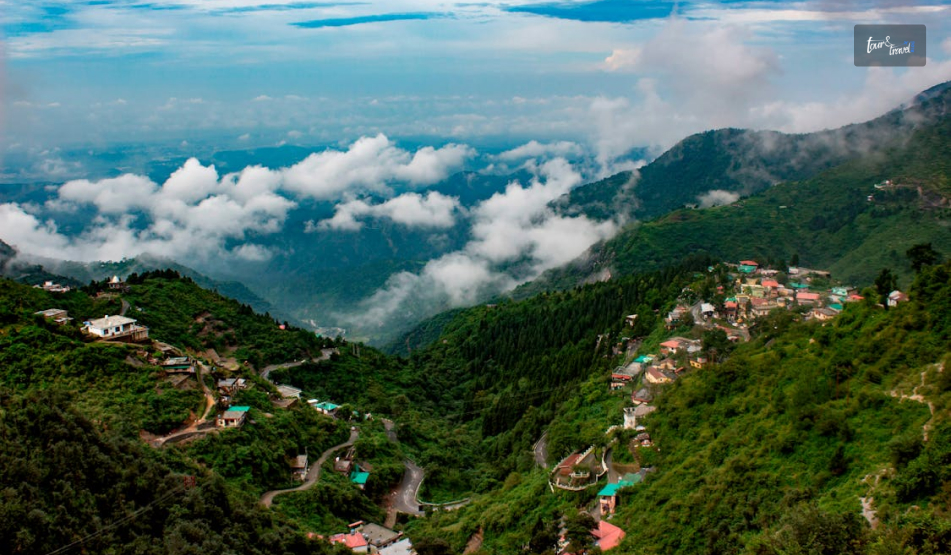
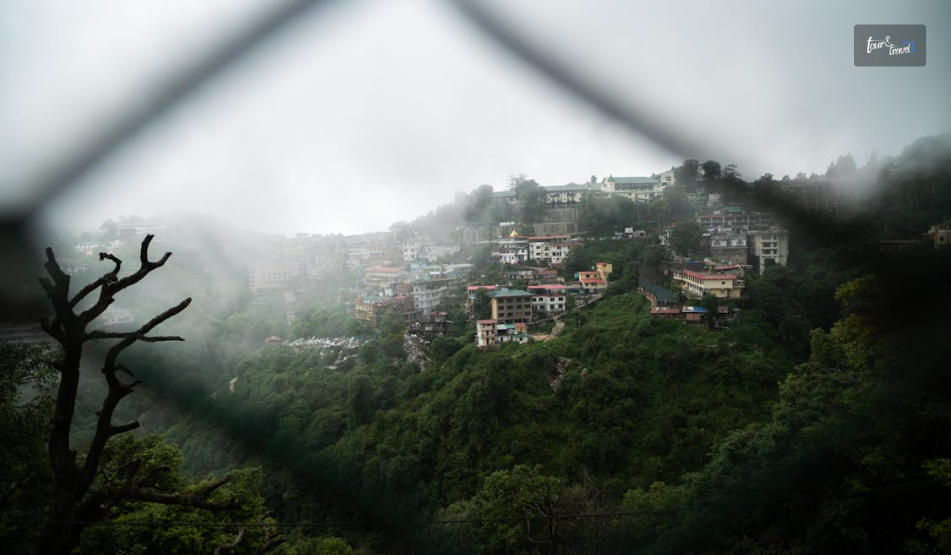
No, this is not the best time to visit Mussoorie if you are looking for fun, hiking, and trekking. But, if you want to see Mussoorie shrouded in mist, then the monsoon is the best time for that.

Weather

The monsoon is cold and covers Mussoorie with a shroud of mist. You can see a foggy envelope covering the towns during the morning and the evening. The tourists are lesser in number, and calm and peace remain constant during this time. The temperature remains at 20°C and it can go up to 32 °C.

Some roads remain closed, and all the greens remain washed and fresh during this time of the year. You can expect heavy rainfall almost every day. The color of the mountains will cleanse your soul.

Things To Do In Mussoorie In Monsoon

If you are visiting Mussoorie during the monsoon, then you must know that all the tourist spots are closed during this time. But, you can take part in local festivals like Olga and Hariayala.

Winter (October to February)

Winter (October to February)

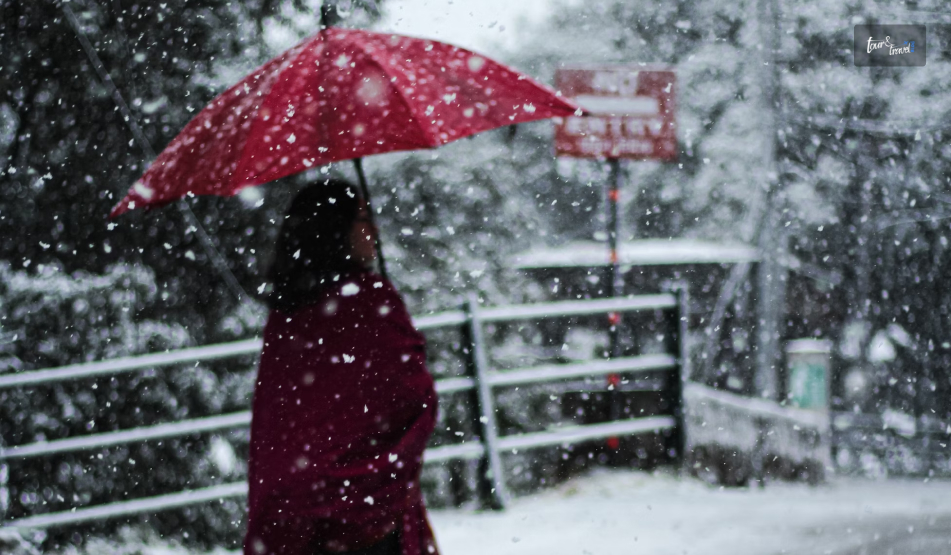
What is the best time to visit Mussoorie for snowfall? It is winter, without a doubt. You cannot expect it to snow in the summer. Also, if you want to see snowfall in Mussoorie, then you need to pack your bag from October to February.

Weather

The temperature goes down by 4°C. It can get really chilly. But you can also expect as high as 30°C during this time. The nights mostly get excessively cold – going down to sub-zero temperatures.

The days during the winter are the best time to move around. But, as the evening approaches, it becomes colder. The nights are chilly. But, as the morning lightens up the mountain, it makes up for the perfect time to take a brisk walk around.

Things To Do In Mussoorie In Winter

Winter is the best time to visit Mussoorie if you want to see snowfall. The outworld appearance that Mussoorie takes during the winter is worth spending your money and time on. Everything is covered in snow and there are lots of winter activities you can do.

The trekking trails remain open during this time. You Can also experience skiing in Mussoorie. You will see many tourists, but this time is crowded in Mussoorie. The most exciting part of staying in Mussoorie during the winter is Christmas. The celebrations here are wonderful and full of fun and happiness.

Frequently Asked Questions (FAQs):

I think you have found your answer about when to visit Mussoorie. However, here are some additional questions that I have answered. You can check them out if you are planning to visit Mussoorie.

1. How Many Days Is Enough For Mussoorie?

Ans: You need to stay at least 2 to 3 days in Mussoorie if you are planning a trip. There are many great places to see. For instance, Lal Tibba, Kempty Falls, Company Garden, and Clouds End. You will need minimum of 2 days to visit all these places.

2. In Which Month Is There Snow In Mussoorie?

Ans: You can expect snow in Mussoorie if you are visiting there from December to February. The weather remains snowy during this time of the year.

3. How Far Is Rishikesh From Mussoorie?

Ans: You can go to Rishikesh from Mussoorie within a few hours of the journey. Rishikesh is only 74 km away from Mussoorie.

Final words

Anytime can be the best time to visit Mussoorie. But you must be aware of what you are expecting to see upon a visit there. The Queen of Hill Stations always welcomes you with her open arms. You can make it there at any time you want. But, if you want to see all the best tourist locations you need to choose the summer for a trip.

So, plan your trip right and enjoy the best moments in Mussoorie. We wish you a happy journey!

Read Also :

Share on Social Media

Shahnawaz is a passionate and professional Content writer. He loves to read, write, draw and share his knowledge in different niches like Technology, Cryptocurrency, Travel,Social Media, Social Media Marketing, and Healthcare.

Leave a Reply

Your email address will not be published. Required fields are marked *

title-img Related

READ MORE Great Barrier Island wildlife tours

Aotea Great Barrier Island Wildlife: The Ultimate Tours & Spotting Guide (New Zealand)

BY  Sibashree Nov 12, 2025

There are three instances I clearly remember from our trip to the Great Barrier Island, New Zealand. The best thing about the Great Barrier Island wildlife tours is that they begin even before you board the ferry.  Here, I will start with some fun moments we had while exploring the wildlife of Great Barrier Island, then gradually discuss the details. So, let’s examine the rugged, predator-free paradise in New Zealand's Hauraki Gulf.  My Great Barrier Island Wildlife Tours: Some Stories That Have Stayed With Me With around 60% of the Great Barrier Island being a conservation area, the Aotea Great Barrier Island in New Zealand shines with sustainability certificates and its commitment to preserving the indigenous flora and the rare and endemic fauna of the island.  1. The Biosecurity Check  We were about to board the ferry to the Great Barrier Island. The Auckland Regional Council and the Ministry for Primary Industries (MPI) people did thorough biosecurity checks of our bags, and we had to clean our boots. Thus, they make a visitor part of the island's conservation effort.  This check is mandatory, and this is the reason the pāteke and kākā are thriving on the island. 2. The Dark Sky Sanctuary And The Great Barrier Island Wildlife Tours  Great Barrier Island’s designation as a Dark Sky Sanctuary has enhanced the wildlife tour experiences. We went out to see the Milky Way at night, and we stood quietly and listened to the sound of silence.  Suddenly, we were startled by the more-pork cry of the Ruru birds. Also, we saw the black petrels or Tākoketai coming back to their burrows.  3. Did I See A Chevron Skink? Did I Not? See, Chevron Skink also feels like a mythical species. These nocturnal species are the masters of camouflage. So, honestly, we did not see them with our naked eyes.  However, we could listen to the squeaks and grunts of the Chevron Skinks. It was thrilling knowing that we were walking through their only habitat in the world, which is protected by sanctuaries like Glenfern.  Why Is Aotea Great Barrier Island A Paradise For Wildlife Tours?  Afar, a US-based travel media brand, has named Aotea Great Barrier Island one of the top 25 off-the-beaten-track destinations in the world.  Aotea, Great Barrier Island in the Hauraki Gulf, is a designated dark sky sanctuary. So, it is ideal for spotting and listening to the nocturnal birds and animals.  Furthermore, the Department of Conservation (DOC) maintains 60% conservation land on the Aotea Great Barrier Island. As a result, it is the island of Firsts" and "Lasts.” It means that the island has birds such as North Island kākā and pāteke (brown teal), which are found nowhere else in the world.  In addition, the "Predator-Free" Secret of the Island is truly special. In the absence of stoats, possums, weasels, or deer, the rare and endemic species here have been able to thrive.  Along with all these endeavors, the Great Barrier Island has been successful in community-led conservation efforts, maintaining biodiversity and species protection. Here are the details.  1. Aotea Great Barrier Island Environmental Trust “The principle activities of the Trust are in protecting, enhancing, developing and maintaining habitats for New Zealand native and endemic species on Aotea Great Barrier Island, with a particular focus on pest management…” Founded in 2002, this trust has been an advocate for conservation policies, has coordinated many conservation efforts, and earned funding for local conservation projects.  2. Aotea Conservation Park  The 2,000-hectare Aotea Conservation Park with walking tracks, DOC huts, and campsites makes the island an ideal destination for exploring the wildlife.  3. Marine Conservation  The Aotea Great Barrier Environmental Trust’s Tai Timu Tai Pari” or “Sea Change” initiative aims to protect the marine ecosystem of the Hauraki Gulf. Furthermore, the Department of Conservation (DOC) has proposed to build a large marine conservation area in the northeast corner of the island.  In addition, beach clean-ups and educational programs have been effective local endeavors to preserve the marine life of the island.  4. Biodiversity And Species Protection  The island is a critical nesting ground for the black petrels. The Department of Conservation takes care of the nesting ground.  Furthermore, around 60% of the pāteke population in New Zealand is present on the Great Barrier Island. These birds are frequently spotted in places such as Kaitoke Wetlands.  You can visit the Kaitoke Wetlands just before dusk. Park at the end of the road, walk the flat boardwalk, and wait quietly by the main pond. You will almost certainly see and hear the rare pāteke (brown teal) as they come out to feed. Chevron skink, 13 different types of lizards, banded rail, and North Island Kaka are some other native species that exist on the Great Barrier Island.  What Are The Must-See Wildlife Attractions On The Aotea Great Barrier Island In New Zealand?  The Glenfern Sanctuary, Aotea Track, Kaitoke Hot Springs, and the coastal areas are ideal for spotting the unique and rich wildlife of the Great Barrier Island, New Zealand.  1. The Pāteke (Brown Teal) Pāteke is one of the rarest ducks in the world. The Great Barrier Island is a stronghold for these ducks, and you will find them in the Kaitoke Wetlands.  The Department of Conservation and Predator Free NZ Trust are two important bodies taking care of the conservation efforts to protect these birds. Habitat management and predator control are two main elements of protecting the Pāteke birds.  Now, you understand why biosecurity is so crucial for these adorable ducks on the Great Barrier Island.  2. The Black Petrel (Takoketai) This seabird breeds only on the Great Barrier and Little Barrier islands. They nest in burrows high in the mountains. The Glenfern Sanctuary protects a key colony of these birds.  However, the main breeding colony on Aotea is at Mount Hobson/Hirakimata. According to the Department of Conservation, around 900-1000 pairs of birds stay there.  These birds are featured on the IUCN Red List as a vulnerable species. Furthermore, they are identified as “Nationally Vulnerable” in New Zealand.  Moreover, there has been a conservation monitoring going on since 1995 to assess the population of these birds and how they are declining.  3. The Chevron Skink (Niho Taniwha) This large, rare lizard is found only on the Great Barrier and Little Barrier. It is almost like a mythical animal, and spotting it is very unlikely.  However, they mostly stay in the Stream-side forests. It is listed as nationally vulnerable by the Threat Classification System of the Department of Conservation.  The sightings of these lizards are so important that DOC asks you to report to the local office or call at +64 9 429 0044 whenever you spot one.  4. The North Island Kākā It is a large, intelligent, and noisy native parrot. It is famous for the loud "screech" and "chatter. I saw a few of them high in the forest canopy along the Mt Hobson track.  The Glenfern Sanctuary is another spot where you will find these parrots. The Great Barrier Island is an important habitat for these birds as it offers a predator-free environment.  5. Dolphins And Marine Life Aotea’s location on the edge of the Hauraki Gulf Marine Park, the national park of the sea, makes it rich in marine life. The Hauraki Gulf and the Great Barrier Island were both formed due to massive volcanic activity at the end of the Ice Age.  In 1769, James Cook named the island because of how it protected the Hauraki Gulf.  The water of the Hauraki Gulf Marine Park has 22 species of marine mammals. Bottlenose and common dolphins are often seen from the ferry or playing in bays like Okupu (Blind Bay) and Whangaparapara Harbour. You may even spot Bryde's whales there.  Furthermore, seabirds are important members of the Marine Park. Black petrels are, of course, the most common among them.  Coastal camping is the best outdoor experience if you want to explore the marine life of the Great Barrier Island, New Zealand. Here are some popular coastal campsites.  Akapoua Bay Campsite Near Port Fitzroy, Ideal for Spotting Pohutukawa Trees and Fishing Awana Beach Campsite, Ideal for Surfers Harataonga Campsite, Great for Swimming and Snorkeling Medlands Beach Campsite, Surfing and Picnic Spot  The Green Campsite at Whangaparapara Harbour, Ideal for a Serene Walk and as a Secluded Retreat Whangapoua Campsite, a Popular Surf-Break.  A Guide To Aotea Great Barrier Island Wildlife Tours: Species, Sanctuaries, And Different Types Of Wildlife Tours  During the wildlife tours, our primary concern was how to spot native birds on Great Barrier Island. Little did we know that we would hear them before actually seeing them flapping their wings.  We heard the screeching call of kākā as we were hiking through the Mount Hobson Track. Then, we saw a cloud of birds passing over our heads.  Nevertheless, it’s not just about the birds. Aotea, Great Barrier Island in New Zealand, is home to endless endemic species.  1. Specialist Day Tours & Sanctuary Visits The Glenfern Sanctuary of the Great Barrier Island is a haven for the endangered and rare species. It is an 83-acre regional park, and it functions as the “gateway to the 240-hectare Kotuku Peninsula of the north-west coastline of the Great Barrier Island.” Furthermore, the Glenfern Sanctuary Trust is committed to the preservation of the endangered flora and fauna and their habitats as you walk through the 2km loop track through a native bush to spot the birds and native species.  The black petrels and the ancient Kauri trees are the biggest highlights of this tour. The sanctuary remains open 7 days a week and from sunrise to sunset.  Moreover, you must hike through the Sanctuary and Loop Track to explore nature, wildlife, and the unique culture of the Great Barrier Island.  Sanctuary And Loop Track The Glefern Loop Track is one of the easiest Great Barrier Island hiking tracks. Here, you will have to walk along the Aotea stream and through the remnants of an ancient native bush.  The bush is protected by the Queen Elizabeth II National Trust of New Zealand, and it is rich in bird life. So, here, you will spot black petrels, Kaka, and Pāteke.  You can contact the regional office at 09 4290 091 to know about the further details.  2. The All-Inclusive Multi-Day Guided Walk If you want a more immersive wildlife experience, you must choose the all-inclusive multi-day guided walks. MoaTours and Go Great Barrier Island Tourism are two such services taking care of your accommodation, food, expert guides, and transport.  They focus on the best tracks, like the Aotea Track, Mt Hobson, and Kaitoke Wetlands. Furthermore, the guides are flora and fauna experts. For example, you can try the “Let’s Go Wild,” “The Aotea Track” package of the Great Barrier Island. Two of the main highlights of this tour are the wetlands and the unique wildlife.  It is a 3-day hiking experience, and the charge per person (adults) will be $541 (Standard Route) or $596 (The Windy Canyon Route).  MoaTours, on the other hand, organizes a 5-day Great Barrier Island small group tour, covering areas such as the Medlands Beach and Tryphena Harbour. The charges will be   $4,390 NZD for solo travelers and $3,890 NZD for twin travelers.  3. Self-Guided Great Barrier Island Wildlife Tours  The self-guided tours to explore the wildlife of the Great Barrier Island are ideal for an independent traveler. For example, you can go for the Glefern Sanctuary self-guided walks and learn about the biodiversity of the sanctuary, its conservation efforts, and more.  You can contact Steve, the manager of the sanctuary, at 0210826670 to be a part of these tours.  Furthermore, you can create your own Great Barrier Island wildlife tours by planning a visit to the Kaitoke Wetlands, Mt Hobson (Hirakimata) Track, Medlands Beach & Onetangi, and Windy Canyon.  How To Spot Native Birds On Great Barrier Island? A DIY Guide For Wildlife Tours  I have already mentioned the Glefern Sanctuary self-guided walks. Along with that, you can visit any of these areas for a perfect wildlife exploration on the Great Barrier Island.  1. Kaitoke Wetlands The Glefern Sanctuary offers a guided tour to the Kaitoke Hot Springs, located on the Mount Hobson Track. You can access the track from the Whangaparapara Road.  Furthermore, you will find a series of geothermal pools on the Kaitoke Hot Springs track. This area, maintained by the Department of Conservation (DoC), is a treasure hub for native birds.  Here, we had to walk through an easy boardwalk and gravel road to encounter pāteke and spotless crakes. And thanks to the new Kai swing bridge here, the route has now become wheelchair and buggy accessible.  Even when we were swimming in the geothermal pools, we could listen to the calls of the pātekes.  2. Mt Hobson (Hirakimata) Track The Peach Tree Track to Mount Hobson is the best route for spotting native birds and the wildlife of the Great Barrier Island. The route passes through regenerating forests, and these forests are home to a lot of native bird species, such as: Kākā Tūī: Tomtit (Miromiro) North Island Robin (Pītoitoi) Black Petrel (Takoketai) You can spot these birds in the dense native bush. Also, you can see them in large numbers near the high slopes and close to the summit. In addition, the 360-degree view of the island is a bonus you will love to count on.  3. Medlands Beach & Onetangi Medlands Beach and Onetangi are famous for coastal and nearshore wildlife like the paradise shelducks and little blue penguins.  Furthermore, wekas are common in these locations, and these are chosen as the reintroduction programs of the North Island brown kiwi.  4. Windy Canyon On the Windy Canyon hiking route, you will find conservation centers such as the Kiwi Park Queenstown. Here, you will find native species such as tuatara and Kiwi.  Furthermore, throughout the route, you will listen to the buzzing cicadas.  The Best Tips For Spotting The Birds On The Great Barrier Island  Dawn and dusk are the best hours of the day for spotting birds on the Great Barrier Island. “Dawn Chorus” is a real experience on the Great Barrier Island.  Once you reach the spot, be patient and wait quietly, as patience is a virtue for bird watching.  Keep your ears open. You'll hear the tūī's "click-whirr-gurgle" and the kākā's "screech" before you see them. Going nocturnal is a great trick for watching the native birds of the Great Barrier Island. That is why being a Dark Sky Sanctuary is crucial for the Aotea Great Barrier Island.  Carry a red-light torch and be alert about the "more-pork" call of the Ruru to spot the birds in the dark.  Talk to the staff of the hotel or the owner of the homestay you are staying in. They will have the best local tips about birdwatching on the Great Barrier Island.  How To Plan The Great Barrier Island Wildlife Tours?  There are three main aspects of planning Great Barrier Island wildlife tours. 1. How To Reach The Great Barrier Island? You can take a Barrier Air flight from Auckland to reach the Great Barrier Island in 45 minutes. You can even take the SeaLink ferry and complete a journey of 4.5 hours to reach the Great Barrier Island.  2. How To Move Around The Great Barrier Island? Renting a car or a bike is the most convenient option to move around the island. Furthermore, kayaking is an excellent way to explore the bays, caves, and diverse marine life of the island.  3. What Is The Best Time To Visit The Great Barrier Island Wildlife? From September to November, or the spring season, is the ideal time to visit the wildlife of Great Barrier Island. This is the nesting season for most birds on the island.  So, these months are the best for listening to the chorus of the dawn and the dusk.  Being A Responsible Tourist To Protect The Wildlife Of The Great Barrier Island Biosecurity is the most important aspect of the Great Barrier Island wildlife tours. The wildlife of the island is thriving as it is maintained as a sanctuary. So, by cooperating with the biosecurity checks at the DoC-approved facilities and cleaning stations, we have to be a part of the conservation effort.  The 3C policy of the biosecurity checks on the Great Barrier Island is: Check Clean Check We have to check our bags, gear, and shoes for pests (rats, mice, insects) and seeds before they leave the mainland.  Your Great Barrier Adventure Awaits The Aotea Great Barrier Island is a nature lover’s dream, with every nook awaiting a surprise with the native birds and their playful chirps. Furthermore, the Glenfern Sanctuary, Mount Hobson Track, and the wetlands on the Great Barrier Island, New Zealand, are a stronghold for rare and endemic birds and animals.  So, the birds are calling. Are you ready to answer? 

READ MORE travel ideas

Budget-Friendly Travel Ideas in Australia You Did Not Know About

BY  Mashum Feb 26, 2019

The cost-of-living caps the fantastic landscape and culture that Australia has to offer and explore.  For many tourists and Australians, it is much cheaper to travel abroad and explore other countries. However, traveling around Australia is incredible and can cost you minimal amounts if you are aware of the budget-friendly travel ideas in Australia.  So, before you plan a trip to Australia, learn the art of sticking to a budget. Budget-Friendly Travel Ideas in Australia The cost of traveling should never be a constraint if you want to explore the beautiful land of Australia. Let’s head straight to the most practical and budget-friendly travel ideas in Australia. 1. Stay In Hostels This tip is more relevant to Australia even though it applies to all parts of the world. Most hotels in Australia are costly, mainly if you are operating on a budget. If you wish to have a less luxurious sleep, you will save a lot of money.  2. Camp You can even try camping if you want to be more adventurous. It will help you save a lot of money. The cheapest way to explore Australia is by getting around and camping at different campsites.  There are several free camping spots around Australia, although there will be areas where you will need to pay for your campsite. Even then, the fees may be as little as $5 per person. You will get access to showers and toilets, which aren’t always available on the open road. 3. Prepare Your Meals Even if you decide to eat in a fast-food joint in Australia, it will not give you much change from $10. Besides, you can bring havoc to your body by substituting main meals with fries and burgers.  Make sure that you are getting food that will support healthy living. You can achieve this objective by preparing your food. It is much cheaper than relying on ready-made food.  Most parks in Australia provide public BBQ facilities free of charge. All you need to do is buy some veggies or meat from the local supermarket and get some grilling.  If grilling every day is not your thing, make good use of the available kitchens in the hostels. Use them to prepare your meals. You will realize a significant difference in your bank account.  4. Purchase Your Booze Bottle-O Bottle-O refers to the liquor shop or bottle shop. This store sells alcohol at a lower price than the ordinary bars. You will get affordable liquor deals in this place. Most budget drinkers like to go for the Goon, which is a cheap boxed wine.  5. Use A Private Vehicle to Commute  In Australia, you must get around by car if you want to explore the country. You can do it either by purchasing a vehicle temporarily or hiring a car for your travels. However, these two options can be slightly expensive.  You can use comparison sites such as Car Rental Buddy or Car Hire Choice to find and compare vehicles. Alternatively, you can opt for campervan hire from Camper Champ. You will not fail to get a cheap deal when it comes to commuting in Australia. 6. Travel On Greyhound Bus Most backpackers like to use this option as their preferred means of transport. It is among the cheapest modes of transportation in Australia.  You can get a travel pass for approximately $500. It will allow you to hop off and on as many times as you would like. It is an excellent way to view the fantastic scenery of Australia. The good news is that you will not spend so much on these journeys.  7. Participate In Homestays or Couch Surfing Accommodation in Australia is expensive, even for backpackers. So, if you want to explore Australia cheaply, take advantage of staying at homestays or even Couch-surfing in people’s homes. It will help you get free accommodation in exchange for cultural learning and community interaction. 8. Purchase A Campervan This option is best if you are traveling as a group. It will help you to spit the gas among yourselves. Driving via Australia is exciting, but you can still make your trip more enjoyable.  One way is to purchase a campervan in Cairns and then drive down to Melbourne or the other way around. Even though driving is more expensive than flying, you will stop anywhere you wish. Besides, if you have a big campervan, you can still use it for accommodation.  9. Have Fun by Participating in Active Hobbies Australians (particularly in the north) are known for their outdoor lifestyle. Therefore, you can join them and have a lot of fun outdoors. You will not spend lots of money when you pursue your hobby.  You can try scuba diving, snorkeling, skiing, bungy jumping, and a lot more, thanks to its vivid landscape and coexistence of various geologies. 10. Spend Most of Your Time with Nature Australia has so much when it comes to natural beauty, and this offers a free experience. You can get into the botanical gardens in Melbourne for free. Also, you will not pay anything to visit the beach.  You can also hike via the Royal National Park or Sydney’s Blue Mountains. You will not spend even a single cent when interacting with nature.  11. Hiking  There are several scenic walking trails in Australia that you can explore. Do you want to hike along the Australian coastline and admire the beaches? Or do you want to hike up mountains to get a view of the Australian landscape? You will be able to find an abundance of exciting hiking trails for your adventure. You will get excellent hiking opportunities at no cost in Australia.  12. Check out the Galleries and Museums Unlike the rest of the world, the galleries and museums of Australia are free to get in. Therefore, if you are tired of the outdoor experience and want to get a feel for the culture, museums are your best bet.  The best place to start is the National Gallery of Victoria. You can also try out the Art Gallery of New South Wales. Both locations will give you fantastic opportunities to tour Australia at budget-friendly rates.  13. Cycling In some cities, there are cycling initiatives that you can take advantage of while visiting Australia. In Brisbane, it is possible to cycle for up to half an hour for free using their city hire bike scheme. There are several cycling trails that you can also explore around the city. 14. Swimming At the Beach  Australia boasts thousands of kilometers of coastline where you can go swimming and enjoy yourself at the beach. Whether you decide to stop in a major city like the Gold Coast or head to a quieter town such as Airlie Beach, there will be an option for you. 15. Fishing  If you can get yourself some fishing rods, you can go fishing at a local creek, dam, river, or beach. 16. Barbecues One thing that is unanimous with all Australians is their love for an excellent outdoor grill. Having a barbecue meal with your travel group is also one of the most budget-friendly travel ideas in Australia. You can head to the supermarket and buy a loaf of bread and sausages for a tonner. You will enjoy a barbecue in the company of friends. Conclusion  These are just a few of the budget-friendly travel ideas in Australia. You don’t have to break the bank to have a good time. There are plenty of things to see and do in Australia. You must be open to the different experiences the region has to offer. From Kangaroo Island to the Barossa Valley, Australia has scenic beauty that you can soak in without burning a hole in your pocket. So, make a budget and stick to it to have a happy and hearty journey! Read Also : Travel Tips to Help You Out In Asia 4 Tips for First-time Travelers to Bali

READ MORE Volcanic National Park

Where To Stay Near Lassen Volcanic National Park?

BY  Sibashree Sep 5, 2024

The Lassen Volcanic National Park is an underrated hub of geothermal wonders and intriguing landscapes. Endless trails in the park and the rugged beauty make it a favorite of hikers and campers. Do you also want to know where to stay near Lassen Volcanic National Park?   This national park has limited lodging options. However, if you are into outdoor pursuits and want to make the most of this national park, the home to the largest plug dome volcano in the world, camping and glamping are the best options for you.   This park has a combination of basic and developed campgrounds. Further, you can try backcountry camping to encounter the wilderness. Are you in for the fun?  Pack your bags, and find the most adventurous accommodation near Lassen Volcanic Park.   Where To Stay Near Lassen Volcanic National Park?   Drakesbad Guest Ranch and Manzanita Lake Camping Cabins are two of the most comfortable options for anyone looking for where to stay near Lassen Volcanic National Park. Further, Drakesbad Guest Ranch is the only “hotel-like” lodging facility.  However, Drakesbad Guest Ranch will remain closed throughout 2024. It is still under recovery after the rampage of the 2021 Dixie Fire breakout.   At the same time, the Manzanita Lake Camping Cabins only remain open from late May to mid-October. So, camping and glamping are the best options if you want to stay near Lassen Volcanic National Park.   Camping Near Lassen Volcanic National Park  Among the seven campgrounds in the Lassen Volcanic National Park, only four will remain open in 2024. Also, the remaining four are undergoing recovery work, and hence, they are not suitable for lodging or camping.   The table below shows a list of camping sites in the Lassen Volcanic National Park and their availability for the season. It’s time to know where to stay near Lassen Volcanic National Park.   Name of the Camping Site  Availability  Butte Lake Single Sites Group Sites Stock Corral Juniper Lake Closed for 2024 Lost Creek Group Open Manzanita Lake Single Sites Camping Cabins Summit Lake North Sites South Sites Southwest Campground Southwest Parking Warner Valley Closed for 2024.   Before you choose a campground for you, you must focus on the kind of activity you want to explore. For example, if you want to enjoy the best amenities, kayaking, and take a rejuvenating shower, the Manzanita Lake campground will be the best for you.   Further, if you want to enjoy the best hydrothermal activities and are a recluse by nature, the Warner Valley Campground will be an excellent pick for you. Also, the Southwest Campground is the only campground that remains open throughout the year.   Amenities Available At Lassen Volcanic Park Camping Sites   You can divide the amenities available for Lassen Volcanic Park camping into four categories. So, let’s have a look at the chart below to learn about the amenities in detail.  Amenities & Services  Availability  Campsite Picnic Table Fire Ring Bear-Resistant Storage Locker Hard-Sided Vehicle Campground Spigots (Except Juniper Lake) Drinking Water Sinks (Except Juniper Lake) Flush Toilets Utility Sinks for Dish Washing Trash Receptacles/Recyclables  Camper (Manzanita Lake Area) Laundromat Showers Food Supplies Souvenirs from Mid-May through Mid-October Dump Station Accessibility (Manzanita Lake A32 and B9, Butte Lake A6, and North Summit Lake A-1) Wheelchair Restrooms   You can get additional camping services at Kohm Yah-mah-nee Visitor Center near the Southwest Campground. Here, you will find camping services, food, and souvenirs.   Further, you can get laundromat and shower facilities in the Warner Valley Areas and Juniper Lake from the town of Chester.   Backcountry Camping Near Lassen Volcanic Park   The major part of the Lassen Volcanic Park  is a “designated wilderness.” You will need a wilderness permit to camp in these locations. Further, you will have to follow the “Leave no Trace Principles” to minimize human impact on these camping grounds and keep their natural conditions unadulterated.   Under these “Leave No Trace” principles, you must ensure that:  You need to do advanced and detailed planning for the backcountry camping.  Also, traveling and camping are only allowed on surfaces that are durable.  You must dispose of your waste properly.  You cannot litter.  Avoid touching historical statues and artifacts.  Ensure that the campfires you lit have minimized impacts.  Be respectful to wildlife.  Respect other visitors.  Along with adhering to these Leave No Trace Principles, you will also have to abide by the backcountry camping rules and regulations.   If you are carrying firearms or weapons, you will have to carry the California Concealed Weapons Permit. You cannot hunt or use Bear Spray in this park.  You can use a bear-resistant storage container to keep these wild animals at bay. Moreover, you cannot use a woodfire, bicycles, or pets for backcountry camping. Also, keep your group smaller (less than 10 people) to get permission for backcountry camping.   Glamping Near Lassen National Park    With changing amenities, camping near Lassen National Park has become more glamorous. There has been a new concept of glamping. It allows you to encounter wilderness with all the amenities indoors.   Let’s have a look at the glamping accommodations available.   Little House In The Big Woods   This is a humble 5-acre glamping accommodation for people who want to know where to stay near Lassen Volcanic National Park. This glamping station has potable water, toilets, and camping facilities.   The tariff here starts from $99 per night.   Camp Almanor At Big Springs   https://www.instagram.com/p/CrCmRT-r2Y0/ Camp Almanor at Big Springs is one of the most luxurious accommodations where your pets can accompany you. As the name suggests, you can cherish the pristine beauty of Lake Almanor from this camp. Further, it has toilets and potable water facilities.  However, the rent for this glamping accommodation is quite high, and the tariff starts from $175 per night.   Camp Becausewecan  In Quincy, California, it is one of the pet-friendly glamping accommodations near Lassen Volcanic Park. Further, this 17-acre private property also has amenities like campfires and potable water.   The rent for this accommodation starts from $40 per night.   Story Creekside Retreat   It is one of the most reasonable glamping accommodations near Lassen Volcanic Park. The best thing about this accommodation is that it has Warner Creek running through it.   It is a pet-friendly glamping site, with a tariff starting from $25 per night.   Final Words   Is there anything else you want to know about where to stay near Lassen Volcanic National Park? Put up a camp or try glamping to make the most of this national park, boasting unique hydrothermal features.   You will find all four types of volcanoes here. Also, meadows, forests, and mountain lakes will present the most versatile landscape in front of you.   So, get ready to admire the rugged beauty of the park during the daytime and its tranquil beauty at night. Once you come back, don’t forget to share your camping experience with us!   Where To Stay Near Lassen Volcanic National Park (FAQs)  Can You Camp Free In Lassen Volcanic National Park?   No, you cannot camp free in Lassen Volcanic National Park. You will have to pay around $1 to $21 to put up camps at any of the chosen campgrounds. Dry campgrounds without basic amenities like water or flushing toilets come at a cheaper rate.  However, if you are looking for free campsites, you must explore the dispersed camping options at the Lassen National Forest.   These camping sites do not offer standard amenities. Further, you must adhere to the “No Trace Policy” while leaving the campsites.   How Long Should You Stay At Lassen Volcanic Park?   You can stay from one to three days in Lassen Volcanic Park based on what kind of trekker or explorer you are. However, if you want to minutely observe the diverse landscape of the park, the entire expedition may take you around a week.   On the first day, you can try hiking on the Bumpass Hell Trail. You will encounter various hydrothermal activities on this trail, which is the largest geothermal area in the park. The geothermal water here is green or emerald blue in color. Further, the rocks and soil here have orange or yellow colors because of the minerals present in the hydrothermal water.  On the second day, you can visit Kings Creek Falls and enjoy an immersive experience at Lake Manzanita. In addition, you can reserve the night for some essential spiritual and psychological activities such as stargazing.  Are you a seasoned hiker? You can keep your third day in the park hiking the Lassen Peak Trail. Also, you can dedicate the 3rd day to know the exotic wildlife at this national park. Remember that it’s home to around 300 species of vertebrates.   Do You Need A Permit For Lassen Volcanic Park?   You will not need a permit to stay in the Lassen Volcanic Park, provided you are camping on the established campgrounds. Also, a permit is not required when you are hiking in the park.   However, if you have plans for backcountry camping, you will need a permit. To collect the wilderness permit, you will have to visit the recreation.gov website. It is the only channel for obtaining the wilderness permit.   Further, for the wilderness permit, you will have to pay a non-refundable amount of $6 as an administration fee to recreation.gov. Also, if you are over 16 years old, you will need to pay $5 for each trip.   Also read Top 10 Most Popular Paraguay Food That You Must Try. Top 13 Famous Wonders Of India That You Must Visit! [Updated 2024]