
Aluthgama, Sri Lanka: A Riverside Town I Visited Taking A Wrong Turn Off Galle Road

Aug 17, 2026

Last Updated on: Aug 18, 2026

Asia

Like everyone, I also had my sights set on the beach resorts of Bentota.

I met Aluthgama by accident as I took a wrong turn off the Galle Road, chasing the smell of grilled seafood from a roadside stall. 

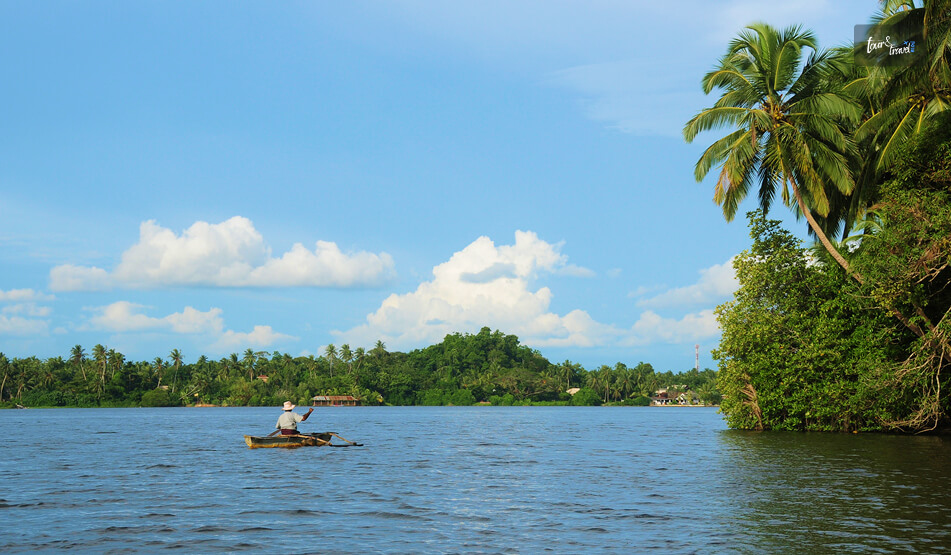
Aluthgama is beautiful. It is a working coastal town with a river as its lifeline. The mangrove canoes and fishing boats share the water here. 

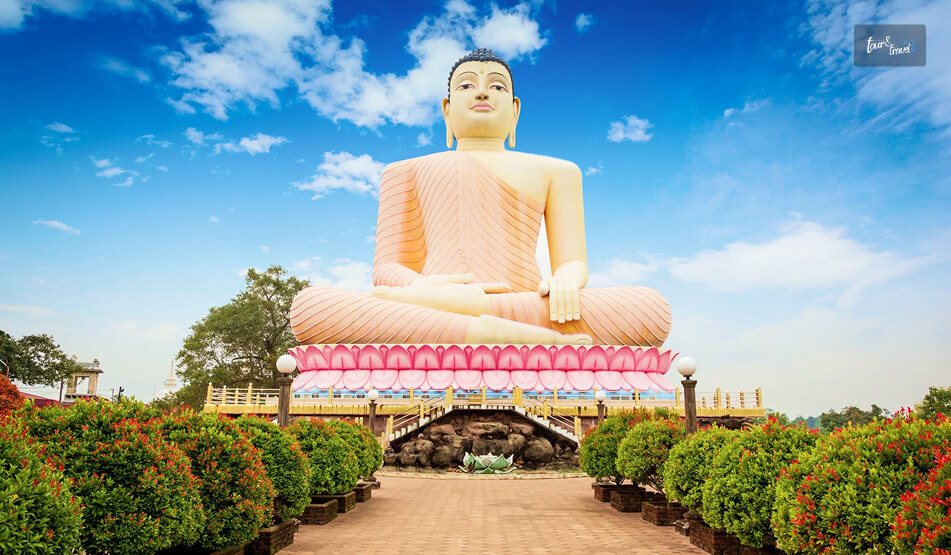
Also, a 160-foot Buddha statue rising from the trees looks over the town. 

Once I reached there, I lost track of time, and in this town, the pace of life still runs on tides rather than tourist schedules.

Charmed by its art of slow traveling, I ended up staying three days in Aluthgama. 

Where Is Aluthgama? What Is So Special About The Location?  

Aluthgama is a coastal town in the Kalutara District of Sri Lanka’s Western Province. 

Also, it is about 63 kilometers south of Colombo, and its distance from Galle is around 68 kilometers. 

This strategic position helps Aluthgama enjoy proximity to Colombo, the capital of the country. You can reach it from Colombo with an easy day drive or scenic coastal train ride. 

However, the distance of 63 kilometers is enough to keep the unmistakable slower rhythm of the south coast intact in Aluthgama.

Furthermore, the Bentota River creates a natural boundary between Aluthgama on the northern bank and Bentota on the southern bank. 

These two are like twin towns; Bentota is more famous, though! 

Aluthgama is very much a lived-in coastal town with a busy market and a fish market that starts operating before sunrise. 

I also found the streets busy with tuk-tuk drivers. However, this crowd around the markets and the tuk-tuks ruling the streets do not make Aluthgama a tourist town. 

It does not have anything pretentious about it, and that is most impressive.

How To Reach Aluthgama From Colombo Fort?

For the most authentic experience, you can take a train from Colombo Fort to Aluthgama. However, by road travel options are also available. 

By Train 

Trains such as Ruhunu Kumari (Maradana → Matara), Samudra Devi (Maradana → Galle), and Maradana → Aluthgama. 

The train ride of around 59.67 km takes between 57 minutes and 2 hours and 10 minutes. 

Furthermore, the ticket price for this class is LKR 140, second class is LKR 300, and first class is LKR 600. 

By Road

You can opt for a private car/taxi ride for two hours. It will cost you around LKR 12000 to 15000.

Also, you will get state-run CTB buses to Aluthgama from the Colombo Central Bus Stand. The travel time in these buses is around 2.5 hours, and the ticket price is between LKR 800 and 1100. 

However, if you want a more comfortable experience, you can board the private buses from the Bastian Mawatha Bus Station. The ticket prices will be around LKR 1200. 

What To Do Or Try In Aluthgama? A Quick Summary Of The Top Attractions

CategoryWhat to Try / Do in Aluthgama
Signature DishFish Ambul Thiyal (Sour Fish Curry with Goraka)
River ExperienceMangrove Safari on the Bentota River, and Spotting Crocodiles, Kingfishers, Water Monitors
LandmarkKande Vihara Buddha Statue with a Height of 160 Feet and Depicting the Bhoomisparsha Mudra
WatersportsJet SkiingBanana BoatsSpeedboat Rides Near the River Mouth
ShoppingGem and Jewelry Shops (Notably Blue Sapphires)Local Market for Spices and Produce
Day TripsKosgoda Sea Turtle Conservation ProjectMadu Ganga boat safariAmbalangoda Mask MuseumGalle Fort
Distance from Colombo63 km south
Distance from Galle68 km north
Best base forTravelers wanting a quieter, more local alternative to Bentota’s resort strip

The Bentota River Is The Heart Of Aluthgama 

The Bentota River Is The Heart Of Aluthgama

If you are planning a stay in Aluthgama like me, all the activities and attractions here center around the Bentota River. 

From a slow paddle through the mangroves or an afternoon of watersports, every activity here is dependent on the river. 

Mangrove Safaris And Wildlife In Aluthgama 

I was not expecting much from the mangrove safaris here. I thought that it would be a slow boat ride and some birdwatching. 

However, it turned out to be a two-hour adventure weaving through narrow mangrove channels so tight the branches brushed both sides of the canoe.

I could also spot monitor lizards sunning on exposed roots and a small resident population of mugger crocodiles that our boatman pointed out with far more enthusiasm than I felt.

Then, there were kingfishers! They flashed between the mangroves throughout the journey. Then, finally, the channel opened, and we reached Cinnamon Island.

We explored the short loop past cinnamon trees. 

It was amazing to see cinnamon being cultivated much as they were during the centuries when Ceylon cinnamon was one of the most valuable commodities on earth.

I chose a shared safari, and that cost around 3000 LKR for me. However, you can also take a private boat for a mangrove safari, and that costs close to 6000-6500 LKR. 

Watersports On The Bentota River 

Along with the paddle boat ride across the mangroves, you can also try jet skiing, banana boat rides, and being towed behind a speedboat on an inflatable “sofa.”

You will mostly find these organizers and operators near the river mouth and along the Bentota side. 

This section is touristy. So, the watersports services are well organized, and the charges are also quite reasonable. 

Check out the table below for an estimate of the prices for watersports on Bentota. 

ActivitiesCost Per Person (LKR)
Jet Skiing (10/15 Minutes)3500-12000
Banana Boat Rides (Per Round)1000-3000
Sofa / Tube Rides (Per Round)1000-3000
Paramotoring15000-20000
Flying Activities15000-20000

Malu Banna Watersports & Activities Centre and River Adventure – Water Sports Center are some popular organizers of watersports on Bentota.

The Buddha Statue: The Guardian Of Aluthgama 

The Guardian Of Aluthgama

Kande Vihara temple in nearby Aluthgama-Dharga Town is a short distance from the town center. 

As I reached the Kande Vihara temple, I saw one of the tallest Buddha statues in Sri Lanka.

This seated statue of Buddha is around 160 feet tall, and what is more captivating is its bhoomisparsha mudra. It is an earth-touching gesture associated with the moment of the Buddha’s enlightenment.

I had seen the photographs of this Buddha statue, but I did not expect to find it in Aluthgama. 

It was overwhelming as I did not think that turning a wrong corner on a fairly ordinary road would lead me to a statue of that scale rising above the tree line. 

This is life in a nutshell! There is a reason why I believe that traveling connects you to the mysteries and beauty of life more. 

You get the most amazing things when least expected. 

I saw locals visiting the Vihara to make offerings. The grandeur of the Buddha Statue and the overall ambiance reminded me of the Dambulla Royal Cave Temple

The Vihara did not have much of a crowd. So, it saved me from the queued, roped-off feeling that is common in many religious sites of Sri Lanka. 

Also, it was late afternoon, and the light caught the gold plating of the statue. Even the existing crowd started thinning out, and the silence was precious. 

I missed Somraj, my partner here, as he adores quiet places and his love for Buddha and Buddhism is intense. 

How To Reach The Kande Vihara Temple? 

The distance is around 2.5 kilometers, and a tuk-tuk ride takes around 7-8 minutes. The driver charged me LKR 300 and told me that he would wait for 1 hour and bring me back if I gave him LKR 1000. 

I was not ready to compromise my flexibility. So, I chose a one-way trip. 

Aluthgama: A Market Town With Its Own Character 

The temple and the river are the highlights for someone planning a trip to Aluthgama. 

However, Aluthgama’s real personality shows up in its everyday routines, including the market stalls, the gem shops, and the food that’s cooked for locals as much as for visitors.

Shopping And The Local Market 

As I said, the town center of Aluthgama never tries to be what it is not. It is charming even without the polish of Bentota. 

The main market is functional, with vendors selling fresh produce, dried fish, spices, and household goods. 

There is an old-world charm as spices here are not packaged. They are sold loose by weight. So, you will get the whiff every time you pass a spice stall. 

Also, if you want to buy some jewelry, you can visit the small but well-regarded cluster of gem shops. Ask any tuk-tuk driver to take you to the shops. 

The part of the coast on which Aluthgama sits is within reach of Sri Lanka’s gem-trading networks. 

A few local shops here have built reputations for genuine sapphires, which draws buyers who would rather shop here than in the more heavily marked-up tourist circuits further south.

What To Eat In Aluthgama? 

Food in Aluthgama is about fresh seafood, and the southern coast does it best. 

I had the signature fish ambul thiyal there. It is a sour, dry fish curry cooked with goraka. Wherever you go to eat, you will find it at the top of the menu. 

Also, Kottu roti, hoppers with that distinctive crisp-edged, custardy center, and pol sambol rounded out most meals.

Furthermore, near the market, you will find stalls bringing seafood straight off boats and grilling it live for you.

Day Trips You Can Plan From Aluthgama 

What sold me on staying longer than planned was realizing how much sits within easy reach, both along the coast and inland.

1. South Toward Galle

If you take the coastal road toward the south, you will find a series of worthwhile stops. 

The Kosgoda Sea Turtle Conservation Project (Distance: Around 15 Kilometers)

The Kosgoda Sea Turtle Conservation Project is the first stop, and I have already discussed it in my Bentota and Kalutara Guide

Here, hatcheries work to protect several endangered turtle species that nest along this stretch of coast. 

Madu Ganga Boat Trip (Distance: Around 19 Kilometers)

Next, you can plan an extension to your mangrove safari on Bentota with a boat trip on the Madu Ganga estuary near Balapitiya. 

It offers a slower experience. However, it is even more biodiverse than the Bentota mangrove ecosystem. 

The Ariyapala Mask Museum In Ambalangoda (Distance: Around 25 Km)

This is a delightful cultural experience. You will find elaborately carved devil-dance and ritual masks the region is known for in the museum. 

Along with the Kolam, Sanni, and Raksha masks on display, the museum also allows you to see the local artisans making the masks. 

I interacted with them, and they shared the story behind the mask they were making. 

The Meetiyagoda Moonstone Mines (Distance: Around 34 Km)

It is one of the few places in the world where the blue-sheened gem is found in commercial quantities. 

You can also see the miners at work here. 

Galle Fort 

Push on further, and you reach Galle itself.

It has a UNESCO-listed Dutch fort still ringed by ramparts and colonial-era buildings that make for one of the most atmospheric walks on the island.

Inland Excursions

You can also plan a day trip to the cultural triangle of Sri Lanka, including Sigiriya rock fortress and Dambulla’s cave temples. 

Furthermore, you can opt for wildlife safaris to Udawalawe National Park, known for reliable elephant sightings.

Why Is Aluthgama Worth A Visit And Stay? 

Aluthgama has more diverse accommodation options than you would expect in a quaint coastal town in Sri Lanka. 

However, these setups have not impacted the natural rhythm of the town that would carry on much the same whether or not anyone stopped to look. 

So, it is the perfect base, spending your days drifting through the mangroves and climbing up to see the Buddha statue at Kande Vihara.

Also, eat more seafood than seems reasonable, and let Bentota’s beaches be the postscript rather than the whole story.m

Share on Social Media

Sibashree is a travel, culture, and leisure writer who has been writing since the age of 12 and professionally since 2014. With more than a decade of travel writing experience and journeys across India and several parts of the world, she brings a deeply personal and thoughtful perspective to her work. A student of English Literature and Mass Communication, Sibashree has always viewed travel as more than movement — for her, it has been a way of understanding people, cultures, and herself. Her passion for spiritual exploration has also led her to many unusual and meaningful destinations over the years. Outside of writing, Sibashree enjoys watching European cinema, reading about global politics, and reflecting on the stories hidden within everyday places.

Leave a Reply

Your email address will not be published. Required fields are marked *

title-img Related

READ MORE things to do in unawatuna

What Are The Things To Do In Unawatuna With Family? Know Why You Will Love Unawatuna

BY  Sibashree Jun 1, 2026

The southern coast of Sri Lanka is the perfect relaxing getaway with golden sands, a vibrant local life, and a rich colonial heritage.  Be it the surfing paradise of the Hiriketiya Beach or the whale-watching hotspot, Mirissa, the southern coast is the most happening.  You can add to that the world-class culinary scene, the palm-fringed shorelines, and a laid-back bohemian energy.  Also, if you are looking for the combination of all these in a single spot, Unawatuna is the place to visit.  It has beginner-friendly waves, a deep colonial history, and a beachfront with a swinging rope.  In this article, I will discuss the best things to do in Unawatuna, top accommodation recommendations, and practical logistics to help you maximize your time in this tropical haven. Where To Stay In Unawatuna?  Unawatuna, being one of the premier beach destinations in Sri Lanka, has an excellent range of accommodations.  The accommodations here range from rustic, budget-friendly hostels to high-end luxury boutiques. Epic Unawatuna Epic Unawatuna, with its beautiful rustic charm, shows a heavy influence of the Dutch colonial architecture.  Furthermore, it offers air-conditioned rooms and exceptionally friendly staff.  Also, it is very close to the beach. Kingfisher Unawatuna It is an amazing beachfront hotel that has spacious rooms and large beds. Furthermore, it is on a quiet beachfront ideal for swimming.  Furthermore, it has an excellent in-house restaurant that is famous for serving top-notch, fresh seafood. What Are The Things To Do In Unawatuna With Family?  The Unawatuna Beach is at the epicenter of the attractions in Unawatuna. From exploring this beach to a day trip to Galle Fort, a lot of activities await you here.  1. Unwinding At Unawatuna Beach  Unawatuna Beach, with its golden sand, is one of the most popular beaches in Sri Lanka.  Furthermore, thanks to the protection of the offshore reef, the water here remains safe and calm. So, swimming here is safe throughout the year.  Moreover, in the daytime, you can rent a sunbed here, enjoy fresh coconut water, and enjoy the view.  At night, the beach gets transformed into a happening zone. The social scene here allows you to enjoy music, fresh seafood barbecues, and sunset cocktails right on the water's edge. 2. Dining At Bedspace Kitchen  After spending the evening at the beach, you can dine at Bedspace Kitchen. Which is in a tranquil garden oasis very close to the main road. It serves the best fusion cuisine, and it sources organic and fresh ingredients from local producers. So, by dining here, you can support the local community.  You must try the black pork curry and the gourmet burger. Its other specialties include fragrant coconut lemongrass soup and pumpkin gnocchi.  However, it has limited seats and remains quite crowded. So, you must book a table here in advance.  3. Witness The Iconic Stilt Fishermen Of Koggala At a distance of 10 minutes from Unawatuna Beach, along the coastal road toward Mirissa Beach, you will find Koggala.  South of Unawatuna, Koggala is the place to see one of the most striking cultural traditions of Sri Lanka, Stilt Fishing.  Here, fishermen use a traditional method to catch the fish. They balance atop a crossbar tied to a wooden pole driven deep into the reef, patiently waiting to catch small fish. The 2004 tsunami has altered the shoreline and made traditional fishing very difficult. However, the fishermen are still following this practice.  Many locals now rent their family stilts to men who pose for photographers to earn a livelihood. For visiting the Koggala Beach from Unawatuna and photography, the pocket pinch will be around 500 LKR.  4. Fall In Love With Dalawella Beach  Dalawella Beach, very close to Unawatuna, has low-bending coconut trees, dramatic rock formations, and a beautiful shoreline.  The rope swing here is a rage on Instagram, and it is one of the most popular photo spots along with the Nine Arch Railway Bridge in Sri Lanka.  Moreover, it is less crowded than Unawatuna.  5. Support Conservation At The Habaraduwa Sea Turtle Hatchery Sea turtles are frequent in the coastal waters of Sri Lanka. At the Habaraduwa Sea Turtle Hatchery, you will find rare species such as: Green Turtles Hawksbill Loggerhead Olive Ridley Leatherback Turtles. The hatchery is a non-profit organization that works toward protecting these majestic creatures.  The volunteers here rescue injured turtles caught in fishing nets and treat them. They also purchase eggs from local poachers to ensure they can hatch safely away from predators.  Moreover, once hatched, the baby turtles are nurtured for up to four days before being safely released into the ocean water. 6. Take A Day Trip To Galle Fort Galle Fort is just a tuk-tuk ride of 15 minutes from Unawatuna. It is designated as a UNESCO World Heritage Site. The Portuguese constructed it originally, and then extensive fortification happened in 1663 by the Dutch.  So, when you step here, it feels like traveling back to the Colonial Era.  Moreover, the fort here is an architectural marvel.  It has centuries-old Dutch villas, grand churches, and narrow cobblestone streets lined with trendy contemporary boutiques, art galleries, and upscale cafes. Moreover, the fort is an architectural marvel, featuring centuries-old Dutch villas, grand churches, and narrow cobblestone streets lined with trendy contemporary boutiques, art galleries, and upscale cafes. Also, the must-see attractions here are: The Galle Lighthouse Dutch Reformed Church Outer Stone Ramparts.  7. Learn To Surf At Bona Vista Bay While the Weligama Beach, Arugam Bay, and Mirissa Beach are more famous for world-class breaks, Bona Vista Bay is suitable for beginners.  It is a sheltered cove between Unawatuna and Galle. The waves here are gentle, and you will find many local surf schools on the beachfront offering certified instructors and affordable board rentals. Moreover, the surf lesson cost here is 2000-3000 LKR, and the board rental cost is between 300 and 500 LKR per hour.  What Is The Best Time To Visit Unawatuna? October to April, or the local dry season, is the best time to visit Unawatuna. However, February to April is the peak tourist season here.  During these months, the sea is calm, and the clear skies here make the time ideal for exploring.  From May to September, Unawatuna faces high rainfall and rough seas. Also, many businesses remain closed temporarily in these months.  How To Reach Unawatuna?  You can reach the southwestern coast of Unawatuna via different modes of transportation.  By Train A train ride through the southwestern coast offers the most affordable and scenic train ride. It is well connected by the Colombo Fort to Matara Railway Station, and Galle Fort Station is where you need to get down.  Also, from Galle Fort, you can take a tuk-tuk ride for 15 minutes, and it will cost around LKR 320.  By Bus  You can hop on a local coastal bus to reach Unawatuna from nearby beach towns such as Mirissa or Hikkaduwa.  Moreover, the bus ticket price is around 50 LKR, and a bus ride offers the most authentic cultural experience.  You will also get a bus from the Maharagama Bus Station, which is just 15 km south of Colombo City Center.  Here, the bus ride will take around 2 hours, and you will love the highway journey in a luxury AC bus.

READ MORE Jaffna beach guide

The Ultimate Jaffna Beach Guide: What Are The Best Beaches Near Jaffna, Sri Lanka? 

BY  Sibashree Jan 9, 2026

The northernmost major city of Sri Lanka is famous for its beautiful Hindu temples, such as the Nallur Kandaswamy Kovil and Naguleswaram Temple (Keerimalai). It also stands out with its unique sculptural scenario and great food.  However, very few people talk about the beautiful beaches of Jaffna, such as Kankesanthurai and Casuarina. During my trip to Jaffna, I loved the white sands, calm shallow waters, and Palmyra trees. Also, the Jaffna beaches are a paradigm shift from beach towns like Mirissa.  You will not get the vibrant nightlife or the maddening crowd. The vibe is pristine and slow. And with the Sri Lanka Tourism Development Authority (SLTDA) focusing on Jaffna now for the diversification of the country’s tourism profile, these beaches are going to play a vital role.  In this Jaffna beach guide, I will talk about the most prominent beaches, the amenities, expert tips, and more.  What Are The Best Beaches Near Jaffna Sri Lanka? The beaches in Jaffna show a contrasting vibe in comparison to the beaches near Colombo, such as Bentota or Unawatuna. The Colombo beaches are touristy and offer watersport activities such as parasailing, diving, and surfing.  On the other hand, the shallow water of Jaffna is ideal for swimming. Also, the golden sands of the Colombo beaches are replaced by the soft white sands.  Overall, the beaches in Jaffna focus more on tranquility and show the slow-paced vibe of the city. You know Jaffna Siesta is a real thing!  1. Casuarina Beach (Karainagar) Casuarina Beach Entrance Fee: 500 LKR (Foreigners), 50 LKR (Locals) Distance from Jaffna: 21 Kms As you reach the Casuarina Beach, a wide stretch of casuarina trees, creating a canopy over your head, welcomes you. The beach gets its name from these trees.  The stretches of the soft white sand of the beach are also surrounded by palm trees. Furthermore, the west-facing is known for beautiful sunset views.  What Are The Things To Do In Casuarina Beach?  Casuarina Beach is a place to relax. The shallow water here is ideal for swimming. You can go to the middle of the ocean, where you will find fishermen in action.  The fishermen ride in a raft-like boat. You can join them and have a conversation about their daily lives and how they survive the sea. For me, it was pretty much the “Riders to the Sea Moment.” Also, Kamban, a middle-aged fisherman of Jaffna, shared something about the impact of the Civil War here. He reminded me of a Reuters report published many years back. It talked about how the Puthumathalan beach, around 113 km from Jaffna, was filled with broken medicine bottles, pieces of clothes, and rusty cooking pots as the aftermath of the civil war.  Nevertheless, Kamban said, “You know, we did not have any food. We could not go out for fishing, and we never knew who would be the next to take a bullet.  We are now recovering and getting tourists. Still, we need more support, and the fear will remain among people of my generation and the next one.” Today, Casuarina Beach has some beach clubs and resorts offering water sports activities such as snorkeling and jet skiing.  Still, I feel, it’s a place to relax and ponder over how the locals are showing resilience to maintain the glory of a city devastated by the Sri Lankan Civil War.  Also, the Casuarina Beach is the place to try the authentic food of Jaffna. I loved the crabs and vadai here.  How To Reach Casuarina Beach From Jaffna?  The most convenient way to reach the Casuarina Beach is to take a private taxi to Jaffna. The cost will be around 1200 LKR.  2.  Kankesanthurai (KKS) Beach Entry Fee: Free Distance from Jaffna: 19 Km How to Reach: Take Tuk-Tuks from Jaffna The Kankesanthurai is a navy-maintained beach with sparkling blue water. It is also just 10 minutes away from the Keerimalai Freshwater Springs, one of the iconic landmarks in the spiritual and cultural landscape of Jaffna. Also, the nearby Thalsevana Resort is a place to relax and try authentic Jaffna cuisine while indulging in the beauty of the pristine beach.  You can swim in Kankesanthurai. However, you need to be careful about the current. However, this beach is more popular for the snorkeling activities and is famous for the Keerimalai to Kankesanthurai Walk.  Kankesanthurai (KKS) Beach Snorkeling  Kankesanthurai, with its shallow water and some marine life and corals visible, is a decent snorkeling site. I saw some sea turtles while swimming at Kankesanthurai beach.   The water here is warm, and the calm conditions make it beginner-friendly. May to September is the best time for snorkeling in Kankesanthurai.  However, there is no established snorkeling facility here. So, you need to bring your own gear, including fins and masks.  So, if you want a proper snorkeling experience, you can explore alternative locations in Sri Lanka, such as the Nilaveli Beach of Pigeon Island, which also has the Pigeon National Park.  The Coral Island of Trincomalee and the southern coastal spots such as Hikkaduwa & Mirissa are some of the best locations to try snorkeling in Jaffna.  Keerimalai To Kankesanthurai Walk The distance between Keerimalai and Kankesanthurai is just around 2 km. So, when you start from Keerimalai and walk north toward Kankesanthurai, you will reach your destination in 25-30 minutes.  There is no marked beach trail for the walk. However, as you proceed, you will experience amazing coastal views and fishing activities, especially near the pier and shorefront.  However, if you want to beat the heat, you can take a tuk-tuk to reach the beach from Keerimalai. Manalkadu Sand Dunes: The Hidden Gems Near Jaffna  Manalkadu sand dunes are the ideal location for an off-the-grid camping experience in Jaffna. Also, at times, I want absolute silence around me. Being an introvert, too many interactions and activities often drain me.  Stargazing in those moments works like a therapy for me. If you are also like me and want the world around you to “Shut Up,” you must try stargazing at Manalkadu.  The long chain of sanddunes here stretches to meet the sea, and this is a geologically striking feature. The desert-like setup and the sand dunes offer some “interesting perspectives” for photography, especially while watching the sunset.  And the best way to experience stargazing at Manalkadu? Try off-grid camping here.  Camping At Manalkadu And Stargazing  I set up my tent on the Manalkadu beach, and the wild, open area with almost no light pollution offered the best stargazing experience. Of course, it was not as vivid as stargazing in Great Barrier Island.  Still, the spontaneity and simplicity won me over. However, Manalkadu is not a formal camping or stargazing site. So, you will need to bring your tent, telescope, red light, water, and other essentials.  Also, we spotted some fishing huts on the beach. We sought their permission, and they happily agreed. In fact, they shared their meal with us, allowing me to spend more time stargazing and enjoying the silence. Things To Pack For Camping At Manalkadu  Manal Kadu means sand jungle in the Tamil Language. True to its name, it is a pristine place where desert, jungle, and the sea co-exist.  Also, it is called the “Swimming Pool of the North.” Nevertheless, since it has a primitive setup, you need to carry some essentials.  Tent Sand Anchors or Stakes Plenty of Food and Water Nearby Portable Stove Cooking Gear Headlamp or Lanterns First-Aid Kit Power Banks Trash Bags The Quiet Alternatives: Jaffna Beaches Do you want to enjoy a sunset stroll by the water with no one around? Visit the quieter alternatives such as the Charty Beach and Akkarai Beach. 1. Charty Beach The Charty Beach is on Velanai Island, and it is a 15 km drive from Jaffna City. You will reach the beach from the city within 30 minutes after a journey through the Jaffna–Pannai–Kayts Road.  The warm water here is ideal for swimming, and you can even try near-shore paddling. Changing Facility• Nearby Huts• Rest ShadesFood And Snacks• Local EateriesAccomodation• AC and Non-AC Rooms at Charty Beach ResortLifeguard• Not Available Ideal Season • May to SeptemberBest Time to Visit in a Day• Early Morning• Late Afternoon 2. Akkarai Beach  Take a drive for around 30-40 minutes to reach the Akkarai Beach in Thondamanaru. Lying along the Palk Strait, it stretches toward the Indian coastline.  It is very close to the Lord Murugan Temple and the Thondamanaru Bridge.  Parking FeeFreeResting AreasBenches and Shaded SpotsWashroomFreshwater Wash AreasSwimming ConditionNear-Shore Swimming with the Sandy Bottom Deepening GraduallyLifeguardsNot Available. So, Don’t Swim when the Current is Strong.  Best Months May to SeptemberBest Time to Visit in a Day• Early Morning• Late Afternoon Beach Amenities And Safety Guide Once again, the Jaffna beaches are not the luxury tropical getaways you are looking for. So, you must have a clear idea about what to expect at these pristine beaches.  Also, learn about the safety infrastructure before getting into the water.  1. Basic Beach Amenities  Casuarina Beach has paid changing rooms. However, other beaches have no makeshift provisions for changing and resting.  So, you must carry beach umbrellas and folding chairs if you don’t want to sit on the sand.  There is no official presence of a lifeguard or support on these beaches. Network coverage is decent. However, you can face connectivity issues if the weather deteriorates.  The beaches in Jaffna are accessible from Jaffna City by tuk-tuk and other vehicles. However, in Casuarina Beach, you will have to pay a small fee for entrance and parking your vehicle.  2. Safety And Norms Do not go very far into the ocean water, as there can be strong currents, and there is no formal lifeguard support.  Also, be careful while walking barefoot on the sand,d as there can be seashells and seaweeds.  In addition, dress modestly, shorts and T-shirts are fine! Also, do not leave trash behind.  Exploring The Jaffna Coastline: Know The Expert Tips  Want to explore the coastal beauty of Jaffna to the fullest? Follow these expert tips.  1. Go On Weekdays You will find local buses packed around the Casuarina Beach, and the noise of loud music can be an annoying factor.  Choose a Monday or Tuesday for your ocean visit to spend some moments of quietude. 2. Bring Reef Shoes The Charty and KKS beaches have sharp dead coral very close to the water's edge. So, your feet may get a cut if you don’t wear reef shoes.  3. Have Navy Food  When you are visiting the Kankesanthurai (KKS) beach, you don’t need to eat at a beach shack. You can walk into the Thalsevana Holiday Resort run by the military.  Enjoy a hygienic and tasty lunch and cold beer there while enjoying the ocean view. 4. Riding On Manalkadu? You Will Need A 4X4  You can drive a scooter to Manalkadu. However, you have to park it on the hard road. You cannot take it to ride onto the sand dunes, and the wheels will get stuck.  5. Morning Is The Best Time For The Beach Visit  You cannot visit a beach in Jaffna at noon. The Northern Sun is scorching. So, plan a visit between 7 AM and 8 AM or after 4 PM.  6. You Can Wade In Akkrai But Cannot Swim  The water at the Akkarai Beach is usually knee-deep. So, you can wade through the water of this beautiful beach.  However, swimming does not look like an ideal activity here.  7. Changing Rooms Are Basic The Casuarina Beach has changing rooms. However, these rooms are just concrete stalls with a bucket of water.  You will have to bring your towel and toilet paper.  8. Respect The Fishermen Most beaches in Jaffna are like a workspace for the fishermen. So, there will be fishing boats and nets on the shore.  You cannot step on or lie on them. Do not tamper with them.  9. Drink Thambili To Stay Hydrated  Jaffna beaches do not have places serving fancy cocktails. The best refreshment is to drink the King Coconut or Thambili water.  It replenishes the micronutrients, and it is a must-have when the Sun is scorching. What Are The Authority Voices On Jaffna Beaches And Coastline?  “Casuarina Beach is named after the shady trees that line it, offering a rare respite from the scorching Northern sun. It’s the closest Jaffna gets to a holiday vibe.” - The Lonely Planet.  “Don’t expect the polished tourism of the South. Jaffna’s beaches are raw, working coastlines where fishermen outnumber tourists—and that is their charm.” - Rough Guides.  Jaffna Beach Guide: Frequently Asked Questions (FAQs)  Here are the frequently asked questions and answers about the Jaffna beaches.  1. Can Foreigners Swim In Jaffna Beaches? Yes, foreigners can swim in Jaffna beaches. Casuarina and KKS beaches get many foreign visitors. The KKS beach offers free entry. However, for the Casuarina Beach, the entry fee is 50 LKR for locals and 500 LKR for foreigners. Also, the amenities at the Jaffna beaches are basic. So, a foreigner looking for a luxury beach experience or the resort vibe can feel disappointed.  2. Is It Safe To Wear A Bikini At Jaffna Beaches? There is no formal restriction regarding wearing bikinis at Jaffna beaches. However, the social setup of Jaffna is conservative. So, there can be stares, and you may feel out of place. So, wear shorts and T-shirts while swimming. 3. Are There Sharks In Jaffna?  You will rarely see sharks in the waters of Jaffna. However, you will find sea turtles and coral reefs in the waters here. The water here is very shallow.  4. Which Is The Cleanest Beach In Jaffna?  Kankesanthurai (KKS) is a navy-maintained beach, and it is the cleanest in Jaffna. It also has the Thalsevana Holiday Resort, run by the military. You can have food and drink here.  5. Can I Surf In Jaffna? No, you cannot surf in Jaffna. The water here is shallow and calm like a lagoon. If you want to surf in Jaffna, you can go to Arugam Bay on the East Coast.  6. Are There Hotels On The Beaches Of Jaffna?  Yes, though not frequently, there are some hotels on the beaches of Jaffna. For example, KKS has the Thalsevana Holiday Resort and the Charty Beach has the Tilko Charty Beach Resort. Furthermore, there are smaller guesthouses near the Casuarina beach.  7. What Is The Best Time Of Year To Visit Jaffna Beaches?  May to September is the ideal time for exploring the northeastern beaches of Jaffna. Jaffna has dry weather conditions in these months, and the calm water is ideal for swimming and snorkeling. Jaffna experiences heavy rainfall from October to December. So, avoid these months.
READ MORE Jaffna travel itinerary

Jaffna Travel Itinerary For 5 Days: What Are The Places To Visit And Local Transport

BY  Sibashree Jan 13, 2026

The city of temples. The Tamil heart of Sri Lanka. The cultural hub of Sri Lanka.  All these things are true about Jaffna, the northern city. It’s not just about the Nallur Kandaswamy Kovil or the Naguleswaram Temple. There are two temples on average in the streets of Jaffna. Along with the temples in Jaffna, the food, the festivals, and the warm hospitality make it a city to be explored, felt, and soaked in. Had I not been to Jaffna, I would have probably loved the average “3-day Jaffna travel itinerary” every blog is offering. However, a city that wakes up to the sound of the temple bells and the smell of jasmine and follows the custom of Jaffna Siesta, cannot be explored in three 3 days. You will at least need 5 days to know the spirit of Jaffna. Also, it’s cruel to say that you can walk to the Jaffna Fort at noon. So, the average Jaffna travel itinerary you are going through now is unrealistic, and I am not sure how authentic they are. So, here are the things to do in Jaffna for 5 days and how to explore the city. Jaffna Travel Itinerary: It All Starts With The Colombo To Jaffna Train Journey If you want an iconic train journey from Combo to Jaffna, take the Yal Devi Express from Mount Lavinia. The train starts from Mount Lavinia, and the Combo Fort is the 5th station on this route. You can board the train from Colombo Fort at 6:40 AM. The train will reach Jaffna at 2:33 PM, and it is the 31st station on the route. The last or the 34th station on the route is Kankesanthurai. The ride in this AC Saloon car costs LKR 2800 per person. You can also take the 444421 InterCity Express from Mount Lavinia to Kankesanthurai. This train departs from the Combo Fort Station at 5:45 AM and reaches Jaffna at 11:49 AM. The ticket price is LKR 3200 per person. This train ride is not just about traveling to Jaffna from Colombo. Here, you will pass through the Elephant Pass, which has expansive lagoons. Also, as a war memorial and as the military base of the First Battle of Elephant Pass (Operation Aakaya Kadal Veli or Air-Sea-Land by the LTTE), it is an important landmark for cultural tourism in Jaffna. Getting Around Jaffna: Why Do I Need A Scooter For Rent?  You can take a scooter for rent for a budget-friendly and flexible experience in Jaffna. Be it the Casuarina Beach or other beaches of Jaffna or the historical Jaffna Fort, a scooter or moped will give you the ultimate freedom to make the itinerary for Jaffna travel. The charges for a bike rental will be around LKR 2500 per day. If you don’t ride and need a more relaxed experience, you can take a tuk-tuk on hire, and the cost will be around LKR 4000-5000 per day. 5-day Jaffna Travel Itinerary: Soaking In The True Spirit Of Jaffna From exploring Jaffna City to exploring the islands and temples, there is a lot to do in the Northern City of Jaffna. Also, culinary tourism in Jaffna is a real thing! So, let’s make the most of these 5 days in Jaffna. Day 1: Arrival At Jaffna And Exploring The City  How about starting your day in Jaffna with the famous Jaffna coconut water or the signature ice cream at Rio Ice Cream? Here are the things you can do once you reach Jaffna after a long train journey from Colombo. 1. Morning: Check-In And Visit Rio Ice Cream For The Legendary Welcome  View this post on Instagram A post shared by Rio Ice Cream (@official.rioicecream) Rathinam Industrial Organisation(RIO) is a legendary landmark in Jaffna. It is like a community center where the locals love to have some refreshment in the middle of the day or at the end of the day to fight the soaring temperature. Special Rio Sundae with the ultra-sweet syrup and nuts is the main attraction of Rio Ice Cream. Also, the ice cream here is completely natural and chemical-free. 2. Afternoon: Visit The Jaffna Public Library  The Jaffna Public Library is a must-visit if you want to know about the local Tamil culture and heritage. It became a part of the Jaffna Town Development Board on 1st January 1935. As of today, the library has a collection of more than 117199 books, 37968+ in the lending section, and more. The library remains open from 8:30 AM to 6 PM from Tuesday to Sunday. On public holidays and Mondays, only the study hall and the magazine and newspaper sections remain open from 8:30 AM to 5:15 PM. However, the public viewing hours are from 4 PM to 6 PM. 3. Evening: Visit The Jaffna Fort For Sunset Walk On The Ramparts  Visiting the Jaffna Fort and walking on its ramparts after sundown are the best ways to familiarize yourself with the city's history. You can explore the walls and the barracks where thousands of civilians and military personnel used to live. Furthermore, you can enjoy the beautiful view from the city and the Jaffna lagoon from the ramparts. A Brief History Of The Jaffna Fort Built in 1619 by the Portuguese colonialists. Serving as the base for combating three Sri Lankan rebellions against the rule  Got captured by the Dutch in 1658  Got the famous defensive triangle in 1792  The British took control of the fort in 1795  Sri Lanka became independent in 1948  However, even after the independence, the Fort has been at the center of friction between the Sri Lankan government and the Liberation Tigers of Tamil Eelam (LTTE or Tamil Tigers). So, 1990-2009 was a volatile year for Jaffna, and the Jaffna Fort witnessed many occurrences. However, post 2009, the restoration work for the Jaffna Fort was started with the financial aid of the Dutch Government, and the Jaffna Fort still stands today because of that. 4. Having Dinner At Malayan Café (Dosas And More)  View this post on Instagram A post shared by りかරිකා (@rk_itooo) Having dinner at the Malayan Café is the quintessential Tamil experience you want in Jaffna. The decor is quaint with marble top tables, and steaming hot dosas and Idlis here are served on banana leaves. You will also get parathas and chutneys here. Don’t forget to bring cash because it does not have a digital payment facility. Day 2: Hopping The Delft And Nainativu Islands  Let me share one update when you are making a trip to the Delft and Nainativu Islands. Only one boat is available from the Kurikadduwan Jetty at 8 AM. So, if you miss the boat, unfortunately, your entire day is ruined. Nevertheless, here is how you will spend day 2 in Jaffna. Morning In Delft Island  The Portuguese Fort and the ruins of the Old Stupas are the primary attractions on Delft Island. You must also see the iconic Baobab Tree and the wild horses roaming on Delft Island. Take a ferry from Delft Island to reach Nainativu. Afternoon At Nainativu Nagapooshani Amman Kovil  The Nagapooshani Amman Temple has Nagapooshani Amman, a form of Goddess Durga, as the presiding deity. The statue of Goddess Nagapoosani here is accompanied by a Shiva Lingam and the ten-headed statue of Ravana at the base. It features a Dravidian architecture with some modern features, as the current structure was rebuilt between 1720 and 1790 after the Portuguese destruction in 1620. Returning To Jaffna By Boat And Having Seafood Dinner At Mangos Take the return boat from Nainativu, and the last ferry is available at 4:30 PM. Then, end your day on a relaxing note with a hearty seafood dinner at Mangos. Day 3: Soaking In The Spiritual Vibe Of Northern Sri Lanka  Start your day three in Jaffna with a visit to the Nallur Kandaswamy Kovil early in the morning. Be a part of the 10 AM Puja.  Then have traditional crab curry and rice for lunch before starting a drive to Point Pedro. If ordering Crab Curry, know that one portion is usually enough for two people. It is rich, spicy, and heavy.  The distance between Jaffna and Point Pedro is around 32 km. Known as Paruthithurai in the local Tamil language, Point Pedro is the literal top of Sri Lanka. Despite being a crucial maritime getaway, Point Pedro has a pristine landscape, and it has maintained its authentic Tamil vibe. Vallipuram Alvar Kovil and Sakkotai Cape sign are important stopovers between the Jaffna to Point Pedro journey. The Vallipuram Alvar Kovil is one of the oldest Hindu temples in Jaffna. Archaeologists found a 2nd-century gold plate here, and the temple is dedicated to Lord Vishnu. The Sakkotai Cape is the northernmost point of Sri Lanka. It has a concrete sign and an inscription, “Unity in Diversity is the Strength of Sri Lanka.”  The famous concrete sign saying "Point Pedro" is actually at Sakkotai Cape, a few kilometers away from the Point Pedro town center. Don't get confused by Google Maps. Day 4: Exploring The Ruins, Springs, And Myth Of Jaffna  You can start your day four in Jaffna with a sacred bath at the Keerimalai Freshwater Springs next to the ocean. The water here is believed to have healing power. In the midday, you can travel to Dambakola Patuna from Jaffna. It will take around 34 minutes. It is the place where Sanghamitta, the Buddhist daughter, and Great King Ashoka brought a sapling of the Bodhi Tree in the 3rd Century BCE. Finally, in the afternoon, you can explore the mysterious mini-stupas or the Kantarodai Ruins, around 12 km away from Dambakola Patuna. It is an archaeological site, and you must also visit the ancient Kadurugoda Vihara here.  Day 5: Getting Familiar With The Local Life Of Jaffna And Departing For Colombo  On day 5, explore the local Jaffna market for buying some Jaffna specials, including palmyra jaggery and curry powder. Enjoy your last feast in Jaffna with Dosa and Vadai. Then, you can plan your return to Colombo. What Are The Expert Tips For Jaffna Travel Itinerary?  Did you know that the Sri Lankan Navy runs the boat to Delft? It always remains overcrowded, and the passengers wait at the Kurikadduwan Jetty. So, if you want to catch the boat at 8 AM, you have to get there by 7:30 AM. Do you want to know more such expert tips for your next trip to Jaffna? Check out the following points.  1. Bring Your Passport  When you are traveling from Jaffna to the nearby islands, you will have to cross military or navy checkpoints. So, when you are from any other country, you will have to show your passport. 2. Sunday Is Dead  Jaffna celebrates Sundays as a real holiday, and most local shops and markets remain closed on Sundays. So, choose a weekday if you want to explore the City Markets. 3. Cash Is King When You Are In Jaffna You will get ATMs in Jaffna town. However, when you are driving to Point Pedro or taking a ferry to Delft Island, you will need cash.  Even small shops and the markets in Jaffna may not always accept cards. So, you have to carry small coins such as 100 and 500 LKRs.  4. You Must Cover Up At Nallur Your clothing has to be respectful when you are in Nallur Kovil. If you are a woman, you have to cover your knees and shoulders. Also, men must be shirtless when entering the temple. If you do not follow the clothing norm, you will be turned away at the gate. 5. Book Return Trains Early  If you are traveling from Colombo to Jaffna by train, you will have to book the tickets for Yal Devi and other passenger trains well in advance. The first and second class tickets get booked fast. Ideally, you must book the train tickets 30 days before starting your journey. 6. Drink "Nelli" Cordial  Instead of Coke, try the local Nelli (Gooseberry) crush. It’s a Jaffna specialty and incredibly refreshing in the heat.  You can even drink the big coconut water. 7. Respect The "No Photo" Signs  Photography is not allowed in the inner sanctum of the Jaffna Kovils or temples. The priests are vigilant. So, do not even try breaking the norms. Also, if you're taking photos of the locals, always seek permission. Authority Voices: What Experts Say About Traveling To Jaffna? The Common Wanderer (Travel Bloggers): “Jaffna feels like the Sri Lanka of 20 years ago. No smoothie bowls, no yoga retreats—just raw culture, heat, and the most incredible hospitality.”  Rough Guides: “The journey to Delft Island is a rite of passage. The choppy ferry ride and the desolate coral landscapes make you feel like you’ve reached the edge of the world.”  Chef Peter Kuruvita: “To understand Sri Lankan food, you must go North. The cuisine here is uncompromised by tourism.”  Jaffna Travel Itinerary: Frequently Asked Questions (FAQs)  Here are the frequently asked questions and answers about the Jaffna travel itinerary. 1. Is Jaffna Safe For Tourists?  Yes, Jaffna is a safe city for tourists. The strong presence of Tamil culture and a conservative society make it an ideal location for family trips. Also, according to Numbeo, the crime rate in Jaffna is 50, which is moderate. However, Jaffna has been hit by civil wars time and again, and the rampage of Cyclone Ditwah in November 2025 has been devastating. Jaffna is still recovering from the aftermath. 2. What Is The Best Way To Get Around Jaffna?  Hiring a Tuk-Tuk is the most comfortable way to get around Jaffna. You can even book a scooty or moped to explore Jaffna at your own pace. However, for the island visits, you will have to rely on the ferry services.  3. Can I Do Delft And Nainativu In One Day?  Yes, you can visit Delft and Nainativu in one day. However, to make your plan a success, you will have to start early from the Kurikadduvan beach. Once you reach Delft, you can book a Tuk-Tuk or a moped to explore its important landmarks. Then, take the ferry to reach Nainativu Island. 4. Is There A Dress Code For The City?  There is no official dress code for the city of Jaffna. However, it is a culturally rich city with a Tamil conservative society. So, you must opt for modest clothing such as sarees, full pants, long skirts, and tops and shirts with sleeves. 5. Can I Find Beer Or Alcohol In Jaffna?  Yes, you can have beer or alcohol in Jaffna. The Thalsevana Resort on the Kankesanthurai (KKS) Beach is the best place to have a chilled beer. You will also find beer in the hotels. However, alcohol in Jaffna is expensive. You can do some duty-free shopping at the airport. Furthermore, for the most authentic experience, you can try local brands such as Lion Lager or local spirits like Arrack. 6. Do They Speak English In Jaffna?  Yes, people speak English in Jaffna, especially when you are interacting with someone associated with the hospitality industry, the medical profession, or the legal field. Also, you will find many people in Jaffna City speaking English. However, when you explore the villages or remote areas, people may not be fluent in English. 7. What If I Am Vegetarian?  Even if you are a vegetarian, the Jaffna cuisine has many delicacies for you. You can have Idli and dosa, which are vegetarian and vegan.  Also, Rasam, Sambar, and the curries made using pumpkin, drumsticks, and other vegetables are quite delicious. Vegetarian food is available in Jaffna in abundance and with a variety because of the strong Tamil presence in the city. Most people here worship Lord Shiva and Vishnu.  8. How Long Is The Ride From Colombo To Jaffna?  A journey from Colombo to Jaffna takes around 7 hours if you are traveling by the Yal Devi AC saloon car or bus. However, you can also take a flight from Colombo to Jaffna, and the travel time is around 1 hour and 30 minutes.  9. Is The Water In Jaffna Safe To Drink?  No, the water in Jaffna is not safe to drink because saltwater intrusion and groundwater contamination are quite high. The groundwater of Jaffna is contaminated by agrochemicals, sewage, and harmful bacteria. So, it is safe to drink bottled water and water from filter dispensers.