


Driving To Rio Celeste In Costa Rica From La Fortuna Or Liberia

Park your car at the Tenorio Volcano National Park lot at 8:15, and the trail to the Rio Celeste waterfall is yours, shared with birds and a few early hikers. The tour vans from La Fortuna and Guanacaste don’t start pulling in until around 10 a.m. And that gap of nearly 2 hours is the best reason to drive yourself.

Geography is the second reason. Rio Celeste lies in quiet farm country between the Arenal area and Guanacaste, near the small towns of Bijagua and Katira, with only one park entrance.

But public transport barely reaches it (from the park you’d have to take a taxi to Upala, then catch a bus toward Ciudad Quesada). With a rental car, it turns into a relaxed morning stop on a day you’d be on the road anyway.

Which road from La Fortuna, Liberia, or San José?

Leaving La Fortuna, you head toward El Tanque on Route 142 and then join Route 4. You’ll stay on Route 4 northbound for about 40 km, past San Rafael de Guatuso, until a park sign appears at Samen.

Turn left there. The paved road runs about 19 km through Maquencal and the village of Rio Celeste, and the entrance sits on your left just after a bridge over the river (look down while you cross, because on a good day the water is already pale blue under you).

Waze and Google Maps both get this one wrong. Near San Rafael de Guatuso, they’ll try to turn you left off Route 4 onto an older road, and you should simply ignore them and carry on to Samen, where the pavement begins.

Coming from Liberia, Route 1 (the Inter-American Highway) takes you south. Roughly 6 km short of Cañas, exit, go under the highway, and pick up Route 6 toward Upala.

Route 6 is good asphalt for the 22 km or so to Bijagua. Once in town, the park sign tells you to turn right, and from there the side road is paved right up to the entrance. It’s steep in spots, though; it turns slick once it rains, and you’ll cross a couple of one-lane bridges where whoever is already on the bridge has the right of way.

What about San José and SJO airport? Plan on about 3.5 hours, which is why most people landing at SJO slot Rio Celeste into the drive from Arenal to the Guanacaste beaches.

Starting pointMain roadsDrive timeRoad surfaceWhat to watch
La FortunaRoute 142, then Route 4, turn at SamenAbout 1.5 hoursPaved the whole wayApps sending you off Route 4 too soon
Liberia (LIR)Route 1, then Route 6, turn at BijaguaAbout 1.5 hoursPaved, with a steep last stretchSlippery climb after rain and one-lane bridges
BijaguaPark road from the town centerAbout 20 minutesPavedSteep, and slick in the wet

Older trip reports still circulate with stories of broken roads, spinning tires and passengers climbing out to walk uphill so the car could make it. Those days are gone. Both approaches are paved now, and neither one requires a 4×4.

But a 4×4 can still earn its keep. That Bijagua climb is exactly the sort of wet, steep pavement where a compact SUV with decent ground clearance feels a lot calmer than a small sedan, and the potholes multiply in September and October, the 2 wettest months of the year.

And if Rio Celeste is just one stop on a bigger loop with gravel elsewhere, rent for the roughest road on your itinerary rather than for this one.

Flying into Liberia makes things simple, since you can collect the car at the airport and drive straight south toward Bijagua. Jumbo Car has an office near LIR with a free shuttle from the terminal. Its quoted prices already include the mandatory insurance, and cancellation is free up to 24 hours before pick-up.

When you compare a rental car costa rica booking with them, you’ll see a fleet that goes from economy cars up to a Suzuki Vitara or a Kia Sportage 4×4.

Tickets, parking, and park rules

Most people who get turned away at Río Celeste get turned away over tickets. SINAC, the national park service, sells them online only and in advance, and there’s no booth at the gate to bail you out.

You’ll have to create an account before you can buy (the site has an English version). Do it the night before from your hotel Wi-Fi, because cell coverage around the park drops in and out and the parking lot is a bad place to discover that.

ItemWhat applies
Entry, foreign visitors$12 per adult, $5 per child aged 2 to 12
Opening hoursDaily from 8 a.m. to 4 p.m., last entry at 2 p.m.
ParkingRoughly ₡2,000 to ₡3,000, cash on arrival
RestroomsEntrance only, nothing along the trail
SwimmingBanned everywhere in the park
Food and bottlesNo food (babies get some leeway), no single-use plastic bottles

Rangers do go through bags, and anything on the banned list stays with them. Bring a refillable bottle and keep a photo of your passport on your phone, since they sometimes ask for it.

Parking is easy. The main lot next to the ranger station is large, overflow spaces sit across the road, and attendants keep an eye on the cars (still, leave nothing in sight).

But before you plan a whole day around the waterfall, check whether you can see it. In August 2025 a landslide buried the bottom of the 250 steps leading down to the falls. As of early 2026 the lower stairs and the viewing platform hadn’t reopened, which meant you only got a view from partway down. Look at the SINAC site and recent visitor reports during the week before your trip.

The trail and how long it takes

You leave the ranger station on a flat paved path that turns to gravel after about 15 minutes. After that it’s ordinary dirt trail, with a stream to cross and a few short, steep pitches, and roughly 30 minutes in you’re standing at the top of the waterfall stairs.

The falls drop about 90 meters into a deep blue pool. A lot of people see that and head back.

And that’s a fair choice, because the second half is rougher going, all roots, mud and steep climbs and descents. It takes you past the Poza Azul pool, then the Borbollones, where the water bubbles and you’ll catch a whiff of sulfur. It ends at Los Teñideros, the spot where two clear rivers meet and the water goes blue. Is it worth the extra slog? If you have the legs and the time, yes, since the color change is the reason the river has its name.

There’s no loop. The trail stops at Los Teñideros and you retrace your steps, so budget 1 to 2 hours if you only want the waterfall and 3 to 4 hours for the full trail.

Wear shoes you’re happy to throw away afterward. This flank of the volcano gets heavy rain, and the mud on the far section will pull a sneaker clean off your foot.

When the water is bluest

December to April is your window if you have any choice. Rain stirs sediment into the river, and a few wet days in a row turn that turquoise into something dull and milky.

Stuck with the rainy season? Then go the morning after a dry night, never the afternoon after a storm.

The hour you show up counts too, though for other reasons. Get there at 8 or 8:30 a.m. and you’re ahead of the tour buses that roll in around 10 a.m., walking in cooler air (the low 70s °F early on). And because last entry is 2 p.m., an early start leaves enough daylight to drive on to Liberia or back to La Fortuna without doing the gravel stretches in the dark.

Frequently asked questions about Rio Celeste

Is Rio Celeste still closed?

The park itself was open in early 2026. But the lower stairs and the waterfall viewing platform stayed shut after a landslide in 2025, so look at the SINAC page again a day or two before you go.

Can you swim in the Rio Celeste?

No, not within Tenorio Volcano National Park, Poza Azul included. If you want to get wet, the tubing tours run on stretches of river outside the park boundary.

How long does it take to hike to Rio Celeste?

Count on roughly 30 minutes from the ranger station to the top of the waterfall stairs, then 250 steps down. Walking the whole trail out to Los Teñideros and back takes 3 to 4 hours.

Is it worth going to Rio Celeste, Costa Rica?

In the dry season with an early start, yes. It sits between Arenal and Guanacaste, so with a car it fits into a single morning on the way. After a week of heavy rain, the color washes out, and skipping it is a reasonable call.

Read Also:

Share on Social Media

Sibashree is a travel, culture, and leisure writer who has been writing since the age of 12 and professionally since 2014. With more than a decade of travel writing experience and journeys across India and several parts of the world, she brings a deeply personal and thoughtful perspective to her work. A student of English Literature and Mass Communication, Sibashree has always viewed travel as more than movement — for her, it has been a way of understanding people, cultures, and herself. Her passion for spiritual exploration has also led her to many unusual and meaningful destinations over the years. Outside of writing, Sibashree enjoys watching European cinema, reading about global politics, and reflecting on the stories hidden within everyday places.

Leave a Reply

Your email address will not be published. Required fields are marked *

title-img Related

READ MORE card-img

Vatican Museums: Housing Extensive Art Collections Worth Billions | Vatican City Guide

BY  Arnab Apr 11, 2023

The Vatican Museums was recently in the news for unveiling one of its restored masterpieces. Further, the unveiling on 15th August 2024 showcased the restored form of a stunning marble sculpture of the Greek God Apollo in the Pio Clementino Museum of the Museums.  Now, the sculpture known as the “Apollo Belvedere” has inspired poets and artists across generations. Further, the statue had damage to the legs and knees. Along with repairing these damages, the restoration work also increased the stability of the statue.  This type of restoration... is the expression of what we want the Vatican Museums to be. "A balance of tradition, linguistics and study, with a gaze that looks to the future."Barbara Jatta, Director, The Vatican Museums  Furthermore, this Apollo Belvedere was one of the first masterpieces in the museum, and the way it depicts the curled hair and musculature is impeccable.  Above all, along with the Apollo Statue, the Vatican Museums is home to some of the world’s most famous and historic museums, making it a must-see destination for visitors from around the globe.  So, with its impressive collections spanning art, history, and culture, there are countless opportunities for exploration at the Vatican Museums. It has the best artifacts of ancient Egypt and Rome.  Moreover, from guided tours to self-guided visits, here is a flavor of what you need to know about taking a tour of the region’s museums and what you might see. Did You Know?Pope Julius II brought the Apollo statue to the Vatican in the early 16th century.Further, the Apollo Belvedere statue in the Vatican Museums is an emulation of a Greek bronze statue.Moreover, The Vatican Museums is the most consistent source of income for the Holy See's. Every year, the museum has around 7 million visitors and it generates a yearly revenue of $100 million.  The Guided Tour Of The Vatican Museums  One of the most popular ways to tour The Vatican's Museums is by taking a guided Vatican tour. These can provide visitors with an expert guide who can take them through the galleries and explain the art, history, and culture in each room. Tour guides will typically provide details about the artwork, architecture, and artifacts throughout the museum. If you want the information in addition to taking in all the magnificent sights, then this is a good way to get it into your head and have something of interest to take to the dinner party table back home. Guided tours typically cost a few extra Euros, but they are well worth the money. You cannot beat having some direction when visiting museums that are full of interest. Self-Guided Tour Of The Vatican Museums If you would rather explore The Vatican's Museums yourself, you can also opt for a self-guided tour. Self-guided visits allow tourists to explore their surroundings individually and at their own pace, as well as focus on what interests them most. Of course, you will need to purchase any tickets in advance, and all visitors must adhere to the museum’s dress code if they have one. If you have elderly family members who may struggle to keep up with the pace of the younger tourist, or you have children with particular educational interests, then it is good to be able to stroll around at your leisure. It does provide the opportunity to only explore what you are most interested in as a smaller group or perhaps a couple. Main Attractions These museums are home to some of the most iconic and historic collections in the world. The Sistine Chapel, for example, is an exquisite chapel decorated with artwork by Michelangelo that is sure to take your breath away. Other attractions include ancient sculptures and frescoes, galleries featuring European masterpieces, and more. Different Vatican Museums The Vatican Museums are composed of several different museums, each with its unique collection. The Pio-Clementino Museum, for example, is focused on antiquities and sculptures from Ancient Rome and Greece. Other museums include the Pinacoteca, which features European paintings from the 13th to 19th centuries; and the Etruscan Museum, which is devoted to the art of the ancient Etruscans. Regardless of how you choose to explore, it is sure to be a memorable experience. With its stunning artwork and historic artifacts, visitors are able to gain insight into some of the world's most renowned collections. Gregorian Egyptian Museum Gregorian Etruscan Museum Pio Clementino Museum Chiaramonti Museum Lapidary Gallery New Wing Gregoriano Profano Museum Lapidario Profano ex Lateranense Pius-Christian Museum Christian Lapidarium Jewish Lapidarium Pinacoteca Ethnological Museum Anima Mundi Carriage Pavilion Christian Museum Profane Museum Room of the Aldobrandini Wedding Chapel of St. Peter Martyr Collection of Modern and Contemporary Art Sistine Chapel Raphael's Rooms Borgia Apartment Niccoline Chapel Chapel of Urban VIII Room of the Immaculate Conception Room of the Chiaroscuri Before you visit the Vatican Museums in person, you can also take a virtual tour by visiting its official website. Further, you will enjoy a 360-degree view of the different museums and their masterpieces.  Moreover, the site has an online catalog that you can go through for an easy, self-guided tour. Also, there are so many things to see that you will need at least 4 to 5 hours to complete a tour of the museum.  Main Attractions Of The Vatican Museums These museums are home to some of the most iconic and historic collections in the world. The Sistine Chapel, for example, is an exquisite chapel decorated with artwork by Michelangelo that is sure to take your breath away. In many ways the ceiling is a compendium, of Michelangelo’s art, of the Renaissance, of Christian theology. Like Beethoven’s Ninth Symphony or Shakespeare’s Hamlet, the ceiling is a transcendent work of genius that can never be exhausted through looking or describing. In the words of Goethe: “Until you have seen the Sistine Chapel, you can have no adequate conception of what man is capable of accomplishing.William E. Wallace, Michelangelo: The Complete Sculpture, Painting, Architecture Moreover, other attractions include ancient sculptures and frescoes, galleries featuring European masterpieces, and more. Collections To Remember At The Vatican Museums  With its incredible collections and fascinating history, a visit to the Vatican Museums should definitely be on the bucket list of every avid traveler. After all, it is one of the world’s greatest cultural sites!  So, most sections of the Vatican Museums have several masterpieces.  Vatican Museums MasterpiecesGregorian Egyptian MuseumVatican NaophorousShroud of the “Lady of the Vatican”Sarcophagus of DjedmutGregorian Etruscan MuseumLarge Wall FibulaCalabresi AmpouleMars of TodiPio Clementino MuseumApoxyomenosApollo BelvedereRiver God ArnoGregoriano Profano MuseumAthena and MarsyasMarble from the ParthenonJulius CaesarPinacotecaMelozzo da Forli, An Angel Playing the LuteLeonardo Da Vinci, St. JeromeEthnological MuseumPukumani Grave PostsPhoenix Crown Throughout the centuries, the Catholic Church and the papacy have curated and preserved artwork from the world in the Vatican Museums. Moreover, in the UNESCO World Heritage Site of Vatican City, this museum is a wonderful fusion of archaeology, art, and history. 
READ MORE national parks in washington

Top 9 Edition: Exploring The Wonders of Washington’s National Parks

BY  Abdul Aziz Feb 13, 2024

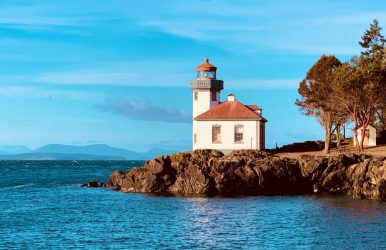
The majority of people from the Pacific Northwest will tell you that the outside world simply does not understand them. Many outsiders have the impression that Washington is a rainy city that lives off lattes, complete with techies and tree huggers. Yes, it has all of that, but the state's vast, unmatched wilderness, difficult to find anywhere else, is what really defines it. To really understand Washington national parks, you need to go beyond the Seattle city limits. Its famous national and state parks will make you speechless. Each presents an entirely distinct interpretation of the 18th largest state in the union. The three national parks in Washington are so large and varied that residents return year after year to explore more areas. Additionally, the more than 100 state parks are comparable, with lesser-known areas offering deserted campsites and uncrowded trails. In addition, there are deep fjords, moss-draped archipelagos for island hopping, snowy volcanic peaks, and canyons carved by Ice Age glaciers. There are also temperate rainforest trails, sea stacks off misty shores, and an abundance of waterfalls. To put it simply, you may want to consider a yearly park pass. National Parks In Washington Washington State National Parks are so much more than what they get credit for. Are you curious about what secrets Washington is hiding? We are listing the national parks in Washington state below. Make sure to put them on your to-do list. You will be surprised by the stuff you had left previously undiscovered in Washington. Moran State Park There are few places in the Pacific Northwest that compare to the delightfully remote Moran State Park. It is a haven for wild island getaways. Being the most populous island in the San Juan archipelago, Orcas Island has dense forests. It is a popular outdoor recreation destination for island hoppers. It offers multiple freshwater lakes for swimming and boating. The Washington State Ferries are the only way to get here; they connect to Seattle, San Juan, and other nearby launch points. If you're up for exercise, then consider hiking or biking up Mount Constitution, the highest point on the islands. Bring boots for the 38 miles of trails within the park. In order to see the interpretive center and enjoy the views, you can also drive up to the summit. Cape Disappointment State Park It's hard to estimate how many dad jokes went like, "Well, it's definitely not a disappointment," as they entered Cape Disappointment State Park. And it's not. The park, located in the southwestern region of Washington, boasts dramatic views of the Pacific Ocean and the powerful Columbia River. It also has moody beaches and windswept sea cliffs. You can tour decommissioned installations like Gun Battery Harvey Allen and the remnants of Fort Canby. It was once a strategically significant military site. The park's eight miles of trails lead to its two operational lighthouses, Cape Disappointment Lighthouse and North Head Lighthouse. They are arguably the most photographed sights in the area. Palouse Falls Palouse Falls was Washington's official state waterfall in 2014 after state legislators approved a bill from local students. The region is well-known for its abundance of waterfalls. The fall's special scenic location demonstrates why it was given that recognition. This 200-foot waterfall in the Palouse River Canyon cascades down basalt cliffs. It is one of the last remnants of the Ice Age floods. It should come as no surprise that this little state park is all about admiring the scenery. The park has three official vantage points. A short 0.1-mile ADA-accessible walk leads to one of the viewpoints. Dry Falls State Park The moss-covered forests west of the Cascade Range appear vastly different from the dry canyon-like settings of Sun Lakes–Dry Falls State Park. The park's striking cliffs are the result of the melting of the Ice Age. It created the bleak landscape of eastern Washington through ancient floods. It is a single stop on the multi-state National Geologic Trail: Ice Age Floods. The 3.5-mile precipice known as Dry Falls, which was formerly home to a massive waterfall, is the park's most striking feature. As the name suggests, the falls dried up long ago, but water is still a major attraction here. Boating, swimming, and water skiing are all popular in shimmering lakes. During the summer, the only thing breaking up the endless blue sky is the cliffs. Larrabee State Park Bellingham's hippies and college students frequently head toward Larrabee State Park when they want to go hiking. This is the first Washington State Park, established in 1915, and it protects a large portion of the Chuckanut Mountains' coastline. Moderate hikes to Clayton Beach's pebbled shores and Fragrance Lake, one of the park's many picturesque lakes, are popular routes. Mountain biking is another popular activity in the area, and Larrabee offers a variety of trails suitable for all skill levels. It includes steeper technical slopes that are best left to the pros. Of the many national parks in Washington, Larrabee will offer the most fun-filled experience. Lime Kiln Point State Park The San Juan archipelago is well-known for the year-round orca whale population that calls these chilly waters home. Visit Lime Kiln Point. The Washington State Parks's team likes to call it one of the world's top locations for whale watching, to witness them in action. And they’re not wrong. For views of the orcas and other whale species, which are most commonly spotted from May through September, climb the elegant 1919 lighthouse. This includes porpoises and pods of gray, humpback, and minke whales. Located on a rocky outcropping on San Juan Island's western shore, this small day-use park has a seasonal interpretive center that is usually open from late spring to summer. Deception Pass State Park This state park in Washington receives the highest number of visitors for two main reasons. The first is the range of outdoor activities it offers close to Seattle. It is a little over an hour’s drive if the traffic is not too heavy. The second is the 360-degree view that can be obtained from the two-span arched Deception Pass Bridge. It towers over the channel, which is a more romantic and compelling reason to visit. Deception Pass State Park encompasses two adjacent islands, Fidalgo and Whidbey. They are popular both for camping and day-use marine adventures. Three freshwater lakes and the surrounding saltwater are accessible from five boat launches. Visit this place to kayak around the coves of the islands, explore their rocky shorelines, and trek through the old-growth forests on a 38-mile network of trails. Beacon Rock State Park On the north bank of the largest river in the Pacific Northwest, Washington offers a more serene and visually appealing experience than Oregon. It is home to a majority of the Gorge's well-known as well as congested attractions. The overlooked Beacon Rock State Park offers expansive, slightly less crowded views of the national scenic area. Although Oregonians take great pride in their state, even they will admit that Beacon Rock is one of the best day hikes you can do. Within an hour's drive of the City of Roses. Enjoy expansive views of the gorge after ascending the basalt monolith via a mile of winding switchbacks and staircases. Locals cringe at this pun, but the views from the top are, well, gorgeous. If you are looking for national parks in Oregon and Washington, then this is your cue. Olympic Park If you can only spend time in one Washington park. Situated in the northwest, then choose Olympic Park. Corner of the state on the Olympic Peninsula, this vast wilderness has glacier-capped mountains, mossy rain forests, and tide pools. Rarely will any other of the national parks in Washington match up to the beauty of the Olympic. Except for Hawaii, the Olympic Peninsula gets more rainfall than all other location in the United States. It protrudes into the Pacific and is divided from the mainland by the Strait of Juan de Fuca and Puget Sound. This is the most glaciated US landscape outside of Alaska, with over 250 glaciers fed by the snowfall that occurs high in the 2,000-meter-plus Olympic mountains. The vast ice fields feed several significant rivers, which then meander towards the Pacific through temperate rainforests. Travelers can follow the Bogachiel River inland to the Hoh rainforest from its Pacific outlet at La Push to see the highlights. The following day, go in a northeastern direction and ascend to Hurricane Ridge, which offers a stunning vista of the Olympic mountain range. Those with extra time will want to soak in the Sol Duc hot springs and take a scenic stroll to Marymere Falls. Lake Crescent and Sol Duc offer lodging and the park is home to many campgrounds. Wrapping Up Yoking in the center of the Pacific Northwest, Washington State is famous for its breathtaking scenery and varied ecosystems. Locals and visitors alike have a variety of outdoor activities to choose from, ranging from a relaxing ferry ride to the iconic San Juan Islands to a strenuous hike to the Cascade Range peaks. If you have thoughts to share or questions to ask about national parks in Washington, please leave a comment below. We would love to hear from you! Read Also: 7 Fun Things To Do In The Great Smoky Mountains National Park Top 12 National Parks In Florida That You Must Visit Best 10 National Parks In New Mexico To Visit

READ MORE Thekkady Tourist Places

What Are The Thekkady Tourist Places To Visit? Know The Itinerary While Traveling With Family

BY  Sibashree Aug 24, 2026

Thekkady may not have the best tourist season in 2026 due to the fall in the water level of the Periyar Lake. Still, it remains a classic Kerala experience with its unpredictable and untamed nature and wildlife. My day in Periyar started with an unexpected encounter with a majestic elephant. I was in the Periyar Wildlife Sanctuary, focusing my binoculars to get a glimpse of the wildlife. It was dawn, and the elephant seemed to appear from nowhere, evading the mist. This is how Thekkady catches you off guard. However, it is not just the Periyar Wildlife Sanctuary and Tiger Reserve. The Thekkady tourist places also include spice plantations, cultural centers, and some important places of religious and spiritual significance. Furthermore, the Thekkady resorts with private pool promise unmatched comfort for visitors who want a fusion of natural abundance and luxury. These focus on ecotourism and visibly function as extensions of the wild and untamed nature of Thekkady. It is no wonder that Thekkady had 757017 domestic visitors and 79736 foreign visitors in 2025. This data is from the Kerala Tourist Visits Statistics – 2025. Do you also want an immersive journey into Thekkady? I will talk about the tourist places, location, transport options, and a tentative itinerary. Where Is Thekkady? Thekkady is in the Idukki district of Kerala and close to the Tamil Nadu Border. Located in the Cardamom Hills of the Western Ghats, Thekkady is at the edge of the Periyar Tiger Reserve. Kumily, around 4 km away, is the nearest town, and most visitors choose to find accommodation in this town. Furthermore, with an elevation ranging between 700 and 1800 meters, Thekkady enjoys easy road connectivity to more famous tourism destinations such as Munnar, Kochi, Madurai, and Kottayam. Also, it is located at a distance of around 204 km from Thiruvananthapuram, the state capital. How To Reach Thekkady? The nearest airport to Thekkady is Madurai, which is located at a distance of around 136 KM. Also, the nearest railway station is Kottayam, and the distance is around 110 KM. From both places, you have to reach Thekkady by road. Madurai To Thekkady From the airport, you can book a private taxi to reach Thekkady within 3.5 to 4 hours. The charges will be around ₹3500-₹7500. You can also board the Kerala State Road Transport Corporation (KSRTC) buses from the M.G.R. Bus Stand to Kumily, which is just 5 minutes away from Thekkady. The travel time in these buses is around 3 hours and 20 minutes, and the ticket price is ₹154. Moreover, you can check the redBus platform for more such bus options. From Kottayam To Thekkady You can book a private car or taxi from Kottayam to Thekkady. The charges will be around ₹2600 to ₹4000. From Kottayam, you can also board KSRTC buses running from Ernakulam or Fort Kochi to Thekkady. The journey takes around 3 hours and 30 minutes, and the ticket price will be between ₹150 and ₹300. Moreover, along with Kottayam and Madurai, many urban areas in Kerala, such as Kochi, have excellent road connectivity with Thekkady. What Are The Thekkady Tourist Places? The Thekkady tourist places are eclectic, offering a mix of wildlife, spiritual, and off-beat trekking experiences. Moreover, there are cultural places and tea factories. So, here, I have presented them in different categories. Nature And Wildlife Attractions While the Periyar Wildlife Sanctuary is at the epicenter of the wildlife experience in Thekkady, you can also visit the Elephant Junction. Here are more Thekkady tourist places for nature and wildlife exploration. 1. Periyar Wildlife Sanctuary And Tiger Reserve In 2022, Periyar Tiger Reserve won the title of the best-managed tiger reserve among the 54 reserves in the country. This is a community-based ecotourism project. Also, it is home to Bengal Tigers, Indian Elephants, leopards, gaur, barking deer, mouse deer, and many other mammals. The sanctuary remains open from 6 AM to 7 PM. The entry fee to the national park is ₹45 for Indian adults and ₹15 for Indian children. For foreigners, the charges are ₹500 (adults) and ₹180 (children), respectively. 2. Elephant Junction Elephant Junction is the place to get up-close and personal with elephants in Thekkady. I am never in for the rides or the logging activities, as I know how these can literally ruin the lives of the adorable creatures. However, I enjoyed feeding them and watching them when they were taking a bath in the nearby stream. The safari park remains open from 8 AM to 6 PM, and the packages start from ₹700. 3. Chellarkovil At a height of around 1200 meters above sea level, with a beautiful landscape and waterfall, it is an important ecotourism hub. Due to the ecotourism project here, you will come across many huts, medicinal plants, and pathways. Moreover, from the God’s Own Balcony of the Chellarkovil Watchtower, you can enjoy a bird’s-eye view of the neighboring Theni and Kamabam. 4. Vandiperiyar At a distance of around 18 km from Thekkady, Vandiperiyar is a scenic hill and spice town in the Idukki district of Kerala. The beautiful Periyar River forms the lush landscape here, and it is also home to the Government Agriculture Farm and Flower Garden. This farm and flower garden feature a rich collection of roses, orchids, and anthuriums. Moreover, it has tea, coffee, and pepper plantations in abundance. Also Check: Natural Wonder: Top 11 Best Landscape Places In The World. Thekkady Tourist Places Offering Religious And Spiritual Experience The religious or spiritual vibe of Thekkady is not limited to designated temples. You will find the hidden and the most significant gems in a plantation town or at the top of a hill. 1. Ramakalmedu There is one famous saying about Ramakalmedu. It is the place where “the wind never stops.” However, around 40 km away from Thekkady, this mountain peak gets its name from the mythological legend of Lord Rama setting his foot on this rock. Also, once you reach the summit, you will find the Kuravan and Kurathy statues, the biggest in Kerala and inspired by local legends. It is a peaceful area, offering sweeping views of the Cumbum and Bodi villages on the eastern slopes of the Western Ghats. 2. Kurisumala Kurisumala, the tallest peak in Thekkady, means the “Mountain of the Cross.” This is a pilgrimage for Christians, who climb uphill with a cross. At the top, there is a peaceful monastery. Also, on the eastern side of this Kurisumala, stands Muruganmala. It has a Murugan temple, constructed by cutting a rock. 3. Mangala Devi Temple I reached the Mangala Devi Temple after a trek of around 11 km through the forest. Kannaki, the protagonist of the Tamil epic Silapathikaram, is the presiding deity in this 100-year-old temple. After facing betrayal at this place, she transformed into a divine figure and blessed all the locals here. Thus, she became famous as Mangala Devi, or the deity who brings blessings. Unfortunately, the temple was closed when I visited it, and it only opens during the annual Chithrapournami festival. 4. Peermede Peermede, around 44 km away from Thekkady, is a plantation town. However, I visited it after knowing it was named after a Sufi Saint, Peer Mohammed. The town still has the mausoleum of the saint and the summer palace of the Royal Family of Travancore. After visiting these historical and spiritual places, you can also explore the rubber, cardamom, and tea plantations here. Also, for some more adventure, you can trek to Kuttikanam or Thrissanku Hills. How Many Days Are Enough To Visit Thekkady Tourist Places? Plan Your Itinerary Three to four days are enough to visit Thekkady tourist places. Here is an itinerary you can follow for a comfortable, rush-free experience. DaysFocusLocationsDay 1Wildlife and Town•Periyar Tiger Reserve  •Elephant Junction ChellarkovilDay 2PlantationsVandiperiyar RamakalmeduDay 3Peaks and HeritageKurisumala and Muruganmala Peermede So, when are you planning a trip to Thekkady? Remember that October to March is the best time to visit this hill town. Read Also: What Are The Best Family Vacation Spots In The World? Here Are Our Favorites What Are The Things To Do In Unawatuna With Family? Ultimate Guide to Your Next Family Vacation in Israel