You know what’s so special about visiting quaint and offbeat places? These are the places to make quirky and personal connections.
Jaffna has not been an exception. Let me share a story!
It was exploring the Jaffna Public Market. An old lady jokingly refused to sell a tourist a kilo of dried fish. She said, “You don’t look like someone who appreciates the smell of sun-dried fish!” By the end, she laughed and gave him a small bundle for free.
The whole thing was so warm. An old lady, who is probably talking to a person for the first time, is very cordial in her behavior. You will not get this shopping experience in any shopping mall or supermarket.
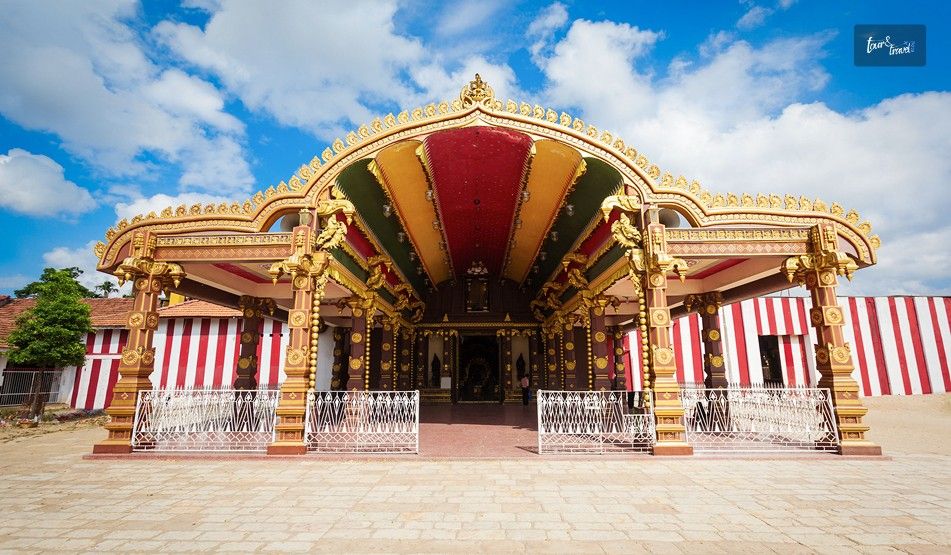
Another highlight was when a priest offered me some sweets at the Nallur Kandaswamy Kovil. There were hundreds of visitors, and I don’t know why he came up to me and offered the sweets. He said, “For you, even if you are a stranger, my blessings are for you!”
I had tears in my eyes.
With moments like this, Jaffna will always remain one of the most beautiful places in the world. It’s not just about the scenic beauty, but the warmth and inclusivity.
In addition, the recent inauguration of the International Cricket Stadium at Mandaitivu Island will be a new landmark of the city. With a capacity of 40000 spectators, it will promote national integrity and more tourism through sports.
Here, I will talk about how to reach Jaffna, the places to visit, the safety quotient, cultural exploration, and more! Keep reading this Jaffna, Sri Lanka travel guide.
Cultural Exploration In Jaffna, Sri Lanka: Why Is It So Special?
The origin of Jaffna’s name takes us back to its Tamilian roots. There was a blind musician called Yalpanan who used to play an instrument called Yal. Thus, the place got its name as Yalpanam or Yalpanapattinam, meaning the Port of the Iyre.
Furthermore, the historical evidence suggests that Tamil Presence here dates back to at least 300 B.C. Archaeological sites such as Pomparippu are a telltale of the Tamilian presence.
Jaffna was the capital of the Jaffna Kingdom in the medieval days before European colonization happened here.
Moreover, thanks to the Tamilian culture in Jaffna, in recent times, it has become a favorite destination of Indian travelers. A Tour and Travel World report suggests a 325% increase in the searches among Indian travelers.
Direct accessibility to Jaffna from various parts of South India via flights is another reason why Jaffna is so popular among Indian tourists.
You will get flights to Jaffna from cities such as Hyderabad, Thiruvananthapuram, Madurai, and Chennai.
Top 10 Unknown Cultural Things About Jaffna, Sri Lanka
1. Traditional Tamil musical performances during temple festivals. 2. Unique Jaffna-style architecture in homes and temples. 3. Palmyrah palm-based crafts and products. 4. Indigenous Tamil martial arts demonstrations. 5. Local storytelling traditions passed down orally. 6. Community-led cultural tours and workshops. 7. Traditional Tamil wedding customs. 8. Seasonal harvest festivals like Thai Pongal. 9. Local folklore and legends tied to historical sites. 10. Ancient Tamil inscriptions found in temple ruins.
Food Culture And Culinary Tours In Jaffna, Sri Lanka
Jaffna cuisine is known for its spicy flavors and unique Tamil dishes. Popular items include Jaffna crab curry, Kool (seafood soup), Odiyal Kool, and Palmyrah jaggery sweets.
Food tours in Jaffna offer cooking classes, market visits, and traditional meal experiences with local families.
However, the traditional delicacies of Jaffna tell the stories of the tradition, history, and resilience of Northern Sri Lanka. In addition, Jaffna City, in recent times, has played an important part in changing the food trends of the country and ensuring a lesser reliance on expensive imports.
The increased use of Palmyrah jaggery, palmyrah flour, or even palmyrah vinegar, typical Jaffna ingredients, in Colombian food is an example of how Jaffna is emerging as a crucial destination in the country’s food landscape.
Colombo, in fact, now has a Kaachai Varai or Jaffna Market from where seafood, spices, and other ingredients are sourced. This endeavor supports the local fishermen, farmers, and producers.
Moreover, Jaffna is an important location for hands-on culinary tours in northeastern Sri Lanka. For example, celebrated Australian chef Peter Kuruvita conducts a culinary tour in the northeast part of Sri Lanka, and Jaffna is one of the destinations.
On this tour, you will get to know about the art of cooking in clay pots over an open fire. Overall, getting familiar with the local food is one of the top cultural things to do in Jaffna Sri Lanka.
It’s time to experience the eclectic nature of Jaffna food, where Tamilian, Muslim, and European influences have merged. Here is a 3-day culinary tourism itinerary in Jaffna.
Days
Activities
Day 1
• Arrival in Jaffna and checking in • Having Jaffna-style idiyappam with coconut sambol and mutton gravy • Exploring the Jaffna Market, a gold mine of dried fish and palmyrah jaggery, tamarind, and spices unique to the region. • Trying palm treacle sweets, vadai, and murukku
Day 2
• Having Jaffna crab curry or nandu kool (crab soup) with red rice • Pairing the food with poriyal and rasam
Day 3
• Visit Nallur Kandaswamy Kovil and try nelli juice or Indian gooseberry drink • Booking an Airbnb or a local guide experience and learning to cook pittu, prawn curry, and other local delicacies
If you want to extend your culinary tour in Jaffna, you can plan a day trip to Delft Island, where you will find the best coconut toddy and island-style seafood delicacies. Also, you can attend a palmyrah tapping demonstration or explore the northernmost markets in Point Pedro.
Mentioned in the ancient Tamil scripture as Naga Nadu, or the land of the Nagas, Jaffna has been ruled by the Pandya, Chola, and Rajarata kingdoms. Later, it also became a colony of the Portuguese and British.
Here are the historical places in Jaffna to see within a 5-day travel itinerary.
Days
Activities
Day 1
• Arrive in Jaffna from Colombo by car or train • Checking into the hotel • Breakfast with traditional Tamil food • Visiting the Jaffna Fort (1618) • Lunch • Visiting the Jaffna Public Library • Walking along the Jaffna Lagoon waterfront near the Dutch Fort Area
Day 2
• Breakfast and a visit to Nallur Kandaswamy Kovil • Visiting the Minister’s House or Manthiri Manai • Lunch • A drive to Keerimalai Springs and Naguleswaram Temple • Return to Jaffna Town
Day 3
• Travel north to Dambakolapatuna Temple, at a distance of 35 km • Lunch and exploring Kankesanthurai • Visiting the 2000-year-old site of Kandarodai (Kadurugoda) Buddhist Monastery • Visiting the St. Mary’s Cathedral
Day 4
• Taking an early ferry to Delft Island (Neduntheevu) from Kurikadduwan Jetty. • Visiting the Delft Fort (Portuguese-Dutch) ruins, Queen’s Tower lighthouse, and Baobab Tree • Spotting the wild ponies • Having local seafood for lunch • A ferry ride to Nainativu Island and spotting places like the Nagapooshani Amman Kovil and Nagadeepa Viharaya • Return to Jaffna
Day 5
• Breakfast and visiting the Chunnakam Market • Visiting the Jaffna Archaeological Museum • Visiting Point Pedro and attractions such as the Old lighthouse • Farewell dinner
A 5-Day Cultural Itinerary In Jaffna
Attending the Palmyrah workshop was a memorable event in my Jaffna tour. Also, Point Pedro, the northernmost part, offered the most culturally vivid experience.
Days
Activities
Day 1
• Arrival in Jaffna • Exploring the Jaffna Public Library after breakfast • Walking through the Old Park • Exploring Jaffna Fort • Visiting Nallur Kandaswamy Kovil in the evening
Day 2
• Visiting Point Pedro Market • Driving to the Palmyrah Handicraft Centre • Having a home-style Tamil Meal • Visiting Manthiri Manai (Minister’s Palace) and Sangilean Thoppu, believed to be the remains of the ancient Jaffna Kingdom’s royal complex. • Attending a Bharatanatyam or Naddu Koothu performance
Day 3
• A ferry ride from Kurikadduwan Jetty to Nainativu Island (Nagadeepa) • Visiting Nagapooshani Amman Kovil (Hindu temple) and Nagadeepa Viharaya (Buddhist temple) • Trip to Delft Island (Neduntheevu) • Exploring colonial ruins: the Delft Fort, Queen’s Tower, and Baobab Tree • Ferry ride to Jaffna
Day 4
• Having kothu roti and Sombol for breakfast • Visiting St. Mary’s Cathedral and Ariyalai Hindu Temple • A visit to the Jaffna Archaeological Museum • Exploring the Chavakachcheri Heritage Houses • Taking part in a home-cooking demonstration with a local family
Day 5
• Attending a Palmyrah workshop • Visiting the Kandarodai (Kadurugoda) Buddhist Monastery • Exploring Keerimalai Springs and Naguleswaram Temple • Seafood meal • Shopping in the afternoon
Cultural Etiquettes For Foreign Tourists
Tourists should dress modestly, especially when visiting the temples in Jaffna.
Shoes must be removed before entering religious sites.
Photography should be respectful, and permission should be sought when capturing images of locals or ceremonies.
Must Visit Destinations In Jaffna, Sri Lanka
If you want the best cultural and historical experience in Jaffna, don’t miss a visit to the following places.
1. Nallur Kandaswamy Temple
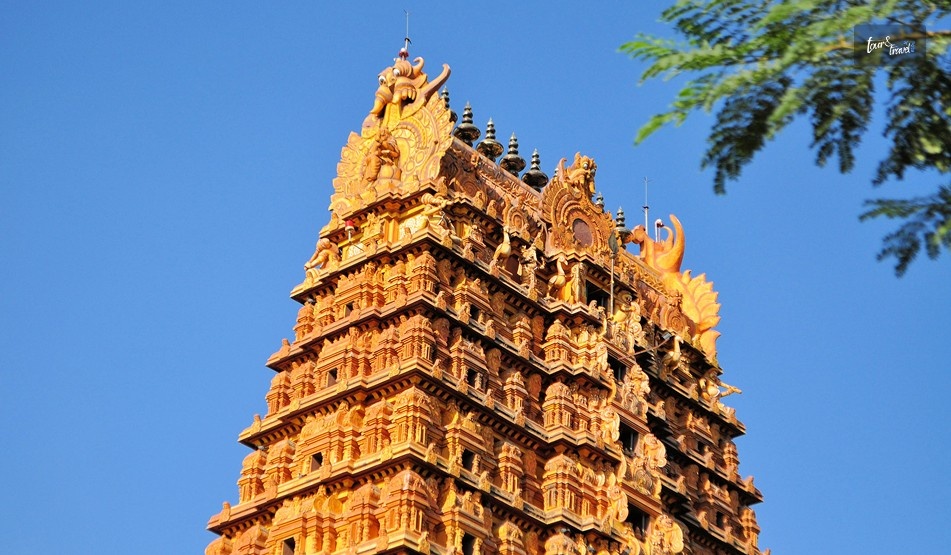
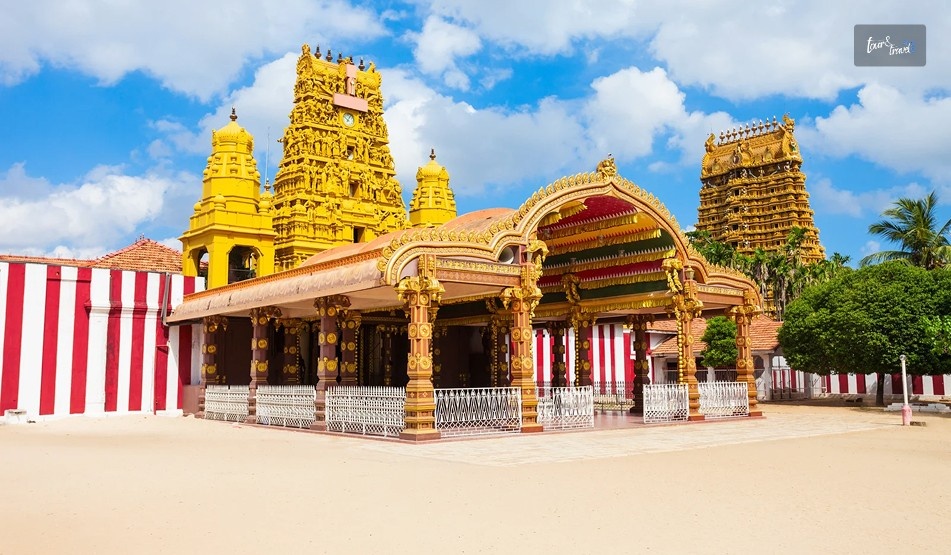
Nallur Kandaswamy Temple is the cultural and spiritual epicenter of Jaffna. Dedicated to Lord Murugan, it shows a unique Dravidian-style architecture. Also, the Nallur Kandaswamy Temple festival in July-August attracts a lot of visitors.
2. Jaffna Fort
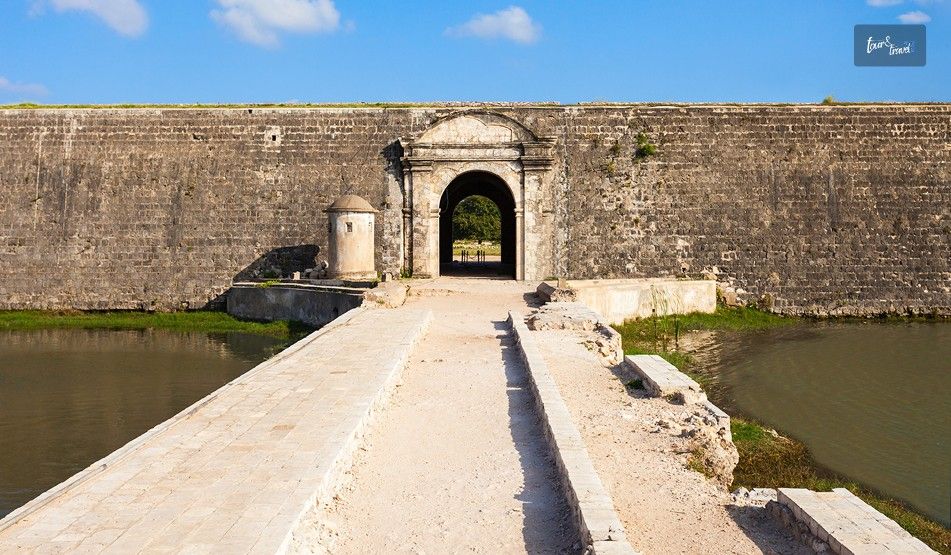
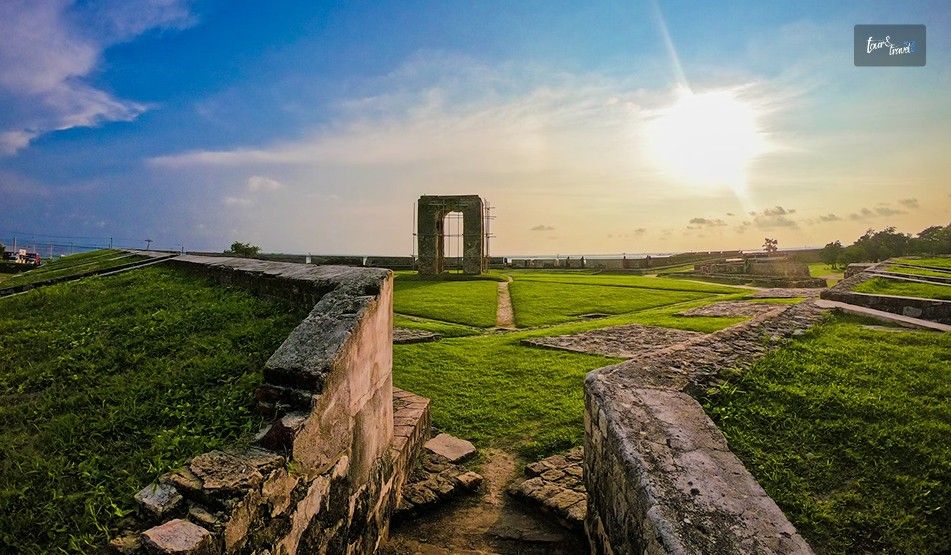
Built by the Portuguese in 1618, the fort is an example of quintessential European military architecture, and it was later occupied by the Dutch.
It overlooks the Jaffna Lagoon, and it is a favorite of photo enthusiasts.
A popular day-trip destination, Delft Island in the Jaffna Peninsula is known for its Dutch remnants, and it is a great place for spotting ponies.
4. Casuarina Beach
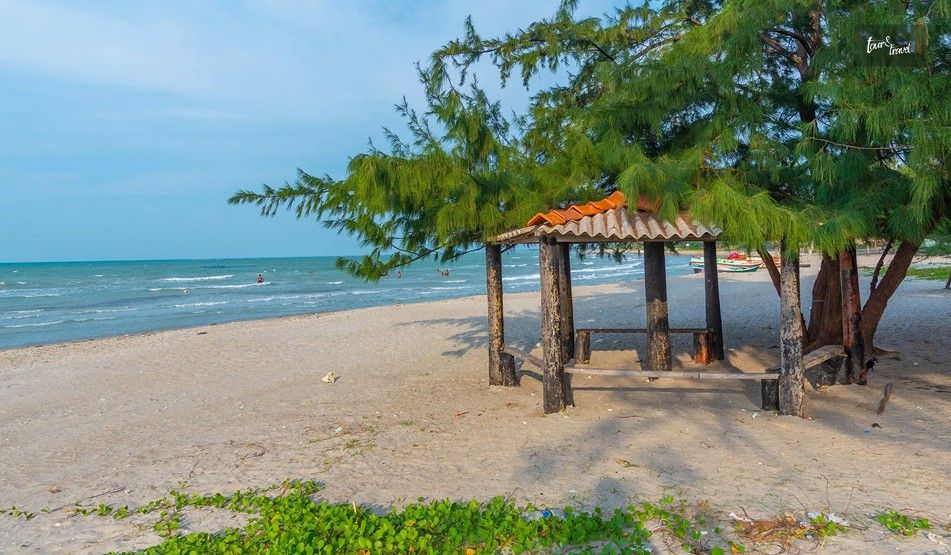
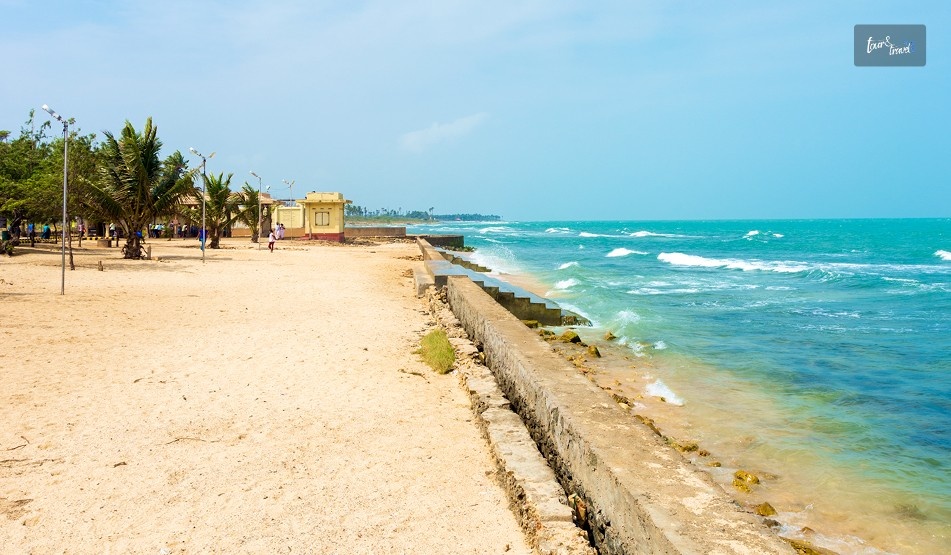
As the person in charge of our hostel said, I visited the Casuarina Beach after 5 PM. He said, “The quiet at the beach just before sunset is something unbelievable.” I experienced the magic.
The birds were coming home, and the soft white sand, like a blank canvas, was changing colors every second.
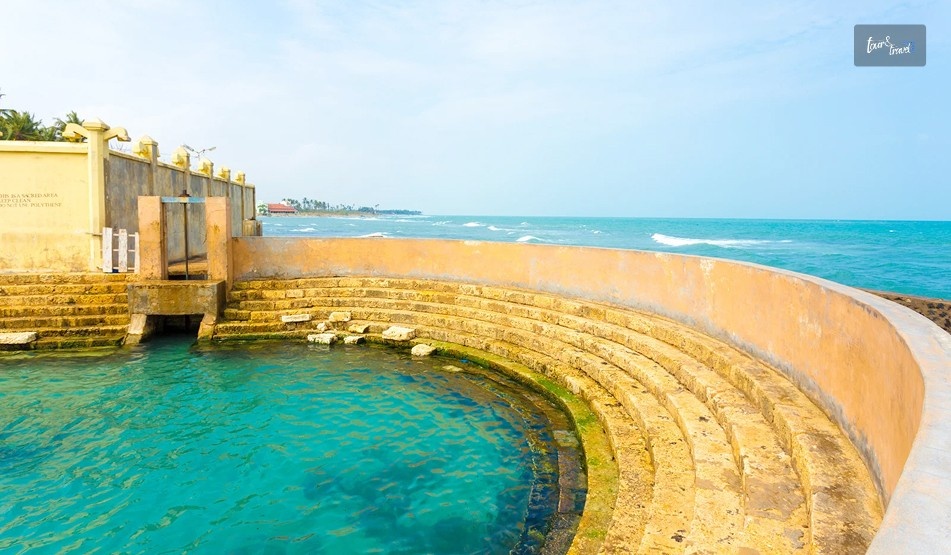
5. Keerimalai Springs
Located by the sea, the Keerimalai Springs and Keerimalai Naguleswaram Temple are a unique combination of spirituality and scenic beauty.
The water of these springs has healing properties.
Point Pedro has a historic lighthouse, and it is the northernmost tip of Sri Lanka. Furthermore, it has the most vibrant markets for buying fresh seafood produce.
Here, you can also meet the fishermen and have an understanding of their unique ways of living in Point Pedro, as it has the most beautiful beaches in Jaffna.
7. Jaffna Library
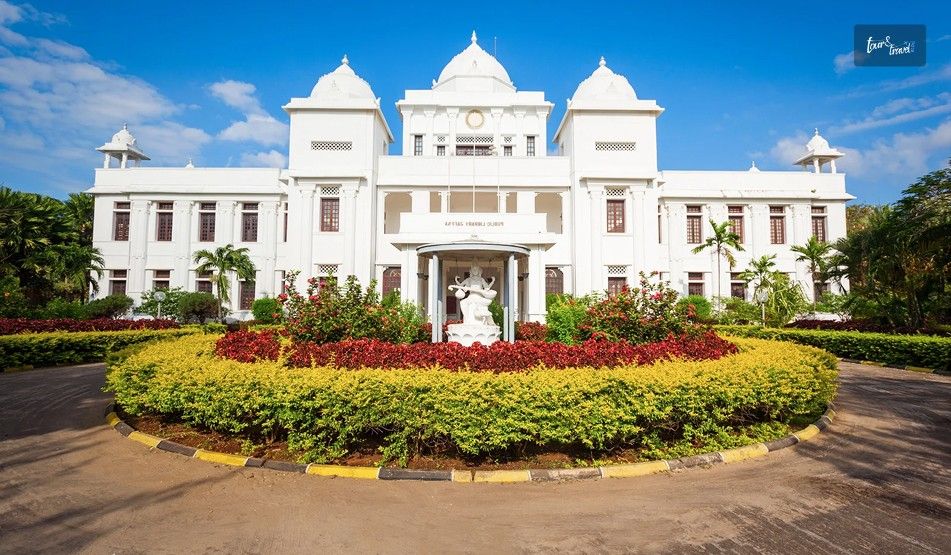
Tragically destroyed in 1981, the newly built Jaffna Library stands as the symbol of resilience. It is one of the most revered libraries in Asia, and it was first built by the Jaffna Town Development Board on 1st January 1935.
It has a collection of 844 books, 30 magazines, and newspapers.
Nagadeepa Vihara is the place where Lord Buddha visited for the second time. He also ended the dispute between two Naga Kings fighting over the ownership of an ornate throne.
Mahodara and Chulodara, these two Naga kings, became devoted followers of Lord Buddha.
Manthiri Manai, or the Minister’s Mansion, stands out thanks to its unique Indo-Islamic and European architecture. Located at a distance of just 1 km from Point Pedro, Manthiri Manai is an archaeologically protected site, and it is said to be the residence of the minister of the medieval Jaffna Kingdom.
How To Reach Jaffna, Sri Lanka?
Bandaranaike International Airport in Colombo is the gateway for Jaffna to the rest of the world. From there, you can take a flight to the Jaffna International Airport. Buses and trains are also available from Colombo to Jaffna.
I took the Jaffna train from Colombo Fort. The journey is scenic. However, I remember the 7-8-hour journey for the social experience. People are talking about cricket, sharing coconuts, or humming local tunes.
However, buses departing every 3-4 hours from Colombo to Jaffna are the cheapest option. The ticket price starts at around 1,348.26 Sri Lankan Rupee.
Top Hotels, Resorts, And Stays In Jaffna, Sri Lanka
1. Jetwing Jaffna – Centrally located with modern amenities and rooftop dining. 2. North Gate by Jetwing – Offers luxury accommodations near the railway station. 3. Subhas Hotel – Historic hotel with spacious rooms and traditional cuisine. 4. Thambu Illam – Boutique guesthouse with cultural ambiance. 5. Green Grass Hotel & Restaurant – Budget-friendly with local food options.
10 Sustainable And Ethical Travel Tips For Jaffna Sri Lanka
1. Support local businesses and artisans. 2. Use refillable water bottles. 3. Avoid single-use plastics. 4. Respect cultural norms and dress modestly. 5. Participate in community-led tours. 6. Stay in eco-friendly accommodations. 7. Minimize energy and water usage. 8. Avoid disturbing wildlife. 9. Learn basic Tamil phrases. 10. Share positive travel experiences to promote responsible tourism.
Jaffna Nightlife And Evening Activities
The nightlife in Jaffna is about rejuvenation and introspection. This is the best time of the day to attend temple rituals, enjoy local dining experiences, and attend cultural performances.
Furthermore, Evening walks along the beach and exploring the markets are some delightful experiences in the evening.
Best Seasons To Visit Jaffna, Sri Lanka
The best time to visit Jaffna is from December to March. You must avoid the monsoon season from October to November due to heavy rains.
Festivals like Thai Pongal in January offer cultural immersion opportunities. Also, July-August is the month of the Nallur Kandaswamy Temple festival.
Budget And Affordability For A 7 Day Travel Vacation in Jaffna, Sri Lanka
Jaffna is a budget-friendly destination. You will get diverse food, transportation, and accommodation options. The entry fees to the museums and cultural places are also quite reasonable.
Furthermore, the travel expenses will depend on the type of traveler. Here is a quick breakdown.
Jaffna is a safe place to travel. The crime rate in different aspects is low to moderate, and here are some essential data (Source: Numbeo) related to crime in Jaffna.
Crime Index
46.64
Safety Index
53.36
Level of Crime
50:00
Armed Robbery
35.71
Things from Car Stolen
46.43
Is Visiting An Off-Beat Location Like Jaffna Worth It?
Yes, Jaffna is a must-visit destination to experience the rawness and cultural richness of Northern Sri Lanka. It is a budget-friendly destination with a Tamil origin and a colonial past.
Furthermore, food here is an extension of who the people are. Simple and soulful! Also, the Jaffna tells the story of human resilience and how it has survived a war-torn past!
Here are the frequently asked questions and answers about the Jaffna travel guide.
1. How Many Days Are Enough In Jaffna?
Three to four days are enough if you want to explore the major cultural and historical sites. However, if you want to explore the local markets and have a deep cultural connection with the local people, you will need at least 5 to 7 days.
2. Which Part Of Sri Lanka Is Most Beautiful?
I cannot pick any particular part of Sri Lanka as the most beautiful, as it has the ancient rock fortress of Sigiriya, a UNESCO World Heritage Site. On the other hand, Kandy, a significant religious hub, is a popular tourist destination.
However, Jaffna in northern Sri Lanka stands out with its spiritual vibe, history, and cultural richness. It is a coastal destination with a diverse tourism profile.
3. What Language Is Spoken In Jaffna?
Tamil is spoken in Jaffna. However, it is a little different from the Tamil language spoken in India. The Tamil language here is heavily impacted by the Jaffna dialect.
Sibashree is a travel, culture, and leisure writer who has been writing since the age of 12 and professionally since 2014. With more than a decade of travel writing experience and journeys across India and several parts of the world, she brings a deeply personal and thoughtful perspective to her work. A student of English Literature and Mass Communication, Sibashree has always viewed travel as more than movement — for her, it has been a way of understanding people, cultures, and herself. Her passion for spiritual exploration has also led her to many unusual and meaningful destinations over the years. Outside of writing, Sibashree enjoys watching European cinema, reading about global politics, and reflecting on the stories hidden within everyday places.
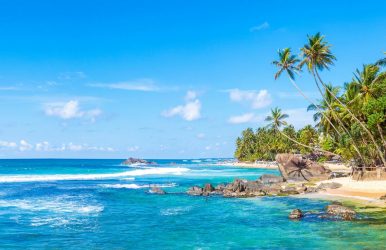
Dalawella Beach is the best beach for families in Sri Lanka in 2026.
It’s not me, and Lonely Planet has conferred this title to Dalawella Beach, which is just south of the Unawatuna resort town.
Furthermore, it is just 20 km from Galle and less than 8 km from Galle Fort, a UNESCO World Heritage Site.
On the same list, the Hiriketiya Beach has become the best beach for amenities, the Mirissa Beach has been chosen as the best beach for whale watching, and Unawatuna Beach has been selected as the best beach overall.
You can take a tuk-tuk from Unawatuna and reach this beautiful beach within 10 minutes. Furthermore, it is a 2-hour journey by road.
Taxis to Dalawella Beach are also available from Galle.
While easy accessibility remains a plus for the beach on the southern coast of Sri Lanka, it stands out because of its rope swing attached to a leaning palm tree. This swing is also called the Dalawella Swing.
Moreover, Dalawella Beach or Wijaya Beach has a sheltered natural pool, formed by a reef and adorable turtles.
So, what are the things to do and the top attractions at this beach? Let’s discuss this in detail in this blog.
How To Reach Dalawella Beach?
As I have said already, you can easily take a tuk-tuk from Unawatuna and reach Dalawella Beach within 10 minutes.
I paid LKR 200 as the tuk-tuk price and got off at the Dream Cabana Hotel. Here, you will find the palm tree that has the famous Dalawella Swing.
You will also get buses from Unawatuna to Dalawella every 15-20 minutes, and the ticket price is LKR 50.
Why Is Dalawella Beach A Must-Visit? (Things To Do In Dalawella Beach)
Sri Lanka has the best of many things. It has the famous Buddhist sites, such as the Dambulla Royal Cave Temple, or the Sacred City of Anuradhapura.
These are high-energy places and are soaked in spiritual fervor.
On the other hand, the coastal gateways such as the Uppuveli Beach in Trincomalee or Ahangama Beach Town, offer you the ideal places to relax and unwind.
The Dalawella Beach near Unawatuna is, of course, a nice addition to this list of beaches in Sri Lanka.
While relaxing and enjoying a laid-back vibe is the best thing to do when you are at Dalawella Beach, here are some other activities you must try.
1. Swing Over The Water
The palm tree swing is the top attraction at Dalawella Beach. This swing is attached to the leaning palm tree in front of the Dream Cabana hotel.
You can enjoy this swing ride over the water and have the most amazing experience. A hit on Instragram, this is the perfect spot for photography or making reels at Dalawella Beach.
The cost of taking this swing is LKR 500, which I have seen many travel guides mentioning as the entry fee.
However, entry to Dalawella Beach is free.
2. Watch The Sunset From The Wijaya Rock
You will find the Wijaya Rock if you walk a few hundred meters from the Wijaya Rock. The standalone rock comes out of the sand and reaches out into the ocean.
There is a palm tree right beside the rock. So, the overall setup is very Insta-worthy, especially during the hours of sunrise and sunset.
3. Swim With Turtles
Turtles are a major attraction on the Sri Lankan beaches.
Be it the beaches in Jaffna or the Sea Turtles Conservation Centre near Mount Lavinia Beach, these adorable creatures add more delight to the beach experience.
At Dalawella Beach also, I spotted some turtles, and swimming by them in the lagoon was relaxing.
So, you don’t need to snorkel to meet them.
Furthermore, if you don’t want to swim in the water, you can watch them from the top of the Wijiya Rock or use a drone camera to capture their beauty.
4. Surfing Near The Frog Rock
Dalawella Beach is not the best option if you want to enjoy surfing in Sri Lanka. However, it is not the worst either.
You will find the iconic Frog Rock at the end of Dalawella Beach. The natural formation of this boulder makes it look like a frog.
However, the water here is quite shallow, and the reef is a major challenge. So, you will mostly find locals surfing in this area.
Moreover, Dalawella Beach has some delightful cafes and restaurants. You can enjoy seafood and chilled beer here and enjoy amazing sunset views.
What Are The Other Beaches To Visit Near The Dalawella Beach?
As I have mentioned, Dalawella Beach is not that great as a surfing destination, and it does not have a surfing break.
So, you can try nearby beach options such as Ahangama, Kabalana, or Koggala.
The best among them is, of course, Ahangama, and you can easily reach this beach town by a tuk-tuk, and it takes just 20 minutes.
Ahangama is the best because it has around fifteen surf breaks along a few kilometers of the coast.
The Kabalana Beach, around 15 km away from Dalawella Beach, is also a popular surfing destination and has the best A-frame in Sri Lanka.
However, if you want a more peaceful experience at a remote place, you can try Koggala. It is just 10 minutes away, but it can be a little dumpy.
Where To Stay If You Want To Surf At Dalawella Beach?
You will find many hotels to stay at Dalawella dotting the beach. However, it is always better to take a tuk-tuk ride or a short walk to find better options.
For example, the Rockside Cabanas Hotel is the most popular accommodation, and it is within walking distance of the beach. It is also very close to the turtle lagoon.
You can also plan a stay at the Horizon Hill Top Villa. Take a tuk-tuk to reach this hotel in two minutes from the beach.
It serves an amazing breakfast, and it has a lovely pool in the jungle.
What Is The Best Time To Visit Dalawella Beach?
Dalawella Beach remains open 24x7. However, 6 AM to 7 PM is the best time to visit the beach in a day.
Season-wise, December to March or the dry season, is the best time to visit Dalwella Beach.
Moderate temperature with an average of 31-32 degrees Celsius, long sunshine hours, and calm waves make this season ideal for regular tourists and surfers.
Moreover, these months are the best for spotting turtles here.
It was two in the morning, and I started climbing Adam’s Peak. I was in a line of pilgrims, and the line stretched as far as I could see with my torchlight.
All the guides about climbing up this sacred mountain tell you about climbing the 5500 steps. However, nothing prepares you for the experience you will have in conquering them in pitch darkness.
Furthermore, the crowd itself was a reflection of how inclusive Sri Lanka is in its religious practice. It was a gathering of people from four different religious beliefs.
The reasons for everyone’s climb were not the same. However, that did not quite clash with each other.
That is the beauty of the Indian Subcontinent, and Sri Lanka sets an example each time I visit it.
Nevertheless, in this guide, I will talk about my experience of reaching the summit of Adam’s Peak and all the details you need to know.
Adam’s Peak: Some Quick Facts You Need To Know
AttributeDetailsLocationInside Peak Wilderness Protected Area, Central Highlands, Sri LankaElevation2,243 Metres (7,359 Feet)Local NameSri Pada ("Sacred Footprint") or SivanolipaathamalaiReligious SignificanceSacred to BuddhistsHindusMuslims ChristiansTotal StepsRoughly 5,500 Stairs via the Popular Hatton RouteAverage Hike Time3 to 5 Hours for the Ascent1.5 to 2 Hours for the DescentPilgrimage SeasonDecember (Unduvap Poya) to May (Vesak Poya)Best Months to ClimbJanuary to March for Dry Weather and Clear Sunrise ViewsCostFree (No Entry Fee or Permit Requirements)
What Makes Adam's Peak Sacred
Mount Pedro is the tallest mountain in Sri Lanka. However, Adam’s Peak has the highest spiritual significance.
The local name for the peak, Sri Pada, or "Sacred Footprint,” itself sets your expectations high.
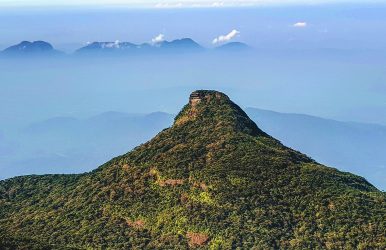
Rising 2243 meters in the Central Highlands of Sri Lanka, Adam’s Peak has a rock formation at the summit resembling a large footprint, which is claimed by four separate religions.
The Mystery Of The Footprint At The Adam’s Peak Summit
The Buddhists believe that the sacred footprint at the summit is of Lord Buddha. On the other hand, Hindus believe that the footprint is of Lord Shiva.
Some Christians think the footprint is of Adam. He set his first footprint here after falling from the Garden of Eden.
Muslims also believe Adam, the first prophet in their religion, has left this footprint.
Furthermore, there is a different Christian belief that the footprint belongs to St. Thomas.
Again, the locals call it the “Mountain of Saman,” as they think the mountain is associated with Saman, a significant figure of worship in local traditions.
Irrespective of the religious significance of Adam’s Peak, pilgrimage to the summit has continued for over a thousand years.
A Brief History Of The Pilgrimage
Some of the earliest recorded efforts to conquer Adam’s Peak go back to the reign of King Vijayabahu I in the eleventh century.
He built wayside rest houses along the route.
Later, various rulers expanded the mountaintop shrine, built roads, and installed the iron chains that still assist climbers on the steepest sections near the summit.
Another fascinating local belief is that the chains in the steep sections of the route belonged to Alexander the Great.
Also, you will find a mention of Adam’s Peak in the writings of the Chinese traveler Ma Huan. He described Adam’s Peak as a place rich with precious stones.
Along with the religious significance, the richness of gems is another reason why this peak has drawn visitors from far beyond Sri Lanka.
Where Is Adam's Peak Located?
https://maps.app.goo.gl/CZeW7kGZ8rTZG2Xc8
The sacred mountain is in the southwestern part of the Central Range in Sri Lanka. It is at a distance of around 40 km from Ratnapura.
However, the more popular trekking route is through Hatton, which is just at a distance of 32 km.
The landscape surrounding the mountain is delightful and quintessential of the Sri Lankan Central Highlands. You will see tea plantations and rainforest.
Moreover, Dalhousie, or Nallathanniya, is the village at the base of this mountain. Most trekkers start their journey from this village itself.
It is an easy base to reach from Hatton, Maskeliya, or Ratnapura, depending on which direction you're coming from.
Getting To The Trailhead
Hatton is the main transport hub for this side of the mountain.
It is well connected by train on Sri Lanka's scenic hill-country line as well as by bus from Kandy, Nuwara Eliya, and Colombo.
From Hatton, local buses and shared taxis run the remaining stretch to Nallathanniya.
During peak pilgrimage season, you will get extra buses heading to the base.
If you are driving yourself, the roads narrow considerably in the final approach to Dalhousie, and parking fills up quickly on weekends and full moon nights.
Choosing Your Route To Adam’s Peak
Just as pilgrims of four different religions want to conquer Adam’s Peak, there are six trails that lead to Adam’s Peak.
However, as I have mentioned, the Hatton route via Nallathanniya is popular with travelers. It is also the easiest.
The route is around 5 km one-way, and the staircase on this route is well-maintained for a safe ascent.
The Kuruwita-Erathna, Ihala-Maliboda, and Ratnapura routes are longer, less developed, and used mainly by more experienced or locally guided hikers rather than casual visitors.
The Night Climb
Most pilgrims start the climb to the summit at around 2 to 3 AM. This reminded me of the walk and the queue for visiting the Tirupati Balaji Temple and Aruanchalam Temple in India, as both of these are located at hilltops.
Nevertheless, with the ascent starting at 2 AM to 3 AM, you can reach the summit before sunrise at around 6 to 6:15 AM.
Depending on your fitness level and the number of stops you are taking at the tea shops along the way, the total duration to complete the ascent will change.
Also, very few people talk about the descent, which is actually way harder, and my knees had a hard time.
The reward of all this hardwork is the sacred "Shadow of Sri Pada" on a clear morning.
Difficulty And Fitness Considerations
The climb to Adam’s Peak is moderate to hard. There is no technical scrambling.
However, the stone stairs are relentless, and they test different muscles than a usual hiking trail. So, basic fitness is important, and only reasonably fit adults can complete the ascent in three to four hours.
Having said that, mental endurance is most important here.
I passed pilgrims well into their seventies moving slower but steadily upward alongside groups of teenagers.
The descent deserves just as much respect as the climb. The repetitive downward impact on knees and quads catches many first-timers off guard, and rushing it is a common way to end up sore for days afterward.
What Is The Best Time To Climb Adam’s Peak
From the Unduwap Poya (full moon) in December to the Vesak Poya in May is the official pilgrimage season for climbing Adam’s Peak.
It is the dry season in Sri Lanka.
The entire route gets decked up during this season. The strings of lights, the tea stalls, and rest huts open all night make the ambience festive.
However, if you want to avoid the crowd, you can plan a climb between June and November.
Skip the monsoon months and slippery stone steps.
Crowds And Timing Within The Season
If you want to join the pilgrims in the peak season, you must avoid the following days.
Full Moon Days
Weekends
The Week Around the Sinhala New Year in Mid-April.
Also, the months of January and February remain the busiest.
So, if you are planning a quieter climb in the festive season, aim for a weekday in early December or late April instead.
What To Pack And Expect
Comfortable, broken-in walking shoes matter more here than technical hiking gear, since the trail has no scrambling but plenty of relentless stairs.
Nights on the mountain get cold, particularly in December and January.
So, a warm layer is worth the extra weight in your bag.
The entry is free, though donations are welcomed at the temple near the base.
Moreover, you must carry cash for tea, snacks, and simple meals from the stalls lining the route during the season.
Nearby Places To Combine With Your Visit
Hatton and the surrounding tea country make a natural base before or after the climb.
You can combine Adam's Peak with a trip through Nuwara Eliya or onward toward Ella via Sri Lanka's scenic hill-country rail line.
If you have a rest day built in, the tea estates around Maskeliya and Dalhousie are worth exploring at a slower pace once your legs have recovered from the descent.
Guides And Group Climbs To Adam’s Peak
Hiring a guide is not necessary on the main Hatton route, since the path is obvious and well-populated during the season.
However, having a guide can add real value for first-time climbers who want context on the mountain's history and the shrines passed along the way.
Many guesthouses in Nallathanniya and Hatton can arrange a local guide on short notice.
Also, joining a small group climb is a good option for solo travelers who would rather not do the pre-dawn ascent entirely alone.
The scent of that first Japanese temple I visited, full of damp cedar, ancient dust, and high-quality incense, immediately slowed my pulse.
The architecture felt magnetic, heavy with history that seemed to settle into your bones.
Furthermore, these temples aren't just buildings.
They've stood for centuries, and are a part of Japan's cultural fabric.
Moreover, the connection between nature and devotion isn't just symbolic here, and it's real.
Also, every temple holds stories passed down through generations.
A single stone path or carved gate can carry centuries of meaning. You don't just walk past them. You feel their presence.
How Buddhism Shaped The Island And Each Japanese Temple
Buddhism started in India, the land I come from.
Then it moved through China and Korea before reaching Japan in the 6th century.
Now, the first official step came when King Seong of Baekje sent Sutras and a Buddha image to Emperor Kinmei.
1. The Rise Of Sects
Over time, new sects poured in from China, changing how Buddhism looked here.
Saicho brought the Tendai sect in 805.
Kukai, later called Kobo Daishi, founded the Shingon sect in 806.
Then, Zen arrived in 1191, and it shifted Japanese art, tea traditions, and samurai life.
Now, Buddhism shares space with Shinto, the local religion.
So, the two coexist side by side without conflict.
Though it's not perfect, that's how things work now.
The Architectural Layout Of A Japanese Temple
Once you enter a Japanese temple, you will find the main hall or Hondo. Furthermore, the table below explains the other key features of a Japanese temple.
Features of a Japanese TempleDetails PagodasThese have three to five stories. Furthermore, these are the repositories of the sacred relics. Lecture HallsMonks study and teach here. BelfriesThese house massive bronze bells that are rung during the New Year.CemeteriesOften located on the grounds, these emphasize the Buddhist focus on the afterlife and ancestors.
What Is The Best Japanese Temple?
I cannot pick a favorite when it comes to choosing the best Japanese temple. However, these are the ones I loved visiting.
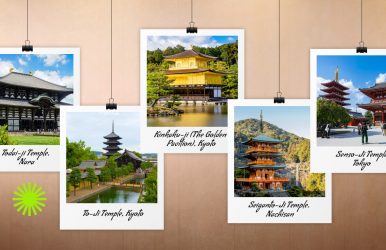
1. Kinkaku-ji (The Golden Pavilion), Kyoto
Kyoto is not just famous for its cherry blossom season. It also has the Golden Pavilion.
This is the "poster child" of Kyoto, and for good reason.
Two levels of this Zen temple have a covering of gold leaf.
Seeing its glittering reflection in the "Mirror Pond" is one of those travel moments that actually lives up to the hype.
It was originally built as a retirement villa for a Shogun, which is why it has a slightly "king-of-the-hill" air.
2. Todai-ji Temple, Nara
A visit to the Todai-Ji Temple is one of the best things to do in Nara.
Standing in front of the great Buddha Hall (Daibutsuden) makes you feel incredibly small.
The structure was once the largest wooden building ever built, and even now, at two-thirds its original size, it still stands with quiet power.
Inside, a 16-meter-tall bronze Buddha dominates the space, and it was cast in 752.
3. Senso-Ji Temple, Tokyo
As Tokyo's oldest temple, Senso-ji pulses with color and movement.
Daytime visits pull you into a sea of people.
After dark, though, the scene shifts entirely.
Vermilion walls glow warmly under lanterns, the air settles, and the five-story pagoda rises softly against the sky. That night view became my favorite moment in four days in Japan.
4. Sanbutsu-Ji Temple, Misasa
Here is a temple for the daring ones.
To get a glimpse of the inner hall, Nageiredo, I had to do a really challenging hike up Mount Mitoku.
The hall can be seen right on the cliff's face, supported on stilts over a dangerous drop.
Whenever I looked at it, I kept asking myself how 8th-century monks could have built it without falling off the mountain.
Besides, this "National Treasure" might even have to stand the comparison to a scene in an Indiana Jones movie.
5. Tenry-Ji Temple, Kyoto
This temple is right in the heart of the Arashiyama district and is also famous for its garden.
The landscaped grounds of the 14th century surround the central pond walkways.
It was cherry blossom season when I dropped by, and the view of the weeping cherry trees against the forested mountain is a picture I still take out whenever I am stressed.
6. Kongobu-Ji Temple, Koyasan
For a deeply immersive experience, head to Mount Koya.
Kongobu-ji, the main temple of Shingon Buddhism, houses the largest rock garden in Japan.
The granite rocks have been carefully arranged to depict dragons arising from a sea of clouds. It's an excellent venue for peaceful meditation.
7. To-Ji Temple, Kyoto
While there are other things to see in To-ji, its five-story pagoda is the main draw.
At 57 meters high, it is not only the tallest in Japan but also a city landmark.
Plus, when it is lit up at night in spring, it appears like a golden light rising from amidst the cherry trees.
What Are The Best Offbeat Japanese Temples?
Aside from the well-known "Golden" and "Great Buddha" temples, there are also sites that allow you to connect more closely with nature and pilgrimage traditions.
It is at these places that I experienced the most "human" contacts, observing pilgrims dressed in white robes or witnessing monks conducting their daily rituals.
1. Daisho-In Temple, Miyajima
While most tourists to Miyajima are attracted by the floating torii gate, Daisho-in, situated at the base of Mount Misen, is the island's true spirit.
The most memorable feature? The 500 Rakan figures. Each one has an entirely different face. So, some are laughing, some are grumpy, and some look like they're whispering a secret.
2. Seiganto-Ji Temple, Nachisan
There is probably no other place on the Kumano Kodo pilgrimage that has been as pictured as this one.
You have a vivid red pagoda in the front, and Nachi Falls is the highest waterfall in Japan, thundering down in the background.
It is a wonderful site where the noise of the water and the quietness of the temple together form an ideal spiritual harmony.
3. Zenko-Ji Temple, Nagano
The temple sits in Nagano, a town that grew around it.
This is where Japan first received a Buddhist statue.
Though the statue itself isn't visible, you can walk into a pitch-black tunnel under the altar.
The goal? Try to touch the "Key to paradise. " It's creepy, but there's something real about it. A genuine cultural moment.
4. Horyu-Ji Temple, Nara
Located just outside Nara, this site holds the oldest wooden buildings still standing.
These structures date back to 607. Standing in them feels like stepping into Japan's earliest days. History lives in the wood and silence of the halls.
How To Visit A Japanese Temple Like A Local?
Visiting A Japanese temple is not just about seeing but also experiencing it.
One way to do this is through politeness, talking softly, and following a few simple etiquettes.
You will find a large incense burner (Jokoro) at the temple entrance.
A common practice is to fan yourself with the smoke, as it is said to have medicinal effects.
1. Getting In And Praying
You'll most likely have to take off your shoes before going into a building (make sure you have stylish socks! ).
Once inside, you can go up to the altar, put a small coin in the donation box, and silently make a respectful gesture.
In contrast to a Shinto shrine, at a Buddhist temple, you shouldn't clap.
Only a silent bow with hands in the prayer position is the right way to show reverence.
2. Taking Photos In A Japanese Temple
Generally, temples are okay with you taking photos in the outdoor areas.
However, you cannot take photos inside the main worship halls where the statues are.
Also, personally, I feel that when I put my camera away and spend five minutes just sitting on the tatami mats in silence, what I get is a more vivid "picture" than any photo could ever represent.
3. The Water Purification Ritual (Temizuya)
Before you pray, take a moment to cleanse your mind and body at the Temizuya or the stone water pavilion near the entrance.
Watching a local glide through this ritual can look intimidating, but it follows a simple, beautiful sequence using a single scoop of water.
Purify your left hand: Pick up the wooden ladle with your right hand, scoop up water, and pour a small amount over your left hand.
Purify your right hand: Switch the ladle to your left hand and wash your right hand.
Rinse your mouth: Switch the ladle back to your right hand. Pour a little water into your cupped left hand.
Then, use it to rinse your mouth softly, and spit out the water into the drainage trough beside the fountain.
Next, never back into the main pool. Do not drink directly from the ladle.
Clean the ladle: Tilt the ladle vertically so the remaining water runs down the handle, washing it clean for the next visitor. Place it face down.
4. The Temple Stamp (Goshuin) Tradition
If you want a physical memory of your journey that goes deeper than a digital photograph, look for the temple’s stamp office (Goshuinjo).
Before you start your trip, purchase a Goshuincho.
It is a specialized accordion-style book designed specifically for collecting sacred temple stamps.
For a small offering (usually 300 to 500 JPY), a monk or temple calligrapher will hand-ink a stunning, highly detailed page just for you.
They stamp the page in bright vermilion ink and write the temple’s name, the date of your visit, and a sacred Buddhist phrase in elegant, sweeping calligraphy.
It is a deeply respected tradition, transforming your travel itinerary into an authentic, personalized pilgrimage logbook.
Visiting Hours And Entry Fees At These Temples
With seven temples covered across three cities, it helps to have the practical details side by side rather than scattered through each write-up, especially since hours and fees vary more than you'd expect between them.
Temple City Typical Hours Entry Fee Kinkaku-ji Kyoto 9:00 AM - 5:00 PM 500 JPY Todai-ji Nara 7:30 AM - 5:30 PM (seasonal) 800 JPY (Daibutsuden) Senso-ji Tokyo Grounds open 24 hours The main hall is open from 6:00 AM - 5:00 PM. Free Tenryu-ji Kyoto 8:30 AM - 5:00 PM 500 JPY (garden) and 300 JPY for buildings Kongobu-ji Koyasan 8:30 AM - 5:00 PM 1,000 JPY To-ji Kyoto 9:00 AM - 4:30 PM (grounds later) 500-800 JPY (varies by season, pagoda access)
Fees and hours shift seasonally.
Also, several of these temples charge extra for special exhibitions or evening illuminations during cherry blossom and autumn foliage season.
So it is worth checking the specific week you're traveling rather than relying on a fixed number.
Senso-ji is the one genuine exception on this list.
It is free and open around the clock, which is part of why its night-time atmosphere, mentioned above, is worth planning for specifically.
Read Also:
What Are The Best Japanese Shrines To Visit? Celebrating Nature Spirits And Inherent Spirituality
Is The Japan Rail Pass Worth It In 2026? Should I Buy Or Avoid It As A Conscious Tourist?
What Are The Unique Things To Do In Sapporo? Exploring The Capital Of Hokkaido





 Related