And being so elated that he was finally making a travel plan, I couldn’t realize that he meant off-the-grid, solar-powered, rainwater-shower kind of quiet.
Or he had somewhere remote in New Zealand in mind.
It was the Great Barrier Island, and it turned out to be the breather spot for me, where you just relax and connect.
On Great Barrier Island, everything is green, solar-powered, and local people consider themselves guardians of the land.
Thus, the Great Barrier Island in New Zealand shows why sustainability is more than a buzzword.
Furthermore, the conservation law governs 2/3rd of the Great Barrier Island.
So, it is saved from development and commercialization.
The result? In 2017, it became one of the 13 remote areas and the first island in the world to be recognized as a Dark Sky Sanctuary.
Known as Te Motu o Aotea in the Māori language, it has also attracted people who want to experience a slow and meaningful way of living/traveling.
Moreover, you won’t believe that it’s just a 30 to 40-minute flight from Auckland.
You can even take the daily ferry to the island.
So, getting there is easy, and you can move around easily thanks to the e-bikes, cars, taxis, and shuttles available.
However, remaining respectful of the traditions and rich Māori heritage on the island is a challenge.
Here, I will discuss sustainable travel tips for Great Barrier Island.
I will also provide a brief overview of the island, highlight the best activities, explain how to get there, and more.
Where Is The Great Barrier Island, New Zealand?
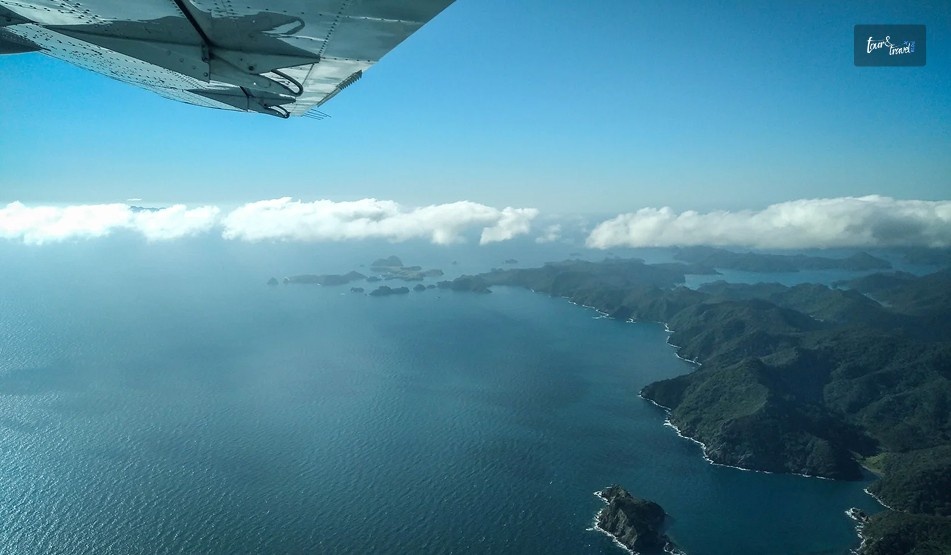
The Great Barrier Island is located in the Hauraki Gulf, around 100 kilometers northeast of Auckland.
You can get flights and ferries from Auckland.
Furthermore, if you are traveling from Wellington or Christchurch, you will first reach Auckland and then take a flight to the Great Barrier Island.
An Overview Of Aotea, Great Barrier Island, New Zealand
The Great Barrier Island is a pristine part of New Zealand, with Māori tribes as the original inhabitants.
Also, the Māori tribes gave it the name of Aotea, meaning “White Clouds.”
Today, it is a pristine paradise located off the northeastern coast of New Zealand.
Furthermore, it is known for its rugged landscapes, rich biodiversity, and deep cultural heritage.
Moreover, it has diverse geological features such as mountains, beaches, and forests.
So, no wonder it is rich in biodiversity.
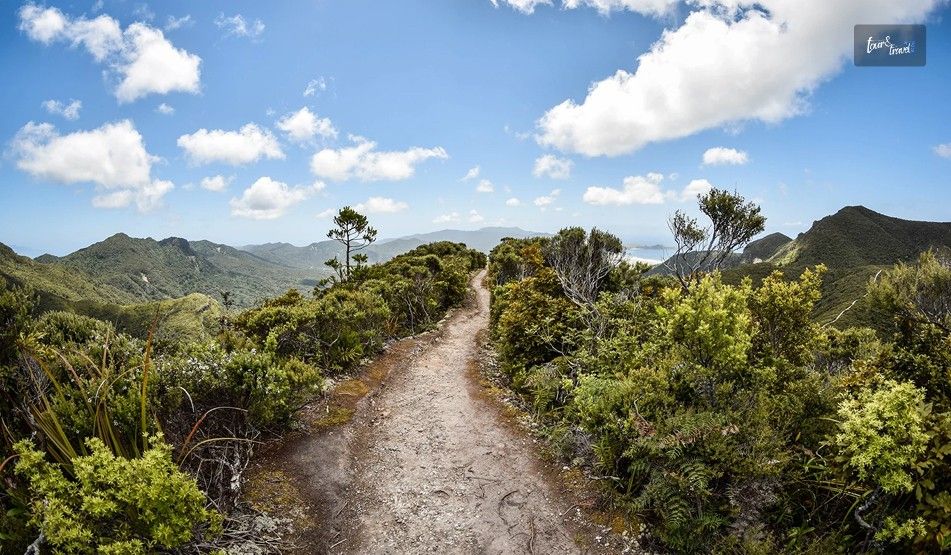
With an area of 285 square kilometers, this island is home to dense native bush, manuka and kanuka trees, and coastal flora that thrive in its subtropical climate.
Also, you will spot pāteke (brown teal), kākā (parrot), and the endangered black petrel here.
And how can I forget the thundering flapping of kererū wings over our tents?
Lesser-Known Facts About Great Barrier Island: Off-The-Grid Living
Sustainable living is a choice on the Great Barrier Island.
So, from the Aotea Arts & History Village to being run on solar power, there are a lot of things that make the Great Barrier Island stand out.
Rare Facts and Sustainable Practices
Details
Operated off the national power grid
• Reliance on solar power • Rainwater harvesting • Composting toilets
Minimalism and community reliance
• No banks • No ATMs • No large supermarkets • Barter systems • Small general stores
First Island in the world to become a Dark Sky Sanctuary
• Least light-polluted • Clearest sky ideal for stargazing
No public rubbish bins
• Pack in and pack out waste policy. • Banning of single-use cups • Mug libraries in cafes for takeaway drinks
Ancient Māori settlement sites
• Archaeological sites such as pā fortifications, middens, and stone working areas, dating back 700-800 years. • Strong Māori connection
Home to the rare Chevron Skink
• The only known habitat of the Chevron Skink Chevron Skink is one of the rarest and largest lizards of New Zealand. • Only found on the Great Barrier and Little Barrier Islands
Forgotten Wharf at Blind Bay
• A hidden historical site that once served as a key point for shipping kauri logs and supplies
Shoal Bay Pottery’s Trust-Based Payment System
• Buy handmade potteries and mugs, and just drop the money in a box. • This practice celebrates the community spirit of the island.
Dual Coastline Personality
• The East Coast has wild surf beaches like Awana and Medlands. • The West Coast is dotted with calm, sheltered coves ideal for diving and kayaking.
Aotea Arts & History Village
• Colonial cottages transformed into galleries and museums. • Explore historical artefacts, crafts, and more at the museums and galleries.
Great Barrier Island Travel Tips: How To Reach There?
There are four ways to travel to the Great Barrier Island.
You can take a flight, a ferry, or opt for a flight+boat experience.
Also, you can opt for chartered flight services.
1. How To Reach The Great Barrier Island By Flight?
From Auckland:
You can take a flight from Auckland to the Great Barrier Island.
Barrier Air operates three to four flights daily.
Also, the flight departs from the Auckland Domestic Terminal and flies to the Claris Airport near the center of the island.
For adults, a return ticket costs $396, and for a one-way trip, it is $208.
However, for children aged 2 to 12 years, a return ticket will cost $383, and a one-way ticket is priced at $198.
From Northshore:
The ticket price for adults for a Northshore to the Great Barrier Island flight costs $406 (round trip) and $213 (one-way trip).
However, for children, the ticket price for a round trip is $388, and a one-way ticket is $205.
From Whitianga And Tauranga:
Sunair Aviation operates these flights to the Great Barrier Island.
For adults, the one-way ticket is $290, and the ticket price for a round trip is $580.
For children aged 2 to 11 years, it is $210 for a one-way trip and $420 for a return.
2. How To Reach The Great Barrier Island By Ferry?
You will get a Sealink ferry from Auckland’s Wynyard Wharf to Tryphena, the southernmost part of the Great Barrier Island.
Also, the ferries run daily in the summer and three times a week in the winter.
This 4.5-hour journey is stunning, with dolphins, orcas, and whales making their appearances.
Moreover, the ticket prices range between $75.50 and $169 based on the age or category of the traveler and the season.
Also, these ferries carry freight to the island, charging between $459 and $1028.
3. Traveling To The Great Barrier Island By Flight And Ferry
It is the best travel combination to travel to and from the Great Barrier Island.
So, take a flight one way and return from the island by ferry.
How To Move Around The Great Barrier Island?
Car rentals, rooftop tent cars, e-bikes, taxis, and shuttles are the transportation modes to move around the Great Barrier Island.
Mode of Transport
Price Details
Car Rentals
• $60-110 Per Day
Roof Top Tent Car Rentals
• $185/Night (Minimum booking for 2 Days)
E-Bikes
• $20/Hours • $75 for a Full Day • Contact: +64 (0) 22 344 0645
Taxis and Shuttles
• Wagon Taxis • 12 or 20 Seater Vans • Charges: $35 to $145
Moreover, like us, you can also book a shuttle or taxi service to Good Heavens Dark Sky in Medlands Beach.
Also, we reached Medlands Beach just before sunset, and we camped near the dunes.
We padded down the beach barefoot, and the sun, going down the hills, spread the last rays of light on the water.
Then, it vanished like the most treasured secret.
Moreover, with silence prevailing, it felt like sheer magic, and we waited with bated breath for the stargazing moments.
How To Explore Aotea Great Barrier Island New Zealand Sustainably: Know The Best Activities
From hiking to stargazing, the activities on the Great Barrier Island are diverse.
So, here is a brief overview.
1. Hiking The Aotea Track
It is the most challenging activity on the Great Barrier Island.
The trekking route passes through the historic Kauri dam sites, amazing views, and forests.
Moreover, the route takes you to the highest peak of Mount Hobson, Hirakimata.
Also, you will get a panoramic view of the surroundings after reaching the highest point.
2. Exploring Kaitoke Hot Springs
Hiking to the Kaitoke Hot Springs was fun.
We reached the hot springs after a short walk through the native bush.
Also, the pools beside the Kaitoke Stream are ideal for swimming and relaxing.
3. Stargazing With Good Heavens
I have already mentioned that the Great Barrier Island is an international Dark Sky Sanctuary.
We loved the guided tour with Good Heavens as they provided us with laser pointers and telescopes.
Also, it was great fun exploring the Southern celestial sphere and listening to the Māori and Greek stellar mythology.
4. Visiting Glenfern Sanctuary
This sanctuary in Port FitzRoy is famous as the home for native species in a predator-free environment.
Also, I loved spotting rare native birds like the Kākā and Pateke (Brown Teal).
5. Kayaking In Whangaparapara Harbour
The untouched coastline looked beautiful as we went kayaking in the Whangaparapara Harbour.
Further, we visited the historic old Whaling Station.
And the highlight of the trip? Spotting dolphins.
6. Snorkeling At Medlands Beach
Medlands is more ideal for surfing.
However, when the water and weather are calm, it becomes a haven for snorkeling enthusiasts.
Also, the underwater life here is rich in subtropical marine species.
7. Surfing At Awana Bay
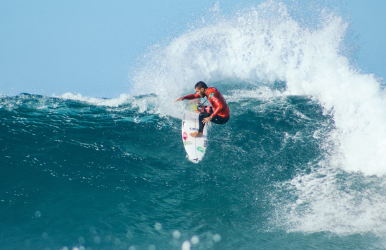
Surrounded by a long and golden sand beach, Awana on the eastern coast of the Great Barrier Island is a popular surfing spot.
Also, the consistent breaks here make it ideal for surfers of all expertise levels.
8. Birdwatching Native Species
Rich in biodiversity, the Great Barrier Island is home to many rare and native birds of New Zealand.
So, in the forests, wetlands, and coastal areas, you can spot Kākā, Black Petrel, and Pateke (Brown Teal).
So, you can choose a dedicated sun and surfing package, a hiker’s package, or something suitable for adventure lovers.
There are even packages for romantic getaways, such as Alice’s Seaside Cottages, Heaven’s Above, and Medland Magic.
Furthermore, they have curated their top 10 travel packages in their Top 10 section so that you can quickly find their all-inclusive packages.
Also, the travel packages are well within $1000 per person.
You can build your own package.
So, select the number of people in your group, your accommodation, and transport options.
You can even choose other special experiences like the Dark Sky experience, fishing charter, etc.
Moreover, reputable tour companies such as Good Heavens, Motu Trails, and Aotea Eco Tours offer curated experiences on the island.
These companies provide guided tours, accommodation packages, and sustainable travel options.
Also, they are highly rated for their knowledgeable guides, eco-friendly practices, and personalized itineraries.
So, booking through these companies ensures a hassle-free and enriching travel experience.
Great Barrier Island Travel Tips For Your Next Trip
The Great Barrier Island is a lot of fun.
However, you have to keep this checklist and things to avoid in mind for the most seamless experience.
Things to Keep in Mind
Things to Avoid
• Book flights or a ferry in advance • Reserve accommodations early • Arrange local transportation • Pack eco-friendly travel gear • Confirm tour bookings • Carry health essentials • Download offline maps • Inform emergency contacts • Check weather forecasts • Respect local customs and environment. • Carry insect repellent, sunscreen, and sufficient drinking water
• Not booking transportation early • Ignoring weather conditions • Overpacking non-essential items • Disregarding local regulations • Not preparing for limited connectivity • Forgetting to carry cash • Underestimating travel time • Not researching activities • Skipping travel insurance • Neglecting sustainable travel practices
Is The Great Barrier Island Travel Worth It?
Yes, a trip to the Great Barrier Island is absolutely worth it.
Sustainability, romance, heritage, and scenic appeal go hand in hand in this beautiful, remote location in New Zealand.
Furthermore, the dark sky experience here is matchless.
Also, authorities such as Discovery Travel talk about its Dark Sky Sanctuary status and stargazing potential.
Nat Geo, on the other hand, is all praise for the conservation efforts on the island and how it practices sustainability.
So, whether you’re a nature enthusiast, a cultural explorer, or a sustainability advocate, the island promises unforgettable experiences.
5-Day In Great Barrier Island: This Is How Our Itinerary Was…
Our five days on the Great Barrier Island were about digital detox.
The limited network connectivity was a blessing.
Also, we watched the stars every night, and we got enough time for journaling.
Nevertheless, this is how we spent our five days on the Great Barrier Island.
Days
Activities
Day 1
• Reaching Great Barrier Island • Lunch at My Fat Puku Café • Drive to Medlands Beach and sunset walk. • Stargazing • Tipi & Bob’s Waterfront Lodge Restaurant
Day 2
• Breakfast • Bush walk to Kaitoke Hot Springs • Visit to Awana Beach • Lunch at Wild Rose Café • A short walk to Palmers Track Lookout Romantic private dinner
Day 3
• Kayaking or paddleboarding in Tryphena • Lunch at Currach Irish Pub • Relaxing at Gooseberry Flat Beach • Drive to Windy Canyon • Sunset viewing and stargazing
Day 4
• Couple spa treatment • Light brunch • A visit to the Aotea Community Gallery • Exploring Port FitzRoy
Day 5
• Watching sunrise at Medlands or Awana Beach • Having breakfast and taking a stroll • Dip at Kaitoke Hot Springs • Swimming at Okupu Beach • Flight to Auckland
Great Barrier Island Travel Tips: Frequently Asked Questions (FAQs)
Here are the frequently asked questions and answers about the Great Barrier Island travel tips.
1. Why Is It Called The Great Barrier Island?
Captain James Cook started an expedition from 1768 to 1771 to see how Venus transits across the Sun.
On his way, he reached the New Zealand Coast and mapped the Great Barrier Island.
In 1769, he mapped and named this part of the New Zealand Coast as the Great Barrier Island, as it offered protection and shelter to the Hauraki Gulf.
2. What To Pack For The Great Barrier Island?
The Great Barrier Island is an off-the-grid space.
So, you will not find streetlights here.
You will have to pack a torch.
Furthermore, warm clothes, a car charger for your phone, and towels are the things you need to pack for a trip to the Great Barrier Island.
3. What Is The Great Barrier Island Population?
The population of the Great Barrier Island in 2023 is the latest information I have.
The Census Report of 2023 says that the island had 1251 permanent residents in 2023.
In 2018, the population of the island was 936. So, the journey from 936 to 1251 was a sharp 34% increase.
4. Is Driving In The Great Barrier Island Safe?
Driving on the roads of the Great Barrier Island needs skill and patience.
The winding roadways are often unsealed and without any central line.
Furthermore, there will be horses, bikes, and pedestrians on the road.
So, you will have to keep to the left while driving.
5. What Are The Emergency And Safety Contact For The Great Barrier Island?
Keep these phone numbers handy if you are traveling to the Great Barrier Island.
• Department of Conservation: 0800 ASK DOC (0800 275 362) •Claris Medical Centre: 09 429 0356 •Auckland City Service Centre: 09 429 0258 •Police, Fire or Emergencies: 111 or 429 0343
However, cellphone coverage remains a concern here, especially on the eastern coast of the island.
Sibashree is a travel, culture, and leisure writer who has been writing since the age of 12 and professionally since 2014. With more than a decade of travel writing experience and journeys across India and several parts of the world, she brings a deeply personal and thoughtful perspective to her work. A student of English Literature and Mass Communication, Sibashree has always viewed travel as more than movement — for her, it has been a way of understanding people, cultures, and herself. Her passion for spiritual exploration has also led her to many unusual and meaningful destinations over the years. Outside of writing, Sibashree enjoys watching European cinema, reading about global politics, and reflecting on the stories hidden within everyday places.
With the nip in the air and Christmas bells ringing, the best places to travel in Europe gears up for the visitors.
Also, the “Europe Winter Tourism Market” is massive, and Austria, Italy, Germany, and Switzerland are some of the key destinations or revenue earners in this regard.
Further, winter tourism in Europe is beyond indulging in the drizzles of snow and relishing the best food. It has a deeper economic significance in the continent.
Did you know that the revenue from winter tourism in Europe is 1-2% of the GDP of European countries?
So, when you visit the best places to travel in Europe in winter, you contribute to the overall economy of the place and the country.
Moreover, winter brings out the best in Europe, with glimpses of the Northern Lights, skiing in the Alps, Christmas festivities, and many more!
You Cannot Miss The Best Places To Travel In Europe In Winter
A wintry day in Europe is blissful, and it’s a great time to travel to this continent if you want to avoid the crowd.
Furthermore, the beautiful landscape of Europe looks dreamier with the blanket of snow in winter.
So, let’s take a flight to the best places to travel in Europe in winter.
1. Rovaniemi, Finland
Best Place to Stay: Santa Claus Holiday Village
Finland Tourism Package from the USA: 1100-1500€
Ho! Ho! Ho! Winter comes with the invitation to fly to the official hometown of Santa Claus.
It is the best place to indulge in Christmas festivities, and you will also love the reindeer farms here.
Furthermore, you can participate in the following activities when visiting Rovaniemi in winter.
Ice skating
Snow sledding
Northern Light Safaris
However, Rovaniemi will not disappoint you even if you want to spend a quiet winter vacation here. You can cozy up by the fire and have the best glogg ever.
Are you a foodie like me? You can indulge in some smoky salmon and ice cream.
The chef’s kiss will be watching the snow-clad forests through the windows of your hotel room.
2. Prague, Czech Republic
Best Place to Stay: Hermitage Hotel Prague
Czech Republic Tourism Package from the USA: 2000-3000€
With St. Nicholas Church as the center of attraction during winter and Christmas, Prague decks up with fresh coats. The Church of Our Lady before Týn and St.
Vitus Cathedral are some other popular churches to visit in Prague during Christmas.
Furthermore, Christmas has a different fervor in Prague, thanks to the Christmas markets here. It supposedly has the best Christmas Market in the world outside Germany.
In the upcoming winter, Prague Christmas Markets will remain open from 30th November 2024 to 6th January 2025.
You will get the best wooden toys, ceramics, and candles here.
Looking for some gastronomic delight? Prague has Palatschinke and mulled wine that you will cherish.
3. Vienna, Austria
Best Place to Stay: Hotel Sacher Wien
Austria Tourism Package from the USA: 1500-2500€
Vienna, the winner of the “Most Livable City in the World,” is one of the best places to travel in Europe this winter.
BBC conferred this title to Vienna three years in a row.
Further, in winter, Vienna transforms into a site of outdoor operas and hot chocolates.
Attending the operas in the freezing cold is an experience, and with thousands of people attending the event, you will feel the palpable festive energy here.
Moreover, you can appease the connoisseur in you by attending the classical musical concerts here.
Also, behold the snow-clad beauty of the St. Charles Church and Schönbrunn Palace.
It’s dreamy and will offer you the best frames for capturing.
4. Tallinn, Estonia
Best Place to Stay: Metropol Spa Hotel
Estonia Tourism Package from the USA: Around 4500€
Tallinn has an amazing location on the Baltic Sea and the most amazing historical centers.
You can explore the following historical centers when in Tallinn.
Town Hall Square
Olevsite Church
Great Guild Hall
Further, the turreted castles of Tallin stand tall with their unmatched architecture.
Toompea Castle is probably the most famous castle among them. You will also love exploring Kadriog Palace and Pikk Herman.
These castles are beautiful year-round. However, they appear to be straight from the pages of fantasy tales under the wrap of snow.
5. Zermatt, Switzerland
Best Place to Stay: Hotel Firefly
Switzerland Tourism Package from the USA: Around 2000€
Zermatt, at the foothill of the Matterhorn, becomes the paradise of skiers in winter.
The coverage of fresh snow and the best scenic views make Zermatt everyone’s favorite, even on the chilliest days.
After you have a fulfilling winter day outdoors, you can indulge in the much-needed warmth and comfort in the spa of Hotel Firefly.
Also, Zermatt is the ideal place to try Alpine cuisines and lemon martini.
Moreover, if you want to try outdoor pursuits other than skiing, you can try hiking.
Even if you are not interested in hiking to the higher mountains, you can explore Zermatt and the surrounding villages.
You can even take a helicopter ride around Matterhorn to have the best views of the glaciers.
If you are on the verge of ending your trip to Zermatt, don’t try to collect some handmade souvenirs.
6. Zagreb, Croatia
Best Place to Stay: Garden Hotel
Croatia Tourism Package from USA: Around 1500€
Zagreb exudes the quintessential Central European vibe and is a favorite of dark academia fans.
Winter transforms it into a wonderland with the Advent in Zagreb festival. You will find the best brandy and homemade sausages here.
You also explore the Christmas markets and appreciate the lights galore throughout the entire locality to indulge in its festive fervor.
Are you looking for more adventure in Zagreb? You can plan a trip to the Plitvice Lakes National Park.
It has waterfalls and 16 terrace lakes. In winter, all these waterbodies get frozen and offer you the most surreal view.
Moreover, with the Croatian National Theatre at the epicenter, Zagreb is important for the cultural landscape of Croatia and Europe.
You must make a note that Croatian National Theatre is one of the most beautiful theatres in the world.
The Croatian Museum of Naive Art, Zagreb City Museum, and Maksimir Park are some other places of interest in Zagreb.
7. Bergen, Norway
Best Place to Stay: Citybox Bergen
Norway Tourism Package from the USA: 2600-6500€
Bergen has the ideal Norweigan vibe with colorful wooden buildings. You can enjoy the beautiful view of the fjords and harbor from these aesthetic buildings.
And who does not know of the Northern Light in Norway in winter?
Late November to January is the best time to experience the magic of Northern Light in Bergen, Norway.
The longest nights become bright as you observe this astronomical wonder in the sky.
With your nights becoming lit with the Northern Lights, you can spend your daytime in Norway doing winter hiking, skiing, and sledding.
You can even go on a Wildlife or Wild Safari and experience the wonder of nature.
Also read
Why Include Whale Watching In Your LA Itinerary.
Traveling On A Budget: Tips For Affordable Adventures.
From Cocktails To Kickflips: Must-Try Activities In San Diego.
“Wasting away again in Margaritaville (yes, I am, yes, I am, I'm)
Searching for my lost shaker of salt
Some people claim that there's a woman to blame
And I know, it's my own damn fault…”
Jimmy Buffett, the man behind this iconic song of 1977, gave us Margaritaville.
The song spread its wings and became a sprawling lifestyle and hospitality brand, attracting visitors to the perfect island-inspired vacations.
Today, the brand is on the verge of a great expansion.
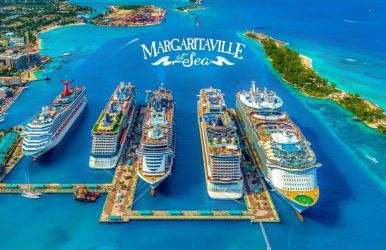
It has announced the launch of Margaritaville Beachcomber, the newest addition to its cruise line, Margaritaville At Sea.
Martha Brabham is the head of design at Margaritaville At Sea.
She has said that carefree escapism, surfing fun, and beach scenes have been the main inspiration behind Margaritaville Beachcomber.
Nevertheless, it is not just about the newest additions.
Margaritaville at Sea Islander and Margaritaville at Sea Paradise, which have already been catering to tourists who want to optimize their coastal fun.
In this blog, I will talk about these three cruising ships, things to do at Margaritaville on the cruise, experiences, charges, and more.
Check Out These Key Areas:Who Owns Margaritaville At Sea?How Many Ships Does Margaritaville At Sea Have? 1. Margaritaville At Sea Islander2. Margaritaville At Sea Paradise3. Margaritaville At Sea Beachcomber What Are The Destinations Covered By Margaritaville At Sea?1. Grand Bahama Island2. Nassau3. Key West4. Cozumel, Mexico5. Progreso, Mexico6. Costa Maya7. Western Caribbean8. Southern Caribbean What Are The Things To Do At Margaritaville At Sea? 1. Sail The Haunted Seas2. Spa & Fitness 3. Casino4. Fun & GamesCan I Plan My Wedding At Margaritaville At Sea? What Are The Onboard Charges For Margaritaville At Sea? How Can I Book Margaritaville At Sea?Margaritaville At Sea Vs. Royal Caribbean: Which One Is Better? Margaritaville At Sea Excels At:Royal Caribbean Excels At: Is Margaritaville At Sea Legit? Margaritaville At Sea Reviews Margaritaville At Sea: What Is The Future? A Tour And Travel Blog Insight Margaritaville At Sea: Frequently Asked Questions (FAQs)
Who Owns Margaritaville At Sea?
Jimmy Buffett, the celebrated singer and songwriter, started the Margaritaville At Sea brand in Key West in 1985.
Today, Classica Cruise Operator Ltd, a license holder by and through Margaritaville Enterprises, LLC, operates and does business as Margaritaville at Sea®.
Furthermore, Margaritaville Vacation Club, Inc., in Orlando, Florida, is a corporation with separate ownership and operations.
It is also licensed by Margaritaville Enterprises, LLC, to manage Margaritaville at Sea timeshare offers.
Margaritaville Enterprises, LLC owns licenses and intellectual properties for the cruise line.
How Many Ships Does Margaritaville At Sea Have?
Margaritaville at Sea now has two ships, Margaritaville at Sea Islander and Margaritaville at Sea Paradise.
However, its third ship, Margaritaville At Sea Beachcomber, is slated to start its operations in 2026.
Here is a brief overview of the two existing ships and the one to be added.
1. Margaritaville At Sea Islander
Margaritaville at Sea Islander has unique features such as:
A Three-Story Poolside LandShark Bar
The Tiki Bar Outdoor And Lounge Pool for Adults
A 14-Story Tropical Atrium
Amphibian Splash and Slide
It departs from Port Tampa Bay and takes you to Key West, Mexico, and the Caribbean.
The Margaritaville at Sea Islander packages for individual and family travelers vary, and they are customized according to your requirements.
Most of the packages here are under $200, while the more high-end packages go up to $799.
You can contact 8008147100 to customize your package.
2. Margaritaville At Sea Paradise
The Margaritaville at Sea Paradise takes you from the Port of Palm Beach to the Bahamas and Key West.
It offers a shorter cruise getaway and has the best features, such as:
Pickleball Showdowns
Poolside Lounging
Live Music
Wine Tasting
Sundeck Activities
Karoake
Game Shows
Here also, you can customize the package.
The packages will be within $500 per person.
3. Margaritaville At Sea Beachcomber
Beachcomber, the newest addition, weighs more than 100,000 gross tons.
It promises to offer the ultimate carefree escapism when it starts sailing.
What Are The Destinations Covered By Margaritaville At Sea?
Margaritaville at Sea offers diverse coastal destinations in Florida, Mexico, and the Caribbean.
Here are the places.
1. Grand Bahama Island
Enjoy shore excursions at Grand Bahama Island, known for its white sand beaches.
It is the largest city in The Bahamas.
Furthermore, this Bahamas city has coral reefs, national parks, bustling markets, and more.
Do you want to know if the Bahamas is safe or not for a cruise trip?
Check out our travel guide.
2. Nassau
Nassau is the melting point of adventure and a laid-back vibe.
Along with being a perfect coastal getaway with clear waters, Nassau is also known for its historic sites.
Don’t miss the Queen's Staircase and exploring Nassau Harbor.
3. Key West
With coral reefs and the bustling Duval Street, Key West is a cruising paradise.
Everywhere you look, you will find an Insta-worthy view.
Furthermore, Key West is one of the most popular cruising destinations for couples.
4. Cozumel, Mexico
Tropical jungles, palm trees, and the sound of waves! Cozumel is pristine.
You will love its white sandy beaches, and the beach bars here are amazing.
5. Progreso, Mexico
Located in the Yucatán Peninsula, home to iconic tourist destinations such as Valladolid, Mexico, Progreso is home to the rich Mayan cultural heritage.
Explore the ancient ruins of Chichen Itza here.
6. Costa Maya
Costa Maya has come a long way from being a quaint fishing village.
With Chacchoben's pyramids and other Mayan ruins and its underwater wonders, it is now a stellar tourism attraction.
It is also home to the largest coral reef in the Northern Hemisphere.
7. Western Caribbean
Belize, Grand Cayman, Jamaica, and Roatan are the destinations covered by Margaritaville at Sea in the Western Caribbean.
Exploring the pristine beaches, meeting stingrays, and watching the Dunn's River Falls are the main attractions of this cruising journey.
8. Southern Caribbean
The pastel-colored streets of the Caribbean look most vibrant against the white sandy beaches.
Aruba is one of the main highlights of this Southern Caribbean cruise.
It has coral reefs and national parks, making it an ideal destination for adventurers.
What Are The Things To Do At Margaritaville At Sea?
Margaritaville At Sea is for all types of travelers.
From having a good time eating and drinking to the ultimate casino fun, these are the best things to do on your cruising vacation.
Relaxing at Pools and Hot Tubs
Having a Good Time at Bars and Lounges
Enjoying Live Music and Entertainment
Playing Casino
Rejuvenating at Spas and Wellness Facilities
Eating and Drinking
Know The Experiences At Margaritaville At Sea
The experiences at Margaritaville at Sea are the most unique.
Bring out your wicked side and enjoy!
1. Sail The Haunted Seas
This cruise experience from 7th September to 1st November is about White Hot Neon Nightmares, Wicked-Win Costume Contests, Scary Food Fun, and more.
Hear & See
“It's a thin line between Saturday night and Sunday morning."
Adhering to this line by Jimmy Buffett, Hear & See is all about live music and entertainment with musicians, DJs, comedians, and more!
2. Spa & Fitness
You can enjoy professional spa services here for physical and mental rejuvenation.
With state-of-the-art techniques, the cruise offers customized spa services.
3. Casino
Margaritaville Casino welcomes first-time players and experts.
Enjoy live table games and your favorite slots.
4. Fun & Games
The fun and games at Margaritaville at Sea are for kids, teens, and all.
Kids above 3 years of age can take part in these fun activities.
Can I Plan My Wedding At Margaritaville At Sea?
Yes, you can plan your wedding at Margaritaville At Sea. Three types of packages are offered:
Paradise Package
Elation Package
Bliss Package
With the amenities already included, you can also choose the add-ons.
There is a requirement for a minimum of eight staterooms for each wedding package.
You must make the bookings at least 60 days in advance.
What Are The Onboard Charges For Margaritaville At Sea?
Onboard charges are charges excluding the package you have prepaid for.
Margaritaville At Sea has divided its onboard charges into three categories.
Types of Onboard ChargesDetailsGratuities• $20.00 Per Night Per Person for Staterooms• $24.00 Per Night Per Person for SuitesFuel Supplements• $15 Per Night Per Person for Margaritaville at Sea Paradise• No Charges are Applicable for Margaritaville at Sea Islander. • Fuel Supplement costs can vary as per your Ticket Contract and the current fuel Cost. Service Charge• 20% of the Service Availed Of
How Can I Book Margaritaville At Sea?
Here is the step-by-step guide for booking your Margaritaville cruise.
1. Visit the official website and click on the blue button stating “Book Now.”
2. Once you click the button, you will get a pop-up.
It says that you can get a cruise certificate for two for $349 and sail at a time of your convenience.
3. However, if you want to sail immediately, you have to select your departure dates, departure from, destination, and duration from the drop-down menus at the top.
4. Then, you will have the available options for your selected dates and destinations.
Once you select an option, Margaritaville at Sea will offer you a complete itinerary and charges for your chosen trip.
5. Now, click on the Continue Booking button to select your stateroom and stateroom location.
6. Finally, proceed to checkout. Fill in your details and make payments.
Margaritaville At Sea Vs. Royal Caribbean: Which One Is Better?
It is difficult to pick between these two.
And even a hardcore Royal Caribbean fan will agree that Margaritaville does certain things better than Royal Caribbean.
It is also the other way around.
Margaritaville At Sea Excels At:
A Retro Vibe with Nostalgia as the Main Theme in Ship Designs and Experiences
A Laid-Back Party Vibe
Shorter Cruising Vacations
More Affordable
Royal Caribbean Excels At:
Newer and Bigger Ships
More Suitable for Family Vacations
Opulent Experience and Longer Vacations
Wider Range of Destinations Covered
Is Margaritaville At Sea Legit?
Yes!
With reasonable and customized cruising vacation packages in Mexico, Florida, and the Caribbean, Margaritaville at Sea is one of the most reputable cruise lines.
Add to that the legacy of Jimmy Buffett and the signature hospitality of the Margaritaville brand he established.
Moreover, the cruise line has a well-defined cancellation policy.
Also, the cruise line has multiple accolades to its name. Check out the following.
Condé Nast Traveler Readers’ Choice Awards, 2024
2024 Cruisecritic Best in Cruise
2025 Newsweek Readers’ Choice Award for Best Ship for Families
2025 USA Today Readers’ Choice Award for Best Ocean Cruise Line
2025 USA Today Readers’ Choice Award for Best Ocean Cruise Line for Solo Travelers
2025 USA Today Readers’ Choice Award for Best Ocean Cruise Line for Families
Margaritaville At Sea Reviews
Here is what the travelers of Margaritaville at Sea have to say about their experiences.
1. “I was thrilled to find that all my bad thoughts towards this cruise line were totally unfounded.
They've responded quickly to any issues people have complained about.
Now, if we could get an app and a better muster drill, it would be perfect!”
- Rebecca R.
2. “I enjoyed the variety of activities and days filled with activities.
The military appreciation ceremony honoring our nation’s heroes was wonderful.”
- Jacob W.
3. “I really enjoyed the shows that we saw, the interaction with the crew and passengers.
I also enjoyed that the boat was not at full capacity, which made it really relaxing.
The dinner at the JW Steakhouse was amazing; the service our waiters, JONA and his crew, gave us was excellent.
Our housekeeping personnel were also very friendly and provided great hospitality.”
- Jordan R.
Margaritaville At Sea: What Is The Future? A Tour And Travel Blog Insight
Along with announcing the launch of its third vessel, Margaritaville At Sea is now expanding its service by offering longer vacation packages.
Thus, the cruise line plans to introduce more flexibility in its service and cater to a wide range of cruise vacationers.
Furthermore, the Heroes Sail Free program of Margaritaville At Sea has already gained popularity.
It offers free vacation benefits to “active-duty” military officials, first responders, and veterans.
So, it offers unique experiences and shows its commitment to great causes with innovative programs.
Overall, Margaritaville At Sea continues to maintain a strong foothold in the global cruising industry.
Margaritaville At Sea: Frequently Asked Questions (FAQs)
Here are the frequently asked questions and answers about Margaritaville at Sea.
1. Can I Cancel My Booking At Margaritaville At Sea? Yes, you can cancel your booking at Margaritaville at Sea. They have well-defined policies regarding guest booking cancellations and refunds. You can contact 800-814-7100 to obtain more information. 2. Is Food Included In Margaritaville At Sea? Yes, food is included in your booking contract for Margaritaville at Sea. Food includes dining at the main dining halls, buffets, and selected restaurants. However, alcoholic beverages and special dining options are not included in this. 3. Is Margaritaville At Sea A Party Cruise? Margaritaville at Sea is not essentially a party cruise. However, you can plan your wedding on the cruise, and the atmosphere remains quite lively with music and entertainment shows. Moreover, the spirit is high during special events such as “Sail Yeah Deck Party,” “Rock the Trop,” etc. 4. Is Margaritaville At Sea Great For Family? Yes, Margaritaville at Sea is great for families. It offers special packages and experiences for kids and teenagers. Furthermore, it is the winner of the 2025 Newsweek Readers’ Choice Award for Best Ship for Families.It has also won the 2025 USA Today Readers’ Choice Award for Best Ocean Cruise Line for Families. 5. Does Margaritaville At Sea Have A Free Ice Cream? Yes, Margaritaville at Sea offers free ice cream in specific hours and at specific locations. You will get it near Cheeseburger in Paradise, Mexican Cantina, and the Port of Indecision Buffet.
Read Also:
Sailing Into the Wild: Why a Trollfjord Cruise Is Norway’s Most Magical Fjord Experience
Single Parent Cruising Tips and Tricks for a Memorable Adventure
Here is a List of Best Cruises Out of Galveston for 2025
During my last trip to Jaffna, I got an idea about the inclusive soul of Sri Lanka.
The Ambuluwawa Tower is another prominent example of how the country practices a peaceful, multi-religious coexistence.
Along with the top Hindu temples in Jaffna and the Ritigala Forest Monastery, this 48-meter-tall tower has been a highlight of the religious scene in Sri Lanka for me.
This tower has Hindu, Christian, Buddhist, and Muslim sites.
Also, it rises above the mountain and is truly called “Nature’s Stairway to Sri Lanka” for the views of the Knuckles Range and other surrounding mountain ranges.
Hi, in today’s blog, I will talk about the Ambuluwawa Tower in Sri Lanka.
Let’s find out how it combines the beauty of nature with the excellence of human craftsmanship.
I will cover topics such as the location of the tower, how to reach it, what is so special about it, safety tips, and more.
What Is The Ambuluwawa Tower?
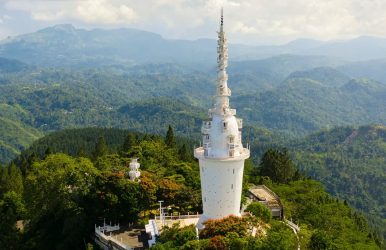
Ambuluwawa Tower is a human-made structure atop the magnificent Ambuluwawa Mountain, which has a height of 3,567 feet.
It is a part of the Ambuluwawa Biodiversity Complex, which celebrates nature and diverse religious philosophies.
Along with the surrounding mountains and peaks, on a clear day, you can even see Adam’s Peak from this tower.
Furthermore, the park has different religious sites, as I have mentioned.
Also, once you climb up the tower, you can experience the true beauty of Ambuluwawa and see how the clouds kiss the mountains.
Ambuluwawa Tower Quick Facts
Completed in 2006Height48 MetersElevation from Sea Level1087 MetersNumber of Stairs to Climb 55ViewA 360-Degree Embracing ViewHours Open7:30 AM to 5:30 PMEntry Fee2,750 LKR or Around 806 INR • With Bike: 2850 LKR• With Car: 3200 LKR
Where Is Ambuluwawa Tower Located?
Atop the Ambuluwawa Mountain, Ambuluwawa Tower is in Gampola, Sri Lanka. It is in the southwest of Kandy. The distance is around 20 kilometers.
It takes around 1 hour by road to reach the Ambuluwawa Tower from Kandy. The duration may differ based on the traffic conditions.
You can even combine your visit to the Ambuluwawa Tower with the places to see in Kandy.
As Jaffna is famous for its Tamil culture, Kandy remains a rich hub of history and Buddhist religious attractions.
The places to visit in Kandy are the Commonwealth War Cemetery, the International Buddhist Museum, the Bahiravokanda Vihara Buddha Statue, etc.
You can even extend your itinerary by planning a trip to Nuwara Eliya, the coldest place in Sri Lanka.
How To Reach The Ambuluwawa Tower?
Ambuluwawa Tower is a common stopover when someone is traveling from Kandy to Nuwara Eliya.
1. By Car Or Private Taxi
You can take a taxi or car to reach Ambuluwawa from Kandy in 1 hour. The cost will be around INR 3500.
However, the travel time can be more than an hour depending on the traffic conditions.
2. By Train
However, I took a train from Kandy to Gampola. It is lighter on the pocket, and the commute time is a little less.
Moreover, it is perfect for someone like me who believes in the philosophy of TheLow DownUnder Travel.
Trains depart from Kandy to Ambuluwawa three times a day.
The first Train departs at 3:35 AM and reaches Ambuluwawa at 4:18 AM.
Furthermore, the next Train departs at 8:47 AM and reaches Ambuluwawa at 9:32 AM.
However, the fastest Train from Kandy to Ambuluwawa departs at 11:10 AM and arrives at 11:36 AM.
Also, the average ticket price for this train journey is around INR 380.
Moreover, tuk-tuks are easily available from the Gampola Station to the Ambuluwawa Tower.
You have to negotiate a bit, and for me, it cost around INR 400.
From the station, you will reach the tower entrance in 15-20 minutes.
3. Reserve A Tuk-Tuk
Tuk-Tuks are the best for exploring Sri Lanka. A ride in Tuk-Tuks is fun and adventurous.
Also, today, there are platforms such as tuktukrental. com to make your rides easier.
A reserved tuk-tuk ride from Kandy to Ambuluwawa will cost around INR 1500.
If you have reserved a tuk-tuk, the entry fee to the park for one adult will cost 2900 LKR, which is around INR 850.
Furthermore, you can get dropped off at the entrance and then book a taxi-tuktuk or walk the rest of the distance.
Reserved Tuk-Tuk, Taxi Tuk-Tuk, And Walk: Which Option Is The Best For You?
I got down at the entrance of the Ambuluwawa Park and then took a taxi tuk-tuk.
It cost me around INR 400, and these are the best options because they are souped up and can climb up the mountain faster.
I found these taxi tuk-tuks at the entrance, and the drivers were friendly.
The price was around 400 INR or 1500 LKR.
You can even take your own tuk-tuk. However, I saw many tuk-tuks getting stuck in the middle.
Then, the passengers had to walk for the rest of the route.
Now, walking here or on the ascent is not everyone’s cup of tea. It is very steep.
Visiting The Ambuluwawa Tower? Keep These Tips In Mind
Early morning or late afternoon (just before sunset) is the best time of day to climb up the Ambuluwawa Tower.
Moreover, in the middle of the day, the view can become foggy.
So, here are a few more things to remember.
1. Enjoy The Unique Ascent Experience At The Ambuluwawa Tower
You have to climb up 55 stairs to reach the top of the tower.
However, the staircase is narrow and spiral, and as I kept climbing up, the staircase started getting narrower.
Still, enjoy the 360-degree view before your eyes as you keep climbing up the stairs.
2. Combine Your Tower Visit With Other Activities
Once you are done visiting the tower, you can visit the nearby Java Lounge or souvenir shop.
You can also have an adrenaline rush at the Adventure Park.
Furthermore, you can combine a historical and cultural tour of Kandy with a visit to the Ambuluwawa Tower.
You can even travel to Nuwara Eliya.
Moreover, there are many nearby tea plantations to explore.
3. Insider Tips
Layered clothing and comfortable shoes are a must, as you need to climb up 55 stairs.
Also, at the top, it is very windy.
Moreover, you have to hold your mobile phone or camera firmly as the wind is harsh at the top.
Also, you need to carry enough water and snacks.
Is It Safe To Visit The Ambuluwawa Tower?
Yes, the Ambuluwawa Tower is safe to climb.
However, the staircases are narrow and can sometimes be slippery.
Also, sometimes the crowd can move in the wrong direction, creating unnecessary traffic in the staircase.
Furthermore, it may be difficult for you if you have health issues such as vertigo and spondylitis.
Nevertheless, wear comfortable and sporty shoes and stay hydrated to eliminate most hazards while climbing up the stairs.
Where To Stay Near The Ambuluwawa Tower?
You can stay in Kandy or Gampola for a comfortable visit to the Ambuluwawa Tower.
However, Kandy is a better option to find an accommodation if you want to combine the tower visit with other day trips.
Nevertheless, there are some of the best places to stay in Kandy.
1. Kandu
This guesthouse is simple, and it is ideal for budget-friendly travelers.
Furthermore, it is very close to the City Center, and you will get a complimentary breakfast here.
2. SWP Eco Lodge
It is the most scenic of all the accommodations in Kandy, as it is on Kandy Lake.
So, it overlooks the Temple of the Tooth and the lake.
Furthermore, the rooms here have large balconies.
3. The Summit
The Summit is known for its beautiful terrace. However, it is a bit pricey. So, it is ideal for luxury travelers.
4. McLeod-Inn
I stayed at McLeod Inn. I chose it because of its location up the hill. Tuk-tuks are frequently available, and they took me to the McLeod Inn.
Moreover, the ambiance was very peaceful there, and the views were amazing.
Ambuluwawa Tower: Frequently Asked Questions (FAQs)
Here are the frequently asked questions and answers about the Ambuluwawa Tower.
1. How Long Does It Take To Climb The Ambuluwawa Tower? As you take the tuk-tuk from the entrance, you will reach the base of the tower in 20-30 minutes. Furthermore, from the base, it will take around 15-20 minutes to climb up the tower. 2. Can I Visit The Ambuluwawa Tower With Children? Yes, you can visit the tower with young children. However, you have to climb 55 steep stairs to get to the top, and the stairs can be narrow. Also, it is very windy atop. So, I think, bring your children at least when they are 6-7 years old. 3. Who Built The Ambuluwawa Tower? The completion of the Ambuluwawa Tower was done in 2006. The Local Government of Gampola and the Central Environmental Authority started the construction of this tower. Moreover, celebrating the religious harmony and inclusive spirit of Sri Lanka was the main intention behind the construction of this tower.





 Related