



Discover Joshua Tree National Park: Unique Fun Facts Revealed

Oct 28, 2024

Last Updated on: Jun 12, 2025

Travel Blog

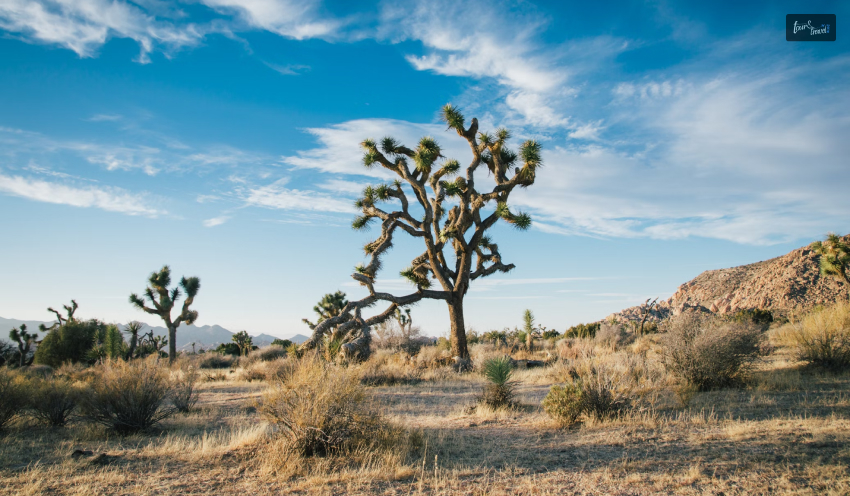
With mountains, faults, monoliths, deserts, and unique geological formations, Joshua Tree National Park has emerged as an important ecological hub of California. Further, as the name goes, the park has the most amazing Joshua Tree, a Yucca palm species that became famous with the Joshua Tree album by U2. 

Spanning 800,000 acres and situated at 5000 feet above sea level, this national park is like a natural tapestry. Further, 85% of this national park is still pristine wilderness.

So, there is no wonder that a place like this harbors the best secrets and fun facts that are yet to be explored. 

Here, I will share some amazing info about the park’s history, fossils, cryptobiotic crusts, and more.

Joshua Tree National Park is about to complete 30 years of its designation as a national park on 31st October 2024. President Franklin Delano Roosevelt designated it as a national monument in 1936.

Things No One Talks About Joshua Tree National Park 

Things No One Talks About Joshua Tree National Park

The basics are boring! There is no fun in visiting a place that does not have stories to tell. However, this national park, designated in 1994, has mountains and ecological units that echo the tales of history, changes, and humanity. 

Let’s get into the stories, but before that, let me give you a brief account about when and how to visit the park. September to November is the best time to explore the park due to pleasant weather conditions. 

Further, the Annual Night Sky Festival occurs in the park in October. It’s a delightful experience for people of all age groups.

Thomas Crochetiere writes many fascinating stories about Joshua Tree National Park in his “The History of Joshua Tree National Park: A historical, informational, and educational timeline of Joshua Tree National Park.” 
If you are interested in the park’s history, you can grab a Kindle edition of the book. 

1. Fascinating Historical Tales About Joshua Tree National Park 

Fascinating Historical Tales About Joshua Tree National Park

Human history in Joshua Tree National Park is as old as 15000 years. Two archaeologists, William Campbell and Elizabeth Campbell, further discovered the existence of Pinto culture in this park.

Pinto Culture In The Park 

People belonging to this Pinto Culture used to stay in cool grassland environments here, and they were primarily hunters.

Pinto culture in the national park was discovered by archaeologists thanks to the triangular-shaped spears, scraping and cutting tools, and seed-processing tools. 

All the implements that established a Pinto connection to the place indicate that the Pinto people led a bohemian lifestyle. Along with hunting, they also practiced seasonal harvesting. 

Native Americans Occupying Joshua Tree National Park 

Europeans came to Joshua Tree National Park in the late 18th century. However, the park had three groups of Native Americans. They followed the Pinto culture, thriving locally in the park.

These three tribes were:

  • Cahuilla
  • Serrano
  • Chemehuevi

The Chemehuevi tribe was the latest to occupy the national park, and they came to this park from the Great Basin of Nevada in 1500

All these tribes adopted the tools of the Pinto people, and they improved and diversified them. 

Cattlemen First Occupied The Joshua Tree National Park 

Joshua Tree National Park has every element of a Western movie. The western side of the park had higher elevations during the 1870s. These areas also received a higher rainfall and had different species of native grasses. 

As a result, many cattle owners used to flock to these parts of the park for cattle grazing. 

William “Bill” McHaney was the earliest cattleman in this park. He was a legendary figure, and he took his Texas Longhorns to these higher valleys. 
He will be known for living in the national park and exploring the area for around 60 years. 
Further, his brother, Jim, built a gang to steal cattle from Mexico and Arizona. 

Discovery Of Gold In Joshua Tree National Park 

Discovery Of Gold In Joshua Tree National Park

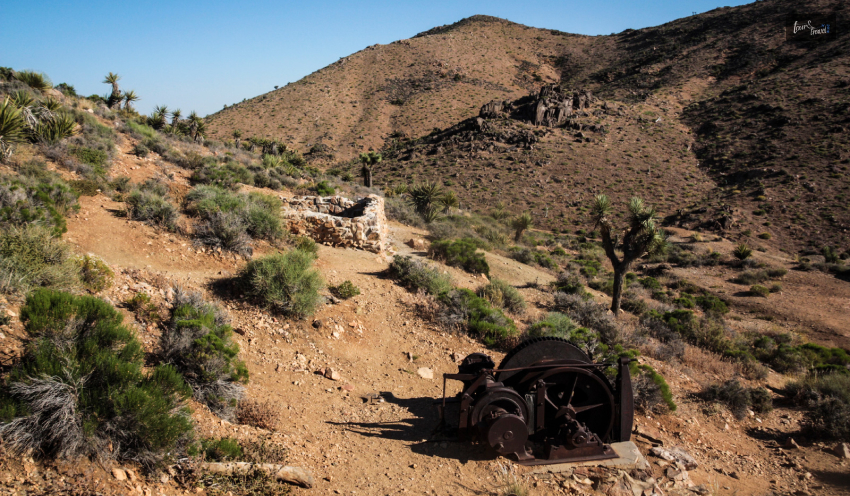
The 19th century was the biggest highlight in the Joshua Tree National Park. Miners flocked to this park in great numbers for the discovery of gold. Twentynine Palms was the first area to have mining expeditions in the park in the late 1860s. 

The presence of water in the Oasis of Mara was the main reason behind extensive mining expeditions at Twentynine Palms. 
Gold was collected from dirt using dry washing. The process was fun, and it involved throwing dirt mixed with dust into the air. The dirt was caught as it came down in the air, and this process continued until the mix only had gold dust. 

Desert Queen Mine was a more successful gold mining venture in the park. It was Frank L. James, an employee of the Lost Horse Mine, who discovered the vein of gold in the Northern Queen Valley.

Unfortunately, he had to lose his life at the hands of  Charles Martin. Martin was a part of the notorious cattle-rustler gang of Jim McHaney. Jim McHaney was the brother of William “Bill” McHaney, a legendary figure in the park. 

Joshua Tree National Park Had An Important Role To Play During World War I 

Joshua Tree National Park Had An Important Role To Play During World War I

The dry, desert climate of Joshua Tree National Park was beneficial for the war veterans suffering from the effects of the mustard gas. This gas was so lethal that it had to be banned after World War I.

Did You Know?
The Geneva Gas Protocol Treaty, signed in 1925 by most countries, banned the use of biological and chemical weapons in war. 

Germans introduced mustard gas in 1917, and any contact with the gas used to cause skin burns, blisters, and respiratory problems. Patients hit by this gas needed to get hospitalized for the treatment of chemical burns and respiratory issues. 

Moreover, the survivors of the mustard gas attacks had greater risks of developing cancer. 

2. Fossils Of Joshua Tree National Park 

The fossils in the Joshua Tree National Park tell us about the geological evolutions, extreme natural events, and biodiversity. So, what were the animals that roamed here when the earth was a cooler and greener space? Let’s have a look at the list below. 

  • Columbian mammoths
  • Dire wolves
  • Camels
  • Horses
  • Llamas
  • Giant ground sloths
  • Saber-toothed cats 
  • Bison
  • American Pronghorn
Did Dinosaurs Live At Joshua Tree National Park? Scientists believe that Joshua Tree National Park had dinosaurs. Some of the oldest rocks in the park are from the dinosaur era. 
However, being metamorphic and igneous, these rocks could not preserve the skeleton of the dinosaurs. So, there is no “black and white” evidence regarding the existence of dinosaurs in the park yet. 

The oldest fossil found in the park is the tooth of a pocket gopher. It was found in a 7.8 million years old sediment. The park has many other microfossils that are even older. 

Moreover, the midden of the pack rats has been a gold mine for finding plant and insect species. At least 12 species of plants were found in the midden, and the oldest was around 30,000 years old.

In addition, the darkling beetle fossils in the midden come from various ages. The oldest dates back to  34,000 years ago, and the latest is as old as 1000 years old. 

Above all, the human artifacts and bones collected in this midden speak of human history and the evolution of their lifestyle. 

3. Cryptobiotic Crusts Of Joshua Tree National Park 

What are cryptobiotic crusts? They are hidden biotic organisms present on the surface of the park soil. Blue-green algae or cyanobacteria are the leading cryptobiotic crusts at Joshua Tree National Park. The other forms of cryptobiotic crusts present in the park soil are:

  • Mosses
  • Lichens
  • Microfungi
  • Bacteria
  • Green algae

Now, these cryptobiotic crusts are important to bind the sand and soil particles of the park together. In other words, they prevent soil erosion caused by wind and water.   

4. Spiritual Stories And Symbolism Around Joshua Tree National Park

“The Joshua Tree” album by Irish band U2 brought the spiritual connection or symbolism around the Joshua trees in the park under the spotlight. The album explores the gap between the promised land and the real land of America.

The desert also stood for the desolation of the soul, while the Joshua trees, surviving in extreme weather conditions, became the symbol of hope and prayer.

However, you must go back around 180 years to trace how Joshua trees have always been associated with symbolism and Biblical stories. In the 1850s, the Mormon pioneers crossed the Mojave Desert and saw these trees. 

The upraised branches of the trees reminded them of Joshua, who stretched his arms to the sky for prayer and led the “Israelites into the Promised Land.” So, this is how these Yucca Palm trees got their new name. 

5. Joshua Tree National Park Is The Best For Stargazing 

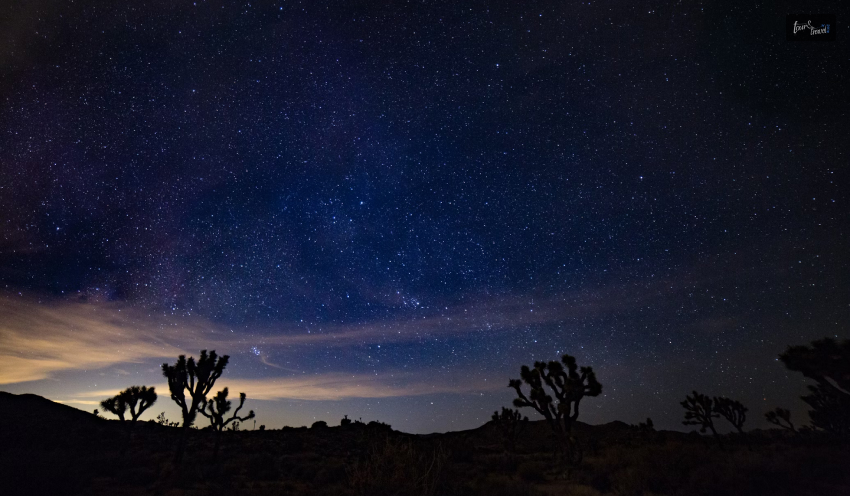
As International Dark Night Sky, Joshua Tree National Park is one of the best places in California for stargazing. The following parking lot areas are best for Joshua Tree National Park stargazing.

  • Hidden Valley
  • Ryan Mountain
  • Quail Springs
  • Cap Rock

Along with these places, you can also choose Pinto Basin for an amazing stargazing experience. 

How To Reach Joshua Tree National Park?

How To Reach Joshua Tree National Park?

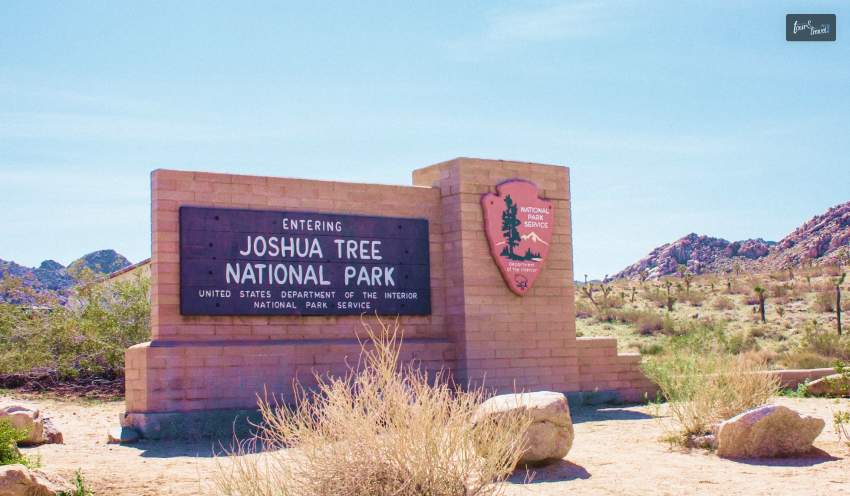
Joshua Tree National Park has three entrances. The table below details these entrances and will help you pick the right one based on the location you are traveling from.

Park Entrance GateLocation Ideal For Tourists From
West EntranceAt Park Blvd Off Highway 62Los AngelesPalm SpringsSan Diego
North Entrance29 Palms, Off Highway 62Las Vegas
South EntranceCottonwood Spring, Off Highway 10Salton Sea area

The West Entrance is the main entrance to Joshua Tree National Park. You must drive through California Highway 62 or Interstate 10 road to reach here. 

Further, if you are traveling by air, you must reach Palm Springs Airport, and from there, you can rent a car. The Los Angeles International Airport is also 150 miles away from this park.  

Also read

Share on Social Media

Sibashree is a travel, culture, and leisure writer who has been writing since the age of 12 and professionally since 2014. With more than a decade of travel writing experience and journeys across India and several parts of the world, she brings a deeply personal and thoughtful perspective to her work. A student of English Literature and Mass Communication, Sibashree has always viewed travel as more than movement — for her, it has been a way of understanding people, cultures, and herself. Her passion for spiritual exploration has also led her to many unusual and meaningful destinations over the years. Outside of writing, Sibashree enjoys watching European cinema, reading about global politics, and reflecting on the stories hidden within everyday places.

Leave a Reply

Your email address will not be published. Required fields are marked *

title-img Related

READ MORE family activities in New Orleans

Topmost Family Activities In New Orleans | A Louisiana Travel Guide

BY  Sibashree Jan 17, 2025

New Orleans may not be the first destination on your mind when you are on a family vacation. The bustling nightlife and food scenario seem to steal all the limelight. However, trust me! A trip to this Louisiana City has revealed a world of family-friendly activities before my eyes. From the ghost tour and a boat ride to the zoo experience or just relaxing by the Mississippi River! The family activities in New Orleans are diverse, and they cater to people of all age groups.  So, coming back from the tour, I decided to write about activities that can be great for your family. This Tour and Travel Guide has everything you need to know! Ultimate Family Activities In New Orleans: Give These A Try On Your Next Visit New Orleans is a melting pot of old and new. So, you have places in the city that take you back to the World War II days. On the other hand, you have modern and adventurous activities like zipline swamp tours.  Let’s know in detail about them. 1. Take A Zipline Swamp Tour https://www.instagram.com/p/CghHc-0um-H/ Are you ready to take a tour of the first full aquatic zipline of the world? Yes, and your road leads to the Zipline Swamp Tour. It allows children aged 9 and above. So, if you have toddlers, you can try this activity but in turns.  This zipline tour with Zip Nola starts at $91 per person. However, if you are traveling in a group, you can call them at 504-350-0947 to inquire about the charges.  They even offer a shuttle service to and from New Orleans at $25. You can book the shuttle service during online booking.  It’s brilliant to explore a swampland area and its ecosystem and have a Hawkeye view of the same. Moreover, there is a fun gift shop from where you can collect souvenirs for your little ones. 2. Take An Escape Room Adventure https://www.instagram.com/p/DDIYEFMySP9/?img_index=6 If you have children aged 13 and above with you, you can take them for an Escape Room Adventure. It is one of the most engaging family activities in New Orleans with everyone trying to solve puzzles.  The Escape Game in the French Quarter adventure has a duration of one hour. Further, eight people take part in a game. So, even if you are a family of 4 or 6, everyone can participate at the same time.  This is really fun, and among all the games, Prison Break is the most difficult escape game.  3. Don’t Forget To Try The Best Street Food Here is my favorite part among the topmost family activities in New Orleans. New Orleans offers the best street food for people of all age groups throughout the year.  You can join a walking food tour of the French Quarter or try the local delicacies at Lower Garden. There are even some tasting tours of Cajun and Creole delicacies.  Moreover, you can try the best beignets at the cafes by the Mississippi River. These fried pastries taste heavenly with black coffee. The vast span of the river in front of you further makes the pastries taste even more delicious.  Nevertheless, here are some best places to try street food with your family when you are in New Orleans.  Bon's New Orleans Street Food, Location: Shops At Jax Brewery, 620 Decatur Street, +1 504-949-0222 St. Roch Market, Location: 2381 St Claude Avenue, New Orleans, Contact Number: +1 504-267-0388 https://www.instagram.com/p/C58_AugRmMD/ Verti Marte, Location: 1201 Royal St, New Orleans, Contact Number: +1 504-525-4767 https://www.instagram.com/p/Bx6Af4VJcmT/ 4. Explore The Local Cajun Culture On Bayou Manchac Taking a cruise along the 18-mile stretch of Bayou Manchac is one of the best family activities in New Orleans if you want to know about your family.  Many guided tours are available, taking you to the important waterbody connecting the Mississippi River to the Amite River.  The best thing about these cruise tours is that children of all age groups are allowed here. Also, you can take this tour irrespective of the season of your visit.  The Louisiana Wildlife Federation supports the designation of Bayou Manchac, earlier known as the Iberville River, as a Louisiana Historic and Scenic River. Today, a tranquil waterway, Bayou Manchac, is home to Cajun Culture and many Native American tribes.  Moreover, you must not miss a visit to the Bayou Manchac National Park at 19010 Jefferson Highway, Baton Rouge, LA 70817. You can also contact them at 225-272-9200. The park remains open from sunrise to sunset every day. For me and my family, the conservation areas of the park like the Blackwater Conservation Area and Kendalwood Conservation Area, were the best attractions.  However, there are dedicated sections for art and culture, science and culture, and different kid-friendly activities. In addition, the park has alligators and an endless variety of birds, including Mississippi Kites, bald eagles, woodpeckers, ospreys, etc.  5. Go For A City Tour In A Mule Carriage This is not a favorite of mine, though! But I leave it to choices here! You can take a ride in a mule carriage and explore the French Quarter area.  For children below the age of three, it’s a free ride. Small pets below 20 lbs are also allowed for a tide in these carriages.  6. Visit The New Orleans: National WWII Museum  Address:  945 Magazine Street, New Orleans, LA 70130, United States Contact Number:  +1 504-528-1944 Hours Open: 9 AM to 5 PM Entry Fee: $18-28 The New Orleans: National WWII Museum is basking in the glory of winning the Tripadvisor Travelers’ Choice Awards Best of the Best 2024. Nonetheless, it has always been a top attraction among family activities in New Orleans.  Irrespective of the age, every visitor will be moved here with the stories of World War II. The young minds, especially, will understand the importance of independence and how much struggle goes into it.  The museum\ offers half-day and full-day itineraries. Also, you will love the immersive galleries like the Liberation Pavilion, Road to Berlin, Road to Tokyo, etc.  However, currently, a major attraction here is the 4D multimedia representation, Beyond the Boundaries. It shows how World War II changed the entire world. Moreover, you can go for a guided tour of the museum. The curator will show you many World War II artifacts that are not on display in the museum.  Also read Why Include Whale Watching In Your LA Itinerary. Traveling On A Budget: Tips For Affordable Adventures. From Cocktails To Kickflips: Must-Try Activities In San Diego.

READ MORE card-img

Non-Ski Activities & Amenities In Val Thorens For Familiy

BY  Sibashree Sep 20, 2025

Modern families seek more from ski holidays than just pistes, and they want entertainment for non-skiers, activities for young children, convenient downtime options, and excellent safety standards.  You’ll want to discover more than just the slopes, if you are planning on visiting Val Thoren’s for a ski holiday.  There are plenty of non-ski activities in Val Thorens for families to enjoy that make all the difference.  Val Thoren’s has improved its facilities in recent months to tailor towards families who need childcare services, indoor leisure centre facilities, and a diverse range of entertainment options. What Is Val Thorens? If you're new to the ski scene or haven't heard of Val Thorens before, let me give you a quick rundown. Val Thorens is renowned for being the highest ski resort in the Alps, and it's no surprise that it boasts an impressive snow record.  The village sits at an elevation of 2300 meters, and many of the main ski areas soar above 3000 meters, with plenty of north-facing slopes and a couple of small glaciers to boot. However, it's worth noting that the runs coming down from MĂ©ribel and those in the Orelle sector can face some challenges.  Since they face south or west, they can get a bit slushy later in the season. There are also many Non-ski activities in Val Thorens that you will enjoy.  That said, the resort does a great job of snow-making, so overall, Val Thorens remains one of the most reliable spots for snow in the Alps. What Are Some Non-Ski Activities In Val Thorens That You Must Check Out? These are some really popular non-ski activities you can enjoy when you visit Val Thorens:  1. Childcare, Nurseries & Snow Gardens Val Thoren’s offers great childcare from early infancy through school age. If you need a daycare for babies from three months old, the ESF daycare provides both full and half-day care options, including meals and multilingual staff that can guarantee safety and comfort.  There are also snow gardens that are catered for toddlers ages 18 months to three years that combine indoor play with an easy snow introduction.  Mini clubs accommodate children aged three to six, offering structured activities whilst parents enjoy the slopes.  For more personalised care, you can hire private nanny services like Little Peaks Childcare. These provide bespoke support with a flexible booking service for parents who wish to book with them on certain days.  For British families, there are English-speaking carers who can understand family preferences and requirements. 2. Indoor Amenities & Leisure Centres If you fancy visiting a leisure centre for the day and enjoying the indoor amenities that the resort has to offer, there is a main sports centre for that. It features heated swimming pools with fun water features and slides for families to enjoy.  It also has a separate children’s soft play area for the kids to enjoy and be entertained during the afternoon breaks.  For older children, there are trampolines and climbing walls to keep them entertained if they enjoy taking on a physical hobby.  Parents can enjoy the wellness facilities that the resort has to offer, such as a sauna and hammam, whilst the children are happily occupied with their activities nearby. When the weather deteriorates, the cinema screens English-language films and subtitled releases.  Bowling facilities and games rooms provide evening entertainment. You get most amenities within walking distance of accommodation, and operate extended hours during peak seasons. 3. Outdoor & Adventure Alternatives There are lots of thrilling non-skiing activities that Europe’s highest ski resort has to offer. Val Thoren’s maintains almost all its terrain above 2,000 metres, according to recent statistics. This provides the perfect snow conditions for alternative activities. There are plenty of activities that range from toboggan runs, night sledding, and husky sledding. Moreover, you will get snowshoeing expeditions that explore mountain landscapes, and zip-lining. 4. Family-Friendly Amenities Val Thorens is a fantastic destination for families, boasting the Famille Plus certification. This means you can expect a variety of family-friendly amenities and services throughout the resort.  You’ll find restaurants that offer kids' menus and highchairs, creating a welcoming atmosphere for families to enjoy meals together. For parents looking to relax, many of the major hotels feature wellness centers with spa treatments and serene areas to unwind.  While you take a moment for yourself, your kids can join in on organized activities designed just for them. If you need any practical items during your stay, worry not! There are plenty of medical services available on-site for those minor scrapes and sniffles. Additionally, you will also find shops that stock all the essentials, like baby supplies and children’s equipment. So you’ll never feel overwhelmed. Plus, the resort’s central booking service is a real lifesaver for busy families. It can help you easily: Arrange accommodations Plan activities So, this makes your vacation much more enjoyable and organized. With the range of facilities available that extend beyond skiing, you’re truly spoilt for choice at Val Thoren’s as it ensures that every family member has a memorable experience. Enjoy All The Non-ski activities in Val Thorens Today!  In today’s fast-paced world, modern families are looking for more than just traditional ski holidays.  They want experiences that cater to everyone's interests and needs. Skiing is fantastic. But it's equally important to find a destination that offers entertainment and activities for those who prefer not to hit the slopes. Additionally, it is also important to consider engaging options for young children.  Additionally, families appreciate convenient downtime options and a focus on safety to ensure a worry-free trip. Val Thorens stands out as a fantastic family-friendly destination. It offers a variety of non-ski activities that can make your holiday truly memorable.  In recent months, the resort has made significant improvements to its facilities, catering specifically to families.  Parents can take advantage of childcare services that allow them to enjoy a few hours on the slopes or relax, knowing their little ones are in good hands. The indoor leisure center is a gem! It features a range of activities that can keep both kids and adults entertained.  There's something for everyone to enjoy, regardless of age, such as: Swimming pools Play areas Family-friendly games In essence, Val Thorens has evolved into a destination that truly understands the needs of modern families. They ensure that both skiers and non-skiers have an unforgettable holiday experience amidst the stunning alpine backdrop.

READ MORE card-img

How About Exploring The Hiking Trails in Channel Islands National Park?

BY  Sibashree Aug 20, 2024

It’s hard to imagine that a watery wonder and a versatile geological place exist so close to the Californian Mainland. Yes, we are talking about the Channel Islands National Park.  Rich in diverse flora, fauna, and wildlife, this national park, consisting of five islands, is a hiker’s favorite. The hiking trails on each island are different. For example, the trails in Anacapa are flatter, and they get steeper as you visit Santa Rosa or Santa Cruz.  Also, as a critical marine sanctuary, this national park offers an amazing experience for people interested in aquatic pursuits. Boating and scuba diving here are activities that an adventurous soul will surely look upto.  Are you ready to pack your bags and hit the trails? Let us join you. Channel Islands Hikes That You Just Cannot Miss  Hiking trails in the five islands of this national park vary in their difficulty parameters. The trails in Anacapa, Santa Rosa, San Miguel, Santa Cruz, and Santa Barbara are easy (Cavern Point Loop), moderate (Potato Harbor), and hard (Montañon Ridge Loop).  As a hiker, you have to be sure of your physical and mental endurance before you start exploring specific trails. Further, you will encounter many challenges as you explore the hiking trails.  Common perils here include poisonous oaks, scorpions, ticks, wildfire risks, reptiles, and Hantavirus spread by deer mice. To deal with these hazards, you must make the most of the buddy system and, most importantly, be respectful to the wildlife.  However, the pain you have to undergo throughout the journey is worth the dramatic experience the trails offer. It’s time to know about them.  Anacapa Island Hiking  Anacapa Island got its current name from its original Chumash Native American Indian name, Anypakh. This island is made of East, Middle, and West Anacapa islets, and surprisingly, none of these are connected to each other.  Before I introduce you to some of the most amazing trekking trails in Anacapa, let me share some highlights about the island. Anacapa Island: Things To KnowAnacapa is known for its diverse vegetation, wildlife, culture, and history.Coreopsis and sunflowers come to life after the winter rain, and you can see them from the California Mainland.Anacapa is the largest breeding colony of western gulls in the world.It is also the largest breeding colony of the California brown pelicans, which are endangered species.Chumash Indian people used to camp here thousands of years ago. Inspiration Point Hike (Easy) Just a 1.5-mile hiking trail, Inspiration Point offers the most amazing view of the island. Enjoy the sheer contrast created by vibrant wildflowers and the tranquil blue water.  Pinniped Point Hike (Easy) Pinniped Point hike, which is a 4-mile distance, is known for its sea lion rookery and lighthouse.  Cathedral Cove Hike (Easy) The 6-mile hiking trail is the best place to see the most amazing rock formations. Here, you will also find beautiful kelp forests, sea lions, sea caves, and birds.  San Miguel Hiking  Hiking in San Miguel is a little tricky as you cannot take the off-trail roads. Further, hiking is only limited to certain spots, as its unique geological features, wildlife, and plants need preservation.  Caliche Forest Hike (Hard)  Despite its difficulty level, Caliche Forest is the most exciting trail to hike in San Miguel. This landscape of five miles has naturally calcified prehistoric vegetation. So, the entire area has the most surreal “fossilized” appearance. A visit to this trail is like a time travel, and the feeling is, at times, eerie.  Cuyler Harbor Beach Hike (Easy) Enjoy the pristine beauty of the 2 miles of white sand stretch and observe the adorable seals. Take a walk along the beach to find the sand running into the rocks.  Cabrillo Monument Hike (Hard)  The distance of this trail is 2 miles. However, the steep climb makes the hiking experience very strenuous. You will visit the monument of Juan Rodriguez Cabrillo, the first European to explore this island.   Santa Cruz Island Hiking  Santa Cruz, or the La Isla de Santa Cruz, is the land of the Sacred Cross. Known as Mini California, this island has endless bounties to offer. From the Transverse Mountain ranges to the deep valleys, canyons, and beaches! You will meet the most diverse geological picture here. Here, I will talk about some of its most prominent hiking trails. However, before that, let’s share some interesting facts about the island. Things To Know About Santa Cruz IslandSize: 96 Square Miles (The Largest Of The 5 Channel Islands)Plant Species: 600Plant Communities: 10Landbird Species: 140Land Mammal Species: 11Cultural History: More than “10,000 years of American Indian habitation, 150 years of European exploration” Cavern Point Loop Hike (Easy) Cavern Point Loop is a popular destination for hiking, kayaking, and seasonal whale watching. As you trek through the 2 miles route, you will get to see the most magnificent coastal vistas.  Potato Harbor Hike (Moderate)  The harbor gets its name from its unique oval or potato shape. The cliffs here are steep and dangerous. The bright white sedimentary rocks (diatomaceous earth) here are formed by diatoms or single-cell sea plants made of silicon dioxide.  Diatomaceous earth has wide applications in filtering water.  View this post on Instagram A post shared by Channel Islands National Park (@channelislandsnps) The Giant Kelp Forest is another attraction in Potato Harbor. Kelp is a nutrient-rich and fast-growing algae that helps build a rich marine ecosystem. The California sea lions here will make your visit to the island most delightful with their playful nature.  Montañon Ridge Loop (Hard) Montañon Ridge, with Montañon Peak and High Mount, is the highest ridge on the eastern side of the island. This trekking trail is only for experienced hikers.  The total distance of the hiking trail is 10 miles.  Santa Barbara Hiking  View this post on Instagram A post shared by Channel Islands National Park (@channelislandsnps) Santa Barbara is an island for endless outdoor pursuits like hiking, camping, fishing, and watching wildlife.  Further, Santa Barbara is the island to be if you want to explore the local vegetation. If you visit the island in spring and winter, you will meet the most colorful wildflowers here. Also, delightful flowers like poppies and verbenas are in full bloom in the summer. Do you want to hike on this island? Here are some trails for you.  Lizard’s Mouth Hiking Trail (Moderate) You have to take just a quarter-mile walk off West Camino to find this hiking spot. It’s also a favorite Santa Barbara destination for picnics.  The place gets its name from the rock formation resembling a lizard’s open mouth. This place is picturesque and perfect for photoshoots.  La Cumbre Peak (Diificult)  With the highest elevation of 1215 m, the La Cumbre Peak (the highest in Santa Barbar) hike is full of challenges. However, this trekking trail is full of highlights like the Cathedral and Arlington Peaks, the coastline to the sea, etc.  San Roque Creek (Easy) The San Roque Creek trail is located in the 25-acre recreation area in the park. The area is called Stevens Park. With just an elevation gain of just 93 m, it is an easy trail to explore, and you can have a great time walking with your dogs here.  Santa Rosa Hiking  The hiking trails in Santa Rosa are a combination of flat and steep terrains. The trails to the Water Canyon Beach are flatter. At the same time, roads to the Black Mountain are strenuous.  Water Canyon Campground Hike (Easy) This 3-mile hiking trail is one of the easiest routes in Santa Rosa or all over the Channel Islands. Enjoy a gala picnic with your group here.  Water Canyon Hike (Moderate To Strenuous) The perennial canyon and the local vegetation make the water canyon hike the most amazing experience. If you want, you can also follow the stream bed and get wet.  Black Mountain Hike (Hard) With a distance of 8 miles, this trail offers the most amazing views of the mainland and San Miguel, Santa Cruz, and Santa Rosa islands.  Did You Know? By 1928, many fossils of pygmy mammoths were found in the Channel Islands. Further, almost a complete skeleton of an adult pygmy mammoth was excavated on Santa Rosa Island in 1994. These mammoths were very similar to the Californian mainland mammoths. However, they evolved and got smaller in size to accommodate on the Channel Island. Worldwide, these mammoths are known as Channel Islands Pygmy Mammoths.  Final Words  Channel Islands National Park had 328,746 visitors in 2023 (Source). Despite being close to the California mainland, these islands offer tranquility, and with many places to visit and activities to do on the five islands, you will surely be spoilt by the choices at this national park.  On all the islands, you can trek, fish, camp, and take part in many water sports. However, two of the most coveted activities in these parks are hiking and exploring marine life. The variety you find here in whales and other marine mammals can be a close match to the vibrant marine ecosystem of Wrangell-St. Elias National Park.  In this guide, I have highlighted trekking through the trails in this national park. Do you want to know more about its wildlife and marine ecosystem? Share your thoughts in the comment below.  Channel Islands National Park FAQs  Which Island Is The Best To Hike In Channel Islands National Park? Anacapa and Santa Cruz islands are great for hiking in the Channel Islands. However, if I am to share my opinion, Anacapa will be my silent favorite.  The trekking trails here are way easier in Anacaopa than in Santa Cruz. So, irrespective of your expertise level, you will be able to hike the entire island in a day.  Also, as the trekking journey here is less arduous, you will be able to enjoy the surrounding scenic beauty even more. You will meet the most adorable sea birds, sea lions, and seals. Also, if you are lucky enough to be in these mountains during spring or late winter, you will find the mountains replete with colorful wildflowers. Inspiration Point, Cathedral Cove, and Pinniped Point are some of the highlights of hiking expeditions in the Anacapa Islands.  What Is Special About Channel Islands National Park?  Channel Islands National Park is special because it is a paradise for trekkers, nautical surfers, and wildlife explorers.  Its San Miguel, Santa Rosa, Anacapa, Santa Barbara, and the largest, Santa Cruz islands have many hiking trails with Transverse Ranges.  Further, half of the national park is under the ocean, and you will find six nautical miles of water around it. So, it is a critical marine sanctuary and a great place for scuba diving, boating, and other aquatic pursuits.  In addition, its wildlife is mesmerizing, with the presence of animals like island foxes, spotted skunks, salamanders, whales, California sea lions, sea otters, dolphins, giant black seabass, and more.  Which Island Is The Largest In Channel Islands National Park? The largest island in the Channel Islands National Park is Santa Cruz, which is also known as the epitome of California. Its size is 96 square miles.  Its geology is versatile, with Transverse Ranges, fault systems, springs, streams, and canyons. You will also come across sea caves, beaches, and coastline cliffs. Among the sea caves, the Painted Cave is the most prominent one with lichens, algae, and colorful rocks. Also read Why Include Whale Watching In Your LA Itinerary. Traveling On A Budget: Tips For Affordable Adventures. Be Soothed And Meet History At Hot Springs National Park.