

Want The Best Tacos In San Diego? Hit These 10 Places For Sure! 

Apr 10, 2023

Last Updated on: Apr 23, 2026

Travel Blog

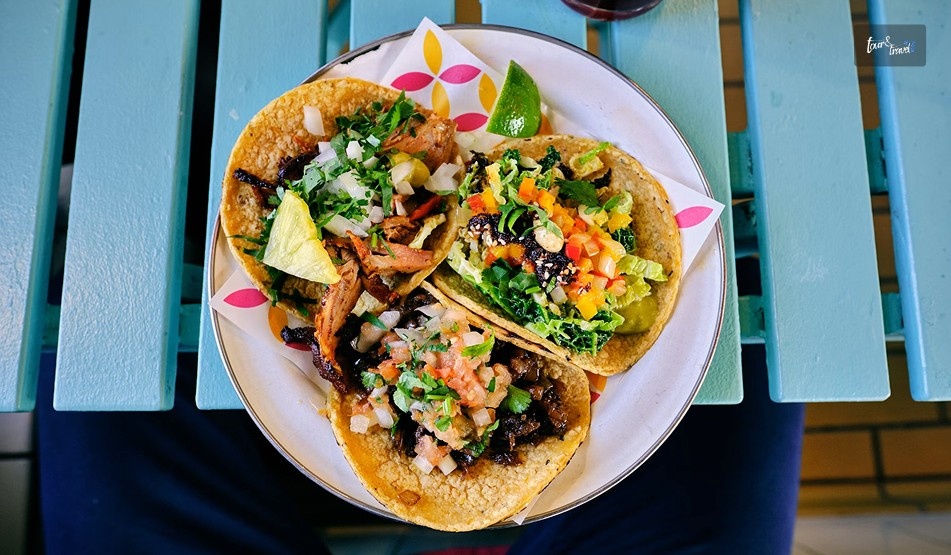
Do you love traveling? Do you love traveling for food? If you are nodding your head to both questions, then San Diego must be on your wishlist, especially if you are a fan of epic tacos – you will find the best tacos in San Diego. Your taste buds will explode with delight. 

San Diego is quite popular for mouthwatering Mexican delicacies. There are several places to check out in this part of Southern California.

After all, a trip to San Diego would never be complete without trying at least a few tacos. And trust me, they are filled with juicy, tender meat. Guys!!!

Additionally, you will also get to try the tasty salsas and homemade tortillas, along with these amazing tacos.

Stay tuned to find out more about the best places to hit in San Diego for all taco lovers!

10 Places To Go For Best Tacos In San Diego Recommended List

Are you looking for ‘best tacos San Diego’ on Google? Then stop, because we have got you covered.

We have managed to find all the places you need to visit while trying out the best tacos in San Diego.

So, without wasting any time, let’s get started. Oh, wait, Dont forget to get a hold of your taste buds, and scroll down! 

1. Miramar Fish Tacos & Beer (Oceanside): 

Service Options Delivery, Dine-In, Takeout 
Address 41 Douglas Dr, Oceanside, CA 92058 
Phone (760) 721-2147 
Hours Monday – Saturday: 11 am – 9 pm | Sunday – closed 

If you are looking for the best fish tacos in San Diego, then you have to visit Miramar Fish Tacos & Beer. Additionally, this place specializes in Mexican seafood, fish tacos, and craft brews. 

Review By Christian Garcia: 

Came in as we were on our way to Carlsbad and saw the number of great reviews, so we had to stop in! Great service, I stopped by during happy hour, and the food did not disappoint. The garlic shrimp taco was DELICIOUS, paired with a cold Modelo made it even better! Can’t wait to come back next time I’m in town! 

2. Valerie’s Taco Shop (Vista):

Service Options Delivery, Dine-In, Takeout 
Address 170 Emerald Dr, Vista, CA 92083 
Phone (760) 941-8381 
Hours Monday – Sunday: 6:45 am – 10 pm 

The best tacos in San Diego are mostly found in hidden gems like Valerie’s Taco Shop. There’s more than one Valerie’s Taco Shop in San Diego, but this one is truly the one you need to go – it’s located near Highway 78!

Review By Mike Carrillo:

Love this place! The food is full of flavor, and the different hot sauces are delicious. It also has a Mexican ice cream shop and Starbucks, all in the same building. Located next to hwy 78 and a shopping center with a grocery store, liquor store, and bakery.

3. Harbor Fish Café (Carlsbad):

Service Options No-contact delivery, Dine-In, Curbside pickup 
Address 3179 Carlsbad Blvd, Carlsbad, CA 92008 
Phone (760) 729-4161 

If we did have to rate the best San Diego tacos, then Harbor Fish Cafe would totally win, especially if we were judging on the basis of fish tacos. You get the best fish tacos and even fish & chips here – period!

Review By Dave Keys:

Harbor Fish Cafe never fails to maintain its status as. one of our local favorites for any occasion. Today’s meal was an anniversary lunch celebration and a walk along the beach. Service is always friendly, and they even offer to bring water for your dog if you bring one. Food is delicious and even tastier in this ideal California coastal resort town.

4. The Taco Stand (Encinitas):

Service Options Delivery, Dine-In, Takeout 
Address 642 S Coast Hwy 101, Encinitas, CA 92024 
Phone (760) 230-2061 
Hours Monday – Sunday: 10 am – 10 pm 

If you are looking for epic tacos in San Diego, then you definitely cannot miss out on The Taco Stand! If you enjoy quesadillas or burritos, then look no further because The Taco Stand makes killer burritos and even better quesadillas.

Review By Ryan:

Some of the better tacos I’ve had. Couldn’t make up my mind, so I ordered 4 different tacos, and each one was better than the other. Great place to grab a bite. Didn’t realize this was a chain restaurant when I was in there, but they’ve got something going on, and it’s going to take off. Friendly staff and worth the wait! If you’re in the area, stop by and leave happy.

5. TJ Tacos (Escondido):

Service Options Delivery, Dine-In, Drive-through 
Address 802 E Valley Pkwy, Escondido, CA 92025 
Phone (760) 294-7511 
Hours Sunday – Thursday: 10 am – 11 pm | Friday – Saturday: 10 am – 12 am 

It might be a bit of a drive to reach TJ Tacos if you are in the center of San Diego. However, if you are anywhere in North County, you must visit TJ Tacos. You might experience the longest line for drive-through, but it’s worth the wait. 

Review By Chris Davis:

Some of the best tacos we’ve had in San Diego County. We ordered almost one of every kind on the menu, and they were all excellent. The California burritos were also excellent. Their salsas were tasty and had some good spice levels to them. It a drive for us, but totally worth it.

6. Salud! (Downtown San Diego):

Service Options Takeout, Dine-In 
Address 2196 Logan Ave # A, San Diego, CA 92113 
Phone (619) 255-3856 
Hours Tuesday – Friday: 11 am – 8 pm | Saturday: 10 am – 8 pm | Sunday: 10 am – 6 pm | Monday – Closed 

You don’t need to type ‘tacos San Diego’ if you are looking for the best tacos in San Diego to taste – just hit a place like Salud! Salud is located in the ‘oldest Mexican-American neighborhood’ in San Diego – that’s all we need to say, really.

Review By Donny Pusawong:

This is the place to go for some quality tacos inside a really ultra cool spot to enjoy them inside or outside. No, these are not your 1 dollar street tacos. You can taste the flavors and quality of ingredients used in each bite! Also, a great place to come in the afternoon for a drink and some tacos as snacks!

7. Old Town Mexican Café (Old Town):

Service Options Takeout, Dine-In 
Address 2489 San Diego Ave, San Diego, CA 92110 
Phone (619) 297-4330 
Hours Monday – Friday: 8 am – 9 pm | Saturday – Sunday: 7 am – 9:30 pm 

Old Town Mexican Café serves the best tacos in old town San Diego, and trust us, we are absolute fans! There’s nothing better than fresh handmade tortillas – and Old Town Mexican Café agrees!

Review By Yu-Hung Chen:

I love the food here. The shrimp taco is ridiculously delicious. I had never had that taste before and have not had comparable taste elsewhere. I wish I could give this restaurant more than 5 stars. Highly recommended!

8. Tocaya Organica

The restaurant is well known for its beautiful atmosphere with a modern twist to traditional Mexican food! The delicious street tacos are a fan favorite while the atmosphere of the restaurant is located in a charming outdoor dining and shopping area.

The location was situated quite close to Del Mar beach. The tacos of the restaurant is quite organic with all the ingredients quite organic while the order are customized based on the requirements of the customers.

Service Options Lunch, Dinner 
Address 3725 PASEO PL #1070, San Diego, CA 92130 
Phone (858) 386-1030 
Hours 10:30 AM to 9:00 PM 

Review By Gretapar:

Ok, I want to preface this with the fact that I am not a patient wait in line kind of person. I am not a huge fan of ordering my food after waiting in line and then looking for a table. Besides, the standing in line, the food was really good. I ordered the Tocaya salad; my husband did the taco combo (fish) & 2 sides, all the food was beautifully prepared and delicious…”

9. Las Cuatro Milpas

The restaurant is a locals favorite with its Latin and Mexican spread! The restaurant has been there from 1933 and the expertise of the food grabs all the attention. It is located very close to Petco Park! 

So before you want to go visit a Padres baseball game, you can stop at Las Cuatro Milpas and gorge for delicious food. The crunchy rolled tacos are one of the favorites of the locals along with their homemake tortilla!

Service Options Lunch, Takeout, Seating and Wheelchair  
Address 1857 LOGAN AVE, San Diego, CA 92113 
Phone (619) 234-4460 
Hours 8:30 AM to 3:00 PM 

Review By rmagac:

Worth It!

Best bean burrito I’ve ever had and the hot sauce was amazing!! Homemade everything- line out the door but worth the wait!!

10. Tacos El Gordo 

You can get Latin, Mexican and Fast Food in the restaurant and is rated 4.5 out of 5 based on 1162 reviews! Wow! Guys, you gotta go check it out because of the amazing service along with delicious food! You can get takeout, dining in, wheelchair accessible along with parking available!

If you are craving for some traditional flavors of Mexico, try the Tijuana-style tacos here! You can select the meat based on your choice so it is a perfect lunch location, especially with the delectable options of asada, lengua or al pastor.

Service Options Lunch, After Hours, Dinner 
Address 556 Broadway, Chula Vista, CA 91910 
Phone (619) 271-7222 
Hours 10:00 AM to 3 AM 

Review By Scott S:

Hidden gem that has been there for decades

Great pork tacos. Everything is clean. Cheapest good food on the strip.waking distance from Resorts world.

Bon Appétit!

And that’s a wrap on the best tacos in San Diego – what are your thoughts on the places we have mentioned above? If you have already been to San Diego and been to some of the best places for tacos, then feel free to share your experiences, and also, don’t forget to mention the locations – we are always on the go!

Share on Social Media

Meet Sibashree Bhattacharya, a travel enthusiast who has a decade-long experience in transcending virtual barriers with her words! Her deep love for travel is apparent from her travel escapades to the mountain, often taking her readers on a journey, her words acting as Portkey! Fun fact: Sibashree loves to dive deep into the history of the places she is about to visit, making her travels even more wholesome. If you were wondering how her articles are not short of time travel, this answers it!

Leave a Reply

Your email address will not be published. Required fields are marked *

title-img Related

READ MORE Cold-Weather Camping

Military-Style Winter Tents With Wood Stove: Dependable Comfort For Cold-Weather Camping

BY  Sibashree Nov 18, 2025

When temperatures drop and the snow keeps falling, a military-style winter tent with a wood stove becomes more than shelter—it’s the difference between enduring the cold and enjoying it.  Built for stability and warmth, these tents combine rugged fabrics, reinforced frames, and heat-safe stove jacks for reliable protection in harsh conditions. Today’s designs take that proven military strength and merge it with modern engineering.  An inflatable camping tent sets up fast without heavy poles, keeping your camp efficient and warm.  For longer expeditions, choosing the right winter tent ensures a safe balance between insulation and ventilation.  Moreover,  when your trip turns into true winter tent camping, a well-built hot tent lets you rest, dry gear, and cook inside while snow piles outside. Proper harsh cold-weather camping requires adequate gear. Thus, it is important to ensure that people do not suffer from a shivering cold. What Defines A True Military-Grade Hot Tent & How Does It Help In Cold-Weather Camping A military-grade hot tent is built to perform where the cold is relentless and the wind never stops.  Its strength begins with the fabric—dense, tear-resistant, and coated to block moisture while allowing controlled airflow.  Seams are double-stitched and heat-sealed to prevent leaks, and tension points are reinforced to hold shape under snow load.  Inside, an integrated stove jack made of fire-resistant material allows safe operation of a wood stove without damaging the canopy. Beyond materials, structure matters. The frame or inflatable skeleton must handle repeated freezing cycles without cracking or warping. Moreover,  the doors and vents are positioned for cross-ventilation to minimize condensation while maintaining interior warmth.  Moreover, this balance of durability, insulation, and controlled ventilation distinguishes an ordinary camping shelter from a genuine army tent with stove capability. The army tent is designed to keep crews safe and operational through winter extremes. 1. Stove Jack And Safety In Extreme Cold Start with fit and materials. The stove jack must be fire-resistant and matched to the pipe’s outside diameter so the collar seals without crushing the flue.  Add a heat shield or jack boot and use a short double-wall section near the exit to tame radiant heat.  Keep the chimney as straight and tall as practical, cap it with a spark arrestor, and confirm a steady draft before loading the firebox. Manage heat at the source. Set the stove on a fireproof mat, maintain clearances from walls and gear, and route guy lines where no one can bump hot pipe. Burn seasoned wood. Thus, wet or resinous fuel increases the risk of smoke, creosote, and CO. Vent with intent. Crack a low intake and a high exhaust vent to create cross-flow that controls condensation and carbon monoxide. Run a compact CO alarm. Operate with discipline. Gloves for pipe handling, daily ash removal, regular creosote checks, and no unattended flame. If no fire watch is planned, extinguish before sleep. 2. Why Inflatable Tents Fit Military-Style Needs Today Inflatable architecture replaces rigid poles with airbeams that keep even tension across the canopy, improving wind stability and snow-load handling. Setup is predictable: connect the pump, inflate to spec, and fine-tune guy lines without wrestling frozen joints or seized fittings.  With fewer metal bridges from inside to outside, an inflatable hot tent loses less heat to conduction and stays quieter in gusts. Cold-weather reliability improves, too. Multi-chamber designs add redundancy, and small punctures are field-repairable with a basic kit.  Curved geometry reduces flapping, helps shed spindrift, and preserves a clean stove clearance zone.  Packability is strong for the floor area—rolled beams ride securely on a sled or ATV, and the weight distribution is easier on long approaches. For teams that work in real winter, an inflatable winter tent delivers military-style discipline—fast deployment, controlled ventilation, and stable heat—without excess bulk.  RBM Outdoors focuses on this balance of durability and comfort, giving crews a 4-season shelter that performs when temperatures plunge. Thus, this acts as the ideal gear for cold-weather camping 3. Layout And Capacity For Winter Teams: Cold-Weather Camping Plan the space around heat and traffic. Start with a clear stove zone—an open buffer for safe clearances and wood handling—then set sleeping areas along the walls, keeping a center aisle free for movement.  Near-vertical walls and tall doors make cots practical; leave a small gap behind each cot for airflow and to keep fabric off hot gear.  Use a vestibule or annex for firewood, wet boots, and sled bags so the living space stays dry. For four people, aim for one dedicated drying line and a compact table; for six to eight, add a second line and a gear rack to keep gloves and layers rotating.  Suppose the tent has a divider, split “quiet sleep” and “task” sides to control light and noise.  Place a low intake vent opposite a high vent near the stove to move moisture out without dumping heat. 4. Set Up And Field Maintenance  Of Gear And Tents For Cold-Weather Camping Prep the site first: stamp a flat pad, face the door leeward, and mark a safe stove zone. Lay the footprint, clip or zip the floor, then inflate to spec using a gauge; set primary guy lines before tensioning secondaries.  In sugar snow, bury deadman anchors or use long snow stakes. Dry-fit the chimney, keep it as vertical as possible, add a spark arrestor, and place a fireproof mat under the stove. During use, clear spindrift from ridgelines, crack low and high vents, and re-tension lines after temperature drops.  Empty ash cold, check for creosote, and inspect the jack for heat glaze. Top up the airbeam pressure in deep cold and patch small punctures immediately.  For packout, cool, dry, vent, then roll toward open valves and lash low for transport. 5. Care And Storage Tips After The Trip Dry first, store second. After shutdown, crack the low and high vents to purge steam; brush off frost so meltwater doesn’t soak into the seams.  Let the liner reach room-dry before rolling. Empty ash cold, wipe the firebox, and knock creosote from pipe sections; a clean flue protects the jack and restores draft next trip. Inspect the jack panel for glazing or scorching, and replace it if it is fatigued. Protect fabrics and hardware. Rinse grit from zippers, treat sliders lightly, and check guy lines, stake loops, and tie-outs for fray.  Reproof high-wear zones if water no longer beads. For inflatable beams, equalize pressure at room temp, clear valves of ice, and store loosely—avoid long-term compression. Stash the tent in a cool, dry place off concrete, with a small desiccant pouch in the bag. Things To Remember About Cold-Weather Camping Tents  A military-style winter tent with a wood stove should deliver three things every time: safety, steady heat, and fast deployment.  Prioritize a fire-resistant jack, disciplined ventilation, and a layout that protects people and gear.  Inflatable designs add speed and stability in deep cold, while RBM Outdoors’ focus on durable materials and practical details keeps the shelter reliable through long winters.

READ MORE Annapurna Base Camp vs. Ghorepani Poon Hill

Annapurna Base Camp Vs. Ghorepani Poon Hill: Should You Go All The Way?

BY  Sibashree Apr 2, 2026

I remember staring at photos of the Himalayan sunrise and thinking, “I want to experience this.....but am I actually fit enough to try this adventure of reaching the base camp?”  If you’re new to the trekking world, it is a very common question everyone asks themselves.  And if I have learnt anything from my journey of trekking, I would say that this question is completely normal.  Can you guess what else is pretty normal and inevitable? The Annapurna Base Camp vs Ghorepani Poon Hill Debate.  The Annapurna region is widely regarded as one of the finest trekking destinations for beginners. I think one of the most prominent reasons is that it provides both short, easy hikes. Also, it gives a lot more immersive journey.  But guess what the real dilemma was that I faced? Yes, it is Annapurna Base Camp vs. Ghorepani Poon Hill. It is the one I mentioned earlier.  Basically, it is whether to choose something safe or quick, or push yourself even further. But I was sure of the fact that I was in for a deeper experience and connection.  Both of these journeys offer very rewarding experiences. However, they provide very different levels of connection with the mountains.  Firstly, a shorter trek gives you comfort and accessibility. On the other hand, a longer trek gives you immersion. Also, it gives you a stronger sense of achievement.  The choice is not about which is better overall. Rather, it is more about how much time and effort it takes.  Additionally, I also needed to assess the challenges I was willing to take on as a beginner. Annapurna Base Camp Vs. Ghorepani Poon Hill: Which One Is The Winner Here? To reach an end to this debate, we must analyse all the segments in detail. Ready for a tour? Let’s do this! 1. Poon Hill: The Teaser Experience My first image of Ghorepani Poon Hill was simple. But it was beautiful. Also, it was pretty efficient and suitable for first-time trekkers.  This trek is usually short. Additionally, you can surely complete this in around 4 days. Firstly, it will take you through charming villages. In addition, you will get to see all the forests filled with peaceful vibes. Finally, you will arrive at the famous sunrise viewpoint.  I remember when I was watching golden light hit peaks like Annapurna South and Dhaulagiri. Trust me, it is unforgettable. Also, I am sure you already know that it is one of the best treks in Nepal.  If you want to complete the trek in a short period of time, or if you are unsure about your physical fitness, it is very comfortable.  However, there is a clear disadvantage or limitation.  You are viewing the mountains from the foothills rather than being surrounded by them. Therefore, this means the experience feels more like a scenic introduction than a full Himalayan journey.     2. Annapurna Base Camp: The Full Immersion The moment I entered the Annapurna Sanctuary, everything changed.  Also, I would like to mention that the experience is nothing like Poon Hill. There, I could view the mountain from a distance. However, the Annapurna Base Camp trek takes you deep into the heart of the Himalayas.  By the time you reach 4,130 meters, you are surrounded by towering peaks. So, this creates a powerful sense of presence. Also, I treat this as a natural amphitheater.  Here, you will see mountains like Machhapuchhre rising dramatically around you. Therefore, this makes the experience more valuable and unreal.  It is quieter, more impressive, and emotionally more rewarding, giving you a strong sense of achievement that goes far beyond just the views. 3. The Real Comparison: Difficulty & Fitness This is the part where most beginners start to hesitate.  The main challenge of the Annapurna Base Camp Trek is not just the distance. But also the terrain, with long uphill and downhill sections and steep stone near Ulleri.  Compared to the other gentler trails of Poon Hill, it requires more physical effort and endurance. On the other hand, the key to a successful trek is not speed but a constant pacing. You do not need to be highly athletic. You just need to walk consistently, taking breaks, and allowing your body to adjust. With proper acclimatization and hydration, the trek becomes more manageable, and many beginners complete it every year. 4. The Smart Shortcut: Heli Return Option One of the advantages that makes the Annapurna Base Camp trek more accessible is the Helicopter return.  Instead of trekking all the way back down, you can directly fly from the base camp, saving time and reducing physical strain. This is especially useful for those who are concerned about fatigue or have limited time.  This hybrid approach allows you to enjoy the full journey up while avoiding the most tiring part of the trek. For many first-timers, it removes the biggest obstacle of the trek and makes the overall trek more enjoyable, and the experience feels much more achievable. What I’d Recommend As A Beginner? If I have to point out which trekking destination is better for the beginner as a neutral, I would look at the choice of itinerary here.  The biggest mistake that I have seen beginners make is choosing an itinerary that’s too rushed.  I have seen my friends make many such plans where they tried to complete Annapurna Base Camp in about seven days. Guess what I saw next? These plans often led to exhaustion. Also, they had way less time to properly enjoy the journey. Therefore, I always prefer and suggest that you go for a slow itinerary of around ten days. This makes a significant difference.  Additionally, it allows better acclimatization. Also, you will get a more comfortable pace. In fact, you will also be able to have a much more enjoyable overall experience, especially for first-time trekkers. Annapurna Base Camp Vs Ghorepani Poon Hill: Which One Wins? You see, when I was first planning my trip, my main goal was to simply see a Himalayan sunrise. So, if you too have the same goal, I would say Ghorepani Poon Hill is a great choice.  To justify my claim, I would say that it is quick and scenic. Also, it is really beginner-friendly.  Additionally, it offers a rewarding experience without requiring too much time. In fact, you will need the bare minimum physical effort. Now, let’s say you are willing to spend much more time in the Himalayas. Also, maybe you want to go a little further. Then I think the Annapurna Base Camp trek offers something far more immersive.  Also, it is not just about the views. Rather, I believe it is more about the adventure and the challenge. In fact, I really think that the real goal is to have the feeling of standing in the heart of the Himalayas. Just looking at them from a distance cannot simply cut it.  Read Also: From Himalayan Peaks to Cultural Experiences: The Ultimate Guide to Everest Base Camp and Manaslu Circuit Trek Best Time To Visit Himachal Pradesh – Himachal Pradesh Guide Top Reasons To Do Everest Trekking – Himalaya View Treks

READ MORE Best Time to Visit Sydney

Seasonal Luxury: When’s The Best Time To Visit Sydney?

BY  Sibashree Oct 13, 2025

Honestly, it’s fun watching Sydney flip personalities through the year. The city doesn’t really do that dramatic hibernation thing. It’s almost always, well, pleasant? But the city’s mood still shifts. Beaches, bars, parks! They all swap energy depending on the season. If you’re plotting a Sydney escape, it’s worth thinking about what you want most: are you after sun, culture, quiet nights, or rowdy days? Here’s how things actually feel, season by season. What Is The Best Time To Visit Sydney?  Check out the ultimate seasonal fun in Sydney in all months. Choose the best season based on the experience you want.  1. Summer (December – February): The Ultimate Beachfront Escape Let’s be real. Sydney in summer is a bit of a show-off. Those endless evenings that don’t seem to end, warm days (but not sticky-hot like you’d find elsewhere), and, yeah, every cliché about Aussie beaches is true but still sort of magical.  Bondi turns into a spectacle. You’ll hear more accents than at the UN. It’s noisy, crowded, alive. Some days, the sand’s so busy you give up, laugh, and just sit on the steps with chips. Restaurants spill outside, tables fill hours before sunset. Harbour’s packed with yachts, and it looks expensive even if you’re just gawking from the ferry.  Quieter beaches are a fifteen-minute drive away, yet barely touched—Nielsen Park, Balmoral (babies paddling at your ankles), everyone grilling sausages and pretending to argue over who forgot the tomato sauce. Oh, and parties—don't even start. New Year’s Eve on the harbor? Fireworks everywhere, Opera House in the background, people cheering, hugging random strangers! January packs in music, theatre, and weird art pop-ups. There’s always a movie playing under the stars if that’s more your speed. Stay At Villa Mirage, Manly. It’s open, breezy, all huge windows, like the house wants you barefoot and salty. You’ll be constantly outside or sliding indoors to cool off. Kind of surprising how close you can get to the water. Top Experiences If you’re ever going to splurge, charter a boat. Nothing beats skyline views with nobody elbowing you for space. NYE from a private rooftop—wish lists get made for moments like that. And dinner at Icebergs isn’t fancy, it’s just what you do when seafood’s this fresh. Must-Visit Event: Sydney Festival. All month. Don’t need a plan—just walk into anything. Free gigs. Roving acts down hidden alleys. VIP bits if you really want the works. Insider Note: Don’t wait to book. Everyone and their dog comes here for New Year’s. Start looking half a year out if you’re fussy. 2. Autumn (March – May): Tranquility & Wine Country Retreats After summer’s chaos, autumn is sweet relief in Sydney. It slows, locals breathe out, kids go back to school, and you can finally grab a good table without begging.  Still warm enough for swimming most afternoons and some weeks trick you into thinking summer’s still here. Sun doesn’t burn; air feels soft, and honestly, you might forget there’s ever “bad” weather here. You'll see way more families picnicking, groups laughing a bit less loudly, maybe a dog asleep in the sand. Nights are for al fresco meals and walks where you lose track of time. And if you like a drink, the wine harvest in the Hunter Valley is peak chilled-out luxury. Tours are mellow, winemakers like to chat, and the lunch spreads go for days. Not as crowded as you’d expect. Stay At Villa Hunter. It’s one of those “don’t take photos, just look” places, especially at sunset. Cozy inside if it cools off, but the terraces are where you’ll end up. Promise. Top Experiences Harvest Season in Wine Country: A private tour is perfect, especially with a driver who knows where to sneak you backstage. Yachts at dusk (better colors than any summer sunset), art galleries popping up everywhere. Must-Visit Event: Racing Carnival. Doesn’t even matter if you care about horses. It’s glammed-up, playful, equal parts gossip and spectacle—go for the people-watching. 3. Winter (June – August): Cozy Luxury & Cultural Indulgence For a city known for beaches, winter’s surprisingly good. Not freezing (ever), usually sunny, and the city gets all grown-up on you—fireplaces, dark cozy corners, long dinners.  Sure, water’s cold, but if you’re nuts, those outdoor pools are open and there’s always a few swimmers bobbing around like penguins. Food just gets better, with the chefs dialing up the rich, warm flavors. Opera, live shows, quiet bars with crackling fires! It’s a different crowd, slower energy. Also, prices drop, and top hotels don’t hide it; they want you there. Book a suite just because you actually can. Stay At Mosman Waterfront home. Real luxury is coming in from a walk with wind-stung cheeks straight into a sauna or steam room. Watch storms over the harbor without moving from your sofa. Top Experiences Bring the chef to you: big, lazy dinners without hassle, just laughter and empty plates. Hit an opera—winter draws the serious productions. Spas are empty, treatments longer, nobody rushing. Must-Visit Event: Vivid. Whole city lit up with trippy lights, projections—impossible to explain if you’ve never seen it. Just go. Get a hot drink, wander until you can’t feel your toes, call it a night. 4. Spring (September – November): Rejuvenation & Exclusive Outdoor Adventures Spring's that sigh of relief as days grow longer, flowers everywhere, parks suddenly packed again. Jacaranda blooms drop purple confetti on the sidewalks.  Kids, dogs, runners, everyone’s out. You get those mornings where it’s just cool enough to want coffee outside, afternoons warm enough for t-shirts. Outdoorsy types love it as hikes don’t leave you sweaty, yet the ocean’s recovering warmth is ready for the brave. Wildflowers on the coastal walks, whales offshore sometimes, if you’re lucky. Quick Tip: Go inland for a day, the Blue Mountains are classic this time of year—flowers, trails, views for days. Stay At Villa Utopia. Completely open, full of light, you’ll forget what “indoors” means. Sort of house that hosts as many little gatherings as you want—no one stuck inside. Top Experiences Hot air balloon rides at dawn over the Hunter Valley. Pack a camera or just stand there and gawk. Create-your-own picnic after a hike, art shows cropping up with surprisingly friendly crowds. Must-Visit Event: Sculpture by the Sea. Bondi to Tamarama walk turns into a giant, outdoor art fair. Could get busy, but that’s half the fun. Stroll, stop, eat ice cream, repeat. Final Thoughts: When Should You Book Your Luxury Stay In Sydney Look, there’s no truly “wrong” season here. Want the full sun-blasted, classic travel-mag Sydney? Summer or spring.  Looking for something more laid-back (and lower-key on price)? Autumn and winter are criminally underrated. Honestly, it doesn’t hurt to overlap two seasons for a rollercoaster of city moods. Whatever time you settle on, the right stay, big, easy, friendly homes, will turn it luxe anyway. Sydney has a way of outdoing itself.