



How Many Days in Venice Do you really Need to Complete your Trip?

May 20, 2024

Last Updated on: Jul 22, 2026

Travel Guides

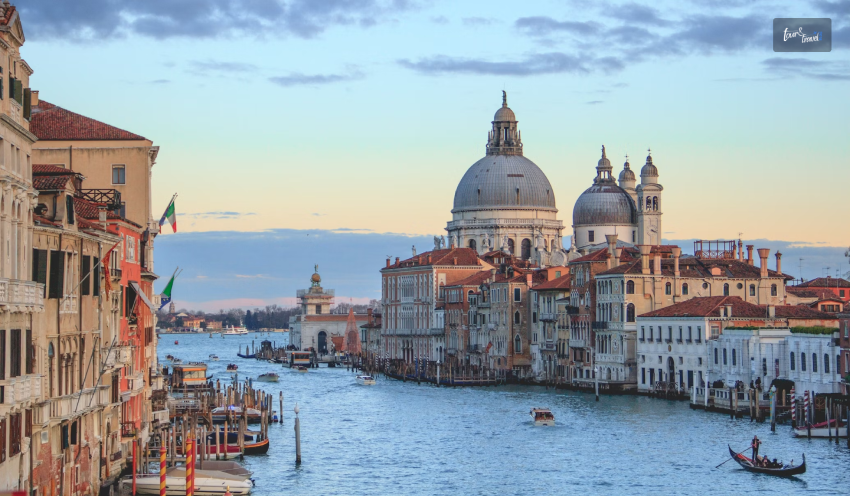
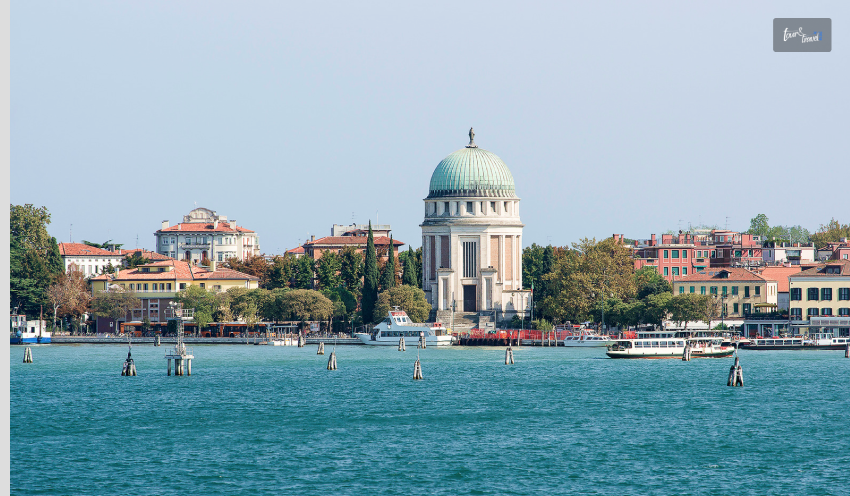
Are you going to Europe? If Venice is in your plans, let me share some of the plans that will be perfect for you. So, how many days in Venice are you planning for the trip? The capital city of northern Italy, Venice, is built on 100 small islands in a lagoon in the Adriatic Sea.

Moreover, there are hardly any roads, only canals through which you can travel using gondolas. The place is filled with buildings that represent the Renaissance and Gothic periods. You will love the ambiance and surroundings if you are an old soul like me. So, are you wondering best places to go in Italy?

You must also experience delicious food in Venice and visit these beautiful locations. It is very important to check out local food when you visit a place so that you can experience its culture.

Factors to Consider When Visiting Venice!

Factors to Consider When Visiting Venice

So, let me share with your certain aspects influencing your decision to plan your trip. The first thing you need to consider is the best time to visit! You must consider two things. If you are someone who does not like crowds, you can visit Venice during winter.

However, if your plan extends for a few days, summer is the best time to visit Venice. Furthermore, you need to consider mobility issues because they will impact how long it will take you to travel across Venice.

Apart from these factors, another important aspect is the Italian Itinerary! Your Itinerary will include the different places in Venice and the amazing eateries and restaurants. Accommodations come into the picture once you have decided on the places you must visit.

A Few Hours in Venice

A Few Hours in Venice

There are several options based on the number of days. Accordingly, you can decide how long you want to stay in Venice and how to plan it. If you are only in Venice for a few hours, you should concentrate on St. Mark’s Square. So, how many days in Venice?

It is one of the most popular places in Venice, as it is the main public square of the city! Apparently, Napolean claimed that this was the world’s most beautiful drawing room. The place is also known as Piazza San Marco, and it has a quite old history.

There is quite an open space, with several trees lining the place. There are several government buildings and facilities in this square. Now, if you are hungry, you can go to Bacarandino, a warm and welcoming Veneziano restaurant. You can find gluten-free options, as well as vegetarian and vegan options!

Another one is Osteria Numero 1, another Italian restaurant. It is a peaceful experience where you can spend a romantic evening with your partner enjoying delicious food. If you are craving Pasta, you can get hand-made Pasta here all year round. Very similar to some of the most romantic restaurants in Rome!

You can take a vaporetto and travel to the Grand Canal, the major water traffic corridor in the city! A public water bus is a Venetian beauty, and you can enjoy several locations as there are about 19 scheduled lines. Then you can visit Rialto Bridge, which is an architectural genius.

Another amazing place to visit is St Mark’s Basilica. It is quite close to Piazza San Marco! So, once you have indulged in delicious food, you can take a stroll and visit the religious and political center of the Republic of Venice.

One Full Day in Venice

One Full Day in Venice

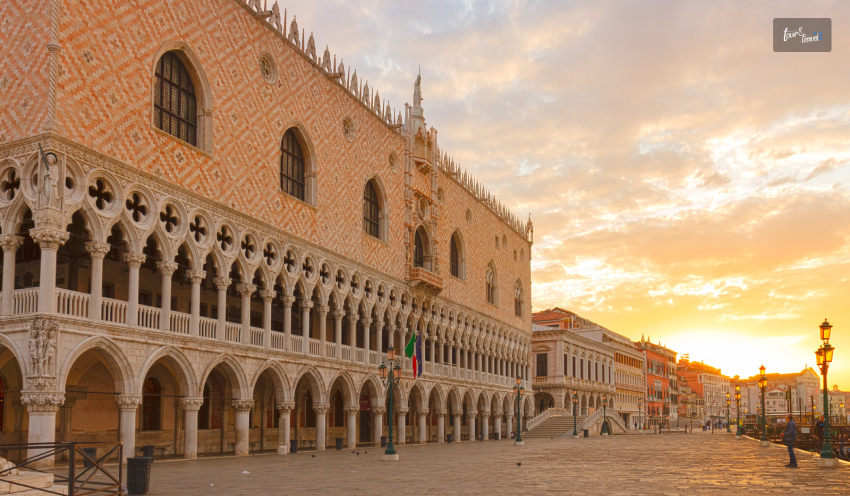
If you have a full day to spend, I will ask you to visit St. Mark’s Basilica first and then go to Doge’s Palace once you are done with the church. The church is significantly important for its religious relativity because it is the resting place of Saint Mark.

If you want to check out some grandiose gothic architecture, Doge’s Palace is a great place. Apparently, it houses one of the largest oil paintings in the world on canvas called The Glory of Paradise. The painting by Jacopo Tintoretto.

Several masterpieces, including sculptural decoration and Gothic architecture, are exhibited here. The artists who are exhibited here are Veronese, A-Vittoria, Titian, and Tiepolo.

Now that you are hungry, you can quickly go to Tuttinpiedi. A popular place in Venice, it serves food that feels like homemade street food pasta with different seasonings like wine or fish. Continue walking in the back streets after your lunch.

Later in the day, you can take a gondola ride through the canals of Venice.

Two Days in Venice

Two Days in Venice

If your plans allow you to spend two days in Venice, I have the perfect Itinerary for you. Please make sure to visit St Mark’s Campanile. The bell tower is quite popular among tourists as people climb up to the tall structure and enjoy the beautiful views of the city from this bell tower.

You can go anywhere in the city and see the tall structure from there. Entry costs 12 euros. You must visit this place, as it is one of the most picturesque places in Venice. If you have a problem climbing the stairs, do not worry; there is also a lift to the top.

Nearby, there is also Ponte Dell’ Accademia, which you can visit. The Grand Canal of Venice is quite popular, and one of the four bridges on this canal is Ponte Dell’ Academia. It is at the southern end of the canal. If you or your partner dislike crowded areas, you can explore Cannaregio.

When you visit Cannaregio, you will experience an authentic side of Venice. With reasonable glass pieces, you can enjoy your time with food and friends. Furthermore, after you plan a day for it, you can go on a walk to visit Museo Fortuny and Ca Rezzonico.

You cannot miss Il Paradiso Perduto, where you can enjoy delicious traditional Venetian dishes. If you want to visit an opulent place to enjoy delicious food, you can go to Oro Restautant in the Cipriani hotel. It is quite extravagant and chic, so you can have a romantic lunch date with your partner.

Three Days in Venice

Three Days in Venice

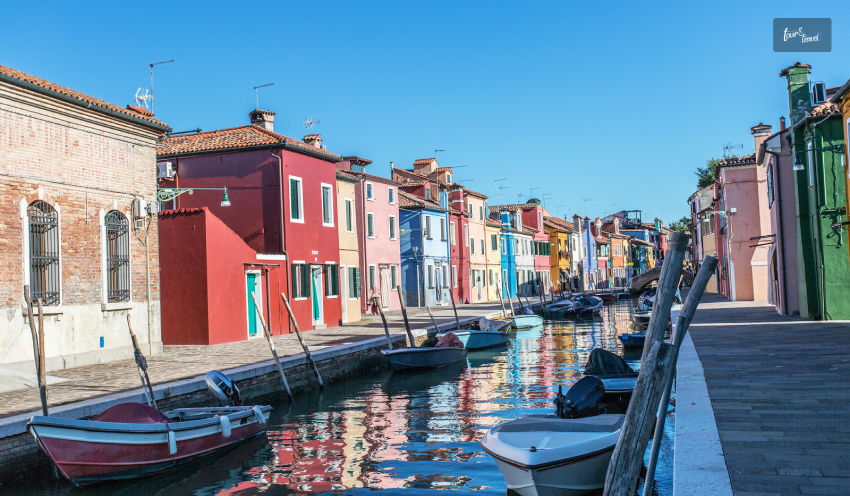
If you have three days to spend in Venice, I have an amazing plan for you! The first thing to do is head to the Murano and Burano Islands. The islands have the shape of a small Venice and are joined by bridges. They are quite popular for products such as lace, glass, and others.

There are also colorful buildings across these islands, so they are a perfect heaven for photographers and visitors. Burano is quite a popular place for risotto and fresh fish, and you must taste meat, delicious desserts, and fresh fish in Murano.

You can also take a gondola ride across the canals of Venice. It is one of the most romantic activities in life. Of course, you must visit St. Mark Square because, near it, you can visit different places such as St. Mark’s Basilica, the National Archaeological Museum of Venice, and The Doge’s Palace.

If you are a museum lover, you must go to Museo Correr! With its 18th-century interior, you will lose your breath. With an extensive collection of architecture and art illustrating the history of Venice, you will experience some of the best art in life.

Four or More Days in Venice

Four or More Days in Venice

This is one of the most wholesome days when planning an itinerary for Venice. If you want some beach time, go to Lido. There are also several beaches hence, there are many things to do in Venice Beach! A hamlet of the city, the water and the sand are quite gorgeous with limited crowds.

For a beautiful siesta with a book, this is a perfect place to enjoy yourself and relax. A one-day trip to Padua or Verona is an ideal way to spend the second day in Venice. With the names, I am sure you will realize it is from the famous Shakespeare novel Romeo and Juliet!

 There are many things to do with its gorgeous architecture, old-world charm, and quiet nightlife! If you like walking or taking a stroll when you visit a beautiful and romantic place like Venice.

There is a Jewish Ghetto, which you must explore when you have time. This place shows you the culture of the place; however, it is a place where the government is forcing the Venetian people to live there.

It would be best if you did not miss watching an opera at the Teatro le Fenice. An experience of a lifetime, the opera experience will stay with you forever.

Conclusion

In conclusion, we have provided several options based on the number of hours and days! If you are wondering how many days you will be in Venice, I am sure you have got your plan. You can decide on the places you will visit and the food you will enjoy when you visit Venice. Even though you will see a lot in Venice, it is packed a lot in a small space.

Apart from the crowds of tourists, there are picturesque canals, medieval alleyways, charming cafes, and beautiful streets to walk. Starting from St. Mark’s Basilica, the Central Square, and Piazza San Marco, you must cover all of it.  

Comment on how many days you plan to stay in Venice and which plan suits you the best! 

Learn More Also:

Share on Social Media

Mashum Mollah is the feature writer of Search Engine Magazine and an SEO Analyst at Real Wealth Business. Over the last 3 years, He has successfully developed and implemented online marketing, SEO, and conversion campaigns for 50+ businesses of all sizes. He is the co-founder of Social Media Magazine.

Leave a Reply

Your email address will not be published. Required fields are marked *

title-img Related

READ MORE card-img

Explore Human History And Wildlife With Backcountry Camping In Gates Of The Arctic National Park

BY  Sibashree Aug 12, 2024

Gates of the Arctic National Park is where the Brooks Range and the Tundra landscape come to life with wilderness and vivid topography. This national park is a place of topographical diversity with the coexistence of mountains, glaciers, rivers, lakes, and marshy lands.  A home to nomadic people for more than 13,000 years, the Gates of the Arctic is a prominent example of how human lives can be dependent on wilderness or nature. Many visitors love backpacking and trekking in this national park. Further, many stay in camps in the backcountry to experience its rich wildlife despite the challenges. Do you want to know why camping in the backcountry is worth the hardship? Does the national park have camping sites? Find the answers to all your questions in this guide.  Knowing The Gates Of The Arctic National Park (Why Camping Here Is A Great Experience) The Gates Of The Arctic National Park is a paradise for wilderness travelers. The intriguing land of Tundra, embraced by jungles, mountains, and rivers, makes camping in the backcountry worth all the effort.  Gates Of The Arctic Geography You can explore the arctic geography of this national park by trekking or by air. Tundra peaks and the Schwatka Mountains region of the Brooks Range ensure a humbling experience. You trek to Mount Igikpak, a glacier-carved peak with an 8,510-foot elevation. Another mountain to have glaciers in this region is Mount Arrigetch. Even backpacking and trekking to Mount Doonerak have a distinct charm, as the mountain is the quintessence of wilderness and unadulterated beauty.  Further, this national park has six designated wild rivers. Those are: Alatna River John River Kobuk River Noatak River North Fork of the Koyukuk River Tinayguk River Alatna and Noatak are great for canoeing. If you want more adventurous pursuits, you can try rafting in Nigu (to the north) and Kobuk (to the west).  Gates Of The Arctic Wildlife  The Gates of the Arctic is home to many mammals and birds. The Alaska Department of Fish and Game says,   “Forested southern foothills rise to limestone and granite peaks more than 7,000 feet high in this remote wilderness park. North of the peaks, clear water rivers run through glacier-carved valleys; and Tundra, covered with wildflowers during the brief northern summer, stretches toward the Arctic Ocean. Many of the nearly 500,000 member Western Arctic caribou herd migrate through the park each fall. Brown and black bear, wolf, Dall sheep, lynx, moose, wolverine, and red fox live here year-round. In the spring, the park hosts migratory birds from Europe, South America, Asia, tropical archipelagos, and the continental U.S.” Other animals found in this national park are grizzly bears, Dall sheep, and musk oxen. Among the birds, Tundra swans, common loons, and golden eagles are the most common.  Further, if you enjoy the playfulness of aquatic animals, watch out for graylings, trouts, sheefish and salmon.  Gates Of The Arctic And Human History  The Gates of the Arctic is a prominent place for archaeological research. The study and interpretations of the museum collections depict how people have been surviving in the Brooks Range for around 13000 years now.  Along with Inupiat, Nunamiut, and Athapaskan descendants, you will also find many non-native Alaskan people in this region. These people have always been dependent on fishing and hunting. The wilderness of the Gates of the Arctic is the foundation of their livelihood.  What Is The Best Camping Near Gates Of The Arctic National Park? With marshy lands and tussocks, Arctic Tundra has a vulnerable landscape and it is difficult to find a steady spot for setting up camps or tents. Also, the existence of wildlife in a remote location and dense vegetation make the space unsuitable for camping.  So, there is NO CAMPING SITE in the Gates of the Arctic National Park. There are designated areas in the backcountry for camping. However, you will have to strictly adhere to the rules and regulations of the national park when putting up a tent.  You must also attend the orientation program and be particular about the gear, food, and safety essentials to be carried.  With permission from the park authority and the National Park Service, you can set up tents near the Arctic Interagency Visitor Center in Coldfoot or around Wiseman and Bettles communities.  However, while camping in the backcountry, you will have to keep the following factors in mind.  Be respectful to the local communities like the Koyukon Athabascan Indians or Nunamiut. Their livelihood depends on the wilderness.  There are no provisions for running water, a dump station, or restrooms. Your phone network will be unavailable in this location. You have to carry all your trash back as you leave the camping site. You cannot adulterate the pristineness of the location.  If you have plans for camping in the backcountry near the Gates of the Arctic, summer is the best season. The temperature is a little moderate on these days, and sunnier days make all outdoor pursuits in the park easier for you.  Did You Know?  The Gates of the Arctic National Park is the second-largest national park in the USA. It stretches over 13,000 square miles. You can see aurora borealis from this park if you visit between November and March.  July and August are the best months to visit Gates of the Arctic National Park for hiking and backpacking.  Bob Marshall, a wilderness advocate, named this national park “Gates of the Arctic.” Final Words  Unlike popular national parks like the Biscayne National Park or the Kenai Fjords National Park, the Gates of the Arctic National Park does not have many visitors yearly. In 2023, only 11,045 tourists flocked to this place. (Source) With a diversity in topography and wildlife and an association with human history, this park has much to explore. However, the extreme trekking conditions and wilderness make it far from an easy excursion or trekking experience. Despite the absence of campgrounds in this park, you can camp in the backcountry at the designated spots in the fields. However, only an experienced backpacker should try it with proper orientation and extra safety measures. Have you ever been to this wild and intriguing national park? Do you have any camping experience in the backcountry? Don’t forget to share your experience with us!  Gates Of The Arctic National Park FAQs  Can You Camp In The Arctic National Wildlife Refuge? Only backcountry camping is possible in the Arctic National Wildlife Refuge. The absence of roads, villages, or facilities makes this area unsuitable for having designated campsites. Backpacking and hiking are the best ways to explore this vast landscape with rich wildlife and geographical interests.  Can You Stay In Gates Of The Arctic National Park? You can stay or try backcountry camping near the Gates of the Arctic National Park. Undefined terrains, wilderness, and a lack of modern amenities make it risky to put up camps in the national park. Even to camp in the backcountry, you will need the highest outdoor survival skills. The arctic ecosystem, topography, and weather conditions are different, and if you are confident enough to stay in the backcountry, plan in advance and get in touch with the Park and Preserve authorities for updates and advisories.  How Much Does It Cost To Visit The Gates Of The Arctic National Park? You don’t have to pay entry fees to visit the Gates of The Arctic National Park. However, you must attend the backcountry orientation program at any of the visitor centers.  In this way, the Gates of The Arctic National Park is different from other national parks as most of them demand an entrance fee.  How Difficult Is It To Get To The Gates Of The Arctic National Park? The Gates of the Arctic is a wilderness park. So, as you enter the park, hiking is the best way to explore. Remember, it is home to the Schwatka Mountains region of the Brooks Range and the highest peak here is Mount Igikpak with an 8,510-foot elevation.  So, exploring the national park is not going to be a cakewalk. A lack of established trails further makes hiking difficult.  Further, there are six designated rivers, including Koyukuk and Dietrich, in this national park. So, you will have to pass through multiple meandering river crossings. The water levels of these rivers keep fluctuating throughout the season. They are furious throughout the spring season. Tussocks, marshy lands and dense vegetation are other hurdles to your fast movement while trekking.  Do you want to visit the backcountry? You can take a bush plane operated by permitted pilots with knowledge of the region.  What Is Special About Gates Of The Arctic? The Gates of the Arctic is special because of its geographical uniqueness, rich wildlife, and significance in human history. The glacier-carved valleys, rivers, and ancient trails make the Gates Of The Arctic a favorite destination for backpacking and hiking. Thanks to its geographical typicalness, you will meet many animals and birds. The adorable grizzly bears will be seen feeding, and the musk oxen are another unique animal you must watch out for. If you are a birder, you will love watching the golden eagles, Tundra swans, or common loons.  Near the Nigu River or throughout the park, you will find stone fences and camping rings. These are a testament to how Inland Eskimos or Nunamiut have lived in this region for thousands of years. They survived on fishing and hunting.  In addition, as I pen this guide, I must tell you that the Gates Of The Arctic National Park is going to celebrate its 45th anniversary of designation next year. First, it became a national monument on 1st December 1978. In 1980, it became a national park and preserve. Also read Italy: Is Florence flat or hilly? Ultimate Guide to Your Next Family Vacation in Israel. The Glaciers of Wrangell-St. Elias National Park: Experience The Magnificence Of Nature.

READ MORE national parks in Alabama

A Guide To National Parks In Alabama – Latest Guide

BY  Mashum Jul 26, 2021

There is a famous quote about the national parks in North America, “National parks are the best idea we ever had. Absolutely American, absolutely democratic, they reflect us at our best rather than our worst.” - Wallace Stegner.  There are about 423 national parks scattered across Alabama for visiting and some. Nonetheless, there exist some National parks in Alabama Camping. The National Park Service (NPS) of the country maintains and curates these areas. The key aim of these national parks is to bring the demonstrated tragic and victorious history of the state to its visitors.  Alabama is a perfect place for spending a few days of your vacation. I hope you are here because you are looking for some suggestions for the famous national parks in Alabama. Well, you are at the right place because today we will discuss the historical parks in Alabama suitable for sightseeing.  The Best National parks In Alabama Generally speaking, the national parks in America are a combination of history and environmental beauty. No more waiting because the list of top national parks in Alabama is here. Brace yourself to explore some incredibly thrilling places in your upcoming holidays: 1. Tuskegee Institute National Historic Site National Park Service (NPS) has designated this institute as a national historic site known as a historic national park. With a variety of fauna, it is the first university campus to receive honor from the government.  The park is located on the University campus itself, which makes the destination accessible to all. It also has a museum covering George Washington Carver’s rare photos and unique life details. The burial ground is the best place to spend some alone and silent quality time. The site is open from 9 am to 4:30 pm daily for visitors.  2. Freedom Riders National Monument This monument symbolizes the protests of freedom riders whose one bus was firebombed by KKK members. You will sense a feeling of courage and confidence by going through the historical facts of them below the monument. The park offers a drive-only tour to many historical points to remind you of the tragic event at Greyhound Bus Terminal. Additionally, the Anniston Memorial Hospital that holds the remembrance of the burnt bus is also noteworthy.  3. Selma To Montgomery National Historic Trail It is one of the most popular national parks in Alabama; however, it also carries significant historical events. The event also made the public furious. The route of the marchers in the site is a national historic trail now providing a sneak peek at American History.  The place will cherish you with the march of 600 people across 54-mile roadways to Montgomery. The Future Georgia congressman John Lewis led this procession on 7th March 1965.  What’s more?- you will find rich insights while visiting the three interpretive centers along this route. Please note that the journey would begin at the Selma Interpretive Center if you plan to visit this place. It is at the foot of the bridge on Broad Street.  These centers open at 9 a.m., whereas they close at 4:30 p.m. 4. Trail Of Tears National Historic Trail There are special touches of history in the majority of the national parks in Alabama and this one is also not an exception. One native name of this place in the chronicle of America is “The Journey of Injustice.” The site will make you remember the struggling lives of Native Americans who relocated to Oklahoma from their homes in Alabama. The forceful removal between 1830 to 1840 from their native land makes their journey route “The Trail of Tears.” The National Park Service (NPS) has scheduled stops in multiple packers along this route as a part of the driving tip. It includes Alabama, Arkansas, Georgia, Illinois, Kentucky, Missouri, North Carolina, Oklahoma, and Tennessee.  You can visualize the events of this historical movement at different stops in Alabama itself. Some of the most famous ones are Willstown Mission Cemetery, Waterloo Landing, and  Fort Payne Cabin Site.  5. Tuskegee Airmen National Historic Site Tuskegee Airmen National Historic Site honors the legendary military of the first Afro-American fighter pilots of America. Two aircraft hangars lounge on the site. Once you reach the place to visit these hangers, you will observe a wide range of engaging exhibits.  In addition to that, several areas of the park present documentaries of the pilots’ daily livelihood, training, and hassles during the war. All these have made it become one of the ‘best national parks in Alabama.’ The perfect time to visit the place is before Memorial Day for Tuskegee Sairmen Fly-in.  Furthermore,  both the museums in hangar one and hangar 2 remain open Monday to Sunday from 9 a.m to 4:30 p.m. 6. Horseshoe Bend National Military Park It has been consistently ranked in the list of the best national parks in Alabama. Precisely, you will get awestruck once you stand in front of the entrance of the park. It is one of the favorite holiday spots for travel freaks owing to its stunning environment and deep serenity.  But beyond these, the site had experienced a ruthless and blood-shedding war about 100 years ago. The horseshoe bend of the Tallapoosa River was the accurate pinpoint of the battle. The oppression of Native American Tribes weaves the stories of this place. The visitor center is the starting mark of your tour. You can also enjoy a film of 15 minutes demonstrating the concept of battle. The park is open to visitors from 8 a.m. to 5 p.m. daily.  The Final Thoughts  After reading this guide, is not your mind asking you to book a ticket and set out for Alabama? The national parks in Alabama mentioned above are significant pieces of remarkable and revolutionary history.  We hope that the list of national parks in Alabama will be of immense help while visiting here. As we have covered the key takeaways of each site along with opening and closing time, you should not face any more difficulties in planning a tour.  Moreover, if you have any opinions to share with us, feel free to comment in the comment box below. Lastly, keep supporting us in getting more travel guides on mesmerizing places across the globe.

READ MORE Traveling With Children Essential Vaccinations For Young Adventurers

Traveling With Children: Essential Vaccinations For Young Adventurers

BY  Ankita Feb 13, 2024

Traveling opens up a world of adventure, especially for younger explorers. But before you book your tickets and board the plane, it’s important to know that proper immunization is critical to ensure your child's health and safety abroad. Are you equipped with the essential vaccinations for your young adventurer? Key Takeaways Vaccinations are critical for safe travel. A tailored immunization schedule is necessary. Proper administration and aftercare of vaccines protect young adventurers. Fundamental Concepts Of Vaccination When planning trips for young adventurers, it is crucial to understand how vaccines protect against diseases by boosting immunity, and the processes that ensure their safety and efficacy. Understanding Immunity And Vaccines Your immune system is your body's defense against infections. When exposed to disease-causing organisms, your body produces antibodies to fight the invaders. Vaccines are biological preparations that provide this immunity without causing the disease itself. They contain weakened or killed forms of the microbes or their parts, stimulating your immune system to recognize and combat the actual disease if you're exposed in the future. Types of Vaccines: Live, attenuated vaccines Inactivated vaccines Subunit, recombinant, polysaccharide, and conjugate vaccines Toxoid vaccines Common Vaccines for Kids: Measles, Mumps, and Rubella (MMR) Diphtheria, Tetanus, and Pertussis (DTaP) Polio (IPV) Hepatitis B Vaccine Development And Safety The development of vaccines is a rigorous process. It involves several stages of testing for effectiveness and safety before they can be approved by regulatory bodies such as the CDC and the American Academy of Pediatrics. After a vaccine is released, it continues to be monitored for adverse side effects. Vaccine safety is a priority, and side effects, when they occur, are mostly mild, such as a sore arm or low-grade fever. More serious side effects are very rare. You need to be aware of the recommended vaccine schedule for kids to ensure they are protected against preventable diseases during their travels and beyond. Vaccination Schedule And Recommendations It's crucial to adhere to recommended vaccination schedules for different stages of life to ensure protection against various diseases. Childhood Vaccination Guidelines Your childhood immunization schedule starts from infancy. The CDC and American Academy of Pediatrics (AAP) outline that infants should receive multiple doses of vaccines such as DTaP, which protects against diphtheria, tetanus, and pertussis. It's important to keep a record and follow up with your pediatrician to stay on track. Birth to 6 years Vaccine Schedule Summary: AgeKey ShotsBirthHepatitis B1-2 MonthsHepatitis B, DTaP, Rotavirus, Hib, PCV, Polio4 monthsDTaP, Rotavirus, Hib, PCV, Polio6 monthsHepatitis B, DTaP, Rotavirus, Hib, PCV, Polio12-15 monthsHib, PCV, MMR, Varicella4-6 yearsDTaP, Polio, MMR, Varicella Adolescent Immunization Needs As you transition into your teen years, additional vaccinations are necessary to maintain immunity. Adolescents should receive the Tdap vaccine, a booster for tetanus, diphtheria, and pertussis, typically around 11-12 years old. The HPV vaccine series should also begin at this age to protect against human papillomavirus-related diseases. 7-18 years Vaccine Schedule Summary: AgeKey Shots11-12 yearsTdap, HPV series start, Meningococcal16 yearsMeningococcal booster Vaccines For Specific Age Groups Young adults should ensure they are up to date with vaccinations, especially if they haven't completed the HPV vaccine series or haven't received a Tdap booster in their adolescence. As you age, vaccines like the annual influenza shot and potential travel-related vaccines become pertinent based on your lifestyle and destinations. Always consult with a healthcare professional to tailor your immunization plan to your specific needs and to assess whether you need any catch-up vaccines. 19-26 years Vaccine Checkpoints: Annual: Influenza As needed: HPV series completion, Tdap, Travel-specific vaccines (Hepatitis A, Hepatitis B, Typhoid, etc.) Protection Against Specific Diseases As you prepare for your adventures, ensuring you are vaccinated is a key step in protecting your health. This section covers essential routine and travel-related vaccines and guidance for disease outbreaks and seasonal vaccinations that are critical for young adventurers. Routine And Travel-Related Vaccines Your vaccination schedule should begin with routine vaccines that protect against common diseases. These include: Measles, Mumps, Rubella (MMR): A combined vaccine providing immunity to these three diseases. Diphtheria, Tetanus, Pertussis (DTaP): Protects against these bacterial infections; a booster is needed every 10 years. Polio: Typically given in childhood but check your status as it's vital for travel to certain regions. Varicella (Chickenpox): Important if you haven't had the disease in childhood. For hepatitis A and hepatitis B, vaccines offer long-term protection, particularly important in regions with higher incidence rates. As for travel-specific vaccinations, they depend on your destination: Yellow Fever: Required for entry into certain countries; check if it's necessary for your itinerary. Typhoid and Hepatitis A: Recommended for travelers to most parts of the world, including Southeast Asia. VaccineShotsforSoutheastAsia: shots for Japanese encephalitis and typhoid are needed, along with malaria pills for protection against the mosquito-borne disease. Rabies and cholera shots should be considered as well. Disease Outbreaks And Seasonal Vaccinations Be aware of disease outbreaks in your travel destinations. This requires staying informed about current health threats which may necessitate additional vaccinations or precautions. For seasonal vaccinations, the yearly flu shot is recommended for all travelers to maintain health and minimize disruptions to their plans. Additionally, consider vaccines for: Meningococcal disease: Especially if you're visiting areas where outbreaks are common or live in close quarters with others (e.g., hostels). Human papillomavirus (HPV): Recommended to protect against various cancers and diseases caused by HPV. Rotavirus: Particularly for young children, as this vaccine is part of the routine immunization schedule. Always consult with a healthcare provider or a travel medicine clinic well in advance of your trip to ensure you receive all necessary vaccinations for safe travels. Vaccine Administration And Aftercare Ensuring proper vaccine administration and managing aftercare can significantly enhance the benefits of immunization, such as reducing the risk of hospitalization due to vaccine-preventable diseases. Read Also: Bali Beyond The Beaches: Exploring The Hidden Gems Of The Island Preparing For Vaccination When preparing for vaccination, it is crucial to consult with your pediatrician to understand which vaccines are appropriate for your kid. Your healthcare provider will recommend the necessary doses, including if a booster shot is needed. For example, the COVID-19 vaccine regimen may consist of more than one dose. Make sure you are aware of: The vaccination schedule, including the timing between doses. Possible pre-vaccination requirements: such as an allergy test for severe allergic reactions. Managing Possible Side Effects Post-vaccination, it's common to experience minor side effects such as redness, pain, swelling, and soreness at the injection site. To manage these: Apply a clean, cool, wet washcloth over the area to alleviate discomfort. Use your arm regularly to improve blood flow and reduce pain. For side effects that persist or if you experience symptoms of a severe allergic reaction (e.g., difficulty breathing, hives, swelling of the face and throat), seek medical attention immediately. Keep in mind that the benefits of vaccines, like the prevention of serious illness, often outweigh these temporary discomforts. Conclusion Your children’s health is paramount. Adhering to recommended vaccinations significantly reduces your risk of contracting travel-associated illnesses. Stay informed, be proactive with their health, and consult healthcare professionals for appropriate vaccines before embarking on your travels. Read Also: Unforgettable Moments In The Desert: Exploring Dubai’s Safari Trip