

10 Best Beaches In Italy That Will Surprise You The Most 

Jun 8, 2021

Last Updated on: Sep 19, 2025

Italy

One of the beautiful places to travel is the seaside. Even in poetry and drama, many poets write their thoughts on the sea beach. Sometimes Italian sea beaches reflected love, sometimes sorrow. Glass beach is one of the best beaches in Italy.

Italy itself is a fantastic place, and the sea beaches are attached with sentiments too. People visit beaches on their honeymoon, sometimes with family and sometimes with buddies. 

Even for a solo trip, Italy can be your best option. Here, no one will stop you from taking pleasure. For every purpose, Italian sea beaches are fantastic. So, now see them with super excitement. 

Now, Look Forward To The Best Beaches In Italy

Now Look Forward To The Best Beaches In Italy

Shore tides are an exciting factor for everyone. People fall in love with the natural beauty of the beaches. But in Italy, the visualization will be a bit different than others. The central part of Italy is its long coastline.

The coastline that Italy has is more than 4750 miles. However, you can walk on the beach as far as you want. You may go for a trip to Italy after knowing. 

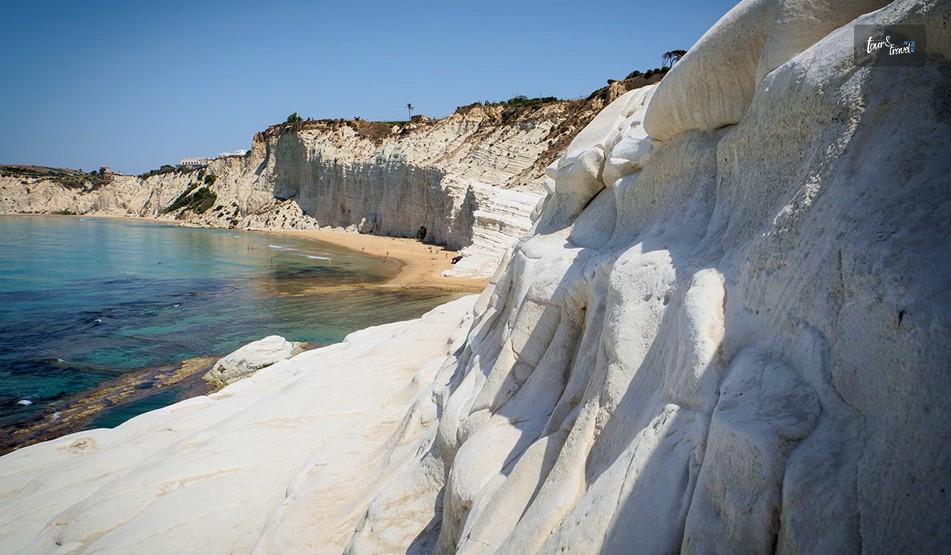
1. Scala dei Turchi, Sicily

Scaladei Turchi Sicily

The Scala dei Turchi is basically what you call the Turkish Steps in Italian. This beach is a stunning rocky cliff located near Realmonte on the southern coast of Sicily.

The name has its roots in the Middle Ages. So, this was the scene when Ottoman corsairs would find refuge from fierce sea winds behind these striking white marlstone cliffs.

At the base of Scala dei Turchi, you’ll find a unique beach. Here, the fiery bronze sands beautifully contrast against the vibrant blue of the ocean and the pale cliffs above. 

If you’re in Sicily, it’s definitely worth the two-hour drive from Palermo, especially if you stay at Villa Igie. It is an exquisite Rocco Forte Hotel.

Just keep in mind that while the scenery is breathtaking, the swimming conditions here can be a bit limited.

So it’s more of a picturesque spot to enjoy rather than a place for a swim. 

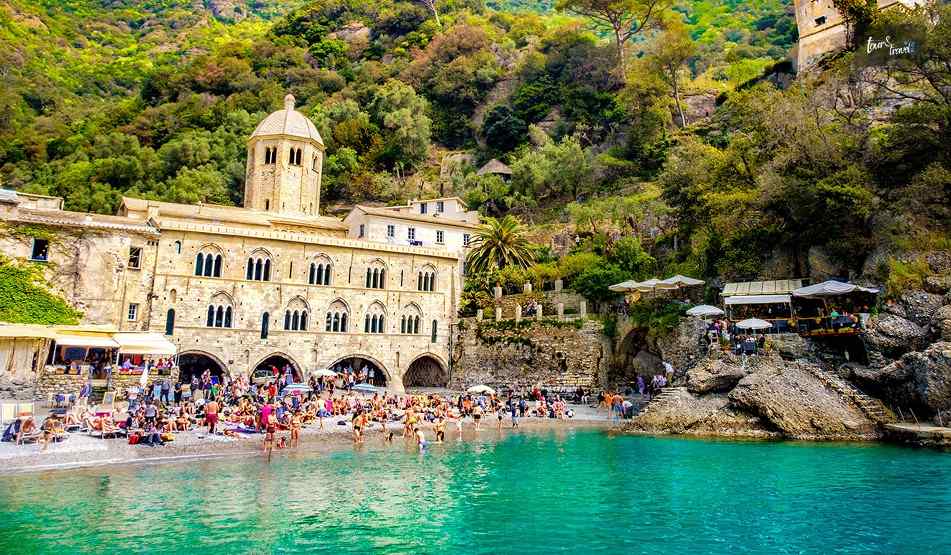
2. San Fruttuoso, Liguria 

San Fruttuoso Liguria

The charm of Italian coastal life isn’t just found in the south. If you head north to Genoa, you can easily reach the stunning San Fruttuoso.

Just remember, this hidden bay requires a hike from Portofino or a ferry from Rapallo or Comoglu. But that effort is part of the adventure 

San Fruttuoso is named after a lovely abbey dedicated to St. Fructuosus. So let’s face it. Summer in Italy is all about indulgence.

So why not treat yourself to a stay at the luxurious Splendido, A Belmond Hotel, in Portofino?

With its plush rooms and breathtaking views of the Ligurian Sea, it feels like a true slice of paradise. 

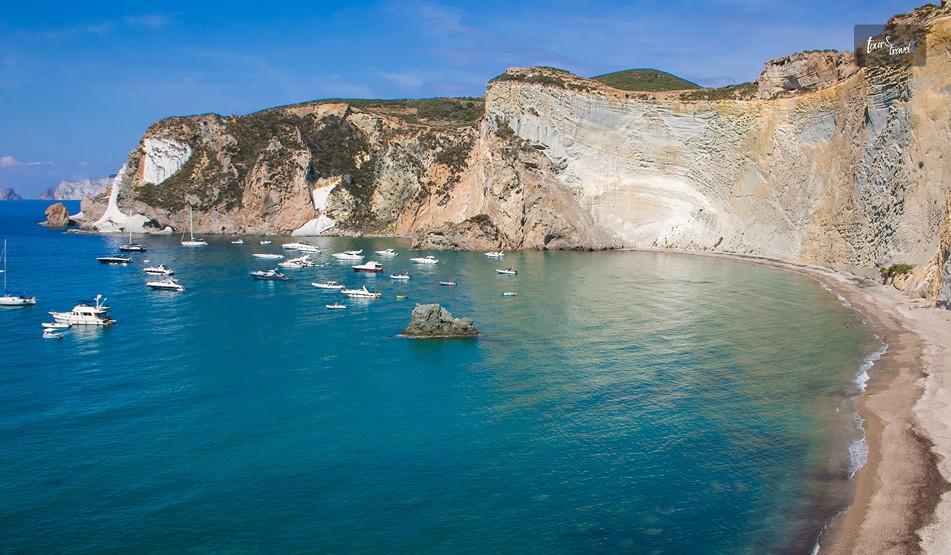
3. Chiaia di Luna, Ponza 

Chiaiadi Luna Ponza

Chiaia means “beach” in Neapolitan dialect. It perfectly captures the essence of this stunning crescent-shaped stretch of sand.

It is nestled at the base of a towering 328-foot volcanic rock cliff.

You’ll find this gem on Ponza. It is the largest island in the beautiful Pontine archipelago. Ponza is renowned for its:

  • Breathtaking beaches 
  • Idyllic coves 
  • Enchanting grottoes 
  • Delightful seafood restaurants 

Getting to this slice of paradise is an adventure in itself. Begin your journey by taking a train from Rome to Anzio. It is a charming fishing port town with its own unique character.

From Anzio, hop on a ferry for a scenic two-hour ride that leads you straight to Ponza. Once you arrive, consider staying at the Hotel Chiaia di Luna.

This lovely hotel not only offers comfortable rooms and inviting dining areas but also boasts a pool with panoramic views of the awe-inspiring landscape surrounding you.

It’s the perfect spot to unwind and soak in the natural beauty of the island. 

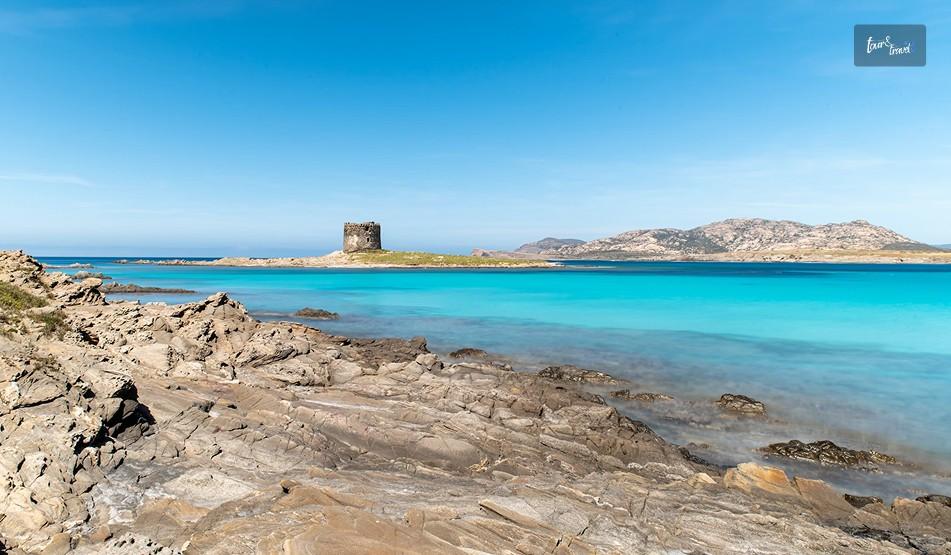
4. La Pelosa, Sardinia 

La Pelosa Sardinia

Sicily often takes the crown when it comes to Italian islands, but let’s not overlook the charm of Sardinia.

It’s the second-largest island in the Mediterranean. Also, it boasts a remarkable variety of landscapes that are largely untouched.

You will find everything here, from wooded forests and flat plains. It also includes: 

  •  Rugged coastlines 
  • Stunning beaches 
  • Soft sandy shores 
  • Crystal-clear blue waters. 

One of the hidden gems is La Pelosa, tucked away in the island’s northwestern corner. Getting to La Pelosa is easy: a quick one-hour flight from Rome to Alghero will do the trick.

You can base yourself in Alghero, where the Villa Las Tronas Hotel & Spa offers a lovely stay. Renting a car after your arrival is a smart move, as it allows you to explore the breathtaking towns along the Sardinian coast at your own pace. 

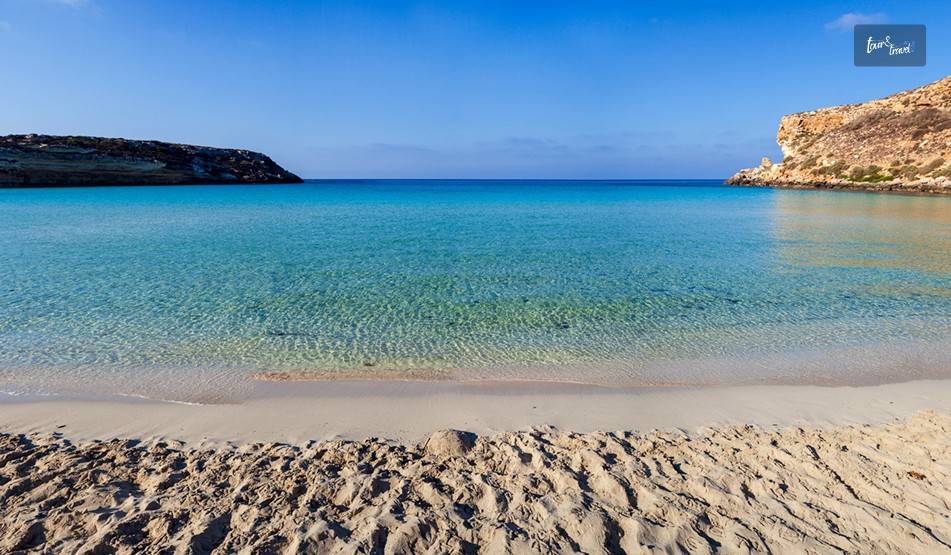
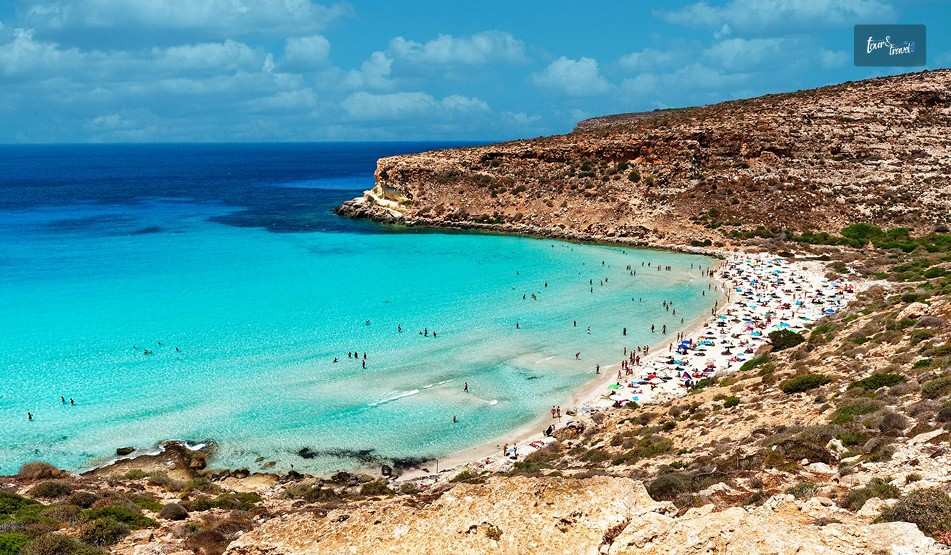
5. Spiaggia dei Conigli, Lampedusa 

Spiaggiadei Conigli Lampedusa

Just an hour away by flight from Naples, Lampedusa is Italy’s southernmost island, sitting closer to Africa than to mainland Europe.

Additionally, it is known for its beautiful beaches. Also, the Spiaggia dei Conigli, or Beach of the Rabbits, is a highlight.

Despite its name, don’t expect to see rabbits here; it likely comes from a mistranslation regarding a nearby islet.

The island is rich in wildlife, including sea turtles and herring gulls. To visit, fly in from Palermo or take a ferry from Agrigento, Sicily.

Be sure to reserve access to the beach and islet, but if you forget, there is a pool at Cupola Bianca Resort. It is a great alternative. 

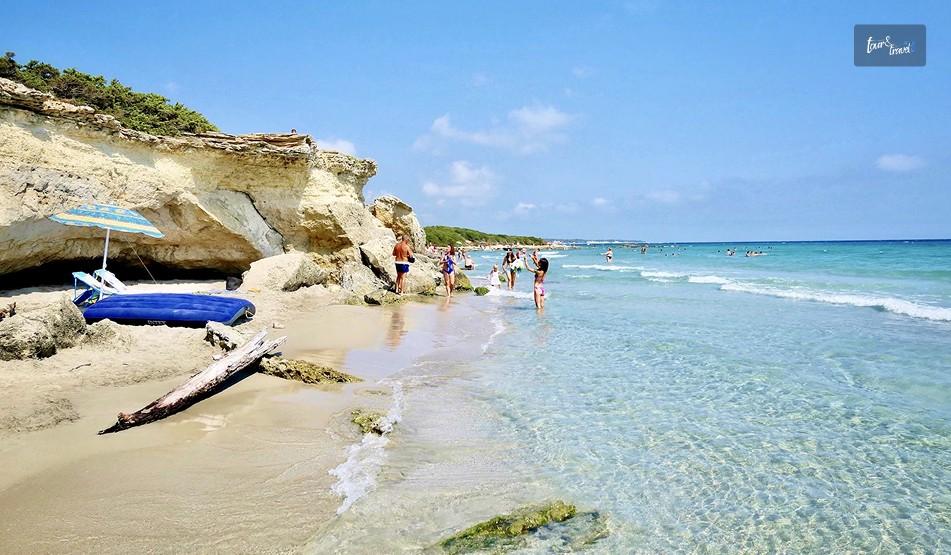
6. Baia dei Turchi, Puglia 

Baiadei Turchi Puglia

If you’re looking for an amazing beach experience, check out Baia dei Turchi in Puglia. It’s a hidden gem, about a 10-minute drive north of Otranto, and it’s not to be mistaken for the Scala dei Turchi in Sicily.

Additionally, this beach is not just about its beauty. It’s steeped in history. It is named after a battle that took place in the 15th century between the locals and the Ottoman Turks.

The beach stretches for about a mile, boasting stunning white sands and incredibly clear waters. It’s honestly one of the cleanest beaches in Italy. Also, it earned it the prestigious Blue Flag status for environmental quality.

Moreover, getting there might seem like a bit of a trek since it’s actually closer to Albania across the Adriatic Sea than to Rome.

For a quicker trip, I’d recommend flying into Brindisi and then driving down, but if you’re keen on a more eco-friendly option, you can take the train and bus right to Otranto.

Once you’re in the area, consider staying at the Hotel Palazzo Papaleo. 

I’ve also heard great things about Masseria Prosperi. It is a charming six-room retreat situated on a working farm just a short drive from the beach. It’s the perfect spot to unwind after a day in the sun! 

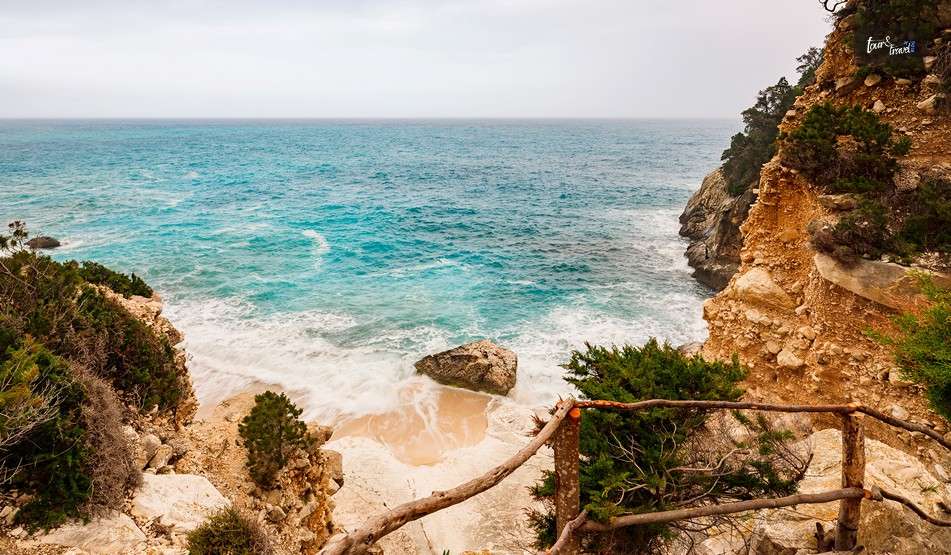
7. Cala Goloritzé, Sardinia 

Cala Goloritz Sardinia

Cala Goloritzé is a beautiful spot created by a landslide in 1962, nestled at the base of a ravine on the eastern coast of Sardinia.

Moreover, though small, it boasts stunning limestone cliffs, soft ivory sand, and amazing blue-green waters of the Gulf of Orosei.

This picturesque place was designated a UNESCO World Heritage Site in 1995 and is famous for its impressive rock formations, including a tall spire and a natural stone arch. 

Furthermore, you can reach Cala Goloritzé by car and then take a short hike, which can be a bit rocky, from Santa Maria Navarrese.

This charming town is home to the Lanthia Resort, where you can enjoy a private beach on relaxing days.

To get to the area, you can drive up from Cagliari, the capital of Sardinia, which is accessible by plane from cities like Rome or Milan, or through an overnight ferry from Naples. 

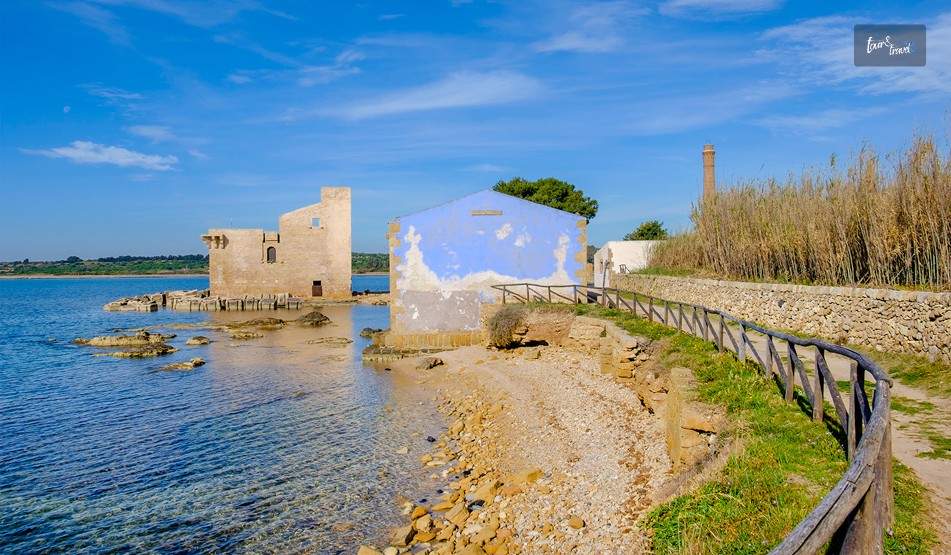
8. Vendicari Nature Reserve, Sicily 

Vendicari Nature Reserve Sicily

On Sicily’s Ionian coast, just a short drive from the historic city of Siracusa (the original Syracuse), is the beautiful Vendicari Nature Reserve.

This peaceful area is filled with flamingos, herons, and storks roaming free among the tranquil, clear waters.

The reserve features lovely little coves and some of Sicily’s best beaches, like Calamosche Beach, where you can easily find a spot to relax for the day. 

If you’re exploring this part of Sicily, consider staying at the Grand Hotel Ortigia Siracusa, a charming and well-known hotel in the city.

You can reach Siracusa from Catania, which has an airport with good connections to major cities like Rome, Milan, Paris, London, and Barcelona. 

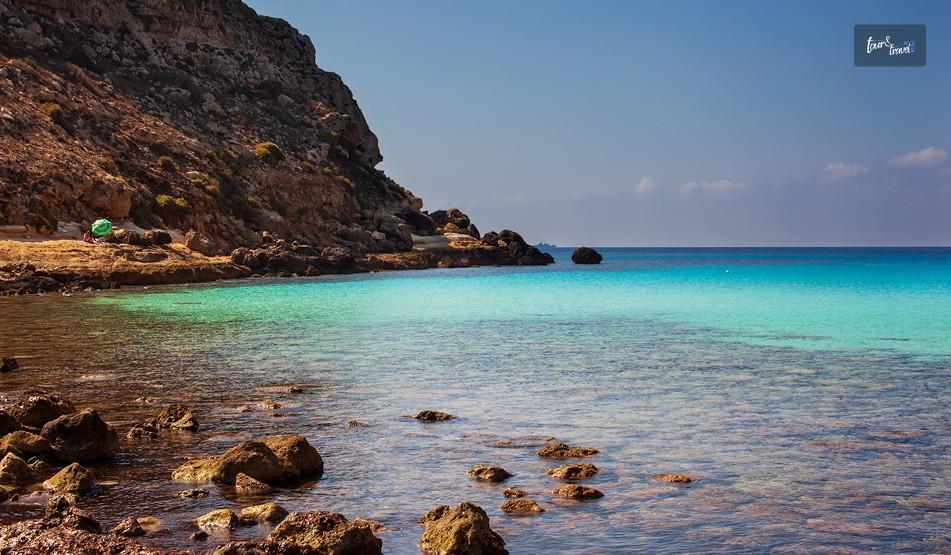
9. Cala Pulcino, Lampedusa 

Cala Pulcino Lampedusa

Not far from Spiaggia dei Conigli on Lampedusa, you’ll find the charming Cala Pulcino, which translates to Chicken Beach.

Also, the name might be a bit of a joke, given that reaching this spot involves a 30-minute trek over rocky paths and through thick vegetation. 

Therefore, it is definitely not for the faint-hearted!

But once you finally arrive, the effort pays off with gorgeous powdery sand, stunning views, and the endless, vibrant blue of the Mediterranean stretching out before you. 

So, to get to Cala Pulcino, you’ll need to take a short flight from Palermo or hop on a ferry from Agrigento, Sicily.

If you’re looking for a cozy place to stay on the island, I recommend checking out Hotel Sole Lampedusa.

The rooms are comfortable and well-equipped, but the real highlight is their restaurant, Sottosale, where you can indulge in delicious seafood and mouth-watering Sicilian dishes. 

So, don’t miss out on the pistachio cannoli, it’s a true treat! 

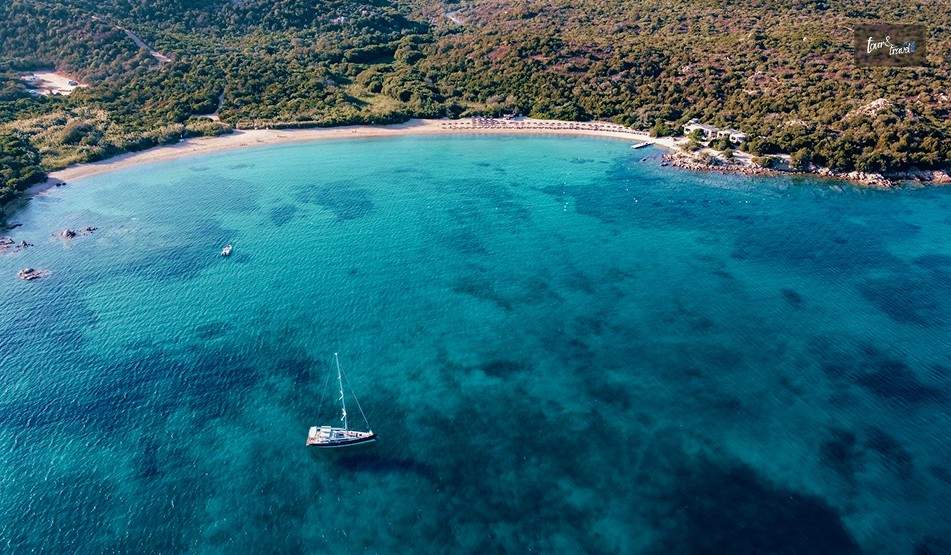
10. Cala di Volpe, Sardinia 

Caladi Volpe Sardinia

This delightful beach is a little gem along Sardinia’s Costa Smeralda. It is famous because it is one of the most stunning and pricey coastlines in Italy.

Back in the mid-2010s, real estate prices here soared to an astonishing $40,000 per square foot!

Additionally, the beach is very famous for its breathtaking Bermuda-blue waters, and the luxurious Cala di Volpe resort sits right by it.

Moreover, the great news is that even if you’re not staying at the hotel, you can still enjoy the beautiful waters since they’re open to the public. 

If you struggle to find a spot for your beach blanket, don’t worry—there are plenty of other beaches nearby.

To reach the Costa Smeralda, you can fly or take a ferry to Olbia, then rent a car to explore the many charming resort towns that make this section of Sardinia so special 

Frequently Asked Questions (FAQs) 

These are the most common and frequently asked questions about the best beaches in Italy. Let’s take a look at them, shall we? 

1. Which Part Of Italy Has The Best Beaches? 

In Italy, you can find some of the best beaches in Sardinia. 

2. Where In Italy Are There White Sandy Beaches?

In Salento, the beaches in Apulia look like the white sandy beaches of the Caribbean. Punta Prosciutto, near Porto Cesareo, has fine sand, a blue sea, and natural dunes. 

3. Can You Swim In Lake Como? 

Yes, you can swim in Lake Como at designated public beaches and private beach clubs called Lidos, particularly during the summer months (June-August) when the water is warmest and ferries are fully operational.

4. Where Is The Pink Sand Beach In Italy? 

The Island of Budelli, unique in the world for the unlikely colour of its sand, is located in the far North of Sardinia, near the Strait of Bonifacio.

The Best Beaches In Italy Are Looking Forward To Your Visit 

If you are still thinking, then end your hesitation. You can get the best view that will make you feel like you’re in paradise. Visit Italy, because there are many unique spots. If you visit, taste the famous foods of Italy. In doing all these, you can enjoy traveling in Italy to the utmost. To visit the best beaches in Italy, you have to spend some money, but that is not too much.

After all the beaches that you have explored so far, it is time to find your interest there. Sometimes, the place might attract you so much that you start scouting on the internet about how to obtain Italian citizenship. Don’t worry; if you find yourself in such a mental state, you will find a solution to it quickly. 
Therefore, go and see your dreamland and enjoy your day.

You May Also Like:

Share on Social Media

Meet Sibashree Bhattacharya, a travel enthusiast who has a decade-long experience in transcending virtual barriers with her words! Her deep love for travel is apparent from her travel escapades to the mountain, often taking her readers on a journey, her words acting as Portkey! Fun fact: Sibashree loves to dive deep into the history of the places she is about to visit, making her travels even more wholesome. If you were wondering how her articles are not short of time travel, this answers it!

Leave a Reply

Your email address will not be published. Required fields are marked *

title-img Related

READ MORE Italian cuisine

Unlocking The Secrets: Key Ingredients In Italian Cuisine 

BY  Ankita Feb 21, 2024

Italian cuisine is a hit in the United States; if you don't believe me, take a walk in Bensonhurst and Bay Ridge in Brooklyn, where you'll get more than a taste of the food, but experience the culture as well. Short of trekking through Italy, there are limited ways in which you can experience the magic of the country. One of those ways is through food. You could trawl through all the Italian restaurants and bistros in your neighborhood, or you could just cook some traditional dishes at home. Read on to learn more about Italian cuisine and some of its key ingredients. Popular Italian Dishes There are foods we have embraced and enjoy so much that we forget they originated from Italy. Here are a few examples of some that have become staple dishes. Pizza Pizza is the most famous Italian food, and it has won the world over; I mean, who doesn't love pizza? You can top your pizza with almost anything, but did you know the earliest pizzas were topped with garlic, lard, and salt? Lasagne Lasagne was initially reserved for special occasions during the Middle Ages; nowadays, we enjoy it as a filling meal with a salad or bread. Tiramisu This iconic Italian dessert means "pick me up" or “cheer me up” in Italian, understandably so. The sweet, fluffy, and light dessert that melts in your mouth will definitely lift your spirits. Cooking The Italian Way At the core of Italian cooking is the emphasis on fresh ingredients; most people buy packaged pasta and use canned tomatoes and condiments. Authentic Italian cooking requires fresh ingredients. While some may see Italian dishes as unhealthy because of their high-carb content, the opposite is true. Let's look at the key ingredients used in Italian cooking Pasta There are more than 350 different shapes of pasta; it also comes in various forms, such as dried, fresh, or dumpling pasta. Each kind is suitable for a different dish, such as Penne for Penne Arrabbiata and lasagne sheets for lasagne. It's easy to see why pasta is a multi-million dollar business in Italy. It's versatile and works with meat, vegetables, and even dessert (vermicelli) dishes. It doesn't need a lot of flavoring either; you just need to add a sauce and some cheese, and you are good to go. Pasta is an excellent source of carbohydrates; it's filling and affordable. If you are watching calories, you may opt for the whole-grain variety. Read Also: Exploring The Allure Of Holiday Getaways In Italy Olive Oil Olive trees are grown across Italy, with some of the best coming from Liguria and Tuscany, so it's no surprise that most Italian dishes call for olive oil. The oil is high in monounsaturated fatty acids, which can help lower your cholesterol levels. It also has excellent antioxidant and anti-inflammatory properties. So, what's the difference between virgin olive oil and extra virgin oil? Simply put, extra virgin oil goes through less processing and thus retains more of its natural antioxidants and vitamins. Virgin olive oil also has a higher free acidity rating (0.8 - 2.0) than extra virgin olive oil ( less than 0.8). For authentic Italian olive oils, check out Dolceterra (visit website). Tomatoes Even though tomatoes are not native to Italy, they are firmly at the center of Italian cooking. There are different uses for different kinds of tomatoes; cherry tomatoes are great for salads or stuffing, like in a Caprese stuffed mozzarella, while plum tomatoes make the best sauces. Using tomatoes is not just one of the easiest ways to flavor food; think of spaghetti bolognese. Tomatoes are also known to ease inflammation and boost your immune system; they taste great, too. It's also an excellent preservative. Tuscan cooking is based on limiting food wastage; in historical times, leftover meats were cooked with tomato to preserve them and give them more flavor. And, what is a pizza without a tomato sauce base? We can see why tomatoes have become so central to Italian cuisine. Basil Basil is a flavorful African and Asian herb that comes in different varieties. It is very popular in pasta sauces; hence, we associate it with Italian cooking. Most tomato sauce recipes call for fresh basil, and it is also used in pesto. Basil oil can be used as part of a bread dip or to flavor vegetables. Basil vinegar is excellent in salads as well. Fresh basil is the most flavorful, so it's better to use it. Basil works well with other herbs, such as rosemary, oregano, and dill; this is also applicable in planting. You can plant basil alongside dill, cilantro, and chives. The great thing about basil is that it's easy to grow and doesn't need much space. Cheese Due to new research and eating trends, dairy products have been getting a bad reputation recently. Despite this, we still love our cheese, and what would a pizza be without mozzarella cheese? Cheese is an integral part of Italian cooking, with several famous cheeses made in the country. Mascarpone for tiramisu, fontina for a fondue and Parmigiano Reggiano for pasta. Cheese adds flavor to the pasta's starchiness and helps bind ingredients together in sauces. It also contributes to the texture of the sauce. You can also serve cheese on its own on a cheese board paired with great wine; while this is not authentically Italian, it does show how versatile cheese is. Most cheeses are an excellent source of calcium, and they also have protein. Wine Wine is fundamental to Italian cuisine and not just for drinking; think of Cioppino, which needs it as a key ingredient. Here are a few tips when pairing wine: Chianti is very compatible with tomato-based sauces. So, it goes well with pizza and creamy tomato pasta. A cabernet-sauvignon elevates the flavor of aged cheeses. Pair a provincial dish with a regional wine. Lastly Italian cuisine is not complicated, and we love it; you can make the most straightforward meal, which will be delicious. Most meals are made with fresh ingredients, which makes them healthier and tastier. You can integrate Italian meals into most eating plans without feeling guilty. Read Also: Common Pitfalls Of Destination Wedding In Italy And How To Avoid Them How Much Time To Spend In Italy Best Places To Visit In Italy

READ MORE Destination Wedding in Italy

The 5 Pillars of Planning a Destination Wedding in Italy

BY  Sibashree Apr 24, 2025

Getting married in Italy feels like "the dream" for many. Rolling Tuscan hills, timeless Roman architecture, enchanting Venetian canals, and sunsets over the Amalfi Coast. It’s all straight out of a romance novel!  If you’ve set your heart on saying “I do” in bella Italia, planning your destination wedding could become one of the most exciting (but also potentially overwhelming) chapters of your love story. Planning a wedding abroad involves more than just selecting picturesque locations on Pinterest. There's figuring out legal requirements, and there's everything that goes into ensuring your guests have the time of their lives.  Top Destination in Italy For Destination Weddings Italy offers a range of wedding venues to suit your unique vision. If you are planning a destination wedding in Italy, you can have a personalized experience with some of the best wedding venues available in Italy. Here are some of the best wedding venues in Italy listed to make things easy for you. Abbazia La Cervara, Portofino Situated by the cliff, with the stunning Rebaussabce Italian-style garden, it makes it perfect for intimate weddings. However, the venue also features a hall that can accommodate around 250 guests, making it suitable for larger wedding parties with extensive guest lists. This is one of the favorites among wedding planners due to its stunning location. The lovely place is perfect for your wedding if you want to take your vows overlooking the sea. The charm of this location, combined with the stunning venue, promises an unforgettable celebration.  Villa Il Balbiano, Lake Como It is one of the most iconic villas on the western shore of Lake Como. The interiors of the place are elegant, featuring a combination of contemporary designs and antiques, as well as fine arts. If you're looking for a venue with character, this is the perfect choice. The rooms inside the villa, with swimming pools and direct access to the lake, will take your breath away. This secluded villa boasts a stunning entrance, expansive gardens, and panoramic views that enhance its beauty.  The villa can accommodate 30 guests. So, if you're looking for an intimate wedding, there's no better place than this. Villa Sola Cabiati, Lake Como This is believed to be one of the most magnificent estates of Lake Como. It is one of its aristocratic gems. If you want a royal wedding and want to enjoy the feeling of being royalty, this villa will not fail you. If you are someone who has always dreamt of having a fairytale wedding, enjoying a cocktail party during sunset in a private dock, and having dinner with your family under the stars.  This is not just a wedding venue, but a piece of art in its own right. Villa Sola Cabiati is one of the best locations for a destination wedding in Italy. This is something every bride deserves on their special day. Villa Pizzo, Lake Como This private villa is situated on the shores of Lake Como. If you're looking for an exclusive event, this is the perfect setting. The extensive gardens overlooking the lake, with the beautiful interior halls, make it one of the most unique lakeside venues. The wide terrace overlooking its old boathouse makes the perfect setting for a romantic ceremony. Every corner of the villa is filled with surprise. Villa Cimbrone, Ravello This is one of the most prestigious villa hotels in Italy. The infinity terrace and gardens are worth a visit, even if you do not choose them as your wedding destination. This 18th-century villa, featuring Italian gardens overlooking the Amalfi Coast, is a five-star hotel boasting 19 rooms, impressive wedding facilities, and a Michelin-starred restaurant. The hotel can host up to 150 people. This hotel features various beautiful areas where you can hold your wedding ceremony or reception. Your guests will be able to enjoy the wedding with the breathtaking views. Things To Consider While Planning a Destination Wedding In Italy There’s much to consider. But when it comes down to it, there are five key pillars of planning a destination wedding in Italy. These are the elements that ensure your big day is unforgettable, for all the right reasons. Here they are. Pillar #1: Choosing the Perfect Location Italy is your wedding canvas, offering diverse and breathtaking backdrops. So your first major decision is picking the perfect spot for your celebration. Each region of Italy offers its unique flair. Tuscany offers rustic elegance, complemented by vineyards and golden landscapes. The Amalfi Coast offers unparalleled seaside glamor with pastel-colored cliffs. Venice is ideal for those who’ve dreamed of gondola rides and Old World charm. Rome is for couples eager to tie the knot among storied ruins and grand piazzas. Lake Como caters to luxury seekers with its sparkling waters and celebrity vibes. When making this decision, consider the vibe you want to create. Are you dreaming of a barefoot beachside ceremony, or is a grand villa more your style?  Your dream destination wedding in Rome or your idyllic Tuscan nuptials amid the vines can equally be yours for the taking. Also, consider the travel logistics for you and your guests.  Proximity to airports, local accommodations, and weather during your wedding month play crucial roles. Best advice? Visit the location ahead of time if you can. Savor the food, stroll around the venue, and immerse yourself in the atmosphere. It’s the perfect excuse for a romantic pre-wedding getaway. Pillar #2: Navigating Legal Requirements Italy is the place of fairytales. However, bureaucracy is something that you will have to handle with firm hands. There are specific legal requirements for couples planning to get married in this area. Particularly for foreigners, so you have to take care of this during preparation as well. You will need various documents, such as birth certificates, passports, a Certificate of No Impediment, and an Atto Notorio. This means that there is no issue with this marriage. You might have to translate the documents into Italian and authenticate them with an Apostille stamp. The process is different for different religions, nationalities, or civil marriages. For instance, Catholic weddings would require additional paperwork, such as proof of baptism. It is advisable to hire a local wedding planner or legal consultant to save you a significant amount of time. This way, you will be able to focus on the ceremony, on the union and the love you both have for one another. Pillar #3: Selecting the Right Vendors Finding the right vendors is often the most critical part of bringing your wedding vision to life. From caterers to photographers, Italian weddings thrive on exceptional attention to detail. Here’s why it’s worth investing both time and money in researching the best: Catering: Italy is renowned for its incredible cuisine. Whether you’re dreaming of Neapolitan pizza, creamy risotto, or a traditional five-course Tuscan meal, ensure your menu reflects the region and your tastes. Don’t forget the wine pairings! Florists: Local florists know their seasonal blooms best, so collaborate with them to bring your floral dreams to life. Photographers/Videographers: You want someone who understands both you and the Italian ambiance. Look for professionals who specialize in destination weddings and have experience working with natural light in dramatic settings. Hair & Makeup Artists: Trust experts familiar with the Italian climate, as nobody wants their makeup melting under the Mediterranean sun. Consider asking your venue for an approved vendor list, or, if you’re going solo without a local planner, spend extra time reading reviews and reviewing portfolios. Pillar #4: Creating a Seamless Guest Experience When you have invited your whole family and the entire friends group to join you on your special day, thousands of miles away, you will want to ensure that they have an amazing time from the moment they arrive. You have to think it through to make it an amazing experience, and not just any other wedding ceremony.  Arrange group transportation to make sure everyone arrives on time. You can provide personalized welcome kits with some local goodies to kickstart their day. Include a note mentioning all the things they can do in the area, starting with the best gelato spots and ending with the most romantic sights. For the wedding day, ensure you have prepared well and communicated the sequence of events and timing to your guests. Provide them with printed itineraries to understand. Plan some casual events to spend quality time with your loved ones. Lastly, ensure that the accommodation is according to your budget. Additionally, it is advisable to book rooms in advance so that they do not have to search for their rooms throughout the entire facility. Pillar #5: Planning for the Unexpected No wedding, no matter how perfectly planned, goes 100% according to schedule. Adding in the complexity of being in another country, unexpected hiccups may feel inevitable. However, with proactive planning, minor issues can stay just that — minor. Here are tips to prepare for the unexpected: The weather is unpredictable. Have a solid rain plan in place for outdoor weddings, such as having tents or indoor venues on standby, to ensure a seamless event. Language differences? Ensure you’ve someone bilingual on hand during key moments, such as vendor negotiations. Keep extra copies of essential documents in both digital and physical formats for added security. Budget for the unexpected. This includes currency exchange rate fluctuations or last-minute logistical adjustments. Hiring a local wedding planner who specializes in destination weddings can also help smooth over surprises before they even hit your radar! So, When is The Wedding? A destination wedding in Italy is undeniably a big undertaking, but it’s also the adventure of a lifetime! From choosing the perfect location to collaborating with talented Italian vendors, every step of the planning process brings you closer to your dream day. While challenges like legal documents and unexpected weather may arise, taking the time to prepare for them—and seeking help from local experts—allows you to focus on savoring your moment.

READ MORE things to do in Tuscany

Unique Things To Do In Tuscany: What Is A Must-See In Tuscany? (With Key Attractions And Itinerary)

BY  Sibashree Aug 26, 2025

“The Tuscan countryside whizzed by in a kaleidoscopic whirl of shapes and colors. Green grass and trees melded with blue sky, purple and yellow wildflowers, peachy-orange villas, brown-and-gray farmhouses, and the occasional red-and-white Autogrill, Italy's (delicious) answer to fast food.” These words of Jenny Nelson in Georgia’s Kitchen describe Tuscany perfectly. It is the crown jewel of central Italy — history whispers in the best vines and wineries here. Further, the medieval towns and rolling hills stand as the eternal witnesses to tell you the stories of humankind.  And it’s as beautiful as my favorite movie, Toscana, which was shot here. There is as much to feel as to see.  So, it is no wonder that Tuscany is witnessing a steady growth in tourism, and Ente Nazionale Italiano per il Turismo, or the Italian National Tourist Board, has acknowledged that tourism is a strategic pillar of the country’s economy.  However, this tourism boom has also made a major strategic change imperative for tourism in Italy, especially in Florence and other regions of Tuscany.  There have been massive environmental impacts and structural challenges, thanks to deficiencies in the infrastructure surrounding iconic landmarks and seasonal congestion.  Building a state-public partnership is going to be a major move to make tourism more responsible in popular Italian regions such as Tuscany, and the partnership will help the tourism sector to get a new vision.  And amidst all these, Tuscany emerges as a global leader in geothermal tourism. I was just checking a Travel and Tour World report, and it said that Tuscany has around 60000 visits to its important geothermal spots.  So, when it comes to the “Unique things to do in Tuscany,” geothermal tourism remains one of the main attractions. But what’s more? We will discuss them in this Tour and Travel Blog.  Unique Things To Do In Tuscany: What Is Special In Tuscany?  Do you remember the medieval and historical hilltop town of Montepulciano? It was the place that was shown as Volterra in the movie, “Twilight Saga: New Moon.” Also, Hannibal is another movie that shows various parts of Tuscany, such as Palazzo Capponi, Ponte Vecchio, Santa Maria Novella, etc.  So, as you can see, Tuscany tourism is much beyond a tour of history and natural wonders. It is about living the pop culture dreams that came from celebrated movies and literature.  Here’s a more detailed discussion on the unique things to do in Tuscany.  1. Explore Florence: The Birthplace Of The Renaissance In Tuscany As I was just discussing, the itinerary of the Tuscany trip must have Florence at the top of the list. Furthermore, beyond the key attractions, the streets of Florence, the artisan shops, and cafes here offer the ultimate cultural immersion.  Furthermore, Florence has the most vibrant food scene. Don’t forget to try traditional Florentine steak, gelatos, and a glass of Chianti here.  The Key Attractions In Florence  Get ready to see the masterpieces of Leonardo da Vinci and live your Twilight moments in Florence.  Highlights of Your Florence VisitWhat’s So Special About It?The Uffizi Gallery• Location: Piazzale degli Uffizi, 6, 50122 Firenze FI, Italy• Contact No: +39 055 294883• Hours: 6:15 AM to 8:30 PM (Monday Closed)• Home to masterpieces by Botticelli, • Leonardo da Vinci, and Michelangelo• Free entries and reduced ticket prices on certain days and for specific eligible groupsThe Duomo of the Cathedral of Santa Maria del Fiore• Gothic architecture• The dome was designed by Filippo Brunelleschi. Ponte Vecchio• Medieval stone bridge• The bridge has lined up shops• It offers the most beautiful views of the Arno River. Shooting Locations of Hannibal• Palazzo Capponi• Ponte Vecchio• Palazzo Vecchio• Piazza della Signoria• Santa Croce Church 2. Visit The Tuscan Hill Towns: The Sun-Soaked Paradise Of Central Italy These small towns of Tuscany, nestled in rolling hills and blessed by the beauty of sunflowers and olive groves, teach us the art of slow tourism.  Furthermore, the medieval past of the region comes alive in every look of these hilltop towns. Also, you can try the  Our favorite hill towns in the Tuscan region are:  1. Siena  Siena is home to the famous Palio horse race. Furthermore, it has some stunning medieval architecture, and the Piazza del Campo, with a unique shell-shape design, is ideal for watching people and enjoying a cup of coffee. 2. San Gimignano You will love the quaint cobblestone streets and the amazing views of the vineyards around San Gimignano. It is a UNESCO World Heritage Site and it is fondly called the Medieval Manhattan as it is home to many iconic towers.  3. Pienza Are you a fan of Pecorino cheese? Pienza is the Tuscan hilltown you need to visit. Furthermore, you will love the views of the Val d’Orcia valley, Piazza Pio II, and the charming main square of this hill town.  Moreover, exploring the markets of these hill towns is an experience in itself. You must also not forget to stop by a trattoria and try dishes such as ribollita and pappardelle with wild boar.  3. Wine Tasting In The Chianti Region: The Ultimate Connoisseur’s Delight The Chianti region, the sweet spot between Siena and Florence, is the best wine-producing area in Tuscany and worldwide.  Vineyards, wineries, and olive groves dot the rolling hills here.  Perfect Wine Experiences In The Chianti Region Try these wine-tasting activities in the Chianti Region and know why they are special.  Wine Experience In The Chianti RegionWhy We Love ThemChianti Classico• Take a wine-tasting tour• Sample the signature Chianti Classico wine made from Sangiovese grapesCastello di Verrazzano• Take a tour of this historic winery• Visit the wine cellars and the castle.• Have Chiantu wines with Tuscan delicacies Try Vino Nobile di Montepulciano• Produced in the Montepulciano region, it is one of the iconic Chianti wines. • Learn the wine-making process and taste the delight.  4. Relax In The Thermal Springs Of Saturnia And Geothermal Tourism In Tuscany As I mentioned earlier, Tuscany is at the epicenter of a geothermal tourism boom in Italy. This reached another height with King Charles III and Queen Camilla visiting Italy. The King also commented on the achievements of geothermal tourism in Italy at the parliament, and he said,  “It is truly inspiring to witness our nations collaborating to address biodiversity and reduce emissions. Praise is given to Italian entrepreneurs for their groundbreaking achievements, from establishing the world’s first geothermal power plant to nationwide deployment of smart meters.” If you also want to experience the rich geothermal tourism scene of Tuscany and have the most relaxing experience, visit the thermal hot springs of Saturnia in the Maremma region.  These sulfur springs are located in the most beautiful environment, and the waters of these springs offer healing properties.  Best Thermal Springs Experience in SaturniaWhy We Love ThemCascate del Mulino• The warm sulfuric waters of the thermal waterfalls here offer the ultimate relaxation. Terme di Saturnia Spa• It offers a more luxurious experience with the following benefits:1. Wellness treatments2. Steam rooms3. Hot baths 5. Hiking In The Tuscan Countryside: The Ultimate Dream For Outdoor Enthusiasts The Tuscan countryside looks like a dream, and you will love exploring the amazing nature trails that pass through rolling hills, vineyards, olive groves, and lush forests.  Best Hiking Spots In Tuscan Countryside You can explore any of the following hiking tours in Tuscany.  Val d’Orcia The ancient farmhouses, iconic cypress trees, and rolling hills of Val d’Orcia will win you over. Here, you will find many iconic hiking routes.  It is also a UNESCO World Heritage Site.  Apuan Alps If you love a challenging trekking experience, the Apuan Alps is the place in Tuscany you need to be. It also offers the most stunning views of the Mediterranean coast.  Cinque Terre A little away from Tuscany, the Liguria region has Cinque Terre. You will reach the Cinque Terre National Park after a short drive from the Tuscan Border, and it is the most amazing coastal hiking experience you will have here.  6. Discover The Art Of Tuscan Cooking: Explore The Heritage Tuscan cuisine is simple yet full of flavor, with an emphasis on fresh, local ingredients. If you love food, taking a cooking class is one of the best ways to dive into Tuscany's culinary heritage. Here, you can join a cooking class at any of the cooking schools, farms, or vineyards to learn how to make traditional dishes such as Tuscan bread, Tiramisu, and handmade pasta.  You can explore the Mugello region or San Miniato and search for the best truffles and savor them in a meal.  7. Admire The Art And Architecture Of Pisa: See History Come To Life Here Located on the banks of the Arno River, Pisa boasts a rich architectural heritage. The Piazza dei Miracoli is a UNESCO World Heritage Site, and it is home to the iconic Leaning Tower of Pisa, the Pisa Cathedral, the Baptistery, and the Camposanto Monumentale (Monumental Cemetery).  Furthermore, don’t forget a visit to the Museo dell’Opera del Duomo. It has artefacts and art showcasing the history of the cathedral.  You will learn about the artistic and religious past of Pisa at this museum.  8. Admire Views From The Val d'Orcia And Live The Most Instagrammable Moments  Val d'Orcia, a UNESCO World Heritage Site, has the most amazing vineyards, ancient farmhouses, cypress-lined roads, and rolling hills.  You will love taking photographs here, and the scenic drives here are dreamy. Enjoy exploring medieval towns such as Montalcino and Pienza.  Moreover, the most unique experience in Val d'Orcia or Tuscany is taking a hot air balloon ride. Take the hot air balloon ride at Sunrise to see the surrounding valley getting bathed with golden lights.  Tuscany Itinerary For A 7-Day Trip: A Tour And Travel Blog Note History, culture, wine tasting, food, scenic beauty, and so much more! The richness of Tuscany as a tourist spot can be overwhelming for you.  So, we have made a simple itinerary.  Tuscan Itinerary for 7 DaysThings to DoDay 1 - Reaching Florence • Arrival in the morning and checking into your hotel• Explore Florence in the afternoon and climb up the Florence Cathedral (Duomo) for an amazing view of Florence. • Enjoy your evening strolls across Ponte Vecchio and end your day with traditional Italian cuisine at any trattoria in the historic center. Day 2 - Exploring Florence• In the morning, visit the Uffizi Gallery.• Visit the Palazzo Vecchio and Piazza della Signoria and relax at the Boboli Gardens in the afternoon. • Do wine tasting at osterias or enotecas, or the wine cellars in Florence in the evening. Day 3 - Wine Tasting Tour from Florence to the Chianti Region• In the morning, take a scenic drive to the Chianti Region from Florence. • In the afternoon, take a guided wine tour and tasting at a local vineyard. Explore the towns of Greve in Chianti and Radda in Chianti.• Find a shelter at an agriturismo or a charming farm stay to have an authentic Tuscan experience. Day 4 - Explore Siena and San Gimignano• Reach Siena and visit iconic landmarks such as Siena Cathedral and Piazza del Campo.• Reach San Gimignano in the afternoon and explore key attractions such as Gelateria Dondoli and Collegiata di San Gimignano.• End your day at an agriturismo. Day 5: A Day in Val d'Orcia, Tuscany’s Heartland• Enjoy a morning drive through Val d’Orcia and its beautiful cypress trees. • In the afternoon, try Pecorino cheese at Pienza. Also, enjoy the famous Brunello di Montalcino wine in the Montalcino region. • Spend your evening date with food at a local farmhouse, tasting rustic Tuscan dishes like pappardelle with wild boar. Day 6 - Visit the Thermal Springs for the Ultimate Relaxation• Rejuvenate at the thermal springs of Saturnia in the morning. • Visit Little Jerusalem or Pitigliano, home to a historical Jewish community and amazing cliffside views. • Enjoy a luxurious spa experience. Day 7 - Visit Pisa and Bid Alla Prossima to Tuscany • Reach Pisa and explore its iconic landmarks, including the Leaning Tower of Pisa. • Know about the art and culture of Tuscany at Museo dell'Opera del Duomo and enjoy your lunch by the Arno River. • Head back to Florence and board the flight home.  Things To Do In Tuscany: Frequently Asked Questions (FAQs) Here are some frequently asked questions and answers about things to do in Tuscany. 1. What Is The Best Time To Visit Tuscany? April to June is the best time to visit Tuscany. You can also plan a trip during September and October to enjoy mild weather conditions and avoid the bustling summer crowds. Furthermore, the fall season is also the grape harvest season. So, it’s a delight for the wine lovers.  2. What Is The Most Famous Food In Tuscany? Tuscany is known for its rustic and hearty cuisine. You can try the following delicacies. • Bistecca alla Fiorentina (Florentine steak)• Ribollita (Tuscan vegetable soup)• Panzanella (bread salad)• Pecorino cheese• Cantucci (almond biscuits, often served with vin santo) 3. Do I Need To Rent A Car In Tuscany? Yes, you must rent a car in Tuscany. You can explore Pisa, Florence, and other major cities by train. However, to reach the small hilltop towns, you will need a car. Furthermore, the Tuscan region has some of the best scenic driving routes in Italy.  4. How Long Should I Stay In Tuscany?  You will need at least 3 to 4 days to enjoy and explore Tuscany. However, a day of 5-7 days will be the most ideal.  5. What Are The Best Day Trips From Florence?  Lucca, Cinque Terre, and Pisa are the best day trip destinations from Florence. You can take a train ride from Florence to Lucca. Lucca has the most amazing old-world charm, and you will love the Renaissance walls here. Pisa is also a short train ride away from Florence. Cinque Terre is, however, a longer journey, and this coastal escape is known for its coastal beauty and outdoor activities such as hiking and enjoying the best scenic views.  6. What Are The Best Outdoor Activities In Tuscany?  Hiking in Val d’Orcia or the Apuan Alps and cycling in the Chianti area are two amazing outdoor activities in Tuscany. You will also love horseback riding through the vineyards and countryside of Tuscany. Moreover, for a more luxurious experience, visit the world-class golf courses near Florence.  7. What Is The Best Way To Experience Tuscan Wines? The best way to experience Tuscan wines is to participate in the wine tours conducted by the wineries in Chianti, Montalcino, and Montepulciano. You will learn the art of wine-making at these places. Enotecas or wine bars in the Tuscan cities and small towns will serve you a variety of wines. Have them with local snacks and delicacies. Moreover, Tuscany has many wine festivals throughout the fall season. It is the best time to try the local wines and delicacies of Tuscany. 8. Can I Visit Tuscany On A Budget?  Yes, you can visit Tuscany on a budget or like a local. Plan your stay at farm stays or agriturismos, or small bed-and-breakfast facilities. Visit the public parks and local markets, and use buses and trains for transportation. Moreover, enjoy the best traditional cuisines at the local trattorias or osterias. A 7-day budget to mid-range trip in Tuscany will cost between €350 and €1040 for a 7-day trip.