
Things You Need to Know to Do the Mawryngkhang Trek!

Mar 27, 2025

Last Updated on: Nov 24, 2025

Travel Blog

When introducing Mawryngkhang trek, I would like to highlight that it is one of the most beautiful trek destinations in Meghalaya. A bit difficult, it is one of the coolest places to be if you love nature. With the pace you set, you can experience some of the most beautiful flora and fauna.  

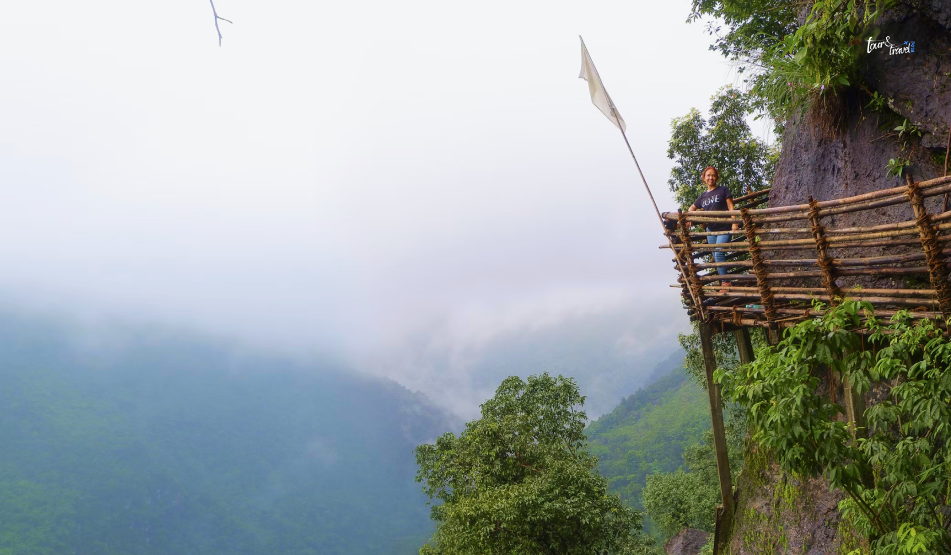
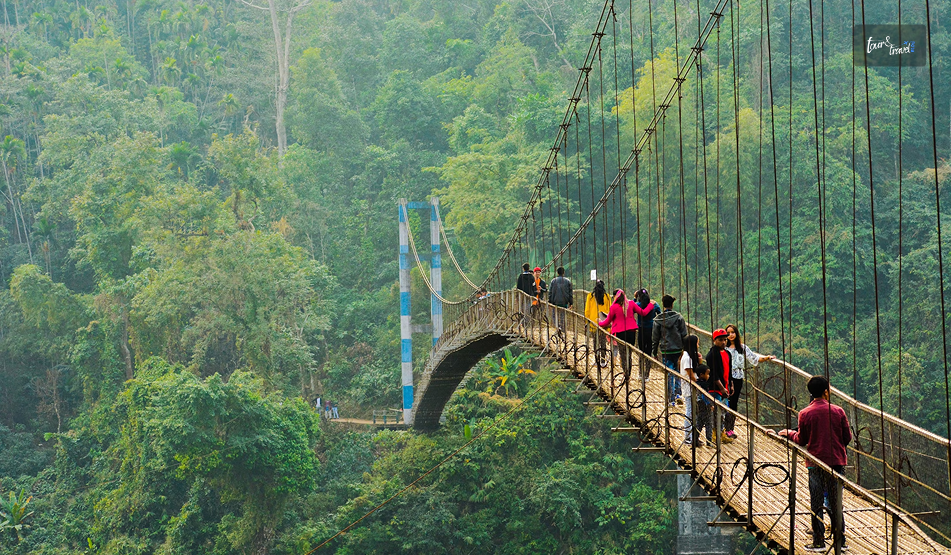
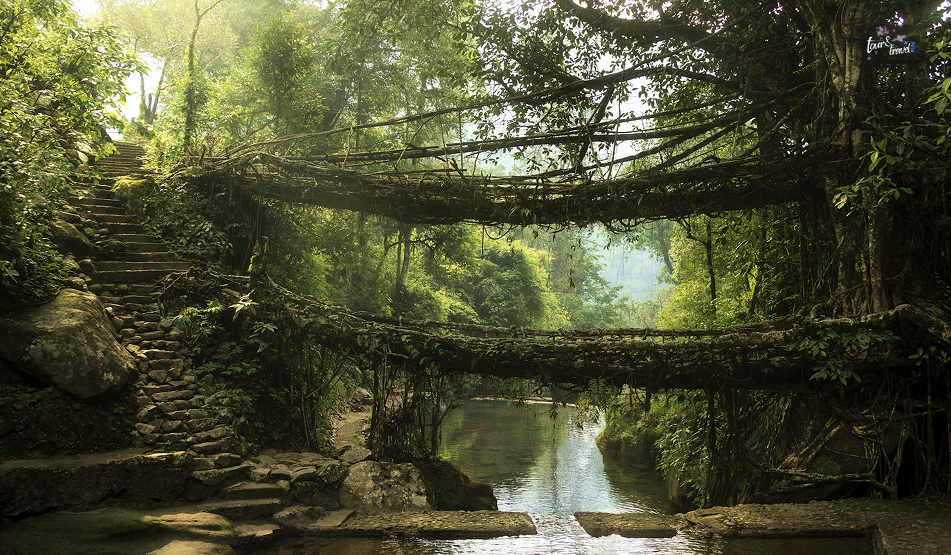
Additionally, you will see how monsoons as a season can make a place look so much more beautiful. Meghalaya with its lush green forests, waterfalls, steep slopes, and bamboo bridges welcomes you with all its glory in this trek.  

I would even go on to say that it is one of the best places to visit in February for a trek. The weather is dry along with a bit of a mix with various wildlife and trees.  

Things You Need to Know to Do the Mawryngkhang Trek!  

Things You Need to Know to Do the Mawryngkhang Trek!

Known as the Bamboo Trek, when you are preparing for the Mawryngkhang Trek, you must be prepared. Moderately difficult, this trek will need you to be at your best, both physically and mentally. There are some essential gears which you must carry so that you can have a good trek. 

Simultaneously, you also need to be aware of the inclination of the slopes, the sheer drops, the height and also the number of bamboo bridges on the trail. Overall, read the blog to follow the significant tips which will make your travel to Mawryngkhang trek location much easier.  

I wouldn’t say it is one of the best places to travel with kids, especially if you are trekking. What is more important is you have to do good research before you plan on traveling there.  

Best Time to Visit  

Best Time to Visit

If you ask me, the best season to visit Meghalaya if your purpose is to trek is during the dry season. From October to April, you can go on a trek and enjoy yourself while taking a walk across the trails.  

The Mawryngkhang trek is a bit difficult hence, it is important for you to be careful and do not risk as the trail can be slippery. The round trip is about 3.54 kilometers hence, for an experienced trekker, it might take 3 to 5 hours.  

It also depends on your fitness level and your pace. With the difficulty level as moderately difficult, you should do proper research, fitness evaluation and then go ahead with the trek.  

Essential Gear to Take  

Essential Gear to Take

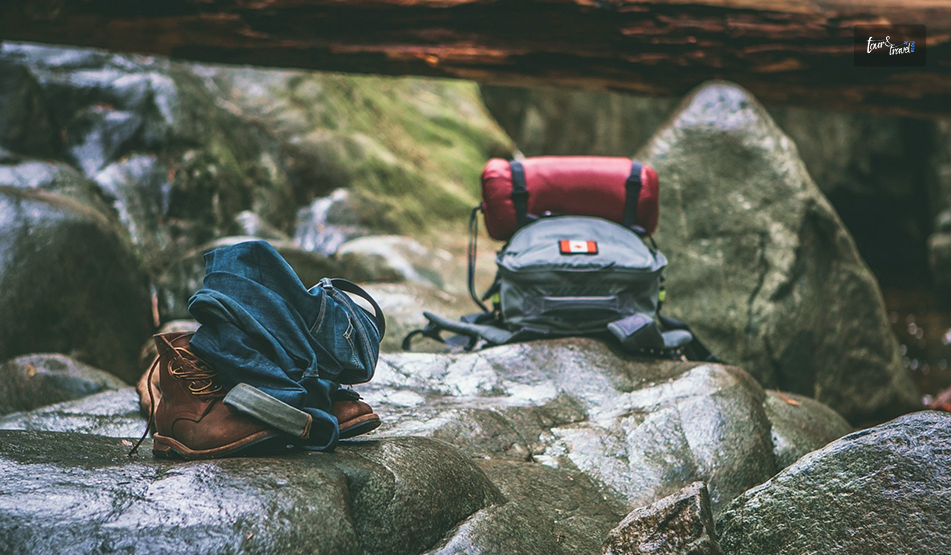
There are important things to carry with you, especially when you are going on a trek. The trail of the Mawryngkhang Trek can be a bit tricky and slippery hence, you need these essential gears to carry so that you do not face any issues while enjoying the trek.  

Going to one of the exotic places to travel, you should know the significant things you must carry on this trip.  

Comfortable clothing  

It is important to wear comfortable clothing especially when you are trekking. Comfortable clothing also means breathable clothing which lets you move well, with flexibility and easy movement.  

Furthermore, comfortable clothing also ensures that you’re clothing easily dries if you get drenched or if you sweat profusely.  

Water bottle  

Constantly drinking water is advisable in our daily routine. So, imagine when you are going on a trek, your body is going through severe physical movement! Drink water regularly while on the trek, hence you need to stay hydrated.  

You should use reusable water bottles especially when you are on a trek. You need to be sustainable along with environmentally friendly because it reflects your nature lover streak.  

Sun protection  

While going on a trek, you need to carry things that will protect you from the direct rays of the sun including sunglasses, a hat, and scarves. Additionally, apply sunscreen constantly and before you start your trek which will protect you from getting sunburned.  

Sturdy shoes  

It is quite important to wear sturdy shoes especially when it comes to having a good grip. When trekking, you also need good ankle support, henceforth, you do not get sprains. It is therefore significant for you to wear sturdy shoes that will support your feet while crossing bamboo bridges and walking on uneven terrains.  

Rain gear  

Meghalaya is well known for its changing weather, especially the way rain comes. It is therefore imminent a step for you to carry your rain gear, be it a poncho or a raincoat. Overall, unpredictable weather can be a concern for your trek so focus on your overall plans so that you do not face any concern.  

Snacks  

Carry some granola bars, nuts or fruits that will give you energy and are easy to carry. When you are on a trek, you should have bites of energy boosting food items or drinks that will establish your energy throughout the duration of your trek.  

Safety Precautions You Need to Trek  

Safety Precautions You Need to Trek

There are some precautions which you need to take when traveling to Meghalaya, especially when you go to Mawryngkhang Trek. Follow the precautions that I am mentioning below and do implement them so that you resolve any issues.  

Respecting Nature  

Meghalaya is known for its nature and respecting nature is one of the most important rules here. When you have decided to go on a vacation, trekking to different places, visiting waterfalls and other elements, do respect nature.  

You must respect the environment there and follow the available trail. Try not to walk all over the flowers, plants, roots and trees while going off road. It damages the plants along with increasing the risks of hampering many unique plants.   

Also, please do not litter on the forest floor! Trails are often filled with plastic packets and wrappers of food, drinks, and other used things. Please avoid doing that because it disrespects nature.  

Follow Bridging Rules  

One of the most important elements that you will find mostly everywhere in Meghalaya when outdoors is the bamboo bridges. These bridges are mostly manually designed hence, the capacity of the bridge is limited.  

It is therefore advised that only one person crosses a bridge at a time. Please remember this and accordingly cross one at a time so that the next person can cross it relaxedly.  

Hire Local Guides  

You can hire a local guide because it is not just about you experiencing something adventurous but also about enhancing the overall experience. The terrain might not be completely understandable to you because you are visiting it for the first time.  

This is where a local guide will help you because they know the landscape better than you. Additionally, the local guide also helps you if there is an emergency such as a fall, cut and gashes to the skin, sprained ankle and others.  

Tips to Trek the Mawryngkhang Trek  

Tips to Trek the Mawryngkhang Trek

These are significant tips that will help you plan your trek to Mawryngkhang. I am sharing with you these tips because I felt, if I knew these before, it would have been for me. Let’s make you more prepared to deal with certain issues that might make it a little difficult for you.  

No Accommodation  

This is one of the most important things to know especially because it will dictate your overall plan to visit Meghalaya. There are no accommodation or lodge facilities available in Wahkhen, which is the nearest location to Mawryngkhang Trek.   

It is better if you book your stay somewhere else. Accordingly arrange your own transport and visit the place. Then you can go ahead and do the trek which once completed, arrange your own transport to pick you up to return.  

Be Prepared for Heights  

The trek is a bit difficult due to its height as you will have to cross steep climbs while on the trek. There are several narrow bridges which you need to cross while on this trek hence, if you are fearful of heights, you need to reconsider the trek. It is better to avoid the trek if you have serious issues of height.  

Start Early  

If you are someone who loves tranquility, this is the place for you. However, you need to start early when going on Mawryngkhang Trek so that you are not forced to speed up if there is a line behind you. Considering the place is quite popular for trekking, there is a bit of a rush.  

It is better if you go early and enjoy your trek, taking time and relaxing while trekking. Instead, if you constantly fret about how there are people behind you and the narrow climbs and bridges ensure that you must make a single file while trekking.  

Enjoy the Views  

A stunning view awaits you on your trek to Mawryngkhang Trek because the trails are filled with unique flora and fauna. You experience beauty in all its glory where there is no human influence. Instead, it is all just the lush green beauty of nature.  

Check out the stunning valleys, lakes and waterfalls which you see while on the Mawryngkhang Trek. Keep in mind that there will be issues with the trail paths as there are some difficulties hence, it is better if you are regularly moving, flexible and fit.  

Let’s get that Backpack!  

Now that I have shared with you all about Mawryngkhang trek, you should start planning your next visit. It will be a more fun trip if you make a group of all your trekking friends who will enjoy the place just like you.  

Comment below on what you think of the information I have shared. You can further add some of the safety tips that you swear by when traveling for a trek. 

Also read

Share on Social Media

Leave a Reply

Your email address will not be published. Required fields are marked *

title-img Related

READ MORE Wildlife At Yellowstone National Park

Exploring Wildlife At Yellowstone National Park: Know The Mammals, Reptiles, Birds, Fish And More

BY  Sibashree Nov 11, 2024

The wildlife of Yellowstone National Park is as fascinating as its geology. So, along with the geysers, many tourists also visit this park to explore its wildlife. The grizzly bears, wolves, bison, and more make the park the biggest concentration of mammals in the lower 48 states. However, the park is also a popular birder hub with ospreys, eagles, and falcons. You just need to know the spots well to encounter these wild creatures, with respect, of course.  Here, I will give you a brief idea about the mammals, birds, reptiles, amphibians, and fish found in this park. I will also share where to spot them.  Mammals You Will See At Yellowstone National Park May to June or spring is the ideal season for watching mammals at Yellowstone National Park. You will especially get to see many bears and wolves in this season. Further, at the advent of the fall season, this park has elk bulls in great numbers.  Moreover, mammals like elk, bulls, and bison are also visible in the park in winter. Winter is also a great time to glimpse the Lamar Valley wolves. So, watching wildlife at Yellowstone National Park is a year-round activity.  Tour and Travel Tips For Wildlife Watching At Yellowstone National ParkTrek the park in the early morning or evening to have better visibility of the wildlife. The temperature remains moderate during these hours of the day.Further, you will need spotting scopes or binoculars to see the wild animals.Maintain at least 25 yards of distance from elk, bison, and other wild animals. However, for bears and wolves, you must maintain at least 100 yards of distance.  Let’s learn about the most prominent mammals in the park in detail.  American Bison Where to Find: Lamar and Hayden Valleys and the Grasslands Best Time to Find: July to August Did you know that bison in Yellowstone make up the largest (remaining) bison population on American public land?  The biggest mammals of the park, bison, have been there since pre-historic times. A male bison weighs 1,800 pounds on average, while the weight of a female bison is close to 1300 pounds.  Black And Grizzly Bears Where to Find: Mammoth and Tower Areas (Black Bear) and Lamar and Hayden Valleys (Grizzly Bears) Best Time to Find: May to June Black and grizzly bears co-exist in many parts of the national park. Grizzlies are bigger than black bears, with a hump on their shoulders and a rounder face. Bear safari is a popular activity in the park. However, you need to maintain a distance of at least 100 yards and follow all safety regulations, as bears can get violent, especially when they are with their cubs.  Elk Where to Find: Lamar Valley, Madison Canyon, Mammoth Valley Best Time to Find: September to November Due to the impressive antlers, elks are probably the most photographed animals in this national park. Do you know that the antler of an elk can grow up to 6 feet? Moose and deer, closely related to elks, are other prominent park mammals. Moose is the largest of the Cervidae family, and elks are the second largest.  Further, moose are seen in the park’s marshy areas and near water bodies. Bighorn Sheep Where to Find: Gardner Canyon and Near the Yellowstone River Best Time to Visit Bighorn Sheep in Yellowstone National Park - November and December The large and curved horns of bighorn sheep make them stand out. You will find these horns on the males. Bighorn sheep live in a herd, and in the fall season, the males get involved in loggerheads to win over their female companion.  There is one fascinating fact about bighorn sheep. When a baby bighorn sheep (lamb) is born, it can climb and walk within one day. Wolves Where to Find: Throughout the Park Best Time to See Wolves: May to June Around 100 wolves live in the Yellowstone National Park. Leopold packs, Yellowstone Delta, and Slough Creek are the biggest wolf packs in the park.  Wolves are native to the park. However, in 1995, they were re-introduced here.  Along with the types discussed, you will also find mammals like coyotes, martens, red foxes, wolverines, mule deer, marmots, and more in the park. Overall, around 67 species of mammals live here.  Amphibians In Yellowstone National Park Thanks to a unique geology, there are various ponds and wetlands across the Yellowstone National Park. Here, you will find the following varieties. Boreal Chorus Frog Western Tiger Salamander Western Toad Columbia Spotted Frog Plains Spadefoot Toad Further, these amphibians play a crucial role in the maintenance of the terrestrial and aquatic ecosystems of the park. Many mammals, birds, reptiles, and even fish prey on them. Also, they eat many vertebrate and invertebrate creatures to balance the food chain. Moreover, the amphibians in the park are indicators of high pollution rates or changes in the weather. They even indicate the advent of diseases and the arrival of any nonnative species.  So, research on amphibian populations in the park is crucial to know about any impending danger that may affect the ecosystem.  Reptiles At Yellowstone National Park Yellowstone has six species of reptiles. However, there is a greater scope for studying and identifying these reptiles. As of today, the reptile species found in the park are: Terrestrial garter snake Common garter snake Rubber boa Prairie rattlesnake Bullsnake Sagebrush lizard Prairie rattlesnake is the only venomous snake in the park, while bullsnake is the largest variety found here. Yellowstone National Park: A Birder’s Paradise A 2018 survey in Yellowstone National Park announced the presence of 82 species of birds in the park.  Further, the species of birds here are varied, and the table below mentions the variety you will come across in the park. OwlsNorthern saw-whet owl Northern pygmy-owlBoreal owl Great-horned owl EaglesBald eagleGolden eagleColony Nesting BirdsPelicanHeronsIbisesSong Birds Ruby-crowned kinglet American RobinDark-eyed junco You will also find birds like woodpeckers, ducks, geese, swans, falcons, and ospreys in this national park.  Fish In Yellowstone National Park Yellowstone National Park is home to many native and non-native fish species. Eastern Brook Trout, brown trout, lake chub, rainbow trout, and lake trout are some non-native fish species in the park. Further, this park has native fish species, such as mountain sucker, speckled dace, Utah chub, Redside Shiner, etc.  Human Imprint On Yellowstone National Park  The home to Native Americans, Yellowstone National Park displays a human tapestry of almost 11000 years. The natives of the place have survived on hunting and fishing. Further, they have known the medicinal properties of the herbs available in the park. In addition, the healing properties and religious importance of the thermal water here had a major impact on the local human lives.  Yellowstone National Park: At A Glance  How to Reach Yellowstone National Park: Reach the Yellowstone Airport and take a cab or bus to Yellowstone National Park. Highest Point: Eagle Peak Established: 1st March 1872 Designation: UNESCO World Heritage Site for “globally unparalleled assemblage of surficial geothermal activity.” Entry Fee: $25-80 based on the entrance pass  Visitor Centers: Albright Visitor Center, West Yellowstone Visitor Information Center, Grant Visitor Center, etc.  Also read Why Include Whale Watching In Your LA Itinerary. Traveling On A Budget: Tips For Affordable Adventures. From Cocktails To Kickflips: Must-Try Activities In San Diego.

READ MORE natural drug detox

Nature’s Healing: How Camping Can Aid Drug Detoxification

BY  Sibashree Oct 22, 2025

I’ve got to say that recovering from any kind of addiction is a messy business. It’s never just about flushing things out of your system. It’s about fighting your thoughts, your habits, and all those little triggers.  Lately, I’ve noticed more people stepping outside to heal. Camping, of all things, has become one of those hidden gems in detox. Being out there, far from traffic noise and glowing screens, surrounded by trees and honest silence? It hits differently. Some even find it just as helpful as staying in a structured facility like the detox clinic. The Therapeutic Power Of Nature Have you ever stepped outside and just felt your shoulders drop? Nature does that.  Science loves to back this up, and Harvard even found that twenty minutes in fresh air can lower cortisol, the nasty stress hormone that spikes during detox. And honestly, that relief matters. Stress is like gasoline poured straight on withdrawal. When you’re camping, you can’t help but notice how calm things get. No alarms, no rush. Just breathing, listening, thinking.  It’s almost strange how fast you start noticing yourself again. For folks coming out of a storm of substance use, that reconnection to your emotions, your body, your thoughts isn’t just nice, it’s necessary. Camping Facilitates Natural Drug Detox By Improving Sleep Cycles  Camping improves your internal body clock as you are continuously exposed to the natural light cycle. So, by regulating your internal clock, you will get more sleep.  Furthermore, during camping, you remain busy with physical activities. You are hiking through trails, setting up the tent, cooking, and doing other recreational activities or survival chores. This is also crucial for improving your sleep cycle and quality.  Moreover, when camping in remote areas, you cannot use your phone, and you are also away from the daily stressors. With no pressure of deadlines and ETAs and all the chaos in your head vanishing in the thin air, you actually get a better sleep.  Community And Support There’s something wild about how people open up under the stars. I’ve seen it, how those late-night talks by a campfire, voices crackling right alongside the flames, do the magic. That’s a real connection, and it’s gold during detox. A big part of healing is not doing it alone. Most programs preach about support networks, but in the woods, that happens naturally.  You gather wood together, laugh over burnt marshmallows, and share your stories without judgment.  The National Institute on Drug Abuse even says social support can make or break recovery. Makes sense as feeling seen keeps you anchored when cravings hit or the loneliness creeps in. No clinic room can fully replace that kind of bond. Physical Activity And Mindfulness Camping gets your body moving, whether you plan it or not. You set up a tent, haul water, and climb a hill.  Little things that make you tired in a good way. That movement pumps out endorphins, which do wonders for mood, especially when detox brings anxiety or sadness along for the ride. Then there’s the quiet stuff, too. You find yourself being mindful without calling it that! Staring at a lake, flipping fish over a grill, sitting in silence until time just fades! It grounds you.  That kind of focus pulls you away from cravings and teaches you how to ride emotions instead of running from them. Funny how stillness can feel like a workout for your mind. Disconnecting From Technology Let’s be honest. We live glued to screens now. Scrolling when we’re bored, anxious, lonely, or anytime you name it. But camping forces a break.  The first few hours feel weird, almost twitchy without your phone, then a calm sets in. You start talking more, thinking more. Maybe even remembering what silence sounds like. People in recovery deal with enough mental noise already, and research shows that too much screen time can make anxiety and depression worse.  So, cutting that off, even for a weekend, resets something inside you. Suddenly, you’re aware of how addicted we all are to distraction more than anything else. Structured Activities And Goal Setting Some camping programs add a bit of structure, such as goal setting, small group reflections, maybe even creative tasks.  It’s not rigid like rehab, just guided enough to keep you focused. When done right, it helps you rebuild a sense of direction. There’s actually data from the American Psychological Association saying people who set specific, meaningful goals reach them more often.  And out there, surrounded by nature, those goals feel a bit more real. People talk about dreams they’d forgotten or things they want back in life. It’s refreshing—and it sticks. Camping: Setting The Rick Backdrop For Healing After Addiction Recovery Camping won’t magically erase struggle, but it changes the backdrop in a way that makes healing possible. It mixes nature’s quiet strength with genuine community and gentle self-discipline. It is kind of the opposite of everything that fed addiction in the first place. For many who’ve tried both, it’s a beautiful complement to formal detox options like those at the Detox Clinic.  Out there, in the dirt and sunlight, recovery starts to feel less clinical and more human again. Maybe that’s why so many find clarity under a canopy of stars instead of beneath a roof. Furthermore, camping boosts your self-sufficiency. If you are a solo backpacker, you have to dig the soil and set up the tent, light the fire, and do everything else. So, camping is a great confidence booster. You understand that you survive on your own and how strong you are.  All these help us create a positive image of ourselves in our minds. So, you don’t need to rely on any external stimulator or drugs anymore.  In addition, an inclination toward drugs arises from negative thoughts about our capabilities. Camping helps us overcome logistical and physical challenges. So, we become more confident about our abilities. 

READ MORE Big Bend National Park

Big Bend National Park Wildlife: The Hot Desert Park

BY  Sibashree Sep 30, 2024

When we hear the term “desert,” we usually imagine a place with sparse traces of life. However, Big Bend National Park is an exception, creating a home for elk, black bears, squirrels, rattlesnakes, and woodpeckers.  Big Bend National Park also has oases created by single strands of cottonwood trees. Further, ephemeral springs, rocky canyons, highland shrubs, junipers, and grasses have contributed to the biodiversity of the park. So, did you see something moving in the bush? Let’s find out what it can be! A Vivid Wildlife Thrives At Big Bend National Park  Along with a never-ending variety of mammals and reptiles, the Big Bend National Park has the most butterflies, birds, scorpions, ants, and bats.  Also, various species of animals here play an important role in the ecosystem of the park. Further, a rich and sustainable food chain here keeps the diversity intact.  Mammals At Big Bend National Park Home to 75 species of mammals, Big Bend National Park shows an extraordinary variety of mammals you can see. Further, it is hard to believe how the tiniest Western pipistrelle bat and the largest black bear can coexist in a space.  Nevertheless, along with bobcats, black bears, and javelinas, you will also get to see mountain lions, coyotes, gray foxes, bighorn sheep, aoudad, nutria, and elk. Further, among the petite ones, the most common species here are lagomorphs, badgers, squirrels, and ringtails. Birds At Big Bend National Park If you are a birder and want to make the most of your bird-watching experience here, you must be at the right spot at the right time. So, the table below shows the bird-watching locations in the park and which bird species you will encounter there. Rio Grande Village Nature TrailGreen KingfisherNorthern cardinalGreen heronGolden-fronted WoodpeckerCommon black hawkChisos MountainsBlack-crested titmouseMexican JayNorthern flickerAcorn woodpeckerCottonwood CampgroundVermillion flycatcherGreat-horned owlBlack vultureLadder-backed WoodpeckerDugout WellsSummer TanagerAsh-throated flycatcherWhite-winged doveInca doveGreat roadrunnerSam Nail RanchScaled quailPainted buntingPyrrhuloxiaYellow-breasted chatGreen-tailed towheeBlue CreekBlack-throated sparrowLucifer hummingbirdMourning doveBlue grosbeakCactus wren Also, spring is the best time to visit Big Bend National Park if you want to encounter the most colorful birds. Further, in this season, some of the rarest migratory birds flock to this desert park. So, late February to May is the best time for bird watching in Big Bend National Park.  Amphibians At Big Bend National Park You will find a wide variety of amphibians along the Rio Grande floodplain and in many other parts of the park. However, the amphibians here mostly are different species of toads and frogs.  So, here is a list of toads and frogs in this national park. Great Plains narrow-mouthed toad Couch's spadefoot toad Red-spotted toad Green toad Spotted chirping frog Rio Grande leopard frog Canyon treefrog Texas toad These toads are frogs found near the lakes and springs in the park. Moreover, if you are camping in the park or exploring the backcountry camping at Big Bend in summer, you will hear these amphibians’s loudest cries at night.  Reptiles At Big Bend National Park https://www.instagram.com/p/C9fH6jROWXa/?img_index=1 The Chihuahuan Greater Earless Lizard in Big Bend National Park is one of the most colorful reptiles you will come across. Further, the males display a riot of colors, with a touch of orange, green, yellow, and brown all over their bodies.  However, this desert park harbors many other species of lizards and snakes. Check out the table below to learn about these species.  Lizards in Big Bend National ParkTexas Horned LizardRound-tailed Horned LizardEastern Collared LizardGreat Plains SkinkShort-lined SkinkGreen AnoleSouthwestern Fence LizardCrevice Spiny LizardSnakes in Big Bend National ParkTrans-Pecos CopperheadWestern CoachwhipWestern Diamondback RattlesnakeMojave RattlesnakeBlack-tailed RattlesnakeMottled Rock RattlesnakeBaird's Rat SnakeTrans-Pecos Rat SnakeRegal Ring-necked SnakeSonoran Gopher Snake, etc. Turtles in Big Bend National ParkYellow mud turtleBig bend sliderDesert box turtleTexas spiny softshell The warm climate and extreme heat in the summer season have made Big Bend National Park ideal for the habitation and breeding of various reptiles.  Fish At Big Bend National Park Finding schools of fish in a desert park like the Big Bend National Park is a little astonishing. However, the park is blessed with the Rio Grande and its tributaries. So, you can see fish in the Terlingua creeks and Tornillo.  Unfortunately, nine species of fish in the park are now extinct. Still, it has varieties, such as Big Bend Gambusia, catfish, largemouth bass, longnose dace, bluegill, green sunfish, and blue tilapia.  Do you know that the last American Eel was taken from Rio Grande in 1954? Further, Big Bend Gambusia is an endangered species, and it is now only found in a protected pond close to the Rio Grande Village.  Also, the invasive species of blue tilapia has now become a pest. So, many organizations are now against the further spread of this species.  Insects At Big Bend National Park  The two-tailed swallowtail caterpillar is the most adorable insect in the Big Bend National Park. Other insects found in the national park are black beetles, whirligig beetles, and yucca moths.  Yucca moths play a crucial role in the ecology of the Big Bend National Park. It is responsible for pollinating the creamy-white yucca flowers that bloom at night.  Further, in the Chisos Mountains, you will find beebrush plants where bumblebees, honey bees, and other species of bees roam around. Moreover, in the summer, you will find ladybugs on the peaks.  Other insects found at Big Bend National Park are: Tarantula hawks Millipedes (mostly seen after a rainfall) Diplopoda or two-footed insects Diplopoda is very vital for nutrient recycling in the Big Bend National Park. It creates burrows in the ground of around 1 or 1 and a half feet. Further, they feed on plant remains to return essential nutrients to nature.  A varied geology, including a river corridor, mountains, acres of Chihuahuan desert, and oases, has made Big Bend National Park rich in wildlife. This desert park has around 75 species of mammals and 450 species of birds. It is also home to more than 50 species of reptiles and many amphibians.  So, for a wildlife lover, this desert park in Texas is a sheer delight! Also Read Top 10 Most Popular Paraguay Food That You Must Try. Top 13 Famous Wonders Of India That You Must Visit! [Updated 2024]