




Can You Bring Cologne On A Plane? – Let’s Find Out!

Jun 26, 2023

Last Updated on: Mar 12, 2026

Travel Guides

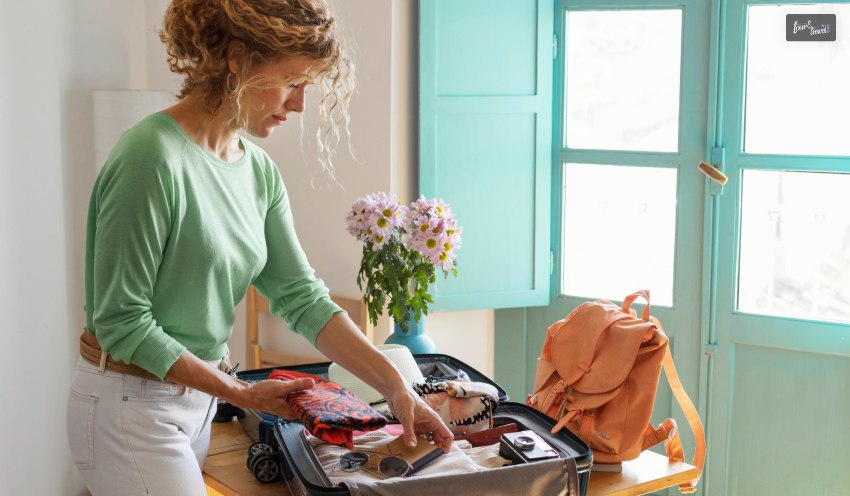
Have you recently traveled via airplane? Do you want to know can you bring cologne on a plane? This article will list the rules the Transportation Security Administration (TSA) established regarding carrying perfume or cologne.

You can read the rules and regulations of the TSA related to carrying Cologne on airplanes and the reasons for the specific restrictions. Staying aware of the information is important because cologne comes in different forms, such as aerosols, gels, and liquids.

The facts related to carrying cologne are important because it is not just about bringing it for your personal use. At times, if you are holidaying or on a work trip, you can buy new cologne for yourself, family, and friends for gift purposes. It is because some cologne is specifically available in specific countries.

Following these rules and regulations ensures that you will not face any issues while boarding or in the screening process. It also provides that there are no risks inside the aircraft due to carrying cologne.

Can You Bring Cologne On A Plane? Let’s Discuss

Bringing Cologne On A Plane

The reason due carrying cologne is identified as a risk is because cologne is inflammable. It can be of any form, such as liquid, gel, lotion, or aerosol; however, if it leaks and comes into contact with any flammable substance, it poses a significant risk for all passengers and crew members.

When there is a question, can you bring perfume on a plane? yes, but with restrictions. It is due to the alcohol content in cologne that there is a high probability of risking catching fire in the aircraft. Considering the plane is an enclosed space, there are high probabilities of risks.

It is, therefore, important for all passengers and crew members to be careful, aware, and vigilant. You must be careful as a traveler to use containers protected by caps or other means to prevent any accidental leakage. It applies to nasal sprays, sanitizers, massaging liquor, aerosol and fluid medication, and nail polish.

Rules By Transportation Security Administration (TSA) For Cologne

Rules By Transportation Security Administration

The rule of 100 ml bottles in carry-on bags applies to most countries, such as the USA, Europe, China, Canada, India, The United Kingdom, New Zealand, and Australia. If you want to carry a lot of perfume or cologne, especially as a gift, you must split it into different containers.

The original packaging of the cologne must also be carried so that the officers do not raise any issues during the security screening. At times, carrying a lot of liquid, gel, lotion, or aerosol can raise suspicion; hence, limiting the amount of cologne you have is important.

Can you bring perfume on a plane? Is there another question you must have? Perfume and cologne both come under the same category. All types of colognes are allowed on the plane. However, there are limits to how they must be carried. The TSA officers should be confident regarding the quantity of perfume you carry.

Can You Bring Cologne On A Plane?

Cologne On A Plane

According to the Transportation Security Administration (TSA), the rule for carrying any liquid, including cologne, in a carry-on bag or handbag is that the liquid must be 3.4 ounces. 3.4 ounces means 100 ml, which applies to all liquids, aerosols, lotions, and gels.

The rule is called 3-1-1, where the 3.4 ounces of liquid should be carried in 1 transparent quart-sized bag, which applies only to one passenger.

There are no specific requirements regarding carrying the cologne in the checked baggage. However, cologne in liquid, aerosol, gel, or lotion form can be risky; therefore, it must be within the limit of 17 ounces or 500 ml in one container if it is in liquid form.

If the form is in gel or lotion, the quantity must not exceed 18 ounces or 0.5 kg. According to the TSA, you cannot carry more than 2 kg of gel or lotion or 2 L of liquid of the aggregate quantity of cologne in the checked baggage.

Can The Cologne Be Used During The Flight?

Can The Cologne Be Used During The Flight?

The rules for flying internationally and domestically are the same except if you travel domestically to New Zealand or Australia. New CT scanners in New Zealand and Australia make it easier for passengers to follow one rule of carrying 500 ml containers.

The smaller container of 100 ml is only sometimes implemented in these countries overall, helping the passengers to follow the TSA rules. It also does not matter in which type of container you carry the perfume, be it glass, plastic, or metal.

It is important to declare if you are returning to your home country while buying a lot of cologne or perfume from a foreign country for security and screening purposes. During the flight, perfume or cologne can be used. It is, however, necessary to remember not to spray on other passengers.

So, It is better to apply the perfume in the bathroom. It is better to wait a bit in the bathroom so that the airplane can cycle out. You can also wipe your skin with a paper towel and water so it is not overpowering. It also saves you from the risk of catching fire in a crisis!

Packaging Tips For Cologne In Plane

Packaging Tips For Cologne In Plane

Avoid any cologne-related issues, especially such as spillage leading to severe risks. As a traveler, you should be cautious and follow the rules and regulations established by the TSA. When packing a cologne or perfume bottle, you must put a lid on the bottle’s nozzle.

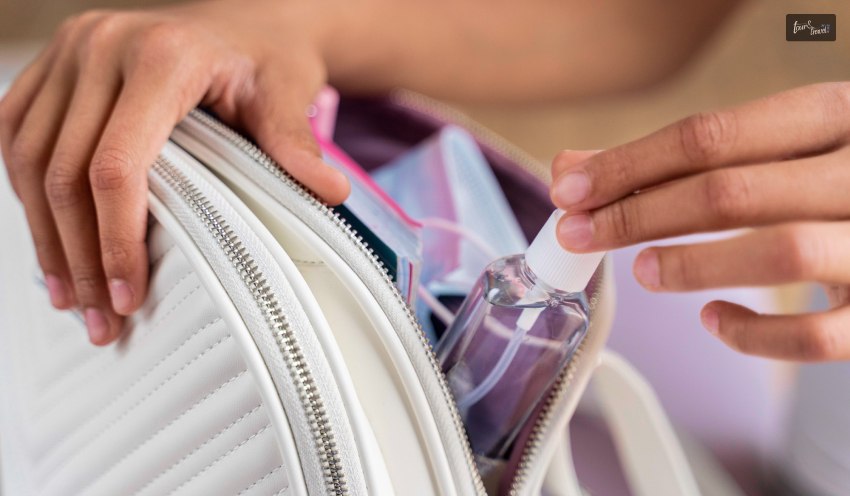
You can also put the fragrance bottle in a zip-lock bag and try to remove all air from the zip-lock bag.

Put the cologne inside the zip-lock. In soft clothing, you must also cover or wrap the zip-lock bag with the fragrance bottle. Sealing the bottle or the cologne container in the checked baggage is important.

Please carry a cologne bottle that is travel size and be observant with regards to putting the cologne bottle near a hard object.

There are refillable containers available on Amazon that can be used to carry cologne. Even the small test samples for cologne are also applicable when carrying perfume on a trip via airplane.

Read More: Can You Bring Deodorant On A Plane? – Read This Blog To Know!

Bringing Duty-free Cologne On A Plane

Bringing Duty-free Cologne On A Plane

There are no restrictions on duty-free cologne on a plane; hence, it can be carried effectively. It is also important to remember that it might not apply to the handbag rule but to the rule of checked baggage.

Can I take Cologne on a plane? Yes, you can. Duty-Free products can be carried in shopping bags allowed by the airlines; hence, you would not face any issues regarding that as long as you follow the rule of the quantity of the checked baggage for liquids, aerosols, gels, and lotions.

Conclusion

In the article, you have been made aware of the rules maintained by the TSA regarding cologne carrying on the plane. It also has information about the risks and how to be mindful.

Let us know in the comments regarding your experience of carrying cologne on a plane.

Read Also:

Share on Social Media

Sagnika Sinha is a content writer who is passionate about writing travel vlogs, entertainment and celebrity articles and literature-based pieces. With a 4 years experience in teaching, she loves reading books. A procrastinator by nature, she loves travelling, listening to music, planting and gardening.

Leave a Reply

Your email address will not be published. Required fields are marked *

title-img Related

READ MORE certified translation for immigration

How to Navigate Visa & Immigration Translations When You Travel Long-Term

BY  Sibashree Oct 22, 2025

Traveling long-term or moving abroad is an exciting adventure. But if your journey involves applying for visas, immigration permits, or residency, you’ll quickly discover that documentation is one of the biggest hurdles. Among the most common requirements are visa translation services and certified translations of official documents. Whether you are applying for a student visa, a work permit, or reuniting with family overseas, presenting correctly translated documents can make or break your application. Authorities want clear, accurate, and verifiable translations, and failure to meet those standards often leads to delays or even rejections. This guide explains everything you need to know about visa and immigration translations, including why certified translations are required, what documents usually need them, and how to avoid common pitfalls. Why Visa Translations Are Crucial When immigration officers review applications, they must be able to fully understand the documents submitted. If your birth certificate, marriage certificate, or bank statement is in another language, it must be translated into the official language of the country you are applying to. Here’s why translations are necessary: Legal clarity: Immigration authorities cannot legally assess documents they don’t understand. Consistency: Translations ensure names, dates, and details match across multiple documents. Compliance: Many countries require certified translations to confirm that translations are accurate and complete. What Are Certified Translations? Not all translations are equal. For immigration, you need certified translations. A certified translation includes: A complete and accurate translation of the original document. A signed statement (certificate of accuracy) by the translator or translation company confirming the translation’s authenticity. Contact details of the translation provider for verification if needed. This certificate is essential because it gives immigration officers confidence that the document is trustworthy and complies with their standards. Common Documents That Require Certified Translations When applying for visas or residency, the following documents are often requested in translated form: Birth certificates Marriage or divorce certificates Death certificates (in cases of dependent claims) Passports and ID cards Academic transcripts and diplomas Criminal record checks Medical records or vaccination certificates Bank statements and tax returns Employment contracts or pay slips Before submitting your application, carefully check the requirements of the immigration authority you are applying to, as these can vary from country to country. How to Handle Certified Translations for Visa Applications If you are preparing for long-term travel or immigration, here’s how to approach the translation process: Identify which documents need translationReview the checklist from the immigration authority. Don’t assume that only personal records need translation—financial and academic documents are often required too. Choose a reliable certified translation providerLook for services that are recognized by immigration authorities. For example, Certling offers certified translations accepted by USCIS in the U.S., UKVI in the U.K., and IRCC in Canada. Submit clear scans or photos of your documentsHigh-quality images prevent errors and ensure no details are missed in the translation. Check turnaround timesVisa applications often have strict deadlines. Many providers offer standard and express delivery options—use express services if you’re short on time. Verify acceptance guaranteesEnsure the translation provider guarantees compliance with immigration authorities. This gives peace of mind if your documents are ever questioned. Innovation in Visa Translations The translation industry has modernized significantly. Companies like Certling use AI and machine vision to analyze documents, count words instantly, and provide transparent per-word pricing. This innovation eliminates overcharging based on per-page pricing models and saves applicants money. Other key advancements include: Selective translation tools: Applicants can exclude unnecessary sections of documents, such as logos or stamps, lowering costs. Secure file handling: Professional providers use encrypted systems and delete documents after delivery to protect your data. Instant online quotes: You can now upload documents and get pricing within seconds, reducing guesswork. FAQs on Visa & Certified Translations Do I always need certified translations for visa applications? Yes, in most cases. Immigration authorities typically require certified translations of any foreign-language documents. Can I translate the documents myself? No. Self-translations are not accepted. Certified translations must come from a qualified translator or company. How long does the process take? This depends on the provider. Standard services may take a few days, while express options can deliver certified translations within 24 hours. What happens if immigration rejects my translation? Reputable companies often provide corrections or revisions free of charge if authorities raise issues. Certling, for example, includes this as part of their service. Are digital copies of certified translations acceptable? Yes, many immigration authorities now accept certified translations in PDF form. However, some may request physical copies, so confirm with your local authority. The Role of Certified Translation Services in Your Journey Securing a visa or residency isn’t just about submitting the right forms. It’s about presenting complete, clear, and compliant documentation. Certified translation is a critical part of this process. Providers like Certling specialize in certified translations for immigration and visa applications. They offer word-based pricing, fast turnaround, and acceptance guarantees for major authorities across the U.S., U.K., Ireland, and Canada. While your focus may be on the exciting parts of long-term travel, taking care of certified translations early ensures your journey won’t be delayed by paperwork. Final Thoughts Navigating the visa application process can be overwhelming, especially when traveling long-term or moving abroad. Certified translations are not just a formality—they are a legal requirement that can significantly affect your success. By understanding what certified translations are, why they matter, and how to get them done correctly, you’ll be better prepared to handle the complexities of immigration paperwork..

READ MORE things to do in Santorini

What Are The Things To Do In Santorini? A Complete Guide For Travelers 

BY  Barsha Apr 24, 2026

Santorini is a place that people from around the world dream of visiting.  Irrespective of whether you are looking for a romantic holiday with your partner or a wholesome travel experience with your family, the Island has a lot to offer for your needs and requirements.  To emphasize, the Greek Island sailing tour also provides you with the opportunity to connect with yourself.  However, many remain completely confused about what to do when they visit the place. Well, the Island is really small. Often, people think there isn't much to do when they visit the Island. Apart from visiting the beautiful villages of Fira and Oia, there are multiple things to do in Santorini.  When I visited the place, I conducted very detailed research, which allowed me to experience and explore Santorini in the most optimal way. Keeping this in mind, I have prepared a guide for you so that you can navigate around the beautiful Island and explore as much as possible. Well, here are the top things to do in Santorini.  What Are The Major Things To Do In Oia, Santorini? You can do several things at Oia Village in Santorini. Moreover, this includes taking photos of the famous blue domes, watching the sunset at the castle, and various other activities.  Let’s learn in detail about the things to do in Santorini (Oia) 1. Watching Sunset From Castle The Castle of Angio’s Nikolas offers the best spot for watching the sunset at Oia. The dilapidated castle rests on one of the highest points in the Islands. The island offers the best location to watch the sun gradually set, sinking into the blue ocean, with a shimmering golden glow on the water's surface.  But the place gets very crowded fast. Speaking from personal experience, you should always arrive early to get the best spot for the best experience. 2. Clicking Photos Of The Blue Domes The blue-domed churches have given Santorini its identity. The moment you picture Santorini in your mind, you think of the blue-domed churches only.  As a result, people often think that Santorini is full of blue domes. However, that is not really the case. On the contrary, I realized there are only a few blue domes. But clicking pictures of the blue domes should definitely be at the top of your priority list.  3. Why Are Luxury Stays So Special? Santorini has become one of the most popular places in the world. As a result, tourists from all over the world come to the island.  This often makes things a little crowded and suffocating for people. I generally choose to travel in a more cost-effective way.  But lately, I have realized that you may have to pay a little extra to get a premium experience at any place.  Hence, I decided to spend some quality time during my stay in a luxury cave hotel in Oia. Moreover, that felt like one of the best decisions that I had ever made. The experience was really gorgeous and relaxing. Additionally, I got the opportunity to explore Oia early in the morning and later in the evening. The crowd is generally not around early in the morning. As a result, you can explore the village in a whole new way. 4. Exploring Around The Streets Of Oia A simple walk through the streets of Oia can easily introduce you to a new world of magic. This will allow you to explore the best places for photos and panoramic shots.  You should always try to explore the village during the evening. I personally found things getting really crowded once it was day. Thus. I advise you to stay in the village for a night rather than just taking a day trip. Staying there at night should be convenient. It will allow you to explore things in your own way. 5. Visiting The Amoudi Bay People who are afraid of stairs should not consider visiting Amoudi Bay. I am a traveller, and hence I try to keep myself fit. But even I had to put in some extra effort while climbing up.  You will not really feel the pain while climbing down. But it is going to be a different story while climbing up and on the way back. The place is worth exploring. There are multiple restaurants in the place that serve some of the best seafood. The spot remains the closest place for swimming in the ocean.  6. Buying Some Local Souvenirs  There are several shops in Oia. You should always explore the streets. Moreover, while exploring the streets, you will find some of the best local shops and artisans. These artisans make the best merchandise to take home and gift to your friends and family. These are the most important activities among all the things to do in Santorini, Oia.  Things To Do In Santorini (Fira) While you are done with exploring Oia, now you should consider the things to do in Santorini (Fira). Well, exploring the village should give you the perfect experience.  Here are the things that you should explore. 1. Explore Around The Village Fira, as a village, is absolutely different from Oia. Travellers can easily find American restaurant chains here. You can easily find restaurants like McDonald's. You will also find the local souvenir shop and Greek tavernas. This place has its own beauty that is very different from what you get to see in Oia. However, the village is much larger than Oia. You should always try to take early morning and evening walks. The early-morning and evening walks allow you to avoid the crowd. 2. Explore The Nightlife Of The Place I have travelled to several coastal destinations around the globe with some of the most bustling nightlife, such as Pattaya and Goa. In contrast, I have realized that Santorini is not really much of a party Island. Hence, there is not much of a bustling nightlife in Santorini.  However, Fira has a couple of club-like spots as well. But, they are considerably small, and you do not really get to party here in the conventional way with loud music. But these places are great for having fun with friends and family. You can have a couple of drinks while talking to your friends. When I visited Santorini, I arrived with a group of friends. Thus, we had a lot of fun despite it not being a party city. 3. The Fun Of Staying In A Cliffside Hotel Fira generally remains less crowded than Oia. But the affordable places can still be crowded.  On the other hand, staying at a luxury hotel with facilities like a pool, a balcony, and a good view can help you avoid the crowd.  4. Going To The Museums Travelers with a keen interest in Greek History should definitely visit museums. Thira has multiple museums.  I thoroughly enjoyed my visit to the Prehistoric Museum of Thira. Moreover, the place exhibits some of the most ancient jewelry and figures.  Additionally, they also have a massive collection of fossils of various prehistoric creatures. 5. Going To The Old Port You can go to the Old Port if you want to explore some adventure. But again, do not go there if you hate stare cases. The path to the Old Port has almost 588 steps, which are very slippery. However, if you want, you can always hop on the back of a donkey. A donkey is a very famous mode of transportation in Santorini. Thus, people who have problems climbing stairs should ride a donkey. But it is very risky at the same time, as the road becomes very slippery with donkey excrement spilt all over. As a result, you should always choose the cable car. You can even take the cable car on the way down. Thus, the cable car makes visiting the Old Port really convenient. Visiting the old port is one of the most exciting and adventurous things to do in Santorini. Which Are The Best Beaches To Visit In Santorini? Santorini is all about the cliffs and the beaches. Hence, let’s have a look at the best beaches to visit in Santorini. 1. Kamari Beach The Kamari beach is one of the black beaches in Santorini. It is one of the most mesmerizingly beautiful places to spend the day. When we think of beaches, what comes to mind is silver sand. But that is not really the case over here. In contrast, this beach is full of black rocks. The black rocks generally get really hot in the summer.  You can also wear water shoes, which will protect your feet from the heat of the rock. The place has many shops and bars along the beach.  2. Perissa Beach Perissa beach is another long beach in Santorini. This beach is great for those who want to spend some quality time with their friends and family in the water.  The spots near the restaurants and the bars generally remain a little busier than the others.  Thus, you can spend only the necessary time near the restaurants if you do not want to stay long in crowded areas.  For the rest of the time, feel free to stay near the open, less crowded areas. 3. Red Beach The red beach is also one of the most famous beaches in Santorini. As you can understand from the name itself, the sand on the beach is red. The Red Beach is located near Akrotiri. The beach is a 15-minute walk from the bus stop.  As a result, you may have to walk on some rocks. Keeping this in mind, you should wear decent shoes to protect your feet while walking. The place is a little remote from the crowded suburbs, so you will not find any snacks or water if you want. Keep These In Mind While Visiting Santorini When I think about the things to do in Santorini, a plethora of them actually come to my mind. But, doing all the activities may not actually be possible during a short trip. You can explore volcanoes, visit the ancient ruins of Akrotri, go kayaking, go scuba diving, and explore the marine life. In addition to taking a wine tour, going for helicopter rides is also one of the most exciting things to do in Santorini. But whatever you wish to do, you should always do proper budgeting before going on the trip. Moreover, this will make your trip more cost-effective and enjoyable. Frequently Asked Questions  Here are answers to some of the most commonly asked questions about things to do in Santorini. 1. What Should I Not Miss In Santorini? A traveler can do several things when he or she visits Santurini. However, doing all of them cannot be possible.You should not miss the iconic sunset from the Oia Castle. Apart from that, you should also not miss out on several other things, like a donkey ride to the New Port, exploring volcanoes. 2. Can I Flush My Toilet Paper In Santorini? Flushing toilet paper down the toilet does not fall under the list of right things to do in Santorini. Hence, you can not flush it down.You will have to dispose of used toilet paper in the special garbage disposal bin located near the toilet seat. This is a common practice in most places in Greece. 3. How Many Days In Santorini Is Enough? A three- to five-day trip is great for visiting Santorini. Moreover, this will allow you to complete all the things to do in Santorini. Read Also: The Best Luxury Villas Greece Le Collectionist: Why Are They Unique? Chios Greece Travel Guide: How To Explore Chios Beyond Santorini? 9 Best Beaches In Greece That You Must Visit Once In Your Life

READ MORE Suva Fiji hidden gems

What Are The Suva Fiji Hidden Gems? Know The Underrated Places To Visit In Suva Fuji For Cultural Travelers 

BY  Sibashree Oct 24, 2025

I was standing near the mouth of the Rewa River to the east of the city. I was looking at the mangrove trees and how the villages nearby woke up with the first rays of the Sun touching the earth. People were busy collecting firewood, and some had already sailed in search of fish. Despite having such a distinct livelihood in Fiji, it also takes inspiration from multiple cultures and ethnicities. So, Fiji is said to have a culture of fruit salads. You will find people of Indian, Samoan, Micronesian, Solomon Island, Chinese, and Rotuman origins.  Furthermore, Fiji, fondly called Mini India, has taken another step to strengthen the connection. The Indian ship Kadmatt reached Suva in September 2025, and there have been ongoing discussions about maritime collaboration between the two countries.  With so many cultural aspects to explore, Suva, Fiji, also has many offbeat destinations. Here, we will discuss the Suva Fiji hidden gems, local cultural experiences, the nightlife, art scene, and more! Local Cultural Experience In Suva, Fiji: Know The Suva Fiji Hidden Gems I was at the Suva Curio Handicraft Center in Suva’s CBD area. I found the most amazing Fijian handicrafts and carvings.  The woven mats were beautiful. Furthermore, the wood earrings and necklaces, and the traditional Fijian clothes, or Tapa, caught my attention. However, these were not just souvenirs. Packed with symbolism, those told stories of Fijian traditions and Fijian families.  Along with this handicraft center, I also explored the Namosi Highlands, attended local storytelling events, and customs.  1. Village Visits And Attending Traditional Ceremonies  My cultural exploration in Suva, Fiji, started with Namosi Highlands. As I reached there, the villagers welcomed me with the Sevusevu custom. My guide has already told me. So, I carried some powdered kava root and handed it over to the chief, requesting an entrance to the village.  Then, I attended the vibrant meke dance performance. The male and female dancers in the performance depicted many historical and ancient legends.  Furthermore, the village chief asked me to be a part of the underground feast, or the Lovo. Here, the vegetables and meat were cooked in the ground using white-hot stones. I experienced the true magic of slow cooking there.  2. Kava Rituals Or Storytelling Events View this post on Instagram A post shared by Lomani Island Resort & Spa (@lomaniisland) A visit to Suva’s Cultural Center is another deep cultural encounter I had in Suva, Fiji. The elders here tell stories of Fijian values and myths. Thus, the oral tradition of storytelling remains alive in Fiji.  3. The Local Festivals In Suva, Fiji  View this post on Instagram A post shared by Fiji Sun (@fiji_sun) Music, food, religious ceremonies, community celebrations! The festivals in Suva, Fiji, are vibrant, and they give insights into the multicultural nature of the place. Here is a brief calendar of the major festivals in Suva, Fiji, with their timings.  Major Festivals in Suva, FijiTimingHibiscus FestivalAugustSouth Indian Fire Walking FestivalJuly-AugustDiwaliOctober-NovemberFiji Day:10th OctoberEasterGood Friday, Easter Sunday, and Easter Monday 4. Art & Creative Spaces In Suva Fiji View this post on Instagram A post shared by FIJI MUSEUM (@fijimuseum) There are many underrated places to visit in Suva Fiji, for cultural travelers. For example, the Fiji Museum Art Annex shows the work of the local artisans on a rotational basis.  Furthermore, the Veiqia Project Studio is a space to showcase the work of the indigenous women artists and tattoo traditions.  5. Street Art & Artisan Workshops View this post on Instagram A post shared by Asia Pacific Region Crafts (@worldcraftscouncil_asiapacific) I enjoyed a walk along Victoria Parade and saw the Fijian legends come to life through beautiful murals. Furthermore, if you want to learn the art of pottery and weaving, you can visit the Makoi Women’s Handicraft Centre.  6. Nightlife & Entertainment In Suva Fiji Traps Bar and O’Reilly’s became my favorite nighttime destinations in Suva, Fiji. They had amazing reggae music and the island jazz performances.  Also, the Fijian folk music and dance at O’Reilly’s was the biggest highlight.  7. Cultural Performances At Night The Pacific Cultural Nights at the Civic Centre were brilliant. These performances included fire shows, storytelling, and fire dance.  8. Food And The Hidden Eateries In Suva, Fiji  View this post on Instagram A post shared by Robinson Crusoe Island Fiji (@robinsoncrusoeislandfiji) I was bowled over by the Lovo feast at Namosi Highlands. Food in Fini is flavorful, and the culinary scene here is a wonderful fusion of local produce and multicultural culinary influences. Furthermore, the use of exotic tropical fruits adds the right amount of zest to the dishes.  Nevertheless, during my last visit to Suva, Fiji, I had a great time at these cafes and eateries. Café Thirty-One, just behind the Suva Library, made my day with the best coconut latte and banana bread.  My guide also took me to the Greenhouse Café, a vegan-friendly restaurant, serving amazing smoothie bowls made from local fruits. I loved the garden seating there.  However, if you want to try Fijian fusion cuisine and enjoy live music, you must visit the Bad Dog Café. Moreover, Cloud 9 Lounge is an ideal spot for sunset lounging and partying. 9. Suva Municipal Market View this post on Instagram A post shared by Phil Sami (@philsami) Suva Municipal Market, built in the 1950s, is the biggest market in the country. On a busy day, the market accommodates around 3500 vendors, and it is the best place to buy local specialties such as breadfruit, taro, and tapioca.  There is also a dedicated section for seafood and mussels. However, you must visit the market in the early hours. In the late hours, the market is rushed.  10. Take A walking Anti-Tour Of Suva, Fiji If you want to experience Suva beyond the typical “Bula”- fied version, you can join the “anti tour” walk of Peter Sipeli, a poet, LGBTQ+ activist, and cultural guide.  The tour he conducts is critical, and it does not match the glossy vibe of Fiji. Coming out as gay at the age of 17 and fighting for his rights after his return to Suva has given him enough stories to add layers of anecdotes and humor to this walking tour experience.  He conducts the tour through the city streets and the bustling markets so that you can see the beauty and inequality simultaneously.  Family-Friendly Hidden Gems In Suva, Fiji  View this post on Instagram A post shared by Jessy (@rocketjess) Suva Botanical Gardens and the Fiji Museum are two family-friendly hidden gems in Suva. The Botanical Gardens have easy hiking trails and are ideal for relaxing picnics.  On the other hand, the Fiji Museum's interactive exhibits are ideal for children and adults alike.  Suva Municipal Market in the early hours can be another family-friendly location for accessibility. It has wide aisles and ramps.  Seasonal Hidden Gems In Suva, Fiji View this post on Instagram A post shared by Nicole Golonka (@nicole.golonka) The dry and wet seasons in Suva, Fiji, give you the chance to explore the following hidden gems.  May to October, or the dry season, is ideal for hiking in Colo-i-Suva Forest Reserve and attending festivals such as the Hibiscus Festival, Fiji Day, and Diwali.  On the other hand, the wet season from November to April is ideal for visiting the lush forests and waterfalls and taking photographs.  Here is a breakdown of seasonal hidden gems in Fiji. MonthsSuitable Activities January-February• Rainforest Hikes• Waterfall ToursMarch-April• Kava Rituals• Cultural WorkshopsMay-June• Hiking• Art FestivalsJuly-August• Hibiscus Festival• Street ParadeSeptember-October• Snorkeling• Staying in Eco LodgesNovember-December• Diwali• Christmas• Easter Adventure & Sports Activities in Suva, Fiji Explore these lesser-known spots in Suva, Fiji, and try adventure activities such as kayaking, snorkeling, and advanced biking.  ActivitiesLocations• Kayaking with Mangrove ViewsLami Bay• Vibrant coral reef• SnorkelingNausori Reef• Colo-i-Suva TrailsAdvanced biking through rainforest terrains Offbeat Shopping Experiences In Suva, Fiji View this post on Instagram A post shared by Guided Walks Suva (@guided_tours_fiji) Suva Handicraft Centre is the best place for authentic masi (tapa cloth), wood carvings, and woven baskets. Furthermore, TappooCity Suva is home to local designers such as Rako Designs and KuiViti.  Furthermore, you will find ethically sourced jewelry and crafts in Suva.  Suva Fiji Hidden Gems Associated With Mythical Stories And Folklore  View this post on Instagram A post shared by Mai TV Fiji (@maitvfiji) Ratu Sukuna Park is a popular place in Suva, associated with mythical stories. The park is said to be protected by ancestral spirits.  Mount Korobaba is another place that was once a tribal outpost. Hiking to Mount Korobaba, the tallest mountain in Fiji (422 meters), is quite challenging due to its steep trails. However, the view from the top is rewarding.  Furthermore, you can ask your guide to coordinate a Suva ghost walk. There is no official ghost tour in the city. So, this tour will take you to places associated with mysteries or supernatural incidents.  Top Tourist Places You Should Avoid In Suva, Fiji (And Where To Go Instead) When it’s about the hidden gems, the touristy and “popular” spots are sheer disappointments. Also, you don’t want to waste your money, time, and resources visiting an overcrowded place.  Here are the tourist places you should avoid and their alternatives.  1. Suva Flea Market View this post on Instagram A post shared by The Journey FJ (@thejourneyfj) Suva Flea Market is often overcrowded. Thus, it often fails to offer the cultural shopping experience it promises. You will find mass-produced souvenirs here, and the inflated prices for tourists are a big turn-off.  You will get so busy bargaining that you will not notice anything taking place around you.  Makoi Women’s Handicraft Centre is a quieter, community-run space offering authentic, handmade crafts with fair pricing and cultural storytelling. 2. Colo-i-Suva Forest Park (Unguided) View this post on Instagram A post shared by Mike Duin (@mike_duin) Colo-i-Suva Forest Park has reported incidents of theft and assault on unguided trails. So, solo trips and late visits are risky here.  Get in touch with eco-certified guides for safety and provide cultural insights into the flora and fauna. 3. Victoria Parade At Night Victoria Parade is a popular nightlife strip. However, it can become unsafe after sundown due to petty crime, intoxicated crowds, and occasional scams targeting tourists. Cloud 9 Lounge or Traps Bar offers a more secure, well-managed nightlife with live music and local cocktails. 4. Suva Municipal Market (Late Hours) View this post on Instagram A post shared by DJKiwi (@djkiwinz) In the late afternoon, the Suva Municipal Market gets overcrowded. So, there are risks of overcrowding and overpricing.  Visit the market early in the morning and take a local guide with you to know where to shop safely.  Practices To Avoid While Exploring The Hidden Gems In Suva, Fiji Here are some more dos and don’ts while visiting Suva, Fiji.  Things to AvoidAlternativesTaking unlicensed taxi servicesHotel-booked or metered taxisOverpacked itinerariesFocus on 2–3 meaningful experiences per dayOver-negotiating at local shopsVisit fair trade shops such as Handmade Fiji and TappooCity Suva. Ignoring cultural etiquette at religious sitesJoin a cultural tour to learn about the spiritual and religious customs and beliefs of FijiMissing out Fiji’s rich culinary heritage and local food Try Kokoda, Lovo, and Roti Parcels Eco-Friendly Accommodations In Suva, Fiji Colo-i-Suva Eco Lodge: Nestled in the rainforest, this lodge uses solar power and rainwater harvesting. Rainforest Eco Retreat: Offers guided nature walks and supports local conservation efforts. Sustainable Travel Practices Use reusable water bottles and support community-based tourism. Choose locally owned transport services and farm-to-table eateries. A Hidden Gem Itinerary For Suva, Fiji View this post on Instagram A post shared by FIJI MUSEUM (@fijimuseum) Here are flexible 1, 3, and 5-day itineraries for exploring the hidden gems of Suva, Fiji.  Table 1: 1-Day Itinerary MorningVisiting Suva Market & Café Thirty-OneAfternoonExploring Fiji Museum & Thurston Gardens (Suva Botanical Gardens)EveningAttending a kava ceremony at the Cultural Centre Table 2: 3-Day Itinerary Days Activities Day 1• Colo-i-Suva hike• Eco-lodge stayDay 2• Art gallery tour• Dinner at a rooftop barDay 3• Village visit• Storytelling night Table 3: 5-Day Itinerary Days Activities Day 1• Colo-i-Suva hike• Eco-lodge stayDay 2• Art gallery tour• Dinner at a rooftop barDay 3• Village visit• Storytelling nightDay 4• Snorkeling at Nausori Reef• Folklore tourDay 5• Shopping at TappooCity A Budget Breakdown For Exploring Suva’s Hidden Gems An average 3-day trip in Suva, Fiji, will cost around FJD 500–800 or $220-352. Here is a quick breakdown of the expenses.  CategoryCost (FJD)NotesAccommodation80-150 (Per Night)• Boutique Hotels• Eco LodgesFood30-60 (Per Day)• Markets• Local CafesTransport20-40 (Per Day)• Buses• TaxisActivities50-100• Tours• WorkshopsSouvenirs30-70• Handicrafts• Art Travel Smart And Travel Deep: Exploring The Hidden Gems Of Suva, Fuji  Suva is a living museum of Fijian heritage, creativity, and community. Furthermore, it is a city of contrasts, with modern malls, colonial buildings, and bustling markets coexisting with serene gardens.  Furthermore, it is a melting ground of Indian, Chinese, Samoan, and other cultures. So, if you can keep your curiosity alive and respect the local culture, Suva will surprise you at every turn.  Suva Fiji Hidden Gems: Frequently Asked Questions (FAQs) Here are the frequently asked questions and answers about Suva Fiji hidden gems. 1. Is It Safe To Walk Around Suva At Night? The crime level in Suva, Fiji, is moderate. According to Numbeo, the cost of living here is 58.60. However, the rate of crime increase in the last 5 years is 70.12, which is high. So, it is better to avoid walking in Suva at night.  2. Why Is Fiji Called Mini India? The British brough indentured laborers from India in the 19th and early 20th centuries for working in sugar plantations. They stayed here for generations and preserved the Indian culture. Furthermore, today, a significant population here comes from the Indian origin. So, Indian festivals such as Diwali are celebrated here with great pomp.  3. Where Does Oprah Stay In Fiji?  The Laucala resort is a place frequented by the likes of Oprah Winfrey and George Clooney. Dietrich Mateschilz, the co-founder of Red Bull, has designed this resort.  Read Also: How To Plan A Kotor Montenegro Budget Travel? Cheap Ways To Travel To Kotor Montenegro For Backpackers  Luang Prabang Travel Guide: Why I Loved It? (Activities, Attractions, History, Itinerary, And More) Tucumán Argentina itinerary: What To See In The Smallest Province Of Argentina?