

Portals To The Unknown: Exploring Natural Gravity Vortex!

Oct 5, 2023

Last Updated on: Feb 12, 2025

Travel Blog

Were you planning on a trip somewhere? Are you someone who likes spookier experiences? Want to experience something out of the blue? Check out the natural gravity vortex locations in this article.

Reverse gravity, or having gravity at a certain angle, shows how water can flow upwards or humans can stand at a weird angle. In the article, I will highlight the concept of reverse gravity and how it questions Earth’s natural events and elements.

The natural gravity vortex locations are natural phenomena that can often be misinterpreted regarding aliens or ghosts. It questions the sanctity of scientific research and development of human beings! Read the article to learn about different Earth places with natural gravity vortexes.

The Gravity Vortex Was Sometimes Considered Paranormal, But It Is A Natural Development!

The gravity vortex was sometimes considered paranormal

Often, scientists associate a black hole with the gravitational vortex! The existence of a gravitational vortex means going reverse with gravitational pull. It also questions the general relativity theory of Albert Einstein!

Like a dark hole, plunging everything inside itself can be identified concerning the gravitational vortex! Is the gravitational anomaly occurring in Oregon Vortex or Santa Cruz Mystery Spot in the United States bound to suck everything in?

No, the experience you will have in these places is more relatable with standing at an odd angle or objects staying at an abnormal angle! Humans and things are supposed to fall in weird angles, yet they don’t!

It proves that these anomalies are more of an angular development where reverse gravity ensures that your climb is more relaxed, or a car moving uphill is more of a relaxed movement than an experience that is forced and takes a lot of effort.

Portals To The Unknown: Exploring Natural Gravity Vortex!

Exploring Natural Gravity Vortex

In the 17th century, Isaac Newton, an English Physicist, discovered the concept of gravitation, which ensures that everything falls! We walk instead of fly, or everything goes down instead of up! However, some gravitational anomalies prove that there are more things in the world than we know.

The locations where such geographical anomaly occurs are considered a place that does not follow the law of physics. The question arises concerning the natural elements around us while people create legends, folklore and spooky background stories to justify the place, event or experience.

The technical interpretation of the event or the experience of gravitational void or reverse is where objects push against or away from each other. Under certain contrived circumstances, gravitation is reverse or void, leading to places that represent it.

A Geographical Anomaly!

A Geographical Anomaly

Mystery spots are what natural gravity vortex places are called! A geographical anomaly is good; it shows phenomena different from what we already know. However, the point is to understand why it is happening. We are far behind on the whole aspect!

The brain of a human being is a mysterious place to be, but the irony is that it cannot accept unnatural objects, events or happenings! A geographical anomaly raises questions such as aliens, ghosts, magnetic forces, extraterrestrial entities or otherworldly portals.

The anomalies mostly tend to evoke shock and curiosity among people! People sometimes want to experience them, especially if the whole place is made up of an amusement park, hike, or trail, but at times, it can be difficult for them to accept it.

Places Where Gravity Does Not Work!

Places Where Gravity Does Not Work

Based on everything around us, gravitation is an integral part of our nature and lives! Without gravity, we will float in the air instead of walking on land! There will not be any semblance to our lives, especially with construction, housing, transportation and much more.

Places where the law of gravity is not followed by nature are present worldwide! Water moving upward or a heavy boulder staying at an unnatural angle without rolling down the slope are signs that they are in a gravitational vortex!

No one knows how the vortex came to be. Thus, it is spookier! When you enter these regions, you feel like you have come to an unknown world through a portal.

Even animals are scared of crossing the region, confirming the suspicion of spookiness! I am listing down some of the places where gravity does not work!

Oregon Vortex, United States

Oregon Vortex, United States

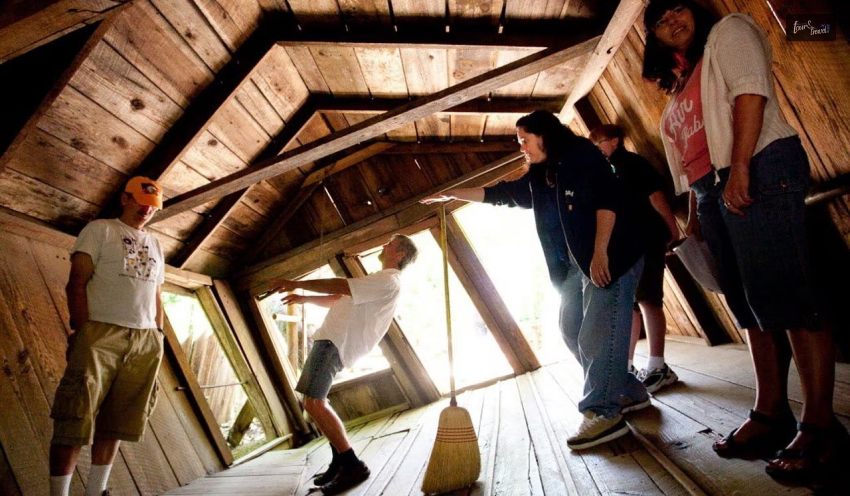
A roadside attraction in the US, the Oregon Vortex is located in Gold Hill on Sardine Creek. Several interesting facts will question your understanding of gravity, thus leading to optical illusions. Sometimes, the proprietors claim these are the paranormal properties across the area.

It is one of the oldest gravitational vortices discovered and gives a sense of a strange world, especially when there is no relatability with natural phenomena! The construction at that location proved something different concerning the place.

The natural physical facts were reversed, along with Amerindians calling the site a forbidden territory. Even travelers observed that the horses did not want to cross the region. The plumb lines, bubble levels, yardsticks and balls rolling uphills prove the point.

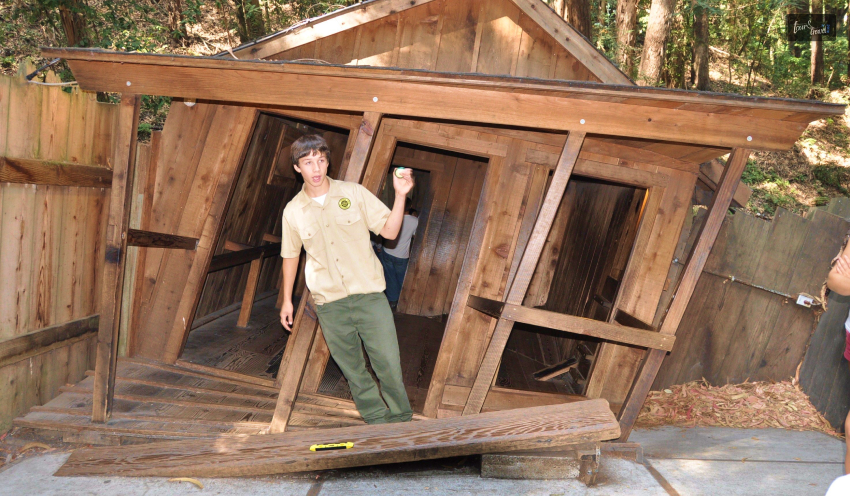
There is a Mystery Shack also known as house of mystery Oregon to prove the vortex and the abnormalities; in other words, it is a tourist trap! It is popular for Roadside Americana.

Mount Aragats, Armenia

Mount Aragats, Armenia

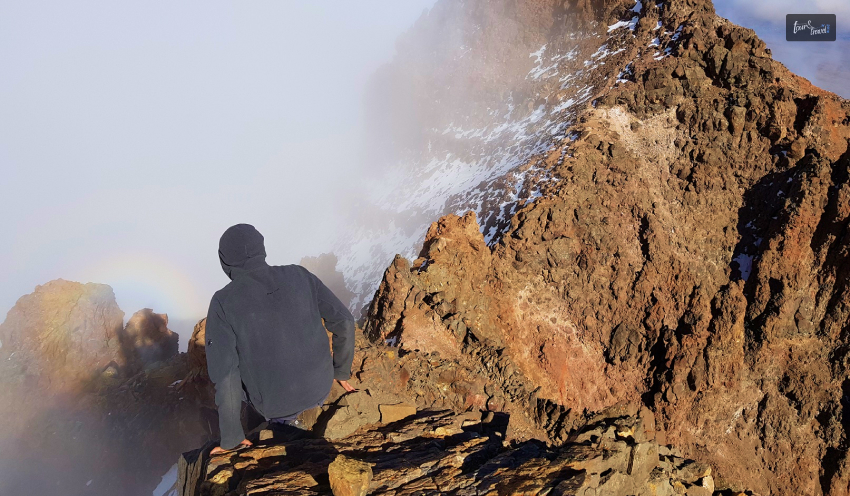
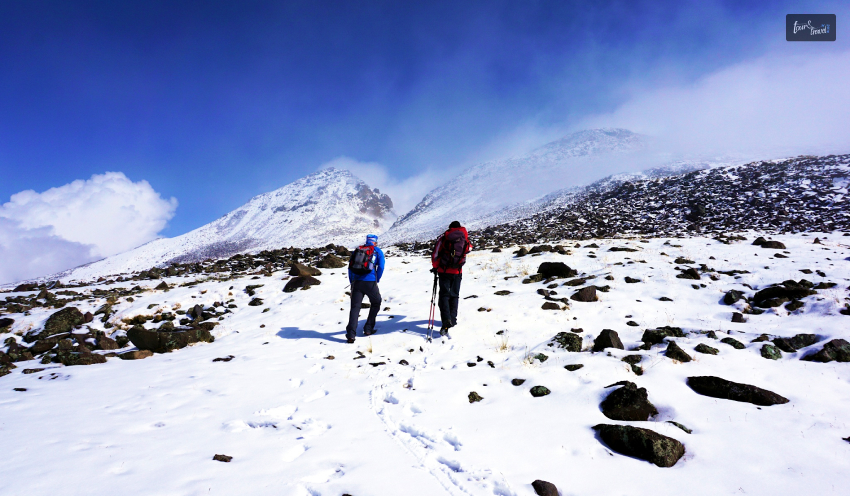
The mountain is a beauty that will blow your mind! Located between Armenia and Turkey on the borders, Mount Aragats is a tourist attraction with thousands of travelers yearly! The anti-gravity phenomena across the gravity hill are incredible to witness!

You will further experience the gravitational vortex when you put a car into neutral, and without a driver, it will move upwards on the hill! At the foot of the mountain, if you switch off your car’s engine, it will automatically go up all on its own. The mountain is an isolated volcano massif with four peaks!

You will also observe that there is a river near the mountain which flows upwards. People visiting this place have been informed that they find climbing up rather than down easier due to the vortex! If you travel there, you will be fine as the roads are quite well maintained.

Reverse Waterfall, India

Reverse Waterfall, India

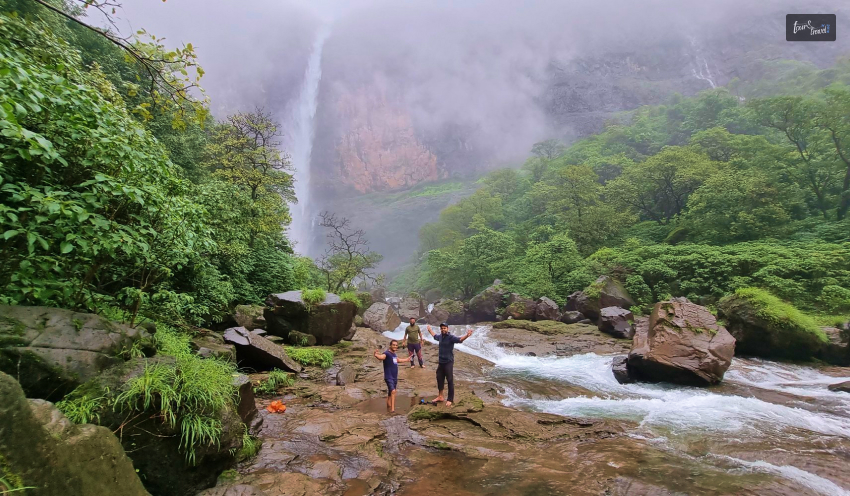
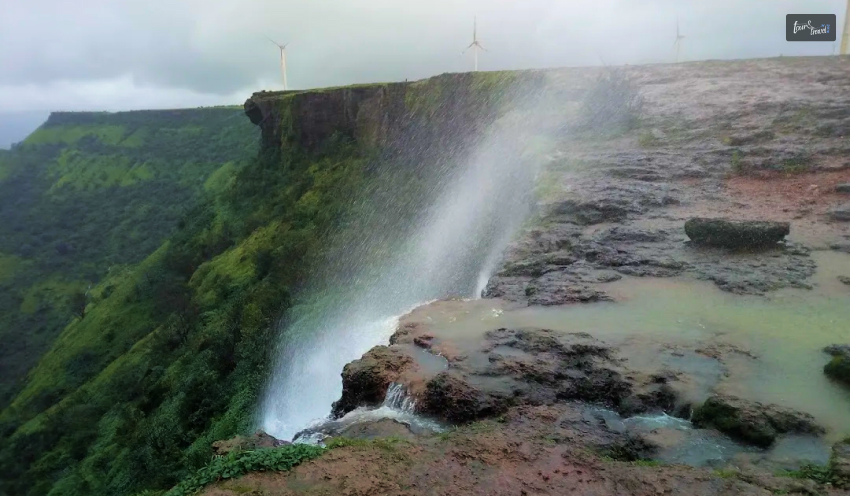
There is a natural gravity vortex near the Deccan Plateau and the Konkan coast in India! The reverse waterfall is located across the popular mountain range known as Nana Ghat or Naneghat in Maharastra. It will take around 3 hours to drive from Mumbai!

There is a trek across the mountain range which you can try, which will take you to the reverse waterfall! The waterfall is just magical, especially when the strong winds push the water backward.

There is a 130-foot height difference between the rock below and the water’s origin. The gravitational pull of the Earth is not active here. Hence, the water goes upward in this place. While traveling there, the last stretch of the road is bumpy and narrow!

The best time to visit the waterfall is during the monsoon as it is during this season that the wind speed is at the highest! Try to return from the location by 4 p.m.

Santa Cruz Mystery Spot, United States

Santa Cruz Mystery Spot, United States

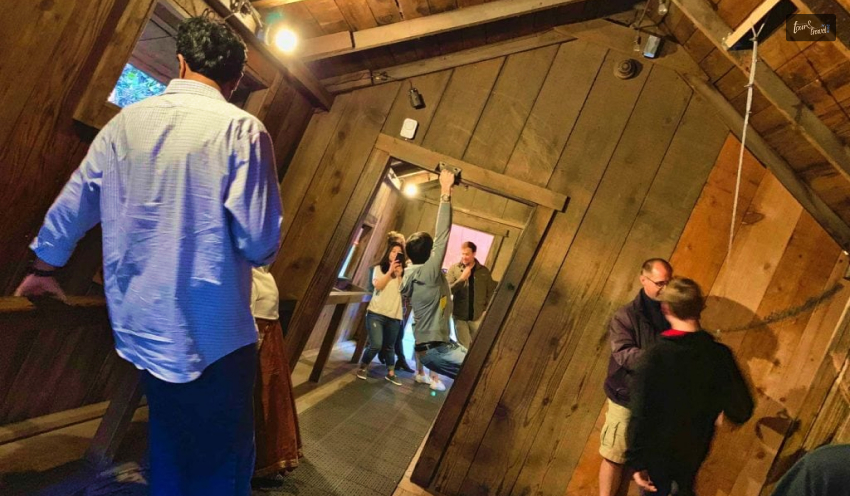
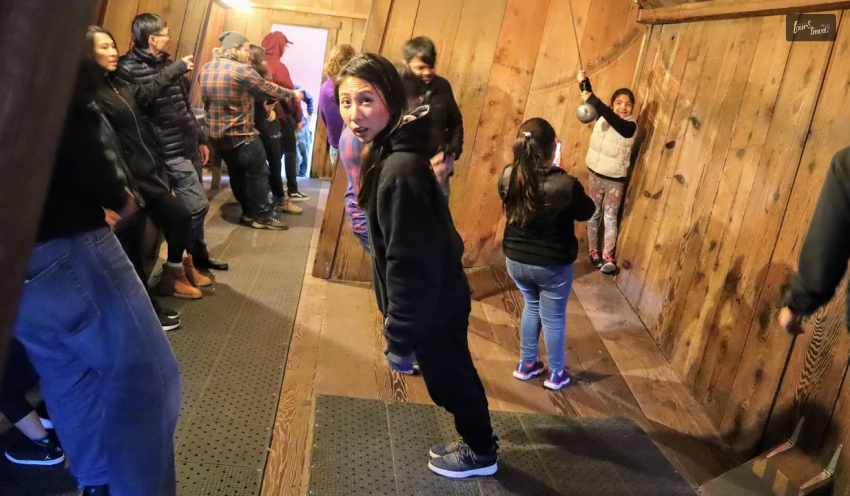
One of the secret spots in the US, Santa Cruz Mystery Spot, was first discovered by a group of surveyors in 1939. They later opened this place up to the public in 1940! It became a popular visiting spot, especially when it is a strange, weird, but interesting experience!

The location is Santa Cruz, just 150 feet from the circular site deep inside the Redwood forests where people walk but look like they are leaning over! The lean is so abrupt and weird that it feels like they will fall anytime, but they don’t!

The location is a 45-minute guided tour where you can go on a hiking trail! Along with the mystery spot, there are gift stores where you can get something. The whole experience will be exciting and refreshing!

There are many theories related to this spot. However, more is needed to come up with some evidence. Some say that metal cones have been buried in the earth to become earthquake-guidance systems for outside spacecraft! While others say the whole spacecraft is there!

People keep connecting this anomaly to something extraterrestrial, especially when they have no justified reason except the gravitational vortex!

Spook Hill, Florida

Spook Hill, Florida

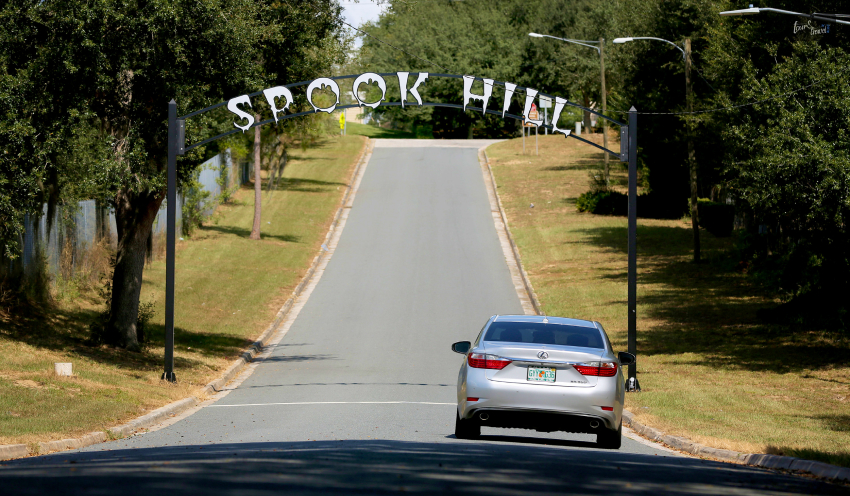
When you stop a car and stop the engine, you will see that the vehicle is going down the slope! Spook Hill is a place in Florida where the reverse happens! If you stop the car on a certain white mark on the road and shut down the engine, you will notice that the vehicle is not gliding down the slope.

The car moves in the opposite direction of the slope at the Lake Wales Ridge of Florida, and it is very well because there is no gravitational pull! The dip on the fifth street between Spook Hill Elementary School and Burn Avenue.

According to the curator of the exhibits and collections of the Lake Wales History Museum, Anderson Hanna, the gliding of the car opposite the slope of the road is an optical illusion. It was during the 1950s that the location became popular.

Spook Hill in Florida is also known as Magnetic Hill and is one of the oldest gravity hills in the country! Many popular legends and folklore are further related to the location.

Reverse Waterfall, England

Reverse Waterfall, England

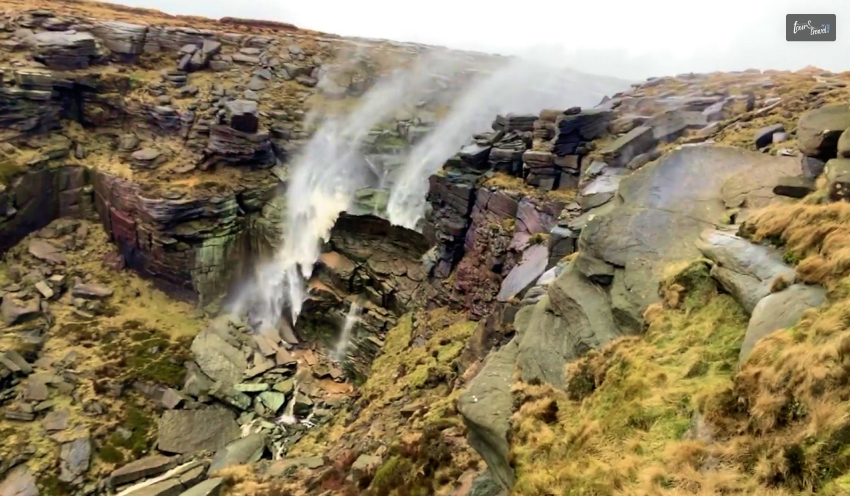
Another place where gravity does not work is a waterfall located in England! The waterfall is in the Derbyshire Peak District near Hayfield, where a river flows. The river is known as Kinder, which flows downwards to a specific point and starts flowing upwards!

There are strong wind storms due to which the water flows upwards, but that question goes again. It does not follow the natural rule of nature. Hence, the question arises of the gravitational vortex. The place is popular, especially with the beauty it surrounds itself with.

The water at the Kinder Downfall blows backwards, which is shocking, especially when the water is 98ft high. The strong winds make it possible, but it is not natural. It is spectacular to watch!

When the water blows back from the waterfall, it blows into nothingness. A tourist spot near Mallerstang Edge, the spectacle defies the laws of gravity!

The Devils Tower, United States

The Devils Tower, United States

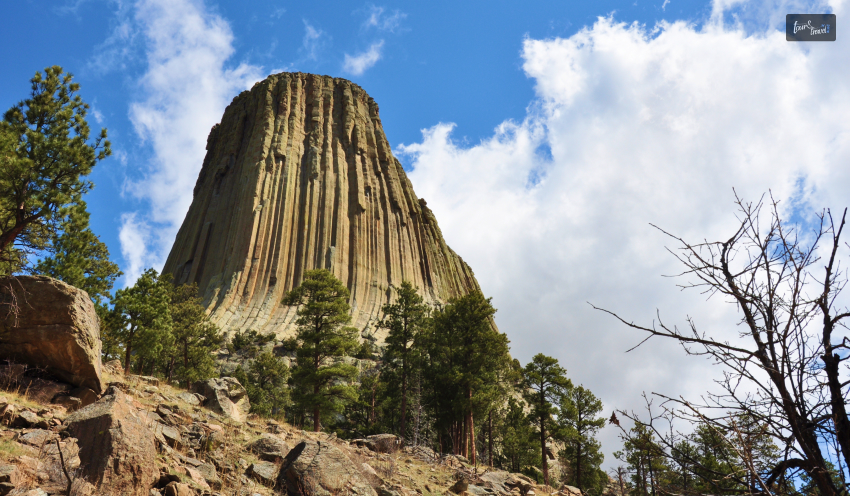
In the United States, a natural monolith is located in the Crook Country across northeastern Wyoming near Sundance and Hulett! The Devil’s Tower is the first National Monument in the US, which is 867 feet high from the base to the summit.

There is a river called Belle Fourche River, while the monument is 5112 feet above sea level. It is one of the most important sites in Wyoming as the mount’s size and shape are perfect. It is also sometimes identified as a mystery hill museum!

Two people first climbed on the mound in 1893! William Rogers and William Ripley were two local ranchers who used a wooden ladder of 350 feet. It is considered one of the premier climbing areas by people who regularly hike and climb.

It is a unique place with a history related to Native American Tribes. The monument was highlighted first by President Theodore Roosevelt, who designated the structure as the first national monument in 1906. Annually, 500,000 visitors come to visit the monument!

The Hoover Dam, Nevada, United States

The Hoover Dam, Nevada, United States

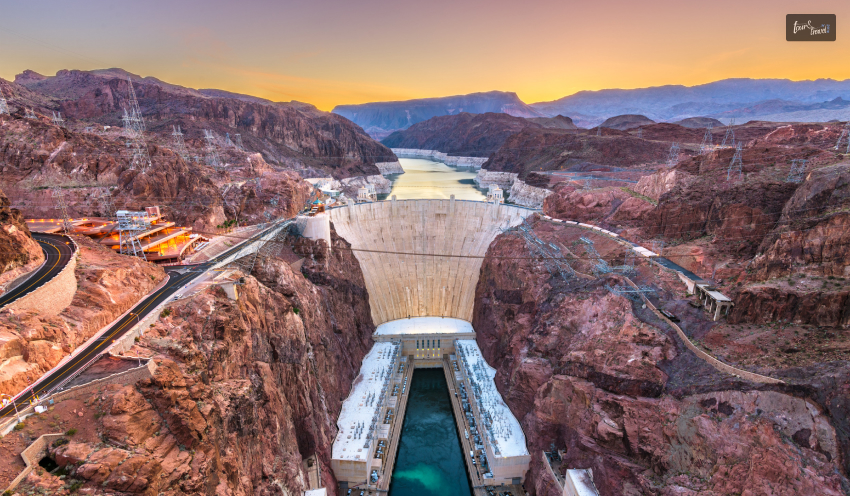
Another tourist attraction in the United States, the Hoover Dam in Nevada, is a natural gravity vortex with no gravitational pull. The dam is 221.4m high, and based on certain experiments, it has been observed that objects float or water goes upward if you pour it while standing on the dam.

However, the question arises! Is the building constructed so that the strong winds are created from the natural air, making light objects float, and water fly upwards when you drop it from a height?

The dam aimed to disseminate the Colorado River towards the Southwest landscape, which was dried. With this water balance, major cities such as Phoenix, Las Vegas and Los Angeles have developed.

Seventeen turbines can power up to 1.3 million houses with the capability of irritating 2 million acres. With such power inside it, the gravitational pull or the creation of the vortex due to strong wind raises questions!

Defy Gravity, But You Can’t Defy People!

Now that you know about the natural gravity vortex locations, should you go and experience one of these places at least once? If you are scared of the spookier events, I will not force you, but guys, you are missing out on something.

It is a once-in-a-lifetime experience when you learn about natural objects that defy gravity and the secret of the places.

Comment below to let us know which one of the places you want to visit and why!

Read Also:

Share on Social Media

Sagnika Sinha is a content writer who is passionate about writing travel vlogs, entertainment and celebrity articles and literature-based pieces. With a 4 years experience in teaching, she loves reading books. A procrastinator by nature, she loves travelling, listening to music, planting and gardening.

Leave a Reply

Your email address will not be published. Required fields are marked *

title-img Related

READ MORE free museums in dc

Explore The Top 15 Free Museums In DC! Must Visit Museums In 2024!

BY  Ankita Jun 7, 2023

What are the best free museums in DC that you and your family can visit while you are in the state? Well, if this is something that you have been searching for, then I have the best thing for you! Washington, D.C., is home to so many amazing museums. The best thing, though? A lot of them provide free admission. You can research history, science, culture, and the arts for free. And if you want a list of them, then you will find this article to be of help! Keep reading this blog till the end to learn more… Which City Has The Highest Number Of Museums? With 85.4 museums per 100,000 people, Washington, D.C. is the US city with the highest number of museums per capita, according to a 2019 report by the American Alliance of Museums. There are numerous explanations for Washington, D.C.'s abundance of museums. First of all, being the nation's capital and the seat of government, it is home to numerous national institutions and museums, including the Library of Congress, the National Archives, and the Smithsonian Institution, which is composed of 19 museums and galleries. Moreover, museums are a big draw for tourists to Washington, D.C., another well-liked vacation spot. The city's museums are accessible to all, offering a broad range of topics from science and technology to art and history, and many of them are free to the general public. Ultimately, a great deal of Washington, D.C.'s museums are dedicated to preserving and presenting the city's rich cultural legacy. For instance, the National Museum of the American Indian focuses on the history and culture of Native Americans, while the National Museum of African American History and Culture, which opened in 2016, is devoted to telling the story of the African American experience in the United States. 15 Best Free Museums In DC That You Need To Check Out! Every day, scholars, researchers, visitors, and locals are drawn to our nation's capital. The diversity and caliber of free museums here attract the crowd. However, with so many choices, selecting an itinerary might be difficult. That is the reason why I have come to your rescue. In this article, I have planned and listed the top 15 free museums in DC that you can visit! So, without further ado, let us get started! Here are the best free museums in Washington DC that you need to visit: 1. National Gallery Of Art This renowned art gallery spans two significant buildings joined by an illuminated tunnel. It also has an indoor waterfall and a six-acre (2.4 ha) sculpture garden. It features both traveling exhibitions and a changing exhibition of works from the permanent collection. The permanent collection offers a marvelously thorough selection of the best artwork. It spans from ancient to modern times, including masterpieces like da Vinci, Degas, and Calder. The National Gallery of Art is a fantastic family outing. It offers free public programming like art history films, classical performances, and kid-friendly hands-on activities. Check out the ice skating rink in the sculpture garden if you're here in the winter. Every day from 10 am to 5 pm, the National Gallery of Art is open at 6th Constitution Avenue North West, Washington, DC, 20565. 2. United States Holocaust Memorial Museum One of the biggest disasters in human history, the Holocaust of World War II, teaches us some of history's most difficult lessons. Except for the children's-oriented Daniel's Story exhibit, it is intended for visitors 11 and older due to the nature of the issues covered in this museum's exhibitions. The Holocaust is a permanent exhibition that offers an insightful look at this historical tragedy through a wealth of artifacts, videos, and human accounts. James Ingo purposefully evoked architectural characteristics of various historical Holocaust places in the Freed building. He does so in an abstract, open-ended manner without making direct parallels to any of these locations. Four commissioned works of art are also on display within the museum: Consequence, a wall drawing by Sol LeWitt; Gravity, a monolithic sculpture by Richard Serra; Loss and Regeneration, a sculpture by Joel Shapiro; and Memorial, a grouping of four white wall sculptures by Ellsworth Kelly. Due to COVID, timed-entry tickets are required, and they can only be purchased in groups of six or fewer. Additionally, there is a $1 processing fee for online ticket purchases. This museum deserves a place on the list of the best free museums in DC. Everyday from 10 a.m. to 5:30 p.m., the museum is open. In Washington, DC, 20024, at 100 Raoul Wallenberg Place South West, is the location of the United States Holocaust Memorial Museum. 3. National Museum Of Natural History There are 147 million specimens and artifacts on display at the Natural History Museum with the highest visitors in the world. Some of them are The Hope Diamond, meteorites, ancient Egyptian mummies, and live insects, including butterflies. The focus of traveling exhibits on natural history issues is on plant and animal biodiversity as well as human history. To further improve your experience, they also offer do-it-yourself, free, printable exhibitions. Because the museum is so big, it's a good idea to take a break and unwind in one of their two cafes or the Garden Lounge, which has live plants. Open every day from 10 a.m. to 5 p.m. In Washington, DC 20560, at 1000 Madison Drive North West, is where you may find the National Museum of Natural History. 4. National Museum Of American History Explore the over 1.7 million objects that span over 300,000 square feet (27,870 square meters) and tell the narrative of America with the four million visitors who flock here each year. The "Star-Spangled Banner"'s inspiration, the Greensboro lunch counter from the Civil Rights demonstrations, Julia Child's kitchen, the ruby slippers from The Wizard of Oz, and Lincoln's stovepipe hat are just a few of the most well-known and well-liked exhibitions. In addition to exceptional events like guest lecturers and performances, the museum offers regular programming as part of some exhibits like Spark! Lab and Wonderplace. The National Museum of American History is located at 1300 Constitution Avenue North West, Washington, DC, 20560, and is open daily from 10 am to 5.30 pm. 5. Hirshhorn Museum And Sculpture Garden Next on the list of the must-visit free museums in DC, we have Hirshhorn Museum and Sculpture Garden. This museum is a must-visit for art enthusiasts because of its enormous collection of contemporary and modern art from throughout the world. Featured and well-known artists include Yayoi Kusama, Henry Moore, and Pablo Picasso. Over 30 sculptures are on display at the sculpture park, including Yoko Ono's well-known Wish Tree. One of the most well-known American modern art museums, the Hirshorn has been open for 50 years and provides a platform for contemporary art and culture on a national scale. For special exhibits, timed passes can be necessary. The museum offers exciting educational opportunities like storytimes, guest speakers, their mobile Art Cart, and film festivals in addition to its permanent and special exhibits. The on-site cafe, Dolcezza, offers pastries, gelato, specialty coffee and tea in a beautifully decorated space. The Hirshhorn Museum and Sculpture Garden is located at Independence Avenue South West & 7th Street South West, Washington, DC, 20560, and is open daily from 10 am to 5.30 pm. 6. National Museum Of The American Indian In this relatively recent addition to the National Mall, explore the richness of culture, language, history, tradition, and futures of indigenous peoples of the Americas. Visit the engaging, fun-filled imaginative Activity Centre (Tuesday–Sunday) for children ages 10 and under to learn the traditional cultural and scientific knowledge of many indigenous peoples. The National Native American Veterans Memorial, a stainless steel circle balanced on a carved stone drum with intricate symbolic carving, was inaugurated at the museum in November 2020 to honor and remember the Native American military veterans. Take a mouthful of some traditional food at the Mitsitam Native Foods Cafe, which offers Native American foods at five themed food stations. The museum offers a number of special events and programs, including performances, special guest lecturers, film festivals, and concerts, to share indigenous traditions with people of all ages in addition to permanent and temporary exhibitions. The National Museum of the American Indian is located at 4th Street South West, Washington, DC, 20560, and is open daily from 10 am to 5.30 pm. 7. National Museum Of African American History And Culture Visit the one and only national museum that was established in the autumn of 2016 and is dedicated to preserving and promoting African American life, art, history, and culture. With an exhibition area of 85,000 square feet (7,897 square km), it will take at least two hours to see everything. Discover African American cuisine at the Sweet Home Cafe with its four themed stations and occasionally offered "Chef's Tables" special meals, such as those for Black History Month. You need a free-timed admission pass. The National Museum of African American History and Culture is located at 1400 Constitution Avenue North West, Washington, DC, 20560, and is open daily from 10 a.m. to 5:30 p.m. 8. National Museum Of Asian Art Visit the Freer Gallery to learn more about Asian art. The Sackler Gallery is home to ornamental and religious items. The Freer Gallery was the first Smithsonian institution designed purely to keep art. They collectively house about 45,000 items with a 6,000-year history. It includes some American artworks in the Freer Gallery. For example, the greatest collection of James McNeill Whistler's paintings in the world. Recent substantial improvements to the galleries have given the museum new energy and technology. Additionally, the museum presents a number of special events and programs, including workshops, performances, films, and guest lecturers. In Washington, DC, 20560, at 1050 Independence Avenue South West, lies the National Museum of Asian Art. 9. National Museum Of African Art Next on the list of free museums in DC is the National Museum of African Art. It was initially founded in 1964 and was bought by the Smithsonian in 1979. It collects and exhibits traditional as well as modern and contemporary art from Africa. A variety of media and issues are covered in the exhibitions, such as photography, portraiture, sculptures, film, and more on tradition, history, slavery in America, politics, and African cinema. They offer a variety of performances as well as notable speakers as part of their special programming. In Washington, DC, 20560, at 950 Independence Avenue South West, lies the National Museum of African Art. 10. National Archives Museum The three most significant historical documents in American history are kept there. There is also the museum and the National Archives and Records Administration. Discover more important documents that affected American history at the Rotunda's interactive Public Vaults permanent exhibit. It features the Declaration of Independence, the Constitution, and the Bill of Rights. The David M. Rubenstein Gallery houses one of the four remaining original copies of the 1297 Magna Carta. It is the ongoing exhibition of the Record of Rights. There is also a 17-foot (nearly 5-m) touch screen on the national discussions surrounding subjects like citizenship and free speech. Additionally, the museum hosts a variety of passing exhibits. It includes a featured document display and the Boeing Learning Centre. Here visitors can check out white gloves and a magnifying glass to examine replica documents like an actual archivist. The National Archives Museum is located at 701 Constitution Avenue North West, Washington, DC, 20408. It is open daily from 10 am to 5.30 pm. 11. National Air And Space Museum Visit the National Air and Space Museum in Washington, DC, for a fun-filled free museum. Visit the renowned National Air and Space Museum to learn more about the power of flying and how it propelled humans off the planet. The Air and Space Museum, like many other museums, is undergoing renovations that will last until 2025, although eight new exhibits are already open. The Wright Brothers & the Invention of the Aerial Age explores the history and force of flight with a special emphasis on its creators. Discover how we reached the moon in 1969 and why and how we are returning in the new blockbuster-level exhibit Destination Moon. You must have a free timed admission pass, otherwise you can skip the queue. The Steven F. Udvar-Hazy Centre, their secondary location, is located in Chantilly, Virginia, about 40 minutes from Washington, D.C. Here, you may learn about human spaceflight and World War II aviation while also seeing planes and a space shuttle. The National Air and Space Museum is located at 600 Independence Avenue, Washington, DC, 20560, and is open daily from 10 am to 5.30 pm. 12. National Zoo Bears, lions, and tigers, and so much more! Discover a variety of animal species from all over the world, as well as daily animal demonstrations and habitat displays. There are entrance passes that must be purchased in addition to paid parking passes in advance (if you decide to drive and park there). A few same-day passes will be available on-site, although it is advised to make a reservation in advance. Visit the Kids' Farm, the unusual Me and the Bee playground, and the seasonally open Squirt Zone if you're traveling with children. Kids will enjoy the Speedwell Conservation Carousel, but keep in mind that each ride costs $4. Two to three hours are suggested or anticipated for a trip to the zoo; be sure to wear shoes that are suitable for walking around in. You can bring your own food and non-alcoholic drinks (no glass bottles), though they do have some food options on-site. The National Zoo is located at 3001 Connecticut Avenue North West, Washington, DC 20008, and is open daily from 8 am to 4 pm. 13. National Portrait Gallery Discover portraits of some of America's most prominent people in the visual, performing, and new media arts, including artists, politicians, scientists, innovators, activists, as well as entertainers. The museum is home to the only comprehensive collection of presidential portraits outside of the White House, which includes works by renowned artist Gilbert Stuart. For a customized visit with your group, schedule a tour five weeks in advance for ten or more people, or try your luck with the walk-up tours on Saturdays as well as Sundays at 12 and 2.30. The National Portrait Gallery is located at 8th Street North West & G Street North West, Washington, DC, 20001, and is open daily from 11.30 am to 7 pm. 14. American Art Museum Discover the country's first collection of American art. It is one of the most significant and comprehensive collections of American art in the world. It is also a unique world-class chronicle of the American experience. The museum has taken the lead in seeking out, gathering, and displaying exceptional as well as outstanding representations of American visual art culture. In addition to the conventional, expected kinds of art in a museum, there is photography, current folk and self-taught work. There are also frequently unsung cultural arts, such as African American and Latino, and even computer games. The museum has two locations. However, they are only a 25-minute walk apart. The Smithsonian American Art Museum (SAAM) is in the downtown cultural center. The Renwick Gallery, which specializes in craft and decorative art, is close to the White House. Check out the Experience America exhibition, which captures American culture in a variety of artistic mediums. There is also Janet Echelman's 1.8 Renwick, a commissioned colorful fiber and lighting piece dangling from the ceiling. Moreover, it highlights the relationships between people and the natural world across time. The SAAM site is open from 11:30 am to 7 pm, as well as the Renwick Gallery is open from 10 am to 5.30 pm. Both locations are open every day. While the Renwick Gallery is located at 1661 Pennsylvania Avenue North West #1 in Washington, DC, the SAAM is housed in the same building as the National Portrait Gallery at G Street North West & 8th Street North West. Read More: Understand More About The Vatican’s Museums 15. National Postal Museum Last but not least, on this list of the free museums in DC that you must visit is the National Postal Museum. Who knew using the mail could be so much fun? Learn about the practicalities of how your letter gets from your mailbox to its destination as well as what it's like to work for the postal service. You can also learn about the transportation used by the postal system. In this amazing stamp collection, you may engage with stamps in ways you never thought possible. Along with regular special programming including story times, art programmes, reading groups, talks, and even multilingual options like Hello, Museo for kids, daily tours are also offered. The National Postal Museum is located at 2 Massachusetts Avenue North East, Washington, DC 20002, and is open daily from 10 am to 5.30 pm. Bonus: Phillip's Musuem Nestled amidst the exquisite row houses of Dupont Circle, this modern art museum was founded in 1921 within a Georgian Revival mansion that had previously served as Duncan Phillips' family home. The location is a favorite among Washingtonians because it is both sophisticated and intimate. Impressionist and modern art are the main foci of the modern art museum, and it excels in both areas. Renoir's well-known "Luncheon of the Boating Party" and pieces by Georgia O'Keefe, Pablo Picasso, Vincent van Gogh, and Richard Diebenkorn are among the highlights of the permanent collection. A single bench is surrounded by four of the abstract expressionist artist's paintings in a small but cozy Rothko Room. In celebration of the centennial of The Phillips Collection, visual artist Daniel Canogar created a digital piece that melds 550 pieces from the museum's collection into a captivating, swirling projection using an algorithm. Wrapping It Up! I hope that this guide has been of help to you in finding the best free museums in DC. Is there more that you want to know? Feel free to scroll down and leave your queries at the bottom of the page. And I will be there to answer them all for you! Read Also: Top 10 National Parks In Oregon That You Need To Explore Tips To Make Your Vacation In Gatlinburg More Enjoyable 6 Things To Know Before You Visit St. George

READ MORE Coastal Cuisine

Navigating Coastal Cuisine: A Traveler’s Guide To Safer Seafood Choices

BY  Sibashree Sep 3, 2025

One of the absolute best things about travel? Hands down, it’s the food. Nothing beats sitting near the water, breeze in your face, and digging into whatever the locals have been making for generations.  Maybe it’s smoky sardines in Portugal or paper-thin slices of tuna sashimi in Japan… Either way, seafood has this way of stealing the show. But here’s the flip side: while we’re chasing flavors, it helps to know what’s actually landing on the plate.  Mercury in seafood’s been popping up in conversations more and more. It’s naturally out there in the environment, sure, but industries add to it too. Some fish pick up more of it than others. Most of the time, you’re fine, but if seafood becomes your go-to meal on a trip? Yeah, worth paying attention. In this Tour and Travel Blog, we will talk about how to try the best coastal cuisine safely.  How To Try The Best Coastal Cuisine Safely? Understanding The Importance Imagine you’ve planned this whole trip around food—coastal markets, little family-run joints, maybe a cooking class or two. Seafood’s everywhere.  But here’s the thing: the big, long-living fish—swordfish, king mackerel, certain tunas—they build up more mercury over time. Smaller guys like sardines, trout, anchovies? Usually safer bets. This isn’t about saying “don’t eat seafood.” Please, no. It’s about eating smart so you don’t have to think twice later. When a menu lists a fish you can’t pronounce, knowing the basics means you can pick something tasty without worrying about it. Why It Matters For Travelers? Eating local food is how you get a place. Paella in Spain, ceviche in Peru, a messy clam bake in New England—they’re experiences as much as meals.  But if you’re traveling and eating seafood meal after meal, that exposure can stack up faster than you think. For most healthy adults, a little extra seafood isn’t a big deal. But pregnant travelers, kids, or folks with certain health issues? They’ve gotta be a bit more cautious. Knowing which fish to enjoy freely and which to maybe skip for the day? That’s just good travel sense. The Role Of Sustainability And yeah, mercury’s one piece of the puzzle. Overfishing’s another. A lot of places now highlight eco-friendly options right on the menu. Asking about it isn’t annoying—it shows you care about the place you’re visiting and the people feeding you. How To Navigate Coastal Cuisine Safely While Traveling? Know The Practical Tips Freshness, simplicity, and a riot of flavors! These are the core reasons why coastal cuisine is so popular. Furthermore, smoking, grilling, and making curries are the most popular methods of cooking these cuisines.  However, you need to be extra careful while navigating these cuisines.  1. Safer Selections Abroad Menus in other languages, mystery dishes… yeah, it can get confusing. But here are a few things that make life easier: Chat with locals. They know what’s eaten all the time versus the “special occasion” stuff. Go smaller when you can. Sardines, smelt, whitefish—lower on the mercury scale. Shellfish’s usually fine. Shrimp, crab, scallops—still best not to overdo it. Throw in some variety. Plant-based meals or land proteins here and there keep things balanced. 2. Culinary Traditions And Conscious Choices  Every region has its classics for a reason. Mediterranean? Grilled sardines with olive oil and lemon—healthy, simple, perfect. Southeast Asia?  Flavorful curries using smaller fish. Then there are places serving bigger predatory fish, like marlin in parts of the Caribbean—amazing flavor, but maybe not for breakfast, lunch, and dinner. The cool part is, you don’t have to give up authenticity. You just get to enjoy it without overthinking. 3. Practical Tips For Travel Planners  If you’re the “map out everything” type, a little prep work helps: Look up local fish before you go. Two minutes online gives you a head start. Learn a few names in the local language. Saves a lot of pointing and guessing. Visit good markets. Tours often highlight safe, sustainable stalls. Spread out the big meals. Try the famous dish… just maybe not twice a day. Having Coastal Cuisine Safely For Long-Term Travel And Health Awareness  Traveling for weeks—or months—near the coast? Yeah, seafood’s going to be everywhere. Switching things up helps keep it fun and balanced.  A little shellfish, some whitefish, a veggie dish now and then—it all adds up to fewer worries later. Being aware of seafood high in mercury ensures that long-term travel remains not only adventurous but also sustainable for personal health. What Are The 5Cs Of Trying Coastal Cuisine Safely?  These are the thumb rules or the basic 5Cs while cooking coastal cuisine.  Cleaning Cooking Chilling Cross-Contamination Prevention Communication  When you are trying seafood or coastal cuisine in a new place, you will have to consider these factors. Otherwise, there are high risks of food contamination and allergies. 1. Cleaning We all wash our hands and sanitize the food preparation and cooking surfaces. At the food preparation stage, we have to deal with raw meat and seafood ingredients.  Furthermore, we have to wash all the ingredients thoroughly using warm and cold water.  So, when you visit an eatery, especially for seafood, you have to ensure that all these practices are being followed thoroughly.  If not, however tempting the place or the dish may look, leave it at once! 2. Cooking Cooking thoroughly is very important, and at the right temperature. It is essential to get rid of the harmful bacteria and disease-causing elements in the raw ingredients.  Furthermore, reheating the refrigerated or stored food before eating is mandatory to avoid throat and stomach infections.  While it is difficult for you to check whether all these are being followed properly in a restaurant kitchen or a seaside shack, you can at least avoid having raw seafood at an unknown place.  3. Chilling Once the food is cooked, eaten, and cooled, you can store it in a refrigerator for safe preservation.  When you need that food again, you can take it out of the refrigerator, warm it, and have it.  This is also something very basic in restaurants. However, there are also risks of restaurants serving food that has been stored in the refrigerator for the longest time.  So, talk with locals and get ideas about a safe place where you can have fresh seafood.  4. Cross-Contamination Prevention Preventing cross-contamination requires the use of separate accessories and tools for raw meat, fish, and fruits and vegetables.  Also, there needs to be separate containers and storage places for all these ingredients. While you will not get a tour of the kitchen and pantry of a restaurant easily, this remains one of the golden rules of cooking seafood safely.  The Pan American Health Organization, or PAHO, also prioritizes cross-contamination prevention as one of the WHO's golden rules.  5. Communication  Well, this is something that happens entirely within the pantry or the cooking space of an eatery. Various verbal and non-verbal cues are used to ensure safe and fast food preparation.  Being A Responsible Food Explorer Travel’s about discovery, right? And food’s a huge part of it. With a bit of knowledge, you can dive into coastal cuisine without a second thought. A sardine in Lisbon, clam soup in Tokyo, a crab boil on the East Coast—those aren’t just meals. They’re memories. This isn’t about saying no to anything. It’s about saying yes in a way that keeps the trip—and you—feeling good. Read Also: What Is Arizona Known For Food | Culinary Tourism Exploring The Desert Delights Boat Trips And Czech Cuisine: A Taste Of Prague’s Culinary Delights Unlocking The Secrets: Key Ingredients In Italian Cuisine

READ MORE Why you should travel on an escorted tour

The Top Reasons To Book An Escorted Tour For Your Next Adventure

BY  Sibashree Jul 21, 2025

Packing the bags and setting out on the next big journey! Most of us like it this way! Without getting tangled in all the planning!  That’s why you should travel on an escorted tour. You skip the stress, let someone else deal with the nitty-gritty stuff, and just… experience the trip.  And the perks of booking an escorted tour? This is what we will explore in this Tour and Travel Blog.  Why You Should Travel On An Escorted Tour? Know The Top 7 Reasons  Discover escorted tours for your next trip and get ready to enjoy the following perks. 1. Effortless Planning From Start To Finish So here’s the thing. Travel planning? Not always fun. Like, yeah, Pinterest boards and hotel dreaming is cool... for about a day. But then you're comparing 30 hotels, wondering if the one with 5-star reviews is actually a scam, and stressing over train schedules you can't even read. Enter escorted tours. The folks who build these trips? They know what they're doing. Itineraries are tight, hotels are booked, and the whole structure’s built to keep you sane.  You don’t have to worry about missing a train or booking something on the wrong day. They’ve got it dialed in. All you have to do is show up. 2. The Comfort Of Expert Guidance Guides. Not enough people talk about how clutch they are. They're not just giving you facts about buildings. Nah—they’re storytellers, fixers, cultural translators.  That old cathedral? They’ll tell you about the scandal that happened there 300 years ago. And yeah, maybe it’s not in any guidebook. They'll also help you with the real-life stuff, like figuring out the menu when it’s all in another language or knowing where to grab the best tacos that aren't in some influencer blog.  They’ve been there. It’s like having a friend who just happens to know everything about the place, and they are one of the main reasons why you should travel on an escorted tour. 3. Stress-Free Travel Between Destinations Moving around during a trip sounds cool—until you’ve lugged a suitcase up four flights of stairs in a train station with no signs in English. That’s when you miss having help. With an escorted tour, it’s chill. Transfers? Handled. Luggage? Someone else deals with it. Missed connections? Not your problem. You sit back, sip a drink, watch the world roll by. I mean, that’s what vacation should feel like, right? 4. Why You Should Travel On An Escorted Tour? It’s About Building Connections With Like-Minded Travelers If you've ever traveled alone, you know that sometimes it’s peaceful—and sometimes it’s lonely as heck.  On the flip side, doing group trips with friends can get... complicated (don’t ask about my road trip with five people and one bathroom). However, escorted tours kind of hit the sweet spot. You meet folks who are there for the same reason: to see something new.  You might hit it off on day one, or maybe not till day five. But it happens. Shared experiences make people click.  Also, you’re exploring together, laughing at the same weird stuff, maybe complaining about the same bus ride. And by the end, you’ve probably got a few new contacts in your phone. 5. Access To Unique Experiences There are moments—like standing in a palace after hours or seeing a cooking demo in someone’s actual home—that you just can’t get on your own. Escorted tours often set this stuff up as they’ve got the insider access, the local hookups, all that behind-the-scenes magic. Moreover, it’s not just “do the tour, take a selfie, move on.” It’s more like, “wow, I didn’t even know this was possible.” And it’s those little surprises that stick with you the longest. 6. Better Value For Money Let’s talk dollars. At first, yeah, escorted tours might look pricey. But once you realize what’s included—hotels, rides, tickets, guides, sometimes food—it adds up fast. Also, try booking all that yourself and you’ll see what I mean. And these companies? They get deals, and those deals are better than anything you’d find on booking apps.  Plus, you don’t get hit with random surprise fees. You kind of just… know what you’re spending. So, that’s worth a lot when you’re watching your travel budget. 7. A Good Balance Of Structure And Free Time Some people think tours are all go-go-go, no room to breathe. Not anymore.  These days, most of ‘em mix it up. Sure, you’ve got stuff planned—cool experiences, can’t-miss sights—but there’s also space to do your own thing. So, wanna explore a random alley with cool street art? Go. Also, want an afternoon to nap or read by the water? Totally fine.  You’re not chained to the group 24/7, which is honestly kind of perfect. When An Escorted Tour Is Especially Worth Considering Now, are escorted tours always the right move? Not always. However, sometimes, they’re 100% the best option. Like: Multi-city or multi-country trips – Too many moving parts? Tours make it smooth. New, unfamiliar places – Somewhere totally outside your comfort zone? A guide helps big time. Tight timelines – Only have a week off work? You’ll see more with a schedule. Traveling solo – You get safety, people to hang with, and less awkward dinners. Niche themes – Into food, nature, photography? There’s probably a tour for that. Hard-to-reach areas – Remote spots without Uber or Wi-Fi? Don’t go alone. Tips for Getting the Most Out of Your Tour If you’re in, a few quick tips will make it even better: Read everything – The itinerary, the fine print, all of it. Know what’s included and what’s not. Pack light-ish – Especially if you’re hopping around. You don’t need six pairs of shoes. Trust me. Be flexible – Stuff might go off-script. Roll with it. That’s usually where the fun lives. Ready For Your Next Journey? Travel’s amazing—but all the planning, organizing, booking... not so much. Escorted tours let you skip all that and just jump into the experience. You’ll get the sights, the stories, the good food, the people—all without worrying about how to get from the airport to the hotel or if that museum’s even open. Honestly, if you’re craving adventure but could do without the headache? This is the move. So yeah. If you’re dreaming of your next big trip, maybe—just maybe—it’s time to give an escorted tour a shot. Read Also: THIS Is When You Should Visit Maldives! Is Costa Rica Safe for Traveling? Costa Rica Safety Guide How to Build a Memorable Travel Brand (Even If You’re Just Starting Out)