


Things To Do In LA For Once In A Lifetime Experience | 7+ Things You Cannot Miss

Dec 17, 2024

Last Updated on: Jul 8, 2025

Travel Blog

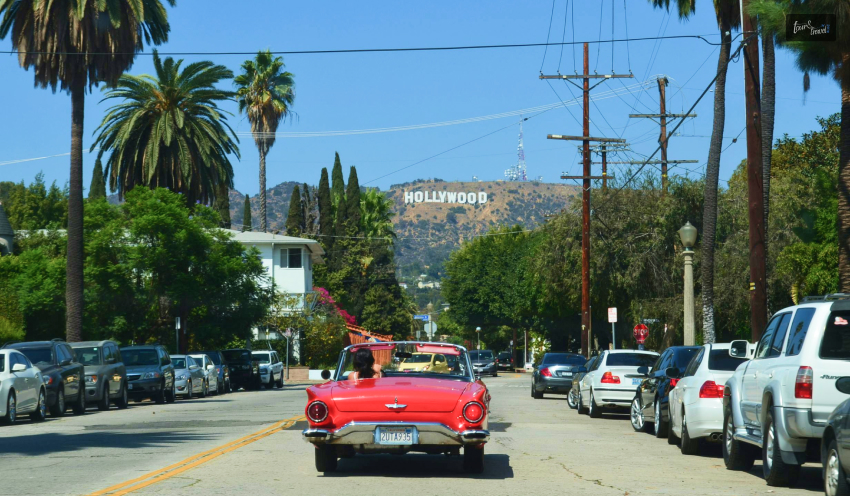
For someone fed on Hollywood staples, a visit to Los Angeles can be the biggest calling. Visiting Universal Studios Hollywood or hiking to the Hollywood sign are some of the best things to do in LA for a movie buff.

Further, Los Angeles has been a tourism hub since the late 1800s. With the foundation of the Merced Theatre and transportation systems, the city started attracting travelers. It is fascinating to see the city maintain the same craze in the age of socials.

Today, you type #losangeles and will find 86.8 million posts popping up. So, I have been thinking of sharing a to-do list in the city for the longest time. On the web, there are even threads like once in a lifetime things to do in Los Angeles Reddit! 😮😮😮😮

So, we could not stay behind, and here goes the brief guide, mentioning the things you can explore for a lifetime experience. 

At Tour and Travel, we wanted it to be different than the regular “12 once in a lifetime things to do in Los Angeles by a local” or “once in a lifetime things to do in Los Angeles 2025” guides. 

We wanted to keep it all hearts as the Hollywood movies have taught us! 

Things To Do In LA For Once In A Lifetime Experience | Make The Movie Buff In You Happy 

Things To Do In LA For Once In A Lifetime Experience

Los Angeles is the “Entertainment Capital of the World.” It is the Mecca of movie lovers, with names like Al Pacino, Clint Eastwood, and Marilyn Monroe gracing the city and its corners. 

In other words, “Hollywood” is the biggest draw for the visitors to this city. So, among the things to do in LA for a once-in-a-lifetime experience, I have included activities like hiking to the Hollywood sign or walking along the Hollywood Walk Of Fame. 

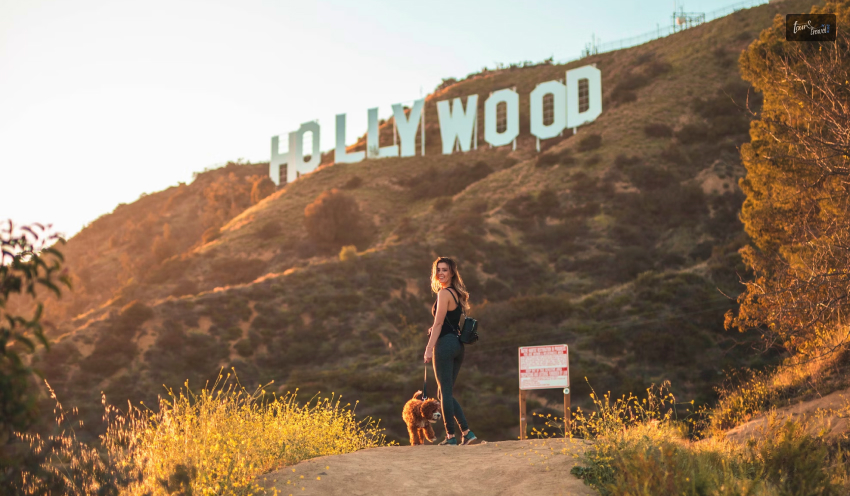
1. Hike To The Hollywood Sign | Once In A Lifetime Things To Do In Los Angeles

Hike To The Hollywood Sign

Are you up for a scenic hike? You can take a walk to the Hollywood sign. Throughout the hike, you will enjoy a breathtaking view of Los Angeles.  

Further, once you reach the Hollywood sign, you can take the most beautiful photos of yourself or the surroundings. 

Completing a hike to the Hollywood sign and taking some photographs, there is something preserved for posterity. You can share the memories with your future generations. 

Hiking to the Hollywood Sign or Mount Hollywood through the Charlie Turner Trailhead is easy. You can cover a distance of 5.3 miles here within 2 hours and 30 minutes. 

2. Visit The Universal Studios Hollywood

Visit The Universal Studios Hollywood

Address: 100 Universal City Plaza, Universal City

Contact No: +1 800-864-8377

Open Hours: 9 AM to 7 PM, Weekends: 8 AM to 10 PM

For all the Potter Heads and Minion lovers, a visit to Universal Studios Hollywood will be an immersive experience. Here, you can enjoy thrilling g rides and explore the sets of many famous movies. 

If you are about to visit Universal Studios Hollywood this winter, you must not miss the Holidays at Universal Studios Hollywood. The event has already started on 29th November 2024 and will continue till 6th January 2025.

You can even be a part of the Ring in the New Year with EVE. It is the biggest New Year celebration in Hollywood. 

Moreover, Universal Studios Hollywood has year-round attractions like “Jurassic World – The Ride,” “The Secret Life of Pets: Off the Leash, etc. So, a visit to Universal Studios Hollywood is one of the topmost once in a lifetime things to do in Los Angeles with kids.

3. Enjoy A Stroll Along The Hollywood Walk Of Fame

Enjoy A Stroll Along The Hollywood Walk Of Fame

A walk along Hollywood Boulevard is one of the best things to do in LA for once in a lifetime. You will find golden stars dedicated to your favorite star on the Hollywood Walk of Fame.

Moreover, you will feel the glamor of Tinseltown. Despite names like Julia Roberts, Leonardo DiCaprio, Madonna, and Clint Eastwood refusing to have a star on the Hollywood Walk of Fame, it remains a landmark of intrigue and awe in Los Angeles. 

4. Spend Some Time At Venice Beach

Spend Some Time At Venice Beach

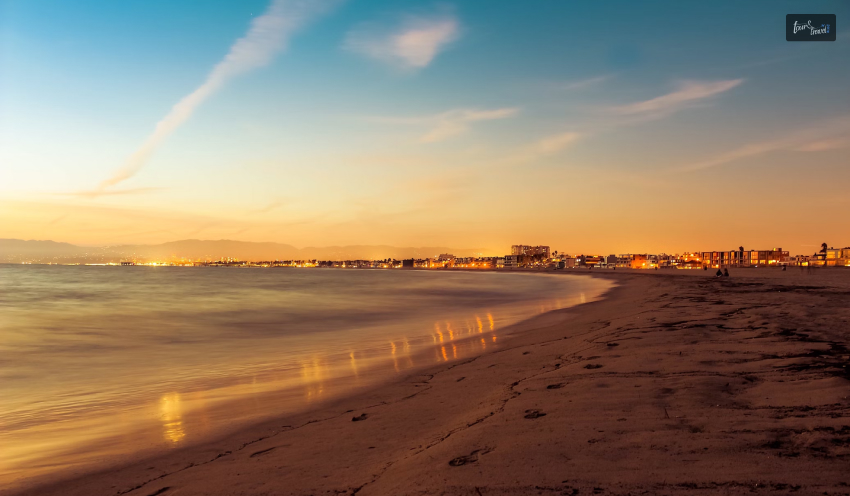
You can visit Los Angeles and, for the most relaxing time, head to Venice Beach. However, if soaking in the Sun is not the only thing you want, you can try a rollerblade or bike ride along the beach.

Further, you will find various street performers and unique shops on the beach. The vibrant atmosphere here makes it feature on our list of “once in a lifetime things to do Los Angeles.”

Moreover, Venice Beach has a skatepark where the best skaters in the area show their skills amidst the cheering of the onlookers. 

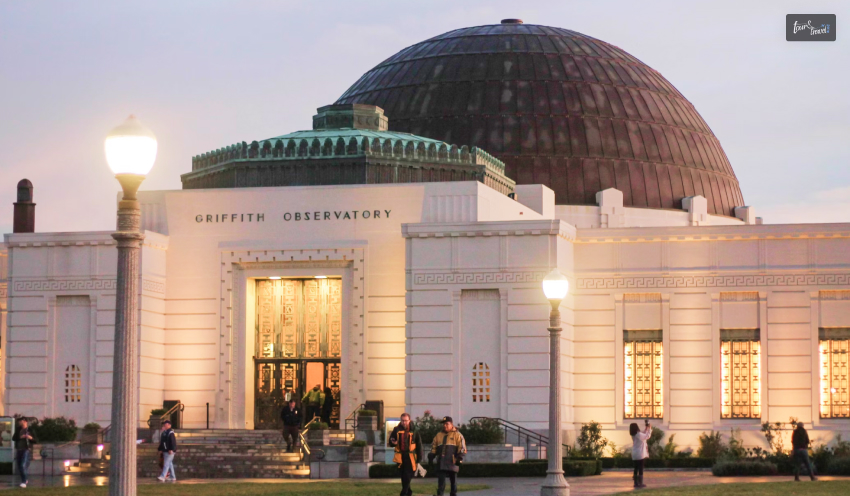
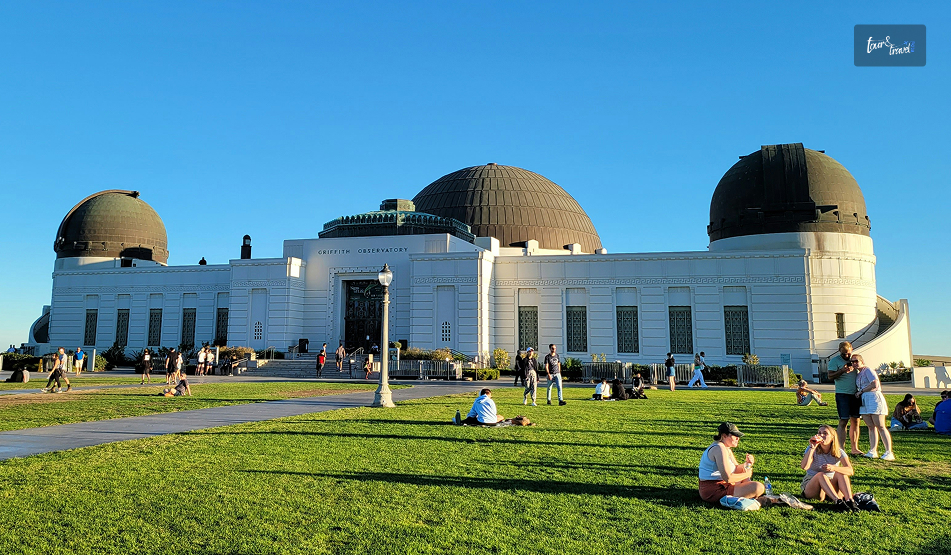
5. Visit The Griffith Observatory

Visit The Griffith Observatory

Address: 2800 E Observatory Road, Los Angeles

Contact No: +1 213-473-0800

Hours Open: Tuesday – Friday (12-10 PM), Saturday and Sunday (10 AM to 10 PM), Monday – Closed

Are you an observer of the sky? Are you passionate about celestial bodies? Exploring the Griffith Observatory is one of the best things to do in LA for a once-in-a-lifetime experience.

Irrespective of your day of visit, you can be a part of the daily programs at the Samuel Oschin Planetarium. There will be live shows and live demonstrations of the Tesla Coil. 

Moreover, there is a public telescope for you to look at the sky. 

The Griffith Observatory in Griffith Park is located on the southern slope of Mount Hollywood. You can hike to the park or enjoy a bike ride to this famous California hotspot. 

Furthermore, if you are traveling with family, you can take a drive or shared ride. Be an early bird if you want a spot for your car at Downhill. You can even keep your car at the paid parking near the observatory. 

6. Take A Helicopter Tour Of The City

Do you want to explore a bird’s eye view of Los Angeles? You can take a helicopter tour of the city. While taking a helicopter tour, you can explore the famous coastlines and hotspots of California.

Also, the cityscape looks amazing from the helicopter. A helicopter tour of Los Angeles will be around 1.5 hours, and it’s going to cost you something between $220-520 for each person. 

7. Take A Tour Of The Huntington Library, Art Museum, and Botanical Gardens

Address: 1151 Oxford Road, San Marino

Phone Number: +1 626-405-2100

Hours Open: 10 AM to 5 PM (Closed on Tuesdays)

The Huntington Library, Art Museum, and Botanical Gardens is the best amalgamation of all three elements mentioned in the name. 

It is an excellent place for researchers as they can explore as many as 12 million exhibits here. Further, these exhibits span between the 11th to 21st centuries. 

Further, the Art Museum bustles with 45000 works of art and has the best British, European, American and Asian work. 

Along with sculptures, the Art Museum also has paintings, photographs, decorative arts, and prints.  

Moreover, the Botanical Garden stretches over 130 acres, and it has more than 80000 living plants. Some of these are even endangered. So, if you are a nature lover or interested in plants, a visit to this Botanical Garden will be one of the once in a lifetime things to do in Los Angeles this weekend. 

8. Drive At The Christmas Tree Lane

If you are in Dallas in December or January, a drive at the Christmas Tree Lane is one of the most festive things you can do. 

The festive lights go on at the Christmas Tree Lane from 7th December after an illumination ceremony. The lights remain put till New Year’s Eve. And guess what! A drive at the Christmas Tree Lane is one of the free once in a lifetime things to do in Los Angeles.

Taking a drive through Christmas Tree Lane or Santa Rosa Ave feels great, with the cedars gracing the road lines. 

Also read

Share on Social Media

Meet Sibashree Bhattacharya, a travel enthusiast who has a decade-long experience in transcending virtual barriers with her words! Her deep love for travel is apparent from her travel escapades to the mountain, often taking her readers on a journey, her words acting as Portkey! Fun fact: Sibashree loves to dive deep into the history of the places she is about to visit, making her travels even more wholesome. If you were wondering how her articles are not short of time travel, this answers it!

Leave a Reply

Your email address will not be published. Required fields are marked *

title-img Related

READ MORE montana national parks

Top 12 Montana National Parks You Must Visit In 2024!

BY  Ankita Jun 6, 2023

Are you thinking about visiting Montana National Parks but are not really sure about which ones should you visit while you are there? Well, there is no need for you to worry. I have you covered! There are a number of national parks that are located in the United States. Whether you want to check out the national parks in Wyoming or Zion, the list is endless. But if you want to try out a new place, Montana might just be the right one for you! In this article, I will be focusing extensively on the best national parks in Montana that you must visit when you are in the states. So, if that is something that you want to know, keep reading the article till the end… Best Montana National Parks That You Must Visit! The fourth-largest state in the US, Montana, lies in the northwest of the country on the border with Canada. It is pretty sparsely populated. It boasts delightfully diverse landscapes. The west is very mountainous. While the east’s endless plains and prairies are only occasionally punctuated by breathtaking badlands and bluffs. Hidden away among its wild and remote realms are incredible wildlife species. There are moose, grizzly bears, and mountain lions all inhabiting its numerous national parks and state parks. Are you planning to travel to the States and Montana, to be specific? You need to check out this list of the best Montana National Parks that you need to visit in 2023: 1. Bighorn Canyon National Recreation Area Bighorn Canyon National Recreation Area sprawls over a vast zone and straddles both Montana and Wyoming. It is home to stunning scenery and landscapes. The area is made up of two delightfully distinct districts. It is a treat to explore, with a wealth of recreational activities to try out. The main feature of the park is the breathtaking Bighorn Canyon. It towers over the large lake and roaring river of the same name. Its craggy cliffs form a formidable backdrop to the tranquil waters below, which offer fantastic fishing, kayaking, and boating. Hiking and camping are very popular. However, the area also has a range of archaeological and cultural treasures to check out. As well as being home to historic ranches, a third of its area is located on the Crow Indian Reservation. Part of the park is a range for wild horses. Visitors can learn all about its history, geology, and nature at one of the site’s two centers. 2. Big Hole National Battlefield The Big Hole National Battlefield is the location of the battle that took place on August 9th and 10th during Nez Perce Flight of 1877. By early August, over 800 nimí·pu· (Nez Perce) and over 2,000 horses were passing peacefully through the Bitterroot Valley after crossing Lolo Pass into Montana. Their leaders believed the military would not pursue them even though many had premonitions warning otherwise. When the nimí·pu· arrived at ?ıckumcılé.lıkpe (known today as Big Hole National Battlefield) on August 7th, they did not know the military was close behind them. On the morning of August 9, 1877, U.S. troops surprised the sleeping nimí·pu· with a dawn attack on the encampment. And that is where and when everything happened that made this area a national historic place. The park's visitor center offers museum exhibits, a film, and a book sales area. The award-winning film Weet'uciklitukt: There's No Turning Back, Battle at Big Hole provides an introduction to the Nez Perce Flight of 1877 and the battle that took place at this site. The film is shown throughout the day and is close-captioned. Audio and braille guides are available upon request. Big Hole National Battlefield is one of the 38 sites that make up the Nez Perce National Historical Park. Together they tell the story of the nimí·pu· (Nez Perce). These sites are spread over much of the traditional homeland of the nimí·pu· in present-day Idaho, Montana, Oregon, and Washington. Staff are located here at the Big Hole National Battlefield, as well as at the visitor center in Spalding, ID, and at the Bear Paw Battlefield. To visit all of the park sites could take a substantial amount of time and cover many hundreds of miles. 3. Glacier National Park Home to stunning scenery, landscapes, and nature, the gorgeous Glacier National Park can be found in the northwest of Montana on the border with Canada. Founded in 1910, it protects a vast swathe of unspoiled wilderness and fully deserves its nickname, the ‘Crown of the Continent’. Very mountainous, it is home to two rugged ranges, with vast valleys and rocky ravines left behind by the gigantic glaciers after which the park is named. Dotted about these damaged yet delightful landscapes are over 130 twinkling turquoise lakes, with gorgeous waterfalls and sparkling streams found here and there. As over half of the park is coated in verdant forests, it is a great place to go wildlife watching with moose, mountain goats and grizzly bears inhabiting its isolated areas. With scenic trails weaving their way amidst the towering trees and mountains and cozy campsites to stay at, Glacier National Park really is one of the most awe-inspiring places to visit in the whole of the States. 4. Fort Union Trading Post National Historic Site Next on the list of the best Montana National Parks is Fort Union Trading Post National Historic Site. Between 1828 and 1867, Fort Union was the most important fur trade post on the Upper Missouri River. Here, the Assiniboine and six other Northern Plains Tribes exchanged buffalo robes and smaller furs for goods from around the world, including cloth, guns, blankets, and beads. A bastion of peaceful coexistence, the post annually traded over 25,000 buffalo robes and $100,000 in merchandise. Fort Union Trading Post National Historic Site and its visitor center in the Bourgeois House are open daily throughout the year except for Thanksgiving, Christmas, and New Years Days. The Trade House, including the trade room and the clerk's office, is open seasonally. There are a number of things that you can do here. One of them is visiting the Fort Union’s Trade House, which was one of the most important buildings at Fort Union. It was in the Reception Room where Tribal leaders met with the American Fur Company Traders to discuss the terms of the trade and also where stories were told, and small feasts were held. Apart from that, you can also plan a great trip with your kids as they can become a Jr. Ranger and Jr. Trader at this historic National Park. 5. Grant-Kohrs Ranch National Historic Site Located almost equidistant between Missoula and Bozeman is the Grant-Kohrs Ranch National Historic Site, which commemorates the cattle industry and cowboy culture of the American West. Lying on the banks of the charming Cottonwood Creek, this colossal living history ranch now offers a fascinating look into the frontier cattle era that shaped the nation. Founded in 1862 by the Canadian fur trader Johnny Grant, the ranch was later bought as well as expanded by the successful cattle baron Conrad Kohrs. At its zenith, over 50,000 head of cattle roamed about his ranch, which sprawled as far as the eye could see. Nowadays, visitors can tour around its historic buildings and see the ranch in operation. Blacksmiths as well as cowboys use techniques that would have been used in the 19th century. 6. Little Bighorn Battlefield National Monument Lying about an hour’s drive to the east of Billings, this moving national monument and memorial commemorates the famous Battle of Little Bighorn. It was here on June 25 and 26, 1876, that General Custer made his ‘last stand’ and lost his life alongside many of his cavalry at the hands of the local Native Americans. At the sprawling battle site, visitors can learn all about the epic encounter that came to symbolize the clash of cultures. The Native Americans fought to protect their nomadic way of life and stop themselves from being forced onto reservations. It was a short but momentary victory for the Native Americans against the ever-expanding advances of the US Army. Through interesting and informative tours, you’ll learn all about the battle as well as its aftermath. Moreover, you will also learn about the legendary Lakota leaders Crazy Horse and Sitting Bull as well. In addition, you can visit the numerous markers and memorials scattered about what is now part of the Crow Indian Reservation. 7. Lewis & Clark National Historic Trail Also considered to be one of the best national parks in Oregon, the Lewis and Clark National Historic Trail winds nearly 4,900 miles through the homelands of more than 60 Tribal nations. It follows the historic outbound and inbound routes of the Lewis and Clark Expedition of 1803-1806 from Pittsburgh, Pennsylvania to the Pacific Ocean. Follow the trail to find the people, places, and stories that make up the complex legacy of the expedition. Boasting lots of large limestone caverns and stunning stalactites as well as stalagmites, Lewis & Clark Caverns State Park makes for a spectacular sight. Located just under an hour’s drive to the northwest of Bozeman, it is one of the most popular parks to visit in the state. First documented by the Lewis and Clark Expedition, after which it is named, the caves cover a substantial underground area. It has illuminating tours that take you around its most fascinating features. Lit up by flickering candles and fairy lights, its subterranean sculptures and formations are a treat to explore. Above ground is equally delightful. The state park’s lovely woods and shimmering streams lend themselves perfectly to hiking. It also offers mountain biking, and camping, with fishing and canoeing also on offer. 8. Ice Age Floods National Geologic Trail Glacial Lake Missoula, a 3,000 square-mile body of water encircling Missoula, Montana, was a result of an ice dam in northern Idaho. It happened at the conclusion of the last Ice Age, between 18,000 and 15,000 years ago. Floodwater came out when the dam burst, traveling across Washington, Oregon, and the Columbia River before reaching the Pacific Ocean. The Ice Age Floods affected the people and terrain of the Pacific Northwest, profoundly. The majority of geologists thought that glaciers and streams slowly eroded rock formations to create Washington's Channelled Scabland. Geologist J Harlen Bretz postulated that cataclysmic floods were responsible for the formation of the Channelled Scabland after finding geologic data that contradicted this theory. Bretz's theory was initially mocked, but it was later proven correct thanks to new technology like satellite photography. By the 1970s, everyone agreed that the Ice Age Floods were to blame for the ravaged terrain of the northwest United States. Today, the terrain is littered with remnants of these Ice Age Floods. It includes massive basalt coulees, dry falls, and big boulders. They have traveled hundreds of miles, high water lines, as well as tremendous current ripples. The Ice Age Floods National Geologic Trail includes spectacular examples of cataclysmic flood geology, breathtaking landscapes, and locations for scientific study. 9. Lone Pine State Park Lying just to the southwest of Kalispell is the lovely Lone Pine State Park. It looms over the city and Flathead Valley. As it is home to wonderful nature and scenic trails, it is very popular with locals and tourists. It also has plenty of recreational activities on offer. Founded in 1941, the park boasts delightful landscapes, with flower-filled meadows and lush forests coating its hilly confines. Reaching 1,110 meters in height, there are more than ten kilometers of trails to explore. It also has fabulous vistas visible from its upper reaches. Besides hiking, mountain biking, and horseback riding along its peaceful paths, visitors can go wildlife watching and birdwatching. In addition, there is an archery range and volleyball court to try out. Cross-country skiing and snowshoeing are on offer in the winter months. 10. Bannack State Park Once a thriving mining town, Bannack became a ghost town as the seams of glittering gold ran out, and so did the prospectors moved on. Set in a scenic yet remote spot in the southwest of the state, the eerie yet enticing ghost town is now under protection as part of a state park. Nestled away among Montana’s majestic mountains are more than 50 decaying buildings for visitors to explore, with log cabins lying alongside a school, hotel, and Methodist church. Although they have long been abandoned to the elements, most of them are in remarkably good condition. As such, it makes for an unsettling experience wandering around the empty streets. One of the best times to visit is in July, during the ‘Bannack Days.’ Re-enactors transform the town into what it would have been like during the gold rush. The rest of the year, visitors can take tours of Bannack or rent bikes and set off hiking from the nearby campsite. Read More: Top 8 List Of National Parks In North Carolina 11. Giant Springs State Park Giant Springs State Park lies just to the northeast of Great Falls on the banks of the Missouri River. It has sparkling springs all around, from which it derives its name. It is a top-rated place with many recreational activities on offer. That is mostly due to its proximity to the city and its peaceful and picturesque nature. Blackfeet Nation has used Giant Springs for centuries. Moreover, it is one of the largest freshwater springs in the States. First described by the Lewis and Clark Expedition in 1805, its waters originate in the Little Belt Mountains. It took around 3,000 years to travel the 100 kilometers underground to surface again at the springs. Besides visiting the springs, visitors can wander around the park’s gorgeous green spaces. They explore the scenic shoreline of the river. As well as its picnic areas and playgrounds, it also offers some great fishing, boating, and birdwatching. 12. Yellowstone National Park Last but definitely not least, we have another immensely famous option. It is a very popular and widely visited Yellowstone National Park. Most of Yellowstone lies within the wilds of Wyoming. Some picturesque parts of the popular park sprawl over into Idaho and Montana. An absolutely incredible place, it is awash with astounding natural sights. There are mighty mountain towers above sweeping valleys, verdant forests, and roaring rivers. The oldest national park in the world came to be in 1872, delighting and dazzling countless generations ever since. Its diverse and dramatic scenery is spectacular. However, it is most known for its more than 10,000 geysers as well as hot springs. There are also thermal features dotting its craggy confines. Of these, one of the most popular is the Grand Prismatic Spring due to its kaleidoscopic colors. Old Faithful never fails to amaze with the staggering size and scale of its spurting spring. Moreover, you cannot miss out on Yellowstone National Park. It has lots of wildlife residing within its remote realms and exquisite hiking, camping, and boating on offer. Wrapping It Up! In case you were searching for the best as well as must-visit Montana national parks, I hope that this article has been of help to you. If there are any other queries related to the same, feel free to let me know. All that you need to do is scroll down till you reach the bottom of the page. Then leave your queries and suggestions in the box below. Read Also: A Guide To National Parks In Wisconsin A Complete Guide For National Parks In Illinois Best National Parks In Missouri That You Must Know

READ MORE Cold-Weather Camping

Military-Style Winter Tents With Wood Stove: Dependable Comfort For Cold-Weather Camping

BY  Sibashree Nov 18, 2025

When temperatures drop and the snow keeps falling, a military-style winter tent with a wood stove becomes more than shelter—it’s the difference between enduring the cold and enjoying it.  Built for stability and warmth, these tents combine rugged fabrics, reinforced frames, and heat-safe stove jacks for reliable protection in harsh conditions. Today’s designs take that proven military strength and merge it with modern engineering.  An inflatable camping tent sets up fast without heavy poles, keeping your camp efficient and warm.  For longer expeditions, choosing the right winter tent ensures a safe balance between insulation and ventilation.  Moreover,  when your trip turns into true winter tent camping, a well-built hot tent lets you rest, dry gear, and cook inside while snow piles outside. Proper harsh cold-weather camping requires adequate gear. Thus, it is important to ensure that people do not suffer from a shivering cold. What Defines A True Military-Grade Hot Tent & How Does It Help In Cold-Weather Camping A military-grade hot tent is built to perform where the cold is relentless and the wind never stops.  Its strength begins with the fabric—dense, tear-resistant, and coated to block moisture while allowing controlled airflow.  Seams are double-stitched and heat-sealed to prevent leaks, and tension points are reinforced to hold shape under snow load.  Inside, an integrated stove jack made of fire-resistant material allows safe operation of a wood stove without damaging the canopy. Beyond materials, structure matters. The frame or inflatable skeleton must handle repeated freezing cycles without cracking or warping. Moreover,  the doors and vents are positioned for cross-ventilation to minimize condensation while maintaining interior warmth.  Moreover, this balance of durability, insulation, and controlled ventilation distinguishes an ordinary camping shelter from a genuine army tent with stove capability. The army tent is designed to keep crews safe and operational through winter extremes. 1. Stove Jack And Safety In Extreme Cold Start with fit and materials. The stove jack must be fire-resistant and matched to the pipe’s outside diameter so the collar seals without crushing the flue.  Add a heat shield or jack boot and use a short double-wall section near the exit to tame radiant heat.  Keep the chimney as straight and tall as practical, cap it with a spark arrestor, and confirm a steady draft before loading the firebox. Manage heat at the source. Set the stove on a fireproof mat, maintain clearances from walls and gear, and route guy lines where no one can bump hot pipe. Burn seasoned wood. Thus, wet or resinous fuel increases the risk of smoke, creosote, and CO. Vent with intent. Crack a low intake and a high exhaust vent to create cross-flow that controls condensation and carbon monoxide. Run a compact CO alarm. Operate with discipline. Gloves for pipe handling, daily ash removal, regular creosote checks, and no unattended flame. If no fire watch is planned, extinguish before sleep. 2. Why Inflatable Tents Fit Military-Style Needs Today Inflatable architecture replaces rigid poles with airbeams that keep even tension across the canopy, improving wind stability and snow-load handling. Setup is predictable: connect the pump, inflate to spec, and fine-tune guy lines without wrestling frozen joints or seized fittings.  With fewer metal bridges from inside to outside, an inflatable hot tent loses less heat to conduction and stays quieter in gusts. Cold-weather reliability improves, too. Multi-chamber designs add redundancy, and small punctures are field-repairable with a basic kit.  Curved geometry reduces flapping, helps shed spindrift, and preserves a clean stove clearance zone.  Packability is strong for the floor area—rolled beams ride securely on a sled or ATV, and the weight distribution is easier on long approaches. For teams that work in real winter, an inflatable winter tent delivers military-style discipline—fast deployment, controlled ventilation, and stable heat—without excess bulk.  RBM Outdoors focuses on this balance of durability and comfort, giving crews a 4-season shelter that performs when temperatures plunge. Thus, this acts as the ideal gear for cold-weather camping 3. Layout And Capacity For Winter Teams: Cold-Weather Camping Plan the space around heat and traffic. Start with a clear stove zone—an open buffer for safe clearances and wood handling—then set sleeping areas along the walls, keeping a center aisle free for movement.  Near-vertical walls and tall doors make cots practical; leave a small gap behind each cot for airflow and to keep fabric off hot gear.  Use a vestibule or annex for firewood, wet boots, and sled bags so the living space stays dry. For four people, aim for one dedicated drying line and a compact table; for six to eight, add a second line and a gear rack to keep gloves and layers rotating.  Suppose the tent has a divider, split “quiet sleep” and “task” sides to control light and noise.  Place a low intake vent opposite a high vent near the stove to move moisture out without dumping heat. 4. Set Up And Field Maintenance  Of Gear And Tents For Cold-Weather Camping Prep the site first: stamp a flat pad, face the door leeward, and mark a safe stove zone. Lay the footprint, clip or zip the floor, then inflate to spec using a gauge; set primary guy lines before tensioning secondaries.  In sugar snow, bury deadman anchors or use long snow stakes. Dry-fit the chimney, keep it as vertical as possible, add a spark arrestor, and place a fireproof mat under the stove. During use, clear spindrift from ridgelines, crack low and high vents, and re-tension lines after temperature drops.  Empty ash cold, check for creosote, and inspect the jack for heat glaze. Top up the airbeam pressure in deep cold and patch small punctures immediately.  For packout, cool, dry, vent, then roll toward open valves and lash low for transport. 5. Care And Storage Tips After The Trip Dry first, store second. After shutdown, crack the low and high vents to purge steam; brush off frost so meltwater doesn’t soak into the seams.  Let the liner reach room-dry before rolling. Empty ash cold, wipe the firebox, and knock creosote from pipe sections; a clean flue protects the jack and restores draft next trip. Inspect the jack panel for glazing or scorching, and replace it if it is fatigued. Protect fabrics and hardware. Rinse grit from zippers, treat sliders lightly, and check guy lines, stake loops, and tie-outs for fray.  Reproof high-wear zones if water no longer beads. For inflatable beams, equalize pressure at room temp, clear valves of ice, and store loosely—avoid long-term compression. Stash the tent in a cool, dry place off concrete, with a small desiccant pouch in the bag. Things To Remember About Cold-Weather Camping Tents  A military-style winter tent with a wood stove should deliver three things every time: safety, steady heat, and fast deployment.  Prioritize a fire-resistant jack, disciplined ventilation, and a layout that protects people and gear.  Inflatable designs add speed and stability in deep cold, while RBM Outdoors’ focus on durable materials and practical details keeps the shelter reliable through long winters.

READ MORE things to see on Phuket Island

Three Of The Best Must-See Attractions During Your Time On The Thai Island Of Phuket

BY  Sibashree Jul 17, 2025

Alright, so—Phuket, the Thai Island. Man, where do I even start? I went in with zero expectations. Like, I thought it’d just be a beach-and-smoothie kind of trip.  You know, chill, maybe burn a little under the sun, hit up a night market or two, then call it a win. But wow, did this place surprise me! Seriously, you could spend a whole week there and still feel like you missed stuff. And I don’t mean just tourist traps—I mean real gems, the kind of places that make you stop and go, “Wait... how is this even real?”  But if I had to pick just three, the ones that still pop into my head while I’m spacing out on the subway or standing in line somewhere? It’s these. Trust me, you don’t wanna skip ‘em. Here’s the shortlist of the best things to see on Phuket Island, broken down with the same chaotic energy I had while stumbling across them. What Are The Best Things To See On Phuket Island?  From the natural beauty of Phang Nga Bay to the Big Buddha statue and the unique charm of the Old Phuket Town, the best things to see on Phuket Island are many.  Here goes my journal of what I saw and what I experienced.  Also, you can plan a stay in the best hotel in Patong Beach to make your holiday more enjoyable.  1. Phang Nga Bay Okay, so this one?  Total accident. I wasn’t even planning on going. I was half-asleep at breakfast, eavesdropping on some German backpackers at the hostel talking about this boat tour, and I kinda just nodded along and joined last-minute. Best decision I didn’t even really make. Next thing I know, I’m on this longtail boat, wind blasting my face, trying not to drop my phone overboard. And then—bam—these giant limestone cliffs just rise up out of the water like something straight out of a dream.  It’s wild. Like, you see photos online and assume they’ve been touched up or filtered or something. But nope. That emerald-green water? Totally real. And almost too perfect. Ended up in a kayak somehow. Not sure how that happened—someone handed me a paddle and I just went with it. And let me tell you, drifting through caves and into these hidden lagoons where it suddenly goes dead silent?  Genuinely eerie. In the best way. It was just me, water, and birds doing their thing. No Wi-Fi, no distractions. I didn’t even take a photo in that moment, which says a lot ‘cause I take photos of everything. I just kind of sat there, floating, trying to process how this was real life. Also, I overheard someone mention that those rock formations are millions of years old. Which, I guess, makes sense... but also doesn’t, because that kind of time is hard to wrap your brain around when you’re wearing flip-flops and sunscreen that’s already stopped working. Moral of the story: if someone mentions Phang Nga Bay, just go. Don’t overthink it. 2. Big Buddha Statue: One Of The Iconic Things To See On Phuket Island Alright, so this one is on every “Top 10 Phuket” list, and at first I kinda rolled my eyes like, “Okay yeah, giant Buddha, got it.”  But listen—it’s worth it. Especially if you like places that mess with your sense of scale and give you a weird kind of peace you weren’t expecting. You can spot the statue from, like, miles away. It’s perched way up on this hill and looks kinda unreal when the sun hits it just right.  Getting there involves a bit of a drive (note to self: don’t trust Google Maps when it says 15 minutes), and the road?  Twisty and wild. At one point, I had to dodge a monkey that was just hanging out in the middle of the road like it paid rent there. Once you're at the top though—wow. The breeze, the views, the statue itself... it all just sort of hits you at once.  There were people praying, people meditating, some guy just playing with his shoelaces like he was in his own little world.  I ended up sitting on this shaded bench, not really thinking, just existing. It’s hard to explain, but everything felt... still like time slowed down a little. Even if you’re not spiritual or religious or whatever, there’s something about that spot that feels special. It’s quiet, but not in a lonely way. Just peaceful. Solid recommendation. 3. Phuket Town So, confession time: I almost skipped this entirely. “The Old Town of Phuket”? Sounded kinda boring, honestly. But someone at dinner said the food there was fire, and I was like, “Alright, I’ll go for the noodles.” Ended up staying all day. This part of the island has its own vibe. Totally different from the beachy postcard stuff. It’s loud, colorful, and full of character.  Buildings in faded yellows, pinks, blues—all with peeling paint and crooked shutters that somehow make it even better. It’s got this lived-in charm. Like nothing’s trying too hard, and that makes it cool. I wandered aimlessly for hours. Got lost, found a little bookstore with more cats than books, and accidentally bought a t-shirt I’ll probably never wear.  I ate noodles that made me do the involuntary “eyes wide, nod slowly” thing because they were just that good. Oh—and there was this old guy selling postcards with weird hand-drawn cartoons. I bought five. It’s not glamorous. It’s not curated. But it’s real. And for me, that’s what made it so good. Things To See In Phuket Island: Where Nature And Grandeur Meet So yeah, those three places? Absolute standouts. Not secret spots by any means—plenty of people go. But they’re memorable in that “I can’t believe this is real” kind of way. Nature that humbles you. A statue that quiets your brain. A town that feels like someone’s messy scrapbook of life. And hey, pack light but bring snacks. I got way too hungry way too fast and regretted not having anything on hand but gum. Anyway, that’s it. If you end up in Phuket, don’t miss these. Or do. But you’d be missing out.