

Cedar Creek Boat Rental | A Look At The Different Types Of Boats You Can Rent At Cedar Creek

Sep 8, 2023

Last Updated on: Nov 13, 2025

Travel Guides

Cedar Creek, a captivating lake located in Texas, is a hot spot for boating devotees. It provides a comprehensive assortment of boats for rent, accommodating the tastes and requirements of those fond of boating.

Whether you’re after a peaceful day sailing on the water or a heart-racing aquatic exploit, a reputed Cedar Creek boat rental service can accommodate you. 

Nevertheless, in this Tour and Travel guide, we’ll explore the different types of boats you can get from the Cedar Creek boat rentals. Thus, this guide will provide a glimpse into the unique offerings that make this location a boating paradise.

Different Types Of Boats You Can Rent At Cedar Creek Boat Rental 

Different Types Of Boats You Can Rent At Cedar Creek Boat Rental

Covering the Kaufman and Henderson counties, Cedar Creek Lake is the hub of various water activities. The boat rentals Cedar Creek Lake cater to all these demands, inviting localities and visitors residing in the nearby inns, resorts, and lodges. 

You can even get in touch with the best boat rental company Cedar Creek Lake, for a delightful bird-watching experience. 

Moreover, don’t forget to try fishing here, as this area has schools of blue catfish, flathead catfish, hybrid striped bass, crappie, etc. 

With a wide spectrum of water activities waiting for you, you can choose your favorite from the different types of Cedar Creek boats available. 

Massimo Pontoon

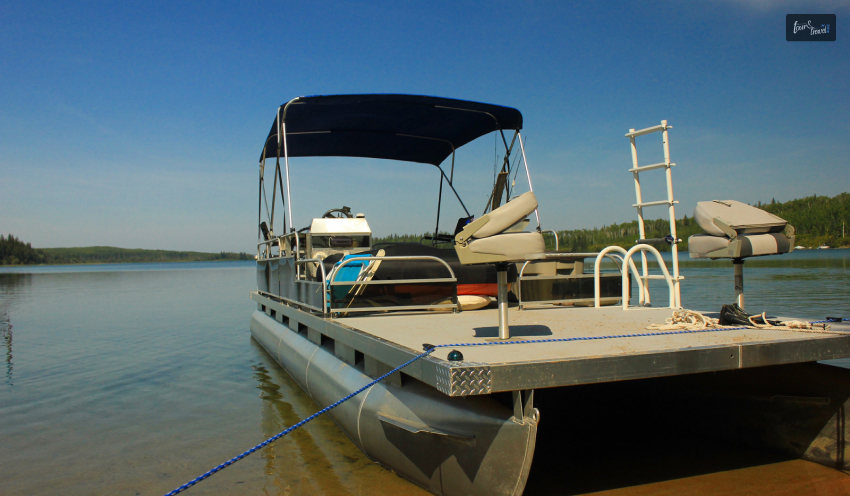
A pontoon is a versatile and family-friendly option for relaxing on the water. The Massimo Pontoon, available at Cedar Creek, offers stability, spaciousness, and comfort, making it ideal for group events or family outings. With ample space for passengers, you can enjoy the scenic views of Cedar Creek Lake Boat Rentals in the company of your loved ones.

Hurricane

The Hurricane boat is an exhilarating option for those craving an extra dose of excitement on the water. With its sleek design and impressive performance, this vessel enables you to swiftly glide across the lake, embracing the thrill of the experience. The Hurricane provides an exhilarating boating experience without breaking the bank.

Landau Pontoon

Another excellent pontoon option is the Landau Pontoon. Known for its comfort and reliability, this boat is perfect for those planning a serene day on the lake. Like other pontoons, the Landau Pontoon rents per day, offering a cost-effective way to enjoy the beauty of Cedar Creek.

Manitou Pontoon

The Manitou Pontoon is yet another fantastic option for groups or families. With a sturdy build and comfortable seating, this pontoon allows for a leisurely cruise around the lake, soaking in the sun and the stunning surroundings. Pontoons are generally known for their stability and roominess, ideal for larger parties or relaxed cruising.

CrownLine

If you want the ultimate luxury boating experience, let the CrownLine be your perfect match. This top-tier boat provides unmatched luxury for those who wish to unwind and enjoy their day on the ocean comfortably. Every cent is worth it, and with a per-day rental fee, the CrownLine boat is priced to offer tremendous value for your investment.

You can’t find anywhere else a lavish and opulent experience that will impress your friends with its grandeur. So don’t wait; come and enjoy the experience of a lifetime with the CrownLine. There’s no better way to enjoy a day or two on the water.

Sea Ray 185 & 195

Sea Ray models 185 and 195 are standouts amongst boaters everywhere for their superior and timeless design. They can power their way through the waters with focused and intuitive precision.

It’s a boat person’s dream, providing a luxurious feel, ample amenities for long and short rides, and a performance legitimized by its stellar track record; no wonder it’s a popular choice to traverse the waters of Cedar Creek Lake.

Starcraft

With a legacy of reliability and versatility, Starcraft boats are a favorite among boaters. Whether you want to go fishing or navigate a leisurely cruise, you can count on a Starcraft boat to take you on the ride of your life.

From a weekend angler pursuing the best fish to a seasoned sailor wanting the ultimate cruise, the varied selection of Starcraft has you covered. Get ready to hit the open water with comfort and satisfaction, knowing your Starcraft delivers all the boat possibilities your heart desires.

Yamaha SX 210 Jet Boat & Yamaha Jet Boat 242s Limited

The Yamaha SX 210 Jet Boat and the Yamaha Jet Boat 242s Limited are perfect if you crave speed. These jet boats are known for their agility and speed, guaranteeing a thrilling ride on Cedar Creek Lake.

With their powerful engines and advanced navigation technology, these jet boats will take you wherever your heart desires on Cedar Creek Lake. Prepare for an exhilarating experience that will impress all your friends.

Chaparral

Chaparral boats boast a reputation for providing superior quality and consistent innovation. While on the water, these vessels offer an unparalleled smooth ride and plenty of room for relaxation.

It’s no wonder Chaparral boats are seen as a fantastic option for a perfect day out looking around any lake. They are the obvious choice for getting the most out of your time on the lake.

Things You Did Not Know About Cedar Creek Lake 

Cedar Creek Reservoir, or Cedar Creek Lake, has been the prime source of water for Fort Worth and many other counties of North Texas. 

It comes with a length of 18 miles and it has a width of 2 miles. Furthermore, it comes with a shoreline of 220 miles. The maximum water depth at the lake is 62 feet. So, it is one of the safest water bodies in Texas for aquatic activities. 

A Tour And Travel Safety Guide If You Are Seeking Boat Rentals On Cedar Creek Lake

A boat wreck at Cedar Creek Lake on 6th June 2024 has been an eye-opener for the boat rentals on Cedar Creek Lake and the visitors. 

The water can be dangerous after dark. So, explore the lake and the aquatic pursuits as much as you want. But you must not get into the water after sunset. 

A Look At The Different Types Of Boats You Can Rent At Cedar Creek Lake Boat Rental – In Conclusion

Cedar Creek is the ultimate destination for a thrilling outdoor adventure. Whether you seek a serene day sailing on the water or an exhilarating aquatic experience, Cedar Creek has a variety of boat rentals to suit your needs. Discover the unparalleled offerings that make this destination a true boating paradise.

Read Also:

Share on Social Media

Nabamita Sinha loves to write about lifestyle and pop-culture. In her free time she loves to watch movies and TV series and experiment with food. Her favourite niche topics are fashion, lifestyle, travel and gossip content. Her style of writing is creative and quirky.

Leave a Reply

Your email address will not be published. Required fields are marked *

title-img Related

READ MORE Great Barrier Island wildlife tours

Aotea Great Barrier Island Wildlife: The Ultimate Tours & Spotting Guide (New Zealand)

BY  Sibashree Nov 12, 2025

There are three instances I clearly remember from our trip to the Great Barrier Island, New Zealand. The best thing about the Great Barrier Island wildlife tours is that they begin even before you board the ferry.  Here, I will start with some fun moments we had while exploring the wildlife of Great Barrier Island, then gradually discuss the details. So, let’s examine the rugged, predator-free paradise in New Zealand's Hauraki Gulf.  My Great Barrier Island Wildlife Tours: Some Stories That Have Stayed With Me With around 60% of the Great Barrier Island being a conservation area, the Aotea Great Barrier Island in New Zealand shines with sustainability certificates and its commitment to preserving the indigenous flora and the rare and endemic fauna of the island.  1. The Biosecurity Check  We were about to board the ferry to the Great Barrier Island. The Auckland Regional Council and the Ministry for Primary Industries (MPI) people did thorough biosecurity checks of our bags, and we had to clean our boots. Thus, they make a visitor part of the island's conservation effort.  This check is mandatory, and this is the reason the pāteke and kākā are thriving on the island. 2. The Dark Sky Sanctuary And The Great Barrier Island Wildlife Tours  Great Barrier Island’s designation as a Dark Sky Sanctuary has enhanced the wildlife tour experiences. We went out to see the Milky Way at night, and we stood quietly and listened to the sound of silence.  Suddenly, we were startled by the more-pork cry of the Ruru birds. Also, we saw the black petrels or Tākoketai coming back to their burrows.  3. Did I See A Chevron Skink? Did I Not? See, Chevron Skink also feels like a mythical species. These nocturnal species are the masters of camouflage. So, honestly, we did not see them with our naked eyes.  However, we could listen to the squeaks and grunts of the Chevron Skinks. It was thrilling knowing that we were walking through their only habitat in the world, which is protected by sanctuaries like Glenfern.  Why Is Aotea Great Barrier Island A Paradise For Wildlife Tours?  Afar, a US-based travel media brand, has named Aotea Great Barrier Island one of the top 25 off-the-beaten-track destinations in the world.  Aotea, Great Barrier Island in the Hauraki Gulf, is a designated dark sky sanctuary. So, it is ideal for spotting and listening to the nocturnal birds and animals.  Furthermore, the Department of Conservation (DOC) maintains 60% conservation land on the Aotea Great Barrier Island. As a result, it is the island of Firsts" and "Lasts.” It means that the island has birds such as North Island kākā and pāteke (brown teal), which are found nowhere else in the world.  In addition, the "Predator-Free" Secret of the Island is truly special. In the absence of stoats, possums, weasels, or deer, the rare and endemic species here have been able to thrive.  Along with all these endeavors, the Great Barrier Island has been successful in community-led conservation efforts, maintaining biodiversity and species protection. Here are the details.  1. Aotea Great Barrier Island Environmental Trust “The principle activities of the Trust are in protecting, enhancing, developing and maintaining habitats for New Zealand native and endemic species on Aotea Great Barrier Island, with a particular focus on pest management…” Founded in 2002, this trust has been an advocate for conservation policies, has coordinated many conservation efforts, and earned funding for local conservation projects.  2. Aotea Conservation Park  The 2,000-hectare Aotea Conservation Park with walking tracks, DOC huts, and campsites makes the island an ideal destination for exploring the wildlife.  3. Marine Conservation  The Aotea Great Barrier Environmental Trust’s Tai Timu Tai Pari” or “Sea Change” initiative aims to protect the marine ecosystem of the Hauraki Gulf. Furthermore, the Department of Conservation (DOC) has proposed to build a large marine conservation area in the northeast corner of the island.  In addition, beach clean-ups and educational programs have been effective local endeavors to preserve the marine life of the island.  4. Biodiversity And Species Protection  The island is a critical nesting ground for the black petrels. The Department of Conservation takes care of the nesting ground.  Furthermore, around 60% of the pāteke population in New Zealand is present on the Great Barrier Island. These birds are frequently spotted in places such as Kaitoke Wetlands.  You can visit the Kaitoke Wetlands just before dusk. Park at the end of the road, walk the flat boardwalk, and wait quietly by the main pond. You will almost certainly see and hear the rare pāteke (brown teal) as they come out to feed. Chevron skink, 13 different types of lizards, banded rail, and North Island Kaka are some other native species that exist on the Great Barrier Island.  What Are The Must-See Wildlife Attractions On The Aotea Great Barrier Island In New Zealand?  The Glenfern Sanctuary, Aotea Track, Kaitoke Hot Springs, and the coastal areas are ideal for spotting the unique and rich wildlife of the Great Barrier Island, New Zealand.  1. The Pāteke (Brown Teal) Pāteke is one of the rarest ducks in the world. The Great Barrier Island is a stronghold for these ducks, and you will find them in the Kaitoke Wetlands.  The Department of Conservation and Predator Free NZ Trust are two important bodies taking care of the conservation efforts to protect these birds. Habitat management and predator control are two main elements of protecting the Pāteke birds.  Now, you understand why biosecurity is so crucial for these adorable ducks on the Great Barrier Island.  2. The Black Petrel (Takoketai) This seabird breeds only on the Great Barrier and Little Barrier islands. They nest in burrows high in the mountains. The Glenfern Sanctuary protects a key colony of these birds.  However, the main breeding colony on Aotea is at Mount Hobson/Hirakimata. According to the Department of Conservation, around 900-1000 pairs of birds stay there.  These birds are featured on the IUCN Red List as a vulnerable species. Furthermore, they are identified as “Nationally Vulnerable” in New Zealand.  Moreover, there has been a conservation monitoring going on since 1995 to assess the population of these birds and how they are declining.  3. The Chevron Skink (Niho Taniwha) This large, rare lizard is found only on the Great Barrier and Little Barrier. It is almost like a mythical animal, and spotting it is very unlikely.  However, they mostly stay in the Stream-side forests. It is listed as nationally vulnerable by the Threat Classification System of the Department of Conservation.  The sightings of these lizards are so important that DOC asks you to report to the local office or call at +64 9 429 0044 whenever you spot one.  4. The North Island Kākā It is a large, intelligent, and noisy native parrot. It is famous for the loud "screech" and "chatter. I saw a few of them high in the forest canopy along the Mt Hobson track.  The Glenfern Sanctuary is another spot where you will find these parrots. The Great Barrier Island is an important habitat for these birds as it offers a predator-free environment.  5. Dolphins And Marine Life Aotea’s location on the edge of the Hauraki Gulf Marine Park, the national park of the sea, makes it rich in marine life. The Hauraki Gulf and the Great Barrier Island were both formed due to massive volcanic activity at the end of the Ice Age.  In 1769, James Cook named the island because of how it protected the Hauraki Gulf.  The water of the Hauraki Gulf Marine Park has 22 species of marine mammals. Bottlenose and common dolphins are often seen from the ferry or playing in bays like Okupu (Blind Bay) and Whangaparapara Harbour. You may even spot Bryde's whales there.  Furthermore, seabirds are important members of the Marine Park. Black petrels are, of course, the most common among them.  Coastal camping is the best outdoor experience if you want to explore the marine life of the Great Barrier Island, New Zealand. Here are some popular coastal campsites.  Akapoua Bay Campsite Near Port Fitzroy, Ideal for Spotting Pohutukawa Trees and Fishing Awana Beach Campsite, Ideal for Surfers Harataonga Campsite, Great for Swimming and Snorkeling Medlands Beach Campsite, Surfing and Picnic Spot  The Green Campsite at Whangaparapara Harbour, Ideal for a Serene Walk and as a Secluded Retreat Whangapoua Campsite, a Popular Surf-Break.  A Guide To Aotea Great Barrier Island Wildlife Tours: Species, Sanctuaries, And Different Types Of Wildlife Tours  During the wildlife tours, our primary concern was how to spot native birds on Great Barrier Island. Little did we know that we would hear them before actually seeing them flapping their wings.  We heard the screeching call of kākā as we were hiking through the Mount Hobson Track. Then, we saw a cloud of birds passing over our heads.  Nevertheless, it’s not just about the birds. Aotea, Great Barrier Island in New Zealand, is home to endless endemic species.  1. Specialist Day Tours & Sanctuary Visits The Glenfern Sanctuary of the Great Barrier Island is a haven for the endangered and rare species. It is an 83-acre regional park, and it functions as the “gateway to the 240-hectare Kotuku Peninsula of the north-west coastline of the Great Barrier Island.” Furthermore, the Glenfern Sanctuary Trust is committed to the preservation of the endangered flora and fauna and their habitats as you walk through the 2km loop track through a native bush to spot the birds and native species.  The black petrels and the ancient Kauri trees are the biggest highlights of this tour. The sanctuary remains open 7 days a week and from sunrise to sunset.  Moreover, you must hike through the Sanctuary and Loop Track to explore nature, wildlife, and the unique culture of the Great Barrier Island.  Sanctuary And Loop Track The Glefern Loop Track is one of the easiest Great Barrier Island hiking tracks. Here, you will have to walk along the Aotea stream and through the remnants of an ancient native bush.  The bush is protected by the Queen Elizabeth II National Trust of New Zealand, and it is rich in bird life. So, here, you will spot black petrels, Kaka, and Pāteke.  You can contact the regional office at 09 4290 091 to know about the further details.  2. The All-Inclusive Multi-Day Guided Walk If you want a more immersive wildlife experience, you must choose the all-inclusive multi-day guided walks. MoaTours and Go Great Barrier Island Tourism are two such services taking care of your accommodation, food, expert guides, and transport.  They focus on the best tracks, like the Aotea Track, Mt Hobson, and Kaitoke Wetlands. Furthermore, the guides are flora and fauna experts. For example, you can try the “Let’s Go Wild,” “The Aotea Track” package of the Great Barrier Island. Two of the main highlights of this tour are the wetlands and the unique wildlife.  It is a 3-day hiking experience, and the charge per person (adults) will be $541 (Standard Route) or $596 (The Windy Canyon Route).  MoaTours, on the other hand, organizes a 5-day Great Barrier Island small group tour, covering areas such as the Medlands Beach and Tryphena Harbour. The charges will be   $4,390 NZD for solo travelers and $3,890 NZD for twin travelers.  3. Self-Guided Great Barrier Island Wildlife Tours  The self-guided tours to explore the wildlife of the Great Barrier Island are ideal for an independent traveler. For example, you can go for the Glefern Sanctuary self-guided walks and learn about the biodiversity of the sanctuary, its conservation efforts, and more.  You can contact Steve, the manager of the sanctuary, at 0210826670 to be a part of these tours.  Furthermore, you can create your own Great Barrier Island wildlife tours by planning a visit to the Kaitoke Wetlands, Mt Hobson (Hirakimata) Track, Medlands Beach & Onetangi, and Windy Canyon.  How To Spot Native Birds On Great Barrier Island? A DIY Guide For Wildlife Tours  I have already mentioned the Glefern Sanctuary self-guided walks. Along with that, you can visit any of these areas for a perfect wildlife exploration on the Great Barrier Island.  1. Kaitoke Wetlands The Glefern Sanctuary offers a guided tour to the Kaitoke Hot Springs, located on the Mount Hobson Track. You can access the track from the Whangaparapara Road.  Furthermore, you will find a series of geothermal pools on the Kaitoke Hot Springs track. This area, maintained by the Department of Conservation (DoC), is a treasure hub for native birds.  Here, we had to walk through an easy boardwalk and gravel road to encounter pāteke and spotless crakes. And thanks to the new Kai swing bridge here, the route has now become wheelchair and buggy accessible.  Even when we were swimming in the geothermal pools, we could listen to the calls of the pātekes.  2. Mt Hobson (Hirakimata) Track The Peach Tree Track to Mount Hobson is the best route for spotting native birds and the wildlife of the Great Barrier Island. The route passes through regenerating forests, and these forests are home to a lot of native bird species, such as: Kākā Tūī: Tomtit (Miromiro) North Island Robin (Pītoitoi) Black Petrel (Takoketai) You can spot these birds in the dense native bush. Also, you can see them in large numbers near the high slopes and close to the summit. In addition, the 360-degree view of the island is a bonus you will love to count on.  3. Medlands Beach & Onetangi Medlands Beach and Onetangi are famous for coastal and nearshore wildlife like the paradise shelducks and little blue penguins.  Furthermore, wekas are common in these locations, and these are chosen as the reintroduction programs of the North Island brown kiwi.  4. Windy Canyon On the Windy Canyon hiking route, you will find conservation centers such as the Kiwi Park Queenstown. Here, you will find native species such as tuatara and Kiwi.  Furthermore, throughout the route, you will listen to the buzzing cicadas.  The Best Tips For Spotting The Birds On The Great Barrier Island  Dawn and dusk are the best hours of the day for spotting birds on the Great Barrier Island. “Dawn Chorus” is a real experience on the Great Barrier Island.  Once you reach the spot, be patient and wait quietly, as patience is a virtue for bird watching.  Keep your ears open. You'll hear the tūī's "click-whirr-gurgle" and the kākā's "screech" before you see them. Going nocturnal is a great trick for watching the native birds of the Great Barrier Island. That is why being a Dark Sky Sanctuary is crucial for the Aotea Great Barrier Island.  Carry a red-light torch and be alert about the "more-pork" call of the Ruru to spot the birds in the dark.  Talk to the staff of the hotel or the owner of the homestay you are staying in. They will have the best local tips about birdwatching on the Great Barrier Island.  How To Plan The Great Barrier Island Wildlife Tours?  There are three main aspects of planning Great Barrier Island wildlife tours. 1. How To Reach The Great Barrier Island? You can take a Barrier Air flight from Auckland to reach the Great Barrier Island in 45 minutes. You can even take the SeaLink ferry and complete a journey of 4.5 hours to reach the Great Barrier Island.  2. How To Move Around The Great Barrier Island? Renting a car or a bike is the most convenient option to move around the island. Furthermore, kayaking is an excellent way to explore the bays, caves, and diverse marine life of the island.  3. What Is The Best Time To Visit The Great Barrier Island Wildlife? From September to November, or the spring season, is the ideal time to visit the wildlife of Great Barrier Island. This is the nesting season for most birds on the island.  So, these months are the best for listening to the chorus of the dawn and the dusk.  Being A Responsible Tourist To Protect The Wildlife Of The Great Barrier Island Biosecurity is the most important aspect of the Great Barrier Island wildlife tours. The wildlife of the island is thriving as it is maintained as a sanctuary. So, by cooperating with the biosecurity checks at the DoC-approved facilities and cleaning stations, we have to be a part of the conservation effort.  The 3C policy of the biosecurity checks on the Great Barrier Island is: Check Clean Check We have to check our bags, gear, and shoes for pests (rats, mice, insects) and seeds before they leave the mainland.  Your Great Barrier Adventure Awaits The Aotea Great Barrier Island is a nature lover’s dream, with every nook awaiting a surprise with the native birds and their playful chirps. Furthermore, the Glenfern Sanctuary, Mount Hobson Track, and the wetlands on the Great Barrier Island, New Zealand, are a stronghold for rare and endemic birds and animals.  So, the birds are calling. Are you ready to answer? 

READ MORE

Grand Teton National Park Animals: Into The Wilderness

BY  Sibashree Sep 30, 2024

High in the mountains, Grand Teton National Park in Wyoming harbors a great ecosystem for wildlife viewing. It is just south of Yellowstone, another great destination for exploring diverse wildlife.  Further, as you indulge in the exotic beauty of the Teton Mountain Range and the Snake River, you will meet bison, bears, mountain lions, red squirrels, and even wolves. It is also home to the most colorful western tanager, bald eagles, and many other adorable birds. Are you charmed by the stealthy nature of reptiles and vipers? You can find garter snakes and rubber boa snakes here.  Fascinating! Isn’t it? Let me share a complete overview of wildlife at Grand Teton National Park. Don’t Miss Your “Spot” To Watch The Grand Teton National Park Animals You may not be a fan of Sheldon Cooper (from Big Bang Theory) and his obsession with his favorite spot. At Grand Teton National Park, you must know about the right spots for wildlife viewing.  Here, I have curated the best spots within the park where you can meet wildlife without causing any disturbance in the space wild creatures demand.  Oxbow Bend Oxbow Bend is one of the most beautiful vistas of the Grand Teton National Park. You often see a grizzly mother bear (grizzly No. 399) taking a stroll with her cubs. Further, the wetlands are mooses.  Oxbow Bend also attracts thousands of colorful birds and reptiles who graze around or visit to drink water here.  Moose Wilson Road The Moose Wilson Road stretches between the Craig Thomas Discovery & Visitor Center and the entrance of Granite Canyon Park.  It is hard to resist taking adorable snaps of bears indulging in berries here. You will also find moose in the wetlands.  National Elk Refuge Spanning 25,000 acres, the National Elk Refuge has 7,000 elk. The best time to visit the National Elk Refuge is between mid-December and early April. Take a horse-driven sleigh ride to meet Elks from a close distance.  The National Elk Refuge also has bison, mountain lions, bald eagles, and bears. Moreover, if you are lucky enough, you can meet wolves here.  Kelly Loop and Antelope Flats Kelly Loop and Antelope Flats are like a hidden gem in Grand Teton National Park. Look at the sagebrush to find a pronghorn or bison passing by.  Grand Teton National Park Animals (Mammals, Birds, Reptiles, Unusual Ones And More) Grand Teton National Park is a perfect coexistence of various species and a wonderful depiction of dependence in the food chain. Let’s find out who has made a home in this beautiful wilderness. Mammals At Grand Teton National Park As you explore the Grand Teton National Park, a small or big mammal will always be around you. Grizzly and black bears are the most prominent animals in the park, and you will also meet bison, moose, bighorn sheep, or elks.  Also, this park has wolves, wolverines, and mountain lions.  Small mammals in the park include red squirrels, chipmunks, Uinta ground squirrels, and long-tailed weasels.  Further, yellow-bellied marmots and squirrels will be your companion as you hike through the trails in the park.  Are you looking for mammals in the water? You will find the adorable muskrats, river otters, and beavers swimming around.  Do you know that moose is the largest antlered animal in the world? A moose can store 100 pounds of food in their stomach.A male moose can weigh as much as 1400 pounds.  Birds At Grand Teton National Park https://www.instagram.com/p/CgNiUMRMfpW/ The vibrant feathers of the western tanagers here are a treat to the eyes. Further, you will meet the calliope hummingbird, trumpeter swans, bald eagles, ospreys, and sage grouse in the park.  Do you know that Grand Teton National Park is the home to The calliope hummingbird? It is the smallest bird in North America and weighs even less than 1/10th ounce. Also, the largest waterfowl in North America, The trumpeter swan, lives here near spots like Swan Lake, Oxbow Bend, National Elk Refuge, and Flat Creek.  Do you want to watch birds romancing with their mates? Find out trumpeter swans moving in pair with their mate for life and sage grouses displaying their courtship in the sagebrush.  Reptiles At Grand Teton National Park https://www.instagram.com/p/CDlzaa-oYU5/ This nation is home to snakes such as rubber boa, valley garter snake, and wandering garter snake. These reptiles are found near the waterbodies in the park. You will also find the northern sagebrush lizard here. It is the only lizard species living in the park.  Amphibians At Grand Teton National Park  Despite a high elevation, cold temperature, and a dry climate, this national park has five species of amphibians. These are: Columbia spotted frogs Western tiger salamanders Western toads Bullfrogs Boreal chorus frogs Northern leopard frogs were found earlier in this area but have become extinct. If you want to spot these amphibians, you must visit Taggart Lake or String Lake.  Native Fish At Grand Teton National Park https://www.instagram.com/p/CgnT_ImrdGZ/?img_index=1 The native and non-native fish at Grand Teton National Park are vivid. Some (for example, mountain suckers) survive on mountain algae, while others (for example, cutthroat trouts) eat small fish and insects. For many animals and birds, like bald eagles, fish is the primary food source in the park. Further, fish is a secondary food source for the local inhabitants. In addition, by eating insects and algae, a fish keeps the spread of these elements in check.  Native Fish At Grand Teton National ParkUtah suckerFine spotted cutthroat trout of Snake RiverMountain suckerSpeckled daceUtah chubBluehead suckerNon-Native Fish At Grand Teton National ParkRainbow troutBrown troutLake troutGuppiesGoldfishGreen swordtail You will also find many aquarium species at Grand Teton National Park.  Species At Risk At Grand Teton National Park Grand Teton National Park is home to many species at risk and species of concern. Further, it has whitebark pine trees, which are up for listing.  Whitebark Pine Trees: Up For Listing  The invasive disease of blister rust and mountain pine beetles greatly harms these trees.  Alarmingly, an NPS Survey (2018) says that 57% of the trees were affected by blister rust, while the beetles harmed 30%. In addition, 40% of the total vegetation died.  Only 15% of the trees were able to produce cones. The pine nuts and seeds are an important food source for grizzly bears, squirrels, nutcrackers, black bears, and other animals in the area. Further, these trees play a crucial role in trapping and retaining snow, as well as in preventing the melting of snow. Thus, they prevent the erosion of steep slopes in the park. Do you know that grizzly bears eat whitebark pine nuts during hyperphagia? Hyperphagia refers to overeating before going into hibernation. These nuts are rich in protein and fat.  Species Of Concern After a magical recovery, Grand Teton National Park’s bald eagles are no longer endangered. However, these birds still fall into the category of the species of concern. Other species of concern in the national park are greater sage grouse and grey wolves. You will find the bald eagles near the Gros Ventre and Snake Rivers. They love eating fish and sometimes prey on carrion, waterfowl, and other small mammals. Greater sage grouse here are known for the most poetic display of their mating in the spring season every year. You will find them in spaces in the sagebrush.  Species At Risk  As a part of the Greater Yellow Ecosystem, Grand Teton National Park is home to around 800 grizzly bears. It has made a recovery from the list of endangered species after a long conservation endeavor and is now a species at threat or risk. Other species at risk at this national park are: Canada lynx Yellow-billed Cuckoo Western glacier stonefly The park gets filled with the knocking call of the yellow-billed cuckoo in the spring.  Small Creatures At Grand Teton National Park Insects play a very crucial role in the food chain system. They help pollinate flowers, function as nutrient recyclers, and feed many animals. So, when you see a violet lupine in Grand Teton National Park, you must know bees are around.  Along with bees,  Grand Teton National Park also has small and mighty ones, such as the Army Cutworm Moth (the food of grizzly bears during the fall season), Bark Beetles, carrion beetles, etc. Beetles are very important for the ecosystem of Grand Teton National Park. They break down woody plants and help return the nutrients to the soil. Further, carrion beetles recycle the minerals found in the corpse of an animal. Thus, these insects help with the decomposition and recycling of essential nutrients.  Over three million people visit Grand Teton National Park every year. Along with wildlife viewing, you can enjoy hiking, biking, fishing, climbing and mountaineering, and backcountry camping here. So, gear up for the best experience in the wilderness.  Also read Top 10 Most Popular Paraguay Food That You Must Try. Top 13 Famous Wonders Of India That You Must Visit! [Updated 2024] Top Tips For Motorbike Rental In Phuket – A Guide To Exploring The Island On Two Wheels.

READ MORE Asheville

Asheville For Families: Fun And Adventure

BY  Ankita Feb 24, 2024

Discovering Asheville with your loved ones? This vibrant city offers an abundance of family-friendly activities and attractions that promise both fun and adventure. From the natural beauty of the Blue Ridge Mountains to the urban charm of downtown Asheville, there's something for every family member to enjoy. And what better place to stay than the family-friendly suites at Embassy Suites in Asheville by Hilton? Let's dive into the heart of Asheville's family attractions. Cultural Experiences in the Heart of Asheville Asheville's vibrant cultural scene mirrors the diversity of its landscapes. Engage your family's curiosity at the Asheville Museum of Science and the Asheville Art Museum, where interactive exhibits and educational programs merge entertainment with learning. These institutions serve as gateways to understanding the world through a creative lens, ensuring that every visit is both fun and enlightening. The Biltmore Estate stands as a testament to America's Gilded Age, offering a glimpse into the past with its opulent mansion and expansive gardens. Here, families can embark on a journey through time, with falconry experiences and more adding to the estate's allure. Family Fun at Embassy Suites In the heart of this vibrant city, Embassy Suites in Asheville by Hilton presents the ideal accommodation for families. The hotel's spacious suites are designed with families in mind, ensuring comfort for all. An indoor pool provides endless entertainment for children, while the hotel's strategic location places Asheville's top attractions within easy reach. At Embassy Suites, every detail is considered to make your family's stay as enjoyable and convenient as possible, allowing you to focus on making lasting memories in Asheville. Exploring Asheville's Educational Landscapes Asheville isn't just a beacon for outdoor enthusiasts and culture seekers; it stands as a pivotal center for educational enrichment, offering families a myriad of learning adventures. This section delves deeper into the city's educational offerings, blending fun with knowledge in unique ways. Hands-On Learning Experiences The city brims with educational sites that provide interactive learning opportunities for children. The Asheville Science Museum, a cornerstone of discovery, engages young minds with exhibits spanning physics, natural history, and more, making learning a hands-on, captivating experience. Delving into the earth's wonders, the Colburn Earth Science Museum offers an extensive look at geology, showcasing an impressive collection of minerals and gems that illuminate the natural world's complexity. Cultural Immersion and Historical Exploration Beyond its scenic vistas, Asheville's historical narrative offers a rich tapestry for educational exploration. Embarking on the Historic Downtown Asheville Guided Walking Tour unveils the city's architectural marvels, notable figures, and pivotal moments, enriching visitors' understanding of this vibrant community. For a deeper cultural dive, the Museum of the Cherokee Indians presents an invaluable look into the Cherokee people's heritage, providing an immersive experience that bridges past and present. A visit here, easily accessible from Embassy Suites in Asheville by Hilton, promises a profound journey through the indigenous culture and history of the region. Staying at Embassy Suites in Asheville by Hilton not only places families in the heart of these educational experiences but also offers a comfortable and convenient base from which to explore Asheville's rich educational landscapes. Whether delving into science, exploring geological wonders, or uncovering the past, Asheville provides a backdrop where learning and leisure intersect seamlessly. Asheville's Green Spaces: Nature's Classroom Asheville's commitment to preserving natural spaces offers families unique opportunities to learn about environmental stewardship and the importance of conservation. The city's parks and greenways serve as open-air classrooms where children can learn about local flora and fauna, ecosystem dynamics, and the principles of Leave No Trace to minimize their environmental impact. One standout is the Beaver Lake Bird Sanctuary, a haven for birdwatching and learning about local wildlife. Guided walks and educational signage provide insights into the species that call Asheville home, fostering a deeper appreciation for biodiversity and the need for habitat protection. Another gem is the Botanical Gardens at Asheville, where families can participate in guided tours and workshops designed to educate visitors about plant science, conservation, and the role of plants in our ecosystems. These gardens not only offer a peaceful retreat but also play a crucial role in educating the public about the Appalachian region's native plant life. Staying at Embassy Suites in Asheville by Hilton gives families the advantage of being close to these natural learning environments, making it easy to incorporate educational outings into their visit. The hotel's commitment to sustainability complements the city's green ethos, providing a comfortable and eco-friendly base from which to explore Asheville's environmental wonders. Asheville's Artistic Soul: Fostering Creative Minds Asheville's vibrant art scene is not only a feast for the eyes but also a fertile ground for educational enrichment. The city's myriad art galleries, studios, and street art installations offer a hands-on approach to understanding and appreciating art. Families can explore the River Arts District, home to working artists in studios spanning everything from painting and sculpture to glassblowing and pottery. These interactive environments allow children to see artists at work, ask questions, and sometimes even try their hand at creating art themselves. Workshops and art classes available throughout the city cater to all ages, providing a fun and educational way to engage with art. Whether it's a family-friendly pottery session or a painting class, these experiences not only foster creativity but also encourage critical thinking and fine motor skills development. A stay at Embassy Suites in Asheville by Hilton places families at the heart of this artistic hub, making it easy to explore Asheville's creative offerings. The hotel's proximity to the River Arts District and other artistic venues ensures that your family's journey into Asheville's artistic soul is both convenient and enriching. Embracing Asheville's Wonders: A Family Adventure Awaits at Embassy Suites Asheville offers a unique blend of outdoor adventure and cultural richness that makes it an ideal destination for family vacations. With so much to see and do, each day promises a new adventure. And at the end of a fun-filled day, Embassy Suites in Asheville by Hilton provides a welcoming and comfortable retreat for your family. From the natural wonders of the Blue Ridge Mountains to the educational and interactive city attractions, Asheville ensures that your family vacation will be one to remember. Read Also: Family Activities & Attractions In Dubai Top 10 Places To Go On New Year’s Eve Worldwide According To Agoda’s AI Technology These Are The Closest Beaches To Ohio That You Need To Go For A Dreamy Vacation!