
Boat Trips And Czech Cuisine: A Taste Of Prague’s Culinary Delights

Jun 2, 2023

Last Updated on: Nov 4, 2025

Adventure

Prague, the capital city of the Czech Republic, is a renowned tourist destination that offers a unique blend of history, culture, and stunning architecture.

One of the city’s most distinctive features is its connection to the Vltava River, which flows through the heart of Prague. This river has played a vital role in shaping the city’s history and culture, and it offers an exciting opportunity for visitors to explore Prague’s attractions from a different perspective.

When combined with the rich and flavorful Czech cuisine, boat trips in Prague become a truly delightful experience for food and travel enthusiasts alike.

Exploring Prague’s Waterways

The Vltava River is not only a picturesque waterway but also a significant part of Prague’s heritage. It has witnessed the city’s growth and has been a source of inspiration for artists and writers throughout the centuries.

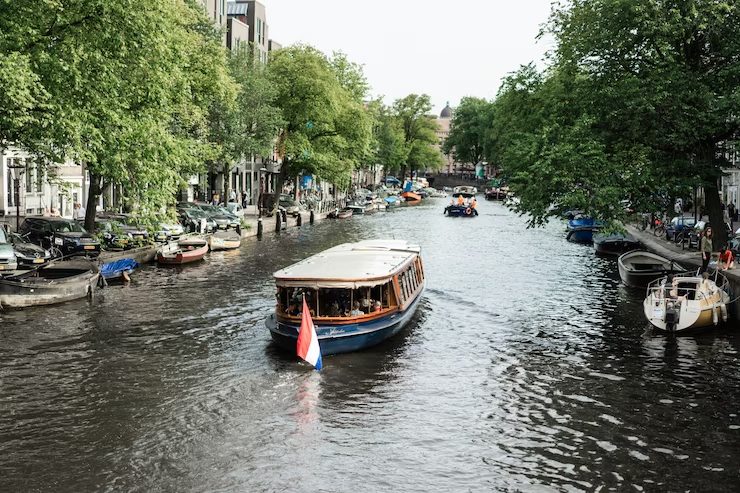
When exploring Prague’s waterways, visitors can marvel at iconic landmarks like the Prague Castle, Charles Bridge, and the National Theatre from the comfort of a boat. There are various boat trip options available, ranging from guided tours with informative commentary to self-guided rentals for those seeking a more independent experience.

A Gastronomic Journe

Czech cuisine is a rich culinary tradition that reflects the country’s history and cultural influences. It is known for its hearty dishes, generous portions, and bold flavors. Traditional Czech cuisine incorporates ingredients such as meat, potatoes, cabbage, and mushrooms, resulting in satisfying and delicious meals.

The cuisine is also heavily influenced by neighboring countries such as Germany, Austria, and Hungary, creating a fusion of flavors that is unique to Czech cuisine. Food holds great importance in Czech culture, with traditional dishes often being featured in local festivals and celebrations.

Fusion of Flavors: Czech Cuisine on Boat Trips

Combining boat trips with Czech cuisine offers an excellent opportunity to indulge in the country’s culinary delights while enjoying the scenic views along the Vltava River. Many boat trip providers, such as Alle.Travel, offer onboard dining options, allowing visitors to savor traditional Czech dishes as they cruise through Prague’s waterways.

From the iconic svíčková (marinated beef with a creamy sauce) and hearty goulash to the irresistible aroma of trdelník (sweet pastry) and the world-famous Czech beers, the flavors of Czech cuisine truly come to life during these boat trips. Don’t forget to leave room for dessert, as the boat trips also provide the chance to sample traditional Czech pastries and sweets.

Best Boat Trips for Food Enthusiasts

For food enthusiasts seeking an unforgettable culinary experience in Prague, there are specific boat trip providers and tours that cater to these desires. These tours often focus on showcasing the best of Czech gastronomy, offering food tastings, traditional meals, or even onboard cooking demonstrations. Some boat trips feature themed cruises centered around specific Czech dishes or local specialties, providing a deeper understanding of the culinary traditions and cultural heritage.

Beyond the Food: Additional Attractions and Activities

While the focus of boat trips in Prague is undoubtedly on the cuisine, there is much more to experience during these waterborne adventures. The breathtaking views of Prague’s historic landmarks and architectural wonders from the river create a unique perspective that cannot be fully appreciated from the land. Additionally, some boat trips offer live music, entertainment, or themed events, adding an extra layer of excitement to the journey.

Tips for an Unforgettable Experience

To ensure an unforgettable boat trip and culinary experience in Prague, consider a few practical tips. It is advisable to book boat trips in advance, especially during peak tourist seasons, to secure a spot. Check the weather forecast and dress appropriately for the day, and don’t forget to bring essential items such as sunscreen, a hat, and comfortable shoes. It’s also a good idea to arrive early to avoid any potential queues and to secure a desirable seating position on the boat.

Consider exploring different time slots for boat trips, as sunset or evening cruises can provide a romantic and enchanting atmosphere, with the city’s illuminated landmarks creating a magical backdrop.

Conclusion

Embarking on a boat trip along the Vltava River in Prague is not just a scenic adventure but also a culinary journey that allows visitors to savor the flavors of Czech cuisine. The combination of boat trips and Czech cuisine offers a unique and enriching experience, where travelers can indulge in traditional dishes, enjoy breathtaking views, and immerse themselves in the vibrant culture of Prague.

Whether it’s a guided tour or a self-guided rental, these boat trips provide a fantastic opportunity to appreciate the city’s history, architecture, and culinary delights in a memorable way. So, set sail on the Vltava River and let the fusion of flavors and the beauty of Prague’s waterways take you on a truly remarkable adventure.

Read Also:

Share on Social Media

Arnab is a professional blogger, having an enormous interest in writing blogs and other jones of calligraphies. In terms of his professional commitments, He carries out sharing sentient blogs.

Leave a Reply

Your email address will not be published. Required fields are marked *

title-img Related

READ MORE Guide to Everest Base Camp and Manaslu Circuit Trek

From Himalayan Peaks to Cultural Experiences: The Ultimate Guide to Everest Base Camp and Manaslu Circuit Trek

BY  Abdul Aziz Oct 9, 2023

The Everest Base Camp journey, located in the heart of the Himalayas, is a tribute to human endurance and the overwhelming appeal of nature's grandeur. This renowned trek leads explorers through Nepal's magnificent Khumbu region to the base of Mount Everest's highest mountain. The trail winds past secluded Sherpa settlements, historic monasteries, and lush rhododendron forests, providing insight into the local inhabitants' distinct culture and traditions. For those looking for a more off-the-beaten-path adventure, the Manaslu Circuit Trek surpasses the beauty of Everest. This journey, located in Nepal's western ranges, encircles Mount Manaslu, the world's eighth-highest peak. Trekkers will pass through various scenery, from terraced crops and picturesque communities to severe high-altitude hills. This trek's rich cultural exposure is one of its distinguishing aspects, as it passes through traditional Tibetan-influenced villages inhabited by welcoming Gurung and Tibetan people. The walk also offers a unique look into the preservation of ancient Buddhist monasteries, adding a spiritual component to the adventure. The attractiveness of the Manaslu Circuit resides not only in its magnificent mountain views but also in its potential to be completed in one day. Differences Between Everest Base Camp And Manaslu Circuit Trek; Permits And Restrictions: Permits for the Everest Base Camp Trek: Trekkers must get a TIMS (Trekkers' Information Management System) card and a Sagarmatha National Park permit. The trek has no explicit altitude restrictions. However, hikers should be aware of the possibility of altitude sickness. Permits for the Manaslu Circuit Trek: Trekkers must get a special permit called the Manaslu Restricted Area Permit, the Annapurna Conservation Area Permit (ACAP), and a TIMS card. The Manaslu Circuit Trek journey takes you through a restricted area and requires you to be accompanied by a registered guide. The Larkya Pass's highest point is 5,160 meters (16,930 feet) above sea level. Culture And Ethnicity: Everest Base Camp Trek: The trip provides insight into Sherpa culture with visits to traditional settlements such as Namche Bazaar and Tengboche. The primary religion is Buddhism, and numerous historic monasteries are along the path. Manaslu Circuit Trek: The Manaslu Circuit Trek travels through communities populated by a diverse range of ethnic groups, including Gurungs, Tibetans, and Magars. Tibetan Buddhism has influenced the culture, and several Buddhist monasteries and chortens exist. Scenery And Landscapes: Everest Base Camp Trek: The Everest Base Camp Trek provides breathtaking vistas of the Everest range, including peaks such as Lhotse, Nuptse, and Ama Dablam. The walk winds through rhododendron trees, glacial rivers, and high-altitude scenery. Manaslu Circuit Trek: The scenery on the Manaslu Circuit Trek is varied, ranging from lush green lowlands with terraced fields to alpine meadows and high mountain passes. Manaslu, Annapurna II, and other peaks in the Manaslu range provide stunning views. Crowds And Infrastructure: Everest Base Camp Trek: The Everest Base Camp trek is one of the most popular in the world, and the paths can be congested during peak seasons. Infrastructure: Along the road, there are well-developed teahouse lodgings that offer a variety of amenities. Manaslu Circuit Trek: The Manaslu Circuit Trek is less crowded than Everest, providing a more secluded experience. Its popularity, however, is gradually growing. While there are tea houses along the way, infrastructure must be established in the Everest region. Both treks offer unique and awe-inspiring experiences, and the choice between them depends on personal preferences, time constraints, and the kind of trekking experience one seeks. Day-by-day itinerary For Everest Base Camp Trek And Manaslu Circuit Trek; Day-By-Day Itinerary For Everest Base Camp Trek: Day 1: Kathmandu To Lukla (2,860m/9,383ft) Followed By Phakding (2,610m/8,563ft). Early morning flight to Lukla, one of the most exciting airports in the world. Begin your trip to Phakding by passing through beautiful scenery along the Dudh Koshi River. Day 2: Namche Bazaar Acclimatisation Day In Namche Bazaar, you can rest and acclimatize. Hike to the Everest View Hotel for spectacular views if time allows. Day 3: Trek From Namche Bazaar To Tengboche (3,860m/12,664ft). Trek through rhododendron forests with breathtaking views of Everest, Lhotse, and Ama Dablam. Visit the famed Tengboche Monastery, one of the world's highest. Day 4: Tengboche To Dingboche (4,410m/14,468ft) Descend to the Imja River and ascend to Pangboche. Continue to Dingboche, with spectacular views of Island Peak and Lhotse. Day 5: From Lobuche To Gorak Shep (5,140m/16,863ft) And Everest Base Camp (5,364m/17,598ft). Trek to Gorak Shep, the final town, before arriving at Everest Base Camp. Continue to the legendary Everest Base Camp, a truly fantastic achievement. Gorak Shep to Kala Patthar (5,550m/18,208ft) to Pheriche (4,371m/14,340ft) on day nine. Hike to Kala Patthar early in the morning for the best sunrise views of Everest and the surrounding peaks. Descend to Pheriche for some much-needed relaxation. Read Also: Prepping For Your Winter Trip To Salt Lake City Day-By-Day Itinerary For Manaslu Circuit Trek: Day 1: Kathmandu To Soti Khola (700 Metres/2,297 Feet) Drive from Kathmandu to Soti Khola through picturesque villages and terraced fields. Day 2:Soti Khola To Machha Khola (930m/3,051ft) Begin your trip by following the Budhi Gandaki River via Gurung settlements and lush forests. Day 3: Machha Khola (1,410m/4,626ft) To Jagat Continue along the Budhi Gandaki, past terraced fields, and Gurung communities. Day 4: Jagat To Deng (1,804m/5,919ft) Cross the Deng River after trekking through woodlands and terraced farmland. Day 5:Namrung To Samagaon (3,530m/11,581ft) With views of the Manaslu range, ascend through rhododendrons and pine trees. Day 6: Dharamsala To Larkya La Pass (5,160m/16,929ft) To Bimthang (3,720m/12,205ft) Early start for the challenging ascent to Larkya La Pass, offering incredible views of Himlung Himal, Annapurna II, and Manaslu. Descend to Bimthang for a well-deserved rest. Please note that itineraries can be subject to changes due to weather conditions, the group's pace, and other unforeseen circumstances. It's always recommended to be flexible and consult with experienced guides for the most up-to-date information. Tips For A Successful Trekking Experience; Physical Preparation: Being in good physical form is critical before beginning on a hike. Regular cardiovascular, strength, and endurance workouts can prepare your body for the rigors of trekking in various terrains and elevations. To lessen the danger of altitude sickness, it is also recommended to gradually acclimate to higher elevations through shorter treks or day walks. Nutrition And Hydration: Maintaining energy levels throughout a journey requires staying well-hydrated and well-nourished. Bring a reusable water bottle and a water filtration technique with you to ensure a clean water supply. Bring light, nutritious items like trail mix, energy bars, dried fruits, and fast meals. Focus is more important at higher elevations, where appetite may be reduced. Safety And Communication: Travel with an experienced guide or in a group, and always listen to and obey their directions. Carry a fully charged phone or satellite communicator in an emergency, and notify someone at home or the base camp of your itinerary. Familiarise yourself with the route, landmarks, and potential emergency exits. Weather Awareness: Stay informed about the weather conditions throughout your journey. Pack suitable rain, snow, and extreme temperature gear for rapid weather changes. Keep an eye on weather forecasts and be flexible with your plan if safety reasons require changes. Mindset And Attitude: Maintaining a positive and adaptive mindset is critical for a successful trek. Accept the obstacles, take in the gorgeous surroundings, and cherish the one-of-a-kind experiences that trekking provides. Listen to your body and be ready to change your plans if necessary. Keep in mind that the trip is just as important as the destination. By following these guidelines, Trekkers can improve their chances of having a safe, fun, and successful trekking trip. Always prioritize safety and respect for the natural environment and the local populations you pass through. Conclusion; In conclusion, embarking on a trekking adventure, whether to the or along the Manaslu Circuit, promises a transformative journey through some of the most awe-inspiring landscapes on Earth. Each trek offers its own unique set of challenges, cultural encounters, and panoramic views. Whether you choose the iconic Everest Base Camp Trek, with its Sherpa villages and unrivaled views of the world's tallest peak, or the more secluded yet equally stunning Manaslu Circuit, with its diverse terrain and rich cultural tapestry, both promise memories that will last a lifetime. Ultimately, a successful trek is a testament to the human spirit's capacity for exploration and endurance, leaving trekkers with a deeper appreciation for the magnificence of our planet. Whether you're drawn to the allure of Everest's grandeur or the untamed beauty of Manaslu, each step taken in these majestic landscapes is a step closer to an experience that will forever be etched in your memory. Read Also: Best Restaurants In Honduras To Visit While Traveling Indian Buffet Near Me In Florida – Best Buffets For You Top 15 Restaurants In Colombia You Must Visit While Traveling

READ MORE Best Time to Go Trekking in Nepal

Best Time to Go Trekking in Nepal

BY  Sibashree Mar 21, 2025

If you wish to come here, book slots for any time between Autumn and Spring. The season lasts from September to November and from March to May. That’s the Best Time to Go Trekking in Nepal.  If you're here, only for the climate and the peaks, come anytime. Barring the rains. Otherwise, Nepal always offers mild temperatures, good food, and cozy retreats along with marvelous nature.  The Himalayas  Nepal is the doorway to the Himalayas for you. What’s best- Nepal suffers the least of abrupt snowfalls and rains. So, you can surely enjoy a delectable trekking experience here. The clear skies and soothing weather will assist you.  Ideals Times for Trekking in Nepal (Autumn and Spring)  Do you know which is the Best Time to Go Trekking in Nepal? The autumn and spring for sure. What else? Autumn (September to November)  This post-monsoon season is considered the best trekking period in Nepal. This season rewards you with stable weather that is perfect for trekking. In addition, the skies are clear, offering great views of the snowy peaks. The autumn air is fresh and cool. The post monsoon landscapes in this season are lush green which is phenomenal to trek. There are no dusk cloaks. So, the visibility would never be an issue. You will also get a magnified view of the ranges that stand tall before your eyes. Meanwhile, an exceptional view of the unfrozen alpine lakes waits for you in Nepal.  In essence, you can book the popular Gokyo Lake Trek. The trek is best during the autumn. At this time of the year, you get the best view of the clean and vibrant Gokyo Lakes. Likewise, you can also opt for the Annapurna Circuit Trek, this month.  Choose this trek if you want to see the virgin beauty of the Gangapurna lake here. At the same time, try completing the Tilicho Lake Trek at a go! The Ranges in Sight  Other than lakes, the mountain peaks are there to amaze you. If you’ve selected the Langtang Trek, you can enjoy the retreat of the popular Kyanjin Ri. Then, there is the glamorous Langtang Lirung and other peaks in front of you. Trot some kilometers from there and you can see Naya Kanga. That and many other amazing ranges can be accessed from this vantage point.  Other Peaks  Simultaneously you can enjoy breathtaking views of the Gurja, Tukuche, and most importantly the Annapurna in Nepal. When you climb the Poon Hill, you can see all these peaks and much more at a stretch.  But, here’s the catch. To view these beauties, you have to go to the Annapurna Base Camp Trek. With all these, the exceptional Kala Patthar and Mt. Everest are also visible during the trek.  If you wish to see these peaks and treat yourself, come during the autumn. At other times, the weather is overcast. Or snows impair your visibility.  During treks, you may be caught between high winds or heavy rainfall too. So, it is better to avoid the random seasons. For an uninterrupted journey, choose the two seasons I spoke of.  Spring (March to May) During Spring, you can witness Nepal 2.0. Surely, this is another best Time to Go Trekking in Nepal. Most importantly, the weather is fine and the temperature is moderate. Moreover, clear skies will welcome you. Therefore, you can witness warm and often breezy mountain views.  Trekkers say that it is an ideal climate to trek the Base Camp. or you may also go for the Manaslu Circuit Trek.  Additional treats  If you are trekking during Spring, these are some of the pleasurables you will come across. Don’t miss the rhododendrons. The rest of the flora is also surreal. No wonder, more than 50% of the trekkers choose springtime treks in Nepal. But you can come here and amaze yourself with something else.  The daylight lasts till 8 p.m. during Springs. So you can trek for a long. Or view the serenity of the trekking paths for a long time.  But the peaky areas may be still frozen. So, you can’t miss your woolen and trekking jumpers when you visit Nepal during spring. But with time, the temperatures gradually rise. During later May, you may witness rain showers too. So, don’t miss out on rain gears, if you are planning to stretch your stay.  Reservation The Spring is one of the most popular travel seasons in Nepal. So, you must book your slots in advance. You may book teahouses while trekking. But you need to make booking if you need to get hold of the popular ones along the track.  The Annapurna base camp trek has a lot of them along the way. And almost all of them accept advance online booking. You may also book your teahouse from Kathmandu city offices.  Trekking in Off-Seasons  Off-season treks may be your thing if you want to see another side of Nepal. How’s the weather and what are the challenges of coming here during these months?  Winter Season (December to February) Winter trekking is serene but it is also challenging. During this season, the trails of high-altitude areas are covered with a thick layer of snow. In addition, the temperature drops significantly during this time.  Therefore, trekking can be challenging for those who are not accustomed to the cold weather in the mountains. While moderate-altitude treks can be completed smoothly, high-altitude treks require proper planning, support from expert guides, and thoughtful packing. It is essential to check the weather regularly before heading out for the treks during the winter months. The high altitude passes like Larkya La of Manaslu Circuit and Thorong La of Annapurna Circuit Trek can be impassable or difficult to navigate. The heavy snowfall poses all the challenges.  In addition, the accommodation may not be available at the higher zones as locals shift to lower elevations because of the bitter cold. Thus, it is essential to inquire about the availability of accommodation before making plans for high-altitude treks. Even though there are significant challenges, the winter landscapes are ethereal. You can witness the beauty of winter wonderland and feel the serenity of nature as there are fewer people on the trails. In addition, the adventurers who are experienced can be thrilled to traverse the snowy winter paths. The views of peaks covered with dense snow in this season are majestic. As higher altitudes are bitterly cold, it is essential to pack down jackets, sweaters, gloves, socks, warm caps, sleeping bags, and layers of insulated clothing. If you are well prepared and navigate with caution, then you will have a wonderful time trekking in Nepal this season. Monsoon/ Summer Season (June to August) In the Monsoon/ Summer season, the trekking regions in Nepal receive heavy rainfall. The trails of the different trekking trails are slippery and muddy, making navigating challenging. In addition, at the forest areas of the trekking sites, leeches may be found which makes the journey unpleasant.  The weather is unpredictable during monsoon/ summer months, with frequent rain showers, which may obstruct visibility and make traversing difficult. In addition, the trails can be blocked, because of landslides interrupting the trek.  However, monsoon trekking also presents some unique rewards. The views of misty mountains and ethereal cloud formations are fascinating. The landscape gets nourished by rainfall turning it into a green paradise.  Even the trails of popular treks are serene as fewer trekkers embark on this time. So, it can be a good choice for those who are seeking a tranquil journey in the Himalayas.   There are indeed some good sides to trekking in this season. However, it is important to consider the challenges. You need to be well prepared for the trek and check the weather forecast. Being flexible and cautious helps you ensure a smooth journey during this time. The Final Call The climatic conditions influence the overall trekking experience. When you know the best Time to Go Trekking in Nepal,  you can complete the trek with maximum safety and comfort. In addition, the primary goal of most trekkers is to witness exceptional mountain scenery and connect with nature.  The best times to visit Nepal are autumn and spring. The other seasons offer some challenges for tourists. But these two seasons come with decent weather, moderate clime, and visible trekking trails. So, go on and enjoy your trekking experience. 

READ MORE things to do in bangkok

What Are The Top Things To Do In Bangkok As Adults? The Travel Diary Of A Grown Up

BY  Sibashree Jan 27, 2026

A series of misunderstandings? A place that fails to connect? I don’t know why I never felt that connection during the couple of times I visited Bangkok. I think as we “grow up” or evolve as human beings, we look for something more meaningful beyond the neon and crowds. It’s all about the “life stages.” Even as a backpacker, the streets of Khao San Road and the cheap lager smells never attracted me. I found most of the experience surface-level, and the tourist traps were many.  Overall, as a woman in her mid-thirties, I felt that I had joined the wrong party. However, I started to feel at ease as I reached the southern beaches, especially the limestone cliffs of Krabi or the turquoise waters of the islands. However, the last trip to Bangkok changed many things. My experience was curated, and based on that, I am here to share the things to do in Bangkok for adults. What Are The Things To Do In Bangkok For Adults? Beyond the street-buckets of gin and the smog, this time, I found Bangkok to be a community-oriented city. I could feel its cultural richness and sophistication this time. If you’ve also previously written off Bangkok as too chaotic or "young," here is a guide to the elevated, authentic, and age-appropriate experiences that turned me into a lifelong fan.  1. Elevated Gastronomy At R-Haan View this post on Instagram A post shared by R.HAAN (@r.haan_restaurant) Yes, street foods are very much a part of the authentic Thai culture. However, this time, R-Haan was my destination.  This two-Michelin-starred restaurant serves high art without adulterating the soul of Thai cooking. We experienced the Samrub, a traditional Thai way of dining that feels like a family-style degustation. Also, trying the food here was like getting familiar with the seasons and regions of the kingdom.  From amuse-bouches to the curries in the main courses, the wholesome experience is achieved by balancing the five pillars of Thai taste: sour, sweet, salty, bitter, and spicy. 2. Sightseeing With Siam Hop The humidity of Bangkok is always a challenge to keep the mood even. However, Slam Hop, with its four distinct routes, changed my experience this time.  It covers Heritage, CBD, Shopping, and Entertainment through its routes. So, you can tailor your experience.  Furthermore, these buses are air-conditioned, and the integrated app with real-time GPS tracking offers traffic updates.  We took the bus and visited the Grand Palace and the sleek skyscrapers of Sukhumvit. And guess what? The exhaustion was 0.  3. The Bang Lamphu Backstreets We probably had the best experience in the backstreets of the Bang Lamphu district. Here, the local people, especially the young ones, have taken great initiative to maintain the heritage.  We met a lady who has been hand-sewing the costumes for the traditional mask dance, or Khon. She started when she was 15, and now she is 50.  Furthermore, it was a Friday, and the community leaders at the local mosque spoke about the area's history and how it has always maintained religious harmony.  These are the moments when you feel the real connection and even forget to click photos. 4. Curated Street Food At SookSiam View this post on Instagram A post shared by WBC Muaythai Korea (Official) (@wbc_muaythai_korea) We had to give the street food a try. However, we did not want the outdoor heat to be a challenge. So, we visited SookSiam inside the ICONSIAM mall.  Here, you will find street food from all 77 provinces of Thailand.  They have also recreated canal boats and traditional shopfronts, and you will find artisans from across the country. We tasted northern khao soi, southern spicy curries, and delicate Isan sausages all in one loop.  5. Holistic Healing At Dii Wellness View this post on Instagram A post shared by Diiwellnessmedspa (@diiwellnessmedspa) The Dii Wellness Med Spa in the Central Embassy mall offered us the rejuvenation we wanted. They used essential oils and focused pressure techniques that took away the exhaustion of a long flight.  It is a wellness experience that I can travel for.  6. Industrial Chic At The Never-Ending Summer View this post on Instagram A post shared by The Never Ending Summer (@theneverendingsummer) The Never-Ending Summer was previously a warehouse on the Chao Phraya River banks. This converted space has now become a place to enjoy Thai food with a beautiful view.  The natural lighting adds to the ambience, and we loved having lunch while watching the river traffic go by.  We had an amazing salad there, made with battered flowers, and the curries were well-balanced. After finishing our lunch, we took a stroll to the Jam Factory complex, which had an art gallery and a bookstore.  7. The Golden Hour On A Sunset River Cruise A sunset cruise on the Chao Phraya River is magical, cliché it may sound. The sky turns into a burnt orange canvas at first, and then there are the touches of violet.  With this change, the city's silhouette changes completely. The ancient spires of Wat Arun glow against the modern glass of the riverside hotels.  8. Spirit Jim Thompson: A Jungle Oasis You cannot miss lunch at Spirit Jim Thompson even if you are having just one meal in Bangkok. It felt like a tropical sanctuary in the heart of a lush garden.  This is such a welcome break from the streets of the city.  In true honor of the legacy of Jim Thompson, the place maintains elegance and its impeccable style.  You can choose anything from the menu. You will experience bold flavors, arty presentation, and overall, the quintessential Thai hospitality.  9. Cocktails At ThreeSixty Rooftop Bar ThreeSixty atop the Millennium Hilton was the place we chose for a cocktail with a view experience.  We took the outdoor seats. The evening was warm, and we saw the river winding its way through the glowing city.  A perfect moment for romance, reflection, and more!  10. Afternoon Tea At The Gingerbread House View this post on Instagram A post shared by บ้านขนมปังขิง เสาชิงช้า (@baankanompangkhing) The Gingerbread House, a Victorian-style wooden home, has a 100-year-old history. It is the place where you will cherish the tradition.  We sat under the shade of a huge 80-year-old mango tree, and we ordered iced coffee. Furthermore, the colorful Thai desserts here were served in crystal dishes.  How should I describe the experience? Graceful? Yes, if we can say that about the food experience.  11. The Labyrinths Of Chinatown You really have to be an early bird if you want to explore Yaowarat or the Chinatown of Bangkok.  Furthermore, as we walked through the small alleys, we could smell the incense, and we came across the ancient shopfronts and lanterns.  Many of the historic buildings of the city have become boutique teahouses or mini museums. It is a sensory explosion of history and tradition that offers a fascinating counterpoint to the city’s modern malls. 12. Legacy Flavors At Nuttaporn Ice Cream Nuttaporn Ice Cream in the Banglamphu district is a family-run place that serves ice cream made using the same coconut milk-based recipes for over 60 years.  Furthermore, it is a “no-frills” place, and we loved the bowls of mango ice cream with the toppings of peanuts and lotus seeds.  This time, I chose experiences that valued quality, community, and comfort. So, I finally saw the Bangkok that had been hiding behind the backpacker facade all along. Moreover, it’s a city that grows with you, and you just have to give it the right itinerary. Read Also: A Guide To What To Do Around Siam Square Bangkok Bangkok in the Rainy Season -What You Should Know 5 Top Bangkok Attractions to Add to Your Itinerary