

Sikkim Travel Guide: What Are The Top Tourist Destinations In Sikkim?

Feb 16, 2023

Last Updated on: May 11, 2026

Travel Guides

Sikkim is a state in northeastern India, bordered by Bhutan to the east, Tibet to the north, and Nepal to the west.

It is the second smallest state in India but is known for its stunning natural beauty, rich cultural heritage, and diverse landscape

It has the Himalayas, rolling hills, and lush forests. 

Some of the popular tourist destinations in Sikkim include the capital city of Gangtok.

Gangtok has vibrant street markets, delicious street food, and stunning views of the surrounding mountains. 

Other popular destinations include the famous Nathula Pass. It offers breathtaking views of the Himalayas and the surrounding landscapes.

Moreover, it has the Tsomgo Lake, a high-altitude glacial lake surrounded by stunning mountain scenery.

Sikkim is also home to a number of historic monasteries and temples, including the Rumtek Monastery.

It even has the famous Tashiding Monastery, which is one of the holiest sites in Sikkim.

Overall, Sikkim is a must-visit destination on Northeast tour packages for those interested in natural beauty, culture, and history.

Sikkim Travel Guide: The Best Places To Visit 

Before I get into the key destinations of Sikkim, I must highlight how Sikkim is standing at the verge of a new era in tourism. 

This beautiful hill station in the Eastern Himalayas is going to become accessible with the Sevoke–Rangpo railway line at the verge of completion. 

When completed, this 44.96-kilometre railway route will run from Sevoke in the Darjeeling district of West Bengal to Rangpo in Sikkim. 

This railway route is about to be completed by 2027. 

For now, Sikkim enjoys excellent connectivity through its roadways, and the Sikkim Express has reported the arrival of 17,12,360 people in 2025, compared to 16,25,241 people in 2024. 

1. Gurudongmar

Gurudongmar

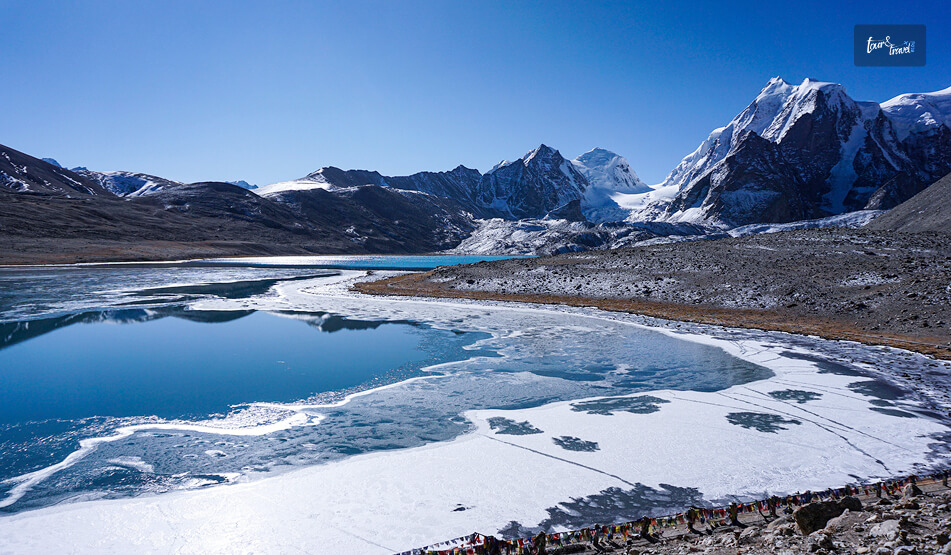
Gurudongmar Lake is a high-altitude freshwater lake.

It is one of the highest lakes in the world and one of the most sacred sites in the region by both Hindus and Buddhists.

The lake is at an altitude of over 17,000 feet and is surrounded by the stunning peaks of the Himalayas.

Despite its high altitude and harsh climate, the lake remains a popular destination for both tourists and pilgrims.

Gurudongmar Lake is named after Guru Padmasambhava, a revered Tibetan Buddhist saint who is said to have blessed the lake and made its waters holy.

According to local legend, the lake never freezes, even in the harshest of winters, due to the blessing of Guru Padmasambhava.

Visitors to the lake can take a challenging but rewarding trek through the mountains to reach the lake, or they can take a drive along a rough road to reach the lake’s shores. 

2. Yumthang Valley

Yumthang Valley

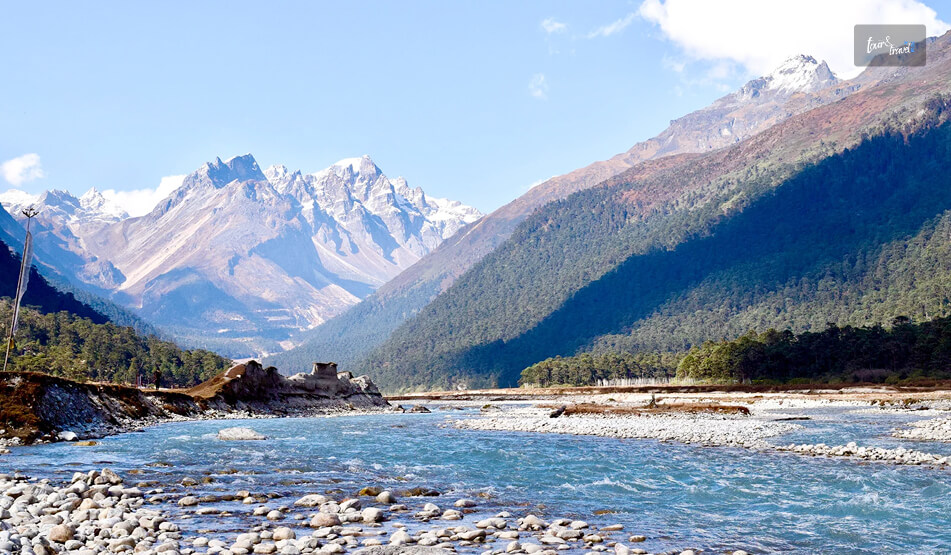
The Yumthang Valley is a stunning mountain valley.

It also has the nickname of “Valley of Flowers” due to its lush and colorful landscape. 

The Yumthang Valley is at an altitude of over 11,000 feet and is surrounded by the towering peaks of the Himalayas.

During the spring and summer months, the valley has a vibrant carpet of wildflowers, including rhododendrons, primulas, and poppies.

The valley is also home to the Yumthang Hot Springs, which are believed to have healing properties and therapeutic benefits. 

Additionally, the valley offers a variety of outdoor activities, including trekking, hiking, and horseback riding.

3. Namgyal Institute Of Tibetology

Namgyal Institute Of Tibetology

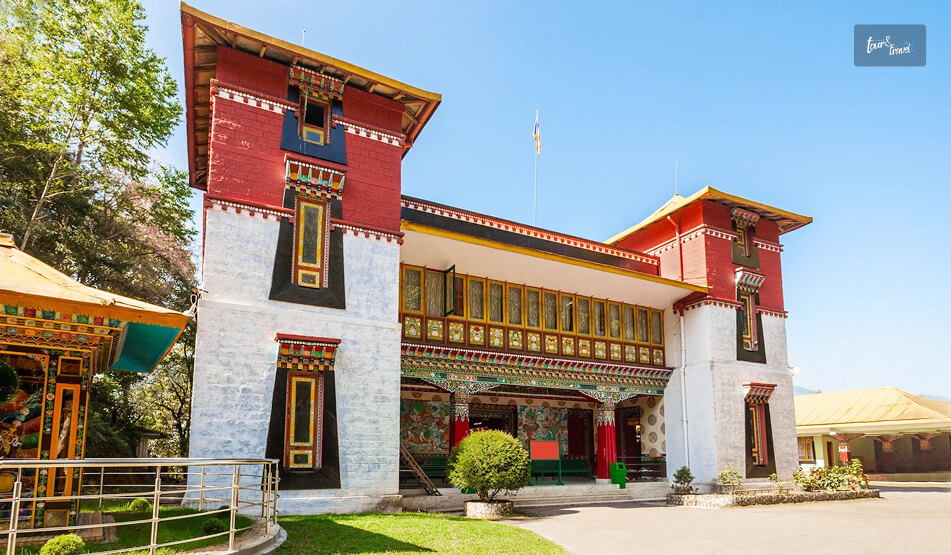
The Namgyal Institute of Tibetology is a research center and museum.

It is dedicated to the study and preservation of Tibetan culture, religion, and history, and is considered one of the leading institutions of its kind in the world.

Founded in 1958, the Namgyal Institute of Tibetology is home to a vast collection of Tibetan manuscripts, artifacts, and works of art, including ancient texts, religious objects, and rare manuscripts.

The museum also houses a large collection of Tibetan religious masks, sculptures, and paintings.

In addition to its museum, the institute also operates a library and research center for the study of Tibetan culture, religion, and history. The library has one of the most comprehensive collections of Tibetan literature.

So, it is an important resource for scholars and researchers from around the world.

Visitors to the Namgyal Institute of Tibetology can take a guided tour of the museum and view the incredible collection of artifacts, as well as attend lectures and workshops on Tibetan culture and history. 

4. Zuluk

Zuluk

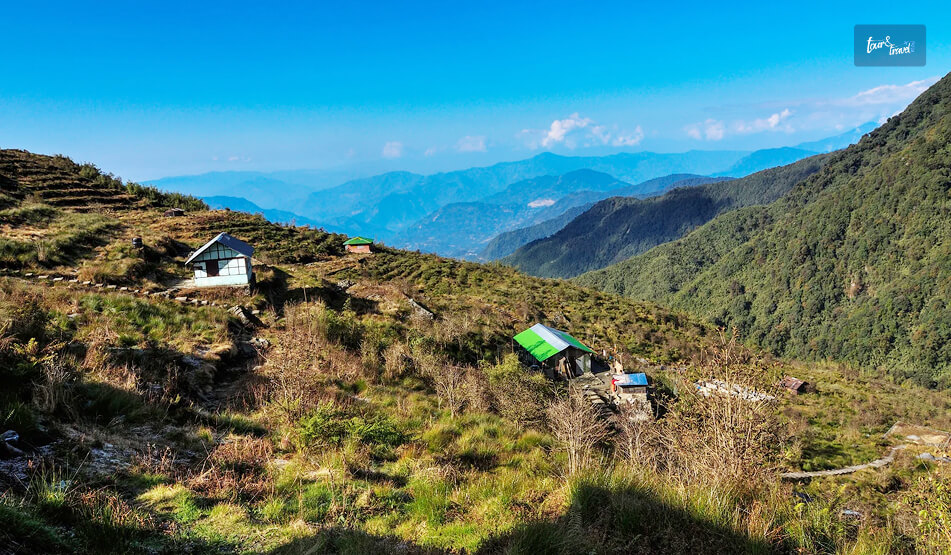
Zuluk is a small village located in the Eastern Himalayas in the Indian state of Sikkim. It is at an altitude of around 10,000 feet, and it stands out with its stunning views of the surrounding mountains and rolling hills.

Furthermore, Zuluk is becoming a popular destination among tourists and adventure-seekers.

The village is on a historic trade route that was once used by traders traveling between Tibet and India.

Moreover, its winding roads offer spectacular views of the surrounding landscapes.

One of the main attractions in Zuluk is the Zuluk Loop, a stunning mountain road.

The loop is a popular destination for road trips. Visitors can take a drive through the mountains to experience the incredible scenery and views of the Himalayas.

Zuluk is also home to a number of historic monasteries and temples, including the Tukla Monastery.

Tukla Monastery is one of the oldest and most important monasteries in the region. 

Visitors can attend prayer ceremonies and learn about the rich cultural and spiritual heritage of the area. 

Overall, Zuluk is a must-visit destination for its natural beauty, culture, and history.

5. Do-Drul Chorten

Do-Drul Chorten

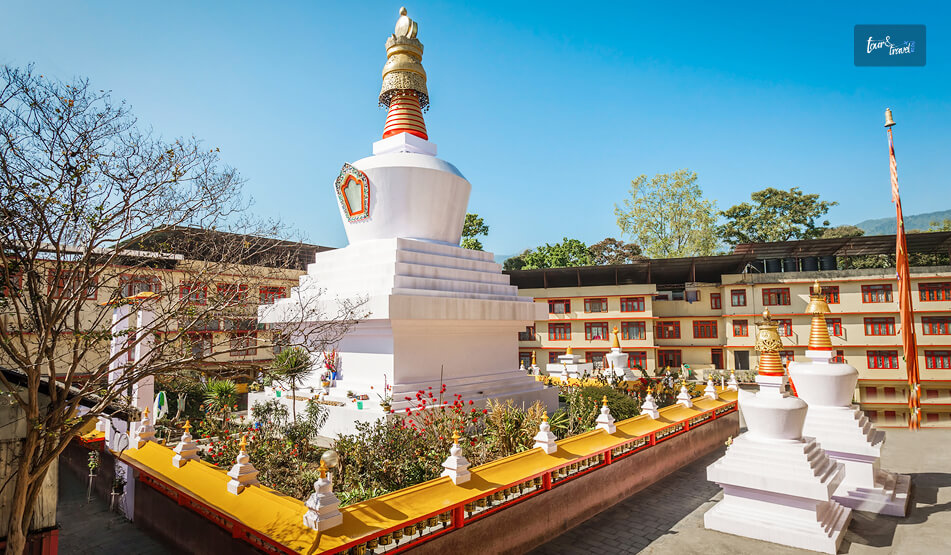
Do-Drul Chorten, also known as the Stupa of Reality, is a Buddhist stupa located in the city of Gangtok. It is one of the most important religious and cultural landmarks in the region. Also, it is a sacred site for the local Buddhist community.

The Do-Drul Chorten was built in 1945 by the head of the Nyingma order of Tibetan Buddhism.

Furthermore, it is one of the most important centers of Buddhism in Sikkim. 

Moreover, 108 prayer wheels surround this stupa. The Do-Drul Chorten is also home to a number of Buddhist shrines and statues. 

The most prominent are the images of the Buddha, Guru Rinpoche, and other important figures in Buddhist history.

Visitors can attend prayer ceremonies and learn about the rich cultural and spiritual heritage of the area. 

Sikkim Travel Guide: How The State Is Transforming Into A Hub Of Digital Nomads

Sikkim is rapidly transforming into a premier hub for digital nomads. It gains more prominence with the launch of Yakten, India’s first official Digital Nomad Village. 

This initiative is a collaboration between the Pakyong district administration and the NGO Sarvahitey. It also bridges the gap between rugged Himalayan beauty and modern professional needs.  

Sikkim has solved the primary hurdle for remote work in the mountains. It has become possible with the installation of dual high-speed internet lines, village-wide Wi-Fi, and consistent power backups, 

Beyond infrastructure, the state offers a unique “Work from Homestay” culture. Thanks to this culture, nomads enjoy organic, farm-to-table meals and deep cultural immersion. 

This sustainable model provides locals with year-round income. Thus, it proves that the future of work isn’t just in the city; in fact, it’s in the clouds.

Read Also:

Share on Social Media

Sibashree is a travel, culture, and leisure writer who has been writing since the age of 12 and professionally since 2014. With more than a decade of travel writing experience and journeys across India and several parts of the world, she brings a deeply personal and thoughtful perspective to her work. A student of English Literature and Mass Communication, Sibashree has always viewed travel as more than movement — for her, it has been a way of understanding people, cultures, and herself. Her passion for spiritual exploration has also led her to many unusual and meaningful destinations over the years. Outside of writing, Sibashree enjoys watching European cinema, reading about global politics, and reflecting on the stories hidden within everyday places.

Leave a Reply

Your email address will not be published. Required fields are marked *

title-img Related

READ MORE White Water Rafting

8 Tips For A Fun And Memorable White Water Rafting Experience

BY  Arnab Dec 27, 2023

White water rafting delivers a thrilling experience, balancing stunning natural vistas with adrenaline-fueled excitement. If you're new to this adventure, you likely have queries and considerations regarding what to expect and how to prepare for maximizing your thrill.It might surprise you, but white-water rafting can be equally thrilling for beginners and experienced adventurers, provided you choose the right location and know what to expect. Here Are Eight Prime Ideas For A Fun And Memorable White Water Rafting Experience In this blog post, we'll provide eight essential tips and insights to ensure your first expedition is both enjoyable and safe, leaving a memorable impact. 1. Choose the Right Attire Staying in your boat for the entire duration of the outdoor adventure won’t stop you from getting wet. Anticipate getting wet on your journey, and don waterproof and anti-chafing garments that can serve as a barrier between you and the raft. Fabrics such as cotton and wool take an extended period to dry and draw heat away from your body, potentially leaving you feeling cold. Ideally, you want to go for synthetic materials that dry quickly and don’t absorb a lot of water. When picking shoes, choose those that have laces. Flip flops and sandals can easily get lost if you happen to lose balance or fall into the water. Depending on the weather forecast and expected temperatures, you can wear a wetsuit. It will offer extra buoyancy and protect you from temperature drops that characterize the colder months. 2. Always Bring a Helmet Safety is of key concern whenever you go on an outdoor adventure and rafting is not an exception. Make sure you have all your safety equipment, including a helmet. White water rafting rivers often have rocks, branches, and logs lining the bottom and you may not notice them from your sitting position in the boat. If you happen to fall into the water, hitting your head against one of these could leave you with severe injuries that you want to avoid. Always keep your helmet on to stay on the safe side. 3. Know What to Do if You Fall Out of the Raft You may take every precautionary measure but even your guide may not stop you from falling into the water. In the eventuality of it occurring, your subsequent actions could carry significant weight. Upon entering the raft, ensure to don your life vest and maintain its presence until disembarking from the boat. If you fall into the water, stay calm swim towards the vessel, and grab the outside safety line. Call out to the guide or rafting mates and wait for someone to pull you back in. If you can’t swim towards the raft, call out to a rafting mate and they will toss you the throw bag and a paddle that you can hold onto. If neither of these is possible, lie in the whitewater swimming position and wait for a guide to reach you. 4. Listen to Your Guide White water rafting guides are experienced in handling the wilderness and river terrain. Whether you're a first-timer or an experienced rafter, it's crucial to heed instructions attentively when they are given. These directives will provide essential information for navigating challenging waters, including what to avoid, where to swim, and when to paddle. They may seem like simple instructions but they dictate the speed, direction, and weight balance of your vessel. 5. Master the T-Grip The T-grip is an important aspect of white water rafting as it is the only way to ensure that the paddle does not slip out of your hands. The T-grip is the end part of the paddle-shaped like a “T” and is made of hard plastic. Most white water rafting guides will always show you the T-grip before you set out. Essentially, you need to keep one hand at the base of the paddle on the shaft while the other holds firmly over the T-grip. This ensures that you have control of the paddle and cushion any blows to you or your rafting mates in case of anything. 6. Practice Your Swimming Like we said before, you cannot stop yourself from falling into the water when you go white water rafting. Understanding the different swimming techniques such as aggressive and defensive swimming can be a lifesaver if you find yourself in the water. Rivers meant for white water rafting have high currents so you need to be sure with what you are doing. If you choose to swim to the banks, make sure you only go for the banks and avoid standing still in the water even if you need time to think. Standing still or walking in the river could cause foot entrapment which could be dangerous. 7. Research Your Destination Different rafting sites offer different experiences. You could find a beautiful river headed up by a dam that allows for scheduled water releases like the Pigeon River. A Yellowstone whitewater rafting day trip, on the other hand, will bring with it the excitement of Class II and Class III white water rapids allowing you to relax and enjoy the pristine wilderness. Taking time to familiarize yourself with the destination allows you to prepare in terms of choosing attire and packing guides. You want to go with a guide who has sailed the same waters for a while. 8. Avoid Carrying Electronics White water rafting is nothing like riding in a fishing boat or a yacht. The waves will constantly toss you around in the raft and some water will definitely get in potentially damaging your electronics. At the very worst, your device could fall into the water and get lost in case of an accident. Even then, white water rafting is not one of those adventures where you can pull out your phone to snap a quick photo. It is an activity that requires you to stay fully engaged and attentive to the paddling patterns and commands from your guides. Some companies will provide you with photographers so they can capture every memorable moment. Endnote You will definitely have lots of fun when you go rafting so make sure you do it with a group of people you are close to. The adrenaline rush will be a source of new memories you will cherish. However, make sure you follow your guide’s instructions to stay safe especially if it is your first time. Read Also: 10 Best Things To Do In Prague Five Tips for First Time Traveler to India
READ MORE Roman Opera

How To Make A Trip To The Roman Opera A Truly Romantic Experience

BY  Abdul Aziz Nov 22, 2023

When you think of romance, a few classic images might come to mind: candlelit dinners, walks under the stars, and, of course, the enchanting allure of the Roman opera. Rome, with its rich history and cultural heritage, provides the perfect backdrop for a romantic evening. To make your trip to the Roman Opera truly memorable, it’s essential to immerse yourself in the experience, allowing the blend of music, history, and ambiance to transport you and your loved one to a world of romantic elegance. Embracing the Magic of a Roman Opera Concert A Roman opera concert is not just a musical event; it's a gateway to a bygone era. To enhance your experience, consider dressing for the occasion. Traditional evening attire adds an element of sophistication and helps set the mood before a Roman opera concert. Why not indulge in a sumptuous Italian dinner at one of Rome’s finest restaurants? Preferably one with a view of an iconic landmark like the Colosseum or the Trevi Fountain? This dinner will serve as the perfect prelude to the night’s main event. Let’s delve deeper into some amazing performances along with their budget so that you don’t waste any moment. Opera da Camera di Roma:  Starting at an unbelievable price of $35.59, this opera has always remained the center of attraction. Tourists cannot not visit it if they are in and around Rome. What’s even better is their free cancellation policy if done 24 hours before the opera.  Palazzo Santa Chiara Opera:  Getting a concert ticket at Palazzo Santa is a dream come true for many. The tickets start at a whopping price of $39.93 and also let you cancel without charging anything extra. It has a rating of 5 on most social sites.  Selecting the Perfect Performance The choice of the opera can significantly impact your experience. Classics like Puccini's "Tosca," which is set in Rome itself, or Verdi's "La Traviata," can be particularly enchanting. Researching the storyline beforehand will enhance your appreciation of the performance. Additionally, booking seats with a good view not only ensures a better appreciation of the spectacle but also fosters a more intimate experience. Check out some top-notch performances taking place in Rome’s famous opera houses:  Teatro Dell’ Opera di Roma, which is located very close to Piazza Beniamino Gigli, Italy.  Teatro di Marcello is your ultimate destination if you are looking forward to a historical and more intimate backdrop.  Parco della Musica when all you want is a versatile venue. It is located at Via Pietro de Coubertin, Roma RM, Italy.  Villa Medici, which has close proximities to Viale della Trinita dei Monti puts forward performances belonging to the Renaissance era. Baths Of Caracalla presents some jaw-dropping opera performances which was constructed back in the 3rd century AD. Exploring the Venue’s Historical Significance Many opera houses in Rome are steeped in history, such as the Teatro dell'Opera di Roma. Taking a moment to appreciate the architecture and history of the venue adds depth to your experience. A quick tour or reading about the venue's history can be both enlightening and romantic. Not only it connect you to the centuries of art and culture, but it also has unfolded secrets in these spaces. It was October 1600 when the first opera survived in Italy, and it is still going strong. Thus, Peri’s Euridice has no less fan following to this date. One thing that we can understand is that every opera house has a bit of historical touch to it.  Savoring the Moment with Post-Opera Activities After the opera, take a leisurely stroll through Rome's cobblestone streets. The city at night, especially after an opera, has a magical ambiance. Find a quiet café for a late-night espresso or gelato. This time allows you and your partner to discuss the performance and soak in the romantic atmosphere of Rome at night. Experience the grandeur of the Flavian Amphitheater. In the city of art, the Colosseum stands erect with much pride to show off. After a nice opera show, do visit it and discover the beauty of its interior walls and historical designs.  If you want to discover Rome’s central square, visit the great Piazza Navona. It is constructed for public gatherings and people can have a great time here.  For religious tribes, nothing is as great as offering prayers at St. Peter’s Basilica. It is one of the most significant churches for Romans.  Creating Lasting Memories To immortalize your romantic opera experience, consider purchasing a souvenir from the opera house, like a program or a small piece of merchandise. These items will serve as tangible memories of your special night. Additionally, capturing a few photographs in your elegant attire against the backdrop of the historic opera house can be a beautiful way to remember the evening. If you are a travel enthusiast, a vist to Rome should be definitely on your bucket list. From mesmerizing fountains to tons of beautiful streets, there’s nothing less wondrous about this culturally rich destination. Do not forget to create a budget and head over to this drool-worthy location the next time.  Concluding Thoughts: Explore Rome In A Way That’s Uniquely Yours! Finally, personalize the experience. Whether it's a surprise bouquet of flowers, a handwritten note expressing your feelings, or planning a specific piece to be played that holds special meaning for you both, these personal touches can transform a beautiful evening into an unforgettable romantic experience. In conclusion, a trip to the Roman opera is not just about witnessing a musical performance; it's an opportunity to step into a world of timeless romance and elegance. So, save this itinerary and ensure you have leisure time in Rome. By carefully planning your evening, dressing for the occasion, and engaging with the rich cultural and historical context of the opera, you can create a deeply romantic and unforgettable experience. Remember, it’s the attention to detail and personal touches that will make your evening truly special. Read Also: Romantic Weekend Breaks Scotland 5 Backpacking Tips For An Unforgettable Euro-Trip Romantic Getaway Tips: 9 Romantic Tips To Celebrate Couples Vacation

READ MORE best time to visit Mussoorie

Which Is The Best Time To Visit Mussoorie?

BY  Shahnawaz Sep 23, 2022

Tourism in Uttarakhand is booming, with a focus on eco-tourism, adventure, and pilgrimage. In 2024, the state had around 6 crore visitors.  Mussoorie, one of India's most popular hill stations, is a melting pot for all these tourism activities.  Further, tourism in Mussoorie is expected to soar higher with the construction of the Dehardun to Mussoorie Ropeway. The ropeway will start from the Purkul village in Dehradun and end at the Library Chowk in Mussoorie.  With the construction expected to be completed within 2026, the travel time between Dehradun and Mussoorie will be around 15 minutes.  Further, when the ropeway is operational, it will be one of the many reasons for planning a trip to Mussoorie with family.  However, with an elevation of 1,876 meters, Mussoorie also has snowfall and other extreme weather conditions.  So, while planning a trip with your family, you must know the best time to visit Mussoorie.  That’s why in this Tour and Travel blog, we will discuss the best season for a visit to Mussoorie, its weather conditions throughout the year, and the things to do.  When Is The Best Time To Visit Mussoorie? The summer season, spanning between April and July, is the best time to visit Mussoorie.  If you cannot make it to Mussoorie during these months, you can also plan a trip between September and mid-November.  These months offer clear weather conditions. So, you enjoy better visibility of the Himalayan ranges and the valleys.  However, if you want to see snowfall in Manali, late December to February is ideal for your Mussoorie visit. So, Mussoorie is beautiful throughout the year, and the best time to visit will depend on your desired experience.  Here, I have given a brief overview of Mussoorie in all seasons. Summer (April to July) The most pleasing and the best time to visit Mussoorie is summer. Weather The temperature here remains around 11°C to 36°C. The day mostly remains cool and pleasing. But at night, Mussoorie gets colder during these months. If you want to take a long trek or climb the rock, then this is the best weather. It is perfect weather when the cool of the hill fights with the heat of the summer, creating pleasing weather to keep you at ease. Things To Do In Mussoorie In Summer Having a majestic view of the Kempty falls from the Gun Hills is the best thing you can do once in Mussoorie. You can also drive to the highest point of Mussoorie, La Tibba. Also, in the summer, Mussorries dresses itself up with its richest summer festival. Their folk dances and other cultural programs are great to take view of. Monsoon (July To September) No, this is not the best time to visit Mussoorie if you are looking for fun, hiking, and trekking. But, if you want to see Mussoorie shrouded in mist, then the monsoon is the best time for that. Weather The monsoon is cold and covers Mussoorie with a shroud of mist. You can see a foggy envelope covering the towns during the morning and the evening. The tourists are lesser in number, and calm and peace remain constant during this time. The temperature remains at 20°C and it can go up to 32 °C. Some roads remain closed, and all the greens remain washed and fresh during this time of the year. You can expect heavy rainfall almost every day. The color of the mountains will cleanse your soul. Things To Do In Mussoorie In Monsoon If you are visiting Mussoorie during the monsoon, then you must know that all the tourist spots are closed during this time. But, you can take part in local festivals like Olga and Hariayala. Winter (October to February) What is the best time to visit Mussoorie for snowfall? It is winter, without a doubt. You cannot expect it to snow in the summer. Also, if you want to see snowfall in Mussoorie, then you need to pack your bag from October to February. Weather The temperature goes down by 4°C. It can get really chilly. But you can also expect as high as 30°C during this time. The nights mostly get excessively cold – going down to sub-zero temperatures. The days during the winter are the best time to move around. But, as the evening approaches, it becomes colder. The nights are chilly. But, as the morning lightens up the mountain, it makes up for the perfect time to take a brisk walk around. Things To Do In Mussoorie In Winter Winter is the best time to visit Mussoorieif you want to see snowfall. The outworld appearance that Mussoorie takes during the winter is worth spending your money and time on. Everything is covered in snow and there are lots of winter activities you can do. The trekking trails remain open during this time. You Can also experience skiing in Mussoorie. You will see many tourists, but this time is crowded in Mussoorie. The most exciting part of staying in Mussoorie during the winter is Christmas. The celebrations here are wonderful and full of fun and happiness. Frequently Asked Questions (FAQs): I think you have found your answer about when to visit Mussoorie. However, here are some additional questions that I have answered. You can check them out if you are planning to visit Mussoorie. 1. How Many Days Is Enough For Mussoorie? Ans: You need to stay at least 2 to 3 days in Mussoorie if you are planning a trip. There are many great places to see. For instance, Lal Tibba, Kempty Falls, Company Garden, and Clouds End. You will need minimum of 2 days to visit all these places. 2. In Which Month Is There Snow In Mussoorie? Ans: You can expect snow in Mussoorie if you are visiting there from December to February. The weather remains snowy during this time of the year. 3. How Far Is Rishikesh From Mussoorie? Ans: You can go to Rishikesh from Mussoorie within a few hours of the journey. Rishikesh is only 74 km away from Mussoorie. Final words Anytime can be the best time to visit Mussoorie. But you must be aware of what you are expecting to see upon a visit there. The Queen of Hill Stations always welcomes you with her open arms. You can make it there at any time you want. But, if you want to see all the best tourist locations you need to choose the summer for a trip. So, plan your trip right and enjoy the best moments in Mussoorie. We wish you a happy journey!