

Exploring Sikkim

Feb 16, 2023

Last Updated on: Mar 22, 2023

Travel Guides

Sikkim is a state in northeastern India, bordered by Bhutan to the east, Tibet to the north, and Nepal to the west. It is the second smallest state in India but is known for its stunning natural beauty, rich cultural heritage, and diverse landscape, which includes the Himalayas, rolling hills, and lush forests. Some of the popular tourist destinations in Sikkim include the capital city of Gangtok, which is known for its vibrant street markets, delicious street food, and stunning views of the surrounding mountains. Other popular destinations include the famous Nathula Pass, which offers breathtaking views of the Himalayas and the surrounding landscapes, and the Tsomgo Lake, a high-altitude glacial lake surrounded by stunning mountain scenery.

Sikkim is also home to a number of historic monasteries and temples, including the Rumtek Monastery, one of the largest and most important monasteries in the region, and the famous Tashiding Monastery, which is considered one of the holiest sites in Sikkim. Overall, Sikkim is a must-visit destination on Northeast tour packages for those interested in natural beauty, culture, and history, and offers a truly unique and unforgettable experience for visitors to the region.

Gurudongmar

Free photo big buddha monument of sinheungsa temple in seoraksan national park in winter, south korea

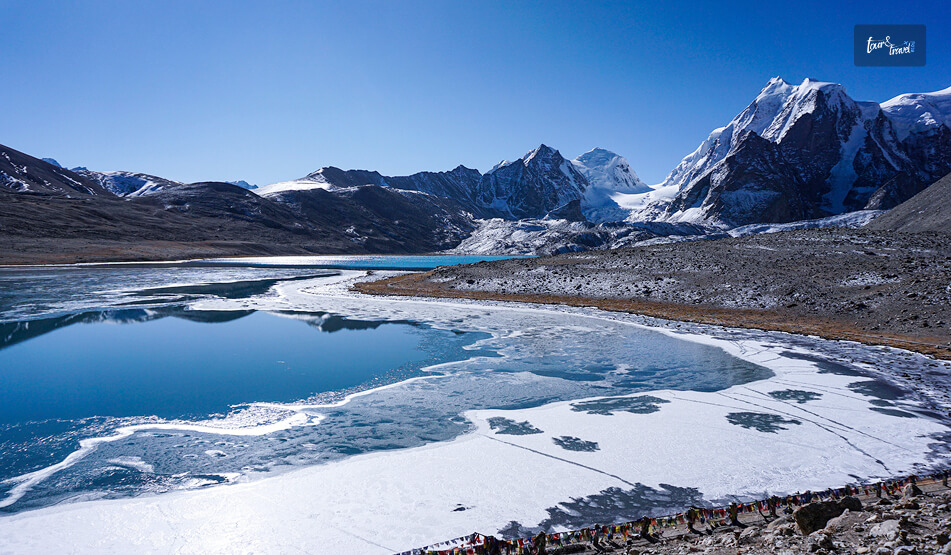
Gurudongmar Lake is a high-altitude freshwater lake located in the northeastern Indian state of Sikkim. It is one of the highest lakes in the world and is considered to be one of the most sacred sites in the region by both Hindus and Buddhists.

The lake is located at an altitude of over 17,000 feet and is surrounded by the stunning peaks of the Himalayas. Despite its high altitude and harsh climate, the lake remains a popular destination for both tourists and pilgrims, who come to experience its natural beauty and spiritual significance. Gurudongmar Lake is named after Guru Padmasambhava, a revered Tibetan Buddhist saint who is said to have blessed the lake and made its waters holy.

According to local legend, the lake never freezes, even in the harshest of winters, due to the blessing of Guru Padmasambhava. Visitors to the lake can take a challenging but rewarding trek through the mountains to reach the lake, or they can take a drive along a rough road to reach the lake’s shores. Regardless of how they reach it, the lake offers breathtaking views of the surrounding landscapes and is a must-visit destination on Northeast tour packages for those interested in natural beauty and spirituality.

Yumthang Valley

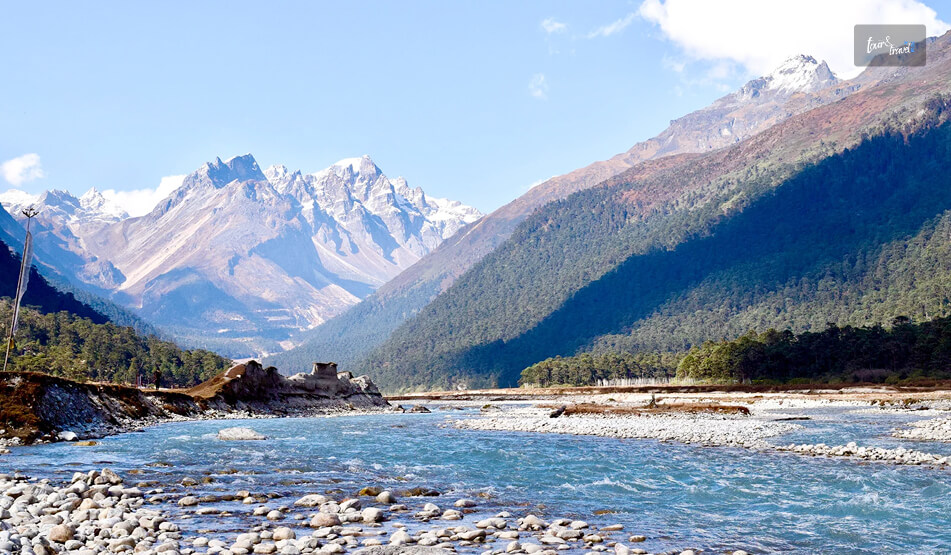
The Yumthang Valley is a stunning mountain valley located in the northeastern Indian state of Sikkim. It is known for its incredible natural beauty and is often referred to as the “Valley of Flowers” due to its lush and colorful landscape. The Yumthang Valley is situated at an altitude of over 11,000 feet and is surrounded by the towering peaks of the Himalayas.

During the spring and summer months, the valley is blanketed in a vibrant carpet of wildflowers, including rhododendrons, primulas, and poppies, making it a truly awe-inspiring sight.

The valley is also home to the Yumthang Hot Springs, which are believed to have healing properties and are popular among visitors for their therapeutic benefits. Additionally, the valley offers a variety of outdoor activities, including trekking, hiking, and horseback riding, making it a popular destination for adventure-seekers and nature enthusiasts on Sikkim tour packages. Overall, the Yumthang Valley is a must-visit destination for those interested in natural beauty and is a truly unique and unforgettable experience for visitors to Sikkim.

Namgyal Institute Of Tibetology

Namgyal Institute Of Tibetology

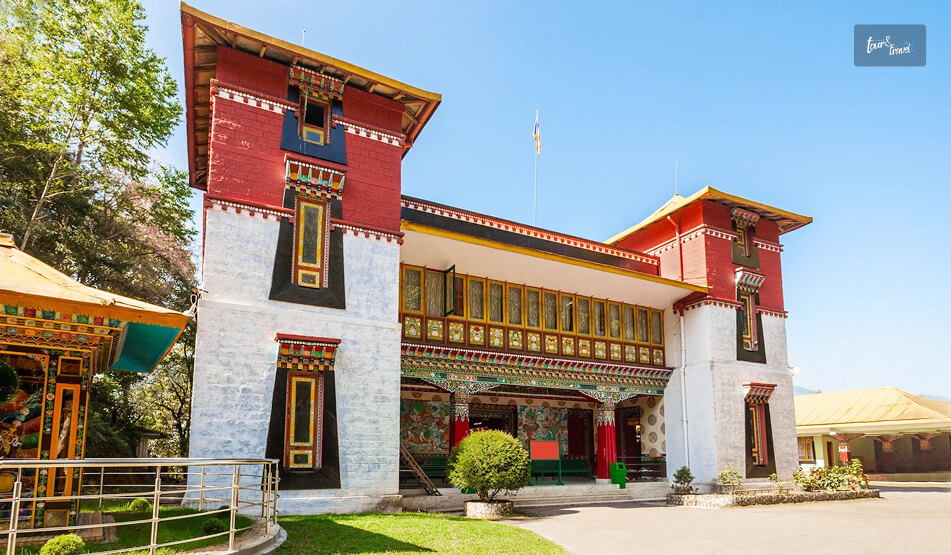
The Namgyal Institute of Tibetology is a research center and museum located in the city of Gangtok in the northeastern Indian state of Sikkim. It is dedicated to the study and preservation of Tibetan culture, religion, and history, and is considered one of the leading institutions of its kind in the world.

Founded in 1958, the Namgyal Institute of Tibetology is home to a vast collection of Tibetan manuscripts, artifacts, and works of art, including ancient texts, religious objects, and rare manuscripts. The museum also houses a large collection of Tibetan religious masks, sculptures, and paintings, making it a must-visit destination for those interested in Tibetan art and culture.

In addition to its museum, the institute also operates a library and research center, which is dedicated to the study of Tibetan culture, religion, and history. The library is considered one of the most comprehensive collections of Tibetan literature and is an important resource for scholars and researchers from around the world.

Visitors to the Namgyal Institute of Tibetology can take a guided tour of the museum and view the incredible collection of artifacts, as well as attend lectures and workshops on Tibetan culture and history. Overall, the institute is a fascinating destination that offers a unique glimpse into the rich culture and history of Tibet and is a must-visit destination for those interested in the region.

Zuluk

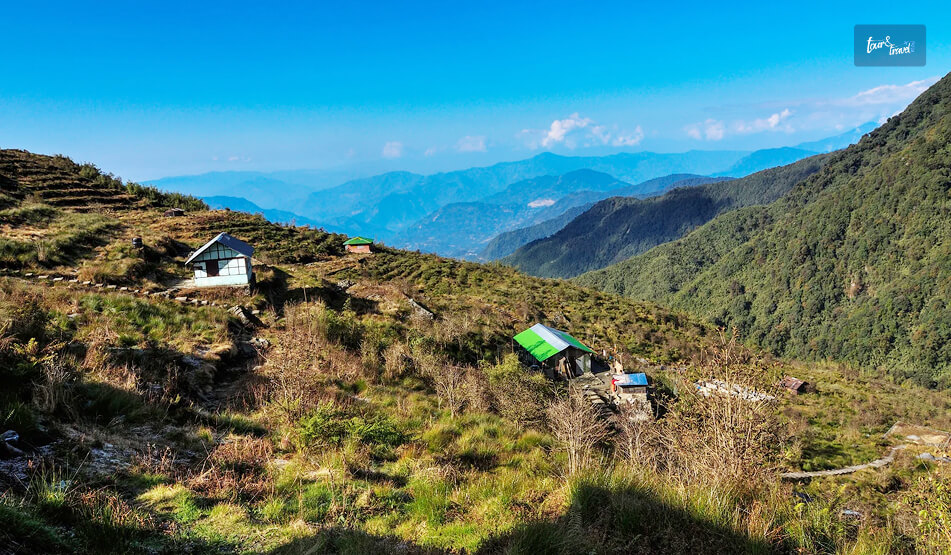
Zuluk is a small village located in the Eastern Himalayas in the Indian state of Sikkim. It is situated at an altitude of around 10,000 feet and is known for its stunning views of the surrounding mountains and rolling hills.

Zuluk is becoming a popular destination among tourists and adventure-seekers, thanks to its unique location and breathtaking scenery. The village is located on a historic trade route that was once used by traders traveling between Tibet and India, and its winding roads offer spectacular views of the surrounding landscapes.

One of the main attractions in Zuluk is the Zuluk Loop, a stunning mountain road that offers breathtaking views of the surrounding landscape. The loop is a popular destination for road trips, and visitors can take a drive through the mountains to experience the incredible scenery and views of the Himalayas.

Zuluk is also home to a number of historic monasteries and temples, including the Tukla Monastery, which is one of the oldest and most important monasteries in the region. Visitors can attend prayer ceremonies and learn about the rich cultural and spiritual heritage of the area. Overall, Zuluk is a must-visit destination for those interested in natural beauty, culture, and history, and offers a truly unique and unforgettable experience for visitors to the region.

Do-Drul Chorten

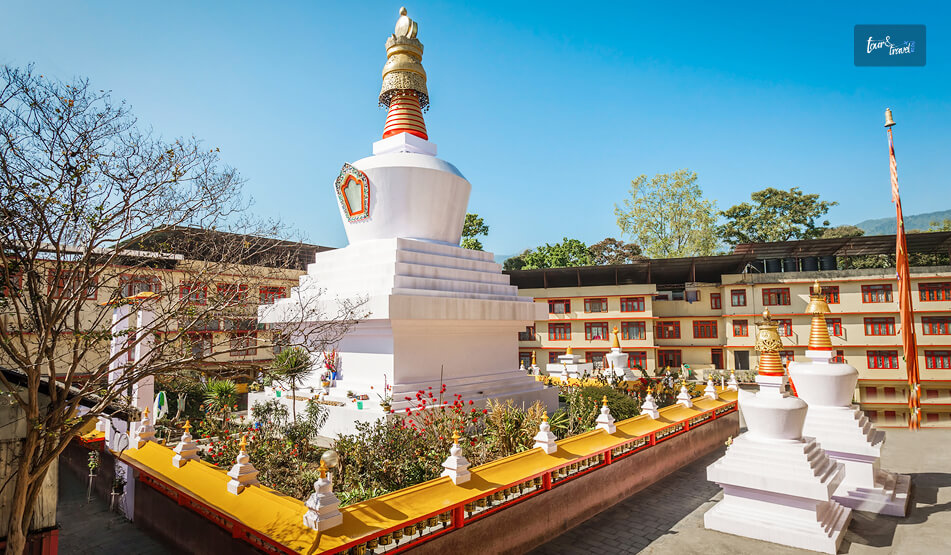
Do-Drul Chorten, also known as the Stupa of Reality, is a Buddhist stupa located in the city of Gangtok in the northeastern Indian state of Sikkim. It is one of the most important religious and cultural landmarks in the region and is considered a sacred site by the local Buddhist community.

The Do-Drul Chorten was built in 1945 by the head of the Nyingma order of Tibetan Buddhism and is considered one of the most important centers of Buddhism in Sikkim. The stupa is surrounded by 108 prayer wheels, which are turned by visitors as a form of meditation and prayer. The Do-Drul Chorten is also home to a number of Buddhist shrines and statues, including images of the Buddha, Guru Rinpoche, and other important figures in Buddhist history.

Visitors can attend prayer ceremonies and learn about the rich cultural and spiritual heritage of the area. Overall, the Do-Drul Chorten is a must-visit destination for those interested in Buddhism and the culture of the region and offers a unique and fascinating glimpse into the spiritual beliefs of the local community. Whether you are a spiritual seeker or simply interested in the rich history and culture of the region, a visit to the Do-Drul Chorten is sure to be a memorable and enriching experience.

Read Also:

Share on Social Media

Abdul Aziz Mondol is a professional blogger who is having a colossal interest in writing blogs and other jones of calligraphies. In terms of his professional commitments, he loves to share content related to business, finance, technology, and the gaming niche.

Leave a Reply

Your email address will not be published. Required fields are marked *

title-img Related

READ MORE

Joy Cho Death At Grand Teton National Park: How To Remain Safe While Hiking In This Beautiful Yet Dangerous Land

BY  Sibashree Sep 5, 2024

August 12, 2023, and the news of Joy Cho death at Grand Teton National Park was the most shocking thing one could hear. It was hard to believe how the most pristine national park with scenic vistas and rich wildlife could be the last resting ground for a woman. Nevertheless, on 12th August, the mountains, which stand for human connections, saw the fall of human life.   The death of Joy Cho at the Grand Teton National Park has once again proved why hiking in this national park needs to be a careful outdoor pursuit. It is “dangerous” to go for a solo hike in this national park. However, finding a hiking buddy is not always easy.   So, here, I will discuss the safety concerns at Grand Teton National Park and how you can overcome those. However, before that, let’s discuss a little more about Joy Cho Death at Grand Teton National Park.  Joy Cho Death At Grand Teton National Park: What Happened To The California Hiker?    Joy Cho, 47, lost her life at the Grand Teton National Park in the Death Grand Teton National Park where she was hiking with seven other group members. A deeply spiritual soul, she was also very much drawn to nature.   According to reports, the rangers found that she “had succumbed to significant injuries during the fall and was pronounced dead at the scene,” and her body was turned over to the coroner’s office, according to the release.” Tim Hopkins, one of Cho’s friends, further mentioned that the malfunctioning of her ledger caused the fall of Joy Cho.   Joy Cho was on her attempt to climb Teewinot, a part of the Teton Range, and the elevation reached here was around 12,325 feet above sea level. After her death, many people have started talking about the steep and exposed sections while hiking to Teewinot.   So, are there really some serious safety concerns while hiking in Grand Teton National Park? It’s time to know the concerns and safety measures to avoid accidents and unfortunate incidents.   What Are The Safety Concerns At Grand Teton National Park?   Joy Cho death at Grand Teton National Park has made us examine safety concerns. From altitude sickness to unpredictable wildlife, many elements in the park need your attention. You  must be respectful, and your gear, shoes, and clothes should be on point. Even if you cross a stream with ankle-deep water, you must not be complacent or careless about protection.   Having said that, here are the major safety concerns at Teton National Park.  Altitude Sickness  With the highest altitude reaching 4199 m, you can experience altitude sickness in Grand Teton National Park. Muscle pain, lack of appetite, fatigue, and headaches are common symptoms of altitude sickness.   Weather Conditions  Teton National Park is home to Mount Moran, Buck Mountain, Grand Teton, Middle Teton, South Teton, and many other mountains that reach a height of more than 3000 m. Rainfall and snowfall are common at such high altitudes, causing the blockage of the hiking trails and hypothermia.   However, the Grand Teton also receives moderate rainfall and snowfall every year. Hiking there can also be a challenge. Further, Lightning and mid-afternoon storms in summer are other weather challenges in this park.   So, if you are hiking in the park in the summer, try hitting the high Alpine terrains. Thus, by the late afternoon, you are already back into lower altitudes.   April to June have moderate days and cold nights filled with snowfall and rain. Snowfalls and rain are also frequent at night from September to November. In addition, you will encounter the coolest nights between December to April.   Moreover, July and August are the most tumultuous in the national park due to thunderstorms in the afternoon. Have a clear idea about the weather conditions if you do not want something like Joy Cho death at Grand Teton National Park to happen.   Wildlife   Wildlife at Grand Teton National Park is extensive. However, grizzly bears and mountain lions (not always seen) are the biggest challenges for hikers and trekkers. Moose and elk are other animals that you will find in this national park. The park also has wolves, and they are not the friendliest of animals you will come across.   Looking for fresh feces, signs, and fresh tracks is the only way to know if an animal is around.   Moreover, you can occasionally find rattlesnakes in the Grand Teton National Park, especially near Montana and Gardiner. Ticks, spiders, and mosquitoes are the insects you will encounter the most here. So, don’t forget to carry repellent creams and other measures as instructed by your trekking guide.   Terrain   The habitats of Teton National Park are the most versatile. However, for a hiker, the change of habitats every 4-5 miles is a major problem. Suppose you just passed a rock wall going up vertically, and the next moment, you are at a cliff that drops dramatically.   Even the woods in the park are quite tricky to walk through. The trails are filled with small and gigantic trees. You can easily cross the smaller trees. However, a hiker can easily get hurt when they have to jump over a huge trunk or climb a tree.  Further, boulder fields in the park do not look like a threat usually. However, accidents and injuries can happen at the most unexpected times. The boulders can roll down, block tracks, and cause casualties. So, always be aware of your ability and skill before you attempt hiking the 250 miles of trails the park has to offer.   Moreover, the talus slopes and the snow-clad mountains are perilous if you are not prepared with your gear. These areas have high sliding risks and the chances of false stepping. The smartest way here is to look for a level ground trail that takes you to the accessible parts of the park.  How To Remain Safe At Grand Teton National Park?  The National Park Service has detailed guidelines to ensure safety in the Grand Teton National Park. Before you start exploring this park, you must get all the instructions right at a visitor center. In addition, you can ask questions to get clarification from the rangers before you access various parts of the park.  The table below shows how you need to maintain safety during various outdoor activities or just while exploring the national park.  Concerns How To Remain Safe Climbing Mountains and Hiking Solo hiking is risky in Grand Teton National Park.  Further, you must hike on the established trails. Otherwise, you may have to face soil erosion.  Be particular about your hiking boots, axes, crampons, and other accessories.   Learn about route conditions and weather from a climbing ranger at the Jenny Lake Ranger Station.  Backcountry Safety Maintain good physical endurance. Be sure to use proper equipment and gear.  Prevention Of Human-Caused Fire  Fireworks and pyrotechnic devices are not allowed in the park.  You must be responsible for properly extinguishing and disposing of your cigarettes or pipes.  In addition, you are only allowed to light a campfire at a designated site. You must tend to the fire and make sure that it is extinguished as you leave.  Bacteria And Other Microorganism Transmission You must boil water collected from a stream or lake for at least 3-5 minutes, or you can use treatment tablets to avoid transmission of microorganisms.   Campylobacter and Giardia are common bacteria found in untreated water in the park.  Hantavirus Pulmonary Syndrome (Lesser Risks) Stay away from deer mice and their feces.  Driving Wear seatbelt.  Understand road conditions.  Be watchful of animals.   Maintain the speed limit of 45 mph on the highway at night and other speed limits throughout the day.  Exploring Wildlife Maintain a minimum of 300 feet distance from wolves and bears.   Further, the distance between you and any wild animal should be at least 75 feet.  Also, you must not try to feed any wild animal.  Moreover, make sure that you are not in between the mother and her cubs.  Boating You must wear a life jacket all the time.  Further, check out the bulletin boards before you start boating for the day.  You must carry a patch kit, air pump, and bucket for bailing if you are riding in an inflatable boat.   Moreover, boaters in the Snake River must be extra careful.  Biking You must not bike on trails. Roadways and pathways are suitable for biking.  In a single file, stick to the right side of the road.  Further, wear helmets and communicate with other drivers through hand gestures.  Lightning  Avoid exploring the park during afternoon storms in the summer.  Further, try to reach the shore quickly when it starts raining, or the wind is rough.  Also, know the basics of the National Oceanic and Atmospheric Administration (NOAA) guidelines.   In addition, the National Park Service has a separate guideline regarding bear safety. The first step begins with the identification of the beer. Also, if you notice a beer at any site in the national park, you must immediately inform the ranger station or the visitor center.   Final Words   We surely don’t want something similar to the Joy Cho death at Grand Teton National Park to repeat. Along with being respectful to your wildlife and following the safety guidelines, you will also have to be smart enough to know your boundaries. The tempting landscape of the park and the magnificent Grand Teton Mountain will inspire you. However, you must check your experience and expertise first.  Climbing high and steep terrains needs skills such as route-finding and rock climbing, along with excellent physical and mental endurance. Again, acclimatization and finding a knowledgeable trekking partner (for beginners) are crucial.  So, follow the safety guidelines and enjoy a delightful tour of the national park. Don’t forget to carry the trekking poles or walking sticks, by the way!   Also read Top 10 Most Popular Paraguay Food That You Must Try. Where To Stay Near Lassen Volcanic National Park? – Explore The Best Options.

READ MORE what to do in Columbus Ohio

What To Do In Columbus Ohio This Weekend | A Brief Ohio Travel Guide

BY  Sibashree Dec 11, 2024

As someone in her early thirties and a big foodie, Columbus Ohio has always been the biggest draw for me.  Now, you may be curious about the connection between my age and the city. The city is a bustling hub of college-goers. So, whenever I visit here, I relive the days I have just left behind. So, if you ask me “what to do in Columbus Ohio,” it’s like soaking in nostalgia for me.  Again, the foodie in me cannot avoid the allure of the North Market or Budd Dairy Food Hall. These are some of the biggest hotspots for gastronomic delight in the city.  Furthermore, the Worthington Farmers Market, with 100s of food vendors from Columbus, is a gem in the food tourism landscape of the city. It is, in fact, the best of the best on the “10 USA Today Readers’ Choice 2024” list. However, the things to do in Columbus Ohio are beyond exploring the food landscape. So, here, I have curated the activities you can do this weekend.  What To Do In Columbus Ohio This Weekend | You Cannot Miss These Fun Activities  The scopes of what to do in Columbus Ohio are endless. So, no wonder Columbus is a city that a tourist will fall hard for.  Exceptional dining opportunities and the vivid local culture have helped Columbus get the tag of the “Fastest Growing City in America” by the Bank of America Institute.  Moreover, the Mid-Ohio Regional Planning Commission or MORPC has predicted that Columbus will continue to grow at 1% annually till 2050.  Now, thanks to the thriving scenario, the city naturally has been a prominent tourist attraction for people from different corners of the USA.  So, in case you, too, are visiting Columbus Ohio this weekend, these are the things you can try.  “The word is getting out that Columbus is an ideal place to visit, whether you’re coming with friends or family, for a special event or for business travel. While you’re here you can immerse yourself in our award-winning, chef-driven food scene, spend time outdoors along our expansive riverwalk and abundant green spaces or explore our unique and walkable neighborhoods.” Sarah Townes, ECI, Chief Marketing and Innovation Officer at Experience Columbus. 1. Exploring The Local Breweries https://www.instagram.com/p/DB9upnpyq-f/?img_index=1 With many local breweries and wineries around, you don’t need to think much about what to do in Columbus Ohio. So, you can explore the following vineyards and breweries here. High Bank DistilleryAddress: 1051 Goodale Blvd ColumbusContact Number: (614) 826-5347Land Grant Brewing CompanyAddress: 424 W Town St ColumbusContact Number: (614) 427-3946Jackie O's On FourthAddress: 171 N Fourth St ColumbusContact Number: (614) 929-5265 2. Strolling Through The North Market To Explore The City’s Food Scenario https://www.instagram.com/p/C9Lscdwqp7F/ Address: 59 Spruce St, Columbus, OH 43215, United States Phone Number: +1 614-463-9664 Hours Open: 9 AM to 7 PM North Market is the place where you explore the best of Coumbus’s food scenario. The place bustles with farmers, makers, vendors, and food merchants. Further, you can try here various food items, including Tibetan, Polish and Vietnamese.  Nevertheless, when you are at North Market, you can try the best food items at the following Tour and Travel favorite restaurants. Name of The RestaurantAddressPhone NumberMomo Ghar North Market (Nepalese Cuisine)59 Spruce St, Columbus+1 614-495-6666Hubert's Polish Kitchen59 Spruce St, Columbus                                                    +1  614-220-8787Dos Hermanos Taco Truck59 Spruce St, Columbus  +1 614-670-4239Preston's: A Burger Joint59 Spruce St, Columbus  +1 614-400-1675 So, when in North Market, you can explore whatever you crave!  3. Visiting The Columbus Museum Of Art https://www.instagram.com/p/DDHcQqBNHqD/?img_index=1 Address: 480 E Broad St, Columbus, OH 43215, United States Phone Number: +1 614-221-6801 Hours Open: 10 AM to 5 PM (Tuesday, Wednesday, Friday-Sunday), Thursday - 10 AM to 10 PM, Monday - Closed The Columbus Museum Of Art is the go-to place if you want to see the biggest collection of local maestros like Elijah Pierce and George Bellows. Furthermore, you will find many collections here as examples of modernism in America and Europe. Also, a tour of the museum will make you familiar with contemporary technology, art and photographs. Moreover, you can collect small souvenirs from the Museum Gift Store. Moreover, the collections of the museum are updated daily and the museum hosts events on a regular basis. 4. Kayaking Along The Scioto River If you want to know what to do in Columbus Ohio, you can kayak through the Scioto River. Kayaking in the river is also a great way to enjoy the vistas of bustling city life on the river banks. Further, once you are done kayaking in the river, you can visit Scioto Mile. It is a brilliant example of “environmental rehabilitation.” In fact, USA Today has named it one of the top 10 riverwalks in the country.  5. Taking A Tour Of The German Village If any dark academia fan asks me what to do in Columbus Ohio, this weekend? I will suggest them visit the German Village. The village is idyllic and built in 1820, it is a prominent example of Italianate architecture.  However, for me, the Book Loft is the biggest attraction in the German Village. You will get to explore here 32 rooms of books. You can bargain the prices and even get some aesthetic greeting cards from here.  Furthermore, German Village is a foodie’s paradise. You can explore the following restaurants here. Restaurants In German Village, Columbus OhioAddressPhone NumberSchmidt’s Sausage Haus Restaurant240 E Kossuth St, Columbus, OH 43206, United States+1 614-444-6808Katzinger's Delicatessen475 S 3rd St, Columbus, OH 43215, United States+1 614-228-3354The Thurman Cafe183 Thurman Ave, Columbus, OH 43206, United States+1 614-443-1570Stauf's Coffee Roasters627 S 3rd St #1060, Columbus, OH 43206, United States+1 614-221-1563 Moreover, there is a Brewery District in the West German District. It is very crucial to the beer scenario of Columbus. 6. Spend Some Time With Plants At Franklin Park Conservatory https://www.instagram.com/p/C6v24pyNFTx/?img_index=1 Address: 1777 E Broad St, Columbus, OH 43203, United States Phone Number:  +1 614-715-8000 Operating Hours: 10 AM to 4 PM every day, 5-9 PM (Monday-Thursday and Sunday), 5-10 PM (Friday and Saturday) The Franklin Park Conservatory functions with the tagline of “Life Happens Here.” I am a plant mommy, and for me, the Gardens and Collections are the best sections of this conservatory.  You will find here more than 400 species of plants. Further, the glasswork of Dale Chihuly and horticulture places make this conservation center a unique fusion of nature and aesthetics.  Along with the conservatory and the greenhouses, you will also come across the following hotspots at Franklin Park. John F. Wolfe Palm House and Dorothy M. Davis Showhouse, constituting the oldest part of the conservatory The Scotts Miracle-Gro Foundation Children’s Garden Scotts Miracle-Gro Company Community Garden Campus Chihuly Collection Botanical Gardens Bonsai Collection Light Raiment II Cardinal Health Gallery, etc.  Entry to the Franklin Park Conservatory is free on Sundays for the residents of Columbus and Franklin County. However, on other days, the park charges an entry fee of $23.50 (10 AM to 5 PM) for people aged between 13 and 59.Further, seniors aged above 60 need to pay $19.50, and children between 3-12 years need to pay $16 for the entry. Moreover, for museum visits and special occasions, you will have to pay $3.  So, with the best sample plan for what to do in Columbus Ohio this weekend, you can now pack your bags and get going!  Also read Unique Things To Do In Tulsa: Into The Land Of Art Deco Architecture. Things to Do in Greenville, SC For Adults: Paranormal Walk And Food Tourism. Free And Cheap Things To Do In Phoenix, Arizona | Phoenix Travel Guide On A Shoestring.

READ MORE Banff

The Top Lakes To Visit In Banff

BY  Arnab Jul 12, 2023

Banff National Park is a world-class location famous for its mountain ranges, wildlife, and glacially-fed lakes. It’s so remarkable it became a United Nations Educational, Scientific, and Cultural Organization World Heritage Site. It acquired the honor in the early 80s for its exceptionality. Today, Banff is the ultimate destination for holidaygoers who want to explore, relax, or both! If you’re planning a trip to Banff this summer or early fall, or you’re planning for a future vacation, then we encourage you to consider visiting several lakes during your travels. You won’t regret it! 1. Lake Louise We’re starting with the most well-known lake, Lake Louise. Located 45 minutes northwest of Banff, Lake Louise gets its name from the fourth daughter of Queen Victoria, Princess Louise. This bright blue, tree-lined lake (and its famous Chateau) has jutting mountain peaks surrounding it. It also features the snow-capped Victoria Glacier in the background. During late spring, summer, and early fall, various hiking and mountain biking trails are available for exploration around Lake Louise. And if you have time, a hike to the Lake Agnes Tea House is a must. Horseback riding is also an option here. At Chateau, visitors can spend a half day or a whole day in the saddle discovering the Timberline Trails that wrap around the lake. There is also Paradise Valley and other scenic routes where you can rent canoes at the Chateau, too. 2. Moraine Lake For many, Moraine Lake is the top contender for the most beautiful lake in Banff. Here, you can hike several trails — there are options at Moraine Lake for all hiking abilities. The most popular short hike is the Rockpile trail — which is phenomenal at sunrise. If you're an early riser, we encourage you to add this to your holiday 'to-do' list. Visitors to Moraine Lake can also rock climb, rent canoes, and bring their inflatable SUPs to paddle across the water. The road to Moraine Lake was closed to private vehicles at the end of 2022. Fortunately, shuttle services as offered by Morainelakebus now commute visitors to and from the lake, with buses starting as early as 4 a.m. for those eager to catch sight of the famous sunrise! An extra bonus for this provider is that some of their services also stop at number one on our list, Lake Louise. 3. Lake Minnewanka Located within the Montane Eco Region, Lake Minnewanka —also known as the ‘Lake of the Spirits’ — is the largest lake in Banff; it’s 18 kilometers long and approximately 100 meters deep. At Lake Minnewanka, you can explore footpaths and trails or sit back on a guided boat cruise to learn all about the lake’s rich history. Minnewanka is considered an area of cultural and historical significance; artifacts dating back over 14,000 years have been found here. For scuba enthusiasts, Lake Minnewanka is one of two that you can explore in Banff National Park (the second being Two Jack Lake). 4. Bow Lake If you’re driving along the Icefields Parkway, then a stop at Bow Lake is a must. It's a great spot to stretch your legs, as well as take phenomenal photos of the lake with Crowfoot Mountain and the Wapta Icefield in the background. If you have the time, this area is fantastic for hiking, mountaineering, as well as scrambling — with tons of wildflowers filling the trails in the summer months. The Top Lakes to Visit When you’re in the Banff area, it's possible to visit multiple lakes throughout your stay — there are many more in addition to the four mentioned here. Each offers something unique from the other, and you're sure to have an unbelievable time — whether you visit for adventure or bring a picnic, sit back, and take in the beautiful scenery. Read Also: Best 10 National Parks In New Mexico To Visit In 2023! 7 Best National Parks In Ohio You Should Know Before Going From Tokyo To Kyoto: An Epic Journey Through Japanese Culture And History