

Nilaveli Beach: Four Kilometers Of Sand And Not Much Else

There is a particular kind of quiet that settles over a beach town when you cannot think of a proper definition for it. 

Nilaveli Beach has it. Still, it is one of the 13 beaches in Sri Lanka that Lonely Planet has highlighted as the best coastal escapes in January 2026. 

This recognition once again solidifies the position of Sri Lanka as an international tropical destination. 

Do you want to know more about Nilaveli Beach? Here, I will discuss my first experience in this coastal town, how to reach there, and how I spent my time here. 

My First Impression Of Nilaveli Beach 

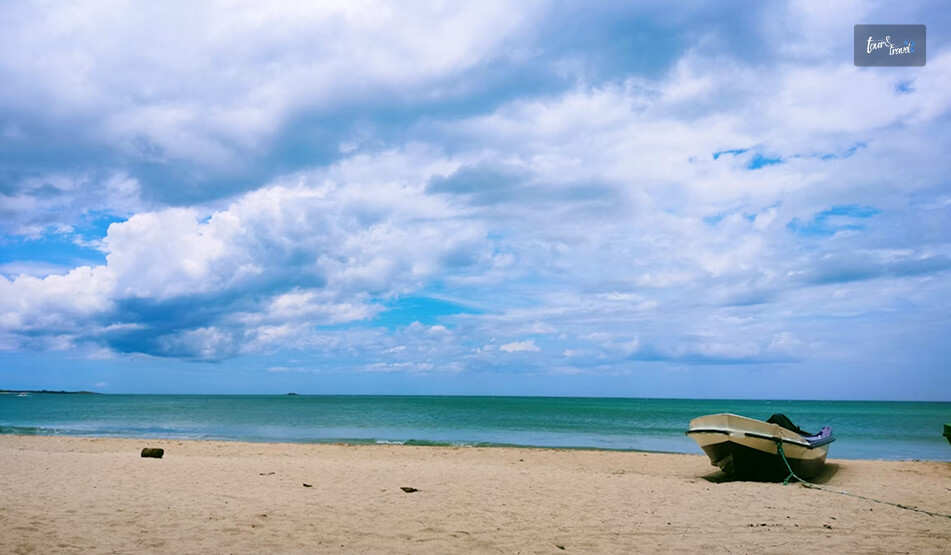
I arrived at Nilaveli Beach in the late afternoon. The beach looked magical with the golden light. 

Also, instead of traffic horns or music, the rhythmic slap of fishermen pulling in nets a few hundred meters down the shore was the first sound to reach my ears. 

This sound had set the right tone for all the experiences that followed at Nilaveli Beach. 

How I Reached Nilaveli Beach?

How I Reached Nilaveli Beach

Nilaveli is on the northeastern coast of Sri Lanka. It is also 16 kilometers north of Trincomalee

Furthermore, the distance between Nilaveli and Colombo is around 264 kilometers. So, it is a journey of approximately 6 hours by road. 

However, you can also fly to the small domestic airport of Trincomalee. Tuk-tuks and local buses run the short hop between Trincomalee town and Nilaveli itself without much fuss.

Nevertheless, I made the trip overland after finishing up in Kalpitiya on the northwest coast. 

I cut across through the interior, and I would recommend that route if you want to enjoy a longer east-coast itinerary. 

Taking the route also puts you within easy striking distance of Mannar if you are willing to backtrack a little. 

Nilaveli Beach: It Has An Older Résumé Than You Can Guess

Nilaveli Beach It Has An Older Résumé Than You Can Guess

Nilaveli is different from many other beaches on the east coast as it has been in the tourism business since the 1970s. 

Then, it had a couple of beachfront hotels, and those were quite popular among the tourists making their way to this part of the country. 

However, that tourism scene got interrupted by the rampage of the Civil War for two decades. 

The Civil War shaped so much of what I saw further north in Kilinochchi and Mullaitivu. However, it emptied the coastline here. 

After the war ended in 2009, Nilaveli Beach has been very cautious in its attempt to return to form. 

It did not have the resort boom like Pasikudah further south. However, that has been a blessing in disguise as fewer beach clubs have ensured longer silences and more space. 

What Is So Magical About Nilaveli? 

What Is So Magical About Nilaveli

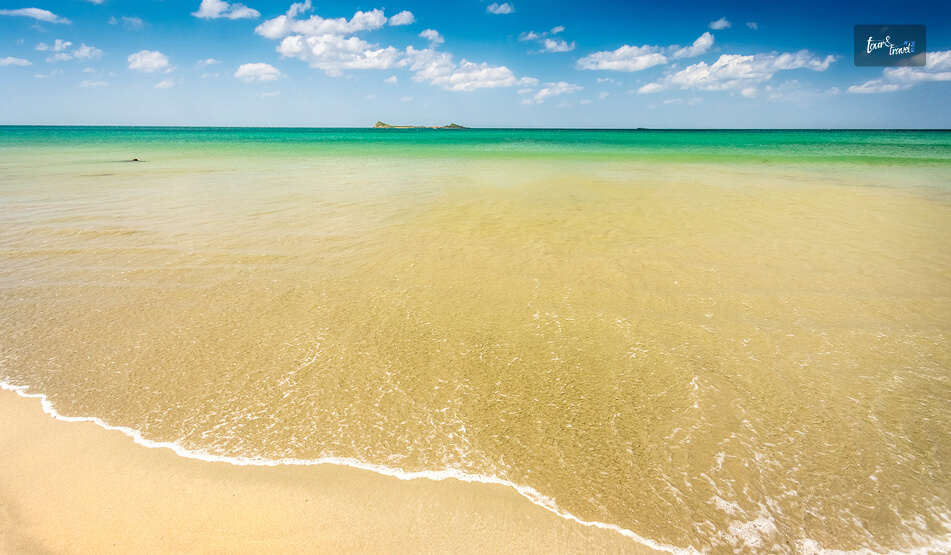
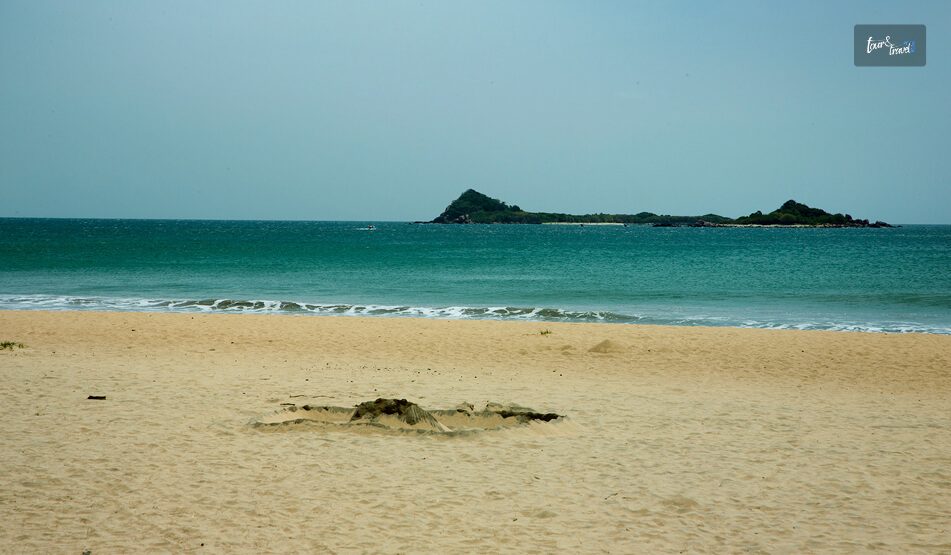
The Nilaveli Beach itself is the main attraction with pale and soft sand running for kilometers. 

Furthermore, the gentle shallow gradient made it safe for swimming, and it offered enough space. So, even after a decent crowd strength, it did not feel crowded. 

I walked a good stretch of it one morning before the heat set in and passed maybe a dozen people the entire way.

You can just sit offshore and unwind. However, I chose to explore more. 

What I Did At Nilaveli?

I took a boat ride to the Pigeon Island National Park, one of the few marine national parks in the country. 

It has an extensive coral reef, the home to over 100 species of corals, 300 species of fish, turtles, and blacktip reef sharks.  

Snorkeling At Nilaveli Beach 

I booked a morning snorkeling trip and spent a couple of hours drifting over coral gardens, watching for the blacktip reef sharks the island is known for.

They were small and shy!

I also spotted some green turtles. 

Here, let me share some important details and how we can be responsible in our behavior here. 

The reef is not as pristine as it used to be decades ago. After the 2009 tsunami impact and to minimize the traffic impact, the government has capped daily numbers and started rehabilitation work.

So, if you have snorkeling plans, especially in the peak seasons from May to October, you need to book your slot in advance.

A Trip To Trincomalee, Just Down The Road 

I allocated one day for myself away from the sand to explore Trincomalee proper. 

Fort Frederick was built by the Portuguese and later expanded by the Dutch and British.

It sits on a headland with genuinely dramatic views out over the harbor.

The harbor is further one of the finest in the world.

Inside the fort grounds, the Koneshwaram Temple was the highlight for me.

Furthermore, you can visit the Kanniya hot springs and the Uppuveli Beach too.

Nilaveli Beach wins with its honesty, and the reef here is really vibrant. 

Pasikudah is Sri Lanka’s east coast dressed up for a resort brochure. Nilaveli is a humble coastal hub with its history and marine diversity.

Share on Social Media

Sibashree is a travel, culture, and leisure writer who has been writing since the age of 12 and professionally since 2014. With more than a decade of travel writing experience and journeys across India and several parts of the world, she brings a deeply personal and thoughtful perspective to her work. A student of English Literature and Mass Communication, Sibashree has always viewed travel as more than movement — for her, it has been a way of understanding people, cultures, and herself. Her passion for spiritual exploration has also led her to many unusual and meaningful destinations over the years. Outside of writing, Sibashree enjoys watching European cinema, reading about global politics, and reflecting on the stories hidden within everyday places.

Leave a Reply

Your email address will not be published. Required fields are marked *

title-img Related

READ MORE Aluthgamaa

Aluthgama, Sri Lanka: A Riverside Town I Visited Taking A Wrong Turn Off Galle Road

BY  Sibashree Aug 17, 2026

Like everyone, I also had my sights set on the beach resorts of Bentota. I met Aluthgama by accident as I took a wrong turn off the Galle Road, chasing the smell of grilled seafood from a roadside stall.  Aluthgama is beautiful. It is a working coastal town with a river as its lifeline. The mangrove canoes and fishing boats share the water here.  Also, a 160-foot Buddha statue rising from the trees looks over the town.  Once I reached there, I lost track of time, and in this town, the pace of life still runs on tides rather than tourist schedules. Charmed by its art of slow traveling, I ended up staying three days in Aluthgama.  Where Is Aluthgama? What Is So Special About The Location?   Aluthgama is a coastal town in the Kalutara District of Sri Lanka's Western Province.  Also, it is about 63 kilometers south of Colombo, and its distance from Galle is around 68 kilometers.  This strategic position helps Aluthgama enjoy proximity to Colombo, the capital of the country. You can reach it from Colombo with an easy day drive or scenic coastal train ride.  However, the distance of 63 kilometers is enough to keep the unmistakable slower rhythm of the south coast intact in Aluthgama. Furthermore, the Bentota River creates a natural boundary between Aluthgama on the northern bank and Bentota on the southern bank.  These two are like twin towns; Bentota is more famous, though!  Aluthgama is very much a lived-in coastal town with a busy market and a fish market that starts operating before sunrise.  I also found the streets busy with tuk-tuk drivers. However, this crowd around the markets and the tuk-tuks ruling the streets do not make Aluthgama a tourist town.  It does not have anything pretentious about it, and that is most impressive. How To Reach Aluthgama From Colombo Fort? For the most authentic experience, you can take a train from Colombo Fort to Aluthgama. However, by road travel options are also available.  By Train  Trains such as Ruhunu Kumari (Maradana → Matara), Samudra Devi (Maradana → Galle), and Maradana → Aluthgama.  The train ride of around 59.67 km takes between 57 minutes and 2 hours and 10 minutes.  Furthermore, the ticket price for this class is LKR 140, second class is LKR 300, and first class is LKR 600.  By Road You can opt for a private car/taxi ride for two hours. It will cost you around LKR 12000 to 15000. Also, you will get state-run CTB buses to Aluthgama from the Colombo Central Bus Stand. The travel time in these buses is around 2.5 hours, and the ticket price is between LKR 800 and 1100.  However, if you want a more comfortable experience, you can board the private buses from the Bastian Mawatha Bus Station. The ticket prices will be around LKR 1200.  What To Do Or Try In Aluthgama? A Quick Summary Of The Top Attractions CategoryWhat to Try / Do in AluthgamaSignature DishFish Ambul Thiyal (Sour Fish Curry with Goraka)River ExperienceMangrove Safari on the Bentota River, and Spotting Crocodiles, Kingfishers, Water MonitorsLandmarkKande Vihara Buddha Statue with a Height of 160 Feet and Depicting the Bhoomisparsha MudraWatersportsJet SkiingBanana BoatsSpeedboat Rides Near the River MouthShoppingGem and Jewelry Shops (Notably Blue Sapphires)Local Market for Spices and ProduceDay TripsKosgoda Sea Turtle Conservation ProjectMadu Ganga boat safariAmbalangoda Mask MuseumGalle FortDistance from Colombo63 km southDistance from Galle68 km northBest base forTravelers wanting a quieter, more local alternative to Bentota's resort strip The Bentota River Is The Heart Of Aluthgama  If you are planning a stay in Aluthgama like me, all the activities and attractions here center around the Bentota River.  From a slow paddle through the mangroves or an afternoon of watersports, every activity here is dependent on the river.  Mangrove Safaris And Wildlife In Aluthgama  I was not expecting much from the mangrove safaris here. I thought that it would be a slow boat ride and some birdwatching.  However, it turned out to be a two-hour adventure weaving through narrow mangrove channels so tight the branches brushed both sides of the canoe. I could also spot monitor lizards sunning on exposed roots and a small resident population of mugger crocodiles that our boatman pointed out with far more enthusiasm than I felt. Then, there were kingfishers! They flashed between the mangroves throughout the journey. Then, finally, the channel opened, and we reached Cinnamon Island. We explored the short loop past cinnamon trees.  It was amazing to see cinnamon being cultivated much as they were during the centuries when Ceylon cinnamon was one of the most valuable commodities on earth. I chose a shared safari, and that cost around 3000 LKR for me. However, you can also take a private boat for a mangrove safari, and that costs close to 6000-6500 LKR.  Watersports On The Bentota River  Along with the paddle boat ride across the mangroves, you can also try jet skiing, banana boat rides, and being towed behind a speedboat on an inflatable "sofa." You will mostly find these organizers and operators near the river mouth and along the Bentota side.  This section is touristy. So, the watersports services are well organized, and the charges are also quite reasonable.  Check out the table below for an estimate of the prices for watersports on Bentota.  ActivitiesCost Per Person (LKR)Jet Skiing (10/15 Minutes)3500-12000Banana Boat Rides (Per Round)1000-3000Sofa / Tube Rides (Per Round)1000-3000Paramotoring15000-20000Flying Activities15000-20000 Malu Banna Watersports & Activities Centre and River Adventure - Water Sports Center are some popular organizers of watersports on Bentota. The Buddha Statue: The Guardian Of Aluthgama  Kande Vihara temple in nearby Aluthgama-Dharga Town is a short distance from the town center.  As I reached the Kande Vihara temple, I saw one of the tallest Buddha statues in Sri Lanka. This seated statue of Buddha is around 160 feet tall, and what is more captivating is its bhoomisparsha mudra. It is an earth-touching gesture associated with the moment of the Buddha's enlightenment. I had seen the photographs of this Buddha statue, but I did not expect to find it in Aluthgama.  It was overwhelming as I did not think that turning a wrong corner on a fairly ordinary road would lead me to a statue of that scale rising above the tree line.  This is life in a nutshell! There is a reason why I believe that traveling connects you to the mysteries and beauty of life more.  You get the most amazing things when least expected.  I saw locals visiting the Vihara to make offerings. The grandeur of the Buddha Statue and the overall ambiance reminded me of the Dambulla Royal Cave Temple.  The Vihara did not have much of a crowd. So, it saved me from the queued, roped-off feeling that is common in many religious sites of Sri Lanka.  Also, it was late afternoon, and the light caught the gold plating of the statue. Even the existing crowd started thinning out, and the silence was precious.  I missed Somraj, my partner here, as he adores quiet places and his love for Buddha and Buddhism is intense.  How To Reach The Kande Vihara Temple?  The distance is around 2.5 kilometers, and a tuk-tuk ride takes around 7-8 minutes. The driver charged me LKR 300 and told me that he would wait for 1 hour and bring me back if I gave him LKR 1000.  I was not ready to compromise my flexibility. So, I chose a one-way trip.  Aluthgama: A Market Town With Its Own Character  The temple and the river are the highlights for someone planning a trip to Aluthgama.  However, Aluthgama's real personality shows up in its everyday routines, including the market stalls, the gem shops, and the food that's cooked for locals as much as for visitors. Shopping And The Local Market  As I said, the town center of Aluthgama never tries to be what it is not. It is charming even without the polish of Bentota.  The main market is functional, with vendors selling fresh produce, dried fish, spices, and household goods.  There is an old-world charm as spices here are not packaged. They are sold loose by weight. So, you will get the whiff every time you pass a spice stall.  Also, if you want to buy some jewelry, you can visit the small but well-regarded cluster of gem shops. Ask any tuk-tuk driver to take you to the shops.  The part of the coast on which Aluthgama sits is within reach of Sri Lanka's gem-trading networks.  A few local shops here have built reputations for genuine sapphires, which draws buyers who would rather shop here than in the more heavily marked-up tourist circuits further south. What To Eat In Aluthgama?  Food in Aluthgama is about fresh seafood, and the southern coast does it best.  I had the signature fish ambul thiyal there. It is a sour, dry fish curry cooked with goraka. Wherever you go to eat, you will find it at the top of the menu.  Also, Kottu roti, hoppers with that distinctive crisp-edged, custardy center, and pol sambol rounded out most meals. Furthermore, near the market, you will find stalls bringing seafood straight off boats and grilling it live for you. Day Trips You Can Plan From Aluthgama  What sold me on staying longer than planned was realizing how much sits within easy reach, both along the coast and inland. 1. South Toward Galle If you take the coastal road toward the south, you will find a series of worthwhile stops.  The Kosgoda Sea Turtle Conservation Project (Distance: Around 15 Kilometers) The Kosgoda Sea Turtle Conservation Project is the first stop, and I have already discussed it in my Bentota and Kalutara Guide.  Here, hatcheries work to protect several endangered turtle species that nest along this stretch of coast.  Madu Ganga Boat Trip (Distance: Around 19 Kilometers) Next, you can plan an extension to your mangrove safari on Bentota with a boat trip on the Madu Ganga estuary near Balapitiya.  It offers a slower experience. However, it is even more biodiverse than the Bentota mangrove ecosystem.  The Ariyapala Mask Museum In Ambalangoda (Distance: Around 25 Km) This is a delightful cultural experience. You will find elaborately carved devil-dance and ritual masks the region is known for in the museum.  Along with the Kolam, Sanni, and Raksha masks on display, the museum also allows you to see the local artisans making the masks.  I interacted with them, and they shared the story behind the mask they were making.  The Meetiyagoda Moonstone Mines (Distance: Around 34 Km) It is one of the few places in the world where the blue-sheened gem is found in commercial quantities.  You can also see the miners at work here.  Galle Fort  Push on further, and you reach Galle itself. It has a UNESCO-listed Dutch fort still ringed by ramparts and colonial-era buildings that make for one of the most atmospheric walks on the island. Inland Excursions You can also plan a day trip to the cultural triangle of Sri Lanka, including Sigiriya rock fortress and Dambulla's cave temples.  Furthermore, you can opt for wildlife safaris to Udawalawe National Park, known for reliable elephant sightings. Why Is Aluthgama Worth A Visit And Stay?  Aluthgama has more diverse accommodation options than you would expect in a quaint coastal town in Sri Lanka.  However, these setups have not impacted the natural rhythm of the town that would carry on much the same whether or not anyone stopped to look.  So, it is the perfect base, spending your days drifting through the mangroves and climbing up to see the Buddha statue at Kande Vihara. Also, eat more seafood than seems reasonable, and let Bentota's beaches be the postscript rather than the whole story.m
READ MORE Wadduwa

Wadduwa, Sri Lanka: A Quiet Stretch Of Coast Worth Slowing Down For

BY  Sibashree Aug 21, 2026

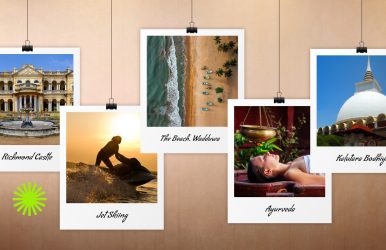
Wadduwa is very close to Colombo, just 35 kilometers south. You reach it in less than an hour’s drive down the Galle Road or the Southern Expressway.  However, it is easy to miss Wadduwa on the way to Bentota or Hikkaduwa.  It is true that Wadduwa does not have a single big attraction. Still, the fishing boats going out at dawn, coconut palms leaning over empty sand, and an unhurried rhythm make it different from built-up beach towns further south.  Wadduwa At A Glance  LocationWestern Province, Kalutara District, southwest coast of Sri LankaDistance from Colombo35 KmDistance from the airport50 km from Bandaranaike International AirportKnown ForQuiet BeachesAyurvedic Wellness ResortsFishing Village CultureBest Time to VisitNovember to April (Dry Season, Calmer Seas)Getting AroundTuk-tukTaxiCoastal Train LineBusIdeal ForCouplesWellness TravelersTravelers Looking for a Low-Key Base Near ColomboNearby TownsKalutara (10–15 Minutes)Bentota (45 Minutes)Panadura (20 Minutes) How To Reach Wadduwa? Wadduwa is well-connected by bus, train, and private transport options. However, since the distance from Colombo is just around 35 km, traveling by a private taxi is the best option. By Taxi Traveling from Colombo City Center to Wadduwa via the Galle Road is a journey of around 40-50 minutes.  The private taxi charged me around LKR 7500.  However, if you are traveling directly from the airport, the travel time will be around 1.5 hours, and the cost will be close to LKR 12000. Here, you need to keep one thing in mind regarding the charges. During negotiations, cross-check whether the toll charges for the Southern Expressway (E01) are included in the fare or not.  By Train If you are a budget traveler and want to enjoy the view of the southern coast, a train ride is a more suitable option.  The distance between the Colombo Fort Railway Station and Wadduwa Railway Station by train is just 32.47 km.  Trains on this route are available from 4:20 AM to 9:36 PM at regular intervals on a daily basis. Also, the travel time is around 50 minutes.  The ticket prices for this train ride are LKR 80, LKR 200, and LKR 350 for 3rd class, 2nd class, and 1st class tickets, respectively (Source: https://www.railway.gov.lk/).  This is the best option if you are traveling solo or do not have much luggage with you.  By Bus You can travel from Colombo to Wadduwa by bus also. You can catch the route number 100/2 bus or any bus going to Galle or Matara from the Central Bus Stop in Colombo Fort.  The travel time is around 50-60 minutes, and the ticket price is just around LKR 150. However, if you want to travel in an AC bus, the ticket price will be approximately LKR 250. What Are The Top Attractions In Wadduwa?  Wadduwa does not have bucket-list destinations. However, all it takes is hiring a tuk-tuk, which will cost around LKR 150 to 400 for short rides.  It will take you to the serene beach, Richmond Castle, and Kalutara Bodhiya. You can even visit the Kaluwamodara Bridge and the beautiful Kalu River. Also, Wadduwa is known for its wellness tourism. You can indulge in the magic of Ayurvedic treatment here.  1. The Beach I started exploring Wadduwa with the beach as the starting point. It is a sheer contrast to Mirissa or Unawatuna if you are expecting high drama.  The sand here is soft and golden, and the water is calm.  Also, the coconut trees line the shore in a way that feels more like a working coastal town than a resort strip. Watching The Fishermen At Dawn At The Beach During my stay in Wadduwa, I used to wake up very early. It was just to observe the fishermen at work at dawn.  They used to push the brightly painted boats into the surf. They also checked and mended their nets.  There were no tourists in sight, proving once again that Wadduwa is a fishing community first and a holiday destination second. Swimming And Conditions The calm waters of Wadduwa make it a safe destination for swimming. However, like the other southern coastal destinations, the waters here also face occasional rip currents.  Wadduwa is also famous for coconut plantations.  These plantations back up right against the shoreline in places. That greenery is part of what makes the beach feel less commercialized than some of its neighbors. 2. Ayurveda And Slowing Down Ayurvedic wellness tourism is the biggest attraction in Wadduwa. It has a number of resorts that have reputations specifically around traditional Sri Lankan healing practices. You can opt for the following wellness practices in Wadduwa.  Herbal Oil Massage Steam Treatments Detox Programs I am not usually one for spa itineraries. However, I gave in for an afternoon and came away understanding the appeal. The cost of steam treatments and herbal oil massage came to around LKR 6000.  It is a genuinely different kind of beach holiday, oriented around rest rather than activity, and Wadduwa has quietly become one of the country's go-to spots for it. 3. Richmond Castle And Kalutara Bodhiya After an Ayurvedic massage and complete rejuvenation, I took a short trip to neighboring Kalutara.  It was just a 20-minute drive along the coast. I visited Richmond Castle and Kalutara Bodhiya there.  Richmond Castle Richmond Castle is an early-1900s mansion built for a local Mudaliyar (a headman title from the colonial era). It is an impressive 42-acre property blending colonial architecture with signature Sri Lankan styles.  The entry fee to the castle is LKR 100 for local adults, and as a foreigner, I had to pay LKR 500.  The entry fee may seem higher, considering it does not match the grandeur of a European castle.  However, given that all the proceeds go toward funding local schoolboys' education, you will not mind paying the same.  The entry fee for the local schoolchildren to the castle is also very low, and it is just LKR 10.  Guides are available on-site and can walk you through the history in about forty minutes to an hour, and the grounds are open daily from 8 AM to 4 PM. Kalutara Bodhiya Kalutara Bodhiya, a major Buddhist temple and stupa, sits on the top of the river mouth.  Along with its religious significance, Kalutara Bodhiya stands out with its striking structure.  The hollow dagoba lets you walk inside and look up at painted panels depicting scenes from Buddhist scripture. This is something you see at every temple in Sri Lanka. I have shared the details of visiting the Kalutara Bodhiya in my guide on the historic coastal town of Kalutara.  4. Bridges, Rivers, And A Slower Kind Of Sightseeing The Kalu River is the lifeline of Wadduwa and Kalutara. Furthermore, the Kaluwamodara Bridge connects the northern and southern parts of Kalutara across the Kalu River. The bridge has an impressive arch design, and you can notice it while taking a tuk-tuk ride.  However, I opted for a scenic boat ride of 90 minutes for LKR 3500.  The short boat ride along the Kalutara River one afternoon wove through mangrove patches.  I also got a look at local fishing life from the water rather than the shore.  It is a quieter, more low-key version of the river safaris you will find further south in Bentota, and I actually preferred it for that reason. Fewer boats, more birdlife, no rush! Day Trips From Wadduwa Thanks to its central location on the western coast, Wadduwa is the ideal base for exploring the nearby coastal towns.  You can plan the following day trips from Wadduwa.  Bentota About 45 minutes south, Bentota offers river safaris, water sports, and garden estates. Brief Garden The landscaped estate created by Sri Lankan artist Bevis Bawa is a worthwhile detour if you have any interest in tropical garden design or local art history. Dehiwala Zoo One of the older zoos in Asia, around 26 kilometers north, Dehiwala Zoo is an easy option if you are traveling with kids. Pahiyangala For something further afield, this prehistoric archaeological site near Yatagampitiya is about 40 kilometers from Kalutara. It appeals if you are curious about Sri Lanka's deeper human history rather than its colonial-era one. Pahiyangala, or the Fa-Hiden Caves, has been home to prehistoric human beings around 37000 years ago, as backed by archaeological evidence.  Such a fascinating site, the caves offer free entry, and they remain open for visitors from 6 AM to 6 PM.  However, you need to climb a staircase for around 20 minutes to reach the caves.  Food And Water Sports Beyond the beach and the temples, Wadduwa gave me some of my simplest, best meals of the trip, and enough on-water options to fill an afternoon if lounging isn't quite your speed. Eating in Wadduwa Eating in Wadduwa leans heavily, unsurprisingly, toward seafood. The fresh catch sold right off the boats in the morning turns into curries and grilled fish by evening at the small local restaurants scattered along the coast road.  On The Water For anyone wanting more than sunbathing, the calm-but-active waters here support jet skiing, windsurfing, and light surfing. All of these felt more accessible and less crowded than the equivalent setups in Bentota or Hikkaduwa.  Here is a breakdown of the estimated costs for taking part in different watersports in Wadduwa. WatersportsEstimated Cost (LKR)Jet Skiing8000-12000Banana Boat Ride5000-7000Tube Ride6000-8000Windsurfing / Wakeboarding10000-15000 I am mentioning all the charges here based on what the local organizers quoted me. The prices can change for your next trip.  Wadduwa is not a surf town in the way those places are, but if you just want to get out on the water without booking weeks in advance, Wadduwa makes it easy. What Is The Best Time To Visit Wadduwa? Like most of the western coast, Wadduwa is best visited between November and April, when the weather is dry and the seas are calmer. This is also when the Ayurvedic resorts tend to be fullest. So, it is worth booking ahead if that's part of your plan.  The town holds a warm, tropical climate year-round, but the shoulder and monsoon months bring rougher water and less predictable weather. A Simple 2-Day Wadduwa Itinerary DaysActivitiesDay 1, Beach and WellnessMorningArriveSettle inEarly walk on Wadduwa Beach to catch the fishermen heading out. MiddayRelax by the beach or pool.Light seafood lunch at a local restaurantAfternoonAyurvedic spa treatment at your resortEveningSunset on the beach, dinner of fresh grilled fish.Day 2, Kalutara and the RiverMorningDrive to Kalutara (~20 min) to visit Richmond Castle.Midday:Kalutara Bodhiya TempleLunch nearbyAfternoon: Kalutara River boat tour through the mangrovesEveningReturn to Wadduwa, water sports session (jet ski or windsurfing) if conditions allow. If you have a third day, use it for a half-day trip to Bentota for river safaris and garden estates, or Brief Garden if you would rather stay closer. Slowing Down At Wadduwa  Wadduwa is one of the best-kept secrets of Sri Lanka in the truest sense. Just 35 km away from Colombo, it is a place to slow down and be a part of a livelihood based on fishing.  Also, it is an important base for Kalutara and Bentota day trips due to its accessible location.  Still, Wadduwa is quieter and on its own. So, the mornings on the beach never felt like they belonged to anyone but the fishermen and me.

READ MORE Osaka food

Osaka Food: Know What To Eat In The Streets Of Osaka 

BY  Sibashree Mar 27, 2026

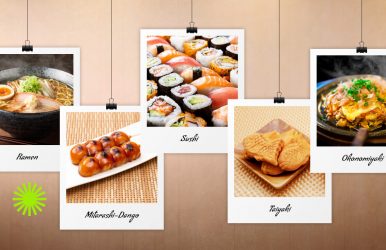
Osaka food is slowly and steadily surpassing Tokyo as the poster for Japanese cuisine.  Furthermore, it has been just a few days since La Cime in Osaka became the best restaurant in Japan in the Asia's 50 Best Restaurants list in 2026.   However, the soul of the Osaka food lies in the streets. The Dotonbori neighborhood was especially the best when I visited.  In fact, I was so much in love with the street food here that I chose to cancel the previous booking and chose a hotel in Dotonbori instead.  Also, the Dotonbori Market was the epicenter of my food exploration in Osaka.  Moreover, how can you ever forget what Anthony Bourdain had to say about food in Osaka? He said,  “I’m a big believer in winging it. I’m a big believer that you’re never going to find the perfect city travel experience or the perfect meal without a constant willingness to experience a bad one.  Letting the happy accident happen is what a lot of vacation itineraries miss, I think, and I’m always trying to push people to allow those things to happen rather than stick to some rigid itinerary.” So, let’s explore Osaka food at its best in Dotonbori. What Are The Best Osaka Food You Can Try On The Streets?  Osaka, despite its funky and vibrant appearance, has a history that goes back to the Edo Period in the 17th century.  Furthermore, it was a major trading hub during that period. Also, it was the same time when Osaka earned the nickname “Japan’s Kitchen.”  Moreover, Dotonbori extends across a canal that reaches out to the sea. So, you will always find fresh seafood in the local delicacies.  Ramen Udon Torikara Takoyaki These are some of the delicacies served by the local vendors in Osaka.  However, just mentioning these names does not justify the tangible experience of Osaka food.  I saw a big red octopus getting dressed and served, and the lobsters were irresistible.  Nonetheless, these are the best street foods you can try in Osaka.  1. Mitarashi-Dango Pocket-Pinch: 150 JPY  Mitarashi-Dango is the most comforting street food you will try in Osaka. Furthermore, these are great for budget-friendly travelers and backpackers like me.  These rice balls are sweet and chewy, and have a hint of burnt taste due to the unique browning process that takes place once the rice balls are boiled and cooled.  Furthermore, the glaze of the sweet soy sauce makes it perfect!  2. Okonomiyaki Pocket-Pinch: 400-450 JPY  Do you like frittata? Then, you will love these Japanese savory pancakes even more.  Okonomiyaki has all the flavors. However, you never feel heavy after having them. Furthermore, these pancakes are simple, as cabbage, flour, and eggs are the main ingredients.  However, the local street vendors add seafood and scallions to the dish for more flavor and color.  Also, they serve it with barbecue sauce.  3. Daifuku Mochi Pocket Pinch: 350-400 JPY Mochi, the round rice cake, is a staple Japanese delicacy.  It has the chewiness of Mitarashi-Dango. However, it has filling as the daifuku part of the name suggests.  I loved the ones with strawberry filling, and you can also try them with other fruits.  4. Torikara Pocket-Pinch: 300-400 JPY If the USA has its deep-fried chicken, Japan also has Torikara.  I loved them, and the fried potatoes and the variety of sauces will be the most amazing additions.  5. Takoyaki Pocket Pinch: 700-800 JPY  Takoyaki is probably the most famous street food of Osaka and Japan.  Japanese people love these octopus balls, and that’s why the Takoyaki stalls in Dotonbori are countless.  Furthermore, the scallions and flakes of dried fish sprinkled on top make the dish really amazing.  Moreover, the batter is gooey, and it will melt in your mouth.  6. Taiyaki Pocket Pinch: 300 JPY This is a fish-shaped pastry and my silent favorite among everything I tried in Osaka.  The smell is irresistible, and the main attraction is to see it getting ready in front of your eyes.  You can have this vanilla-flavored pastry with cheese, custard, and hamburger meat. However, the red bean paste is the ideal choice if you want to follow the grammar of East Asian cuisine. 7. Udon Pocket Pinch: 650 JPY The hot broth and noodles! I know that I have kept you waiting for the longest time to find this lethal combination on my list.  The noodles in Udon are thick, and with the right seasoning, their taste grows on you. That’s why you can eat udon every day and not get bored.  Furthermore, there are many variations of udon, such as the curry udon, yaki-udon, nabeyaki udon, and tempura udon.  8. Soba Pocket Pinch: 400 JPY Soba has buckwheat noodles in hot broth. Furthermore, these noodles are darker and thinner.  Furthermore, the simplicity of the dish and flavors make it a perfect palate cleanser.  I loved a bowl of soba with scallions.  9. Ramen Pocket Pinch: 700-800 JPY Ramen, of course, is the quintessential wheat noodles the whole world has been eating for quite some time now.  I tried different variations of ramen in Osaka. However, I loved the one with pork the best.  10. Yakitori Pocket Pinch: 1000-1100 JPY Yakitori is the Japanese take on grilled meat.  Furthermore, you will get many variations in the meat used here. You will get bone meat, chicken skin, seafood, and many other varieties here.  11. Sushi  Pocket Pinch: 1200 JPY If Sushi is an emotion, then it runs in the veins of Osaka.  From sea urchin to tuna, eel, and salmon, Osaka spoils you with choices in sushi.  Furthermore, the art of eating sushi is something that you need to understand. It is just not about gulping down some food.  It’s also about being a part of the Japanese culture.  12. Taiko Manju Pocket Pinch: 100-150 JPY You may think that Taiko Manju and Taiyaki are the same, but the origin and texture are very different.  Despite the use of the same ingredients, Taiko Manju is fluffier. Furthermore, their drum shape is inspired by the taiko drums, which are integral parts of Japanese festivals.  Read Also: What Are The Best Day Trips From Tokyo? Most Popular Ones You Will Love Cherry Blossom Kyoto Japan: 2026 Season And The Top Viewing Spots Is an Mt Fuji Day Trip From Tokyo Worth It? How To Plan It?