
Want To Swim With Turtles And Surf At Dalawella Beach? Know The Timings, Entrance Fee, And More

Dalawella Beach is the best beach for families in Sri Lanka in 2026. 

It’s not me, and Lonely Planet has conferred this title to Dalawella Beach, which is just south of the Unawatuna resort town. 

Furthermore, it is just 20 km from Galle and less than 8 km from Galle Fort, a UNESCO World Heritage Site

On the same list, the Hiriketiya Beach has become the best beach for amenities, the Mirissa Beach has been chosen as the best beach for whale watching, and Unawatuna Beach has been selected as the best beach overall. 

You can take a tuk-tuk from Unawatuna and reach this beautiful beach within 10 minutes. Furthermore, it is a 2-hour journey by road. 

Taxis to Dalawella Beach are also available from Galle. 

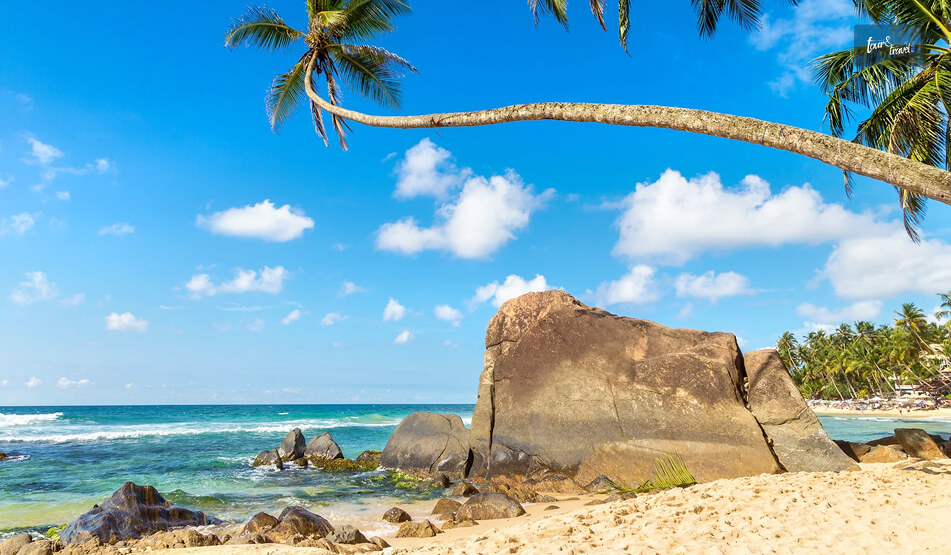
While easy accessibility remains a plus for the beach on the southern coast of Sri Lanka, it stands out because of its rope swing attached to a leaning palm tree. This swing is also called the Dalawella Swing. 

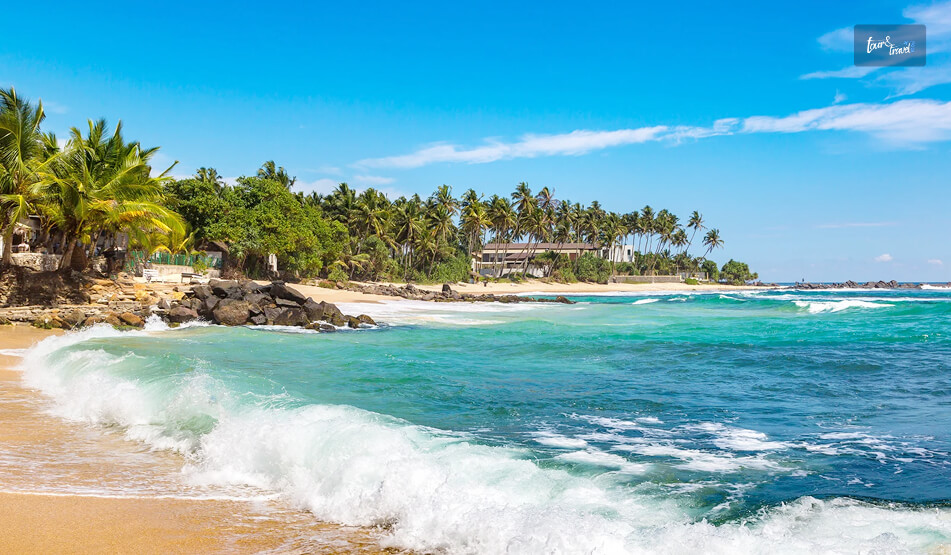
Moreover, Dalawella Beach or Wijaya Beach has a sheltered natural pool, formed by a reef and adorable turtles. 

So, what are the things to do and the top attractions at this beach? Let’s discuss this in detail in this blog. 

How To Reach Dalawella Beach? 

How To Reach Dalawella Beach

As I have said already, you can easily take a tuk-tuk from Unawatuna and reach Dalawella Beach within 10 minutes. 

I paid LKR 200 as the tuk-tuk price and got off at the Dream Cabana Hotel. Here, you will find the palm tree that has the famous Dalawella Swing. 

You will also get buses from Unawatuna to Dalawella every 15-20 minutes, and the ticket price is LKR 50. 

Why Is Dalawella Beach A Must-Visit? (Things To Do In Dalawella Beach)

Why Is Dalawella Beach A Must-Visit (Things To Do In Dalawella Beach)

Sri Lanka has the best of many things. It has the famous Buddhist sites, such as the Dambulla Royal Cave Temple, or the Sacred City of Anuradhapura

These are high-energy places and are soaked in spiritual fervor. 

On the other hand, the coastal gateways such as the Uppuveli Beach in Trincomalee or Ahangama Beach Town, offer you the ideal places to relax and unwind. 

The Dalawella Beach near Unawatuna is, of course, a nice addition to this list of beaches in Sri Lanka. 

While relaxing and enjoying a laid-back vibe is the best thing to do when you are at Dalawella Beach, here are some other activities you must try. 

1. Swing Over The Water 

The palm tree swing is the top attraction at Dalawella Beach. This swing is attached to the leaning palm tree in front of the Dream Cabana hotel. 

You can enjoy this swing ride over the water and have the most amazing experience. A hit on Instragram, this is the perfect spot for photography or making reels at Dalawella Beach. 

The cost of taking this swing is LKR 500, which I have seen many travel guides mentioning as the entry fee. 

However, entry to Dalawella Beach is free. 

2. Watch The Sunset From The Wijaya Rock

You will find the Wijaya Rock if you walk a few hundred meters from the Wijaya Rock. The standalone rock comes out of the sand and reaches out into the ocean. 

There is a palm tree right beside the rock. So, the overall setup is very Insta-worthy, especially during the hours of sunrise and sunset. 

3. Swim With Turtles 

Turtles are a major attraction on the Sri Lankan beaches. 

Be it the beaches in Jaffna or the Sea Turtles Conservation Centre near Mount Lavinia Beach, these adorable creatures add more delight to the beach experience. 

At Dalawella Beach also, I spotted some turtles, and swimming by them in the lagoon was relaxing. 

So, you don’t need to snorkel to meet them. 

Furthermore, if you don’t want to swim in the water, you can watch them from the top of the Wijiya Rock or use a drone camera to capture their beauty. 

4. Surfing Near The Frog Rock 

Dalawella Beach is not the best option if you want to enjoy surfing in Sri Lanka. However, it is not the worst either. 

You will find the iconic Frog Rock at the end of Dalawella Beach. The natural formation of this boulder makes it look like a frog. 

However, the water here is quite shallow, and the reef is a major challenge. So, you will mostly find locals surfing in this area. 

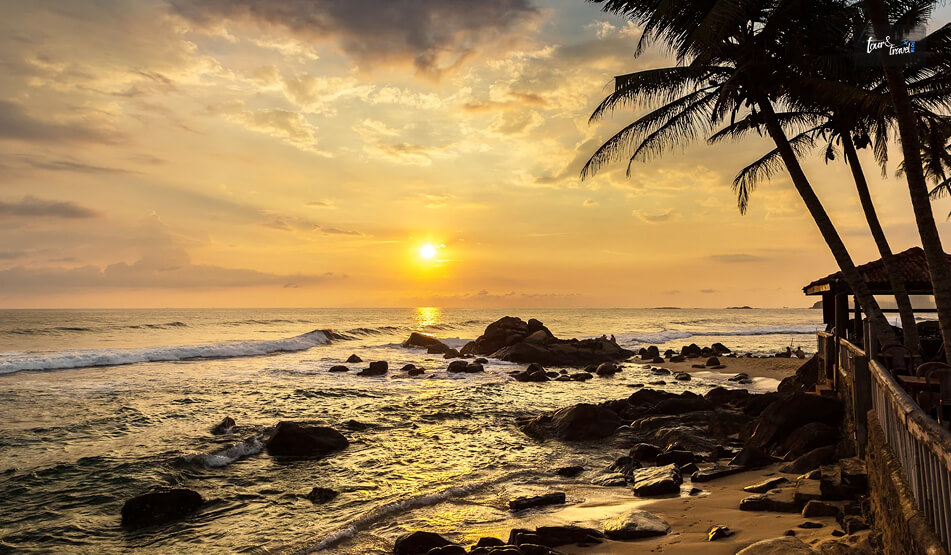
Moreover, Dalawella Beach has some delightful cafes and restaurants. You can enjoy seafood and chilled beer here and enjoy amazing sunset views. 

What Are The Other Beaches To Visit Near The Dalawella Beach? 

As I have mentioned, Dalawella Beach is not that great as a surfing destination, and it does not have a surfing break. 

So, you can try nearby beach options such as Ahangama, Kabalana, or Koggala. 

The best among them is, of course, Ahangama, and you can easily reach this beach town by a tuk-tuk, and it takes just 20 minutes. 

Ahangama is the best because it has around fifteen surf breaks along a few kilometers of the coast. 

The Kabalana Beach, around 15 km away from Dalawella Beach, is also a popular surfing destination and has the best A-frame in Sri Lanka. 

However, if you want a more peaceful experience at a remote place, you can try Koggala. It is just 10 minutes away, but it can be a little dumpy. 

Where To Stay If You Want To Surf At Dalawella Beach? 

Where To Stay If You Want To Surf At Dalawella Beach

You will find many hotels to stay at Dalawella dotting the beach. However, it is always better to take a tuk-tuk ride or a short walk to find better options. 

For example, the Rockside Cabanas Hotel is the most popular accommodation, and it is within walking distance of the beach. It is also very close to the turtle lagoon. 

You can also plan a stay at the Horizon Hill Top Villa. Take a tuk-tuk to reach this hotel in two minutes from the beach. 

It serves an amazing breakfast, and it has a lovely pool in the jungle. 

What Is The Best Time To Visit Dalawella Beach? 

Dalawella Beach remains open 24×7. However, 6 AM to 7 PM is the best time to visit the beach in a day. 

Season-wise, December to March or the dry season, is the best time to visit Dalwella Beach. 

Moderate temperature with an average of 31-32 degrees Celsius, long sunshine hours, and calm waves make this season ideal for regular tourists and surfers. 

Moreover, these months are the best for spotting turtles here. 

Share on Social Media

Meet Sibashree Bhattacharya, a travel enthusiast who has a decade-long experience in transcending virtual barriers with her words! Her deep love for travel is apparent from her travel escapades to the mountain, often taking her readers on a journey, her words acting as Portkey! Fun fact: Sibashree loves to dive deep into the history of the places she is about to visit, making her travels even more wholesome. If you were wondering how her articles are not short of time travel, this answers it!

Leave a Reply

Your email address will not be published. Required fields are marked *

title-img Related

READ MORE Jaffna Cultural Guide

A Jaffna Cultural Guide: How To Experience Tamil Culture In Jaffna? 

BY  Sibashree Jan 6, 2026

With the Sri Lanka Tourism Development Authority (SLTDA) planning to diversify the tourism offerings, Jaffna, the northernmost part, comes into the limelight. Jaffna is the place to know about the local Tamil culture and heritage of the country.  Jaffna has beautiful temples, and the Jaffna temple etiquette shows how the people here are sincere about their customs and traditions. Also, major festivals such as the Nallur Annual Festival are celebrated around the temples here.  On the other hand, the Jaffna food scene is a celebration of locally-sourced ingredients such as fresh seafood, palm flour, and roasted spices.  SLTDA is proactively improving the infrastructure without compromising the sustainability aspect. Thus, in 2026, Jaffna is going to emerge as an eco-tourism leader, which promotes its culture and heritage.  Also, during my last visit, I found Jaffna to be a rhythm. I woke up with the sound of temple bells at 5 AM and the smell of jasmine and roasted curry powder. As I crossed the Elephant Pass, it was a paradigm shift from the greens of the Sinhalese South. Suddenly, I was in a sun-drenched, rugged terrain of palmyrah palms and limestone.  The humble and soft curves of the Buddhist Stupas were replaced by the towering Gopurams of the Hindu temples.  Life moves at a gentle pace here, and everyone works together, keeping a century-old tradition and heritage alive.  In this Tour and Travel Blog, I will talk about how to experience Tamil culture in Jaffna, every day, through festivals, temple visits, and more.  How To Experience Tamil Culture In Jaffna? Reading The Streets And Daily Rituals  Taking a walk down the streets of Jaffna is the best way to learn about the local Tamil culture. And the best part is the inclusivity.  It does not matter the social strata you belong to. The customs, festivals, and temples are accessible to all. Nevertheless, these are the daily rituals and road customs that offer insights into the culture of Jaffna. 1. The Kolam (Doorstep Art) I walked along the lanes of Jaffna at dawn and saw women sweeping their doorsteps and drawing intricate geometric patterns with white rice flour. It is called the Kolam.  Kolam has deeper spiritual and environmental implications. Kolam at the doorstep is a gesture of non-violence or Ahimsa. Also, the design is made using rice flour, which ants and birds eat. Thus, the first act of the day becomes about giving.  Furthermore, during a special festival or wedding in the house, the white lines are bordered with Kaavi (red brick powder). The red lines offer spiritual protection from evil eyes.  Also, if you see a house with no Kolam for many days, it means that the family is mourning. It signifies that the rhythm of joy has paused for a certain period for the family. 2. The Pottu And Vibuthi (Forehead Markings) Pottu and Vibuthi are two different types of forehead markings, and these are the visual language of faith. a. Vibuthi (The Ash) Vibuthi means three horizontal lines drawn on the foreheads of the devotees of Shiva. It means the burning away of the ego and the impermanence of life.  Also, the followers of Lord Shiva often smear ash on their forehead after a morning temple visit.  b. The Sandalwood Paste It is a yellow dot made of sandalwood paste. Many people even smear the sandalwood paste on the entire forehead. It signifies mental clarity and cooling. c. Pottu (The Dot) Pottu, often red (vermillion), the dot symbolizes the "third eye" or the seat of Shakti (divine power). It means that a woman is married.  You will also notice black dots (with Kajal/Kohl) on the forehead of young children as a mark to ward off evil eyes.  3. The Home Visit Etiquette And Tamil Hospitality Customs The Tamil hospitality customs are warm and welcoming. However, when you visit a Jaffna home, you have to follow certain social norms.  Follow The Evil Eye Or Drishti Rule  You cannot praise the beauty and health of a child excessively when visiting their home. It is considered a bad omen or an act of jealousy. If you want to adore a child, praise them briefly and share your good wishes.  The Plate Rule Of Eating  It does not matter how much you liked the food. You cannot polish your plate. Contrary to Western culture, here, leaving a polished plate means that you are still hungry or the host failed to provide enough.  The custom is to leave a tiny, symbolic amount of food on the plate. It shows that you have been provided with an abundant amount of food. 4. Caste & Conservatism: Managing Expectations In my Jaffna travel guide, I have talked about the cultural richness of the Sri Lankan northern city. However, beyond the cosmopolitan buzz of Colombo, a socially conservative vibe reigns in this region of Sri Lanka.  So, PDA or public displays of affection, even holding hands, can draw uncomfortable stares from the older generation.  Furthermore, you cannot wear short skirts or shorts in public. Your clothing has to be modest, and usually your knees and shoulders should be covered.  Temple Culture Beyond Sightseeing: A Jaffna Cultural Guide The Nallur Kandaswamy Kovil is the majestic spiritual and cultural heart of the city. However, the village kovils or the smaller temples are the places where local communities gather, and the atmosphere is very intimate.  The Archana Basket Ritual At The Temples  You can buy a small wicker basket near the temple entrance. It contains bananas, a coconut, flowers, and betel leaves.  Once you enter the temple, you have to hand it over to the priest at the inner sanctum. He will offer the basket to the deity and chant a blessing.  Furthermore, the priest will return with a flaming lamp (Aarti). Hover your hands over the flame and then touch your eyes to receive the light’s blessing. The Temple Sound: Nadaswaram And Thavil When you are in Jaffna, you don’t have to look for music. The music will find you. The sound of Nadaswaram or a long wind instrument exudes a piercing and soulful melody.  Then, the Thavil or drum has a thundering sound, and it is heard during every major temple festival. Nallur Festival Traditions And Jaffna Festival Calendar FestivalMonthWhat to ExpectThai PongalJanuaryA harvest festival where "Pongal" (rice and milk) is boiled until it spills over, symbolizing abundance.Nallur FestivalAugustA massive 25-day celebration culminating in a grand chariot procession where thousands of men pull the deity's carriage.DeepavaliNovemberThe Festival of Lights; homes have oil lamps, and the city exudes the scent of traditional sweets. Immersive Cultural Experiences For an immersive cultural experience, you must meet a traditional weaver in Inuvil and see how artisans create the most intricate textiles on hand-operated looms from cotton and palmyrah fibers.  Also, you must give the restaurants a miss for the day. Visit a local homestay where you can have cooking lessons. Grind spices using a stone grinder or Miris Gala and feel the aroma.  Do you love Bharatanatyam Dance? Visit an art school like the Jaffna Kalai Thoothu. You can watch students rehearse this ancient, highly disciplined classical dance form. You can even join sessions such as the Vibrant Rhythms of Jaffna, where you can also try some moves.  The Authority Voices On The Jaffna Cultural Guide Anuk Arudpragasam (Booker Prize Shortlisted Author): “Jaffna is a place of memory. The culture here isn't just performed; it is held onto tightly as a way of surviving history.” (Context: Discussing the resilience of Tamil culture post-war). The "Jaffna Boy" (Local Cultural Blogger): “To know Jaffna, you must wake up before the sun. The culture lives in the sweeping of the front yard and the drawing of the Kolam before the heat sets in.” Serious Eats (Culinary Authority): “The hospitality in Jaffna is aggressive in the best way possible. You do not just 'eat' here; you are fed.” A Jaffna Cultural Guide: Know The Expert Tips  “Saptingala” or “Have you eaten?” This is the common term I have heard from the locals I encountered. Seldom have I come across a city where people are so caring, even in casual greetings.  However, it’s safe to say “Yes.” Otherwise, they will feel obligated to feed you. Apart from these gestures, some other things you need to keep in mind when you are in Jaffna. 1. Don’t Touch The Head The head is the most sacred part of the body. So, you cannot pat a child on the head. Furthermore, you cannot touch a priest or monk randomly.  2. Use Your Clean Right Hand  You have to keep your right hand clean. You must use your right hand for shaking hands, eating, giving money and gifts, and pointing.  3. Men And Shirts  You will often find older men not wearing a shirt in their house. There is nothing offensive about the custom. In the hot and humid north, it is a tradition that ensures comfort.  4. Don’t Photograph Women Bathing In Holy Places Keerimalai Springs is a holy bathing place, and local women often take a bath in sarees at public wells. You must not photograph them.  It is a daily ritual for them and not meant for any tourist show.  5. The Quintessential Jaffna Siesta  Most shops and house doors are closed between 1 PM and 4 PM. It is the Jaffna Siesta time. It once again shows how life in Jaffna moves at a different pace than the rest of the world.  6. Gold Is Security  Women in Jaffna roam around wearing massive amounts of gold jewelry. It is their financial security. Also, Thattam or the gold coin jewelry is especially famous here.  It is disrespectful if you ask a woman whether the ornaments she is wearing are real or not. It is always real.  7. The Jasmine Rule  During my stay in Jaffna, I always wore a string of fresh jasmine flowers in my hair. It was one of the reasons why I connected with the local people very quickly.  A Jaffna Cultural Guide: Frequently Asked Questions (FAQs) Here are the frequently asked questions and answers about the Jaffna cultural guide.  1. What Is The Main Religion In Jaffna?  Hinduism is the main religion in Jaffna. Furthermore, people here are mostly devotees of Lord Shiva and Murugan. The religious beliefs of the people here impact the local culture, food, and daily rhythm. 2. Can I Shake Hands With Local Women? The Jaffna society is conservative. So, most women here will not be comfortable shaking hands with you at the first meeting. You can fold your hands and say “Vanakkam” with a smile for a perfect greeting.  3. What Language Do The People In Jaffna Speak? Tamil is the primary language in Jaffna. People here rarely speak the Sinhalese language.Furthermore, you will find people speaking in English in hotels and other facilities. However, as you explore the villages, you will find very few people speaking English.  4. Is Jaffna Culture Similar To India?  Yes, the culture of Jaffna is very similar to that of Tamil Nadu in South India. In fact, if you visit Jaffna from Colombo, you will experience a huge cultural shift. The Tamil people in Jaffna are very protective and proud of their distinct identity, cuisine, and dialect.  5. Can I Enter A Home In Jaffna If I Am Invited? Yes, it is a huge honor to visit a home in Jaffna on invitation. Just remember to take off your shoes at the gate or door. Furthermore, when you visit a home in Jaffna, you can carry flowers and sweets as gifts. You must not carry alcohol as a gift if you are visiting a home in Jaffna for the first time. 6. Why Is Vegetarian Food So Common In Jaffna?  Vegetarian food is very common in Jaffna due to the strong Hindu influence. Many locals are vegetarians here due to religious beliefs. Also, many local Tamil families here follow the custom of eating vegetarian food on Tuesdays, Fridays, and other holy days. 7. Is It Rude To Leave Food On My Plate In Jaffna? No, it is not rude to leave food on your plate when you are eating in Jaffna. In fact, when you leave a little amount of food on your plate, in Jaffna, it means that the host has served you an abundant amount of food. If you polish your plate off completely, the host may serve you another mountain of rice, considering you are not full yet. 

READ MORE Japanese temple

What Is The Best Japanese Temple To Visit? A Temple Tour In Japan 

BY  Sibashree Mar 31, 2026

The scent of that first Japanese temple I visited, full of damp cedar, ancient dust, and high-quality incense, immediately slowed my pulse.  The architecture felt magnetic, heavy with history that seemed to settle into your bones.  Furthermore, these temples aren't just buildings. They've stood for centuries,  and are a part of Japan's cultural fabric.  Moreover, the connection between nature and devotion isn't just symbolic here, and it's real.  Also, every temple holds stories passed down through generations.  A single stone path or carved gate can carry centuries of meaning. You don't just walk past them. You feel their presence. How Buddhism Shaped The Island And Each Japanese Temple  Buddhism started in India, the land I come from. Then it moved through China and Korea before reaching Japan in the 6th century.  Now, the first official step came when King Seong of Baekje sent Sutras and a Buddha image to Emperor Kinmei.  1. The Rise Of Sects  Over time, new sects poured in from China, changing how Buddhism looked here.  Saicho brought the Tendai sect in 805.  Kukai, later called Kobo Daishi, founded the Shingon sect in 806.  Then, Zen arrived in 1191, and it shifted Japanese art, tea traditions, and samurai life.  Now, Buddhism shares space with Shinto, the local religion.  So, the two coexist side by side without conflict.  Though it's not perfect, that's how things work now. The Architectural Layout Of A Japanese Temple  Once you enter a Japanese temple, you will find the main hall or Hondo. Furthermore, the table below explains the other key features of a Japanese temple. Features of a Japanese TempleDetails PagodasThese have three to five stories. Furthermore, these are the repositories of the sacred relics. Lecture HallsMonks study and teach here. BelfriesThese house massive bronze bells that are rung during the New Year.CemeteriesOften located on the grounds, these emphasize the Buddhist focus on the afterlife and ancestors. What Is The Best Japanese Temple?  I cannot pick a favorite when it comes to choosing the best Japanese temple. However, these are the ones I loved visiting.  1. Kinkaku-ji (The Golden Pavilion), Kyoto Kyoto is not just famous for its cherry blossom season. It also has the Golden Pavilion.  This is the "poster child" of Kyoto, and for good reason.  Two levels of this Zen temple have a covering of gold leaf.  Seeing its glittering reflection in the "Mirror Pond" is one of those travel moments that actually lives up to the hype.  It was originally built as a retirement villa for a Shogun, which is why it has a slightly "king-of-the-hill" air. 2. Todai-ji Temple, Nara A visit to the Todai-Ji Temple is one of the best things to do in Nara.  Standing in front of the great Buddha Hall (Daibutsuden) makes you feel incredibly small.  The structure was once the largest wooden building ever built, and even now, at two-thirds its original size, it still stands with quiet power.  Inside, a 16-meter-tall bronze Buddha dominates the space, and it was cast in 752. 3. Senso-Ji Temple, Tokyo  As Tokyo's oldest temple, Senso-ji pulses with color and movement.  Daytime visits pull you into a sea of people.  After dark, though, the scene shifts entirely.  Vermilion walls glow warmly under lanterns, the air settles, and the five-story pagoda rises softly against the sky. That night view became my favorite moment in four days in Japan. 4. Sanbutsu-Ji Temple, Misasa Here is a temple for the daring ones.  To get a glimpse of the inner hall, Nageiredo, I had to do a really challenging hike up Mount Mitoku.  The hall can be seen right on the cliff's face, supported on stilts over a dangerous drop.  Whenever I looked at it, I kept asking myself how 8th-century monks could have built it without falling off the mountain. Besides, this "National Treasure" might even have to stand the comparison to a scene in an Indiana Jones movie.  5. Tenry-Ji Temple, Kyoto  This temple is right in the heart of the Arashiyama district and is also famous for its garden.  The landscaped grounds of the 14th century surround the central pond walkways.  It was cherry blossom season when I dropped by, and the view of the weeping cherry trees against the forested mountain is a picture I still take out whenever I am stressed. 6. Kongobu-Ji Temple, Koyasan For a deeply immersive experience, head to Mount Koya.  Kongobu-ji, the main temple of Shingon Buddhism, houses the largest rock garden in Japan.  The granite rocks have been carefully arranged to depict dragons arising from a sea of clouds. It's an excellent venue for peaceful meditation. 7. To-Ji Temple, Kyoto While there are other things to see in To-ji, its five-story pagoda is the main draw.  At 57 meters high, it is not only the tallest in Japan but also a city landmark.  Plus, when it is lit up at night in spring, it appears like a golden light rising from amidst the cherry trees. What Are The Best Offbeat Japanese Temples?  Aside from the well-known "Golden" and "Great Buddha" temples, there are also sites that allow you to connect more closely with nature and pilgrimage traditions.  It is at these places that I experienced the most "human" contacts, observing pilgrims dressed in white robes or witnessing monks conducting their daily rituals. 1. Daisho-In Temple, Miyajima While most tourists to Miyajima are attracted by the floating torii gate, Daisho-in, situated at the base of Mount Misen, is the island's true spirit.  The most memorable feature? The 500 Rakan figures. Each one has an entirely different face. So, some are laughing, some are grumpy, and some look like they're whispering a secret. 2. Seiganto-Ji Temple, Nachisan There is probably no other place on the Kumano Kodo pilgrimage that has been as pictured as this one.  You have a vivid red pagoda in the front, and Nachi Falls is the highest waterfall in Japan, thundering down in the background.  It is a wonderful site where the noise of the water and the quietness of the temple together form an ideal spiritual harmony. 3. Zenko-Ji Temple, Nagano The temple sits in Nagano, a town that grew around it.  This is where Japan first received a Buddhist statue.  Though the statue itself isn't visible, you can walk into a pitch-black tunnel under the altar.  The goal? Try to touch the "Key to paradise. " It's creepy, but there's something real about it. A genuine cultural moment. 4. Horyu-Ji Temple, Nara Located just outside Nara, this site holds the oldest wooden buildings still standing.  These structures date back to 607. Standing in them feels like stepping into Japan's earliest days. History lives in the wood and silence of the halls. How To Visit A Japanese Temple Like A Local?  Visiting A Japanese temple is not just about seeing but also experiencing it.  One way to do this is through politeness, talking softly, and following a few simple etiquettes.  You will find a large incense burner (Jokoro) at the temple entrance.  A common practice is to fan yourself with the smoke, as it is said to have medicinal effects. 1. Getting In And Praying You'll most likely have to take off your shoes before going into a building (make sure you have stylish socks! ).  Once inside, you can go up to the altar, put a small coin in the donation box, and silently make a respectful gesture.  In contrast to a Shinto shrine, at a Buddhist temple, you shouldn't clap.  Only a silent bow with hands in the prayer position is the right way to show reverence.  2. Taking Photos In A Japanese Temple  Generally, temples are okay with you taking photos in the outdoor areas.  However, you cannot take photos inside the main worship halls where the statues are.  Also, personally, I feel that when I put my camera away and spend five minutes just sitting on the tatami mats in silence, what I get is a more vivid "picture" than any photo could ever represent. Read Also: What Are The Best Japanese Shrines To Visit? Celebrating Nature Spirits And Inherent Spirituality Is The Japan Rail Pass Worth It In 2026? Should I Buy Or Avoid It As A Conscious Tourist? What Are The Unique Things To Do In Sapporo? Exploring The Capital Of Hokkaido

READ MORE things to do in nuwara eliya

What Are The Things To Do In Nuwara Eliya? Know Why It Is Worth Visiting

BY  Sibashree Mar 24, 2026

The train departed the moist jungle and slowly had a rhythmic ascent to the central highlands. The visual completely changed, and there was a complete change in the air.  It went from high humidity tropical to cold, fresh pine scent breezes.  The jungle changed as well, from lush jungle trees to neat rows of green tea bushes. And, finally, I arrived at  Nuwara Eliya, a small city at an altitude of 1,889 meters. It is also called "Little England,” a term left over from the time of the British. It is a surreal combination of red-brick Victorian post offices and Tudor-style homes. Furthermore, it has a setting for the extremes of dramatic waterfalls and successive mountain peaks.  This misty highland getaway should not be left out of your Sri Lanka travels, whether you are into the history of buildings, enjoy areas with natural beauty, or have an appreciation for tea. Overall, there are diverse things to do in Nuwara Eliya. Also, if you are visiting from India, you can opt for the IRCTC package in association with the Sri Lankan Airlines, to visit Nuwara Eliya with Negombo, Kandy, and Colombo.  You can even explore the things to do in Trincomalee on this trip.  Moreover, you can combine your Nuwara Eliya trip with a visit to the Ambuluwawa Tower.  What Are The Things To Do In Nuwara Eliya? A Town Of Two Worlds Nuwara Eliya reminds you of the rich history and diversity of Sri Lanka.  You can relax with a round of golf on one of the golf courses in Asia.  Furthermore, as the Sun sets, you can stand on the top of a cliff and enjoy the views of the mountains.  The lifestyle and culture here are so different from the lower elevation regions.  1. Exploring The Architectural Heritage: Looking Back At Time  Nuwara Eliya's connection to Britain is more than mere embellishment, but rather its essence.  The downtown area of Nuwara Eliya resembles a small village in the Cotswolds, but with tropical vegetation growing nearby. The Nuwara Eliya Post Office The Nuwara Eliya post office is one of the most photographed buildings in Sri Lanka.  Built in 1894, this pink-brick Victorian structure is still in use today and is located at the centre of Nuwara Eliya city.  The post office is traditionally a popular choice for tourists to purchase a postcard (with a scenic image of the misty hills) and send it back home with the Nuwara Eliya postmark on it. The Grand Hotel And Hill Club To get a real feel for how the elite lived during the time when colonialism was at its height, you will want to check out The Grand Hotel.  The Grand Hotel was formerly owned by Sir Edward Barnes, who was the Governor of Ceylon.  The Grand Hotel is noted for its High Tea service.  High Tea is served on the beautifully manicured lawn or in the lavish tea lounge and consists of 2-tiered stands of cucumber sandwiches, scones with clotted cream, and, of course, the best Ceylon tea.  Located next door to The Grand Hotel is The Hill Club, which has a strict jacket-and-tie dress code and is an example of traditional old-world decorum. 2. Enjoying The Tea Experience: From Buds To Cup Aspects like climate and altitude make Nuwara Eliya an ideal place to grow tea and give its tea a unique and delicate floral flavor.  This high-grown tea is referred to as the "Champagne of Ceylon Tea" due to its light golden appearance. Pedro Tea Estate Located a little bit from the city center, this estate has one of the most manual factory tour processes. It is so delicate that the processing has to happen at night, and that is when the air is cooler.  During the tour, you get to see 19th-century machinery that is still used to wither, roll, and dry the leaves.  When you are done with your tour, you get to sit at the outdoor deck of the Lovers Leap Ethical Tea Boutique, sip a fresh brew, and watch the fields from which the leaves were plucked. Damro Labookellie Tea Centre  It is the largest tea Centre in the country and is also one of the oldest.  The journey to the estate is an experience in itself. It features a multitude of hills and tea.  3. Natural Wonders: Parks And Waterfalls  Nuwara Eliya has abundant water and lush greenery.  The combination of high elevation and significant rainfall results in an environment that stands out distinctly from the rest of the island.   Victoria Park   This park, named to commemorate Queen Victoria’s Diamond Jubilee, is arguably the most well-preserved park in South Asia.  It serves as a haven for bird enthusiasts seeking to spot rare species such as the Indian Blue Robin and the Pied Thrush.  During the spring months (March to May), the park bursts forth with vibrant colors as roses and dahlias reach their peak bloom.   Gregory Lake   Initially constructed to produce electricity for the town, Gregory Lake has transformed into the city's main recreational area.  Visitors can rent swan-shaped pedal boats, go jet skiing, or enjoy a pony ride along the shoreline.  The pathway along the lake has small chalets offering street food, making it an ideal location for a late-afternoon walk as the mist gently settles over the water. Lovers Leap Waterfall Accessible via a short hike through the tea estates, Lovers Leap is a 30-meter waterfall with a tragic legend.  Folklore tells of a royal prince and his lover who leapt from the top to remain together forever.  Today, it provides a serene escape and a panoramic view of the town below. 4. Enjoy The High-Altitude Adventure: Horton Plains   No visit to Nuwara Eliya is truly complete without spending a day at Horton Plains National Park.  This UNESCO World Heritage site is a tranquil, windswept plateau situated roughly an hour's drive from the city.   World’s End  The highlight of the 9-kilometer circuit hike within the park is World’s End, where the plateau suddenly drops off, plunging nearly 880 meters straight down.  On a clear day, the breathtaking view stretches all the way to the southern coastline.  Pro Tip: It's essential to reach the park entrance by 6:00 AM. By 9:30 AM, a thick "curtain of mist" typically descends and obscures the scenery.   Baker’s Falls   During the same hiking loop, you'll come across Baker’s Falls, named after the renowned explorer Sir Samuel Baker.  This waterfall has unique ferns and rhododendrons around, providing a refreshing, misty break amid your trek. 5. Local Flavors And Markets   Although the hotels serve sophisticated British cuisine, the heart of Nuwara Eliya’s food culture lies within its markets.   The Bale Bazaar   Locally referred to as the "Winter Market," this spot is ideal for finding quality cold-weather clothing, such as jackets, sweaters, and scarves, at affordable prices.  Given the significantly cooler climate compared to the rest of Sri Lanka, the market is essential for both locals and tourists who may not be prepared for the chill. Adma Agro Strawberry Farm   Nuwara Eliya stands out as the only region in Sri Lanka that successfully cultivates strawberries.  At Adma Agro, visitors can indulge in fresh strawberries with cream, strawberry pancakes, or thick milkshakes while enjoying a view of the greenhouse rows.  This experience is a defining treat of Nuwara Eliya. Remember These Practical Tips Before Trying The Things To Do In Nuwara Eliya  The ideal time to go is between February and April.  The city is especially vibrant in April as it celebrates the Sinhalese and Tamil New Year.  During this month, the city features horse races, flower exhibitions, and car races. Just be ready for larger crowds and increased prices during this peak season. Furthermore, Nuwara Eliya is the coldest place in Sri Lanka, and the nighttime temperatures can drop to 10°C. So, bring a jacket.  Also, most budget accommodations lack central heating, so having a warm fleece and sturdy walking shoes is crucial for navigating the hills. Moreover, the train trip from Kandy to Nanu Oya (the station for Nuwara Eliya) is one of the most beautiful in the world.  From Nanu Oya, it’s just a quick 15-minute tuk-tuk or bus ride to reach the city center.