

What Are The Things To Do In Galle Fort, Sri Lanka? Exploring A UNESCO Heritage Site

Galle has been my ideal dreamy, sepia-toned travel destination located on the southwestern coast of Sri Lanka. 

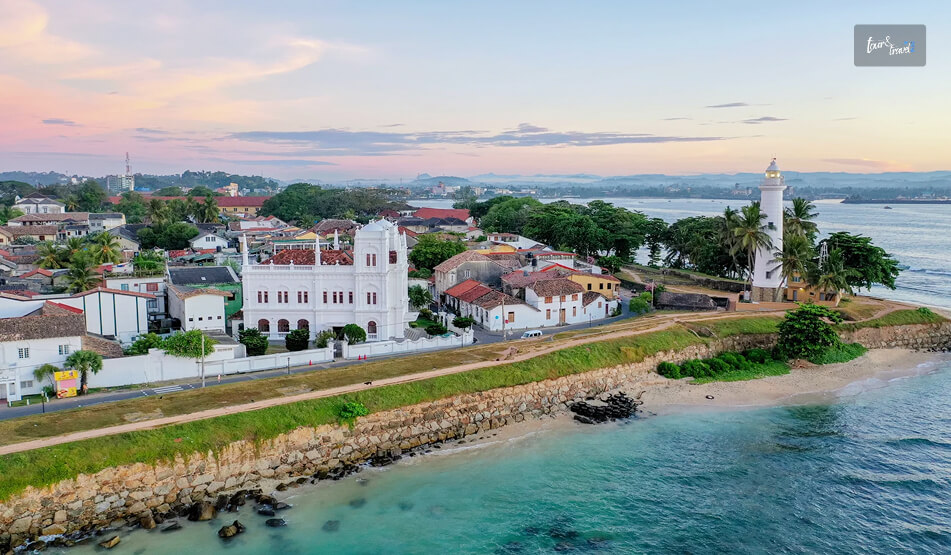
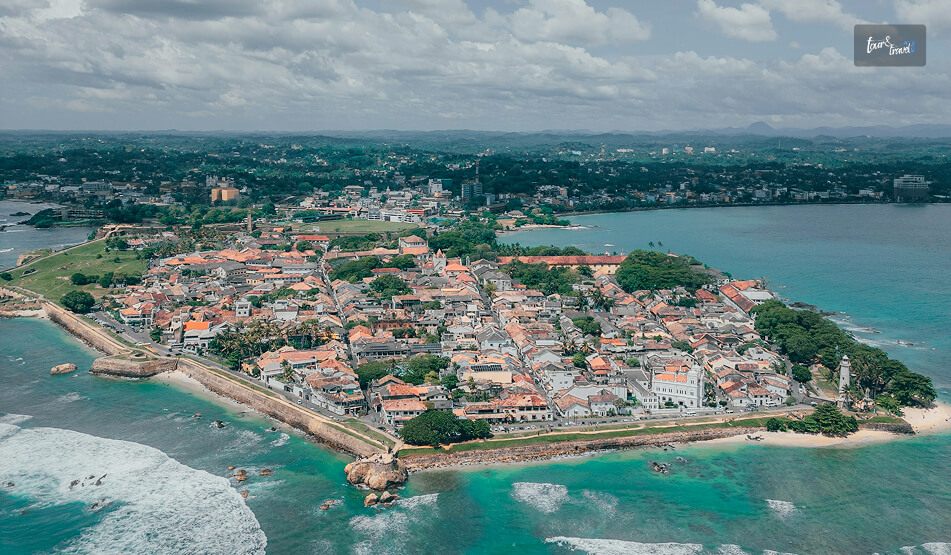
Moreover, the city’s stunningly beautiful old fortified peninsula reaches defiantly out into the Indian Ocean and boasts many crumbling colonial-style buildings, narrow cobblestone streets, and swaying palm trees. 

However, the true magic of Galle comes from taking it slowly. 

Hi, in today’s blog, I will talk about the things to do in Galle Fort. However, I will begin with why a visit to the Galle Fort is worth it and how to get there. 

Why Visit Galle Fort? A UNESCO World Heritage Site And The Fortress That Defied Time

Founded in the 16th century by the Portuguese, Galle reached the height of its development in the 18th century, before the arrival of the British. 

It is the best example of a fortified city built by Europeans in South and South-East Asia, showing the interaction between European architectural styles and South Asian traditions.

• UNESCO World Heritage Convention. 

The trading post was once impenetrable, and the rampart walls kept the invaders at bay. 

However, centuries later, during the 2004 Tsunami, the same stone walls that stood against cannons also protected the people from the ocean. 

Thus, the Galle Fort remained intact even though the surrounding coastline was devastated. Today, it stands as a UNESCO World Heritage Site for being a unique example of a fortified city. 

How To Reach The Galle Fort?

How To Reach The Galle Fort

You can easily reach the Galle Fort from Colombo or down the coast. 

From Colombo 

You can take a train from Colombo Fort, and after a three-hour journey and amazing ocean views, you will reach Galle. 

However, currently, this route is being reconstructed. So, you can take a Highway AC bus from the Makumbura Station. 

Furthermore, it is a 2-hour journey through the Expressway. 

From Mirissa Or Weligama

If you’re already beach-hopping the south coast, you can just hop on any local bus headed toward Matara or Galle. 

It’s cheap, frequent, and gives you a real taste of local life, and that’s amazing as a follower of TheLowDownUnder Travel philosophy. 

Also, from my days in Jaffna to the things to do in Kandy, I have always ditched comfort and the obvious for a more authentic experience. 

What Are The Things To Do In Galle Fort, Sri Lanka? 

What Are The Things To Do In Galle Fort, Sri Lanka

When talking about the things to do in Galle Fort, you have to think beyond the tourist checklist. 

Furthermore, Galle is a place of contrasts!

You have the rugged, salt-sprayed stone of the ramparts on one hand, and on the other hand, you have the most polished boutique shops. 

So, Galle is beyond your usual Instagram photo op. 

And one of the best things to do in Galle is to understand how the fortress and the neighborhood have survived empires and natural disasters. 

Moreover, in Galle, you become a part of the history as you watch the sunset from an ancient bastion or sip cold beer at a wine bar on a cobblestone street. 

Also, you will see an extension of all these in my detailed account of two days in Galle Fort. 

Day 1: Getting Lost In The Living Museum

Walks, exploring the architecture, culture, and the much hyped sunset experience! These were the things to do in Galle Fort on day one. 

Morning: The Rampart Walk

Walking is the best way to begin your exploration of Galle Fort. It is small and, therefore, a great destination for pedestrians. 

In the morning, I climbed to the top of the stone ramparts and walked the entire way around the edge of the Fort, obtaining a 360-degree view of Galle.

I saw the sparkling, turquoise ocean to one side and the red tiled roofs of the original buildings of the town on the other.

On your walking tour, look for the famous Galle Clock Tower and the historic Galle Lighthouse, which is probably the most photographed place in all of Sri Lanka. 

The whitewashed lighthouse is stunning against the clear blue sky, but I found that the late afternoon light gives it that soft, golden color that makes the palm tree shadows cast perfectly across the grass.

Afternoon: Culture And Architecture

After you’ve finished exploring the upper level of the walls, it’s time to explore the narrow alleyways of the city. 

Throughout the streets, you are going to notice something extremely wonderful.

You will see the cultural and ethnic diversity and the same inclusive culture of Sri Lanka, prominent through the iconic Ambuluwawa Tower in Colombo.  

In just a matter of blocks, I was able to visit the Dutch Reform Church, All Saints Anglican Church, Meeran Mosque, and Sri Sudharmalaya Buddhist Temple

All these places serve as a testament to the many different people who have influenced the development of Sri Lanka over many hundreds of years.

If the heat of the sun becomes unbearable, I recommend that you check out either the Historical Mansion Museum or the Maritime Museum. 

Both of these museums are in beautifully restored colonial structures and provide visitors with great artifacts dating back to Sri Lanka’s colonial period.

Evening: The Sunset Ritual

When the sun is going down, I suggest that you make your way to the western walls of the fort. 

At Flag Rock Bastion, you will find the locals performing their “cliff jumping” tourism attraction. 

You will have the opportunity to see how far they will go into the crashing waves. 

If you would rather have a quieter spot to watch the sunset, I would recommend that you go to Triton Bastion. 

I spent an hour there on the grassy ramparts watching as the sky slowly burned with bright oranges. What a way to see Mother Nature’s fireworks show.

Day 2: Boutiques, Buffets, And Beaches

Day 2 was more relaxed as I shopped, gorged on grand feasts, and explored the beaches. 

Morning: The Shopping Mecca

Galle is now Sri Lanka’s shopping capital. Pedlar Street is the epicenter of the boutique shops, from where you can collect elegant souvenirs. 

A few of my personal favorites are in the table below. 

Places to Visit for ShoppingThings to Buy
Stick No BillsVintage-Style Posters
The Tea Room by Evergreen GroupBuy Tea in Bulk
Old Dutch HospitalThis former colonial hospital is now a chic shopping and dining precinct. It’s the perfect place to grab a coffee and browse.

Lunch: A Local Feast

After the spicy food in Jaffna, the food in Gelle was comforting. So, trying the Coconut Sambal is one of the best things to do in Galle. 

You will get the curries with chicken and vegan-friendly options here. Also, to beat the midday Sun, have some homemade ginger beer or treat yourself to a scoop at Isle of Gelato. 

Moreover, don’t forget to try the cashew caramel at Isle of Gelato. 

Afternoon: Beyond The Walls

As the Sun starts getting softer, you can explore the surrounding coast. Also, if you want to extend your coastal hunt, head to Dewata Beach. 

Here, you will find many beginners and professionals surfing the waves. 

Furthermore, if you want to just relax, take a tuk-tuk ride to the Jungle Beach in Unawatuna. It is a small sandy cove with lush greenery. 

Share on Social Media

Sibashree is a travel, culture, and leisure writer who has been writing since the age of 12 and professionally since 2014. With more than a decade of travel writing experience and journeys across India and several parts of the world, she brings a deeply personal and thoughtful perspective to her work. A student of English Literature and Mass Communication, Sibashree has always viewed travel as more than movement — for her, it has been a way of understanding people, cultures, and herself. Her passion for spiritual exploration has also led her to many unusual and meaningful destinations over the years. Outside of writing, Sibashree enjoys watching European cinema, reading about global politics, and reflecting on the stories hidden within everyday places.

Leave a Reply

Your email address will not be published. Required fields are marked *

title-img Related

READ MORE puttalam sri lanka

Why Is Puttalam Sri Lanka Famous? What Are The Things To Do In Puttalam?

BY  Sibashree Jun 24, 2026

Puttalam grabbed everyone’s attention with the sudden visibility of a mysterious object with a length of several feet in the sky.  There were speculations about the object being a missile, rocket, or meteor shower.  A few months ago, on 15th December, 2025, the Geminid meteor shower was clearly visible in the sky.  However, these are not one-off instances. I could clearly see the Milky Way in Puttalam Sri Lanka, in the month of April.  Furthermore, the wilderness surroundings, remote areas such as Eluwankulama, and a relatively flat topography on the southwestern coast, make Puttalam one of the chosen places of stargazing in Sri Lanka.  But beyond the stargazing excitements, Puttalam, Sri Lanka, bears a rich history, exudes serene coastal beauty, and has a colonial heritage.  In this article, I will talk about my days in Puttalam so that you know that coastal beauty better.  Where Is Puttalam? Known for massive coconut production, prawn farming, and salt production, Puttalam town is the capital of the Puttalam district.  It is on the shore of the Puttalam lagoon, the second largest lagoon in the country.  The International Union for Conservation of Nature (IUCN) is now encouraging the most sustainable use of the lagoon resources.  Thus, they are supporting the exploration of new ecosystems here for better fisheries management. Here is an excerpt from a report published by IUCN on 4th April, 2025.  “With 88 fishing villages and approximately 165,000 people dependent on it, fisheries in Puttalam have been identified by its residents as their most important ecosystem service, particularly for women, who participate in bivalve gleaning and other post-harvest livelihoods. The lagoon is an important area for endangered species, such as green sea turtles and dolphins, and contains ecosystems vital for its health, such as seagrass and mangroves.  Tourism is also important in the Lagoon, which hosts seasonal aquatic sports and has year-round visitors to its islands.  The islands additionally have cultural importance as they are connected to local religious values.” Moreover, Puttalam has the Indian Ocean on the west, and it is the gateway to the Kalpitiya peninsula and Wilpattu National Park. How To Reach Puttalam Sri Lanka? Puttam is located around 130 km north of Colombo. It is also located at a distance of close to 95 km from Nogombo.  Furthermore, it is well-connected to Colombo and other major cities/hubs of the country through the Puttalam Railway Line and A3, A10, and A12 highways.  By Train  The train travel from Colombo Fort to Puttalam takes between 3 hours and 45 minutes and 5 hours.  Moreover, the ticket price will be between LKR 250 and LKR 1550 (Source: the Department of Railways. Sri Lanka. By Bus  Also, you can take a bus from the Bastian Mawatha Bus Terminal in Colombo and travel to Puttalam with a stopover in Anuradhapura.  You can even take the direct 87/816 buses. They cover the distance within around 4 to 4.5 hours, and the regular, non-AC bus tickets cost between LKR 500 and LKR 800.  What Is The History Of Puttalam Sri Lanka? Puttalam in Sri Lanka today stands out with its multicultural identity. Here, you will find a fusion of Sinhalese, Sri Lankan Moors, and Tamil cultures, which have lived for generations.  Furthermore, as a commercial and administrative center, it supports diverse activities such as prawn farming, shallow sea fishing, and salt production.  However, this town on the northwestern coast of Sri Lanka has a history spanning 10000 years.  Located on the large Puttalam Lagoon, it has been a maritime trade hub, a center for the colonial spice and coconut industries, and has an enduring and culturally diverse population. Here, I have broken the history of this coastal town into three sections.  Ancient Roots And Indigenous Beginnings The archaeological evidence of the locality shows that human settlements started here 75000-125000 years ago.  Prince Vijaya, 6th century B.C., chose it as the landing site, and thus the Sinhalese lineage started here.  Medieval Trade And Arab Influence  During the medieval period, Puttalam became a major location for maritime trade.  Arab merchants, who established deep roots in the region, laid the foundation for the prominent Moorish population in the area.  Furthermore, the name Puttalam comes from the Tamil word Puthu-kulam. Puthu-kulam means "new tank" or "new pond.” Thus, it indicated the vital irrigation tanks that sustained early agricultural settlements.   The Colonial Era  Many European powers wanted to control the lucrative trade routes of Puttalam because of its natural resources and coastal position.  The Potuguese was the forest to build a built a strategic fort in Puttalam to secure the region and monitor trade in the 16th century.  Then, in the 17th and 18th centuries, the Dutch came. They captured and significantly expanded the Portuguese fortress. Furthermore, during these times, Puttalam became a central transit point for the highly profitable cinnamon trade and salt production within the lagoon. In addition, in the 19th and 20th centuries, the British came to power.  They used the fertile soil of the region for the expansion of the coconut industry. Thus, Puttalam became one of the most critical sources of copra and coconut products in the island.  A Quick Summary Of The History Of Puttalam  Era/PeriodKey Historical Developments and MilestonesOver 10,000 years agoEarly human settlements established, supported by archaeological evidence.Medieval Period- Puttalam became a pivotal west-coast maritime trade hub.- Arab merchants settled, forming the roots of the Sri Lankan Moor community.- Named Puthu-kulam ("new tank/pond") after vital local irrigation tanks.Portuguese Rule(16th Century)A strategic coastal fort was constructed to monitor trade and secure the region.Dutch Rule (17th and 18th Centuries)- Captured and expanded the Portuguese fortress.- Transformed the town into a transit hub for cinnamon and lagoon salt production.British Rule (19th and 20th Centuries)- Developed agricultural infrastructure.- Oversaw rapid expansion of the coconut industry, making it a top source for copra. Why Is Puttalam Famous? Puttalam is famous for its historical ruins, religious centers, and natural attractions. You cannot miss the following attractions. 1. Munneswaram Hindu Temple The Munneswaram Hindu Temple is one of the five historic coastal temples of Lord Shiva in Sri Lanka.  The history of the temple goes back to at least 1000 CE.  Moreover, it is associated with the stories of the Ramayana.  Also, it is a unique spiritual hub where Buddhists and Hindus unite.  2. St Anne’s Church St. Anne’s Church is along the coastline of Thalawila. It has a peaceful ambiance.  Also, it dates back to the Portuguese era.  It serves as a monumental pilgrimage site. Furthermore, it draws hundreds of thousands of believers from across the island for its grand annual feast in July. 3. Alankuda Beach The Alankuda Beach has a tranquil stretch of golden sand, and it is known for dolphin and whale watching excursions.  Located in Kalpitiya, it is a premier eco-tourism destination, highly favored by adventure travelers for thrilling water sports like kitesurfing and windsurfing. 4. Hatthikuchchi Viharaya Tucked away in a peaceful forest landscape, this 3rd-century BCE Buddhist monastic complex is famous for a massive rock formation that resembles an elephant's stomach.  It is highly revered as the legendary sanctuary where the pious, exiled King Sirisangabo self-sacrificially gave up his own head to assist a poor peasant. 5. Anawilundawa Wetland Sanctuary This Ramsar-designated site is an important landmark for ecotourism in Sri Lanka.  It has a historic human-made system of interconnected freshwater tanks crashing right against a coastal lagoon. Furthermore, it is an irreplaceable, thriving sanctuary for thousands of native and migratory birds. 6. Puttalam Lagoon The Puttalam Lagoon, spanning an area of 32,700 hectares, is the second-largest backwater body in the country.  It has calm waters, and it is an ideal hub for small-scale prawn harvesting, wildlife viewing, and kite surfing.  7. Puttalam Station The colonial rulers of Puttalam opened the railway station officially on 12th May 1926.  Today, it is a state-run railway station and attracts many visitors due to its colonial charm and surrounding scenic beauty.  8. Yapahuwa Built by King Buwanekabahu, Yapahuwa was the royal residence in the 13th century.  Today, you will get to see the remains of this royal palace. I was especially mesmerized to see the ornate staircase.  9. Chilaw  Chilaw, located a few kilometers south of Puttalam, is a small town that stands out because of its religious harmony.  People from various traditions, backgrounds, and religions live here.  Furthermore, the beach here offers a calm and relaxing ambiance and the fishing villages here give you insights into the local way of living life.  What Are The Things To Do In Puttalam?  While Puttalam has the most tranquil vibe, it is also the hub of most adventurous activities, such as kite surfing, bar reef snorkeling, and wildlife safaris.  1. Kite Surfing In Kalpitiya  Kalpitiya is a global kite surfing hub. It has consistent wind conditions for over nine months of the year.  Furthermore, the flat-water lagoons here offer a safe space for learning. On the other hand, the ocean waves here challenge the advanced riders.  Also, the Margarita Kite School is the best name in kite surfing training in Kalpitiya today. It trains tourists and locals with the latest equipment.  Moreover, the downwind trips here are epic. You can glide across pristine, uninhabited islands and sandbars dotting the massive lagoon. 2. Dolphin Watching  I could spot hundreds of playful dolphins gathering in spectacular groups just off the Kalpitiya coast.  November to April is the best season to spot these adorable animals as the water remains calm.  Also, local guides follow strict conservation guidelines to protect the natural habitat of mammals. So, you have to follow responsible tourism practices.  3. Diving Puttalam has a diverse marine life. So, you can explore vibrant ecosystems teeming with sea turtles, reef sharks, and manta rays.  It also has historic shipwreck sites where fascinating sunken vessels are wrapped in colorful soft coral colonies. Furthermore, warm waters offer crystal-clear viewing conditions during the calm winter diving months. In addition, when you descend along deep underwater cliffs that host a spectacular variety of macro life. 4. Wildlife Safari At Wilpattu National Park The Wilpattu National Park has villus or natural rainwater lakes. It is famous for its high density of leopard population.  Furthermore, here, you can spot elusive sloth bears, wild elephants, crocodiles, and colorful endemic jungle birds. So, the jeep tour on the rugged off-road tracks was immersive. It cost me around LKR 16000.  5. Bar Reef Snorkeling  Here, you will find the most beautiful coral sanctuary of Sri Lanka.  Also, here, you can swim alongside brightly colored butterflyfish, giant parrotfish, and harmless blacktip reef sharks. Furthermore, you will marvel at delicate, healthy formations of brain and staghorn corals just below the surface. In addition, you can take short boat rides from the mainland to reach these shallow swimming areas.  What Is The Best Time To Visit Puttalam Sri Lanka? January to March and May to September are the best times to visit Puttalam. The dry and sunny weather conditions in the month are ideal for coastal kitesurfing in Kalpitiya, whale watching, and leopard safaris in the nearby Wilpattu National Park.
READ MORE Ravana Falls

Ravana Falls, Ella: Location, How To Reach, Things To Do, Practical Tips And More

BY  Sibashree Aug 22, 2026

I met Ravana Falls on the way from Ella to Wellaway.  I pulled up on a tuk-tuk and found a wide and tiered curtain of water falling down on an oval rock face.  Ravana Falls is not the tallest or most powerful waterfall you will see in Sri Lanka. However, the mythological significance and its easy accessibility from Ella make it a must-visit.  Some Quick Facts About Ravana Falls, Ella FactsDetailsOfficial NameRavana Falls (Ravana Ella)LocationElla, Badulla District, Central Highlands, Sri LankaHeight25 MetersWaterfall TypeA Three-Tier CascadeWater SourceKirindi Oya (River System)Mythological LinkThe RamayanaAccessibilityRoadside Viewpoint with No Trekking RequiredBest Time to VisitOctober to January for Maximum Water VolumeEntry FeeFree Where Is Ravana Falls Located?  The Ravana Falls shows its prowess along the Ella–Wellawaya road (the A23). It is around 6 to 8 km south of the beautiful Ella Town.  Also, it is close to the 12th–13th mile markers in the Badulla District. At an elevation of around 1050 meters, this waterfall drops around 25 meters, and it is one of the widest in Sri Lanka.  Furthermore, this waterfall within the compact Ella Wildlife Sanctuary is at the epicenter of an ecosystem with birds and small mammals. Overall, it is amidst a landscape typical of the mid-elevation forests of Sri Lanka.  How To Reach Ravana Falls A tuk-tuk ride from central Ella to Ravana Falls takes around 10-15 minutes. You can also take a taxi ride.  As you proceed toward Wellawaya along A23, you will see this waterfall from the roadside.  Public buses also run along this route, and drivers are used to being asked for a drop-off here. Moreover, you can reach the Ravana Falls from Bandarawela. You can reach the waterfall by traveling around 10 km toward Wellawaya from Kubalwela Junction on the Badulla–Bandarawela road. Ravana Falls And The Legend Of King Ravana  The most intriguing thing about the legend of Ravana Falls is that every guide will give you a different version.  However, the most popular is that King Ravana, the demon king from the Ramayana, hid Goddess Sita in a cave behind this waterfall after abducting her and bringing her back to Lanka.  The waterfall is also close to the Ravana Ella Cave, which is perched on a cliff face about 11 km from Bandarawela. The archaeological evidence in the area has proven the presence of older human habitation. So, myth aside, it has been an important location for human habitation for a long time.  What To Do At Ravana Falls? The best vantage point for this waterfall is the road and the small bridge nearby. If you want to go closer to the base, you will have to walk down a little.  As you reach the base, you can climb over some of the rocks.  Here, you have to be very careful as these rocks are very slippery irrespective of the season.  Furthermore, for a proper look at the multi-tier cascade, I waded in the lower pools.  However, I could not climb higher up the falls toward the upper cascades as that route is now restricted due to past accidents.  So, I had to stick to the lower areas.  Moreover, I spotted many troops of wild monkeys near the waterfall. So, be careful about what you carry and be respectful to them.  Other Nearby Places You Can Visit With Ravana Falls  After exploring Ravana Falls, you can come back to Ella and find some of the photographed attractions in Sri Lanka. Visit the Nine Arch Bridge, Ella Rock, and Little Adam's Peak. Once again, due to the proximity to Ella, Ravana Falls fits naturally into a half-day loop rather than requiring a dedicated trip. Moreover, just two hours away, the Horton Plains National Park awaits with a completely different high-altitude landscape.  Practical Travel Tips For Visiting Ravana Falls Ravana Falls is one of the best places to visit in Sri Lanka for budget travelers as it offers free entry.  You must wear shoes with good grip if you have plans of climbing over the rocks near the base. Once again, avoid the temptation to go beyond the marked and accessible sections.  A Quick Note On Safety Follow the restrictions seriously, and there is no need to push barriers for a better photo, risking your safety.  Like the other waterfalls in Sri Lanka, Ravana Falls should also be visited with prior local advice.  Only a local guide will be able to help you find out the safer pool.  Where To Stay Near Ravana Falls? Ella town is the obvious base, and it is small enough that nowhere is more than a short tuk-tuk ride from the falls.  Guesthouses and small boutique hotels line the roads toward Passara and Wellawaya. Many of these guesthouses offer valley or mountain views. Also, the range of options runs from simple backpacker stays to higher-end villas overlooking the tea country.  Photography Tips The falls face a direction that catches strong midday light.  That light tends to wash out the detail in the water and flatten the surrounding greenery, so early morning or late afternoon visits give noticeably better results.  A polarizing filter helps cut glare off the wet rock if you are shooting with a proper camera, and a slower shutter speed, even just a fraction of a second, brings out the silky texture the falls are known for during wetter months.  Because the waterfall is visible and photographable straight from the road, it's also one of the easier hill-country shots to get without carrying gear down a long trail. Best Time To Visit Ravana Falls Ravana Falls changes character dramatically with the seasons.  During the wetter months, the water is said to resemble an areca flower with drooping petals as it spreads across the rock face. It is genuinely one of the more striking waterfall shapes I have seen in Sri Lanka.  In the dry season, the flow drops off considerably, and the falls can look thin by comparison.  December to April tends to bring more reliable water levels alongside decent weather for the rest of an Ella itinerary. So it is a reasonable window if you want to see the falls at something close to their best.

READ MORE Kalutara

Why Is Kalutara So Famous? Know The Best Things To Do In This Historic Coastal Town 

BY  Sibashree Jul 8, 2026

Visit Kalutara if you are not already smitten by the whiff of fresh tea and cinnamon together; you must visit Kalutara.  The Kalu Ganga river, the fertile tropical soil, and the proximity to the Indian Ocean have made the region ideal for the cultivation of tea, rubber, and cinnamon since British rule.  So, when I reached Kalutara, I saw women wearing colorful sarees plucking fresh tea leaves and storing them in the hessian sacks hanging on their backs.  Furthermore, the iconic Richmond Castle, at a short distance from the Kautara City, and many architectural features here are remnants of colonial heritage in this historical town.  In this article, I will talk about the location of Kalutara, how to travel to it, why it is so famous, the things to do, and more. I will also share my experience filled with the visuals of cinnamon peelers and rubber tappers and the salty fragrance of the Indian Ocean.  Where Is Kalutara?  At a distance of around 42 kilometers from Colombo, the capital of Sri Lanka, Kalutara is on the western coast of Sri Lanka.  You reach this coastal town after a drive of 1 to 1.5 hours from Colombo.  Furthermore, Kalutara is the gateway to popular beach towns like Galle and Bentota.  Kalutara is most revered for the Kalutara Bodhiya Stupa, and the sweet purple mangosteen fruits here are another signature of the coastal town.  How To Reach Kalutara?  The journey to Kalutara from Colombo on the southern railway line is one of the most beautiful train journeys in Sri Lanka.  Furthermore, you will get public and private buses for the journey, and you can even book a private vehicle for the transit.  Here are more details about the transport options.  1. Colombo To Kalutara By Train You will get many trains from Colombo Fort to Galle, Kalutara South, and Matara. Trains are available throughout the day and from as early as 5:39 AM.  Furthermore, the last train for the day to Kalutara departs Colombo Fort at 9:36 PM. Also, the travel time is between 48 minutes and 1 hour and 20 minutes.  In addition, the ticket price for travel in a third-class coach is LKR 480.  2. By Bus  Public, private, and air-conditioned buses are available from Colombo to Kalutara. These buses run on the Galle Road.  These buses take around 3 hours and 30 minutes, and the ticket price is approximately LKR 600. 3. By Private Transport  The short distance between Colombo Fort and Kalutara is ideal for travel by car. The travel time will be around an hour, and the cost will be between LKR 3500 and LKR 4500.  You can either take the Galle Road for the commute or the Southern Expressway ( E01) as a faster alternative.  4. Moving Around In Kalutara  Kalutara is very much walkable, or you can take a tuk-tuk to move around. Furthermore, you can rent a bike or bicycle for a day to explore the coastal town at your own pace.  The rental charge will be around LKR 2500 to 3500 per day, and the rental agency will help you with the local driving license or other permit you need.  Why Is Kalutara So Famous?  The city of mangosteen and home to the Gangatilaka Vihara, the only hollow Buddhist Stupa in the world, Kalutara awaits with an air that is heavy with history, spirituality, and the stories of the bonding between humans and nature.  I have been to the Dambulla Royal Cave Temple and the Gal Vihara in Polonnaruwa. Kalutara felt like an extension of my visits to those places.  1. The Gangatilaka Vihara My jaw dropped as I stepped out of the humid coastal air and into the echoing, cool interior of the Gangatilaka Vihara.  The massive dome soared above me, and I found the inner walls covered in 74 intricate, vibrant murals depicting the life of the Buddha. Also, as I was inside the Gangatilaka Vihara, the traffic on the busy Galle Road got transformed into a soft hum, and the air was filled with the gentle chanting of pilgrims clad in white. 2. The Secrets Of The Sacred Tree I left the giant stupa and found the Kalutara Bodhiya just across the road. I felt the high energy instantly and was staring at the massive, ancient Bodhi tree.  A friendly local devotee named Anura noticed me, and she confirmed the facts I had read. This tree grew from one of the original 32 saplings of the Jaya Sri Maha Bodhi in Anuradhapura, linking it back over two millennia. Also, as I sat close to the tree, I found drivers stopping their vehicles in the middle of the bustling highway, stepping out just long enough to drop a few coins into a donation box for a blessing before driving on. Then, I performed the common ritual by pouring a small clay pot of water over the sacred roots.  The sheer energy of hundreds of people whispering prayers in unison under the rustling leaves gave me goosebumps. 3. The Magnificence Of A Coastal Castle  Kalutara is also about colonial opulence. This castle is on a 42-acre estate, and it was built in 1896.  This feels like a grand British manor house dropped straight into a Sri Lankan spice forest. As I walked through the grand banquet hall, I was amazed by the blend of Indian and British architecture.  The caretaker pointed out the intricate timber work, bragging that the wood had been imported all the way from Burma.  Standing on the sweeping balconies, looking over the sprawling grounds, it was easy to picture the extravagant, high-society parties that once took place here during the height of the rubber boom. Sunsets, Straw Hats, And Purple Fruit The natural geography of Kalutara also makes it stand out. The Calido Beach, especially, is magical in the late afternoon.  This is a narrow spit of land where the freshwater Kalu Ganga (Black River) runs parallel to the crashing saltwater waves of the Indian Ocean. Then, I sat on the sand and watched the local fishermen battling the currents where the river meets the sea, the sky turning a brilliant shade of bruised purple. On my way back, I stopped at a roadside stall where an elderly artisan was weaving palm leaves into a vibrant sun hat. Remember that Kalutara is Sri Lanka's "basket capital," and watching her fingers fly was hypnotizing. Also, before I left the stall, she handed me a magosteen and a dark purple fruit.  I cracked open the thick, leathery rind to reveal snowy, delicate segments.  The taste was an explosive mix of sweet and tangy, a perfect edible summary of Kalutara itself: bright, surprising, and utterly unforgettable. What Are The Other Things To Do In Kalutara? Along with the iconic landmarks that make Kalutara famous, some other attractions and activities await you in Kalutara.  1. Finding An Escape In The Brief Garden The Brief Garden was the former residence of Brevis Bawa, one of the most iconic architects of Sri Lanka.  It stands out with its artistic beauty, and that artistry blends well with the rich flora and fauna and fascinating sculptures.  I enjoyed a stroll in this delightful garden.  While walking through the hidden alleys and nooks, I enjoyed every bit of the artistic ambiance.  2. Going For A Guided Hike In The Sinharaja Forest Reserve The Sinharaja Forest Reserve is a UNESCO World Heritage Site. UNESCO designated this as a heritage site in 1998.  About the forest reserve, the UNESCO World Heritage Convention further mentioned,  “More than 60% of the trees are endemic and many of them are considered rare.  There is much endemic wildlife, especially birds, but the reserve is also home to over 50% of Sri Lanka's endemic species of mammals and butterflies, as well as many kinds of insects, reptiles and rare amphibians.” Moreover, the forest reserve has more than 450 species of trees. It even has hidden waterfalls forming clear streams. I could even spot the most vibrant tree orchids.  The nature trails here are well-maintained, and the hiking experience becomes all the more delightful with the chirping of the birds.  So, if you are planning a trip to Sri Lanka and want the best wildlife experience, you must add the Sinharaja Forest Reserve to your itinerary, along with the Yala National Park, Delhiwala Zoo, etc.  3. Spotting The Nesting Turtles At Kosgoda Turtle Hatchery The Kosgoda Sea Turtle Conservation Project, founded by Dudley Perera, is located approximately 27.7 kilometers south of Kalutara along the Galle Road (A2). It took around 40 minutes for me to reach the spot on a bike.  This project has been dedicated to monitoring the sea turtles here for three decades. They work to preserve these endangered animals and want to spread awareness about them.  The remarkable hatchery here focuses on collecting and rescuing eggs and storing them in a haven.  Furthermore, after the eggs are hatched, the turtles are only released into the ocean when they can fight the predators.  4. Trying The Spicy Local Cuisine  Kalutara has a rich history of spice trading. So, as expected, Kalutara has a culinary culture worth exploring.  Furthermore, every dish stands out with a perfect balance of zest, sweetness, and spice. Rice and curry, freshwater fish baked in banana leaves with coconut, tamarind, and mustard paste are some of the best dishes to try.  5. Exploring The Handunugoda Tea Plantation Do you want to extend your travel plans in the Handunugoda Tea Plantation a little? Then, you can travel for around 1 hour and 30 minutes and reach the Handunugoda village.  This tea plantation is famous for producing the “Virgin White Tea.”  Moreover, you can take a guided tour of the tea plantation and see the tea pluckers in action.  A Trip To Kalutara: Know The Perfect Itinerary  Two to three days are enough if you want to have an immersive experience in Kalutara. So, here is a 3-day itinerary for you.  DaysTimeActivityKey Highlights and Cultural InsightsDay 1MorningVisiting the Gangatilaka ViharaThe only hollow Buddha Stupa in the world. Late MorningKalutara Bodhiya and Sacred TreeThis tree grew from one of the original 32 saplings of the Jaya Sri Maha Bodhi in Anuradhapura. LunchTrying Spicy Local CuisineEnjoy a traditional rice and curry lunch. Taste local freshwater fish baked in banana leaves with coconut, tamarind, and mustard paste.AfternoonVisiting Richmond CastleExplore this grand 1896 Edwardian mansion built on a 42-acre estate. Marvel at the blend of Indian and British architecture and the Burmese timber work.Late AfternoonVisiting Calido Beach and Watching Palm WeavingWalk the narrow coastal spit where the Kalu Ganga meets the sea. Watch artisans weave vibrant straw hats from palm leaves and sample fresh, sweet mangosteens.Day 2MorningVisiting the Brief Garden by Bevis BawaTake a stroll through the former residence of iconic architect Bevis Bawa. Explore hidden alleys, rich flora, and fascinating sculptures blended into nature.AfternoonLearning Experience at Kosgoda Sea Turtle HatcheryTake a 40-minute ride south along Galle Road to Dudley Perera's conservation project. See how endangered sea turtle eggs are rescued, incubated, and safely released.EveningSunset and Coastal RelaxingHead back up the coast to Kalutara for a quiet seaside evening, taking in the purple-hued sunset away from the busier commercial beach crowds.Day 3Full Day (Option A)Hiking in the Sinharaja Forest ReserveEmbark on a guided nature trek through this UNESCO World Heritage Site. Spot endemic birds, rare butterflies, wild orchids, and hidden forest waterfalls.Full Day (Option B)A Visit to the Handunugoda Tea PlantationTravel 1.5 hours south to visit the famous home of "Virgin White Tea." Take a guided estate tour, see tea pluckers in action, and learn about the delicate processing. From modest homestays to luxury hotels and resorts such as Avani Kalutara, Kalutara has diverse modes of accommodation.  These will cost around LKR 5000 to 50000 per person per night.