2022 had taken me to the less frequented Luang Prabang in Northern Laos. Now, thanks to the place I call home, I have heard many stories about the Mekong River, and it has always been on my bucket list.
So, a trip to Luang Prabang was a dream-come-true moment for me.
Three years passed by, and today, before writing this Luang Prabang travel guide, I was researching updates about this UNESCO World Heritage Site. I found out that in the Smart Travel Asia Best in Travel Poll 2025, it has been voted as one of the best vacation destinations in Asia.
Furthermore, it has won third place in the Destination Management category of the 2025 Green Destinations Top 100 Story Awards at ITB Berlin. It is a recognition of how Luang Prabang follows a sustainable tourism practice.
So, the Tour and Travel World data looks very convincing about the arrival of 3,061,928 international tourists to Luang Prabang in the first eight months of 2025, recording a 15 percent clear growth YoY.
Nevertheless, beyond the numbers and accolades, Luang Prabang remains in my heart as a beautiful story that I will share in this Tour and Travel Blog.
Luang Prabang Location And Geography: An Overview
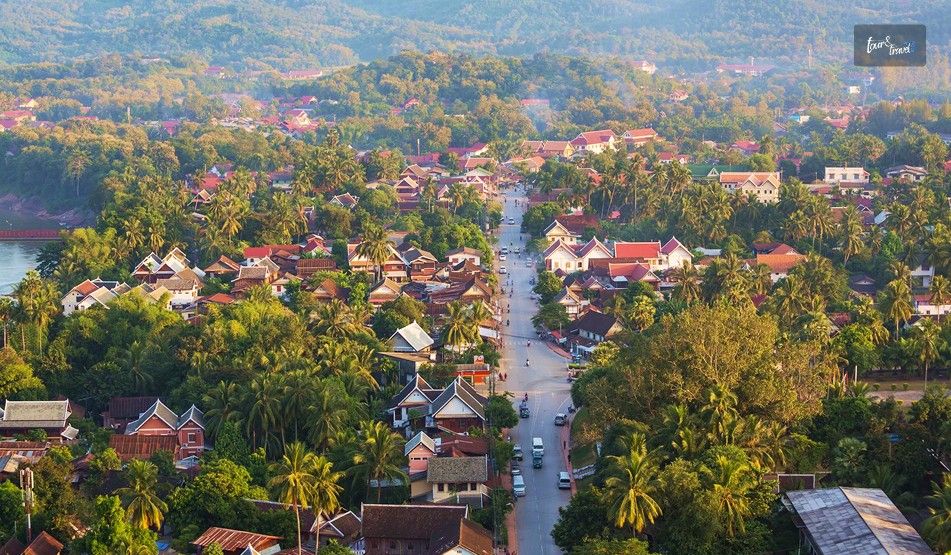
Luang Prabang is on a peninsula at the confluence of the Mekong and Nam Khan rivers. It is designated as a UNESCO World Heritage Site for being an “outstanding example of the fusion of traditional architecture and Lao urban structures with those built by the European colonial authorities in the 19th and 20th centuries.”
Here are the important geographical data and statistics about Luang Prabang.
• Mount Phousi, a Central High Hill with an Altitude of 150 Meters
Area
• 16,875 Square Kilometers
Natural Vegetation
• Oak • Beech • Dipterocarpus • Bamboo • Laurel
How To Reach Luang Prabang?
I took a flight to the Luang Prabang International Airport (LPQ) via Bangkok. You can also take a connecting flight from Singapore.
As the main gateway to the town, LPQ gets flights from the Suvarnabhumi and Don Mueang airports in Bangkok, Siem Reap, Hanoi, and Chiang Mai.
After reaching the airport, I took a tuk-tuk to reach the town center. It cost me around $5 per person.
What Is The History Of Luang Prabang?
The legends and stories about Luang Prabang never end, and I can attest to that. Every time I visited a Vietnamese coffee shop or talked to my homestay owner, a new story came up.
Here are the key facts about the history of Luang Prabang.
The archaeological evidences suggest that the history of inhabitation in Luang Prabang goes back to 8000 B.C.
The city was initially known as Muang Sua, and by 1357, it was renamed as Maung Xieng.
Further, in the 14th century, Luang Prabang was home to the first Lao Kingdom, Lane Xang, built by King Fa Ngum.
After the city got a new name, it received a Phra Bang, or a golden image of Lord Buddha, from the Khmer monarchy. Thus, it got its current name, Luang Prabang.
Luang Prabang served as the ancient capital of Lane Xang till 1560. After that, King Setthathirath shifted the capital to Vientiane.
During the rule of King Surigna Vongsa (late 17th century), Luang Prabang had its first interactions with the Western emissaries.
In 1694, after the demise of King Surigna Vongsa, Lane Xang was divided into three parts: Luang Prabang, Champasak, and Vientiane.
In the 19th century, the city witnessed much destruction by the black flag pundits.
Major restoration work by King Sisavang Vong took place during the span of 1904 and 1959.
It is said that Lord Buddha used to rest here on his pilgrimage route, smiling to indicate the future prosperity of the city.
Major Attractions in Luang Prabang, Laos
In the recent annual Lighted Boat Festival, Luang Prabang grabbed all the limelight with its beautifully crafted boat and lighting, celebrating the 30th anniversary of its designation as a UNESCO World Heritage Site.
Along with the Old Town, these are other major attractions in Luang Prabang.
1. Kuang Si Falls
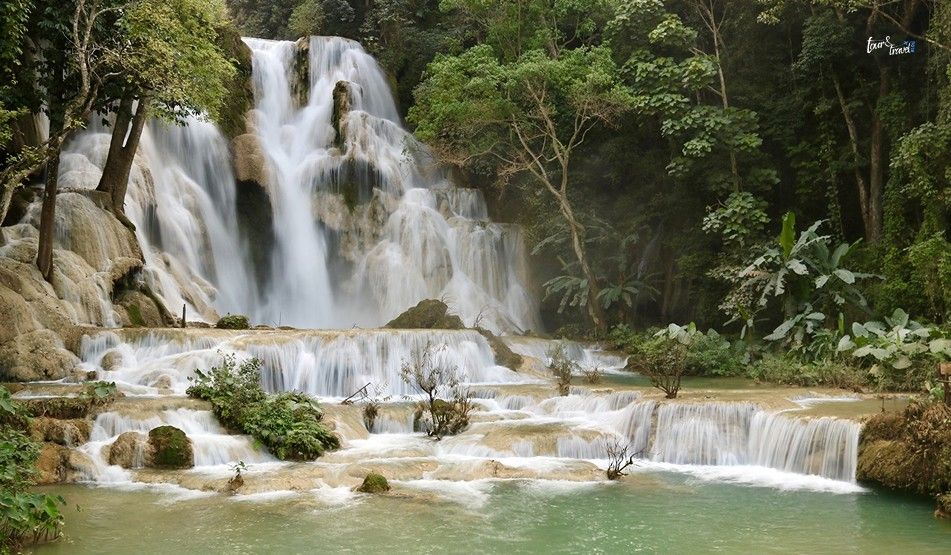
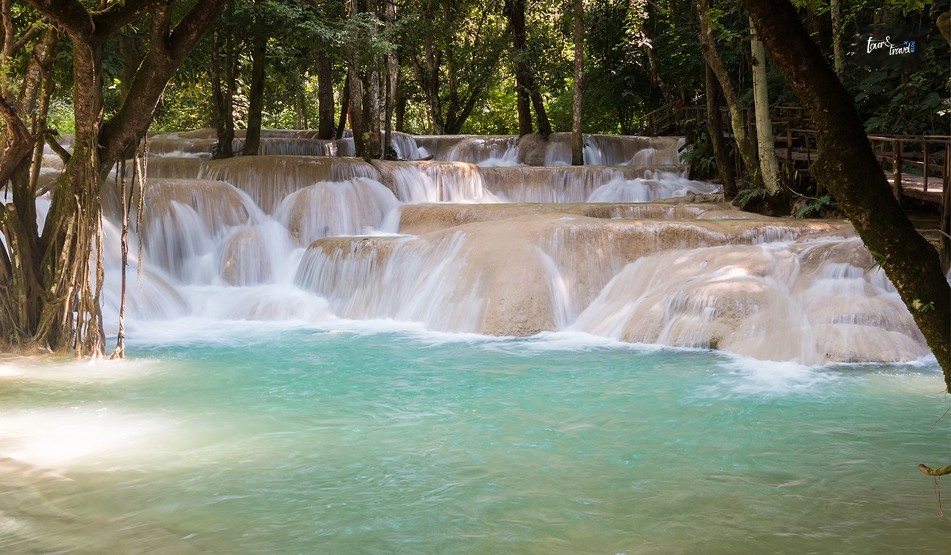
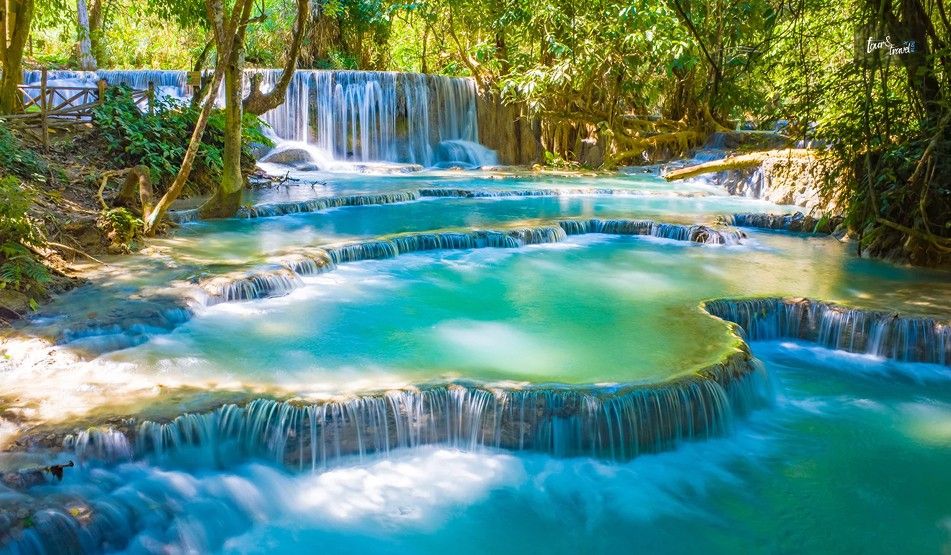
I reached the Kuang Si Falls after visiting the Tat Kuang Si Bear Rescue Centre. The layered pools are the most amazing features of Kuang Si Falls.
After swimming in the pools, I took a walk along the bridge for stunning photos. The entry fee to Kuang Si Falls is around 60,000 KIP.
2. Mount Phousi
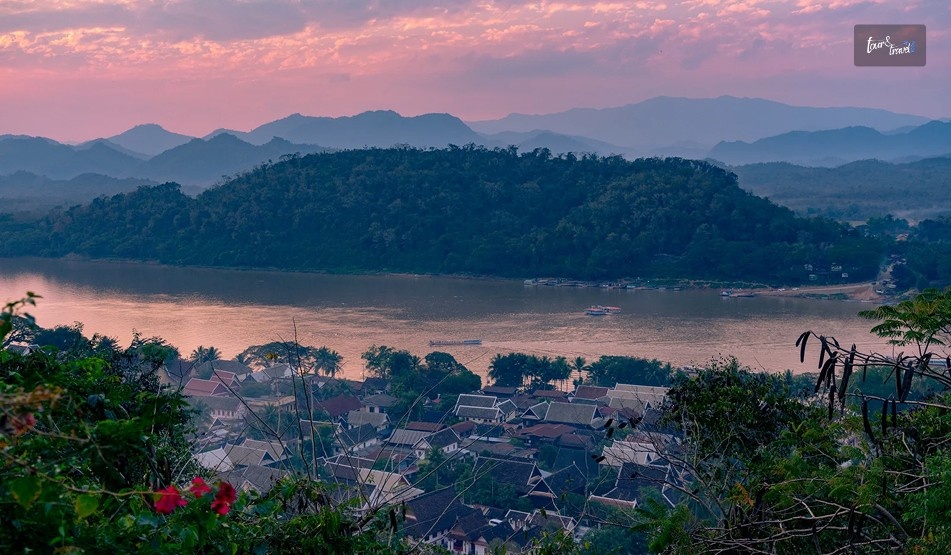
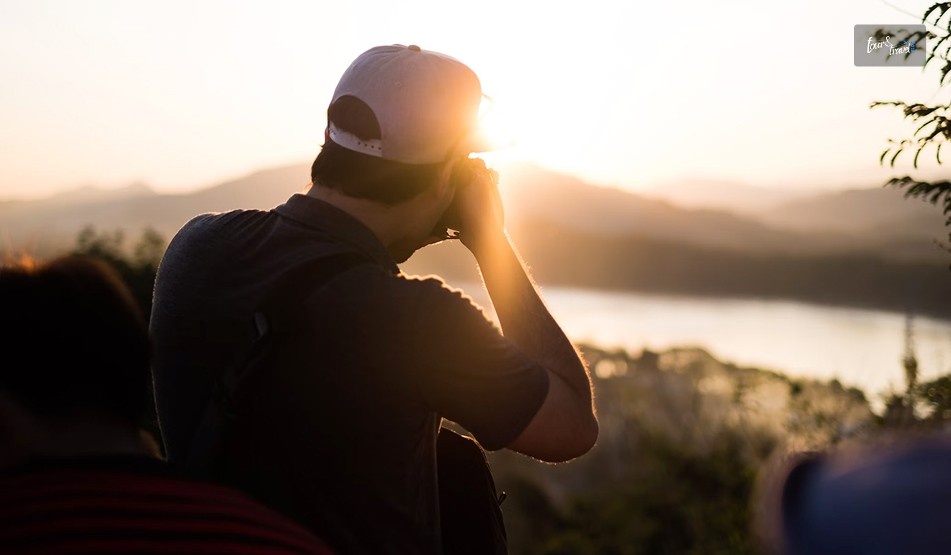
Trekking to Mount Phousi was not as difficult as I thought. I wanted to take it a little slow and reach the top of Mount Phousi in less than an hour. The steps were not that steep.
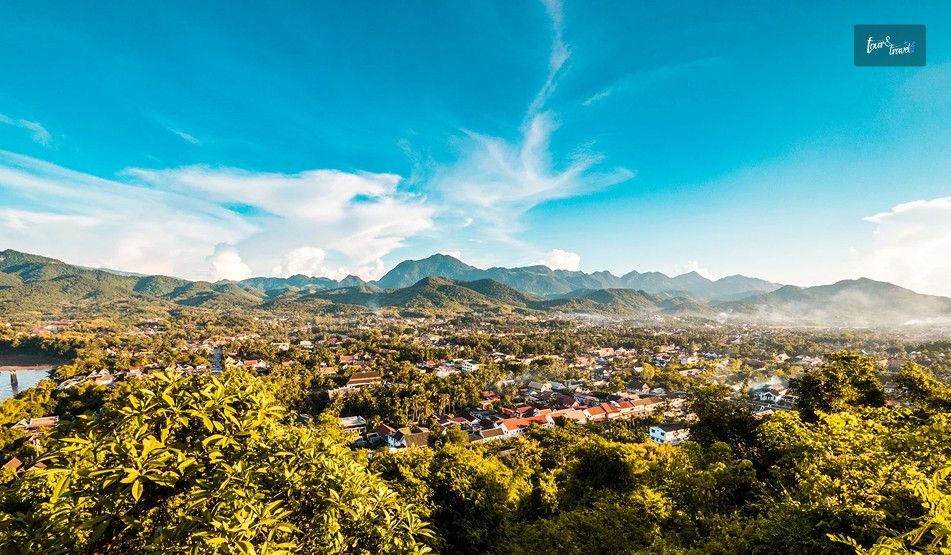
The entry fee was 20,000 KIP, and it was almost sunset when I reached the Golden Stupa at the top of Mount Phousi. The red lights falling on the Golden Stupa looked magical, and the panoramic view was beautiful.
3. Royal Palace Museum
Timing: 8 AM -11:30 AM and 1:30 PM to 4 PM
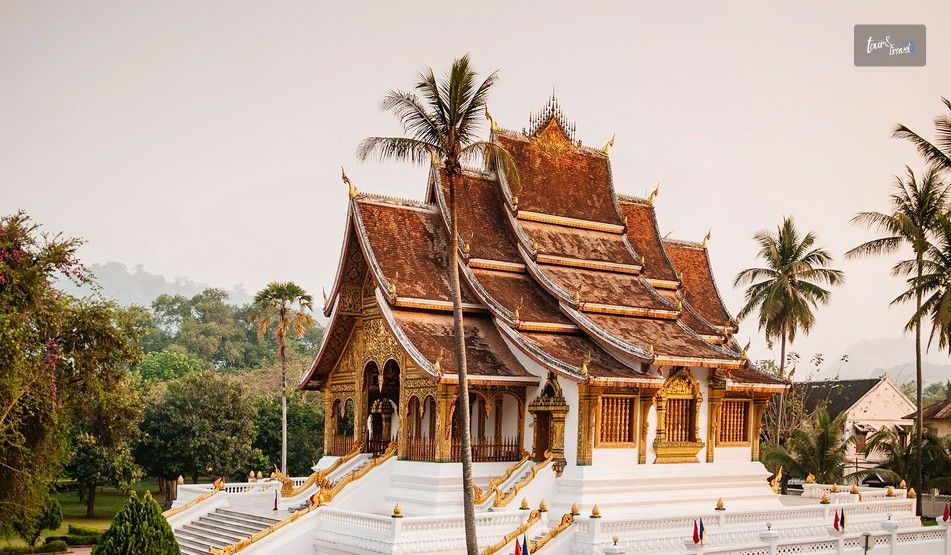
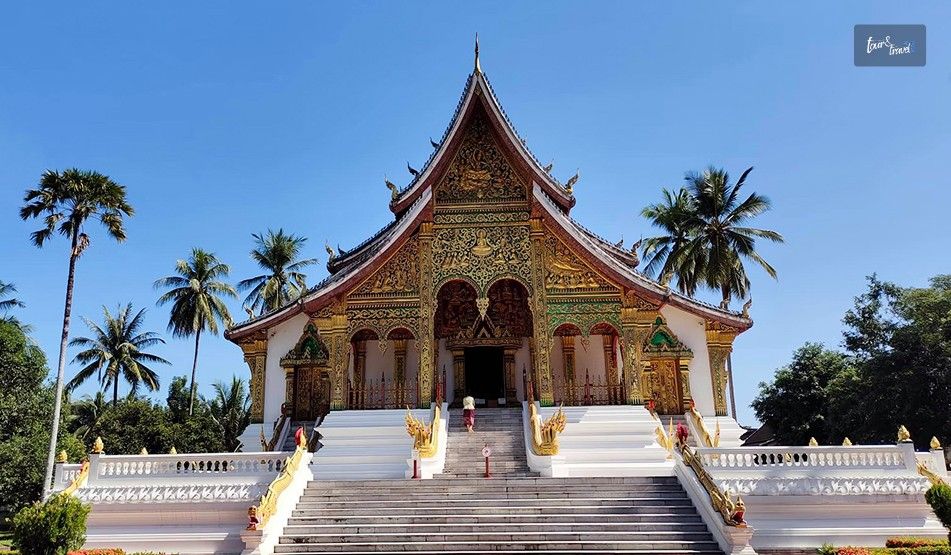
The Royal Palace Museum stands as a testament to the opulence and royal grandeur of Laos in the pre-Communist era. Among the artefacts, the Phra Bang Buddha statue is the main attraction.
The former royal residence also stands out because of its fusion of Laotian and French architecture.
4. Wat Xieng Thong
Hours Open: 8 AM to 5 PM
Entry Fee: 30.000 Kip/Person
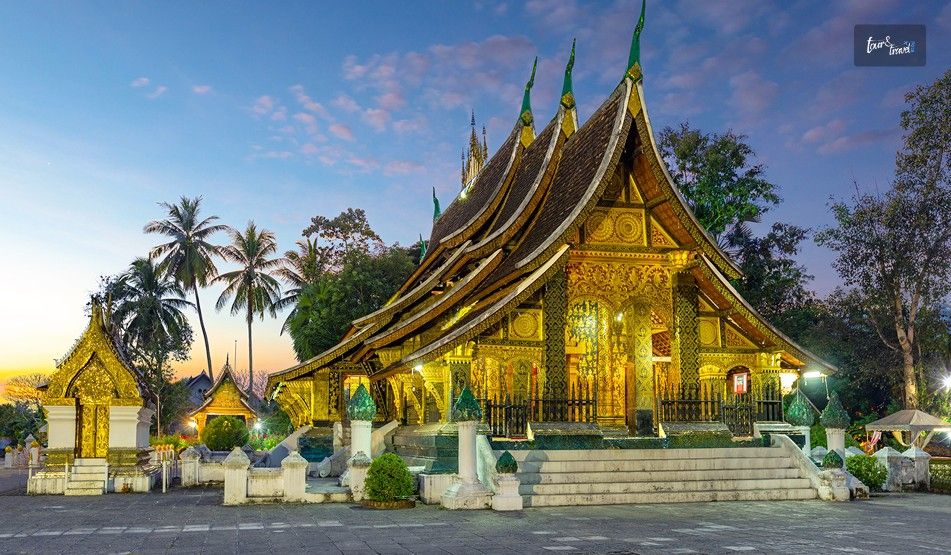
Built in 1560, Wat Xieng Thong is one of the most revered temples in Laos. Setthatirath built this temple, and I loved the glass murals here.
5. Pak Ou Caves
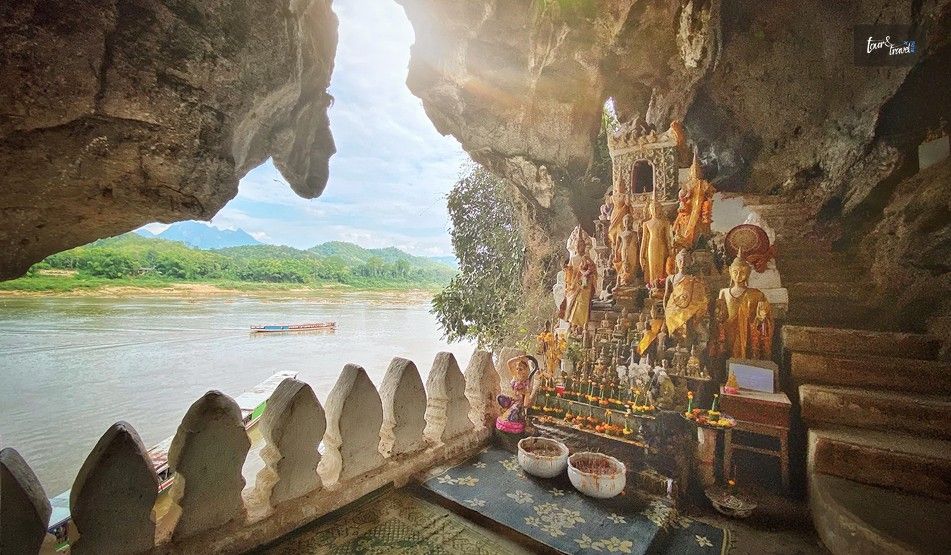
To explore more Luang Prabang temples, I reached Pak Ou Village. The tuk-tuk ride to the caves costs around 400000 KIP, and I reached the caves after a long boat ride. The journey was beautiful.
The temples and Pak Ou caves with statues of Lord Buddha are the highlights of my Luang Prabang trip. The entry fee was 20000 KIP.
6. Luang Prabang Night Market
Hours: 5 PM to 10 PM
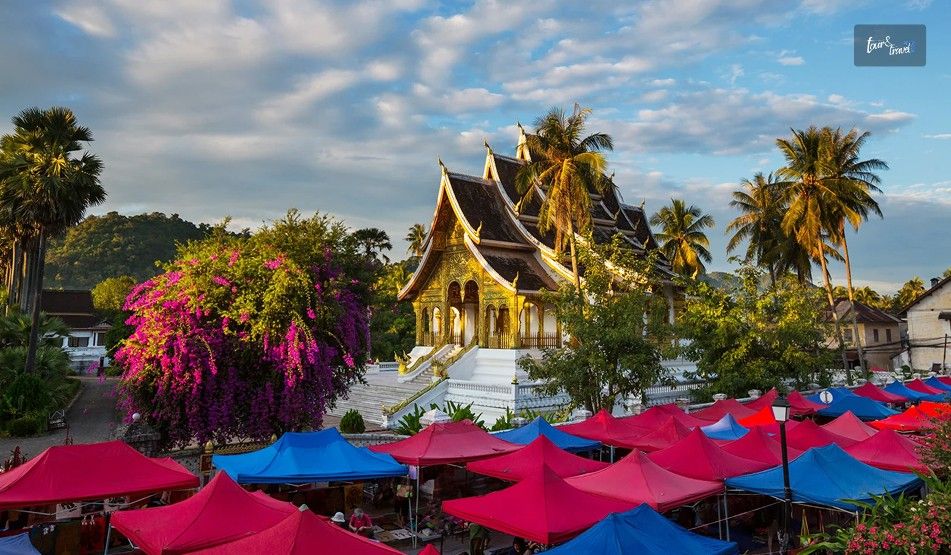
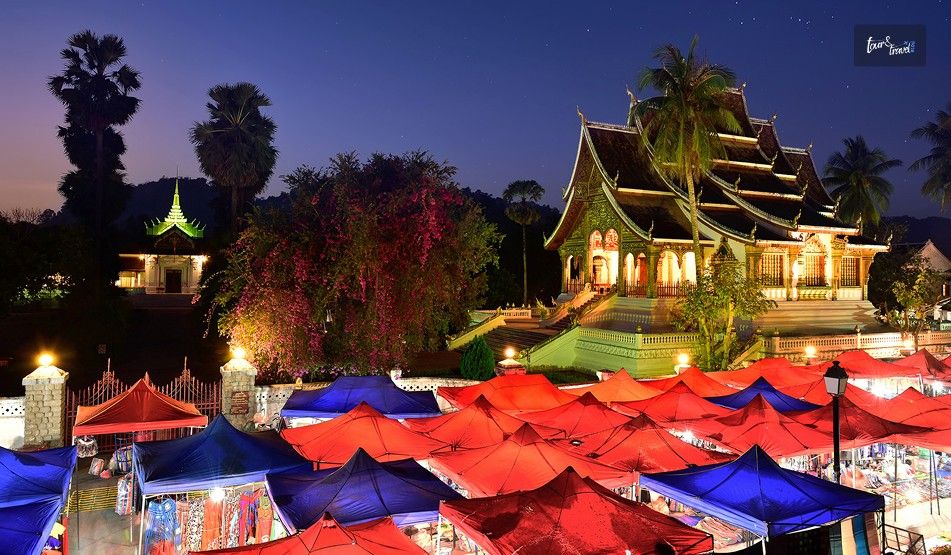
The Luang Prabang Night Market was a real surprise. Honestly, I did not expect this much fun. Hundreds of vendors were selling clothes, handicrafts, ornaments, ceramics, tea, and coffee.
I bought some textiles, bags, and ceramics. One thing – you have to be at the A game of your negotiation. Some vendors are really pushy.
7. Tad Sae Waterfall
Hours: 8 AM to 7 PM
Tickets: 15000 Kip for Locals and 30000 KIP for Foreigners (Free for Children below 8 Years)
While Kuang Si is a more popular choice, it is bigger. However, I loved the Tad Sae Waterfall more. It is more relaxing, and for me, the nearby elephant park was an added attraction.
The board on the wall of the Traditional Arts and Ethnology Center sums up what experience you can expect here. You can combine your Mount Phousi trek with this Ethnology Centre visit.
It was a brilliant curation of more than 600 artefacts from over 20 ethnic groups in Laos.
9. Wat Mai Suwannaphumaham
Hours Open: 8 AM to 5 PM
Tickets: 10.000 Kip/Person
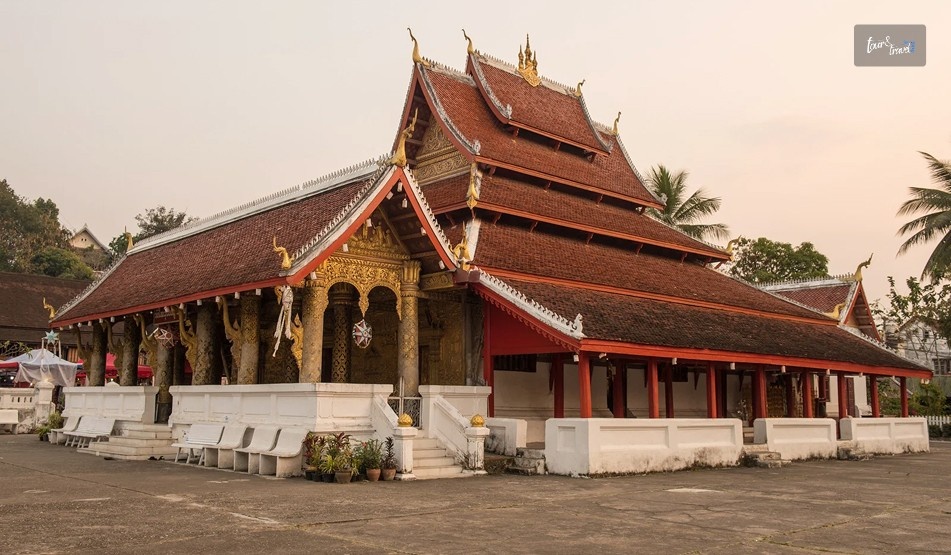
Wat Mai Suwannaphumaham is one of the closest temples to the city center. It was built in 1796, and a major restoration work took place in 1821 under the leadership of King Manthathourath.
The temple has beautiful murals and sculptures on the wall, along with the golden statue of Lord Buddha.
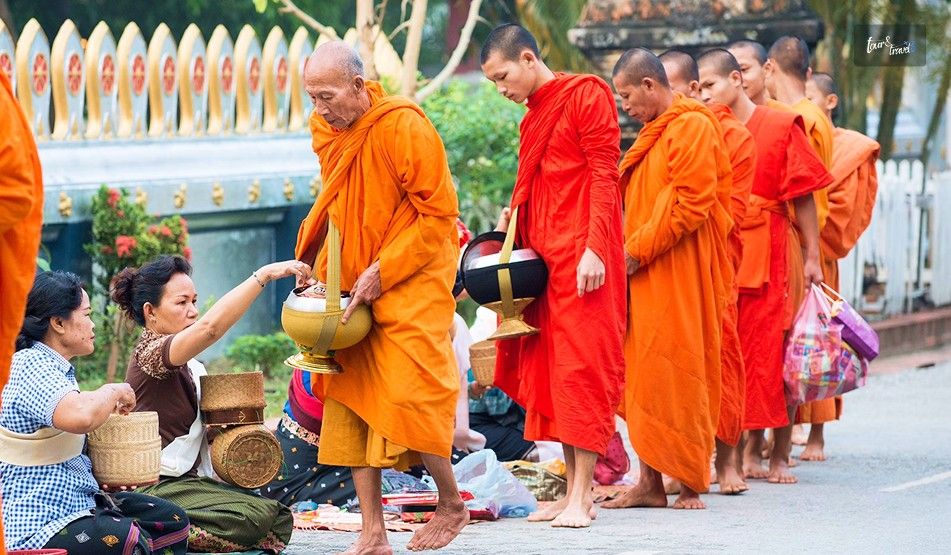
10. Alms Giving Ceremony
Some activities in Luang Prabang are free but priceless in terms of experience and learning. Giving alms to monks is a part of the social and religious practice of the place I belong to. Furthermore, giving alms to monks is like sharing your resources with the community.
I reached near the Joma Bakery Cafe on the Sakkalaine Road to take part in this ceremony.
The monks were happy with whatever they received. However, due to cultural differences, many tourists do not understand the significance or the courtesy of giving alms.
Just around 2 km from the Night Market, Ock Pop Tok Living Crafts Centre is a place to learn about traditional Laoian textiles and craftsmanship. I took the free tuk-tuk ride from the Night Market to this crafts center.
Phosi Market is the biggest market in Luang Prabang, and the air here is heavy with the whiff of fresh produce and spices.
I talked to the local vegetable gardeners here and bought some local spices. Honestly, exploring the local markets is one of the best things to do in Luang Prabang Laos for solo travelers.
13. UXO Lao Visitor Center
Hours Open: Monday to Friday – 8 AM to 11:30 PM and 1 PM to 7 PM
I took a 15-minute walk from the City Center to reach the UXO Lao Visitor Center. The center tells you that Laos has been the most heavily bombed nation, according to a per capita calculation.
Some of the bombs have not exploded, and they remain on the earth. They continue to create human casualties.
The documentary I saw here was heart-wrenching, and the survivor stories gave me goosebumps.
I reached Whisky village in search of the authentic Lao rice whisky. The settlement of Whisky Village or Ban Xang Hai is quaint. Almost every bottle has an encapsulated reptile.
I finally could not muster the courage to buy a bottle. Instead, I collected some silk textiles with intricate weavework.
Is Luang Prabang For Every Traveler? Who Will Love It The Most?
Luang Prabang is more suitable for solo travelers and couples.
Having immersive cultural and spiritual experiences with museum and temple visits is one of the best things to do in Luang Prabang Laos for solo travelers. I thoroughly enjoyed it as a solo traveler, be it a visit to Wat Xieng Thong or exploring the markets.
Furthermore, Luang Prabang celebrates romance like quiet luxury. A sunset cruise on the mighty Mekong River or a bath in the turquoise pools of Kuang Si Falls are some of the most romantic things to do in Luang Prabang, Laos.
However, Luang Prabang is versatile in terms of the types of travelers it caters to. Most importantly, it teaches the art of slow and meaningful tourism in which you build connections and garner experiences that last a lifetime.
Here is a quick breakdown of different places in Luang Prabang catering to different types of travelers.
Types of Travelers
Places to Visit in Luang Prabang
History Buffs
• Wat Xieng Thong • Old Quarter • Wat Mai Suwannaphumaham • Wat Visounnarath • Pak Ou Caves
Nature Lover
• Mount Phousi • The Mekong River • The Forest Area
• Luang Prabang Old Quarter • Luang Prabang Night Market
However, beyond everything, Luang Prabang continues to be the spiritual heart of Laos.
Luang Prabang And A Unique Spiritual Experience
A BBC report suggests that Luang Prabang has the highest per capita monk population of anywhere else in the world. However, the Buddhist heritage of the city is impacted by the rapid surge of tourists after the opening of the Laos-China Railway in 2021.
The significant customs, such as alms giving, have now become more commercialized, losing their community and spiritual experience.
To combat this commercialization, Anat Khamphew and many other former monks are setting up tour guiding companies such as Spirit of Laos and Orange Robe Tours.
These companies will help establish an authentic experience where significant spots and devotional symbols are not turned into backdrops for selfies and Instagram photos, and where monks do not receive leftovers and junk food as alms. It’s all about traveling the monk’s way.
Budget And Expenses For The Luang Prabang Trip
I was traveling solo, and the expense was around $30–$50 or 6,52,832.40 to 10,88,054.00 Laotian Kip per day. The entry fees are a little higher, considering the local currency.
My daily expenses included:
Hostel Charge: $20 Per Night (Mid-range hotels available at around $50-80 per day)
Food: $5-10
Travel: $5
Entry Fee: $5
What Is The Best Time To Visit Luang Prabang?
November to February is the best season to visit Luang Prabang. Just after the October rainfall ends, the city enjoys clear weather conditions with mild temperatures. So, it is the ideal time to explore the outdoor things to do in Luang Prabang, Laos.
Luang Prabang experiences heavy rainfall from June to October, and March to June is stuffy and hot.
Here is a breakdown of temperatures in Luang Prabang by month. (Source: National Oceanic and Atmospheric Administration, NOAA).
Months
Highest Temperature (Degree Celsius)
Lowest Temperature(Degree Celsius)
January
28
14
February
32
16
March
34
19
April
35
22
May
35
24
June
34
24
July
33
24
August
32
24
September
33
23
October
32
21
November
30
18
Decemeber
28
15
Luang Prabang Food And Customs I Loved
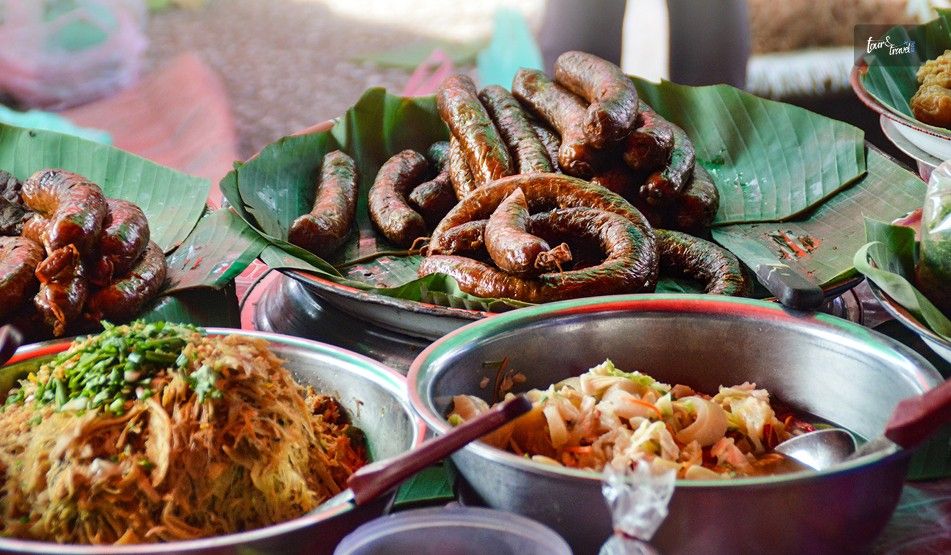
Furthermore, food in Luang Prabang is fresh and wholesome, just as the city is. I fell in love with \(Mok\) \(Pa\), which is fish steamed and cooked in banana leaves. I also tried \(Laap\), a national Laotian dish, and I chose the version with minced meat.
Furthermore, I lost count of the coconut cakes I had in Luang Prabang. It was subtle, sweet, and hearty.
The markets are the best place to explore the local specialties of Luang Prabang. However, the food scene of the city came alive after sunset.
Also, I was quite happy with the experience of the places I ate, such as the Tamarind Restaurant and Bouang Asian Eatery.
Luang Prabang’s culture is deeply rooted in Theravada Buddhism. The daily alms-giving ceremony at dawn is a sacred tradition.
Locals wear traditional Lao sinh and celebrate festivals like Pi Mai (Lao New Year) and the Festival of Lights. You have to dress modestly, remove shoes before entering temples, and respect local customs.
Luang Prabang Travel Guide: The Dos And Don’ts
Here is a detailed checklist of the things to do and things to avoid in Luang Prabang. Have a look at the table below.
Checklist for Traveling to Luang Prabang, Laos
Mistakes to Avoid When Traveling to Luang Prabang, Laos
• You will need a valid passport and a Laos visa (eVisa or visa on arrival).
• Get your money converted to local currency (Lao Kip) or USD.
• Have travel insurance and keep the documents handy.
• Dress modestly for temple visits. Use a reusable water bottle.
• Wear sunscreen and insect repellent.
• Choose comfortable walking shoes.
• Carry a rain poncho or umbrella (especially in the wet season).
• Buy a local SIM card and have an offline map when exploring the city and beyond.
• Be respectful toward local customs such as alms giving.
• Check the license of the driver for scooter rentals, as incidents of scooter accidents are common.
• Negotiate and agree upon the fare before the tuk-tuk ride starts.
• Visiting during the burning season (March–April) due to poor air quality
• Arriving without USD for visa fees
• Overestimating travel time between attractions
• Not booking transport in advance during holidays.
• Visiting over-crowded areas, petty thefts are common.
My 5-Day Travel Itinerary In Luang Prabang
I stayed in Luang Prabang for 5 days. The best thing about Luang Prabang is that it will not push you to rush. So, my five-day stay here was one of the most relaxed experiences I had.
Here is what I did on those five days.
Days
Itinerary
Day 1: Arrival and Cultural Experience
• Reaching the Luang Prabang International Airport • Checking into my hostel • Evening walk in the city center • Having authentic Laotian food at Tamarind Restaurant • Exploring the Night Market
Day 2: Temple Visits and Spiritual Immersion
• Alms Giving ceremony at sunrise • Breakfast Saffron Coffee • Visiting Wat Xieng Thong, Wat Mai Suwannaphumaham, and the Royal Palace Museum • Lunch at Bouang Asian Eatery • Climbing Mount Phousi for sunset views
Day 3: Nature and Adventure
• Day trip to Kuang Si Falls, visiting the Bear Rescue Center, and swimming in the turquoise pools. • Lunch at Kuang Si Butterfly Park Café • Back to the town and enjoying a sunset cruise on the Mekong River. • Dinner at Utopia Bar
I chose Utopia Bar as it is great for solo travelers. The live music and yoga sessions were the highlight.
Day 4: Exploring Culture and Craft
• Visiting the Traditional Arts and Ethnology Centre • Visiting the Ock Pop Tok Living Crafts Centre and taking a weaving class • Lunch at Coconut Garden • Afternoon visit to Phosi Market • Cooking class at Tamarind Cooking School in the evening
Day 5: Offbeat Exploration and Departure
• Half-day boat trip to Pak Ou Caves • Whisky Village en route • Lunch on the boat • Last-minute shopping at Night Market • Departure from Luang Prabang International Airport
Tips For A Seamless Travel Experience In Luang Prabang
Stay near the night market for easy access to food and shopping.
Join a walking tour to meet fellow travelers and learn local history.
Rent a scooter or join a shared tuk-tuk to Kuang Si Falls.
Cultural workshops are great for solo bonding and learning.
Book an airport transfer in advance to avoid last-minute stress.
Is Luang Prabang Worth A Visit?
Luang Prabang is definitely worth a visit, and its charm as a spiritual hub is matchless. It’s like that quiet afternoon of an autumn when you see the golden light of the Sun caressing your windows and floors.
Furthemore, it is a blend of natural attractions, wildlife, religious centers, cultural heritage, markets, and a vibrant food scene. The UNESCO World Heritage site is also a friendly and affordable place to be for solo travelers.
There is a reason why National Geographic praises its spiritual ambiance and well-preserved heritage, or Discovery Travel emphasizes its cultural richness, eco-tours, and artisan tours.
Moreover, it epitomizes the tourism slogan of Laos, “Simply Beautiful!” It is the place where you have to experience and not just travel.
Here are the frequently asked questions and answers about the Luang Prabang travel guide.
1. What Cultural Events Or Festivals Happen In Luang Prabang?
Boun Pi Mai Lao, or the Lao New Year, is the biggest festival in Luang Prabang. It takes place around mid-April.
Boun Suang Huea, or the Boat Racing Festival, in September, and Boun Lai Heua Fai, or the Festival of Lights in October, are also celebrated with great pomp.
Furthermore, November is the month of the That Luang Festival at the That Luang Stupa. It is celebrated with a trade fair and religious ceremonies.
2. Is 2 Days Enough In Luang Prabang?
While you can cover some important landmarks of Luang Prabang in two days, I think that you will need at least 2-3 days more to immerse yourself in the local cultural and spiritual experience.
However, if you are in Luang Prabang for two days, you can explore the City Center, the National Museum, the Royal Palace, and the temples near the City Center on day 1. On day 2, you can plan a trip to the Pak Ou Caves and Kuang Si Falls.
3. When To Avoid Luang Prabang?
Late February to April is the time to avoid visiting Luang Prabang. Extreme heat and stuffy weather make the days uncomfortable for outdoor exploration. June to October is another season to avoid due to heavy rainfalls and calamities such as landslides.
Sibashree is a travel, culture, and leisure writer who has been writing since the age of 12 and professionally since 2014. With more than a decade of travel writing experience and journeys across India and several parts of the world, she brings a deeply personal and thoughtful perspective to her work. A student of English Literature and Mass Communication, Sibashree has always viewed travel as more than movement — for her, it has been a way of understanding people, cultures, and herself. Her passion for spiritual exploration has also led her to many unusual and meaningful destinations over the years. Outside of writing, Sibashree enjoys watching European cinema, reading about global politics, and reflecting on the stories hidden within everyday places.
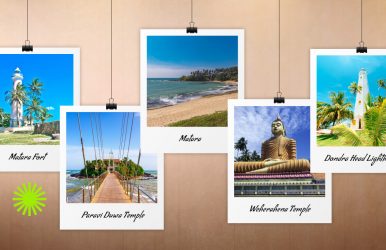
Matara, the second-largest city in southern Sri Lanka, is an important gateway to Dickwella Beach, Hiriketiya Beach, or Talalla Beach.
However, beyond that, Matara is a place where the Dutch colonial heritage meets vibrant culture.
Now, talking about this part of Sri Lanka, places such as Mirissa or Galle get more prominence.
However, as I have also mentioned on my blog on Talalla Beach, Matara felt more intimate.
First of all, it was not tourist-heavy, and it is yet to get out of its shell of a hidden gem. Secondly, from beaches to historical landmarks and spiritual retreats, you will find everything in and around Matara.
So, in this blog, I will talk about the places to visit in Matara in detail.
What Are The Best Places To Visit In Matara?
Matara is now gearing up for the Sri Buddha Year 2570 State Vesak Festival on 27th May 2026.
It will take place at the Midellawala Ancient Temple premises at Thihagoda in Matara.
The program involves a week-long celebration and will continue till 2nd June, 2026.
From moral teaching to spiritual learning and sessions on environmental conservation, this week will be significant for the people of Matara and the followers of Buddhism in the country.
Nevertheless, if you are in Matara, do not forget to visit these places.
1. Polhena Beach: Swim, Snorkel, And Relax
Polhena Beach impresses at first sight with its calm water. The water here is shallow, making it one of the most family-friendly beaches in Sri Lanka.
Furthermore, the protected coral reef here makes it ideal for snorkeling, even for beginners.
When you snorkel or swim here, you can find many species of reef fish. I could even spot a few sea turtles here as I walked a few meters from the shore.
Above all, Polhena Beach is a great place to unwind. Also, watching the sunset here was a wonderful experience, with the sky changing colors and those colors reflecting in the water.
2. Matara Fort: A Must-Visit For A History Buff
If you are fascinated by the colonial history of Sri Lanka, Matara Fort is a must-visit.
You know, the Galle Fort is iconic. However, the Matara Fort also has a history of Portuguese and Dutch colonialism in this part of the world.
The Portuguese built this fort, and later in the 17th century, the Dutch reinforced it.
Furthermore, the best part of the Matara Fort is how it still has an active presence in the daily life of the town.
There are schools, government offices, and shops inside the wall. Moreover, when I reached, I heard the noise of local boys who were playing cricket inside the fort.
I started talking to them, from Sangakkara to the rising P Nissanka, we covered a lot of players from the country in our discussion.
It was a fun interaction. Now, talking about cricket has been one of the most important things to do in Sri Lanka for me.
Again, as I walked through the fort, I visited the old Dutch church, which was built in 1706. Moreover, from the Matara Fort, I enjoyed amazing views of the Indian Ocean.
Being a public district, the fort does not have an entry fee, and you can enjoy a walk anytime you want.
3. Paravi Duwa Temple: One Of The Best Spiritual Places To Visit In Matara
The floating temple, or the Paravi Duwa Temple, is on a small island called Pigeon Island or Paravi Duwa.
You have to walk through the footbridge connecting the mainland and the island.
If Matara Fort offers you an insight into the region’s history, this floating temple is all about serenity.
The temple has many stunning Buddha statues and a golden Stupa. However, the most fascinating thing is the replica of the footprint on Adam’s Peak.
Furthermore, here, you will enjoy a stunning coastal backdrop.
The temple remains open from 6 AM to 6 PM, and it is best if you walk through the bridge during the sunrise.
4. Weherahena Temple: A Proud Example Of Modern Buddhist Architecture
On the east side of Matara, the Weherahena Temple has the biggest seated Buddha Statue of Sri Lanka.
The statue is 39 meters tall, and here you will find an underground tunnel.
Now, walking through the tunnel was a fascinating experience. There, you will see more than 200 murals about the life of Lord Buddha.
Moreover, the tunnel remains open from 6 AM to 8 PM.
5. Star Fort: A Dutch Colonial Heritage
The Star Fort, close to the Matara Fort, originally went by the name of Redoute Van Eck.
It is a hidden gem in Matara, but the architecture here is equally fascinating.
Furthermore, the fort gets its name from its unique six-pointed star shape. Built in 1765, the fort had a strategic position to prevent attacks from the land.
The Matara Fort, however, was more instrumental in protecting against attacks from the sea.
Also, you must not miss a visit to the Star Fort museum, which offers insights into the Dutch colonial history of Sri Lanka.
The fort remains open from 9 AM to 4 PM, and I had to pay an entry fee of around ₹100.
6. Dondra Head Lighthouse: Sri Lanka’s Southernmost Part
I took a short tuk-tuk ride from Matara to Dondra, the southernmost part of Sri Lanka.
The Dondra Light House, with a height of 49 meters, is the tallest lighthouse in the country, and this 1889 fort offers an amazing view of the Indian Ocean.
However, they did not allow the visitors to climb up the lighthouse. So, instead, you can enjoy a coastal walk and take the best snaps for your socials.
7. Matara Local Markets: Offering Insights About Local Culture And Flavors
I always believe that to know a place, you have to explore its local markets. The Matara local market smells of handicrafts, tropical fruits, and spices.
Moreover, here, you will enjoy prawn fritters or isso wade and pol sambol, even kottu roti, the authentic delicacies of Sri Lanka.
Furthermore, despite the language barrier, the crowd there was so friendly and knowing I am from India, some of them even shared how they feel the solidarity.
So, the next time you are in Matara, don’t just treat it as a stopover for the popular southern Sri Lankan beaches.
Try to soak in the history, culture, and spiritual vibe of this beautiful coastal town.
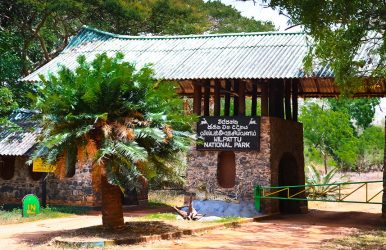
My driver, Dasun, stopped the jeep beside a villu, one of the signature natural lakes of Wilpattu.
Our jeep had been idling by villu for around 20 minutes. Then, suddenly, our tracker killed the chatter and pointed.
I spotted a leopard moving along the far treeline. His body language was unbothered, and it seemed that he was in no rush at all.
Also, there were no jeeps fighting to capture the spot for taking a photo. The absence of radio crackling and other trackers converging on the spot further added to the experience.
Overall, the moments here told me everything about why Wilpattu is quietly considered Sri Lanka's most serious leopard park, even though Yala National Park gets most of the international attention.
Furthermore, Wilpattu is the largest in Sri Lanka, and it feels like it.
Also, I noticed a clear difference between Yala and Wilpattu. Yala’s blocks can feel congested because of the safari traffic in peak season.
However, the sheer scale of Wilpattu and its remoteness from the southern tourist circuit keeps visitor density low even when sightings are excellent.
Wilpattu National Park At A Glance
Wilpattu is in the North Western and North Central Provinces of Sri Lanka.
It straddles the boundary near Puttalam and Anuradhapura districts.
The villu system defines this national park. The villu system has a network of roughly 60 natural, sand-rimmed lakes scattered through dense scrub and forest.
Also, it is the villu system from which the park gets its name. The meaning of Wilpattu is “The Land of Lakes” in English.
Moreover, thanks to the water network, the park has many predictable spots for animal concentration.
So, despite the massive scale, the chances of spotting wildlife here are excellent.
DetailInformationLocationNorth Western and North Central Provinces, near Puttalam and AnuradhapuraAreaApprox. 1,317 Square KilometersIt is Sri Lanka's Largest National ParkKey FeatureAround 60 Natural "Villu" Lakes Set in Dense Dry-Zone ForestSignature WildlifeSri Lankan LeopardSloth BearElephantSpotted DeerMugger CrocodileNearest CityAnuradhapura: Approximately 30 KmPuttalam: Approximately 40 KmRecommended Visiting MonthsFebruary to October
How To Reach Wilpattu National Park?
You can approach Wilpattu from the Cultural Triangle via Anuradhapura.
Also, you can take the northwestern coastal route via Puttalam and Kalpitiya.
Both these routes are straightforward and sealed.
However, the final stretch to the main Hunuwilagama entrance narrows into a quieter rural drive.
FromApproximate DistanceApproximate Drive TimeAnuradhapura30 Km45 MinutesPuttalam40 Km1 HourKalpitiya75 Km1.5–2 HoursColombo180 Km3.5–4 HoursNegombo150 Km3 Hours
Again, there is a second and less-used entrance on the Mannar side of the park.
It is for those travelling the north-south coastal route, though most safari operators and lodges are clustered around the main Hunuwilagama gate near Anuradhapura.
Inside The Park: My Safari Experience
I planned a full-day safari in Wilpattu National Park, and it was from 6 AM to around 4 PM.
A park safari is the best way to see Wilpattu properly. A half-day barely gets you past the entrance loop before you have to turn back.
The Villus: Wilpattu's Signature Lakes
The villus make the ecology of Wilpattu different than any other national park in Sri Lanka.
These are not man-made reservoirs. These are natural rain-fed lakes ringed with pale sand, and the jeep tracks are laid out to string several of them together.
Also, every meaningful sighting I had came from parking quietly at a villu edge and waiting rather than driving in search of animals.
Crocodiles were basking at the waterline, and elephants were drinking water. Finally, the leopard appeared along the treeline.
Leopards And The Chance Of A Sighting
Wilpattu is often described by naturalists as having a leopard density comparable to Yala's famous Block 1, without anywhere near the crowd.
Sightings are not guaranteed on any single visit, and practically no park can promise that.
However, the odds, combined with the calmer viewing experience when a leopard does appear, are a big part of why serious wildlife photographers increasingly prefer Wilpattu over Yala in peak season.
Elephants, Sloth Bears, And Birdlife
As I have mentioned, elephants are frequent around the villus and the drier months are the best time to spot them.
Also, the park has around 30 recorded mammal species, including sloth bear, water buffalo, sambar, and mongoose.
Furthermore, it has a strong birdlife presence. I could spot painted storks and several kingfisher species around the lake edges.
Peacocks and hornbills are more common sightings among birds in this park.
What Is The Best Time To Visit Wilpattu National Park?
You can take part in safaris year-round.
However, the park is ideal between February and October. These months are ideal for avoiding the heavier northeast monsoon rains.
Rain makes interior tracks difficult and reduces visibility.
Also, in a day, early morning and late afternoon remain the most productive windows for activity, as the midday heat pushes most animals into cover.
Entrance Fees And Safari Costs
Wilpattu is among Sri Lanka's higher-tier national parks for entrance pricing.
The entry fee is less than Yala National Park.
However, it is above smaller Category 2 parks.
Recent traveller reports and 2026 pricing guides put the all-in foreign adult entrance cost, including entry, service charge, vehicle fee, and VAT.
It is roughly USD 29–30 per person, with jeep hire priced separately and negotiated locally.
Fee ComponentApproximate Cost (Foreign Adult)Park EntranceServiceVehicleVATUSD 29.50 per AdultUSD 17.70 Per Child (6 to 12 Years)Guide/Tracker Fee$7 to $10It is Often Bundled into the Jeep PackageHalf-Day Jeep HireApproximately LKR 12,500 (6 AM to 10:30 AM)Full-Day Jeep HireApproximately LKR 25,000 (6 AM to 6 PM)
A Full-Day Wilpattu Itinerary
Given the park's size, a full day is genuinely worth the early start. Here is roughly how my day broke down.
TimeActivity5:30 AMDepart lodge and arrive at Hunuwilagama entrance.6:00–9:00 AMMorning safari loop through the northern villus. 9:00–9:30 AMBreakfast break at a designated stop inside the park.9:30 AM to 12:30 PMContinue tracking toward the larger central villus.12:30 PM to 1:30 PMMidday rest as animal activity drops with the heat.1:30 PM to 4:00 PMAfternoon loop, best window for leopard and elephant activity.
Where To Stay Near Wilpattu?
You can choose from simple guesthouses in Anuradhapura, which put you within easy reach of both Wilpattu and the ancient city's ruins, to dedicated eco-lodges and tented camps right on the park's buffer zone near Hunuwilagama.
Staying inside or immediately adjacent to the buffer zone shaves a meaningful amount off your pre-dawn drive time, which matters if you want to be at the gate for the 6 am opening.
The guesthouses in Wilpattu cost around LKR 3500 per night, and if you are staying in the ecolodges around the buffer zone, the charges will be approximately LKR 7500.
Tips From My Visit
A few things I would tell anyone planning a Wilpattu trip.
Book the full day rather than a half-day if your schedule allows, since the best villus are further from the entrance.
Pack your own food and water, as very little is available once you are inside. Also, pay for the jeep and entrance in Sri Lankan rupees only, since foreign currency isn't accepted at the gate.
Places To Visit Near The Wilpattu National Park
Wilpattu's location makes it an easy pairing with the cultural triangle.
Anuradhapura's ancient stupas and monasteries are barely half an hour away, and it is a natural stop for anyone routing between the north and the northwestern coast.
Travelers continuing toward the coast often carry on to Kalpitiya for kitesurfing and dolphin watching, or further north toward Mannar and Vavuniya.
Again, Chilaw, with its lagoon and temple circuit, also makes a workable stop if you're driving down from Wilpattu toward Colombo.
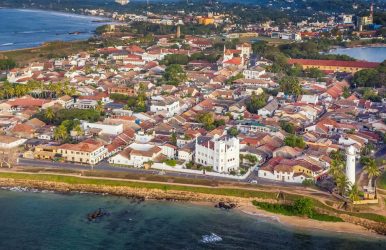
Galle has been my ideal dreamy, sepia-toned travel destination located on the southwestern coast of Sri Lanka.
Moreover, the city’s stunningly beautiful old fortified peninsula reaches defiantly out into the Indian Ocean and boasts many crumbling colonial-style buildings, narrow cobblestone streets, and swaying palm trees.
However, the true magic of Galle comes from taking it slowly.
Hi, in today’s blog, I will talk about the things to do in Galle Fort. However, I will begin with why a visit to the Galle Fort is worth it and how to get there.
Why Visit Galle Fort? A UNESCO World Heritage Site And The Fortress That Defied Time
“Founded in the 16th century by the Portuguese, Galle reached the height of its development in the 18th century, before the arrival of the British.
It is the best example of a fortified city built by Europeans in South and South-East Asia, showing the interaction between European architectural styles and South Asian traditions.”
• UNESCO World Heritage Convention.
The trading post was once impenetrable, and the rampart walls kept the invaders at bay.
However, centuries later, during the 2004 Tsunami, the same stone walls that stood against cannons also protected the people from the ocean.
Thus, the Galle Fort remained intact even though the surrounding coastline was devastated. Today, it stands as a UNESCO World Heritage Site for being a unique example of a fortified city.
How To Reach The Galle Fort?
You can easily reach the Galle Fort from Colombo or down the coast.
From Colombo
You can take a train from Colombo Fort, and after a three-hour journey and amazing ocean views, you will reach Galle.
However, currently, this route is being reconstructed. So, you can take a Highway AC bus from the Makumbura Station.
Furthermore, it is a 2-hour journey through the Expressway.
From Mirissa Or Weligama
If you’re already beach-hopping the south coast, you can just hop on any local bus headed toward Matara or Galle.
It’s cheap, frequent, and gives you a real taste of local life, and that’s amazing as a follower of TheLowDownUnder Travel philosophy.
Also, from my days in Jaffna to the things to do in Kandy, I have always ditched comfort and the obvious for a more authentic experience.
What Are The Things To Do In Galle Fort, Sri Lanka?
When talking about the things to do in Galle Fort, you have to think beyond the tourist checklist.
Furthermore, Galle is a place of contrasts!
You have the rugged, salt-sprayed stone of the ramparts on one hand, and on the other hand, you have the most polished boutique shops.
So, Galle is beyond your usual Instagram photo op.
And one of the best things to do in Galle is to understand how the fortress and the neighborhood have survived empires and natural disasters.
Moreover, in Galle, you become a part of the history as you watch the sunset from an ancient bastion or sip cold beer at a wine bar on a cobblestone street.
Also, you will see an extension of all these in my detailed account of two days in Galle Fort.
Day 1: Getting Lost In The Living Museum
Walks, exploring the architecture, culture, and the much hyped sunset experience! These were the things to do in Galle Fort on day one.
Morning: The Rampart Walk
Walking is the best way to begin your exploration of Galle Fort. It is small and, therefore, a great destination for pedestrians.
In the morning, I climbed to the top of the stone ramparts and walked the entire way around the edge of the Fort, obtaining a 360-degree view of Galle.
I saw the sparkling, turquoise ocean to one side and the red tiled roofs of the original buildings of the town on the other.
On your walking tour, look for the famous Galle Clock Tower and the historic Galle Lighthouse, which is probably the most photographed place in all of Sri Lanka.
The whitewashed lighthouse is stunning against the clear blue sky, but I found that the late afternoon light gives it that soft, golden color that makes the palm tree shadows cast perfectly across the grass.
Afternoon: Culture And Architecture
After you’ve finished exploring the upper level of the walls, it’s time to explore the narrow alleyways of the city.
Throughout the streets, you are going to notice something extremely wonderful.
You will see the cultural and ethnic diversity and the same inclusive culture of Sri Lanka, prominent through the iconic Ambuluwawa Tower in Colombo.
In just a matter of blocks, I was able to visit the Dutch Reform Church, All Saints Anglican Church, Meeran Mosque, and Sri Sudharmalaya Buddhist Temple.
All these places serve as a testament to the many different people who have influenced the development of Sri Lanka over many hundreds of years.
If the heat of the sun becomes unbearable, I recommend that you check out either the Historical Mansion Museum or the Maritime Museum.
Both of these museums are in beautifully restored colonial structures and provide visitors with great artifacts dating back to Sri Lanka’s colonial period.
Evening: The Sunset Ritual
When the sun is going down, I suggest that you make your way to the western walls of the fort.
At Flag Rock Bastion, you will find the locals performing their “cliff jumping” tourism attraction.
You will have the opportunity to see how far they will go into the crashing waves.
If you would rather have a quieter spot to watch the sunset, I would recommend that you go to Triton Bastion.
I spent an hour there on the grassy ramparts watching as the sky slowly burned with bright oranges. What a way to see Mother Nature's fireworks show.
Day 2: Boutiques, Buffets, And Beaches
Day 2 was more relaxed as I shopped, gorged on grand feasts, and explored the beaches.
Morning: The Shopping Mecca
Galle is now Sri Lanka's shopping capital. Pedlar Street is the epicenter of the boutique shops, from where you can collect elegant souvenirs.
A few of my personal favorites are in the table below.
Places to Visit for ShoppingThings to BuyStick No BillsVintage-Style PostersThe Tea Room by Evergreen GroupBuy Tea in BulkOld Dutch HospitalThis former colonial hospital is now a chic shopping and dining precinct. It’s the perfect place to grab a coffee and browse.
Lunch: A Local Feast
After the spicy food in Jaffna, the food in Gelle was comforting. So, trying the Coconut Sambal is one of the best things to do in Galle.
You will get the curries with chicken and vegan-friendly options here. Also, to beat the midday Sun, have some homemade ginger beer or treat yourself to a scoop at Isle of Gelato.
Moreover, don’t forget to try the cashew caramel at Isle of Gelato.
Afternoon: Beyond The Walls
As the Sun starts getting softer, you can explore the surrounding coast. Also, if you want to extend your coastal hunt, head to Dewata Beach.
Here, you will find many beginners and professionals surfing the waves.
Furthermore, if you want to just relax, take a tuk-tuk ride to the Jungle Beach in Unawatuna. It is a small sandy cove with lush greenery.





 Related