
Sunrise Spots In Vietnam: Top Places To Catch The Best Morning Views

Jun 20, 2025

Last Updated on: Sep 24, 2026

Asia

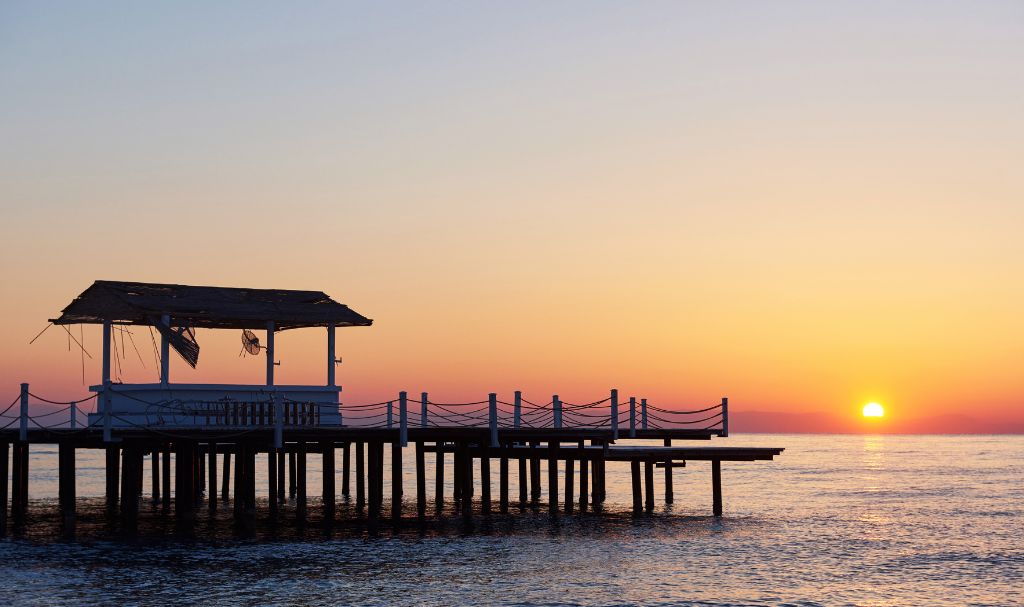
The best way to start your day is staring at the rising sun.

If some exotic locations for the best sunrises are passing through your mind, let me also remind you of Vietnam.

Do you know which are the best places to watch the sunrise in Vietnam? 

Before I proceed, let me tell you why sunrises in Vietnam are so beautiful.

The cosmic elegance of the Vietnamese sunrise stems from the country’s long coastal stretches and naturally scenic settings. 

The massive horizons along the coasts create unique sun flares every day when the sun rises here.

Similarly, the green landscapes reflecting the nascent sunrays every morning are no less than a visual treat.

Why Are There So Many Exotic Places To Watch Sunrise In Vietnam?

The mountain peaks here are also mesmerizing.

Meanwhile, Vietnam offers many locations where early mornings leave a lasting impression.

It includes misty hills and quiet beaches. 

This guide highlights the top sunrise spots across the country.

Firstly, these places offer some of the most rewarding sights.

However, a well-planned vacation package to Vietnam can make these experiences enjoyable.

Why Is Vietnam Ideal For Sunrise Views?

Why is Vietnam Ideal for Sunrise Views

Vietnam’s geography extends from north to south.

It includes the eastern coastline of Southeast Asia. This makes it an ideal destination for sunrise enthusiasts. 

The sun rises over the East Sea.

It offers clear and wide views.

Mountain valleys and beaches provide breathtaking views. Don’t miss out on the rice fields.

Witnessing sunrise can become one of your most treasured memories of Vietnam.

Where Can You See The Best Sunrise In Vietnam?

Vietnam has various sunrise spots.

Some of them are less explored. Here are some you can include in your next travel itinerary: 

1. Mui Ne: Sand Dunes And Sea Views

Mui Ne is a coastal town in southern Vietnam.

It is known for its red and white dunes.

Tourists often visit this area early in the morning.

The sand and sky combine to provide a calm and lovely scene.

Many Vietnam Travel Agency tours start the day at the Mui Ne dunes.

The light breeze and open horizon make this a favorite spot for photographers and early risers.

2. Sapa: Sunrise Over Rice Terraces

Sapa’s rice terraces and stunning mountain views are popular attractions.

It is located in the northern highlands.

The fields glow with golden hues.

The villages surrounding Fansipan Mountain offer incredible views that are perfect for a sunrise walk.

A Vietnam country tour to Sapa usually includes homestays and local treks.

It also includes early morning hikes. These make it easier to access the best viewpoints before sunrise.

3. Hoi An: Riverside Reflections At Dawn

Hoi An, a typical town with historic streets and attractive riverbanks, is a serene spot for sunrise viewing.

The quiet mornings on the Thu Bon River, with boats floating peacefully and old town buildings reflecting in the still water, create a tranquil atmosphere. 

You can choose a vacation package to Vietnam that includes the central regions.

In this way, you can spend a night in Hoi An just to catch the early morning light.

4. Da Nang: Son Tra Peninsula

The Son Tra Peninsula, near Da Nang, offers stunning views.

Meanwhile, the best sunrise views can be found from Ban Co Peak and the Linh Ung Pagoda.

You can also see the city, sea, and forest all together from this point. 

Several Vietnam Travel Agency packages include this spot as part of a day tour from Da Nang.

It is often filled with the sounds of birds and cool air.

5. Phu Quoc: Sunrise At The Beach

Phu Quoc is an island located in the far south.

Its eastern beaches are ideal for watching the sunrise.

However, Long Beach, Bai Sao, and Ham Ninh Fishing Village are top places to see the morning sun over the sea.

You can book a vacation package to Vietnam that includes beach resorts. 

6. Ninh Binh: Mountains And Rivers In The Morning Mist

Ninh Binh, also known as Halong Bay, is one of the best places to watch the sunrise in Vietnam.

At first, you will encounter the thick morning mist.

As the sun rises and the fog begins to clear slowly, you can see the entire frame of the sunrise. 

At Ninh Binh, you can also take boat rides along the Ngo Dong River, located in Tam Coc.

The rides are seamless, allowing you to relax.

However, the sunrise is the best part of early morning Ngo Dong rides. 

The sunlight radiating from surrounding cliffs and fields transforms the river into a new canvas every day.

If you don’t want to miss such a place to watch the sunrise in Vietnam, consider contacting a travel agency. 

They may help you book the 05:00 AM to 07:00 AM boat ride on Ngo Dong.

Stay for a while and experience the full arc of the sunrise. 

What Time Does The Sun Rise In Vietnam?

The winter sunrises in Vietnam are most exotic.

Moreover, you need to know about the best places to watch sunrise in Vietnam.

That’s why your tour operator’s help is crucial. 

The best time to witness the sun in its raw orange form is between 5:30 and 6:30 AM.

However, please note that you should check the local time there. 

Before visiting, you need to note a few things as well:

  • Usually, there is a thick crowd at the best places to watch sunrise in Vietnam.
  • So arrive at least 30 minutes early to get a front view.
  • The shades and aura of the sunrise from various places will surprise you. 

How To Make The Most Of Sunrise Views?

  • Plan most of your sunrise viewing experience. Knowing where to go and how to get there will ensure you don’t miss the breathtaking views.
  • Take your hoodies or sweatshirts, as the morning mists are chilly.
  • Interiors may not have food options. So, carry your breakfast essentials or light snacks.
  • Respect the local environment. Avoid littering.
  • Consider booking your trip with a Vietnam Travel Agency. It is to ensure transportation and access to ideal viewpoints.

Share on Social Media

Sibashree is a travel, culture, and leisure writer who has been writing since the age of 12 and professionally since 2014. With more than a decade of travel writing experience and journeys across India and several parts of the world, she brings a deeply personal and thoughtful perspective to her work. A student of English Literature and Mass Communication, Sibashree has always viewed travel as more than movement — for her, it has been a way of understanding people, cultures, and herself. Her passion for spiritual exploration has also led her to many unusual and meaningful destinations over the years. Outside of writing, Sibashree enjoys watching European cinema, reading about global politics, and reflecting on the stories hidden within everyday places.

Leave a Reply

Your email address will not be published. Required fields are marked *

title-img Related

READ MORE Aluthgamaa

Aluthgama, Sri Lanka: A Riverside Town I Visited Taking A Wrong Turn Off Galle Road

BY  Sibashree Aug 17, 2026

Like everyone, I also had my sights set on the beach resorts of Bentota. I met Aluthgama by accident as I took a wrong turn off the Galle Road, chasing the smell of grilled seafood from a roadside stall.  Aluthgama is beautiful. It is a working coastal town with a river as its lifeline. The mangrove canoes and fishing boats share the water here.  Also, a 160-foot Buddha statue rising from the trees looks over the town.  Once I reached there, I lost track of time, and in this town, the pace of life still runs on tides rather than tourist schedules. Charmed by its art of slow traveling, I ended up staying three days in Aluthgama.  Where Is Aluthgama? What Is So Special About The Location?   Aluthgama is a coastal town in the Kalutara District of Sri Lanka's Western Province.  Also, it is about 63 kilometers south of Colombo, and its distance from Galle is around 68 kilometers.  This strategic position helps Aluthgama enjoy proximity to Colombo, the capital of the country. You can reach it from Colombo with an easy day drive or scenic coastal train ride.  However, the distance of 63 kilometers is enough to keep the unmistakable slower rhythm of the south coast intact in Aluthgama. Furthermore, the Bentota River creates a natural boundary between Aluthgama on the northern bank and Bentota on the southern bank.  These two are like twin towns; Bentota is more famous, though!  Aluthgama is very much a lived-in coastal town with a busy market and a fish market that starts operating before sunrise.  I also found the streets busy with tuk-tuk drivers. However, this crowd around the markets and the tuk-tuks ruling the streets do not make Aluthgama a tourist town.  It does not have anything pretentious about it, and that is most impressive. How To Reach Aluthgama From Colombo Fort? For the most authentic experience, you can take a train from Colombo Fort to Aluthgama. However, road travel options are also available.  By Train  Trains such as Ruhunu Kumari (Maradana → Matara), Samudra Devi (Maradana → Galle), and Maradana → Aluthgama.  The train ride of around 59.67 km takes between 57 minutes and 2 hours and 10 minutes.  Furthermore, the ticket price for this class is LKR 140, second class is LKR 300, and first class is LKR 600.  By Road You can opt for a private car/taxi ride for two hours. It will cost you around LKR 12000 to 15000. Also, you will get state-run CTB buses to Aluthgama from the Colombo Central Bus Stand. The travel time in these buses is around 2.5 hours, and the ticket price is between LKR 800 and 1100.  However, if you want a more comfortable experience, you can board the private buses from the Bastian Mawatha Bus Station. The ticket prices will be around LKR 1200.  What To Do Or Try In Aluthgama? A Quick Summary Of The Top Attractions CategoryWhat to Try / Do in AluthgamaSignature DishFish Ambul Thiyal (Sour Fish Curry with Goraka)River ExperienceMangrove Safari on the Bentota River, and Spotting Crocodiles, Kingfishers, Water MonitorsLandmarkKande Vihara Buddha Statue with a Height of 160 Feet and Depicting the Bhoomisparsha MudraWatersportsJet Skiing, Banana Boats, Speedboat Rides Near the River MouthShoppingGem and Jewelry Shops (Notably Blue Sapphires)Local Market for Spices and ProduceDay TripsKosgoda Sea Turtle Conservation ProjectMadu Ganga boat safariAmbalangoda Mask MuseumGalle FortDistance from Colombo63 km southDistance from Galle68 km northBest base forTravelers wanting a quieter, more local alternative to Bentota's resort strip The Bentota River Is The Heart Of Aluthgama  If you are planning a stay in Aluthgama like me, all the activities and attractions here center around the Bentota River.  From a slow paddle through the mangroves or an afternoon of watersports, every activity here is dependent on the river.  Mangrove Safaris And Wildlife In Aluthgama  I was not expecting much from the mangrove safaris here. I thought that it would be a slow boat ride and some birdwatching.  However, it turned out to be a two-hour adventure weaving through narrow mangrove channels so tight the branches brushed both sides of the canoe. I could also spot monitor lizards sunning on exposed roots and a small resident population of mugger crocodiles that our boatman pointed out with far more enthusiasm than I felt. Then, there were kingfishers! They flashed between the mangroves throughout the journey. Then, finally, the channel opened, and we reached Cinnamon Island. We explored the short loop past cinnamon trees.  It was amazing to see cinnamon being cultivated much as it was during the centuries when Ceylon cinnamon was one of the most valuable commodities on earth. I chose a shared safari, and that cost around 3000 LKR for me. However, you can also take a private boat for a mangrove safari, and that costs close to 6000-6500 LKR.  Watersports On The Bentota River  Along with the paddle boat ride across the mangroves, you can also try jet skiing, banana boat rides, and being towed behind a speedboat on an inflatable "sofa." You will mostly find these organizers and operators near the river mouth and along the Bentota side.  This section is touristy. So, the watersports services are well organized, and the charges are also quite reasonable.  Check out the table below for an estimate of the prices for watersports in Bentota.  ActivitiesCost Per Person (LKR)Jet Skiing (10/15 Minutes)3500-12000Banana Boat Rides (Per Round)1000-3000Sofa / Tube Rides (Per Round)1000-3000Paramotoring15000-20000Flying Activities15000-20000 Malu Banna Watersports & Activities Centre and River Adventure - Water Sports Center are some popular organizers of watersports on Bentota. The Buddha Statue: The Guardian Of Aluthgama  Kande Vihara temple in nearby Aluthgama-Dharga Town is a short distance from the town center.  As I reached the Kande Vihara temple, I saw one of the tallest Buddha statues in Sri Lanka. This seated statue of Buddha is around 160 feet tall, and what is more captivating is its bhoomisparsha mudra. It is an earth-touching gesture associated with the moment of the Buddha's enlightenment. I had seen the photographs of this Buddha statue, but I did not expect to find it in Aluthgama.  It was overwhelming, as I did not think that turning a wrong corner on a fairly ordinary road would lead me to a statue of that scale rising above the tree line.  This is life in a nutshell! There is a reason why I believe that traveling connects you to the mysteries and beauty of life more.  You get the most amazing things when least expected.  I saw locals visiting the Vihara to make offerings. The grandeur of the Buddha Statue and the overall ambiance reminded me of the Dambulla Royal Cave Temple.  The Vihara did not have much of a crowd. So, it saved me from the queued, roped-off feeling that is common in many religious sites in Sri Lanka.  Also, it was late afternoon, and the light caught the gold plating of the statue. Even the existing crowd started thinning out, and the silence was precious.  I missed Somraj, my partner here, as he adores quiet places and his love for Buddha and Buddhism is intense.  How To Reach The Kande Vihara Temple?  The distance is around 2.5 kilometers, and a tuk-tuk ride takes around 7-8 minutes. The driver charged me LKR 300 and told me that he would wait for 1 hour and bring me back if I gave him LKR 1000.  I was not ready to compromise my flexibility. So, I chose a one-way trip.  Aluthgama: A Market Town With Its Own Character  The temple and the river are the highlights for someone planning a trip to Aluthgama.  However, Aluthgama's real personality shows up in its everyday routines, including the market stalls, the gem shops, and the food that's cooked for locals as much as for visitors. Shopping And The Local Market  As I said, the town center of Aluthgama never tries to be what it is not. It is charming even without the polish of Bentota.  The main market is functional, with vendors selling fresh produce, dried fish, spices, and household goods.  There is an old-world charm, as spices here are not packaged. They are sold loose by weight. So, you will get the whiff every time you pass a spice stall.  Also, if you want to buy some jewelry, you can visit the small but well-regarded cluster of gem shops. Ask any tuk-tuk driver to take you to the shops.  The part of the coast on which Aluthgama sits is within reach of Sri Lanka's gem-trading networks.  A few local shops here have built reputations for genuine sapphires, which draws buyers who would rather shop here than in the more heavily marked-up tourist circuits further south. What To Eat In Aluthgama?  Food in Aluthgama is about fresh seafood, and the southern coast does it best.  I had the signature fish ambul thiyal there. It is a sour, dry fish curry cooked with goraka. Wherever you go to eat, you will find it at the top of the menu.  Also, Kottu roti, hoppers with that distinctive crisp-edged, custardy center, and pol sambol rounded out most meals. Furthermore, near the market, you will find stalls bringing seafood straight off boats and grilling it live for you. Day Trips You Can Plan From Aluthgama  What sold me on staying longer than planned was realizing how much sits within easy reach, both along the coast and inland. 1. South Toward Galle If you take the coastal road toward the south, you will find a series of worthwhile stops.  The Kosgoda Sea Turtle Conservation Project (Distance: Around 15 Kilometers) The Kosgoda Sea Turtle Conservation Project is the first stop, and I have already discussed it in my Bentota and Kalutara Guide.  Here, hatcheries work to protect several endangered turtle species that nest along this stretch of coast.  Madu Ganga Boat Trip (Distance: Around 19 Kilometers) Next, you can plan an extension to your mangrove safari in Bentota with a boat trip on the Madu Ganga estuary near Balapitiya.  It offers a slower experience. However, it is even more biodiverse than the Bentota mangrove ecosystem.  The Ariyapala Mask Museum In Ambalangoda (Distance: Around 25 Km) This is a delightful cultural experience. You will find elaborately carved devil-dance and ritual masks the region is known for in the museum.  Along with the Kolam, Sanni, and Raksha masks on display, the museum also allows you to see the local artisans making the masks.  I interacted with them, and they shared the story behind the mask they were making.  The Meetiyagoda Moonstone Mines (Distance: Around 34 Km) It is one of the few places in the world where the blue-sheened gem is found in commercial quantities.  You can also see the miners at work here.  Galle Fort  Push on further, and you reach Galle itself. It has a UNESCO-listed Dutch fort still ringed by ramparts and colonial-era buildings that make for one of the most atmospheric walks on the island. Inland Excursions You can also plan a day trip to the cultural triangle of Sri Lanka, including Sigiriya rock fortress and Dambulla's cave temples.  Furthermore, you can opt for wildlife safaris to Udawalawe National Park, known for reliable elephant sightings. Why Is Aluthgama Worth A Visit And Stay?  Aluthgama has more diverse accommodation options than you would expect in a quaint coastal town in Sri Lanka.  However, these setups have not impacted the natural rhythm of the town that would carry on much the same whether or not anyone stopped to look.  So, it is the perfect base, spending your days drifting through the mangroves and climbing up to see the Buddha statue at Kande Vihara. Also, eat more seafood than seems reasonable, and let Bentota's beaches be the postscript rather than the whole story.m

READ MORE Adam's Peak

Adam’s Peak (Sri Pada): Climbing Sri Lanka’s Sacred Mountain

BY  Sibashree Aug 21, 2026

It was two in the morning, and I started climbing Adam’s Peak. I was in a line of pilgrims, and the line stretched as far as I could see with my torchlight. All the guides about climbing up this sacred mountain tell you about climbing the 5500 steps. However, nothing prepares you for the experience you will have in conquering them in pitch darkness.  Furthermore, the crowd itself was a reflection of how inclusive Sri Lanka is in its religious practice. It was a gathering of people from four different religious beliefs.  The reasons for everyone’s climb were not the same. However, that did not quite clash with each other.  That is the beauty of the Indian Subcontinent, and Sri Lanka sets an example each time I visit it.   Nevertheless, in this guide, I will talk about my experience of reaching the summit of Adam’s Peak and all the details you need to know.  Adam’s Peak: Some Quick Facts You Need To Know AttributeDetailsLocationInside Peak Wilderness Protected Area, Central Highlands, Sri LankaElevation2,243 Metres (7,359 Feet)Local NameSri Pada ("Sacred Footprint") or SivanolipaathamalaiReligious SignificanceSacred to Buddhists, Hindus, Muslims, ChristiansTotal StepsRoughly 5,500 Stairs via the Popular Hatton RouteAverage Hike Time3 to 5 Hours for the Ascent1.5 to 2 Hours for the DescentPilgrimage SeasonDecember (Unduvap Poya) to May (Vesak Poya)Best Months to ClimbJanuary to March for Dry Weather and Clear Sunrise ViewsCostFree (No Entry Fee or Permit Requirements) What Makes Adam's Peak Sacred Mount Pedro is the tallest mountain in Sri Lanka. However, Adam’s Peak has the highest spiritual significance.  The local name for the peak, Sri Pada, or "Sacred Footprint,” itself sets your expectations high.  It rises 2243 meters in the Central Highlands of Sri Lanka. Adam’s Peak has a rock formation at the summit resembling a large footprint, which is claimed by four separate religions. The Mystery Of The Footprint At The Adam’s Peak Summit The Buddhists believe that the sacred footprint at the summit is of Lord Buddha. On the other hand, Hindus believe that the footprint is of Lord Shiva.  Some Christians think the footprint is of Adam. He set his first footprint here after falling from the Garden of Eden. Muslims also believe Adam, the first prophet in their religion, left this footprint.  Furthermore, there is a different Christian belief that the footprint belongs to St. Thomas.  Again, the locals call it the “Mountain of Saman.” They think the mountain is associated with Saman, a significant figure of worship in local traditions.  Irrespective of the religious significance of Adam’s Peak, pilgrimage to the summit has continued for over a thousand years. A Brief History Of The Pilgrimage Some of the earliest recorded efforts to conquer Adam’s Peak go back to the reign of King Vijayabahu I in the eleventh century. He built wayside rest houses along the route. Later, various rulers expanded the mountaintop shrine. They also built roads and installed the iron chains that still assist climbers on the steepest sections near the summit. Another fascinating local belief is that the chains in the steep sections of the route belonged to Alexander the Great. Also, you will find a mention of Adam’s Peak in the writings of the Chinese traveler Ma Huan. He described Adam’s Peak as a place rich with precious stones. Along with the religious significance, the richness of gems is another reason why this peak has drawn visitors from far beyond Sri Lanka. Where Is Adam's Peak Located? https://maps.app.goo.gl/CZeW7kGZ8rTZG2Xc8 The sacred mountain is in the southwestern part of the Central Range in Sri Lanka. It is at a distance of around 40 km from Ratnapura.  However, the more popular trekking route is through Hatton, which is just at a distance of 32 km.  The landscape surrounding the mountain is delightful and quintessential of the Sri Lankan Central Highlands. You will see tea plantations and rainforest.  Moreover, Dalhousie, or Nallathanniya, is the village at the base of this mountain. Most trekkers start their journey from this village itself.  It is an easy base to reach from Hatton, Maskeliya, or Ratnapura, depending on which direction you're coming from. Getting To The Trailhead Hatton is the main transport hub for this side of the mountain. It is well connected by train on Sri Lanka's scenic hill-country line as well as by bus from Kandy, Nuwara Eliya, and Colombo.  From Hatton, local buses and shared taxis run the remaining stretch to Nallathanniya. During peak pilgrimage season, you will get extra buses heading to the base.  If you are driving yourself, the roads narrow considerably in the final approach to Dalhousie. Also, parking fills up quickly on weekends and full moon nights. Choosing Your Route To Adam’s Peak Just as pilgrims of four different religions want to conquer Adam’s Peak, there are six trails that lead to Adam’s Peak.  However, as I have mentioned, the Hatton route via Nallathanniya is popular with travelers. It is also the easiest.  The route is around 5 km one-way, and the staircase on this route is well-maintained for a safe ascent.  The Kuruwita-Erathna, Ihala-Maliboda, and Ratnapura routes are longer. They are also less developed and used mainly by more experienced or locally guided hikers rather than casual visitors. The Night Climb Most pilgrims start the climb to the summit at around 2 to 3 AM. This reminded me of the walk and the queue for visiting the Tirupati Balaji Temple and Aruanchalam Temple in India. Both of these temples are located at hilltops.  Nevertheless, with the ascent starting at 2 AM to 3 AM, you can reach the summit before sunrise at around 6 to 6:15 AM.  You know your fitness level and the number of stops you are taking at the tea shops along the way. The total duration to complete the ascent will change with these factors.  Also, very few people talk about the descent, which is actually way harder, and my knees had a hard time.  The reward of all this hardwork is the sacred "Shadow of Sri Pada" on a clear morning.  Difficulty And Fitness Considerations The climb to Adam’s Peak is moderate to hard. There is no technical scrambling.  However, the stone stairs are relentless, and they test different muscles than a usual hiking trail. So, basic fitness is important, and only reasonably fit adults can complete the ascent in three to four hours. Having said that, mental endurance is most important here.  I passed pilgrims well into their seventies moving slower but steadily upward alongside groups of teenagers.  The descent deserves just as much respect as the climb. The repetitive downward impact on knees and quads catches many first-timers off guard. Also, rushing it is a common way to end up sore for days afterward. What Is The Best Time To Climb Adam’s Peak From the Unduwap Poya (full moon) in December to the Vesak Poya in May is the official pilgrimage season for climbing Adam’s Peak.  It is the dry season in Sri Lanka.  The entire route gets decked up during this season. The strings of lights, the tea stalls, and rest huts open all night make the ambience festive.  However, if you want to avoid the crowd, you can plan a climb between June and November.  Skip the monsoon months and slippery stone steps.  Crowds And Timing Within The Season If you want to join the pilgrims in the peak season, you must avoid the following days. Full Moon Days Weekends The Week Around the Sinhala New Year in Mid-April. Also, the months of January and February remain the busiest.  So, if you are planning a quieter climb in the festive season, aim for a weekday in early December or late April instead. What To Pack And Expect Comfortable, broken-in walking shoes matter more here than technical hiking gear. The trail has no scrambling but plenty of relentless stairs.  Nights on the mountain get cold, particularly in December and January. So, a warm layer is worth the extra weight in your bag.  The entry is free, though donations are welcomed at the temple near the base. Moreover, you must carry cash for tea, snacks, and simple meals from the stalls lining the route during the season. Nearby Places To Combine With Your Visit Hatton and the surrounding tea country make a natural base before or after the climb. You can combine Adam's Peak with a trip through Nuwara Eliya or onward toward Ella. Take the trip via Sri Lanka's scenic hill-country rail line.  Do you have a rest day built in? The tea estates around Maskeliya and Dalhousie are worth exploring at a slower pace once your legs have recovered from the descent. Guides And Group Climbs To Adam’s Peak Hiring a guide is not necessary on the main Hatton route, since the path is obvious and well-populated during the season. However, having a guide can add real value for first-time climbers. These guides help you know the context of the mountain's history and the shrines passed along the way.  Many guesthouses in Nallathanniya and Hatton can arrange a local guide on short notice.  Also, joining a small group climb is a good option for solo travelers who would rather not do the pre-dawn ascent entirely alone.

READ MORE Everest Trekking

Top Reasons To Do Everest Trekking: Himalaya View Treks

BY  Sibashree May 4, 2024

The Everest Base Camp Trek is a gorgeous stroll that a trekker needs to cover. Indulging in this grandiose walk allows you to scrape out some of the nicest sights of your life. It isnot just the views of peaks including Mt. Everest, Ama Dablam, Pumori, and Lhotse. You will be also amazed by the images of the lush woods, clean rivers, glaciers, and quaint hamlets. The trekking on Everest base is the third most famous trekking vacation spot in the world. Apart from nature, this trek also gets you pretty close to the dwelling locations of the Sherpas.  It evokes everyone's emotions to a point where you will get to examine a lot of the deep meanings associated with life. Overall, the Everest Base Trek is well worth doing for many reasons. And here, we have woven together the 5 pleasant reasons that you will enjoy doing a trek at the Everest Base. Hillary Bridge (Nepal’s Highest Suspension Point): Hillary Bridge is the easiest suspension bridge in the Khumbu area and expands on top of the Dudh Kosi River. Keep the final bridge for the second or third day of the Everest Trek rather than opting for an abrupt ascent to the Namche Bazaar street.  The non-secular prayer flags flying all across the bridge offer you spiritual and religious vibes. However, the bridge gives you a distinctive vibe of freedom. NamcheBazaar (Mountain Bazaar) (Sherpa People and their Mountain Lifestyle): Namche Bazaar is widely regarded as the tourism capital and the biggest sherpa agreement in the Khumbu area. The city is actually stunning and offers various rejuvenating vacation spots near Everest. Tourism refers to the primary carrier for people residing in Namche Bazaar.  This city portrays a magnificent glimpse of mountain tops. These include Kongde Ri (6,187 m), Thamserku (6,623 m), and, additionally, the 8,848 m-high Everest. All across the town, you will find several restaurants, cafes, lodges, bakeries, Tibetan handicraft stores, and even museums.  NangkarTshang Hill Standpoint (Hiking Place From Dingboche): After Namche, Dingboche is the area where we take a relaxation and adaptation break. During the day, you can go to NangkarTshang Hill’s viewpoint. A 3-hour hike starts from the Dingboche village, extending to the summit of NangkarTshang Hill. It presents views of Makalu, Lhotse, Mera Peak(Island Peak), and Choopulu. Unparalleled Scenery: If you want to head over to excellent scenery, this is where you should go. Along with Himalayan wasteland thrills, you will get to see dozens of mountains.  A lot of peaks can trip their base camps, too. Furthermore, the way offers picturesque destinations that allow you to take Instagram pictures.  Starting from the first day, trekkers are capable of witnessing colossal snowy peaks. Further, it is, in all likelihood, the sole trekking path where you get the mountain surroundings all through the trip.  Lhotse, Everest, Choyou, and Makalu peaks offer grandeur in the entire area. These peaks are in the top 10 absolute best mountains in the world. Hometown Of Sherpa And Unique Culture: This is the first reason the Everest base camp journey has become more popular. Everest Touring Trails are trails that are completely grounded in Tibetan Sherpa culture. Everest Camp Touring Camp Touring trails is only one touring stint in Nepal, where you'll enjoy the Tibetan Buddhism religion and culture. All the touring routes of the Everest region offer pedestrians the unique culture of the Tibetans, the Tibetan Sherpa culture of Nepal.  Tengboche Friary: Tengboche Friary is another third magnet on the Everest hiking trip. It is located in a 3890-meter-high place. There, you will enjoy a Tibetan Sherpa religious experience and a fantastic panoramic view of the whole Everest region of the Himalayas.  The fabulous Sherpa culture of Everest is a subject of important admiration and alleviation for most people around the world. Similarly, the Base Camp Trek at Everest presents a perfect occasion to enjoy the fabulous culture and tradition of the Sherpa. As a matter of fact, the Sherpa people are known worldwide for their nearly superhuman mountaineering chops. Nearest Views Of Mt. Everest From Kala Pattar: The view of Mt. Everest from Kala Patthar is a rallying point of the Himalayas, especially Mount Everest. Kala Pattar is only one stylish and closed viewpoint of Mt. Everest, which is really beyond the imagination and has superb views. The Himalayan lookouts of Nepal are the country’s biggest draw points. The Everest Camp Trek also doesn't fail in this aspect; therefore, you should definitely consider visiting it once in your lifetime. Religious And Cultural Prolificacy: A lot of Sherpa agreements on the EBC route provide Mani buses, prayer flags, inscribed Mani boulders, Gompas, and Chortens. The inhabitants of this region are known to have migrated somewhere from Tibet 400 years ago. Moreover, they still revive the conventional Tibetan language as well as culture. People belonging to this region are not only simple, gracious, and generous but also strict followers of Buddhism.  The Pangboche and Tengboche Gompas are two of the most primitive gompas, each with its own history and significance. The former bone belongs to the biggest gompa of the Khumbu region. It is encompassed by Nuptse, Tawache, Lhotse, Thamserku, and Ama Dablam. These are joints for the Festival, Mani Rimdu. The festival is the longest and takes place from October to November. The concept goes after the bone, which was said to have the genuine Yeti’s crown and hand. However, it just has a replica only. Furthermore, the Tengboche Gompa( friary), Pangboche Gompa, and multitudinous cloisters represent the artistic and architectural productivity of this region. The Sagarmatha National Park: This magnificent demesne, which was added to the UNESCO World Heritage List in 1979, is a biodiversity mecca. Rich in foliage and fauna, Sagarmatha National Park is home to rare species of creatures like snow leopards and black-and-white pandas. It also has hares, jackals, wolves, and numerous others. It is further home to around 200 species of catcalls, some rare, some common. However, all call the thick timbers of this demesne home. The demesne has numerous touring trails within it. It also introduces you to the unique culture of the mountain communities. These communities live within its borders in complete harmony with their surroundings. Everest Base Camp (The Ultimate Peak): Let’s admit it! We have been waiting for this site for so long. 5300m is the elevation of Everest Base Camp, which is the closest to hiking. However, being closer to Mt. Everest, this camping point is prone to natural disasters. Once you are done hiking at the base camp, you will see a magical kingdom full of pebbles, rocks, and snow. This gives trekkers a sigh of relief and success.  The entire Everest Camp location is full of colorful prayer flags, a never-ending valley, and skyscraper-high snow peaks. Also, how can we forget the stunning Khumbu Glacier Icefall, which is a popular touchdown spot for all camp helicopter tours? Begin The Journey To Mount Everest Beginning the epic journey to Mt. Everest is a once-in-a-lifetime memory and experience. So, every step leaves an indelible mark on the hearts of those who dare to complete this extraordinary path. From the vistas of snow-capped peaks and cultural diversity in Sherpa Village to the accomplishment of reaching Everest Camp!  Apart from these reasons, there are several other factors that would compel you to do the trek. Other reasons that might captivate you are suspension bridges, waterfalls, moraines, glacial rivers, and glaciers. Learn More Also: Trekking Kilimanjaro & Salkantay Top 5 Unexplored Treks In Himachal Life Is Enjoyable: Incorporate 7 Best Unique Treks In The World