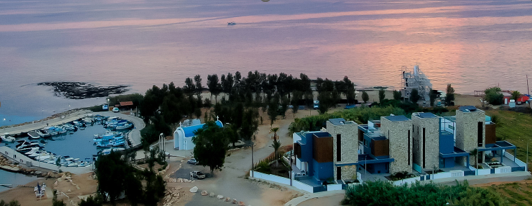



Experience The Ultimate In Luxury With Luxel Villas In Cyprus

Jul 24, 2023

Last Updated on: Jun 13, 2025

Travel Blog

Planning your summer vacation? Look no further than Cyprus! With its breathtaking landscapes, rich culture, and warm hospitality, this Mediterranean paradise is the ultimate destination for a luxurious getaway. Luxel Villas, known for their exquisite accommodations, offers a range of private villas and stunning apartments along the captivating coastline. Get ready for an unmatched experience that will create cherished memories.

Also known for its picturesque destinations, Cyprus lies in the heart of Greece. It is the third-largest island in the Mediterranean, with an overwhelming population. Buying property in Cyprus comes with many benefits, which is why so many people have inhabited the island. But today, we are going to discuss some of its adventurous aspects. So, without further ado, let’s get started!

Exciting Adventures And Natural Beauty

Cyprus is a haven for adventure seekers. Explore the stunning beauty of Ayia Napa and Protaras through thrilling coastal hikes, where clear waves and pristine surroundings await. For an adrenaline rush, hop on a quad bike and discover hidden gems in the countryside. If you’re seeking romance, indulge in a private sunset cruise along the Famagusta coastline, immersing yourself in magical sunsets and turquoise waters. These experiences embody the essence of summer bliss. Private Pool, Beach, as well as a Jacuzzi!

Experience the ultimate in private luxury with Luxel Villas. Our exceptional villas redefine the concept of relaxation. It includes Blue Diamond Seaview Villa, Vista Seaview Villa, and Love Bridge Seaview Villa 3. Immerse yourself in a serene coastal environment as you bask in the sun. It could be a private pool or unwinding in your personal jacuzzi under a starlit sky. For beach enthusiasts, our villas offer unparalleled proximity to crystal-clear waves. It allows you to enjoy the pristine shoreline just moments away. Discover the perfect blend of privacy, comfort, as well indulgence. Here, every detail has been meticulously designed to create an unforgettable holiday experience.

New Project: Sunrise Beachfront Villas

New Project Sunrise Beachfront Villas

Introducing Sunrise Beachfront Villas, a brand-new project situated right on the beach, offering the perfect blend of privacy and convenience. Our exclusive villas provide an exceptional experience with their proximity to nearby attractions.

Sunrise Beachfront Villas offers the perfect location. It is just steps away from the beautiful EU Blue Flag Trinity Beach, located a mere 20 meters from your doorstep. If you’re looking to explore other nearby beaches, Fig Tree Bay Beach is a short 5km drive away. There is Konnos Beach that awaits you at an 8.3km distance. The options are plentiful, ensuring you have the freedom to choose.

Convenience extends beyond the sandy shores, as shops and restaurants are within a leisurely 650m stroll. Here, you can easily fulfill all your essential needs. Furthermore, these enchanting villas are just a 45-minute drive from Larnaca Airport, guaranteeing effortless accessibility for your journey.

Step inside each villa at Sunrise Beachfront Villas and experience a level of comfort that exceeds your expectations. Relax and unwind by the infinity pools, indulge in the luxurious jacuzzis, and enjoy the convenience of high-quality appliances, smart home technology, and advanced audio/video equipment tailored to your preferences. Additionally, every villa features its own dedicated BBQ area, allowing you to savor delicious meals amidst the breathtaking surroundings.

Moreover, these captivating villas are now available for short-term rentals, offering an unforgettable experience where you can relax in absolute comfort and create precious memories. If you want to set up your project there, you can simply go for opening a trust. Partner with Cyprus companies and ensure a better future.

Discover Our Stunning Villas And Indulge In Luxury Retreats

Within its expansive portfolio of exquisite properties in Cyprus, Luxel Villas offers a range of exceptional options for you to explore, including the stunning Blue Diamond Seaview Villa. This remarkable villa captures attention with its striking modern design, accentuated by alluring stone and wood elements. Blue Diamond Seaview Villa provides a serene escape where privacy and comfort seamlessly intertwine.

Step into a world of pure luxury as you discover sophisticated interiors adorned with high-quality furnishings and a fully equipped kitchen. Blue Diamond Seaview Villa promises an unforgettable retreat for those seeking refined indulgence. You could unwind by the expansive private pool and a rooftop terrace with a jacuzzi or venture out to explore the nearby sandy cove. There are also the lively beaches of Ayia Napa and Protaras.

For a refined and polished experience, look no further than Vista Seaview Villa. This remarkable villa showcases meticulous attention to detail throughout, ideal for families or small groups. The sun-washed ground floor welcomes you with an open-plan living, dining, and kitchen area, setting the stage for cherished moments together. Ascend to the upper floor, where three bedrooms await, each with its own ensuite bathroom and veranda, providing an intimate corner of privacy.

The rooftop terrace beckons with a pergola-covered lounge area, a hot tub, and breathtaking views, creating the perfect setting for relaxation and unforgettable memories. Moreover, the private garden entices you to luxuriate by the sparkling pool or unwind in the bubbling jacuzzi, while a BBQ area invites you to indulge in alfresco dining. Vista Seaview Villa epitomizes quality and convenience, ensuring an unforgettable stay where every desire is catered to.

Love Bridge Seaview Villa 3

Continuing our exquisite collection of villas in Cyprus, we proudly present Love Bridge Seaview Villa 3—a haven of luxury as well as indulgence. This remarkable retreat embodies the epitome of elegance, where every detail has been meticulously designed to provide an unparalleled experience. There is a spacious open-plan layout, private pool, as well as, rooftop jacuzzi boasting panoramic views.

Love Bridge Seaview Villa 3 offers a seamless blend of relaxation as well as opulence. Positioned just 200 meters from the captivating sea and surrounded by pristine sandy beaches, this villa presents the perfect opportunity to immerse yourself in pure luxury. Prepare to be captivated as you embark on a journey of refined indulgence as well as create cherished memories in this enchanting villa.

Elevate Your Vacation: Luxurious Luxel Villas Await

Elevate Your Vacation Luxurious Luxel Villas Await

No matter the time of year, it’s always the perfect moment to embark on a journey of luxury as well as relaxation. Let Luxel Villas be your gateway to an incredible experience, where every detail is carefully crafted to meet your desires. Immerse yourself in the comfort and personalized attention you deserve as we take care of your every need. Reserve your stay at one of our exquisite villas and embark on a remarkable adventure that will transport you to a world of indulgence. Start your unforgettable escape today and create cherished memories. Discover the magic of Cyprus by renting one of our stunning villas, offering an exceptional experience all year round.

Your dream vacation is just a step away!

Read Also:

Share on Social Media

Abdul Aziz Mondol is a professional blogger who is having a colossal interest in writing blogs and other jones of calligraphies. In terms of his professional commitments, he loves to share content related to business, finance, technology, and the gaming niche.

Leave a Reply

Your email address will not be published. Required fields are marked *

title-img Related

READ MORE Denali National Park

This Is What It Takes To Climb Denali in Denali National Park 

BY  Sibashree Jul 18, 2024

Is it your dream to climb Denali in Denali National Park? Standing at 6,190 meters height from sea level, the highest peak of North America is surely going to give you a tough time. However, the toughest routes in the world are the most alluring for travelers. So, its remote location and the deadliest terrains attract mountain lovers across the globe. As the monumental centerpiece, Denali adds to the popularity of Denali National Park.  Are you also planning a climb on Denali or Mount McKinley? Here are the things you must know before you make an attempt. Many people talk about the magnificence of the peak and its beauty. I will primarily discuss how you will prepare and conduct yourself for the pain-stricken journey and sail through it.  Climbing Denali in Denali National Park (How You Will Prepare Yourself) Many people find climbing Denali in Alaska’s Denali National Park more difficult than climbing Mount Everest. Extreme weather conditions, steep terrains, and fixed lines make this exotic peak one of the deadliest in the world.  So, we must be particular about our preparations, and these are the areas where we need to prepare ourselves.  Physical Preparedness And Endurance Physical preparedness and endurance are the most crucial things while climbing Denali. Your training activities will include the following.  Fitness Test  VO₂ Max Test Carrying Packs Weighing around 55lbs Hike Training at Sea Level Strength Building While attending a training session for physical strength and endurance, take a step-by-step approach to success.  Working On Team Dynamics And Preparations Traveling solo is not a great idea when it comes to conquering Denali. Maintain clear communication, mutual respect, trust, and a supportive environment within the team. Trust me! Denali will challenge you in every possible way. You don’t want to add to it by having a discord within the team.  Make Sure To Have The Correct Mental Training Reaching the Denali summit is going to be tough. The weather conditions and the routes will throw endless challenges. So, you have to be mentally resolute to keep at it. Train yourself mentally and learn to push limits during your physical training sessions for the Denali trek. Staying positive and being persistent is very crucial in your journey.  Work On Your Technical Proficiency Climbing Denali in Denali National Park is a demanding task. Things are not going to be as easy as visiting Biscayne National Park,  Everglades National Park, or any other national park.  You can attend courses on the following prior to joining a trip to Denali. Ice and snow travel Crevasse rescue Self-rescue Fixed line climbing Self-arrest techniques These technical climbing skills will prepare you for adverse conditions.  Be Particular About Food And Hydration  Planning food and nutrition before and during climbing Denali has two aspects. You have to eat healthy and nutritious food that keeps you in shape. If you are on a guided tour, you will have a proper diet and nutrition plan that you need to follow.  At the same time, having good food is crucial when it comes to climbing a height. You may face appetite issues at a higher altitude. However, you must ensure that you finish your meal properly. There will be no scope for overpacking snacks.  Further, nutrition is different for each person. So, your primary diet will be rich in healthy fats and high protein. However, for the instant energy kick, you must also carry some energy food items and chocolate bars.  The “Diet, Supplementation and Nutritional Habits of Climbers in High Mountain Conditions” report featured in the National Library of Medicine shows the food choices of climbers. Check the table below.  Food Choices Of Climbers Canned Meat3.6%Fruit Mousses7.1%Canned Fish7.1%Halvah7.1%Dry Smoked Pork Sausage10.7%Sandwiches10.7%Dried Fruits10.7%Nuts 10.7%Instant Dishes10.7%Dried Meat28.6%Salty Snacks32.1%Jelly Beans35.7%Energy Gels39.3%Chocolate71%Freeze-dried Dishes86.8%Bars100% Data Source: Diet, Supplementation and Nutritional Habits of Climbers in High Mountain Conditions This study was conducted on 28 men, and the average age group was “33.12 ± 5.96 years.” Take Care Of Hydration  Your body needs more hydration as you climb up the mountain. Water boosts the efficiency of our red blood corpuscles, which collect oxygen in the lungs. So, for proper breathing at a high altitude like Denali, you will have to keep drinking water.   You also need water to stay away from body aches and injuries and preserve your energy level. Water further helps in digesting your food.  Moreover, as you climb up, the air starts getting dry, and rapid breathing and an increased heartbeat promote faster loss of water from our bodies.  Along with drinking 3-4 liters of water every day, you will need to take multivitamins, electrolytes, and hyperhydration solutions available in sachets.  Work On Gear Selection And Preparation Pick and prepare your gear right for climbing Denali in Denali National Park. You will need to pack layered clothing, insulated boots, sleeping bags (-20 F), and mountaineering jackets. Further, if you are on a guided tour, you will be handed over a detailed kit list. Be particular about procuring the following items. Climbing helmet Balaclava Glacier glasses  Goggles Crampons Ice axe Harness Climbing rope Carabiners, etc. These gears ensure that you can navigate through the hard terrain comfortably and remain connected to your team.  Acclimatize With The Condition  With Denali, you are going to make a trek on harsh terrains under extreme weather conditions. So, you cannot plan a successful trip to Denali without devoting some time to acclimatization.  Join a group or guided expeditions that have acclimatization built into their itineraries.   Did You Know?  Mount Denali was renamed Mount McKinley on 28th August 2015.  Denali is the third-highest peak among the Seven Summits or the tallest peaks in seven continents. Denali means “the tall one,” and its name is derived from a Native Alaskan language, Koyukon.  Harry Karstens, Hudson Stuck, and their team of climbers first conquered Mount Denali in 1913.  Galen Johnston became the youngest climber to Mount Denali in 2001. He was 11 years old, and he climbed the peak with his parents.  Final Words  Climbing Denali in Denali National Park is going to be a one-of-a-kind experience. Reaching the summit can be the ultimate reward for your years of training and preparations.  Also, when your road leads to the highest peak in North America, you have to be physically and mentally fit and proficient in technical skills related to mountaineering.  In addition, respect the wonder of nature and be humble so that the wonder of nature embraces you with open arms and paves your way to the summit. Have you ever been a part of a climbing team to Denali? Do you have plans to make a trip to this steep mountain soon? What do you think is most important to prepare yourself for this arduous trek? Don’t forget to share your insights with us!  Denali National Park FAQs How Difficult Is Denali To Climb?  Climbing Denali in Denali National Park is a serious affair. You will at least need intermediate-level expertise or advanced expertise to climb the highest peak in North America.  If you are a serious climber and want to climb Denali, you must get your preparations right and acclimatize to difficult situations with some prior ventures. For preparations, you can climb the Cascades of Washington or the European Alps before your attempts to climb Denali. Further, you need to have the fitness and the agility to survive at all altitudes. You also need to be experienced in knots and hitches, rope work, and fixed-line climbing. In addition, you have to know about glacier travel, crampon techniques, and crevasse rescue.  What Is The Cost Of Climbing To Denali? The cost of climbing Denali for each person will be around $400 per day. Overall, the cost of climbing Denali will be around $12000. In addition, you will have to pay the NPS climbing registration fee. The National Park Service offers a detailed breakdown of the expenses you will need to bear when climbing Denali.  The expenditure includes guides, meals, and transportation costs to reach the kick-off point.  What Is The Hardest Part About Climbing Denali? Climbing the north face of Denali is the hardest, as there will be encounters with avalanches at Wickersham Wall. The Wickersham Wall extends 4,572 m upward from the glacier to the northern peak of Denali.  Another deadliest route for climbing Denali is the West Buttress route. Since the 1980s, there have been reports of at least 14 people dying on this route. (Source) What Is The Best Time To Climb Denali? Late April to mid-July is the best Denali climbing season. However, if you want to experience a milder temperature, you must visit the mountain in June and July. The weather is also less windy in June and July.  Traveling in late July is not a great idea, though, as the snow bridges over the crevasses will start melting. Further, it will be difficult for you to reach the base camp by airplane.  Climbing Denali in any season is not going to be a cakewalk for you. So, daily weather observations are crucial in determining the right time to climb the highest peak in North America. Also, it is always to be a part of guided expeditions to avoid fatal consequences and casualties.  Can I Die While Climbing Denali?  It would be harsh to say that you will die while climbing Denali. However, climbing the highest peak in North America is an arduous journey. You at least need an intermediate-level skill and glacier experience for the trek.  However, a solo climber to Denali died recently, just as the summer climb season this year kickstarted. The body of the deceased climber was found on 20th May 2024. (Source) So, commit to the climb only if you have the desired mental and physical fitness, have the expertise and experience, and have proper safety measures in place. Also read From Hiking To Stargazing: The Top 10 National Parks In Utah! 7 Fun Things To Do In The Great Smoky Mountains National Park. Plan A Day Trip To Dry Tortugas National Park: This Is How You Will Do It.

READ MORE Coastal Cuisine

Navigating Coastal Cuisine: A Traveler’s Guide To Safer Seafood Choices

BY  Sibashree Sep 3, 2025

One of the absolute best things about travel? Hands down, it’s the food. Nothing beats sitting near the water, breeze in your face, and digging into whatever the locals have been making for generations.  Maybe it’s smoky sardines in Portugal or paper-thin slices of tuna sashimi in Japan… Either way, seafood has this way of stealing the show. But here’s the flip side: while we’re chasing flavors, it helps to know what’s actually landing on the plate.  Mercury in seafood’s been popping up in conversations more and more. It’s naturally out there in the environment, sure, but industries add to it too. Some fish pick up more of it than others. Most of the time, you’re fine, but if seafood becomes your go-to meal on a trip? Yeah, worth paying attention. In this Tour and Travel Blog, we will talk about how to try the best coastal cuisine safely.  How To Try The Best Coastal Cuisine Safely? Understanding The Importance Imagine you’ve planned this whole trip around food—coastal markets, little family-run joints, maybe a cooking class or two. Seafood’s everywhere.  But here’s the thing: the big, long-living fish—swordfish, king mackerel, certain tunas—they build up more mercury over time. Smaller guys like sardines, trout, anchovies? Usually safer bets. This isn’t about saying “don’t eat seafood.” Please, no. It’s about eating smart so you don’t have to think twice later. When a menu lists a fish you can’t pronounce, knowing the basics means you can pick something tasty without worrying about it. Why It Matters For Travelers? Eating local food is how you get a place. Paella in Spain, ceviche in Peru, a messy clam bake in New England—they’re experiences as much as meals.  But if you’re traveling and eating seafood meal after meal, that exposure can stack up faster than you think. For most healthy adults, a little extra seafood isn’t a big deal. But pregnant travelers, kids, or folks with certain health issues? They’ve gotta be a bit more cautious. Knowing which fish to enjoy freely and which to maybe skip for the day? That’s just good travel sense. The Role Of Sustainability And yeah, mercury’s one piece of the puzzle. Overfishing’s another. A lot of places now highlight eco-friendly options right on the menu. Asking about it isn’t annoying—it shows you care about the place you’re visiting and the people feeding you. How To Navigate Coastal Cuisine Safely While Traveling? Know The Practical Tips Freshness, simplicity, and a riot of flavors! These are the core reasons why coastal cuisine is so popular. Furthermore, smoking, grilling, and making curries are the most popular methods of cooking these cuisines.  However, you need to be extra careful while navigating these cuisines.  1. Safer Selections Abroad Menus in other languages, mystery dishes… yeah, it can get confusing. But here are a few things that make life easier: Chat with locals. They know what’s eaten all the time versus the “special occasion” stuff. Go smaller when you can. Sardines, smelt, whitefish—lower on the mercury scale. Shellfish’s usually fine. Shrimp, crab, scallops—still best not to overdo it. Throw in some variety. Plant-based meals or land proteins here and there keep things balanced. 2. Culinary Traditions And Conscious Choices  Every region has its classics for a reason. Mediterranean? Grilled sardines with olive oil and lemon—healthy, simple, perfect. Southeast Asia?  Flavorful curries using smaller fish. Then there are places serving bigger predatory fish, like marlin in parts of the Caribbean—amazing flavor, but maybe not for breakfast, lunch, and dinner. The cool part is, you don’t have to give up authenticity. You just get to enjoy it without overthinking. 3. Practical Tips For Travel Planners  If you’re the “map out everything” type, a little prep work helps: Look up local fish before you go. Two minutes online gives you a head start. Learn a few names in the local language. Saves a lot of pointing and guessing. Visit good markets. Tours often highlight safe, sustainable stalls. Spread out the big meals. Try the famous dish… just maybe not twice a day. Having Coastal Cuisine Safely For Long-Term Travel And Health Awareness  Traveling for weeks—or months—near the coast? Yeah, seafood’s going to be everywhere. Switching things up helps keep it fun and balanced.  A little shellfish, some whitefish, a veggie dish now and then—it all adds up to fewer worries later. Being aware of seafood high in mercury ensures that long-term travel remains not only adventurous but also sustainable for personal health. What Are The 5Cs Of Trying Coastal Cuisine Safely?  These are the thumb rules or the basic 5Cs while cooking coastal cuisine.  Cleaning Cooking Chilling Cross-Contamination Prevention Communication  When you are trying seafood or coastal cuisine in a new place, you will have to consider these factors. Otherwise, there are high risks of food contamination and allergies. 1. Cleaning We all wash our hands and sanitize the food preparation and cooking surfaces. At the food preparation stage, we have to deal with raw meat and seafood ingredients.  Furthermore, we have to wash all the ingredients thoroughly using warm and cold water.  So, when you visit an eatery, especially for seafood, you have to ensure that all these practices are being followed thoroughly.  If not, however tempting the place or the dish may look, leave it at once! 2. Cooking Cooking thoroughly is very important, and at the right temperature. It is essential to get rid of the harmful bacteria and disease-causing elements in the raw ingredients.  Furthermore, reheating the refrigerated or stored food before eating is mandatory to avoid throat and stomach infections.  While it is difficult for you to check whether all these are being followed properly in a restaurant kitchen or a seaside shack, you can at least avoid having raw seafood at an unknown place.  3. Chilling Once the food is cooked, eaten, and cooled, you can store it in a refrigerator for safe preservation.  When you need that food again, you can take it out of the refrigerator, warm it, and have it.  This is also something very basic in restaurants. However, there are also risks of restaurants serving food that has been stored in the refrigerator for the longest time.  So, talk with locals and get ideas about a safe place where you can have fresh seafood.  4. Cross-Contamination Prevention Preventing cross-contamination requires the use of separate accessories and tools for raw meat, fish, and fruits and vegetables.  Also, there needs to be separate containers and storage places for all these ingredients. While you will not get a tour of the kitchen and pantry of a restaurant easily, this remains one of the golden rules of cooking seafood safely.  The Pan American Health Organization, or PAHO, also prioritizes cross-contamination prevention as one of the WHO's golden rules.  5. Communication  Well, this is something that happens entirely within the pantry or the cooking space of an eatery. Various verbal and non-verbal cues are used to ensure safe and fast food preparation.  Being A Responsible Food Explorer Travel’s about discovery, right? And food’s a huge part of it. With a bit of knowledge, you can dive into coastal cuisine without a second thought. A sardine in Lisbon, clam soup in Tokyo, a crab boil on the East Coast—those aren’t just meals. They’re memories. This isn’t about saying no to anything. It’s about saying yes in a way that keeps the trip—and you—feeling good. Read Also: What Is Arizona Known For Food | Culinary Tourism Exploring The Desert Delights Boat Trips And Czech Cuisine: A Taste Of Prague’s Culinary Delights Unlocking The Secrets: Key Ingredients In Italian Cuisine

READ MORE Rio de Janeiro Travel Guide

Rio de Janeiro Travel Guide: What Your Brazilian Real Gets You

BY  Sibashree Sep 20, 2025

Rio de Janeiro sweeps you up the moment you arrive. Golden beaches stretch for miles, samba rhythms spill from bars in Lapa, and cable cars glide up Sugarloaf Mountain for some of the best views on Earth.  Life here is colorful and fast-moving, and part of slipping into that rhythm is knowing how far your Brazilian real will take you - from a chair on Ipanema beach to a plate of feijoada in a neighborhood café. Before we go on, here is a quick Rio de Janeiro travel guide. Just a quick note: exchange rates and prices don’t stay still. At the moment, 1 US dollar equals about 5.4 Brazilian reais, but it’s best to check the latest rates and costs before you travel. Rio de Janeiro Travel Guide: What To Expect? Rio de Janeiro is one of the best cities you can explore. It is one of those few places that has a care-free energy and will make you feel alive. The beaches, food, and major attractions will draw you to it without even trying too hard. Here is a simple Rio de Janeiro travel guide. Beaches - Rio’s Living Rooms The beaches of Copacabana and Ipanema are more than postcards - they’re part of daily life. Locals jog along the promenade in the morning, families gather for a swim, and groups of friends set up for impromptu games of beach volleyball or footvolley. Tourists blend right in, renting chairs and umbrellas from vendors for around R$10-15 per piece. Snacks come to you. Vendors walk the sand offering everything from ice-cold coconuts (R$8-10) to grilled queijo coalho (cheese skewers) for about R$12. You can even try a caipirinha mixed fresh on the spot, usually for R$15-20. These are usually cash-only transactions, and the small notes feel like part of the ritual - bargaining isn’t common, but handing over a few reais feels easy and authentic. Spend an afternoon at Arpoador, the rocky point between Copacabana and Ipanema, and you’ll see why locals gather here at sunset. It doesn’t cost more than a bus ride (R$5) to get there, and yet it’s one of the richest experiences you’ll take home. Food: From Street Bites to Sit-Down Meals Rio has a huge range of food. Starting from some humble bakeries to some fancy rooftop restaurants, Rio has it all. Start with breakfast like a local: pão de queijo (cheese bread) and strong coffee, often no more than R$10-15.  Step into a juice bar and you’ll find tropical flavors like passion fruit, guava, or the ever-popular açaí bowl, usually under R$20 for a generous portion. At lunchtime, the prato feito is king. This “set plate” of rice, beans, salad, and a protein such as beef, chicken, or fish costs R$25-35 and will keep you full all day.  You will get various self-service buffets that charge by weight. You will get roasted meats, vegetables, and farofa, and you will have to pay around R$30-40. For dinner, you can choose what you prefer. You can try something casual or something fancy. If you prefer a mid-range seafood meal along with drinks, it will cost somewhere around R$80-100 per person.  However, a proper night out in Ipanema at a fancy fine-dining spot might cost around R$200-250.  You can even visit Churrascarias, which is a Brazilian steakhouse. It is an event in itself. They have endless skewers of grilled meats, side dishes, and salad bars. You can expect to pay somewhere around R$120-180 per person. However, this does not include drinks. All these places accept cards, but it is better to keep some cash handy for bakeries and street food. Attractions: Big Names And Hidden Gems There are various major icons in Rio, and those are actually worth it. You can take the Sugarloaf Mountain cable car for around R$150, and the ride itself is a major part of the thrill. The glass walls will give you a 360-degree view of the way from above the city. You can visit Christ the Redeemer, resting on Corcovado Mountain, for R$100. The moment you stand at its feet and see the city from there, you get an amazing view. You can carry cards as both attractions accept payment in cards. However, it is better to carry some cash for small vendors, tacos, or snacks. Rio is also filled with a lot of gems that you can see for free or for a low cost.  The Selarón Steps, covered in colorful tiles from around the world, cost nothing to climb. A stroll through Santa Teresa’s narrow streets will take you past murals, studios, and cafés where you can pause for a R$12 espresso. At night, head to Lapa to experience samba at its source. Entry to some clubs is around R$30-50, and drinks inside range from R$15-25. Smaller bars may only accept cash, especially if you’re outside the main tourist drag. Getting Around Rio is quite a big city, but it is not difficult once you understand the system. You can take the metro, it's quite safe and clean, and a single ride costs around R$5.  Moreover, if you have a rechargeable RioCard, it will save you a lot of time and work. You will be able to use it for different types of transport, including trains and buses.  You can take a bus, which goes almost to the city, and the fare is quite similar to the metro. Here, you can get taxis for around R$6, and cross-town trips generally range around R$40-60. Also, Uber and other apps like these are popular, and often offer rides at a cheaper rate than a taxi. If you want, you can pay in-app with the card, and that way, you will not have to use cash for payment.  For day-trips outside the city, you will get intercity buses. This will help you explore the outskirts within a budget. If you are planning to visit the historic mountain town, Petropolis, you can explore it for around R$40-50. Moreover, if you are planning to take a longer ride to Búzios, the beach town, you will be able to visit it for around R$70-80. You can get the bus tickets online or from the bus station as well.  How Much To Budget You need to prepare a budget for a trip. However, the budget depends on the kind of trip you want to have. Budget travel: It will cost you around R$200-250 for a day, including hostels, street food, public transport, and free attractions. Mid-range: It will cost you around R$600. You will get comfortable hotels, visit some of the major landmarks, and have some casual as well as sit-down meals. High comfort: This will cost you around R$1000 and above. You will get four-star hotels, fine dining, and guided tours at this range.  However, the prices in Rio rise during any carnival or New Year’s, and this also varies depending on the neighborhood.  Ipanema and Copacabana are some of the premium places that tourists visit, but there are some block islands that will offer the same charm but at a lower price range. Spend Smart In Rio Start your trip with at least a little Brazilian real in your wallet. It will cover your first taxi or ride-share, snacks, or that first fresh coconut without delay. From there, cards will carry most of your expenses, but having R$100-200 in cash each day is wise for small payments. Stick to ATMs inside banks or malls when you need to withdraw. They’re safer and usually give fair rates. Avoid exchanging money at the airport - the rates are often poor, and the fees stack up quickly. Think about how you balance cash and cards. Use your card for hotels, restaurants, and tours, and keep your reais for buses, bakeries, street snacks, and tips. It’s a system that works well in Rio and lets you move through the city without stress. Enjoy Your Journey Landing in Rio with a Rio de Janeiro travel guide and Brazilian real already in hand saves you time and makes the city easier to navigate. You’ll breeze through those first transactions - a cab, a snack, a metro ride - and step right into the energy of the city. Rio rewards travelers who embrace both the big icons and the small everyday moments. The real you spend on a chair at the beach, a cup of coffee, or a bus ride across town is more than just money - it’s your ticket into the rhythm of the city.  As mentioned before, exchange rates and prices may change, but the value of those moments never does.