

Personalizing Outdoor Experiences: The Power of Customization in Elevating Events

Mar 2, 2024

Last Updated on: Sep 18, 2024

Travel Blog

Outdoor events play a unique role in our lives as they allow us to feel the presence of nature. Besides, they help enjoy scenic backdrops and create meaningful moments, which in turn stay in our memories forever. It does not matter whether it is a wedding, corporate event, or family event. The outcome of outdoor experiences depends on the creation of a specific and unforgettable experience by the attendees. 

It is here that the role of customization hits the mark perfectly, giving organizers a chance to adjust everything about the event to match their vision and brand. For example, the E-Z UP tent that is custom is a tailor-made solution, which is great because of its versatility, branding options, and practicality for enhancing outdoor events.

Elevating Outdoor Experiences Using E-Z UP Tents!

Elevating Outdoor Experiences Using E-Z UP Tents

Here are all the ways E-Z UP tents can help elevate your outdoor events:

1. We Turn Spaces into Experiences by using Custom E-Z UP Tents

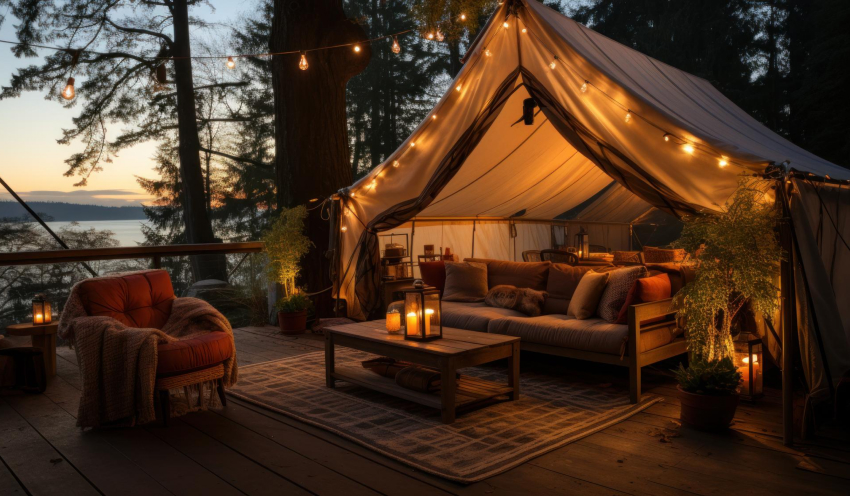
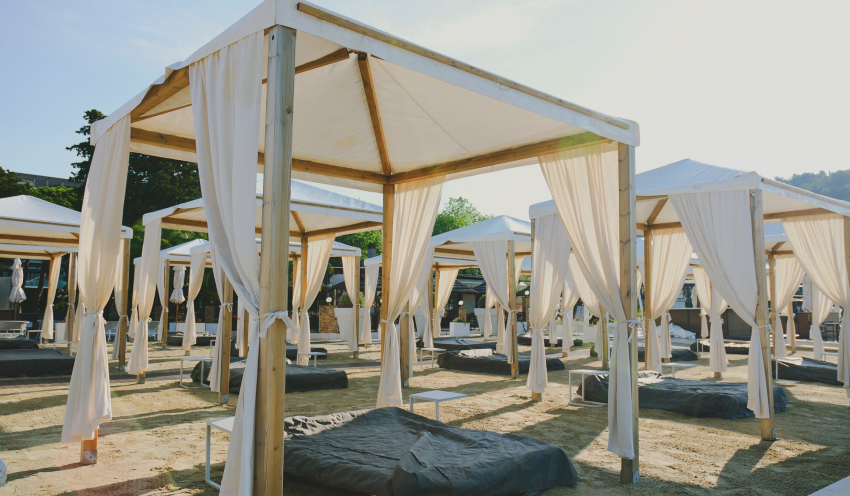
The core aspect of any outdoor event is the need for shelter and protection from the elements. E-Z UP custom tents are a multipurpose approach that allows organizers to turn an outdoor premise into a usable and visually attractive space. The tents can be tailored in a different number of sizes, shapes, and conversions are available.  Therefore they can meet the event requirements on any layout.

2. Brand Visibility and Recognition Creation at Height.

There is no denying that branding is a powerful tool to help organizations succeed in outdoor events. E-Z UP custom tents act as an efficient marketing tool that allows organizers to make their brands visibility by clearly having their logo, slogans, and colors on the tent canopies and walls.

With this increased level of brand visibility, which goes beyond the reach of event attendees, company image and brand messages gain more credibility.

3. Building Brand Experience as a seamless one.

Consistency has the potential to create a flawless brand experience at all touch points, including outside festivals. E-Z UP tents allow organizers to link all the branding elements of their event, such as marketing materials, signage, and promotional items, together to create a brand environment with a coherent look.

A hospitality tent gives a great outdoor experiences for all occasions, including a corporate event, product launch, or trade show booth, to enhance and communicate brand messaging.

4. Enhancing Guest Comfort and Engagement

Branding is not the only thing that an E-Z UP custom canopy does for people invited to an outdoor event but it also helps their comfort and engagement. The climate here is the real challenge as tents need shelter from the sun, wind, and rain, and with these tents, we have created cozy spaces where the guests can relax, socialize, and participate in the event activities.

Additional branding or informational content can be indicated through sidewalls that can be customized which also supports privacy and airflow control.

5. Customizing Solutions as Per Even Needs

One of the many strong points of the E-Z Up custom tents is the fact that they can be adjusted and matched to certain event needs and goals. Depending on what is required, VIP lounges, registration areas, vendor booths, and hospitality suites will all come in useful for event organizers.

These configurations of outdoor experiences are flexible, and they allow event organizers to turn their ideas into reality. In terms of small get-togethers and big shows, custom tents can easily be modified to provide for the exclusive needs of any outdoor parties.

Other Ways To Elevate Your Outdoor Experiences

Other Ways To Elevate Your Outdoor Experiences

Using the E-Z UP tent is a great idea when planning a grand or small gathering. How it helps elevate the experience is well understood with the information so far. We’ll look at all the other ways you can upgrade your outdoor experience: 

1. Have a plan of how you want the event to look. 

Having a plan helps you decide the activities that will suit your guests. For example, if the outdoor event is of the formal kind, you can rely on decorating the venue with a traditional touch. On the contrary, if the outdoor event is for a birthday party, you can add many activities! 

2. Choose the right venue. 

This goes hand-in-hand with the first tip. When you have the event requirements in mind, you are more likely to choose the venue easily. The proper venue makes all the difference, helping to elevate experiences further.

A corporate event in a lavish location is sure to distract people from the main agenda. However, it will be much more impactful when the exact location is chosen for a corporate lunch or to celebrate a milestone. Thus, choosing the right venue makes all the difference, especially in outdoor events. Some examples of perfect venues for your event needs: 

  • Countryside venue 
  • Park or field
  • Sports club
  • Beach
  • Arena or stadium 

Depending on the requirements, any of the abovementioned venues can be an excellent pick for your event. 

3. Select the perfect theme. 

Now that there’s a proper plan in place, this is the perfect time to select the theme that will welcome your guests. A theme elevates the outdoor event from a boring one to an exciting one. The theme of your event will make the experience all the more exciting and give you ideas to decorate the space accordingly.

There are hundreds of themes one can choose for their outdoor event. If you have yet to gain prior experience, getting help from an event planner can be helpful. 

4. Check for accessibility. 

This is a great tip when choosing the venue for your outdoor event. The venue should be easy to reach for everyone on your guest list. If your guests cannot attend the event, all your planning can drain. This also includes checking the venue for wheelchair accessibility, such as having a ramp and pathways with gentle sloping. Parking spots for differently-abled people, along with the presence of food stations that are at a good height for all attendees. 

A first aid station is also essential for outdoor events for safety purposes, as the event’s nature and location can lead to a medical emergency. 

Bonus tips for your outdoor event: 

  • Live performance. A versatile activity that can fit into any outdoor event, live performance can keep your audience engaged. Book an artist or a band, and change the vibe of your event. 
  • Photo booths. These act as a nice souvenir that your guests can take home. Photo booths let your event be immortalized in everyone’s memories. 
  • Food and beverage tastings. This is another fun idea that has elevated so many events from being a buzzkill. You should choose the food and beverage per the guest list, making it age-appropriate. Or, you can also mix it up and make each activity for two different age groups – it all depends on your audience. 

Conclusion

Customization is a mainstay in rendering a great impact and making events successful. Custom E-Z UP tents provide organizers with a highly flexible and functional tool to turn outdoor venues into vibrant event scenes, showcase branding and message to the audience, create a unique brand experience, and make the guest experience more engaging.

Through the use of their capability to be tailored to the particular needs and objectives of an event, custom tents offer an opportunity for the organizer to develop a noteworthy and unforgettable outdoor experience that will make a powerful impact on participants. Whether it is a corporate event, wedding, festival, or trade show it is highlighted by a virtue of customization in the world of outdoor events.

More Resources:

Share on Social Media

Ankita Tripathy loves to write about food and the Hallyu Wave in particular. During her free time, she enjoys looking at the sky or reading books while sipping a cup of hot coffee. Her favourite niches are food, music, lifestyle, travel, and Korean Pop music and drama.

Leave a Reply

Your email address will not be published. Required fields are marked *

title-img Related

READ MORE family vacation planning

The Overthinker’s Guide To Getting Ready For A Family Vacation

BY  Sibashree Sep 18, 2025

Why does prepping for a family vacation feel like bracing for a storm? One moment you're picturing peaceful views, the next you're buried in packing spreadsheets and panic over airport snacks.  For overthinkers, trip planning can feel more like a stress test than a getaway. With school calendars, rising travel costs, and lingering travel anxiety from recent years, even a simple trip starts to feel complicated.  Still, with screen fatigue on the rise and more families choosing road trips over flights, places like Pigeon Forge, Tennessee, are becoming top picks for affordable, family-friendly escapes.  In this blog, we will share practical tips, small insights, and brutally honest truths to help overthinkers prepare for a family vacation without losing their minds. The Ultimate Family Vacation Planning Guide For An Overthinker  Do you need to see all the attractions of a place you are traveling to? NO. Do you have to care about everyone’s travel styles and choices? YES, but not at the cost of ruining the trip and making it all about doing this and that! So, while you need proper planning, you also need to leave some room for spontaneity.  1. Build The Itinerary, Then Burn Half Of It There’s nothing wrong with having a schedule. It helps manage expectations. But no itinerary has ever survived contact with a toddler meltdown or unexpected road construction. Make peace with flexibility. If you're heading somewhere with a mix of outdoor and indoor activities, like the Smoky Mountains region, you’ll want options.  Maybe the kids want to explore a nature trail, but get bored five minutes in. Or the weather flips, and your plans for a waterfall hike turn into a game of “how fast can we Google indoor fun.” This is where having a Smoky Mountains attraction like TopJump Trampoline & Extreme Arena on your list makes all the difference.  Located near all the main action, it gives kids a chance to bounce, climb, and burn energy while you sit, breathe, and wonder why you packed so many granola bars. It’s one of those rare spots that keeps the whole crew happy without anyone whining, “I’m bored.” 2. Stop Trying To Pack For Every Possible Future You are not a psychic. You cannot predict if your child will suddenly become allergic to sunscreen in Utah or develop a deep emotional need for a specific stuffed dinosaur you didn’t bring. Accept it. The sooner you do, the easier packing becomes. Overthinkers love to prepare for worst-case scenarios. This is why your suitcase has three backup chargers, two first-aid kits, and six pairs of socks per person.  But there’s a difference between being prepared and being controlled by the fear of inconvenience. Ask yourself this: Is this an actual need, or just a fear-based “what if”? If it's the latter, skip it. Focus on the basics. Clothes for the climate. Toiletries. Important medications. A few snacks that won’t melt into sticky crime scenes in your car seats.  That’s it. Stores exist in other places. You don’t have to bring your entire medicine cabinet just to feel okay about leaving the house. 3. Plan For Togetherness, But Not Constantly This is a family vacation, not a hostage situation. You do not need to spend every single second together. In fact, you shouldn’t. Overthinking parents often want the trip to “make up” for lost time. We pile in together for every meal, every outing, every moment.  But this is a fast track to tension. Let kids pick one activity without adult input. Let one parent sleep in while the other takes the early risers to breakfast. Your vacation doesn’t become less meaningful just because you took 90 minutes apart. Sometimes, the best memories come from those unstructured moments, like your partner getting too competitive in mini golf. Or your teen discovering they actually don’t hate breakfast food. The magic is in the mess, not the perfect plan. 4. Let Go Of Social Media Expectations You know what doesn't help overthinking? Trying to make everything look “Instagram-worthy.” Planning your family vacation like it’s a content shoot for a lifestyle brand only adds pressure. Spoiler alert: real life doesn’t come with a filter. Your photos might include crooked smiles, messy hair, or a popsicle that dripped on someone’s shirt five seconds in. That’s fine. You’re not building a brand. You’re building memories. Social media is fun, but it shouldn’t be the measuring stick for how well your trip is going. Also, if you’re filming every moment, you’re not in the moment. Take a few pictures, then put the phone down. Let your brain take the pictures for once. 5. The Food Doesn’t Need To Be Perfect Unless you’re traveling with a chef, the meals will be... fine. You will probably eat one amazing dinner, one very average lunch, and one breakfast that everyone talks about for the wrong reasons. Stop aiming for gourmet. Aim for edible and easy. Grocery stores are your friend. So are diners who don’t mind crayons on the floor. Lowering your food standards might be the most freeing thing you do. If your kid only eats fries and bread for three days, they’ll live. If the restaurant takes too long and you end up microwaving mac and cheese at the hotel, that’s okay. Travel is about shared experience, not Michelin stars. Overthinking Is Just Caring In Disguise: So, It’s Okay During Family Vacation Planning Let’s be honest. The reason you overthink is that you care. You want this to be good. You want your kids to remember this trip fondly. Moreover, you want your partner to be relaxed, and for the family to feel connected. There’s nothing wrong with that. But the caring doesn’t need to translate into anxiety. Trust that you’ve done enough. The plan will adapt. That the memories will come, not because everything went “perfectly,” but because you were all there together, trying. So pack the extra underwear, sure. But also pack some grace. For your family. For the weather. And, for the unexpected. And most of all, for yourself. Family vacations aren’t about escaping your real life. They’re about making space for the parts of life that get squeezed out in the daily rush. Laughter. Quiet. Curiosity. That weird energy kids get when they sleep in unfamiliar beds. The chance to look around and think, this is different, and that’s good. And if it all goes sideways? If the weather turns, or the reservations get canceled, or someone barfs in the rental car? It’s still a story. One that your family will retell, probably at Thanksgiving, and probably with exaggerated sound effects. Overthinkers, take heart. You don’t need to control the vacation to enjoy it. Just show up, pack a sense of humor, and leave room for the unexpected. That’s where the real adventure is. Read Also: Family Things To Do In Logansport Indiana: Everything You Must Know Thanksgiving Road Trips With Kids: Tips For A Fun And Safe Journey A Guide To Planning Your First Family Ski Trip

READ MORE bali vs thailand

Bali vs Thailand: Which Place is Better? 

BY  sagnika Mar 13, 2025

Are you confused between Bali vs Thailand? Are you unable to choose between the two popular locations in Southeast Asia? For your next holiday, let me share with you a detailed comparison between Bali and Thailand so, that you can plan accordingly. If you are looking for warm places to travel in February, these can be good options.   Making your job easier is my responsibility, especially when I keep boasting that I love traveling. There are several categories based on which you will understand which location will satisfy your plans of traveling.   I will share with you information that will give you confidence for your next trip. Furthermore, you will gain the right experience when you plan your travel to a specific location based on your needs and requirements.   Bali vs Thailand: Which Place is Better?   If you are wondering about the perfect beach location, you will see Google will suggest places that are either in Bali or in Thailand. Well, I have been to both places and I have to say the best of both places.   Yes, there are so many similar elements in the location but there are also diversities. I will share with you several categories and explain how they are in Bali and Thailand. You will get an idea of where you want to go when you go through these factors.   Basics of Bali   Apart from the beautiful beaches, the basics of Bali also include hidden waterfalls, picturesque rice paddies, and iconic temples. The tourism industry is thriving not just because of the natural landscapes. It is one of the most exotic places to travel, especially with its beautiful landscapes and culture!   However, also because of its water sports like surfing, hikes to volcanoes like Mount Batur, and delicious food. Yes, you also need to be a little cautious when visiting Bali because there is unpredictable weather, drinking tap water is not safe and beware of scammers.   Theories of Thailand   Thailand is famous for its temples and monasteries, especially when Buddhism is an integral part of their culture. Additionally, how can we forget the beautiful sandy beaches of Thailand creating the perfect picturesque view for you?   Furthermore, the locals there are popular for their hospitality and friendliness. Let's discuss how the shopping scene is there plus, the way the food and culture of the two places differ. Then you can decide where you plan to go, Bali vs Thailand!   A Detailed Comparison between Bali and Thailand   Bali is a part of Indonesia while Thailand is a whole country, so statistically, it is much bigger. Islands that you must visit if you plan to travel to Thailand are Koh Phangon and Koh Samui for natural beauty. While, if it is all about shopping and a big city feel, go to Bangkok.   Let’s not forget Phuket and Pattaya if you are a beach lover. After all, the rice terraces in the north of the country are a perfect place if you are into photoshoots and perfect DPs for your social media profiles. Coming to Bali, it is a smaller place and easier to travel.   Be it Ubud or Kuta, the beaches are beautiful and relaxing. Let us not forget the beautiful crochet dresses you get in the local market which you can then don and visit the rice paddy fields. Beautiful volcanoes on the island have created beautiful forests and waterfalls around them.   Visa   Visiting Bali will need you to purchase your visa online or after you arrive at their airport for 500,000 IDR/AUD 50/USD 35. Additionally, if you are visiting Bali, you will need to pay a tourist tax of USD 10/AUD 15/ 150,000 IDR per person.   Paying online will help you book your visa beforehand, however; you have to use a different portal to book it. Furthermore, you can also book your visa at the airport, however, I would suggest otherwise. Going to Thailand, and getting a visa is much easier as compared to Bali.   It is also one of the places to travel without a passport! You have to pay 10,000 Thai baht for a single entry which can be extended later because they provide a Visa waiver that lasts for 30 days. However, the visa-on-arrival scheme is not quite well established.   I did it and there is a huge line with so much chaos in the airport. If you have a connecting flight from there, you are doomed especially because there is a lot of partiality going on. If you are applying for a group visa, the process is much faster as compared to an individual visa so, I will suggest applying for an online visa before traveling!   Accommodation   If you want luxury, when you are booking accommodation, Bali is a better fit than Thailand, in my opinion. There are a variety of guest houses, Airbnb, hotel resorts, hostels, and homestays available in Bali with all the comforts and warm hospitality of the local people.   You will get accommodations under a diverse range, from budget-friendly to luxurious. Thailand also has a diverse range of accommodations, especially in the big cities. The concerns arises if you like spacious living quarters because Bali will give you that while Thailand, mostly is a little cramped.   Transportation   When you plan for Bali, try to select locations that are closer to each other! For a single day, create an itinerary where you visit two to three places that fall in the same direction or district. The best option is renting a scooter because it is one of the best options to explore both popular and off-track locales.   You can also book your rides on transportation apps such as Grab and Gojek. Several places are quite traffic-prone in areas such as Canggu and Seminyak. Thailand is huge, so you select any two or three cities like Phuket, Pattaya, Bangkok, and others.   Apart from renting scooters, you can get public transport such as trains, planes, and buses in Thailand which is quite easy for you! You can select Thailand as one of the best places to travel with kids.   Beaches   Beautiful beaches in Bali offer you soft powdery sand with endless blue and green water, and waves crashing! You must visit the resort town of Nusa Dua, after all, it is one of the coolest places to check out the picturesque views.   Another beautiful view that you must not miss is the black sand beaches in Bali with its aesthetics. The Indian Ocean in all its beauty is brought to the forefront because some people are crazy about the water. Even though Thailand has more beaches than Bali, you won’t be able to cover all of them because it is a whole country! Try and visit the famous beach, Railay Beach. So, I feel Bali has more natural beach beauty as compared to Thailand.   Things to Do   If you compare geographically, Bali is a smaller island compared to Thailand, a big country. Of course, we go by numbers, Thailand might give you a larger number of things to do, however, it might become more hectic as compared to Bali. However, the locations and activities are quite far apart from each other.   Surfing, snorkeling, swimming, and parasailing are some of the water sports that you can do when visiting Bali. So, when it comes to experiencing things to the maximum, Bali is a better choice as compared to Thailand.   Starting from Uluwatu Temple, Bali Zoo, Mount Batur, Tanah Lot Temple, Goa Gajah and so much more, you will see the beauty of nature, culture, history, people, and others. Thailand offers you a beautiful view of the White House of Chiang Rai and the Grand Palace.     Safety   When it comes to safety, there are some issues in Thailand and Bali. Bali is normally quite safe and the crimes that are reported are mostly petty such as snatch and grab or pickpocketing. While Thailand’s road accidents are quite high.   From a crime perspective, Thailand is safe overall however, the nightlife districts in Pattaya, Phuket, and Bangkok attract a lot of scammers. Furthermore, there have been people who have fallen victim to occasional acts of crime and violence.   Nightlife   Thailand has better nightlife than Bali so if you are a party lover, you must either be in Bangkok, Phuket, or Pattaya in Thailand. Bali on the other hand has limited places to offer you party vibes such as Kuta Beach or Seminyak Beach!   The parties in Bali are more inclusive because of the close circle, locals mostly invite you if they connect well with you. While Thailand has a seedy side of the nightlife!   Culture   Bali is a Hindu-majority Island with a natural landscape but what is more attractive is their traditional culture. With a Hindu enclave in a Muslim country, the city has a well-defined culture with temples, rituals, festivals, offerings, arts and crafts.   Thailand on the other hand has a lot of Thai and Buddhist culture persisting creating a fascinating culture. There are several monasteries and places to worship which are quite welcoming for tourists.   Overall, both places have beautiful, warm, and welcoming cultures and you can easily vibe anywhere!   Food   With a prominent culture for food, both Balinese and Thai food are delicious. However, compared to Bali, the street food culture is quite rich with delicious and high-quality food served at a very cheap price. You will also get a range of local and international fare-based Thai restaurants.   Pad Thai, Som tam, Moo ping, Khao Soi, Khao man gai, and other items are deliciously available almost everywhere. If you are a fruit lover, you have to try their mango, papaya, and other fruits, desserts, and drinks on the street.   At Bali, there is a lot of cafe culture, and it is a bit expensive especially when it comes to offering a normal menu. Some common items that you should try in Bali are Nasi Goreng, Bali Guling, Sate, and Mie Goreng.   Shopping   Everyone loves shopping, so if this is a factor based on which you choose a location for your next vacation, then let me tell you it is quite different in Bali vs Thailand. You will find high-end products at the malls of Bangkok, and night markets at different beach towns in Thailand.   You should keep the money for shopping when visiting Thailand while in Bali, things are quite cheap. Several entrepreneurial shops and small stores are giving you a variety of local options, arts, crafts, clothing, and others.   So, Is Bali Better or Thailand?   Of course, in my opinion, I enjoyed more in Bali but that could have been because I was more experienced in traveling than when I visited Thailand. Simultaneously, the diversity I have seen in Bali is a bit more as compared to Thailand!   When you are doing Bali vs Thailand when planning your next vacation, jot down the points mentioned above. Discuss it with your travel buddies or if you are solo traveling, start your research accordingly.  Also read Top 10 Most Popular Paraguay Food That You Must Try. Top 13+ Famous Wonders Of India That You Must Visit.

READ MORE Rio de Janeiro Travel Guide

Rio de Janeiro Travel Guide: What Your Brazilian Real Gets You

BY  Sibashree Sep 20, 2025

Rio de Janeiro sweeps you up the moment you arrive. Golden beaches stretch for miles, samba rhythms spill from bars in Lapa, and cable cars glide up Sugarloaf Mountain for some of the best views on Earth.  Life here is colorful and fast-moving, and part of slipping into that rhythm is knowing how far your Brazilian real will take you - from a chair on Ipanema beach to a plate of feijoada in a neighborhood café. Before we go on, here is a quick Rio de Janeiro travel guide. Just a quick note: exchange rates and prices don’t stay still. At the moment, 1 US dollar equals about 5.4 Brazilian reais, but it’s best to check the latest rates and costs before you travel. Rio de Janeiro Travel Guide: What To Expect? Rio de Janeiro is one of the best cities you can explore. It is one of those few places that has a care-free energy and will make you feel alive. The beaches, food, and major attractions will draw you to it without even trying too hard. Here is a simple Rio de Janeiro travel guide. Beaches - Rio’s Living Rooms The beaches of Copacabana and Ipanema are more than postcards - they’re part of daily life. Locals jog along the promenade in the morning, families gather for a swim, and groups of friends set up for impromptu games of beach volleyball or footvolley. Tourists blend right in, renting chairs and umbrellas from vendors for around R$10-15 per piece. Snacks come to you. Vendors walk the sand offering everything from ice-cold coconuts (R$8-10) to grilled queijo coalho (cheese skewers) for about R$12. You can even try a caipirinha mixed fresh on the spot, usually for R$15-20. These are usually cash-only transactions, and the small notes feel like part of the ritual - bargaining isn’t common, but handing over a few reais feels easy and authentic. Spend an afternoon at Arpoador, the rocky point between Copacabana and Ipanema, and you’ll see why locals gather here at sunset. It doesn’t cost more than a bus ride (R$5) to get there, and yet it’s one of the richest experiences you’ll take home. Food: From Street Bites to Sit-Down Meals Rio has a huge range of food. Starting from some humble bakeries to some fancy rooftop restaurants, Rio has it all. Start with breakfast like a local: pão de queijo (cheese bread) and strong coffee, often no more than R$10-15.  Step into a juice bar and you’ll find tropical flavors like passion fruit, guava, or the ever-popular açaí bowl, usually under R$20 for a generous portion. At lunchtime, the prato feito is king. This “set plate” of rice, beans, salad, and a protein such as beef, chicken, or fish costs R$25-35 and will keep you full all day.  You will get various self-service buffets that charge by weight. You will get roasted meats, vegetables, and farofa, and you will have to pay around R$30-40. For dinner, you can choose what you prefer. You can try something casual or something fancy. If you prefer a mid-range seafood meal along with drinks, it will cost somewhere around R$80-100 per person.  However, a proper night out in Ipanema at a fancy fine-dining spot might cost around R$200-250.  You can even visit Churrascarias, which is a Brazilian steakhouse. It is an event in itself. They have endless skewers of grilled meats, side dishes, and salad bars. You can expect to pay somewhere around R$120-180 per person. However, this does not include drinks. All these places accept cards, but it is better to keep some cash handy for bakeries and street food. Attractions: Big Names And Hidden Gems There are various major icons in Rio, and those are actually worth it. You can take the Sugarloaf Mountain cable car for around R$150, and the ride itself is a major part of the thrill. The glass walls will give you a 360-degree view of the way from above the city. You can visit Christ the Redeemer, resting on Corcovado Mountain, for R$100. The moment you stand at its feet and see the city from there, you get an amazing view. You can carry cards as both attractions accept payment in cards. However, it is better to carry some cash for small vendors, tacos, or snacks. Rio is also filled with a lot of gems that you can see for free or for a low cost.  The Selarón Steps, covered in colorful tiles from around the world, cost nothing to climb. A stroll through Santa Teresa’s narrow streets will take you past murals, studios, and cafés where you can pause for a R$12 espresso. At night, head to Lapa to experience samba at its source. Entry to some clubs is around R$30-50, and drinks inside range from R$15-25. Smaller bars may only accept cash, especially if you’re outside the main tourist drag. Getting Around Rio is quite a big city, but it is not difficult once you understand the system. You can take the metro, it's quite safe and clean, and a single ride costs around R$5.  Moreover, if you have a rechargeable RioCard, it will save you a lot of time and work. You will be able to use it for different types of transport, including trains and buses.  You can take a bus, which goes almost to the city, and the fare is quite similar to the metro. Here, you can get taxis for around R$6, and cross-town trips generally range around R$40-60. Also, Uber and other apps like these are popular, and often offer rides at a cheaper rate than a taxi. If you want, you can pay in-app with the card, and that way, you will not have to use cash for payment.  For day-trips outside the city, you will get intercity buses. This will help you explore the outskirts within a budget. If you are planning to visit the historic mountain town, Petropolis, you can explore it for around R$40-50. Moreover, if you are planning to take a longer ride to Búzios, the beach town, you will be able to visit it for around R$70-80. You can get the bus tickets online or from the bus station as well.  How Much To Budget You need to prepare a budget for a trip. However, the budget depends on the kind of trip you want to have. Budget travel: It will cost you around R$200-250 for a day, including hostels, street food, public transport, and free attractions. Mid-range: It will cost you around R$600. You will get comfortable hotels, visit some of the major landmarks, and have some casual as well as sit-down meals. High comfort: This will cost you around R$1000 and above. You will get four-star hotels, fine dining, and guided tours at this range.  However, the prices in Rio rise during any carnival or New Year’s, and this also varies depending on the neighborhood.  Ipanema and Copacabana are some of the premium places that tourists visit, but there are some block islands that will offer the same charm but at a lower price range. Spend Smart In Rio Start your trip with at least a little Brazilian real in your wallet. It will cover your first taxi or ride-share, snacks, or that first fresh coconut without delay. From there, cards will carry most of your expenses, but having R$100-200 in cash each day is wise for small payments. Stick to ATMs inside banks or malls when you need to withdraw. They’re safer and usually give fair rates. Avoid exchanging money at the airport - the rates are often poor, and the fees stack up quickly. Think about how you balance cash and cards. Use your card for hotels, restaurants, and tours, and keep your reais for buses, bakeries, street snacks, and tips. It’s a system that works well in Rio and lets you move through the city without stress. Enjoy Your Journey Landing in Rio with a Rio de Janeiro travel guide and Brazilian real already in hand saves you time and makes the city easier to navigate. You’ll breeze through those first transactions - a cab, a snack, a metro ride - and step right into the energy of the city. Rio rewards travelers who embrace both the big icons and the small everyday moments. The real you spend on a chair at the beach, a cup of coffee, or a bus ride across town is more than just money - it’s your ticket into the rhythm of the city.  As mentioned before, exchange rates and prices may change, but the value of those moments never does.