

A Guide To The Scenic Drives In Kings Canyon National Park

Aug 29, 2024

Last Updated on: Sep 1, 2025

Travel Blog

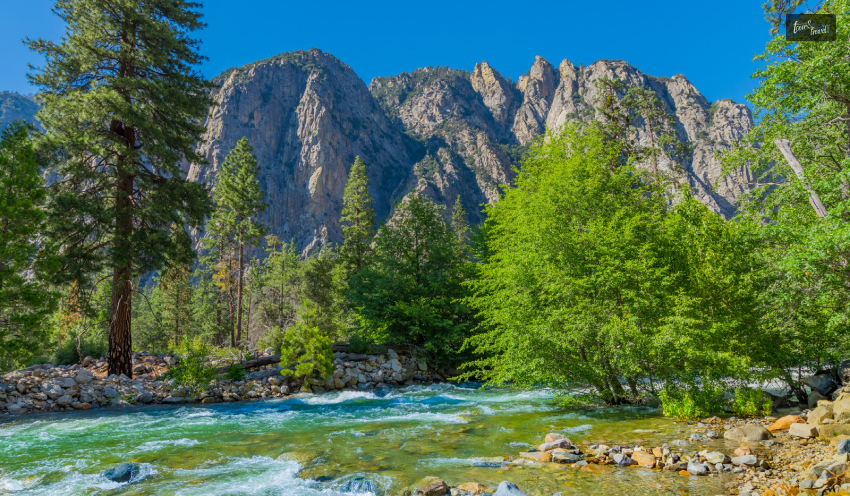
Kings Canyon National Park is as grand as its name as it has to offer the most versatile landscape. The granite walls, the flowing streams, and the rugged terrain make it a paradise for hikers and geology enthusiasts. 

However, with its diverse vegetation of pine trees, grass, and sequoias, the park is also known for its unique driving experience. The rocky roads with the embrace of green trees are surely worth exploring if you want to make memories for a lifetime.  

So, if you are a national park freak and want the most memorable experience, your road should lead to the Kings Canyon Scenic Byway.  

Kings Canyon National Park Scenic Drive (Kings Canyon Scenic Byway) 

Kings Canyon National Park Scenic Drive (Kings Canyon Scenic Byway) 

As you drive on the main Highway 180 and turn to the east, you will find the Kings Canyon Scenic Byway stretch. The first stoppage along the stretch will be the Junction View.  

From Junction View, you can have a panoramic view of the Middle and South Forks of the Kings Canyon. The Kings River carving its way through the landscape makes the view unbelievable. Your journey can continue till the late afternoon, and Knapp’s Cabin will be the final major highlight of your scenic drive. 

The table below will give you a brief overview of what the scenic drive along Kings Canyon Drive is going to look like.  

Highlights Things to Do  
Cedar Grove Drive east from the road to reach the Kings River.  From there, go to the Cedar Grove Visitor Center and gather information about the park trails.   You can grab your quick lunch at the facility stores here.   
Canyon Viewpoint Behold the gigantic granite rocks and the U-shaped formations. Look at the nearby pine trees.  
Zumwalt Meadow Trail (Hiking) This is a short and power-packed hiking trail.  
Bridge over the Kings River Enjoy the scenic views and take pictures from the bridge.  
Arriving at Zumwalt Meadow The Zumwalt meadow looks like the most picturesque painting.   Behold the green grass, dark pine trees, and rocky walls made of monolithic granite stone.  Beware of mosquitoes and bugs here, and use repellants.  
Following the Trail along the River Maintain a decent pace while walking through the trail along the river, and thus, you will reach the other side of the Zumwalt meadow. 
Explore the Rocky Side of the Loop Explore the unique and gigantic rock formations on this rocky side.   The calm meadow here offers an immersive experience.  
Relax by the Knapp’s Cabin This cabin tells you the tales of George Knapp, who built this cabin in 1925.  It can be a nice escape for clicking pictures and playing hide and seek.  

Once you are done exploring the Kings Canyon National Park, you can come back to the Kings Canyon scenic byway. Behold the changing colors of the afternoon there and click the most mesmerizing photographs.  

Other Things To See In Kings Canyon National Park  

Kings Canyon National Park

As the name suggests, the Kings Canyon National Park offers you the most majestic experience. The moment you enter the park at the Big Stump Entrance, you will find the Big Stump Picnic Area, and from there, you can start exploring the big stumps in the park along the Big Stump Trail. 

The jungle of old pine trees and the magnificent sequoia trees will offer you the most quaint experience. You will feel humbled by the presence of these towering trees. However, the Mark Twain Stump is the biggest highlight of this trail. This gigantic stump has stairs so that you can climb to the top.  

Once you have visited the Mark Twain Stump, you can take up the following ventures. 

Visit The Grant Grove Village  

The Grant Grove Village

From the Big Stumps Trail, you must make your journey toward the Grant Grove Village. There, you will find the Kings Canyon Visitor Center. 

You will meet rangers at this visitor center and find the best recommendations about your journey in the national park. Once you know the hiking points and the highlights of the park and have a hiking map handy, you are all set to make the most of the national park.  

The rangers will also guide you with instructions about the routes to be avoided for a particular season.  

Hike Through The General Grant Loop Trail  

As the name suggests, the General Grant Loop Trail is filled with gigantic trees. You can take a peaceful walk here.  

Keep Walking Through The Fallen Monarch  

Keep Walking Through The Fallen Monarch

A giant fallen sequoia tree with a hollow trunk is known as the Fallen Monarch. It is fun to play around with the hollow trunk, and you can use it as a shortcut to connect two sides of the General Grant Loop.  

Meet The General Grant Tree 

Meet The General Grant Tree

The 1700-year-old General Grant Tree is surely the pride of the Kings Canyon National Park. The massive scar at the bottom of the tree trunk gives it a gothic appearance, and it shows how the tree has survived extreme weather conditions throughout the years.  

Nevertheless, it’s great to find the “Nation’s Christmas Tree” in a magnificent condition despite the ravages of time.  

Did You Know? 

  • The General Grant Tree was designated as a “National Shrine” in 1956. 
  • President Eisenhower declared it a National Shrine to commemorate men and women in the USA armed forces. 
  • It is the only living “National Shrine” in the USA.  

Visit The Hume Lake 

If you are in for an immersive experience, don’t forget to spend your time by the Hume Lake. This mountain lake is known for its pristine beauty and green water.  

The pine trees and unique rock formations surrounding the lake make it appear all the more special.  

The Hume Lake is one of the least visited places in Kings Canyon National Park. So, keep the park map handy so as to not miss the beauty of the lake.  

Relax At The Gamlin Cabin  

Relax At The Gamlin Cabin  

The Gamlin Cabin, built by Israel Gamlin, was once used as the U.S. Cavalry storehouse. This wooden cabin with a stone fireplace inside has a quaint appeal.  

After catching your breath at Gamlin Cabin, you must continue walking along the trail. At the end of the trail, you will find the other side of the Fallen Monarch tree trunk. The hollow trunk of the tree is a favorite of kids and young adults for some mischievous activities.  

From here, you can plan other activities in the national park or get back on the main road 180.  

Final Words: Is Kings Canyon Worth The Trip?   

With magnificent sequoias, colossal rock formations, and many trails, the Kings Canyon National Park is a favorite of outdoor enthusiasts. Further, a drive through the Kings Canyon Scenic Byway offers you some of the most beautiful scenic views of California. Filled with endless bends and twists, this road is only available for driving from April to October.  

Also, this glacier-carved valley with deep canyons and high mountains stands for its geological diversity. In addition, this national park is home to the General Grant Tree, the Christmas Tree of the Nation, and Boyden Cavern, with the most intriguing rock formations.  

So, overall, this park is a paradise for hikers, geological enthusiasts, wildlife lovers, and people who want to indulge in diverse outdoor pursuits. No wonder that it had 643,065 visitors in 2023. (Source

Do you want to watch glaciers and meet diverse wildlife? Pay a visit to the Wrangell-St. Elias National Park.  

Kings Canyon National Park FAQs  

How Long Should You Stay In Kings Canyon National Park?  

Based on how well you want to explore the Kings Canyon National Park, your stay in the park should be between one to four days. You can finish taking a walk in the grove of the big trees and visiting the most beautiful trails in one day. 

However, if you want to explore the Alpine peaks and the deep canyons to the fullest, you will need to stay at least three to four days in the park.  

Which Is The Most Beautiful Part Of The Grand Canyon National Park?  

The south rim of the Kings Canyon National Park is the most beautiful area according to most visitors to the park. You can experience the most unique views of the Grand Canyon from the southern rim. 

Further, from the southern rim, you will get to enjoy the most amazing view of the Colorado River.  

What Not To Visit The Grand Canyon National Park?  

You must not visit the Grand Canyon National Park in July and August. The weather is hot and humid during these months. Further, thanks to a diverse landscape and unique vegetation, it’s hard to say which season is the best to plan a trip to this park. Different parts of the park become the most attractive in different seasons. 

For example, the North Rim of the park is the best place to pay a visit during May and October. The temperature is pleasant during these months, and the crowd is smaller. Similarly, you must hit the southern rim of the park in the fall. The cooler temperature makes hiking and biking in the southern rim easier during the fall season.  

Also read

Share on Social Media

Meet Sibashree Bhattacharya, a travel enthusiast who has a decade-long experience in transcending virtual barriers with her words! Her deep love for travel is apparent from her travel escapades to the mountain, often taking her readers on a journey, her words acting as Portkey! Fun fact: Sibashree loves to dive deep into the history of the places she is about to visit, making her travels even more wholesome. If you were wondering how her articles are not short of time travel, this answers it!

Leave a Reply

Your email address will not be published. Required fields are marked *

title-img Related

READ MORE Travel Safety with Technology

The Overlooked Connection Between Safe Travel And Strong Networks

BY  Sibashree Aug 21, 2025

When we’re planning a trip, the checklist usually looks the same: tickets, hotel, maybe insurance, and the pile of things we try to cram into a bag.  But one thing almost nobody writes down? Network security. And yet, in a world where we’re basically glued to the internet 24/7, it’s just as important.  The Wi-Fi at airports, coffee shops, even trains—it’s not just a way to stream Netflix. It can affect your safety, your money, and your peace of mind. So yeah, let’s talk about travel safety with technology and why secure connections are part of “safe travel,” what you can actually do to protect yourself, and a little bit about where all this is heading. Travel Safety With Technology: A Growing Dependency Honestly, you can’t separate travel and tech anymore. Every part of a trip runs through a screen— Flights booked online Boarding passes on your phone Hotel apps instead of keys GPS so you don’t wander in circles Paying with a tap instead of fumbling with cash.  Great for convenience, but it also leaves us exposed. Here’s the catch: hackers love travelers. At home, we’re behind decent Wi-Fi and firewalls without even thinking. On the road? Not so much. Public Wi-Fi is everywhere, and most of it isn’t secure.  That’s a big door open to identity theft, drained accounts, or even stolen work files. Safe travel today means watching your digital step just as much as your physical one. So, you have to ensure travel safety with technology.  Why Public Wi-Fi Is A Double-Edged Sword Public Wi-Fi feels like a blessing when you’re stuck in an airport or need to send a quick email. But it’s risky. Unsecured networks make it easy for someone shady to snoop on your activity, steal passwords, or slide into accounts. And don’t forget fake hotspots—“evil twins.” They look like the real deal, but they’re just traps. Connect without thinking and, boom, your info’s theirs. A few simple habits help: Turn off that auto-connect feature (it’s sneaky). Use networks that are clearly official and require a password. A VPN is your best friend—it scrambles your browsing. Kill Bluetooth and file sharing unless you’re actually using them. It’s not about ditching Wi-Fi altogether, just using it with your eyes open. The Importance Of Device Security On The Road Think of your phone or laptop like your passport—you wouldn’t leave it lying around. These little gadgets hold everything about you: banking apps, personal logins, sometimes even access to work systems. A few ground rules: Don’t toss devices in checked luggage—keep them close. Strong passcodes, or even better, biometrics. Set up two-factor authentication on your important stuff (make sure you can still get codes abroad). Turn on “Find My Device” in case things go south. Losing the gadget is annoying. Losing the data inside it? Way worse. Charging Smart: Avoiding The Trap Of Juice Jacking We’re always running low on battery when we travel—it’s just how it goes. And those free charging stations? Handy, sure. But some of them can be hacked to load malware or grab your data, a trick called “juice jacking.” Easiest fix: carry your own charger or a power bank. A small adapter works too. Costs a few bucks, saves a lot of hassle. Backup And Recovery: Digital Travel Insurance Even if you’re super careful, things happen. Devices get stolen, dropped, drowned in coffee… whatever. That’s where backups step in. Good habits here: Sync stuff to cloud storage regularly. Keep an encrypted hard drive back home. Automate backups so you don’t forget. It’s like travel insurance—you hope you won’t need it, but if you do, you’ll be grateful. Strong Networks, Stronger Travel “Safe travel” used to mean staying healthy and avoiding accidents. These days, it also means digital safety. The networks you use have a direct impact on how well your personal info—and sometimes your company’s—stays protected. For business travelers, the risk jumps higher. Logging into company systems over random Wi-Fi could put the whole organization at risk. That’s where enterprise tools come in—things like endpoint security.  Cisco Secure Endpoint, for example, adds monitoring and defense in real time. Not every traveler needs that level, but it shows how critical network strength is becoming. Looking Ahead: The Future Of Travel Safety With Technology Travel tech’s racing ahead: biometric boarding, AI hotel check-ins, digital wallets. Cool, right? But each new gadget or system comes with its own risks. Future-proof travelers will need to get ahead of the curve—encrypted connections, smarter identity checks, and tighter security partnerships between airlines, hotels, and tech companies.  In a few years, we’ll measure safe travel not just by “no delays” or “no lost bags,” but by how well digital systems protect the humans using them. Practical Tips For Ensuring Travel Safety With Technology Travel with a spare device that’s stripped down to essentials. Change your passwords before and after the trip. Check your accounts for odd activity while abroad. Power off devices at airport security—makes cloning harder. Don’t rely on just one card; carry a backup payment method. They’re small steps, but they make digital safety part of packing and planning, not an afterthought. Security As The Invisible Travel Companion Travel’s supposed to be about new places, new people, new experiences. But in this connected world, the networks you use and the gadgets in your bag matter just as much as the lock on your suitcase. Strong networks are like invisible travel gear—you don’t notice them, but they hold everything together.  Make safe browsing and backups part of your routine, and you’ll protect more than just your trip. You’ll protect the digital life you drag along with you. At the end of the day, “safe travels” isn’t just about smooth flights anymore. It’s about how securely you move through the hidden online paths that connect every stop on your journey, or how you can be sure of travel safety with technology.

READ MORE Best Places To Visit On The East Coast, USA

Best Places To Travel On The East Coast During The Fall: Slow Down And Witness The Changing Colors Of Nature

BY  Sibashree Sep 22, 2025

The East Coast doesn’t just “shift” in the fall—it transforms individuals in the Atlantic Ocean at the center of the fullness. Travel here isn’t passive, and it’s a rebellion against autopilot living.  It’s a gateway where human craft collides with nature’s raw rhythm. Human creative designs stand side by side with fiery foliage and air that invites you to slow down and breathe fully. However, do you know about the best places to visit on the East Coast, USA, during the fall? In this Tour and Travel Blog, we will talk about them.  What Are The Best Places To Visit On The East Coast, USA, In The Fall Season? Witness The Changing Colors Of Nature The fall season travel on the East Coast isn’t about chasing leaves—it’s about building experiences with intent.  You don’t stumble into renewal, connection, or investment; you engineer them. The Fed may cut rates, seasons may turn, but only those who listen, plan, and refuse shortcuts walk away with journeys that last. Because real travel—like real progress—isn’t improvised. It’s built, stone by stone, until nothing is left unturned. 1. Virginia Wine Country: Harvest And Partake Drive west from Ashburn and the world recalibrates. Rolling hills, golden vines, tasting rooms that don’t sell drinks but sell perspective. Fall here isn’t wine tourism—it’s strategy in liquid form. Couples: Don’t settle for random pours; seasonal releases are precision tools, crafted for this exact weather. Groups: Skip the chaos of DIY planning. Private tours give you headspace to connect instead of juggling logistics. Professionals: Vineyards double as off-grid war rooms, where productivity slips seamlessly into ritual relaxation. Ashburn locals call it harvest season. Travelers who know better call it optimally leveraging Fall Activities—because what you sip, where you stay, and the travel experts you trust will decide whether the season feels like just another getaway or a transformative reset. 2. Asheville & The Blue Ridge: Nature With Teeth Asheville doesn’t whisper fall—it screams it from mountaintops. The Blue Ridge Parkway is a moving mural, but here’s the catch: the scenery isn’t the prize, timing is. Adventurers: Guides don’t just point you uphill; they calibrate trails to your limits so triumph doesn’t turn to injury. Families: A cabin isn’t a splurge, it’s survival—space, fireplaces, and kitchens keep beauty from collapsing under stress. Wellness-seekers: Spas and local markets aren’t indulgences; they’re corrective measures against city-life burnout. Too late, and the leaves are dead. Too early, and you’ve missed the crescendo. Asheville punishes the unplanned. That’s why locals, with their ruthless timing, are the real gatekeepers of fall magic. 3. Charleston & The Lowcountry: Charm Without Illusion Charleston doesn’t bend for the season—it holds steady, heat gone but atmosphere intact. Streets, markets, and coastlines become a backdrop not for tourism but immersion. The danger? Treating it like a checklist. Food lovers: Menus sharpen around harvest—oysters, farm vegetables, flavors that only exist right now. History buffs: Private tours strip away noise, revealing architecture and legacy as living narratives. Entrepreneurs: Boutique inns double as work sanctuaries, proving ambition and escape can coexist. Charleston isn’t about monuments. It’s about rhythm—one only locals can translate. Without that translation, you’re just walking the streets. With it, you’re living history. 4. New England Towns: The Ruthless Gold Standard New England in fall is the prototype, the gold standard—and the trap. Too many choices, too much noise. Without precision, you’ll miss the point. Families: Expert-curated farms balance hayrides, cider, and play without collapsing into chaos. Retirees: Timing is everything; peak foliage waits for no one. Planners earn their keep here. Investors: Seasonal markets are brutal if you misread them. Trips double as reconnaissance when Realtors sync local data with your ambitions. New England isn’t just pretty—it’s tradition with teeth. The challenge is carving a blueprint that extracts meaning instead of drowning in options. 5. Maine: The Apple Orchards And The Crimson Colors  With the crisp and cool air filling the air, Maine becomes a coastal abode in the fall season. The apple orchards here get busy in the fall as it is the harvest season, and you can see a lot of festivities.  With nature getting ablaze with the shades of crimson, orange, and yellow, Maine welcomes you to attend the following fall festivals.  » Fryeburg Fair It is the largest annual agricultural festival in Maine. It starts from the last Sunday of September and continues till the first Saturday in October.  Earlier, the festival was known as “Maine's Blue Ribbon Classic.” » Damariscotta Pumpkinfest Damariscotta Pumpkinfest is another popular fall festivity in Maine. It takes place in October, and local artists take part in this festival and decorate giant pumpkins.  Furthermore, Acadia National Park is the main attraction in Maine in the fall season. Spanning an area of 47000 acres, this park is home to the beautiful Cadillac Mountain. It also allows you to take part in various outdoor activities such as: Cross-Country Skiing Snowshoeing Kayaking Canoeing Camping Hiking Moreover, if you want to have the best fall delicacies of Maine, you can explore the eateries in Kittery. It’s time to gorge on the best lobster, clam fries, Needham candies, and whoopee pies.  6. Massachusetts: Offering A Small Town Vibe With A Cozy Farm Experience  Salem is the epicenter of all fall activities and festivities in Massachusetts. The Salem's Haunted Happenings festival is the most unique cultural experience here.  Furthermore, if you want some moments of solitude, you can explore the hardwood forests of Maine.  These forests, filled with sugar maple and other trees, are brilliant locations to witness the changing colors of the autumn season, from yellow to bright orange and then crimson red.  Also, autumn is the cranberry harvest season, and you can be a part of the frenzy and festivities around it if you visit Plymouth County, filled with cranberry bogs. Moreover, for the most serene experience, you can plan a visit to the valleys of the Berkshires.  Overall, the East Coast of the USA is beautiful in the fall season! Come, soak in the colors and connect to nature. Also, have a good time with great food and drinks. 

READ MORE

Discover Joshua Tree National Park: Unique Fun Facts Revealed

BY  Sibashree Oct 28, 2024

With mountains, faults, monoliths, deserts, and unique geological formations, Joshua Tree National Park has emerged as an important ecological hub of California. Further, as the name goes, the park has the most amazing Joshua Tree, a Yucca palm species that became famous with the Joshua Tree album by U2.  Spanning 800,000 acres and situated at 5000 feet above sea level, this national park is like a natural tapestry. Further, 85% of this national park is still pristine wilderness. So, there is no wonder that a place like this harbors the best secrets and fun facts that are yet to be explored.  Here, I will share some amazing info about the park’s history, fossils, cryptobiotic crusts, and more. Joshua Tree National Park is about to complete 30 years of its designation as a national park on 31st October 2024. President Franklin Delano Roosevelt designated it as a national monument in 1936. Things No One Talks About Joshua Tree National Park  The basics are boring! There is no fun in visiting a place that does not have stories to tell. However, this national park, designated in 1994, has mountains and ecological units that echo the tales of history, changes, and humanity.  Let’s get into the stories, but before that, let me give you a brief account about when and how to visit the park. September to November is the best time to explore the park due to pleasant weather conditions.  Further, the Annual Night Sky Festival occurs in the park in October. It’s a delightful experience for people of all age groups. Thomas Crochetiere writes many fascinating stories about Joshua Tree National Park in his “The History of Joshua Tree National Park: A historical, informational, and educational timeline of Joshua Tree National Park.” If you are interested in the park’s history, you can grab a Kindle edition of the book.  1. Fascinating Historical Tales About Joshua Tree National Park  Human history in Joshua Tree National Park is as old as 15000 years. Two archaeologists, William Campbell and Elizabeth Campbell, further discovered the existence of Pinto culture in this park. Pinto Culture In The Park  People belonging to this Pinto Culture used to stay in cool grassland environments here, and they were primarily hunters. Pinto culture in the national park was discovered by archaeologists thanks to the triangular-shaped spears, scraping and cutting tools, and seed-processing tools.  All the implements that established a Pinto connection to the place indicate that the Pinto people led a bohemian lifestyle. Along with hunting, they also practiced seasonal harvesting.  Native Americans Occupying Joshua Tree National Park  Europeans came to Joshua Tree National Park in the late 18th century. However, the park had three groups of Native Americans. They followed the Pinto culture, thriving locally in the park. These three tribes were: Cahuilla Serrano Chemehuevi The Chemehuevi tribe was the latest to occupy the national park, and they came to this park from the Great Basin of Nevada in 1500.  All these tribes adopted the tools of the Pinto people, and they improved and diversified them.  Cattlemen First Occupied The Joshua Tree National Park  Joshua Tree National Park has every element of a Western movie. The western side of the park had higher elevations during the 1870s. These areas also received a higher rainfall and had different species of native grasses.  As a result, many cattle owners used to flock to these parts of the park for cattle grazing.  William “Bill” McHaney was the earliest cattleman in this park. He was a legendary figure, and he took his Texas Longhorns to these higher valleys. He will be known for living in the national park and exploring the area for around 60 years. Further, his brother, Jim, built a gang to steal cattle from Mexico and Arizona.  Discovery Of Gold In Joshua Tree National Park  The 19th century was the biggest highlight in the Joshua Tree National Park. Miners flocked to this park in great numbers for the discovery of gold. Twentynine Palms was the first area to have mining expeditions in the park in the late 1860s.  The presence of water in the Oasis of Mara was the main reason behind extensive mining expeditions at Twentynine Palms. Gold was collected from dirt using dry washing. The process was fun, and it involved throwing dirt mixed with dust into the air. The dirt was caught as it came down in the air, and this process continued until the mix only had gold dust.  Desert Queen Mine was a more successful gold mining venture in the park. It was Frank L. James, an employee of the Lost Horse Mine, who discovered the vein of gold in the Northern Queen Valley. Unfortunately, he had to lose his life at the hands of  Charles Martin. Martin was a part of the notorious cattle-rustler gang of Jim McHaney. Jim McHaney was the brother of William “Bill” McHaney, a legendary figure in the park.  Joshua Tree National Park Had An Important Role To Play During World War I  The dry, desert climate of Joshua Tree National Park was beneficial for the war veterans suffering from the effects of the mustard gas. This gas was so lethal that it had to be banned after World War I. Did You Know?The Geneva Gas Protocol Treaty, signed in 1925 by most countries, banned the use of biological and chemical weapons in war.  Germans introduced mustard gas in 1917, and any contact with the gas used to cause skin burns, blisters, and respiratory problems. Patients hit by this gas needed to get hospitalized for the treatment of chemical burns and respiratory issues.  Moreover, the survivors of the mustard gas attacks had greater risks of developing cancer.  2. Fossils Of Joshua Tree National Park  https://www.instagram.com/p/ClHXsRDS2Xq/?img_index=1 The fossils in the Joshua Tree National Park tell us about the geological evolutions, extreme natural events, and biodiversity. So, what were the animals that roamed here when the earth was a cooler and greener space? Let’s have a look at the list below.  Columbian mammoths Dire wolves Camels Horses Llamas Giant ground sloths Saber-toothed cats  Bison American Pronghorn Did Dinosaurs Live At Joshua Tree National Park? Scientists believe that Joshua Tree National Park had dinosaurs. Some of the oldest rocks in the park are from the dinosaur era. However, being metamorphic and igneous, these rocks could not preserve the skeleton of the dinosaurs. So, there is no “black and white” evidence regarding the existence of dinosaurs in the park yet.  The oldest fossil found in the park is the tooth of a pocket gopher. It was found in a 7.8 million years old sediment. The park has many other microfossils that are even older.  Moreover, the midden of the pack rats has been a gold mine for finding plant and insect species. At least 12 species of plants were found in the midden, and the oldest was around 30,000 years old. In addition, the darkling beetle fossils in the midden come from various ages. The oldest dates back to  34,000 years ago, and the latest is as old as 1000 years old.  Above all, the human artifacts and bones collected in this midden speak of human history and the evolution of their lifestyle.  3. Cryptobiotic Crusts Of Joshua Tree National Park  What are cryptobiotic crusts? They are hidden biotic organisms present on the surface of the park soil. Blue-green algae or cyanobacteria are the leading cryptobiotic crusts at Joshua Tree National Park. The other forms of cryptobiotic crusts present in the park soil are: Mosses Lichens Microfungi Bacteria Green algae Now, these cryptobiotic crusts are important to bind the sand and soil particles of the park together. In other words, they prevent soil erosion caused by wind and water.    4. Spiritual Stories And Symbolism Around Joshua Tree National Park “The Joshua Tree” album by Irish band U2 brought the spiritual connection or symbolism around the Joshua trees in the park under the spotlight. The album explores the gap between the promised land and the real land of America. The desert also stood for the desolation of the soul, while the Joshua trees, surviving in extreme weather conditions, became the symbol of hope and prayer. However, you must go back around 180 years to trace how Joshua trees have always been associated with symbolism and Biblical stories. In the 1850s, the Mormon pioneers crossed the Mojave Desert and saw these trees.  The upraised branches of the trees reminded them of Joshua, who stretched his arms to the sky for prayer and led the “Israelites into the Promised Land.” So, this is how these Yucca Palm trees got their new name.  5. Joshua Tree National Park Is The Best For Stargazing  As International Dark Night Sky, Joshua Tree National Park is one of the best places in California for stargazing. The following parking lot areas are best for Joshua Tree National Park stargazing. Hidden Valley Ryan Mountain Quail Springs Cap Rock Along with these places, you can also choose Pinto Basin for an amazing stargazing experience.  How To Reach Joshua Tree National Park? Joshua Tree National Park has three entrances. The table below details these entrances and will help you pick the right one based on the location you are traveling from. Park Entrance GateLocation Ideal For Tourists FromWest EntranceAt Park Blvd Off Highway 62Los AngelesPalm SpringsSan DiegoNorth Entrance29 Palms, Off Highway 62Las VegasSouth EntranceCottonwood Spring, Off Highway 10Salton Sea area The West Entrance is the main entrance to Joshua Tree National Park. You must drive through California Highway 62 or Interstate 10 road to reach here.  Further, if you are traveling by air, you must reach Palm Springs Airport, and from there, you can rent a car. The Los Angeles International Airport is also 150 miles away from this park.   Also read Why Include Whale Watching In Your LA Itinerary. Traveling On A Budget: Tips For Affordable Adventures. From Cocktails To Kickflips: Must-Try Activities In San Diego.