



Natural Wonder: Top 11 Best Landscape Places In The World

Dec 21, 2023

Last Updated on: May 30, 2026

Travel Blog

Beautiful landscapes have always held a special place in the hearts of humans. The breathtaking marvels that nature has to offer have enthralled humans from the dawn of civilization to the present.

We’re going to take a trip to find the world’s top 6 landscape locations in this article. These stunning locations are certain to astound you and satiate your wanderlust.

Let’s explore the captivating beauty of these lovely landscapes now.

Discover Top 6 The Best Landscape Place In The World

The Best Landscape Place In The World
Image Source: www.travelandleisure.com

Take a peek at some of the best landscape wonders from around the world. We promise you will not only find it amazing, but they will incite a deep wanderlust you have never felt before.

Banff National Park

Banff National Park
Image Source: peakvisor.com

Banff National Park is a veritable gold mine of natural treasures, tucked away in the Canadian Rockies.

This gorgeous park is home to shimmering lakes, towering mountains, and a wide variety of wildlife. This landscape perfectly captures the splendor of the great outdoors.

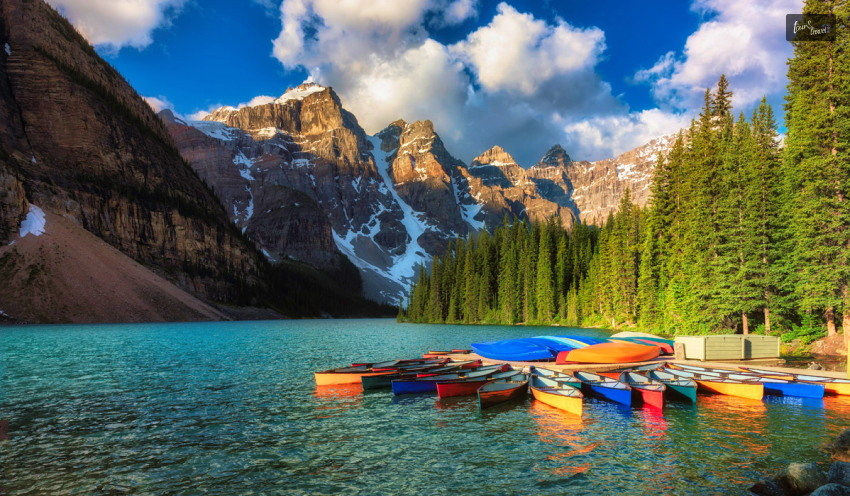
Lake Louise, with its breathtaking turquoise waters set against a backdrop of rugged mountains, is one of the highlights of Banff National Park.

Moraine Lake is another treasure, drawing tourists in with its vivid colors and tranquil ambiance.

There are countless chances for exploration as well as adventure in Banff National Park, whether you enjoy hiking, skiing, or seeing wildlife.

The Grand Canyon

The Grand Canyon
Image Source: www.abercrombiekent.co.uk

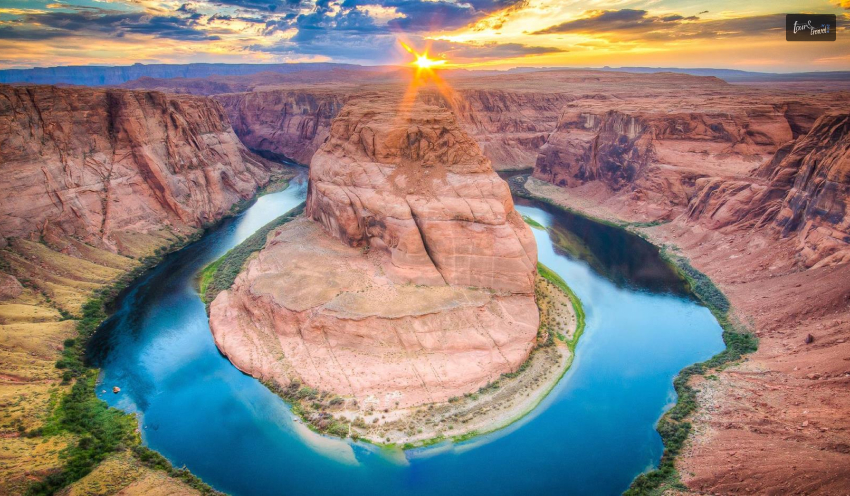
Discover the top 6 best landscape locations in the world on our list. The Grand Canyon is a geological marvel that has been sculpted over millions of years, making it a true testament to the power of nature.

This famous American landscape features striking views that are rare in their majestic beauty.

Visitors are in awe of the canyon’s immense size and beauty when they view it from different rim viewpoints or from inside its depths.

Geologists, photographers, and lovers of the great outdoors are drawn to the layers of vibrant rock that reveal a tale of Earth’s past.

Hike or take a helicopter ride to see the beautiful scenery from various angles in order to comprehend the scope of this natural wonderfully.

Boulders Beach

Boulders Beach
Image Source: gobirding.birdlife.org.za

Boulders Beach, roughly 17 miles south of Table Mountain on the False Bay Coastline, owns Cape Town’s stunning scenery, which includes vivid blue water, granite boulders, as well as penguins.

Located nearby to the endearing African penguin colony, this location is popular among swimmers. But you can also simply relax and take in the expansive coastline.

Cameron Highlands

Cameron Highlands
Image Source: images.travelandleisureasia.com

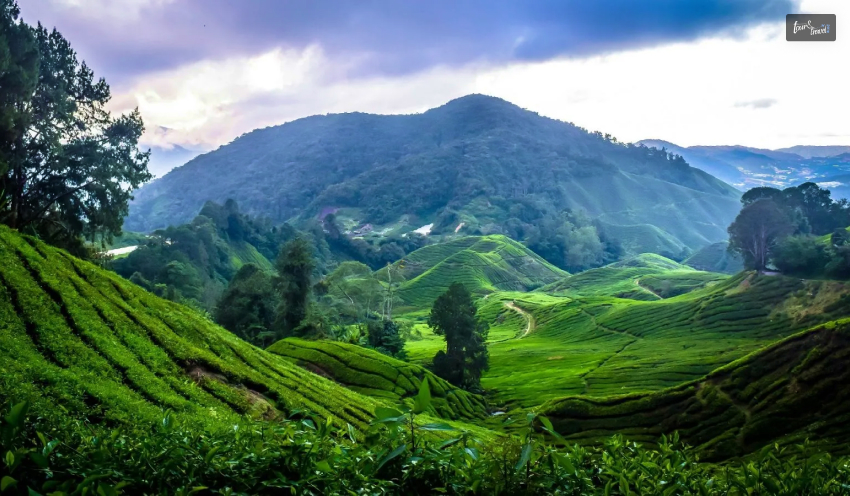
It is pretty tough to point out just one location in the diverse landscape of Malaysia. The Cameron Highlands will still top most other places.

The largest tea plantations in the nation are found in this 275-square-mile area of the state of Pahang. In addition to exploring butterfly gardens and strawberry farms, the area is home to rolling, fuzzy green hills.

Patagonia

Patagonia
Image Source: media.architecturaldigest.com

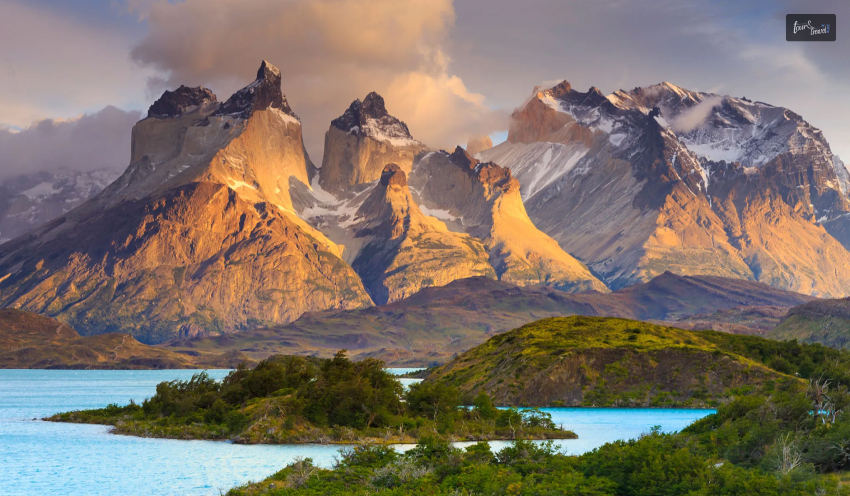
Patagonia is a region of breathtaking beauty that spans both Argentina and Chile. Its untamed mountains, wide-open skies, and glaciers combine to create an absolutely stunning landscape.

This area’s remoteness adds to its attraction, drawing travelers looking for peace and pristine surroundings.

Discovering the Perito Moreno Glacier or trekking through Torres del Paine National Park, Patagonia, provides a once-in-a-lifetime encounter with nature.

For those who enjoy the outdoors and are looking to see some of the world’s most breathtaking landscapes, this unspoiled wilderness is a haven.

Great Barrier Reef

Great Barrier Reef
Image Source: lp-cms-production.imgix.net

It’s like entering a vibrant underwater wonderland when you dive into the Great Barrier Reef.

Marine biodiversity can be found in abundance in this world’s largest coral reef system, which is situated off the coast of Australia.

This reef is home to thousands of marine species, and the rich marine life and colorful coral gardens it offers together form an incredible ecological tapestry.

Immersion in these pristine waters, whether snorkeling or diving, provides a unique opportunity to appreciate the undersea world up close.

A trip to the Great Barrier Reef is a must for anyone looking to explore some of the world’s most breathtaking landscapes.

Himalayas

Himalayas

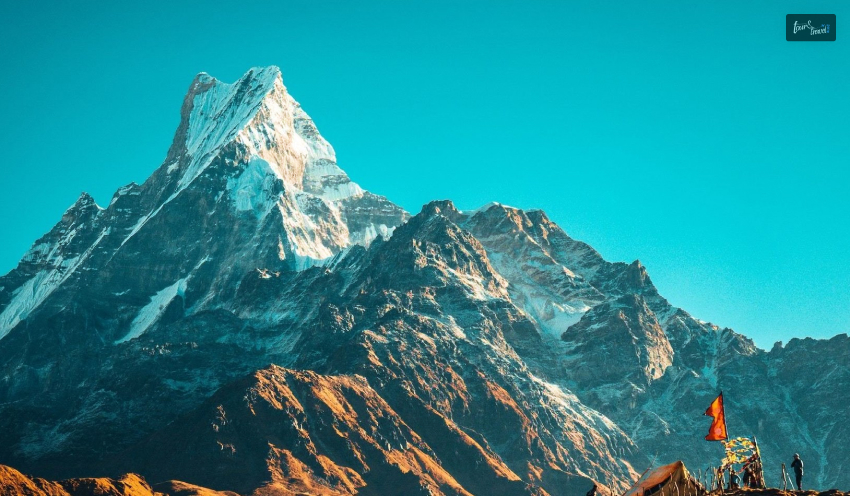
The highest peak in the world, Mount Everest, represents the pinnacle of adventure as well as challenge. Reaching the base camp is an accomplishment that provides breathtaking views of the Himalayas and a window into the Sherpa culture of the area.

For those looking to explore the world’s most beautiful landscapes, Mount Everest is a must-visit location.

Its immense size, as well as its formidable challenge, can change the life of any visitor. The majesty of nature humbles one as one stands in the shadow of this magnificent peak.

Mount Everest is a destination that should be on everyone’s bucket list because it offers an unforgettable experience, regardless of experience level.

Georgia

Georgia
Image Source: www.state.gov

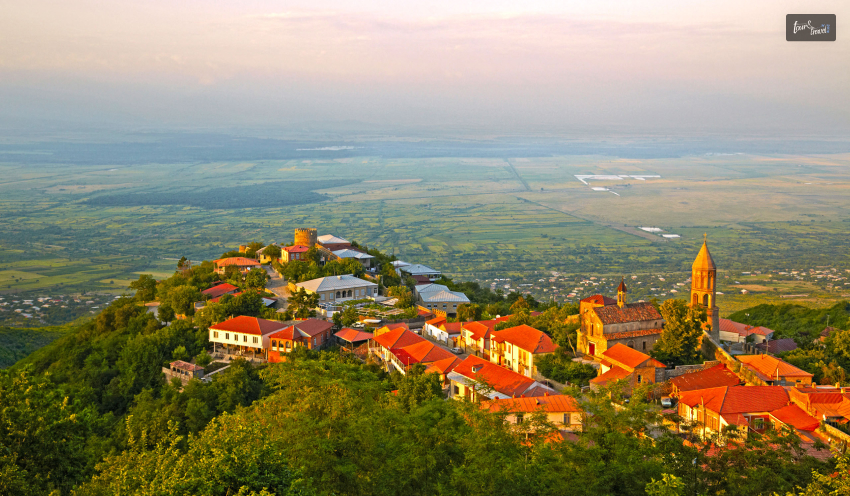
Georgia has everything you need and more for the daring traveler who is sick of the congested Alps mountain trails or the reservation-only French vineyards (yes, including wine).

Hiking the country’s trails, which meander through the Greater Caucasus mountain range that separates Europe from Asia, is the best way to take in the diversity of the landscape.

Lapland

Lapland
Image Source: media.tacdn.com

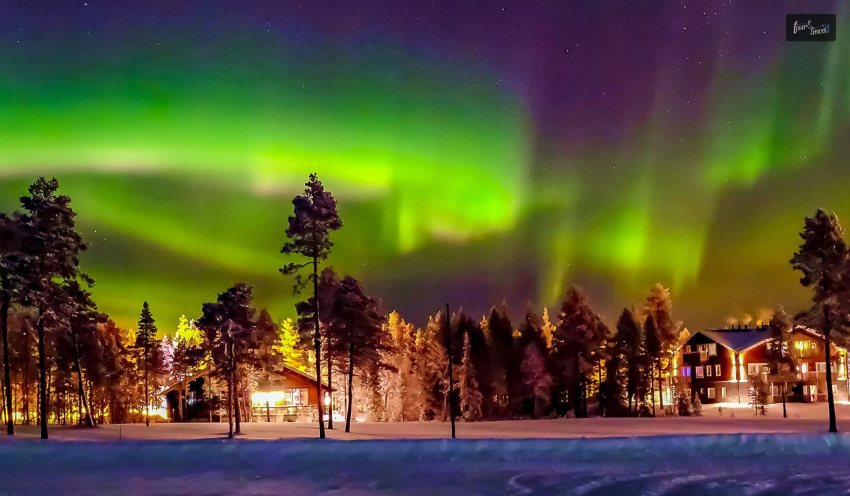
If a snowy destination is a must for your travel fantasies, then Finnish Lapland should definitely be on your list.

Although the warmer months are beautiful in this part of Finland, November through March is the best time to visit.

This is when the Northern Lights are most likely to appear. The trees are blanketed in deep snow, and huskies are ready to take you for a sled ride.

Étretat

Étretat
Image Source: www.surf-escape.com

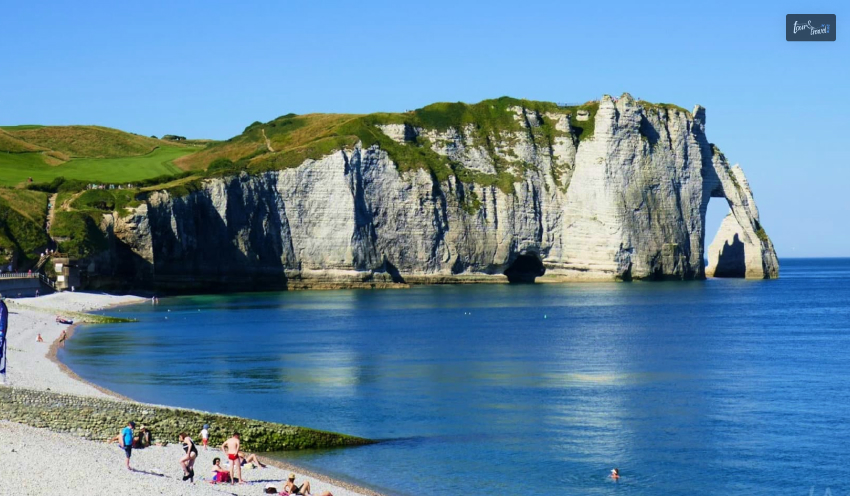
Popular among sailors as well as surfers, Étretat is a pebble beach situated along France’s Alabaster Coast.

However, the main draw for most tourists to this area of Upper Normandy is the renowned chalk cliffs and arched rock formations.

There are natural sculptures at several locations along the 80-mile stretch of Étretat. They have long inspired tourists and artists, most notably Claude Monet.

Galápagos Islands

Galápagos Islands
Image Source: www.travelandleisure.com

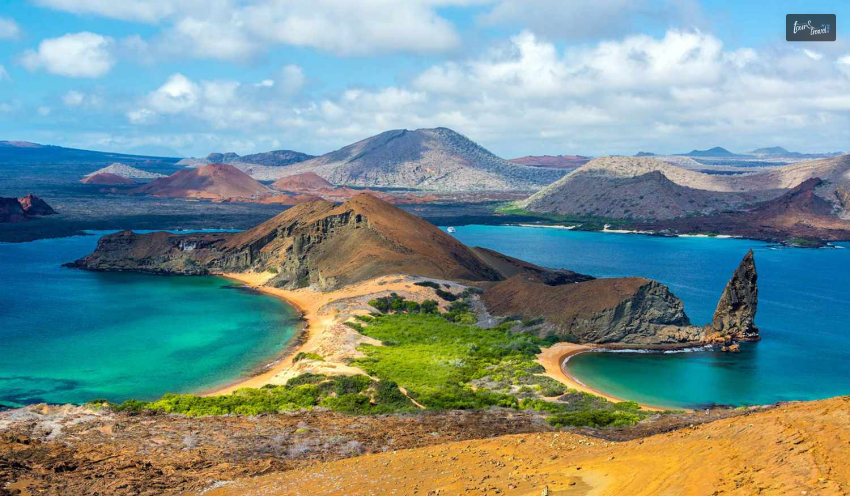
Does the appeal of the Galápagos Islands really need to be explained?

Make it a point to visit this other-worldly section of Ecuador if you can; it’s home to real blue-footed boobies and gigantic tortoises that resemble dinosaurs lumbering through the tall grass.

Wrapping Up

Setting out on a quest to identify the world’s top landscape locations is an adventure of discovery and admiration.

Every place on this list is breathtaking in its own special way. From the striking coral reefs of the Great Barrier Reef to the majestic mountains of Banff National Park.

These picturesque settings will make a lasting impression on your spirit.

Whether you’re looking for adventure, peace, or a closer relationship with the natural world. So pack up and set out to uncover the splendor that lies ahead in these exceptional locations.

Read Also:

Share on Social Media

Abdul Aziz Mondol is a professional blogger who is having a colossal interest in writing blogs and other jones of calligraphies. In terms of his professional commitments, he loves to share content related to business, finance, technology, and the gaming niche.

Leave a Reply

Your email address will not be published. Required fields are marked *

title-img Related

READ MORE card-img

Visit Joshua Tree National Park To Hike And Explore The Best Trails

BY  Sibashree Aug 20, 2024

Joshua Tree National Park, named after the crooked Joshua trees, has endless hiking trails. It also has desert ecosystems of the lower Colorado Desert and the Mojave Desert.  Further, Joshua Tree is one of the few national parks in the USA to offer equally amazing daytime and nighttime experiences.  The geology of Joshua Tree is “interesting.” You will find Arch Rock and many other fascinating rock formations in the park. Wind power, erosion, and different weather forces have created many other spectacularly formed rocks and other sculptures.  Hiking is the best way to cherish the beauty and splendor of this national park to the fullest. So, let’s learn the tales from the trails!  Best Hiking Trails in Joshua Tree National Park Joshua Tree had an impressive 3,270,404 visitors in 2023, and hiking is one of the most popular activities in this park. Home to some of the best hikes in the USA, Joshua Tree also has many trails for kids and beginners.  Further, you can explore various short walking routes and nature trails like Bajada, Oasis of Mara, and Barker Dam in this park.  Here, I have curated some amazing hiking trails in the park across various difficulty levels.  Joshua Tree Hikes (Easy) The easy hiking trails in Joshua Tree are accessible in all seasons. To make the most of your hiking expeditions, you must start by 9 am in the morning.  Cholla Cactus Garden The Cholla Cactus Garden trek is easy, and even kids can explore it. It will take just 15 minutes to get completed. You will find the trailhead 20 miles north of Cottonwood Visitor Center. As you can guess from its name, the trail is named after the growing cholla cacti found in abundance here. Wear full-length clothes and closed-toe shoes and follow the trail to avoid getting hurt by the cactus thorns.  Discovery Trail You can start hiking this trail from the Skull Rock parking area. This easy hike will take you around 30 to 40 minutes. Catch a glimpse of the desert washes and boulders throughout the route.  Skull Rock  Start hiking this trail early in the morning from the Jumbo Rocks Campground. You can even take the trailhead from the Skull Rock parking area, which is east of the Jumbo Rocks Campground. Skull Rock is one of the many unique rock formations you will see in the park, and it’s the highlight of this trekking route.  You can cover the trekking route within just one or two hours. A night-time view of the Skull Rock can offer you the perfect Halloween experience!  Moderate Hiking Trails Like the Channel Islands National Park and the Death Valley National Park, the Joshua Tree also has many moderate hiking trails. Here is a brief overview of some of the most amazing moderate Joshua Tree hiking trails.  Hi-View  The Hi-View trail, starting from the Northwest of Black Rock Campground, will require you to hike for at least an hour. However, based on the weather conditions, you may also need to walk for more than 1 hour and 45 minutes.  Once you reach the top of the steep ridges, you can enjoy a panoramic view of the entire park. Further, the iconic Joshua trees are found in the steeper sections of this trail.  If you feel tired during your trek, you can catch some rest on the benches across the park.  Mastodon Peak The Mastodon Peak trail starts from the Cottonwood Spring parking area. Here, you will experience an elevation change of 175 feet. To reach the granite mountain peak, you will have to pass through rugged terrain.  You can complete the entire trek within 1.5 to 3 hours.  Split Rock Loop The Split Rock picnic area is the starting point for hiking this trail of 2.5 miles. You can complete the trek within two and a half hours. However, if you are a seasoned hiker, you can complete the safe route within 1 and a half hours.  On a spur trail of the Split Rock Loop, you will find a rock formation that looks like the profile of a human face. It is called the Face Rock.  Pine City  Go to the end of the Desert Queen Mine Road to find the trailhead of Pine City. The dense vegetation of junipers and pinyon makes this 4-mile-long trail picturesque. It will take around 3 hours to complete the hike.  Strenuous Hiking Trails  These strenuous trails are not suitable for summer hiking. You can try conquering them in autumn and spring.  California Riding and Hiking Trail Stretching over 36.6 miles, the California Riding and Hiking Trail is a two-day-long hike. If the weather conditions are unpleasant, the total duration of the hike can stretch up to three days.  As you hike the route from Black Rock Canyon to the park’s North Entrance, the amazing landscape of the Mojave Desert will charm you.  Ryan Mountain Hiking to the summit of Ryan Mountain is one of the most popular activities to do in Joshua Tree National Park. The trekking route has an elevation of 1,050 feet, and it stretches over 3 miles.  Despite being strenuous, this trail can be hiked in 2.5 hours. So, it is one of the most popular hiking trails in the park.  Willow Hole At the end of the Willow Hole trail, you will find the amazing willow trees. You can start hiking from the Boy Scout Trailhead located inside the park at the South end.  The sandy washes, Joshua tree vegetation, and famous boulder landscape make the trail amazing.  Short Walks And Nature Trails In Joshua Tree National Park The short walks and nature trails of Joshua Tree are available for year-round hiking. These trails also have wheelchair facilities, offering the most inclusive experience to visitors.  It’s time to become familiar with some of these amazing nature walk trails.  •Oasis of Mara Oasis of Mara is the only trail in Joshua Tree that allows dogs. So, hiking this trail is surely one of the best things to do in Joshua Tree as a pet lover.)  •Arch Rock •Barker Dam •Ryan Ranch  •Bajada  Among these short walks and nature hiking trails, Cottonwood Spring is the shortest. You can finish the trail within just 10 minutes. Enjoy the view of cottonwood trees as you take a walk to the fan palm oasis.  Integratron: The Wonder Of The Joshua Tree National Park  Facts to Know Integratron is four stories high.Its diameter is 55 feet.It’s a 16-sided metal-free building.The construction technique used in it is called joinery.No nails or screws are used in the construction.It is made of non-ferromagnetic materials. George Van Tassel said that Nikola Tesla’s writings influenced the structure of Integratron.  The western half of the Joshua Tree National Park is on the Mojave Desert’s southern tip. UFOlogist George Van Tassel built “a time machine for basic research on rejuvenation, anti-gravity, and time travel” in the Mojave Desert in the 1950s.  This is a place where visitors are offered sound therapy that is believed to have the power to rejuvenate living tissues in human beings.  From the time it was built, this place has attracted reporters, visitors, artists, and spiritual minds.  George Van Tasse chose the Mojave Desert for building Integratron because, according to him, this place had a connection to the Great Pyramids in Giza. The proximity to magnetic vortices was another reason for choosing the site.  Schedule Your Hike Right   March to May and October to November are the two best seasons for hiking in Joshua Tree. The park remains open throughout the year. However, the scorching and dry summer makes hiking impossible on many moderate and strenuous trails.  During summer, the daytime temperature of the park reaches around 100 degrees F, and the temperature falls to 75 degrees F at night.  Further, if you visit the park between March and May, you will see the wildflowers blooming. Also, in April, you can celebrate National Park Week here.  In October, there are important events in the park, such as the Joshua Tree Music Festival and Pioneer Days. The temperature is also pleasant in the fall season, with an average temperature of 80 degrees F and 50 degrees F during the day and at night. So, plan your visit to Joshua Tree right and share your travel stories with us as you return with the most amazing hiking experience.  Joshua Tree National Park FAQs  Here are the frequently asked questions and answers about Joshua Tree National Park. Is It Safe To Visit Joshua Tree At Night? Yes, it is safe to visit Joshua Tree at night. In fact, stargazing is one of the most popular activities in this national park. The roads in the park are marked, and there is strict patrolling on all roads.  However, this desert park is an important preservation hub for vulnerable ecosystems. Also, there are snakes and scorpions in the park.  So, camp in the park or explore it at night as a responsible visitor. It is safer to restrict your movements near the campsites at night.  Is Joshua Tree Worth Seeing? Yes, Joshua Tree is worth seeing, as you can hike through the California Riding and Hiking Trail, Pine City, Bajada, and many other amazing trails. As you explore these routes, you will come across a wide variety of flora and fauna.  Further, the Joshua Tree is an important preservation and conservation center for fragile ecosystems. In addition, this is a place where stargazing is an ultimate immersive experience. Other highlights of your trip to this national park will be exploring the Penguin Rock, Arch Rock, and other iconic rock formations. Moreover, indulge in a sound bath at the Integratron. Built by UFOlogist George Van Tassel, this dome-shaped place offers sound therapy that promises to rejuvenate living human cell tissues.  Can You Sleep Inside Joshua Tree?  Yes, you can sleep inside Joshua Tree, as there are nine campgrounds inside the park. The Hidden Valley, Belle, and White Tank campsites are available on a first-come, first-served basis. However, White Tank and Belle campsites can remain temporarily closed during summer.  For the India Cove, Ryan, Cottonwood, Jumbo Rocks, and Black Rock campsites, you will need to make a prior booking.  In addition, you can try backcountry camping and consider putting up a tent in the campsites outside the park.  Remember, there are no restaurants and modern lodging facilities inside the park.  Can You See The Milky Way From Joshua Tree? The International Dark-Sky Association, or IDA, has identified Joshua Tree as an International Dark Sky Park. You can get the best view of the Milky Way here.  Joshua Tree also has the darkest nights in Southern California. So, you will get to see the passing meteors, stars, and planets from this national park.  Stargazing from any part of the park is an amazing experience. However, there are also four designated stargazing spots in the park. These are: Quail Springs parking lot Hidden Valley parking lot Cap Rock parking lot Ryan Mountain parking lot Further, you can put up tents at one of the nine camping grounds, and among them, the Cottonwood Campground demands a special mention. Also read Why Include Whale Watching In Your LA Itinerary. Traveling On A Budget: Tips For Affordable Adventures. Be Soothed And Meet History At Hot Springs National Park.

READ MORE Las Vegas To Grand Canyon

The Ultimate Guide To Planning A Southwest Desert Adventure From Las Vegas

BY  Sibashree Jul 30, 2026

Many people think of Las Vegas as an entertainment capital for adults, but its true value lies in its location.  It is located in the heart of the most spectacular desert landscapes in the American Southwest.  It is easy to reach more natural beauties within a day's drive from here than from any other American city.  The dilemma is not whether to take advantage of this unique position, but how to organize your Las Vegas to Grand Canyon trip. This guide will tell you exactly that. Also, you will learn how to manage your time so you can see and do all that you came to do. Reframe Your Thinking: Las Vegas As Basecamp Most people consider Vegas the destination. But it's better to look at it as the hub. A 4-hour drive gets you to the Grand Canyon, Valley of Fire, Red Rock Canyon, Hoover Dam, Lake Mead, and territories of the Mojave most see only from an airplane.  The Strip, meanwhile, gives you world-class lodging, late-night food options, and every amenity you can think of needing after a day outside.  Rugged wilderness by day, comfort by night is a legitimately rare overlap. Vegas lets you have both. This "Basecamp Vegas" strategy works because Vegas' position in the low-lying Las Vegas Valley means you can drive to areas with: Vastly Different Altitudes Ecologies Geology  But, you can do it without dedicating an entire day to travel.  Unpack once. Everything else is a day trip or a managed half-day trip. Las Vegas To Grand Canyon: Why You Can't Pack For Just One Climate One thing that many people do not realize until they get there is how different these landscapes are, particularly when it comes to the weather.  Las Vegas sits right on the border of the Mojave Desert and has an elevation of about 2,000 feet.  The South Rim of the Grand Canyon is part of the high-desert Colorado Plateau and has an average elevation of 7,000 feet (National Park Service). That's not tough math - what you learn is that the "7,000 feet" part likely translates to daytime temperatures that are 15-20 degrees cooler than when you land on the Strip.  A verifiable oven in summer, Las Vegas in September might still be enduring triple-digit heat while the North Rim, perched 1,000 feet higher than the South Rim, is already seeing snow dust the topmost peaks of the Kaibab Plateau. In the shoulder seasons, however, the temperature divide can be a huge issue if you're not prepared for it.  A 90-degree day in southern Nevada can easily feel sub-arctic once the sun goes down at the rim.  That's a good 5,000 feet above sea level, meaning even the sun doesn't do much to warm things out there in March or November. The West Rim is warmer both day and night, and it sits at a lower elevation anyway. But bear in mind to pack accordingly. West Rim Vs. South Rim: The Logistics Breakdown The Grand Canyon experiences from Vegas aren't the same. Mixing them up complicates decision-making. The West Rim is closest, 130 miles from Las Vegas, and is owned and operated by the Hualapai Tribe.  Accessible for helicopter visits to the canyon floor and Skywalk, it's the option to pick for a day with lots of big-camera photo ops, and flying time is considerably less than at the South Rim.  The land borders Lake Mead and the Colorado River, which makes the helicopter rides offer the most varied sightseeing of the bunch.  The floor landing adds a layer of depth to the experience that's hard to get elsewhere. The South Rim is the longer helicopter flight (supremely scenic itself, especially if you're arriving from Vegas), coming in around 75 minutes one-way.  This is the one you want if you're making your choice based solely on the flight.  Plus, the South Rim offers exclusive views of the widest, most varied, and most dramatic part of the Grand Canyon.  Fully 10 miles across at its widest point, this is the area where you get those iconic western views that make you feel like you're within arm's reach of an otherworldly landscape. Make The Las Vegas To Grand Canyon Travel Efficient Booking Grand Canyon helicopter tours from Las Vegas significantly reduces the time required for either rim.  A flight-based tour compresses what would otherwise be a full lost day into a half-day experience - wheels down at the Strip by late afternoon, leaving evenings free for dinner reservations and whatever you originally came to Vegas for. The West Rim offers an eagle's-eye view, where you look down on the canyon as if from an airplane.  It's dramatic, but the interior depths and range of visual stimulation isn't as complete.  It's a matter of personal preference, but most travelers prefer the South Rim because it is much older and the river has carved more deeply into this amazing place. Red Rock Canyon Vs. Valley Of Fire: Picking The Right Day Trip Travelers who don't fancy spending a full day behind the wheel have a couple of options within an hour-and-a-half drive of the Strip. Red Rock Canyon National Conservation Area is administered by the Bureau of Land Management. Furthermore, its entrance is located 15 miles west of Las Vegas on Charleston Blvd.  The 13-mile scenic loop is open from dawn to dusk, and the visitor center is open daily until 4:30 p.m.  The landscape is dominated by the Keystone Thrust fault, a geological hinge where ancient ocean limestone was shoved up and over younger red sandstone. This is what created the two-tone cliff faces that are its most iconic feature.  Get out of your car and take in the view of Turtlehead Peak, a rocky summit at the edge of the fault, and you'll see why it's one of the most fascinating viewpoints in the region. The area does get busy, and parking is limited.  There are dozens of trails here, from short family-friendly strolls to technical climbs up the region's tallest peaks.  Someone in moderate shape who wants to do a solid half-day hike with time left to take it easy should consider the White Rock/La Madre Springs loop (6.9 miles) or First Creek/First Overlook/First Summit (7.1 miles). Working Hoover Dam And Lake Mead Into The Route If you're driving to the Grand Canyon rather than flying, Hoover Dam is a no-brainer addition to your trip. The dam is right at the Nevada-Arizona border on the Colorado River. This is about a 30-mile drive southeast of Vegas.  It's a major waypoint on the route to the West Rim. Moreover, even a 45-minute visit to see the dam should give you a good sense of its size.  They offer paid tours of the inside if enough interest is sparked. Lake Mead National Recreation Area is, more conveniently, the reservoir created by the dam, and it extends nearly all the way to the east of Vegas.  It's not a side trip - you'll drive past it no matter which way you go.  If you have some extra time, there are very accessible water views and a welcome reminder of the non-deserted desert.  In season, there are boat rentals and beaches, so it can make a nice contrast to either the dam itself or a Canyon detour. The smart way to do it is to combine Hoover Dam and Lake Mead into a single morning stop on a Canyon driving day. Therefore, you will have to leave Vegas fairly early. Then, you must spend 45 minutes at the dam. After that, you must head on to the West Rim and return in the late afternoon.  That's a full day without any long detours. Desert Safety: What The Terrain Actually Demands Desert environments are more unforgiving to the unprepared than most people assume.  The low humidity in Southwest heat makes us feel like we're not sweating as much.  In reality, our sweat is evaporating almost instantly.  Since it's not pooling on our skin, the brain doesn't sound the alarm that we desperately need to drink.  The warning signs of dehydration aren't as evident in the desert as they are elsewhere. With just about any serious outdoor activity, your minimum drinking-water requirement should be one gallon per person per day.  Doesn't seem like enough? Wait until you've needed every drop. Middle-of-the-day heat is uncomfortable and dangerous for summer hiking.  Aim for early morning or late afternoon excursions - starting no later than 7 a.m. and finishing before 10 a.m., or starting after 4 p.m.  The middle of the day is for siestas and car trips with the air conditioning cranking. Also easily overlooked: the living crusts that bind many desert soils together are particularly prevalent in the Four Corners region.  Biological soil crusts are fragile communities of living organisms, mainly cyanobacteria, fungi, lichens, and mosses.  They create a natural armor of sand, preventing erosion and helping hold the desert surface together so that it may someday become soil.  These characteristics are especially important in deserts, where any soil productivity is an invaluable resource. A 4-Day "Neon To Nature" Itinerary There is a detailed itinerary given below for the 4 days of your trip and how you can make the most of it: Day 1 Arrive in Vegas, settle in, walk the Strip.  Use the evening to orient yourself and plan the route for the days ahead. Dinner somewhere worth a reservation. Day 2 Early start to Valley of Fire. It will be about a fifty-mile drive and take about an hour.  Visit the park for two to three hours exploring the formations and petroglyphs.  Return to Vegas for lunch. Drive out to Red Rock Canyon - the visitor center is sixteen miles out.  Do the scenic loop or hike the Lost Creek trail. Drive back to Vegas for dinner. Day 3 Grand Canyon day.  If flying, book a morning helicopter tour to the West Rim or South Rim - a flight-based itinerary gets you canyon views, a landing on the canyon floor if you've chosen the West Rim, and returns you to Las Vegas by early afternoon.  If driving to the West Rim, add a stop at Hoover Dam on the way out. Full day, but manageable.  Use the evening for a nice dinner somewhere you've been wanting to try. Day 4 Use the morning for anything you missed - more hiking at Red Rock, a longer look at Lake Mead, or simply breakfast outside the hotel before heading to the airport.  Golden hour on the last morning is worth setting an alarm for, especially from a high point on the Spring Mountains west of the city. Plan An Efficient Trip From Las Vegas To Grand Canyon In 2026 The math works in your favor with this structure.  Vegas's central location, combined with thoughtful scheduling, gives you four distinct environments over four days. However, the trip is designed so that you won’t feel that any single day was spent entirely driving. The city earns its reputation for many reasons.  The one that gets undersold is this. Nowhere else in the country can you eat at a Michelin-recognized restaurant the same day you stand at the edge of one of the planet's most dramatic geological formations. Read Also: Desert Terrain Makes Preparation Part Of A Better Las Vegas ATV Experience Viva Las Vegas: Your Ultimate Itinerary for an Unforgettable Trip  Explore The Nightlife: 7 Best Things To Do In Las Vegas

READ MORE certified translation for immigration

How to Navigate Visa & Immigration Translations When You Travel Long-Term

BY  Sibashree Oct 22, 2025

Traveling long-term or moving abroad is an exciting adventure. But if your journey involves applying for visas, immigration permits, or residency, you’ll quickly discover that documentation is one of the biggest hurdles. Among the most common requirements are visa translation services and certified translations of official documents. Whether you are applying for a student visa, a work permit, or reuniting with family overseas, presenting correctly translated documents can make or break your application. Authorities want clear, accurate, and verifiable translations, and failure to meet those standards often leads to delays or even rejections. This guide explains everything you need to know about visa and immigration translations, including why certified translations are required, what documents usually need them, and how to avoid common pitfalls. Why Visa Translations Are Crucial When immigration officers review applications, they must be able to fully understand the documents submitted. If your birth certificate, marriage certificate, or bank statement is in another language, it must be translated into the official language of the country you are applying to. Here’s why translations are necessary: Legal clarity: Immigration authorities cannot legally assess documents they don’t understand. Consistency: Translations ensure names, dates, and details match across multiple documents. Compliance: Many countries require certified translations to confirm that translations are accurate and complete. What Are Certified Translations? Not all translations are equal. For immigration, you need certified translations. A certified translation includes: A complete and accurate translation of the original document. A signed statement (certificate of accuracy) by the translator or translation company confirming the translation’s authenticity. Contact details of the translation provider for verification if needed. This certificate is essential because it gives immigration officers confidence that the document is trustworthy and complies with their standards. Common Documents That Require Certified Translations When applying for visas or residency, the following documents are often requested in translated form: Birth certificates Marriage or divorce certificates Death certificates (in cases of dependent claims) Passports and ID cards Academic transcripts and diplomas Criminal record checks Medical records or vaccination certificates Bank statements and tax returns Employment contracts or pay slips Before submitting your application, carefully check the requirements of the immigration authority you are applying to, as these can vary from country to country. How to Handle Certified Translations for Visa Applications If you are preparing for long-term travel or immigration, here’s how to approach the translation process: Identify which documents need translationReview the checklist from the immigration authority. Don’t assume that only personal records need translation—financial and academic documents are often required too. Choose a reliable certified translation providerLook for services that are recognized by immigration authorities. For example, Certling offers certified translations accepted by USCIS in the U.S., UKVI in the U.K., and IRCC in Canada. Submit clear scans or photos of your documentsHigh-quality images prevent errors and ensure no details are missed in the translation. Check turnaround timesVisa applications often have strict deadlines. Many providers offer standard and express delivery options—use express services if you’re short on time. Verify acceptance guaranteesEnsure the translation provider guarantees compliance with immigration authorities. This gives peace of mind if your documents are ever questioned. Innovation in Visa Translations The translation industry has modernized significantly. Companies like Certling use AI and machine vision to analyze documents, count words instantly, and provide transparent per-word pricing. This innovation eliminates overcharging based on per-page pricing models and saves applicants money. Other key advancements include: Selective translation tools: Applicants can exclude unnecessary sections of documents, such as logos or stamps, lowering costs. Secure file handling: Professional providers use encrypted systems and delete documents after delivery to protect your data. Instant online quotes: You can now upload documents and get pricing within seconds, reducing guesswork. FAQs on Visa & Certified Translations Do I always need certified translations for visa applications? Yes, in most cases. Immigration authorities typically require certified translations of any foreign-language documents. Can I translate the documents myself? No. Self-translations are not accepted. Certified translations must come from a qualified translator or company. How long does the process take? This depends on the provider. Standard services may take a few days, while express options can deliver certified translations within 24 hours. What happens if immigration rejects my translation? Reputable companies often provide corrections or revisions free of charge if authorities raise issues. Certling, for example, includes this as part of their service. Are digital copies of certified translations acceptable? Yes, many immigration authorities now accept certified translations in PDF form. However, some may request physical copies, so confirm with your local authority. The Role of Certified Translation Services in Your Journey Securing a visa or residency isn’t just about submitting the right forms. It’s about presenting complete, clear, and compliant documentation. Certified translation is a critical part of this process. Providers like Certling specialize in certified translations for immigration and visa applications. They offer word-based pricing, fast turnaround, and acceptance guarantees for major authorities across the U.S., U.K., Ireland, and Canada. While your focus may be on the exciting parts of long-term travel, taking care of certified translations early ensures your journey won’t be delayed by paperwork. Final Thoughts Navigating the visa application process can be overwhelming, especially when traveling long-term or moving abroad. Certified translations are not just a formality—they are a legal requirement that can significantly affect your success. By understanding what certified translations are, why they matter, and how to get them done correctly, you’ll be better prepared to handle the complexities of immigration paperwork..