

A Complete Guide to Grand Cayman’s Underwater Wonders

Sep 20, 2024

Last Updated on: Aug 26, 2025

Travel Blog

If you are a first time traveler or a seasoned one, looking for a great marine adventure, you must visit Grand Cayman. The Grand Cayman is a stunning location with beautiful coral reefs, perfect for a deep sea dive, with crystal clear waters.

This island offers many water activities that are meant for each age group. Whether you want to swim with dolphins in Grand Cayman or snorkel with friends, there is something for everyone to enjoy. Here, we will explore the top things to do in the Grand Cayman where you will make the best memories.

Let’s get started.

1. Swimming with Dolphins

swim with dolphins

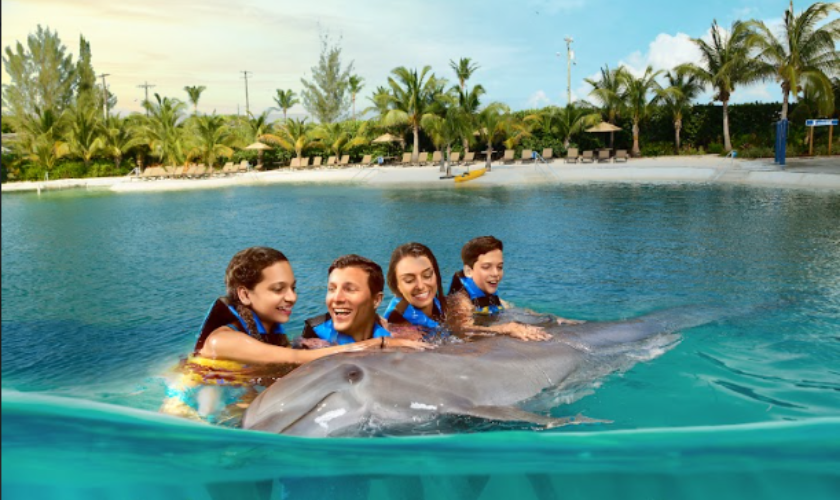
Swim with dolphins in Grand Cayman is perhaps the most fascinating activity on the island and Dolphin Discovery makes it all even better. Worry not because it is not purely amusement but an educational program that involves interaction with these mammals, studying their behavior and even taking a ride on their backs.

It is always enjoyable and therefore is a great activity to do as a family. You will observe the dolphins swimming and delightedly carrying out tricks like feeding them. Moreover, the structure is developed to help you have maximum enjoyment while ensuring your safety, and hence wonderful experiences in that tranquil environment will be created.

Because of this, you may expect to have great interactions with dolphins, who are very sociable, and these interactions will increase your respect for the animals.

2. Snorkeling at Stingray City

For most travelers, Stingray City is considered a must-do destination where one can snorkel aground with manta rays. When you are done with your swim with dolphins in Grand Cayman, you can visit this fascinating place that is shallow enough to allow one to feed and swim with the rays. It is a safe activity with a professional guide provided and is suitable for people of any age. It is hard to avoid dozens of stingrays gliding around in the water who will welcome you.

Additionally, the water is so clear that you can look around and see just what beautiful underwater life there is. For those who would like to enjoy the Caribbean Sea, this is a place that can be very much looked forward to.

3. Diving the Bloody Bay Wall

If you feel you need more adventure than simply swim with dolphins in Grand Cayman, you must visit the bloody bay wall. For experienced scuba divers, Bloody Bay Wall is one of the best attraction spots located on the northern side of the island. This spectacular wall descends to over 1000 feet, covered with corals and an abundance of marine life.

Here are several types of dive sites, for instance, some include deep wrecks, walls, and bays that even plunge into caves. Moreover, look out for nurse sharks as well as turtles and many kinds of fish that live in this colorful environment.

The wall has different slopes which attract worldwide divers in search of fun and breathtaking underwater beauty. Many divers do not leave this place as they are enchanted by the extraordinary beauty and abundance of life here.

4. Exploring the Wreck of the Kittiwake

Previously, a U.S. Navy Submarine Rescue Ship nicknamed “Kittiwake” has been strategically sunk on the coast of Seven Mile Beach in a bid to form artificial reefs. Anyone who wants to go fishing (or just snorkeling) can have fun at this dive site since it can be reached by either snorkelers or scuba divers. When you are done with your swim with dolphins in Grand Cayman, you must explore this wreck.

The wreck is upright at a depth of 60 feet and has a variety of inhabiting creatures, such as sponges, fish, and other living marine organisms. One of the Kittiwake’s wonderful aspects is how it allows one to travel back in time and enjoy a great dive.

You will be surrounded by colorful corals and fishes. In the course of the dive, as divers swim in and out of the wreck, they will see how the ship has become a home for marine life and that part of history has evolved into another form.

5. Snorkeling at Eden Rock

Eden Rock is perhaps the most bereft of problems, with the snorkeling beach being just a stone’s throw from the beach. This site has beautiful coral reefs that appeal to all kinds of snorkelers, novices, and experts, for this is a tropical ocean that is a sight to behold.

Moreover, you can expect to find some of the warmer ocean fishes and even sea turtles as you swim in the clear waters. The best part is that you can also swim with dolphins in Grand Cayman. Due to the shallow depths, it is very good for families and makes it safe and fun as well.

With the rental equipment a few steps away, it presents a good opportunity for those who want to go past the sand without going all the way. In addition, the facilities and services available in the neighborhoods will assist in coming up with plans for a whole sunbathing and surfing fun day.

6. Discovering the Coral Gardens

The Coral Gardens located close to Stingray City is an exquisite snorkeling area which is rich in beauty aesthetics and a variety of marine life. You will be able to snorkel and witness various coral species and schools of fishes swimming about the reefs. If you go during the day, you can also have fun and swim with dolphins in Grand Cayman.

The water is also calm and it’s therefore good for both beginner and expert snorkeling persons. Hence, don’t rush through the beautiful attractions under the sea, go slowly and appreciate even the tiniest living organisms which exist under water.

The parrotfish and angelfish, along with their floral patterns, in addition to other marine creatures, adorn the calming beauty of the Grand Cayman. Here, you will find the pleasant underwater scenery of Coral Gardens with a great variety of sea life.

7. Night Diving Adventures

For a truly unique experience, consider a night dive in Grand Cayman. You must reserve your daytime to swim with dolphins in Grand Cayman, then you can enjoy the nightlife.

This activity reveals a different side of the underwater world, as many marine creatures become active after dark. Divers often encounter bioluminescent organisms, which create a magical glow in the water, and watch nocturnal species like octopuses and squid come to life.

Guided night dives are available for all skill levels, ensuring safety while you explore the mesmerizing underwater nightlife. The thrill of night diving adds an element of adventure to your underwater exploration, making it an exhilarating way to see the ocean in a whole new light.

Conclusion

The underwater attractions of Grand Cayman have plenty to offer everyone, from peaceful snorkeling in vibrant coral gardens to exhilarating interactions with marine life.

You can engage with the dynamic environment that makes this island a top diving destination with each activity. When you swim with dolphins in Grand Cayman, you will experience one of the best adventures of your life. These adventures, which can include diving into a historic wreck or swimming with dolphins, will leave you with lifelong memories.

Embrace the journey that lies beneath the waters, and don’t pass up the chance to experience Grand Cayman’s spectacular splendor. It’s only a splash away from your undersea experience in this tropical paradise!

Also read

Share on Social Media

Meet Sibashree Bhattacharya, a travel enthusiast who has a decade-long experience in transcending virtual barriers with her words! Her deep love for travel is apparent from her travel escapades to the mountain, often taking her readers on a journey, her words acting as Portkey! Fun fact: Sibashree loves to dive deep into the history of the places she is about to visit, making her travels even more wholesome. If you were wondering how her articles are not short of time travel, this answers it!

Leave a Reply

Your email address will not be published. Required fields are marked *

title-img Related

READ MORE travel hookups

Travel Hookups: The Dangers Of Hooking Up When You Travel

BY  Barsha Oct 22, 2025

I know what’s going on inside that pretty head of yours. You are probably thinking how many hookups I've had during my travels - especially since I am here to talk about travel hookups!  TBH, a few times for sure - not too many times, but definitely a few times. I mean, I had no idea about how the hookup culture worked during vacations - until I tried it out a few times. And now? Well, while the adrenaline is certainly thrilling, it does come with some major risks.  And while I’m nobody to stop you, it’s important that I help you out with my comprehensive list of dangers associated with travel hookups. Once you are aware, you will be safe while having ‘fun’ on vacation. Stay tuned. What Are The Dangers Of Hooking Up When You Travel? Romantic relationships on the road can be a great way to experience a foreign culture intimately, but at the same time, navigating the dating scene abroad can be a minefield.  Hooking up while traveling is an experience many actively strive for; as of 2025, 58 percent of travelers have embarked on a vacation romance, according to a recent TripAdvisor survey. Hookup culture not only accepts but actively encourages casual sex, including activities like one-night stands, without necessarily including bonding or emotional intimacy.  The term “hookup” has a broad scope because it can indicate any form of sexual activity between partners, including kissing. One can expect the dangers of hookup culture to be amplified when the partners in question have gone all the way at least once, especially regarding the following point.  In this context, let’s look at the primary dangers of travel hookups: Misaligned expectations  The risks of overindulging in alcohol The dangers of hooking up are relative  About good old-fashioned regret  The big issue of safety. 1. Misaligned Expectations: The question of whether it’s acceptable or even desirable to hook up with someone while traveling is very complicated. It first depends on the object of the hookup: a local or a fellow traveler? It seems far less complex when the person is also traveling and in a similar situation to you.  Given the significant financial gap and ensuing power imbalance between tourists and locals in destinations like third-world countries, there’s no shortage of potential problems. The traveler might see it as a fling, and the local – as real love, finally. Streams of messages over different online apps will follow the interaction, which can get awkward and, ultimately, one person could decide to block the other and move on.  2. The Risks Of Overindulging In Alcohol: It’s a fine line between lowering inhibitions and becoming too intoxicated to make smart decisions about what you do or don’t want to engage in. Overindulging in alcohol makes you more vulnerable to assault and theft, not to mention risking alcohol poisoning and ruining your entire vacation. 3. Relative Dangers Of Hooking Up: That only begins to scratch the surface of the dangers faced by women. Trust your intuition if a situation feels wrong or unsafe. Don’t assume you’re safer leaving a bar in a foreign country with someone you just met than you would be back home.  The sometimes misleading sense of security you feel while on vacation can make you vulnerable. Other vacationers won’t necessarily have your best interests at heart. Safe sex is about more than wearing a condom; it’s about not ending up on the news as a cautionary tale.  4. About Good Old-Fashioned Regret:  An online survey of 1,468 college students found that more than 27% felt embarrassed about a recent hookup, just under a quarter reported emotional difficulties, a fifth felt a loss of respect, and a tenth shared they had problems with their long-term partner.  78% of women and 72% of men who had casual sex reported experiencing regret thereafter, according to a Canadian survey of 200 undergraduate students.  5. The BIG Issue Of Safety: Obviously, this is perhaps the most important issue associated with travel hookups. When you reside somewhere unfamiliar, you become more open and vulnerable to any kind of sexual assault.  Both drug use and alcohol are common parts of travel, and both can sufficiently increase risks when you are traveling. Why? Well, it can impair your judgement, increasing risks in the process. As per travel data on Satista, sexual violence in international trips is typically perpetrated by strangers or even recent acquaintances.  Of course, this is correct, considering you won’t have your usual security network of family and friends who can interfere or even help in case of something dangerous. Moreover, in a foreign land, you might not be familiar with social cues or even local emergency support.  How To Minimize Risks Associated With Travel Hookups? Now that I’ve highlighted the major risks associated with travel hookups, I have a few tricks up my sleeve to minimize the dangers associated with travel hookups: Always meet in Public! If you are meeting someone from a dating or hookup app for the first time, and that too while you are traveling, then it's best to meet them in a public spot. And best to avoid drinking - what if they spike your drink? But if you still want to be a little tipsy, drink a little, depending on your tolerance, and then go meet someone new.  Always confide in someone about your plans. So what are they miles away from you? My best friend lives on another continent, but I always message her - she knows what to do if she doesn’t hear from me every few hours. Also, I always share my live location with her - just to be extra safe.  While you can do a thousand other things, it is best to trust your gut. If something feels off, then trust your instincts and leave. You don’t need to hook up with someone who doesn’t make you feel comfortable at the onset. And if you are meeting in public, then leaving is always an easy option. Lastly, never disclose personal information. This basically means don’t tell your tour ‘date’ which hotel you are residing in, what your plans are for the next few days, and stuff like that. This is because once you do leave, considering something feels off, they might just follow you and make it unsafe for you.  The Dos Of Hooking Up When Traveling: It’s not about avoiding hookups while traveling, but approaching them the right way. To make sure you don’t regret the experience, don’t lower your standards. Always be selective and don’t hook up with people in your tour group or who are staying at your hotel – it will prevent the awkwardness of running into them after a disappointing experience.  Follow the golden rule: come and leave with friends and look out for each other and, ideally, other travelers. Being an active bystander will make sure no one looks back on situations abroad with regret. 

READ MORE national parks in utah

From Hiking to Stargazing: The Top 10 National Parks in Utah! [A Travel Checklist]

BY  Abdul Aziz Feb 23, 2024

Welcome to the country of red rock canyons, expansive views framed by arches and sandstone spires. Spreading national forests, vast wilderness areas, quaint state parks, and five national parks in Utah make up more than seventy-five percent of its land area that is open to the public. The southern portion of Utah is home to all the state's national parks. The "Mighty Five" are worth the hype, from the breathtakingly steep yet sublime Zion Canyon to the mind-blowing hoodoos of Bryce and the famous Delicate Arch. Additionally, these parks offer at least a dozen hidden gems, peaceful trails, and less-traveled roads for every must-see highlight. How, then, can one outwit the masses? The easiest solution is to leave when other people aren't. This may mean a trip in the winter, when the temperatures are much more bearable than in the sweltering summer, and the snow adds an extra magical quality to the hoodoos. Since all national parks in Utah are accessible year-round, you can schedule a stargazing expedition or a sunrise tour. However, bear in mind that the hours of local eateries and visitor centers change if you visit during the off-season, which runs roughly from November to February. Despite this, you can find cheaper lodging during this time. Here, being proactive pays off very well. Popular hikes have permits that sell out months in advance. The most sought-after lodges and campgrounds (particularly those inside the park) frequently have a year-long waiting list. You can make a lot of these reservations at www.recreation.gov. The top attractions of the national parks in Utah, listed from east to west, include must-see locations, undiscovered treasures, and insider advice for maximizing each trip. National Parks in Utah How many national parks in Utah, you ask? The answer is easy because they call it the “Mighty 5” for a reason. Here, we are listing all the state parks in Utah that you could plan a visit to. We are also going to help you with all the stuff you must pack when planning a trip. Zion National Park With its soaring canyon walls and hanging gardens, Zion National Park, the first of the national parks in Utah and the 13th in the United States, is a popular destination on many people's bucket lists. The park's main road now closes to private vehicles during peak season (March to October) due to its increasing popularity, requiring visitors to take a shuttle. One advantage is that you can bike this almost flat, picturesque drive. You can rent bikes and e-bikes in nearby Springdale (check out Zion Cycles). Two to six months in advance of your trip, you must apply for a permit if you plan to hike the popular Angels Landing trail. If possible, stay at Zion Lodge or in neighboring Springdale. Make reservations up to 13 months in advance for any lodging in or around Zion. Explore the park's Kolob Canyons area or the more sedate paths off Kolob Terrace Road when you're ready to forgo the tourist traps. Bryce Canyon National Park At Bryce, the main draw is the bizarre spires that have been formed over millions of years. Ultimately, this location has the highest concentration of these hoodoos worldwide. The best (and quickest) way to satisfy your thirst for hoodoo views is to take the main park drive and take the Navajo Loop from Sunset Point or the Queen's Garden Loop from Sunrise Point. Try a portion of the 23-mile Under-the-Rim Trail or one of those trails down to Fairyland Loop for a more immersive hike. Take the back entrance into Bryce Amphitheater via Tropic Trail from the small town of Tropic to have some hoodoos all to yourself. While there, you can also have lunch at i.d.k. Barbecue a state favorite. Bike the dirt Thunder Mountain Trail or the paved Red Canyon Path to discover a more sedate hoodoo landscape. The historic Lodge at Bryce Canyon is the perfect base camp for exploring the park; however, if reservations are unavailable, consider lodging at one of the nearby hotels in Bryce Canyon City. We also think Under Canvas Bryce's campsites are great. Capitol Reef National Park The quietest of the national parks in Utah boasts a magnificent environment that is attributed to the Waterpocket Fold, a 100-mile geologic wrinkle in the earth. Petroglyphs and the historic Fruita Orchards, which the park still cares for, are two of the area's unique attractions. Try the fresh pies at Gifford Homestead, which is close to the park entrance and made with local fruit, such as apples or peaches.  Take a leisurely stroll along the former main highway through Capitol Gorge. Or brave the steep trail to Cassidy Arch, where there are rumors, that Butch Cassidy escaped the law. If you have a decent 4WD car, you, too, can escape (from other travelers). Notom-Bullfrog Road intersects with Burr Trail Road, another backcountry route, and leads to Lake Powell. Burr Trail leads to Boulder, the starting point for Grand-Staircase Escalante National Monument and the location of Hell's Backbone Grill, possibly the best restaurant in Utah. It stays open in spring through fall. You should make reservations in advance. If you stay in one of the lodges in this small town that is only five minutes from the park, Boulder is close, but Torrey is closer. Canyonlands is divided into five distinct districts, each providing a unique experience. Island in the Sky is a place of expansive vistas. Don't miss Mesa Arch or Shafer Trail Viewpoint. The Needles District is a great place to go hiking. It's only about 20 miles south of the Island in the Sky as the crow flies (two hours drive). One of the best hiking routes is the action-packed Cave Spring Trail. It features a replica of an 1880s cowboy camp and mushroom-like rock formations. Canyonlands National Park Get lost in the Maze. Other worthwhile stops in this backcountry district are Chocolate Drops and the Land of Standing Rocks. See amazing petroglyphs, including floating "holy ghosts," by traveling to the non-contiguous Horseshoe Canyon unit. For a rafting adventure, head to the River District, which is at the base of the canyons formed by the Colorado and Green Rivers. The best place to stay for most of the park's district is Moab, which provides quick access to the park's rivers, the Needles, and Island in the Sky. Arches National Park Arches, the inspiration behind Ed Abbey's famous Desert Solitaire, has evolved significantly since 1968. Because of its increased activity, the park service is currently testing a timed entry system that will require reservations in advance from April to October 2023. However, it is possible to avoid a Disneyland experience. If you arrive before sunrise or remain past sunset, you will be rewarded with quieter trails and golden light that casts a glow over the arches. Be an early bird or a night owl. This is feasible because Moab's closest lodging options are situated sufficiently near the park's entrance. If you would prefer not to get up early, reserve a campsite at Devils Garden up to six months in advance or take a ranger-led tour to see the Fiery Furnace area, which is accessible only with a permit. Travel Checklist When Visiting the National Parks in Utah Planning a trip to the national parks in Utah is as fun as it is a massive plan to come up with. You must be well prepared for the weather you will be subject to both in the day as well as night. The few days that you will spend here will be nothing short of an adventure. Here is a list of things that you must have with you if your destination includes the national parks in Utah. Hardy Water Shoes The red desert dirt in Utah can be extremely sticky. You should invest in good water shoes if you intend to go river rafting, canoeing, or kayaking. When participating in water activities, flip-flops are not advised. They will become stuck in the mud and either break or get sucked down the river.  Your feet will be safe if you hike the rocky Virgin River through the Narrows in Zion National Park wearing rubber-toed shoes covered with firm soles. (Near Zion's Springdale entrance, you can rent an entire dry gear outfit, including shoes.) Blacklight Flashlight Scorpios are nocturnal creatures that hide during the day. Use your black light to identify them; the light from it causes these odd creatures to glow. Don't worry too much about scorpions because there is only one species in the Southwest that is thought to be deadly. Sun Protection The strength of the Utah sun only needs to be experienced once, especially in the desert, where there isn't much shade to be found. There will be certain hikes you take or picnic tables you sit at where there isn't a single spot to hide from the sun and heat of the desert. If possible, bring a wide-brimmed hat to cover your entire face. That would be better than a baseball cap. Next, cover all exposed skin, including the back of your neck, with sunscreen. Don't forget to wear sunglasses for eye protection. Polarized lenses will improve your vision and shield your eyes from burns. Recall that at 8,000 feet, you are closer to the sun than you are at sea level. If you're going to be on the water, get some sunglasses straps. It's annoying to watch your new shades drift away with you. Rain Jacket You might wonder, who takes rain jackets into the desert? Yes, we do. Each time we come to town. Even the desert experiences occasional, albeit brief, bursts of rainfall. You want a jacket that will keep you dry and warm when it pours, and the temperature drops. Hiking Boots Bring a pair of supportive, water-resistant, and breathable hiking boots to maximize your experience. These will make it easy for you to travel both dry and wet trails, allowing you to go farther than you otherwise could have. They also shield your feet from trail stones, cactus needles, and maybe even snakebites. Here's a staff member who can't stop gushing about his Sportiva Synthesis Mid GTX to get you started on your research. Vasque Skywalks GTS was highly appreciated by our friends at Backpacker.   Water Bottle Carry a sizable water bottle that you can fill with your garden hose prior to packing if you intend to go camping. With the jug, you can travel with water wherever you go. This means you can cook, stay hydrated, and make coffee in the morning even if you find yourself at a campsite without water. A water pump is typically available at campsites so you can replenish as needed. Hydration The air in the desert is so dry that perspiration quickly evaporates. Often, sweating is invisible to you. By staying hydrated, you can prevent dehydration, which can cause headaches as well as more severe ailments like heat stroke and cramps. Make a drinking plan of 5 to 1 liter for each hiking hour. Make sure to continue drinking even when you are not recreating. You are hydrated if your urine is clear. We adore carrying our CamelBak with us so we can continue to sip while we’re out and about. If you find yourself severely dehydrated or in need of quick hydration recovery, mobile IV therapy in Houston or at any needed location can be a lifesaver. These services offer on-site hydration solutions that can help replenish your body's fluids and electrolytes efficiently while you're still enjoying your outdoor activities Warm/Cool Clothes Temperatures in the national parks in Utah desert can vary by up to 30 degrees in a single day. So, pack light clothing for the day and warm clothing for the evenings. Include a winter hat for when the sun sets, and the cooler air moves in. As for national parks in Utah, this is particularly crucial in the fall, winter, and spring. Temperatures here can drop sharply after precipitation and sunset. Maps There are an amazing variety of trails and overlooks in each of Utah's five national parks. Having a map is beneficial. You can either get your maps in advance and get them now, or you can wait until a park ranger hands you one at the entrance station. Get the NatGeo Utah National Parks Map Pack, which includes detailed topographic maps, at REI.com or download free PDF maps. Star Chart/App The national parks in Utah have some of the darkest skies. You can recognize some of the formations you might not have noticed otherwise with the help of a star chart. Particularly so if you are traveling from an urban area. Alternatively, you can make use of technology and download the SkyView app for Android or iPhone. This app allows you to point your phone at objects to identify stars and other objects. In contrast to the 500 stars in an urban sky, you might be able to see up to 15,000 stars in a desert. It's a long way off! Tablecloth The little things add up to a significant impact. Pull out your tablecloth when you stop for lunch at the weathered picnic table by the side of the road, and you'll go from rustic to elegant in an instant. Additionally, by avoiding leaning against the table, you'll prevent difficult-to-remove splinters. Bug Spray Rather than swatting insects, spend more time taking in the beauty. These days, there are many bug sprays made from natural ingredients that are safer for kids to use if you don't want to use harsh chemicals. Our choice is the Sawyer 20% Picaridin Insect Repellent, which is great for families. According to Consumer Reports, this formula offers the best defense against mosquitoes. In addition to being highly effective against ticks and biting flies, Sawyer's insect repellent won't harm tools or equipment. Wrapping Up The national parks in Utah serve as a living example of the amazing natural beauty and geological marvels that abound in the American Southwest. These protected landscapes preserve the natural heritage of the area. They also provide an opportunity for visitors to engage with the profound forces that have shaped the Earth over millions of years. The terrain ranges from the majestic red rock formations of Arches and Canyonlands to the captivating canyons of Zion and Bryce Canyon. The national parks in Utah invite us to discover, value, and safeguard the delicate wonders that make our planet truly remarkable. They serve as entry points to adventure, education, and environmental stewardship. In addition to creating lifelong memories, experiencing Utah's breathtaking scenery also helps to continue the legacy of conservation, guaranteeing that these natural treasures will be appreciated for many years to come. If you have thoughts to share or questions to ask about national parks in Utah, please leave a comment below. We would love to hear from you! Read Also: From Festivals To Spas: The Top Things To Do In Park City Utah From Museums To Parks: The Top Attractions In St George Utah A Guide To Adventure And Nature: The Best Things To Do In Moab Utah For Outdoor Enthusiasts

READ MORE

Everglades National Park: The UNESCO Heritage Site With Its Quiet Beauty

BY  Sibashree Jul 12, 2024

“A river of grass flowing imperceptibly from the hinterland into the sea.” That’s Everglades National Park, a paradise exuding the most pristine and tranquil vibe.  You know, you always don’t need something out-of-the-box to have an ever-lasting impression. The spiritual ones know that being present in the moment and soaking the energy can be the most fulfilling experience.  Similarly, Everglades National Park does not need snowclad mountains or glaciers to draw millions of visitors annually. A diverse ecosystem and the conservation of natural lives here thrive amidst the National Park’s quiet hub.  President Harry S Truman rightly pointed out, "Here is land, tranquil in its quiet beauty, serving not as the source of water, but as the last receiver of it. To its natural abundance we owe the spectacular plant and animal life that distinguishes this place from all others in our country." (Source) So, if you are heading to Florida and want the most immersive experience, plan a trip to Everglades National Park, a swampland just outside Miami. You will have sea turtles, alligators, manatees, Roseate spoonbills, and fish to welcome you.  Everglades National Park: Know The UNESCO World Heritage Site In the Brief Synthesis of Everglades National Park and its outstanding universal value, the UNESCO World Heritage Convention says,  “Everglades National Park is the largest designated sub-tropical wilderness reserve on the North American continent. Its juncture at the interface of temperate and sub-tropical America, fresh and brackish water, shallow bays and deeper coastal waters creates a complex of habitats supporting a high diversity of flora and fauna. It contains the largest mangrove ecosystem in the Western Hemisphere, the largest continuous stand of sawgrass prairie and the most significant breeding ground for wading birds in North America.” There are many other interesting factors adding to the outstanding value of this place. Let’s have a look at them. The Everglades has limestone substrate, which is one of the most active modern carbonate sedimentation areas. It is home to more than 400 species of birds. It is a major migration corridor for birds. Around 20 threatened, endangered, or rare species live in the Everglades. The Everglades was inscribed as a UNESCO World Heritage Site in 1979. Today, various federal, global, local, and tribal governments manage the Everglades, and they work in agreement to restore the sanctity of the place.  An Encounter With The Most Fascinating Wildlife At Everglades National Park  Spanning across 1.5 million acres over Florida’s southern part, Everglades National Park attracted 1,155,193 visitors in 2022 and 810,189 in 2023. Diverse wildlife is the major crowd-puller for this park.  About the Everglades, the UNESCO World Heritage Convention says, “The mixture of subtropical and temperate wildlife species is found nowhere else in the United States.” Animals You Will Encounter At Everglades National Park AmphibiansSouthern leopard frogFlorida cricket frogEastern narrow-mouth toadPig frogBirdsRoseate spoonbillBlack-bellied whistling-duckEurasian WigeonAmerican WigeonInsectsArachnidsMosquitoesBiting fliesCentipedesReptilesLizardsSnakesAmerican alligatorsAmerican crocodilesMammalsShort-finned pilot whale Atlantic bottlenosed dolphin White-tailed deerWest Indian manatees The biodiversity of the Everglades is very crucial for Flordia’s ecological benefits. The Comprehensive Everglades Restoration Plan has been there since 2000 to restore the ecosystem of the National Park.  ** The table does not furnish exhaustive details of the animals found in the Everglades. Only a few species are mentioned.  What’s More At Everglades National Park?  Along with having an encounter with the most diverse wildlife, you can take part in boating, camping, and guided tours at the Everglades. Let’s make the most of it.  Enjoy Guided Tours & Other Services You cannot help falling in love with the following guided tours at the Everglades. Shark Valley Tram Tour Everglades Institue Tours Permitted Tour Guides You can also take airboat tours to Coopertown, Everglades Safari Park, and Gator Park.  Are you in for boating tours? Go for Backcountry boat tours, Florida Bay boat tours, and Ten Thousand Islands boat tours.  Glamping Everglades Style You cannot just miss “glamping Everglades style” if you visit the National Park between November and April. Enjoy the best of wildlife with modern comfort during your stay in these tents equipped with fans, electricity, and other amenities.  Did you know that the Flamingo Eco-tents of Everglades National Park, Florida, was featured on the list of Best Glamping Spot of 2022, published by USA Today? Glamping service here begins at $109 per night. Enjoy A Serene Boating Experience  Being in the water at the Everglades will offer you the most versatile experience. As you paddle through the water, you will also meet amazing birds and fish.  Further, when you pass through narrow channels of mud and seagrass cut through the long banks, you will surely catch a whiff of adventure.   In addition, once you reach Ten Thousand Islands, you will be at a loss for words meeting the oyster reefs and sandbars. If you are a fan of boating and aquatic pursuits, you can also visit other National Parks in Florida, including  Dry Tortugas National Park and Biscayne National Park. Stay Safe At Everglades National Park Everglades National Park has well-chalked safety guidelines, including encounters with wildlife, managing your pets and children, and risks related to mosquitoes and poisonous plants. Don’t forget to check the National Park Service website to know and address safety concerns.  Further, the park provides detailed safety guidelines regarding your visit to the park in dry and wet seasons.   Staying Safe In Wet Season Afternoon downpours and heavy thunderstorms are common Mosquito bites and the attacks of flying bees will be more Weather will be hot (>100-degree F) and humid (over 90%) Wear loose-fitting, full-sleeved/full-length clothes and remain hydrated to beat uncomfortable heat and humidity. Also, use mosquito nets or repellents to avoid mosquito and insect bites.  Staying Safe In Dry Season  The temperature in the dry season is around 53-77 degrees F. Freezing conditions may occur occasionally. Biting flies and mosquitoes will still be present in some parts of the park. Bring a warm jacket, head nets, bug jackets, or mosquito repellents to avoid mosquito and insect bites. Also, wear lightweight and comfortable clothes to explore the place freely during the daytime.  Are You In?  Everglades National Park, the largest subtropical wilderness, is also a UNESCO World Heritage Site. It stretches over a massive two million acres across central and south Florida.  It’s a paradise for wildlife enthusiasts, with various species coexisting there and contributing to biodiversity. It is also a “noteworthy example of viable biological processes.” In addition, as one of the oldest national parks in America, it was designated in 1934 by the  U.S. Congress.  So, are you ready to surf through miles of water and witness how a tranquil wetland can emerge as the goldmine of natural vegetation and wildlife ecstasy? Pack your bag and count me in!    Everglades National Park FAQs  Why Is Everglades National Park So Famous? Everglades National Park is known for its extraordinary wildlife. It is the hub of rare birds, reptiles, amphibians, mammals, sea turtles, and other aquatic animals.  It also has Florida Panthers, one of the most endangered mammals. Further, you will meet the endangered West Indian manatee and the most adorable bottlenose dolphin. The place even has a diversity of vegetation. You will get to see sawgrass, cypress, mangrove trees, and orchids.  Why Is It Called Everglades National Park?  The Everglades had vast, grassy fields or glades. If you decipher the name, you will find it to be a combination of two words, “Ever” and “Glades.” Together, these two words mean open grass fields.  What Is The Best Month To Visit Everglades National Park? November to April, or the dry season, is the best or the safest time to visit the Everglades. The temperature at this place remains moderate in this season, and there are fewer attacks by insects and mosquitoes.  Thanks to the lack of rainfall in Florida during this season, you can also explore the wildlife better during this period.  Who Found The Everglades? John Gerard de Brahm, a British surveyor, found the Everglades while mapping the Florida coasts in 1773. He called them River Glades, and it was 1823 when the name “Everglades” first appeared on the map.  From 1851, everyone started calling it “Ever Glades.” Is The Everglades Salt Water? You will have fresh water and saltwater at Everglades National Park. Once you surf through the fresh water for hundreds of miles, you will reach salt water.  Earlier, this meeting of saltwater and freshwater used to form coastal bodies with partial enclosures. These places were dynamic and had the most productive environments.  What To Wear In The Everglades?  You have to pick your outfits and shoes based on the season in which you are visiting the Everglades. If you are at the National Park during summer or the rainy season, you must wear full-length pants and full-sleeve shirts to avoid mosquito bites and contact with poisonous plants. Don’t forget your rain jacket and shoes or boots you wear during rainy seasons.  In winter, you will need warm jackets, closed-toe shoes and full-length trousers.  Also read Pet-Friendly Destinations Worldwide. Beginner Tips For Your First Camino De Santiago. Guide To Visiting Hegra (Madain Saleh) And The Al Ula Valley.