


How To Use Travel Videography To Promote Your Travel Blog Better

Aug 24, 2023

Last Updated on: Mar 28, 2024

Travel Blog

Marketing is a staple in the business world. Whether it takes on a digital, traditional, or hybrid form is decided by the nature of the company. Even the people running it are responsible. However, regardless of the choice, marketing is a business fixture that cannot be ignored.

For a travel business, in particular, building attraction among potential customers using a mix of visuals. Furthermore, creative text is of the essence. One of the best content forms to utilize these elements is travel videography. Not only does travel videography provide interested clients with a snapshot of the experience that they’ll be getting. However it’s also great at creating brand hype and awareness.

Confused about how you can use travel videography to promote your travel business better?

Here are four simple ways how:


1) Put A Video On Your Instagram

Put A Video On Your Instagram


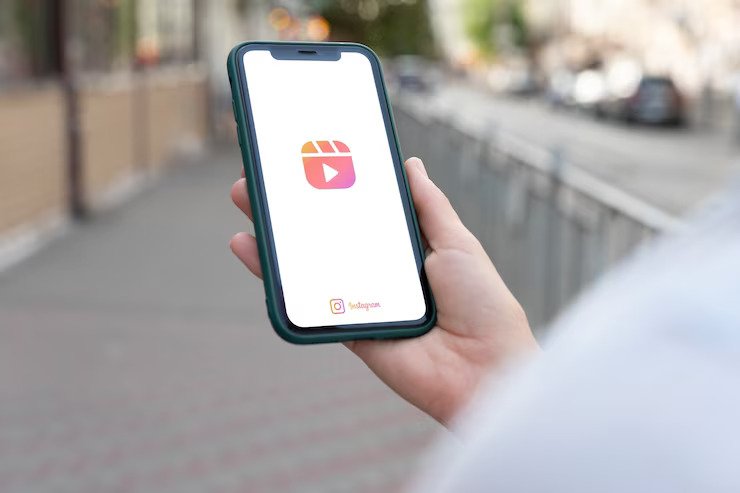
Social media marketing is a must-do in today’s corporate environment! From following the latest #hashtag trends to creating viral reels to building exciting collaborations, it is a lot! With fellow companies and creators, there’s a lot that social media can do for your travel business. Additionally, the best way to utilize this online tool. They inculcate video in your SMM strategy, taking your content a step ahead! Worried about getting started? PosterMyWall’s Instagram reel video templates are a great guiding path.

Not only do they allow you to push out reels with both quality and time efficiency due to the pre-made templates, but they also facilitate extensive editing and customization, helping each brand achieve its own unique look. And the best part? You can take advantage of all this – and more – without having to pay a single dime.

Once your reels are made, you can post them on your Instagram feed, reshare them on your story, or even invite other profiles to join as collaborators, automatically expanding your reach. Of course, be sure to pair your video content with SEO-optimized captions and trending #hashtags to maximize your traction.


2) Enlist Paid Travelers


Ever heard of the concept of a paid traveler? These are people who are either content creators or travel videographers who often undertake vacations where they produce content for a brand in exchange for free services such as tickets, accommodation, food, and the like.


In order to promote your travel business, you can enlist the services of these paid travelers, sending them to capture content around areas that you’re operating in or areas towards which you want to generate tourist traffic. Once their content is made, the videos can be posted on their social media accounts such as Instagram, TikTok, and YouTube, as well as be used by your travel company in their own marketing material.


3) Get the Locals Involved

local videographer


There’s nothing to get you in the mood for a vacation like the place itself speaking to you. And what better way to experience this than by connecting with the local people of the area themselves? It’s simple – hire a local videographer, get a couple of short videos made that highlight why the specific country or area is your ideal vacation destination, and then link it back to how your travel company can make this dream vacation a reality.

Since it’ll be local people highlighting the area your content will seem more authentic, drawing in more people to acquire about your services. As for the channels, social media as well as traditional television and paid Google advertisements are the route to go down!


4) Deck Out The Posters


While video content is great, it can sometimes need a helping hand to get across to the right audience. And what better-helping material than a poster? Not only are poster posts apt for generating hype about your business, but they’re also a great mix of visuals and text, making them easily digestible. And if you’re worried about nailing the design, then just head to PosterMyWall and browse their range of travel poster templates.

Fully customizable and with dozens to choose from, you’ll soon have your perfect design! With your posters ready, now it’s time to put them up. You can do everything from marketing your travel company’s video content by linking it to your poster to spreading general information about your services.

In either case, the more traction you get, the more the audience will be redirected to your travel videos.

So, if you’re looking to use travel videography to market your travel business, then these tips are your go-to. Just remember to customize according to your brand and you’ll be good to go!

Read Also:


Share on Social Media

Abdul Aziz Mondol is a professional blogger who is having a colossal interest in writing blogs and other jones of calligraphies. In terms of his professional commitments, he loves to share content related to business, finance, technology, and the gaming niche.

Leave a Reply

Your email address will not be published. Required fields are marked *

title-img Related

READ MORE Travel Blog With A Headless CMS

How To Start A Travel Blog With A Headless CMS? Smart Tips

BY  Sibashree Aug 14, 2025

❌ Generic Templates ❌  Limited Flexibility across Channels These are the first two things you must leave behind if you are planning to start a travel blog these days. Also, it is now just about building a travel blog site, but the idea is to start a travel blog with a headless CMS and ensure optimized conversions.  Digital content endeavors to convert all the time, but it's not enough to generate persuasive copy and aesthetically pleasing designs and leave it at that.  The ability to adjust, pivot quickly based on real-time metrics and a strategic push at the appropriate time during the buyer's journey is essential.  Unfortunately, many CMS options fail to provide such access and flexibility. Yet a headless CMS allows for an in-depth design and the structure needed to create, experiment, and execute content intended for conversion across any channel.  With content modeling, an API-first approach, and componentized efforts, teams can design conversion-ready, optimized digital experiences along the way. Here’s more on how we can have absolute control over content presentation and structure with the help of a headless CMS.  Why Conversion Is Limited In Legacy Content Systems? Legacy content management systems (CMS) keep content tied to pages and templates. When a marketer wants to change the components or layouts, the messaging, or the targeting, it's usually an impossibility.  Furthermore, content displays differently on mobile than on desktop, and unless developers are on board to change visibility across devices or channels, brands suffer from amateur impressions.  In addition, when small changes need to be made, it requires dev time, which prevents even the simplest, most timely turnaround pieces.  Thus, when marketers have access to A/B performance, they're not always set up to make real-time changes.  Storyblok Labs product experiments showcase innovative ways to solve these limitations with faster, more flexible testing and deployment.  This is why conversion-centric content should be done as quickly and easily as possible. A headless CMS removes the content from the delivery, which allows for a more responsive experience. Why Do I Need To Start A Travel Blog With A Headless CMS? Creating content that converts doesn't just rely on what you say. It relies upon how quickly and efficiently you say it, test, and iterate at every stage of the funnel.  When people can change their minds with the click of a button and attention spans are shorter by the second, the ability to create and implement content with flexibility has never been more paramount.  You can no longer just create a landing page and wait to see what happens; in modern marketing, everything must be iterated, personalized, and perfected in real time based upon performance feedback. 1. A Headless CMS Offers Flexibility And Helps Find A Brand Voice A headless CMS provides the flexibility, framework, and agility necessary to produce content that advocates for high conversion rates with the ability to pivot just as quickly as your audience.  Because a headless CMS separates content from the front-end experience, both developers and marketers can create content modules that are highly reusable, each module attributable to a unique conversion goal.  You can test them with rapid A/B measurement campaigns. Moreover, you can easily assemble and deploy across all channels and touchpoints without upsetting the entire campaign plan.  The production time is cut down dramatically. Content silos are avoided. Compliance with best practices for brand voice and user experience becomes easier to control. 2. Ensures Better Assessment And Lesser Time For Content Production With personalization opportunities driven by behavioral data, along with the flexibility of integration with A/B testing tools, analytics platforms, and CRM/log-in pathways, every piece of content becomes interactive, trackable, and meaningful.  Marketing teams can assess specific measurements for particular audience segments, remove underperforming pieces mid-campaign, and apply successful formulas across global regions and departments, all from the same source of management. The possibilities for immediacy are especially valuable when it comes to major product debuts, last-minute holiday campaigns, or intense customer acquisition strategies.  Here, time is of the essence, and success depends on a failsafe launch at a selected moment. Being able to iterate while content goes live makes all the difference.  Within a headless CMS, your content machine is reactive to your business needs instead of responding to the consumer, continually changing, substantiating findings, and improving conversion attempts at every step. Start A Travel Blog With A Headless CMS For Future Convenience And Use (Understanding The Technicalities) A headless CMS supports the notion of creating content as fragments that can be used anywhere down the line.  For example, rather than creating hero banners and testimonial boxes, these "components" can instead be tagged as hero banners, testimonials, recommended features, CTAs, or pricing tables.  In addition, you can tag them with metadata for conversion. Mention who it's for, what part of the funnel it serves, and what campaign it connects to.  So, it is like a content marketing workshop. You can assemble the essentials to meet the campaign goal by selecting the existing high-performing blocks of content.  It creates a greater quality assurance requirement and allows those approving the messaging to not deviate from branding and past successful communications. The Benefits Of Using A Headless CMS For Travel Blogs When you start a travel blog with a headless CMS, the blogs become your brand with personalized storytelling and picking the right sub-niche for your travel blog.  Thus, you build stronger connections with a specific reader base and establish authority quickly.  1. Personalization Drives Conversion Rates Up By Using A Headless CMS For A Travel Blog Personalization drives conversion rates. Several different content pieces can be served based on segmentation data; thus, the same API connection can read geographic location or read CRM segmentation and serve a different headline, picture, or limited-time offer.  Thus, a new user can get one offer and a CTA. Furthemore, returning users can have a different CTA with various testimonials of their previous experience and industry.  A headless CMS makes it easier to let technology help people at scale with personalization that quickly drives them down the conversion path. 2. Iterating Quickly And Testing With Single Changes There is no final design for conversion; it requires ongoing updates based on what works and what doesn't. A headless CMS encourages rapid, modular designing that enables A/B testing or multivariate testing at the element level.  Marketers can test one element, a CTA, for example, or a product highlight against another product highlight to see which does better, and they can monitor the effectiveness in real time.  Because these elements are modular and exist apart from the overall design, they can be changed and adjusted without redoing an entire page or complicated experience. This allows marketers to pivot quickly and often for stronger conversions. 3. Minimizing Redundant Channel-Specific Content Paths to conversion don't just exist on websites; they exist in email, mobile apps, landing pages, digital ads, and more.  A headless CMS allows for omnichannel delivery from one content source, meaning that the message can be the same.  But because the content does not align with the design, you can update copy, style, and tone for each channel.  This decreases redundancy, increases content operations efficiency, and ensures that channel-specific experiences are as effective as possible to drive conversion. 4. Using An Integration With Analytics Sites To Drive Decisions About Content Elements No effort to optimize large content pieces can be realized without performance data. A headless CMS integrates with analytics sites, A/B testing sites, and customer data platforms (CDP) to give teams the power to see how well certain pieces of content work on what channels and for what demographic segmentation.  Marketers can discover which elements of an ad drive clicks, what subheadings have reduced bounce rates, and which CTAs have the highest conversion rates.  These results go back to the elements in question. Thus, it allows you to make quick changes and more intelligent repurposing of popular content pieces. Over time, this creates a scalable library of assets that have all been assessed for conversion. 5. Easing Inter-Departmental Collaboration Content that converts doesn't just involve the marketing team. It requires insight from design, content, development, and analytics teams as well.  A headless CMS makes this process seamless by offering a content repository, in different formats, that allows everyone to contribute.  The marketers can make their piece of the puzzle for the larger campaign using out-of-the-box components. The designers can ensure a universal, consistent design across teams. Moreover, the developers can build a connected and responsive front end, no matter the content.  Distributing these efforts allows for faster flows, greater accuracy, and increased experimental, data-backed content conversion opportunities. 6. Enabling Scaling Efforts Without Quality Decrease As brands grow, so do their campaigns and content needs for varied audiences. A headless CMS is intrinsically scalable, as it allows teams to replicate and pivot effective tactics from product to product and market to market.  Campaigns following templates and modules known to convert can easily be used for similar campaigns. Thus, the production time will go down.  Scaling is integral to maintaining conversion successes as it requires more resources over time. 7. Forming Credibility Through Speed And Consistency Speedy and effortless digital experiences create conversions. If a webpage takes too long to load or has a disjointed layout riddled with out-of-date resources, potential converters become frustrated and return to search for better resources elsewhere.  With a headless CMS, developers have complete control over the front end to create fast-loading and mobile-responsive efforts that increase usability.  Moreover, with a modular approach, updates can occur in seconds, without concern for disconnected segments because of out-of-date information.  This speed and consistent access create credibility, one of the most important factors for turning interested parties into buyers. 8. Conversion-Focused Funnels By Modular Assembly Of Content Perhaps the greatest advantage of a headless CMS is the unlimited ability to create hyper-targeted, conversion-based funnels based on specific buyer personas or short-term campaign needs.  When using a standard CMS, the content will be in silos based on general form templates.  Be it lead acquisition or collateral acquisition, email nurturing and lists, product nurturing or reactivation.  If creating a funnel exists within the marketer's realm, they can specify how the content flow should happen to generate the desired response.  For example, if a product funnel is for converting cold traffic, you will use short-form copy, images, or overview videos to create the awareness phase.  The interest phase can be a compilation of FAQ blocks, testimonials, or lists of advantages.  The action phase can use product comparisons, expiring discounts, or friction-free lead gen forms, all pulled from pre-vetted and modular content blocks. With a headless CMS, teams can be thoughtful and experimental about the funnels available to them.  One funnel does not have to serve all journeys. Instead, thoughtful, conversion-oriented experiences can be the way out based on user reaction and intent indicators. These are like live customizations, not just one-time executions.  With a headless CMS, content is a powerful tool for business growth and not an afterthought. 9. Decreased Time To Launch For Conversion-Focused Efforts One of the best ways to convert audiences is to get to them while the getting is good. When interests are hot, campaigns need to be ready, or else audiences will lose their interest or even worse convert to a competitor.  With a headless CMS, the time to launch dramatically goes down. Instead of creating something brand new and untested, teams can utilize a library of components.  There's no need to reinvent the wheel every single time, and efforts can launch in minutes as long as the used assets come from pre-existing libraries. 10. Ability To Change Without Starting Over When Consumer Actions Change Consumer action changes what works today might not work tomorrow. Thus, one of the greatest benefits of utilizing a headless CMS is the ability to change without starting over.  Marketers can relaunch certain components that didn't perform well. They can even try something similar with different layouts without having to start brand new.  Components can be: Geo-targeted Segmented Dependent upon what occurs without disrupting other campaigns in process.  This means conversion efforts are fluid and malleable, able to change without compromising the overall experience of the brand. Start A Travel Blog With A Headless CMS And See How Conversion Starts With Flexible Infrastructure Do you have a brand wanting to boost performance, grow fast, and provide the best omnichannel experience? The degree of flexibility that comes with a headless CMS is not only a technical advantage; it's a strategic necessity.  It allows teams to operate faster, test more effectively, convert more easily, and build a content operation. The overall process is reflective of the dynamic, data-driven nature of our digital world. When conversion reigns supreme, this is how to create effective digital experiences.

READ MORE Canada Trip Insurance

Coverage For Special Occasions: Travel Insurance For Canadian Festivals And Events

BY  Sibashree Nov 19, 2025

Canada is bursting at the seams with festivals, wild celebrations, and lively events. You blink, and there’s probably something going on in every corner of the country. Whether you’re catching the Montreal Jazz Festival’s energy or braving Quebec’s famous icy parties, these gatherings are honestly the stuff of bucket lists. But, you know, any trip, especially the fun, hectic kind, can bring chaos you just didn’t see coming. And that’s exactly when having decent Canada trip insurance jumps from “optional” to “pretty necessary.”  It’s your safeguard for all those “Hope that doesn’t happen, but if it does…” moments. Let’s break down why travel insurance Canada should be high on your checklist, what it actually covers, and—since it’s 2025—how to buy it without ever leaving your couch. What Is The Significance Of A Canada Trip Insurance? Honestly, the festivals and weirdly joyful events are half the reason people come here. However, let’s get real! They’re not stress-free. Big crowds and moody weather aren’t just “quirky” perks. They can flip your trip from amazing to “why did I even get on the plane?” really fast. A few solid reasons make having travel insurance for attending the festivals and events in Canada a must. 1. Medical Emergencies You never plan for a medical emergency, but all that running around, dancing, and squeezing through crowds. Yeah, accidents happen. The right policy grabs your back with coverage for surprise hospital visits, unexpected illness, and even wild scenarios (think: evacuations). That means if things go sideways, you’re not left frantically Googling “nearest clinic open now.” You get the treatment you need, fast. 2. Unpredictable Weather It can rain when it’s supposed to be sunny, or it can snow in June. The weather in Canada loves to throw curveballs at festival plans. Storms mess up flights, force cancellations, and generally make you question your packing skills. Travel insurance gives you a fallback, so changes in the forecast don’t wreck your whole trip. 3. Delayed Flights Missed connections, endless airport coffee, or racing to an event that started without you! Delays are a special kind of festival pain. Canada trip Insurance can at least help soften the sting with reimbursement for lost time (and sometimes lost money). 4. Lost Or Stolen Luggage Are there jam-packed crowds at the airport, bus stations, or the festival venue? It is Awesome for energy, but not great for keeping track of your backpack. If your stuff disappears or gets snatched, insurance can cover what you lost, saving you from the “how do I survive without my essentials?” panic. While choosing Canada trip insurance, make sure that you compare various policies. You have to be specific about your budget, needs, and coverage limits. Furthermore, you have to read the “exclusion” section carefully. Suppose you want to do rafting in Canada, and the policy you have chosen does not cover any injury that happens during that particular activity. You cannot claim compensation if such happens. In addition, pick a policy that covers the pre-existing conditions. How To Purchase Travel Insurance For Canada Online? The days of slouching through long lines at insurance offices? Gone, luckily. Getting a travel insurance plan in Canada is basically a breeze—here’s the “pain-free” approach: Step 1: Jump onto your insurance company’s website and poke around for the travel insurance section. Step 2: Toss in some basic details (they’ll ask… it’s always something), and pick the type of coverage you want. Step 3: Find Canada in the list—there’s always a dropdown. Add your departure and return dates, plus your phone number (they need it for confirmation, not for spam… supposedly). Step 4: Click whatever version of “view plans” pops up. Now, you’ll be asked for traveler info. Step 5: Hit “Next.” Browse through a few plan options, tweak the coverage amount for your stuff, and throw in any extras that seem smart. Step 6: Another round of “Next” and fill out health details, whatever else they want, and you’re basically done. Step 7: Pay up, sit back, and wait for your new insurance details—both an email and a shiny online document should show. Tips For A Smooth Festival Experience With Canada Trip Insurance If you want your Canadian festival trip to be something you’ll brag about (and not just complain about), make sure your travel insurance really covers the possible drama. There are a handful of other little tricks for making the whole journey actually enjoyable. 1. Plan Ahead Don’t just show up and read up on the festival, double-check where it’s happening, and figure out your route. Sorting tickets and booking places to stay, way before the rush, saves future headaches when everyone else is panicking. 2. Stay Informed Keep checking the weather (surprises are the default here), and watch for updates about the event. A last-minute change can throw off everything, unless you’re already in the loop. 3. Keep Records Make copies of the stuff you don’t want to lose: your insurance info, tickets, ID, passport—that sort of thing. Having backups makes it way easier if you need to file a claim (or just find your way home). 4. Carry A First-Aid Box Pack meds you actually use and a tiny first-aid kit, just in case. Minor emergency? You’ll thank yourself for thinking ahead. Travel Insurance Canada Gives You The Coverage To Enjoy Your Trip In the end, travel insurance isn’t just paperwork. It’s peace of mind. You get to throw yourself into the fun, knowing you can handle whatever hiccups the universe throws your way. Go for coverage that fits your trip: delays, lost documents, and last-minute changes. That way, you’re not stuck worrying; you’re actually enjoying the festival (and maybe even finding a new favorite one). Thinking about travel insurance for Canada right now? Give Niva Bupa Travel Insurance a look. They’ve got a huge network (10,000+ hospitals) and claim to process things in under 30 minutes. One crore customers vouch for them, which honestly calms a lot of nerves. If you want to skip stress and just focus on the adventure, it’s worth checking their plans. Read Also: Ultimate Guide to Stress-Free Holiday Travel Top 8 Travel Medical Insurance Trends to Consider The Overlooked Connection Between Safe Travel And Strong Networks

READ MORE Health and Spa Facilities on Cruise Ships

Wellness at Sea: Health and Spa Facilities on Cruise Ships

BY  Rishab Dey Oct 30, 2023

In this article, we will explore the exquisite health and spa facilities that grace the magnificent decks of cruise ships. Far from being a mere floating hotel, these vessels are an oasis of serenity and tranquillity. They offer a holistic approach to well-being amidst the ocean. Prepare to embark on a journey of decadence and self-care as we unravel the secrets of the plentiful amenities. They bring harmony and wellness to passengers sailing the high seas. Types of Health and Spa Facilities on Cruise Ships Cruise ships like Silversea cruises are renowned for their exceptional health and spa facilities. They are designed to cater to the diverse needs and desires of passengers seeking relaxation and rejuvenation. These floating sanctuaries provide a haven for both body and mind. It has state-of-the-art gyms equipped with top-of-the-line exercise equipment to luxurious spa retreats offering a wide range of treatments. One of the highlights of health and spa facilities on cruise ships is the variety of treatments available. Passengers can indulge in massages, facials, body wraps, and much more, all performed by highly trained professionals. These treatments enhance physical well-being and promote mental and emotional relaxation. In addition to the rejuvenating therapies, many cruise ships offer extensive wellness programs, including yoga classes, meditation sessions, and nutritional consultations. Whether you're looking to unwind with a soothing massage, break a sweat in the fitness centre, or simply bask in the luxurious atmosphere of the spa, cruise ships have it all. Fitness Classes and Programs on Cruise Ships Fitness classes and programs on cruise ships are an integral part of the wellness experience offered to passengers. These classes cater to all fitness levels and provide various options, including yoga, Pilates, spinning, and cardio workouts. Whether you are a beginner looking to kickstart a new fitness routine or an experienced fitness enthusiast, these classes provide a fun and effective way to stay active while on board. Cruise ships also offer state-of-the-art fitness facilities equipped with the latest exercise equipment. These facilities are usually spacious and offer panoramic ocean views, creating a serene and inspiring environment to work out. In addition to fitness classes, passengers can also use personal training services. They can also participate in fitness challenges or boot camps, all under the guidance of certified professionals. The fitness programs on cruise ships are designed to cater to the holistic well-being of passengers. In addition to physical fitness, there is also a focus on mental and emotional well-being. Many cruise ships offer wellness seminars, workshops, and activities. For example, there are meditation and mindfulness sessions aiming to provide a well-rounded wellness experience for passengers. These fitness programs ensure that passengers can access a wide range of options. They aim to help maintain their health and well-being while enjoying their cruise vacation. This is regardless of whether you participate in group fitness classes or prefer to work out independently. Integrating Wellness into Daily Cruise Activities Cruise ships have recognized the importance of promoting well-being and have incorporated various wellness activities into their daily schedule. Passengers can now embark on a self-care journey while sailing the high seas. It offers services ranging from yoga and meditation classes to fitness workshops and spa treatments. Cruise ships have integrated wellness into daily activities by offering a wide range of fitness options. Passengers can start their day with a refreshing sunrise yoga session on the deck and a workout at the state-of-the-art gym facilities. If you prefer more adventurous activities, there are opportunities for rock climbing and swimming. You can also participate in a friendly onboard sports tournament. These activities not only promote physical well-being but also provide an opportunity for passengers to connect with like-minded individuals and create lasting memories. In addition to physical activities, cruise ships have also focused on providing holistic relaxation experiences. Spa facilities onboard offer a sanctuary of tranquillity, where passengers can indulge in various treatments and therapies catering to their individual needs. From therapeutic massages to facials and body wraps, these wellness activities allow passengers to unwind and rejuvenate amidst the soothing sounds of the ocean. Cruise ships are also incorporating educational workshops and seminars on nutrition, mindfulness, and stress management. It will ensure that passengers can learn about developing healthy habits for their daily lives even after the cruise. Read Also: You Won’t Believe The Best Things To Do When In Fiji! Some Of The Best Things To Do In Navarre Beach, Florida These Are The 30+ Things To Do In Mexico City That You Must Try!